Nutritional Risks in Adolescents After Bariatric Surgery; Prevention of Childhood Obesity; Convalescent Serum for COVID-19

S Xanthakos et al. Clin Gastroenterol Hepatol 2020; 18: 1070-81. Full Text: Nutritional Risks in Adolescents After Bariatric Surgery

This was a multicenter prospective cohort study with 226 adolescents (mean age 16.5 years, mean BMI of 52.7) who had either Roux-en-Y bypass (RYGB, n=161) or vertical sleeve gastrectomy (VSG, n=67).

Key findings:

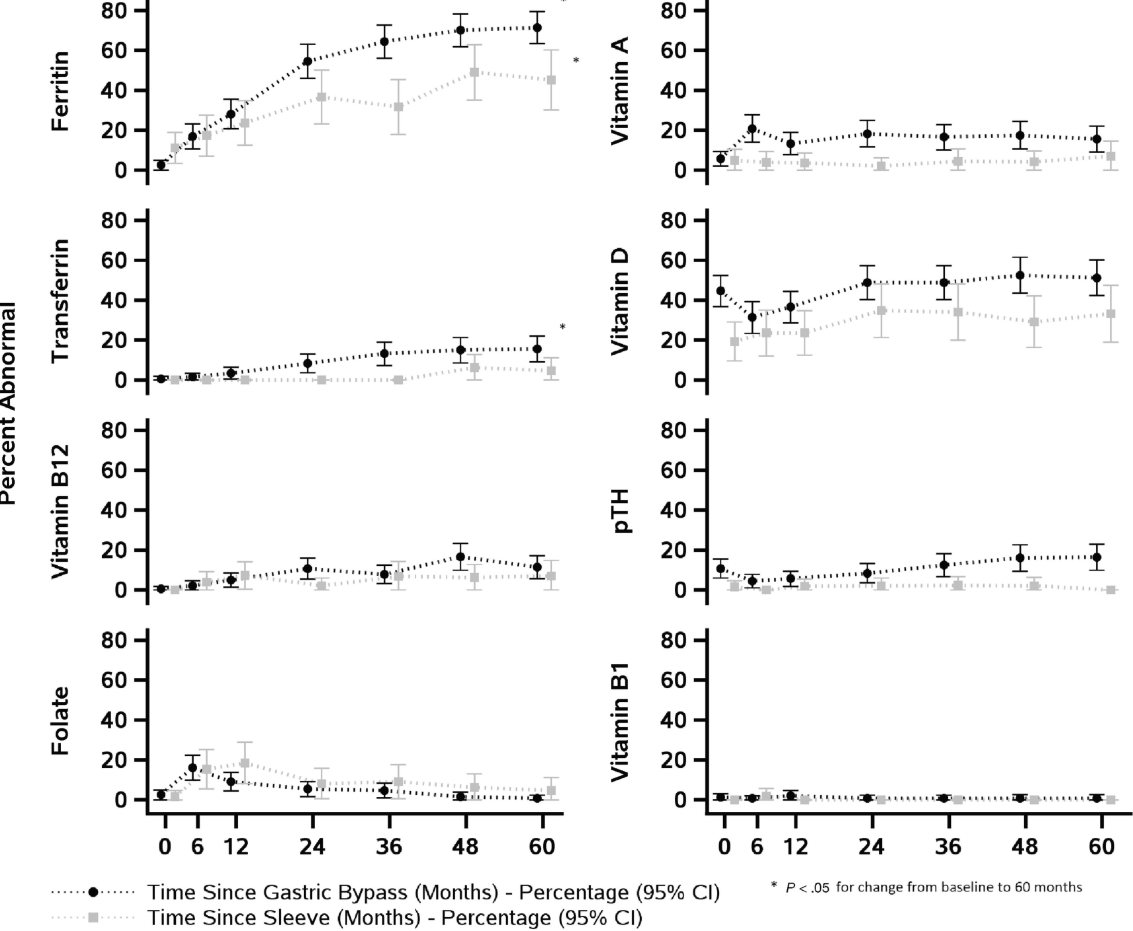
  • At 5 years, 59% of RYGB and 27% of VSG had ≥2 nutritional deficiencies
  • The most prevalent abnormality we observed was hypoferritinemia, which affected nearly twice as many RYGB recipients by Year 5 compared with VSG.
  • Vitamin B12 status likewise worsened disproportionately after RYGB, despite similar trajectories of weight loss after VSG
  • Image below shows the prevalence of abnormal values for vitamins over time

My take: This study shows that adolescents undergoing VSG had fewer nutritional deficiencies than RYGB and provides data supporting nutritional monitoring after bariatric surgery.
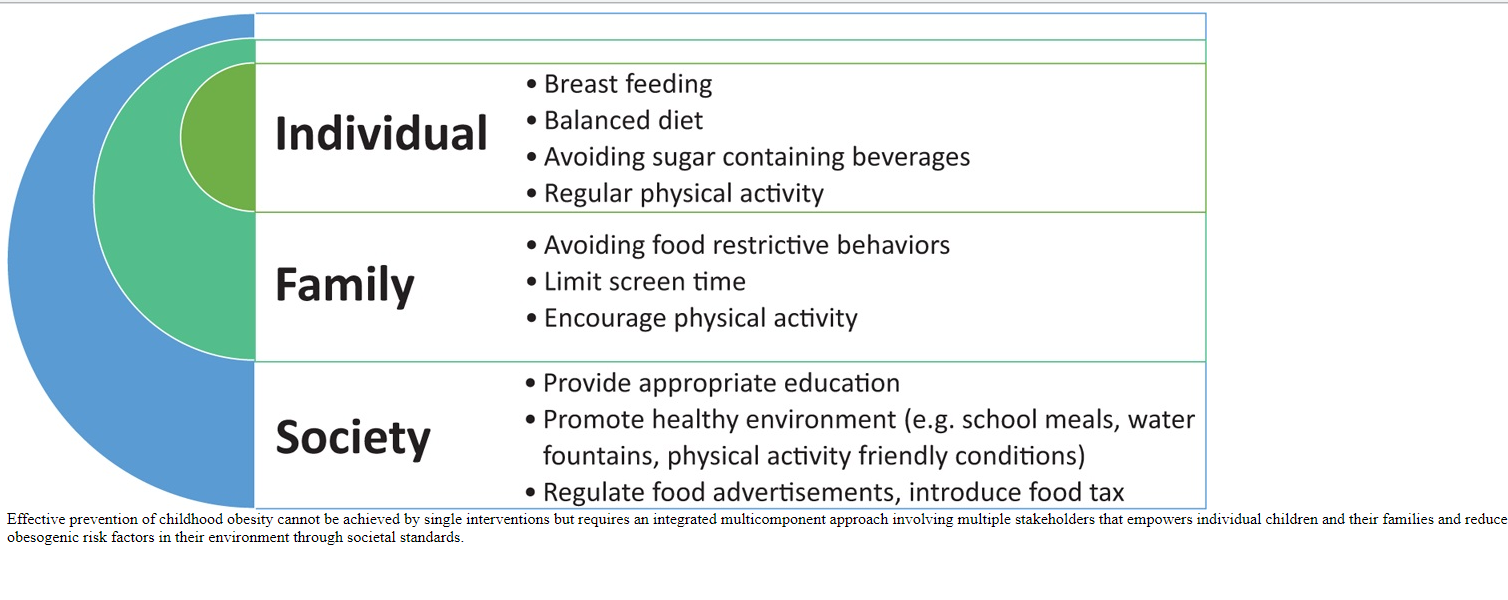
B Koletzko et al. JPGN 2020 70: 702-10. Full Text: Prevention of Childhood Obesity: A Position Paper of the Global Federation of International Societies of Paediatric Gastroenterology, Hepatology, and Nutrition (FISPGHAN)
Related blog posts (Bariatric Surgery):

Related blog posts (Obesity):


Adolescent Bariatric Surgery Outcomes at 3 Years

A prospective study (TH Inge et al. NEJM 2016; 374: 113-23) with 242 adolescents from five U.S. centers provides data on outcomes at 3 years. Here’s the scoop:

  • At baseline, mean age was 17 years, 75% were female, 72% were white, and mean BMI was 53.

At 3 years:

  • Mean weight decreased 27% (similar results for gastric bypass and gastric sleeve)
  • 95% had remission of type 2 diabetes (of those with diabetes at baseline)
  • 86% had remission in abnormal kidney function (of those with diabetes at baseline)
  • 74% had remission in elevated blood pressure (of those with diabetes at baseline)

lonnnngg Table 4 details the serious complications:

  • 13% of the participants (n=30, 47 procedures) had undergone additional abdominal procedures. While most of these were related to the procedure, a good number may have occurred regardlessly (eg. 18 cholecystectomies, 2 appendectomies)
  • 13% (n=29) also underwent endoscopic procedures including 9 who needed stricture dilatation.

The most common nutrient deficiency at followup was iron deficiency.  57% had low ferritin levels at 3 years compared with 5% at baseline.  Vitamin B12 deficiency was common; it declined by 35% and 8% had a deficiency at 3 years.  Vitamin A deficiencies increased (16% at 3 years). My take: this study documents the durability of weight loss and its beneficial effects on a multitude of problems.  It also shows that careful followup is needed for nutrient deficiencies and the risks of adverse events. Related blog posts:

Trends in Adolescent Bariatric Surgery

Despite increased numbers of obese adolescents, the number of inpatient bariatric surgery cases has plateaued (JAMA Pediatr 2013; 167: 126-32).  Thanks to Ben Gold for sharing this reference.

In this retrospective cross-sectional study using an administrative dataset (Healthcare Cost and Utilization Project Kids’ Inpatient Database), the authors documented the following bariatric surgery rates:

  • In 2000: 0.8 per 100,000 (328 procedures)
  • In 2003: 2.3 per 100,000 (987 procedures)
  • In 2006: 2.2 per 100,000 (925 procedures)
  • In 2009: 2.4 per 100,000 (1009 procedures)

The other observations in this study were that procedures were predominantly performed on females (75%), the prevalence of comorbidites increased (49% in 2003 vs. 59% in 2009), and complications rates were low.  68.3% had private insurance.

Take-home points:

The number of adolescents who would qualify for bariatric surgery has increased but the rates have not changed.  Why?

  1. Societal barriers.  Obesity is more common in lower socioeconomic groups with lower educational levels.  Yet, the rates of bariatric procedures is the same in low-income and high-income populations.
  2. Insurance coverage.  In many states, medicaid does not cover bariatric surgery.
  3. Physicians limiting access.  After initial enthusiasm (2000-2003), published guidelines to identify appropriate patients and to highlight recommendations prior to surgery may have led to more cautious referral patterns.

Over the past decade, there are increased numbers of qualified surgeons and there has been more use of laparascopic techniques.  The Roux-en-Y gastric bypass (RYGB) was the most common bariatric procedure in this population, accounting for 67.6% of cases in 2009 (60.6% were laparascopic, 7% were open).  Laparascopic adjustable gastric banding (LAGB) accounted for the remaining 32.1% of cases.

Since this study relied on administrative data, there are several limitations.  Billing codes may not reflect the procedures accurately.  For example, ICD-9 codes for laparascopic sleeve gastrectomy were not available until 2011.  Nevertheless, this study provides some insight into the trends with bariatric procedures in adolescents.

Related blog link:

Six year outcomes with bariatric surgery | gutsandgrowth