The Lancet: Ultra-Processed Foods and Human Health

“This 3-paper Series reviews the evidence about the increase in ultra-processed foods in diets globally and highlights the association with many non-communicable diseases. This rise in ultra-processed foods is driven by powerful global corporations who employ sophisticated political tactics to protect and maximize profits. Education and relying on behavior change by individuals is insufficient. Deteriorating diets are an urgent public health threat that requires coordinated policies and advocacy to regulate and reduce ultra-processed foods and improve access to fresh and minimally processed foods. The Series provides a different vision for the food system with emphasis on local food producers, preserving cultural foods transitions and economic benefits for communities.”

Open Access Links:

Alice Callahan, NY Times 11/18/25: Scientists Call for Global Shift Away From Ultraprocessed Foods

An excerpt:

In one of the papers, led by Dr. Monteiro, the authors identified 104 studies linking ultraprocessed foods to health conditions, including Type 2 diabetes, obesity, heart disease, kidney disease and Crohn’s disease…

The authors suggested that governments adopt policies, like taxes on sugary drinks and warning labels for certain ultraprocessed foods, especially those high in sugar, fat or salt. They also recommended restrictions on marketing ultraprocessed foods to children and reducing their use in school meals. The proposed policies are similar to those that have worked to reduce smoking rates…

Robert F. Kennedy Jr., the nation’s health secretary, and his “Make America Healthy Again” movement have drawn attention to the links between poor health and ultraprocessed foods. But so far, Mr. Kennedy has focused on reducing the use of artificial colors and certain food additives, efforts that Dr. Popkin said would do little to improve the healthfulness of the food supply. And this year, the Trump administration cut SNAP benefits and programs that funded schools and food banks to purchase foods from local farms.”

Related blog posts:

The Cotswolds, England

New Trend: Oral Medicines Replacing Injections

  • R Bissonnette et al. NEJM 2025; 393: 1784-1795. Oral Icotrokinra for Plaque Psoriasis
  • RS Stern. NEJM 2025; 303: 1854-1855. Oral Psoriasis Therapy — For Whom and at What Cost and Risk?
  • S Wharton et al. NEJM 2025; 303: 1796-1806. Orforglipron, an Oral Small-Molecule GLP-1 Receptor Agonist for Obesity Treatment

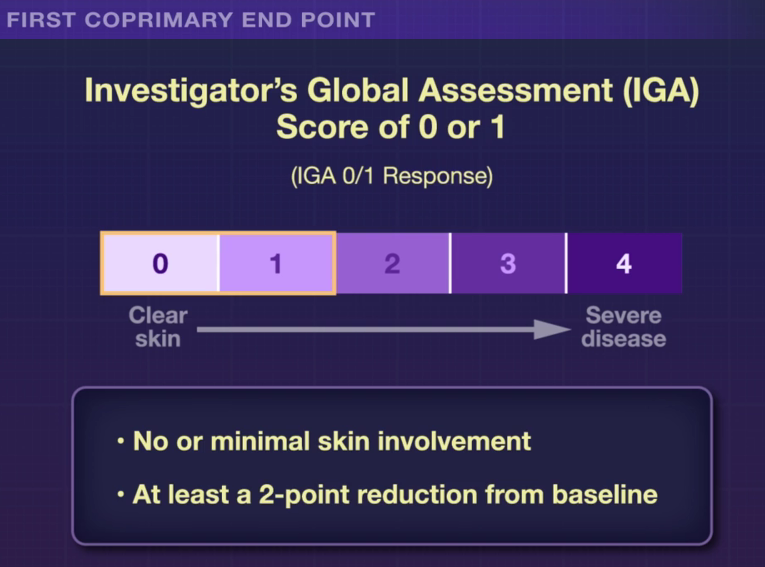
In the ICONIC-LEAD study (Bissonnette et al), 684 adolescents and adults participated in a DBPC trial with an oral peptide, icotrokinra, which binds the IL-23 receptor. This medication is of interest as there are ongoing trials with it for inflammatory bowel disease. Other injectable medications targeting IL-23 are already approved for IBD.

Key Findings:

The associated editorial notes that this new therapy is likely to cost ~$70,000 per year. The cost of psoriasis care has increased more than 2000% since 1997. “Because of these high prices, rebates and discounts to pharmacy benefit managers that often guide formulary preferences are likely to govern clinician’s selection of immune-based oral and parenteral therapies for psoriasis.”

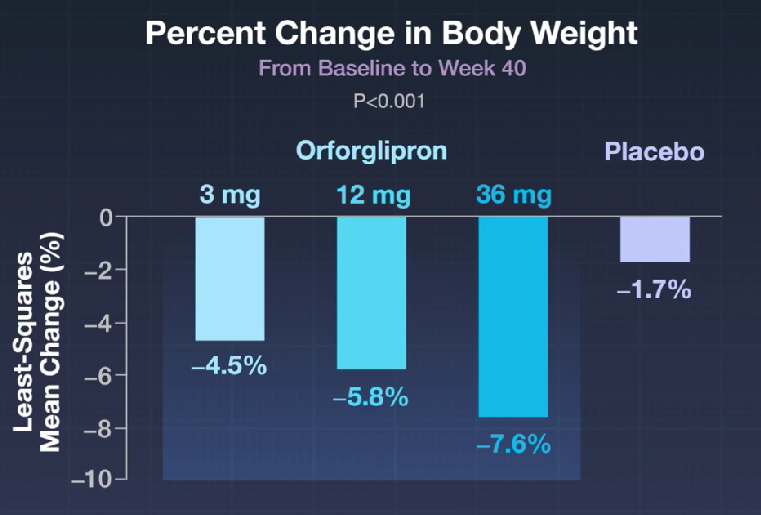
In the ATTAIN-1 Trial (Wharton et al), the authors share the results of an oral GLP-1 Receptor Agonist, Orforglipron, monotherapy for obesity.

Key findings:

My take: There are similar injectable alternatives to each of these medications for psoriasis, obesity and diabetes. The availability of oral medications could reduce one barrier to treatment. Cost barriers may preclude their use in many patients when they become available. In addition, long-term outcome data are still needed.

Related blog posts:

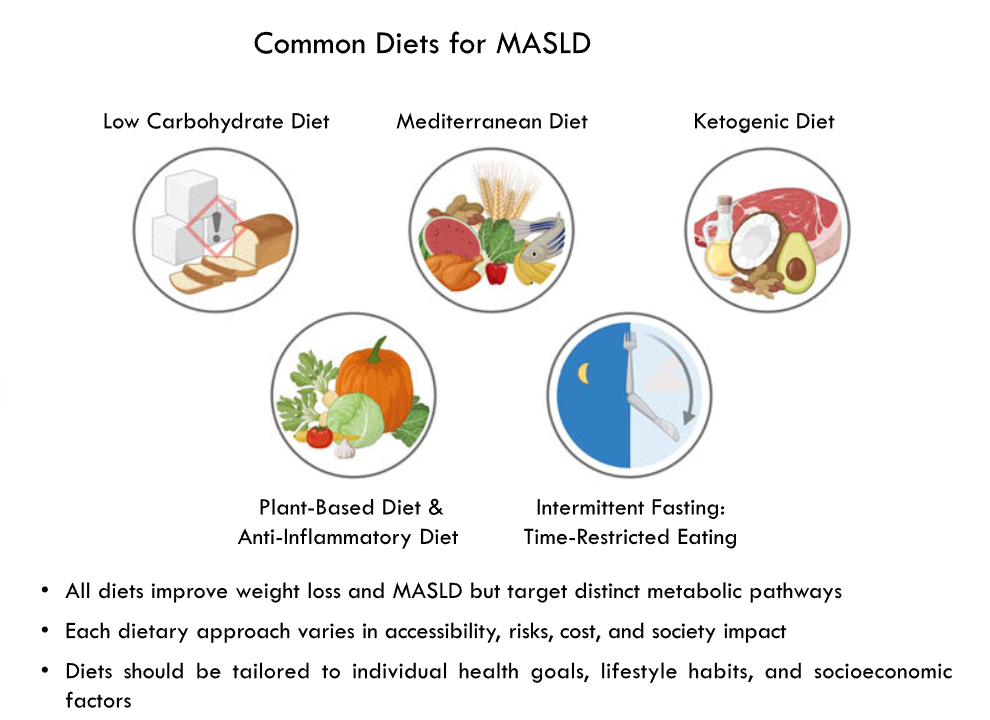
Diets for Obesity and Steatotic Liver Disease Plus Patient Information from FISPGHAN

S Karjoo et al. JPGN 2025;81:485–496. Evidence-based review of the nutritional treatment of obesity and metabolic dysfunction-associated steatotic liver disease in children and adolescents

This invited commentary reviews the data for several diets that may improve weight loss and metabolic dysfunction-associated steatotic liver disease (MSALD).

Several points:

  • “Extremely restricted plant‐based diets may have deficiencies of vitamin D, calcium, and vitamin B12 which are nutrients found in animal products, and can be minimized by vitamin supplementation or increasing consumption of fish, mushrooms, egg yolk, cod liver oil, salmon, herring, and sole fish. VitaminB12 supplementation is recommended in plant‐based diets because this vitamin is primarily found in animal products”
  • Table 1 compares the structure of these diets and their advantages/drawbacks
  • “Low to moderate weight loss can be seen in the anti-inflammatory diet, plant-based diets, or Mediterranean diet. These diets are nutritionally complete. However, restrictive plant-based diet carries a risk of micronutrient deficiencies, which can be corrected with appropriate supplementation. These diets are effective in treating MASLD independent of weight loss due to their anti-inflammatory profile.”
  • “The ketogenic diet, certain carbohydrate-restricted diets, and intermittent fasting can lead to more weight loss but carry a higher risk of malnutrition. Children on these diets must be followed by nutritionists.”

My take: Each of the diets reviewed can help MASLD and obesity. Most patients pursuing dietary therapy would benefit from working with a nutritionist.

Related news: TEVA Press release, August 28, 2025: Generic liraglutide (need for daily injections) is now available.

Related blog posts:

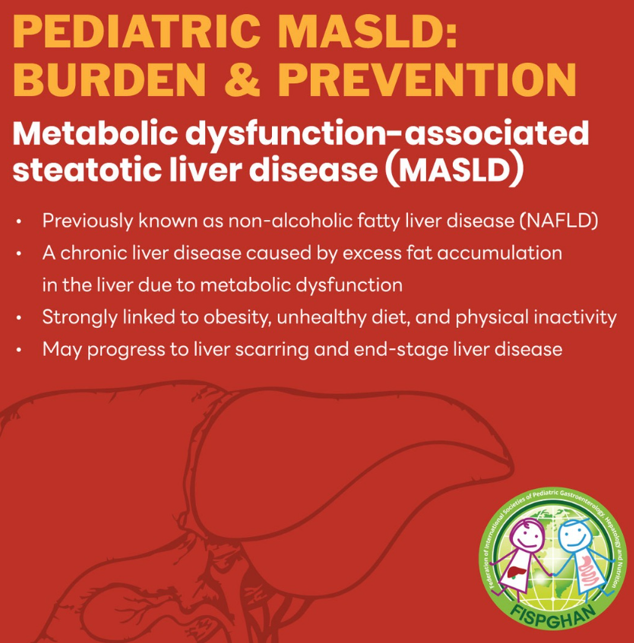
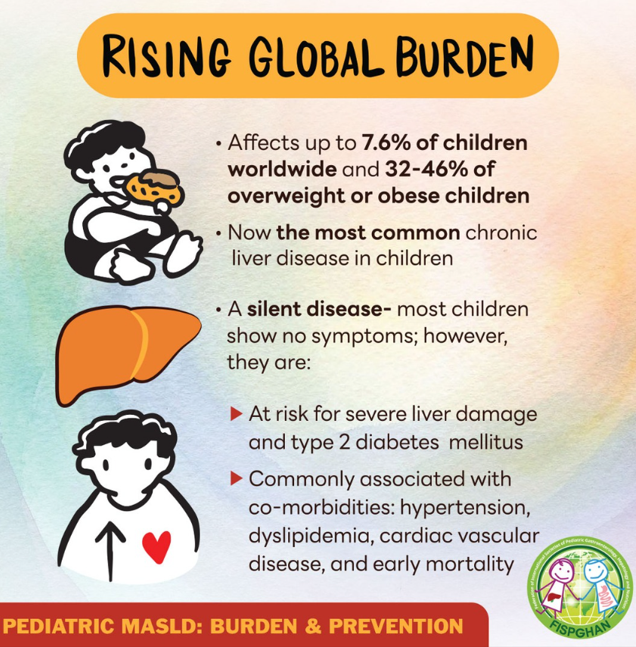
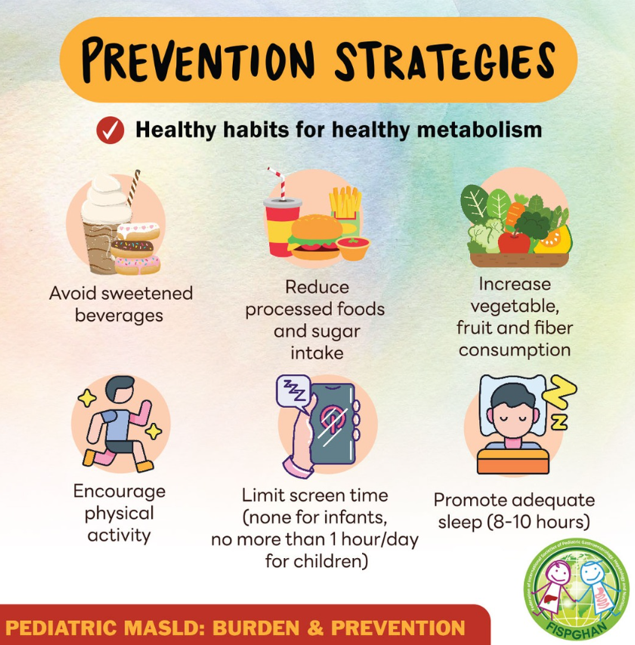
Also, related patient advice from Federation of International Societies for Pediatric Gastroenterology, Hepatology, and Nutrition (FISPGAN) –outlines risk factors and prevention tips for metabolic dysfunction-associated steatotic liver disease (MASLD):

The Rise of Oral Obesity Therapies: Semaglutide and Orforglipron

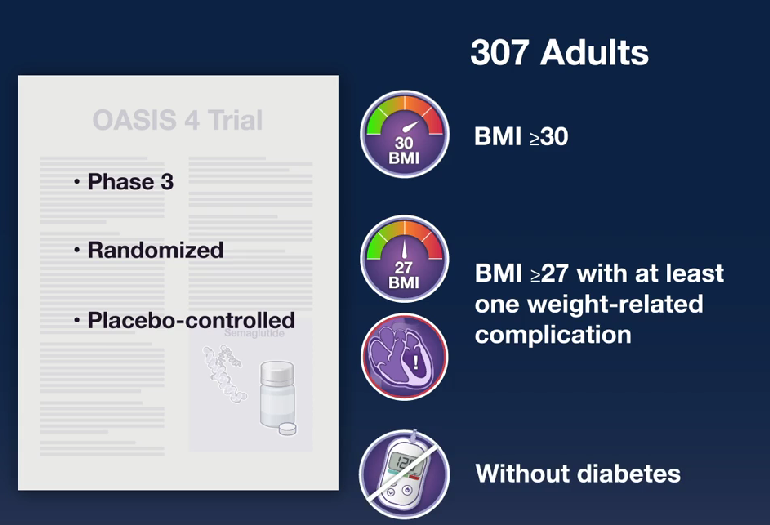
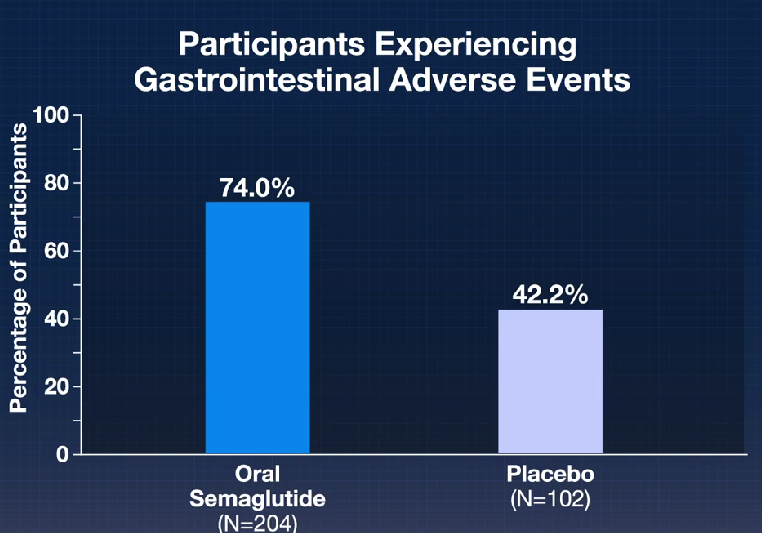
SWharton et al. N Engl J Med 2025;393:1077-1087. Oral Semaglutide at a Dose of 25 mg in Adults with Overweight or Obesity

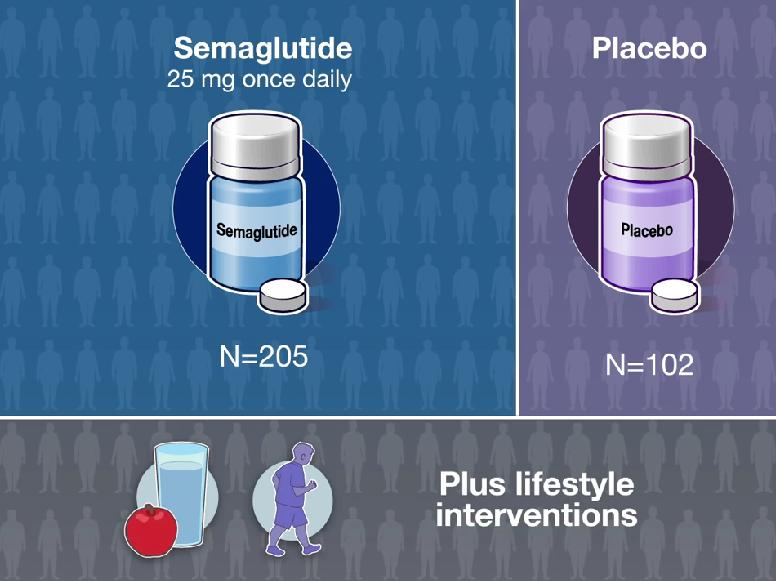
Methods: The participants were randomly assigned in a 2:1 ratio to receive oral semaglutide (25 mg) or placebo once daily, plus lifestyle interventions.

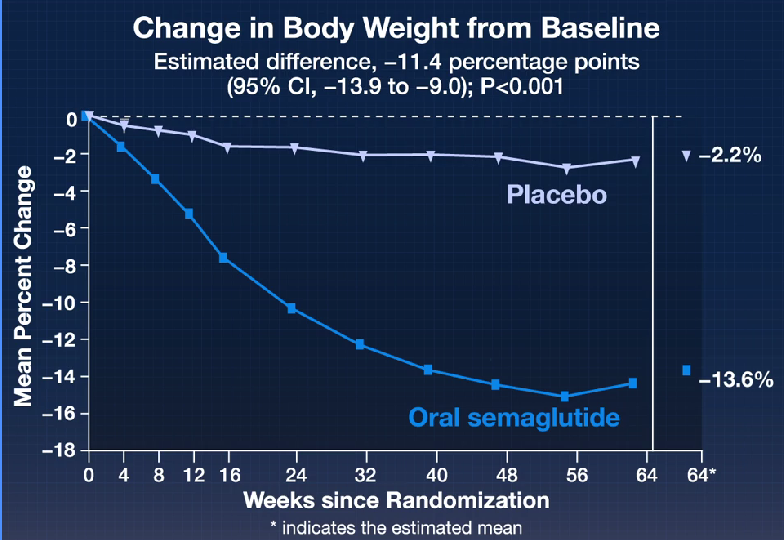
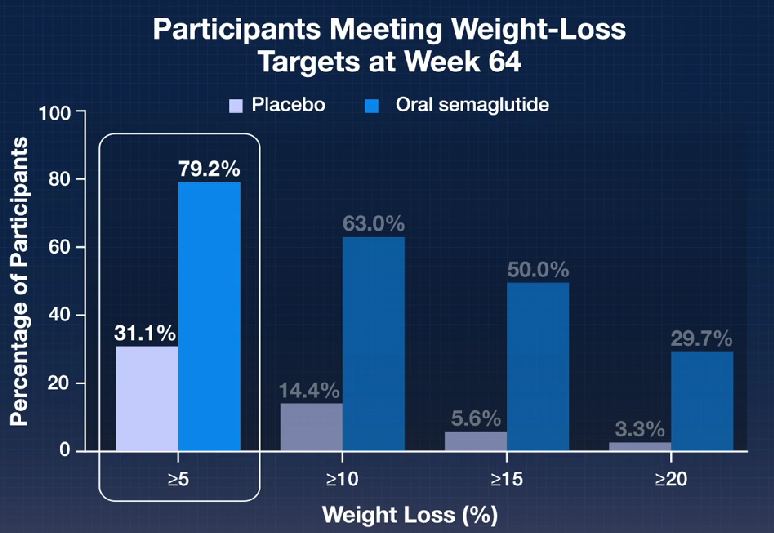
Key Findings:

In their discussion, the authors note that the reasons why “patients may prefer oral administration over the subcutaneous route are most often needle aversion and local skin reactions.7,8 In addition, unlike injectable agents, oral agents may not require a refrigerated chain of delivery and could widen the reach of obesity care in many regions of the world where a lack of refrigeration represents a barrier to access.”

In addition, the results were similar to the “STEP 1 (Semaglutide Treatment Effect in People with Obesity) trial of weekly subcutaneous semaglutide at a dose of 2.4 mg (12.4 percentage points more than that with placebo),16

As with prior trials of semaglutide, “treatment was also associated with substantial reductions in cardiometabolic risk factors including BMI, waist circumference, and levels of glycated hemoglobin, fasting plasma glucose, fasting serum insulin, lipids (very-low-density lipoprotein and triglycerides), and C-reactive protein.”

My take: Effective oral therapy is a big advance for management of obesity. The entire field of pharmacology for obesity has seen remarkable advances in the past few years. For me, it is reminiscent of the proliferation of published studies for hepatitis C around 10 years ago.

Related article in same NEJM issue: J Rosenstock et al. N Engl J Med 2025;393:1065-1076. Orforglipron, an Oral Small-Molecule GLP-1 Receptor Agonist, in Early Type 2 Diabetes

In the ACHIEVE-1 Trial: Key Findings (n=559 adults):

The associated editorial by DB Lowe (N Engl J Med 2025;393:1133-1134) notes that Orforglipron is a small molecule that manages to mimic the effects of glucagon-like peptide-1 (GLP-1) at the GLP-1 receptor. “The incretins, like many peptide hormones, are fairly small as proteins go — a few dozen amino acids long. But that makes them gigantic as compared with small-molecule drugs. Their molecular weights are at least 10 times as high as the 300 to 500 mass units that medicinal chemists have traditionally aimed for, and being peptides, they have generally undesirable properties as well. Many have short half-lives in the circulation, which can be a desirable feature for endogenous peptides but is nowhere near what is needed for the administration of a once-daily dose.”

Related blog posts:


Is a High Protein Diet Beneficial and Safe?

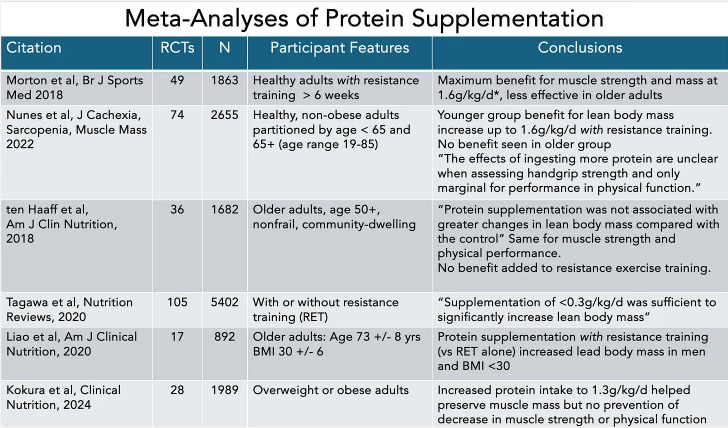
There has been a lot of hype about the benefits of a high protein diet. In a recent substack article (8/31/25) , Eric Topol reviews the data on this (for adults).

Here’s the link:Our Preoccupation With Protein Intake

Key points:

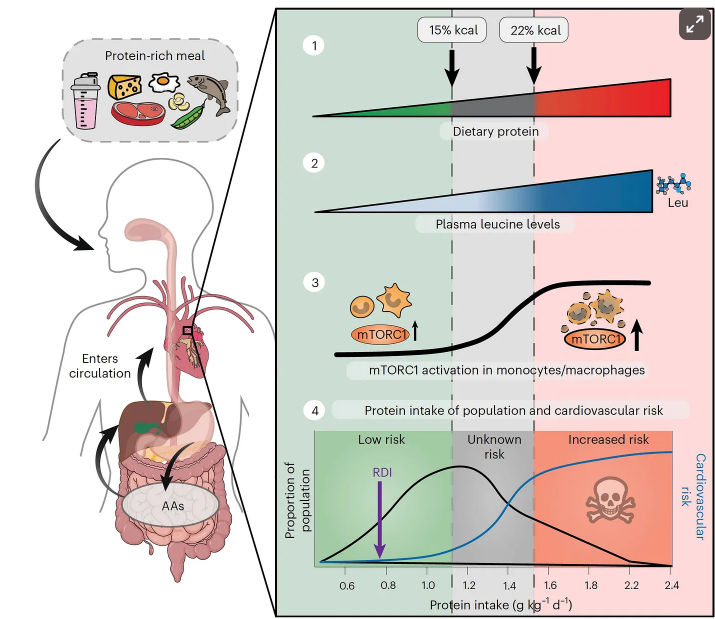
  • “The pervasive call for higher protein intake stems from the assertion that people are not getting adequate amounts in their diet, namely the 0.8 g/kg/day recommend by the National Academy of Medicine and the World Health Organization….
  • Regarding the need to increase protein intake 2-3 fold per day, Stuart Phillips, a leading expert on protein, energy, and building muscle mass, who is a professor at McMaster University in Canada, said “It’s baloney. But there’s a generation, particularly young men, and now an increasing number of young women, who are absolutely brainwashed by what they hear online”…there are no data to support more than 1.6 g/kg/day of protein intake.

Safety concerns:

  • “There are many observational studies that have raised the safety concerns for high-protein intake, particularly derived from animal protein, for increased risk of type 2 diabetes, cardiovascular disease, and higher all-cause mortality. A prospective study of ~44,000 women in Sweden followed for 15.7 years found an association of high-protein diet with heightened cardiovascular risk.”
  • A “high protein intake is dangerous for people with kidney disease, present in 1 of 7 adults, but 9 of 10 people with reduced kidney function are unaware of it.”

My take (borrowed from Dr. Topol): “The body of evidence about protein does not provide support [for] very high protein intake, certainly not in excess of 1.6 g/kg/day…there is no way to store protein in the body…Resistance training is the principal driver for building muscle mass and strength, not high protein intake.” While this article focuses on adults, the premise is similar in children; though, on a per kilogram basis, children need modestly higher amounts. (Reference: JL Hudson et al. Nutrients. 2021 May 5;13(5):1554. Dietary Protein Requirements in Children: Methods for Consideration)

Related blog posts:

“You Can’t Outrun a Bad Diet”

It has been recognized for quite some time that physical exercise, while important for health, does NOT play a big role in weight loss (see: Challenging the Obesity Myths, NEJM 2013; 368: 446-54. “Physical education, as typically provided, has not been shown to reduce or prevent obesity”). This article and the associated commentary from NPR provide further evidence of this.

Methods:  The authors examined energy expenditure and two measures of obesity (body fat percentage and body mass index, BMI) for 4,213 adults from 34 populations across six continents and a wide range of lifestyles and economies, including hunter-gatherer, pastoralist, farming, and industrialized populations

Key findings:

  • “Economic development was positively associated with greater body mass, BMI, and body fat, but also with greater total, basal, and activity energy expenditure. Absolute measures of TEE (total energy expenditure) and AEE (activity energy expenditure) are greater in more economically developed populations (Fig. 2), consistent with their larger body size. Body size–adjusted TEE decreased marginally with greater development”
  • “Estimated energy intake was greater in economically developed populations, and in populations with available data (n = 25), the percentage of ultraprocessed food in the diet was associated with body fat percentage, suggesting that dietary intake plays a far greater role than reduced energy expenditure in obesity related to economic development.”

Commentary from NPR:

Back in the 1800s, obesity was almost nonexistent in the United States. Over the last century, it’s become common here and in other industrialized nations…One common explanation is that as societies have developed, they’ve also become more sedentary, and people have gotten less active….But in a major new study published in the journal PNAS, Pontzer and an international team of collaborators found that’s not the case…the total calories burned per day is really similar across these populations, even though the lifestyle and the activity levels are really different…it does mean we can’t outrun a bad diet. Pontzer says if we want to tackle obesity, the public health message should focus on changing what’s on our plates.”

My take: This article further supports the idea that a healthy diet is the crucial factor with regard to weight gain. However, numerous studies have shown that physical activity is important for good health, regardless of one’s weight.

Related blog posts:

Boats for punting at the Magdalen Bridge/River Cherwell. Oxford, UK

Navigating FDA-Approved International Infant Formulas

A Porto et al. J Pediatr Gastroenterol Nutr. 2025;81:5–10. New international infant formulas in the United States: Understanding the Food and Drug Administration-enforcement discretion

Background: In February 2022, the United States experienced a significant infant formula shortage, due to a major product recall by the country’s largest infant formula manufacturer, compounded by global supply chain issues and import restrictions.12 In response, the Food and Drug Administration (FDA) launched Operation Fly Formula in mid-2022, which allowed international infant formula manufacturers to market, import and distribute their formulas in the United States…Currently, a total of five companies, who produce 14 international formulas, have opted to work with the FDA in transitioning to the US market.5 Many of these international formulas are significantly cheaper than the domestic alternatives, which have contributed to their rising popularity.

Key points:

  • 8 of 14 formulas are stage formulas with Stage 1 for 0-6 months, and Stage 2 for >6 months. “Stage 1 formulas tend to contain less iron, which may provide an insufficient amount of iron for infants >6 months.11 Also, infants <6 months should not consume Stage 2 formula since it does not contain carnitine, believed to be an essential nutrient in this age group.12
  • Of the 14 formulas, all the labels were in English and contained all the FDA nutrient requirement
  • “Two of the imported formulas [Aptamil brands] contained less than 1 mg/100 calories of formula of iron, the minimum amount to be considered iron fortified by the FDA, and did include a label which highlighted that additional iron may be necessary”
  • “All the foreign formulas contained prebiotics… The FDA, however, reports that probiotics can be dangerous for preterm infants and put them at risk for potentially fatal infection caused by the bacteria or yeast contained in the probiotic.6 Therefore, pediatricians should be aware that international formulas should not be used for preterm infants.”
  • MIXING INSTRUCTIONS: “Eleven out of the fourteen international formulas use a different scoop to water ratio from what is typically standard of American formulas…coops from international formulas may also be a different size compared to their US counterparts. Given the variation in different mixing ratios and scoop sizes, there is a risk of formula being mixed incorrectly”
  • “Consider that the family may be purchasing from a 3rd party vendor and ask for the specific website that they are purchasing from. Formulas should not be purchased at 3rd party vendor websites due to them being unregulated, and safety concerns with improper shipping or storage”
  • “If the label is not in English, it is highly likely that the formula has been purchased through a 3rd party vendor. Recommend counseling on safety concerns as listed above. Many of the foreign infant formulas use different mixing ratios so it is important that parents read the label to confirm mixing ratios”

My take: The availability of FDA-approved international formulas has been helpful especially with recent shortages. This article makes several important points to assure their proper use, especially regarding mixing instructions and using Stage formulas for appropriate age.

Related blog posts:

Nutritional Challenges of Vegetarian Diets in Children

K Puri et al. J Pediatr Gastroenterol Nutr. 2025;81:1–4. Nutritional and growth concerns of vegetarian diets in children

Key points:

  • “Although vegetarian diets have become popular due to their benefits on environment, they pose nutritional challenges due to the risk of developing nutrient or caloric deficiencies which may impact health or growth in children and adolescents.”
  • “Any child or family who adheres to a strict vegetarian diet [needs to] work with a nutrition specialist or registered dietitian familiar with the nutritional concerns of a vegetarian diet. This includes calcium and iron intake as well as sufficient and diverse protein intake. B12 and vitamin D supplementation should be considered in vegetarian children”
  • “While data suggest that average anthropometrics are similar between vegetarian/vegan and omnivorous children, there is some concern regarding the risk of being underweight while following a vegetarian diet…. a vegetarian diet can be a safe and complete diet for children when detailed and longitudinal attention is given to diversification of nutrient intake.”

My take: This article provides a useful review of the dietary issues that need to be monitored for pediatric vegetarians. I agree that a visit with a nutritionist is worthwhile for these children.

Related blog posts:

Real-World Results of Obesity Pharmacotherapy With Tirzepatide and Semaglutide

Happy July 4th!


L Gasoyan et al. Obesity 2025; DOI: 10.1002/oby.24331. Open Access! Changes in weight and glycemic control following obesity treatment with semaglutide or tirzepatide by discontinuation status

Methods: This retrospective cohort study used electronic health record data from a large health system in Ohio and Florida to identify adults with overweight or obesity without type 2 diabetes who initiated injectable semaglutide or tirzepatide between 2021 and 2023; 6109 received semaglutide, and 1772 received tirzepatide. Classification as high maintenance doses for semaglutide were 1.7, 2.0, or 2.4 mg and for tirzepatide 10.0, 12.5, or 15.0 mg, and all other dosages classified as low. The study grouped patients who discontinued pharmacotherapy into those who discontinued early (within 3 months of the index date) and late (within 3–12 months)

Key findings:

  • 80.8% had low maintenance dosages
  • Mean (SD) percentage weight reduction at 1 year was 8.7% (9.6%)
  • ~50% discontinued medication within 1 year
  • Patients receiving tirzepatide had more weight loss than those receiving semaglutide (see below). Among patients who did not discontinue obesity pharmacotherapy at year 1, the mean (SD) percentage reduction in weight was 10.9% with semaglutide and 15.3% with tirzepatide
  • In those receiving high dose medication, mean (SD) percentage reduction in weight was 14.7% with semaglutide and 18.0% with tirzepatide
  • Patients who continuing therapy had more weight loss than those who discontinued therapy (see below); Mean (SD) percentage weight reduction at 1 year was 3.6% (8.1%) with early discontinuation, 6.8% (9.1%) with late discontinuation, and 11.9% (9.2%) with non-discontinuation (p < 0.001).

DISCONTINUATION OF THERAPY:

Cumulative incidence of obesity pharmacotherapy discontinuation by index medication. s. Discontinuation of obesity pharmacotherapy was defined as a greater than 90-day gap between exhaustion of previous supply and next dispense or between exhaustion of last supply and end of study follow-up

SEMAGLUTIDE VS TIRZEPATIDE:

RESULTS WITH ONGOING TREATMENT VS TREATMENT DISCONTINUATION:

My take: This study showed higher rates of medication discontinuation in a real world setting compared to prior publications. In addition, the majority were receiving lower doses yet still achieving good results. However, increased discontinuation and lower doses likely explain the discrepancy in weight loss in this cohort which was less than in prior studies. It is important that patients taking these medications receive adequate counseling at the start to improve rates of adherence and long-term outcomes, including mitigation of muscle loss and bone loss.

Related blog posts:

EAT-Lancet Diet Associated with Reduced Risk of MASLD

From the commentary: “In 2019, the EAT-Lancet Commission on Food, Plant, and Health proposed a planetary health diet, known as the EAT-Lancet reference diet, that promotes human health and sustainable food production globally…and recommends fruits, vegetables, whole grains, plant-based proteins (eg. legumes, nuts) and unsaturated plant oils, with limited or moderate amounts of animal-based proteins such as meat and dairy….[it] has been associated with multiple health benefits, including reducing the risks of type 2 diabetes, cardiovascular disease, certain cancers, and all-cause mortality.”

Methods: This prospective multicohort study comprised more than 191,000 adults from several cohorts. In addition, 228 Chinese adults from the Prospective Epidemic Research Specifically of Non-alcoholic Steatohepatitis (PERSONS) with biopsy-proven MASLD were included.

Key findings:

  • Participants in the highest tertiles of the EAT-Lancet diet index had a lower risk of MASLD compared with those in the lowest tertiles with HR ranging in different cohorts from 0.73 to 0.87
  • Liver-controlled attenuation parameter decreased with increasing the diet index in individuals with biopsy-proven MASLD (β = −5.895

My take (borrowed from the authors): Adherence to the EAT-Lancet reference diet was inversely associated with the risk of MASLD as well as its severity.

Related blog posts: