A VonAxelson et al. J Pediatr Gastroenterol Nutr. 2026;83:282–284. Patterns in integrative medicine usage among pediatric patients in a disorders of gut–brain interaction clinic
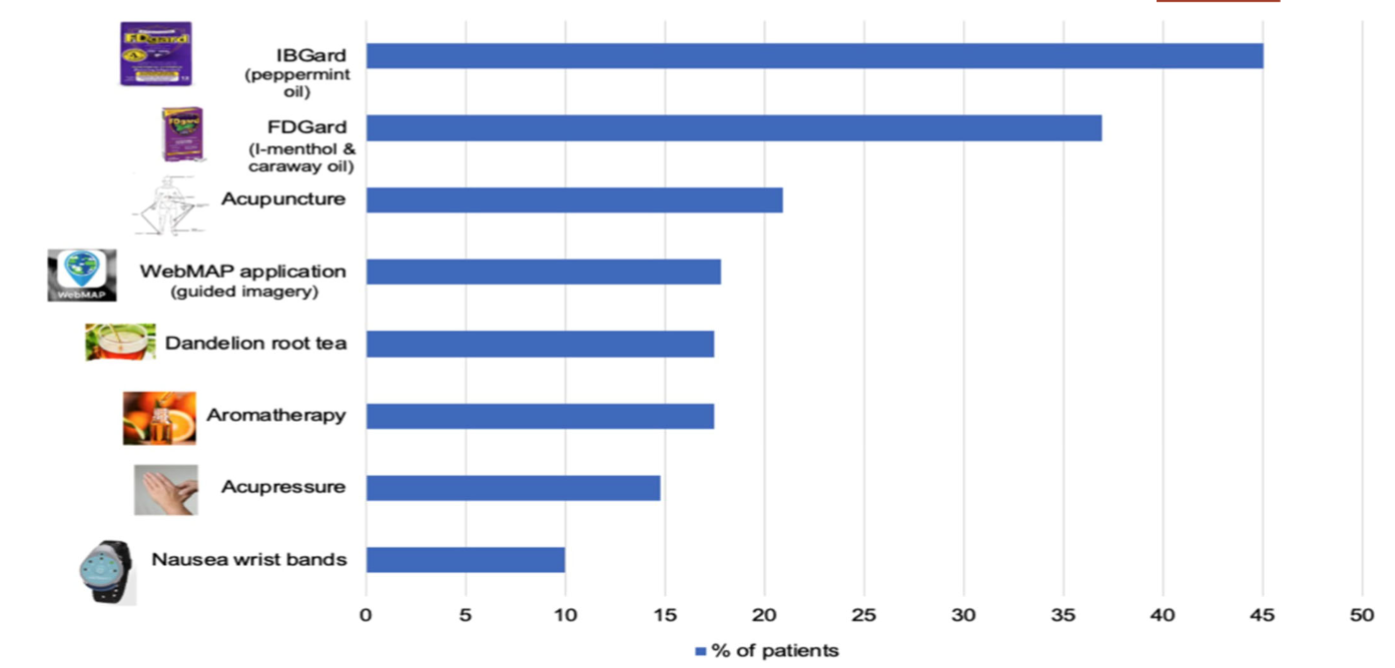
In a retrospective cohort (n=331, mean age 15 years) from a DGBI clinic, the patterns of integrative medicine usage were evaluated. The most common comorbidities in the sample were anxiety (61%), sleep disturbance (36%), and depression (32%). The most common DGBI diagnoses in the study were FD (58%) and IBS (57.4%), with FAP-NOS being third most frequent 10.6%).
Key findings:
- In total, 59% of patients were receiving some form of integrative treatment
- Peppermint oil, caraway oil, and acupuncture were the most used in this practice.
Limitations: “While this study does identify trends in IM strategies for management of DGBI, it is limited by retrospective design, so identifying use of many IM techniques may be underrepresented (ginger, L-glutamine, aloe vera, etc). These might have been used but were not reported or recorded in charts.”
My take: Whatever you want to call it, complementary, alternative or integrative, it is clear that many patients are using non-traditional therapies trying to improve their symptoms. This cohort may have higher use as they are from a specialty multidisciplinary DGBI clinic rather than a general pediatric gastroenterology or general pediatric cohort.
Related blog posts:
- Rome V: Lower GI Tract and Biliary Disorders of Gut-Brain Interaction in Pediatrics (Part 1)
- Treatment Guidelines for Pediatric Irritable Bowel Syndrome
- PERSUADE Study: I Guarantee That It Will …
- CAM Use in Functional Abdominal Pain
- “No Solid Conclusions” for Alternative/Complementary Medicine in IBD
- “Let Food Be Thy Medicine” and Microbial Nourishment
- It Can’t Hurt Right? Complimentary and Alternative Medicine and Gluten-Related Disorders
- Herbal Medicines for IBD and IBS
- Confusing Guidance and “Conditional” Recommendations for Probiotic Use in Pediatric Irritable Bowel Syndrome and Functional Abdominal Pain
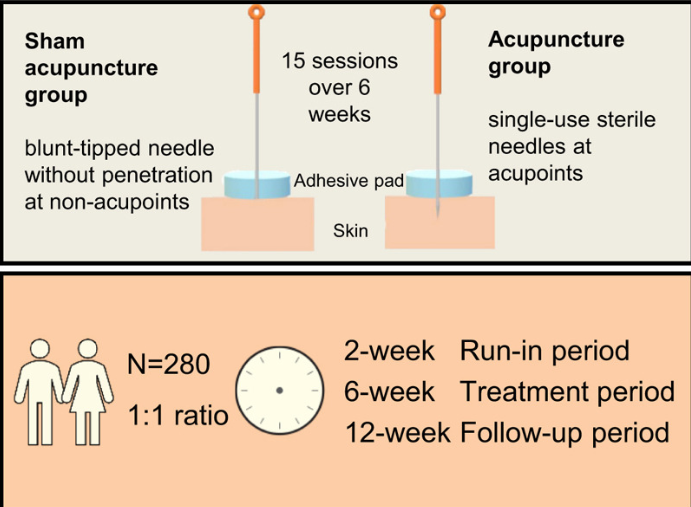
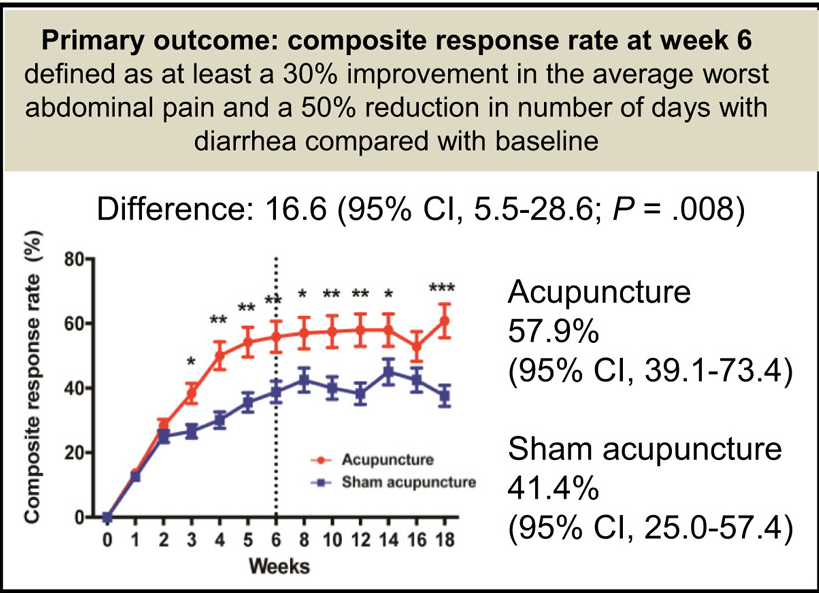
- Acupuncture for irritable bowel syndrome