Rome V Pediatric Upper Gastrointestinal Disorders of Gut-Brain Interaction (Part 2)

R Rosen et al. Gastroenterol 2026; 170: 1347-1366. Open Access! Rome V Pediatric Upper Gastrointestinal Disorders of Gut-Brain Interaction

This article has a lot of useful information and I recommend reading the article in full. Yesterday’s post focused on Esophageal Disorders. Today’s reviews functional pediatric feeding disorders.

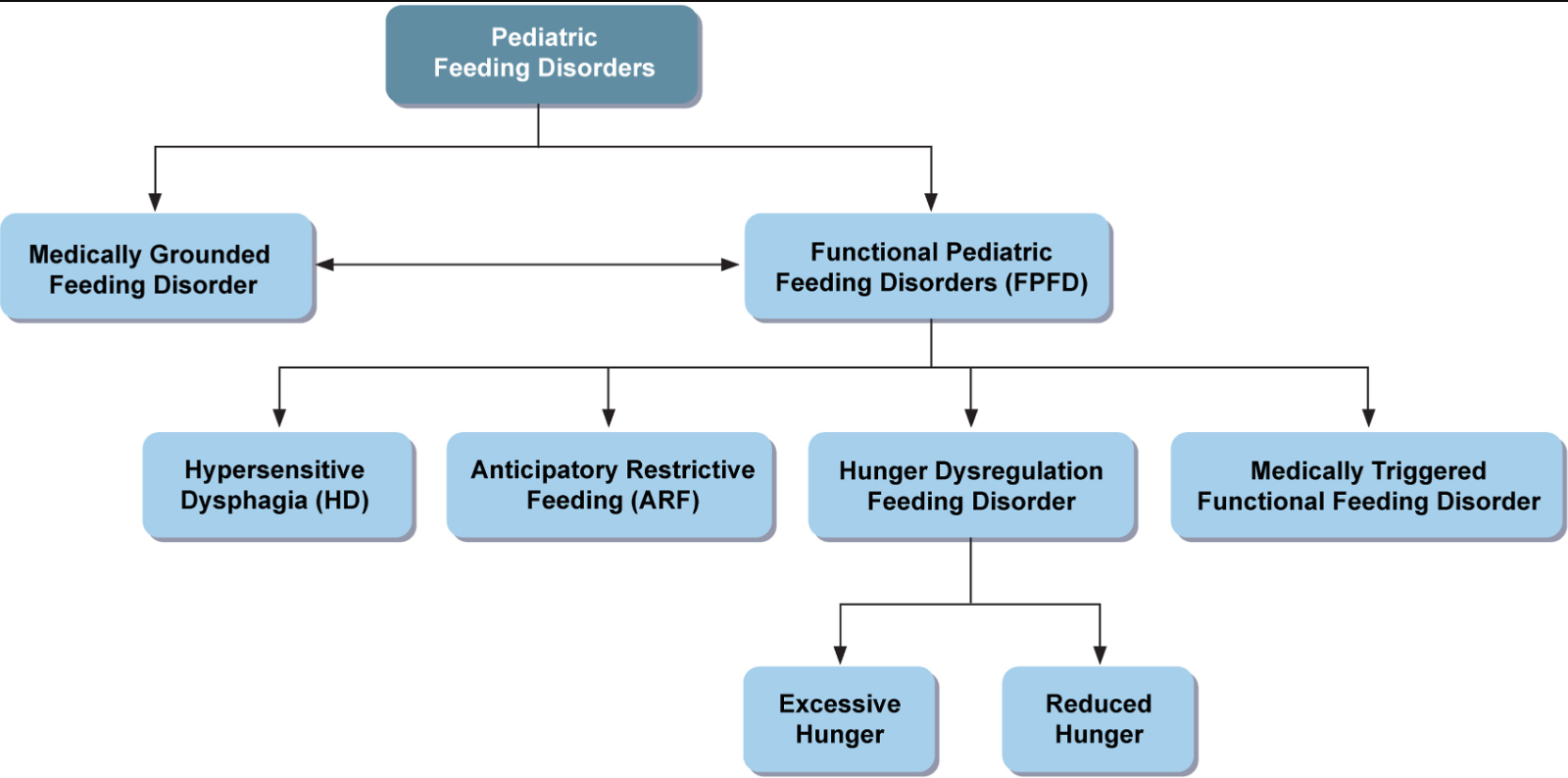
Functional Pediatric Feeding Disorders

  • Hypersensitvie dysphagia
  • Anticipatory Restrictive Feeding
  • Hunger dysregulation feeding disorder
  • Medically-triggered functional feeding disorder

The key points:

  • “Pediatric feeding disorders affect 5%–20% of children and are associated with significant morbidity, decreased quality of life, and increased resource utilization.63,64
  • “By merging examples of different feeding disorders under a single term, ARFID, the definition lacks needed granularity to refer patients for appropriate therapies. Therefore, we propose that the term ARFID should be eliminated and replaced by more precise terms.”
  • “As these are new diagnoses, the relative proportions of subgroups are not known. In 1 study of children with ARFID, 43%–82% had a lack of interest in eating (the new “hunger dysregulation” diagnosis), 21%–68% had sensory-driven food refusal, and 11%–21% had swallowing difficulties (the new “hypersensitive dysphagia” [HD] diagnosis).67
  • “Children with HD [hypersensitive dysphagia] present with sensations of food feeling stuck despite normal esophageal anatomy, motor function, and bolus clearance.” This is similar to “functional dysphagia” in adults. However, HD includes both oropharyngeal and esophageal sensations because children cannot often differentiate locations or they will not put food in the mouth or will chew and spit food or drinks. Second, normal bolus transit (as measured by HRIM or esophagram if the former is not available) was added to the definition.”
  • Anticipatory restrictive feeding (ARF) is characterized by the fear of an aversive experience with eating (eg, nausea, pain, bloating, gagging, choking, or vomiting). Clinically, these patients may present with significant diet restrictions resulting in elimination of entire food groups, specific food textures, or food temperatures. Children may express experiences of anxiety, disgust, or fear when consuming new, symptom-triggering, or nonpreferred foods…ARF is common in children with concurrent DGBI and the majority (>80%) of these patients have underlying GI symptoms.68,69
  • Testing: “Unlike many other DGBI, significant testing may be required before an FPFD diagnosis can be made because of the medical masqueraders (Figure 2) that may mimic an FPFD.73 Testing by feeding diagnosis is shown in Supplementary Table 2. Upper GI endoscopy is almost always recommended for pediatric feeding disorders because EoE can present with symptoms mimicking an FPFD; 25%–50% of patients with EoE have dysphagia and feeding issues and 15% of children with feeding issues have EoE.82–84 Laboratory testing for celiac disease, thyroid disease, a complete blood count, and electrolytes are indicated and, potentially expanded laboratory testing for iron, vitamin A, C, D, B12, carnitine, folate, liver function tests, thiamin, and zinc, depending on the history.83,85” The authors note that endoscopy is sometimes helpful for HD but is recommended in the other FPFD.

Treatments:

  • “Restrictive diets such as the low fermentable oligo-saccharides, di-saccharides, mono-saccharides, and polyols diet, gluten-free diets, and dairy-free diets are not usually recommended for symptom control as they may increase meal-related anxiety, thus worsening or triggering an FPFD.86
  • “The majority of patients do not need enteral tube support. In the ARFID literature, 20%–46% of patients were reliant on some form of enteral support, although the approach to ARFID has recently moved away from enteral tube use toward multidisciplinary behavioral therapies.67
  • “Intravenous parenteral nutrition is not recommended for FPFD.”
  • “For patients lacking a hunger drive, cyproheptadine has been found to increase appetite and improve gastric accommodation.87,88
  • “A retrospective review of intrapyloric botulinum toxin injections (IPBIs) in 85 young children with feeding disorders found some improvement with IPBIs.89

Related blog posts:

Risk of Eating Disorders with Dietary Therapy of Functional Abdominal Pain

L Sims et al. JPGN 2024;79:1040–1046 Open Access! Eating concerns in youth with functional abdominal pain disorders

This retrospective cohort included 270 adolescents/young adults who attended an intensive, interdisciplinary pain treatment program, including 135 youth with functional abdominal pain (FAP) and an age- and gender-matched control group with a primary pain diagnosis of chronic headache.

Key findings:

  • Limitation of this study: The population attending this intensive pain program is NOT representative of typical outpatient setting
  • A history of an eating disorder was more common with FAP than in those with chronic headache (15.4% vs. 5.9%)
  • In this cohort, patients with FAP compared to patients with chronic headache had higher rates of prior exclusion diets to manage their symptoms (46% vs. 22%, p = 0.007), and prior requirement enteral or parenteral feeds (18% vs. 1.5%, p = 0.001)
  • The study found a significant association between a history of exclusion diets and meeting criteria for ARFID. “With regard to ARFID, the prevalence of patients in both groups who met diagnostic criteria (FAP: 50%; chronic headache: 36%) was also significantly higher than estimates from the general school-aged population (3%)”
  • Patients with FAP were also more likely than patients with chronic headache to be diagnosed with postural orthostatic tachycardia syndrome ([POTS]; 46% vs. 30%) and have a history of food allergies or intolerances (43% vs. 25%)
  • Significantly more adolescents with FAP (n = 68) than chronic headache (n = 45) had lost 4.5 kg or more, p = 0.004

My take: Most treatments for FAP, including dietary treatment, have some inherent risks. In patients placed on dietary therapies, screening and/or discussing the risk of dietary restriction need to be considered.

Related blog posts:

Boats Leaving Harbor -Claude Monet, National Gallery of Art (Washington, D.C.)

Dr. Praveen Goday: Tips on Managing Feeding Problems (Part 1)

Dr. Goday gave our group a great lecture on pediatric feeding disorders. I’ve included many of his slides along with some of my notes. There may be errors in omission and transcription on my part.

Differences between picky eating, pediatric feeding disorder, and ARFID

  • 70% of picky eating is inherited.
  • If there are sequelae from picky eating, this indicates that the child has a pediatric feeding disorder.  There are 4 potential domains to pediatric feeding disorders: medical dysfunction, feeding skills dysfunction, nutritional dysfunction and psychosocial dysfunction (this is more subjective than other domains)
  • Pediatric feeding disorder (PFD) is a better term than “behavior” feeding disorder because many children have underlying contributing disorders like eosinophilic esophagitis (EoE) or aspiration/swallow dysfunction
  • ARFID is a diagnosis used by psychologists. It is when purely psychosocial concerns leads to nutrition dysfunction. The diagnosis is likely best used in older children who are mostly neurotypical and have normal development.  In younger children, it is important to assess for underlying disorders like oromotor discoordination and EoE

Strategies to prevent picky eating:

  • Breastfeeding (varied tastes in breastmilk)
  • Responsive feeding (feeding when hungry)
  • Solids [lumpy] (especially 6-9 months)
  • Multiple-varied exposures
  • Prevention/treatment: Praise at meal times, non-food rewards, Ellyn Satter’s advice (parents decide when, where, and what is offered & child decides how much

Increased risk of developing picky eating: FPIES, multiple allergies

Related blog posts:

Disclaimer: This blog, gutsandgrowth, assumes no responsibility for any use or operation of any method, product, instruction, concept or idea contained in the material herein or for any injury or damage to persons or property (whether products liability, negligence or otherwise) resulting from such use or operation. These blog posts are for educational purposes only. Specific dosing of medications (along with potential adverse effects) should be confirmed by prescribing physician.  Because of rapid advances in the medical sciences, the gutsandgrowth blog cautions that independent verification should be made of diagnosis and drug dosages. The reader is solely responsible for the conduct of any suggested test or procedure.  This content is not a substitute for medical advice, diagnosis or treatment provided by a qualified healthcare provider. Always seek the advice of your physician or other qualified health provider with any questions you may have regarding a condition.

Mel Heyman: Past, Present and Future of ARFID

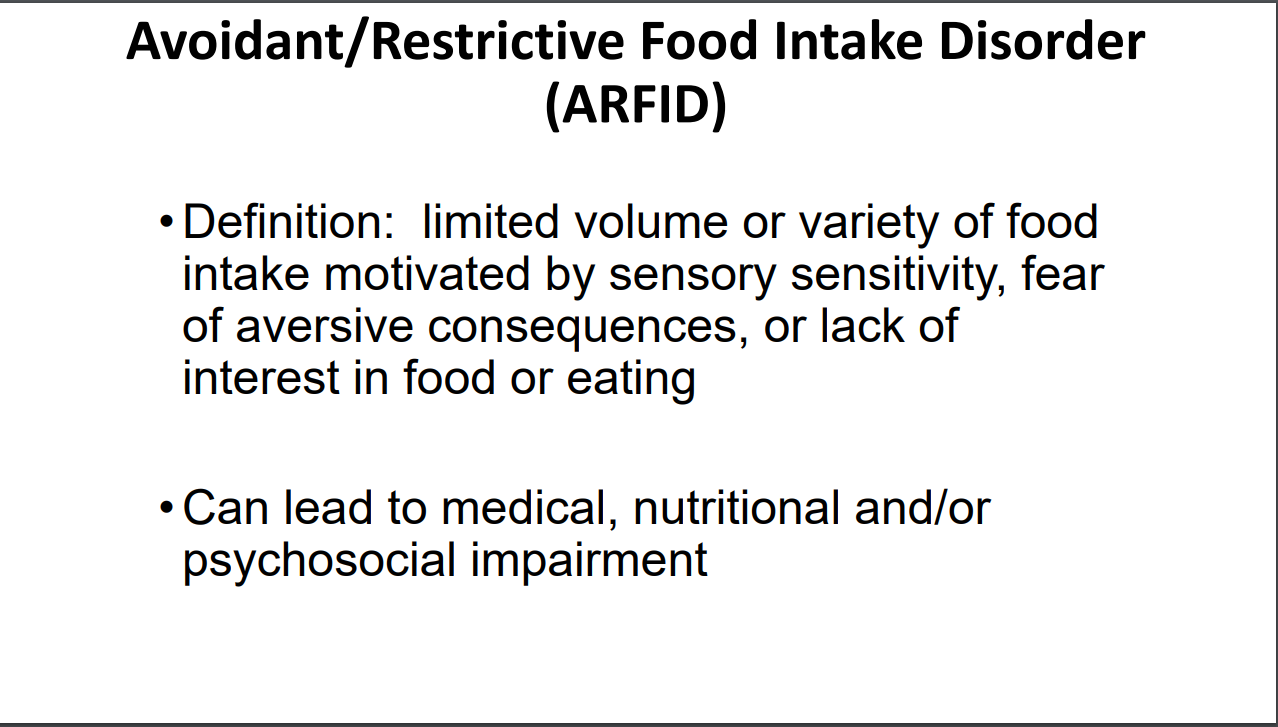
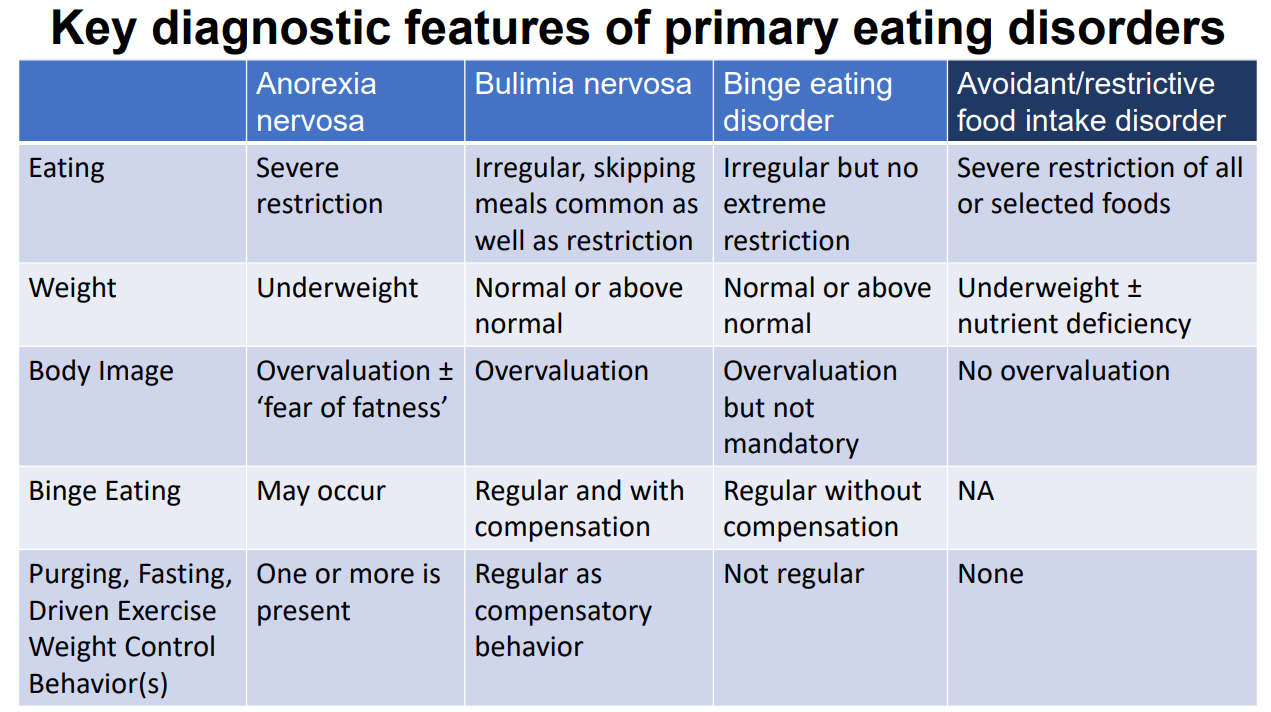
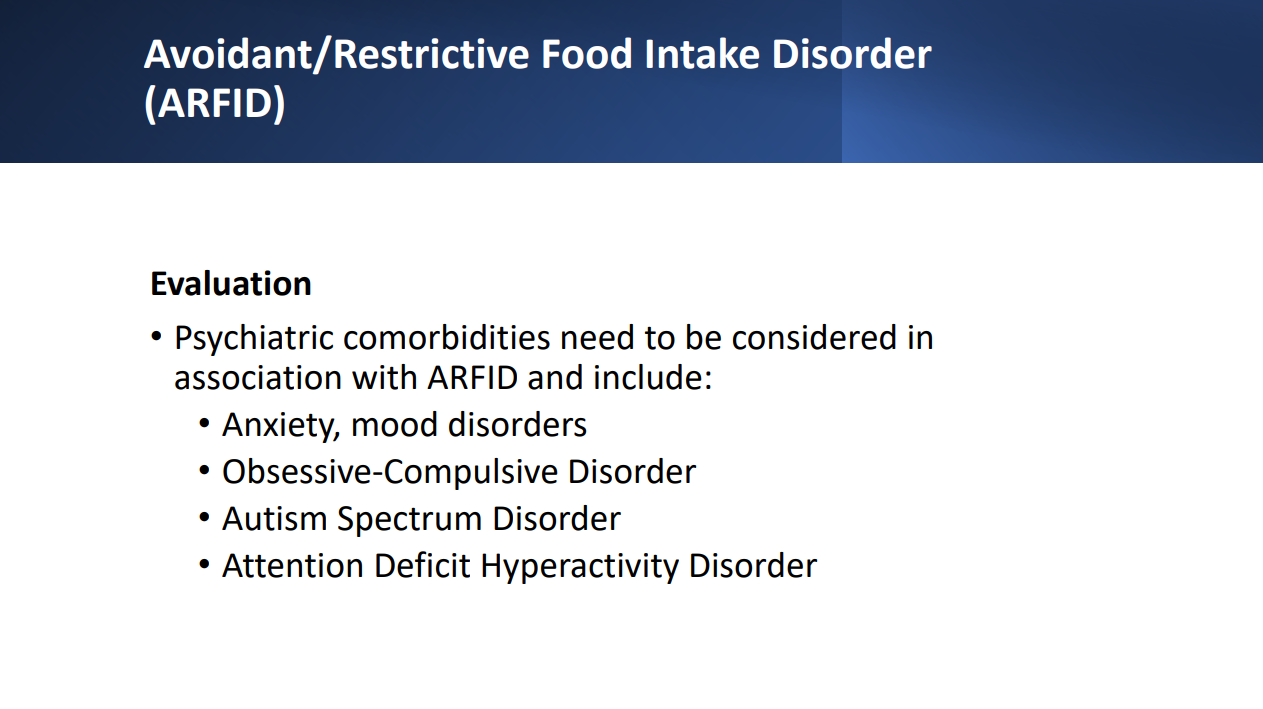
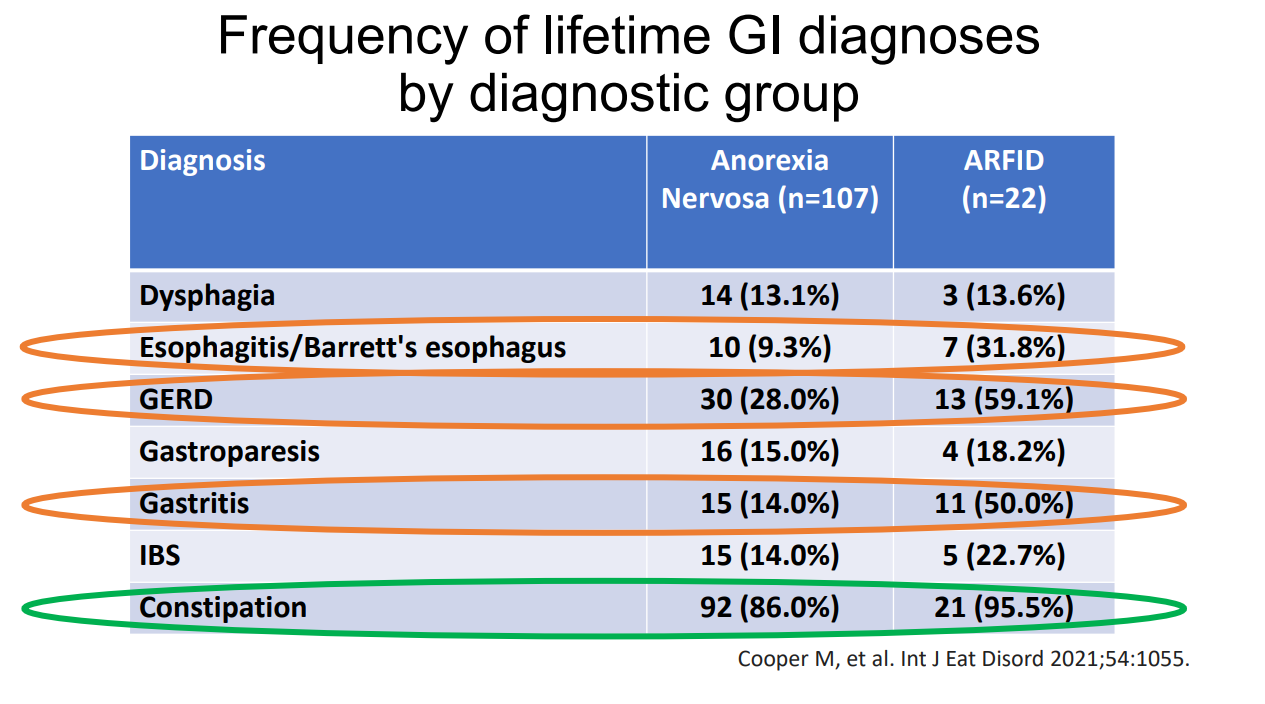
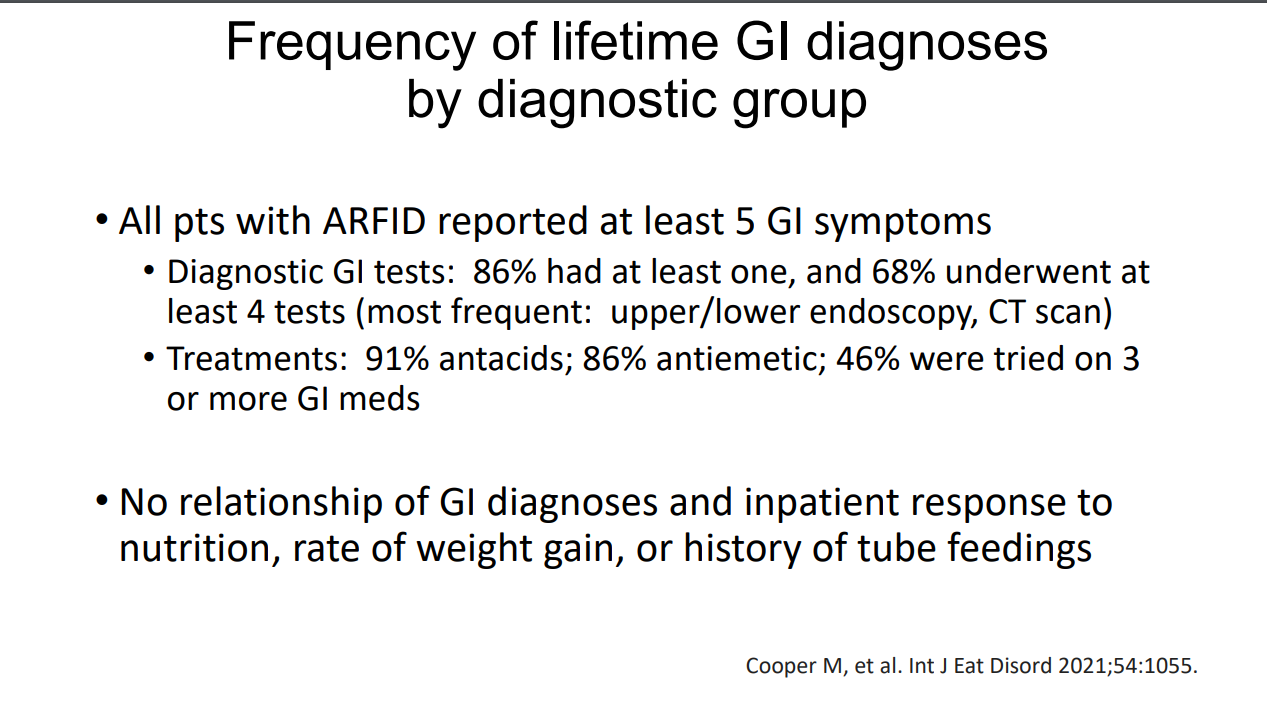
Recently, at the Georgia AAP Pediatrics by the Sea meeting, Mel Heyman presented a terrific lecture reviewing ARFID. This lecture delved into the historical backgrounds of eating disorders and described the subtypes of ARFID along with evaluation/management. This lecture was presented in honor of Stan Cohen who recently retired from our group. Here are many of the slides:

Related blog posts:

Disclaimer: This blog, gutsandgrowth, assumes no responsibility for any use or operation of any method, product, instruction, concept or idea contained in the material herein or for any injury or damage to persons or property (whether products liability, negligence or otherwise) resulting from such use or operation. These blog posts are for educational purposes only. Specific dosing of medications (along with potential adverse effects) should be confirmed by prescribing physician.  Because of rapid advances in the medical sciences, the gutsandgrowth blog cautions that independent verification should be made of diagnosis and drug dosages. The reader is solely responsible for the conduct of any suggested test or procedure.  This content is not a substitute for medical advice, diagnosis or treatment provided by a qualified healthcare provider. Always seek the advice of your physician or other qualified health provider with any questions you may have regarding a condition.

Avoidant/Restrictive Food Intake Disorder (ARFID) with Irritable Bowel Syndrome and with Inflammatory Bowel Disease

Last week, this blog highlighted a study regarding the prevalence of ARFID in pediatric neurogastroenterology (Prevalence of Avoidant/Restrictive Food Intake Disorders in Pediatric Neurogastroenterology).

Today, this post reviews a study with 955 adult patients from 4 prospective studies who had completed the IBS Quality of Life Instrument (IBS-QOL). The 3 questions constituting the food domain were used to identify patients with reported severe food avoidance and restriction.

Key findings:

  • In total, 13.2 % of the patients reported severe food avoidance and restriction, and in these patients all aspects of quality of life were lower (P < .01) and psychological, GI, and somatic symptoms were more severe (P < .05). 

The associated editorial provides a lot of information on ARFID in this setting.

Key points:

  • “The sine qua non of ARFID is a reduction in food intake, in terms of volume and/or variety, not primarily motivated by body image disturbance”
  • “Motivations behind changes in eating in ARFID need to be 1 or more of 3 prototypical presentations: (1) fear of aversive consequences (eg, IBS symptoms), (2) a lack of interest in eating or low appetite, and (3) sensitivity to sensory characteristics of food (eg, taste, texture, smell)”
  • “Weight suppression has similar deleterious health effects as is seen in anorexia nervosa, including cardiac abnormalities and bone mineral density loss”
  • “Up to 90% of patients in IBS reporting avoidance of specific foods”
  • “To identify presence of problematic avoidant/restrictive eating, there are ARFID measures validated with cutoffs (eg, the 9-item ARFID Screen;22,23 the PARDI-ARFID questionnaire).24 Nevertheless, more research is needed on the utility of these screening measures in IBS populations”

My take: Patients with ARFID and IBS need much more careful dietary counseling. So, it is important to consider the possibility of ARFID in this patient population.

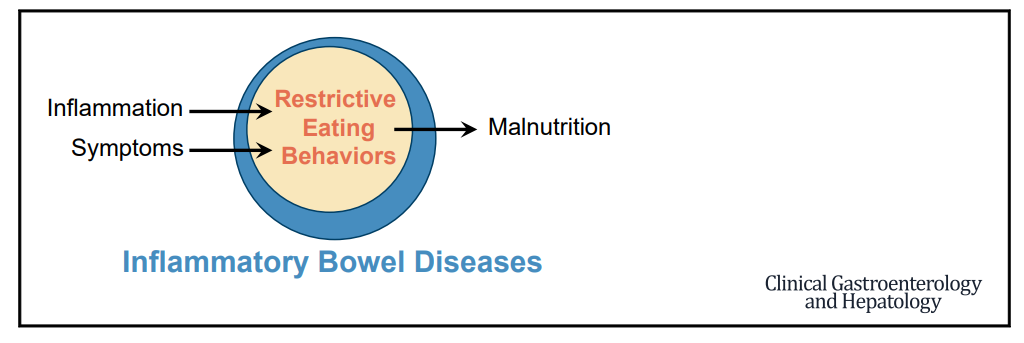
Related article: E Yelencich et al. Clin Gastroenterol Hepatol 2022; 20: 1282-1289. Open Access PDF: Avoidant Restrictive Food Intake Disorder Prevalent Among Patients With Inflammatory Bowel Disease In this cross-sectional study of adults with IBD, 28/161 (17%) had a positive ARFID risk score (>/=24). Most participants (92%) reported avoiding 1 or more foods while having active symptoms, and 74% continued to avoid 1 or more foods even in the absence of symptoms. Patients with a positive ARFID risk screen were significantly more likely to be at risk for malnutrition (60.7% vs 15.8%; P < .01)

Related blog post:

Afraid to Eat -Could be “Avoidant Restrictive Food Intake Disorder”

Prevalence of Avoidant/Restrictive Food Intake Disorders in Pediatric Neurogastroenterology

HB Murray et al. JPGN 2022; 74: 588-592. Prevalence and Characteristics of Avoidant/Restrictive Food Intake Disorder in Pediatric Neurogastroenterology Patients

Associated commentary by SB Oliveira, A Kaul: Invited Commentary Re: Prevalence and Characteristics of Avoidant/ Restrictive Food Intake Disorder in Pediatric Neurogastroenterology Patients

This was a retrospective study with 129 consecutive neurogastroenterology patients. Key findings:

  • Eleven cases (8%) met the full criteria for ARFID (DSM, 5th ed) and 19 cases (15%) had clinically significant avoidant/ restrictive eating behaviors with insufficient information for a definitive ARFID diagnosis
  • In a separate retrospective study, the same center published data on ARFID in a general pediatric population, showing 1.5% meeting the full criteria and 2.4% with some features (KT Eddy et al. Int J Eat Disord . 2015 Jul;48(5):464-70. Prevalence of DSM-5 avoidant/restrictive food intake disorder in a pediatric gastroenterology healthcare network)

The discussion notes that while elimination diets (eg. low FODMAPs diets) are frequently used for disorders of brain-gut interaction, they may increase the risk of ARFID. “Some children may develop fear of what will happen when they try foods again.”

The insightful commentary makes several useful points:

  • A retrospective study is not the best way to determine prevalence of ARFID particularly as many practitioners have limited familiarity and documentation may be inadequate
  • Nutritional rehabilitation can improve GI function. It has been shown that patients with anorexia nervosa have delayed gastric emptying which improved with refeeding. More broadly, it is often challenging to definitively determine the cause and effect in patients with malnutrition and gut dysmotility. (This is why I rarely obtain gastric emptying studies in patients with poor nutritional status)

My take: ARFID can be difficult to manage and is important to consider in our patient population, and probably even more so in patients seen in neurogastroenterology programs. The exact prevalence of ARFID in these programs is uncertain and prospective studies are needed.

Related blog post: