BRUEs in Boston –Two Punch Study

DR Duncan et al. J Pediatr 2024; 272: 114128. Brief Resolved Unexplained Events Symptoms Frequently Result in Inappropriate Gastrointestinal Diagnoses and Treatment

In this prospective cohort study from Boston Children’s (2017-2022, n=157), the authors examined diagnostic evaluations in children presenting with Brief Resolved Unexplained Events (BRUEs).

Key findings:

  • Only 28% (20% during the hospitalization, 8% afterwards) underwent VFSS with 71% abnormal.
  • 42% of infants had their BRUE attributed to GERD, and 33% were treated with acid suppression during follow-up
  • Provision of GERD diagnosis was associated with a delay in making an aspiration diagnosis. 10% (6/66) of patients with “GERD” diagnosis subsequently had swallow studies –all were abnormal. Mean diagnostic delay was 56 days.

Discussion points:

  • The approach of using symptoms to determine evaluation of BRUEs has been advised by AAP clinical practice guidelines (2016 & 2019); “however, our results suggest that reliance on these clinical characteristics may result in negative outcomes.”
  • Most aspiration in infants is silent aspiration and not detected by clinical feeding evaluation (CFE) in the absence of a VFSS. “It is concerning that 63% of patients had CFE alone without confirmatory VFSS in the present cohort, and it may be that this practice is even more common in other centers.” Silent aspiration can lead to repeat hospital visits and even long-lasting pulmonary damage including bronchiectasis.
  • Establishing a GERD diagnosis likely increases unnecessary (& potentially harmful) acid suppression

My take: The two punches in this study:

  1. Clinicians cannot diagnose aspiration based on history or bedside feeding evaluations. Objective testing (e.g. VFSS) is needed if there are concerns for dysphagia
  2. Inappropriate diagnosis of GERD may cause harm. GERD medications have been associated with increased infections and may increase risk for allergies.

The role of aspiration in causing BRUEs has been well-recognized since 2017 (see below) by the same group in Boston. It is likely that evaluation of dysphagia is even less frequent in other medical centers.

Related blog posts:

Double Arch at Arches National Park

Jose Garza: What’s New in Motility (Part 1)

Dr. Jose Garza joined our group in 2013 and has been providing excellent care for children throughout the South with suspected motility disorders. Recently, he gave our group a fabulous update on what’s new in motility.  My notes below may contain errors in transcription and in omission. Along with my notes, I have included some of his slides. His talk had 123 slides; true motilists would be appalled that I haven’t included more of the high resolution tracing slides (though there are a few tomorrow).

Reflux:

Colic:

BRUE:

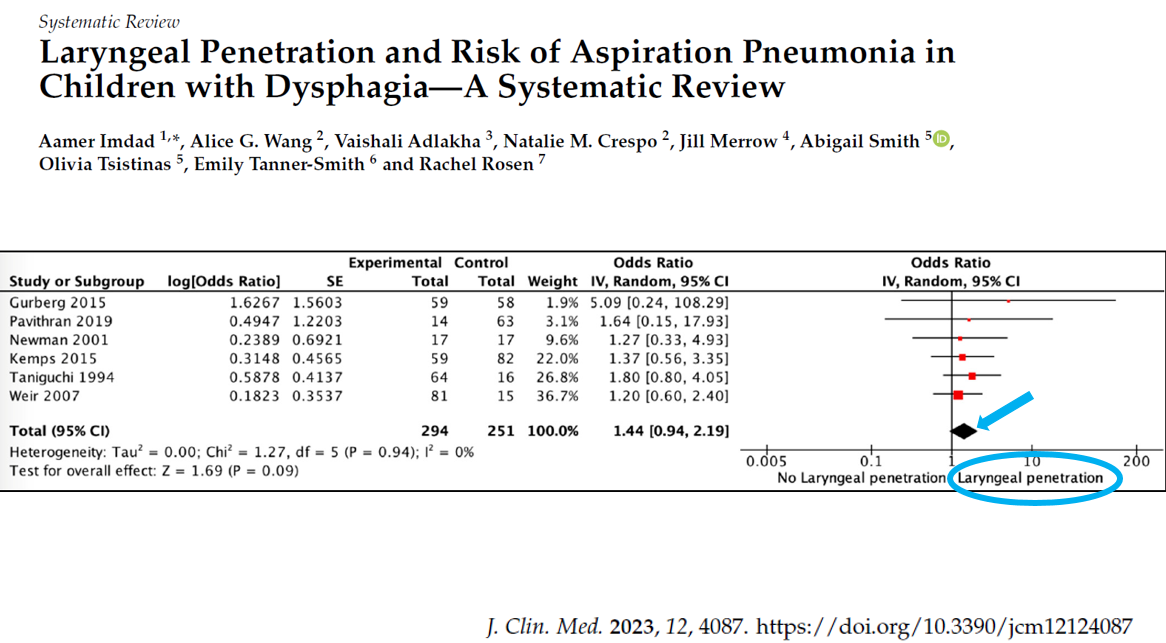
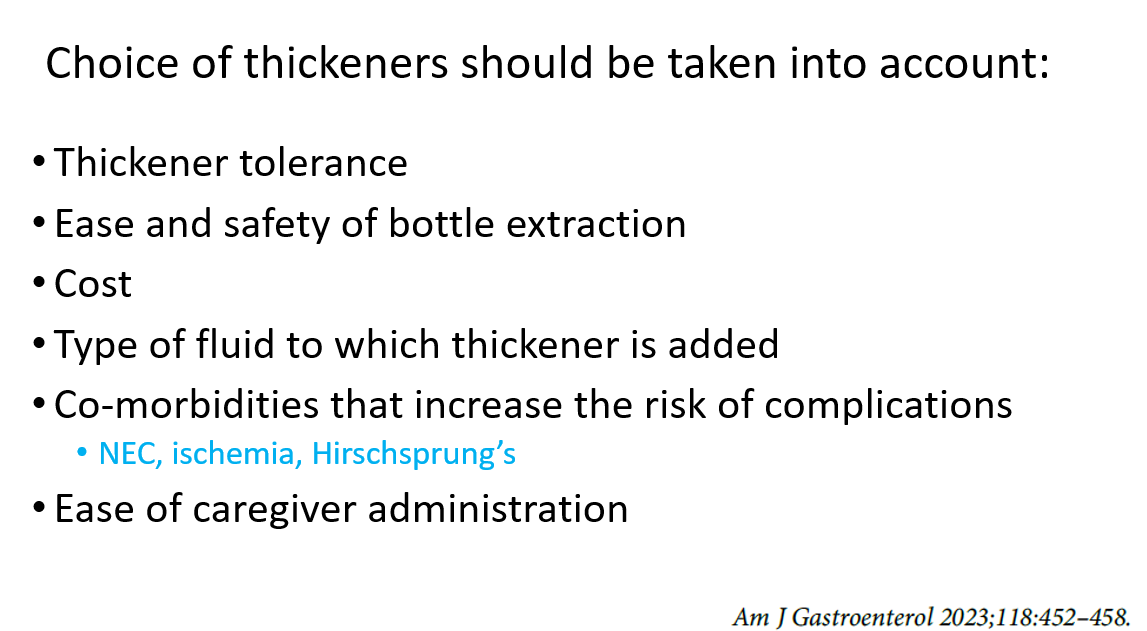
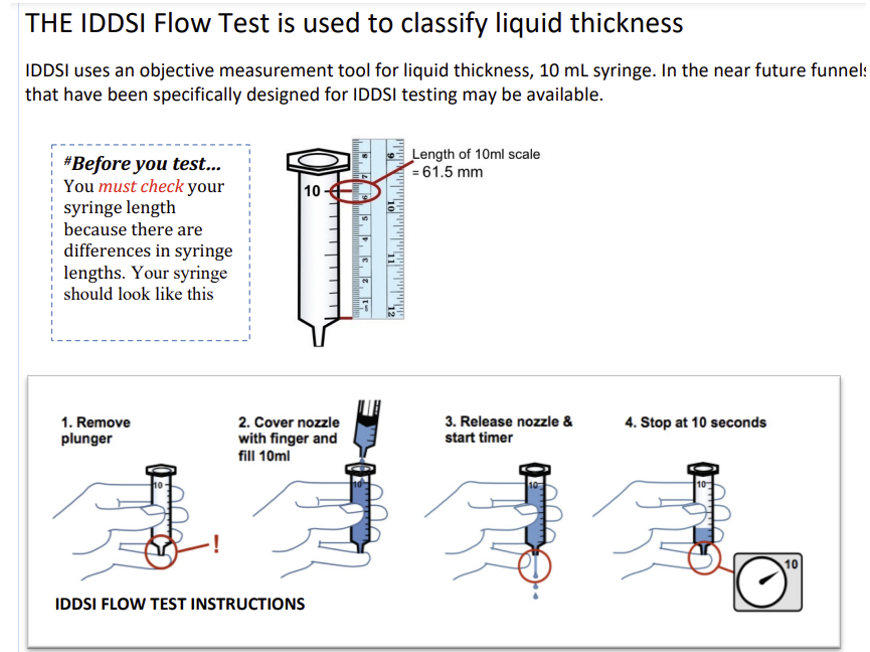
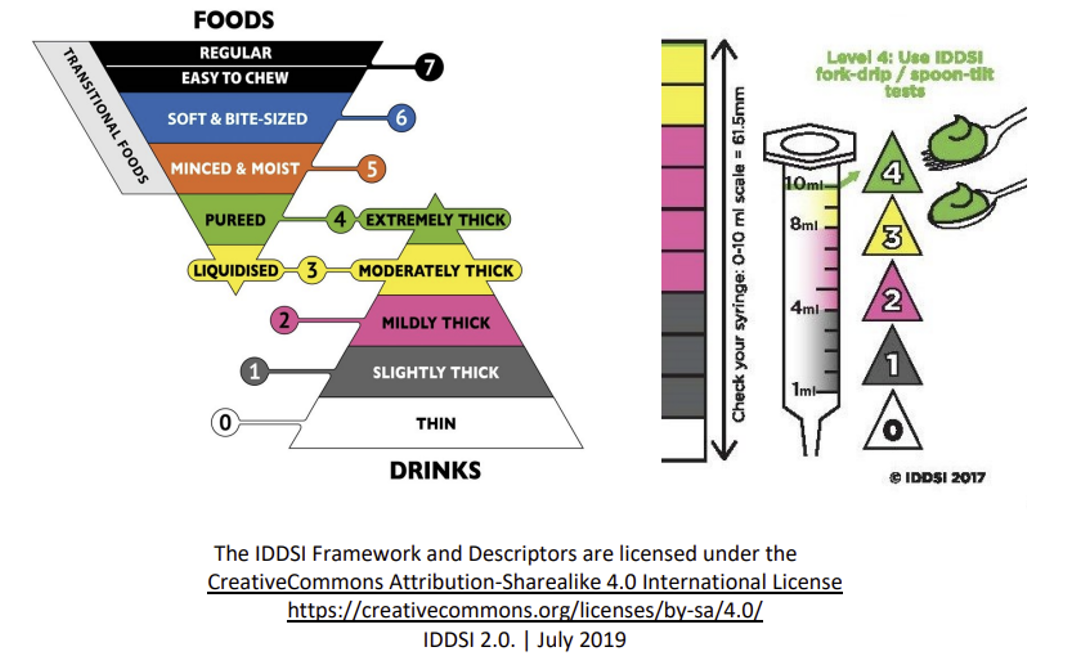
Laryngomalacia/Thickening:

Impedance

Disclaimer: This blog, gutsandgrowth, assumes no responsibility for any use or operation of any method, product, instruction, concept or idea contained in the material herein or for any injury or damage to persons or property (whether products liability, negligence or otherwise) resulting from such use or operation. These blog posts are for educational purposes only. Specific dosing of medications (along with potential adverse effects) should be confirmed by prescribing physician.  Because of rapid advances in the medical sciences, the gutsandgrowth blog cautions that independent verification should be made of diagnosis and drug dosages. The reader is solely responsible for the conduct of any suggested test or procedure.  This content is not a substitute for medical advice, diagnosis or treatment provided by a qualified healthcare provider. Always seek the advice of your physician or other qualified health provider with any questions you may have regarding a condition.

Incredible Review of GERD, BRUE, Aspiration, and Gastroparesis

Recently, Rachel Rosen gave a terrific review of reflux and reflux-related entities as part of our annual William (Billy) Meyers lectureship.  This lecture information would be helpful for every pediatric gastroenterologist as well as every pediatrician, pediatric ENT, pediatric pulmonologist, pediatric SLP and lactation specialist.  It puts to rest many obsolete ideas about reflux and its management. Some of her points have been covered by this blog previously (see links below) and by her bowel sounds podcast (see link below).   Some errors of omission and transcription may have occurred as I took notes during this lecture. 

Main points:

Reflux

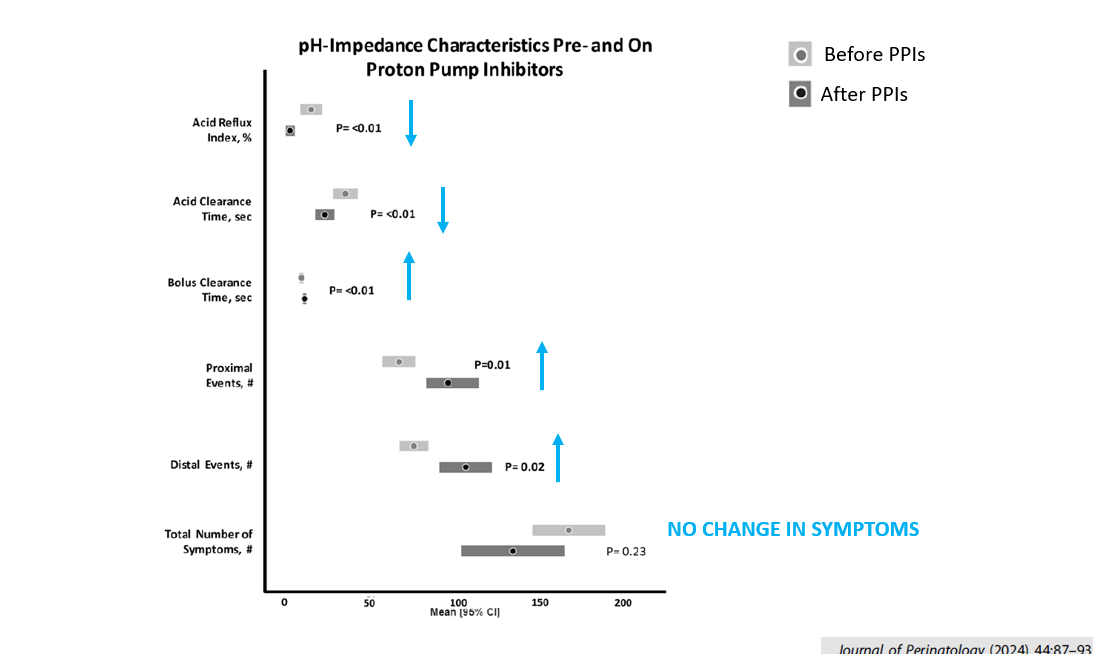
  1. Using the label “GERD” increases the likelihood that an infant will be prescribed acid blockers; this phenomenon is noted as well with SLP and lactation specialist team members.  Everyone needs to be careful about ascribing infant symptoms to “reflux disease”
  2. AR formulas need acid to increase their viscosity (don’t use PPIs in infants taking AR formulas). Also, AR formula viscosity is hindered when mixed with breastmilk (don’t mix with breastmilk)
  3. Most infants with reflux have nonacid reflux.  PPIs do not help nonacid reflux
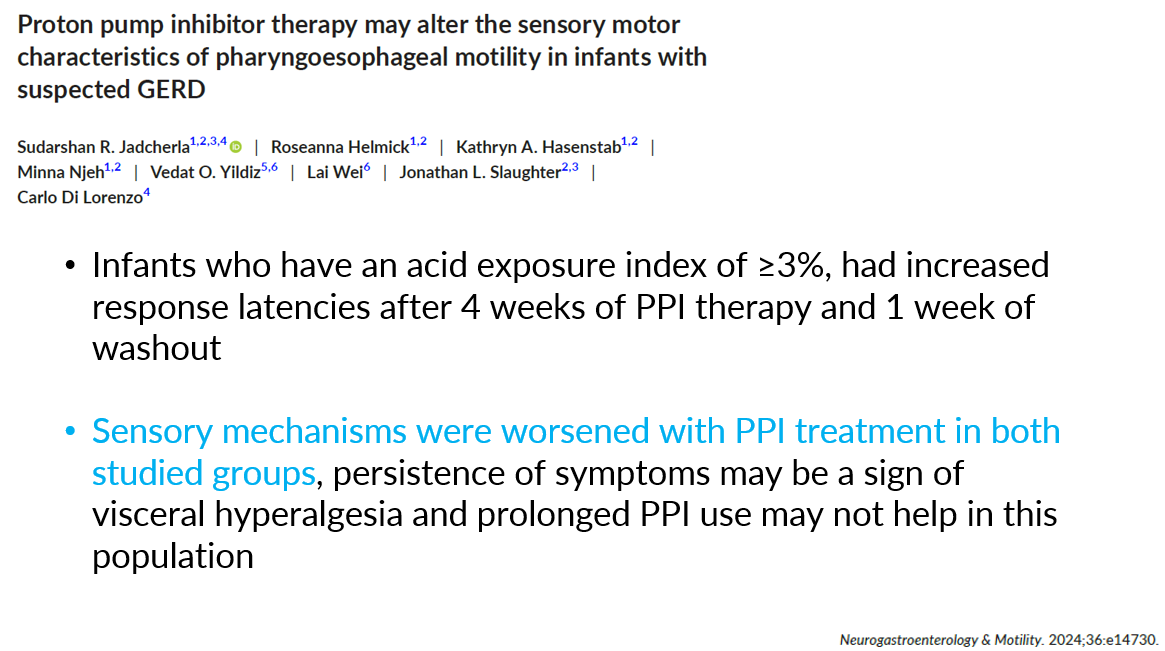
  4. PPIs are associated with increased aspiration and infection risks.  Acid suppression has been associated with increased risk of allergic diseases
  5. Rumination can look a lot like reflux on pH probe studies
  6. Reflux hypersensitivity, and functional heartburn can result in similar symptoms as reflux (can be distinguished with pH testing)
  7. Pepsin can increase lung inflammation and can be increased by PPI use
  8. Red airway appearance is NOT indicative of reflux (poor specificity, poor sensitivity)
  9. If having symptoms with transpyloric feedings, this indicates that the symptoms are NOT due to reflux; transpyloritc feedings have similar efficacy as a fundoplication
  10. Avoid fundoplication.  It does not result in fewer hospitalizations or improve pulmonary outcomes.  It can result in a number of complications
  11. Consider genotyping for CYP2C19 pharmacogenetics in patients receiving chronic PPI.  Those with rapid metabolism could benefit from higher doses.  Those with slow metabolism could benefit from lower doses.  Higher doses of PPIs increase risk for infections
  12. Bolus feedings result in fewer problems than continuous feedings

Delayed Gastric Emptying (Gastroparesis)

  1. Delayed GE is associated with increased lung bile acids.  This is important in lung transplant recipients and increased lung bile acids is seen more commonly in those with frequent admissions for respiratory issues
  2. In Dr. Rosen’s experience, prucalopride is currently the most useful promotility agent in documented gastroparesis

BRUE:

  1.  Infants with BRUE need to be tested for aspiration, not prescribed PPIs.
  2.  VSS (aka OPMS) has the highest yield of any test in infants with BRUE (~72% abnormal testing in one study). 
  3. Silent aspiration is common -don’t rely on SLP bedside assessment.
  4. Even with this diagnosis, many infants are still prescribed PPIs which increase the risk of complications (more hospitalizations, more infections, possible increase in allergies)

Aspiration:

  1. There are a number of potential etiologies, though most infants have aspiration due to neurological reasons (most transitory and improved by 7 months of age)
  2. In Boston, less than 5% with aspiration on VSS required GT placement
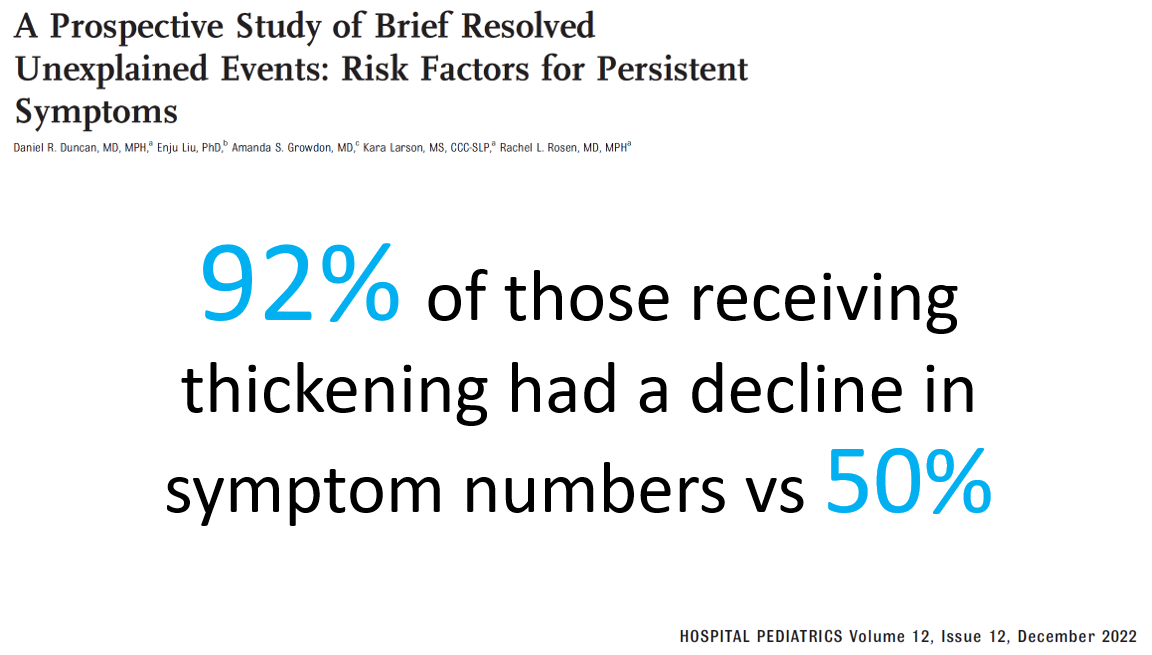
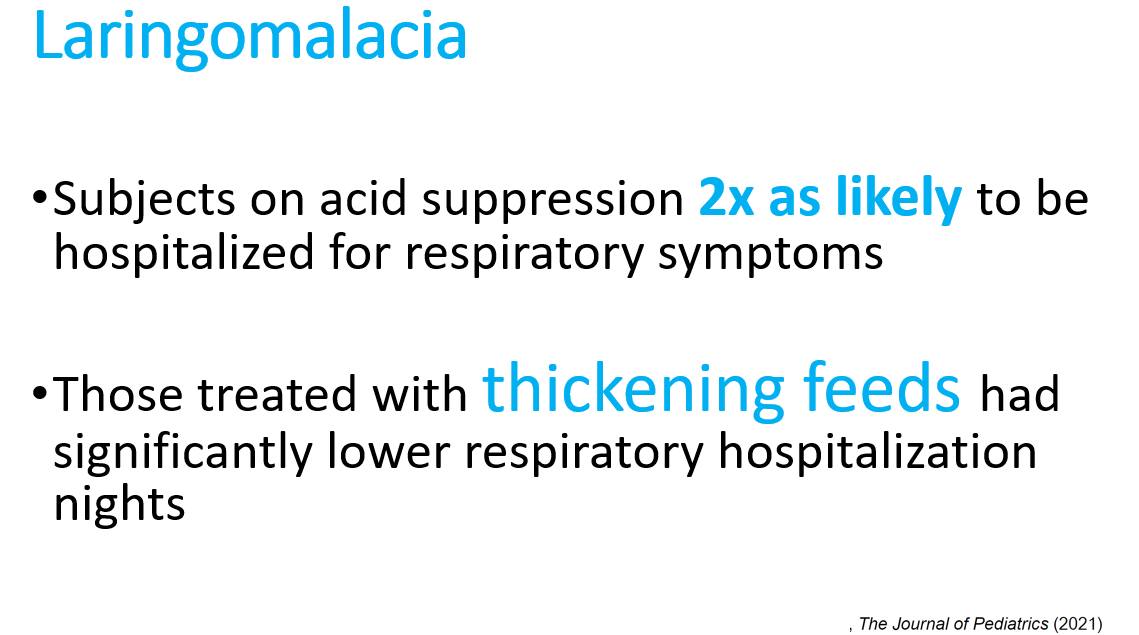
  3. Thickeners can be very helpful.  Practitioners need to know the differences (don’t use Simply Thick in 1st year of life due to NEC risk)

Chronic Cough:

  1. ~10% of kids with chronic cough have eosinophilic esophagitis (who have seen GI in Boston)

Related blog posts:

Cacti at Tucson Botanical Gardens

Something Useful for Apparent Life-Threatening Events (ALTEs)

In many cases of Apparent Life-Threatening Events (ALTEs) (also called Brief Resolved Unexplained Events, BRUEs) in infants, the exact reasons are unclear.  Sometimes these events are blamed on reflux despite studies indicating this is unlikely in the vast majority (see links at bottom of post).

A recent study (DR Duncan, J Amirault, PD Mitchell, K Larson, RL Rosen. JPGN 2017; 65: 168-73) finds that oropharyngeal dysphagia is correlated with ALTEs.

In this retrospective study which took place between 2012-15, the authors reviewed all patients admitted with ALTE.  They excluded infants with underlying diseases that included known neurologic impairment, congenital heart disease, and other congenital anomalies.

Demographics:

  • Median age 49 days
  • Color change: blue 65%, pale 8%, red 10%, none 17%
  • URI symptoms: 23%
  • Relationship to feeds: during 20%, after 35%, none 45%
  • Appeared well in ED 86%

Key findings:

  • Video fluoroscopic swallow study (VFSS) [also called oropharyngeal motility swallow study] was obtained in 29%.  In this group, 73% (n=40) had evidence of aspiration or penetration.
  • 26% of patients who had clinical feeding evaluation and VFSS were ascribed as having no oropharyngeal dysphagia prior to detecting aspiration on VFSS.
  • “Of all of the diagnostic tests ordered on patients with  ALTEs, the VFSS had the highest rate of abnormalities.”

Conclusion (from authors): “Oropharyngeal dysphagia with aspiration is the most common diagnosis identified in infants presenting with ALTEs.  The algorithm for ALTE should be revised to include an assessment of VFSS as clinical feeding evaluations are inadequate to assess for aspiration.”

Related blog post: What to do with ALTEs

Also, an except and link from NASPGHAN Consensus guidelines on GERD (2009)

  • In premature infants, a relationship between GER (i.e. reflux) and pathologic apnea and/or bradycardia has not been established. Despite a lack of convincing evidence, if pathological apnea occurs in the face of pre- existing reflux, then the following two statements are the most common features:
  • Although reflux causes physiologic apnea, it causes pathologic apneic episodes in only a very small number of newborns and infants.
  • When reflux causes pathological apnea, the infant is more likely to be awake and the apnea is more likely to be obstructive in nature.
  • A diagnosis of an acute life-threatening event (ALTE) warrants consideration of causes other than GER (i.e. reflux).Reflux of gastric acid seems to be related to ALTEs (episodes of combinations of apnea, color change, change in muscle tone, choking, and gagging) in < 5 % of infants with ALTE. 
  • Link: Gastroesophageal Reflux Disease in the Pediatric  – NASPGHAN.o

Dry Falls, Highlands, NC