Rome V: Lower GI Tract and Biliary Disorders of Gut-Brain Interaction in Pediatrics (Part 1)

C DiLorenzo, M Saps et al. Gastroenterol 2026; 170: 1367-1387. Open Access! Lower and Biliary Disorders of Gut–Brain Interaction: Child and Adolescent

Before reviewing this article, I wanted to point out that Dr. DiLorenzo, who was the 2025 ANMS Lifetime Achievement Award recipient, overcame great hardship to become a leader in neurogastroenterology. Elsewhere in this same issue, Wong et al (Gastroenterol 2026; 170: 1190-1204) point out that in Italy (& Spain) there is not even a word for bloating!

Key points:

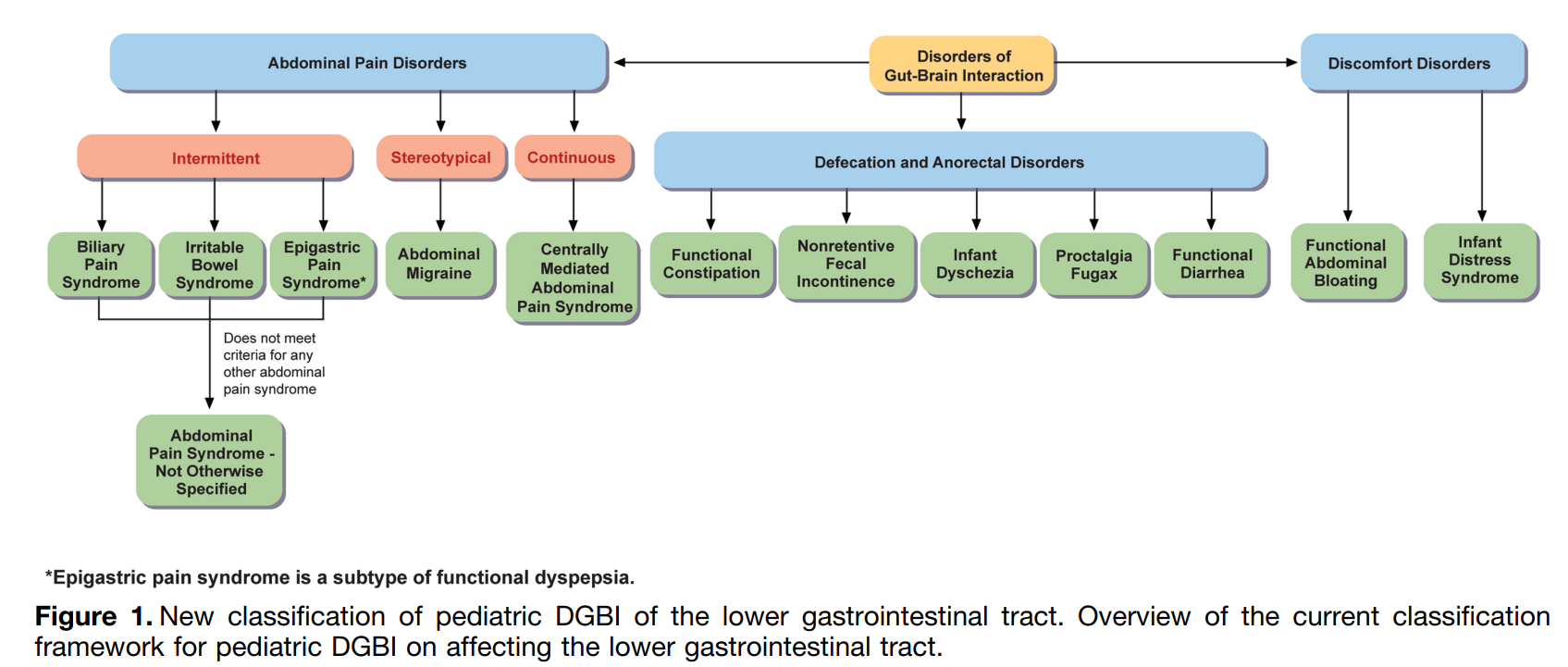
  • For the Rome V recommendations, the Pediatric Committees decided to depart from the age-based divisions used in Rome IV

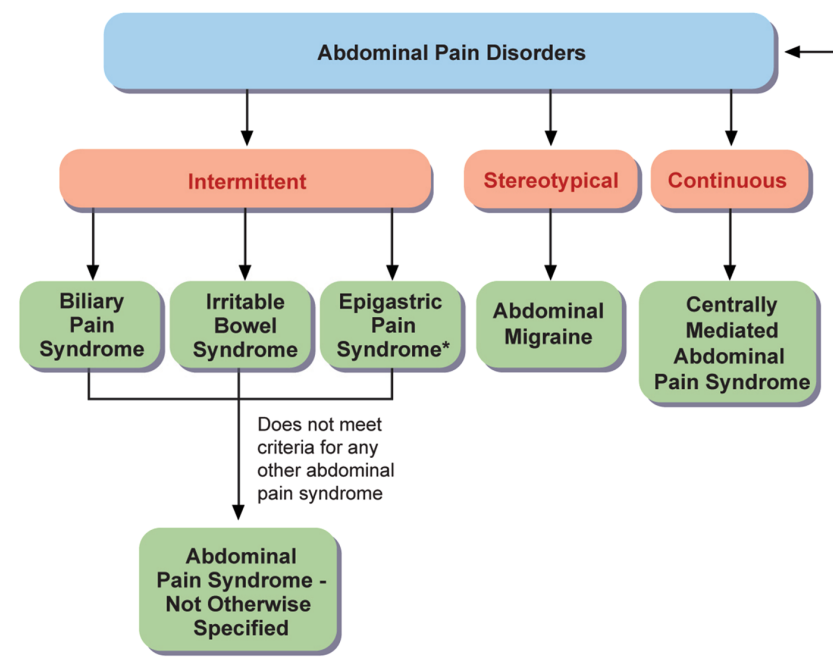
Irritable Bowel Syndrome:

  • “In Rome IV, for those children with constipation, there was an attempt to differentiate functional constipation (FC) from IBS by first attempting to treat constipation.7 …the Rome V Committee proposes a shift akin to that described in the adult IBS criteria, with a focus on the predominant symptom of abdominal pain as the differentiating factor between IBS-C and FC.”
  • Pathophysiology of IBS includes early life events, heightened nerve sensitivity, and increased gut permeability. Also, “more than 90% of children and adolescents with IBS identify at least 1 food that exacerbates their GI symptoms.34,35
  • Evaluation: “testing for celiac disease is recommended in those with IBS-D” and possibly testing for parasites and fecal calprotectin
  • Psycholological features: “studies have reported the association between abdominal pain–related DGBI and clinically evident as well as subclinical anxiety and depression.43–47 Anxiety and depression are as likely to follow as to precede pain48 and are not the main factors influencing pain outcomes.49–51…hildren with IBS may have increased school absenteeism, sleep disturbances, multisite pain, and functional disability.54,55
  • Treatments: Hyponotherapy, cognitive behavioral therapy, percutaneous nerve field stimulation, dietary interventions, probiotics, peppermint oil, psyllium, and pharmacologic interventions (lack of RCT evidence with most medications). Dietary intevertions: “The majority of lactose challenge RCTs in children with abdominal pain–predominant DGBI do not support the role of lactose as the trigger of the child’s symptoms.60…Given concerns for abnormal eating behaviors and the potential occurrence of avoidant and restrictive food intake disorders, it is strongly recommended that a dietitian be involved in any restriction diet and that liberalization of the restriction be instrumented when possible.65Related blog post: Treatment Guidelines for Pediatric Irritable Bowel Syndrome

Abdominal Pain Syndrome–Not Otherwise Specified

  • “The committee revised the criteria to differentiate intermittent pain (APS-NOS) from constant pain (CAPS) and specified that pain in APS-NOS should not be exclusively associated with meals, menses, or bowel movements.”

Biliary Pain Sydrome

  • “A key difference is the requirement for pain to be in the right upper quadrant with or without epigastric pain, helping distinguish it from functional dyspepsia.99
  • “Biliary dyskinesia may resolve spontaneously, with conservative treatment often showing equivalent or better outcomes than cholecystectomy in long-term follow-up.104 Therefore, cholecystectomy should be considered only when other nonsurgical treatments have been appropriately trialed and have failed to improve symptoms…surgery may not alleviate symptoms or may exacerbate symptoms or result in complications.”

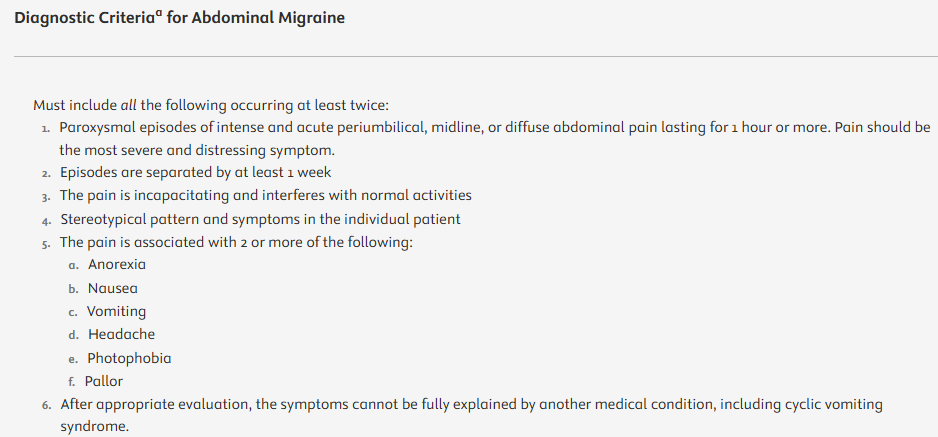
Abdominal migraine

  • “In cases of overlapping symptoms with cyclic vomiting syndrome, the predominant and most bothersome symptom will guide the primary diagnosis.”
  • “There are no US Food and Drug Administration–approved medications or evidence-based guidelines for treating AM in children…Treatment should be individualized…Children with frequent and debilitating episodes may benefit from prophylactic therapy, as some evidence suggests that antimigraine medications.”

Centrally Mediated Abdominal Pain Syndrome

  • “Continuous pain as in the case of CAPS is much less frequent. There is no specific epidemiologic data for this diagnosis, as CAPS was not part of previous pediatric Rome Criteria.”
  • “Some of the treatment strategies listed in the ESPGHAN-NAPGHAN guidelines related to IBS and FAP-NOS may apply to this condition as well.68 Brain–gut therapies are strongly recommended,122,123 given the central sensitization that is likely present in these patients.”

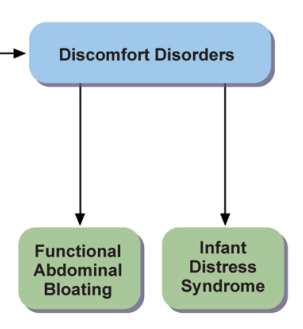
Functional Abdominal Bloating

  • “Functional abdominal bloating is a recent addition to the pediatric Rome Criteria.”
  • “Potential organic causes of both bloating and distention include small bowel bacterial overgrowth, celiac disease,199 congenital sucrase-isomaltase deficiency, and other malabsorption disorders.195

Infant Distress Syndrome

  • “IDS is a new name proposed by the Rome V Committee in lieu of the term “infant colic.” The Rome V Committee agrees that this syndrome of excessive crying in infancy belongs to the DGBI group because there is evidence for a role of both brain and gut in its pathophysiology. However, the term “colic” suggests that the pain arises in the colon, which has not been proven to date. “
  • “The Rome V committee, however, agreed that this criterion of 3 hours was arbitrary and that many infants present to the pediatrician with excessive crying of a duration of less than 3 hours per day but with severe impact on at least 1 of the caregivers.”
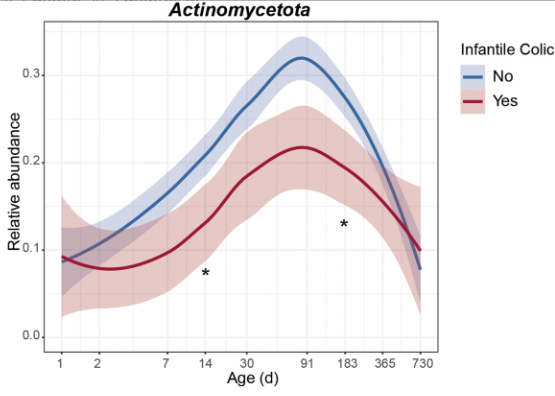
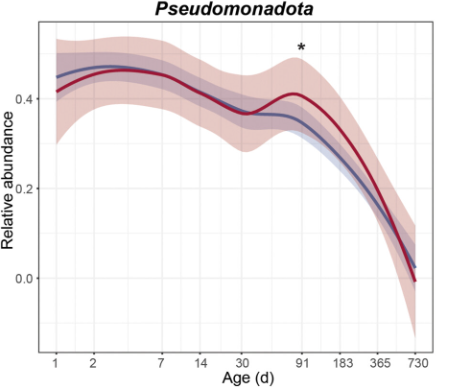
  • Pathophysiology: “The pathophysiological mechanisms underlying IDS are still poorly understood, but IDS is likely to be a multifactorial disorder with GI, neurologic, and psychosocial disturbances.207 The pathogenesis of excessive crying may be closely related to the development of the GI microbiome.”
  • Maternal Psychology: “Maternal anxiety has been consistently found to be both a preceding and concurrent condition of excessive crying…However, depression seems to be a result of IDS, with excessive crying and maternal depression exacerbating simultaneously in a vicious cycle.214
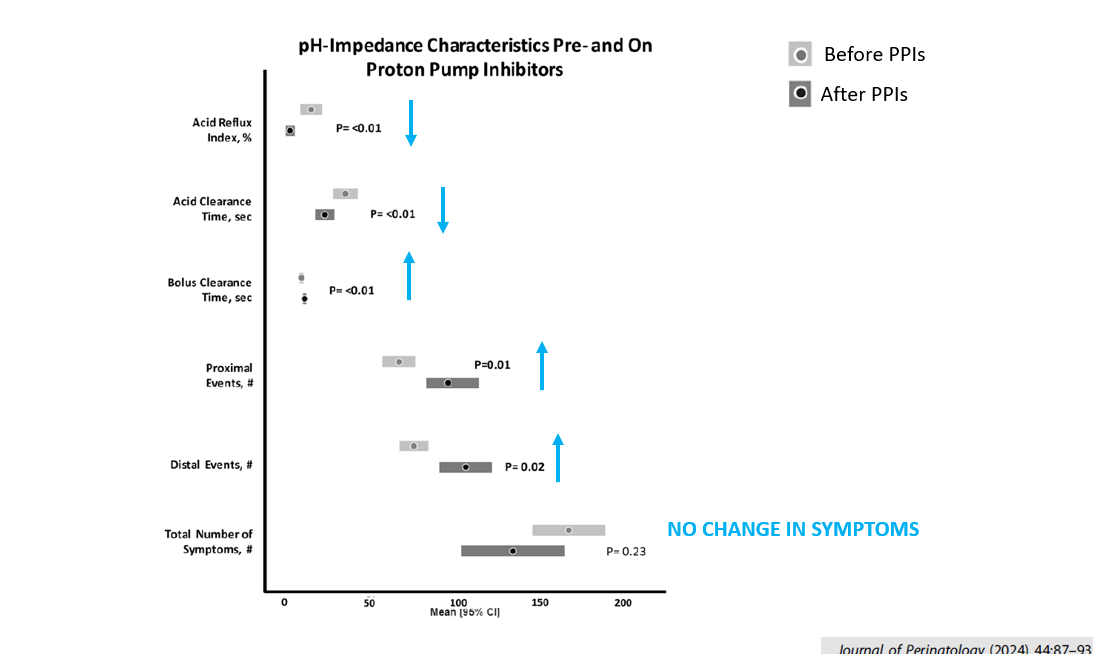
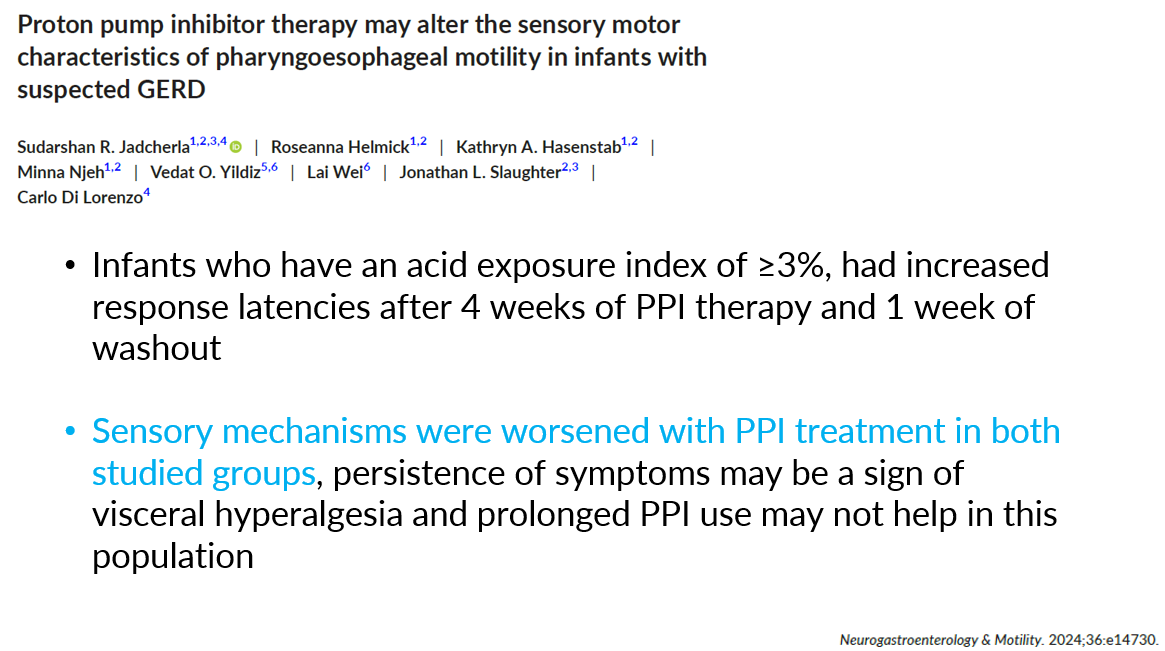
  • Treatment: “The cornerstone of helping infants with IDS is to validate the infant’s symptoms and the emotional burden of the parents, reassure the parents that their child is healthy, and educate them about the self-limited nature of IDS and the need for support by family members…Probiotics may reduce crying time in infants with IDS…Evidence for the effectiveness of dietary modifications to treat IDS is scarce and presents a significant risk of bias.222 However, removing cow’s milk from the infant’s diet or from the maternal diet in those who are breastfed may be beneficial..Tthe evidence for using …proton pump inhibitors is very weak.224

My take: This is a very useful article and worth reading. I like the change in terminology from colic to infant distress syndrome and labeling IBS-C instead of FC when patient has predominantly abdominal pain.

Altered Microbiome and Colic (2025)

E Van Daele et al. J Pediatr Gastroenterol Nutr. 2025;81:217–225. Aberrant microbiota signatures precede symptomdevelopment in infantile colic

My take: There has been an interest in altered microbiome and colic for a long time. Whether these alterations are causally-related to colic and whether there is a way to treat these alterations remains unclear.

Related blog posts:

Jose Garza: What’s New in Motility (Part 1)

Dr. Jose Garza joined our group in 2013 and has been providing excellent care for children throughout the South with suspected motility disorders. Recently, he gave our group a fabulous update on what’s new in motility.  My notes below may contain errors in transcription and in omission. Along with my notes, I have included some of his slides. His talk had 123 slides; true motilists would be appalled that I haven’t included more of the high resolution tracing slides (though there are a few tomorrow).

Reflux:

Colic:

BRUE:

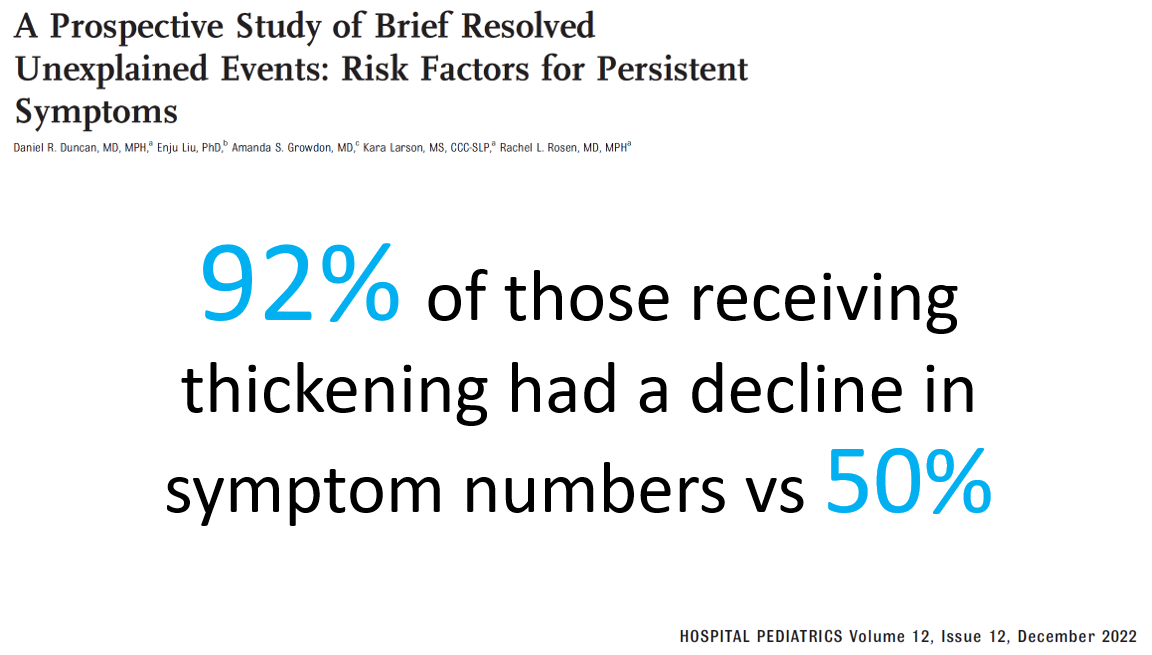
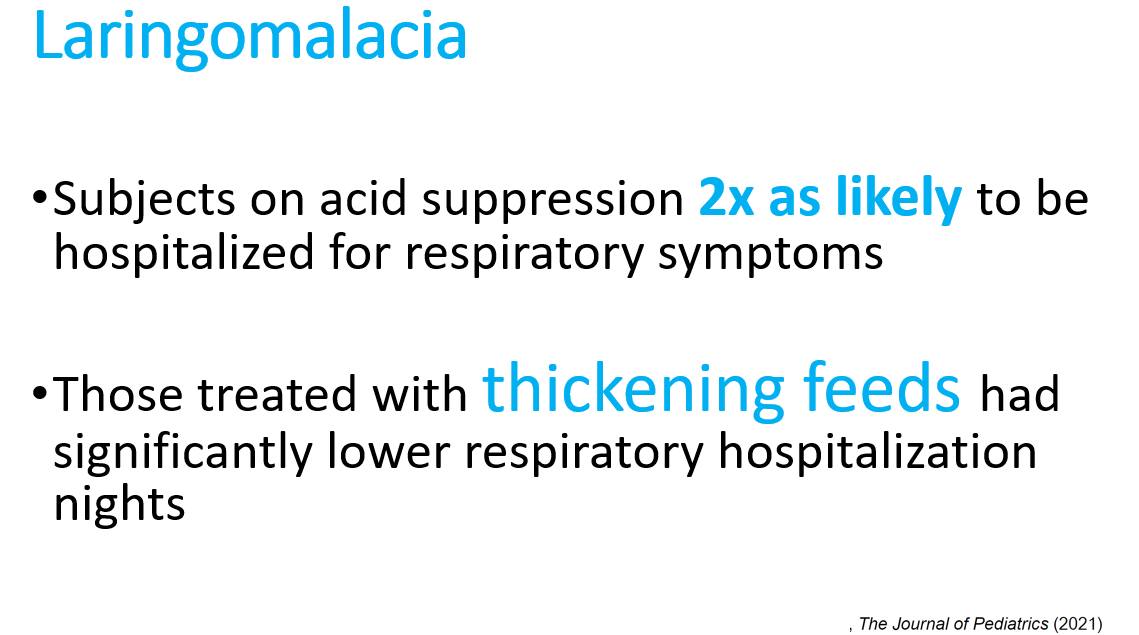
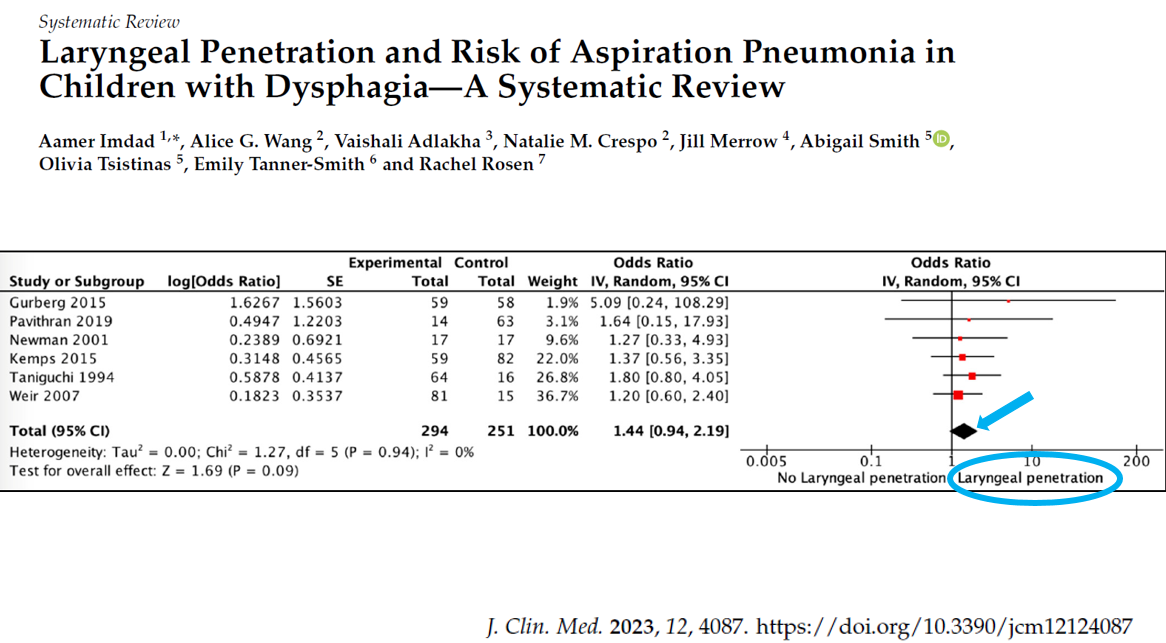
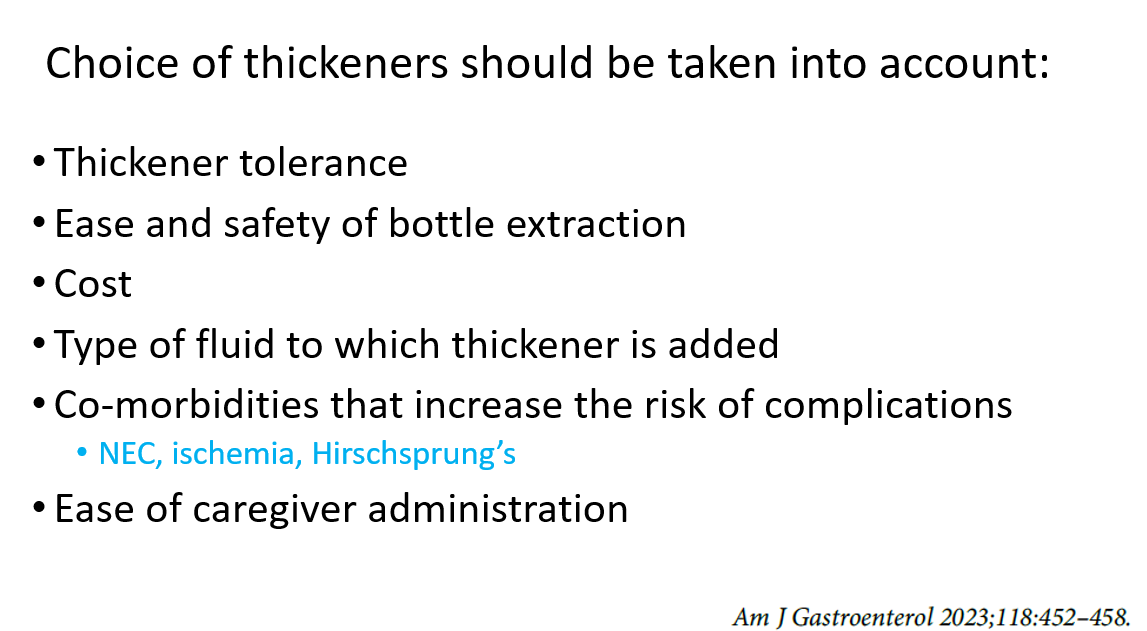
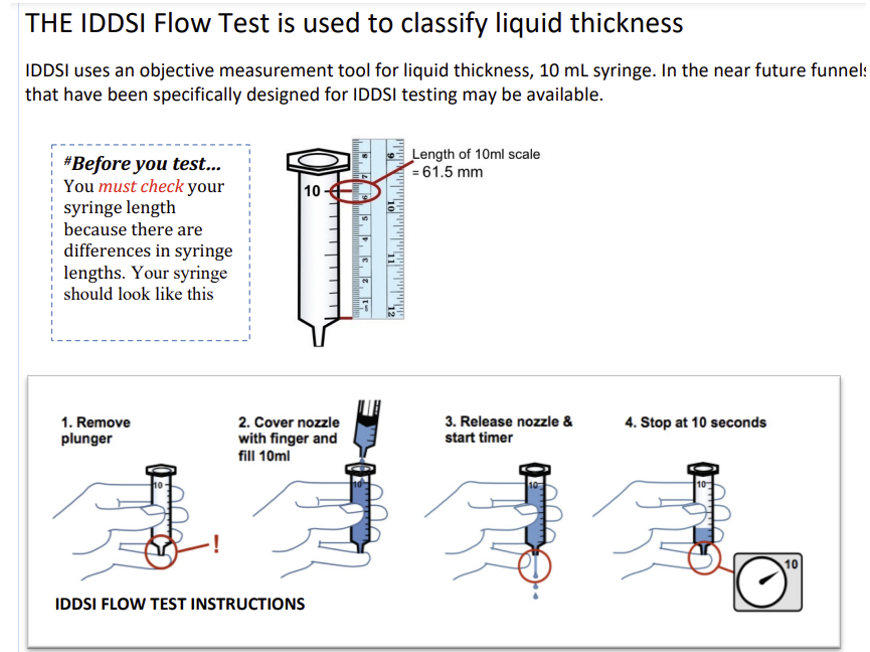
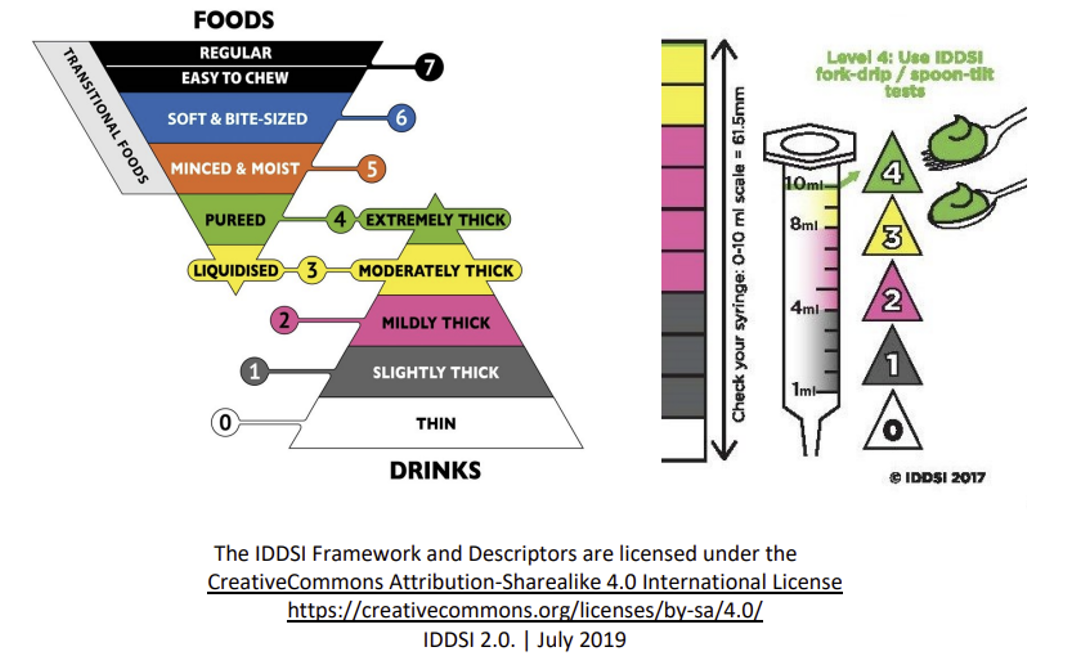
Laryngomalacia/Thickening:

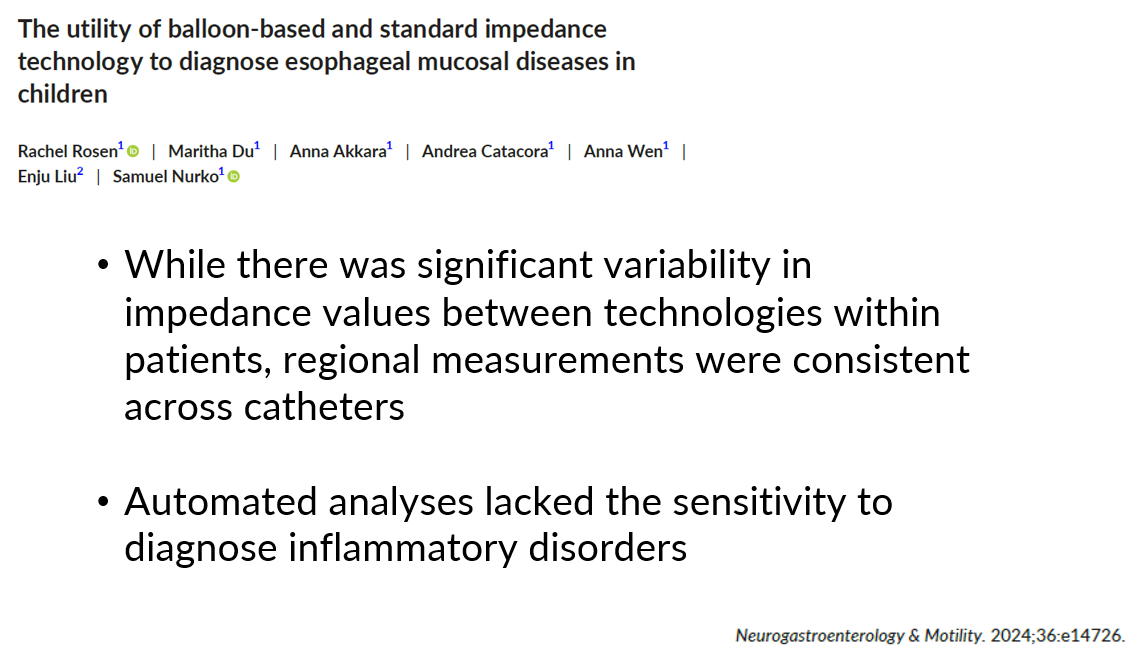
Impedance

Disclaimer: This blog, gutsandgrowth, assumes no responsibility for any use or operation of any method, product, instruction, concept or idea contained in the material herein or for any injury or damage to persons or property (whether products liability, negligence or otherwise) resulting from such use or operation. These blog posts are for educational purposes only. Specific dosing of medications (along with potential adverse effects) should be confirmed by prescribing physician.  Because of rapid advances in the medical sciences, the gutsandgrowth blog cautions that independent verification should be made of diagnosis and drug dosages. The reader is solely responsible for the conduct of any suggested test or procedure.  This content is not a substitute for medical advice, diagnosis or treatment provided by a qualified healthcare provider. Always seek the advice of your physician or other qualified health provider with any questions you may have regarding a condition.

Are There Any Babies with a Normal GI Tract?

A recent study (S Salvatore et al. J Pediatr 2019; 212: 44-51) examines the role of neonatal antibiotics and prematurity on the development of functional gastrointestinal disorders in the first year of life.

What is most striking, though, in this study is how many of these infants have a GI disorder.

Background: Prospective cohort multicenter study with 934 infants who completed study; n=302 premature, n=320 antibiotic recipients

Key findings:

  • 718 (77%) had at least one functional GI disorder (FGID) based on Rome III criteria, including 47% with colic, 40% with regurgitation, 32% with dyschezia, 27% with constipation, and 4% with functional diarrhea
  • Preterm infants had FGID rate of 86% compared with 73% of full term infants (P=.0001)
  • Use of antibiotics was associated with FGIDs as well, with aRR of 1.16 (P=.001)
  • The prevalence of FGIDs was highest in the first three months of life and then improved markedly by 6 months of age; by 12 months of age, each of the FGIDs was well below 10%.

Limitation: This study relied on parental reports which could overestimate infant’s symptoms.

My take: More than 75% of infants had at least one FGID.

Related blog posts:

Probiotics for Colic –2018 Update

There is some debate about whether colic is truly a GI disorder.  A recent commentary (V Sung, MD Cabana. J Pediatr 2017; 191: 6-8) provides some insight.

Key points:

  • “‘Colic’ is a term coined by the ancient Greeks…derived from ‘kolikos,’ meaning crampy pain, sharing its root with the the word colon.”
  • “Since 1994, there have been at least a dozen case-control studies that have indicated differences in the gut microbiota between infants with and without colic.”
  • Studies have had conflicting results with whether calprotectin levels are increased in infants with colic compared with controls.
  • Among probiotics, L reuteri DSM17938 “is the best studied strain.” Despite several studies suggesting efficacy, “the largest and only double-blind randomized trial that included both breastfed and formula-fed infants with colic (n=167) in Australia was ineffective.
  • The commentary reviews a recent study (Fatheree NY et al. J Pediatr 2017; 191: 170-8) “although very small in comparison, adds to this literature, being the second double-blind randomized, placebo-controlled trial of L reuteri DSM17938 shown to be ineffective in breastfed infants with colic.” Sample size =20. “It is the first to document increased fecal calprotectin levels that decrease with reduced crying” …though this “may be reflections of normal levels in healthy young infants, which change over time.”  In addition, this study did not find evidence of systemic inflammation.  The authors speculate that the frequent use of antireflux medications could dampen the effects of probiotics.

My take: We still do not know whether efforts at changing an infant’s microbiome improve clinical outcomes in colic.

Related blog posts:

Near Bright Angel Trail, Grand Canyon

In Case Someone Asks…Low FODMAP Maternal Diet May Help Colic

According to a very small study, maternal ingestion of a low FODMAP diet reduced crying in colicy babies who were breastfed.  This report was presented at the recent United European Gastroenterology meeting (P0609).  The study consisted of a single-blind, open-label study of 18 infants.  The key finding was reduced crying from 142 minutes to 90 minutes over the 2 week study period.

A summary of this report is available at gastroendonews.com (May 2016, pg 8).

My take: A bigger study is needed to ascertain whether this intervention is worthwhile.  Many kids get better during a 2 week period without treatment.

Positive Results for Probiotics in Latest Study of Colicy Infants

While not all studies have demonstrated benefit of probiotics for infant colic, many have, particularly in breastfed infants.  The latest study (J Pediatr 2015; 166: 74-78) shows that “administration of L reuteri DSM 17938 significantly improved colic symptoms by reducing crying and fussing times in breastfed Canadian infants.”

This study was conducted between 2012-2014 and enrolled 52 infants.  These infants were randomized to either probiotics or placebo; the study was double-blind as well.

Key results:

  • For the 21 day study:  Total average crying and fussing times for probiotic group was 1719 ± 750 minutes compared with 2195 ± 764 minutes in the placebo group. (P=0.028)
  • At the end of the study, the probiotic group crying/fussing for 60 minutes per day compared with 102 minutes/day in the placebo group.  (P=0.045)

Take-home message: In breastfed infants, the probiotic L reuteri DSM 17938 reduced crying.

Related blog posts:

Pushback on Probiotics

I had not paid much attention to a study last year (Lancet 2013; 382: 1249-57) titled, “Lactobacilli and bifidobacteria in the prevention of antibiotic-associated diarrhea and Clostridium difficile diarrhea in older patients (PLACIDE): a randomized, double-blind, placebo-controlled, multcentre trial.”

A useful review (Gastroenterol 2014; 146: 1822-23) of this study provides some useful insight into the use of probiotics.  The authors state that “in the last decade, medical and non medical professionals have endorsed the use of probiotics as a means of preventing AAD through a dogma that adding ‘good bacteria’ will prevent dysbiosis caused by ‘bad bacteria.'”  They note that several meta-analysis have supported a positive benefit for probiotics in this setting; yet, the “results merit cautious interpretation owing to a high risk of bias and notable heterogeneity of included studies.”

The PLACIDE study overcomes many of the previous limitations in this well-designed study design which enrolled a large cohort of 2,981 patients (≥65 years old).  The probiotics used in this trial were lactobacillus acidophilus along with bidodbacterium bifidum and lactis.  Ultimately, “patients receiving probiotics were as likely to develop AAD as patients in the placebo arm (relative risk 1.04).”  The rate of C difficile infection was ~1% and lower than expected.

While this study did not demonstrate any benefit from probiotics, there was no significant harm identified from probiotics; though, patients receiving probiotics were more likely to develop flatus and bloating in comparison to placebo.

Take-home message: “This study now also points away from probiotics being of benefit…probiotics use will not diminish as a result of this trial.  Parties will, argue rightly or wrongly, that the wrong strains were chosen…However, what the PLACIDE trial does point is that there is no clear evidence for use of probiotics in this setting until high-quality RCTs are conducted.”

Another probiotic reference:

JAMA Pediatr 2014; 168: 228-33.  This randomized double-blind, controlled trial conducted in 9 neonatal units in Italy compared L reuteri DSM 17938 to placebo for prevention of colic.  Mean duration of daily crying was 38 min in probiotic group compared with 71 min in placebo-treated patients, though these measures were with a nonvalidated diary.  Conclusions of authors: “prophylactic use of L reuteri DSM 17938 during the first 3 months of life reduced the magnitude of crying and functional gastrointestinal disorders.”

Related blog posts:

Do Probiotics Really Help Crying Infants?

This is the question from a recent meta-analysis (JAMA Pediatr 2013; 167: 1150-57 -thanks to Ben Gold for this reference).

Table 1 details the study designs, probiotic intervention, and outcomes.

Results: “Of the 12 eligible studies (1825 infants), 6 suggested that probiotics reduced crying and 6 did not…Meta-analysis of 3 small trials of breastfed infants with colic found that Lactobacillus reuteri markedly reduced crying time at 21 days…However, all trials had potential biases.”

In the three breastfed trials alluded to above, there were concerns regarding inadequate blinding of the intervention, unequal baseline characteristics, and use of non validated crying “diaries” which could be prone to recall bias.

More data are needed; fortunately there are several ongoing trials.

Bottomline (from the authors’ conclusion): “Although L reuteri may be effective as treatment for crying in exclusively breastfed infants with colic, there is still insufficient evidence to support probiotic use to manage colic, especially in formula-fed infants.”

Previous  related posts: