CALM Study: Tight Control Improves Outcomes in Crohn’s Disease

A recent study (JF Colombel et al. Lancet 2017; http://dx.doi.org/10.1016/S0140-6736(17)32641-7 ) shows that “tight control” improves outcomes in Crohn’s disease.  This study was alluded to in a previous post: CCFA 2017 Updates (part 2)

Background: The CALM study was an open-label, randomized study.  122 adult patients were randomized to typical clinical management and 122 patients received “tight control” in which treatment was modified by fecal calprotectin (≥250 mcg/g) and CRP (≥ 0.5 mg/dL) values in addition to clinical symptoms.

Treatment was escalated in both groups in a stepwise manner.  Initial treatment was with adalimumab induction and then every other week. If patient did not meet treatment objectives, which differed in the groups, then adalimumab would be given every week, and then, if still needed, azathioprine would be added. Interestingly, both groups had ~25% of participants who were smokers which is known to worsen outcomes.

Key Findings:

  • Mucosal healing (CDEIS <4) was significantly improved in tight control group at week 48: 46% vs. 30%.
  • Similarly, steroid-free remission based on CDAI <150 was better in tight control group compared with standard treatment at week 48: 59.8% vs. 39.3%.  Endoscopic response was 50.8% compared with 40.2% respectively.

My take (1st part borrowed from authors): “Tight control of inflammation in patients with Crohn’s disease, with objective markers of disease activity  and clinical symptoms to drive treatment decisions, achieved better endoscopic and clinical outcomes than conventional care based on symptoms alone.” Yet, there are a large number who do not respond adequately and better treatments in these patients are needed.

As an aside, these response rates based on objective markers are far lower than the remission rates claimed by ImproveCareNow; thus, while ImproveCareNow is forward-thinking and helping improve outcomes with inflammatory bowel disease, we need to be careful about citing remission rate trends that are not directly linked to objective markers.

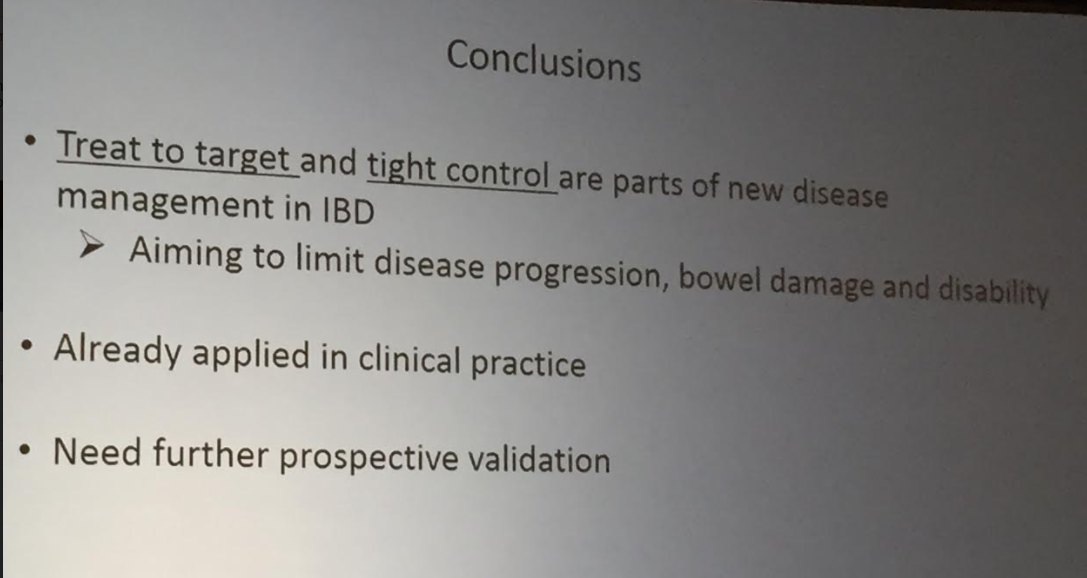
#NASPGHAN17 IBD Treat to Target and Tight Control

More information from this year’s annual NASPGHAN meeting.

This blog entry has abbreviated/summarized these presentations. Though not intentional, some important material is likely to have been omitted; in addition, transcription errors are possible as well.

IBD Treat to Target: Treat the Patient or Treat the Disease

Robert Baldassano  Children’s Hospital of Philadelphia

I missed the first few minutes of this presentation, even though I had highlighted this as one of my top priorities.  So, if anyone reading this post has some additional comments, they are certainly welcome.

Key points:

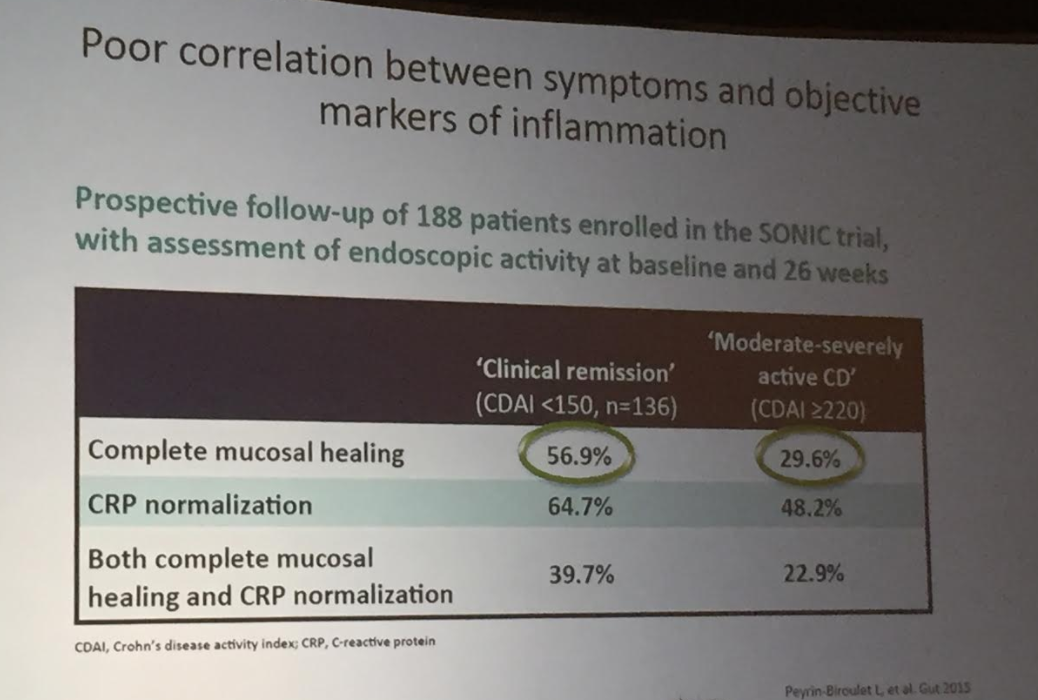
  • Do not rely on symptoms alone to assess patient improvement.
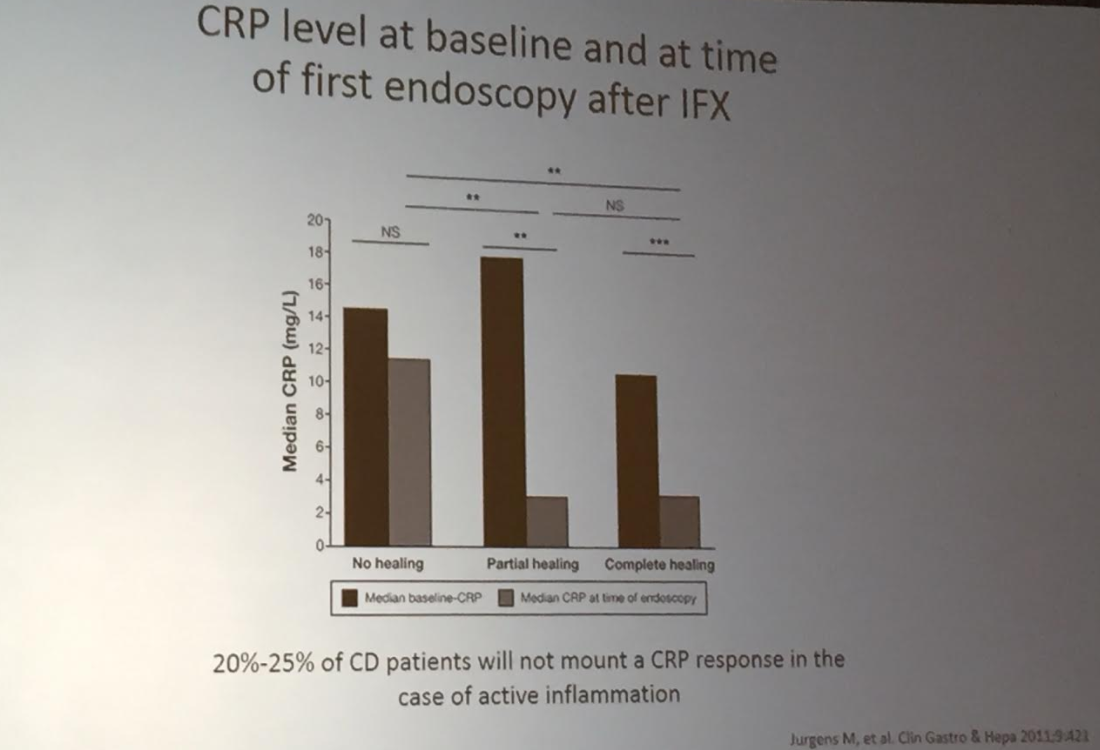
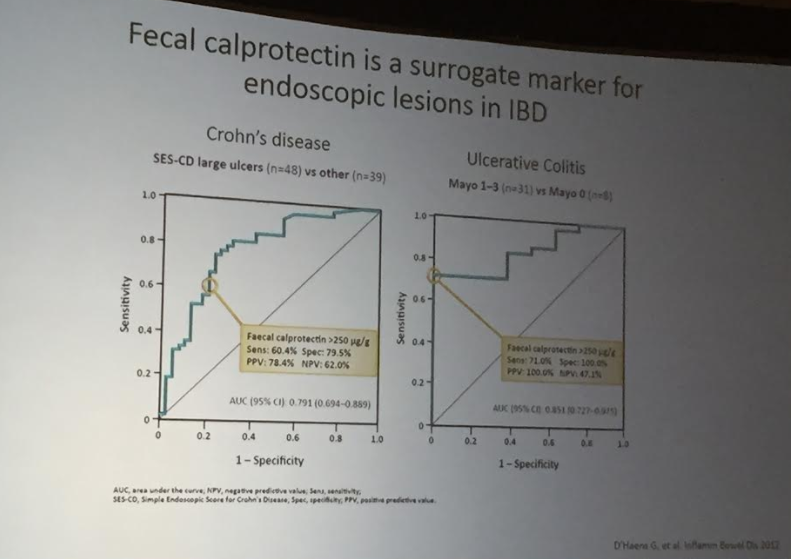
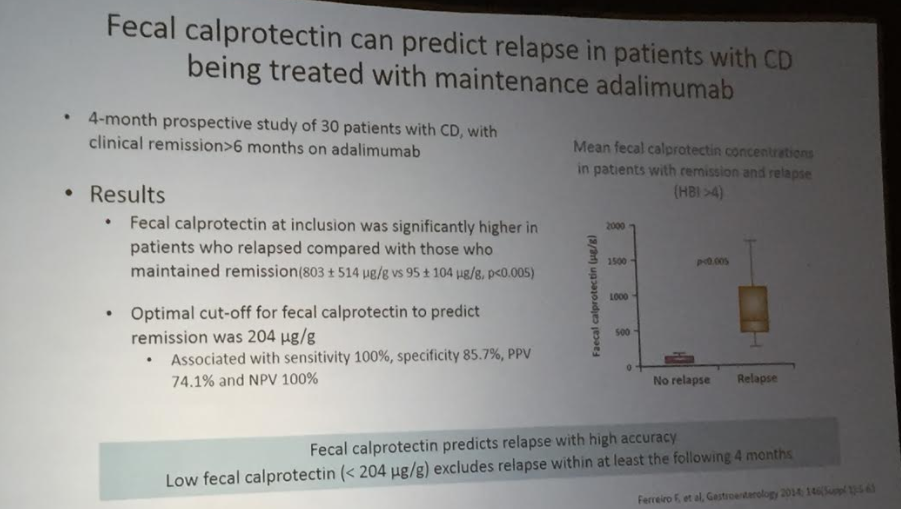
  • Best surrogate marker: calprotectin.  Frequent calprotectin levels can help determine objective improvement; it is much more helpful than CRP as ~25% of patients do not elevate their CRP levels
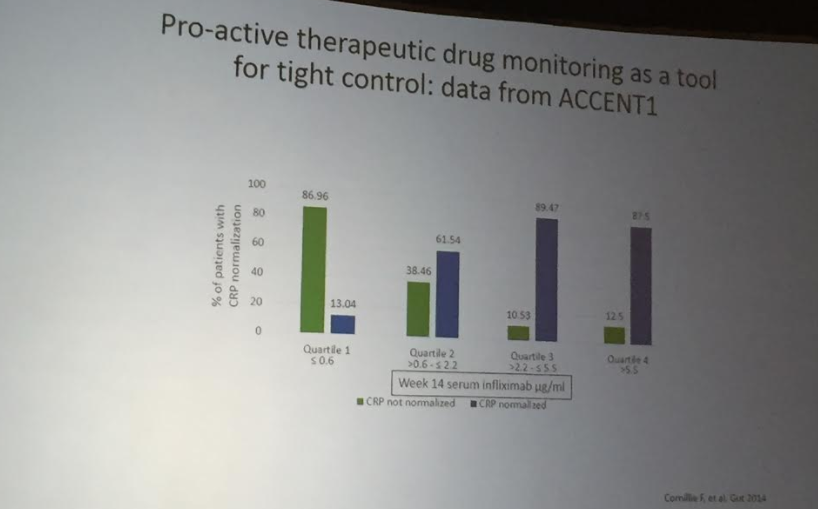
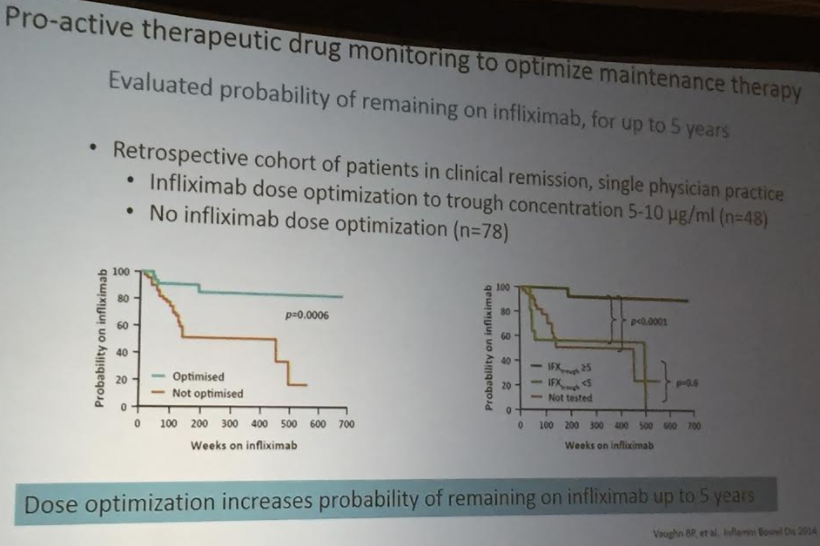
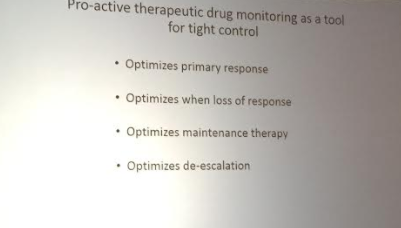
  • Therapeutic drug monitoring is important in improving outcomes. Dose optimization improves response rate and durability of infliximab response.
  • Evolving targets in ulcerative colitis.  Even histologic activity, in the absence of endoscopic activity, is associated with relapsing disease
  • Dr. Baldassano indicated that he no longer is starting patients on thiopurine therapy. There are “36 phase 3 trials underway.” Thus, many promising options for those who may burn through current treatments
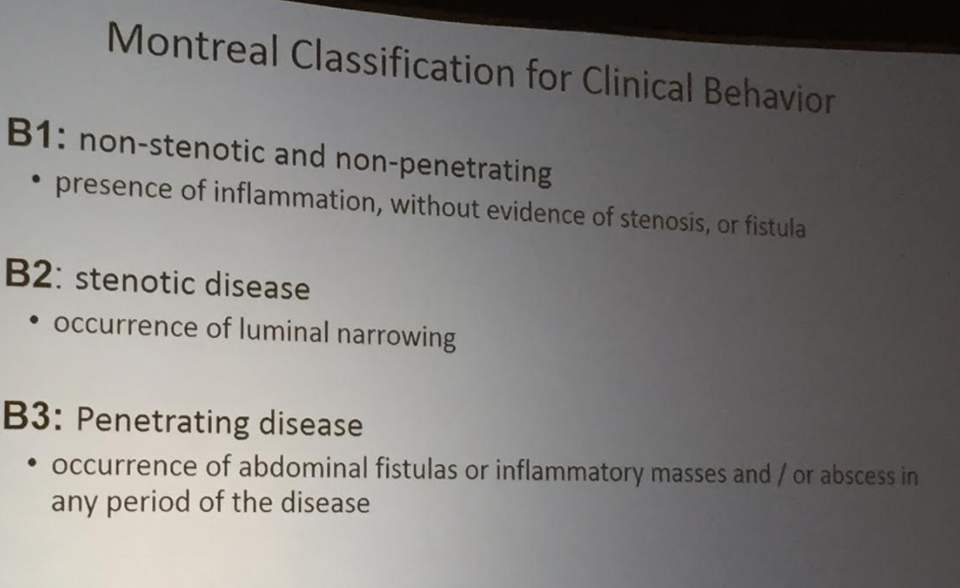
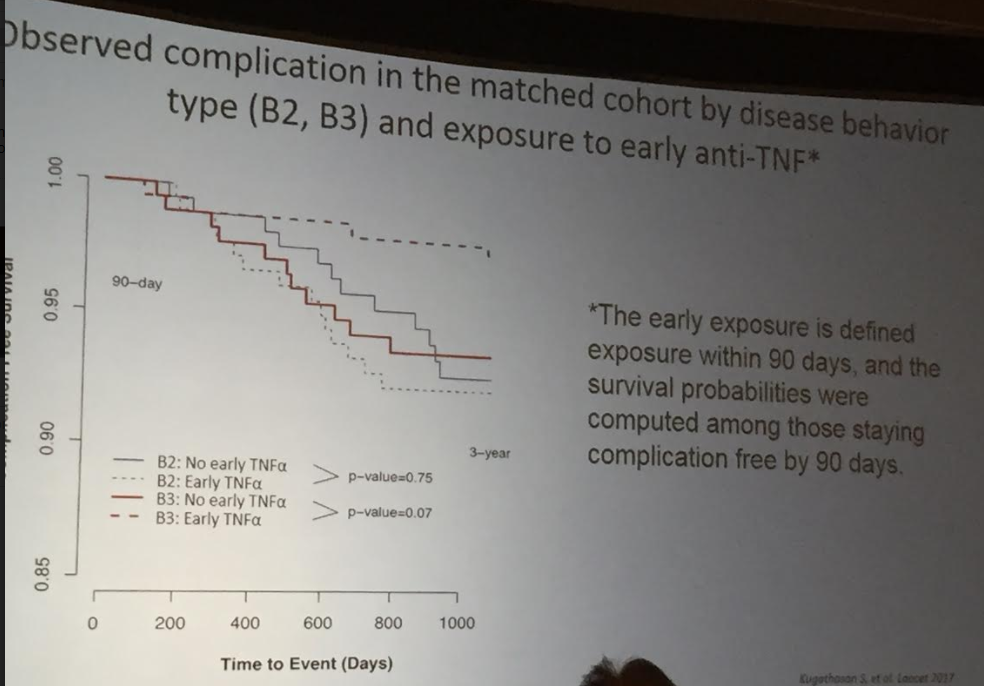
  • This lecture reviewed data from the RISK study showing that early (1st 90 days w/in diagnosis) TNF therapy helps prevent penetrating disease (related post: CCFA Update 2017/RISK study)

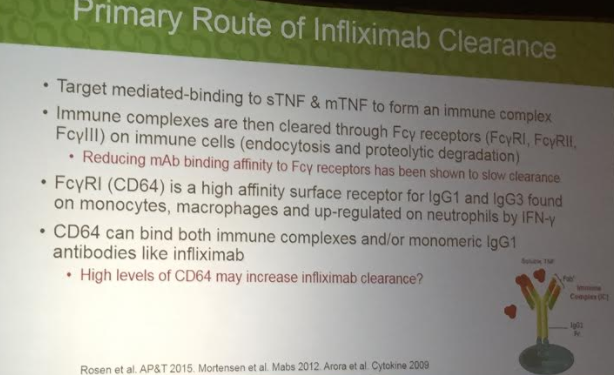
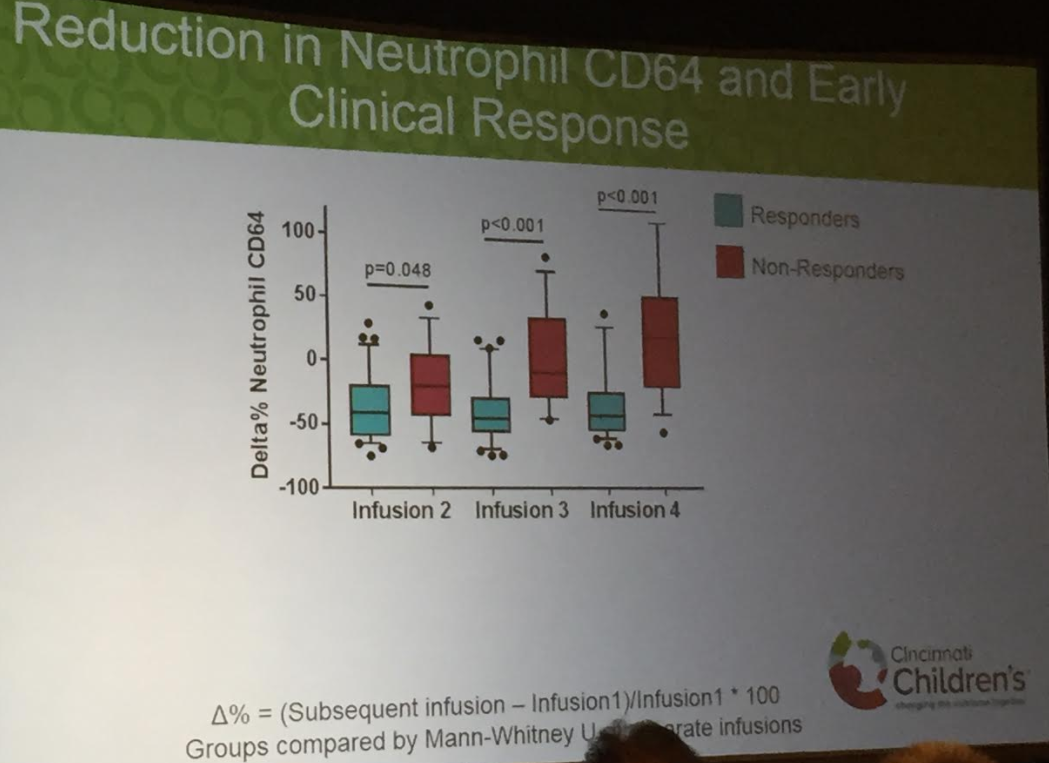
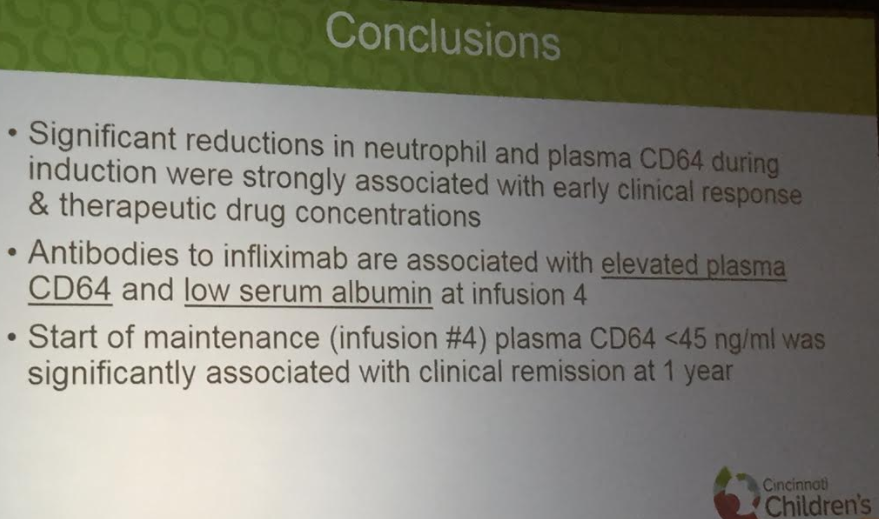
Another presentation by Philip Minar et al (Cincinnati Children’s Hospital Medical Center) shows that CD64 suppression is an early biomarker of response to infliximab therapy.

CCFA: Updates in Inflammatory Bowel Disease 2017 (Part 4)

Our local CCFA chapter provided a useful physician CME meeting.  The following are my notes. My notes may include some errors in transcription and errors of omission.

Ashish Patel  -Updates in Pediatric Inflammatory Bowel Disease Treatments

Key points:

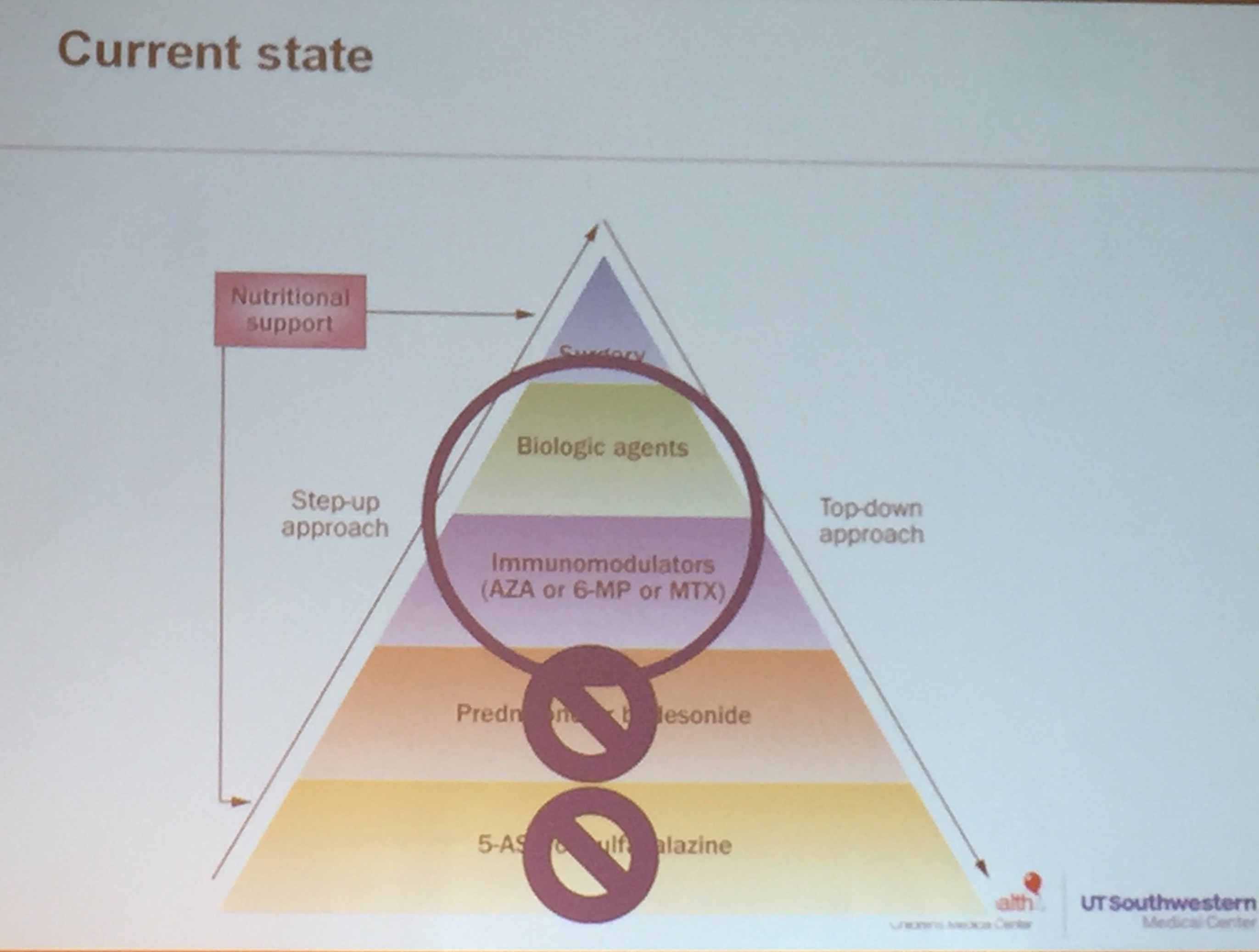
  • Top-down or step-up models are outdated –use appropriate agent for each patient
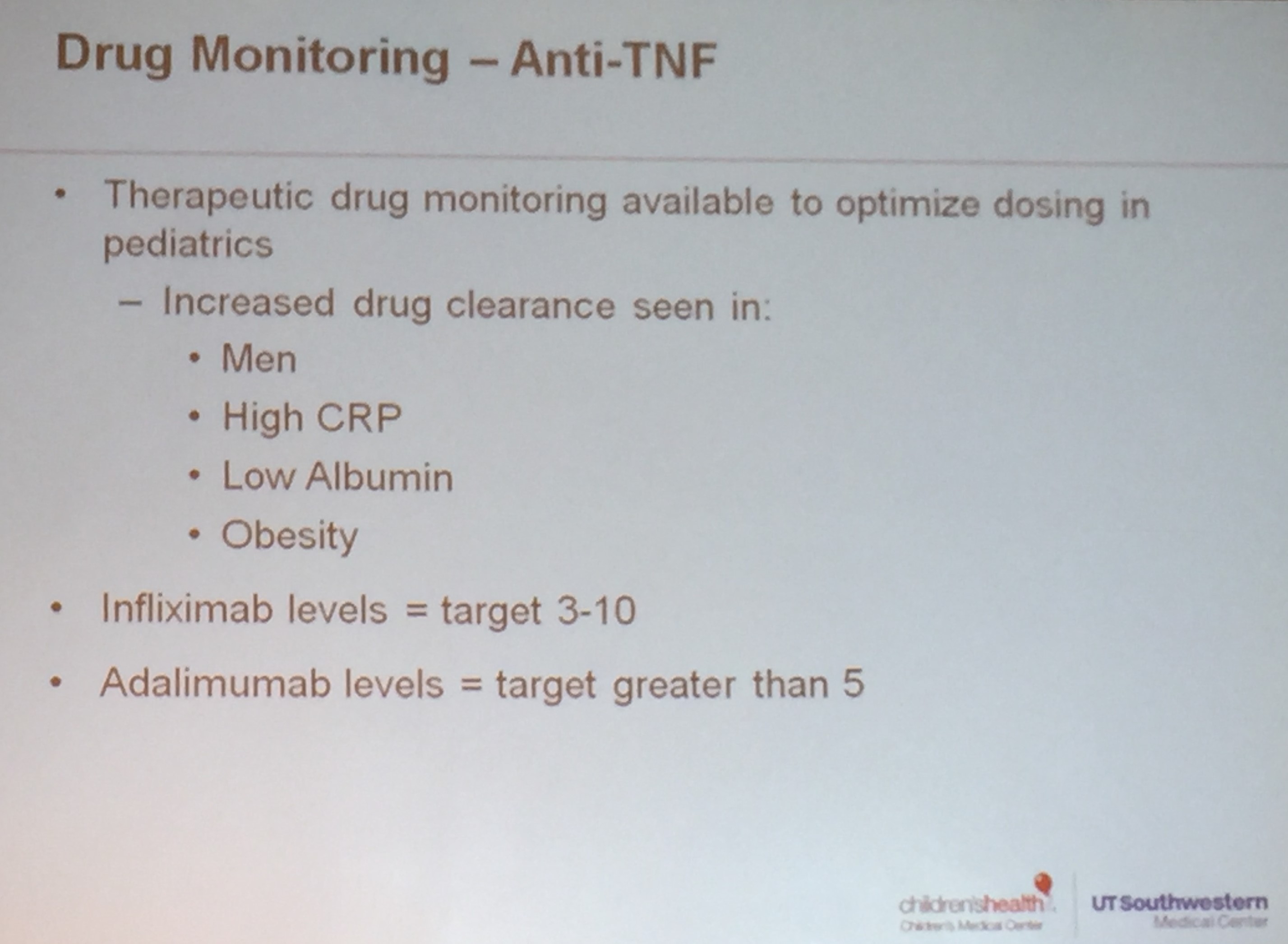
  • Discussed therapeutic drug monitoring.  In pediatrics, checking infliximab (IFX) level after 14 weeks is recommended by ICN per Dr. Patel.
  • Veolizumab -no pediatric FDA indication yet..  Alpha4Beta7 integrin blocker –blocks recruitment of WBC
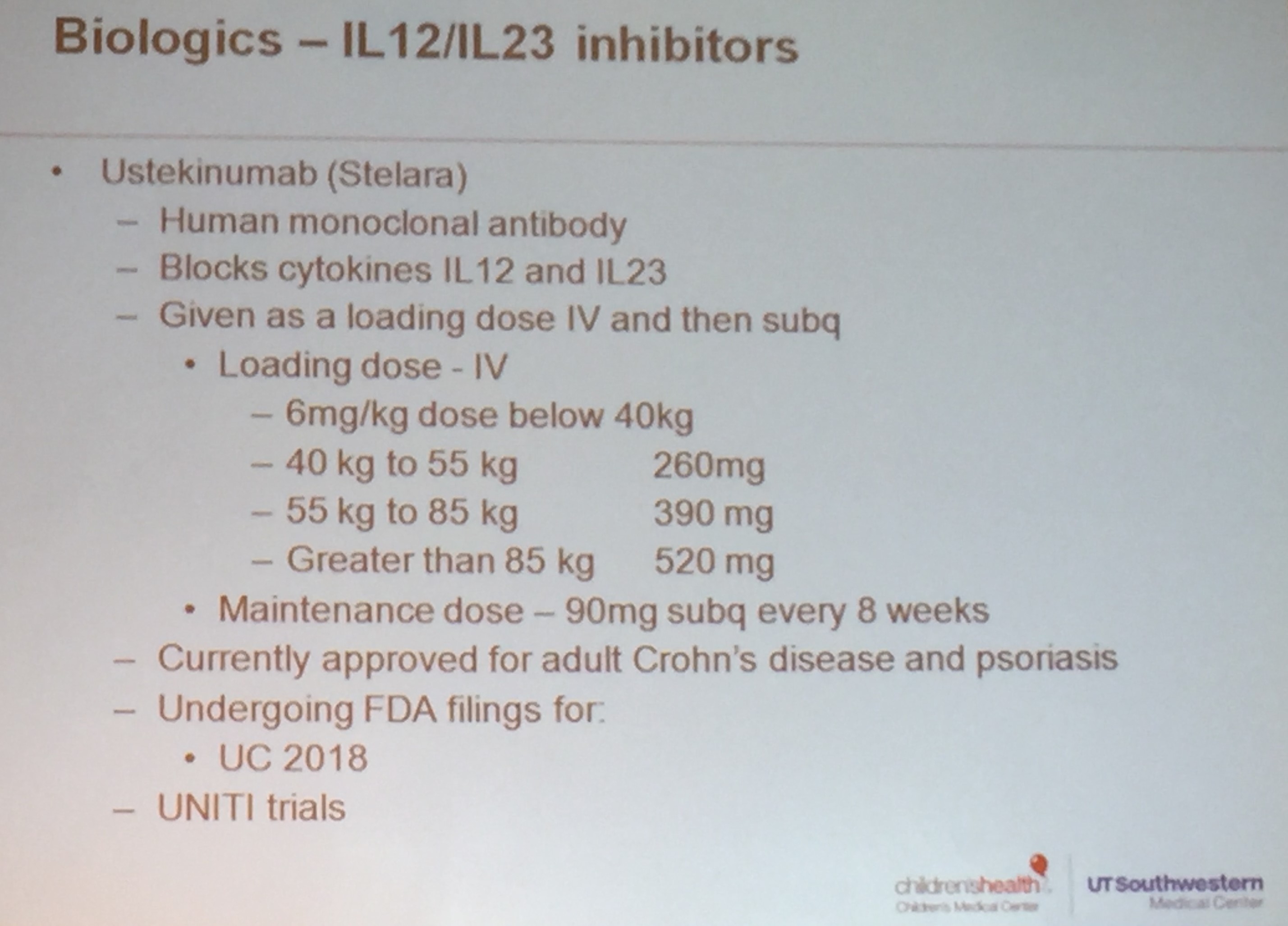
  • Stelara -off label in pediatrics.  Seems to be helpful for patients who have psoriasis on TNF agents.
  • Exclusive enteral nutrition (EEN) like medical therapies are therapies and not cures.  It has to be maintained to be effective.

Disclaimer: These blog posts are for educational purposes only. Specific dosing of medications (along with potential adverse effects) and changes in diet should be confirmed by prescribing physician.  This content is not a substitute for medical advice, diagnosis or treatment provided by a qualified healthcare provider. Always seek the advice of your physician or other qualified health provider with any questions you may have regarding a condition.

CCFA: Updates in Inflammatory Bowel Disease 2017 (part 2)

Douglas Wolf -New Treatments and New Strategies

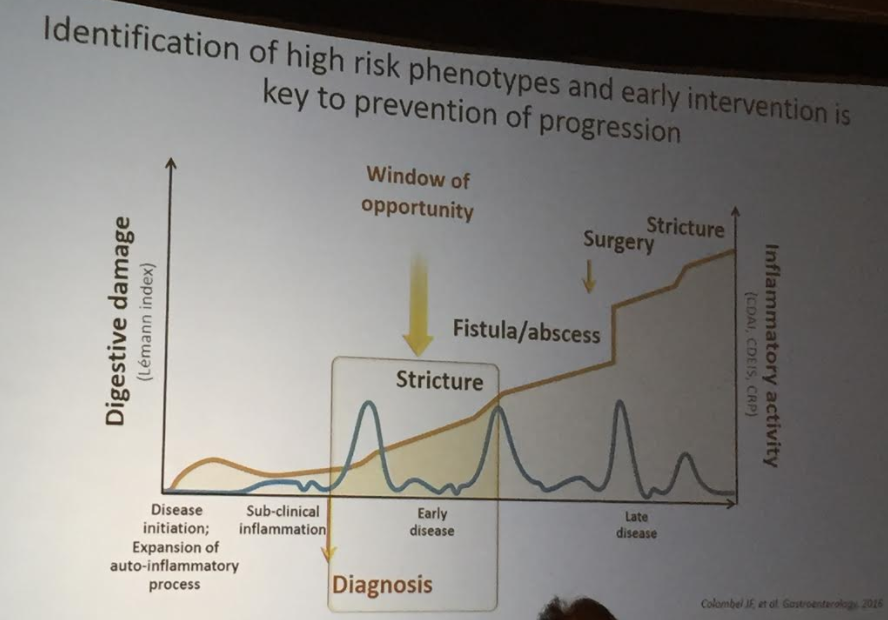
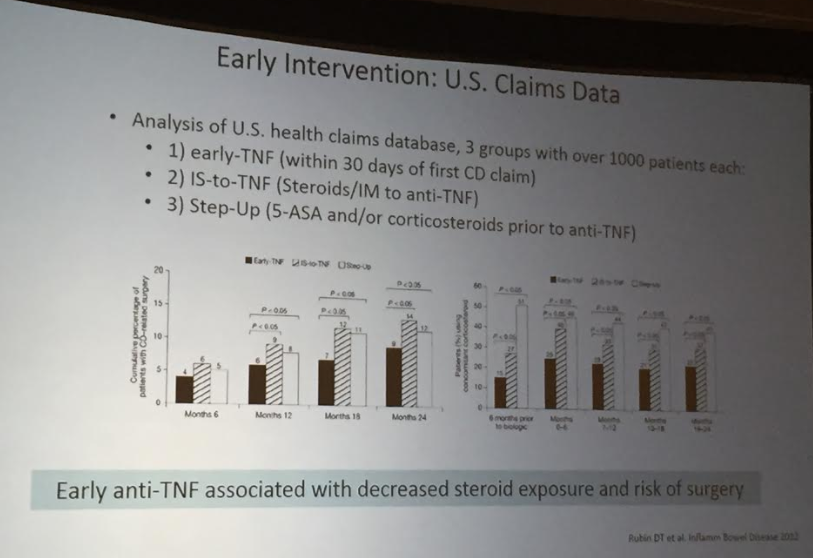
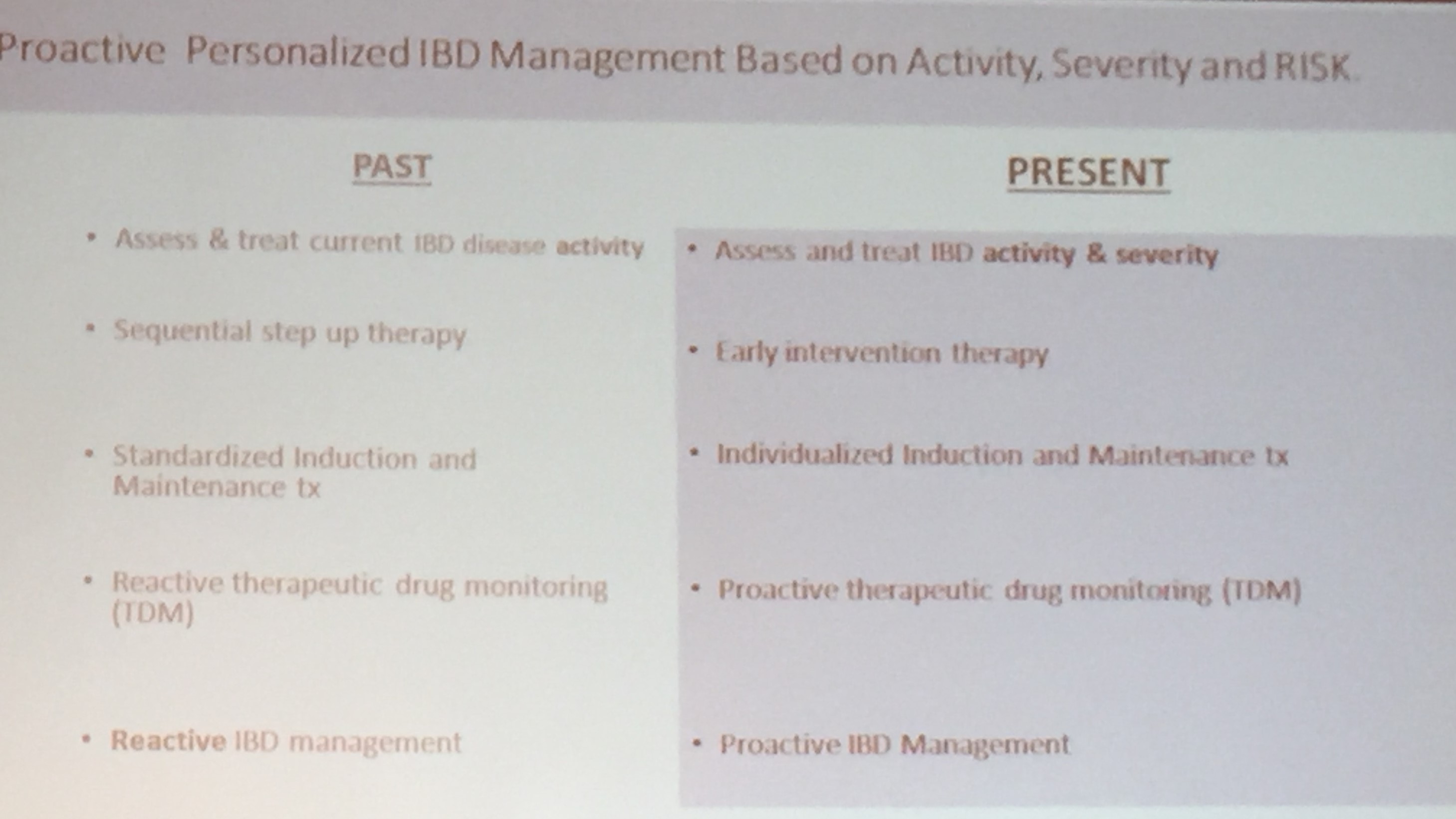
  • More proactive approach is recommended; this leads to less surgery, less hospitalization, and less antibodies to infliximab
  • Risk assessment should guide treatment; higher risk indicates a need for more aggressive therapy
  • Higher doses of anti-TNFs appropriate in some cases (eg weekly Humira)
  • For distal colitis/proctitis, budesonide foam is an alternative to cortifoam
  • Azathioprine monotherapy has a low response rate
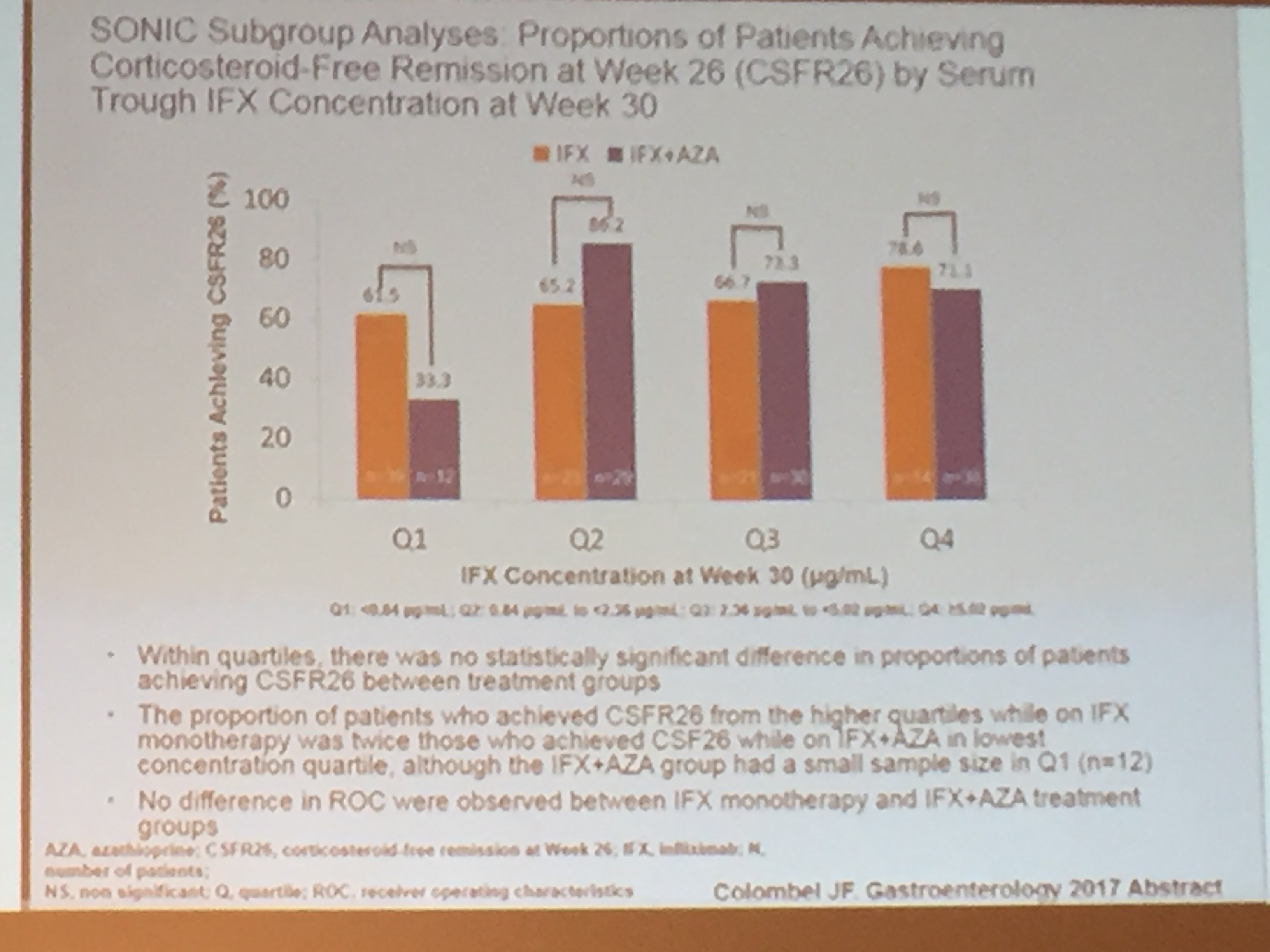
  • Combination therapy may not be needed if good IFX levels obtained.  Though, it is possible that development of antibodies precludes achieving good levels; thus, combination therapy may increase likelihood of good levels by reducing antibody formation, particularly earlier in course
  • Vedolizumab can be shortened to q4weeks if not improving.
  • CALM study: symptom based management compared to management based treat-to-target relying on CRP, and calprotectin. Improved outcomes with treatment based on CRP, calprotectin in addition to symptoms.
  • Tofacitinib –will be available in 2018 for ulcerative colitis

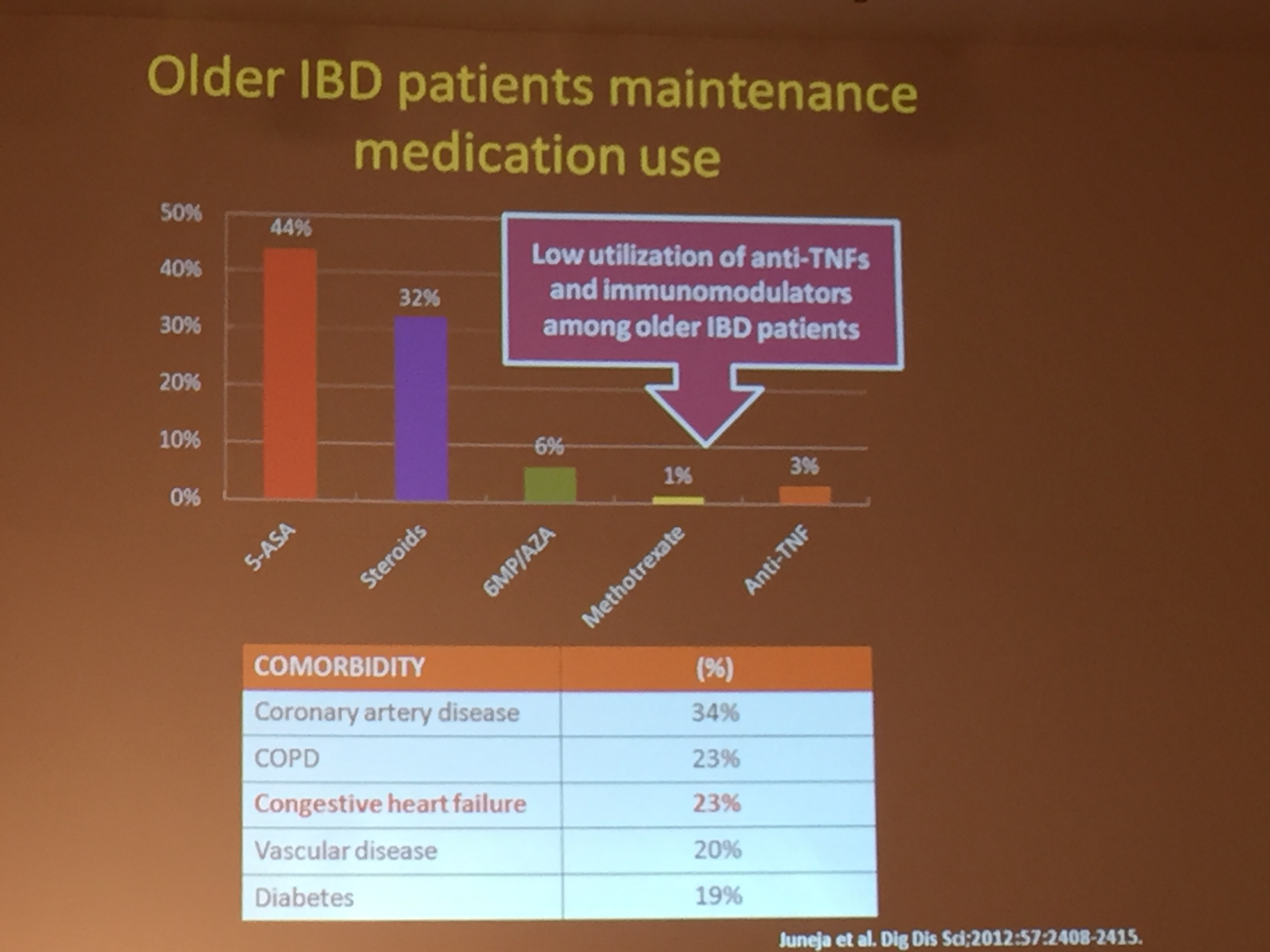
Chiristina Ha -Treatment Strategies in the Elderly

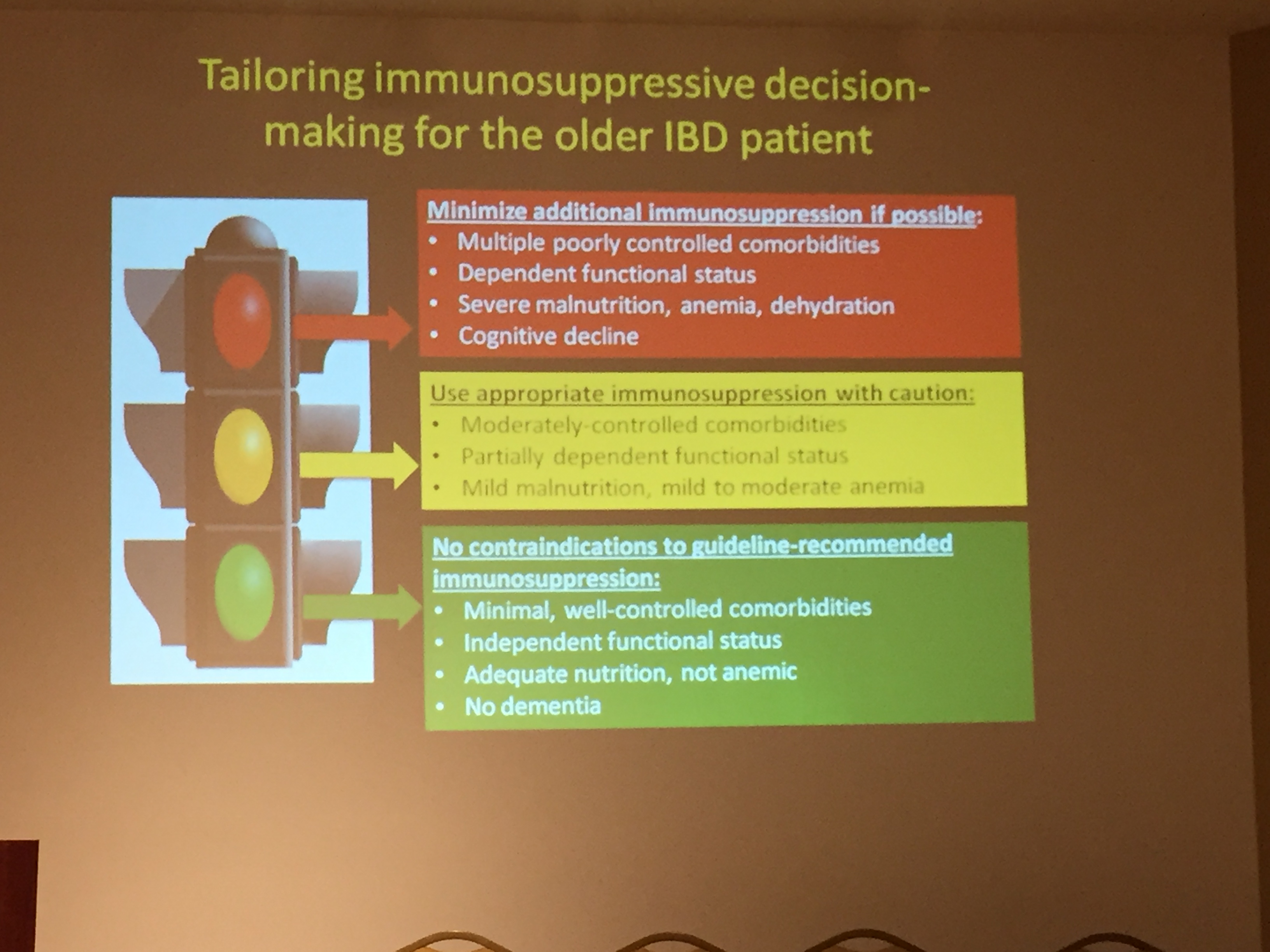
Dr. Ha referenced Dr. Sandborn who recently stated that combination therapy should be first-line therapy in moderate-to-severe disease –though this may be different in elderly patients.

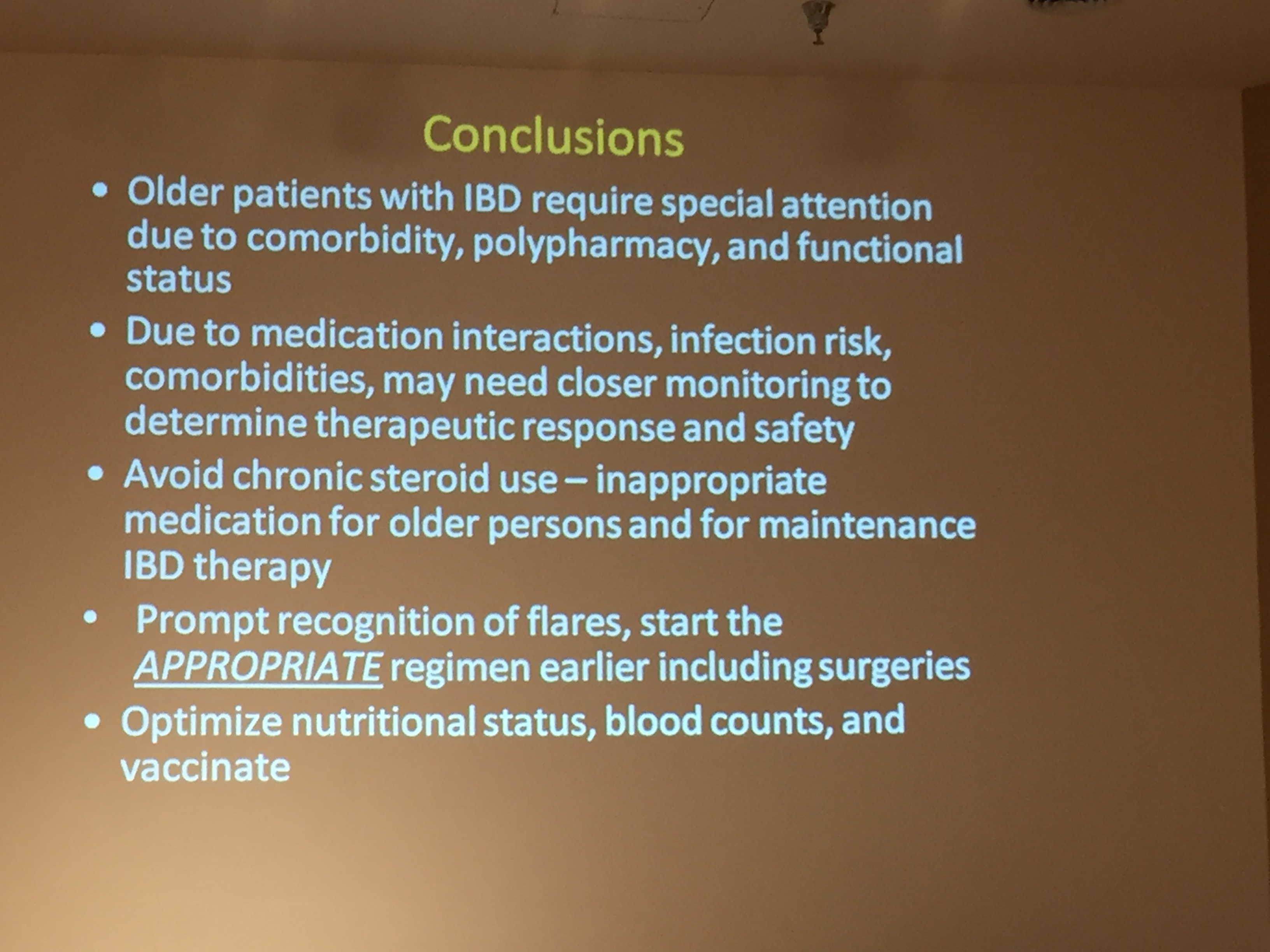
  • Older age –increases mortality risk
  • Immunosenescence -relative immunodeficiency state associated with aging
  • Pharmokinetic changes with aging
  • Increased susceptibility to drug toxicity (eg. Renal, hepatic)
  • Older patients usually excluded from therapeutic trials
  • Polypharmacy is more common

Treatment:

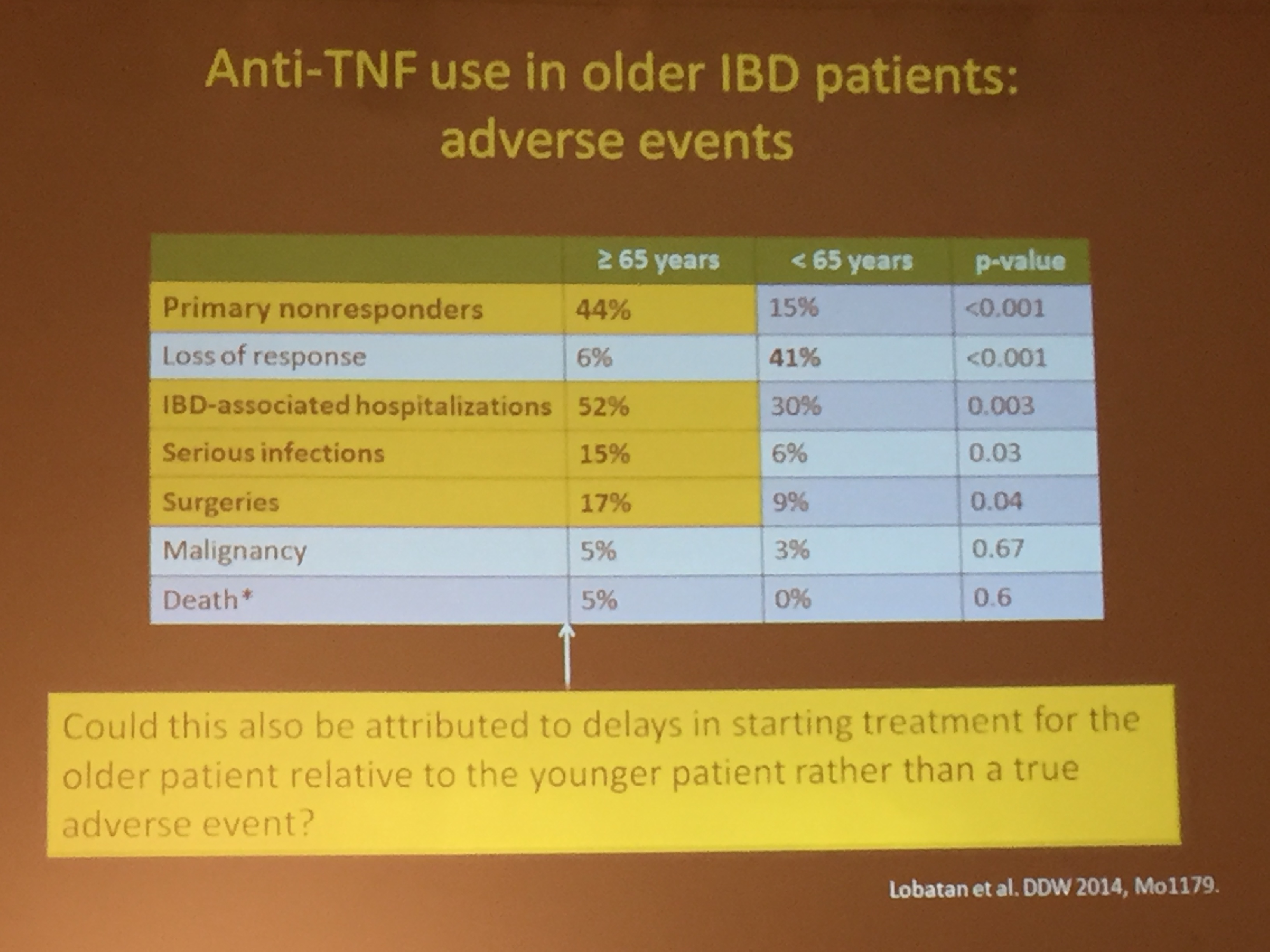
  • Frequent strategy in elderly has been using 5-ASAs and steroids, even in moderate-to-severe disease. This has been due to increased fear of adverse events with IMM and anti-TNFs.  However, using data from rheumatoid arthritis, older patients’ biggest risk is steroids.
  • Thiopurines have unfavorable risk profile in the elderly.
  • Anti-TNFs are not as effective in the elderly
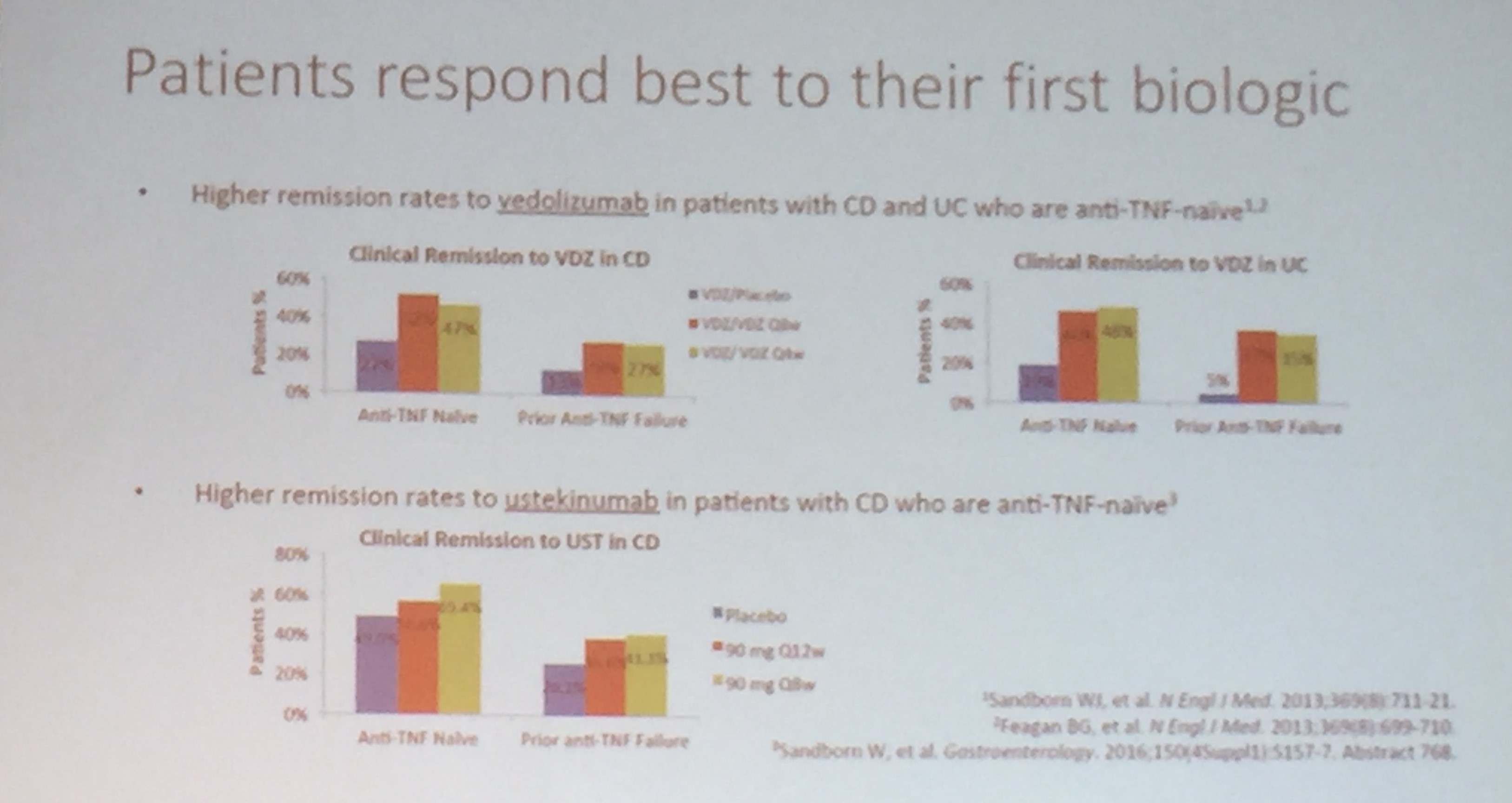
  • Preliminary data on vedolizumab -very limited data, may work better in older patients
  • Most common infections by be reduced considerably by immunizations. (eg.  ,bacterial pneumonia, herpes zoster)
  • Correct anemia, nutritional deficiencies

Disclaimer: These blog posts are for educational purposes only. Specific dosing of medications (along with potential adverse effects) and changes in diet should be confirmed by prescribing physician.  This content is not a substitute for medical advice, diagnosis or treatment provided by a qualified healthcare provider. Always seek the advice of your physician or other qualified health provider with any questions you may have regarding a condition.

Fecal Calprotectin Monitoring Helpful at Identifying Relapse in IBD

Thanks to Ben Gold for this reference: Y. Zhulina et al. Aliment Pharm Ther 2016; 44: 495-504.

Methods: 

  • Patients aged 18 years or older, with a known diagnosis of IBD in clinical remission, were prospectively studied. Patients provided faecal samples every third month and were prospectively followed until the rst clinical relapse or the end of the 2-year follow-up period.  
  • Relapse was dened as increasing symptoms necessitating intensied medical therapy or surgery.

Key finding:

  • Among 104 patients, Crohns disease (n = 49) and ulcerative colitis (n = 55), 37 had a relapse. A doubling of faecal calprotectin level between two consecutively collected samples was associated with a 101% increased risk of relapse (HR: 2.01; 95% CI: 1.532.65; P < 0.001).

My take: Another study showing that stool calprotectin is quite useful. How long will it be until I will not need to write letters to insurance companies to get this test covered?

Also noted in the same issue: 
“The safety of autologous and metabolically fit bone marrow mesenchymal stromal cells in medically refractory Crohn’s disease – a phase 1 trial with three doses” (pages 471–481) T. Dhere, I. Copland, M. Garcia, K. Y. Chiang, R. Chinnadurai, M. Prasad, J. Galipeau and S. Kugathasan. Aliment Pharm Ther 2016; 44: 471-81. This study examined the use of mesenchymal stromal cells in 12 patients.

In conclusion, a single infusion of fresh autologous bone marrow-derived mesenchymal stromal cells propagated ex vivo using a non xenogeneic human platelet lysate growth supplement at doses ranging 2–10 million cell/kg BW was well tolerated in patients with medically refractory moderate to severe Crohn’s disease in this preliminary study. Our data neither addressed long-term safety nor sustained efficacy. However, this study informs that a future phase 2 study 

A previous study of mesenchymal stromal cells was briefly discussed in a previous blog: Sanjay Gupta is Wrong…about Stem Cell Therapy

Related blog posts:

Hidden Lake at Glacier National Park

Hidden Lake at Glacier National Park

Best Fecal Marker for Crohn’s Disease: Calprotectin

A recent study (EK Wright et al. Inflamm Bowel Dis 2016; 22: 1086-94) collected data from 135 participants in a prospective, randomized, controlled trial aimed at preventing postoperative Crohn’s disease (CD) recurrence.  As part of this study, serial stool collections enabled comparison of fecal markers: calprotectin (FC), lactoferrin (FL) and S100A12 (FS).

FC was the optimal marker and was superior to CRP and CDAI. Table 4 provides a list of sensitivity, specificity, PPV, and NPV for each of the fecal markers at various cutoffs.

For FC, using the optimal cutoff of 135 mcg/g, the sensitivity was 0.87, specificity was 0.66, PPV was 56%, and NPV 91%.  A lower cutoff (50 mcg/g) improved sensitivity to 0.96 and NPV to 94%; whereas a higher cutoff (200 mcg/g) lowered the sensitivity to 71% but improved the specificity to 0.74 along with raising the PPV% to 59%.

My take: While the yield of a test changes based on the population examined, this report indicates that it is likely that calprotectin would outperform the other fecal inflammatory markers in most settings.

Related blog posts:

Briefly noted: G Gale et al. Inflamm Bowel Dis 2016; 22: 1071-77.  This report describes more extensive disease when there is concomitant orofacial granulomatosis with Crohn’s disease.

Paris from Postcards

Paris from Postcards, Vik Muniz

ParisCaption

Is Intestinal Function in Children with Autism Different?

There has been a lot of concern that abnormal GI function contributes to both behavioral and gastrointestinal symptoms in children with autism.  To categorize some of these problems, the term ‘leaky gut’ has been used.

An upcoming study (RI Kushak et al. JPGN DOI: 10.1097/MPG.0000000000001174) (thanks to Ben Gold for forwarding this reference) examines this issue. Using a case-control design, pediatric patients with autism spectrum disorder (ASD) (n=61) were compared with 50 children with normal development.

Workup:

  • Endoscopy (EGD and colonoscopy) with histologic analysis
  • Disaccharidase analysis
  • Intestinal permeability studies with lactulose and rhamnose
  • Fecal biomarkers: calprotectin and lactoferrin

According to the authors, all of the study subjects underwent endoscopy and “all had clinical indications for diagnostic endoscopy.”  Most common indications were parental reports of abdominal pain and diarrhea.

Key findings:

  • Disaccharidase activity levels were not significantly different between the groups. In agreement with prior studies, there was frequent lactase deficiency, with 66% of ASD children in this study with deficient enzyme activity (<15 μmol/min/g).  However, lactase activity in the children with ASD was not lower than the non-ASD children.
  • There were no significant differences in measures of intestinal permeability.  Normative values for lactulose and rhamnose ratio are not definitively established.  However, when using similar cutoff ratios, there were similar results in both groups.

Calprotectin:

  • Intestinal inflammatory markers (calprotectin/lactoferrin) were not significantly different, after the authors excluded the five “neurotypical” children who were diagnosed with inflammatory bowel disease.
  • For calprotectin, the authors considered a level <50 mcg/g to be normal.  In the ASD group, 31of 49 (63%) had abnormal calprotectin compared with 19 of 31 (61%) in the non-ASD group.
  • For calprotectin levels >150 mcg/g, 9 of 49 (18%) reached this level in the ASD group and 8 of 31 (26%) in the non-ASD group.

Histology:

  • Similar levels of GI tract inflammation were noted in both groups –generally mild.
  • In the ASD group, 32 (52%) had inflammation somewhere in their GI tract, “but it was generally mild and non-diagnostic.”  In the ASD group, five had features consistent with GERD, two had eosinophilic esophagitis (EoE).  There were 12 (19%) who had colonic inflammation and 3 (5%) with ileal inflammation.  None had celiac disease or H pylori.
  • In the non-ASD group, four had EoE, four (8%) had ileal inflammation, and nine (18%) had colonic inflammation.  The authors noted Crohn’s disease in three and a total of five children with IBD.

My take:

  1. This study suggests that symptomatic children with autism have similar (and probably not worse) GI problems as neurotypical children.  The idea that children with autism have a more leaky gut than children without autism is quite dubious based on these results.
  2. The biggest problem for GI physicians is not addressed in this study and involves children with and without autism: appropriate selection for evaluation.  While the authors chose children with “clinical indications,” these, in fact, are often subjective and with permissive interpretation could be used to justify endoscopy in 40% of children.
  3. Another huge problem is interpretation of abnormal results.  While the authors report large numbers with intestinal inflammation in both groups, most of this was considered to be insignificant clinically.  How should trivial inflammation be reported in studies?  This problem is not unique to this study and makes it difficult to assess the value of endoscopy more broadly.

Related blog posts:

Law Quad, Univ Michigan

Law Quad, Univ Michigan


Stress and IBD Flareups

Over the years, I’ve had several experiences in which some patients had flareups of their inflammatory bowel disease (IBD) in relation to specific stresses (eg. going to away camp).  This was not just stomach pain but instead bloody diarrhea.  While this is very infrequent, I’ve come to believe that there may be some individuals who develop IBD flareups in response to stress. A recent study (Targownik LE, et al. AJG 2015; 110, 1001-1012doi:10.1038/ajg.2015.147) suggests that most of the time when individuals report a flareup in response to stress, that there is not objective evidence of increased inflammation.

The Relationship Among Perceived Stress, Symptoms, and Inflammation in Persons With Inflammatory Bowel Disease

From Abstract:

METHODS:

Participants were recruited from a population-based registry of individuals with known IBD. Symptomatic disease activity was assessed using validated clinical indices: the Manitoba IBD Index (MIBDI) and Harvey Bradshaw Index (HBI) for Crohn’s disease (CD), and Powell Tuck Index (PTI) for ulcerative colitis (UC). Perceived stress was measured using Cohen’s Perceived Stress Scale (CPSS). Intestinal inflammation was determined through measurement of fecal calprotectin (FCAL), with a level exceeding 250μg/g indicating significant inflammation. Logistic regressions were used to evaluate the association between intestinal inflammation, perceived stress, and disease activity.

RESULTS:

Of the 478 participants with completed surveys and stool samples, perceived stress was associated with symptomatic activity (MIBDI) for both CD and UC (1.07 per 1-point increase on the CPSS, 95% confidence interval (CI) 1.03–1.10 and 1.03–1.11, respectively). There was no significant association between perceived stress and intestinal inflammation for either CD or UC. Active symptoms (MIBDI ≤3) were associated with intestinal inflammation in UC (odds ratio (OR) 3.94, 95% CI 1.65–9.43), but not in CD (OR 0.98, 95% CI 0.51–1.88).

CONCLUSIONS:

Symptomatic disease activity was unrelated to intestinal inflammation in CD and only weakly associated in UC. Although there was a strong relationship between perceived stress and gastrointestinal symptoms, perceived stress was unrelated to concurrent intestinal inflammation. Longitudinal investigation is required to determine the directionality of the relationship between perceived stress, inflammation, and symptoms in IBD.

Related blog posts:

For worried hikers in Yellowstone

For worried (“stressed”) hikers in Yellowstone

Prospective Monitoring of Calprotectin for Crohn’s Disease

A recent study (full text link: Wright EK, et al. Gastroenterol May 2015 Volume 148, Issue 5, Pages 938–947) shows that stool calprotectin levels can be useful to monitor Crohn’s disease (Links from AGA twitter feed).  This study measured levels as part of The Post-Operative Crohn’s Endoscopic Recurrence (POCER) study.

Here’s the abstract, followed by some comments:

Background & Aims

Crohn’s disease (CD) usually recurs after intestinal resection; postoperative endoscopic monitoring and tailored treatment can reduce the chance of recurrence. We investigated whether monitoring levels of fecal calprotectin (FC) can substitute for endoscopic analysis of the mucosa.

Methods

We analyzed data collected from 135 participants in a prospective, randomized, controlled trial, performed at 17 hospitals in Australia and 1 hospital in New Zealand, that assessed the ability of endoscopic evaluations and step-up treatment to prevent CD recurrence after surgery. Levels of FC, serum levels of C-reactive protein (CRP), and Crohn’s disease activity index (CDAI) scores were measured before surgery and then at 6, 12, and 18 months after resection of all macroscopic Crohn’s disease. Ileocolonoscopies were performed at 6 months after surgery in 90 patients and at 18 months after surgery in all patients.

Results

Levels of FC were measured in 319 samples from 135 patients. The median FC level decreased from 1347 μg/g before surgery to 166 μg/g at 6 months after surgery, but was higher in patients with disease recurrence (based on endoscopic analysis; Rutgeerts score, ≥i2) than in patients in remission (275 vs 72 μg/g, respectively; P < .001). Combined 6- and 18-month levels of FC correlated with the presence (r = 0.42; P < .001) and severity (r = 0.44; P < .001) of CD recurrence, but the CRP level and CDAI score did not. Levels of FC greater than 100 μg/g indicated endoscopic recurrence with 89% sensitivity and 58% specificity, and a negative predictive value (NPV) of 91%; this means that colonoscopy could have been avoided in 47% of patients. Six months after surgery, FC levels less than 51 μg/g in patients in endoscopic remission predicted maintenance of remission (NPV, 79%). In patients with endoscopic recurrence at 6 months who stepped-up treatment, FC levels decreased from 324 μg/g at 6 months to 180 μg/g at 12 months and 109 μg/g at 18 months.

Conclusions

In this analysis of data from a prospective clinical trial, FC measurement has sufficient sensitivity and NPV values to monitor for CD recurrence after intestinal resection. Its predictive value might be used to identify patients most likely to relapse. After treatment for recurrence, the FC level can be used to monitor response to treatment. It predicts which patients will have disease recurrence with greater accuracy than CRP level or CDAI score.

Some key points from the discussion:

  • The POCER study recently showed that postoperative endoscopic monitoring, together with treatment intensification for early recurrence, is superior to standard drug therapy alone in preventing disease recurrence, at least in the short term. However, such endoscopic monitoring is invasive, expensive, cannot be repeated frequently, and, in some patients, will yield a normal result.” [De Cruz, P., Kamm, M.A., Hamilton, A.L. et al. Crohn’s disease management after intestinal resection: a randomised trial. Lancet2014; (Epub ahead of print)]
  • The POCER study had all postoperative patients receive 3 months of metronidazole.  High-risk patients also received thiopurine or adalimumab (if thiopurine intolerant) therapy.  High-risk was defined as patients who were smokers, patients with perforating disease, or patients with 1 or more previous resections.
  • “In our study we have shown that FC concentration is increased markedly before surgery and decreases substantially after resection of all macroscopic disease at 6 months”
  • The present study has shown that FC concentration is sufficiently sensitive to monitor for recurrence of Crohn’s disease, and has a high enough negative predictive value to be confident that few patients with recurrence will be missed.” The authors, though, recommend serial measurement rather than relying on a single assay.
  • Calprotectin: “At each time point in our study, a cut-off value of 100 μg/g had an NPV of 90% or greater, with the best combination of sensitivity and specificity.”
  • An important limitation of these findings is that patients had to have all macroscopic disease removed at the time of surgery.  Thus, these findings are not generalizable to patients with residual upper gastrointestinal disease.
  • “These results confirm the accuracy, utility and superiority of fecal calprotectin compared with CRP or CDAI as a monitoring tool and screening test for endoscopic recurrence of Crohn’s disease in the postoperative population.”

Additional summary of this information on AGA Journals blog:  Measurement of Fecal Calprotectin.  An excerpt:

In an editorial that accompanies the article, Alain M. Schoepfer and James D. Lewis explain that the role of fecal calprotectin in assessing post-operative recurrence has been debated because of inconsistent results in mainly small studies. The strengths of the study of Wright et al include its large size, prospective design, endoscopic validation, and longitudinal inter-individual measurements of fecal calprotectin.

Tests for biomarkers such as fecal calprotectin can be repeated more frequently than colonoscopies. This advantage could overcome the lower levels of sensitivity with which single measurements of biomarkers detect recurrence. Schoepfer and Lewis say that studies are needed to determine the optimal frequency for measuring fecal calprotectin.

However, they conclude that measurement of fecal calprotectin could have an important role in monitoring Crohn’s disease recurrence after intestinal resection; it is clearly superior to measurement of c-reactive protein or CDAI score.

Proposed algorithm for using calprotectin: In the editorial, they propose that patients with low or medium risk of “permanent bowel dysfunction as a consequence of post-operative recurrence” could use fecal calprotectin measurements every 3-6 months.  They propose a cut-off of 50 mcg/g in those with medium risk and a cut-off of 100 mcg/g in those with low risk.  Those who exceeded cut-off would need colonoscopy.  Among high risk patients, they recommend proceeding directly to colonoscopy every 6-12 months to assess for recurrence.  All patients who had recurrence of disease greater than i1 would need treatment for recurrence. (Related gutsandgrowth blog: Only One Chance to Make a First Impression).

This year’s 22Q at the zoo was on May 17th, 2015:

22Q at the Zoo.  More than 100 zoos across the world participate to improve awareness of 22Q deletion syndrome

22Q at the Zoo. More than 100 zoos across the world participate to improve awareness of 22Q deletion syndrome.  With Karlene Coleman, Nancy Morris, and Jennifer Hochman.