AAP GI Review Articles: GI Bleeding in the Neonate, Cystic Fibrosis in Neonates, and Intestinal Transplantation in Children

A couple good review articles (though behind paywall):

PT Reeves, L James-Davis, M Khan. Neoreviews 2023;24(7):e403-e413. Gastrointestinal Bleeding in the Neonate: Updates on Diagnostics, Therapeutics, and Management This reviews covers the most important etiologies of GI bleeding in the neonate. A few interesting points were the potential use of calprotectin as a potential screen for necrotizing enterocolitis; “the median fecal calprotectin levels in infants with NEC were between 210 and 400 mg/g of stool.” The authors also point out that there is “limited evidence for performing endoscopy in infants with GIB…][In one study] Only 3 of 56 infants underwent therepeutic intervention during endoscopy. Five percent (n=3) of these neonates exhibited gastrointestinal perforation in the acute postoperative period after endoscopy.”

Related blog posts:

JT Duong, ZM Sellers. Neoreviews (2023) 24 (7): e414–e430. Cystic Fibrosis-Associated Gastrointestinal Disease in Neonates

Associated slides (13 slides) and presentation (~7 minutes ): Cystic Fibrosis-Associated Gastrointestinal Disease in Neonates

The article notes that meconium is typically passed in 24 to 48 hours after gastrograffin enema and recommends abdominal imaging every 8 to 12 hours after enema administration to exclude perforation along with adequate intravenous hydration (“at least 150 mL/kg per day”).

The actual article has many other useful points. For example:

  • CFTR is not expressed in hepatocytes; “however, liver injury may occur patients with CF due to proximity to cholangiocytes (which may be inflamed) and/or through increased intestinal permeability.”
  • Elastase levels are not affected by exogenous pancreatic enzyme supplementation and is expected to display levels within the normal adult range by 2 weeks of age.
  • Sodium deficiency is common and needs to be prevented with sodium supplementation in first 12 months of life (one-eighth teaspoon (= 12.5 mEq) of salt in first 6 months, and one-fourth teaspoon (=25.2 mEq) from 6-12 months)
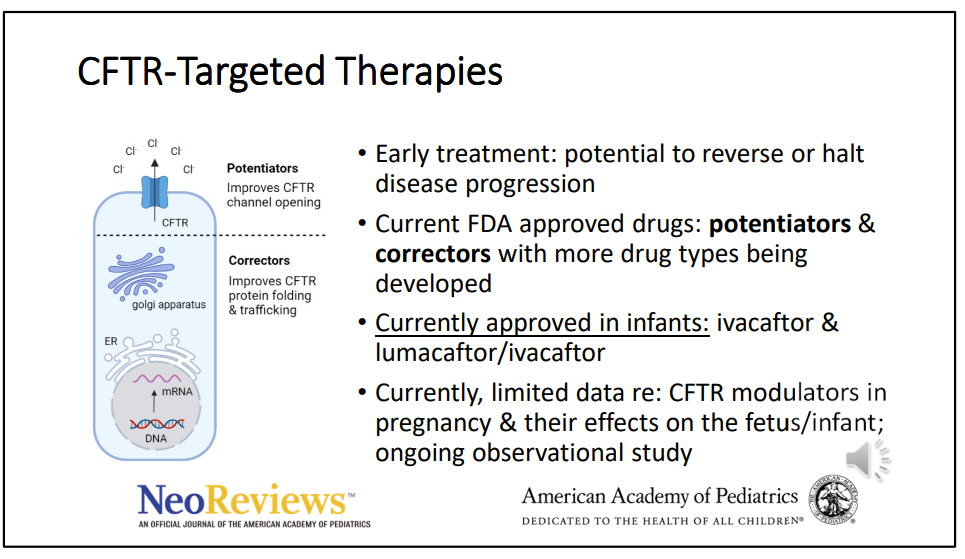
  • The newest CFTR modulator, elexacaftor/tezacaftor/ivacaftor is approved for children 2 years of age and older
  • There are case reports of in utero exposure to CFTR modulators associated with resolution/prevention of disease (eg. pregnant women starting CFTR-targeted treatment at 32 weeks gestation which resolved meconium ileus).

Related blog posts:

K McNelis, ME Rogers, S Kocoshis. Neoreviews. 2023 Jul 1;24(7):e431-e439. Pediatric Intestinal Transplantation Management and Outcomes This is another useful review for pediatricians. Pediatric intestinal transplantation is most commonly (65%) related to short bowel syndrome, 20% due to motility disorders, 9% due to mucosal diseases, 5% due to retransplantation and 1% are due to a variety of causes. The evaluation and management of patients needing intestinal transplantation is succinctly summarized. “Overall, survival of pediatric patients after intestinal transplantation is 72.7% at 1 year and 57.2% at 5 years. The most common causes of death are sepsis/multiorgan system failure and cardiovascular/stroke (Fig 2).” Also, “current statistics about organ transplantation can be publicly accessed by health care team members, patients, and families at srtr.transplant.
hrsa.gov
.” This site also includes data on transplantation for kidney, pancreas, heart, lung and liver.

Related blog posts:

#NASPGHAN19 Postgraduate Course (Part 1)

Here are some selected slides and notes from this year’s NASPGHAN’s postrgraduate course.  My notes from these lectures may contain errors in omission or transcription.

Link to the full NASPGHAN PG Syllabus 2019

8:00 – 9:00 Module 1 – Endoscopy

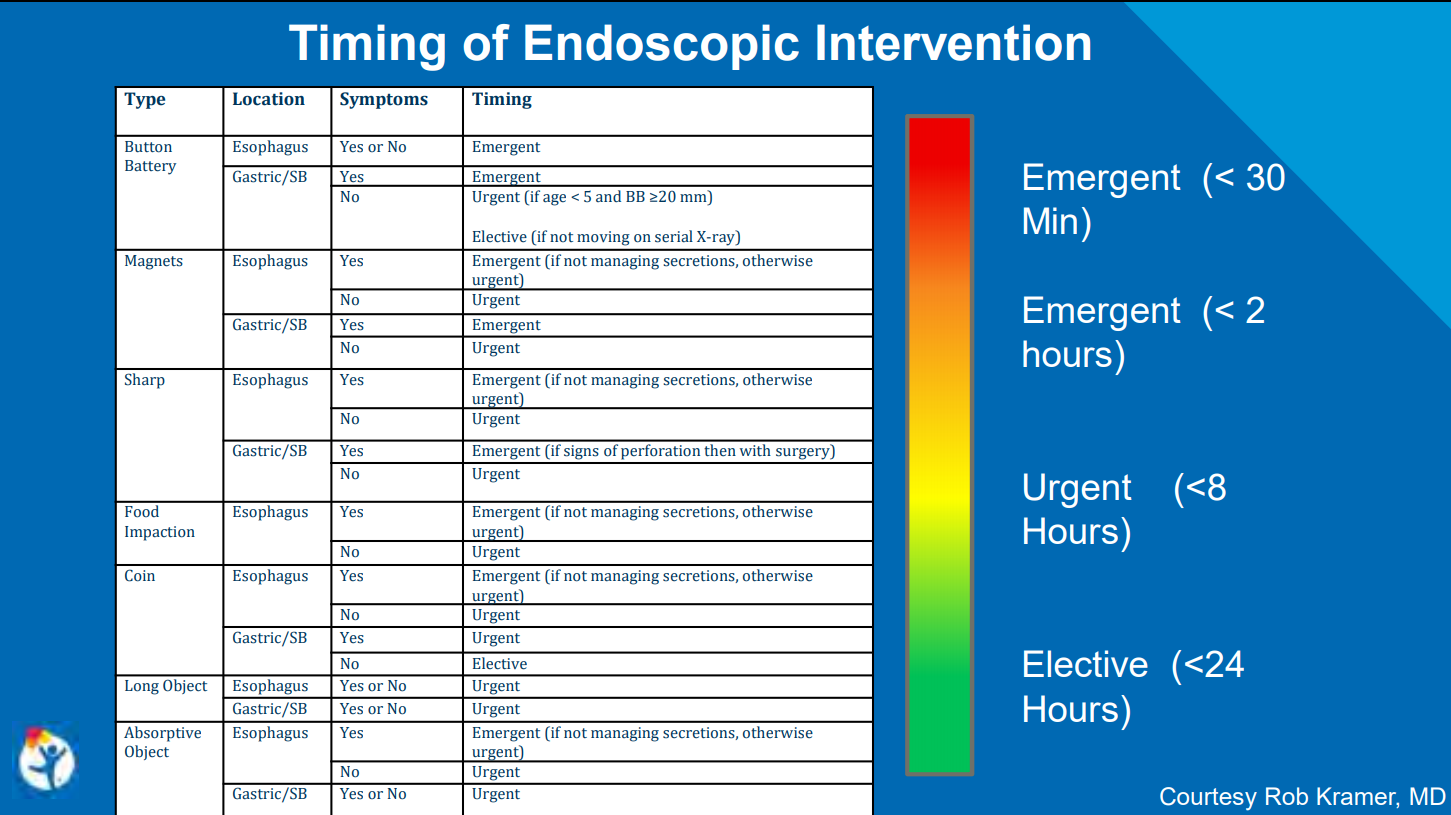
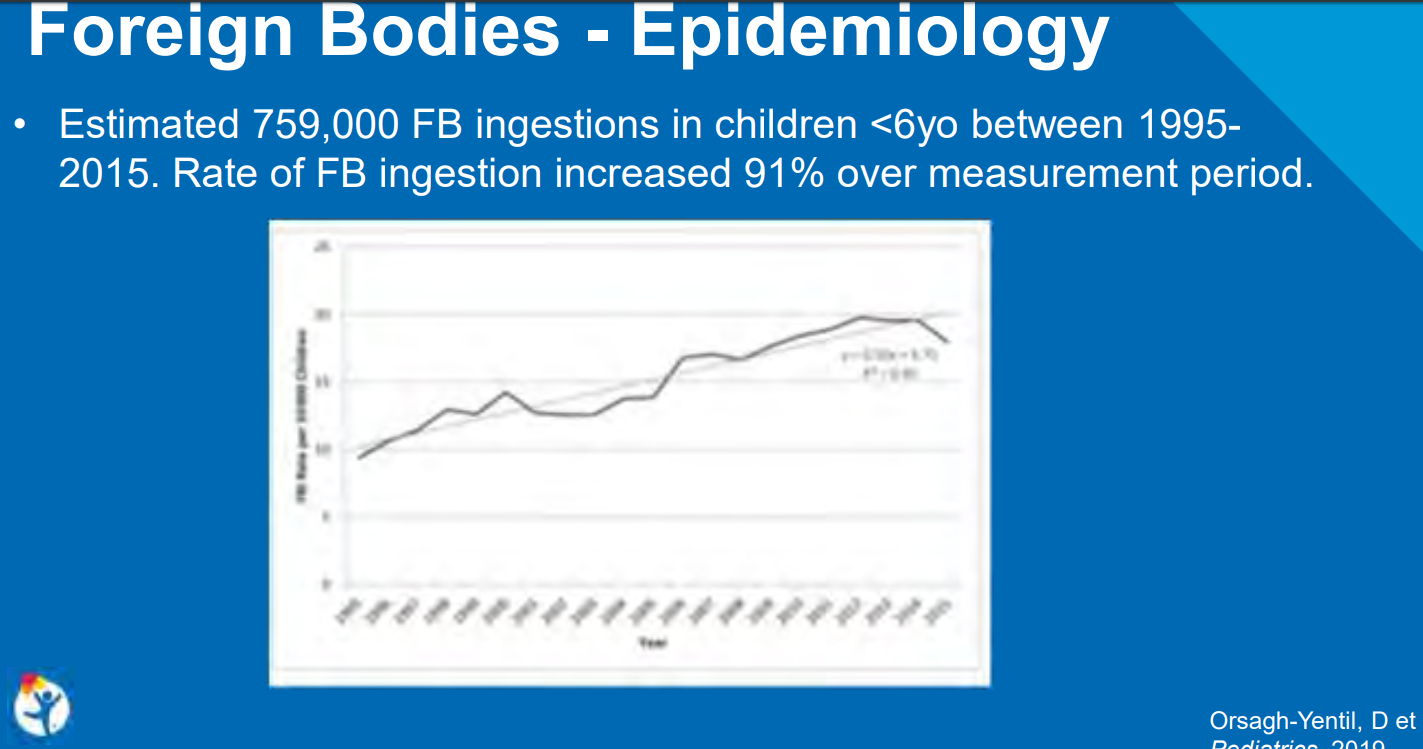
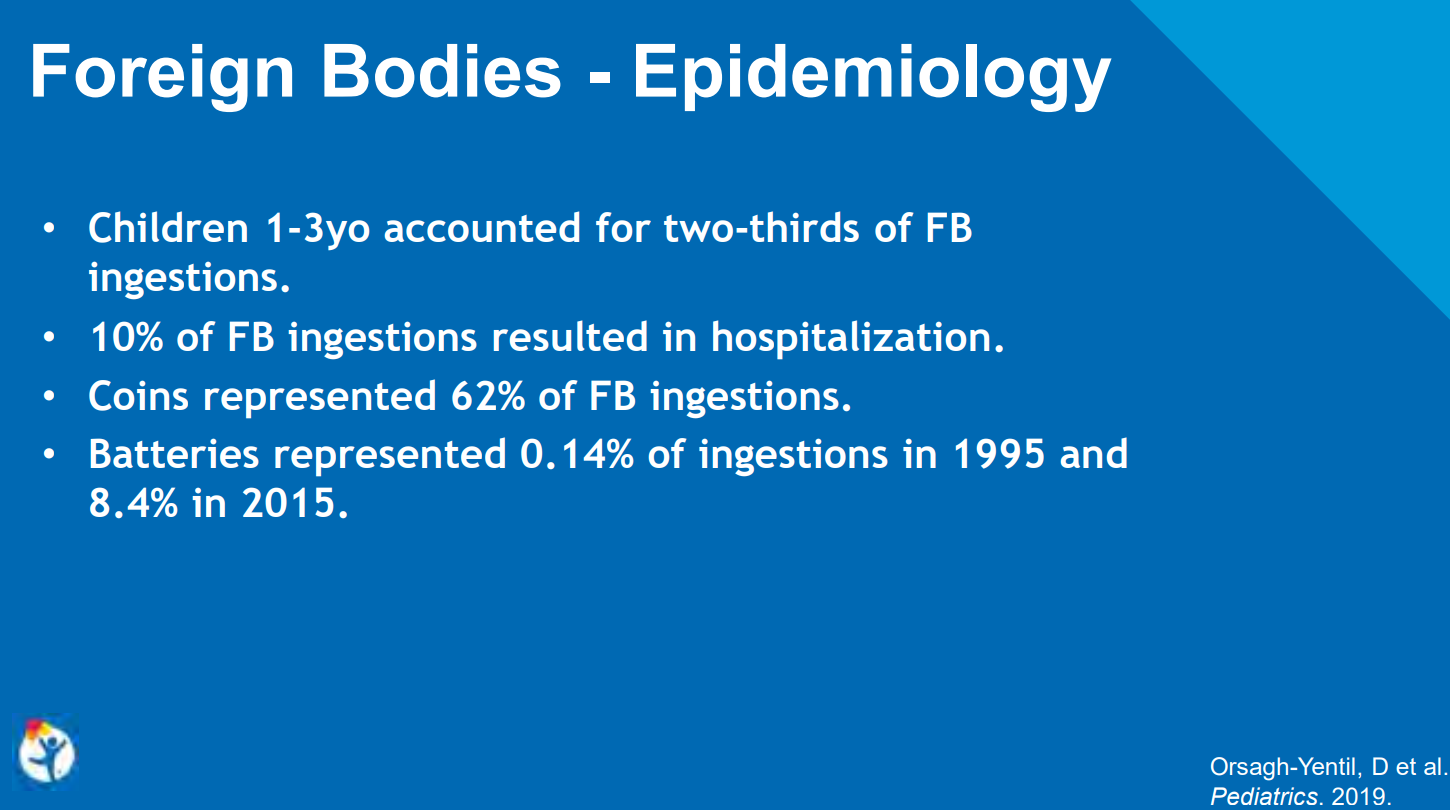
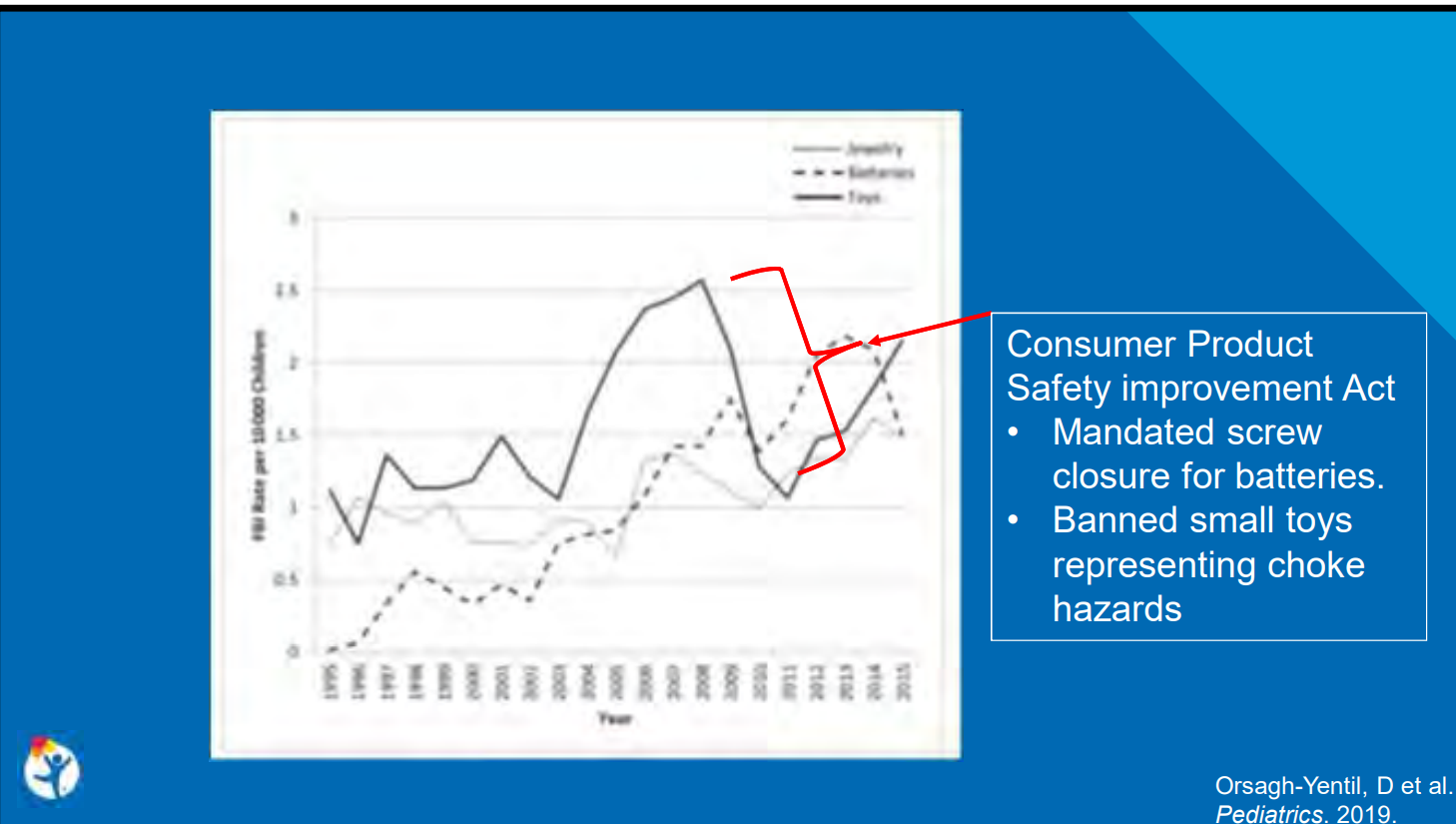
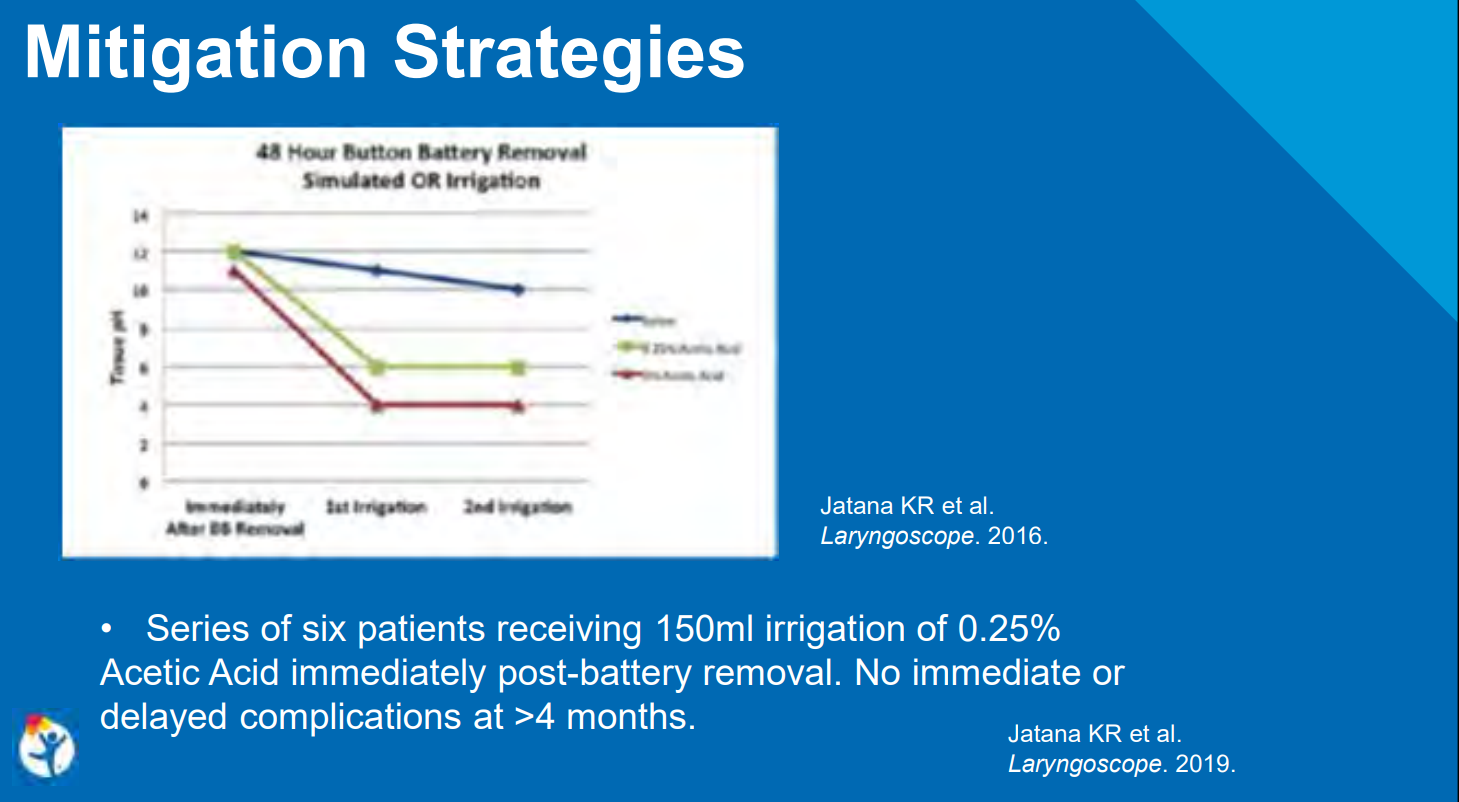
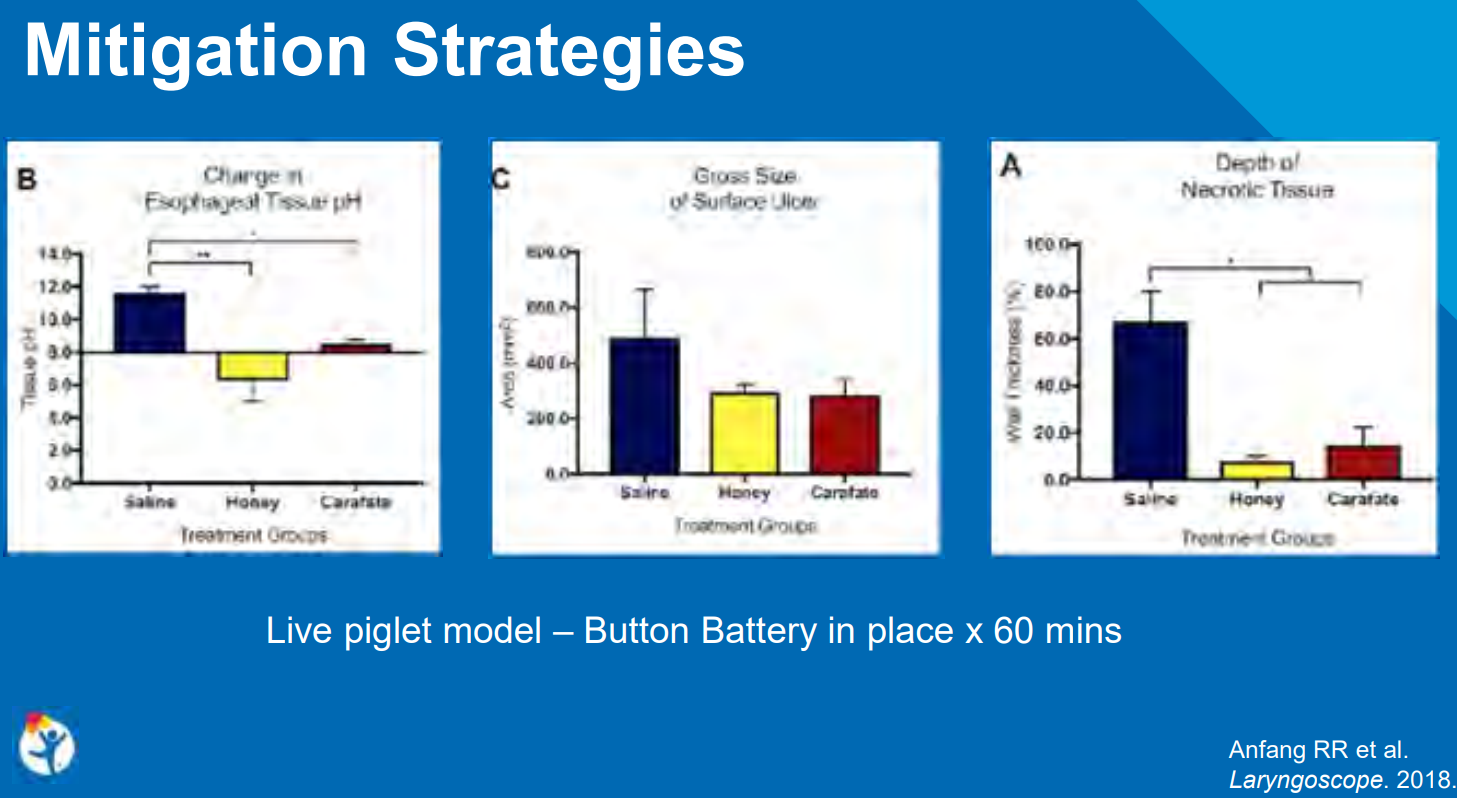
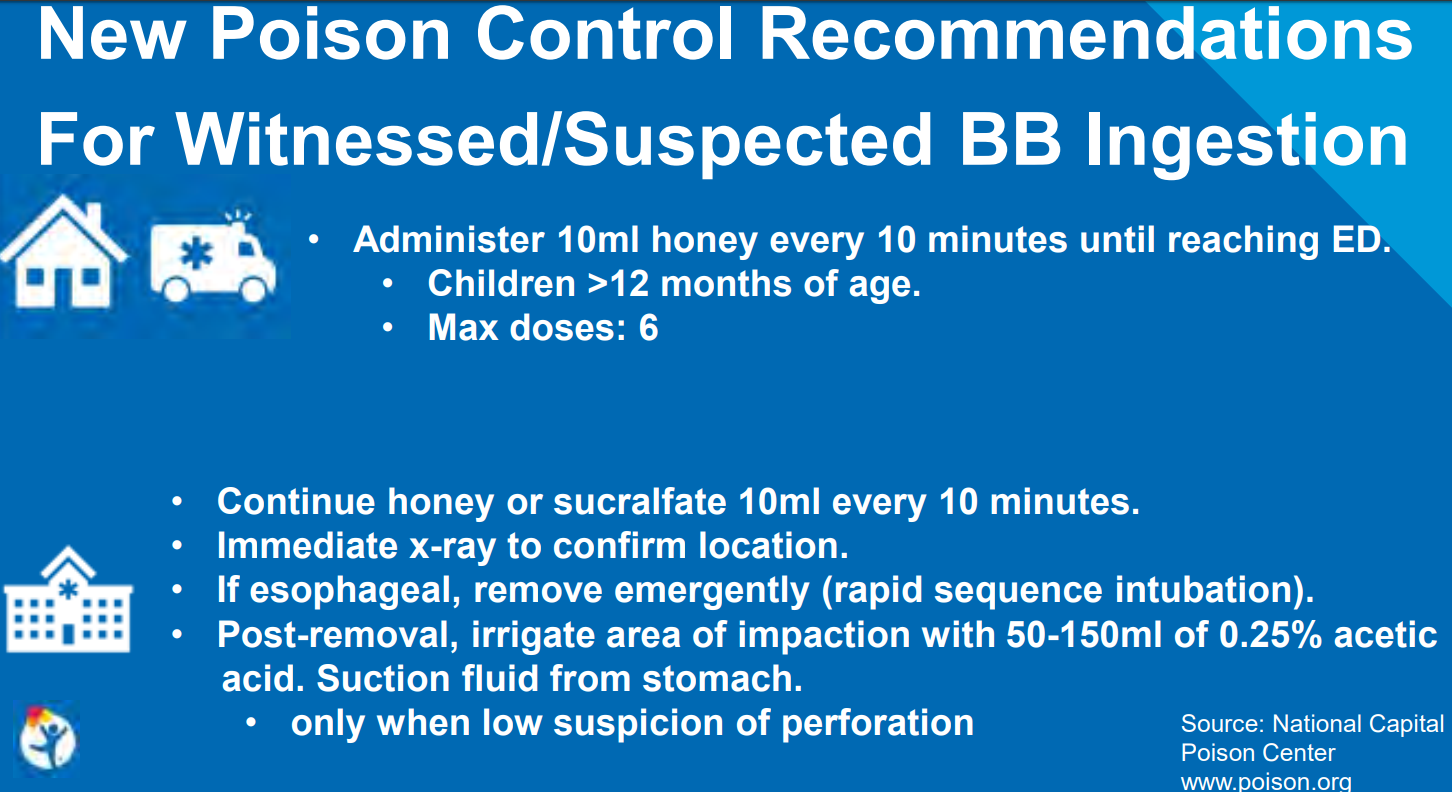
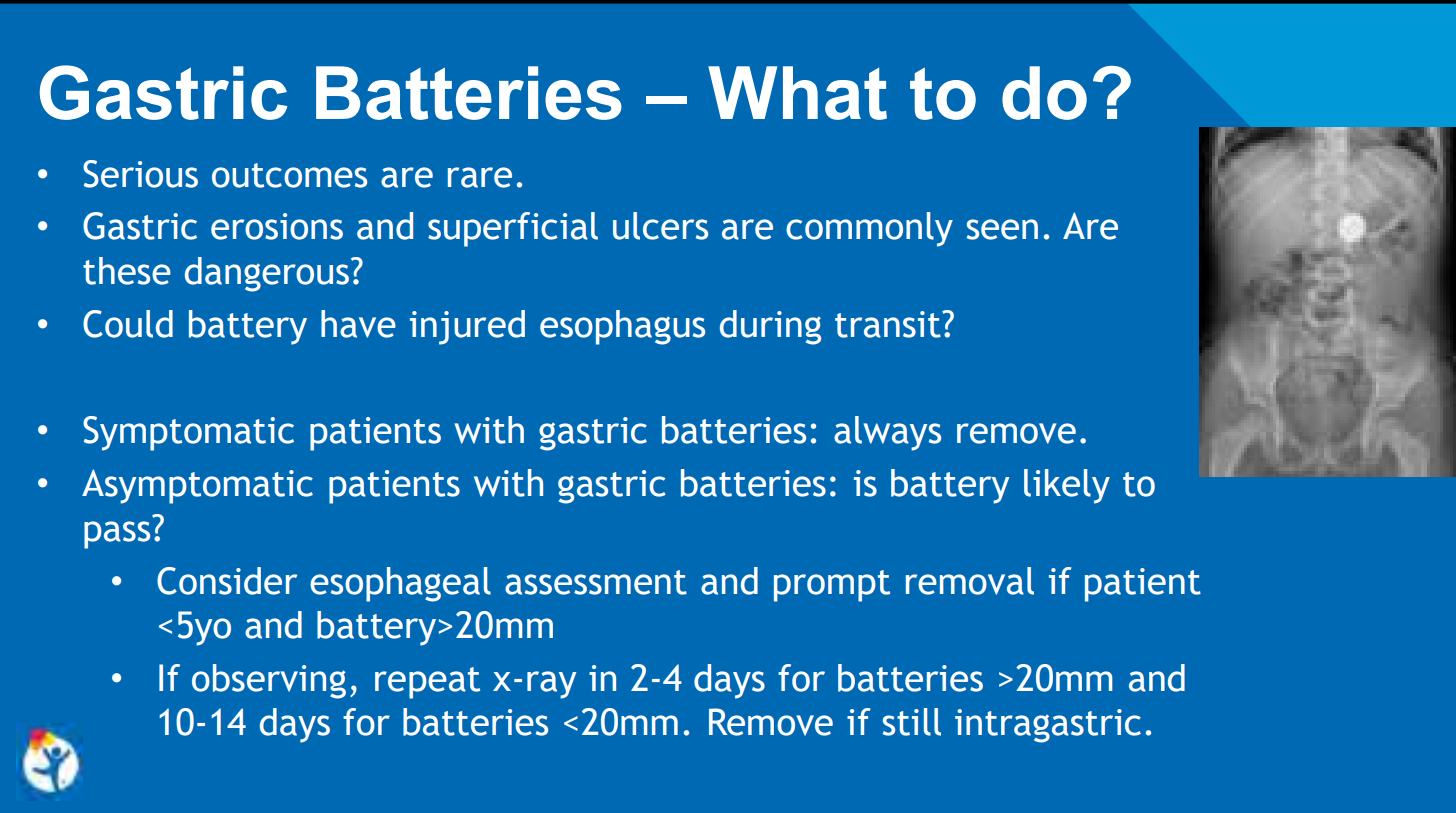
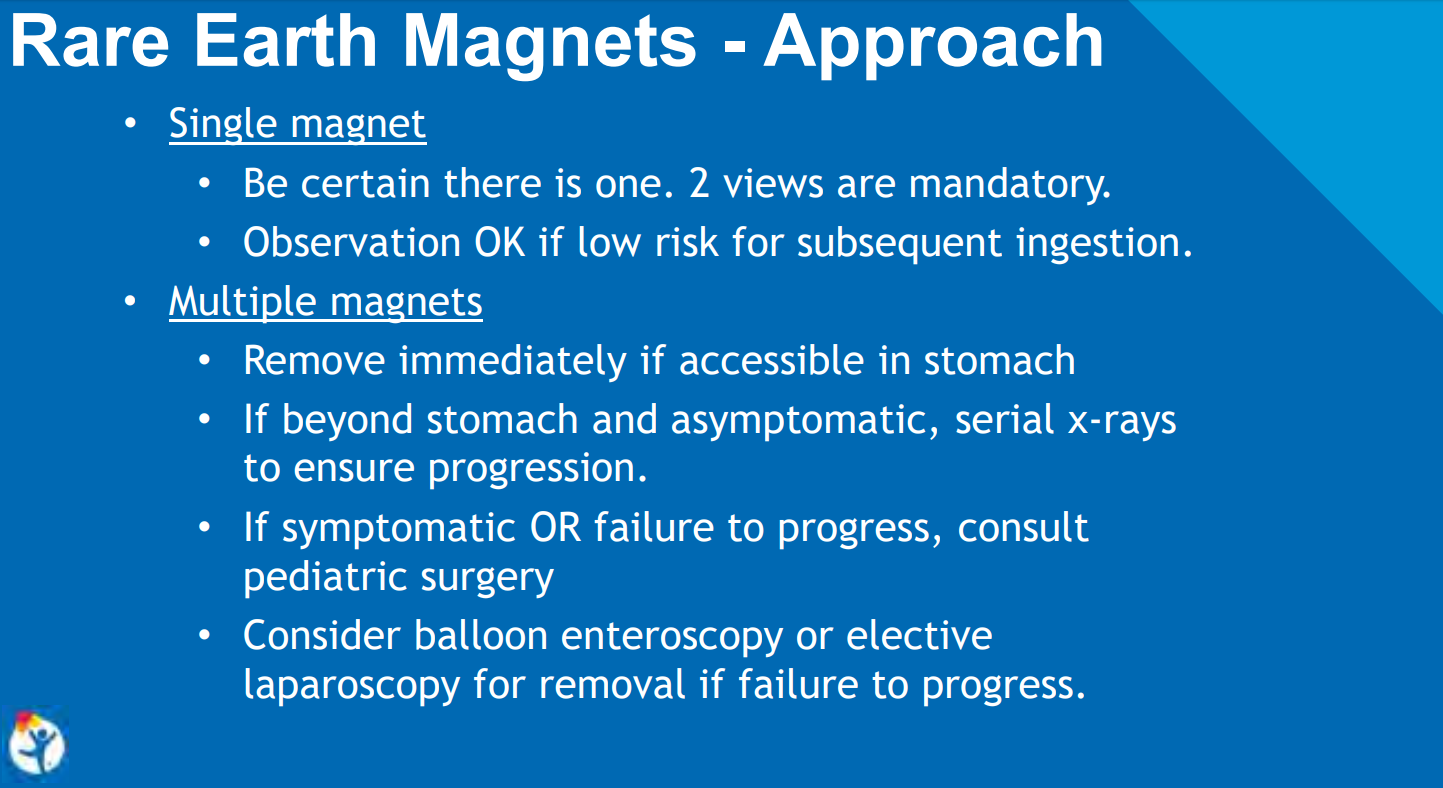
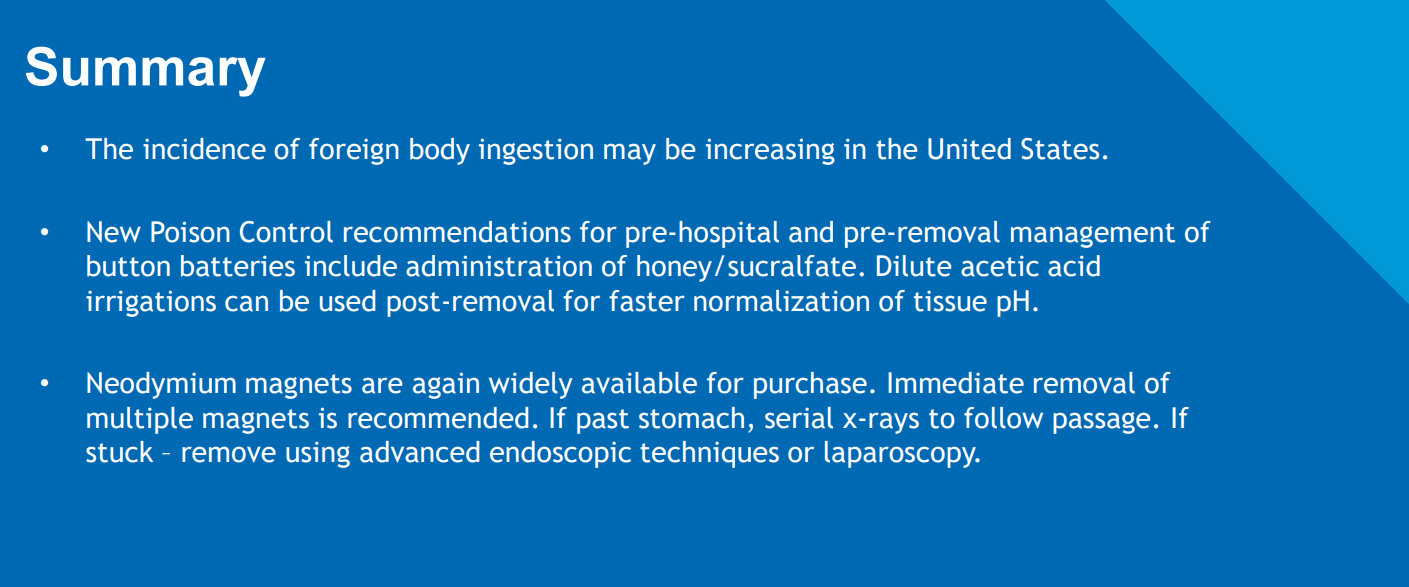
11  David Brumbaugh, MD, Children’s Hospital Colorado  Management of foreign bodies

Related blog posts:

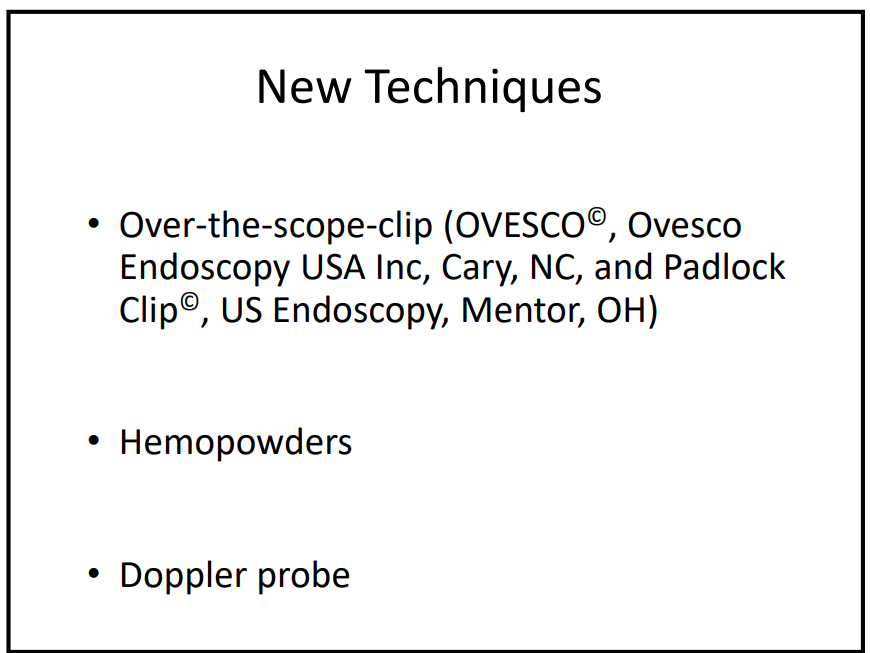
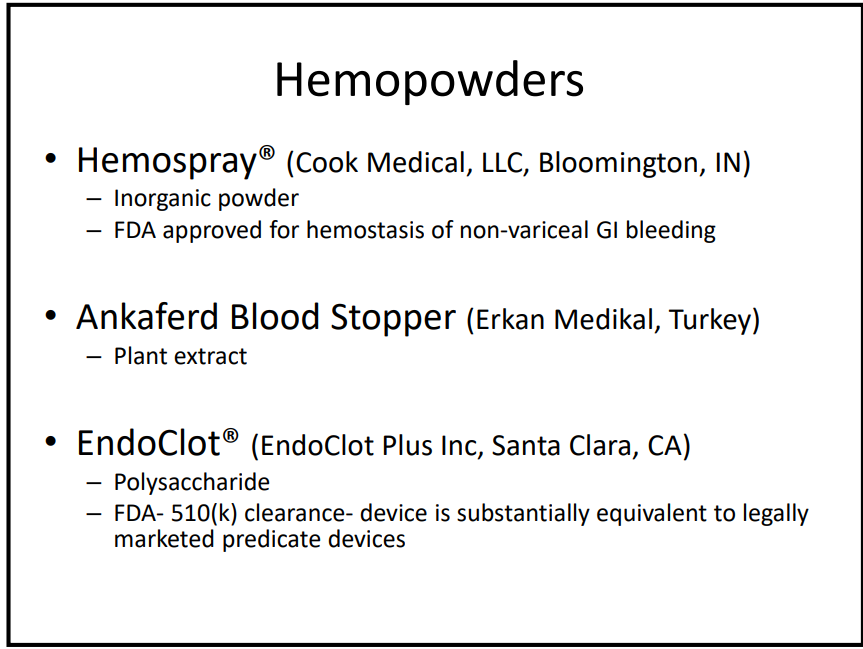
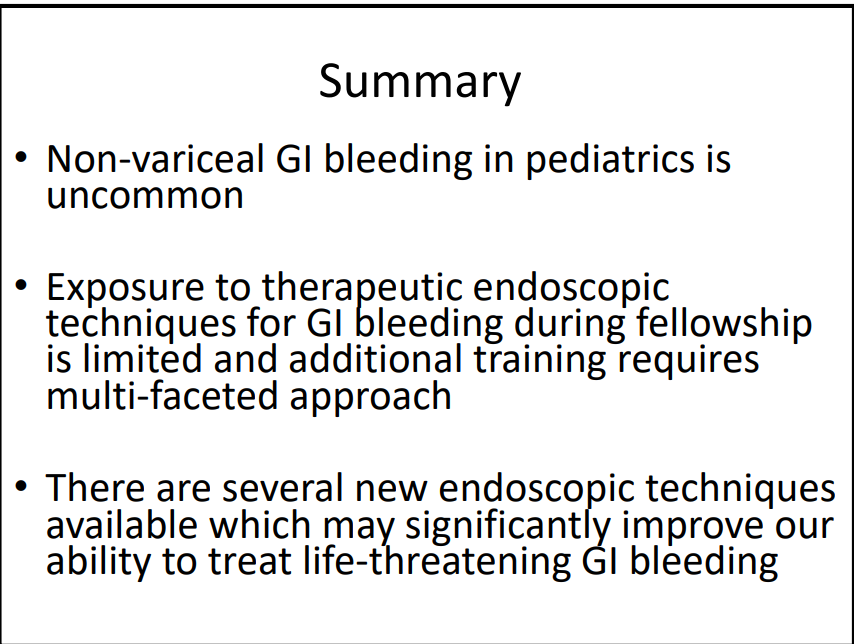
22 Petar Mamula, MD, Children’s Hospital of Philadelphia Advanced endoscopic techniques for gastrointestinal bleeding

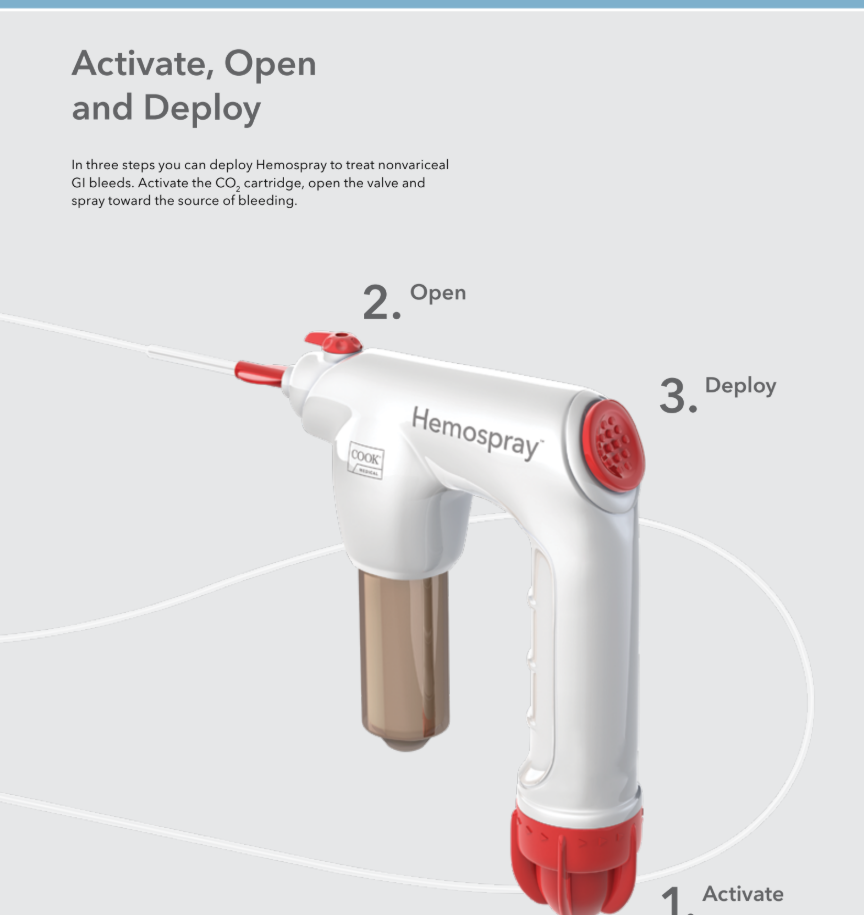
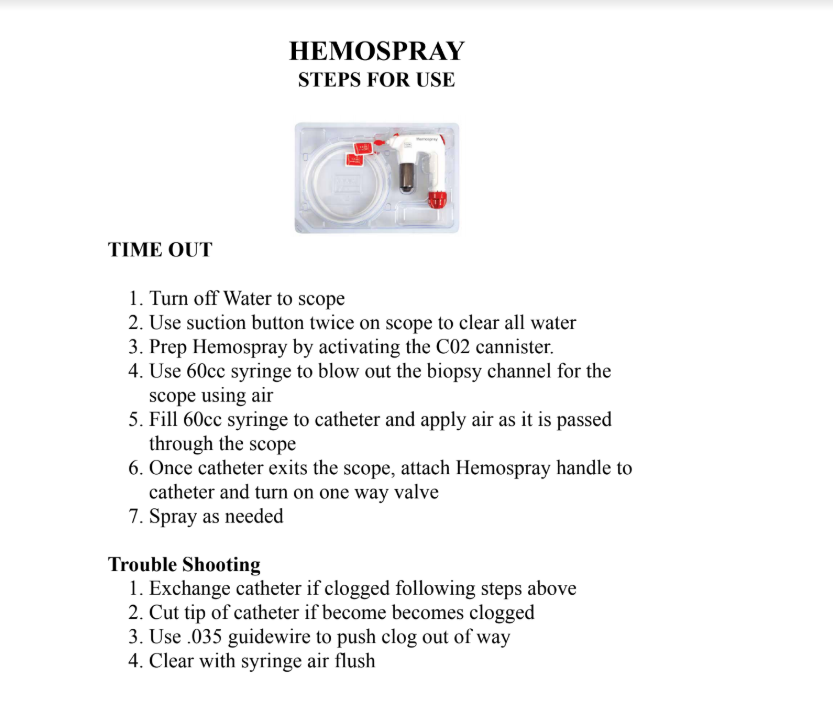
This talk had some terrific videos (not available in syllabus) and useful practical points.  For example, with cautery, the speaker recommended not just quickly taping the lesion, count for several seconds when applying.  For hemospray, the speaker considers this technically much easier but is using this mainly as a backup option.

Here are two screenshots (not from lecture) which provide information from manufacturer on Hemospray use (link to PDF on Hemospray Manufacturer’s PDF on Hemospray)

Related blog posts:

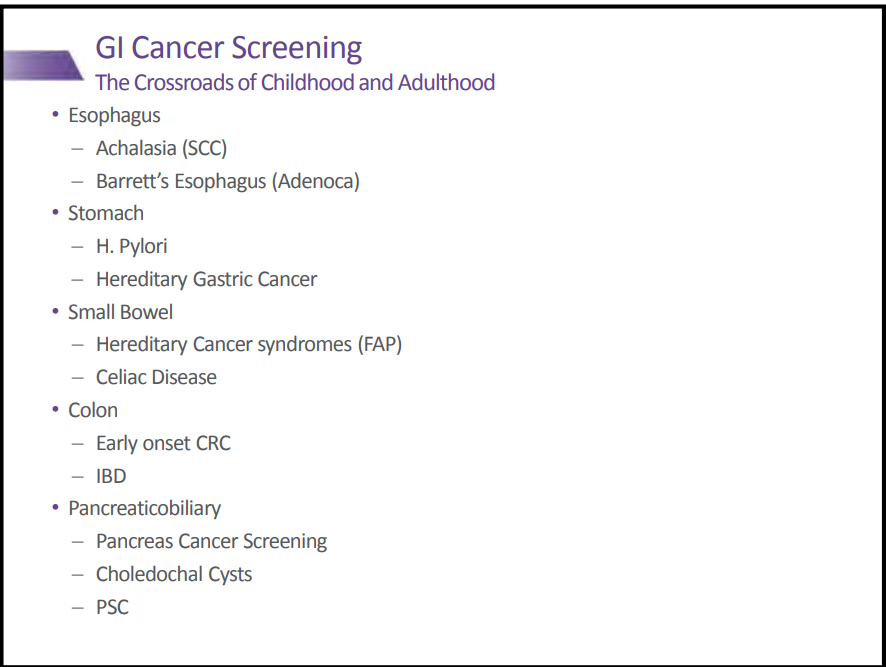
36 Srinadh Komanduri, MD, Northwestern Medicine  Cancer screening top to bottom

Some of the key points:

  • IBD and colorectal cancer (CRC) screening 8-10 years after disease onset
  • ~10% of CRC in general population occurs between 20-49 years
  • Chromoendoscopy results in higher detection rates of dysplasia

Related blog posts:

Disclaimer: NASPGHAN/gutsandgrowth assumes no responsibility for any use or operation of any method, product, instruction, concept or idea contained in the material herein or for any injury or damage to persons or property (whether products liability, negligence or otherwise) resulting from such use or operation. The discussion, views, and recommendations as to medical procedures, choice of drugs and drug dosages herein are the sole responsibility of the authors. Because of rapid advances in the medical sciences, the Society cautions that independent verification should be made of diagnosis and drug dosages. The reader is solely responsible for the conduct of any suggested test or procedure. Some of the slides reproduced in this syllabus contain animation in the power point version. This cannot be seen in the printed version.

Cutting Edge for Endoscopic Control of Bleeding

A recent review elaborates on the newest methods for endoscopic control of bleeding. Topics included caplock clips, endoscopic suturing, and hemostatic sprays.

Full text: New Endoscopic Technologies and Procedureal Advances for Endoscopic Hemostasis (from Clinical Gastroenterology and Hepatology)

Related blog posts:


Many Glacier Hotel

Many Glacier Hotel

Is a Continuous IV Proton Pump Inhibitor Really Necessary for GI Bleeders?

A recent systemic review and meta-analysis (JAMA Intern Med. doi10.10001/jamainternmed.2014.4056) calls into question the practive of using continous intravenous proton pump inhibitor (PPI) for high-risk bleeding ulcers.

“Current guidelines recommend an intravenous bolus dose of a proton pump inhibitor (PPI) followed by continuous PPI infusion after endoscopic therapy in patients wtih high-risk bleeding ulcers.  Substitution of intermittent PPI therapy, if similarly effective as bolus plus continous-infusion PPI therapy, would decrease the PPI dose, costs, and resource use.”

Ultimately, only randomized 13 studies (Table 1) were identified that examined only high-risk ulcers, and used appropriate treatment protocols.  Table 2 lists the results with regard to recurrent bleeding, mortality, surgery, blood transfusions, and length of hospital stay as well as the number of patients; 1691 patients had data for rebleeding within 30 days.  Typically, intermittent PPI dosage was 40-80 mg BID.

Key findings:

  • There was not an increased risk of rebleeding with intermittent vs bolus-continuous; at 7 days, the risk ratio was 0.72 favoring intermittent treatment and the absolute difference was -2.64% (predefined noninferiority was a margin of 3%)
  • The absolute risk difference for all outcomes was less than 1.5% for all rebleeding outcomes.  Using the 95% confidence interval for absolute risk difference, the values were -0.28, 0.17, and 1.49for rebleeding within 7 days, 3 days, and 30 days.

Bottomline: this systemic review indicates that intermittent PPI therapy may be similarly effective as continuous drip PPI for meaningful outcomes in high-risk bleeding ulcers.

Related blog post:

All bleeding stops | gutsandgrowth