New Trend: Oral Medicines Replacing Injections

  • R Bissonnette et al. NEJM 2025; 393: 1784-1795. Oral Icotrokinra for Plaque Psoriasis
  • RS Stern. NEJM 2025; 303: 1854-1855. Oral Psoriasis Therapy — For Whom and at What Cost and Risk?
  • S Wharton et al. NEJM 2025; 303: 1796-1806. Orforglipron, an Oral Small-Molecule GLP-1 Receptor Agonist for Obesity Treatment

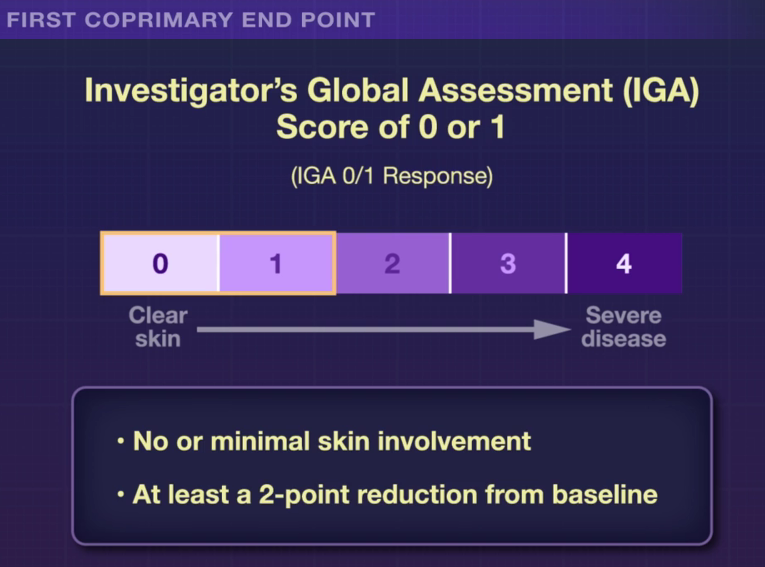
In the ICONIC-LEAD study (Bissonnette et al), 684 adolescents and adults participated in a DBPC trial with an oral peptide, icotrokinra, which binds the IL-23 receptor. This medication is of interest as there are ongoing trials with it for inflammatory bowel disease. Other injectable medications targeting IL-23 are already approved for IBD.

Key Findings:
The associated editorial notes that this new therapy is likely to cost ~$70,000 per year. The cost of psoriasis care has increased more than 2000% since 1997. “Because of these high prices, rebates and discounts to pharmacy benefit managers that often guide formulary preferences are likely to govern clinician’s selection of immune-based oral and parenteral therapies for psoriasis.”

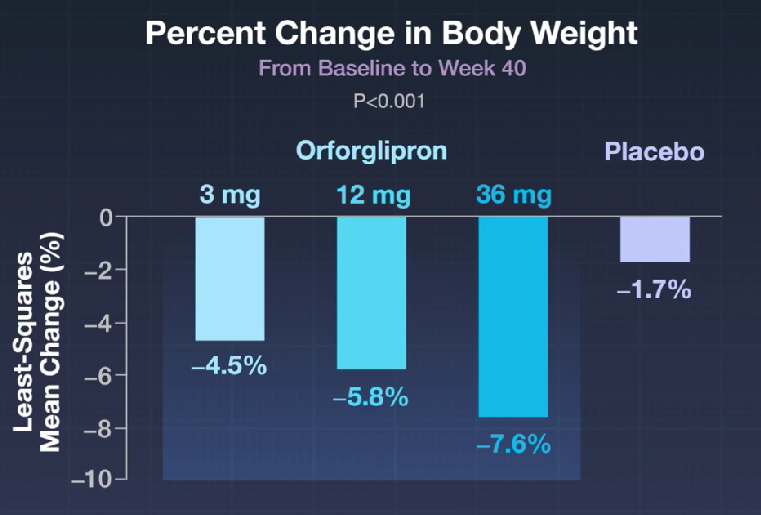
In the ATTAIN-1 Trial (Wharton et al), the authors share the results of an oral GLP-1 Receptor Agonist, Orforglipron, monotherapy for obesity.

Key findings:

My take: There are similar injectable alternatives to each of these medications for psoriasis, obesity and diabetes. The availability of oral medications could reduce one barrier to treatment. Cost barriers may preclude their use in many patients when they become available. In addition, long-term outcome data are still needed.

Related blog posts:
The Rise of Oral Obesity Therapies: Semaglutide and Orforglipron

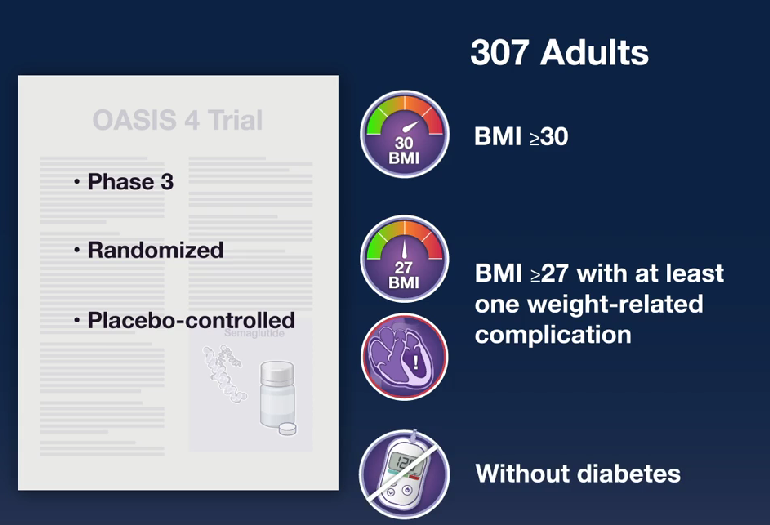
SWharton et al. N Engl J Med 2025;393:1077-1087. Oral Semaglutide at a Dose of 25 mg in Adults with Overweight or Obesity

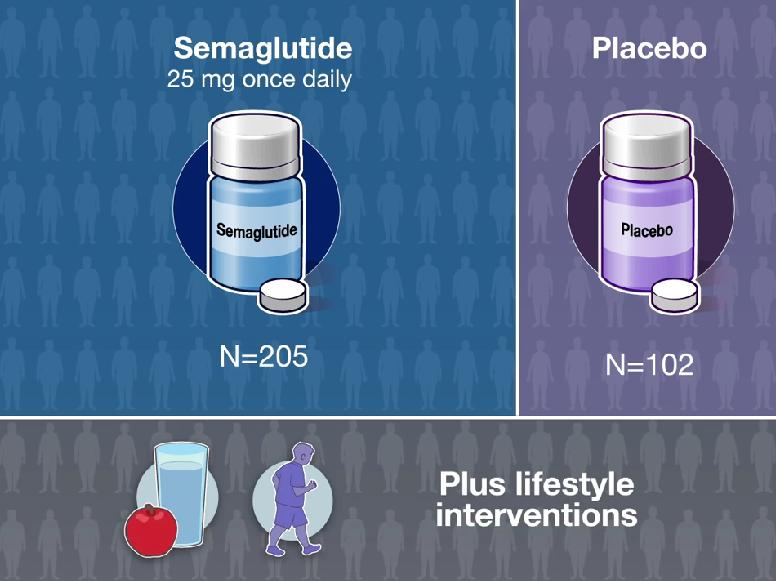
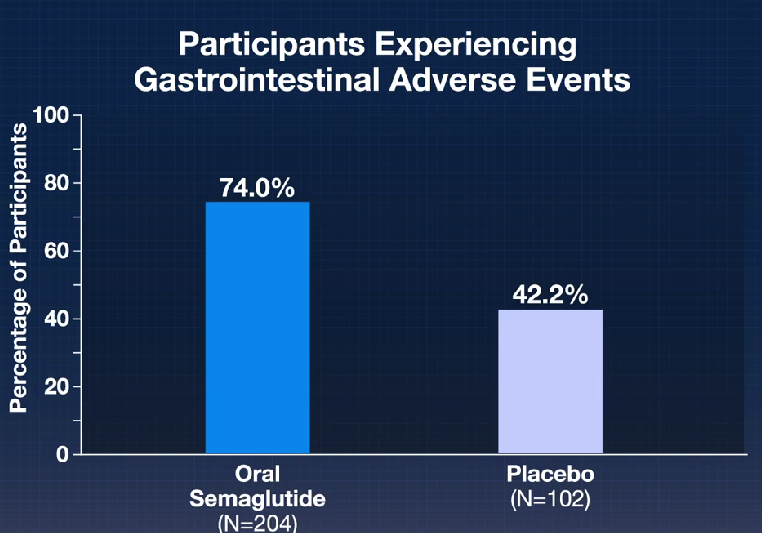
Methods: The participants were randomly assigned in a 2:1 ratio to receive oral semaglutide (25 mg) or placebo once daily, plus lifestyle interventions.

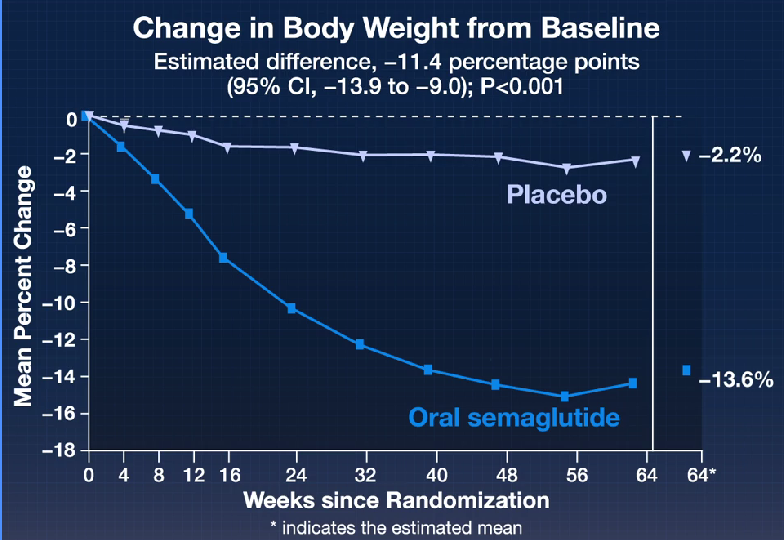
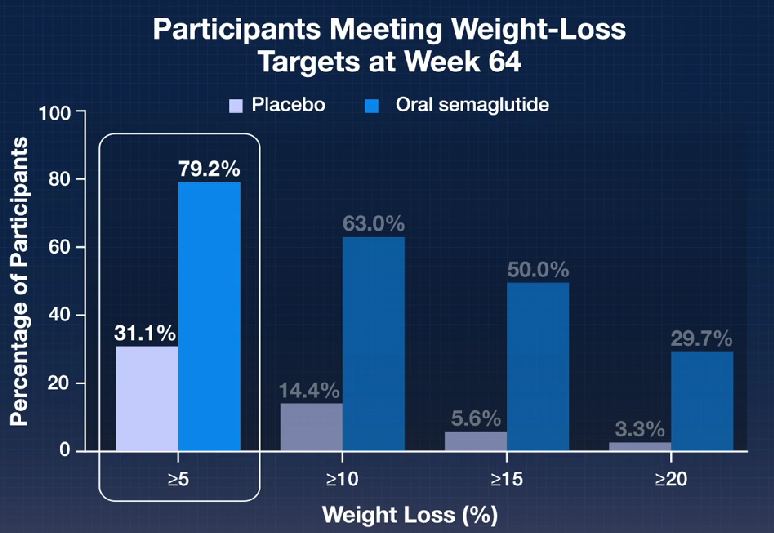
Key Findings:

In their discussion, the authors note that the reasons why “patients may prefer oral administration over the subcutaneous route are most often needle aversion and local skin reactions.7,8 In addition, unlike injectable agents, oral agents may not require a refrigerated chain of delivery and could widen the reach of obesity care in many regions of the world where a lack of refrigeration represents a barrier to access.”

In addition, the results were similar to the “STEP 1 (Semaglutide Treatment Effect in People with Obesity) trial of weekly subcutaneous semaglutide at a dose of 2.4 mg (12.4 percentage points more than that with placebo),16

As with prior trials of semaglutide, “treatment was also associated with substantial reductions in cardiometabolic risk factors including BMI, waist circumference, and levels of glycated hemoglobin, fasting plasma glucose, fasting serum insulin, lipids (very-low-density lipoprotein and triglycerides), and C-reactive protein.”

My take: Effective oral therapy is a big advance for management of obesity. The entire field of pharmacology for obesity has seen remarkable advances in the past few years. For me, it is reminiscent of the proliferation of published studies for hepatitis C around 10 years ago.

Related article in same NEJM issue: J Rosenstock et al. N Engl J Med 2025;393:1065-1076. Orforglipron, an Oral Small-Molecule GLP-1 Receptor Agonist, in Early Type 2 Diabetes

In the ACHIEVE-1 Trial: Key Findings (n=559 adults):

The associated editorial by DB Lowe (N Engl J Med 2025;393:1133-1134) notes that Orforglipron is a small molecule that manages to mimic the effects of glucagon-like peptide-1 (GLP-1) at the GLP-1 receptor. “The incretins, like many peptide hormones, are fairly small as proteins go — a few dozen amino acids long. But that makes them gigantic as compared with small-molecule drugs. Their molecular weights are at least 10 times as high as the 300 to 500 mass units that medicinal chemists have traditionally aimed for, and being peptides, they have generally undesirable properties as well. Many have short half-lives in the circulation, which can be a desirable feature for endogenous peptides but is nowhere near what is needed for the administration of a once-daily dose.”

Related blog posts:


Oral GLP-1 Receptor Agonist for Obesity: Orforglipron

S Wharton et al. NEJM 2023; DOI: 10.1056/NEJMoa2302392. Daily Oral GLP-1 Receptor Agonist Orforglipron for Adults with Obesity

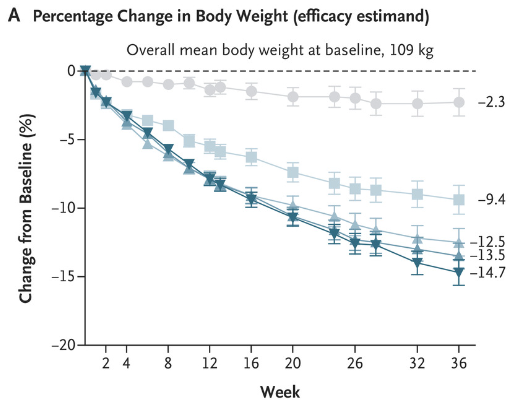
In this phase 2 randomized, double-blind trial with 272 adults with obesity (mean weight at baseline 108 kg), participants were randomly assigned to receive orforglipron at one of four doses (12, 24, 36, or 45 mg) or placebo once daily for 36 weeks. “The pharmacokinetic profile of orforglipron, with a half-life of 29 to 49 hours, supports once-daily oral administration.”

Key findings:

  • At week 36, the mean change ranged from −9.4% to −14.7% with orforglipron and was −2.3% with placebo.
  • A weight reduction of at least 10% by week 36 occurred in 46 to 75% of the participants who received orforglipron, as compared with 9% who received placebo.
  • Adverse events reported with orforglipron were similar to those with injectable GLP-1 receptor agonists.

Weight reduction of at least 10% at week 36:

My take: This is an exciting time for drug development for obesity. Given the low success rates of traditional ‘lifestyle’ management approaches, these medications have the potential to reduce a great deal of morbidity. Oral agents, rather than injections, would hasten the use of these agents more broadly. Long term outcomes are still unclear.

Related blog posts: