SA O’Brien. WSJ 6/23/26: Businesses Are Taking Risks to Cash In on the Peptide Gold Rush

An excerpt:
Doctors, telehealth companies, med spas and venture capitalists are racing to get in on the craze for injectable drugs…
Demand for restricted peptides has fueled an online gray market for injections promising youth, beauty and strength. American businesses are racing—and taking risks—to get in on the craze…
These drugs, which advocate a D.I.Y. approach to health and longevity, are largely unapproved by the Food and Drug Association, meaning they can’t be marketed or sold for human consumption in the U.S. But with the support of Health Secretary Robert F. Kennedy Jr., several popular peptides will soon be up for reclassification, paving the way for a multibillion-dollar wellness gold rush.
Telehealth companies are already building infrastructure for a future where compounding pharmacies can safely provide experimental peptides…
Some longevity doctors and medical clinics are selling peptides directly to patients, obtaining substances both domestically and from abroad. Alabama’s Board of Medical Examiners released a statement in May underscoring its stance against doctors “recommending, supplying, prescribing or administering these substances.”
Wilson Hunter, the board’s general counsel, said the statement was prompted by unapproved peptides popping up in audits and investigations, via consumer complaints and as physicians inquire about guidance. “We’re not anti-peptide, we’re just anti people hurting themselves because they’re getting products that aren’t vetted or verified,” Hunter said.
In late July, the FDA’s Pharmacy Compounding Advisory Committee is set to discuss whether to greenlight seven unapproved peptides… could represent a $2.2 billion telehealth market opportunity next year…
Bill Holtz, a life sciences and U.S. Food and Drug Administration regulatory and policy strategist at Foley & Lardner LLP, said the compounding pharmacies producing the previously restricted peptides are doing so without explicit permission from FDA…
My take: Some peptides, like insulin, can be life sustaining. However, peptides that are being marketed for skin care, muscle strength and wellness are unproven and carry potential risks. In addition, like many other poorly-regulated products, there may be issues with product quality and contaminants. Long-term effects and even proper dosing are unknown.
Related blog posts:
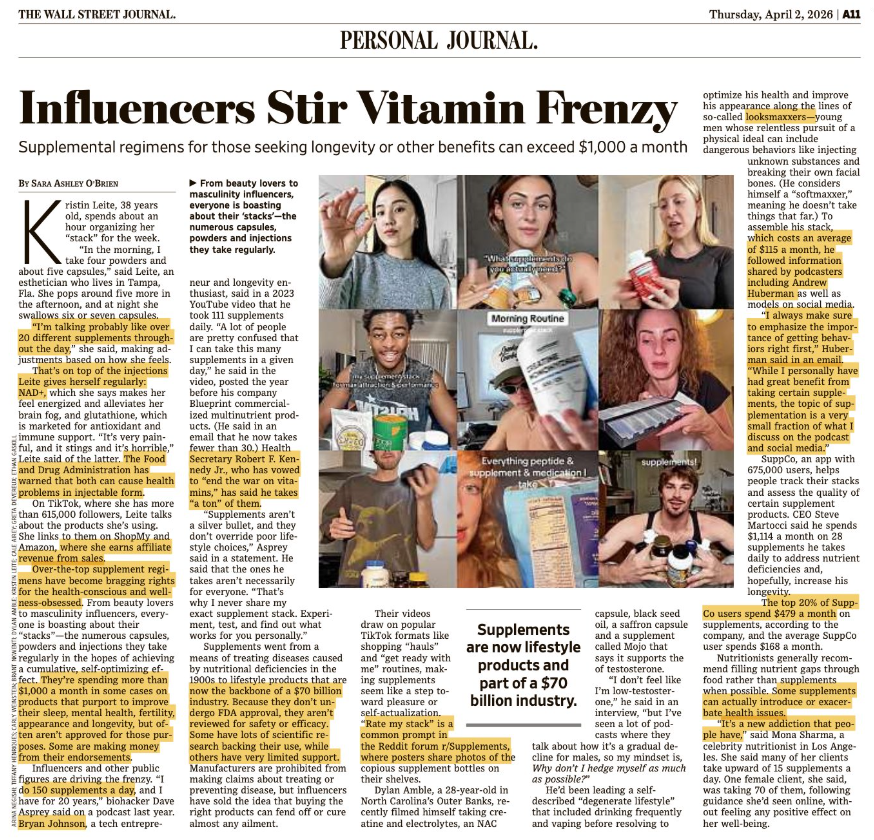
- Influencer$ and $upplements (2026)
- Are Muscle-Building Supplements Risky for Teens?
- Is a High Protein Diet Beneficial and Safe?
- Should You Do a Gut Microbiome Test? No — Here’s Why
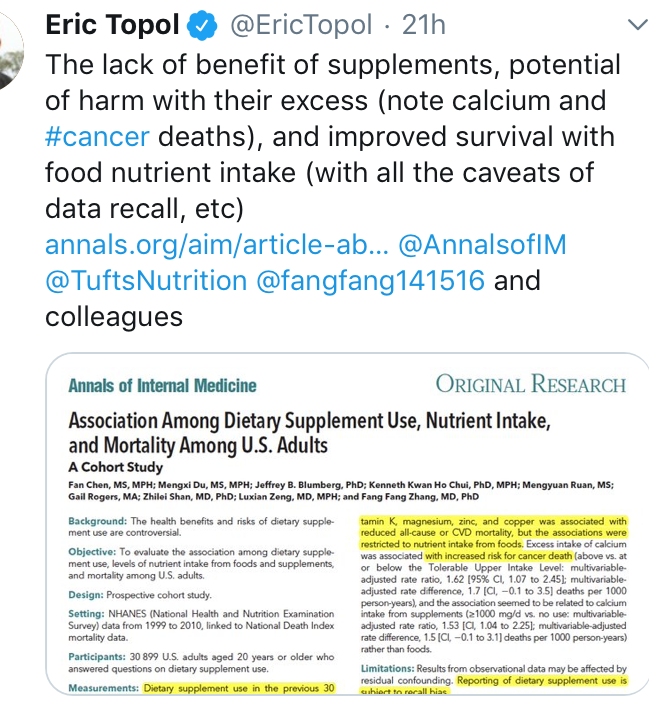
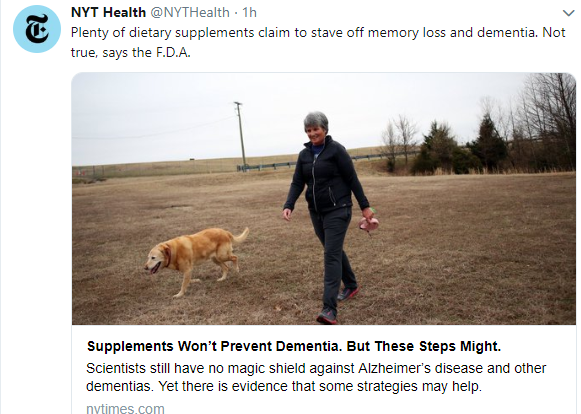
- So, What Could Go Wrong with Unregulated Dietary Supplements …
- Buyer Beware: Supplement at Your Own Risk | gutsandgrowth