Cultivating Compassion in Pediatric Care

Yesterday’s post discussed communication strategies for GI patients with severe underlying diseases. A related article (S McCarthy. NEJM 2024, 391: 2072-2073. The Care That Saved Me) provides additional insight into the importance families place on the care that they receive.

The author is a pediatric psychologist at a large academic medical center. One of her daughters died at 5 years of age from cancer and she reflects on her experiences and what she learned; though, she states it is a “knowledge I wish I didn’t have.”

An excerpt:

As a clinician, I have identified four practices that I now prioritize in my work, emerging from Molly’s illness and death and my bereavement.

First, strive to illuminate the patient’s personhood… I do make sure to include information that helps me and other clinicians see each patient as an individual,1 illuminating their unique personhood...

Second, make an effort to understand life outside the hospital…“What do you want your health care team to know about you?” and “What makes you happy?” …

Third, cultivate practical compassion…First, I ask parents when they last ate, drank something other than coffee, or slept. If a parent has not eaten or slept, I pause my interview…

Fourth, learn how to sit with darkness, while allowing for light… don’t try to fix a pain I know is unbearable, but I let parents know that they are not alone, that their love for their child is seen and their grief is witnessed...

The biggest thing I have learned is this: our work matters. Those small acts of kindness and moments of connection, seeing the children for who they are, make a difference. Patients and families do not forget them. And during the absolute hardest times, these acts sustain them...the best medical care in the world, the most advanced science, could not save Molly, but the compassionate care that our family received saved me.

Related blog posts:

Sandy Springs, GA

Navigating Difficult Conversations in Children’s GI Healthcare

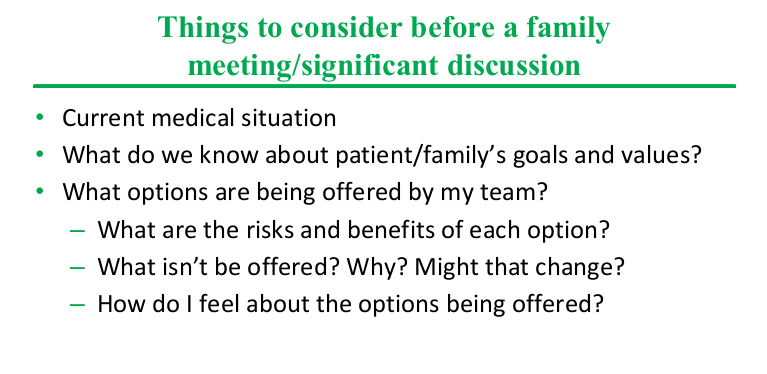
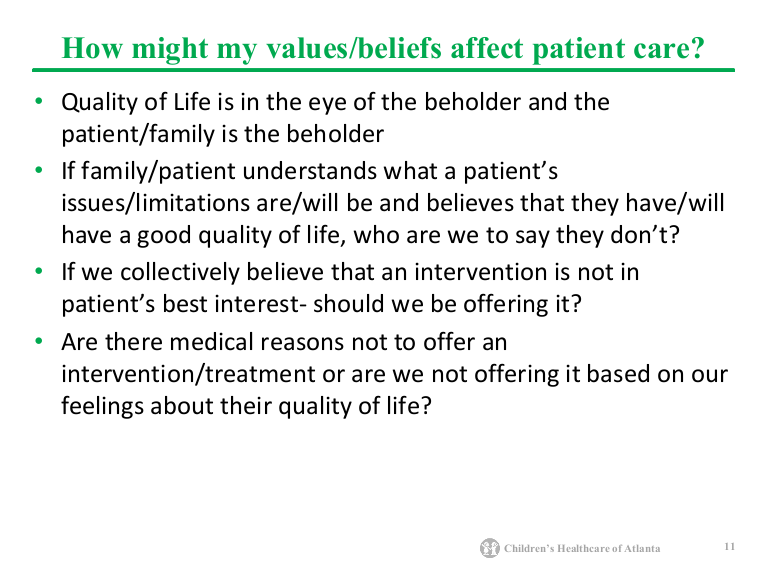
Recently, Dr. Laurie Jacobs from CHOA’s palliative care team gave our group a provocative update on communication strategies in children with severe illness.  My notes below may contain errors in transcription and in omission. Along with my notes, I have included many of her slides.

  • Having a pre-meeting with other members of health care team is a key part in setting up an effective meeting with parents
  • Delivering news: 1) Provide a straightforward Headline: ‘We are here to discuss xyz’ 2)Be clear. ‘To be clear is to be kind’ 3) Then STOP TALKING.  This let’s the family process
  • Sometimes even delivering bad news can be met with relief by families who have been waiting for a diagnosis
  • Respond to emotion with NURSE mnemonic: Name, Understand, Respect, Support, Explore
  • What if the ‘family doesn’t get it?’ Do they understand (can they repeat back)?  Most often the family has a different perspective; they may think we are wrong
  • Be careful to avoid offering decisions where there are not actual decisions to be made
  • Our own values/beliefs are often introduced even though quality of life is in the eye of the beholder
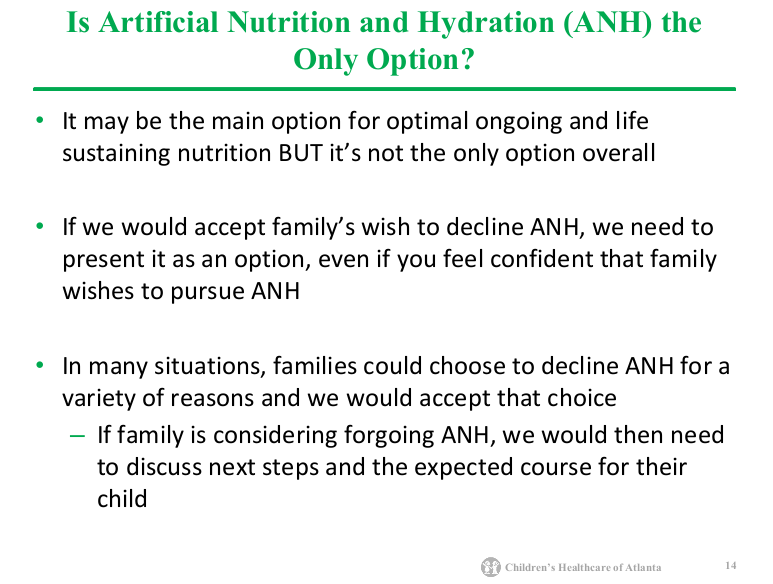
  • Tube feeds can be considered forms of ‘artificial nutrition.’  There are situations in which families need to know that it is not always required
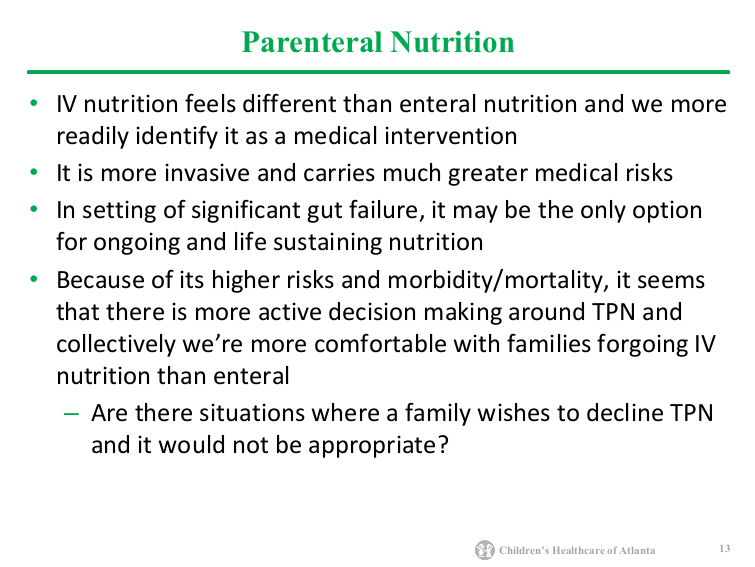
  • Parenteral nutrition is more invasive and associated with more active parental decision-making
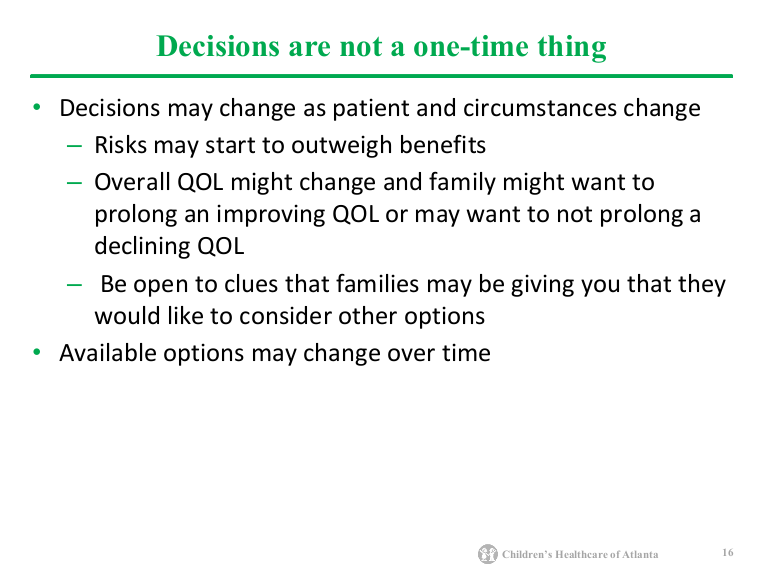
  • Decisions may change based on change in patient circumstances
  • There is not a single right answer with difficult decisions.  There are trade-offs between longevity and QOL
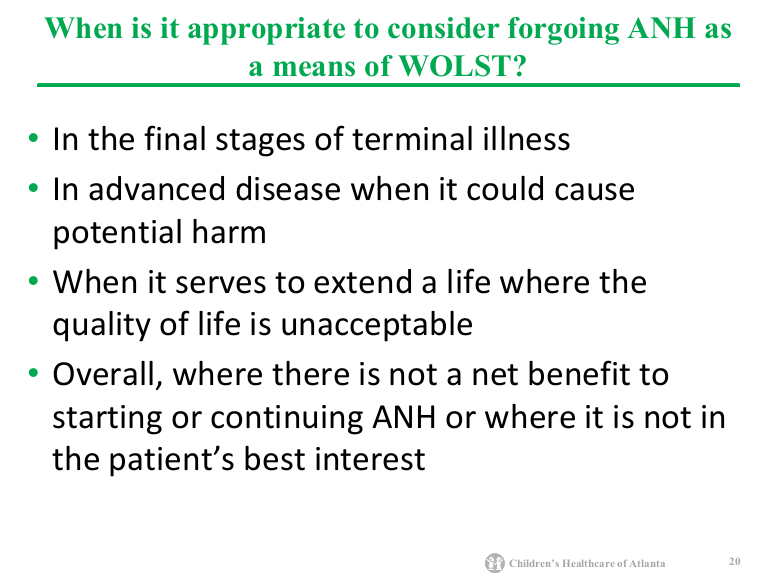
  • Anything that we would allow parents not to start, can be stopped at any time from an ethical standpoint
WOLST =withdrawal of life-sustaining therapies

Related blog posts:

Ten Americas: Examining Health Disparities and Life Expectancy

L Dwyer-Lindgren et al. The Lancet; 2024. Online first. Open Access! Ten Americas: a systematic analysis of life expectancy disparities in the USA

Background: Nearly two decades ago, the Eight Americas study offered a novel lens for examining health inequities in the USA by partitioning the US population into eight groups based on geography, race, urbanicity, income per capita, and homicide rate. That study found gaps of 12·8 years for females and 15·4 years for males in life expectancy in 2001 across these eight groups. In this study, we aimed to update and expand the original Eight Americas study, examining trends in life expectancy from 2000 to 2021 for ten Americas (analogues to the original eight, plus two additional groups comprising the US Latino population), by year, sex, and age group.

Methods: The authors tabulated deaths from the National Vital Statistics System and population estimates from the US Census Bureau and the National Center for Health Statistics from Jan 1, 2000, to Dec 31, 2021.

Key findings: .

  •  At the beginning of the 21st century, there was already a 12.6-year gap in life expectancy among Americas, but this gap grew even larger during the 2000s and 2010s and accelerated to 20.4 years after the first 2 years of the COVID-19 pandemic.
  • One’s life expectancy varies dramatically depending on where one lives, the economic conditions in that location, and one’s racial and ethnic identity.
  • There are limitations with the data that were used. For example, there is known to be substantial misreporting of race and ethnicity on death certificates

My take (borrowed from the authors): “The extent and magnitude of health disparities in the USA are truly alarming. In a country with the wealth and resources of the USA, it is intolerable that so many are living in conditions and with health outcomes akin to those of an entirely different country.”

Related blog posts:

Unrelated link: N Kristof NY Times, Gift Ideas That Push Back the Darkness

Gift ideas included the following charities

  • Fistula Foundation which arranges obstetric fistula repair. This restores a woman’s life after this life-altering complication –a corrective surgery that costs just $619 per person
  • Muso Health helps reduce childhood mortality. In Mali, this organization reduced childhood mortality by 95%. The cost of bringing one more person into the Muso health care network is only $22 per year.
  • Reach Out and Read. This U.S-based charity allows doctors to “prescribe” reading to the child. This promotes reading as well as childhood well-child visits.
  • Crisis Text Line is for those who want to volunteer, rather than donate. This organization trains (15-20 hrs) volunteers to help individuals needing mental health support. “More than 90 percent of the volunteers report that their own mental health improves as a result of their participation.”

Improving Genetic Screening: The Couple Approach

EP Kirk et al. NEJM 2024; 391: 1877-1889. Nationwide, Couple-Based Genetic Carrier Screening

One of the drawbacks with genetic screening has been identifying too many problems. Everyone has pathogenic mutations but many do not have effective treatments; in addition, many may be inconsequential if your partner does not share a similar genetic mutation (for autosomal recessive conditions). Furthermore, counseling everyone with genetic mutations is time-intensive. With this background, it is easy to see why a couple-based testing approach makes sense. In this study of an Australian genetic carrier screening program, couples had testing of at least 1281 genes with more than 750 serious diseases as part of the Mackenzie’s Mission project. Variants of uncertain significance were not reported.

Key findings:

  • An estimated 45.9% of those invited to participate underwent reproductive genetic carrier screening
  • 9107 couples completed screening, and 175 (1.9%) were newly identified as having an increased chance of having a child with a genetic condition for which we screened
  • 180 (2.0%) were known, before participation in the study, to have an increased chance of having offspring with at least one genetic condition (due to family history or consanguinity)
  • Of the 45 couples (25.7%) in which the female partner was pregnant when they received the result, 29 (64%) decided to have the fetus genetically tested, and 24 of these couples received normal test results. Of the 5 couples whose pregnancy was affected, 4 elected to end the pregnancy
  • Of the 130 couples in which the female partner was not pregnant at the time of genetic testing, 95 (73.1%) indicated an intention to use in vitro fertilization with preimplantation genetic testing for monogenic conditions. 
  • Overall, 134 of 175 couples (76.6%) with a newly identified increased chance chose to alter their reproductive plans

Discussion Points:

  • “92.7% of participants carried at least one pathogenic or likely pathogenic variant. With this prevalence and in this framework, reporting individual carrier results would be a burden on health systems. For example, one study showed a median time of 64 minutes to provide genetic counseling regarding results of reproductive genetic carrier screening.36
  • “Decisional regret was generally low,32 a finding that suggests that most participants valued the information provided by the screening.”
  • 42% of couples had increased risks for diseases that would not have been identified using a previous list of 113 genes recommended by The American College of Medical Genetics and Genomics (ACMG).38 “As genomic testing technology advances, it is becoming possible to screen larger numbers of genes, and thus, any gene that meets criteria for inclusion, such as criteria that pertain to the severity of associated disease and to technical capability,1 can be screened.” 
  • “We limited reporting to variant combinations predicted to result in a serious childhood-onset condition or a condition in which early intervention can improve prognosis…Variants known to result in a mild condition or an adult-onset condition were not generally reported unless early intervention would improve prognosis. This approach aimed to minimize uncertain and ambiguous information and provide results that had high clinical usefulness.”

My take: Given the improvement in cost of genetic screening, this type of approach is quite practical and would not result in every family having to meet with a genetic counselor.

Related blog posts:

Museum of Illusion

The Hidden Dangers of Early Sugar Exposure

Catherine Offord. Science 10/31/24: Britain’s postwar sugar craze confirms harms of sweet diets in early life. Reference article: T Gracner et al. Science 2024; 0,eadn5421. DOI:10.1126/science.adn5421 Exposure to sugar rationing in the first 1000 days of life protected against chronic disease

An excerpt:

In 1953, the United Kingdom got its sweet tooth back, ending the rationing of candies and sugar that had begun during World War II. Hordes of people descended on candy stores and started to sweeten more of their foods at home. Within the year, the nation’s sugar consumption doubled…. 

Combining food surveys and sugar sales from the 1950s with medical records of adults from the UK Biobank database, the team found that people conceived or born after 1953 had higher risks of type 2 diabetes and hypertension decades later than those born during rationing…

Public health authorities recommend no added sugar for infants during the first 1000 days from conception, a critical window for development. But … more than 80% of babies and toddlers have foods with added sugar on any given day…

Infants who reached age 1.5 before rationing ended fared even better, with a 40% lower risk of diabetes and a 20% lower risk of hypertension compared with the never-rationed group.

My take: Mae West was wrong. Too much of a good thing is not wonderful (if the good thing is sugar).

Related blog posts:

Isle of Palms, SC

The Shift in Physician Attitudes Toward Work Hours

Te-Ping Chen, Wall Street Journal, 11/3/24: Young Doctors Want Work-Life Balance. Older Doctors Say That’s Not the Job. (Behind Paywall)

An excerpt:

For decades, …doctors accepted long hours and punishing schedules, believing it was their duty to sacrifice in the name of patient care. They did it knowing their colleagues prided themselves on doing the same. A newer generation of physicians is questioning that culture…

Nearly half of doctors report feeling some burnout, according to the American Medical Association. Work-life balance and predictable hours shouldn’t be at odds with being an M.D., say doctors who are pushing against what they view as outdated expectations of overwork…

Changes in healthcare mean a growing number of physicians now work as employees at health systems and hospitals, rather than in private practice. Electronic paperwork and other bureaucratic demands add to the stress and make the profession feel less satisfying, they say. More physicians are pursuing temporary work

Physicians work an average of 59 hours a week, according to the American Medical Association, and while the profession is well-compensated—the average physician makes $350,000, a recent National Bureau of Economic Research analysis found—it comes with high pressure and emotional strain…

More young doctors are choosing to join healthcare systems or hospitals—or larger physician groups. Among physicians under age 45, only 32% own practices, down from 44% in 2012. By comparison, 51% of those ages 45 to 55 are owners…

“Now, everything’s changed. Doctors are like any other employee, and that’s how the new generation is behaving.” They also spend far more time doing administrative tasks. One 2022 study found residents spent just 13% of their time in patient rooms, a factor many correlate with burnout.

My take: Over the past few years, I have heard many physicians bemoan the change in work ethic among younger physicians. In response, many younger physicians would be justified in saying “OK Boomer.”

Medicine has changed a lot and it’s not surprising that young physicians’ attitudes have changed. Health care is increasingly more business-oriented and less personal. Private equity, insurance companies, hospitals, and pharmaceutical companies are each trying to monopolize/consolidate. At their whim, small practices and independent pharmacies can quickly be crushed. There is increased demand for documentation/audits, increased requirements for authorization for needed care, increased educational costs, and social media misinformation. None of these trends prioritize patient care.

While some older physicians are worried about work ethic, many are glad that they are not starting their medical career/calling in this environment.

Related blog posts:

A Girl with a Watering Can -Auguste Renoir, National Gallery of Art (Washington, D.C.)

Dr. John Barnard: Trends in Pediatric Workforce — A Growing Concern

John Barnard MD gave a great talk today as part of the yearly Donald Schaffner lecture. This lecture also honored Larry Saripkin (see blog post: Thank You Larry) as a master clinician. My notes below may contain errors in transcription and in omission. Along with my notes, I have included many of his slides.

Key Points:

  • Since 2015, there is less interest in U.S.-trained physicians to pursue a career in pediatrics.
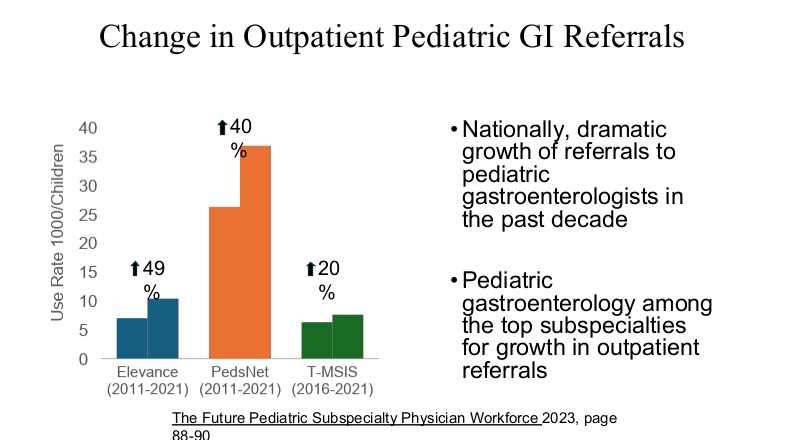
  • The pediatric gastroenterology workforce continues to grow. Other pediatric subspecialties are understaffed and not attracting enough younger pediatric trainees
  • The percentage of women and international medical graduates has been increasing; currently 67% of board-certified pediatricians are women and 22% are non-US international medical graduates
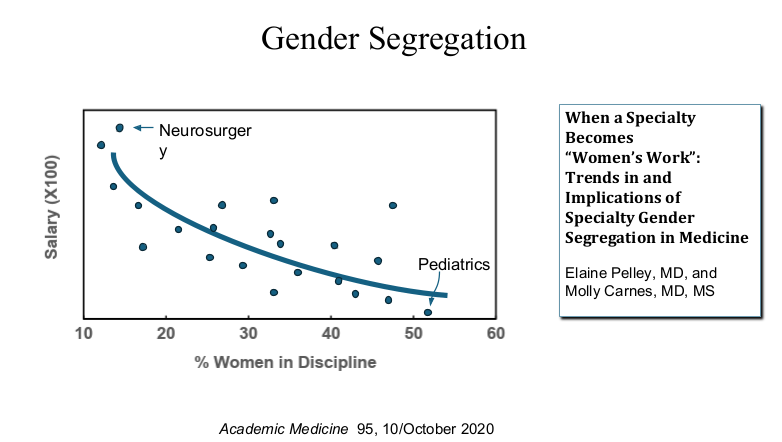
  • Women through all medical fields and even in pediatrics segregate to less well-paying positions. For example, pediatric cardiology has a lower percentage of women and has a higher median income compared to many other pediatric subspecialty areas
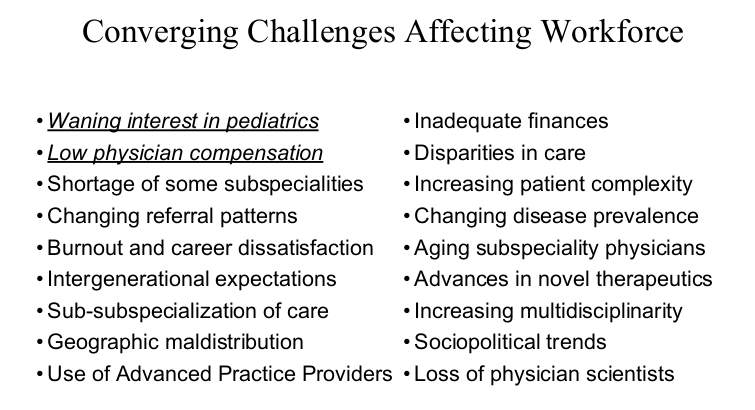
  • While relatively lower pay is thought to be a driving force in choosing a career in pediatrics/pediatric subspecialty, several surveys of medical students indicate that this is not the only factor; other factors may be more important
When workforce changes are noted in the mainstream press, there is often a clear worrisome trend
This slide does not include pediatricians who are not board-certified (~10% of workforce)
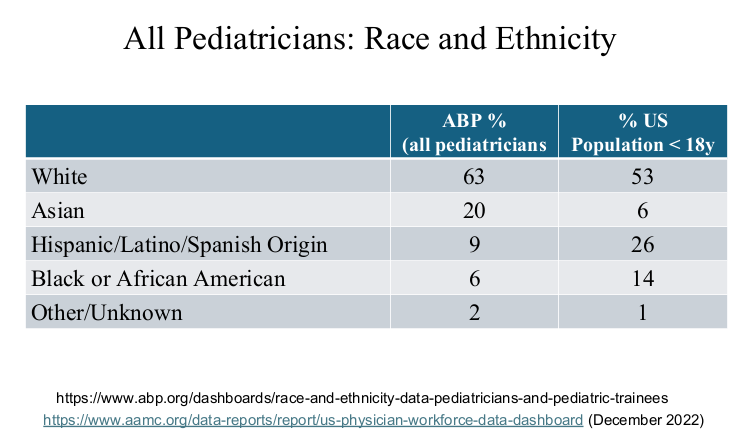
Pediatric physicians’ race/ethnicity is varied but does not match general population
There are a lot of counties without any board-certified pediatricians
68 counties in Georgia without a board-certified pediatrician
Driving distance to see a pediatric gastroenterologist
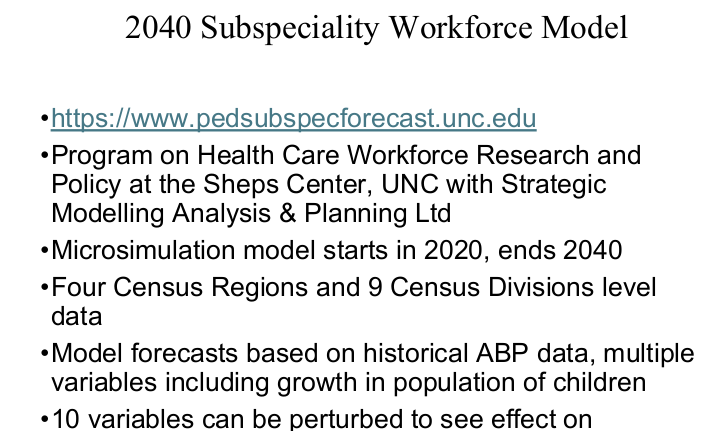
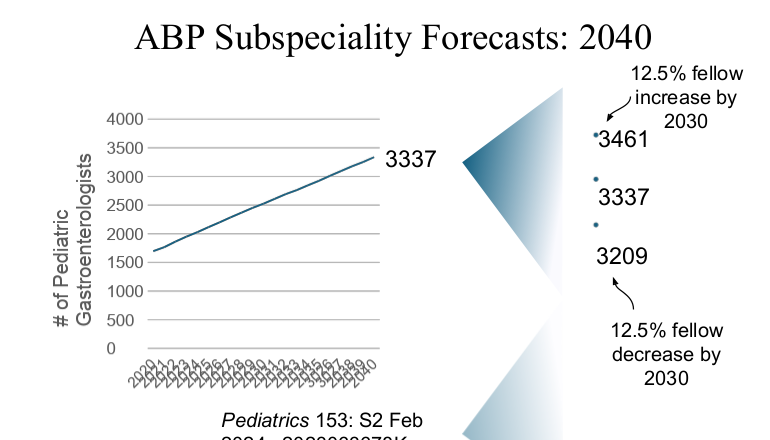
There is expected to be a substantial increase in pediatric GIs by 2040 (about 1700 now). Even with some adjusting of the number of trainees, this will not make a big change in the projections
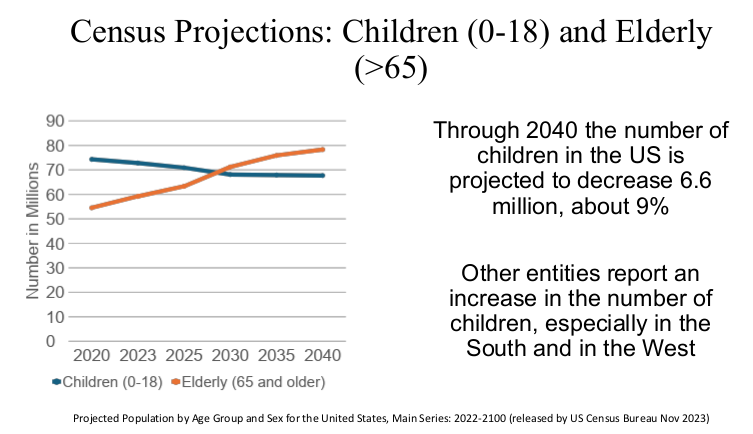
In contrast to pediatric GI, the general pediatric workforce is likely to decline modestly.
There is an expected/projected drop in the pediatric population of 6.6 million by 2040
Since 2015, there has been a lower interest (7.9% of U.S. medical students) in U.S. pediatric match positions. From 1990–2015, it had been stable around 10%.
2024 is the first year with an absolute drop in the number of trainees as the number of residency positions have been increasing and open positions after the match can be filled with DO and non-US international medical graduates.
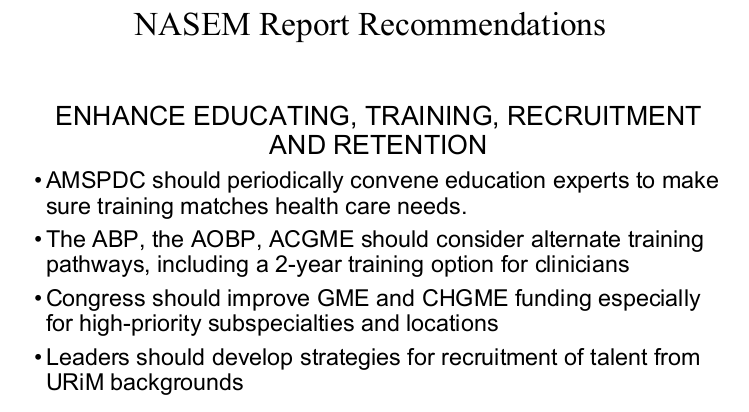
Medical students cite other non-monetary factors as important in their career choices

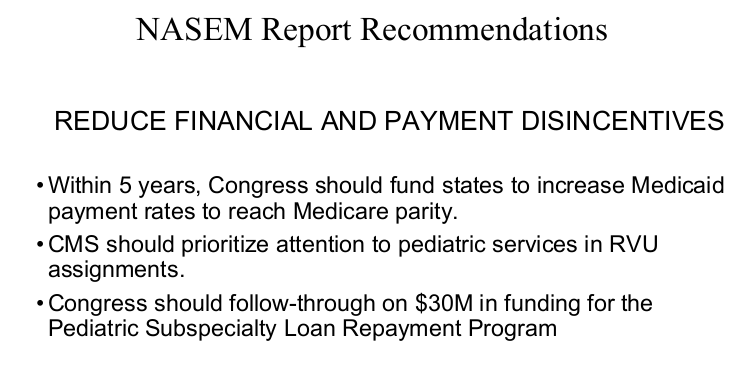
Physicians are in the top 5% of compensation, though pediatric physicians receive less
compensation than their peers. According to 2024 Doximity survey
(https://press.doximity.com/reports/doximity-physician-compensation-report-2023.pdf)
average physician salary exceeds $350,000 in most metro areas.

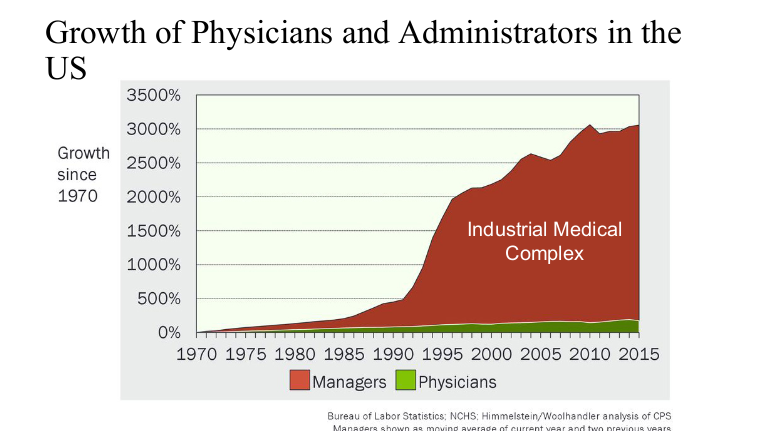
The growth of the medical-industrial complex/management may
be a factor affecting physician job satisfaction
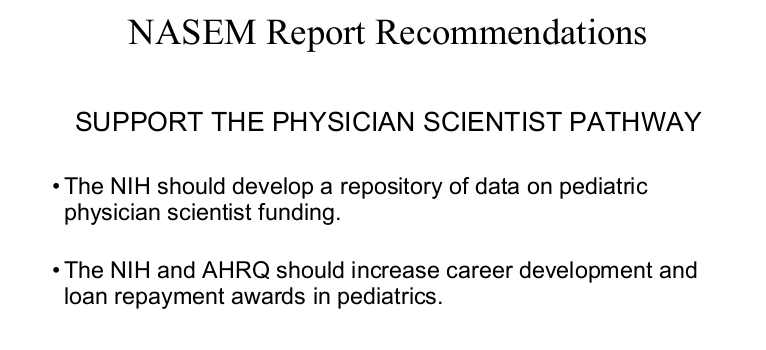
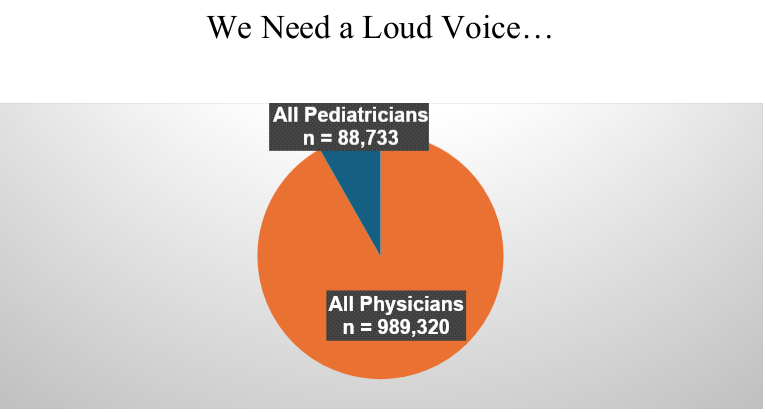
Pediatricians are a small fraction of all U.S. physicians.
We need to make sure that our interests and the interests of children are heard.

My take: Dr. Barnard noted that “medicine has never been more exciting than it is today.” Yet, the decreased interest of medical students for a career in pediatrics/pediatric subspecialties needs to be addressed.

Dr. Barnard modified the material and presented the William Balistreri lecture at this year’s NASPGHAN meeting. Here are some additional slides from this talk which focused more on Pediatric Gastroenterology:

Distribution of Pediatric Gastroenterologists

Related blog post: “Why It’s So Hard to Find a Pediatrician These Days”

Impact of “Healthy Low-Carb Diet” and Time-Restricted Eating on Weight Loss

Li, Lin et al. Cell Reports Medicine, Volume 0, Issue 0, 101801. Effects of healthy low-carbohydrate diet and time-restricted eating on weight and gut microbiome in adults with overweight or obesity: Feeding RCT

    Methods: The participants (n=96 adults) in the combination of Healthy Low Carbohydrate Diet (HLCD) and Time Restricted Eating (TRE group were provided with HLCD and instructed to follow the 10-h TRE. The HLCD … consisted of approximately 30% of total energy from carbohydrates, 50% from fats, and 20% from proteins. Moreover, compared to a traditional low-carbohydrate diet that only focused on carbohydrate restriction, HLCD also emphasized healthy food sources and high-quality macronutrients such as unsaturated fatty acids, plant proteins, and high-quality carbohydrates, including whole grains, fresh vegetables, and fruits. Additionally, 25–35 g of mixed nuts were provided along with HLCD per day, which mainly included walnuts, peanuts, cashews, pistachios, pecans, almonds, and hazelnuts. 10-h TRE required participants to consume the provided meals within 10 h each day. Outside the eating window, only water, and noncaloric beverages were allowed.64 

    Key findings:

    • Each of the patient groups lost between 2.57 to 4.11 kg
    • HLCD was more effective in reducing fat mass
    • Both dietary interventions resulted in changes in the microbiome

    My take: It is still to work on improving diet quality and improving exercise –only a small percentage of patients will be receiving GLP-1 drugs or bariatric surgery. The Mediterranean diet likely has the most data supporting its use for obesity.

    Related blog posts:

    Rock Creek Park, Washington D.C.

    “The Staggering Success of Vaccines”

    Tara Haelle, Scientific American 10/15/24: The Staggering Success of Vaccines

    Referenced article: A Shattock et al. Lancet 2024; 403: 2307–16. Open Access! Contribution of vaccination to improved survival and health:modelling 50 years of the Expanded Programme on Immunization

    Some excerpts:

    “Vaccines are the first step toward health equity in many parts of the world…Around the globe the measles vaccine has saved nearly 94 million lives over the past 50 years. This and other vaccinations have revolutionized global health…”

    “A May study in the Lancet estimated that vaccines against 14 common pathogens have saved 154 million lives over the past five decades—at a rate of six lives every minute. They have cut infant mortality by 40 percent globally and by more than 50 percent in Africa. Throughout history vaccines have saved more lives than almost any other intervention. And vaccines’ promotion of health equity goes far beyond preventing death. The Lancet study found that each life saved through immunization resulted in an average 66 years of full health, without the long-term problems that many diseases cause. Vaccines play a role in nearly every measurement of health equity, from improving access to care, to reducing disability and long-term morbidity, to preventing loss of labor and the death of caretakers…”

    “If you have no money, then you want the best bang for the buck, and it’s going to be immunization,” says Seth Berkley, former CEO of Gavi. “For every dollar you invest in immunization, you get $54 of benefit.”

    The reduction in mortality equates to 9·0 billion life-years saved.

    “In late 2019, when a novel coronavirus detected in Wuhan, China, kicked off one of the largest, deadliest pandemics in a century, everyone looked to the same solution: a vaccine. COVID’s devastation hit poorer countries with less developed health-care systems particularly hard, and in wealthier countries people from underserved and low-income communities suffered higher rates of illness, death and economic hardship…”

    “A 2022 study in the Lancet Infectious Diseases estimates that COVID vaccination worldwide prevented 19.8 million excess deaths.”

    My take: This is a terrific article and particularly timely given the growing influence of anti-vax proponents. Not only have vaccines prevented millions of deaths, they have helped prevent chronic complications (eg. disability after meningitis). The reduction in mortality in the charts is likely UNDERESTIMATED. Many other vaccines were not included in this estimation: smallpox, human papillomavirus, (HPV), influenza, SARS-CoV-2, Ebola, mpox and other vaccines.

    Related blog posts:

    Hot Weather Affects Mail-Order Medications

    NY Times (8/13/24, Emily Baumgaertner): Hot Summer Threatens Efficacy of Mail-Order Medications

    An excerpt:

    Doctors and pharmacists say the scorching temperatures enveloping the country could be endangering people’s health in an unexpected way: by overheating their medications.

    Millions of Americans now receive their prescription medications through mail-order shipments, either for convenience or because their health plans require it. But the temperatures inside the cargo areas of delivery trucks can reach 150 degrees Fahrenheit in the summer, according to drivers — far exceeding the range of 68 to 77 degrees recommended by the national organization that sets standards for drug handling.

    Mail-order pharmacies say that their packaging is weather resistant and that they take special precautions when medication “requires specific temperature control.” But in a study published last year, independent pharmaceutical researchers who embedded data-logging thermometers inside simulated shipments found that the packages had spent more than two-thirds of their transit time outside the appropriate temperature range, “regardless of the shipping method, carrier, or season…

    Liquid medications like insulin or AUVI-Q, the epinephrine injection for allergic reactions, are often at heightened risk of degradation because excessive heat exposure can cause the evaporation of liquid components that were compounded at precise ratios. Aerosolized medications, too, are uniquely vulnerable because of the risk of pressure changes in the canister.

    P.B.M.s [pharmacy benefit managers] often force mail order as the only option, constantly exposing our meds to destructive temperatures way outside the manufacturer’s specifications for days on end

    My take: Worsening climate can even affect medication distribution. This article describes the consequences of medications affected by weather conditions including disease progression and liver transplant rejection. Lobbyists for P.B.M.s have effectively stifled regulations. For our patients with serious underlying diseases, mail-order medication efficacy is yet another concern. This NY Times article was published in August -hot weather is likely less of an issue at this time of year.

    Related blog post: The Health Consequences of Climate Change

    Colorado River near Moab, Utah