Equitable Access to Liver Transplant

R Rosenblatt et al. Hepatology 2021; 74: 2808-2812. Open Access. Equitable Access to Liver Transplant: Bridging the Gaps in the Social Determinants of Health

The problem:

“Evaluation for organ transplantation, a life-saving procedure, involves a multistep, highly selective process. Initially, referrals to appropriate subspecialists and a transplant center are required. During evaluation, candidates undergo formal assessment of adequate social support, psychological health, health insurance, adherence, and understanding of treatments. Each step in the transplant evaluation process is an opportunity for inequity to insert itself, resulting in disparate access to listing for transplantation. This manifests through mechanisms related to poor health literacy, lack of insurance or high copay, poor social support, and geographical location. Culture incapacity by health providers and implicit bias at the provider level and health care system level can create additional barriers. Examples of health inequities include lower referral rate for LT and inferior outcomes among Black and Latinx compared to White patients,(3) while, in addition to race/ethnicity, sex and health literacy(4) also strongly correlate with the likelihood of listing. SES [socioeconomic status] affects both waitlist mortality and post-LT survival as well.”

This article proposes policy measures to counter the deleterious effects of SDOH [social determinants of health]—identify and reduce implicit bias, expand and optimize telemedicine, and improve community outreach. “Structural racism, access to affordable insurance, health literacy, and substance abuse therapy are equally important factors that contribute to health disparities and inequities and warrant further commentary and research, but are outside the focus of this policy piece.”

Related blog post: Getting a Seat at the Liver Counter

Quantifying the Cancer Risk (Mainly HCC) in Adults with NAFLD

TG Simon et al. Hepatology 2021; 74: 2410-2423. Open Access. Cancer Risk in Patients With Biopsy-Confirmed Nonalcoholic Fatty Liver Disease: A Population-Based Cohort Study

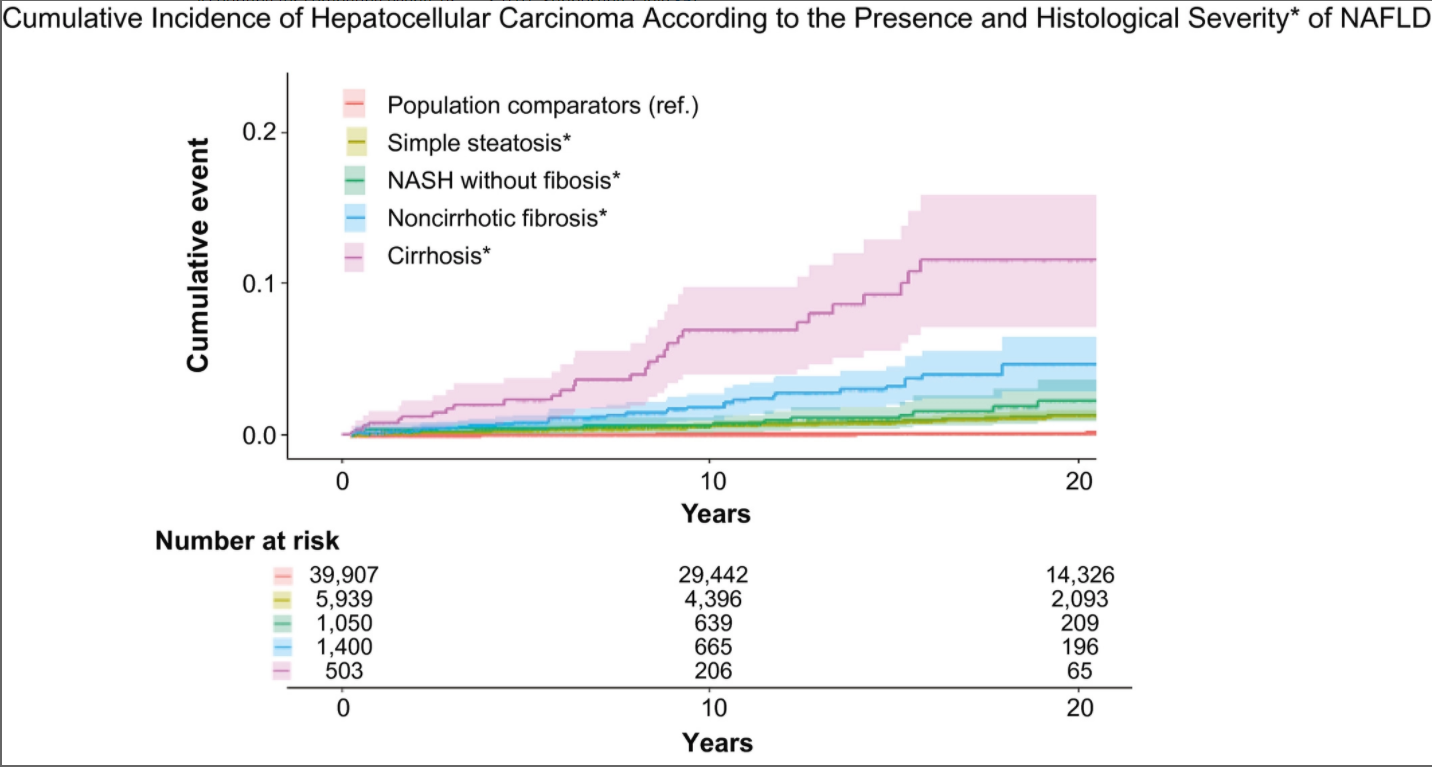
Key findings from this retrospective study with median of 14 yrs f/u (1966-2016, n=8892):

  • HCC incidence rates increased monotonically across categories of simple steatosis, nonfibrotic NASH, noncirrhotic fibrosis, and cirrhosis (0.8 per 1,000 PYs, 1.2 per 1,000 PYs, 2.3 per 1,000 PYs, and 6.2 per 1,000 PYs, respectively; Ptrend < 0.01) and were further amplified by diabetes (1.2 per 1,000 PYs, 2.9 per 1,000 PYs, 7.2 per 1,000 PYs, and 15.7 per 1,000 PYs, respectively
  • “Compared with controls, patients with NAFLD had a17-fold higher rate of developing HCC and a 20-year absolute excess risk of 2.1%.”
  • The 20-year absolute excess risk of patients with noncirrhotic NAFLD fibrosis (4.6%) or cirrhosis (11.4%) developing HCC was comparable to that of all EHSO [extrahepatic solid organ] cancers combined (4.7% -11.4%).
  • The risk of extrahepatic solid organ cancers was increased 12% compared to general population

G Chonlakeril et al. Hepatology 2021; 74: 2336-2338 Associated Editorial. NAFLD and HCC: Time to Bridge the Gap

  • In this analysis, the authors note the annual incidence rate of HCC for cirrhosis in NAFLD was 0.62% which is below rate of 1.5% in which “HCC surveillance may be cost-effective;” however, the rate was 1.52% in those with cirrhosis and diabetes.
  • The authors note that the 9-fold higher risk for HCC in those with simple steatosis compared to matched population could be related to ascertainment bias (at least in part) as not all patients with steatosis undergo a liver biopsy; in addition, misclassification of liver biopsies is possible.

My take: Lots of increased risk with fatty liver disease, especially increased HCC/cancers and increased cardiovascular disease.

Related blog posts:

Cannaboid Use in Liver Transplant Recipients

K Yan, L Forman. Liver Transplantation; 2021; 27: 1623-1632. Open Access: Cannabinoid Use Among Liver Transplant Recipients

Key findings:

  • 23.8% of liver transplant recipients reported current MJ use (of 538 who responded to survey
  • Top reasons for MJ use were recreation (56.5%), anxiety (54.8%), and pain (53.2%)
  •  Among respondents, 21.0% currently used CBD, usually in the form of creams or lotions (58.9%) and to relieve pain (84.9%) and anxiety (31.1%)

The authors note that MJ (marijuana) use previously was not associated with adverse liver tranplant outcomes (in one study); however, there are “there are case reports of drug interactions resulting in tacrolimus toxicity in patients using MJ and CBD.” And, MJ by inhalation may increase the risk for pulmonary fungal/aspergillosis. The use of MJ was similar to previous data in the general Colorado population, “18.1% of adults aged 18 and older in Colorado had used MJ in the past month in 2017-2018, compared with 10.2% of adults nationally.”

My take: Cannaboid use is common in liver transplant recipients and in the general population. More data is needed to understand its safety.

Related blog posts:

Liver Shorts: Autoimmune Liver Disease/HLA profiles, Saroglitazar for fatty liver, and Liver Transplantation Survivorship

Y Ma et al. Hepatology 2021; 74: 2032-2046. Open Access: Human Leukocyte Antigen Profile Predicts Severity of Autoimmune Liver Disease in Children of European Ancestry

The main reason I had to highlight this article is the study period was 42 years!!! (1977-2019, n=236 children). Key findings: “Unique HLA profiles are seen in each subgroup of juvenile AILD:  DRB1*03 for AIH-1, DRB1*03 plus DRB1*07 for AIH-2, and DRB1*13 for ASC. DRB1*03 and the A1-B8-DR3 haplotype are disease-predisposing genes for all three subgroups. The influence of HLA class II genes on disease severity is strong, DRB1*03 homozygosity and possession of DRB1*13 being associated to histologically more advanced disease from onset, while DRB1*07 is linked to the least optimal response to immunosuppression”

S Gawrieh et al. Hepatology 2021; 74 1809-1824. Saroglitazar, a PPAR-α/γ Agonist, for Treatment of NAFLD: A Randomized Controlled Double-Blind Phase 2 Trial

The “EVIDENCES IV study was a multicenter, randomized, double-blind, placebo-controlled phase 2 study to evaluate the safety and efficacy of saroglitazar.” n=106. Key findings:

  • For ALT: mean percent change from baseline at week 16 was −25.5% (5.8), −27.7% (5.9), and −45.8% (5.7), with saroglitazar 1 mg, 2 mg, and 4 mg, respectively, versus 3.4% (5.6) in placebo (P < 0.001 for all)
  • Compared with placebo, saroglitazar 4 mg improved liver fat content on MRI PDFF (4.1% [5.9] vs. −19.7% [5.6]), adiponectin (−0.3 μg/mL [0.3] vs. 1.3 μg/mL [0.3]), homeostatic model assessment–insulin resistance (−1.3 [1.8] vs. −6.3 [1.7]), and triglycerides (−5.3 mg/dL [10.7] vs. −68.7 mg/dL [10.3]) (P < 0.05 for all)
  • Saroglitazar was well-tolerated. A mean weight gain of 1.5 kg was observed with saroglitazar 4 mg versus 0.3 kg with placebo (P = 0.27)

My take: This study shows the potential of one agent for pharmacologic therapy for NAFLD/MAFLD.

SR Lieber et al. Liver Transplantation 2021; 27: 1454-1467. What Survivorship Means to Liver Transplant Recipients: Qualitative Groundwork for a Survivorship Conceptual Model

“A majority of LT recipients (75%) identified themselves as survivors. Integral to the definition of survivorship was overcoming hardship (including experiences on the waiting list) and the unique experience of being given a “second chance” at life. Motivations to survive included a new chance at life (55%), family (40%), spirituality/faith (30%), and fear of rejection (15%)”

Outcomes of SARS-CoV-2 with Chronic Liver Disease

J Ge et al. Gastroenterol 2021; 161: 1487-1501. Full text-open access: Outcomes of SARS-CoV-2 Infection in Patients With Chronic Liver Disease and Cirrhosis: A National COVID Cohort Collaborative Study

Key finding:
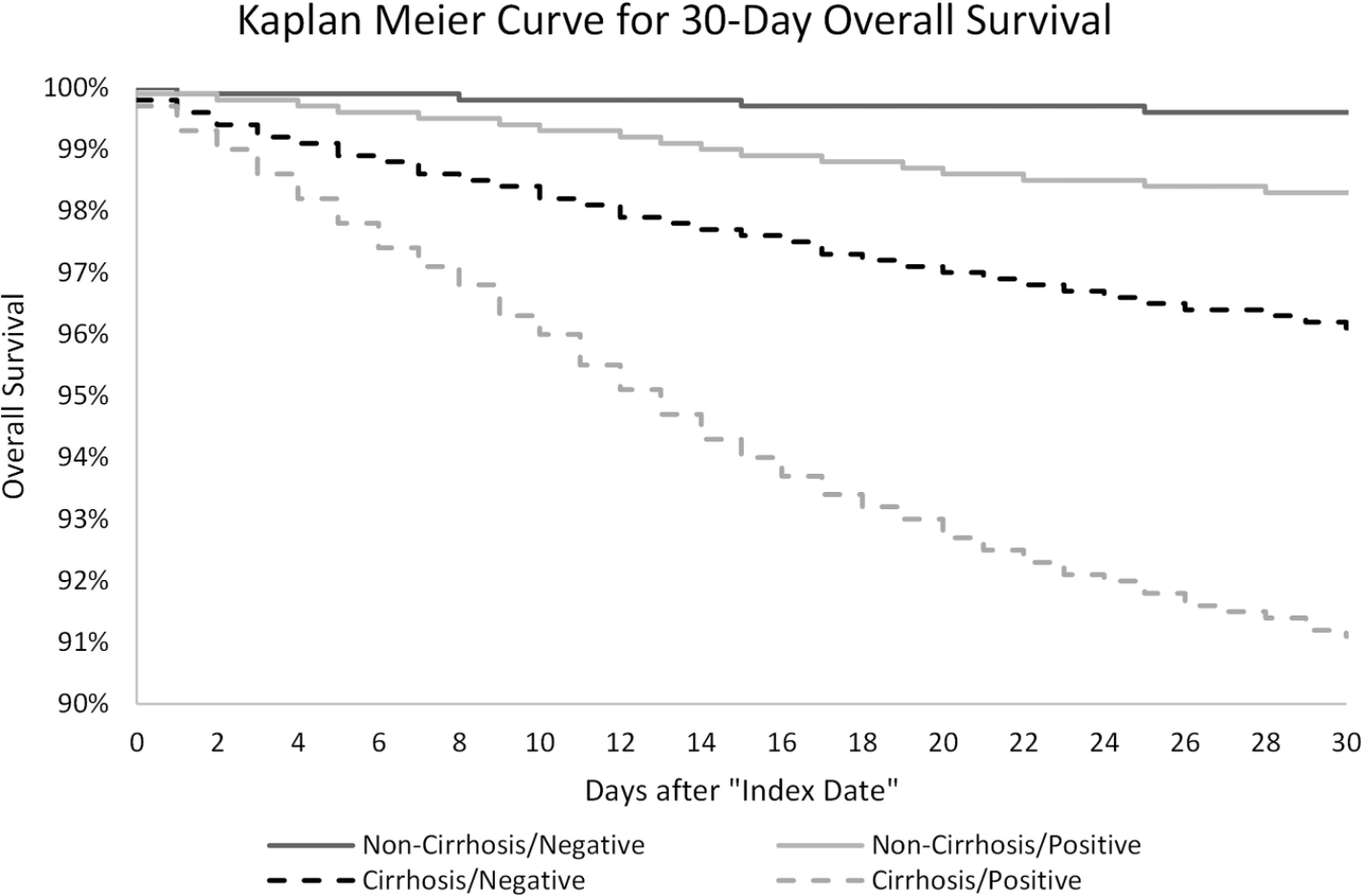
“In this study of approximately 221,000 nationally representative, diverse, and sex-balanced patients with CLD; we found SARS-CoV-2 infection in patients with cirrhosis was associated with 2.38 times mortality hazard, and the presence of cirrhosis among patients with CLD infected with SARS-CoV-2 was associated with 3.31 times mortality hazard”

Related blog post: Aspen Webinar 2021 Part 1 COVID-19 and the Liver

Does It Matter If Fatty Liver Disease Is Called MAFLD or NAFLD?

H Lee, et al. Clin Gastroenterol Hepatol 2021; 19: 2138-2147. Metabolic Dysfunction-Associated Fatty Liver Disease and Incident Cardiovascular Disease Risk: A Nationwide Cohort Study

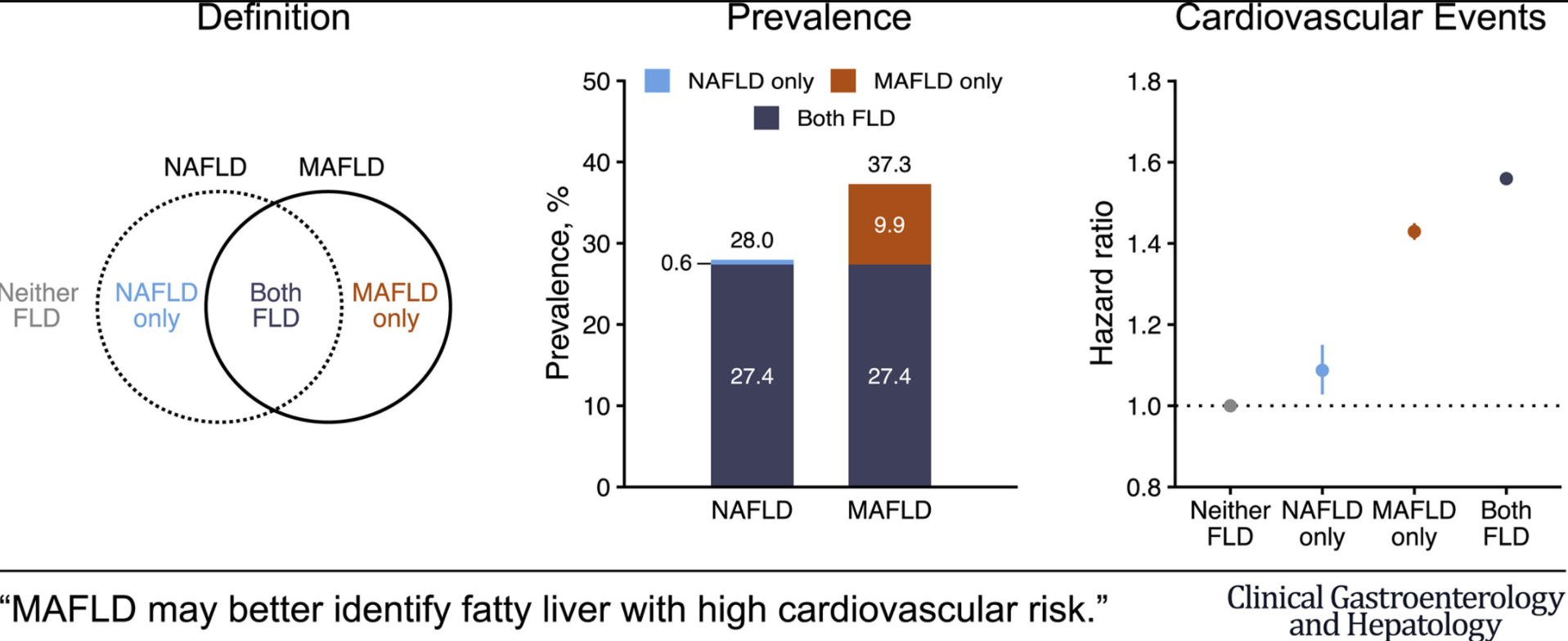
A recent study from South Korea with 9.5 million participants (followed for 10 years) shows that changing to metabolic dysfunction–associated fatty liver disease (MAFLD) as a name change from nonalcoholic fatty liver disease (NAFLD) changes the prevalence of at-risk individuals.

Key findings:

  • Prevalence of NAFLD and MAFLD were 28.0% and 37.3%, respectively
  • NAFLD and MAFLD were each associated with significantly higher risk for CVD events: multivariable-adjusted hazard ratios (95% confidence interval) for CVD events were 1.09 (1.03-1.15) in the NAFLD-only group, 1.43 (1.41-1.45) in the MAFLD-only group, and 1.56 (1.54-1.58) in the Both-FLD group
  • In the same issue, a study from Hong Kong showed similar prevalence rates between MAFLD (25.9%) and NAFLD (25.7%) (Clin Gastroenterol Hepatol 2021; 19: 2161-2171). This study noted that many people with hepatic steatosis at baseline have less severe metabolic burden.
  • Also, in the same issue, using a well-define population of more than 13,000 from NHANES III, this retrospective study (Clin Gastroenterol Hepatol 2021; 19: 2172-2181) found that Non-NAFLD MAFLD patients had the highest all-cause and cardiovascular-cause related mortality. In addition, this group had the highest rate of advanced fibrosis >7% (compared to <2% in other groups.

My take (borrowed from authors of first study): “The change from NAFLD to MAFLD criteria may identify a greater number of individuals with metabolically complicated fatty liver and increased risk for CVD.”

Another related article: M Eslam, AJ Sanyal, J George. MAFLD: A Consensus-Driven Proposed Nomenclature for Metabolic Associated Fatty Liver Disease (2020). This article similar to a previous article (Improving Fatty Liver Nomenclature) suggests changing the name for NAFLD to MAFLD.

MAFLD Criteria in this study:

MAFLD is diagnosed based on the presence of hepatic steatosis with one or more of the following:

  1. diabetes mellitus
  2. overweight/obesity (BMI >/= 23)
  3. at least 2 metabolic abnormalities: a) Waist circumference ≥90 cm in men and 80 cm in women. b) Blood pressure ≥130/85 mmHg or under anti-hypertension therapy. c) High-density lipoprotein cholesterol (HDL-C) <40 mg/dL for males and <50 mg/dL for females. d) Triglyceride (TG) ≥150 mg/dL or specific drug treatment. e) fasting glucose ≥100 f) Homeostasis model assessment-insulin resistance (HOMA-IR) score ≥2.5; and g) Hypersensitive C-reactive protein (hs-CRP) level >2 mg/L.

NAFLD Criteria in this study:

The presence of hepatic steatosis without 1. excessive drinking ( ≥30 g/day in men, ≥20 g/day in women) and 2. concomitant liver diseases

Getting a Seat at the Liver Counter

R Rosenblatt et al. Hepatology 2021; 74: 1523-1532. Black Patients Have Unequal Access to Listing for Liver Transplantation in the United States

“It was Feb. 1, 1960, when four black students sat down at Woolworth’s lunch counter in Greensboro, N.C., and ordered coffee” (Time: Why the Woolworth’s Sit-In Worked)

This lunch counter sit-in was a big step in the civil rights movement. The article cited above shows that there is still a lot of work to make sure black patients have equal access to the liver counter too.

Using two databases (CDC WONDER, and UNOS) for 2014-2018, the authors identified 135,367 patients who died of ESLD, 54,734 patients who were listed for transplant, and 26,571 who underwent transplant.

Key findings:

  • The national LDR (listing-to-death ratio) was 0.40, significantly lowest in Black patients (0.30), P < 0.001. The highest LDRs clustered in the Northeast and the lowest in the Southeast and Northwest
  • The national transplant to listing ratio was 0.48, highest in Black patients (0.53), P < 0.01
  • The national transplant to death ratio was 0.20, lowest in Black patients (0.16), P < 0.001

“The most desirable outcome is a high transplant to death ratio—which was present in states like Maryland as well as Georgia, Nebraska, and Wisconsin.” (State values are provided in Tables 1, 3, and 4). Overall, these data show low listing rates for black patients relative to deaths from ESLD. Due to the adoption of MELD score which has objective criteria, the lower transplant rates indicate that Black patients face a disparity in access to liver transplantation.

The authors point out potential roadblocks:

  • ESLD first needs to be identified and patient referred to a liver transplant center
  • Black patients “were much less likely to understand the LT process”
  • Timing is critical, “especially in patients with HCC, which presents a more advanced in Black patients”
  • Insurance: “Black patients are more likely to be uninsured or to have public insurance, which is associated with poor access to listing and LT”

My take: This study shows that Black patients face disparities prior to transplant listing. In order to improve outcomes, patients first need to get a seat at the table.

Related blog post: Disparity in the Care of Black Inflammatory Bowel Disease Patients

Hyde Farm Trail, Marietta, GA

New Paradigm in Treating Varices and Cirrhosis Management (in Adults)

2021 Halloween Pics:

G Garcia-Tsao, JG Abraldes. Gastroenterol 2021; 161: 770-773. Open Access: Nonselective Beta-Blockers in Compensated Cirrhosis: Preventing Variceal Hemorrhage or Preventing Decompensation?

Key points:

  • Carvedilol (not approved in children) is a NSBB that has additional α1 adrenergic blocking activity that enhances the portal pressure–reducing effect, compared to other NSBBs (eg. nadolol, propranolol).
  • New paradigm focuses on “the most relevant end point in compensated cirrhosis…development of decompensation”  (ascites, variceal hemorrhage, and/or hepatic encephalopathy).
  • In the PREDESCI study with 201 patients with compensated cirrhosis and CSPH, with no or small varices, to NSBBs or placebo…”clinical decompensation, was significantly lower in the NSBB arm than in the placebo arm (from 27% to 17% over a median follow-up of 37 months: HR 0.51, 95% CI 0.26–0.97)”
  • This model favors carvedilol over endoscopic variceal ligation; the “only RCT of carvedilol vs EVL in the prevention of first variceal hemorrhage showed a survival benefit of carvedilol over EVL.” Carvediol has been associated with improved survival in patients with cirrhosis (McDowell H.R. et al. Carvedilol is associated with improved survival in patients with cirrhosis: a long-term follow-up study. Aliment Pharmacol Ther. 2021; 5: 531-539)
  • This model “consists of identifying those with CSPH (by means of noninvasive methods) and treating them with carvedilol, with the goal of preventing any decompensating event (not only variceal hemorrhage).”
  • Screening endoscopy would still be recommended in newly-diagnosed decompensated cirrhosis and those intolerant to NSBBs.

My take: This new paradigm is one approach for portal hypertension in adults. More studies are needed in the pediatric age group to help determine whether medical therapy can obviate the need for EVL in most children with cirrhosis.

Whereas the existing paradigm focuses on the use of NSBBs for the prevention of variceal bleeding, in the new paradigm the presence of CSPH [clinically significant portal hypertension ](determined noninvasively) establishes the indication for NSBBs with the goal of preventing cirrhosis decompensation. CSPH, clinically significant portal hypertension; EVL, endoscopic variceal ligation; NSBB, nonselective beta-blocker; LS, liver stiffness; PLT, platelet count. ∗Patients with LS <20 kPa and PLT >150,000/mm3 can circumvent endoscopy because the risk of having high-risk varices is minimal

Related blog posts:

Disclaimer: This blog, gutsandgrowth, assumes no responsibility for any use or operation of any method, product, instruction, concept or idea contained in the material herein or for any injury or damage to persons or property (whether products liability, negligence or otherwise) resulting from such use or operation. These blog posts are for educational purposes only. Specific dosing of medications (along with potential adverse effects) should be confirmed by prescribing physician.  Because of rapid advances in the medical sciences, the gutsandgrowth blog cautions that independent verification should be made of diagnosis and drug dosages. The reader is solely responsible for the conduct of any suggested test or procedure.  This content is not a substitute for medical advice, diagnosis or treatment provided by a qualified healthcare provider. Always seek the advice of your physician or other qualified health provider with any questions you may have regarding a condition.

Expanding Treatment Population in Chronic Hepatitis B?

W-J Jeng. AS Lok. Clin Gastroenterol Hepatol 2021; 19: 2006-2014. Open Access: Should Treatment Indications for Chronic Hepatitis B Be Expanded?

In this review, the authors propose expanding treatment indications for chronic hepatitis B virus (HBV).

The authors review current guidelines (Table 2 lists the major society recommendations). For example, the AASLD recommends HBV treatment for the following:

  • Antiviral treatment in all patients with cirrhosis and detectable viremia, independent of alanine aminotransferase (ALT) or HBV DNA levels
  • For patients without cirrhosis, all guidelines recommend treatment in patients with immune active disease; treatment is mainly with a NA (nucleos(t)ide analog) until 1 year after confirmed HBeAg seroconversion for patients who were HBeAg-positive and until HBsAg loss for patients who were HBeAg-negative at the start of treatment
  • AASLD cut-offs for distinguishing immune active disease: ALT ≥2× ULN or evidence of significant histologic disease and HBV DNA >20,000 IU/mL for HBeAg (+) and >2000 IU/mL for HBeAg (–)

Why Expand Treatment Indications?

The main reason for advocating treatment of patients in the immune tolerant phase is the mounting evidence that persistently high viremia and persistent presence of HBeAg are associated with increased risk of cirrhosis, HCC, and liver-related mortality…In one study of 438 HBeAg-positive patients, the 15-year cumulative risk of cirrhosis and HCC increased from 3.7% and 2.1% in patients who seroconverted before age 30 to 12.9% and 3.2% in those who seroconverted between ages 30 and 40 and 42.9% and 7.7% in those who did so after age 40

Why Not Treat All Patients with Chronic Hepatitis B?

“An important reason for deferring treatment of patients in the immune tolerant phase is that spontaneous HBeAg and HBsAg clearance with remission of liver disease can occur.” This happens in 80% or more over 10-20 years.

Who Else Should Receive Treatment (Beyond Guidelines)?

“Available data support expanding treatment to immune tolerant patients and patients in the grey zones who have evidence of active/advanced liver disease based on liver biopsy or non-invasive tests and those who remain in the immune tolerant phase after age 40. Evidence supporting treatment expansion to confirmed inactive carriers and other immune tolerant patients is lacking.” “Grey zones” indicate that “the course of chronic HBV infection is characterized by fluctuations in HBV DNA and ALT levels, and many patients will be in the grey zone at some point.”

My take: Given the safety/tolerability of newer HBV treatments, these recommendations make sense. If/when HBV treatments improve further (higher loss of HBsAg or HBV DNA), then even more widespread use of HBV treatments would be worthwhile.

Related blog posts:

Hyde Farm, Marietta GA

Disclaimer: This blog, gutsandgrowth, assumes no responsibility for any use or operation of any method, product, instruction, concept or idea contained in the material herein or for any injury or damage to persons or property (whether products liability, negligence or otherwise) resulting from such use or operation. These blog posts are for educational purposes only. Specific dosing of medications (along with potential adverse effects) should be confirmed by prescribing physician.  Because of rapid advances in the medical sciences, the gutsandgrowth blog cautions that independent verification should be made of diagnosis and drug dosages. The reader is solely responsible for the conduct of any suggested test or procedure.  This content is not a substitute for medical advice, diagnosis or treatment provided by a qualified healthcare provider. Always seek the advice of your physician or other qualified health provider with any questions you may have regarding a condition.

COVID-19, Vaccines and Liver Disease Plus AAP Declares Mental Health Emergency

OK Fix et al. Hepatology 2021; 74: 1049-1064. Open Access. American Association for the Study of Liver Diseases Expert Panel Consensus Statement: Vaccines to Prevent Coronavirus Disease 2019 Infection in Patients With Liver Disease

“Remarkably safe and highly effective mRNA COVID-19 vaccines are now available for widespread use and should be given to all adult patients with CLD and LT recipients. The online companion document located at https://www.aasld.org/about-aasld/covid-19-resources will be updated as additional data become available regarding the safety and efficacy of other COVID-19 vaccines in development.”

A Saviano et al. Hepatology 2021; 74: 1088-1100. Open Access (Review) Liver Disease and Coronavirus Disease 2019: From Pathogenesis to Clinical Care

  • “The presence of liver injury is a surrogate marker for more severe disease and higher mortality in patients with COVID-19. An elevated AST level is the most robust predictor of poor outcome.”
  • “Liver injury and mortality in COVID-19 are likely multifactorial, driven by a sustained and excessive systemic release of proinflammatory and prothrombotic cytokines following SARS-CoV-2 infection, iatrogenic injury caused by DILI, hemodynamic changes associated with mechanical ventilation or vasopressor use, and worsening of underlying liver injury in those with CLD.”
  • “Risk of de novo liver injury appears limited in patients without CLD, and only rare cases of COVID-19–related ACLF [acute-on-chronic liver failure] were observed.”

Related blog post: Aspen Webinar 2021 Part 1: COVID-19 and the Liver (William Balistreri)

“COVID-19–related liver injury and mortality in patients who were hospitalized with and without chronic liver disease (CLD). Patients without CLD usually present with AST elevation, which correlates with ICU admission and mortality. Among patients with CLD, NAFLD has the highest risk of severe illness, ICU admission, and need for mechanical ventilation. Patients with cirrhosis are at risk for decompensation, and patients who are decompensated have a high risk of acute-on-chronic liver failure (ACLF) and mortality.”Abbreviations: CTP, Child-Turcotte-Pugh; ICU, intensive care unit.

Link to AAP News: AAP, AACAP, CHA declare national emergency in children’s mental health (Thanks to Ben Gold for passing this along)

  • “We are caring for young people with soaring rates of depression, anxiety, trauma, loneliness, and suicidality that will have lasting impacts on them, their families, their communities, and all of our futures,” said AACAP President Gabrielle A. Carlson, M.D. “We cannot sit idly by. This is a national emergency, and the time for swift and deliberate action is now.”
  • These organizations make several recommendations to policy makers including more access for mental health services. (I worry that we do not have sufficient numbers of qualified mental health practitioners to meet the challenge.)