Liver Updates: Statin Protection from HCC, PSVD -new name, novel finding and Hypothyroidism with Hepatic Hemangiomas

B Zou et al. Clin Gastroenterol Hepatol 2023; 21: 435-444. Open Access! Statin Use and Reduced Hepatocellular Carcinoma Risk in Patients With Nonalcoholic Fatty Liver Disease

This study, in agreement with prior studies of individuals with chronic liver disease, showed that statin use is associated with a lower risk of hepatocellular carcinoma in NAFLD as well, with a Hazard Ratio of 0.47 in a database with 272,431 adults with NAFLD. The authors note the concern about hepatotoxicity from statins; however, “severe liver injury from statins is fairly low. Indeed, the incidence of lovastatin-associated fulminant liver failure is about 2 in a million users.”

Related blog posts:

J Shan et al. Hepatology 2023; 77:501-511. Open access! Genetic predisposition to porto‐sinusoidal vascular disorder: A functional genomic‐based, multigenerational family study

Porto‐sinusoidal vascular disorder (PSVD; also previously described as idiopathic noncirrhotic portal hypertension [NCPH]…”is a group of liver vascular diseases featuring lesions encompassing the portal venules and sinusoids unaccompanied by cirrhosis, irrespective of the presence/absence of portal hypertension. It can occur secondary to coagulation disorders or insult by toxic agents. However, the cause of PSVD remains unknown in most cases.”

Key findings:

  • In a group of 4 patients, a novel heterozygous mutation in the FCHSD1 gene was identified but not in 2 familial controls.
  • When this variant was introduced in mice using CRISPR, ” Nine out of the 15 mice carrying the human FCHSD1 R183W variant mimicked the phenotype of human PSVD, including splenomegaly and enlarged portal vein.”
  • Aberrant FCHSD1 structure and function led to mTOR pathway overactivation

Related blog post: Time to Adjust the Knowledge Doubling Curve in Hepatology

MA Siano et al. JPGN Reports. 2022; 3(4):p e270,.  Consumptive Hypothyroidism due to Hepatic Hemangiomas: A Case Series and Review of the Literature

“Consumptive hypothyroidism (CH) is a rare form of hypothyroidism due to thyroid hormone inactivating enzyme type 3 (Deiodinase) overexpressed by hepatic/hepatic and cutaneous hemangiomas, and occasionally by some other extrahepatic visceral hemangiomas…Pediatric hepatologists should recognize the importance of periodical assessments of thyroid function in patients with hepatic hemangiomas”

“MRI of the abdomen in one of our patients (patient 1), before (A) and after (B) 19 months of treatment with propranolol/10 months of treatment with levothyroxine. The T2-weighted axial MRI images shows the regression of a diffuse infantile hepatichemangioma with innumerable T2 hyperintense masses throughout the liver with central hypointense central regions.”

Stratifying the Risk of Asymptomatic Gallstones

G Morris-Stiff et al. Clin Gastroenterol Hepatol 2023; 21: 319=327. The Natural History of Asymptomatic Gallstones: A Longitudinal Study and Prediction Model

Using a retrospective cohort design with 22,257 patients (51% female) with a mean age of 61 years, Key Findings:

  • There was a 2% per year rate of developing symptomatic gallstones
  • Overall, 14.5% developed symptoms with a median followup of 4.6 years
  • Cumulative incidence of becoming symptomatic: 10.1% at 5 years, 21.5% at 10 years, and 32.6% at 15 years
  • The strongest predictors of developing SGs were female gender (hazard ratio [HR], 1.50), younger age (HR per 5 years, 1.15), multiple stones (HR, 2.42), gallbladder polyps (HR, 2.55), large stones (>9 mm) (HR, 2.03), and chronic hemolytic anemia (HR, 1.90). Elevated BMI was associated with increase risk; for example a BMI >40 had a HR of 1.60.
  • Statin use was associated with a reduced risk of with HR 0.61

My take: This large retrospective study of adults indicates that if given enough time, more than 1/3rd of individuals will develop symptomatic gallstones. Surgical intervention should be considered in those with significant risk factors.

Related blog posts:

Dog’s viewpoint at the Chattahoochee River in Sandy Springs, GA

Why Telehealth Will Not Solve Health Care Disparities: Liver Care Experience

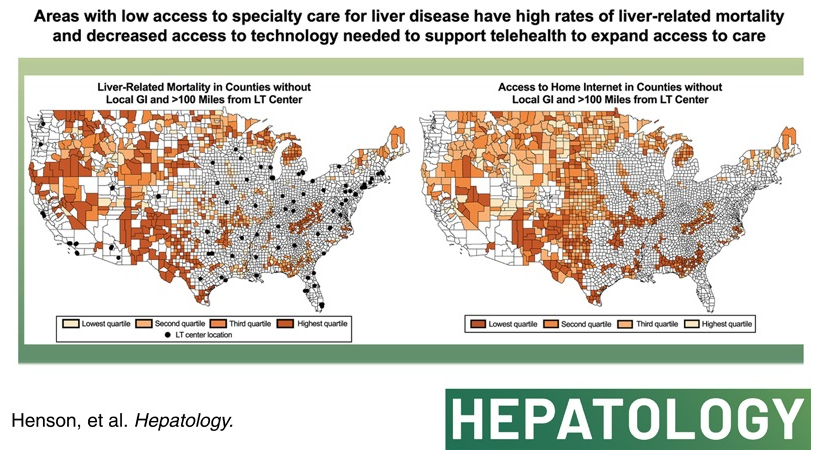
JB Henson et al. Hepatology 2023; 77: 176-185. Access to technology to support telehealth in areas without specialty care for liver disease

Key finding: Technology access was lowest in areas with low access to care and the highest burden of liver‐related mortality.

Editorial: S Wadhwani, JC Lai. Hepatology 2023; 77: 13-14. Open Access! The digital determinants of liver disease

An excerpt:

The authors found that counties with decreased access to gastroenterologists and liver transplant centers had increased county‐level liver‐related mortality. These counties tended to have residents who were more likely to be living in poverty, have lower educational attainment, have less access to primary care, and be living in a rural location. These same counties were less likely to have access to the high‐quality connectivity necessary to engage in telehealth appointments, demonstrating that telehealth in its current iteration will be unable to overcome health inequities in liver disease. For telehealth to be a viable solution to overcoming disparities in liver‐related mortality, the United States will need to tackle the “digital divide.”

My take: The same patients who have trouble seeing a liver specialist due to distance, transportation issues, and poverty are much less likely to have a good internet connection. Without this digital access, telehealth cannot help solve the disparity in care.

Related blog posts:

Favorite Posts 2022

Thank you to those who have helped me this past year with this blog –colleagues, friends and family. Wishing all of you a good 2023. Here are some of my favorite posts from this past year:

GI:

Nutrition:

Liver:

Endoscopy:

Health Policy:

Humor:

New Age for Hepatitis B Therapies

M-F Yuen et al. NEJM 2022; 387; 1957-1968. Efficacy and Safety of Bepirovirsen in Chronic Hepatitis B Infection

This study is nicely summarized in a “quick take” video and also reviewed in an accompanying editorial by J Hoofnagle (pages: 1996-1998).

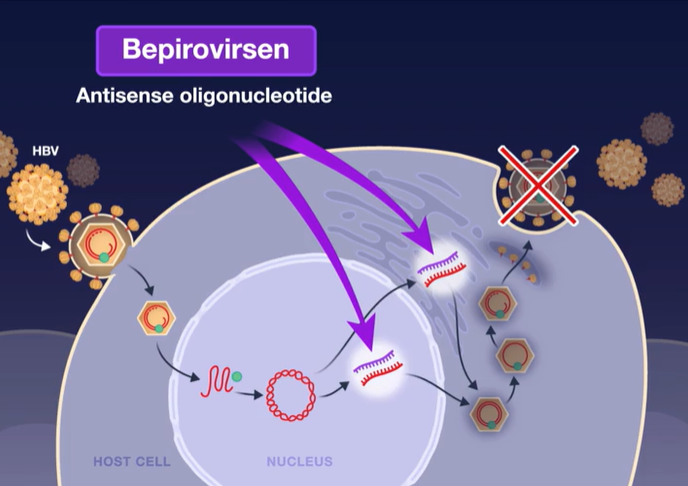
In this phase 2b, randomized, investigator-unblinded trial involving 457 participants with chronic HBV infection (1/2 receiving nucleotide analogue (NA) therapy), the authors evaluated bepirovirsen is an antisense oligonucleotide that targets all hepatitis B virus (HBV) messenger RNAs and acts to decrease levels of viral proteins.

Background: HBV infection affects 4% of worldwide population and has a prevalence of 0.3% in the U.S. Worldwide, HBV causes more than 1/2 million deaths each year.

Key finding:

Mechanism of Action: Bepirovirsen is an antisense oligonucleotide that targets all hepatitis B virus (HBV) messenger RNAs and acts to decrease levels of viral proteins.

Current therapies (like entecavir and tenofovir) are able to suppress viral replication but have low rates of clearance of HBsAg and most often HBV relapses when medications are stopped. This is due to covalently closed circular DNA which can persist in hepatocytes despite these medications.

In Dr. Hoofnagle’s editorial, he notes that bepirovirsen is one of several RNA-based HBV therapies that are being pursued. There are also “the more malleable small interfering RNA molecules (“-sirans”) are currently in early-phase clinical trials.”

My take: While these studies point to new therapies for those afflicted with HBV infection, the best strategy for reducing HBV mortality and morbidity still relies of wide-scale use of the highly effective HBV vaccine.

A Purple Liver

G Jiang et al. Clin Gastroenterol Hepatol 2022; https://doi.org/10.1016/j.cgh.2022.05.036.Open Access! A Purple Liver

In this case report, a 38 yo was incidentally discovered to have a purple liver while undergoing surgery for cholelithiasis. A diagnosis of Dubin-Johnson syndrome was made. It “is a benign autosomal-recessive liver disease with clinical manifestations of chronic or intermittent conjugated hyperbilirubinemia. It is caused by mutations in the ABCC2 gene leading to MRP2 [multidrug resistance-associated protein 2] dysfunction or deletion.”

Related blog posts

Liver Briefs: MMF & Less Food Allergies, Losartan for NAFLD (negative trial), Another Pangenomic HCV Treatment for Adolescents

If you have not seen this video from 2014 (42 seconds), I recommend it for a good laugh. I’ve seen it many times and I think it is funny every time.

————————–

S Haflidadottir et al. JPGN 2022; 75: 138-144. Mycophenolate Mofetil Use Is Associated With Reduced Incidence of Food Allergy in Liver Transplanted Children. N=107. Key finding: Children treated with MMF in addition to tacrolimus 1 year after transplantation reported less food allergy (12.5% vs 37.8%, P = 0.003) and sensitization to food allergens one year after transplantation (8.9% vs 17.8%, P = 0.02) than those not receiving MMF. The effect of MMF was not due to reduced trough levels of tacrolimus.

MB Vos et al. Hepatology 2022; 76: 429-444. Open access: Randomized placebo-controlled trial of losartan for pediatric NAFLD Key finding: Losartan did not significantly reduce ALT in children (n=83) with NAFLD when compared with placebo in this multicenter, double-masked, placebo-controlled, randomized clinical trial

G Indoli et al. Hepatology 2022; 76: 445-455. Sofosbuvir-velpatasvir-voxilaprevir in adolescents 12 to 17 years old with HCV infection All patients (n = 21) were naïve to HCV DAAs, and none had cirrhosis. Key finding: 100% of patients (21 of 21) reached SVR12 (8 week treatment course)

Westchester Lagoon off of the Tony Knowles Coastal Trail, Anchorage AK

RNA Interference (Fazirsiran) for Liver Disease Associated with Alpha-1-Antitrypsin Deficiency

P Strnad et al. NEJM 2022; 387: 514-524. Fazirsiran for Liver Disease Associated with Alpha1-Antitrypsin Deficiency

Background: “Z-AAT accumulation has been correlated with liver fibrosis, a finding that suggests that reducing Z-AAT production may improve hepatic phenotypes…RNA interference (RNAi) is a naturally occurring cellular mechanism that regulates gene expression. Fazirsiran (previously ARO-AAT) is an investigational RNAi therapeutic that contains a synthetic, double-stranded, small interfering RNA duplex conjugated to N-acetylgalactosamine, which binds to the hepatocyte asialoglycoprotein receptor to facilitate endosomal uptake and intracellular delivery…Fazirsiran causes degradation of AAT and Z-AAT messenger RNA, thus reducing both AAT and Z-AAT protein synthesis in hepatocytes.” Fazirsiran has already shown effectiveness in a mouse model and had an adequate safety profile in a phase 1 study with healthy volunteers.

Methods: Phase 2, open-label, multicenter trial enrolled adults with the PI ZZ genotype and liver fibrosis. They received fazirsiran subcutaneously on day 1 and week 4 and then every 12 weeks

Key findings:

  • All the patients had reduced accumulation of Z-AAT in the liver (median reduction, 83% at week 24 or 48)
  • Fibrosis regression was observed in 7 of 15 patients and fibrosis progression in 2 of 15 patients after 24 or 48 weeks
  • There were no adverse events leading to trial or drug discontinuation. Four serious adverse events (viral myocarditis, diverticulitis, dyspnea, and vestibular neuronitis) resolved. Most common adverse events were arthralgia and transient increase in creatinine kinase (each in 4 patients). It was noted that there was a gradual decrease in mean FEV1 through week 52 but no evidence that this was due to fazirsiran treatment.

The authors note that reduction in Z-AAT accumulation is expected to yield clinical benefit since the liver is a regenerative organ.

My take: This is an exciting development for patients with AAT-associated liver disease but a larger, placebo-controlled treatment trial with longer duration is needed to confirm whether fazirsiran will be a useful therapeutic agent for AAT deficiency.

After reviewing this study, I contacted one of the authors (Dr. Teckman) to find out about the status of pediatric studies. His response:

  • A larger, phase III study is going to start enrolling soon (for adults) to better define the risks, benefits, dose, length of therapy and patient selection which will hopefully lead to full FDA approval. The next phase of fazirsiran for adults will have many sites and St Louis will be one. Patients are welcome to contact me.
  • Trials with fazirsiran for children are being designed. Time frame 1-3 years. Other drugs are also close to opening studies for kids, as well.
  • Several other drugs that appear promising for AAT are also in phase I, II, soon III. That’s great news. I commonly refer patients to “clinicaltrials.gov” but they can contact me or the Alpha-1 Foundation for information.
  • All patients should read the extensive and very informative patient literature on the Alpha-1 Foundation web site; www.alpha1.org.
  • All patients should enroll in the Alpha-1 Registry. This is a scientific, IRB approved registry which is non-interventional and does not commit patients to anything, but which will permit them to be contacted and kept informed about potential trials. It is for anyone who carries any number of many abnormal genotype; ZZ, SZ, MZ, null, etc.
  • All eligible people who are anywhere near a site should be enrolled in the Childhood Liver Disease Research Network; www.childrennetwork.og. This is a non-interventional, NIH- sponsored network which studies pediatric liver disease. ZZ and SZ patients ages 0 years to 25 years can enroll. You do not need to change doctors or care sites. Many patients stay with their docs they have but contribute to the study once a year.

Related blog posts:

  • Alpha-1-Antitrypsin Deficiency (review May 2020). 35% of adults with ZZ genotype show clinically-significant liver fibrosis. Risk factors for advanced fibrosis: male gender, metabolic syndrome/obesity, and alcohol consumption.
  • Liver Shorts March 2020 (A1AT Heterozygosity worsens NAFLD/contributes to cirrhosis)

Withdrawal of Chronic Hepatitis B Therapy

G Hirode et al. Gastroenterol 2022; 162: 757-771. Off-Therapy Response After Nucleos(t)ide Analogue Withdrawal in Patients With Chronic Hepatitis B: An International, Multicenter, Multiethnic Cohort (RETRACT-B Study)

Methods: This cohort study included patients (n=1552) with virally-suppressed chronic hepatitis B (CHB) who were hepatitis B e antigen (HBeAg)–negative (and without advanced liver disease) and stopped nucleos(t)ide analogue (NA) therapy

Key findings:

  • Cumulative probability of HBsAg loss was 3.2% at 12 months and 13.0% at 48 months of follow-up
  • HBsAg loss was higher among Whites (vs Asians: subdistribution hazard ratio, 6.8; P < .001) and among patients with HBsAg levels <100 IU/mL at end of therapy (vs ≥100 IU/mL: subdistribution hazard ratio, 22.5; P < .001)

My take: This study identifies subsets with HBeAg-negative CHB who may benefit from NA therapy cessation.

Related blog posts:

Why Do Some People Recover from Acute Liver Failure and Some People Don’t?

Briefly noted: T Lin et al. Hepatology 2022; 322-337. Open Access: Follistatin-controlled activin-HNF4α-coagulation factor axis in liver progenitor cells determines outcome of acute liver failure

Design: After preliminary work in 19 patients with acute liver failure (ALF) and in a zebrafish model, a prospective clinical study followed up 186 patients with cirrhosis for 80 months to observe the relevance of follistatin (FST) levels in prevalence and mortality of acute-on-chronic liver failure.

Key findings: Recovered patients with ALF robustly express HNF4α in either LPCs (liver progenitor cells) or remaining hepatocytes. Serum FST levels could predict the incidence and mortality of acute-on-chronic liver failure.

Implication of study: “Our results indicate that serum FST levels might be a surrogate marker reflecting the extent of hepatocyte death and hepatic insulin resistance, which point to the danger of coagulopathy and clinical deterioration. The hypothesis requires further confirmation in the future.”


Hormone-controlled activin-HNF4α-coagulation factor axis in LPCs