Is the Rectal Exam Obsolete?

A recent review (S Rajindrajith et al. JPGN 2021; 72: 794-801. Functional Fecal Incontinence in Children: Epidemiology, Pathophysiology, Evaluation, and Management) provides a quick review of fecal incontinence in children but one part left me unsettled.

Under the section titled, “Clinical Evaluation,” the authors state the following:

Digital examination of the rectum is not needed as general history and examination reveal the diagnosis in most cases; however, in case of diagnostic uncertainty, digital examination should be performed and can provide information about the integrity of the spincter complex…the presence of a large fecal mass helps to differentiate between constipation-associated FI [fecal incontinence] and FNRFI [functional nonretentive fecal incontinence].”

Of course, there are many situations in which a rectal exam should be deferred. But I think it is a big mistake to state in a leading pediatric GI journal that the default position is that a rectal exam is unnecessary. Here’s why:

  1. A rectal exam is the best way to determine if a patient needs a ‘cleanout’ prior to a routine management plan.
  2. A rectal exam can help avoid unnecessary hospitalizations. I have been made aware of patients in the inpatient setting who have been subjected to cleanouts when they did not need this. Unnecessary cleanouts for outpatients also happen. This can occur in children with irritable bowel syndrome who are having regular bowel movements and are told by practitioners that they are backed up due to flimsy evidence (like a normal abdominal xray).
  3. A rectal exam does not add any additional costs to the evaluation. Later in this same review the authors describe many potential expensive investigations including colonic transit studies, anorectal or colonic manometry, and MRI of lower spine. Is it really a good idea to order any of these tests without completing a rectal exam first?
  4. The article also reviews potential treatments beyond fiber and pharmacology including psychological interventions, transanal irrigation, botulinum toxin injection, antegrade continence enemas, bowel resection and neuromodulation. In my view, none of these should be undertaken prior to a rectal exam.

The review does state that guidelines recommend against using plain abdominal X-ray for evaluation for defecation disorders, noting that “the sensitivity and specificity are not sufficient to provide the required diagnostic accuracy.”

My take: I fundamentally disagree with the premise that a rectal exam is NOT part of the routine evaluation of children with defecation disorders.

Related blog posts:

Picture below from “Robert Is Here” Fruitstand (Homestead, FL)

What is the likelihood of an alternative liver etiology in children with obesity/overweight?

T Yodoshi et al. Pediatrics: 2021, 147 (4) e2020009829; DOI: https://doi.org/10.1542/peds.2020-009829. Alternative Etiologies of Liver Disease in Children With Suspected NAFLD

METHODS: Multicenter, retrospective cohort study of patients aged ≤18 years with overweight and obesity and evidence of elevated serum aminotransferases and/or hepatic steatosis on imaging, referred for suspected NAFLD to Cincinnati Children’s Hospital Medical Center (2009–2017) or Yale New Haven Children’s Hospital (2012–2017). Testing was performed to exclude the following: autoimmune hepatitis (AIH), Wilson disease, viral hepatitis (B and C), thyroid dysfunction, celiac disease, α-1 antitrypsin deficiency, and hemochromatosis

RESULTS: A total of 900 children with overweight and obesity (63% boys, 26% Hispanic ethnicity) were referred, with a median age of 13 years (range: 2–18). Most had severe obesity (n = 666; 76%) with a median BMI z score of 2.45 (interquartile range [IQR]: 2.2–2.7). Median alanine aminotransferase level at presentation was 64 U/L (IQR: 42–95). A clinically indicated liver biopsy was performed in 358 children (40%) at a median of 6 months (IQR: 1–14) post initial visit; of those, 46% had confirmed nonalcoholic steatohepatitis. Positive autoantibodies were observed in 13% of the cohort, but none met criteria for AIH. Only 19 (2%) were found to have other causes of liver disease, with no cases of viral hepatitis or Wilson disease detected.

Specific diseases included thyroid dysfunction in 11 (1.2%), celiac disease in 3 (0.4%), A1AT deficiency in 3 (0.4%), and non-Hodgkin’s lymphoma in 1. A prior study had indicated that AIH was the second-most common etiology (Aliment Pharmacol Ther 2013; 38: 1267-77); this study indicated a much higher rate of alternative diagnosis (24%) in children undergoing a liver biopsy for suspected NAFLD (see related blogs: Screening for NAFLD and Concise Review: Fatty Liver in Pediatrics).

My take: The yield of extensive testing in children with suspected fatty liver disease is very low. I suspect that a cost-effective analysis would indicate a much more limited role for further liver evaluations.

Related blog posts:

Sisyphus -Rock Art

New Guidelines from AGA for Crohn’s Disease

Summary from AGA website: New AGA guidelines on the medical management of moderate-to-severe Crohn’s disease (see below for main takeaways). These guidelines are for adults.

Fulltext Guideline: JD Feuerstein et al. AGA Clinical Practice Guidelines on the Medical Management of Moderate to Severe Luminal and Perianal Fistulizing Crohn’s Disease. DOI:https://doi.org/10.1053/j.gastro.2021.04.022

Resources:

Mediterranean Diet vs Specific Carbohydrate Diet for Crohn’s Disease

It appears that the Mediterranean diet works as well as the specific carbohydrate diet for adults with Crohn’s disease.

A Randomized Trial Comparing the Specific Carbohydrate Diet to a Mediterranean Diet in Adults with Crohn’s Disease (in press -thanks to Kipp Ellsworth for this reference) JD Lewis et al. Gastroenterol 2021; https://doi.org/10.1053/j.gastro.2021.05.047

Abstract:

Background & Aims

This study compared the effectiveness of the Specific Carbohydrate Diet (SCD) to the Mediterranean Diet (MD) as treatment for Crohn’s disease (CD) with mild to moderate symptoms.

Methods

Adult patients with CD and with mild-moderate symptoms were randomly assigned 1:1 to consume the MD or SCD for 12 weeks. For the first 6-weeks, participants received prepared meals and snacks according to their assigned diet. After 6-weeks, participants were instructed to follow the diet independently. The primary outcome was symptomatic remission at week 6. Key secondary outcomes at week 6 included: fecal calprotectin (FC) response (FC <250 μg/g and reduction by >50% among those with baseline FC >250 μg/g) and C-Reactive Protein (CRP) response (high-sensitivity CRP (hsCRP) <5 mg/L and >50% reduction from baseline among those with hsCRP >5mg/L).

Results

194 patients were randomized, and 191 were included in the efficacy analyses. The percentage of participants who achieved symptomatic remission at week 6 was not superior with SCD (SCD 46.5%, MD 43.5%; P = .77). FC response was achieved in 8/23 participants (34.8%) with SCD and 4/13 participants (30.8%) with MD (P = .83). CRP response was achieved in 2/37 participants (5.4%) with SCD and 1/28 participant (3.6%) with MD (P = .68).

Conclusions

SCD was not superior to MD to achieve symptomatic remission, FC response and CRP response. CRP response was uncommon. Given these results, the greater ease of following the MD, and other health benefits associated with MD, the MD may be preferred to the SCD for most patients with CD with mild to moderate symptoms.

Related blog post:

“Enteral Ventilation via Anus”

A good Sunday read: Full text: Mammalian enteral ventilation ameliorates respiratory failure (R Okabe et al. Med (2021), https://doi.org/10.1016/j.medj.2021.04.004) -thanks to a friend for forwarding the study.

Background: Several aquatic organisms such as loaches have evolved unique intestinal breathing mechanisms to survive under extensive hypoxia. Scientists hope that the approach could one day be used to treat people with low oxygen, without risking the lung damage that can be caused by mechanical ventilators. To date, it is highly controversial whether such capability can be adapted in mammalian species as another site for gas exchange. This study reports the advent of the intestinal breathing phenomenon in mammalians by exploiting EVA (enteral ventilation via anus).

This study showed that administration of oxygen-rich perfluorochemical liquid via the rectum could “increase oxygenation in several mammals including pigs. The level of arterial oxygenation, if scaled for human application, is likely sufficient to alleviate patients with severe respiratory failure. The administration of 200–400 mL PFD to pigs weighing 10–20 kg improved PaO2 by 13 mm Hg (from 57.2 ± 13.5 to 70.8 ± 6.22 mm Hg) and SaO2 by 7% (from 84% to 91%).”

NY Times review of this study: Breathing Through the Rectum Saves Oxygen-Starved Mice and Pigs

My take: It is good that this study was not published on April 1st! Perhaps, if this advances, this will be more work for our aerodigestive team.

.

Graphical Abstract Figure from Mark Pochapin Twitter Feed

Genetic Diagnostic Tools for Cholestasis

Several articles in a recent JPGN (May issue) delve into the topic of using genetic tools for the diagnosis of cholestatic conditions. The most important, in my view, of these articles is JPGN 2021; 72: 654-660. (Use of a Comprehensive 66-Gene Cholestasis Sequencing Panel in 2171 Cholestatic Infants, Children, and Young Adults); congratulations to the lead author, my colleague Saul Karpen.

Key findings:

  • Between February 2016 and December 2017, 2171 results were reported. Median turnaround time was 21 days.
  • 583 pathogenic (P) variants, 79 likely pathogenic (LP) variants, and 3117 VOUS; 166 P/LP variants and 415 VOUS were novel.
  • The panel’s overall diagnostic yield was 12% (n = 265/2171) representing 32 genes with mutations identified (the panel tested up to 66 genes).
  • The top five genetic diagnoses for the group, in order: JAG1 + NOTCH2 (Alagille syndrome), ABCB11SERPINA1ABCB4, and POLG. (Table 3 lists all of the findings)

Other reports in the same issue describe a normal-GGT cholestasis due to USP53 deficiency

My take: Genetic cholestasis panels and/or whole exome sequencing are very useful and are being incorporated earlier into diagnostic workups.

Related blog posts:

Near Lullwater Park, Atlanta

ACG Clostridium Difficile Guidelines Plus One

CR Kelly et al. Am J Gastroenterol 2021;00:1–24. https://doi.org/10.14309/ajg.0000000000001278; published online May 18, 2021. Full text PDF: ACG Clinical Guidelines: Prevention, Diagnosis, and Treatment of Clostridioides difficile Infections

Key points:

  • Guideline recommends AGAINST using probiotics for prevention of C difficile infection (CDI)
  • Guideline cautions AGAINST testing individuals at low risk for CDI (eg. not having diarrhea)
  • Guideline recommends either vancomycin or fidaxomicin (lower CDI recurrence) for all cases of CDI and consideration of metronidazole for nonsevere cases. Fidaxomicin is recommended for CDI recurrence after vancomycin or metronidazole.
  • Guideline recommends combination of highly sensitive test and highly specific test for diagnosis of CDI. “CDI-related complications are rare in NAAT-positive, toxin EIA-negative patients, who, even when untreated, may have clinical courses similar to those without CDI…If both are positive, the diagnosis of CDI can be made reliably. If both are negative, CDI is unlikely. Discordant results when NAAT or GDH is positive and toxin EIA is negative require clinical evaluation and consideration of the possibility of colonization or that the patient has CDI but toxin levels are below the limits of detection (see below).

Related blog posts:

Also, I recommend this article in the NY Times about a liver/intestinal transplant surgeon (who has taken care of some of our patients): ‘I Had Never Faced the Reality of Death’: A Surgeon Becomes a Patient

Magnet Safety

Some screenshots from a recent (5/19/21) ‘tweetorial’ on Magnet Safety:

More information on this topic from a previous Bowel Sounds Podcast with Bryan Rudolph (June 2020)

Also there’s a GIF (from Bryan Rudolph’s twitter feed):

Related blog posts:

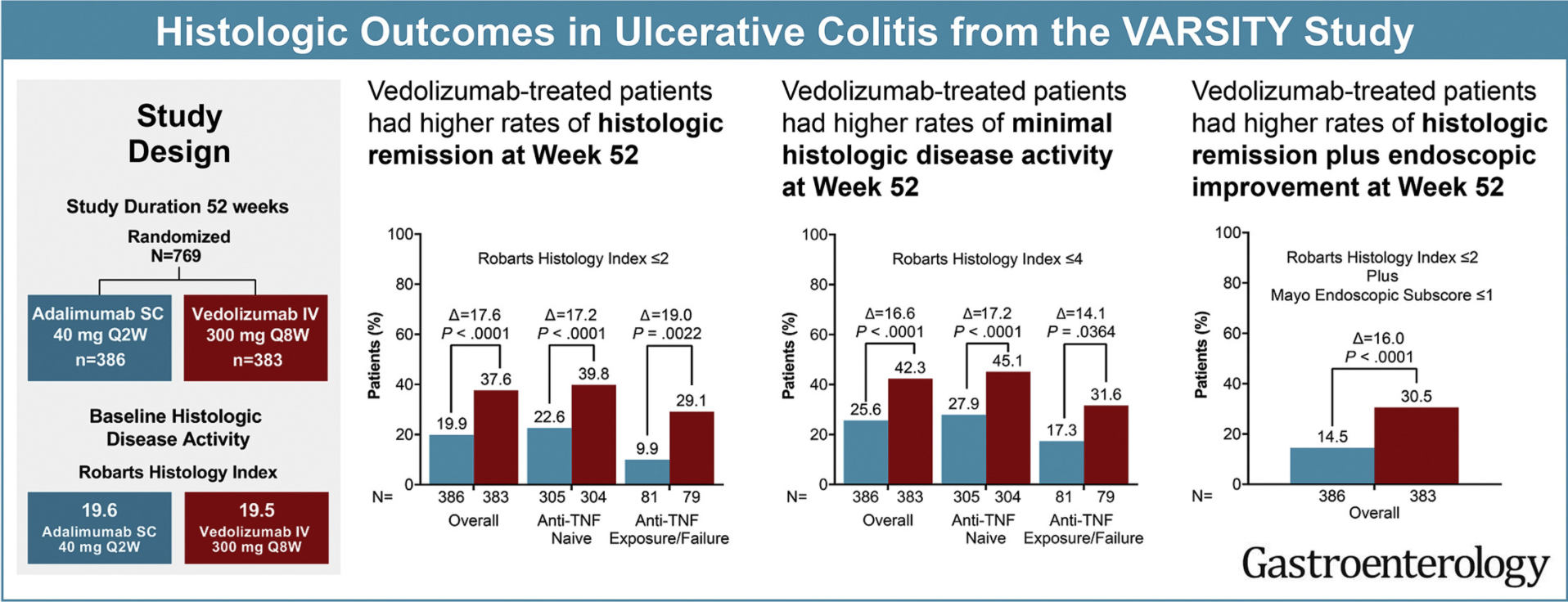
Preventing Fistulas and Improving Radiologic Remission with Infliximab

Two recent studies show how infliximab improves outcomes in Crohn’s disease.

The first study by Bossuyt et al was a substudy (n=36) of the TAILORIX trial. Key findings:

  • At week 54 of treatment, 36.4% of patients had a radiologic response, 30.3% of patients were in remission, and 71% had endoscopic features of remission
  • Radiologic remission correlated with infliximab trough level at week 14 (P = .049) when the infliximab trough level cut-off value was set at 7.8 μg/mL (area under the curve, 0.74; 75% sensitivity; 86% specificity; 90% negative predictive value; 57% positive predictive value)
  • Radiologic response was also associated with continuous infliximab trough levels above 5.0 μg/mL at all time points) (P = .034)
  • Among patients with both radiologic and endoscopic remission, the median infliximab trough level was 8.5
  • In this study, one interesting finding was that only half of patients with endoscopic remission achieved radiologic remission, especially since the cohort had a short disease duration at the onset of treatment (median duration of 1.5 months)

In the second study by Singer et al with 208 pediatric patients with Crohn’s disease, all patients had baseline cross-sectional imaging. Key findings:

  • 26% had perianal fistulas at baseline
  • 14/136 (10%) developed perianal fistulas within 3 years
  • Non-white race increased the risk of perianal fistula
  • Non-penetrating perianal lesions (NPLs) increased the risk of perianal fistulas (20% in patients with NPLs vs. 4% in those without NPLs)
  • Anti-TNF treatment was associated with a decreased risk of perianal fistulas (HR 0.11); this risk reduction was seen in patients with NPLs also (HR =0.14)
screenshot-1026.png (1478×872)

My take: Good infliximab levels correlate with better outcomes.

Related blog posts:

And from The Onion:

Acute Viral Hepatitis in Spain

J Llaneras et al. Clin Gastroenterol Hepatol 2021; 19: 1030-37. Etiologies and Features of Acute Viral Hepatitis in Spain

This prospective study of adults collected data from an emergency room of an academic hospital in Barcelona (2014-2018).

Key findings:

  • The most common etiologies of acute hepatitis were HBV infection (28%), HEV infection (18%), HCV infection (17%), and HAV infection (14%)
  • Approximately one-third of acute hepatitis cases were in immigrants
  • The main risk factors of the cohort were sexual risk contact and intravenous drug use; 79% of cases of HAV had sexual risk behavior
  • Chronic infections developed in 5/28 patients (18%) with acute HBV infection and 7/17 patients (41%) with acute HCV infection 
The graphical abstract breaks down features for the most common etiologies:
HBV (blue) 28%, HEV (purple-pink) 18%, HCV (maroon) 17%, and HAV (light green) 14%.