Image Only: Living with Irritable Bowel Syndrome

Related blog posts:

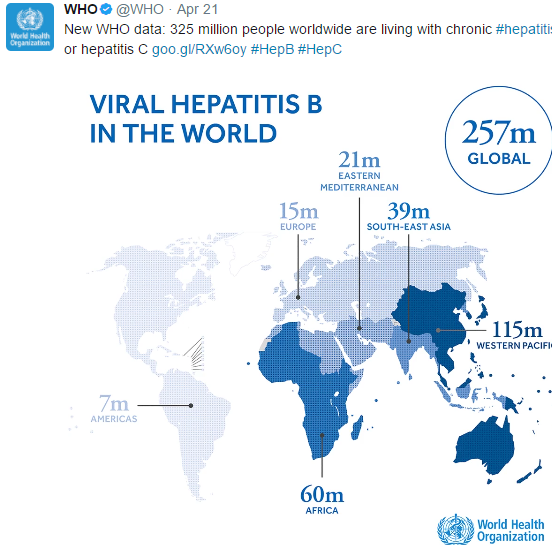
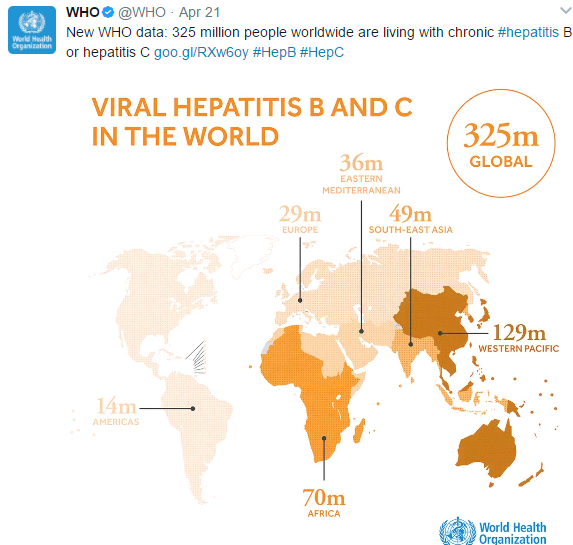
Burden of Hepatitis B and Hepatitis C

Related blog posts:

Codeine and Tramadol –Additional Warnings

NY Times: FDA Strengthens Warnings for Painkillers in Children

An excerpt:

The Food and Drug Administration announced on Thursday that any child younger than 12 should not take the opioid codeine, and those 18 and younger should not take tramadol, another painkiller, after certain surgeries. In addition, nursing mothers should avoid both drugs, since they pose dangers to breast-feeding babies, the agency said.

“The problem with both codeine and tramadol is that some people are “ultrarapid metabolizers” whose livers metabolize the drugs way too quickly, causing dangerously high levels of opioids to build up, said Dr. Douglas Throckmorton, the deputy director for regulatory programs at the F.D.A.’s Center for Drug Evaluation and Research.

Related posts:

Pancreatitis Update (Part 2)

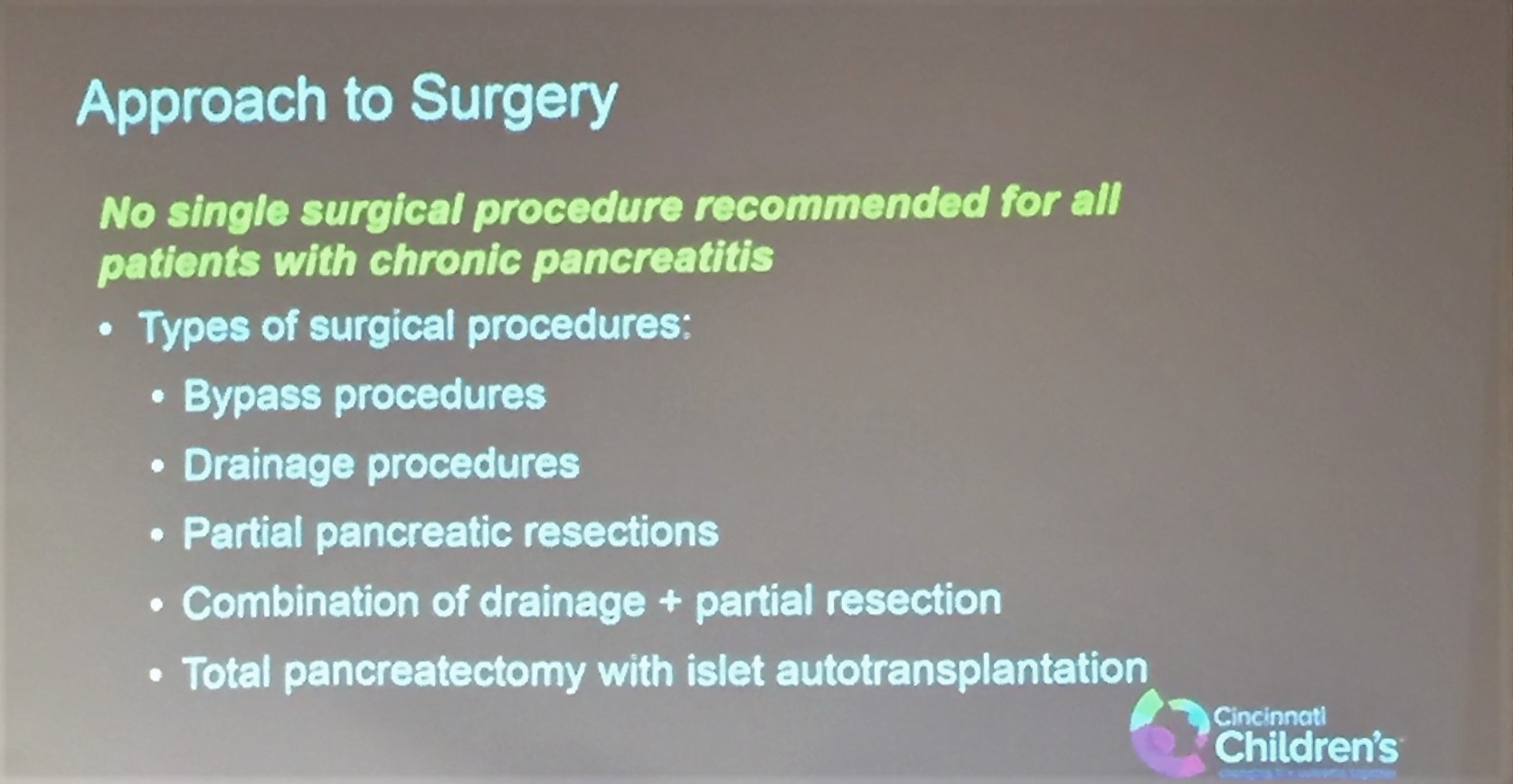
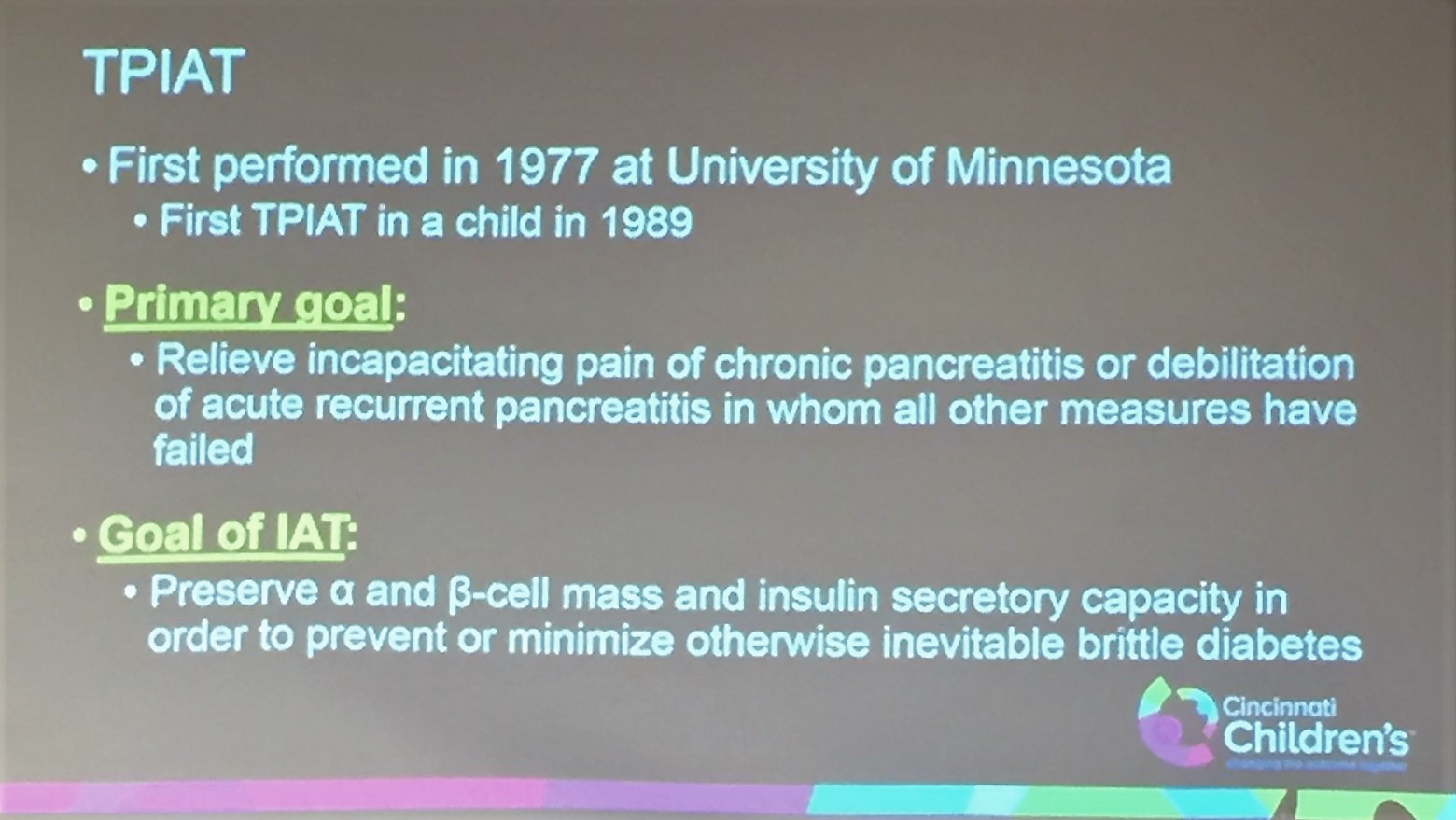
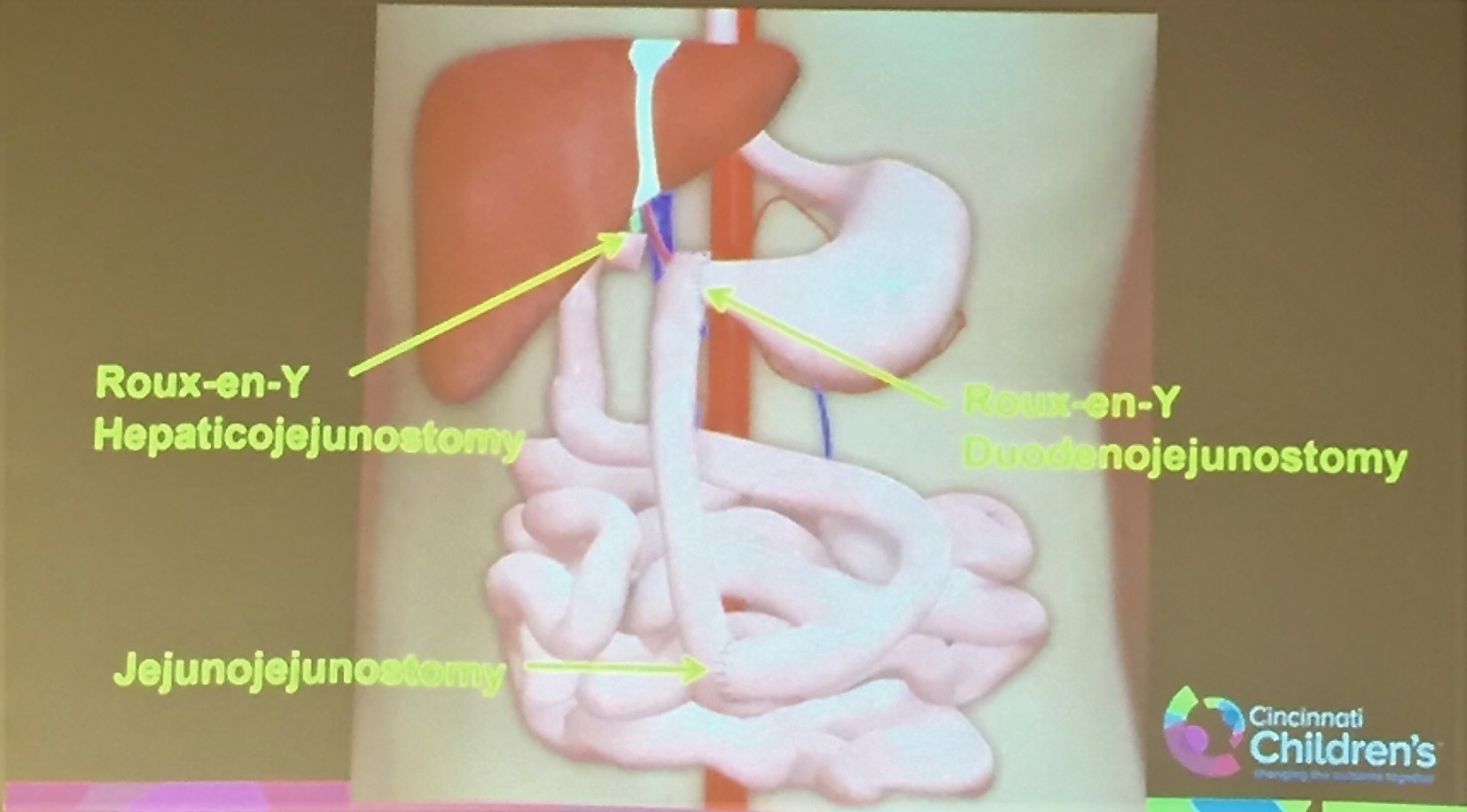
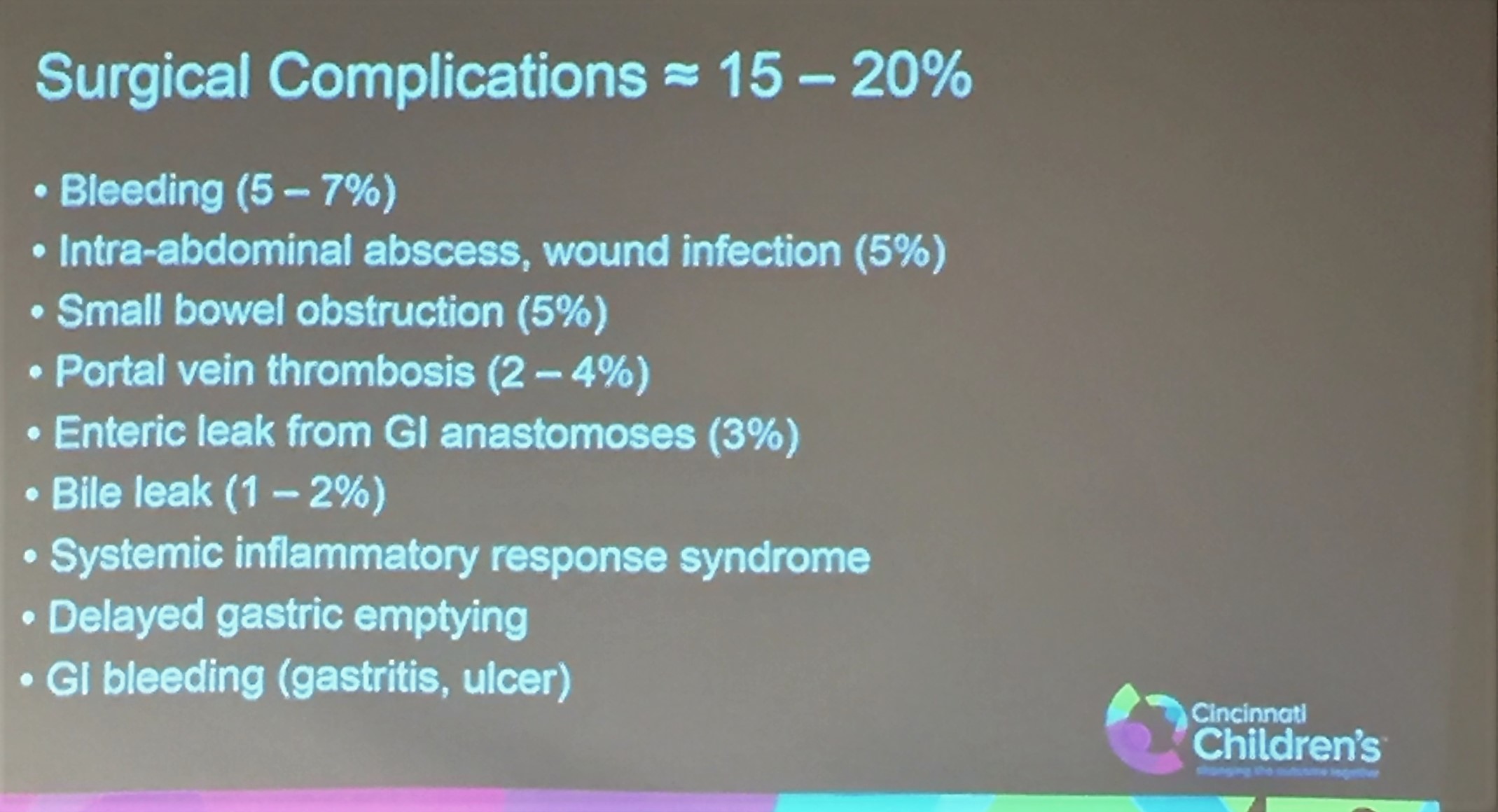
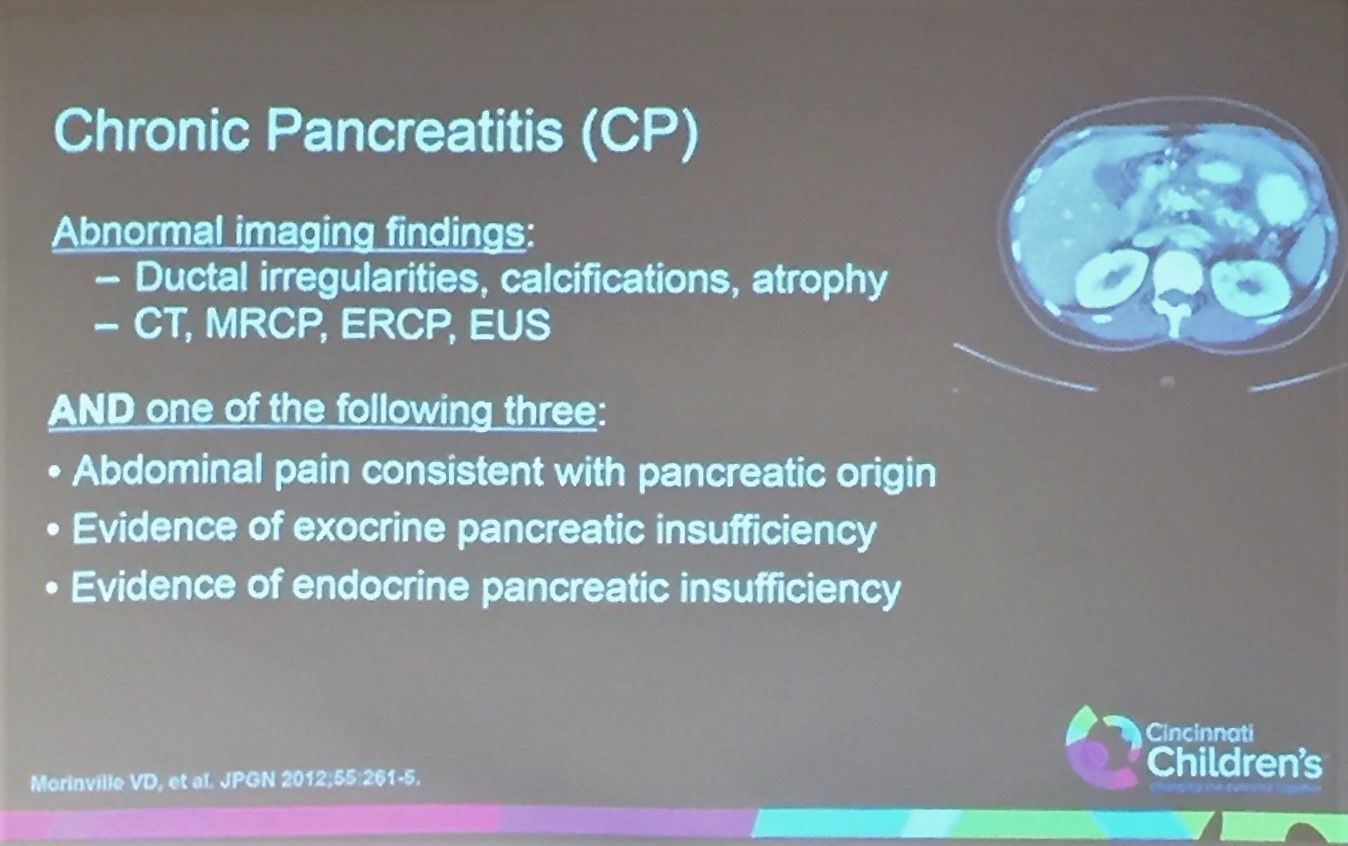
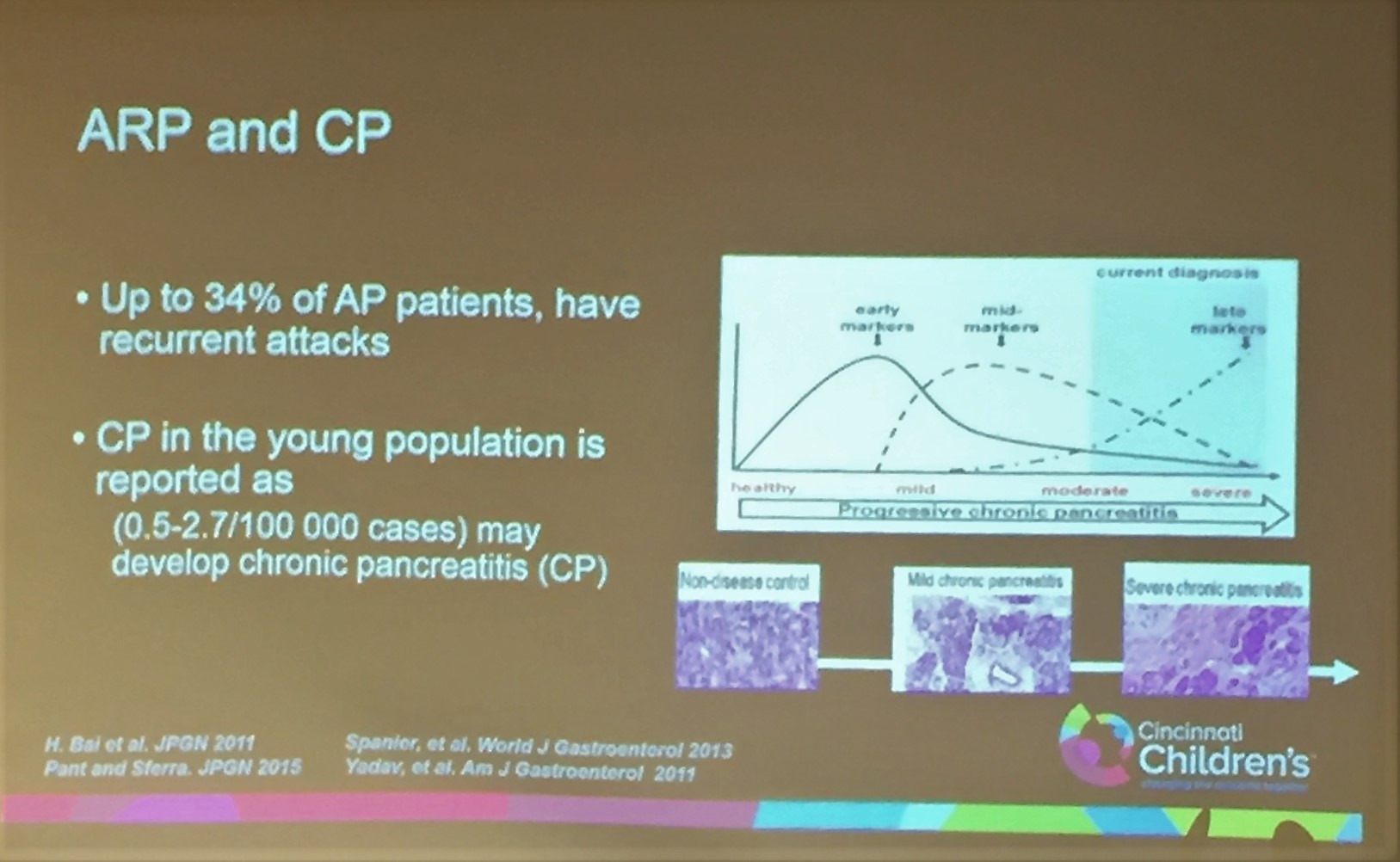
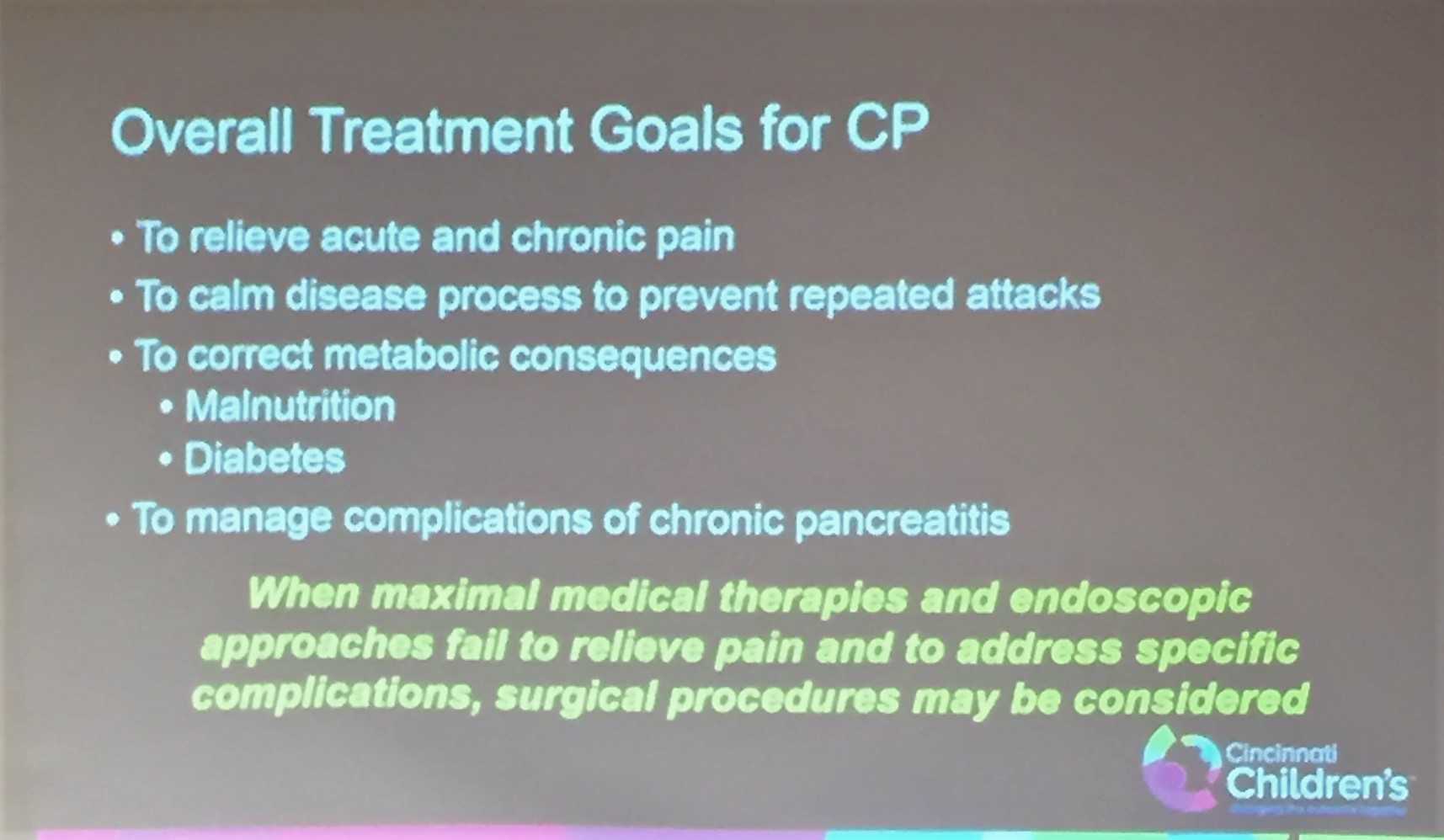
Our group received a very helpful update on pancreatitis from Maisam Abu-El-Haija (GI) and Jaime Nathan (surgery). These notes focus on the surgical perspective.  My notes may include some errors in transcription and errors of omission. Some pictures of the slides are included below as well.

Key points:

  • Several surgical procedures can be considered in chronic pancreatitis.  Prior surgical procedures, though, could reduce islet cells if TPIAT needed later.
  • TPIAT –Cincinnati experience: 17 cases in last 2 years.  Highly selected group. Operation time takes about 10 hours (or more).  GJ tube placed due to anticipated poor gastric emptying for 4-6 weeks. Fevers expected during 1st post-operative week due to systemic inflammatory response. ~15% of children remain on opioids after TPIAT, likely due to long-standing problems prior to TPIAT.
  • Post-TPIAT care: PERT, vitamins, insulin (may wean off).  During 1st year, anticoagulation, hydroxyurea/aspirin (if high platelets), and penicillin prophylaxis.  Prior to TPIAT, patients receive vaccines (due to anticipated splenectomy).

Related blog post:

Pancreatitis Update (part 1)

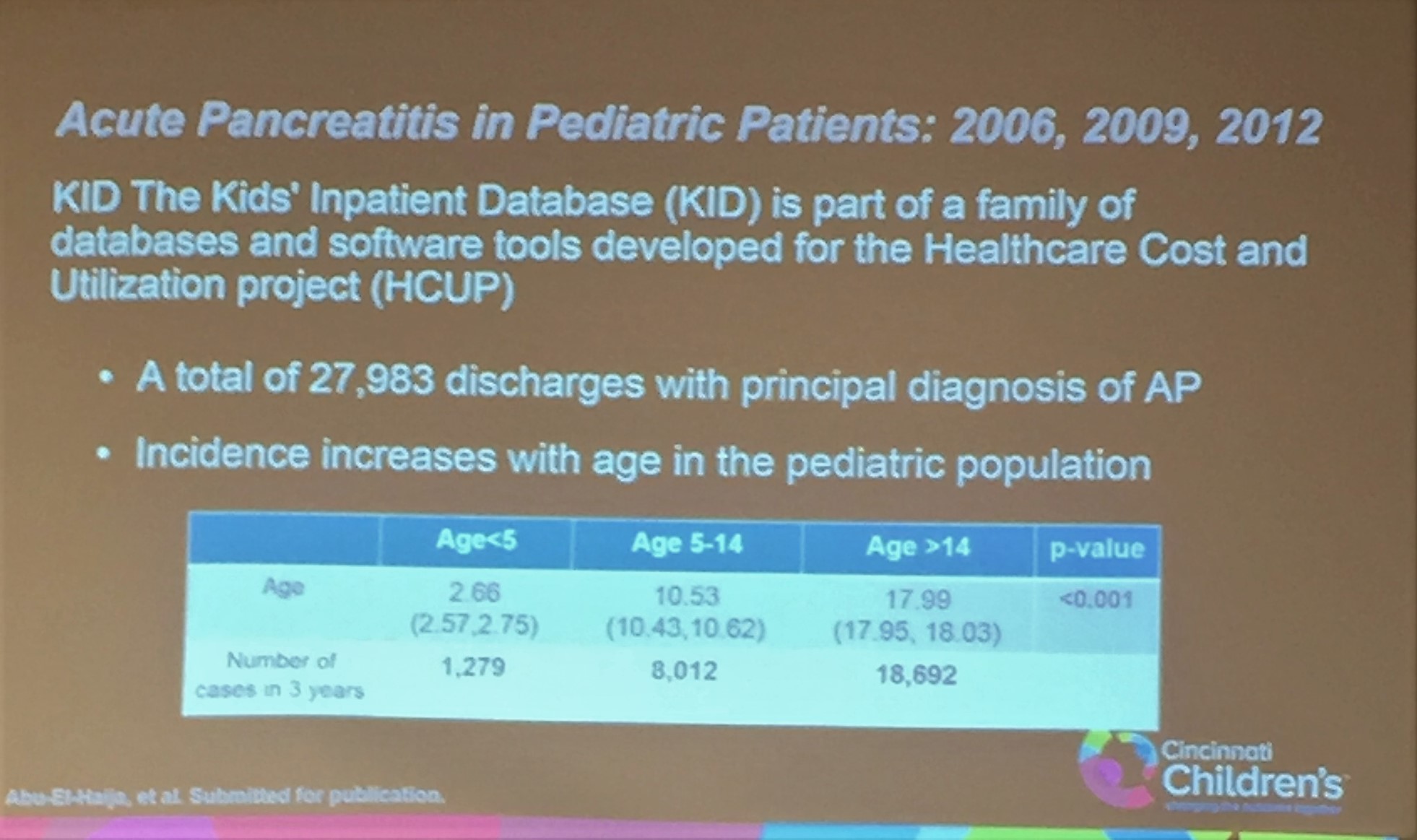
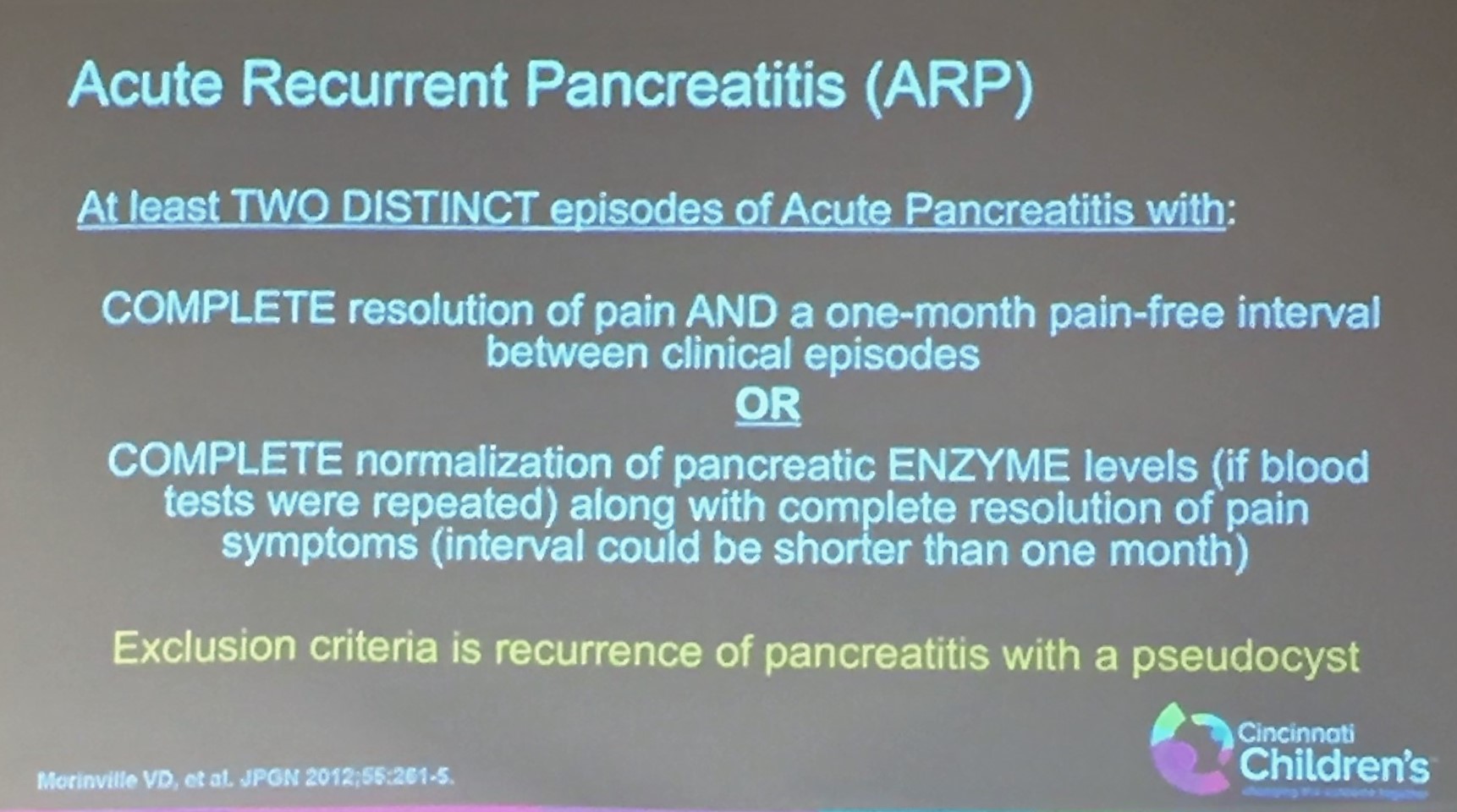
Our group received a very helpful update on pancreatitis from Maisam Abu-El-Haija (GI) and Jaime Nathan (surgery). My notes may include some errors in transcription and errors of omission. Some pictures of the slides are included below as well.

Key points:

  • About 30% of acute pancreatitis patients have a 2nd bout of pancreatitis. Obesity is a risk factor for recurrence.
  • There has been a recent increase in incidence of acute pancreatitis.
  • Cincinnati has a gene panel to examine the four most common mutations which cause hereditary pancreatitis (PRSS1, SPINK1, CFTR, and CRTC) along with 6 other relevant genes. (28 day turnaround) In addition, there is a pancreatitis insufficiency panel.
  • Discussed screening for pancreatic insufficiency.  Directly measuring pancreatic enzymes are more sensitive for early insufficiency, but may be unnecessary if good growth and normal stool elastase.
  • There are NO proven medical/dietary therapies to prevent recurrent or chronic pancreatitis and eliminate pain symptoms.

Related blog posts:

FPIES Guidelines

Recently, international consensus guidelines (A Nowak-Wegrzyn et al. J Allergy Clin Immunol 2017; 139: 1111-26) for the diagnosis and management of food protein-induced enterocolitis (FPIES) have been published.

The report starts with a review of epidemiology and diagnosis. Table 1 outlines features:

  • early vs. late: <9 months or >9 months
  • severity: mild-to-moderate =repetitive emesis with or without diarrhea, mild lethargy, severe =repetitive projectile emesis, pallor, lethargy, dehydration, hypotension
  • timing: acute vs chronic.  Acute occurs with intermittent exposures with emesis 1-4 h following exposure. Chronic occurs with repetitive food exposures (eg. formula in young infants)
  • IgE positivity: classical FPIES is IgE negative. Atypical FPIES is IgE positive

Some recommendations:

  • #4. “Consider specific IgE testing of children with FPIES to their trigger food because comorbid IgE-mediated sensitization to triggers, such as CM [cow’s milk], can infer a greater chance of persistent disease.”
  • #8. Conduct food challenges “in patients with suspected FPIES in medically supervised settings in which access to rapid fluid resuscitation is available and prolonged observation can be provided, if necessary.”
  • #14. Do not routinely obtain endoscopic evaluation as part of the evaluation of FPIES.
  • #17. Acute FPIES should be considered a medical emergency. “Approximately 15% of patients can have hypovolemic shock.”
  • #19. Consider ondansetron treatment as an adjunct (if >6 months of age)
  • #21. Do not recommend routine maternal dietary elimination of offending triggers while breast-feeding if the infant is asymptomatic.
  • #23. FPIES can occur to multiple foods.  “The majority of children (65% to 80%) have FPIES to a single food, most commonly CM.”  In one study, 5% to 10% of children reacted to more than 3 foods.
  • #26. Use hypoallergenic formula in infants who can no longer breast-feed and are given a diagnosis of FPIES caused by CM. Most will tolerate extensively hydrolyzed formulas; some may require an amino acid based formula
  • #29. Reviews natural history.  “The age of CM tolerance appears to be around 3 years” but there has been variability in reports. For FPIES due to grains, average age of tolerance is 35 months and other solid foods is 42 months.  The average age for soy is 12 months (later in some studies), for rice 4.7 years and 4.0 years for oats. For CM-FPIES with positive SPT response, a much protracted course has been reported, with older age of tolerance (~13.8 years)

Table III lists a differential diagnosis for FPIES and distinguishing features.  This list includes gastroenteritis, necrotizing enterocolitis, anaphylaxis, food aversions, inborn errors of metabolism, cyclic vomiting/neurologic disorders, gastroesophageal reflux, Hirschsprung’s enterocolitis, eosinophilic gastroenteritis, celiac disease, immune enteropathies/IBD, intestinal obstruction, and primary immune deficiencies.  Not listed on this table, but worth a mention, would be medical child abuse (aka Munchausen syndrome by proxy).

With regard to inborn errors of metabolism, these include urea cycle defects, hereditary fructose intolerance, hyperammonemic syndromes, Beta-oxidation defects, proprionic/methylmalonic academia, mitochondrial defects and others. Typically, features could include developmental delay, neurologic manifestations, organomegaly, and in some reaction to fruits.

Table IV specifies diagnostic criteria with the major criteria for acute FPIES: vomiting 1- to 4-h period after ingestion of the suspect food and absence of classic IgE-mediated allergic skin or respiratory symptoms.  Minor criteria include extreme lethargy, pallor, need for emergency room evaluation/IV fluids, and diarrhea in 24 h (usually 5-10 h).

Table VI details management of FPIES.  With moderate bouts, IV fluids with 20 mL/kg normal saline is recommended.  For severe episodes, “consider administering intravenous methylprednisolone, 1 mg/kg; maximum 60-80 mg/dose” in addition to fluid resuscitation.

Table IX provides empiric guidelines for selecting weaning foods in infants with FPIES.  The recommendations need to be considered based on whether the infant has shown tolerance for a number of foods, which can indicate the acceptability of a more liberal approach.  Age-specific guidance:

4-6 months:

  • Begin with smooth, thin purees and progress to thicker purees
  • Lower-risk foods: vegetables, broccoli, cauliflower, parsnip, turnip, pumpkin
  • Moderate-risk: squash, carrot, white potato, green bean
  • Higher-risk: sweet potato, green peas

6-8 months:

  • Continue to expand vegetables and fruits; in breast-fed, high-iron foods and/or supplemental iron are needed (1 mg/kg/day)
  • Lower-risk: fruits, blueberries, strawberries, plum, watermelon, peach, avocado
  • Moderate-risk: apple, pear, orange
  • Higher-risk: banana

8-12 months:

  • Offer soft-cooked and bite-and-dissolve textures
  • Lower-risk: high iron foods, lamb, fortified quinoa, millet
  • Moderate-risk: beef, fortified grits, corn cereal, wheat, barley
  • Higher-risk: fortified infant rice and oat cereals

12 months:

  • Offer tolerated table foods: chopped meats, soft vegetables, grains
  • Lower-risk: tree nuts
  • Moderate-risk: peanut, other legumes (besides green pea)
  • Higher-risk: milk, soy, poultry, egg, fish

Overall, with regard to food introduction: While children with FPIES have increased reactions to other foods, “current early feeding guidelines do not recommend delay in introducing complementary foods past 6 months of life because of FPIES. A practical ordering for introducing solids at about 6 months of age at home could start with fruits and vegetables.”  For infants with history of severe reactions, “supervised (eg. in-office) introduction can be considered…and prevent unnecessary avoidance.”  As with new foods in the home setting, starting with small amounts is recommended and then gradual build up in serving size.

Related blog post: SEED Journal Club: FPIES

Disclaimer: These blog posts are for educational purposes only. Specific dosing of medications (along with potential adverse effects) should be confirmed by prescribing physician.  This content is not a substitute for medical advice, diagnosis or treatment provided by a qualified healthcare provider. Always seek the advice of your physician or other qualified health provider with any questions you may have regarding a condition.



More IBD Cases Than Ever in Young Canadian Children

Summary of recent article (Link to full study: Benchimol EI, et al. Am J Gastroenterol. 2017;doi:10.1038/ajg.2017.97) by Healio Gastroenterology: IBD incidence rapidly increasing in young Canadian children

An excerpt:

To evaluate the recent incidence, prevalence and trends in childhood-onset IBD in Canada, Benchimol and colleagues used health administrative data from five provinces to identify children aged younger than 16 years who were diagnosed with IBD between 1999 and 2010. During this period, 3,462 children were diagnosed with Crohn’s disease, 1,382 with ulcerative colitis and 279 with unclassifiable IBD, for an overall IBD incidence of 9.68 (95% CI, 9.11-10.25) per 100,000 children.

Throughout the study period, the annual percentage change in overall IBD incidence remained statistically stable, increasing by just 2.06% per year, but the incidence increased significantly among children aged younger than 5 years, rising by 7.19% per year.

Further, the annual percentage change in the prevalence of IBD increased significantly throughout the study period (4.56%), and at the end of the study period IBD prevalence was 38.25 (95% CI, 35.78-40.73) per 100,000 children.

The investigators noted their findings confirmed the predominant form of pediatric-onset IBD was Crohn’s disease, and that more boys were affected than girls.

My take: While Canada has high prevalence of IBD, I expect that there will be similar trends in epidemiology in multiple regions in young children.  When one looks at the increases in IBD prevalence over the last 100 years (see previous post) and the emergence of IBD in non-Western countries, it is quite alarming.

Also, last week a blog post discussed hepatic problems associated with IBD (Liver problems with IBD): here is full article text link: Hepatic Issues and Complications Associated with IBD

Related blog posts:

Prevent HPV

The CDC currently recommends HPV vaccine at 11-12 years of age.  HPV Vaccine Information

Here’s why: NY Times: Close to Half of Americans with HPV

An excerpt:

More than 42 percent of Americans between the ages of 18 and 59 are infected with genital human papillomavirus, according to the first survey to look at the prevalence of the virus in the adult population.

The report, published on Thursday by the National Center for Health Statistics, found that high-risk strains of the virus — a cause of cervical and vaginal cancers, and cancer of the penis, as well as cancers of the anus and throat in both sexes — infect 25.1 percent of men and 20.4 percent of women.

The virus is transmitted by skin to skin contact; people who are infected may pass the virus to sexual partners…

“If we can get 11- and 12-year-olds to get the vaccine, we’ll make some progress,” Dr. McQuillan said. “You need to give it before kids become sexually active, before they get infected. By the time they’re in their mid-twenties, people are infected and it’s too late. This is a vaccine against cancer — that’s the message.”

Related blog post: Latest Vaccine Recommendations

Image Only: Candida Esopagitis

In a patient who presented with trouble swallowing, his endoscopy showed candida esophagitis.  “Oral antifungal therapy was initiated in the patient, and within 2 weeks after starting therapy, his pain on swallowing was reduced. A repeat endoscopy performed 12 weeks after the initiation of antifungal therapy showed a marked reduction in the number and severity of esophageal lesion.”

Immigrant Doctors Blocked by New Rules Too

With the U.S. government’s heightened emphasis on stopping immigration into the U.S., there have been noted declines in border crossings; however, it is anticipated that there will be billions in lost income in reduced tourism coincident with the implementation of these policies.

Along with the efforts to curb illegal immigration, new related policies may result in a significant decline in foreign medical graduates allowed to stay in the U.S. through expedited processing of H-1B visas.  This is likely to further strain the care available in rural communities.

From CNN Money: What Trump’s latest H-1B Move Means for Workers and Business

An excerpt:

Thousands of doctors from abroad need H-1B visas to continue working in the U.S. after the expiration of their J-1 visas — which permit them to complete a residency program…

Once they complete their residency, physicians can either return to their home country for two years before becoming eligible to reenter the U.S. through a different immigration pathway, such as an H-1B visa, or they can apply for a J-1 visa waiver.

In the last 15 years, H-1B visas have allowed 15,000 foreign doctors to come to American to work in underserved communities.

“The lack of premium processing would mean that there would be a delay for the doctors to start working in the communities they wish to serve, which have a lack of physicians in the first place,” said Ahsan Hafeez, a doctor who is in Pakistan awaiting approval of his H-1B so he can begin working in Arkansas.

From Internal Medicine News: Foreign doctors may lose US jobs after visa program suspension

An excerpt:

Starting April 3, U.S. Citizenship and Immigration Services (USCIS) is temporarily suspending its expedited processing of H-1B visas, a primary route used by highly skilled foreign physicians and students to practice and train in the United States…

In the meantime, many foreign medical students and physicians will lose top training spots and jobs as their H-1B applications linger in the system, said Jennifer A. Minear, a Richmond, Va.–based attorney and national treasurer for the American Immigration Lawyers Association.

“As a practical matter, the percentages of physicians coming into the U.S. who are accepted into residencies or fellowships, those are the top of the top for medical graduates around the world,” Ms. Minear said in an interview. “Most of them who stay afterward wind up working in underserved areas of the United States. It really doesn’t make much sense as a policy matter to create obstacles to attracting those people to the United States that would prevent them from getting here, obtaining U.S. education, and then remaining in the U.S. and providing urgently needed care to populations that would otherwise go without.”

Related blog posts: