Dr. Victoria Martin: Management of Cow’s Milk Protein Allergy/Intolerance : Are We Causing More Harm Than Good? (Part 2)

Recently, Dr. Victoria Martin gave our group an excellent update on cow’s milk protein allergy/food protein-induced allergic proctocolitis (FPIAP).  My notes below may contain errors in transcription and in omission. Along with my notes, I have included many of her slides.
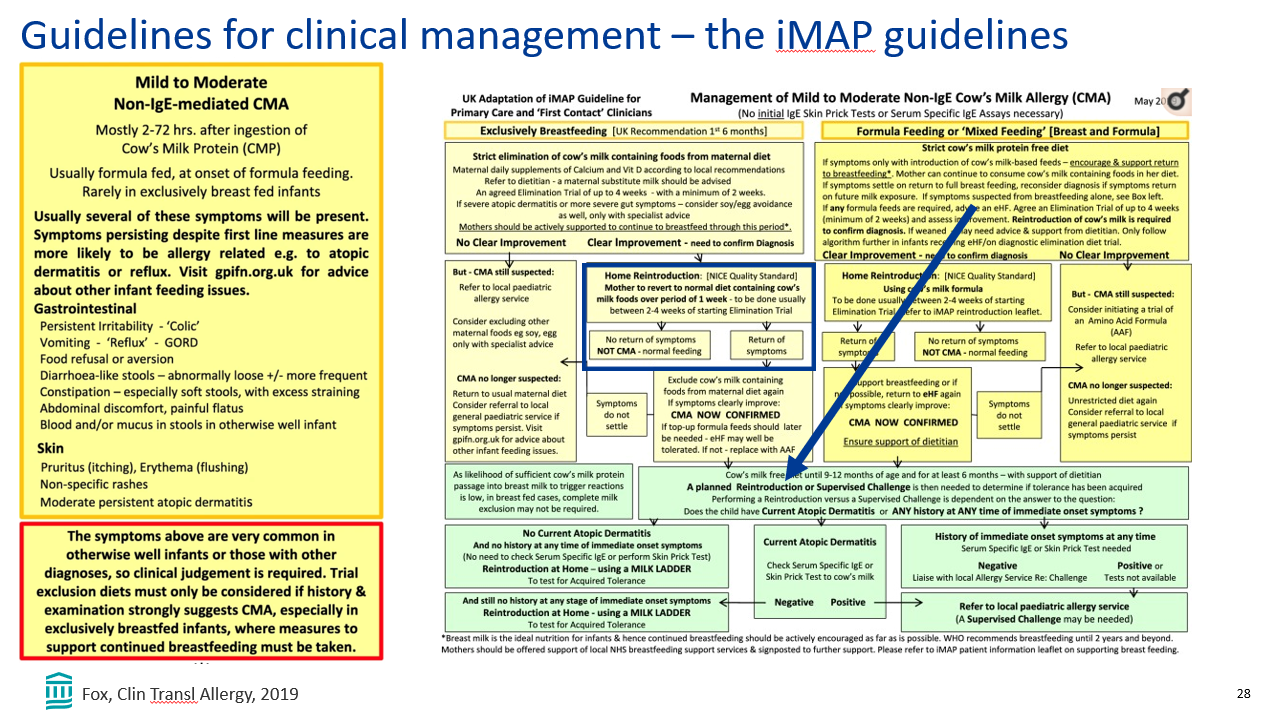
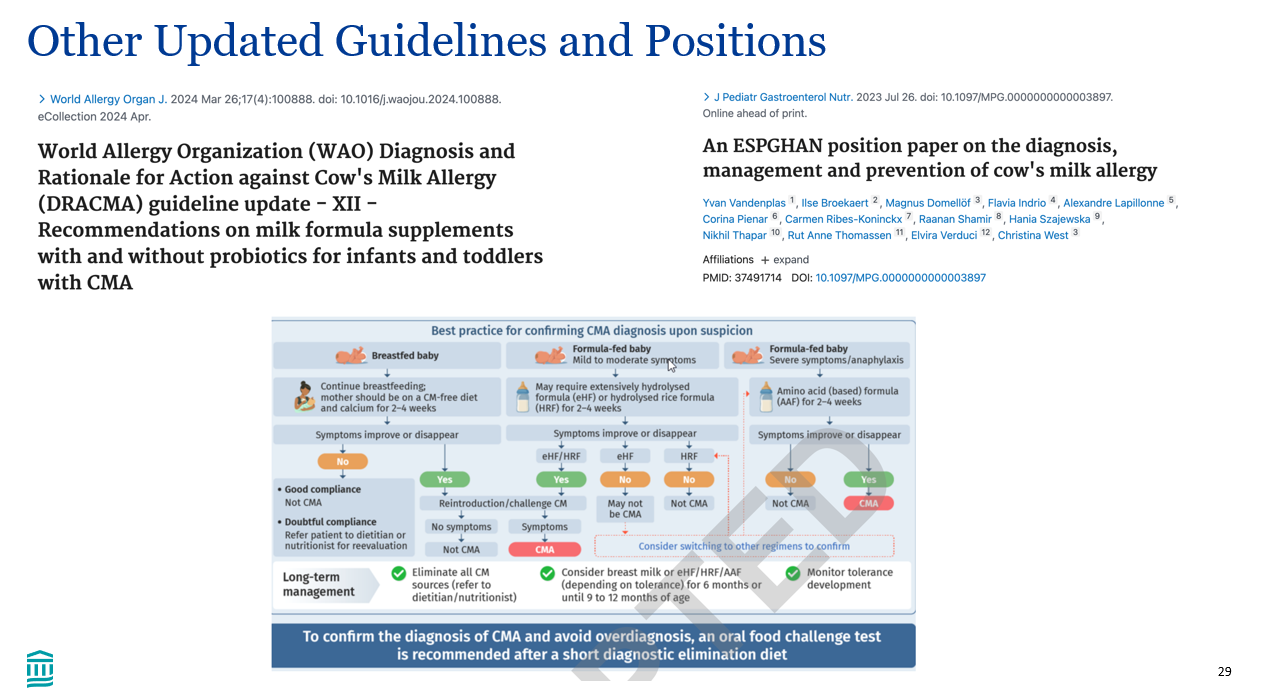
  • iMAP guidelines for FPIAP were published in 2019. 2023-2024 guidelines have now been published
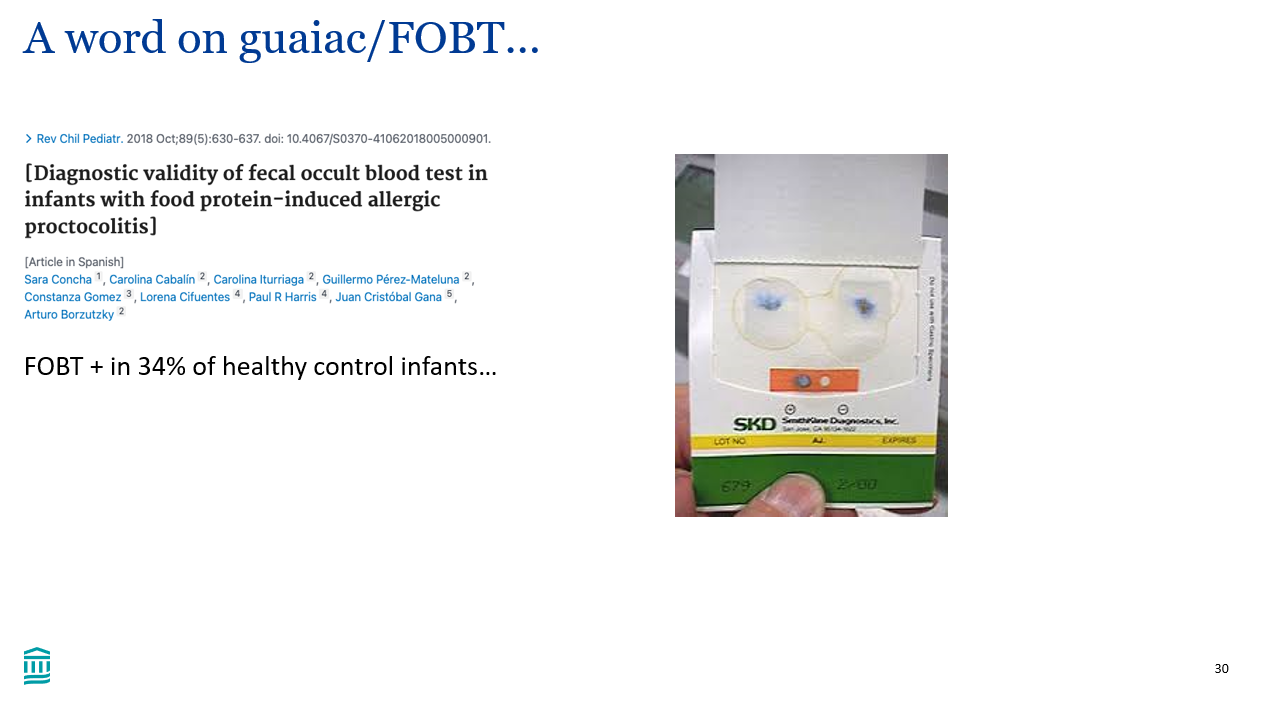
  • Guaiac testing in infants is usually not helpful (in the absence of visible blood). In one study, 34% of healthy infant controls tested positive
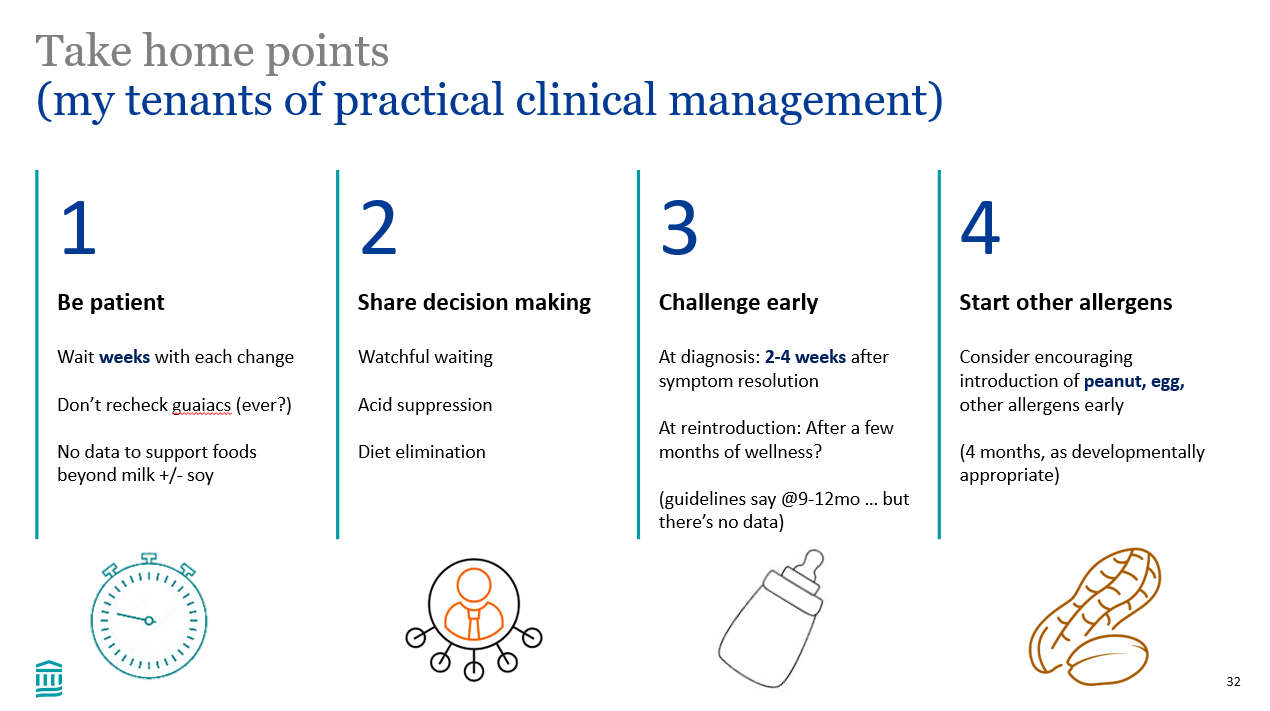
  • Clinical management: when restricting a food, it may take 2-4 weeks to determine if it is helping. In breastfed infants, there is not data supporting restrictions beyond cow’s milk and soy. If other foods are eliminated, foods that were previously eliminated could be reintroduced
  • In families who selected watchful waiting rather than dietary elimination, symptom resolution was similar in GMAP cohort. This was an observational study and findings could be influenced by selection bias
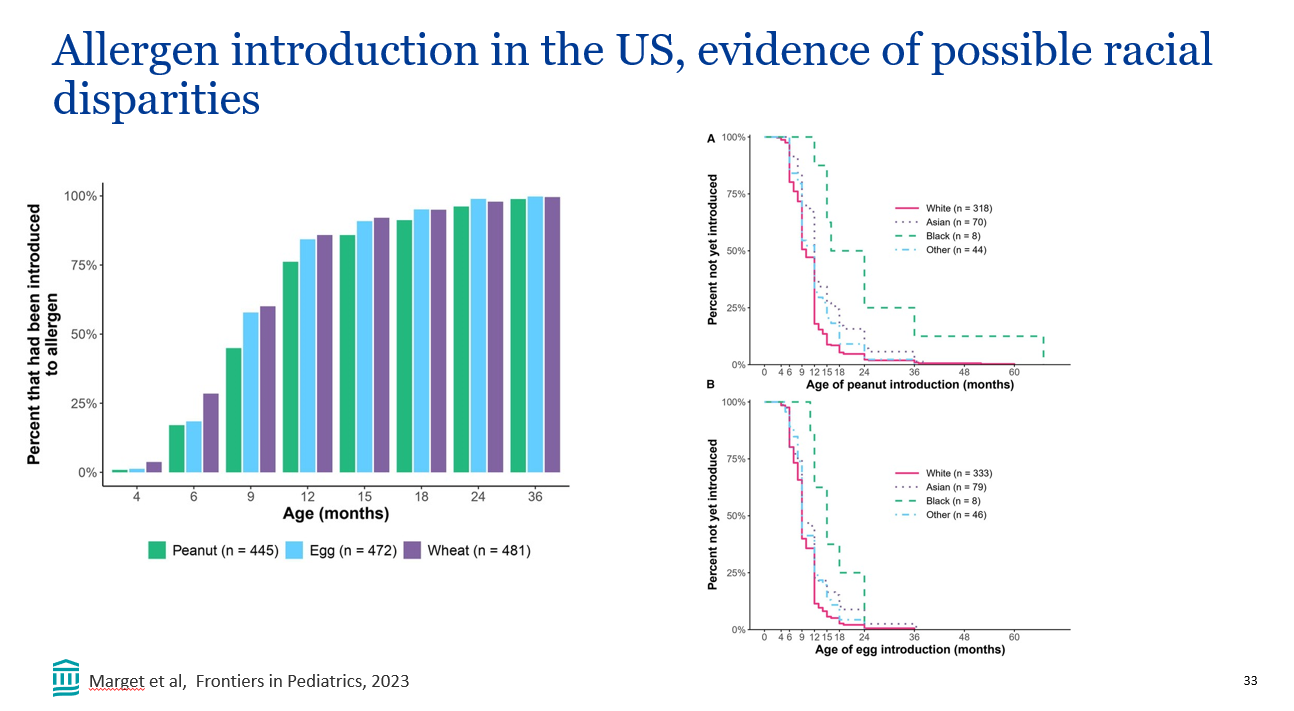
  • In the GMAP cohort, there was a disparity in allergen introduction among different ethnicities (Ref: M Marget et al. Frontiers in Pediatrics; 2023: https://doi.org/10.3389/fped.2023.1207680. Open Access! Factors influencing age of common allergen introduction in early childhood). Compared to White children, Black children were less likely to have been introduced to peanut and egg, and Asian children were less likely to have been introduced to peanut as early (P < 0.05).
  • In families concerned about food challenges, the families could challenge near a medical setting (eg. ER); however, anaphylactic reactions could occur after the first dose
  • Challenging patients with FPIAP to establish diagnosis is generally recommended 2-4 weeks after resolution. In some patients, the FPIAP may have resolved and in some the diagnosis of FPIAP may be inaccurate. In those with more severe symptoms (eg required hospitalization), challenging at a later timeframe should be considered
  • Probiotics: no clear role in their use for FPIAP at this time

Related blog posts:

Dr. Victoria Martin: Management of Cow’s Milk Protein Allergy/Intolerance : Are We Causing More Harm Than Good? (Part 1)

Recently, Dr. Victoria Martin gave our group an excellent update on cow’s milk protein allergy/food protein-induced allergic proctocolitis (FPIAP).  My notes below may contain errors in transcription and in omission. Along with my notes, I have included many of her slides.

  • The nomenclature is not perfect. FPIAP was used for this presentation –though many don’t truly have proctocolitis and others may have involvement in other parts of GI tract
  • There is not a good biomarker for FPIAP
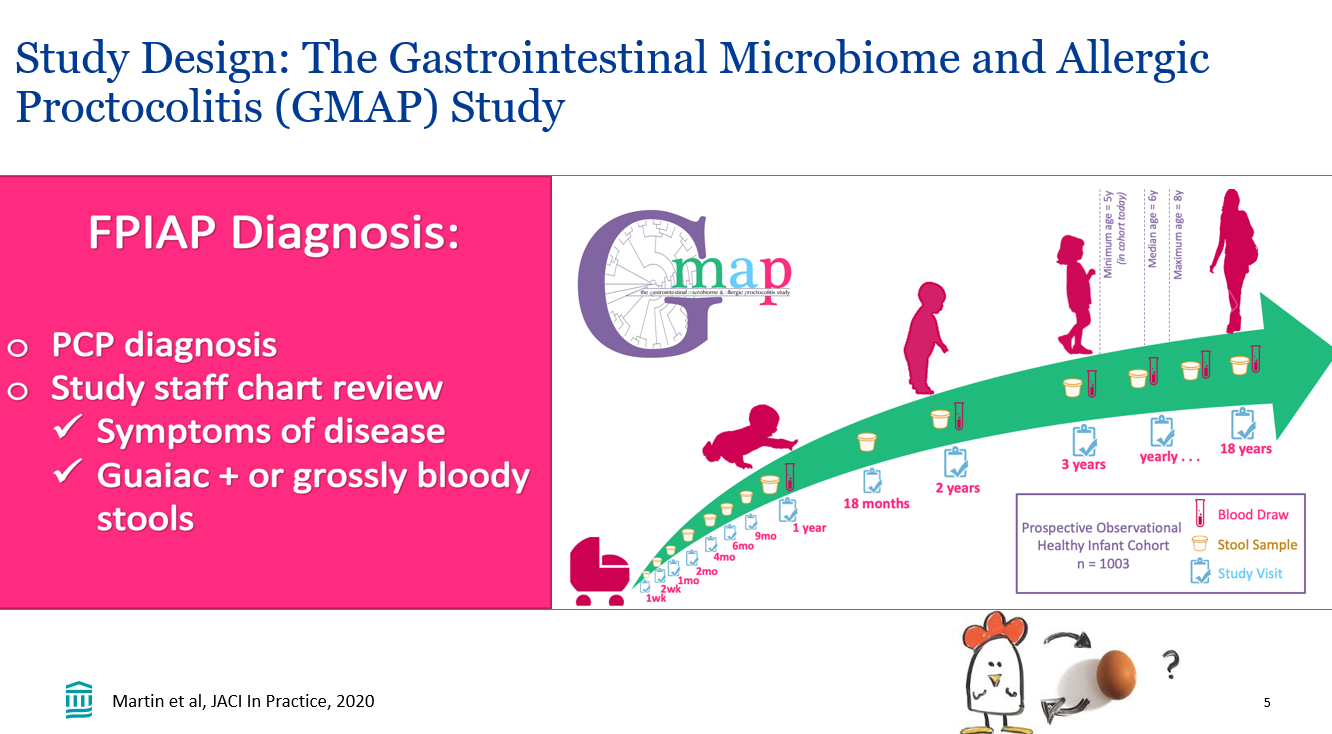
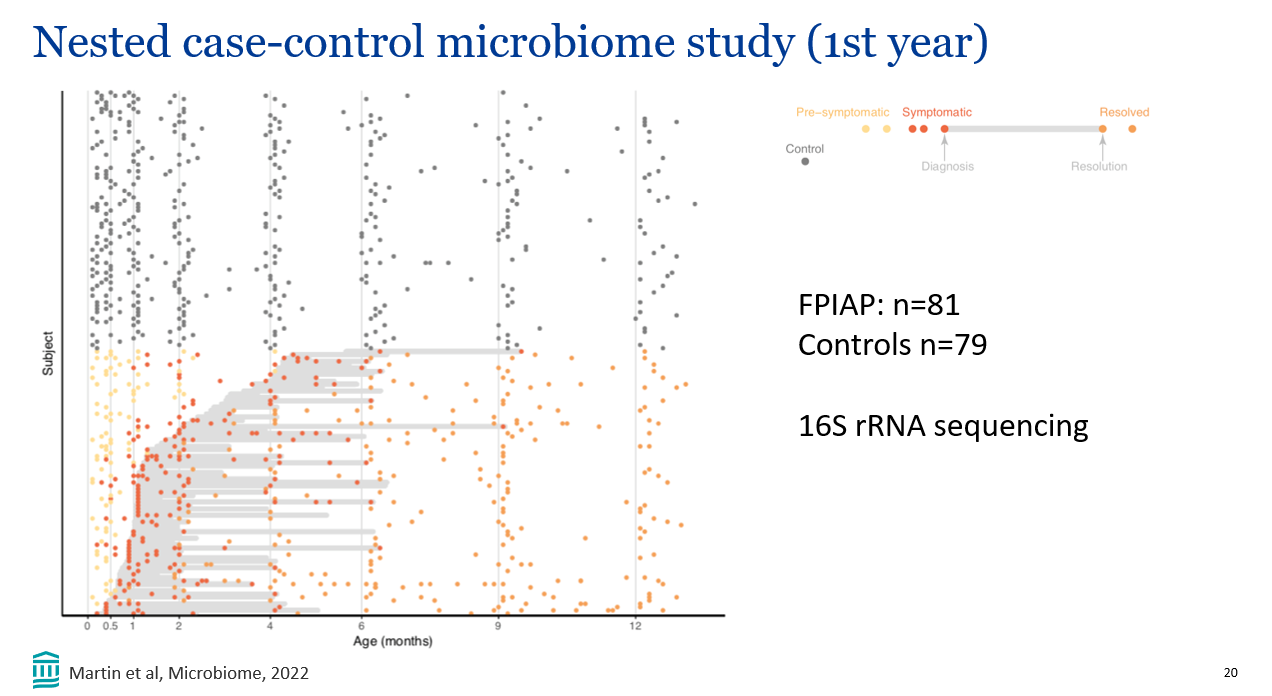
  • Victoria and her colleagues have a cohort of 1003 children who were enrolled at their 1st well-child visit as part of their Gastrointestinal Microbiome and Allergic Proctocolitis (GMAP) study. These participants are now ~8 years old and will be followed until they are 18 years old
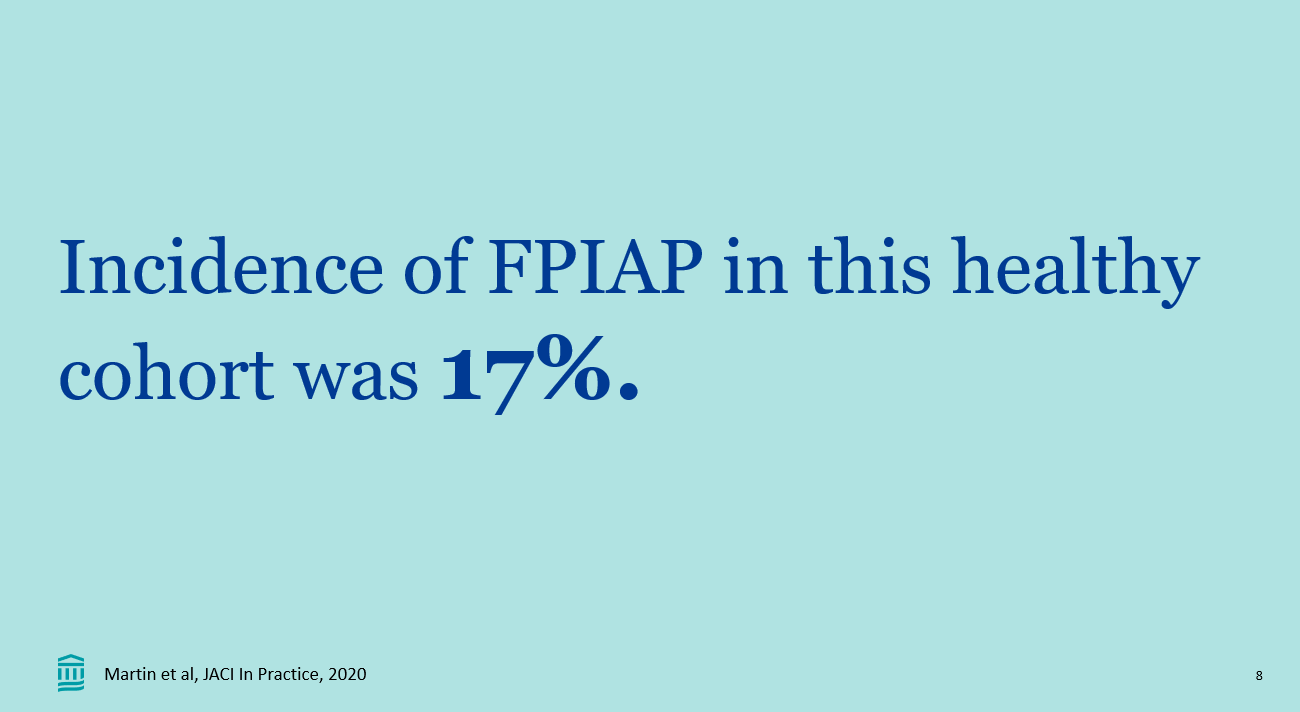
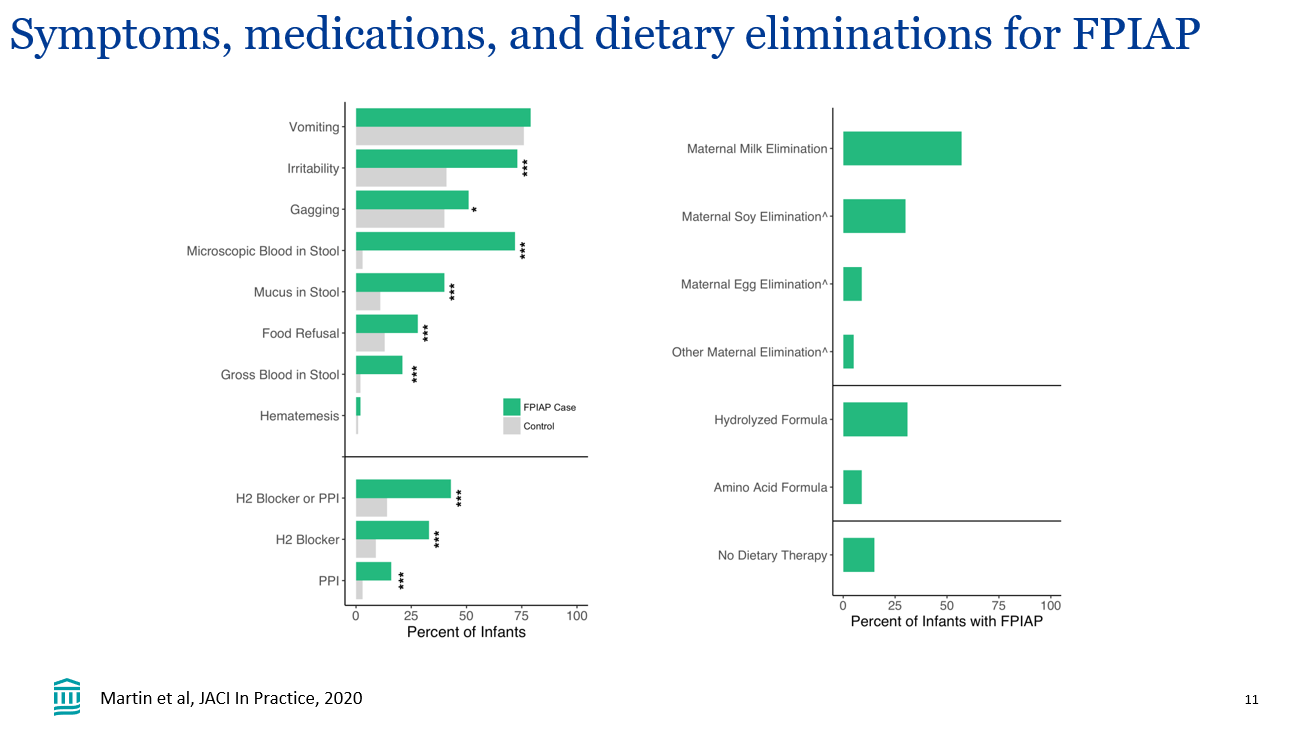
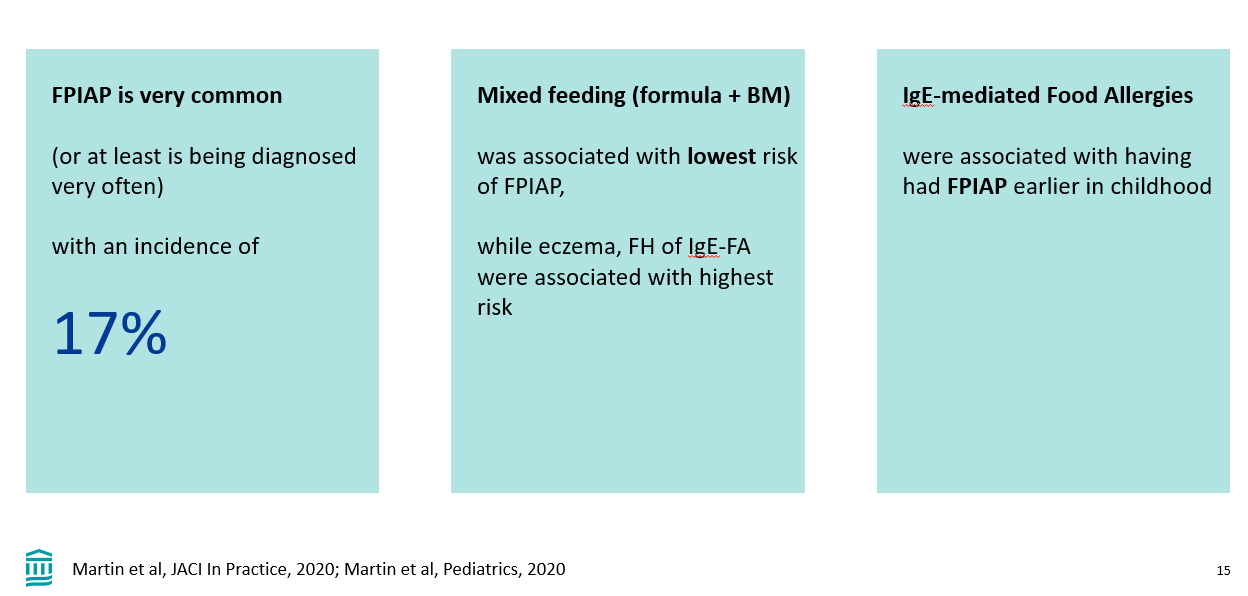
  • In the GMAP cohort, 17% were given a diagnosis of FPIAP (mainly by PCPs). This group had increased likelihood of eczema, family hx/o food allergy and sibling with FPIAP.
  • The presence of heme-positive stools, vomiting and fussiness are common and usually do not require dietary restrictions unless other symptoms are present (eg. diarrhea, visible blood)
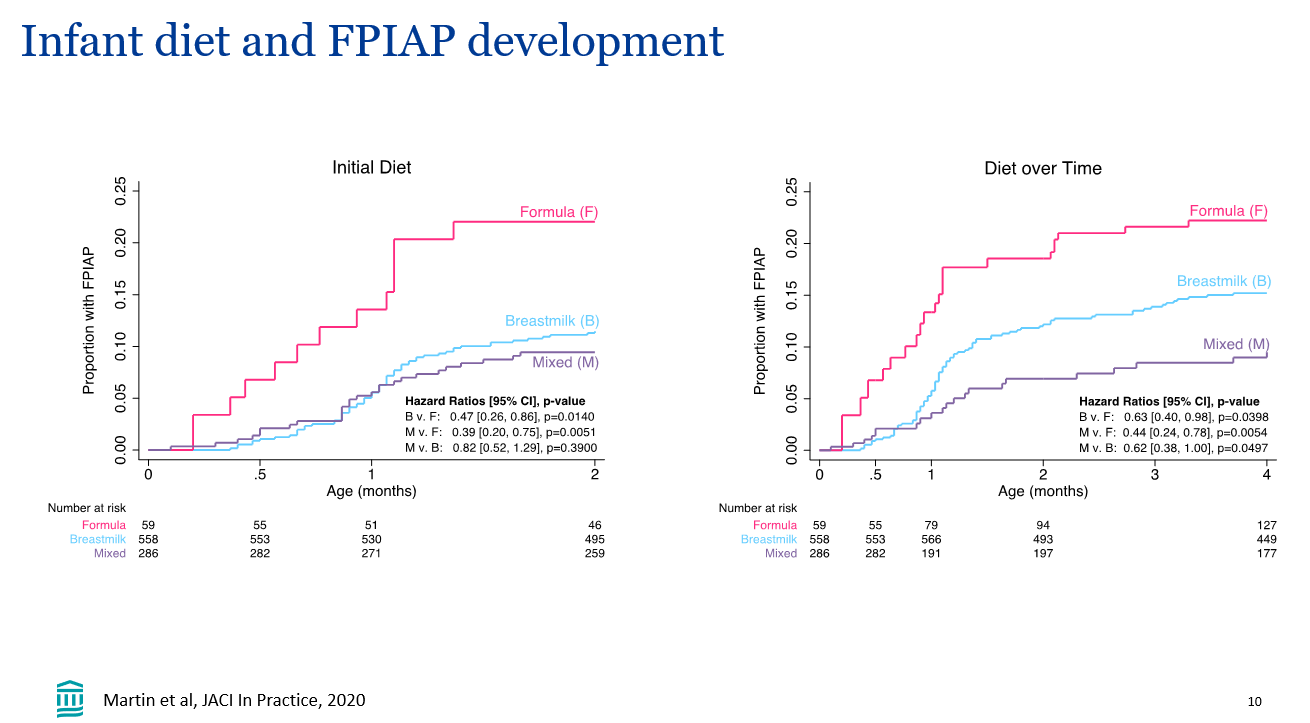
  • In the GMAP cohort, the risk for FPIAP was higher if fed formula than breastfeeding. However, exclusive breastfeeding was associated with a higher prevalence than those who received both breastmilk and formula
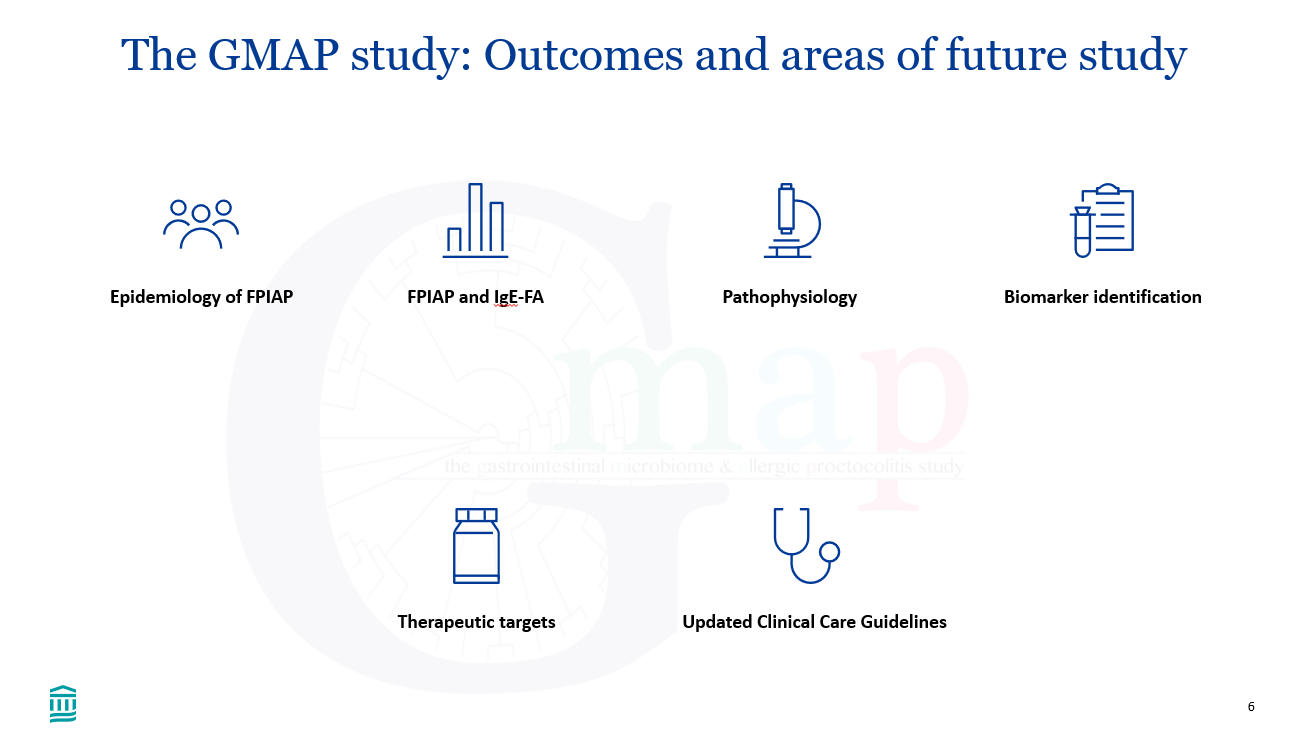
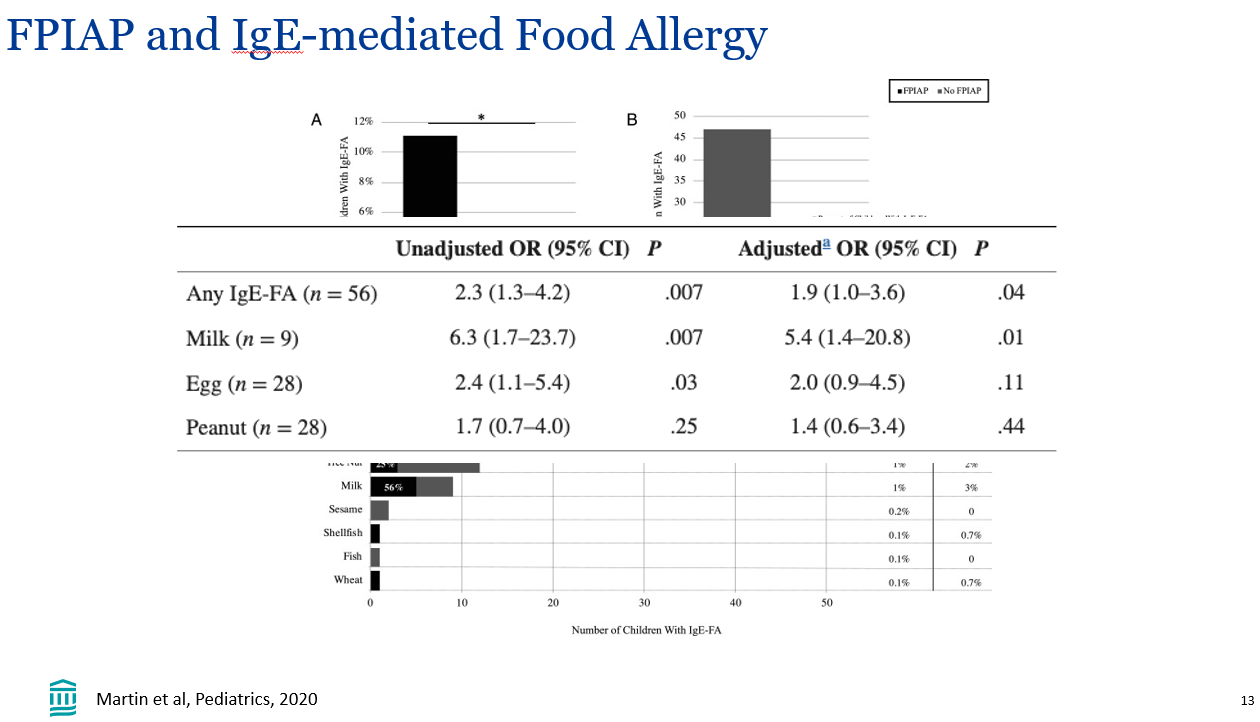
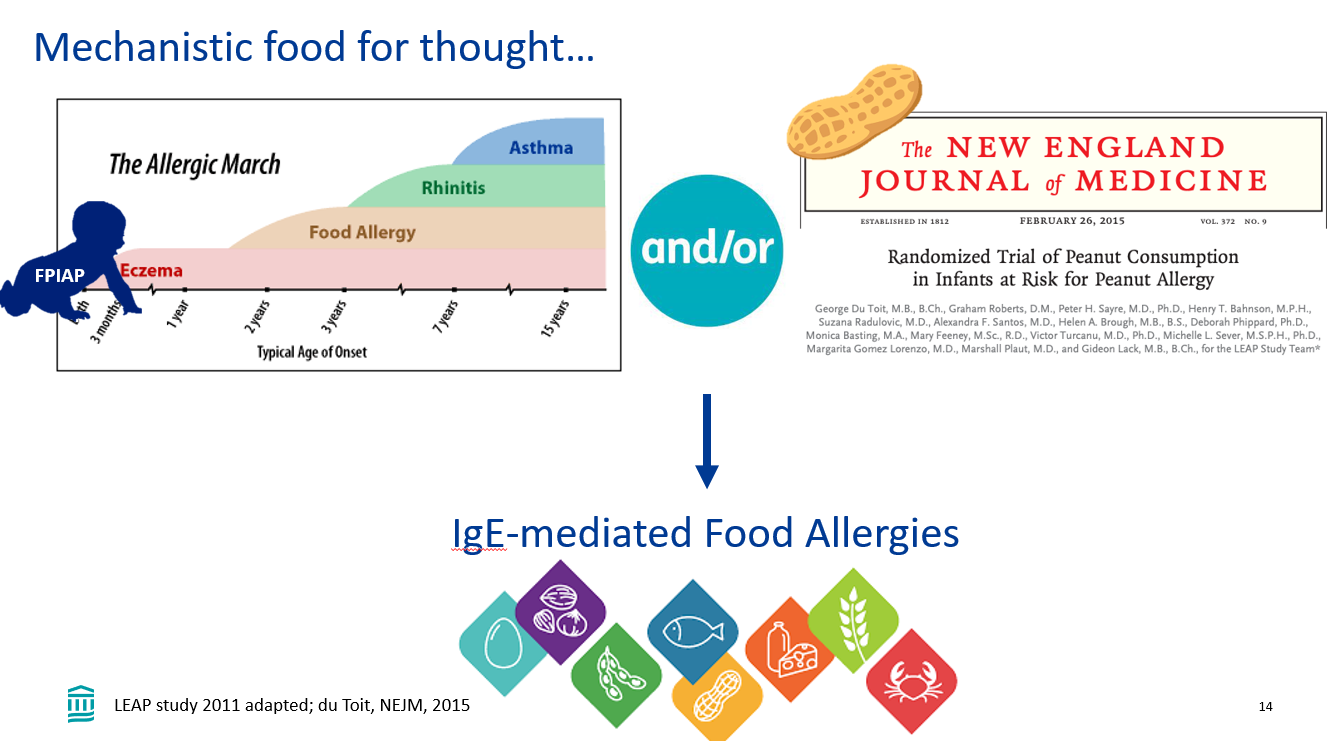
  • A diagnosis of FPIAP was associated with a 2-fold risk of developing an IgE-mediated food allergy. (This indicates that early introduction of food allergens may be beneficial as has been shown with peanut introduction.)
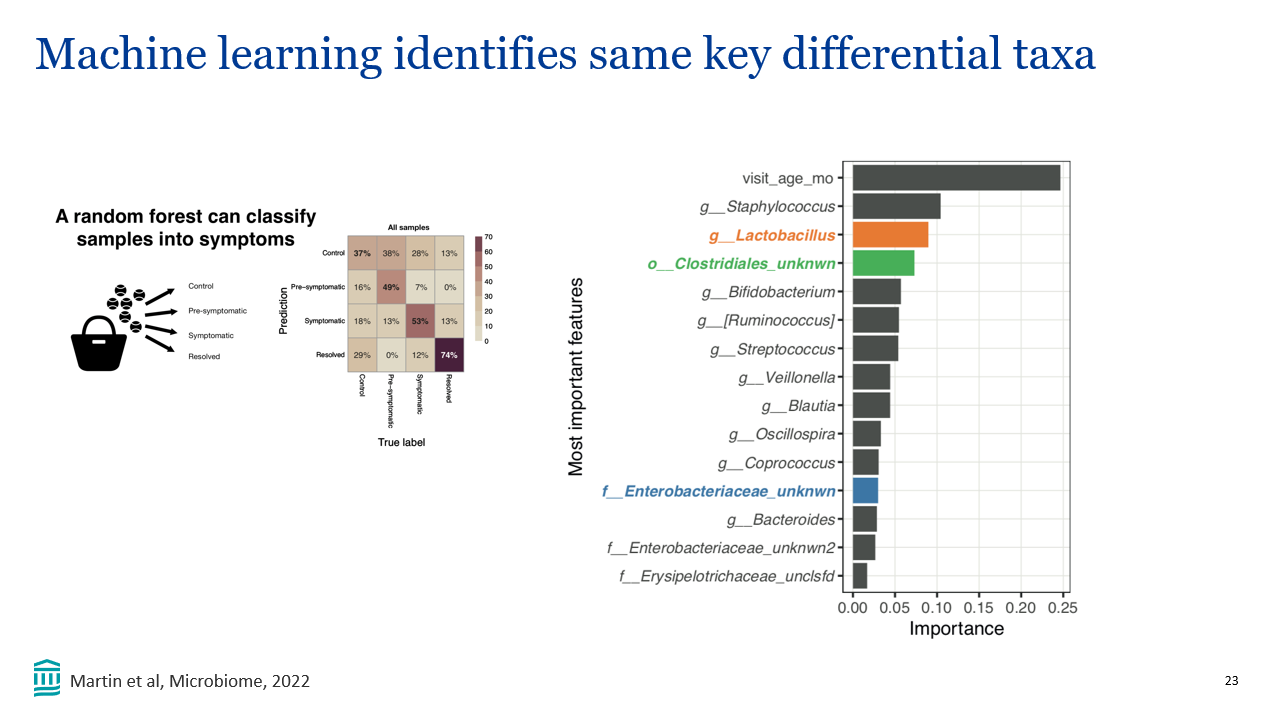
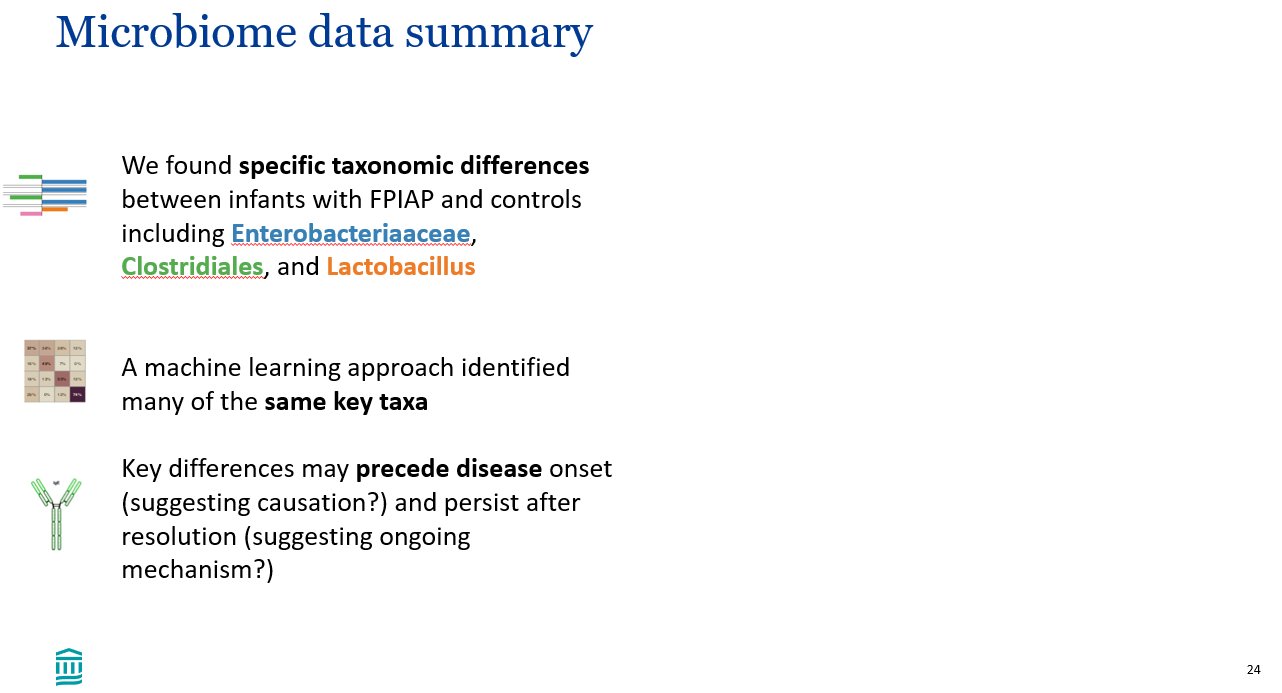
  • The microbiome/taxa in FPIAP was unique and present prior to the development of symptoms
  • Unique microbiome differences may be identified in FPIAP cohort that precedes and follows FPIAP symptoms
  • Allergy testing is generally not helpful in infants less than 6 months of age with FPIAP. RAST testing less than 6 months of age is not sensitive and most FPIAP is not IgE-mediated
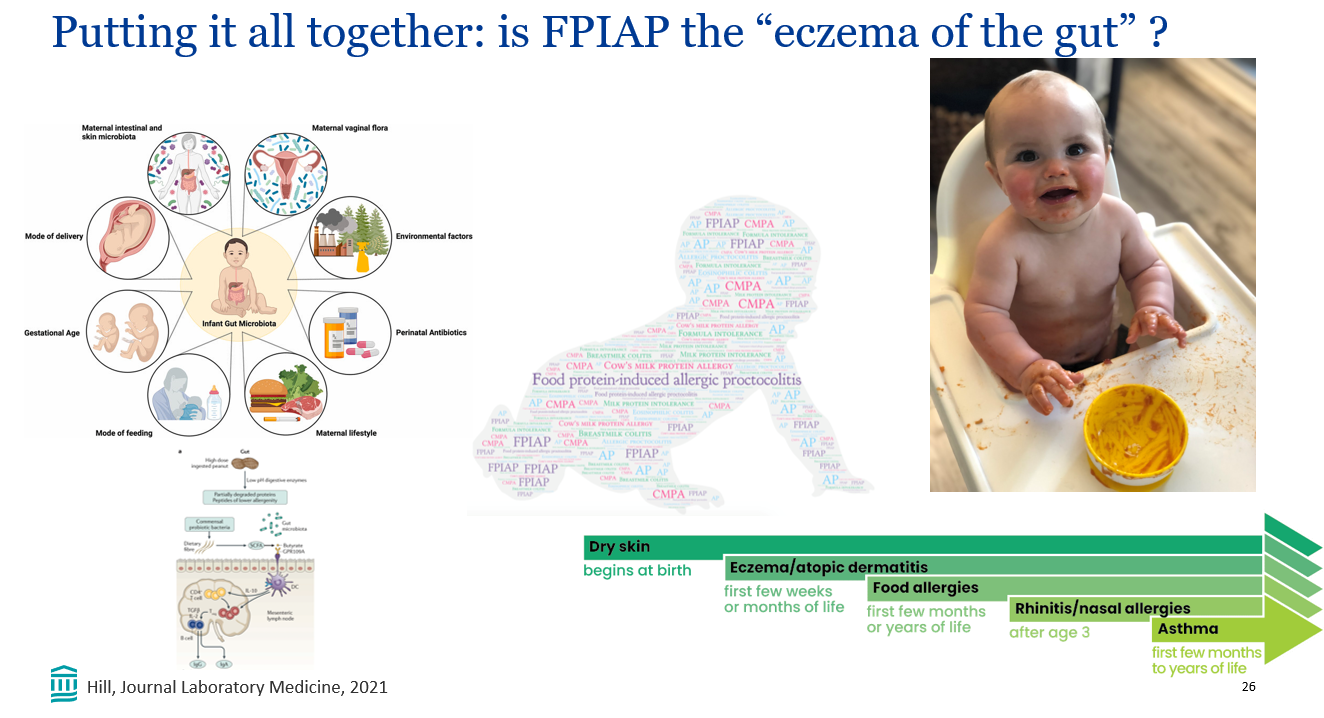
  • FPIAP may be analogous to eczema of the GI tract

Related blog posts:

What Can Go Wrong with Living Liver Transplantation for the Donor

J Xiao et al. Liver Transplantation 2024; 30: 493-504 The incidence of adverse outcome in donors after living donor liver transplantation: A meta-analysis of 60,829 donors

This meta-analysis consisted of eighty-seven articles involving 60,829 living liver donors.

Key findings:

  • The overall pooled incidence of complications in LDLT donors was 24.7%
  • The incidence of minor complications was 17.3%
  • The incidence of major complications was 5.5%
  • The overall incidence of donor mortality was 0.06% in 49,027 individuals**. 
  • Psychological complications 7.6% were the most common complications among LDLT donors. This was followed by wound-related complications 5.2%
  • Table 2 (below) gives an extensive list of potential complications and their incidences in this cohort

**In the discussion, the authors note that “donor mortality is a devastating outcome in LDLT…Our study found that Asian countries reported a lower rate…For example, in Japan, the rate of donor mortality was 0.3 deaths per 1000 donors, while in the United States and Europe, donor mortality rates were 1.7 and 2.3 deaths per 1000 donors, respectively. While this observation may be attributed to greater experience in LDLT in Asian centers, it is also possible that underreporting in Asian centers might play a role. Mortality in donors…may result in the suspension or termination of an LDLT program.”

My take: Even with potential underreporting, this study highlights the very real risks associated with trying to save a life via LDLT.

Related blog posts:

IBD Updates: Diagnosis Change in Pediatric IBD

H Duarte et al. JGPN 2024; 78: 623–633. Diagnosis change in pediatric inflammatory bowel disease

This was a retrospective study using the ICN registry. Key findings:

  • Overall, 6.1% of 18,055 patients aged 1–20 years changed diagnosis.
  • Ulcerative colitis was reclassified in 347/4758 (7.3%).
  • Crohn’s disease was reclassified in 257/12,178 (2.1%)
  • IBD-U was reclassified in 495/1119 (44.2%)

My take: This study showed that a change in diagnosis to Crohn’s disease was the most common reclassification. While the study did not find that a younger age specifically increased the risk of a diagnosis change, it is noted that IBD-U diagnosis was utilized more frequently in children less than 11 years of age.

Of course, this study will be useless when we no longer utilize the terms Crohn’s disease and Ulcerative Colitis. ‘”‘The concept of IBD as two diseases, Crohn’s disease and UC, is flawed; there are more than 200 susceptibility genes for inflammatory bowel disease'”‘ (see post: Dr. Joel Rosh: Positioning Therapies for Pediatric Ulcerative Colitis)

Related blog posts:

View Near Arches National Park

Eosinophilic Gastritis -Pathogenesis Is Not Just the Eosinophils or Benralizumab Would Work

KL Kliewer et al. Lancet Gastroenterol Hepatol 2023; 8: 803–15. Benralizumab for eosinophilic gastritis: a single-site, randomised, double-blind, placebo-controlled, phase 2 trial

Background/Methods:  Benralizumab is an eosinophil-depleting monoclonal antibody that targets the interleukin-5 receptor α. This was a “single-site, randomised, double-blind, placebo-controlled, phase 2 trial at Cincinnati Children’s Hospital Medical Center (Cincinnati, OH, USA). Individuals aged 12–60 years with symptomatic, histologically active eosinophilic gastritis (peak gastric eosinophil count ≥30 eosinophils per high-power field [eos/hpf] in at least five hpfs) and blood eosinophilia (>500 eosinophils per μL [eos/μL]) were randomly assigned (1:1, block size of four) to benralizumab 30 mg or placebo.” 26 patients were enrolled.

Key findings:

  • Improved eosinophil counts: Changes from baseline to week 12 were significantly greater in the benralizumab group versus the placebo group for peak gastric eosinophil counts (mean –137 eos/hpf [95% CI –186 to –88] vs –38 eos/hpf [–94 to 18]; p=0·0080)
  • Patients were followed up to 88 weeks in open-label extension periods. Even though banalizumab depleted eosinophils in the blood and gastric tissue in most patients, there was minimal effect on the structural histological abnormalities, endoscopic severity, and gene expression profile compared with placebo.

My take: To improve eosinophilic gastritis will require more than targeting eosinophils. In addition, eosinophil counts are not a reliable marker for improvement in this disorder. This also suggests that eosinophil counts are not reliable as a stand-alone biomarker in other eosinophilic gastrointestinal disorders.

Related blog posts:

Near Salt Lake City

Will This Abdominal Pain Last Forever? Part 3 (2024)

Jones MP, Koloski NA, Walker MM, et al. A minority of childhood disorders of gut-brain interaction persist into adulthood: a risk-factor analysis. Am J Gastroenterol. Published online April 24, 2024. doi:10.14309/ajg.0000000000002751

Methods: General practice records were obtained for 1,256,331 UK patients including 60,794 patients whose medical record spanned both childhood and adulthood years. Children had to have an age of first contact of 12 years or younger.

Key points:

  • Eleven percent of patients with irritable bowel syndrome (IBS) and 20% of patients with functional dyspepsia (FD) diagnosed in childhood had repeat diagnoses of the same condition in adulthood
  • Female sex (odds ratio [OR] 2.02) was associated with persistence for IBS
  • Childhood non-steroidal anti-inflammatory drug use (OR 1.31, 95% confidence interval [CI] 1.09–1.56) was a risk factor for persistence in IBS
  • In the subsample cohort which included adults and children with disorders of gut-brain interaction (DGBI), 22% of first diagnosis of IBS and 24% of FD occurred before the age of 18 years
  • Neither socioeconomic status nor ethnicity was associated with a repeat DGBI diagnosis
  • Having a diagnosis of childhood depression, but not childhood anxiety, was associated with a repeat DGBI diagnosis. Both anxiety and depression were associated with DGBI diagnosis in adulthood among those without childhood DGBI.

In their discussion, the authors note several strengths which included a large nationally-representative sample. Limitations included the use of a retrospective design and database. Also, diagnosis was not based on Rome criteria but at discretion of practitioner (which is routine in clinical practice). The overall number of children with DGBIs who had repeat diagnosis as adults is lower than prior estimates. The authors speculate that female sex as a risk factor for repeat DGBIs could be due to underlying intestinal immune activation which is generally enhanced in women.

My take: This study suggests that more children outgrow their DGBIs with age than prior studies; yet, it is still a significant number of patients burdened with these ongoing disorders.

Related blog posts:

“Leaky Gut Syndrome: Myths and Management”

BE Lacy et al. Gastroenterology & Hepatology 2024; 20: 264-272. Open Access! Leaky Gut Syndrome: Myths and Management

Background: “Leaky gut syndrome is a recent diagnosis now popularized in the lay literature. It has been associated with a myriad of disorders (eg, Alzheimer disease, autism, dementia, diabetes, fibromyalgia),5-8…Despite lay literature claims of gut permeability’s pathologic nature, it is important to understand that all individuals are subject to a baseline level of intestinal permeability, as normal intestinal physiology involves selectively permeable tight junctions that respond to a variety of biological factors…Minimal to no reliable evidence exists to suggest that leaky gut syndrome maintains a causative role in the pathogenesis of conditions that are most commonly associated with it in lay discussion, including fibromyalgia, chronic fatigue syndrome, allergies, headache, and brain fog.11,19 “

Key Points:

  • Myth: Leaky Gut Syndrome Is Common and Causes Extraintestinal Symptoms
  • Myth: Leaky Gut Syndrome Develops Owing to Stress and Eating Gluten – “a variety of factors may influence intestinal permeability, including illness, antibiotic and drug use, alcohol consumption, and physical activity.1,21-24
  • Myth: Leaky Gut Syndrome Is Just a Break in the Gut Lining 
  • Myth: Leaky Gut Syndrome Can Be Confidently Diagnosed by Symptoms Alone  -“reported symptoms typically include bloating, abdominal pain, fatigue, headache, and food sensitivities, among dozens of other symptoms.1,9 Such symptoms are nonspecific in nature”
  • Myth: Leaky Gut Syndrome Can Be Readily Diagnosed by Blood Work and Standard Endoscopy -“Although available, the clinical utility of using orally ingested saccharide probes and in vitro techniques is limited partly owing to unknown normal values for comparison, lack of standardized protocols, and limited attempts at validation.47…As noted previously, confocal laser endomicroscopy may provide valuable information on intestinal permeability, although it may not be as sensitive as once thought for the evaluation of food sensitivities.45 For now, no validated tool exists to accurately diagnose leaky gut syndrome.39…The utility of measuring zonulin in over-the-counter kits is thus suspect. Other plasma biomarkers measuring bacterial translocation, such as lipopolysaccharide-binding protein, may correlate more reliably with intestinal permeability.52 Currently, no blood test to diagnose leaky gut syndrome exists, and further investigation is needed to identify valid, reliable, and clinically useful serum biomarkers of impaired intestinal barrier function.”
  • Myth: Leaky Gut Syndrome Can Be Diagnosed by Stool Studies -“stool testing for leaky gut syndrome has been marketed to consumers…such tests are unregulated, and minimal evidence exists to support their use in the clinical setting… Even if testing were to reliably measure intestinal permeability, results would be of unclear significance, as no standard of care currently exists for treating and managing leaky gut syndrome. “
  • Myth: Leaky Gut Syndrome Can Be Cured by Diet and Probiotics -“a direct link between diet and treatment of leaky gut syndrome has not been established.” 
  • Myth: Nutritional Supplements Can Cure Leaky Gut Syndrome -“although several nutritional supplements have been suggested to improve intestinal permeability, only glutamine has been shown to improve leaky gut syndrome in the context of IBD and IBS. More data are needed before any nutritional supplements, including glutamine, can be recommended in clinical practice”
  • Myth: Medications Cannot Change Intestinal Permeability -“Several medications can alter intestinal permeability.” Examples include lubiprostone (for IBS), and prednisone and infliximab (for IBD).
  • Myth: Once Leaky Gut Syndrome Develops, It Will Never Go Away -“no study has been performed to properly evaluate changes in symptoms and underlying pathophysiology over time.”

Overall:  A leaky gut “cannot be accurately diagnosed by symptoms, blood work, or stool studies. Although the term leaky gut syndrome implies changes in intestinal permeability, it is the rare patient who undergoes objective testing to identify changes in intestinal permeability…changes in intestinal permeability are not always deleterious, and the relationship with symptoms is unclear.”

My take: It is not unusual for me to take a deep breath and sigh when I see that I am about to see a patient with a chief complaint of a “leaky gut.” Typically, this visit will mean a lengthy discussion indicating that previous testing was not worthwhile and there are no specific treatments. Many times this discussion is not well-received.

Related blog post: Is Intestinal Function in Children with Autism Different?

Bryce National Park

Manometry for Persistent Dysphagia in Eosinophilic Esophagitis

D Yogev et al. JPGN Reports; 2024 https://doi.org/10.1002/jpr3.12083. Open Access! Manometric findings in children with eosinophilic esophagitis and persistent post-remission dysphagia

In this 10-year retrospective review (2013-2023), the authors reviewed children with EoE referred for high-resolution impedance manometry (HRIM) due to persistent dysphagia despite histologic healing (i.e., <15 Eos/hpf).

Key findings:

  • Among a cohort of ~1500 children, only 4 patients met inclusion criteria:  histologic remission (<15 eos/hpf) and absence of fibrostenotic features on endoscopic evaluation
  • Thus, the estimated prevalence of post-remission dysphagia in this cohort was exceedingly rare (<0.05%).
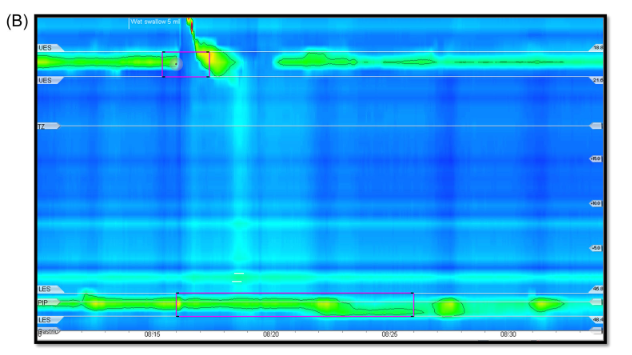
  • On HRIM, all four patients had a hypomotile esophagus and abnormal bolus clearance. Lower esophageal sphincter integrated relaxation pressure values were normal in three patients and elevated in one. Two patients were diagnosed with ineffective esophageal motility, one with aperistalsis and one with achalasia type 1.
Manometry findings from 12 yo diagnosed with Achalasia Type 1

Discussion:

  • “Endoscopic evaluation of fibrosis is somewhat limited as less than 50% of biopsies contain an adequate sample of the lamina propria for evaluation..[Also, these] patients did not undergo endoluminal functional lumen imaging (Endoflip) which has been recently shown to correlate with fibrotic changes of the esophagus in pediatric patients…Nonetheless, this case series highlights the fact that esophageal dysmotility can persist, even in the absence of endoscopic or histologic findings”
  • The authors “did not study all EoE patients treated in our facility who had persistent dysphagia despite histologic remission of EoE, but rather explored just those who were referred for manometry. This methodology creates a risk of referral bias.”

My take: Though there is a referral bias due to the methodology, this study suggests that persistent dysphagia is rare in children who achieve EoE histologic remission. In addition, in those with significant dysphagia despite improvement in EoE, manometry is worthwhile.

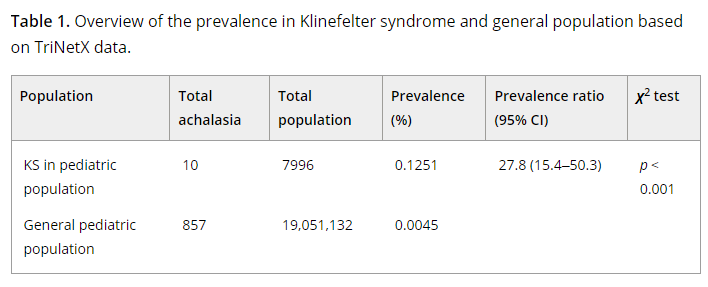
A related study suggests that achalasia may be more common in patients with Klinefelter syndrome, though still quite rare: L Miller et al. JPGN Reports 2024: https://doi.org/10.1002/jpr3.12084 Open Access! Achalasia in Klinefelter syndrome: A suspected pediatric case as well as prevalence analysis suggesting increased risk in this population

Related blog posts:

Linaclotide -Here’s the Pediatric Data

Last year, the FDA approved linaclotide, a guanylate cyclase C agonist, for the treatment of pediatric constipation (related post: Linaclotide -Now FDA-Approved for Children).

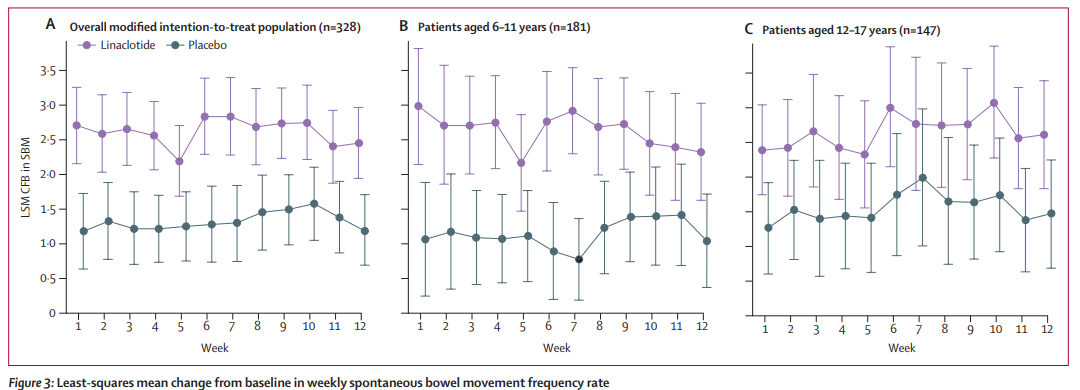
Here’s the phase III study data: C DiLorenzo et al. The Lancet Gastroenterol Hepatol 2024; 9: 238-250. Efficacy and safety of linaclotide in treating functional constipation in paediatric patients: a randomised, double-blind, placebo-controlled, multicentre, phase 3 trial

Children 6-17 yrs of age (n=328) received either oral linaclotide 72 μg or placebo once daily for 12 weeks. Key findings:

  • The mean frequency rate for spontaneous bowel movements (SBMs) was 1·28 SBMs per week (SD 0·87) for placebo and 1·16 SBMs per week (0·83) for linaclotide, increasing to 2·29 SBMs per week (1·99) for placebo and 3·41 SBMs per week (2·76) for linaclotide during intervention. 
  • Linaclotide also significantly improved stool consistency over placebo
  • Straining with stooling also improved. Change from baseline improvement (Least squares mean change) −1·19 in linaclotide group compared to −0·75 in placebo group (p<0·0001). Straining scale based on responses to the following question: When you pooped, how hard did you push? (0=not hard at all; 1=I pushed a tiny bit hard; 2=I pushed a little hard; 3=I pushed hard; 4=I pushed very hard)
  • Abdominal bloating improved as well compared to placebo, Change from baseline improvement (Least squares mean change): −0·51 vs −0·35 (p=0·027)
  • The authors note that “the subgroup analysis by age for CFB in SBM frequency rate suggests that the response of the older cohort (aged 12−17 years) was not as strong as the response of the younger cohort (aged 6–11 years).” This could indicate that a higher dose may be beneficial in this age group. “Further studies evaluating increased dosing regimens for older children will be important.”
  • The most frequent treatment-related TEAE was diarrhoea (linaclotide: six [4%] patients; placebo: two [1%] patients).
72 mcg per day dosing

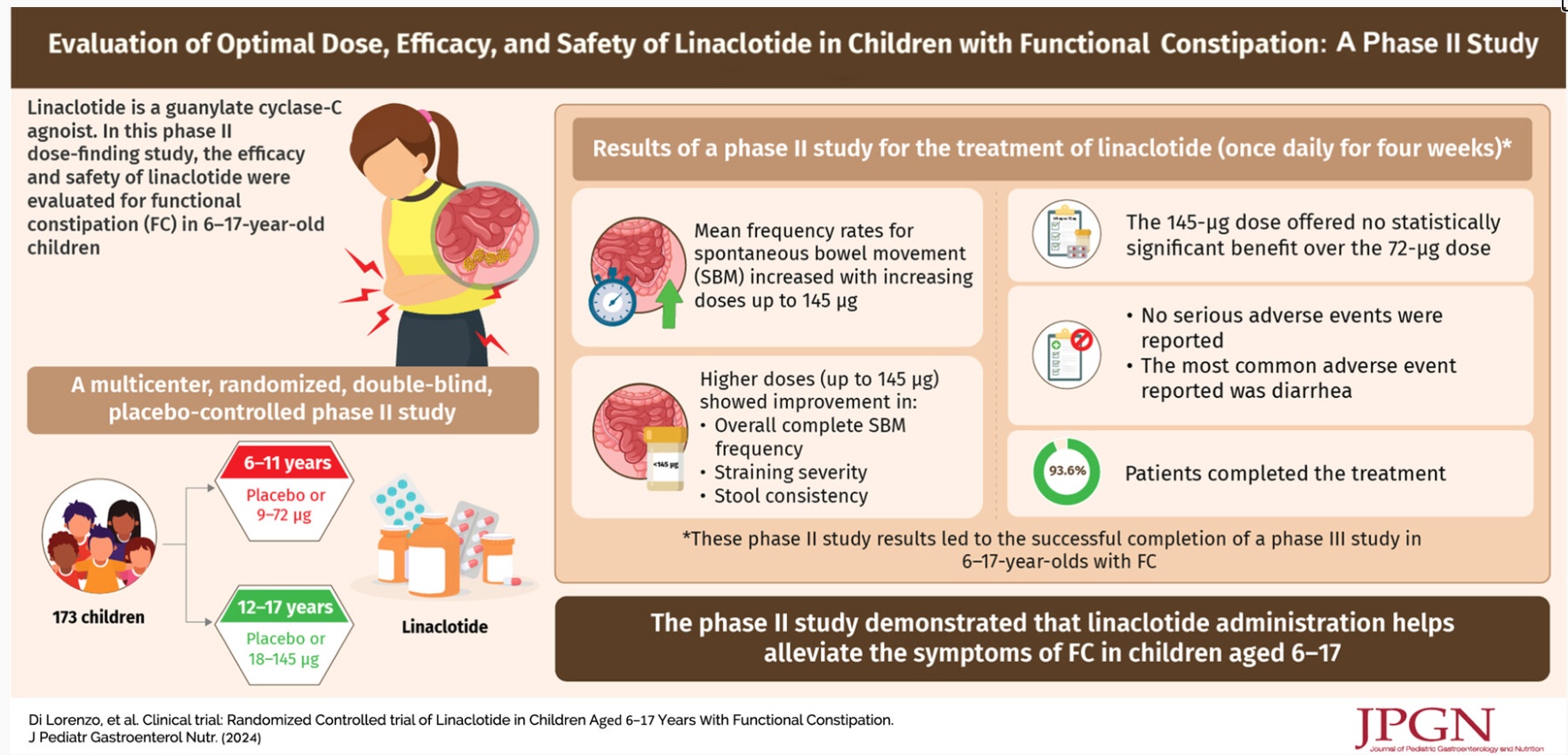
Here’s the phase II study data: C DiLorenzo et al. JPGN 2024; https://doi.org/10.1002/jpn3.12184. Randomized controlled trial of linaclotide in children aged 6−17 years with functional constipation

This was a multicenter, randomized, double-blind, placebo-controlled phase 2 study, with 173 children with functional constipation (based on Rome III criteria) were randomized to once-daily linaclotide or placebo.

Key findings:

  • A numerical improvement in mean spontaneous bowel movement (SBM) frequency was observed with increasing linaclotide doses (1.90 in 6- to 11-year-olds [36 or 72 μg] and 2.86 in 12- to 17-year-olds [72 μg]).
  • The most reported treatment-emergent AE was diarrhea, with most cases being mild; none were severe. The most reported treatment-emergent AE was diarrhea, with most cases being mild; none were severe.

My take: It is good news to have the an FDA-approved treatment for pediatric functional constipation. It is worth remembering that the estimated cost for a monthly supply is $560 via GoodRx (with coupon, queried on 5/22/24). 

Reducing Opioid Use and Reducing Pain In Hospitalized Patients with IBD

Gastroenterology & Endoscopy News 4/12/24: Pain Management Protocol Reduces Opioid Use in Hospitalized IBD Patients

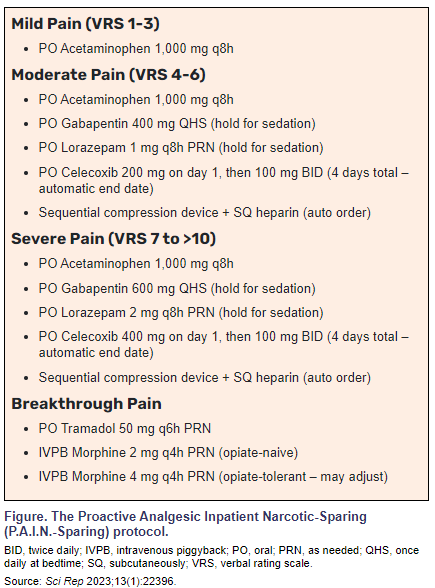
“Dr. Berry and his co-investigators developed the Proactive Analgesic Inpatient Narcotic-Sparing (P.A.I.N.-Sparing) protocol. The approach relies on scheduled nonopioid pain medications tailored to the severity of a patient’s pain (Figure). However, patients have the option to request opioid medication for uncontrolled breakthrough pain.”

Open Access! Berry, S.K., Takakura, W., Patel, D. et al. A randomized controlled trial of a proactive analgesic protocol demonstrates reduced opioid use among hospitalized adults with inflammatory bowel diseaseSci Rep 13, 22396 (2023). https://doi.org/10.1038/s41598-023-48126-0

The authors conducted a randomized controlled trial in hospitalized patients with IBD (n=33) to evaluate the impact of a proactive opioid-sparing analgesic protocol. 

Key findings:

Those randomized to the intervention tended to have lower pain scores than the control group regardless of hospital day (3.02 ± 0.90 vs. 4.29 ± 0.81, p = 0.059), used significantly fewer opioids (daily MME 11.8 ± 15.3 vs. 30.9 ± 42.2, p = 0.027), and had a significantly higher step count by Day 4 (2330 ± 1709 vs. 1050 ± 1214; p = 0.014)

My take: It is a good idea to have a set pain management pathway –especially if it works to reduce pain and reduce the risk of excess opioid use.

Disclaimer: This blog, gutsandgrowth, assumes no responsibility for any use or operation of any method, product, instruction, concept or idea contained in the material herein or for any injury or damage to persons or property (whether products liability, negligence or otherwise) resulting from such use or operation. These blog posts are for educational purposes only. Specific dosing of medications (along with potential adverse effects) should be confirmed by prescribing physician.  Because of rapid advances in the medical sciences, the gutsandgrowth blog cautions that independent verification should be made of diagnosis and drug dosages. The reader is solely responsible for the conduct of any suggested test or procedure.  This content is not a substitute for medical advice, diagnosis or treatment provided by a qualified healthcare provider. Always seek the advice of your physician or other qualified health provider with any questions you may have regarding a condition.