Kids With Acute Pancreatitis Need Followup

F Ahmed, M Abu-El-Haija. Gastroenterol 2025; 169: 572-584. Open Access! Acute Pancreatitis in Children: It’s Not Just a Simple Attack

This is a really good review of acute pancreatitis covering epidemiology, diagnosis, severity classification, management, microbiome/metabolite derangements, genetics, and complications. Most of these topics have been covered in numerous blog posts (see below).

Selected Key Points:

  • Diagnostic testing -Amylase/Lipase:  “The diagnostic efficacy of amylase for AP, in terms of sensitivity and specificity, is contingent on the selected threshold value. Elevating the cut-off point to 1000 IU/L results in a high specificity of approximately 95%. However, this comes at the cost of reduced sensitivity, which some studies report to be as low as 61%… the activity of serum lipase remains elevated for a longer duration, typically between 8 and 14 days,… Lipase demonstrates superior accuracy with most studies reporting specificities exceeding 95% and sensitivities ranging from 55%–100% at a threshold activity level of 600 IU/L…hese tests have excellent sensitivities, they may have a few limitations such as being poor predictors of severity”
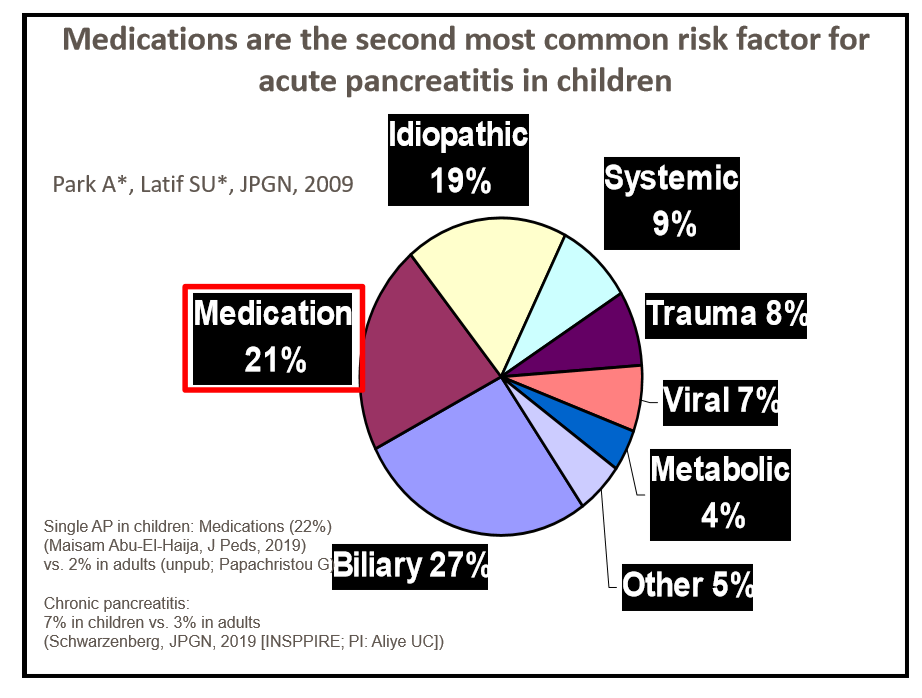
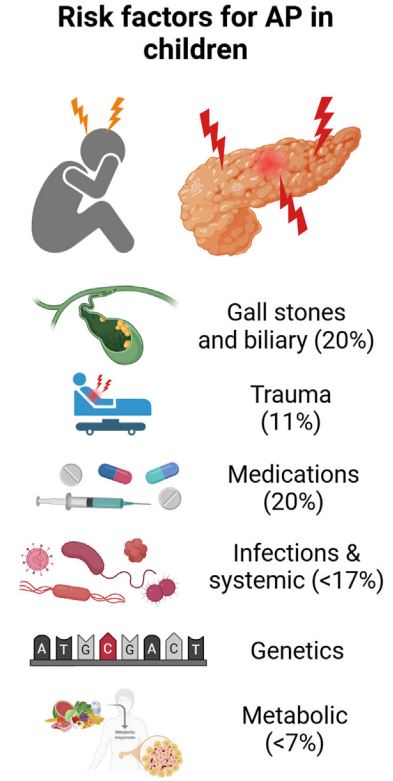
  • Risk Factors in Children (from Figure 1):
  • Incidence and Severity in Children (from Figure 1):

[At a recent lecture, Jay Freeman (How to Upgrade Pancreas Care –Jay Freeman MD (Part 1)) noted that severe pancreatitis is often defined by degree of organ dysfunction (eg. cardiac, pulmonary, renal). A practical definition of severe pancreatitis in children is whether the patient requires admission to an ICU]

  • Diagnostic testing -Imaging: “Imaging techniques are crucial for diagnosing and managing AP in children…NASPGHAN) and the Society for Pediatric Radiology formed consensus guidelines where transabdominal ultrasonography was recommended as the primary imaging technique for pediatric cases with suspected AP…Recent studies in the pediatric population have indicated that US’s sensitivity for AP detection ranges from 47%–52%.25Magnetic resonance cholangiopancreatography (MRCP) is useful for anatomical assessment without radiation but may require sedation”
  • Management: “The cornerstones of therapy are early feeding and intravenous fluids… Allowing patients to eat on admission was feasible and was associated with lower length of stay. Rates of intravenous fluids are recommended at 1.5–2 times maintenance rates,49 and the preferred fluid is Lactated Ringer’s due to limited studies including a recent randomized controlled study that showed that Lactated Ringer’s was associated with a faster discharge rate when administered compared with normal saline.50
  • Genetics:  “A recently conducted study investigated the importance of genetics in pediatric AP patients…use of an extensive panel of 8 genes… PRSS1CFTRSPINK1CPA1, CTRCCLDN2CASR, and SBDS… genetics is a major component in all types of pancreatitis in children, with genetic variants being most prevalent in CP cases at 31%, followed by AP at 19%, and ARP at 6%. A key discovery was that variants in SPINK1CFTR, or PRSS1 genes were associated with faster progression from first episode of AP toward CP.53
  • Complications (from Figure 1): “After the first episode of AP, the QoL is decreased, and it may lead to other disorders such as exocrine dysfunction, endocrine dysfunction and diabetes, nutritional deficiencies, and acute recurrent pancreatitis and CP.”
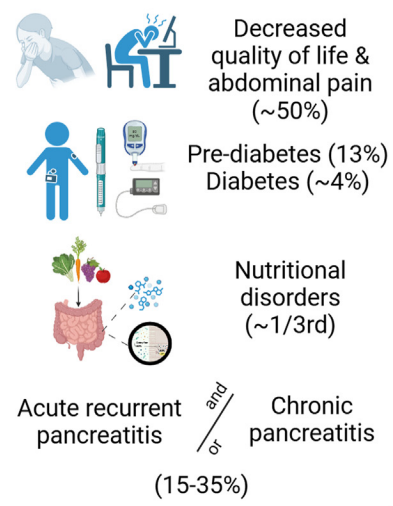
My take: Even after a single episode of acute pancreatitis, there are risks for long-term complications and patients need to follow-up.

Related blog posts:

Optimizing Fluid Resuscitation in Pediatric Acute Pancreatitis

N Norris et al. J Pediatr 2025; 276: 114329. Liberal Fluid Resuscitation is Associated with Improved Outcomes in Pediatric Acute Pancreatitis

This single-center retrospective study with 227 patients (2013-2023) examined the role of liberal fluid administration/type of fluid administration and outcomes in children with acute pancreatitis. Overall, 100 patients received normal saline (NS) and 41 received lactated ringers (LR). Liberal fluid management was considered to be >1.5x the maintenance.

Key findings:

  • Patients who received liberal fluids were less likely to be admitted or transferred to the intensive care unit compared with those receiving conservative management (OR, 0.32)
  • The liberal NS fluid group with early feeding had the lower rates of moderate/severe manifestations of AP compared with other combinations of diet and fluid orders except the conservative LR group
  • Moderate/severe AP was highest in the conservative NS group (14/37 [38%]), followed by liberal LR (6/31 [19%]), liberal NS (9/63 [14%]); it was lowest in conservative LR group (0/10 [0%]).

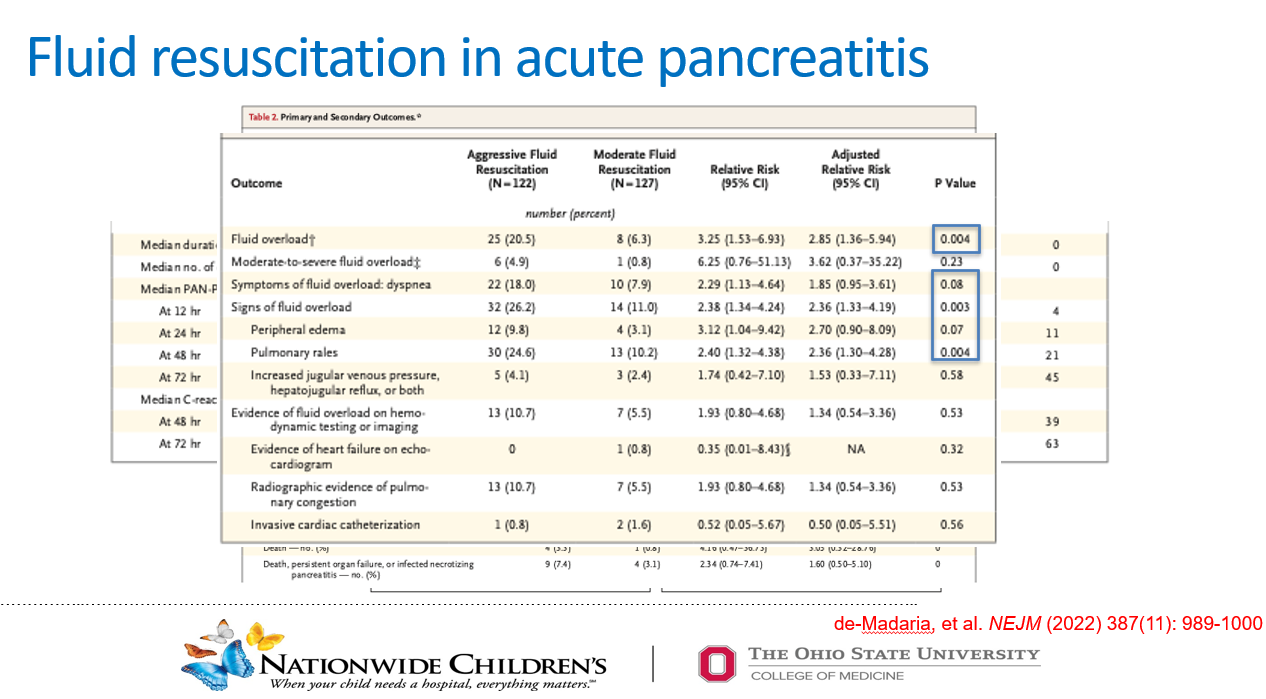
In the discussion, the authors note that adult studies have supported a more moderate approach to IVFs (1.5 mL/kg/hr) given the risks of fluid overload in WATERFALL trial.

My take:

  1. It is surprising that so few patients received LR in this study; there has been some evidence that LR is better than NS for AP since 2014 (see blog posts below)
  2. Especially in those receiving NS, more liberal use of IVFs appears beneficial. Reasonable to start at 1.5 x maintenance (as recommended by Dr. Freeman)
  3. Though children generally tolerate liberal IVFs better than adults due to better cardiovascular function, a prospective randomized study is needed to determine which fluid strategy is optimal.
  4. Early enteral feeding is beneficial in most cases
View from the Rialto Bridge, courtesy of Steven Liu who has some amazing pictures

Related blog posts:

Here’s the Data: Endocrine Insufficiency After Acute Pancreatitis in Children

M Abu-El-Haija et al. Clin Gastroenterol Hepatol 2024; 22: 2033-2043. Open Access! The Role of Pancreatitis Risk Genes in Endocrine Insufficiency Development After Acute Pancreatitis in Children

In this observational prospective cohort with 114 children (after excluding 6), outcomes following the first episode of acute pancreatitis (AP) were determined. In addition, pancreatitis risk genes (CASRCELCFTRCLDN2CPA1CTRCPRSS1SBDSSPINK1, and UBR1) were sequenced. A genetic risk score was derived from all genes with univariable P < .15.

Pre-DM was defined as follows: fasting blood glucose ≥100 mg/dL and <126 mg/dL, or hemoglobin A1C ≥5.7% and <6.5%

Key findings:

  • 95/114 (83%) remained normoglycemic and 19/114 (17%) developed endocrine insufficiency (4 DM, 15 pre-DM) 12 months after the first episode of AP
  • Sixty-three subjects (52.5%) had at least 1 reportable variant identified
  • Severe AP (58% vs 20%; P = .001) and at least 1 gene affected (79% vs 47%; P = .01) were enriched among the endocrine-insufficient group
  • CFTR (53%), SPINK1 (13%), PRSS1 (10%), and UBR1 (9%) accounted for the majority of variants identified

My take: 3.5% of this cohort developed diabetes and 13% developed prediabetes. The risk is increased in those with severe acute pancreatitis and underlying genetic variants. As noted recently with Dr. Freeman’s lecture (summarized on prior blog posts), it is worthwhile for patients to follow-up after an episode of acute pancreatitis.

Related blog posts:

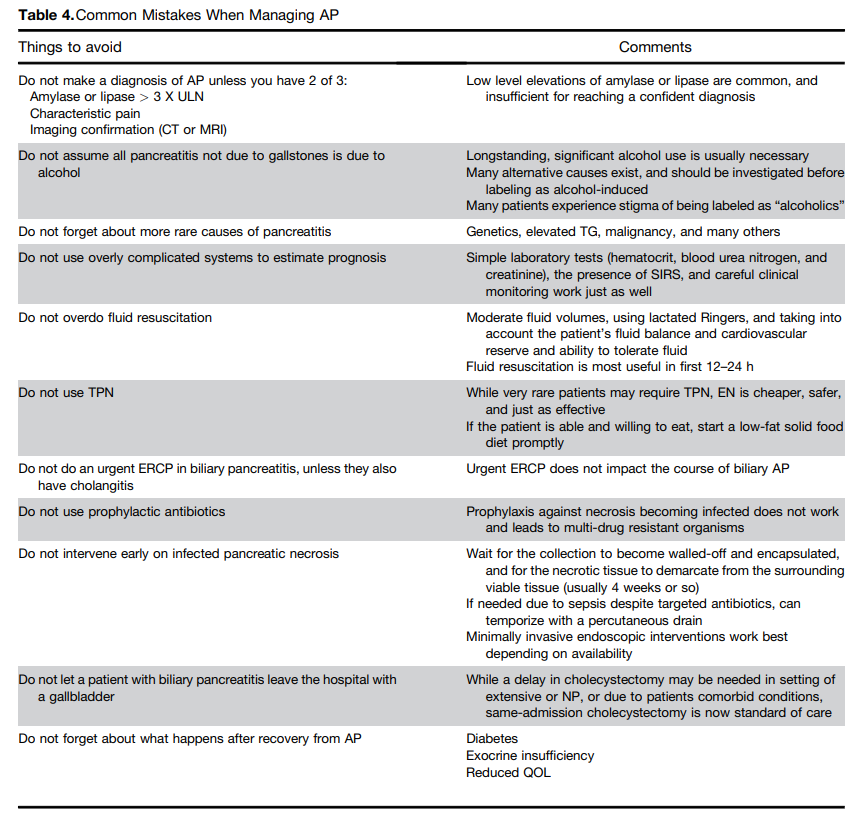
Common Mistakes When Managing Acute Pancreatitis

G Trikudanathan et al. Gastroenterol 2024; 167: 673-688. Open Access (PDF)! Diagnosis and Management of Acute Pancreatitis

While this review focuses on acute pancreatitis in adults, there are areas of overlap with pediatric patients who have acute pancreatitis. Many of the points in this article were reviewed in the lecture by Dr. Freeman (summarized earlier this week).

A couple of details regarding these recommendations:

Nutrition: “Current guidelines recommend initiating early (as soon as tolerated)
oral feeding with solid (low-fat) diet in patients with predicted mild AP and this approach reduces length of hospitalization. Patients with severe AP or NP may be intolerant to oral diet…studies noted that the pancreas is largely insensitive to meal stimulation during AP. Early enteral nutrition (EN) was shown to have a beneficial trophic effect in preserving gut mucosal integrity and reducing gut bacterial translocation. EN was compared with TPN in AP in several RCTs and the results were statistically aggregated in several meta-analyses to
establish the superiority of EN in mortality, multiorgan failure, and rate of infection.”

TPN: “Given the cost burden, risk of catheter-related sepsis, electrolyte and metabolic derangement, and gut barrier failure, currently use of TPN is reserved for patients for whom EN is not possible or is not able to meet the minimum calorie requirements. It should be noted that although all guidelines advise avoiding TPN, it continues to be used.”

Antibiotics: “Current guidelines do not recommend prophylactic antibiotics in predicted severe AP or sterile necrosis because this practice is associated with the development of multidrug-resistant bacteria and fungal superinfection. It can be difficult in severe
pancreatitis to know if clinical deterioration is due to ongoing pancreatitis with SIRS, or due to a new infection. Procalcitonin is useful in distinguishing SIRS from bacterial sepsis. The PROCAP randomized trial used procalcitonin testing at 0, 4, and 7 days and weekly thereafter with a threshold of 1.0 ng/mL to guide initiation, continuation, and discontinuation of antibiotics. The procalcitonin based algorithm decreased the probability of being prescribed an antibiotic and the number of days on antibiotics without increasing infection or harm in patients with AP.”

Progression to Chronic Pancreatitis: “A systematic review and meta-analysis of progression showed that 10% of patients with first episode of AP and 36% of patients with recurrent AP develop CP, with risk being highest among smokers, alcoholic patients, and men.”

Risk of Diabetes: “A prior systematic review and meta-analysis of patients with an index attack of AP found that newly diagnosed diabetes occurred in 15% of individuals within 12 months, and risk increased 2-fold for diabetes after 5 years. The development of
diabetes was not significantly associated with the severity of pancreatitis, etiology of disease, patient age, or gender.”

Related blog posts:


How to Upgrade Pancreas Care –Jay Freeman MD (Part 1)

We had a great pancreas update lecture from Dr. Jay Freeman. In my view, a great lecture involves a well-delivered informative lecture that likely leads to an improvement in clinical practice. My notes below may contain errors in transcription and in omission. Along with my notes, I have included many of his slides.

  • About 10% of patients with acute pancreatitis already have damage indicating chronicity
  • Severe pancreatitis is often defined by degree of organ dysfunction (eg. cardiac, pulmonary, renal). A practical definition of severe pancreatitis in children is whether the patient requires admission to an ICU
  • The term “position paper” is typically used instead of “guidelines” due to lack of definitive data and reliance on expert opinion
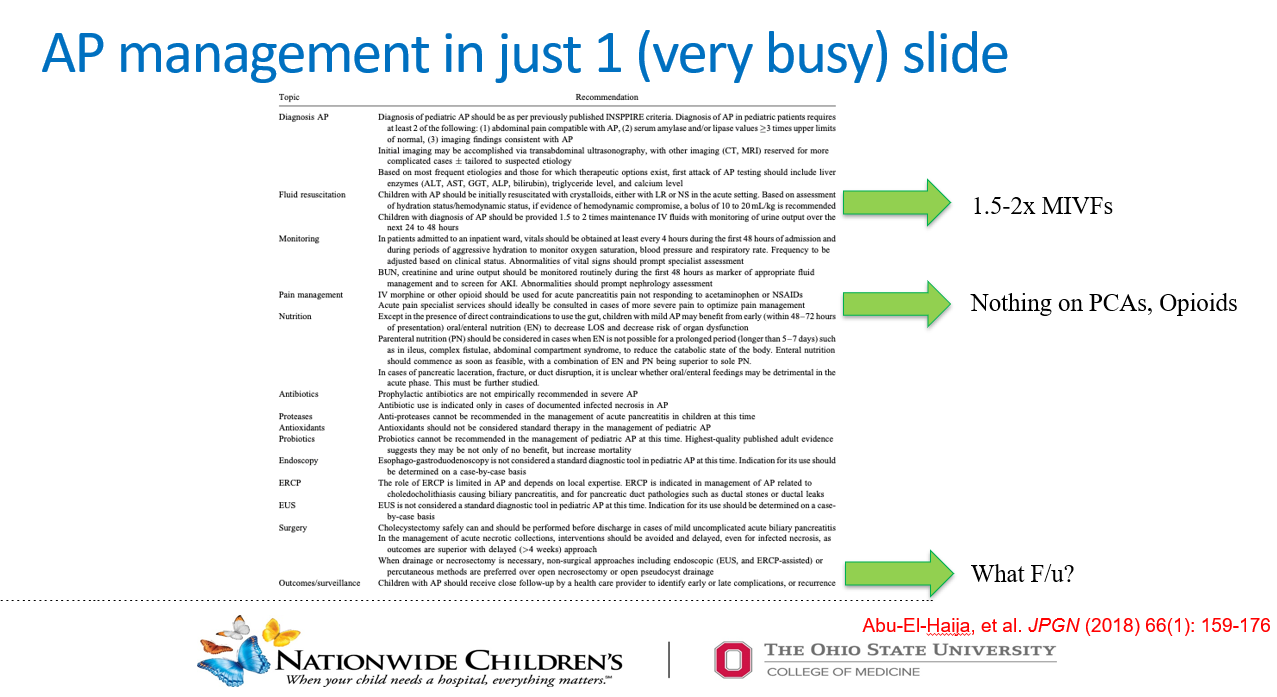
  • While the guidelines suggest 1.5-2.0 x maintenance fluid volumes, the benefit of this additional IVFs is not clear. Dr. Freeman’s clinical practice is often to start with 1.5 x maintenance rate and to try to transition to enteral diet
  • Aggressive fluid resuscitation of acute pancreatitis in adults is associated with increased risk of fluid overload. Lactated ringer’s is generally fluid of choice.
  • In this study with 211 pediatric patients, starting with a narcotic increases the likelihood of continuing with narcotics. Many patients can respond to acetaminophen and NSAIDs. Using narcotics, may increase the risk of sensitization to pain (lowering pain threshold)
  • In this study with adults (Not Randomized), use of PCA was associated with longer hospitalizations, slower start to enteral nutrition and increased narcotic use at discharge
  • A single episode of acute pancreatitis, even mild cases, is associated with long-term risks including risk of exocrine pancreatic insufficiency (often transient), increased risk of diabetes mellitus and even pancreatic cancer.
  • Restricting fat in the diet for 1-2 weeks after an episode may reduce some symptoms
  • Because of risk of complications, Dr. Freeman recommends follow up after hospitalization (after a few months) and for up to 5 years (at least for 2 years)
  • Dr. Freeman indicated that he recommends checking genetic tests for pancreatitis if a patient has had more than one episode. If a patient is less than 5 years of age or has a significant family history, checking for genetic predisposition should be considered with the first bout of pancreatitis.

Key points: Even patients with acute pancreatitis need follow-up. Consider using non-narcotic medicines as the first line, especially in patients who have not ‘failed’ these medications.

Related blog posts:

Disclaimer: This blog, gutsandgrowth, assumes no responsibility for any use or operation of any method, product, instruction, concept or idea contained in the material herein or for any injury or damage to persons or property (whether products liability, negligence or otherwise) resulting from such use or operation. These blog posts are for educational purposes only. Specific dosing of medications (along with potential adverse effects) should be confirmed by prescribing physician.  Because of rapid advances in the medical sciences, the gutsandgrowth blog cautions that independent verification should be made of diagnosis and drug dosages. The reader is solely responsible for the conduct of any suggested test or procedure.  This content is not a substitute for medical advice, diagnosis or treatment provided by a qualified healthcare provider. Always seek the advice of your physician or other qualified health provider with any questions you may have regarding a condition.

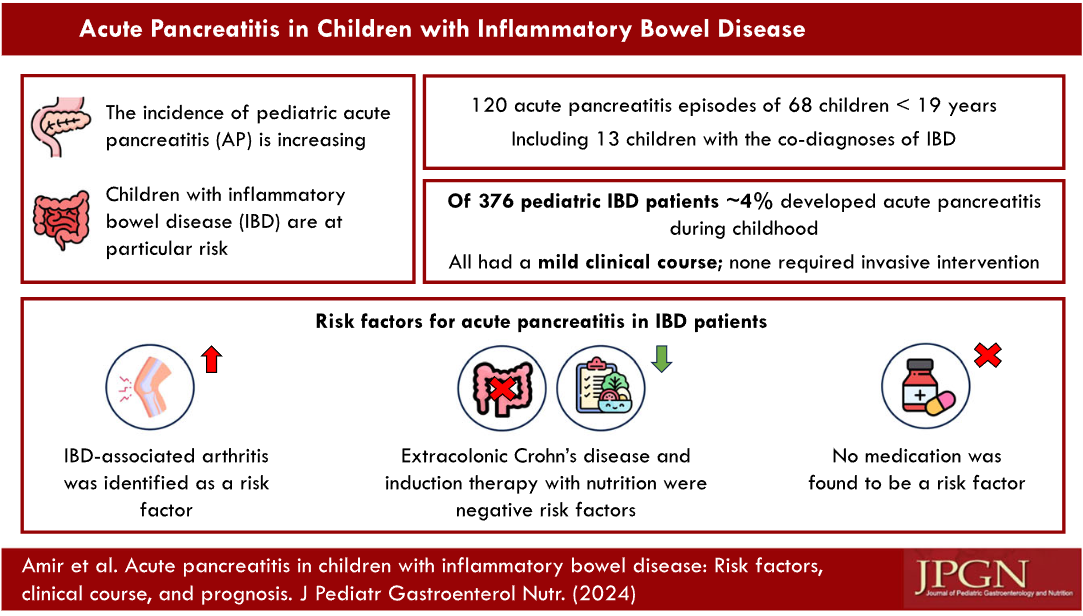
Acute Pancreatitis in Children with Inflammatory Bowel Disease

A Anafy et al. JPGN 2024; 79:325–334. Acute pancreatitis in children with inflammatory bowel disease: Risk factors, clinical course, and prognosis

In this retrospective study with 376 children, Key Findings:

  • 4% of patients with pediatric IBD developed acute pancreatitis (AP)
  • The presumed etiology for AP in all IBD patients was IBD-related: IBD flare-up in five, side effects of medications in two, and undetermined in seven. 
  • The only risk factor for AP development among IBD patients was IBD‐associated arthritis (23% vs. 3% for IBD‐non‐AP).
  • Extracolonic Crohn’s disease emerged as a negative risk factor for AP: it was present in only 2/13 (15%) IBD‐AP patients compared to 20/39 (51%) IBD‐non‐AP patients (p = 0.05). Patients who receive induction therapy with nutrition (exclusive enteral nutrition or Crohn’s disease exclusion diet) were less likely to be present in the IBD‐AP group (1/12 [8%] vs. 17/39 [44%] IBD non-AP patients, p = 0.04.
  • This study population, at the time of AP, had a relatively high number treated with ASA agents (66%; 11/14 AP-IBD and 26/42 Non-AP-IBD)), 27% with azathioprine (6/14 with AP-IBD and 9/42 Non-AP-IBD), and low number receiving biologics (18%, 2 AP-IBD and 8/42 Non-AP-IBD

My take: This study shows that acute pancreatitis is common in children with inflammatory bowel disease.

Imaging Recommendations for Pediatric Pancreatitis

AT Trout et al. JPGN 2021; 72: doi: 10.1097/MPG.0000000000002964 Free full text: North American Society for Pediatric Gastroenterology, Hepatology and Nutrition and the Society for Pediatric Radiology Joint Position Paper on Noninvasive Imaging of Pediatric Pancreatitis: Literature Summary and Recommendations. Also, I want to give a shout out to Jay Freeman who is one of the authors and a very appreciated colleague.

Some of the recommendations:

  • Acute Pancreatitis:
    • Transabdominal ultrasound is recommended as a first-line noninvasive imaging modality for suspected AP
    • If ultrasound is negative for AP and an imaging diagnosis of AP is needed, either CT or MRI is recommended
      • “MRI, particularly MRCP, has also been shown to be more sensitive than CT for biliary etiologies of pancreatitis”
      • “In clinical practice, MRI is often used for assessment and monitoring of late complications of AP, such as fluid collections, to time and guide therapeutic interventions.”
  • Acute Recurrent Pancreatitis:
    • MRI is recommended to identify structural or obstructive causes for ARP
  • Chronic Pancreatitis:
    • MRI is the recommended modality for imaging of suspected CP
    • When imaging is needed to assess a suspected or known episode of AP in a child with CP, transabdominal ultrasound is the preferred first-line imaging modality

My take: This report provides a great deal of detail regarding the imaging modalities, terminology and diagnostic considerations for pediatric pancreatitis.

Related blog posts:

How Good Are Our Tests for Acute Pancreatitis?

A recent cross-sectional pediatric study (SH Orkin et al. J Pediatr 2019; 213: 143-8),  with a prospective clinical database, provides data on children presenting with acute pancreatitis, n=112 (2013-16).

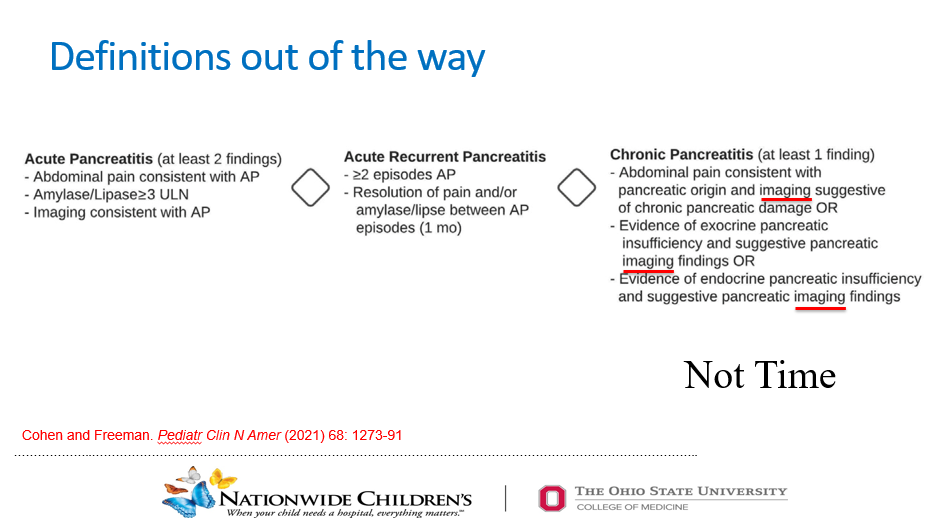
Acute pancreatitis (AP): requires at least 2 of 3 criteria:

  1. Abdominal pain consistent with AP
  2. Serum amylase and/or lipase activity at least 3 times ULN
  3. Imaging findings compatible with AP

Key points:

  • Among AP patients who had a lipase level, the sensitivity was 95% whereas the sensitivity for amylase was 39%.
  • Among AP patients who had an ultrasound, the sensitivity was 52%.  In those with either CT or MRI, the sensitivity was 78%.
  • In this cohort, 5.4% did not meet diagnostic criteria based on biochemical elevation (amylase or lipase) and instead relied on imaging along with signs/symptoms.

The authors note that lipase has a delayed peak and longer duration of elevation with AP.   Amylase normalizes more rapidly.

My take: This study reinforces the view that an elevated lipase is more sensitive than amylase and that imaging (especially ultrasound) is frequently normal in AP.

Related blog posts:

Island Ford Park, Chattahoochee River


#NASPGHAN19 Postgraduate Course (Part 4)

Here are some selected slides and notes from this year’s NASPGHAN’s postrgraduate course. With my notes, there could be errors of omission and transcription on my part.

Link to the full NASPGHAN PG Syllabus 2019 (Borrowed with permission)

Liver/Pancreas Session

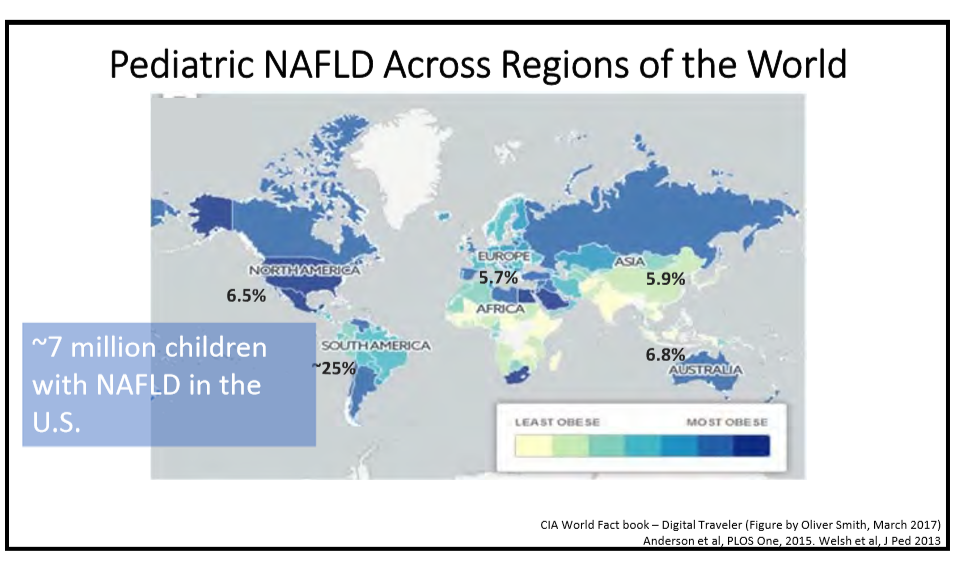
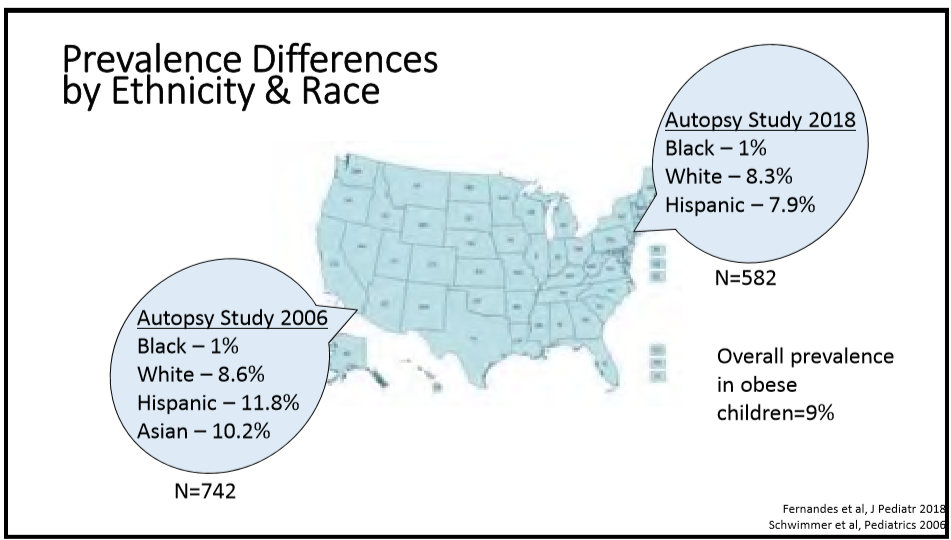
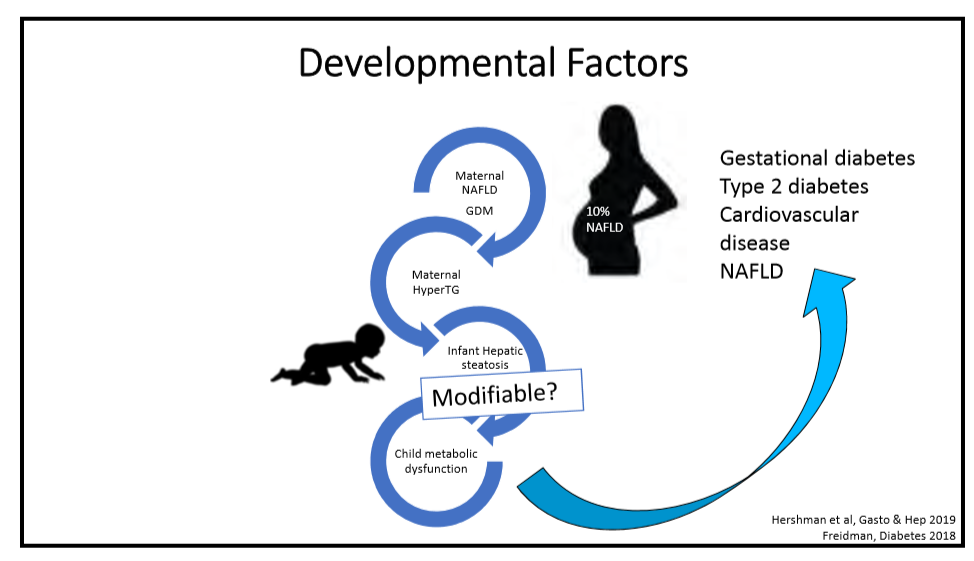
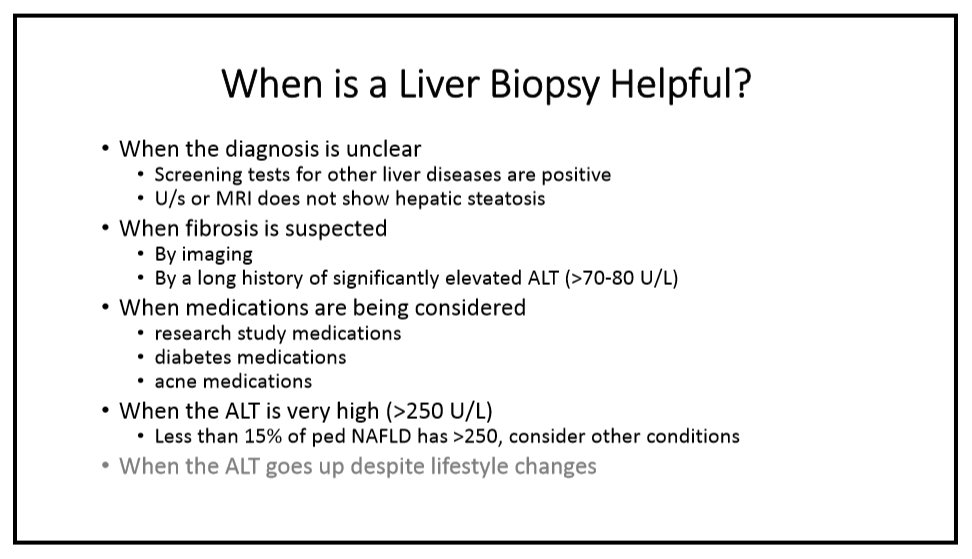
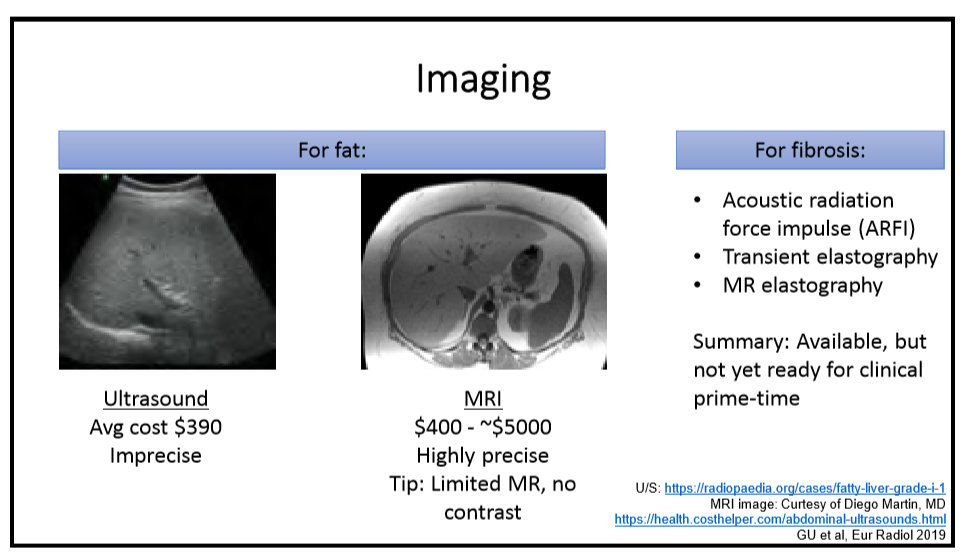
150 Miriam Vos, MD, MSPH, Emory University New news in NAFLD

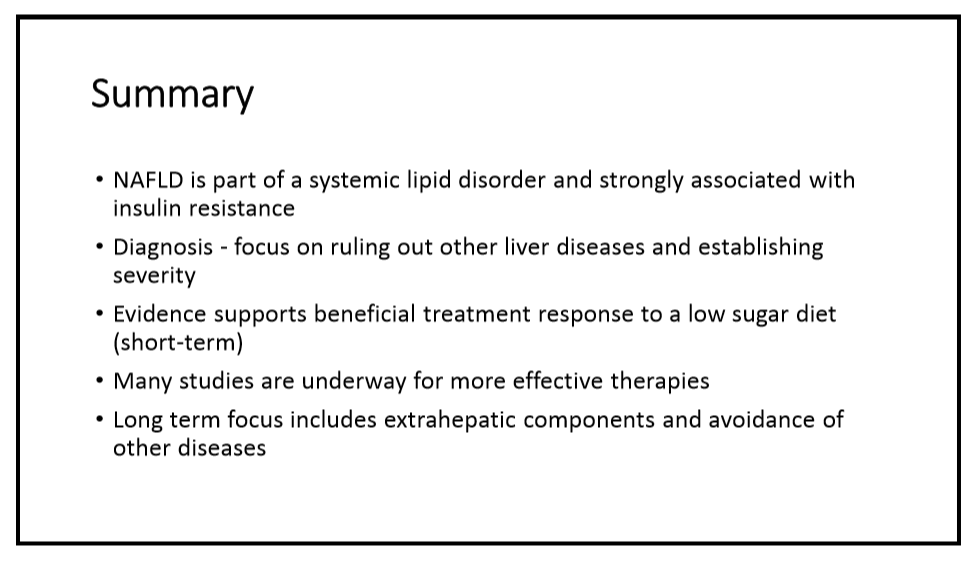
Dr. Vos gave a terrific lecture. Key points:

  • NAFLD screening: recommended around age 10 years (in children with obesity) based on increasing prevalence with age
  • PNPLA3 encodes adiponutrin –> important for clearing stored triglycerides. Common polymorphism PNPLA3 rs738409‐is associated with NAFLD
  • Who to screen –all obese children >10 years. Overweight children  with risk factors: Type II diabetes,  Hispanic,  Family history,  Pituitary  disorders (GH),  Right sided  abdominal pain
  • ALT and ultrasound are imperfect screens
  • Alcohol worsens NAFLD.  Sugar/juice boxes are also culprits
  • #1 Recommendation: Sugar reduction in diet

Related blog post: “The Paramount Health Challenger for Humans in the 21st Century”

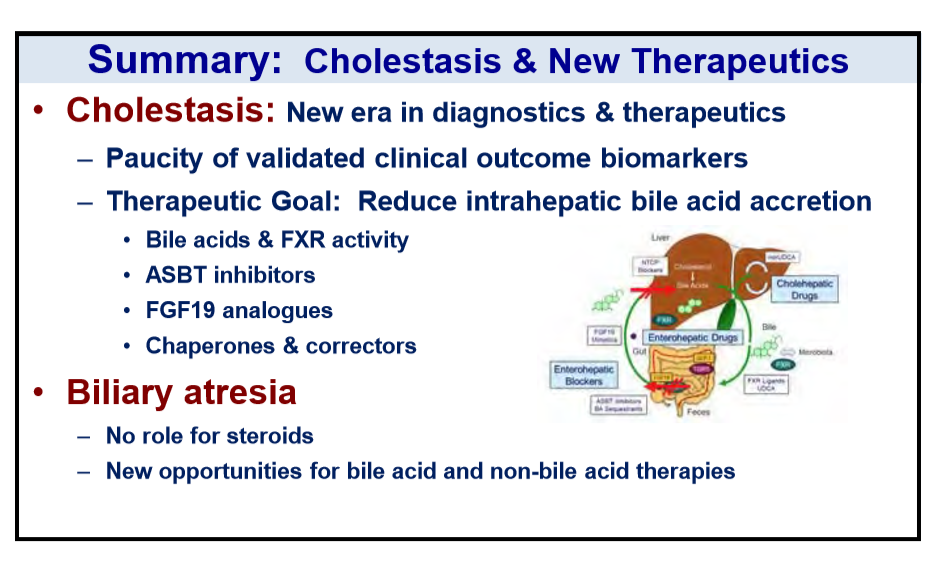
161 Saul J. Karpen, MD, PhD, Emory University School of Medicine/Children’s Healthcare of Atlanta New therapies for chronic cholestatic diseases

  • Limited therapies currently available.  A number of treatments appear promising:  Obeticholic acid, Norursodeoxycholic acid
  • For ABCB4, some drugs used for cystic fibrosis may help as well
  • ASBT inhibitor appears promising for Alagille (see ITCH study)

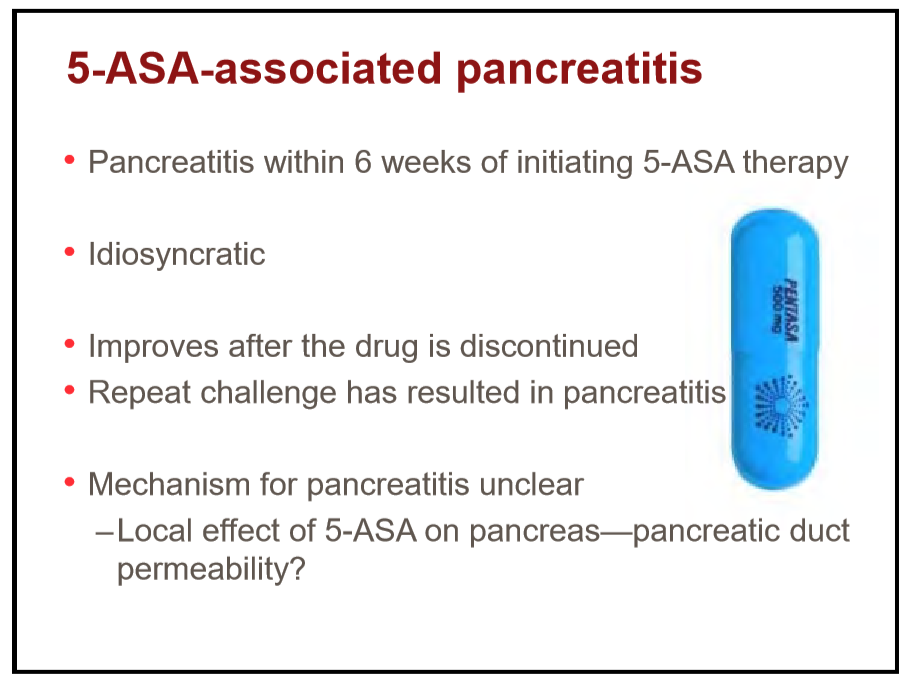
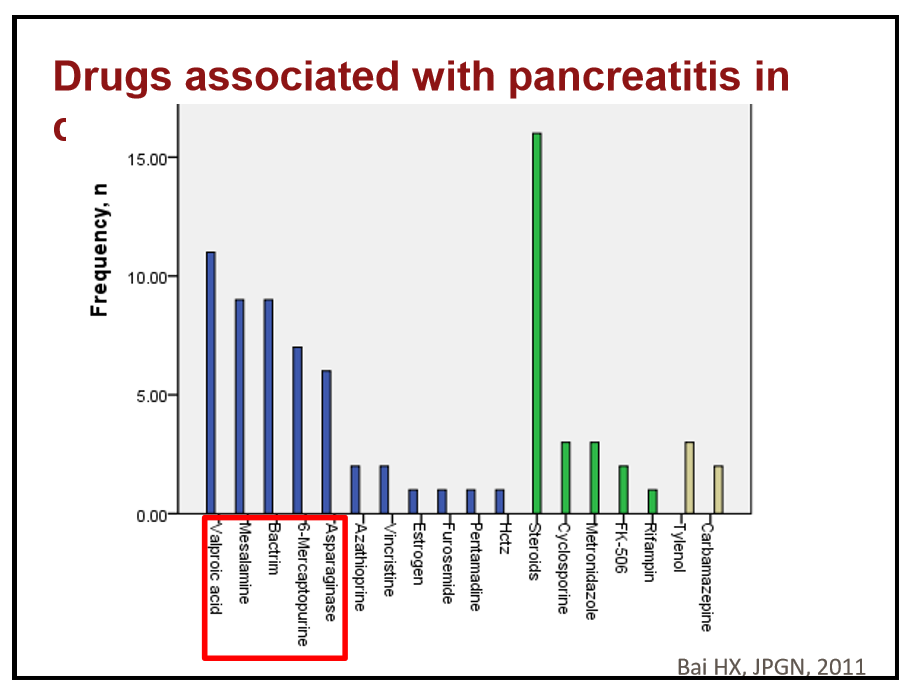
171 Sohail Husain, MD, Stanford Children’s Hospital Diagnosing drug-induced pancreatitis

  • In patients with IBD, thiopurines and mesalamine/ sulfasalazine (mesalamine have greater risk than sulfasalazine) are associated with pancreatitis
  • ~1/3rd of patients with drug-induced pancreatitis have other risk factors

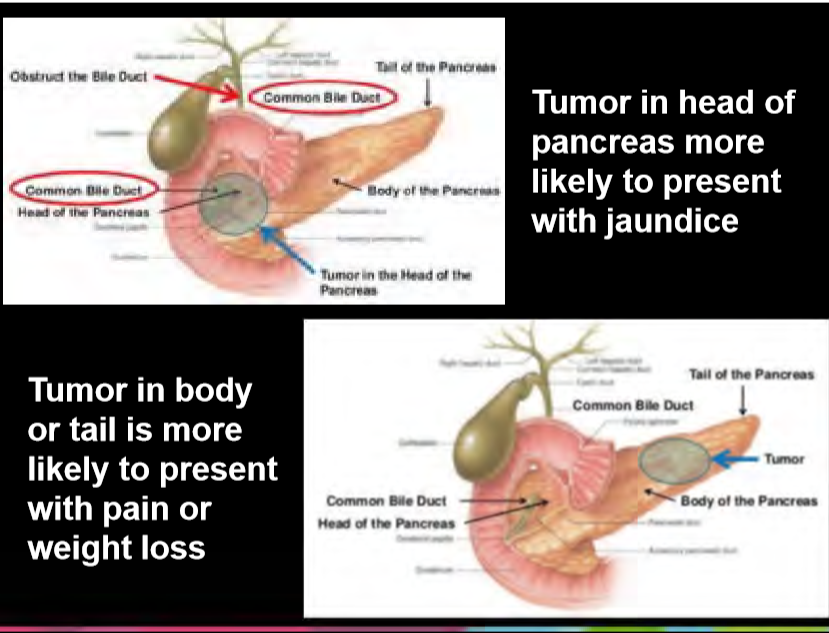
179 Jaimie D. Nathan, MD, FACS, Cincinnati Children’s Hospital Medical Center Pediatric pancreatic masses: Steroids, surgery or surveillance?

Disclaimer: NASPGHAN/gutsandgrowth assumes no responsibility for any use or operation of any method, product, instruction, concept or idea contained in the material herein or for any injury or damage to persons or property (whether products liability, negligence or otherwise) resulting from such use or operation. The discussion, views, and recommendations as to medical procedures, choice of drugs and drug dosages herein are the sole responsibility of the authors. Because of rapid advances in the medical sciences, the Society cautions that independent verification should be made of diagnosis and drug dosages. The reader is solely responsible for the conduct of any suggested test or procedure. Some of the slides reproduced in this syllabus contain animation in the power point version. This cannot be seen in the printed version.


#NASPGHAN18 Abstract: LR for Pancreatitis & Pumpkin Shot

At NASPGHAN18, an abstract provided more information that indicates that lactated ringer’s is probably the best intravenous fluid for most children with acute pancreatitis

Related blog posts:


2018 Pumpkin for our House