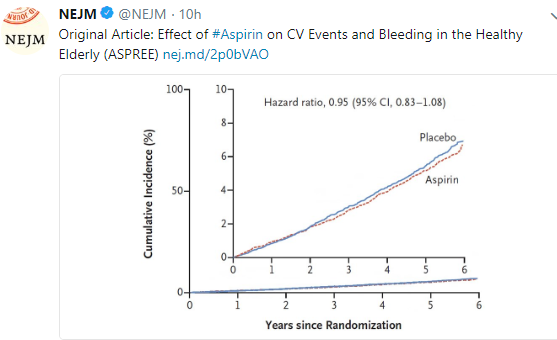
Understanding Bleeding Risks in Percutaneous Liver Procedures —Who Needs FFP and Platelet Transfusions

Background: “The most important factor contributing to bleeding risk in patients with liver disease is related to the presence of portal hypertension rather than coagulation abnormalities.1 The changes in the coagulation system in patients with cirrhosis create a re-balanced state, which is prothrombotic. Despite this well-known pathophysiology and recommendation against routine transfusion of blood products (especially fresh frozen plasma) by major guidelines, platelet and fresh frozen plasma transfusion remain a common practice before percutaneous liver procedures.2,3

Methods: In this retrospective study from three centers in Spain, the researchers enrolled 1797 adults including 316 with cirrhosis (97% had compensated disease). They established a protocol that allowed, at the discretion of the radiologist, to transfuse patients with FFP or platelets if INR was 1.5 or greater or if platelets were 50,000 or below. The primary outcome of the study was major bleeding, which was defined as a drop in hemoglobin (2 or more units) or a need for transfusion of 2 or more units of blood within 1 week after the procedure. This study enrolled patients who underwent percutaneous liver biopsy (86% of cohort) and percutaneous ablation of liver tumors (14% of cohort). Only 6/25 (24%) with INR >1.5 received FFP. 16/22 (72%) with platelet counts below 50,000 received a platelet transfusion. Overall, 7 patients received FFP (1 with cirrhosis, 6 without) and 35 patients received platelets (16 with cirrhosis, 19 without).

Key findings:

  • Only 14 patients (0.8%) experienced major bleeding after the procedure, and there was no difference between those who had a diagnosis of cirrhosis versus those without cirrhosis. Bleeding occurred in 0.6% of patients with cirrhosis compared to 0.8% of those without.
  • Only 1 patient with an ablation procedure had major bleeding
  • Patients with a diagnosis of cirrhosis were more likely to receive a transfusion of any kind
  • Among those with major bleeding, none met the criteria for transfusion. That is, “no variable was identified to predict the risk of major bleeding.”

My take (borrowed from editorial): This study reinforces the recommendation that “correction of coagulation markers before procedures is unnecessary.”
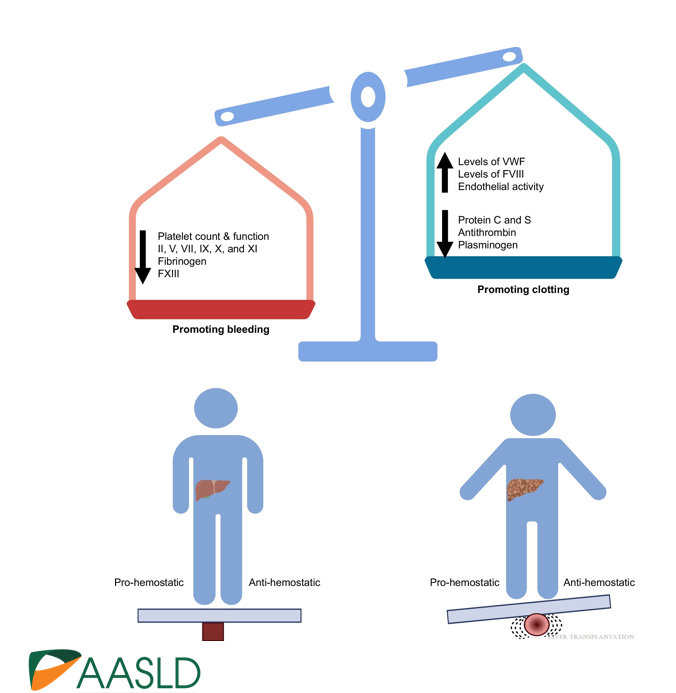
The editorial notes that “the changes in the coagulation system in patients with cirrhosis
create a re-balanced state, which is prothrombotic.

Related blog posts:

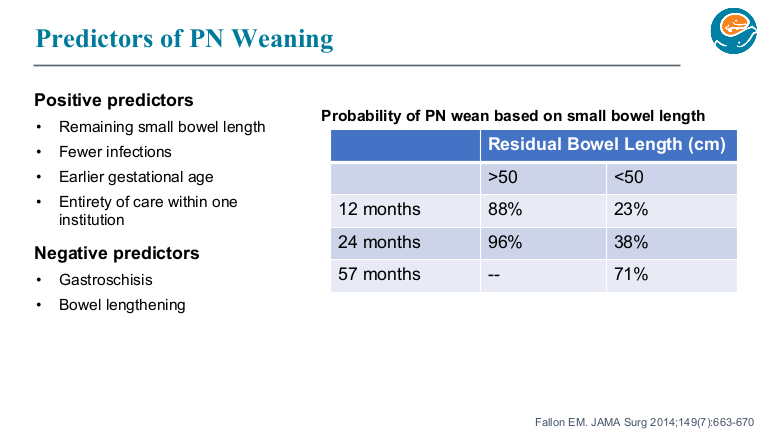
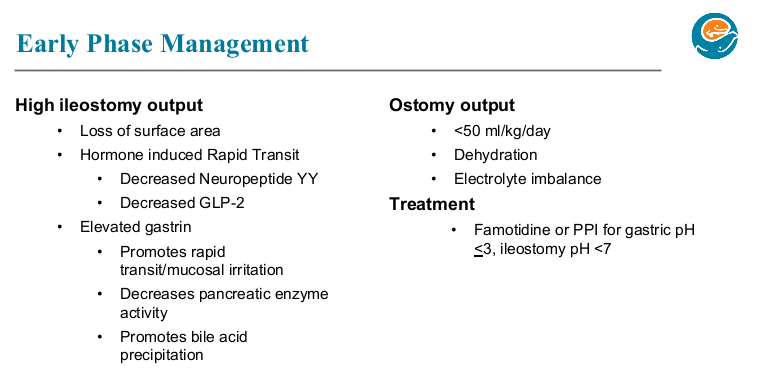
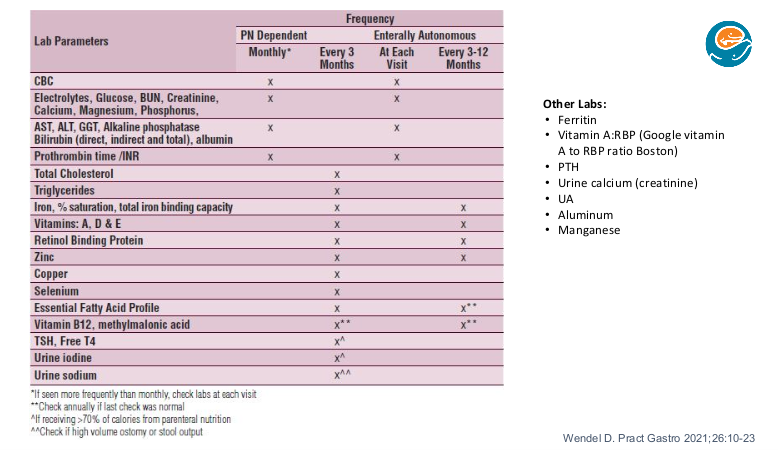
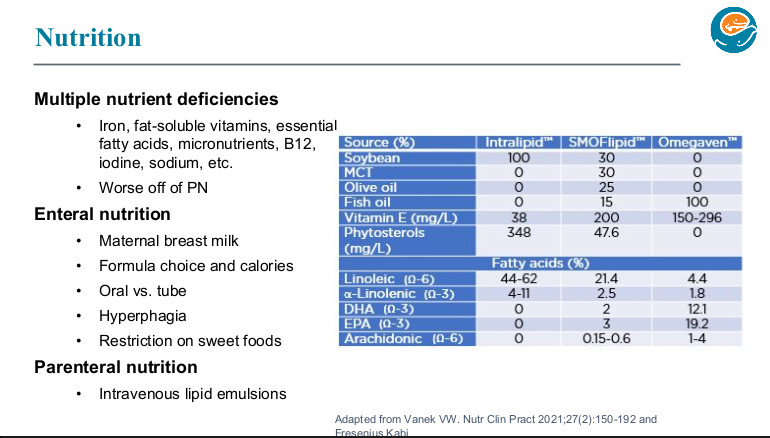
Practical Intestinal Rehabilitation (Part 2)

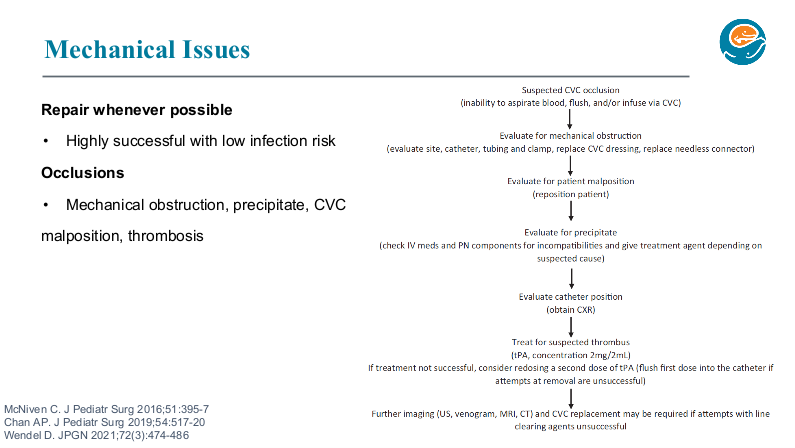
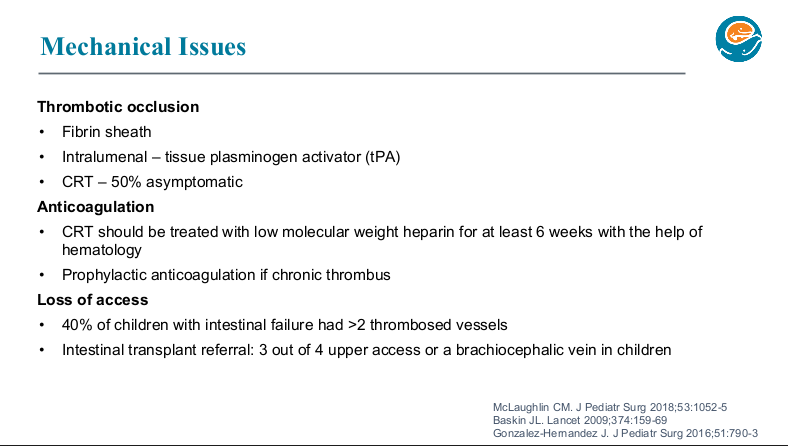
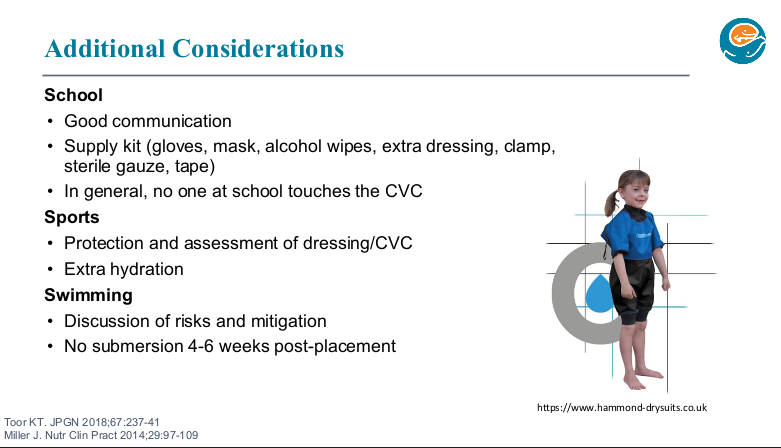
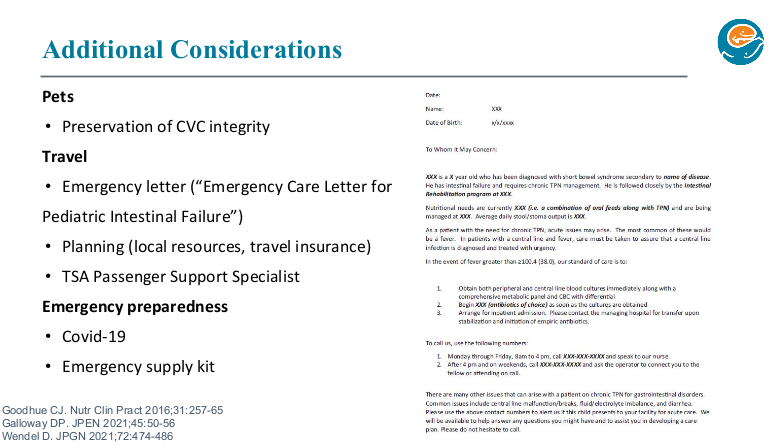
We had an brilliant lecture given to our group by Danielle Wendel who leads Seattle Children’s Intestinal Rehabilitation team. My notes below may contain errors in transcription and in omission. In addition, the information provided is based on what is done in Seattle. However, there is not a lot of evidence for much of what is done in intestinal rehabilitation. Thus, there is variation in practice at different centers and what works for one patient might not work for another. Following my notes, I have included many of her slides (same slides as yesterday’s post).

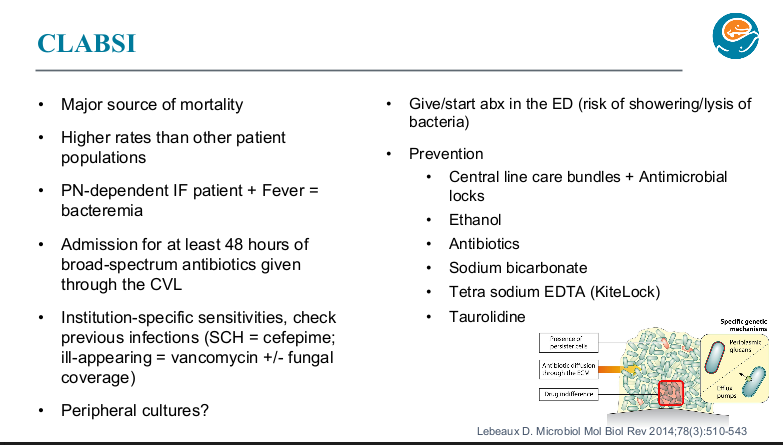
CLABSI Pointers:

  • -At Seattle, with suspected CLABSI, usually central blood culture obtained without peripheral blood culture. (Peripheral blood cultures have not helped their team improve management)
  • -Everyone with SBS and with fever (greater than or equal to 100.4) stays for at least 48 hrs on broad spectrum IV antibiotics (choice based on local sensitivities) through the central line until it is conclusively determined if they have a CLABSI (which still carry a significant mortality risk)
  • -Sodium bicarbonate lock experience has been good (8.4% solution, 1.5 mL lock for the entire time off PN in all tunneled CVL flushed in at the end of the dwell). It has become a good substitute for ethanol locks.  Their experience will be published soon.  Since sodium bicarbonate lock does not need to be withdrawn, it has been associated with less line breakage.  Several lock solutions (KiteLock and Taurolidine) are not currently available in the U.S.  KiteLock is about to be studied in Seattle.
  • -At Seattle, all CLABSI are treated  through the line and every effort is made to salvage and/or repair lines.  Line replacement increases risk of losing central IV access.
  • -Line is removed for fungal infections
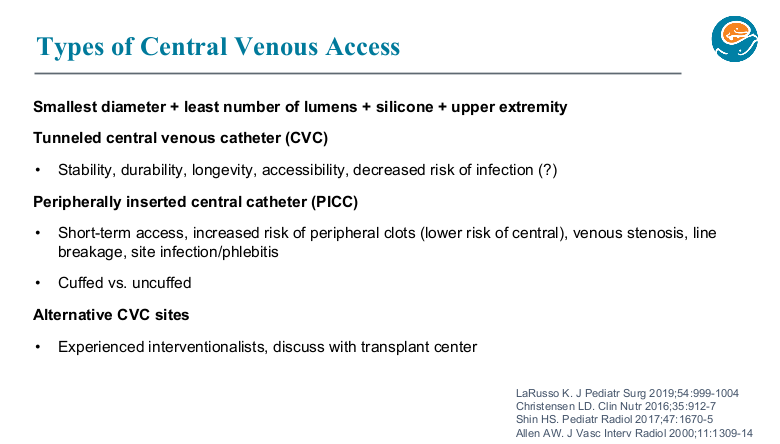
  • -The Seattle team prefers tunneled CVC

SIBO Pointers:

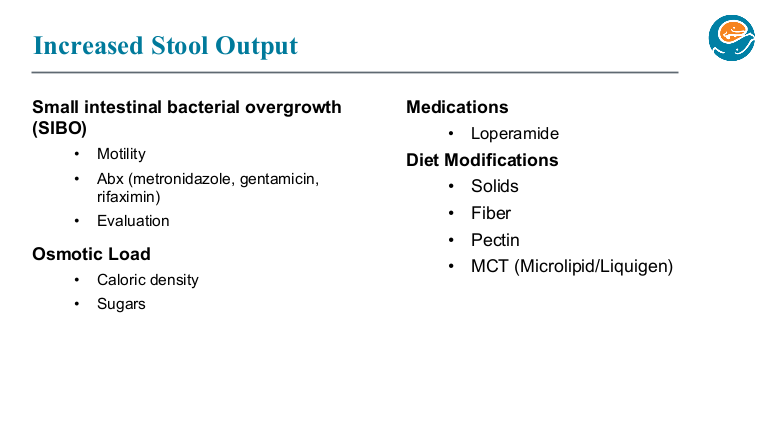
  • -Testing is problematic.  Breath tests are not reliable in kids with SBS.  Duodenal aspirates are often not helpful and have a number of technical difficulties; also, it is unclear whether a duodenal aspirate is representative of the bacteria in the more distal bowel.
  • -Metronidazole is their first line choice.  Gentamicin (IV formulation given enterally) is their 2nd choice.  Rifaximin is their 3rd line.  Rifaximin would possibly be used earlier in treatment except for difficulty getting covered.  When used, they crush up pills rather than have it compounded to avoid sweeteners.

Teduglutide

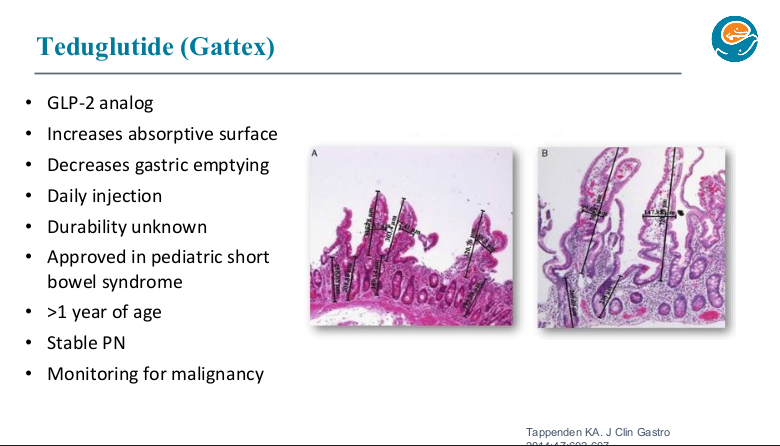
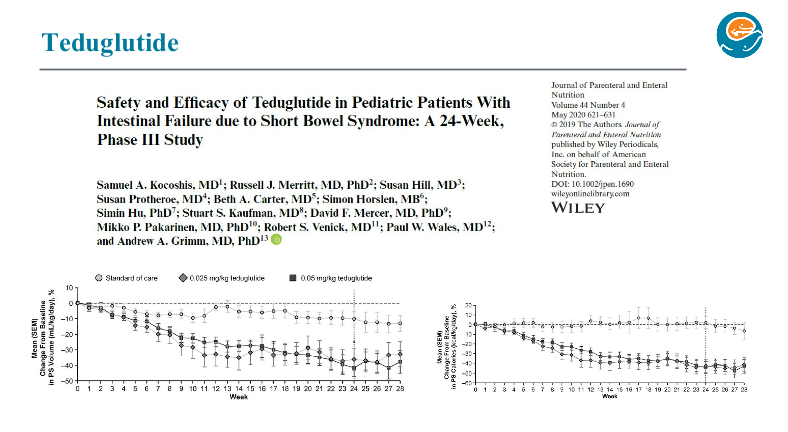
  • -Best to start if a patient is is > 1yo and on stable TPN (not able to wean)
  • -Make sure patient is using a tiny needle (not adult needle in package)
  • -Anticipate long-term treatment (?indefinite)

GI Bleeding Pointers:

  • This is being seen frequently. 
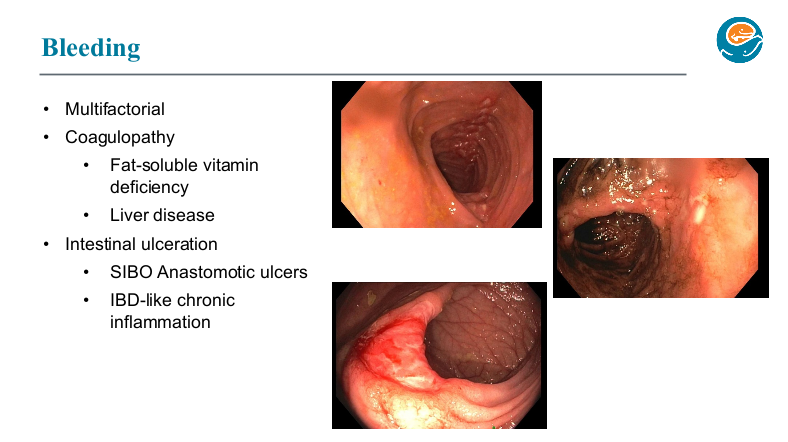
  • Etiologies include anastomotic ulcers and IBD-like lesions.   If a patient is not improving with standard approaches and possibly resection, could need an anti-TNF type agent.
  •  At Seattle, they are very selective about patients appropriate for a STEP procedure as this may be associated with more frequent bleeding over time due to the many staples used. Hand-sewn tapering may be a better option for many patients.
  • With the challenging decisions required for these bleeding patients, discussion with an experienced intestinal rehab center may be helpful.

Disclaimer: This blog, gutsandgrowth, assumes no responsibility for any use or operation of any method, product, instruction, concept or idea contained in the material herein or for any injury or damage to persons or property (whether products liability, negligence or otherwise) resulting from such use or operation. These blog posts are for educational purposes only. Specific dosing of medications (along with potential adverse effects) should be confirmed by prescribing physician.  Because of rapid advances in the medical sciences, the gutsandgrowth blog cautions that independent verification should be made of diagnosis and drug dosages. The reader is solely responsible for the conduct of any suggested test or procedure.  This content is not a substitute for medical advice, diagnosis or treatment provided by a qualified healthcare provider. Always seek the advice of your physician or other qualified health provider with any questions you may have regarding a condition.

Adverse Events Following Pediatric Endoscopy –Underestimated Previously

A recent study (RE Kramer, MR Narkewicz. JPGN 2016; 62: 828-33) report the frequency of adverse events that occurred within 72 hours in a prospective observational cohort of 9577 patients from a single center.

The authors characterized complications more precisely and identified a much higher rate of complications than what has previously been reported.  Key findings:

  • The overall adverse event rate was 2.6% with 1.7% of all cases requiring unanticipated medical care.
  • Absolute risk of bleeding was 0.11%, infection 0.07%, and perforation 0.1% (n=12).  In total, these standard measures of complications were 0.28%.
  • Advanced and therapeutic cases had much higher rates of adverse events. Perforations occurred after esophageal dilatation (5), esophageal food impaction (1), polypectomy (4), and primary GJ placement (2).
  • Adverse rate with ERCP was 11.54%
  • Adverse rate with PEG was 10.71%
  • Adverse rate with dilatation was 10.94%.  It is noted that a total of 319 dilatations were reviewed.  5 had perforations.
  • Adverse rate with polypectomy was 6.27%.  It is noted that a total of 128 polypectomies were reviewed.  4 had perforations.
  • The authors did not identify a significantly higher complication rate with trainee physicians.

As noted in a previous entry (see below), studies in adults have an estimated a perforation rate of 0.09% and serious complication rates (GI and non-GI complications) of 0.15% for upper endoscopy and of 0.2% for colonoscopy. In addition, a large pediatric study of endoscopies, found a perforation rate of 0.014% for EGDs and 0.028% for colonoscopies. Thus, this report identifies a higher rate (10-fold) of perforation (driven by therapeutic endoscopy) and a much higher rate of adverse events, including 2.08% in diagnostic EGD and 3.9% for diagnostic colonoscopy.  Furthermore, for diagnostic EGD and for diagnostic colonoscopy, grade 2 (needing ER or unanticipated physician evaluation) or higher adverse events occurred in 1.21% and 2.31% respectively.

My take: Using a broader (and more accurate) definition of complications after endoscopy, the authors have demonstrated a much higher rate of adverse events, particularly following dilatation, PEG, polypectomy, and ERCP.  This report indicates that our preop counseling needs to be modified to inform families that complications are not quite so rare.

Related blog post:  High Endoscopy Complication Rate After Intestinal …

Complication -Unrelated to endoscopy:

pontine myelinosis

Lower Endoscopic Thresholds for Thrombocytopenia

According to an advances in endoscopy report (Ross, WA. Gastroenterology Hepatology 2015; 11: 115-17), lower platelet thresholds are indicated for many endoscopic procedures.  The author works at MD Anderson Cancer Center in Houston.

Key points:

  • We feel that the traditional threshold of 50,000 platelets/microliter that many doctors adhere to or aim for should be put aside, and a lower platelet threshold of perhaps 25,000 or 30,000 platelets/microliter should be employed for endoscopic procedures, including biopsies.
  • “We found that therapeutic maneuvers could be performed to control bleeding.”
  • “This change would require fewer platelet transfusions to prepare a patient for endoscopy.”
  • Based on their published experience (Krishna SG, et al. “Saftey of endoscopic interventions in patients with thrombocytopenia.” Gastrointest Endosc 2014; 80: 425-34), the author notes that “polypectomy could probably be performed with a platelet count under 50,000/microliter, likely in the 30,000-40,000/microliter range, particularly if the polyp was small (<10 mm).”  They caution that cold snare technique may be safer in this setting but is not suitable for larger polyps.
  • Other preventative measures include stopping aspirin use, limiting the number and size of biopsies, and using non thermal means to help stop bleeding, such as clips or injections.
  • “Performing an endoscopic procedure in a patient with an extremely low platelet count, such as 5000/microliter, is associated with a high risk of bleeding.”

“If the procedure is just a simple biopsy, a platelet count of 25,000/microliter to 30,000/microliter should suffice.”

Take-home message: While the data that the author references is derived from adults, it is likely that in pediatrics that endoscopy, if needed, can be performed in patients with platelet counts less than 50,000/microliter.

Liver Biopsy -Risks and Benefits
Even in the ‘old USA,’ there is a mortality risk from liver biopsy in the pediatric population.  A recent study from Los Angeles confirms this (JPGN 2013; 57: 644-48).

This retrospective review of all children (n=213 children & 328 biopsies) who underwent a percutaneous liver biopsy between 2008-2011 were examined.  These biopsies were completed by radiology with ultrasound or CT.  Gel foam was injected in cases of multiple biopsies.

Results:

  • 9 (4.2%) dropped hemoglobin > 2 /dL.
  • 7 (3.3%) needed a transfusion.
  • 1 (0.5%) died.  This was a 2.6 kg infant seen for transplant evaluation.
  • 63 (19%) had insufficient samples for definitive histologic evaluation.
  • In 81% of initial biopsies, “a definitive pathologic diagnosis was obtained.”
  • Biopsies for unexplained elevation of liver function tests were nondiagnostic in 34.9%.

The authors take: “our data demonstrate that percutaneous liver biopsy is generally safe; yet, finite risk remains, with bleeding-related complications occurring 5.2% of children.”

Bottomline: make sure you need the information from the liver biopsy enough to justify the risk, particularly in small children and in those at increased risk for bleeding.

Related blog post (with annotated references):

Liver biopsy risk in children | gutsandgrowth