Triple Therapy for Cystic Fibrosis May Improve Liver Damage

S Diemer et al. JPGN 2025; DOI: 10.1002/jpn3.70050. Open Access! The effect of elexacaftor–tezacaftor–ivacaftor on liver stiffness in children with cystic fibrosis

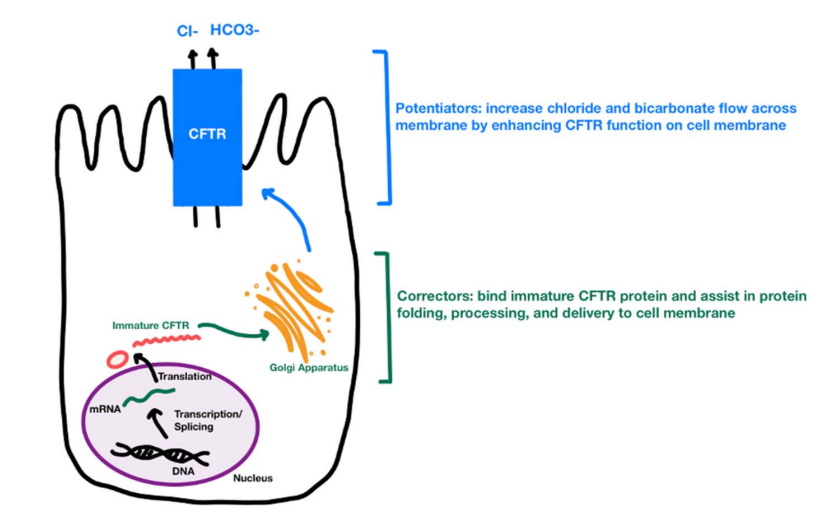
In this retrospective study, 12 of 21 patients had cystic fibrosis hepato-biliary involvement (CFHBI). The authors examined the liver stiffness after administration of the new and highly potent CF transmembrane conductance regulator modulator therapy, elexacaftor–tezacaftor–ivacaftor (ETI). All of the patients in this cohort had normal liver enzymes.

Key findings:

  • Analyzing liver stiffness in CwCF with CFHBI showed a decline to 5.7 kPa median (IQR: 3.9–7.1) during ETI treatment, and this decline was statistically significant (W = −60, n = 12, p = 0.0161) (Figure 3B) (after at least 3 months of ETI treatment)
Liver stiffness over time in patients with CFHBI

Discussion Points:

“Our findings of a clear improvement of liver stiffness in CwCF and CFHBI during ETI treatment is in line with the recently published study by Terlizzi et al.28  Calvo et al. prospectively investigated liver stiffness and liver enzyme development in a single-centre cohort with a starting point before ETI and a follow-up at 1, 3 and 6 months on ETI…A significant overall reduction in mean liver stiffness was found at 6 months, and already after 1 month of ETI, a decline in liver stiffness was observed in those with values ≥5 kPa.29

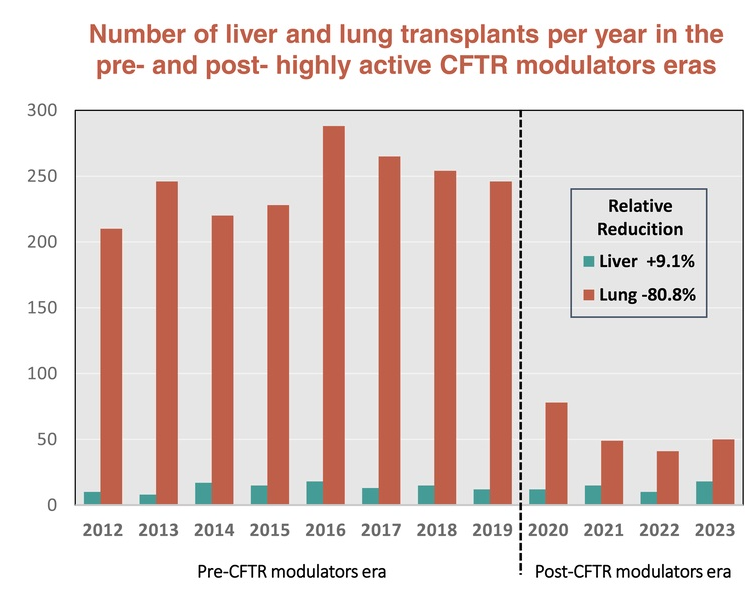
My take: Liver stiffness is a biomarker for chronic liver damage. Longer term studies will be needed to determine how important triple therapy is for liver health in persons with cystic fibrosis. Thus far, there has not been improvement in the number of patients with CF needing a liver transplant; however, there has been a marked improvement in the need for lung transplantation.

Related blog posts:

Bowel Obstruction in Newborn

A Le-Nguyen. N Engl J Med 2025;392:1215. Meconium Ileus

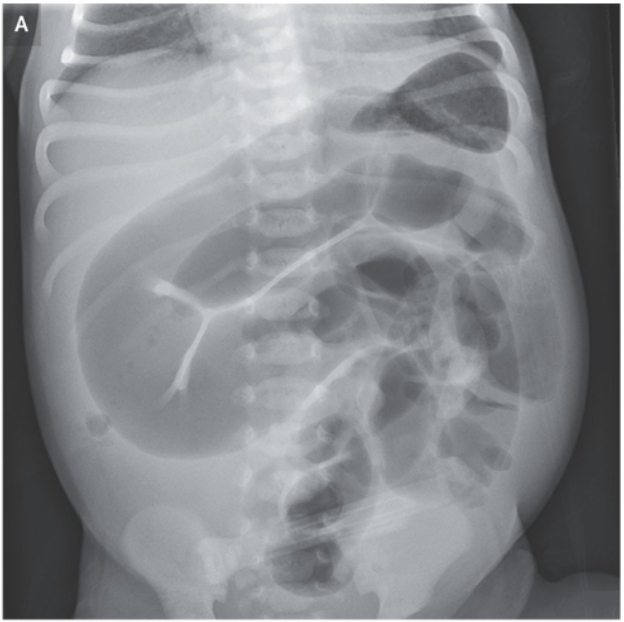
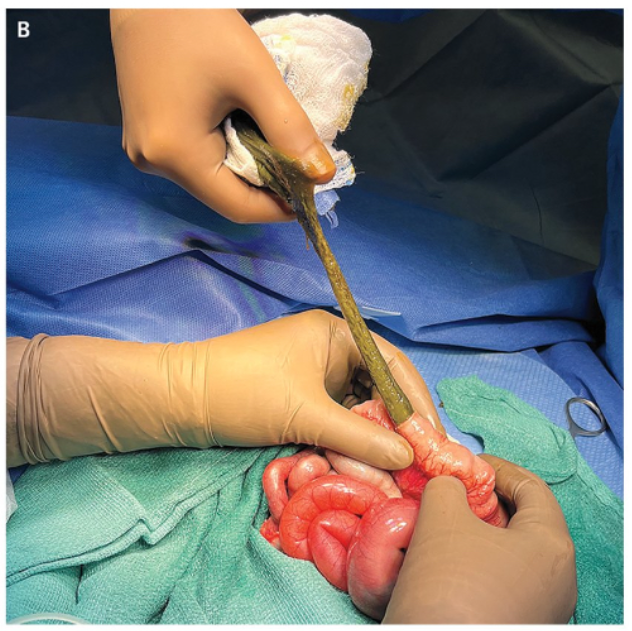
An abdominal radiograph had shown dilated loops of small intestine (Panel A). Owing to concern for intestinal malrotation with midgut volvulus, an urgent laparotomy was performed. Considerable distention of the small bowel by thick meconium — rather than midgut volvulus — was identified. An enterotomy for evacuation of meconium was performed (Panel B). On postoperative genetic testing, the baby was found to be homozygous for a mutation in CFTR, the gene encoding cystic fibrosis transmembrane conductance regulator… The condition is associated with a very high risk of cystic fibrosis, so genetic testing is warranted in all cases. Uncomplicated cases are typically managed with serial enemas

Related blog posts:

Impact of CFTR Modulators on the Need for Liver and Lung Transplantation in Patients with Cystic Fibrosis

M Mendizabal et al. Liver Transplantation 2025; 31: 412-416. Have CFTR modulators changed the need for liver and lung transplantation among patients with cystic fibrosis? An analysis of the UNOS database

This article notes that there have been 146,851 waitlistings and 95,254 liver transplants in the U.S. between 2012 and 2023. This includes 194 waitlistings and 138 transplants in patients with cystic fibrosis.

Key finding:

My take: This is great news for patients with cystic fibrosis. The drop in lung transplants is surely the tip of the iceberg. Think about your next breath! For patients with cystic fibrosis, these new medications make every single breath better. Longer followup is needed to determine if the long-term use of these agents may lower the rate of end-stage liver disease as well.

Related blog posts:

Key Advances in 2024: An Overview from GutsandGrowth (Part 4)

This year I had the opportunity to give a lecture to our group that reviewed much of the important advances that happened in 2024. Here are some of the slides (if you have any trouble reading the slides, you can search for the original blog post using author name).

Early Acid Blocker Use Linked to Lung Disease in CF

C Liu et al. J Pediatr Gastroenterol Nutr. 2024;79:1124–1133. Open Access! Impact of acid blocker therapy on growth, gut microbiome, and lung disease in young children with cystic fibrosis

Background: Historically, acid suppression has been given as adjuvant therapy to optimize PERT and thereby improve growth and nutritional needs in CF

Methods: This was a prospective cohort of 145 infants followed in 6 CF centers. This was a retrospective study examining the effects of acid blocker therapy and outcomes at 3 years of life in children with cystic fibrosis.

Key findings:

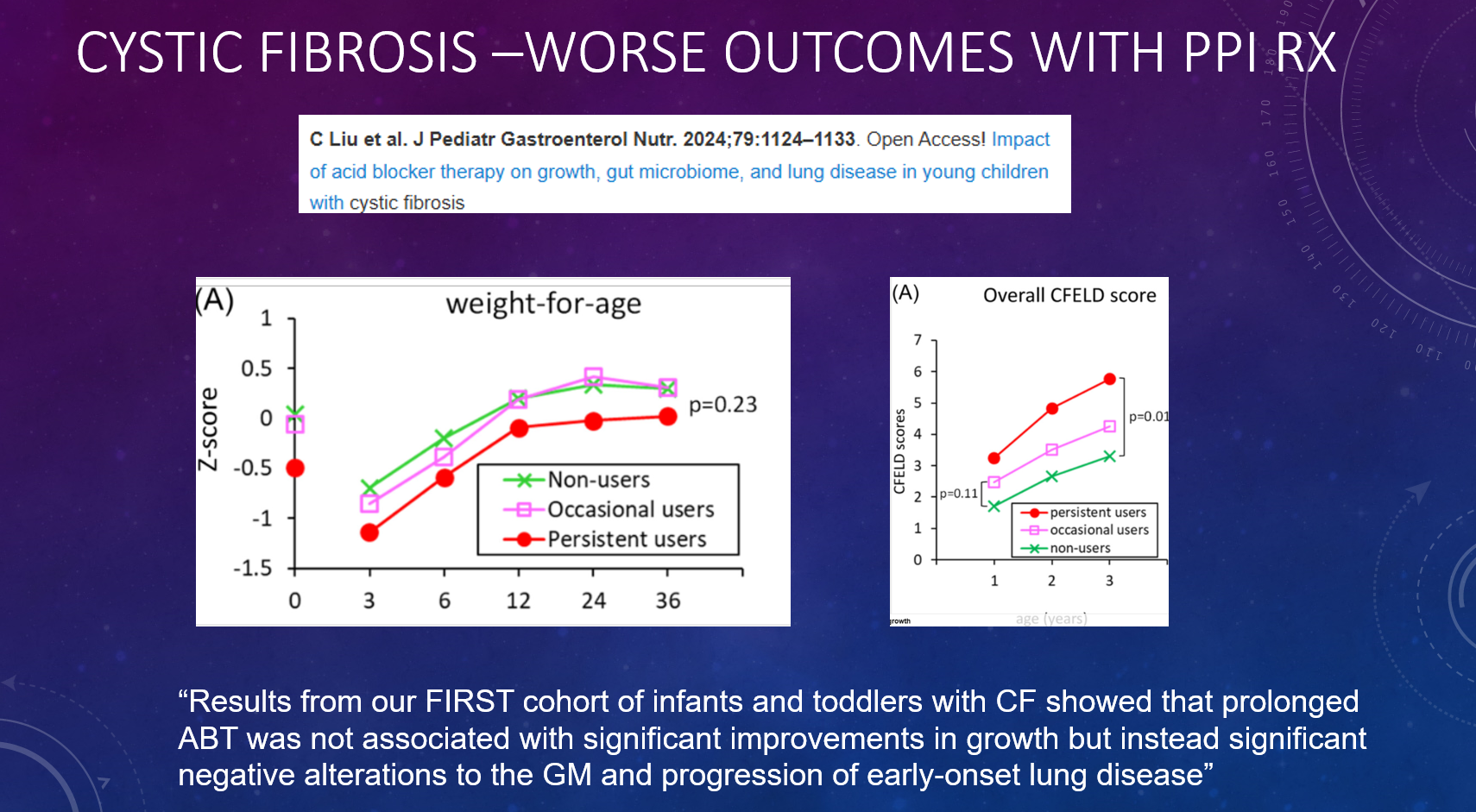
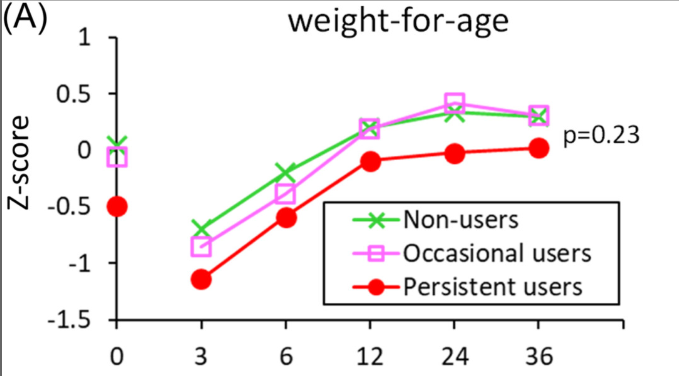
  • Acid blocker therapy (ABT) use before age 3 years was frequent, with 81 (56%) of patients on H2 receptor antagonist (H2RA) or proton pump inhibitor (PPI), and higher among pancreatic insufficient (60%) versus pancreatic sufficient (26%) children.
  • Growth improvements were not significantly greater.
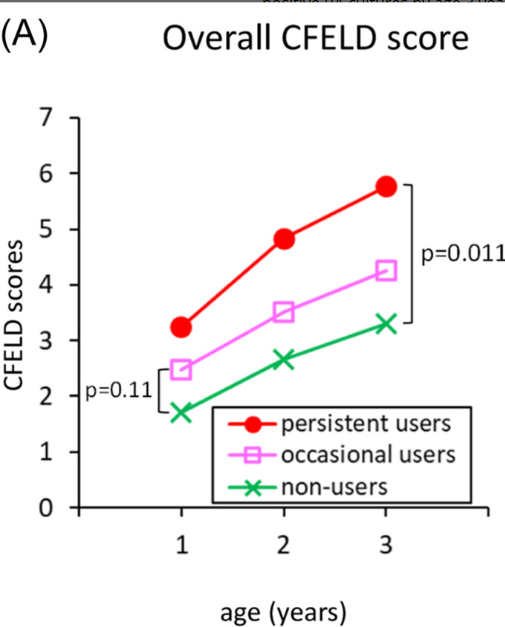
  • Early-onset lung disease was more severe, in persistent ABT users compared to nonusers of ABT.
  • ABT was associated with reduced gut microbiome diversity
CFELD =CF Early-Onset Lung Disease

Discussion:

  • “Results from our FIRST cohort of infants and toddlers with CF showed that prolonged ABT was not associated with significant improvements in growth but instead significant negative alterations to the GM and progression of early-onset lung disease. Evidence from our study is in line with the growing body of literature advocating for more judicious PPI therapy as it has been associated with adverse outcomes such as pulmonary infections, fractures, and anemia.2224
  • One limitation, which was NOT discussed in the article, was selection bias. Since there was not randomization of PPI use, it could be that PPI prescription was more common in children with more severe disease.

My take (borrowed in part from authors): Despite the potential for selection bias, it is clear that “acid blockers are not benign.” Given the potential for worse outcomes, PPI prescription should be restricted to those with a clear indication.

Related blog posts:

Delayed Diagnosis of Cystic Fibrosis and Long-Term Impact

In pediatrics, there is often a prevailing view that kids can overcome a lot due to their resiliency. However, just like a a track event, if you trip or fall back in a race, you may never catch up. With many medical conditions, it is unclear whether a delay in diagnosis results in long-term deficits. Recent data have found that a ~1 month delay in the treatment of cystic fibrosis is associated with poorer nutritional/growth outcomes, even 5 years later.

SL Martiniano et al. J Pediatr 2023; 262: 113595. Late Diagnosis in the Era of Universal Newborn Screening Negatively Affects Short- and Long-Term Growth and Health Outcomes in Infants with Cystic Fibrosis

Using the U.S. Cystic Fibrosis Foundation patient registry (CFFPR), the authors examined children born between 2010-2018 who were diagnosed based on newborn screening (NBS). Age at first event (AFE) serves as a proxy for when CF care was likely initiated. Patients were divided into 3 cohorts based on AFE: <14 days (early cohort), 14 days to <33 days, and 33 days or more (late cohort).

Key findings:

  • Infants in the late cohort were more likely to have a sweat test as their first CF event.
  • Pulmonary exacerbations were reported as the reason for hospitalization in in 59.1% of late cohort compared with 4.8% of early cohort with hospitalization as their first CF event.
  • Height-for-age z-scores were consistently lower in the late cohort. At 1 yr and 5 yrs, median z-scores were -0.6 (vs. -0.42) and -0.26 (vs. -0.12 in early group) respectively

The authors note that the early and late groups had differences in parental education attainment which “may be evidence that the late cohort had lower socioeconomic status that could have resulted in barriers to timely evaluation.”

The discussion notes that the introduction of highly effective modulator therapy does not overcome early stunting; which indicates that even with newer therapy, institution of nutritional treatments remains critical.

The study confirms that

  1. NBS/early identification has clear benefits.
  2. There is a need to quickly get suspected patients seen by CF centers.

My take: There was persistently (through at least 5 yrs) reduced height-for-age z-scores in patients with CF who presented just 27 days later.

Related blog posts:

Bougainvillea in Eze, France

AAP GI Review Articles: GI Bleeding in the Neonate, Cystic Fibrosis in Neonates, and Intestinal Transplantation in Children

A couple good review articles (though behind paywall):

PT Reeves, L James-Davis, M Khan. Neoreviews 2023;24(7):e403-e413. Gastrointestinal Bleeding in the Neonate: Updates on Diagnostics, Therapeutics, and Management This reviews covers the most important etiologies of GI bleeding in the neonate. A few interesting points were the potential use of calprotectin as a potential screen for necrotizing enterocolitis; “the median fecal calprotectin levels in infants with NEC were between 210 and 400 mg/g of stool.” The authors also point out that there is “limited evidence for performing endoscopy in infants with GIB…][In one study] Only 3 of 56 infants underwent therepeutic intervention during endoscopy. Five percent (n=3) of these neonates exhibited gastrointestinal perforation in the acute postoperative period after endoscopy.”

Related blog posts:

JT Duong, ZM Sellers. Neoreviews (2023) 24 (7): e414–e430. Cystic Fibrosis-Associated Gastrointestinal Disease in Neonates

Associated slides (13 slides) and presentation (~7 minutes ): Cystic Fibrosis-Associated Gastrointestinal Disease in Neonates

The article notes that meconium is typically passed in 24 to 48 hours after gastrograffin enema and recommends abdominal imaging every 8 to 12 hours after enema administration to exclude perforation along with adequate intravenous hydration (“at least 150 mL/kg per day”).

The actual article has many other useful points. For example:

  • CFTR is not expressed in hepatocytes; “however, liver injury may occur patients with CF due to proximity to cholangiocytes (which may be inflamed) and/or through increased intestinal permeability.”
  • Elastase levels are not affected by exogenous pancreatic enzyme supplementation and is expected to display levels within the normal adult range by 2 weeks of age.
  • Sodium deficiency is common and needs to be prevented with sodium supplementation in first 12 months of life (one-eighth teaspoon (= 12.5 mEq) of salt in first 6 months, and one-fourth teaspoon (=25.2 mEq) from 6-12 months)
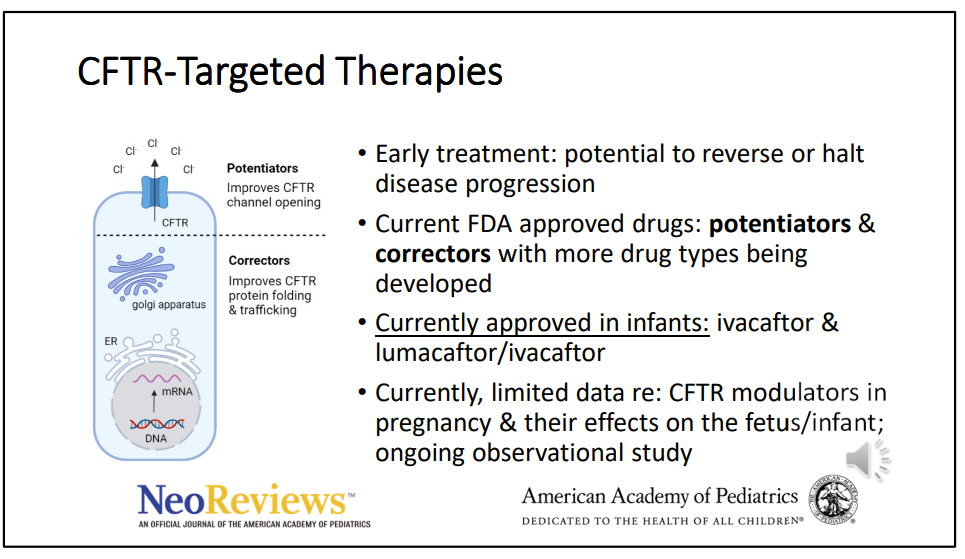
  • The newest CFTR modulator, elexacaftor/tezacaftor/ivacaftor is approved for children 2 years of age and older
  • There are case reports of in utero exposure to CFTR modulators associated with resolution/prevention of disease (eg. pregnant women starting CFTR-targeted treatment at 32 weeks gestation which resolved meconium ileus).

Related blog posts:

K McNelis, ME Rogers, S Kocoshis. Neoreviews. 2023 Jul 1;24(7):e431-e439. Pediatric Intestinal Transplantation Management and Outcomes This is another useful review for pediatricians. Pediatric intestinal transplantation is most commonly (65%) related to short bowel syndrome, 20% due to motility disorders, 9% due to mucosal diseases, 5% due to retransplantation and 1% are due to a variety of causes. The evaluation and management of patients needing intestinal transplantation is succinctly summarized. “Overall, survival of pediatric patients after intestinal transplantation is 72.7% at 1 year and 57.2% at 5 years. The most common causes of death are sepsis/multiorgan system failure and cardiovascular/stroke (Fig 2).” Also, “current statistics about organ transplantation can be publicly accessed by health care team members, patients, and families at srtr.transplant.
hrsa.gov
.” This site also includes data on transplantation for kidney, pancreas, heart, lung and liver.

Related blog posts:

Inconclusive Screening for Cystic Fibrosis and Outcomes

T Gonska et al. Pediatrics 2021; 148: e2021051740. Outcomes of Cystic Fibrosis Screening-Positive Infants With Inconclusive Diagnosis at School Age

Background: Cystic fibrosis (CF) screen-positive infants with an inconclusive diagnosis (CFSPID) are infants in whom sweat testing and genetic analysis does not resolve a CF diagnosis

Methods: Prospective, longitudinal, multicenter, Canada-wide cohort study of CFSPID for a mean of 7.7 years

Key findings:

  • A CF diagnosis was established for 24 of the 115 children with CFSPID (21%) — either because of reinterpretation of the cystic fibrosis transmembrane conductance regulator genotype or because of increase in sweat chloride concentration ≥60 mmol/L. Those with initial sweat chloride concentration ≥40 mmol/L were most likely to receive a diagnosis of cystic fibrosis.
  • Children with CFSPID were pancreatic sufficient and showed normal growth until school age and had good pulmonary outcomes (similar to healthy controls)
  • In the associated commentary by P Chakraborty et al (Maximizing Benefits and Minimizing Harms: Diagnostic Uncertainty Arising From Newborn Screening), the authors note that while newborn screening (NBS) offers benefit of early diagnosis, some families can be harmed by false-positive tests or inconclusive results. Furthermore, “these issues of uncertainty are increasingly important to consider as the scope of NBS programs and their use of genomic technologies expands.”

My take: With CF, this study shows the need to monitor those with inconclusive studies. More broadly, the use of genomic testing is leading to more frequent inconclusive results in many areas and sometimes leaving more questions than answers.

Related blog posts:

From NPR, December 2021

CHOA Nutrition Support Lecture: Cystic Fibrosis Nutrition -Changing in the Age of ‘Miracle Drug’

Recently a terrific review of Cystic Fibrosis and Nutrition was presented at our CHOA nutritional colloquium.

To access this ~45 minute webinar: Next Nutrition Support Colloquium Webex on Tuesday, 2/23, at 1300-1400: “Nutrition and Cystic Fibrosis”-20210223 1812-1

Password: 5DgsMXqY

Key points:

  • Advances in Cystic Fibrosis (CF) have led to improvement in longevity, now ~46 years in 2019
  • Newer CFTR modulator therapies need to be aligned to the specific mutations. With new therapies, a high calorie diet may not be required and instead follow a standard healthy balanced diet.
    • These agents appear to be driving a big drop in hospitalizations
    • Now some patients need counseling for obesity and NAFLD
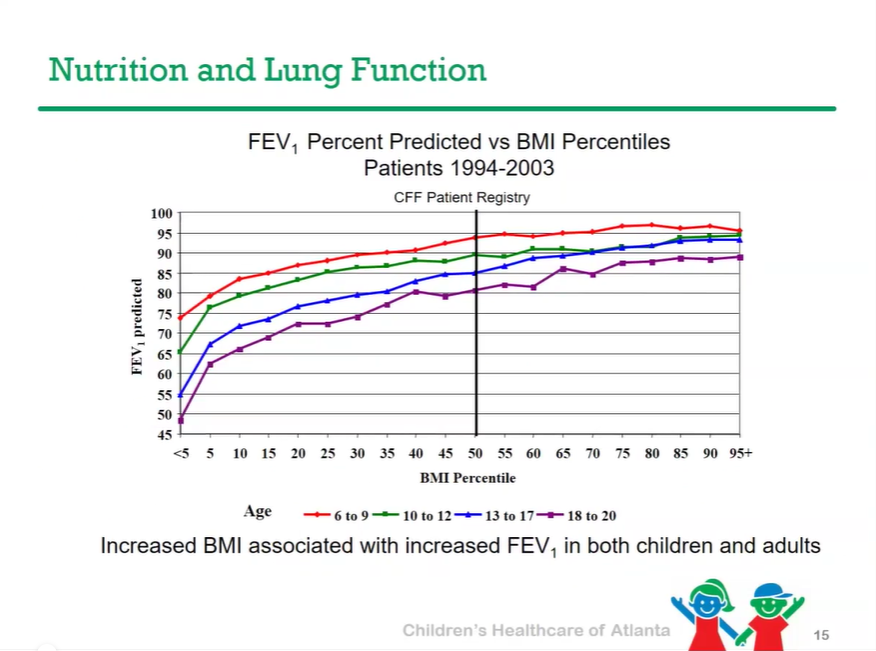
  • Better nutrition has been linked to better lung outcomes.
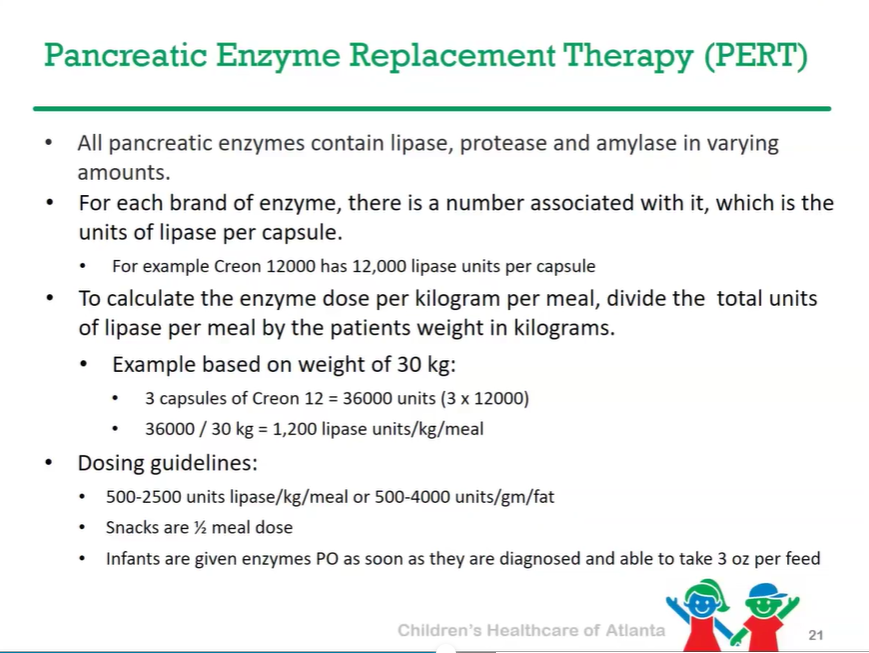
  • Pancreatic enzyme replacement therapy needed for 85-90% of patients with CF
    • CFTR modulator therapies may allow lower dosing PERT dosing
  • Fat soluble vitamin supplementation (A, D, E, K) is needed
    • Vitamin D (25-OH) goal (by CF Foundation) is >30 ng/mL
  • High salt diet is recommended due to excessive losses
  • Targeted nutritional support needs to be based on nutritional status; some patients may need G-Tube placement. CHOA algorithm developed.
  • High sugar diet may increase the development of CF related diabetes (CFRD)
  • Fibrosing colonopathy is a very rare effect of high dose pancreatic enzymes and may have been in part due to impurities in older preparations of panrcreatic enzymes.

Some of the slides:

Related blog posts:

Data on Immobilized Lipase Cartridge for Patients with Cystic Fibrosis

Full text: M Sathe et al. JPGN 2021; 72: 18-23. Evaluation of the Effectiveness of In-line Immobilized Lipase Cartridge in Enterally Fed Patients With Cystic Fibrosis

Background: Traditional pancreatic enzyme replacement therapy is not designed for use with enteral feedings. “Only 1 FDA-approved PERT (PERTZYE, Cheisi, Inc.) has a package insert with instructions on how to deliver the contents of the lowest dose capsule (4000 USP lipase unit) through gastrostomy tubes 14 French or larger…Two recently published studies demonstrated the safety, tolerability, and effect on FA absorption of a new enzyme strategy to aid fat digestion with continuous enteral feedings, a single use digestive cartridge containing immobilized lipase (RELiZORB; Alcresta Therapeutics, Newton, MA). The cartridge connects in-line with an enteral feeding set. As enteral formula flows through the cartridge, immobilized lipase enzyme hydrolyzes intact triglyceride fats within the formula into more absorbable forms, whereas the lipase is retained within the cartridge.”

Key findngs:

  • Weight percentiles reached 50% in 18%, 25.5%, and 28.9% of patients at 0, 6, and 12, respectively.
  • BMI reached 50% in 37.1%, 49.1%, and 50.0% in patients at 0, 6, and 12 months, respectively.

My take: “Immobilized lipase cartridge use demonstrated statistically significant improvements in growth in patients with cystic fibrosis requiring enteral feedings.” Newer and more effective therapies for Cystic Fibrosis may decrease the need for enteral supplementation along with lipase cartridge.

Related blog posts: