Etrasimod for Eosinophilic Esophagitis?

ES Dellon et al. Lancet Gastroenterol Hepatol 2025; 10: 622–33. Etrasimod as a treatment for eosinophilic oesophagitis (VOYAGE): a double-blind, placebo-controlled, randomised, phase 2 trial

Background: “Etrasimod is an oral, once-daily, selective S1P1,4,5 receptor
modulator for the treatment of moderately to severely active ulcerative colitis and in development for the treatment of other immune-mediated inflammatory diseases. Etrasimod prevents trafficking of lymphocytes to inflamed mucosal tissue and sites of primary disease
manifestation, offering a unique, promising mechanism for the treatment of eosinophilic oesophagitis.”

There were 108 participants in this study: 41 patients received etrasimod 2 mg, 39 received etrasimod 1 mg, and 28 received placebo.

Key findings:

  • Median percentage changes from baseline in peak eosinophil count (PEC) at week 16:6 were −58·4% for etrasimod 2 mg (p=0·010 vs placebo), −39·4% for etrasimod 1 mg (p=0·29 vs placebo) and −21·5% for placebo.
  • Significant reductions from baseline in oesophageal PEC were achieved with both etrasimod
    doses (n=27 for 2 mg n=28 for 1 mg) at week 24 versus placebo (n=19), with a numerically larger reduction seen with the 2 mg dose, which had a median placebo-adjusted difference of –103·9% from baseline in oesophageal PEC. Oesophageal PEC did not decrease further with longer etrasimod treatment during the extension period (to 52 weeks in a smaller subset)
  • Etrasimod 2 mg was associated with a significant improvement in DSQ score at week 24 versus placebo in patients with no history of dilation (LS mean −21·6 vs –9·6, p=0·031)
  • No serious treatment-emergent adverse events occurred.

My take (borrowed from the authors): “This [phase 2] study provides the first evidence
that targeting the S1P pathway can improve disease activity in eosinophilic oesophagitis. Given that current treatment options for eosinophilic oesophagitis have variable and incomplete response rates, etrasimod presents a promising option.” Larger studies are warranted.

Related blog posts:

Wat Arun (Temple of Dawn), Bangkok

FDA Approves Etrasimod for Ulcerative Colitis

GI & Hepatology News, November 2023: FDA OKs two new treatments for UC

An excerpt:

In October, the FDA approved etrasimod (Velsipity, Pfizer) for moderate to severe active UC in adults. Etrasimod, an oral sphingosine-1-phosphate (S1P) receptor, binds with high affinity to receptors 1, 4, and 5. It is the second agent in the S1P class approved for UC. The other agent, ozanimod (Zeposia, Bristol-Myers Squibb), which was approved for moderate to severe active UC in May 2021, is an S1P receptor modulator that is selective for the S1P1 and S1P5 receptors located on endothelial cells and oligodendrocytes, respectively.

Etrasimod’s approval was based on safety and efficacy data from two randomized, double-blind, placebo-controlled phase 3 trials ― ELEVATE UC 52 trial, and ELEVATE UC 12 trial. The Lancet published full results from the two trials on March 2. Both trials enrolled patients with UC who had previously failed or were intolerant of at least one conventional, biologic, or Janus kinase (JAK) inhibitor therapy.

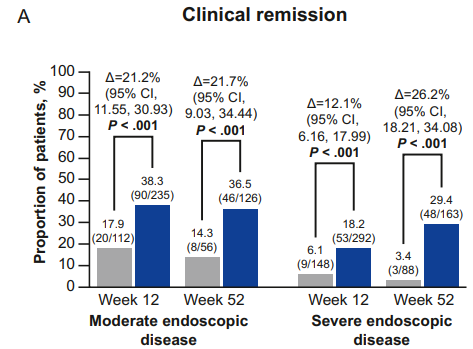
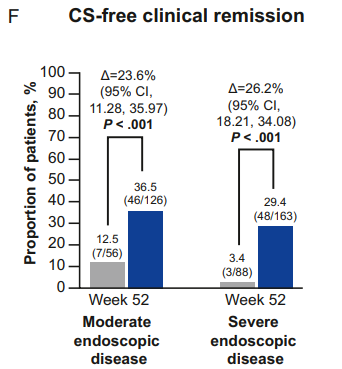
In ELEVATE UC 52, clinical remission at 12 weeks occurred in 27% of patients taking etrasimod, vs 7% of patients taking a placebo (20% difference; P ˂.001). At week 52, remission rates were 32% with active treatment, vs. 7% with placebo (26% difference;
P ˂ .001).

In ELEVATE UC 12, clinical remission was achieved among 26% of patients who received etrasimod, vs 15.0% of patients who received placebo (11% difference; P < .05).

The approved recommended dose is 2 mg once daily. The most common side effects of etrasimod are headache, elevated values on liver tests, worsening of UC, SARS-CoV-2 infection, dizziness, pyrexia, arthralgia, abdominal pain, and nausea

Reference: WJ Sandborn et al. The Lancet 2023; DOI:https://doi.org/10.1016/S0140-6736(23)00061-2. Open Access! Etrasimod as induction and maintenance therapy for ulcerative colitis (ELEVATE): two randomised, double-blind, placebo-controlled, phase 3 studies

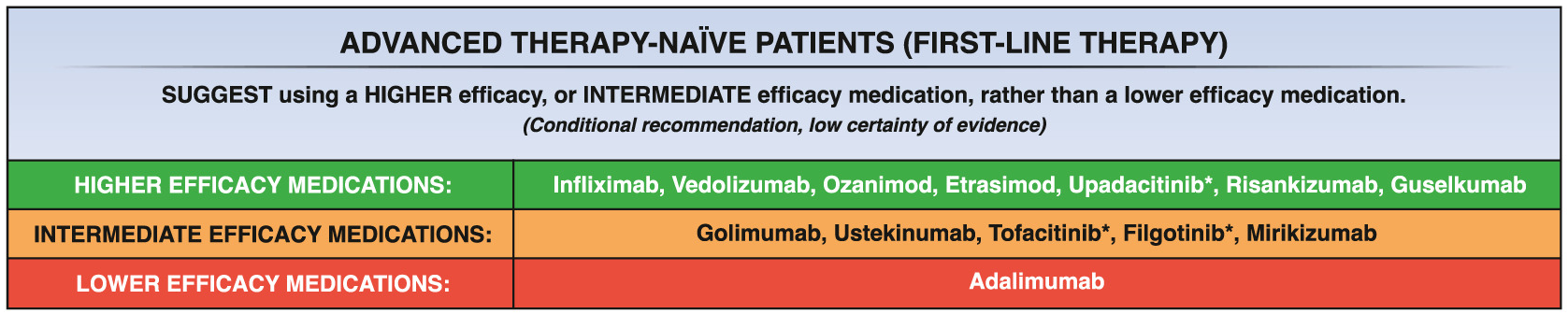
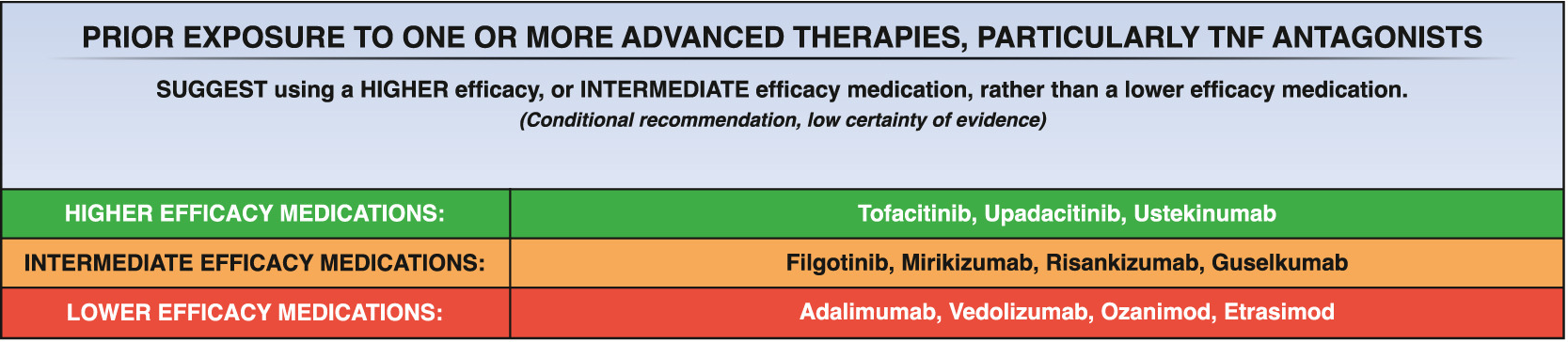
My take: It is not exactly clear where etrasimod or ozanimod should be positioned for ulcerative colitis therapy as several other drug classes have much higher response rates.

Related blog posts:

Next time someone says that they are receiving therapy, perhaps I will be able to say ‘me too.’

Pipeline Medications for Ulcerative Colitis (Part 1) & Face Mask Shortages

Before getting to today’s post, I wanted to provide a link on why we are desperately short of face masks in the midst of this crisis: NY Times: How the World’s Richest Country Ran Out of a 75-Cent Face Mask

An excerpt:

The answer to why we’re running out of protective gear involves a very American set of capitalist pathologies — the rise and inevitable lure of low-cost overseas manufacturing, and a strategic failure, at the national level and in the health care industry, to consider seriously the cascading vulnerabilities that flowed from the incentives to reduce costs…

Given the vast global need for masks — in the United States alone, fighting the coronavirus will consume 3.5 billion face masks, according to an estimate by the Department of Health and Human Services — corporate generosity will fall short. People in the mask business say it will take a few months, at a minimum, to significantly expand production…

Hospitals began to run out of masks for the same reason that supermarkets ran out of toilet paper — because their “just-in-time” supply chains, which call for holding as little inventory as possible to meet demand, are built to optimize efficiency, not resiliency.

My take: Conserve, conserve, conserve PPE -supply chains meeting the need is NOT imminent.

—————

Several articles from Gastroenterology highlight emerging medications for ulcerative colitis (UC).

Two of the studies:

  • WJ Sandborn et al. Gastroenterol 2020; 158: 550-61.
  • WJ Sandborn et al. Gastroenterol 2020; 158: 562-72.

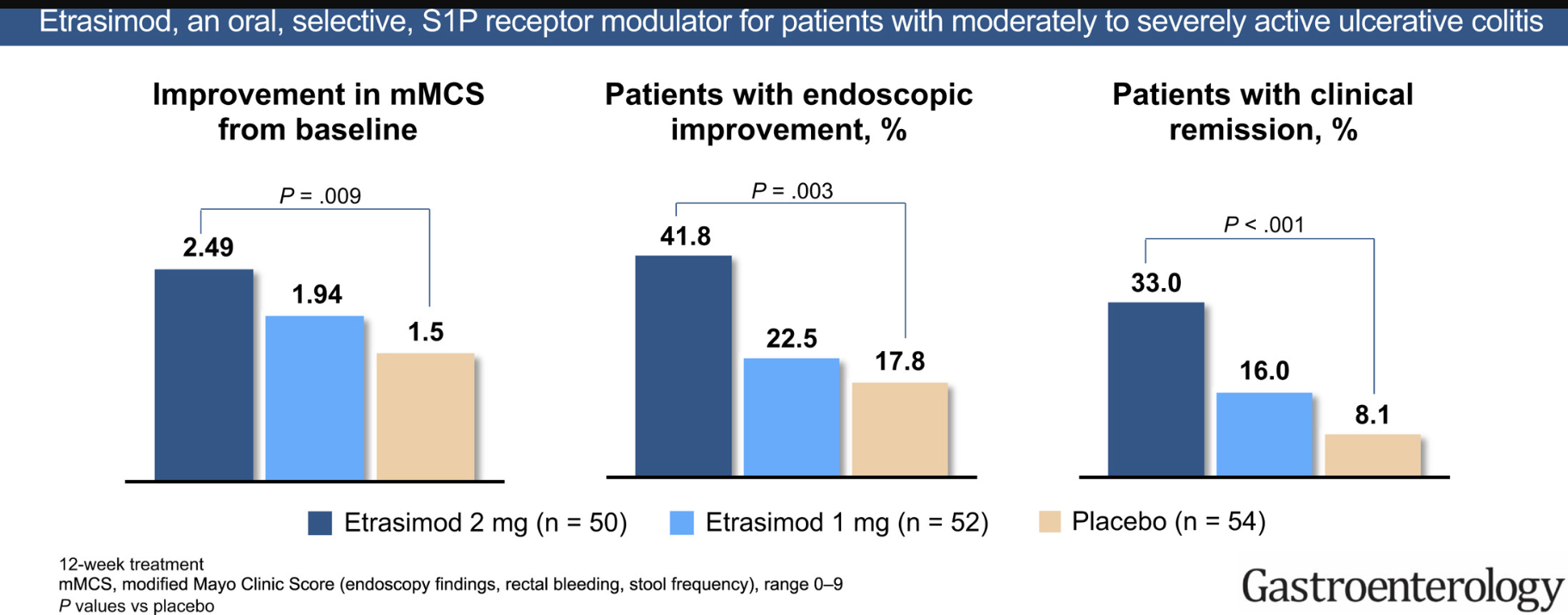
The first study was a phase 2 randomized trial of etrasimod which is an oral selective sphingosine 1-phosphate receptor modulator.  A total of 156 patients were randomized into 3 groups: placebo, 1 mg etrasimod, and 2 mg etrasimod.

Key findings (graphical abstract):

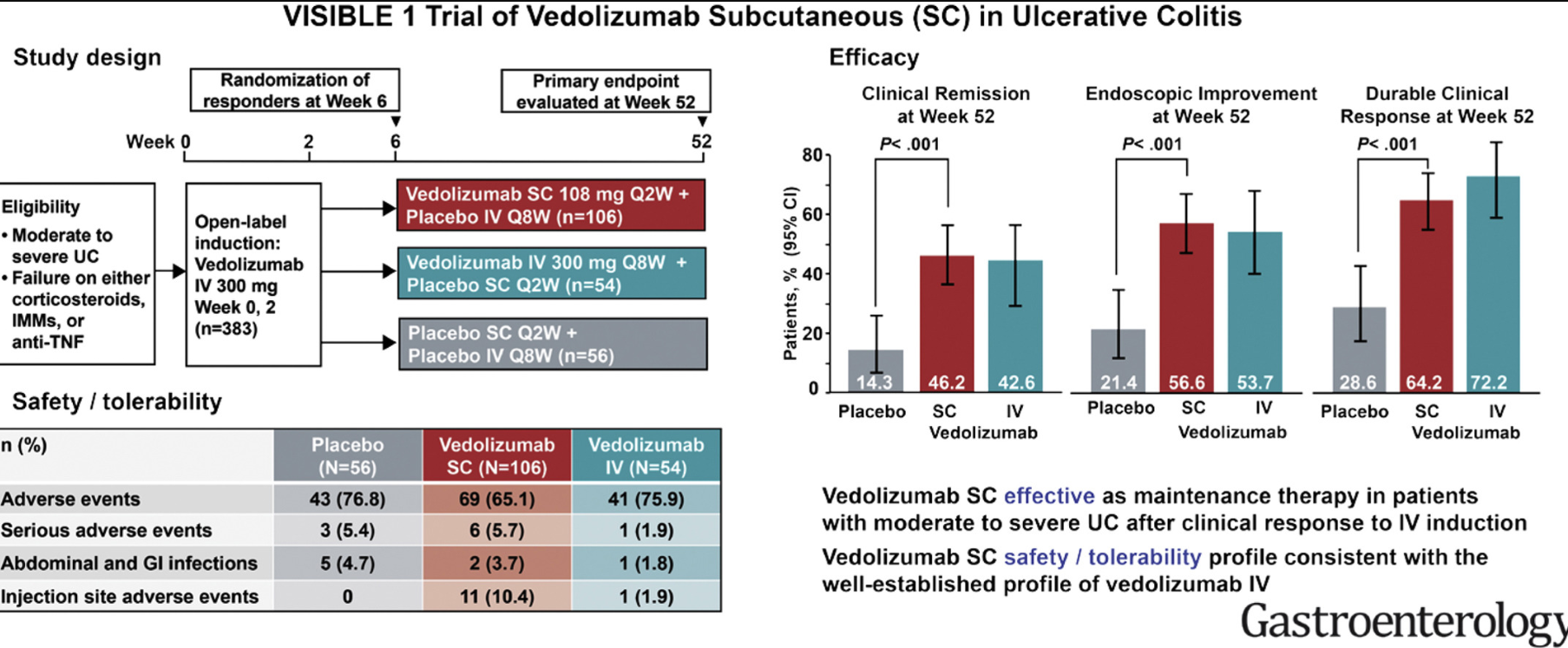
In the second phase 3, double-blind, double-dummy study, Sandborn et al show that, after the initial 2 intravenous doses,  among patients with an initial response subcutaneous vedolizumab (108 mg every 2 weeks) had similar effectiveness to intravenous vedolizumab (300 mg every 8 weeks); both SC and IV vedolizumab resulted in higher clinical remission rates compared to placebo at 52 weeks in the 216 patients: 46.2%, 42.6%, and 14.3% respectively.

Full text link: Efficacy and Safety of Vedolizumab Subcutaneous Formulation in a Randomized Trial of Patients With Ulcerative Colitis