Dr. Katja Karrento: Chronic Nausea — Evidence of a Complex Syndrome

Recently, Dr. Katja Karrento gave our group a great update on chronic nausea.  My notes below may contain errors in transcription and in omission. Along with my notes, I have included many of her slides.

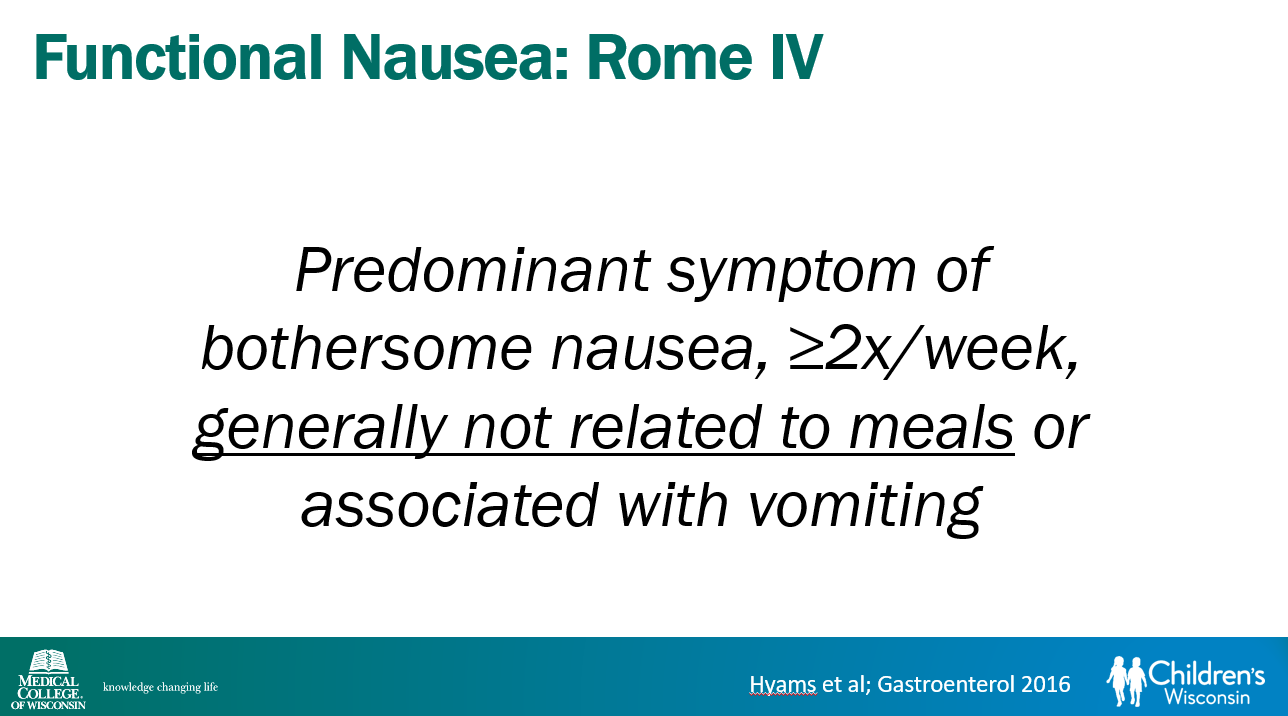
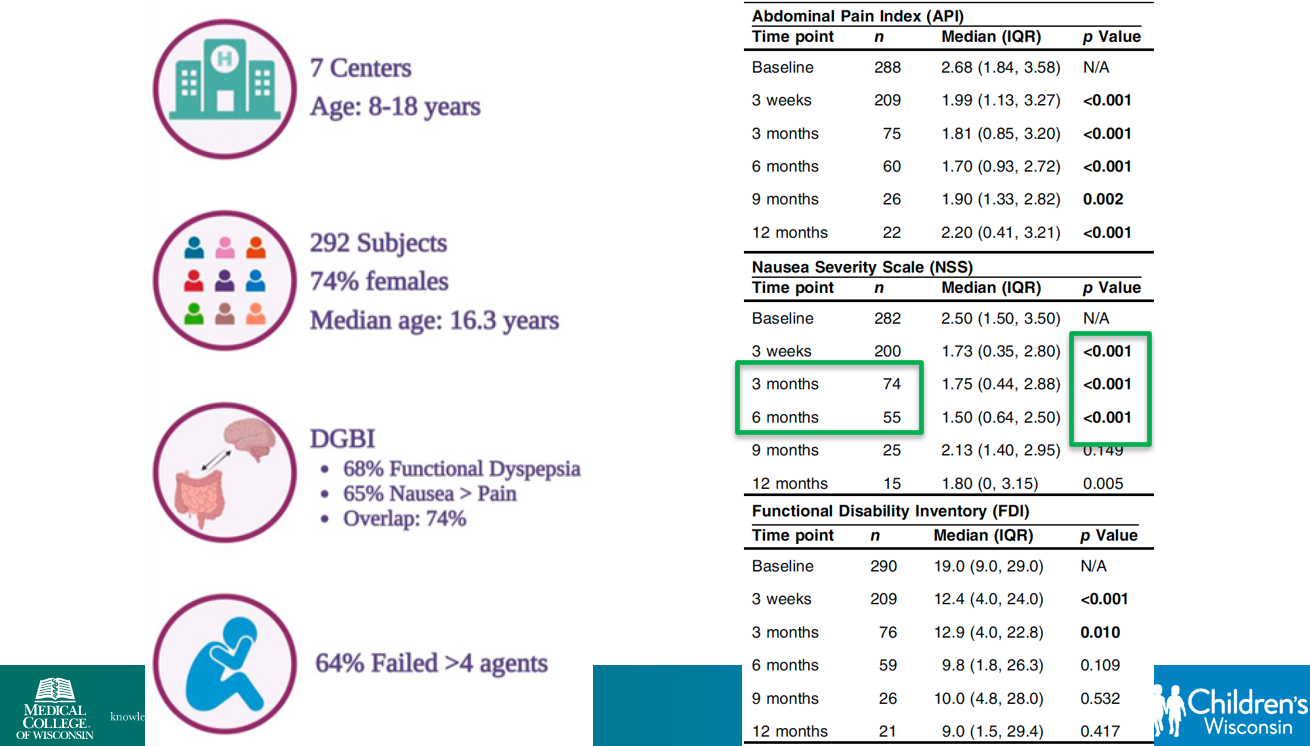
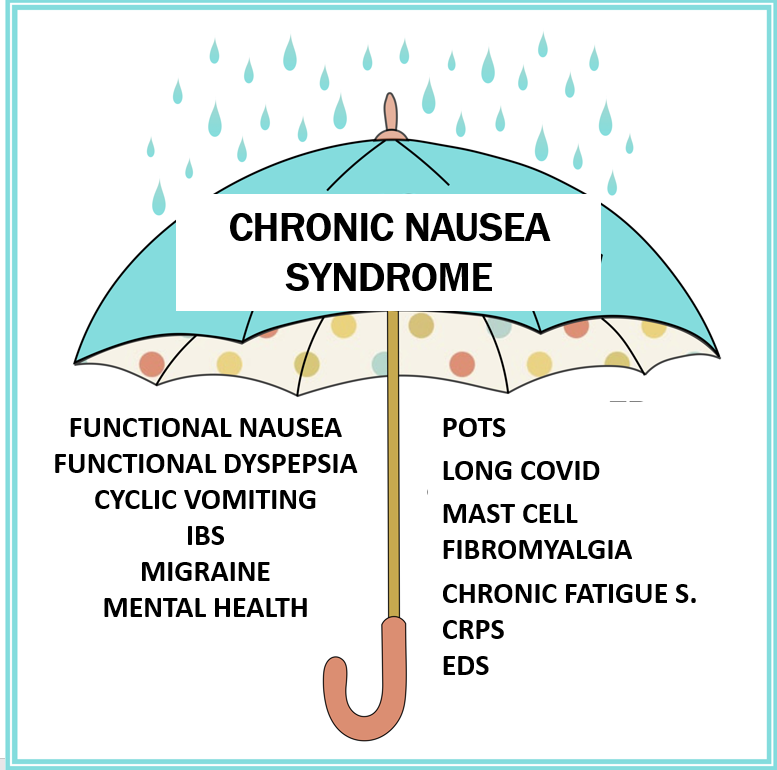
  • Recent research suggests that functional nausea overlaps with other DGBIs including functional dyspepsia, IBS and even gastroparesis 
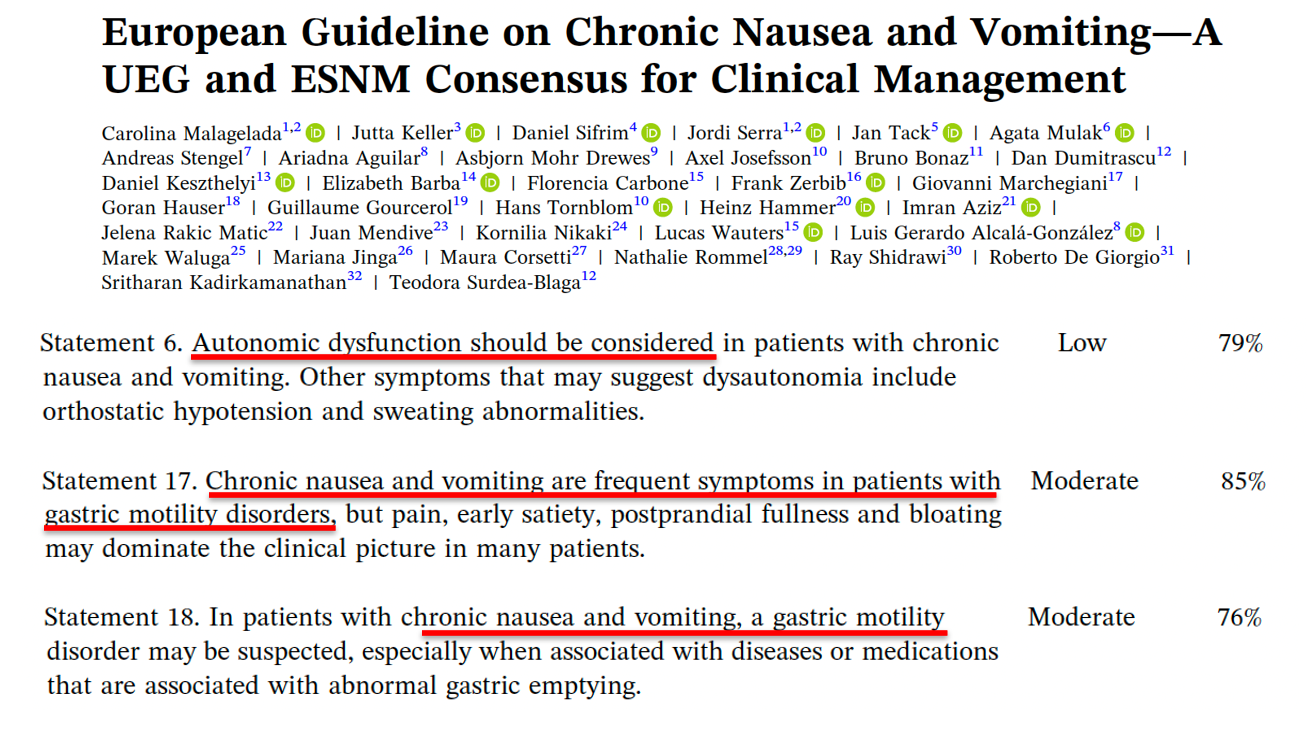
  • Delayed gastric emptying is found in a subset of patients who meet criteria for functional nausea (though there are limitations of GE studies) 
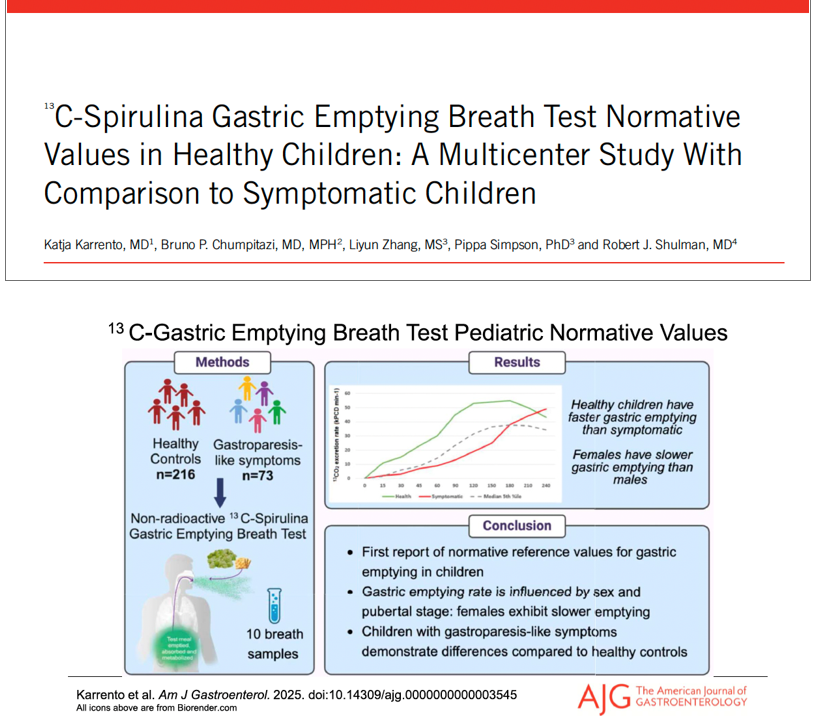
  • Emerging research on use of C13-Spirulina breath test to assess gastric emptying
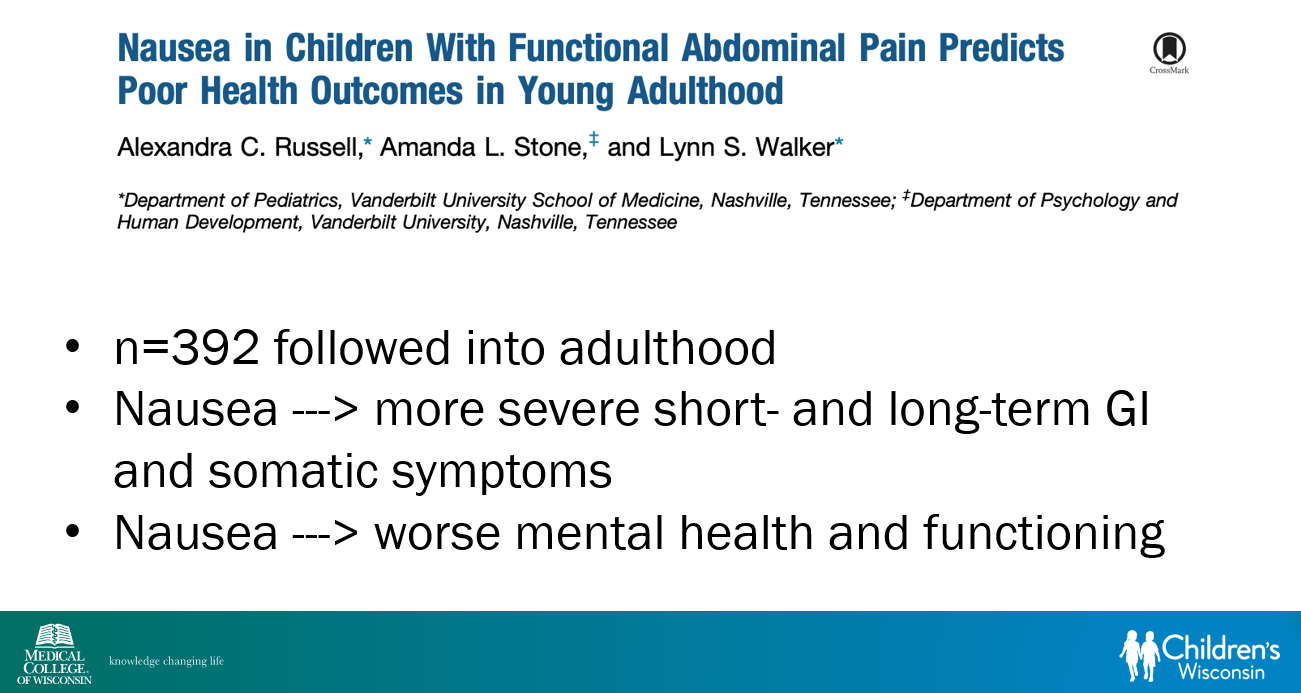
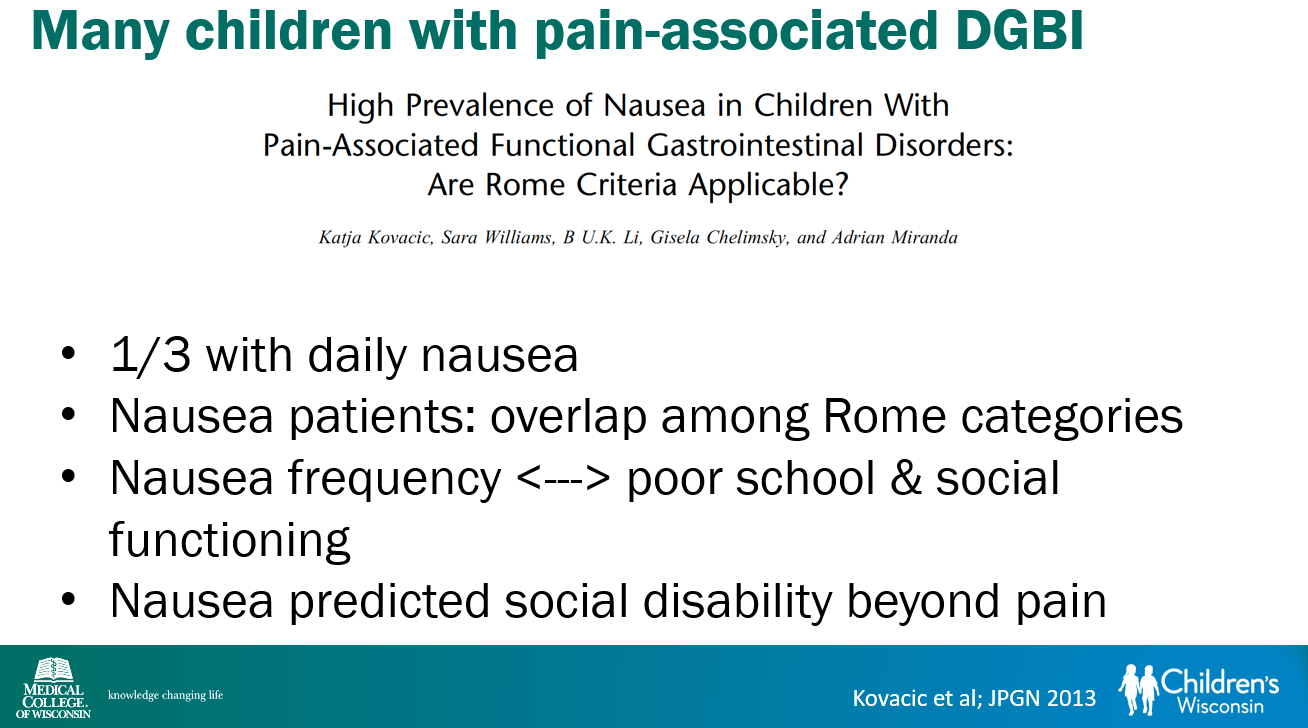
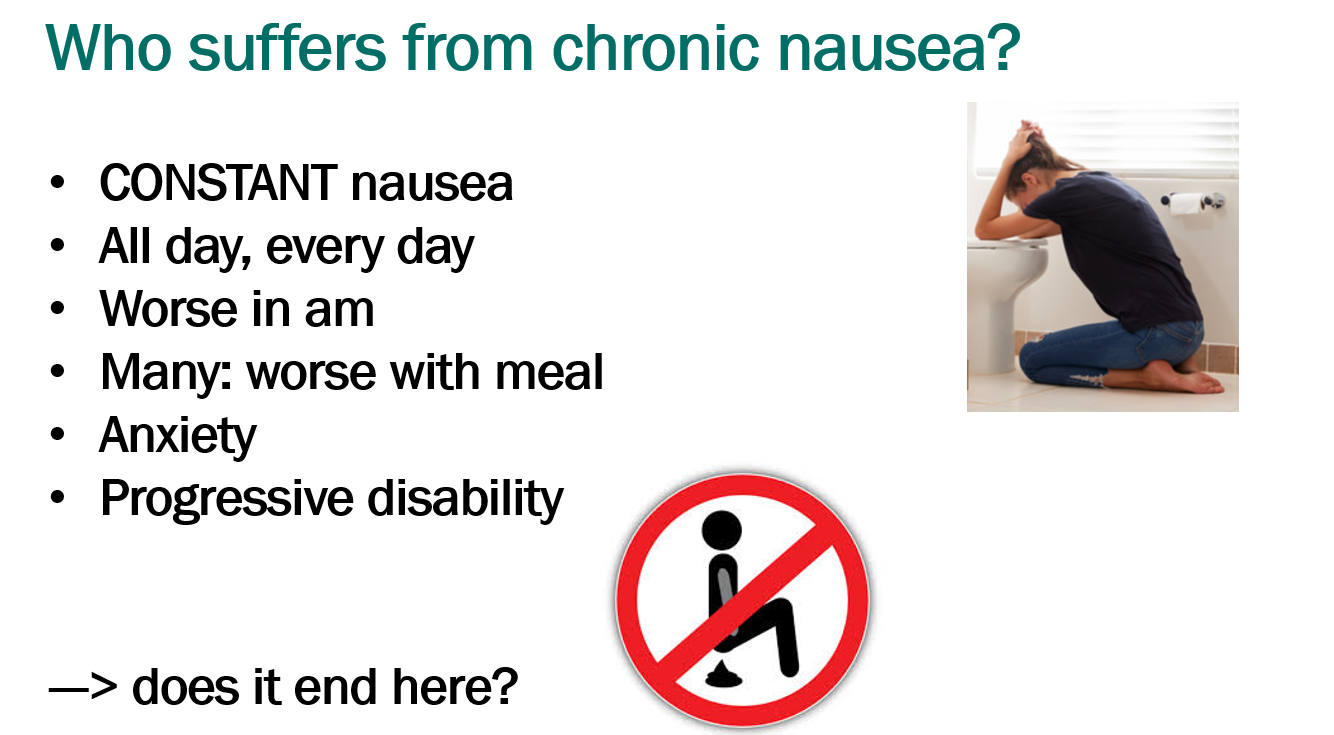
  • Nausea is linked to disability more than stomach pain
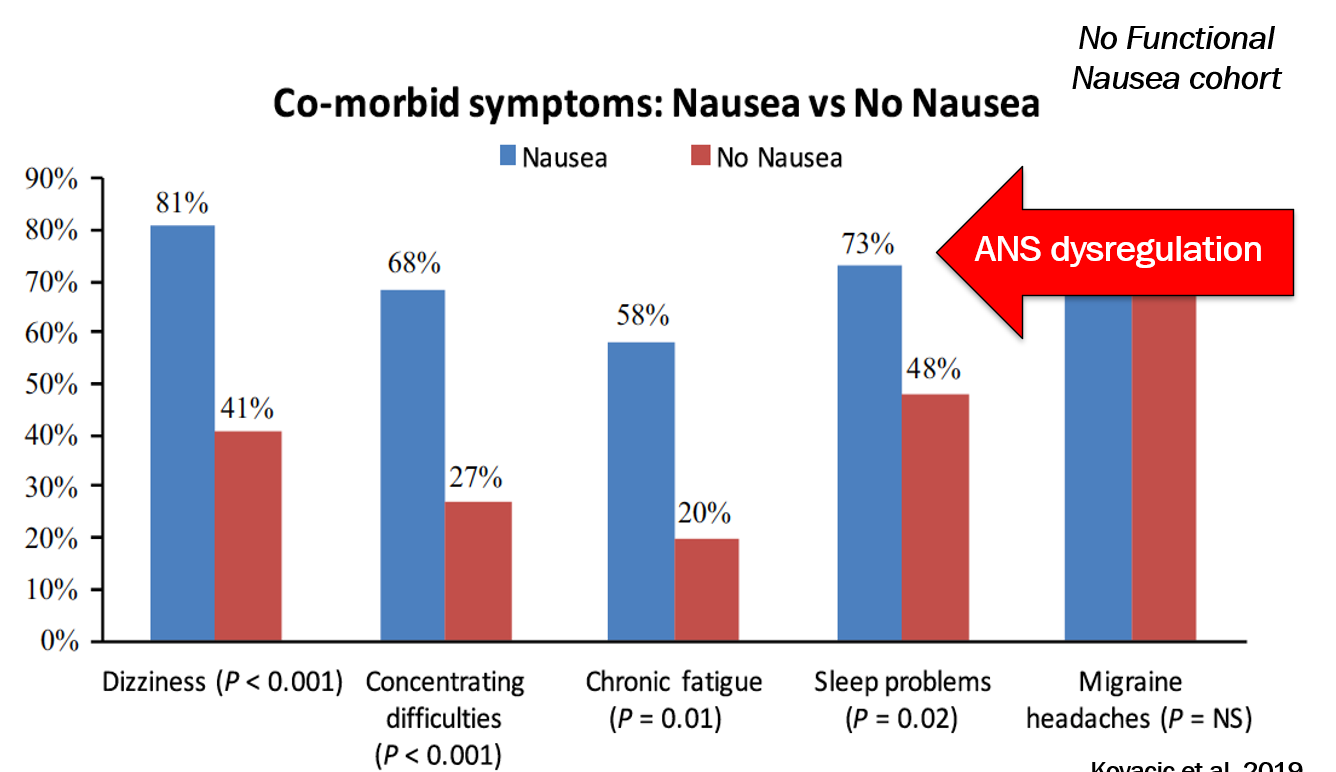
Among patients with DGBI, the presence of nausea was associated with increased comorbidities
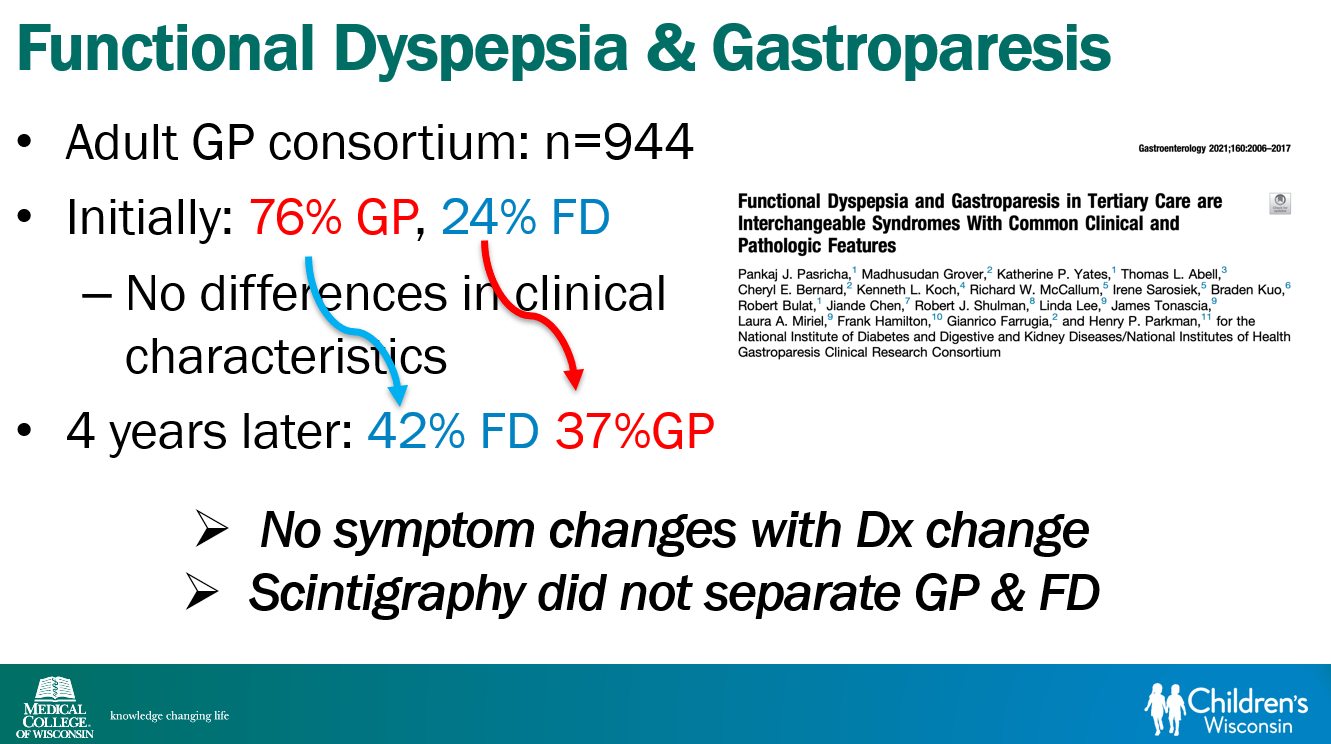
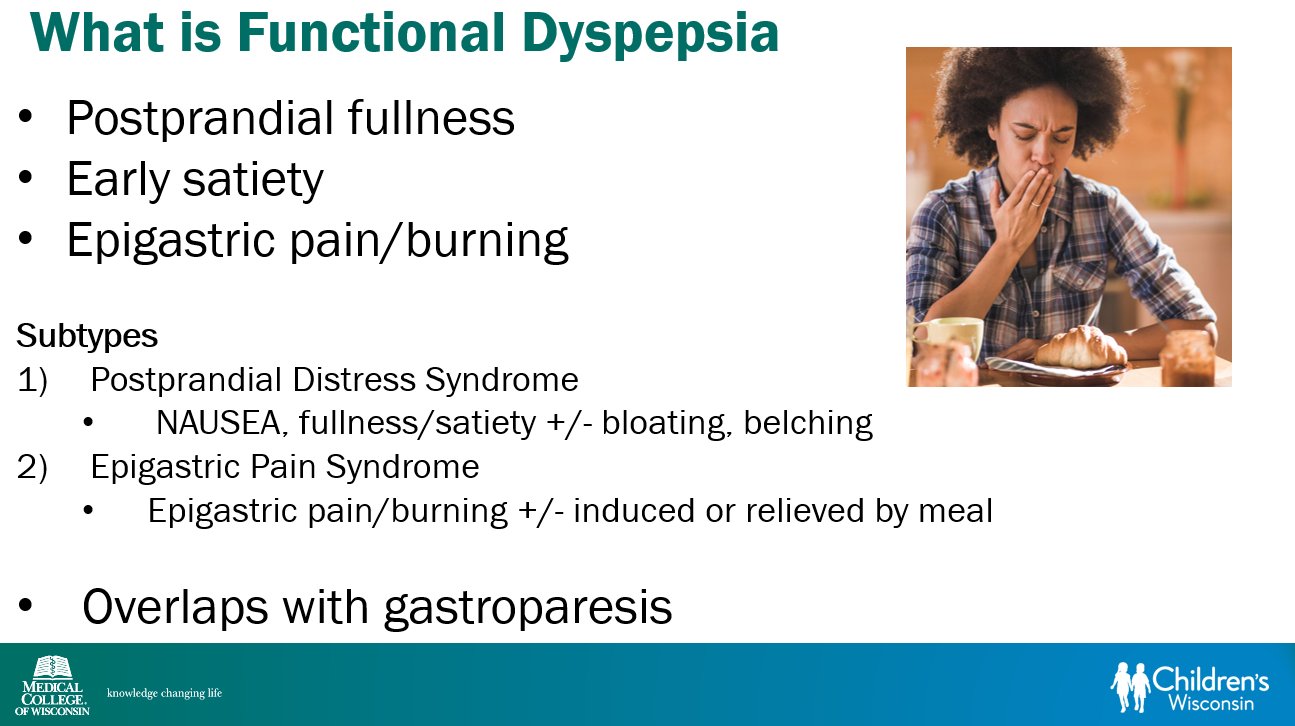
  • Functional dyspepsia and gastroparesis overlap and may be part of same disorder
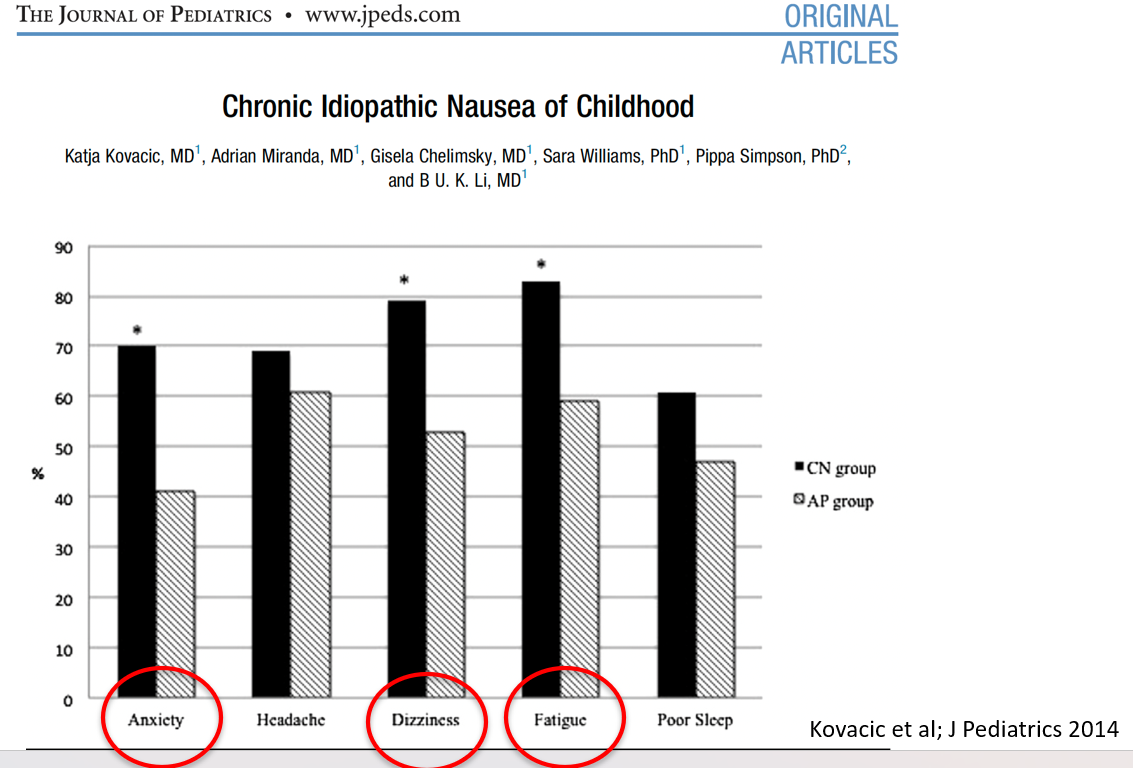
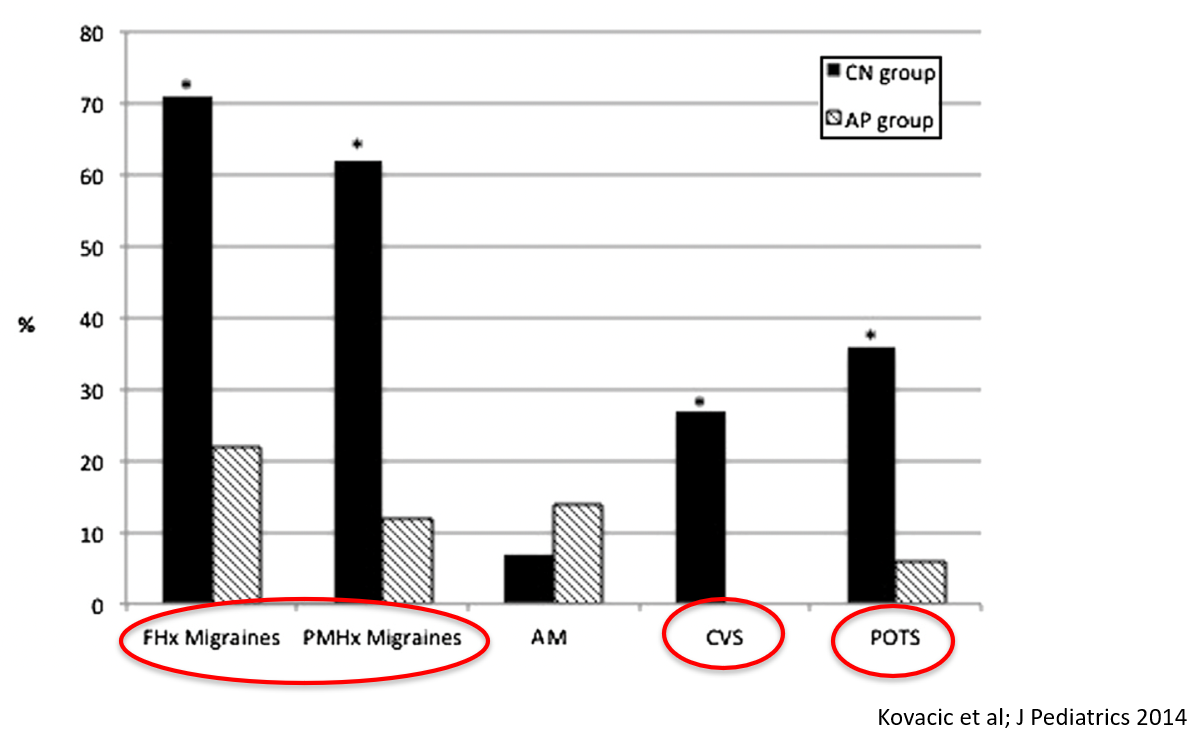
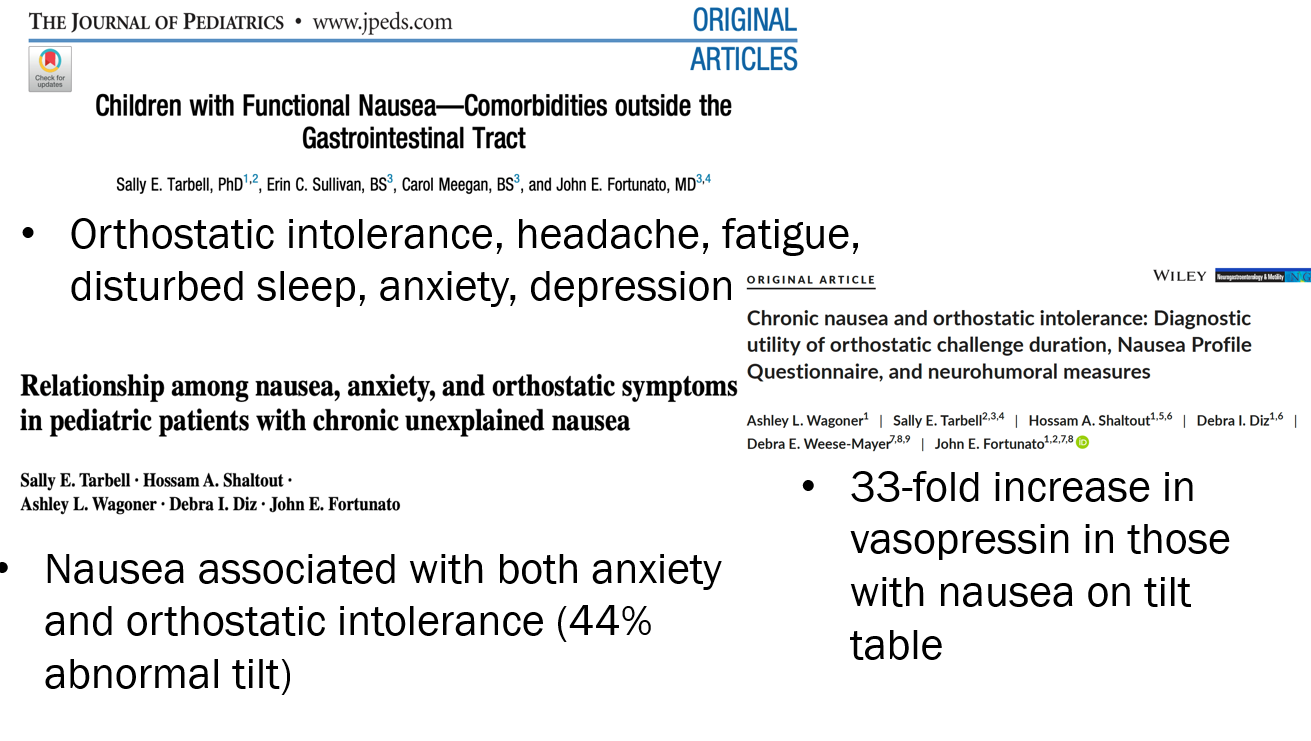
  • Nausea is associated with numerous extraintestinal comorbidities symptoms
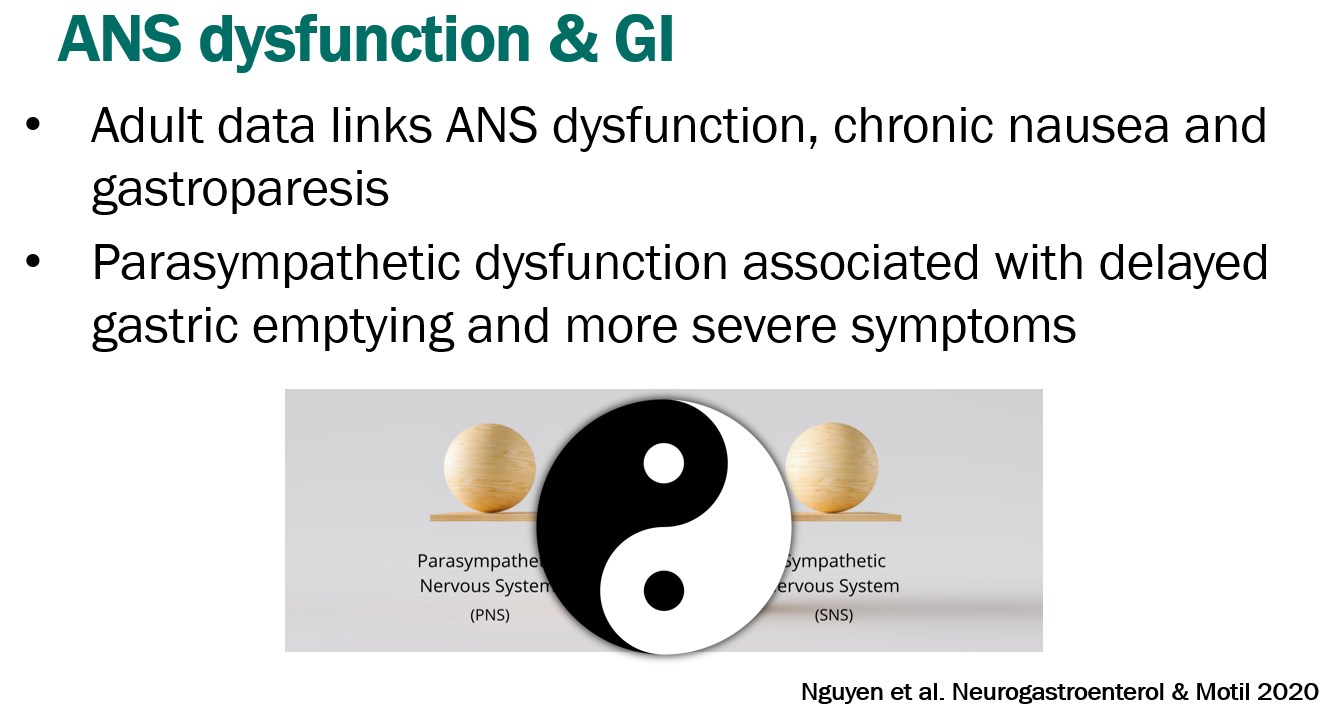
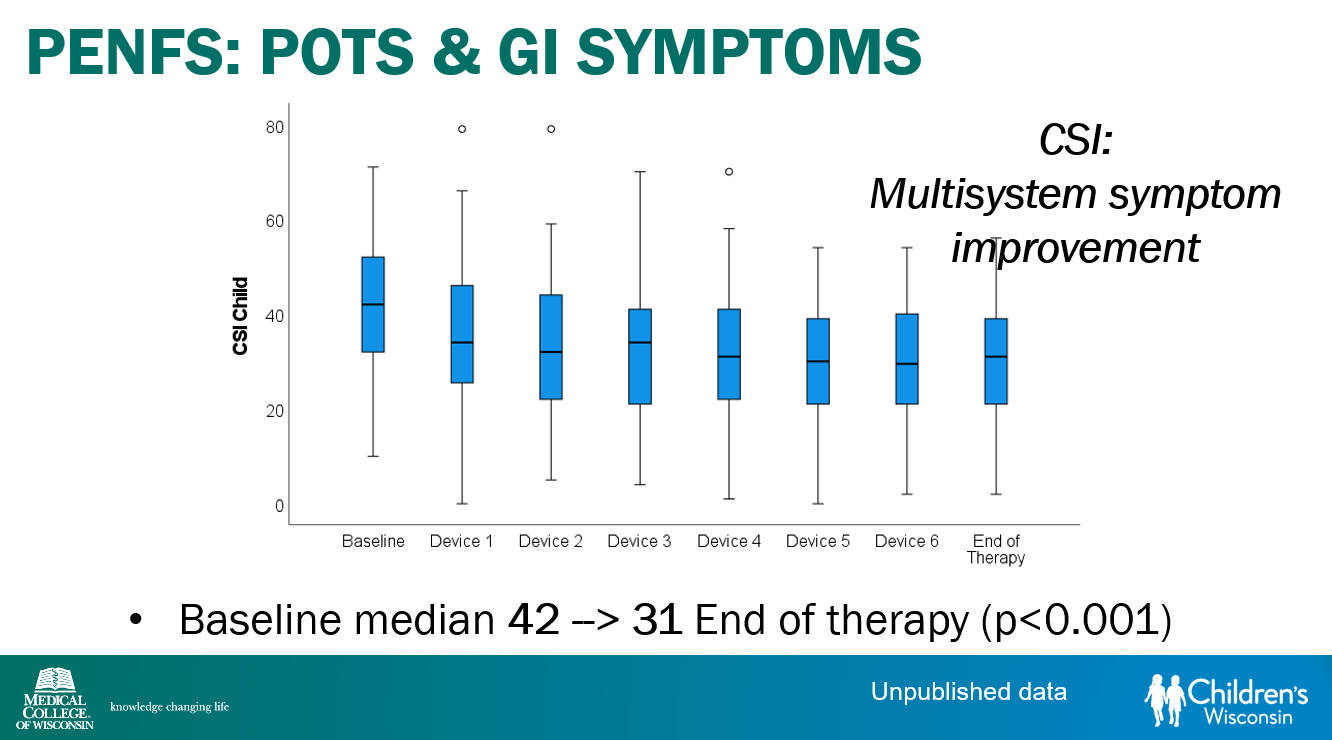
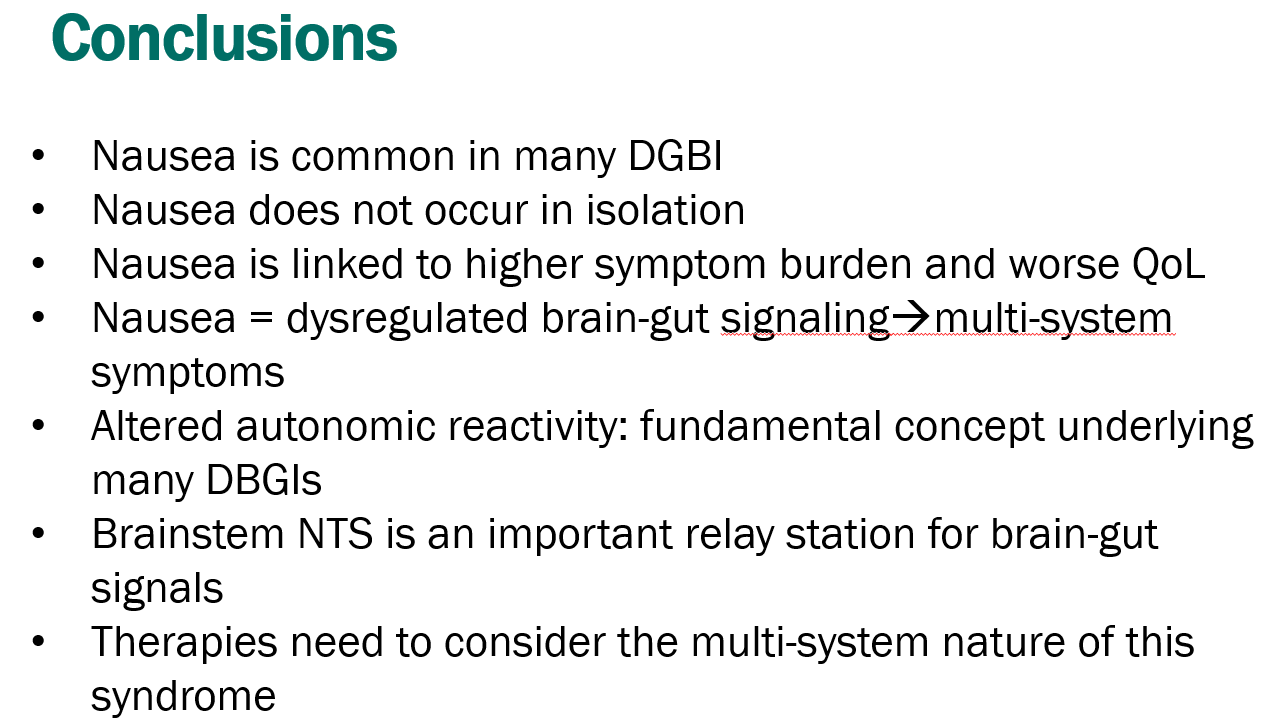
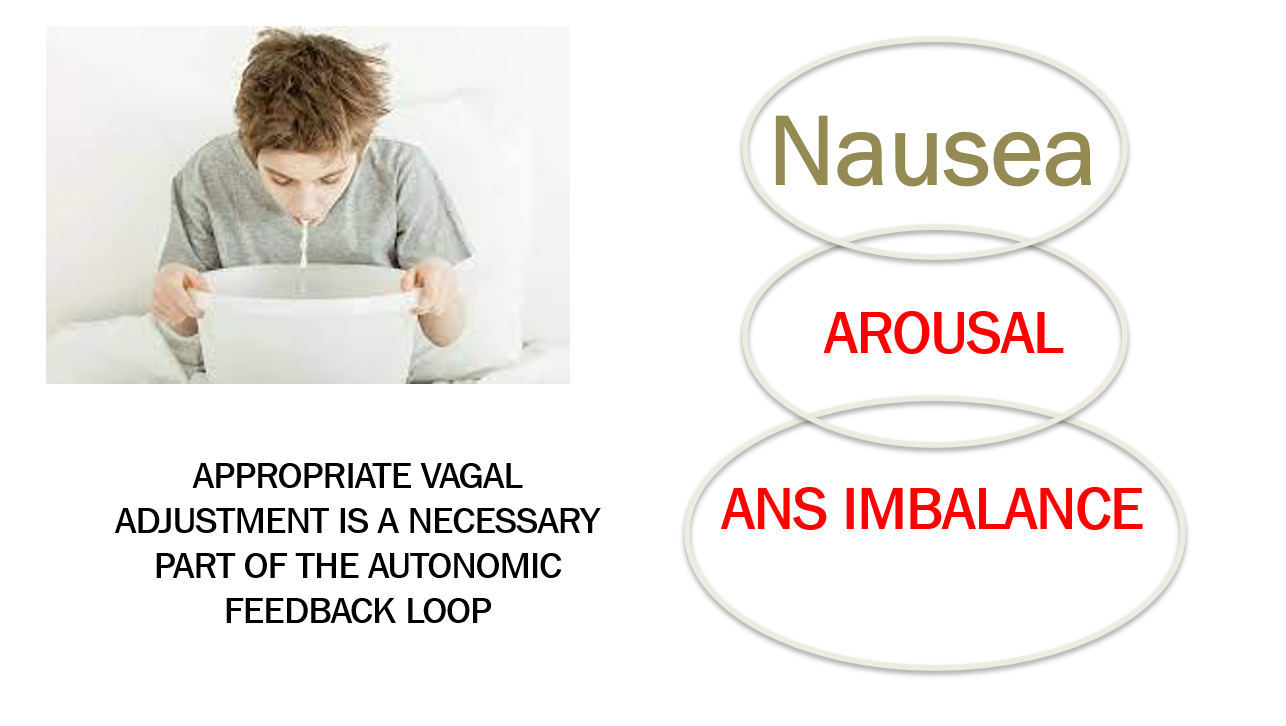
  • DGBIs are associated with abnormal autonomic nervous system signaling
  • Morning nausea, associated with being upright, is characteristic of dysautonomia. Other symptoms include ; palpitations, anxiety, sweating
  • POTS defined by increased HR >40 within 10 minutes with tilt test along with symptoms. In adults, increased HR>30 with symptoms.
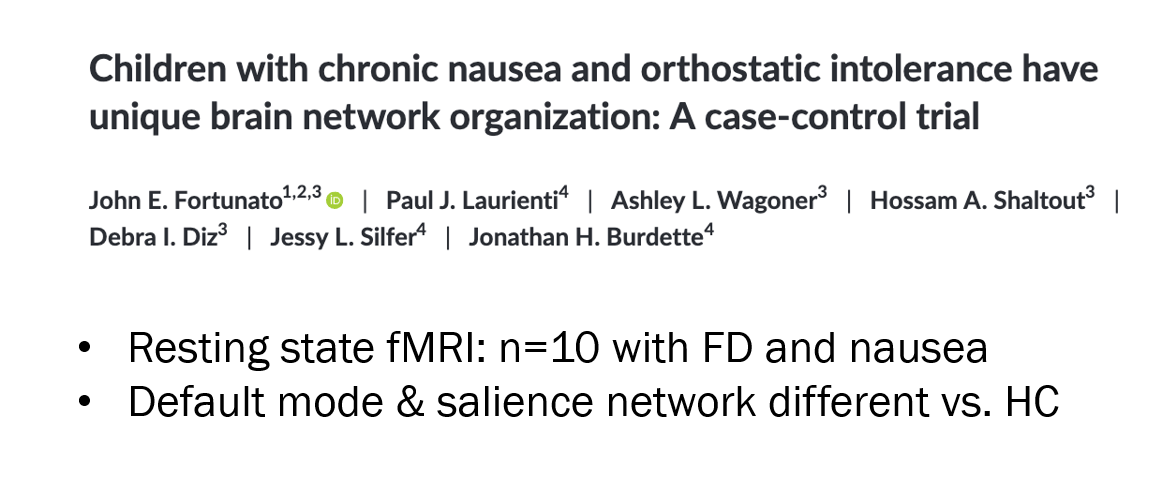
  • A small (n=10) functional MRI study showed abnormal brain network organization in patients with nausea and orthostatic intolerance
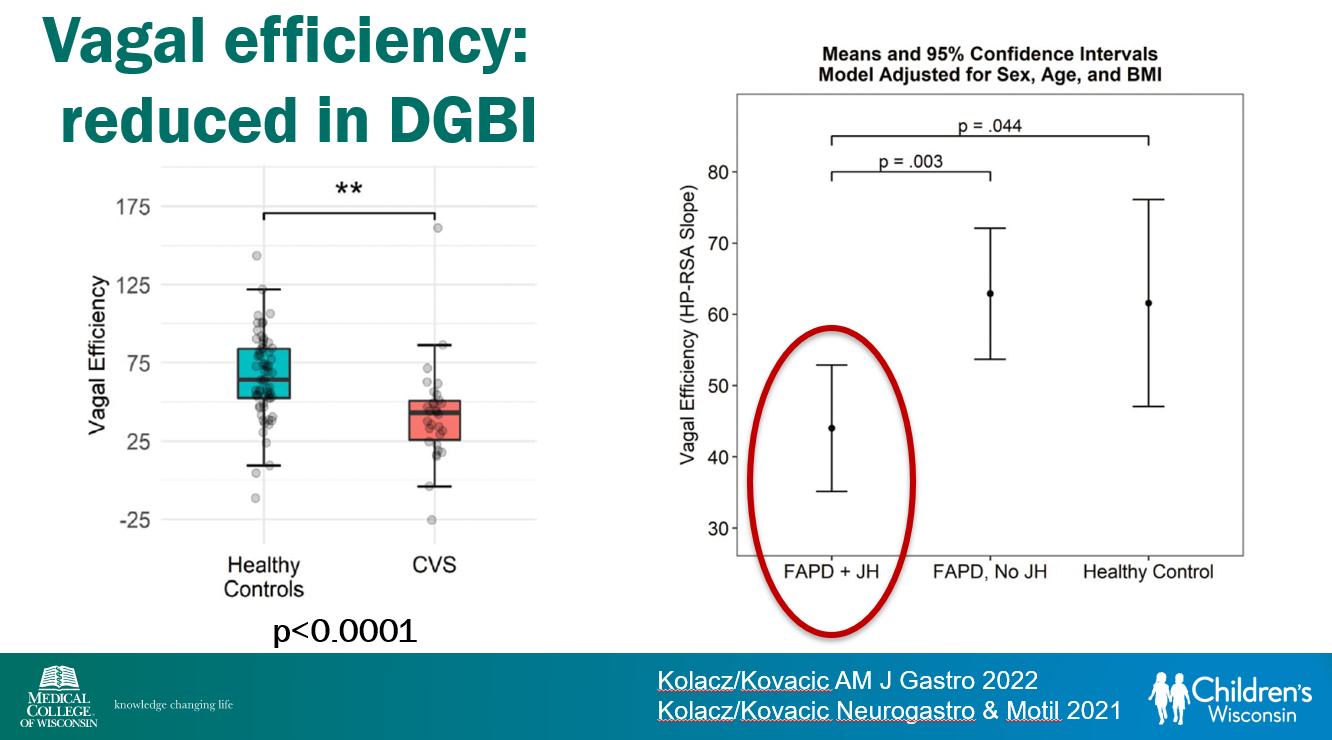
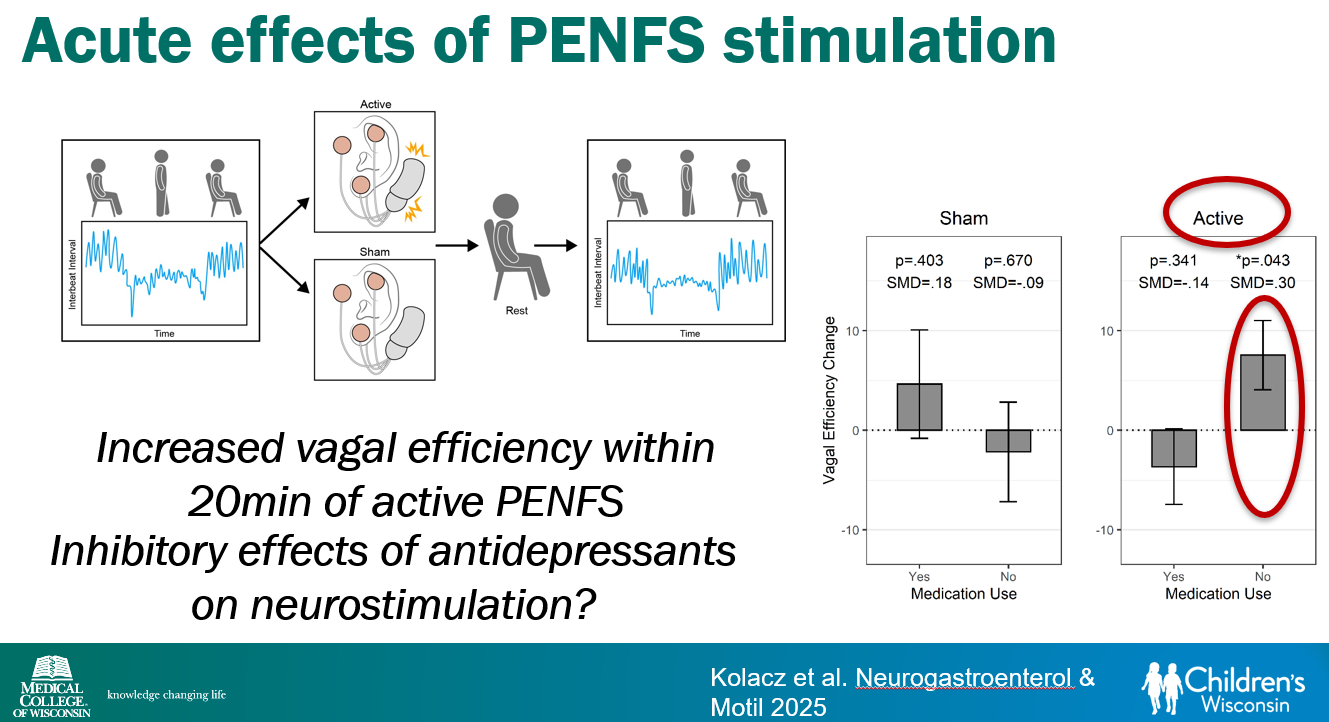
  • Vagal efficiency, which is decreased in subsets of DGBI, is a measure of the heart’s regulation of sympathetically-elicited tachycardia (or ‘..heart’s regulation of postural tachycardia’)
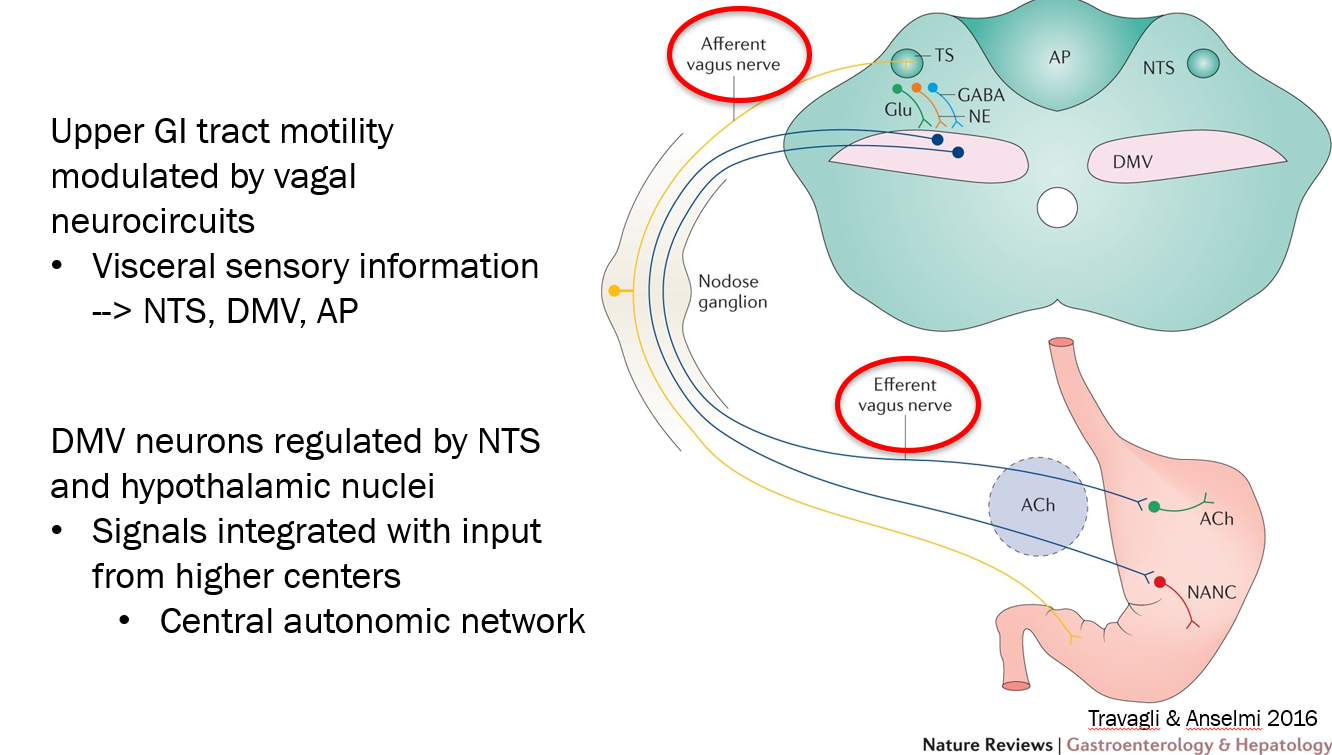
  • Cyclic vomiting is associated with autonomic nervous system alterations. In adolescence, the disorder often changes to chronic symptoms
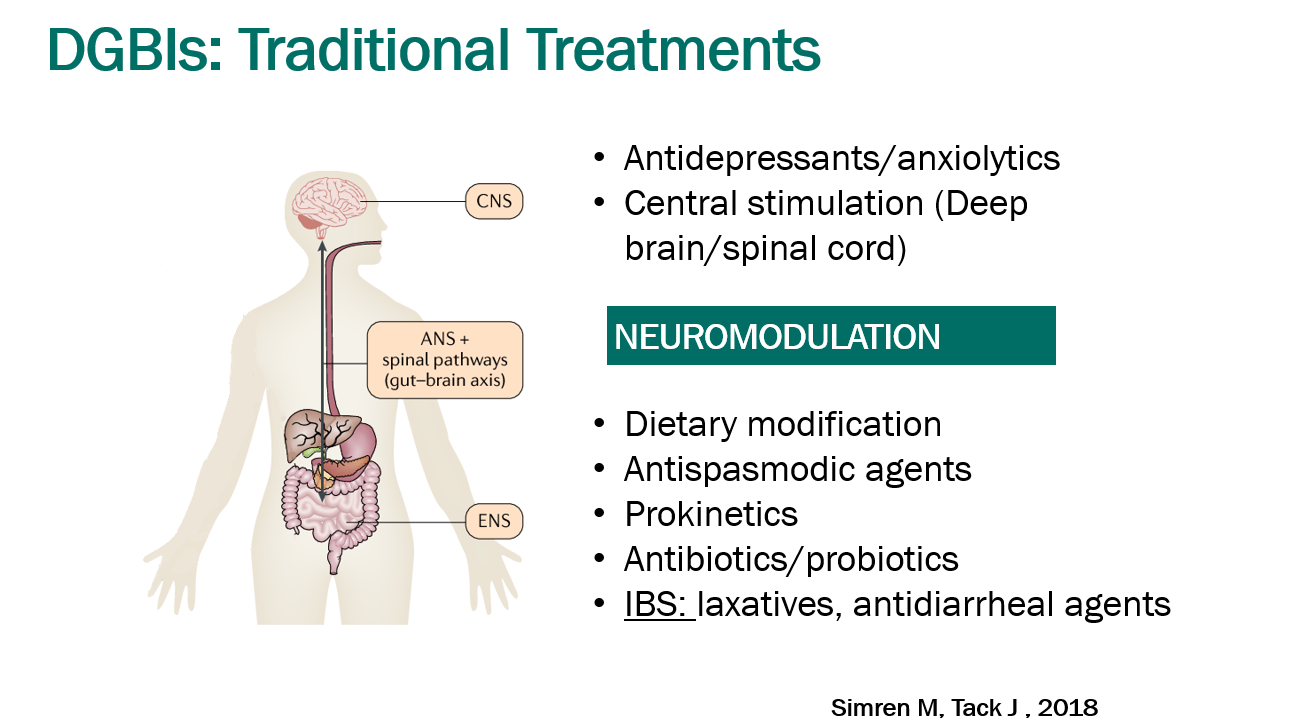
  • Treatment Advice: Explain early on the difficulty in treating these symptoms. Usually there is not a quick fix medicine. Lifestyle changes and coping are integral parts. Neuromodulation is likely more effective than other approaches
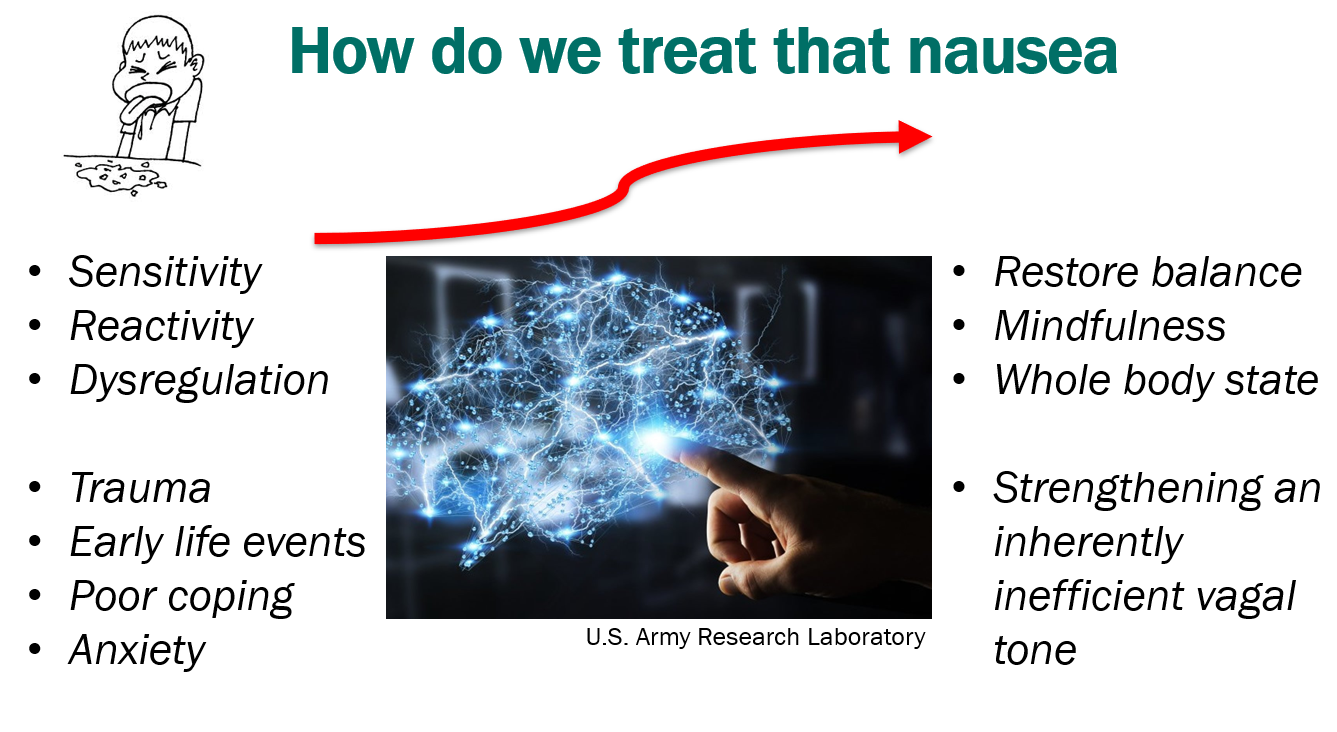
  • Dr. Karrento recommends The Dysautonomia Project to doctors and patients

  • Exercise is helpful for DGBIs
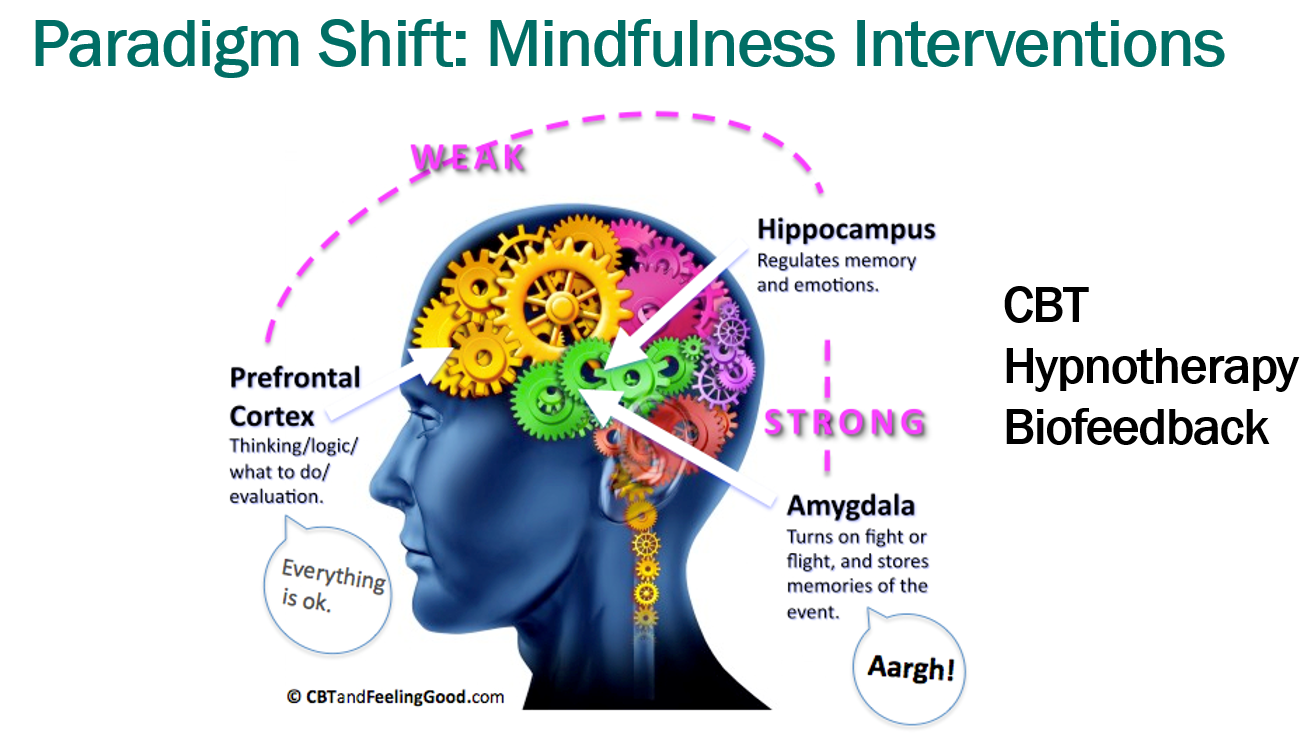
  • Mindfulness training may help: CBT, Hypnotherapy, Biofeedback
  • Potential treatments for autonomic dysfunction: Lifestyle changes, Neuromodulation, pharmacology: fludrocortisone, propranolol, pyridostigmine, midodrine
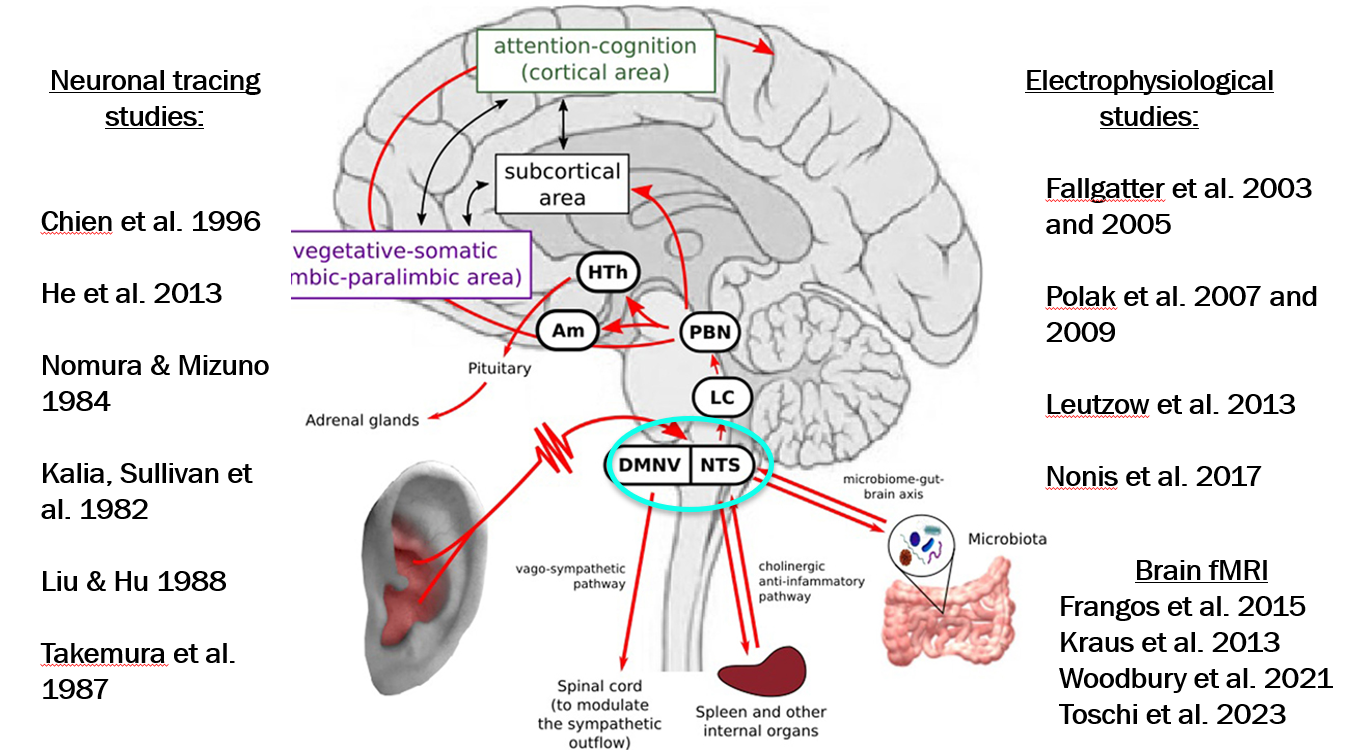
The auricular branch of the vagus projects to brainstem NTS. 95% of vagal afferent projections end up in NTS which in turn is directly and indirectly connected to a network of higher brain regions of the central
autonomic network
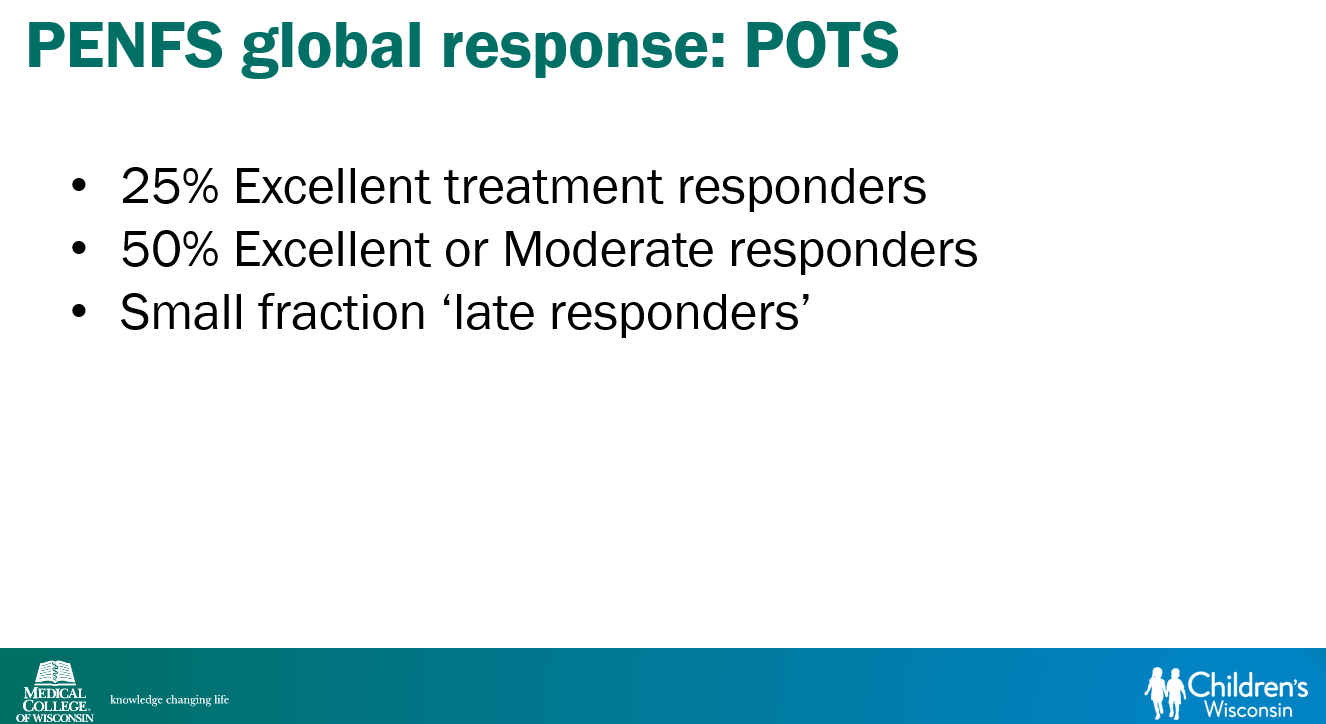
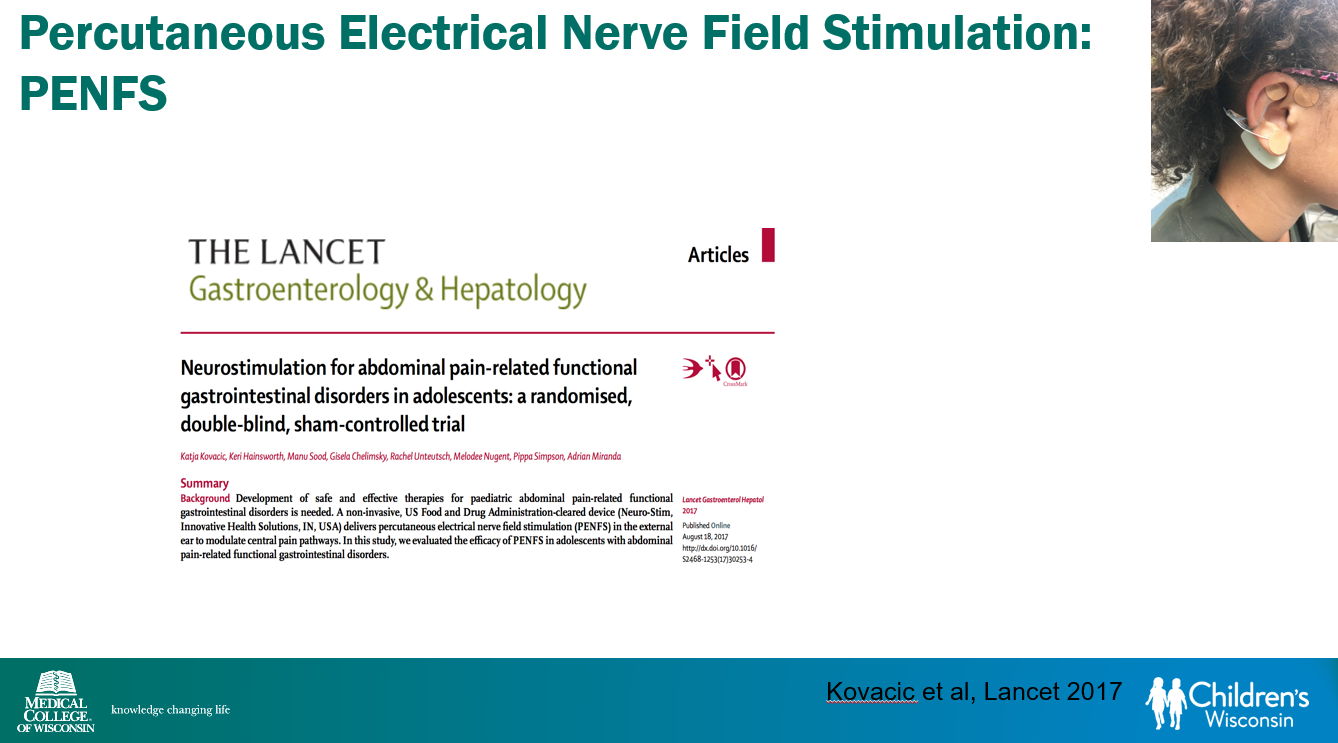
  • Percutaneous electrical nerve field stimulation (PENFS) can be useful in functional nausea and many DGBIs
Related blog posts:

Disclaimer: This blog, gutsandgrowth, assumes no responsibility for any use or operation of any method, product, instruction, concept or idea contained in the material herein or for any injury or damage to persons or property (whether products liability, negligence or otherwise) resulting from such use or operation. These blog posts are for educational purposes only. Specific dosing of medications (along with potential adverse effects) should be confirmed by prescribing physician.  Because of rapid advances in the medical sciences, the gutsandgrowth blog cautions that independent verification should be made of diagnosis and drug dosages. The reader is solely responsible for the conduct of any suggested test or procedure.  This content is not a substitute for medical advice, diagnosis or treatment provided by a qualified healthcare provider. Always seek the advice of your physician or other qualified health provider with any questions you may have regarding a condition.

Botox for Pediatric Gastrointestinal Disorders

M Homan et al. J Pediatr Gastroenterol Nutr. 2024;79:1096–1105. Open Access! Drugs in focus: Botulinum toxin in the therapy of gastrointestinal disorders in children (Review)

Botox has been used for the following:

  • Achalasia
  • Cricopharyngeal achalasia
  • Retrograde cricopharyngeal dysfunction
  • Delayed gastric emptying
  • Anal achalasia
  • Constipation after Hirschsprung disease surgery
  • Selected functional constipation
  • Chronic anal fissure

With regard to achalasia, “Botox can be considered only in patients in whom rapid weight gain is important to improve surgical outcomes.”

With regard to gastroparesis/delayed gastric emptying in children, the authors note the following:

‘A recent retrospective study from the Mayo Clinic analysed the response to intrapyloric Botox in children (n = 20) with gastroparesis and concluded that intrapyloric Botox injection in children is safe and can provide temporary relief for patients with refractory upper gastrointestinal symptoms with and without gastroparesis.43 [This was] a meta-analysis, including six studies, 160 patients, which showed that 68% of patients responded to intrapyloric Botox irrespective of the presence of gastroparesis, while among patients diagnosed with gastroparesis the therapeutic response was 66%.43 These results suggest that intrapyloric Botox can be effective not only in children with gastroparesis but also in children with refractory functional upper gastrointestinal symptoms.’ In their conclusion, the authors note “Intrapyloric Botox injection is increasingly used for the treatment of gastroparesis but evidence supporting its use in children is still scarce.”

My take: Overall, this is a helpful review.

Related blog posts:

Prokinetics Have Little Benefit for Gastroparesis

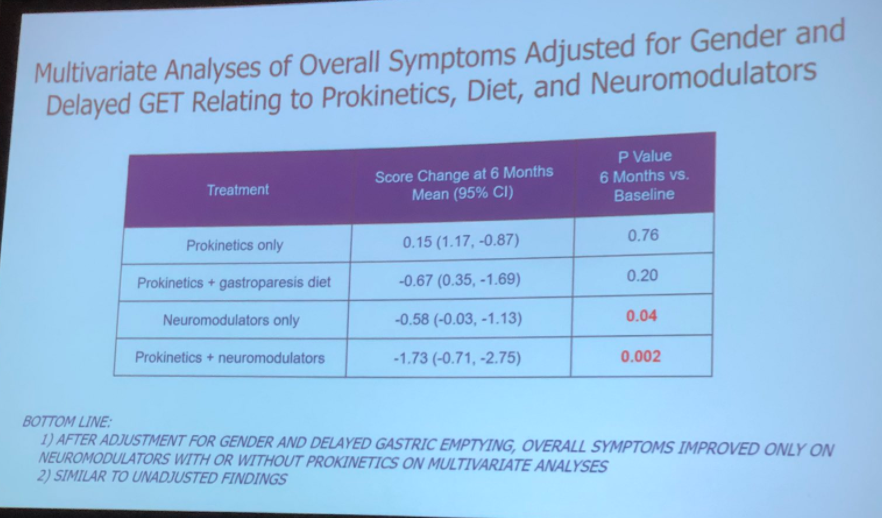
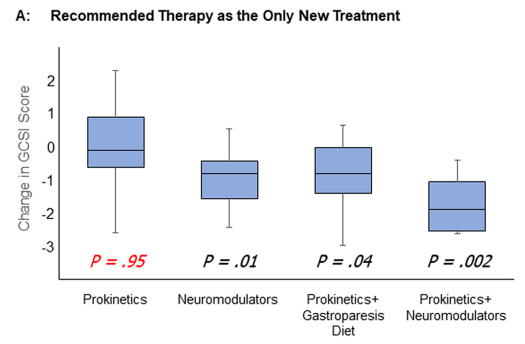
WL Hasler et al. Clin Gastroenterol Hepatol 2024; 22: 867-877. Open Access! Benefits of Prokinetics, Gastroparesis Diet, or Neuromodulators Alone or in Combination for Symptoms of Gastroparesis

Methods: In this prospective study of patients (n=129) with suspected gastroparesis, the authors examined longitudinal outcomes focusing on responses to prokinetics and other therapies. This included gastroparesis diets and neuromodulators. Patients underwent validated gastric emptying testing (wireless motility capsule and gastric emptying scan) before recommending new treatments.

Prokinetics included dopamine antagonists, motilin agonists, acetylcholinesterase
inhibitors, and pyloric botulinum toxin injection.

Key findings:

  • “Initiating prokinetics as solo new therapy had little benefit for patients with symptoms of
    gastroparesis.”
  • “Neuromodulators as the only new therapy decreased symptoms other than
    nausea and vomiting”
  • Combination therapy of a prokinetic with a neuromodulator appeared to be the most effective
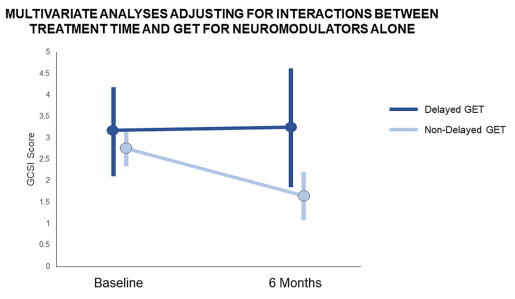
  • Neuromodulators were mainly effective in those without delayed gastric emptying times

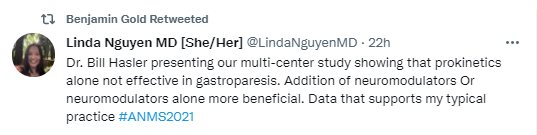
My take: Our therapies for gastroparesis are not very good. And, neuromodulators are likely to be more helpful than prokinetics.

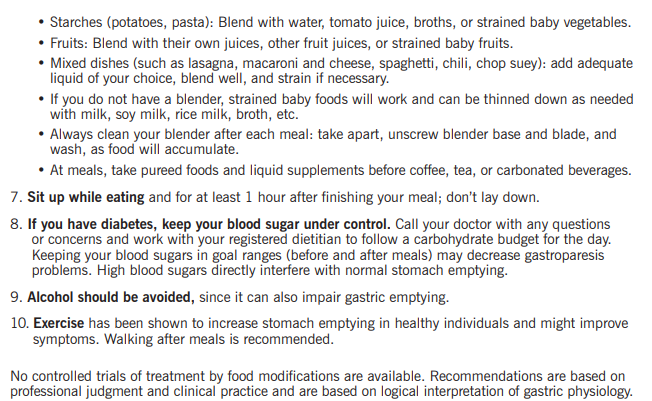
Example of a gastroparesis diet: Cleveland Clinic Gastroparesis Diet (7 pages). Part of the diet recommendations are shown below.

Related blog posts:

Is Manometry Useful to Determine if Botox Will Help Nausea/Vomiting?

Before reviewing today’s article, I wanted to make a comment about the blog post on 12/17/23 (Endoscopy of the Ileal Pouch Anal Anastomosis) which was a JPGN topic of the month. The editorial staff encourages author-driven communication and author-driven initiatives for these types of articles. If you have a topic for JPGN, please send an email to the Section Editor Darla Shores (dshores1@jhmi.edu) or to the editor Sandeep Gupta. (skgupta@uabmc.edu). This includes articles that you would like to write (fellow/interested faculty with senior faculty, up to 5 authors, 1500 words, 12 references), or  if you have a topic that you would like to see in JPGN but do not wish to write yourself, please inform the editorial team as well. 

———

PT Osgood et al. JPGN 2023; 77: 726-733. Intrapyloric Botulinum Toxin Injection for Refractory Nausea and Vomiting in Pediatric Patients

In this retrospective review, pediatric patients (n=25) received intrapyloric botox injections: (80-100 IU divided into 4 doses administered via sclerotherapy needle.

Key findings with botox injections:

  • Of 22 patients completing a GE study, 14 had delayed GE with no significant difference between IPBI responders and nonresponders
  • Improvement in vomiting in 80% (16/20), nausea 75% (15/20), abdominal pain 79% (15/19).
  • In those with psychiatric diagnosis, improvement was seen 71%. In those with orthostatic intolerance, improvement was noted in 67%.
  • In those with delayed GE, improvement was noted in 79% compared with 63% (5/8) with normal GE

My take: Botox was associated with improvement in this refractory pediatric group regardless of gastric emptying/manometry. This suggests that relaxation of pylorus is a useful therapeutic modality in a subset of patients.

Related blog posts:

If a Gastroparesis Medication Works in the Forest But No One Sees It, Did It Really Work?

MR Ingrosso et al. Gastroenterol 2023; 164: 642-654. Open Access! Efficacy and Safety of Drugs for Gastroparesis: Systematic Review and Network Meta-analysis

The authors examined  29 RCTs (3772 patients). Key findings:

  • Only two medications (neither available in U.S.) were identified as being more effective than placebo for global symptoms of gastroparesis: clebopride (RR, 0.30) followed by domperidone (RR, 0.68) 
  • Oral metoclopramide ranked first for nausea (RR 0.46), fullness (RR 0.67), and bloating. Though, use may result extrapyramidal adverse effects

In the associated editorial (pg 522-524, Drug Treatments for Gastroparesis—Why Is the Cupboard So Bare?), the authors note that the label “gastroparesis” applies to a heterogeneous population.

Key points:

  • I tend to abide by the recommendation proposed by Masaoka and Tack10 some years ago that one should use the term gastroparesis only “when persistently and severely delayed gastric emptying is found in the absence of mechanical obstruction.” 
  • An obsession with gastroparesis as the basic issue among patients with “gastroparesis-like” symptoms has translated into a therapeutic fixation on the acceleration of gastric emptying. This too has led to frustration and disappointment. As already mentioned, symptoms are a poor predictor of the rate of gastric emptying, and a normalization of delayed emptying has not consistently correlated with symptom responses and vice versa.11,12
  • Oblivious to research illustrating how upper gastrointestinal symptoms can result from several other derangements in foregut physiology, such as impaired accommodation of the upper stomach, visceral hypersensitivity, and antropyloric distensibility and dysmotility,13141516

My take: Currently, pharmaceutical agents geared towards symptoms like nausea and sensory disorders are much more promising than prokinetic agents for gastroparesis

Related blog posts:

Sunset in Tucson, AZ at Tumamoc Hill

Dreaded Nausea (2022) Plus Skills or Pills

C DiLorenzo. Front Pediatr 2022; https://doi.org/10.3389/fped.2022.848659. Open Access: Functional Nausea Is Real and Makes You Sick

Couple of key pointers:

Diagnosis:

  • ” I tend to refrain from ordering gastric emptying studies in patients with nausea unless vomiting hours after eating occurs.” According to the article, this is mainly due to the overlap symptoms of gastroparesis and functional dyspepsia, the suboptimal reliability of testing, and the uncertain value of testing in targeting therapy.
  • “Much like in most other DGBI, diagnostic tests in patients with chronic nausea should only be indicated in the presence of other alarm signs or features (weight loss, severe pain, bilious vomiting, etc.) (29). Upper endoscopies are particularly unhelpful with 98% reported to be normal in patient with nausea as the predominant symptom”

Treatment:

  • “Most beneficial treatment is hypnotherapy.” Cognitive behavioral therapy is likely helpful.
  • Medications that may be useful: cryproheptadine, STW5 (an herbal supplement), scopolamine patch, and erythromycin (when there is gastroparesis); “use of psychotropic agents such as amitriptyline, buspirone, and mirtazapine (which decrease visceral hyperalgesia, improve accommodation or accelerate gastric emptying may be justified in selected cases.” There is little evidence that classical antiemetics such as ondansetron are beneficial for functional nausea.
  • Also consider wrist acupuncture &/or commercially available devices based on the same principle, endoscopic injection of botulinum toxin in the pylorus; implantation of a gastric pacemaker improves drug-refractory nausea. Treatment of anxiety and depression, if present, is also beneficial.

My take: This is a useful review on a tough disorder to manage.

Related blog posts

Related article: PD Browne et al. Clin Gastroenterol Hepatol 2022; 20: 1847-1856. Open Access! Skills or Pills: Randomized Trial Comparing Hypnotherapy to Medical Treatment in Children With Functional Nausea

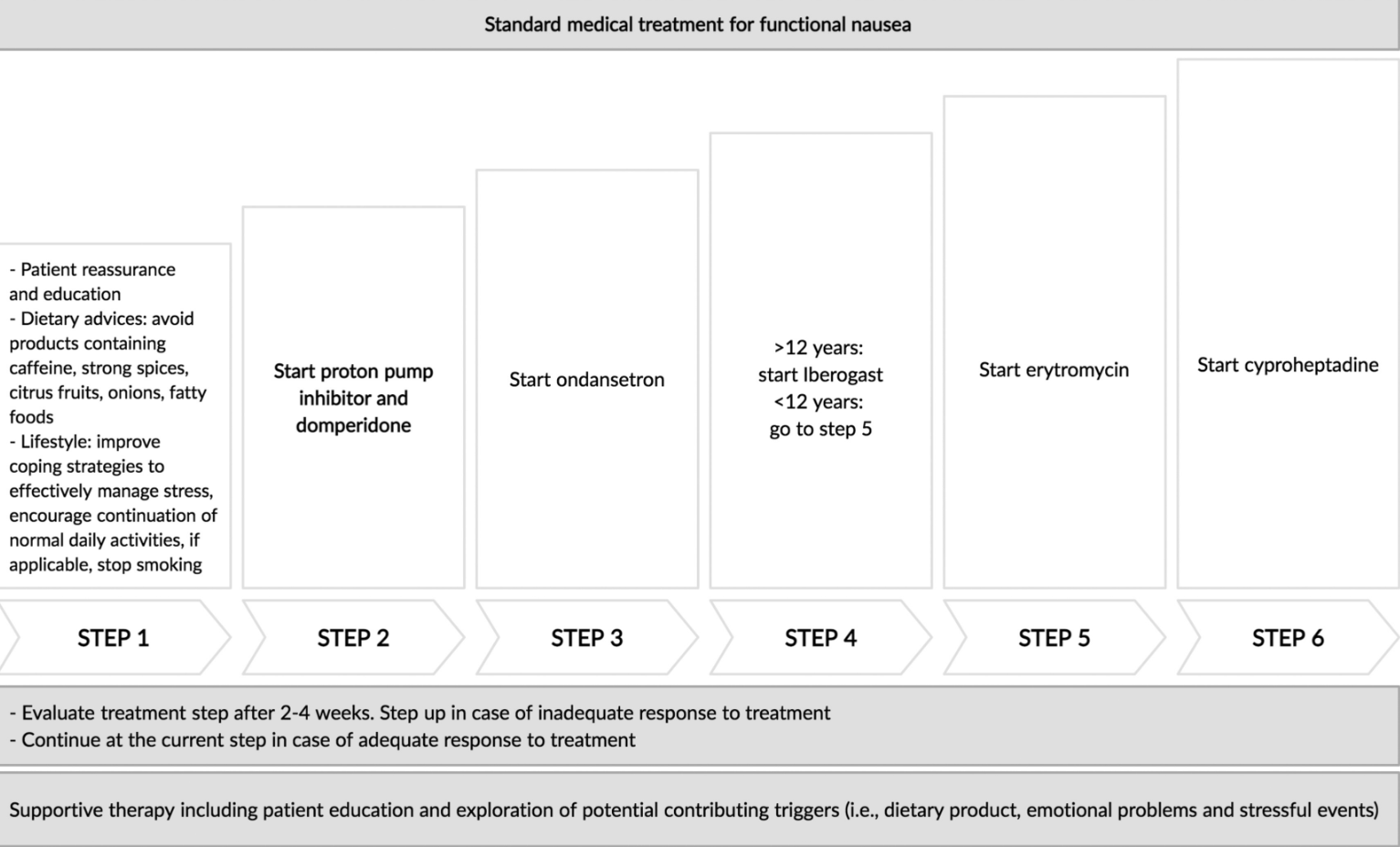
This article found that hypnotherapy was more effective than standard medical therapy during the first 6 months and similar subsequently in children with functional nausea. Standard medical therapy was a progression of treatment:

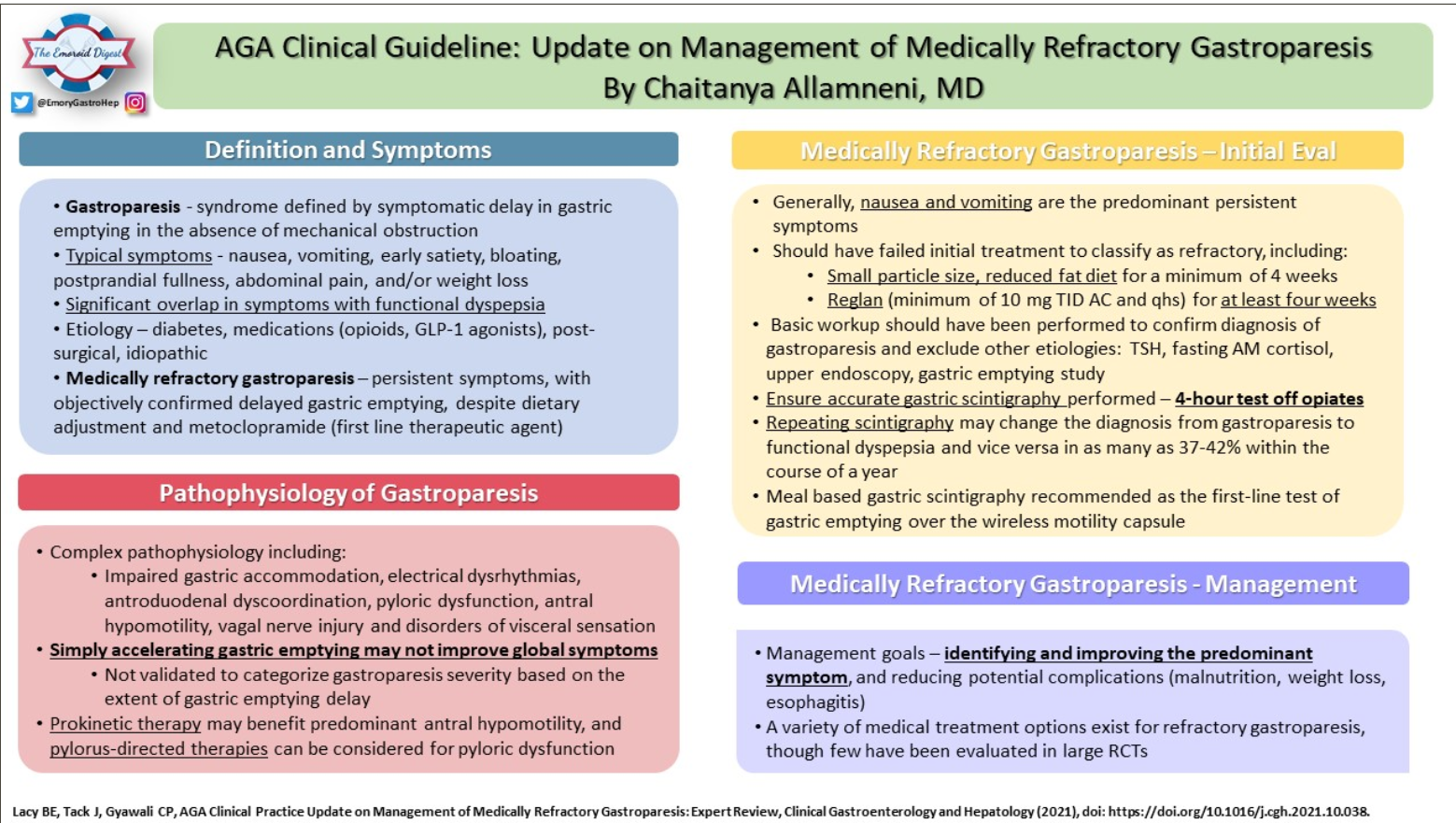
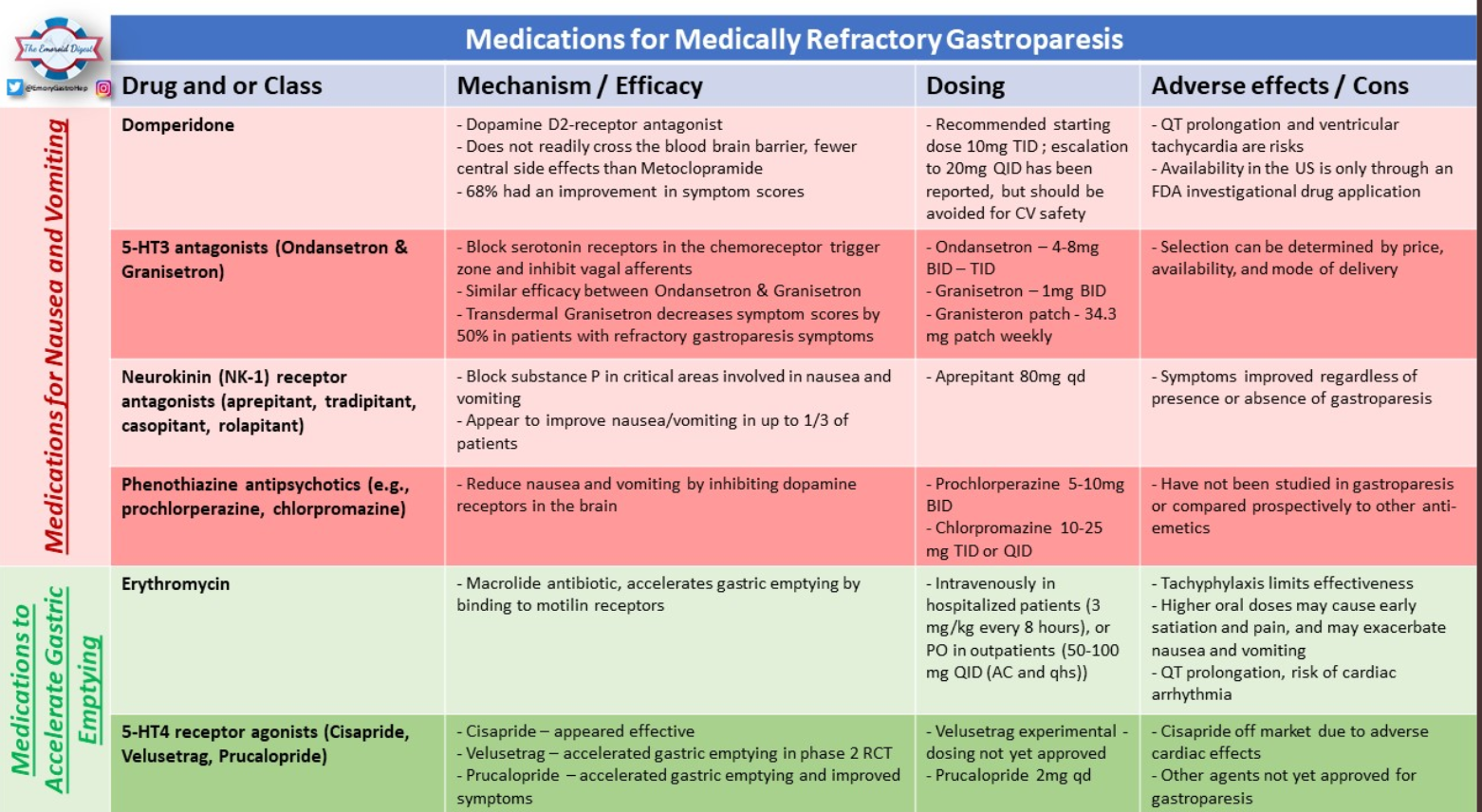
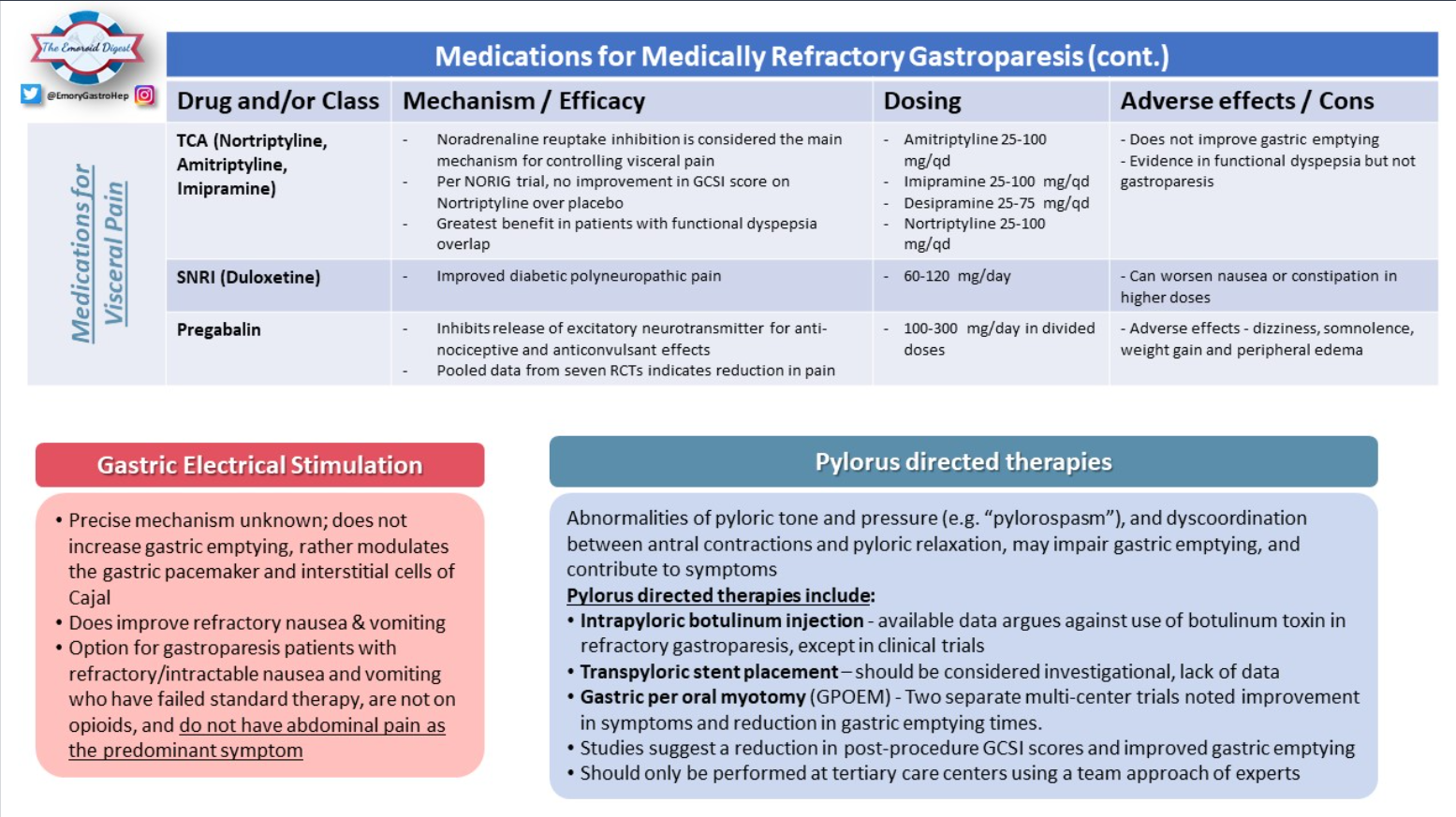
Tweetorial: Refractory Gastroparesis

Tweetorial from “The Emoroid Digest”(posted 5/2/22):

Related blog posts:

Disclaimer: This blog, gutsandgrowth, assumes no responsibility for any use or operation of any method, product, instruction, concept or idea contained in the material herein or for any injury or damage to persons or property (whether products liability, negligence or otherwise) resulting from such use or operation. These blog posts are for educational purposes only. Specific dosing of medications (along with potential adverse effects) should be confirmed by prescribing physician.  Because of rapid advances in the medical sciences, the gutsandgrowth blog cautions that independent verification should be made of diagnosis and drug dosages. The reader is solely responsible for the conduct of any suggested test or procedure.  This content is not a substitute for medical advice, diagnosis or treatment provided by a qualified healthcare provider. Always seek the advice of your physician or other qualified health provider with any questions you may have regarding a condition.
Are Gastroparesis and Functional Dyspepsia Part of the Same Problem?

A recent post (Is A Gastric Emptying Study Helpful in Children?) reviewed data in children indicating that gastric emptying study (GES) results did not correlate with symptom severity in children with functional dyspepsia (FD) symptoms.

Now a 12-year study in adults (n=944) (PJ Pasricha et al. Gastroenterol 2021; 160; 2006-2017. Full text: Functional Dyspepsia and Gastroparesis in Tertiary Care are Interchangeable Syndromes With Common Clinical and Pathologic Features) shows that FD is similar to gastroparesis in terms of clinical and pathological features and that diagnosis of these disorders were NOT fixed. Many patients with FD developed criteria of gastroparesis and many with gastroparesis were later reclassified as FD after followup GES.

Key findings:

  • At 48-weeks, 42% of patients with an initial diagnosis of gastroparesis were reclassified as FD based on gastric-emptying results at this time point; conversely, 37% of patients with FD were reclassified as having gastroparesis
  • In a subset of patients, full-thickness biopsies of the stomach showed loss of interstitial cells of Cajal and CD206+ macrophages in both groups compared with obese controls.
  • The 48-week clinical outcomes were similar. Symptom severity remained “on average unchanged despite the change in gastric-emptying status”

My take (borrowed from authors): This study shows that “patients initially classified as one or the other are not distinguishable by clinical features or by follow-up assessment of gastric emptying…both disorders are unified by characteristic pathologic features, best summarized as a macrophage-driven “cajalopathy” of the stomach.”

While the authors state that a GES lacks reliability, the associated editorial argues that a GES may still be useful (J Tan et al. pg 1931. Full text: Gastroparesis: A Dead-end Street After All?) As individuals with delayed GE “fail to benefiit” from neuromodulators, a GES may influence treatment. However, they note that ACG guidelines indicate that a GES is not needed and all patients with dyspepsia symptoms can be treated in a “uniform sequence of proton pump inhibitors, tricyclic antidepressants and prokinetics as third-line therapy.”

Related blog posts:

Islamorada, FL

Trying to Understand Gastroparesis

…all I know is that I know nothing. –Socrates

Perhaps Socrates was a gastroenterologist.  So much of what we think we know, we are finding out is poorly understood.  This applies to gallbladder dyskinesia, sphincter of Oddi dysfunction and now gastroparesis.

A recent study (PJ Pasricha et al. Gastroenterol 2015; 149: 1762-74, commentary 1666-68) and commentary show how little we understand about gastroparesis.

The study was a large prospective surgery of 262 adult patients with gastroparesis (either diabetic or idiopathic).

Key findings:

  • 28% had improvement in the gastroparesis cardinal symptom index (GCSI) at 48 weeks.  Beyond 48 weeks, there were no significant reductions through week 192.
  • Favorable characteristics: male gender, age 50 and older, initial infectious prodrome (18% of cohort), antidepressant usage, and 4-hour gastric retention greater than 20%.
  • Unfavorable characteristics: obesity, smoking, use of pain modulators, moderate to severe abdominal pain, severe reflux, and moderate to severe depression.

The commentary suggests that those with the higher GCSI improved, in part, because of a regression toward the mean bias.  Other important commentary:

  • “More severely delayed gastric emptying was associated with a greater likelihood of improvement”
  • “There was no differences in outcome between diabetic or idiopathic gastroparesis.”
  • Gastric emptying tests are not reliable:  “Pathophysiologic tests are useful in clinical practice if they are reproducible, explain the symptoms, guide therapeutic choices, and determine response to therapy and long-term prognosis.  Despite its popularity, the gastric emptying test scores low on most of these criteria.”
  • “A metaanalysis found no correlation between the change in gastric emptying rate and the symptom response during prokinetic therapy…A 5-year prospective follow-up study of …functional dyspepsia…found that more than 50% improved…with no relation to the presence of delayed gastric emptying.”
  • “Using the term gastroparesis also can lead to premature closure in our efforts to understand the pathophysiology of symptoms…can lead to botulinum injections into the pylorus or placement of gastric stimulators (formerly called gastric pacemakers) for gastroparesis, both of which have been shown to be nonefficacious in controlled trials.”

My take: It is unclear “when to consider gastric emptying testing and how to use it in patient management.”  For the pediatric population, gastroparesis is more likely to be associated with a prodromal infection which increases the likelihood of recovery.

Related blog posts:

Banning Mills

Banning Mills