The Rise of Oral Obesity Therapies: Semaglutide and Orforglipron

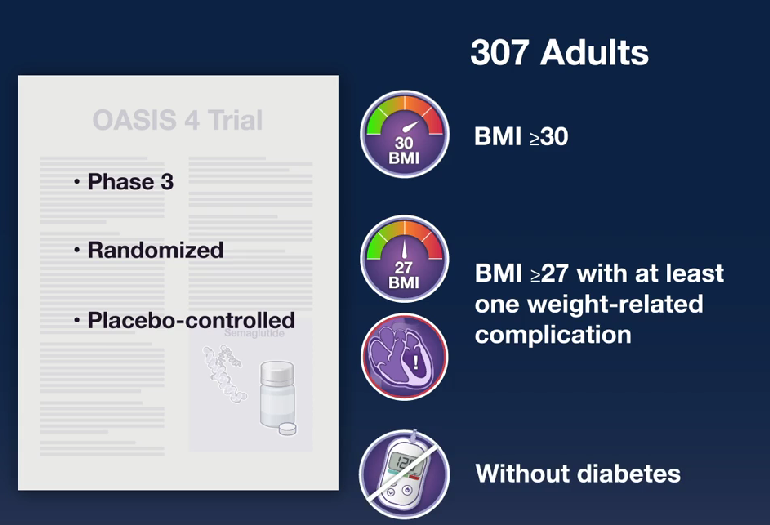
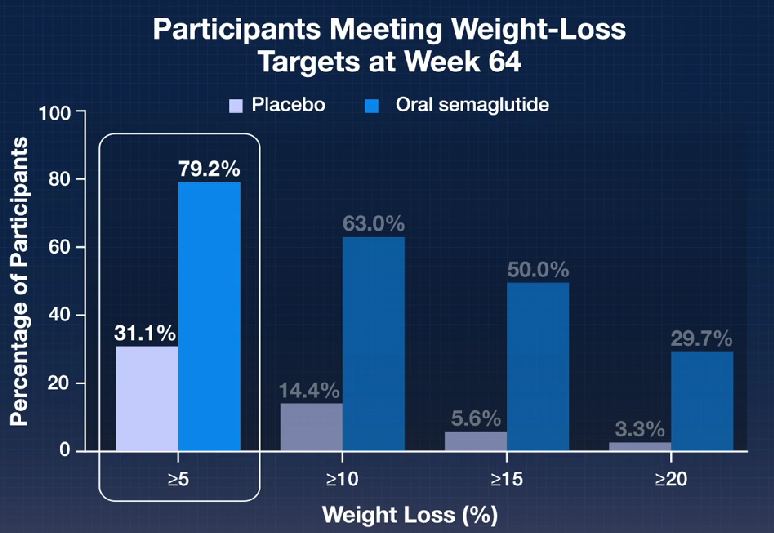
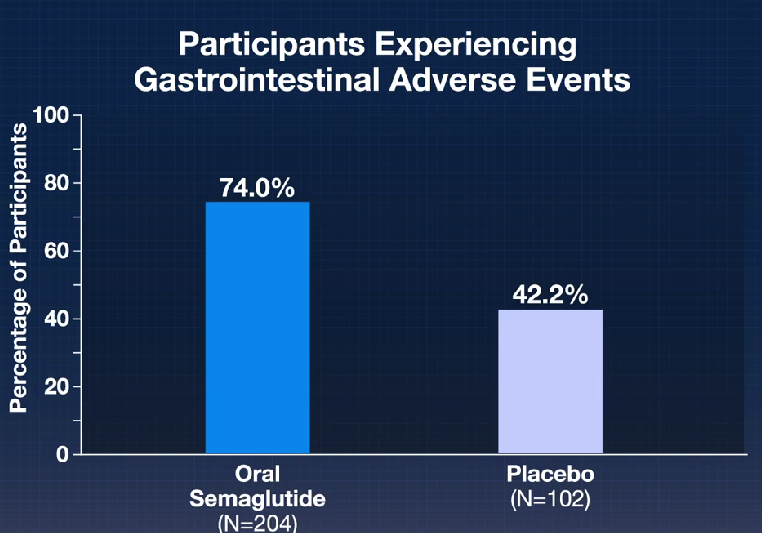
SWharton et al. N Engl J Med 2025;393:1077-1087. Oral Semaglutide at a Dose of 25 mg in Adults with Overweight or Obesity

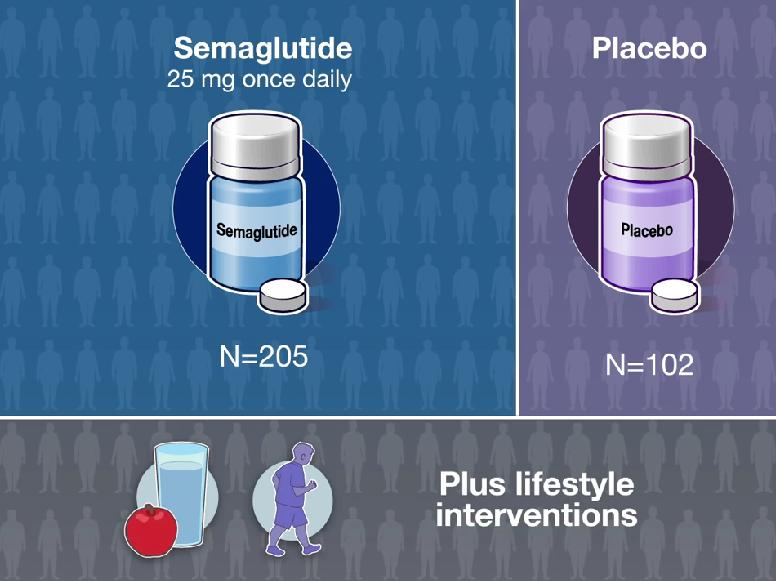
Methods: The participants were randomly assigned in a 2:1 ratio to receive oral semaglutide (25 mg) or placebo once daily, plus lifestyle interventions.

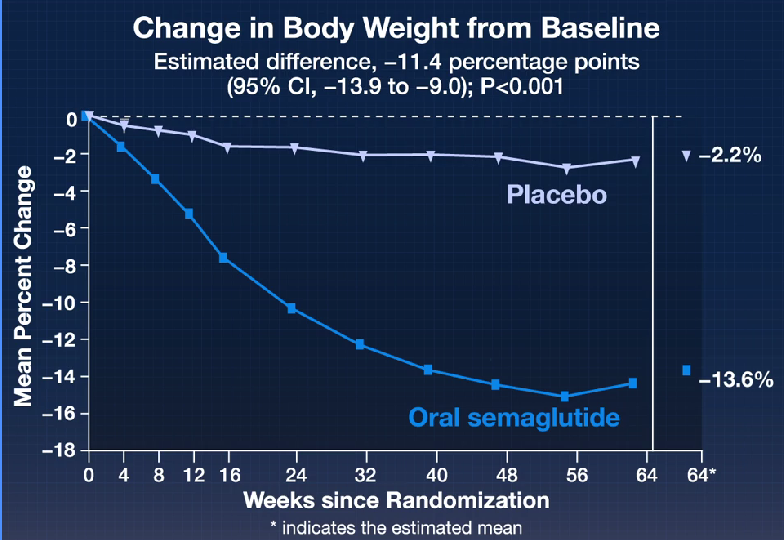
Key Findings:

In their discussion, the authors note that the reasons why “patients may prefer oral administration over the subcutaneous route are most often needle aversion and local skin reactions.7,8 In addition, unlike injectable agents, oral agents may not require a refrigerated chain of delivery and could widen the reach of obesity care in many regions of the world where a lack of refrigeration represents a barrier to access.”

In addition, the results were similar to the “STEP 1 (Semaglutide Treatment Effect in People with Obesity) trial of weekly subcutaneous semaglutide at a dose of 2.4 mg (12.4 percentage points more than that with placebo),16

As with prior trials of semaglutide, “treatment was also associated with substantial reductions in cardiometabolic risk factors including BMI, waist circumference, and levels of glycated hemoglobin, fasting plasma glucose, fasting serum insulin, lipids (very-low-density lipoprotein and triglycerides), and C-reactive protein.”

My take: Effective oral therapy is a big advance for management of obesity. The entire field of pharmacology for obesity has seen remarkable advances in the past few years. For me, it is reminiscent of the proliferation of published studies for hepatitis C around 10 years ago.

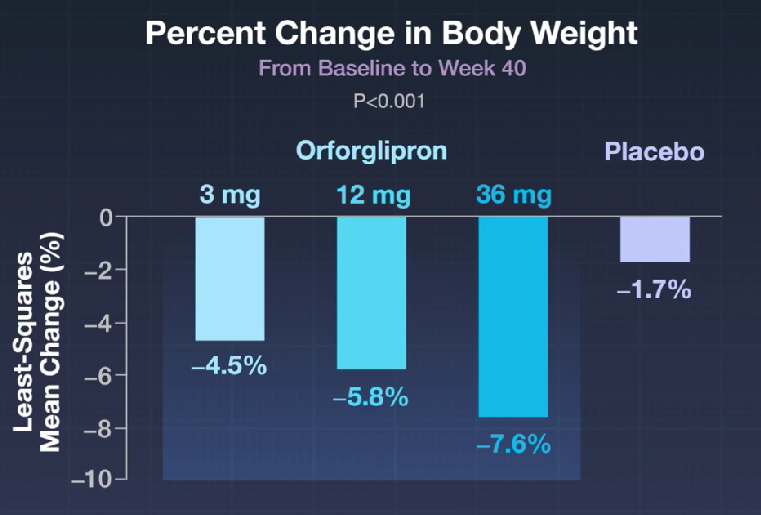
Related article in same NEJM issue: J Rosenstock et al. N Engl J Med 2025;393:1065-1076. Orforglipron, an Oral Small-Molecule GLP-1 Receptor Agonist, in Early Type 2 Diabetes

In the ACHIEVE-1 Trial: Key Findings (n=559 adults):

The associated editorial by DB Lowe (N Engl J Med 2025;393:1133-1134) notes that Orforglipron is a small molecule that manages to mimic the effects of glucagon-like peptide-1 (GLP-1) at the GLP-1 receptor. “The incretins, like many peptide hormones, are fairly small as proteins go — a few dozen amino acids long. But that makes them gigantic as compared with small-molecule drugs. Their molecular weights are at least 10 times as high as the 300 to 500 mass units that medicinal chemists have traditionally aimed for, and being peptides, they have generally undesirable properties as well. Many have short half-lives in the circulation, which can be a desirable feature for endogenous peptides but is nowhere near what is needed for the administration of a once-daily dose.”

Related blog posts:


Impact of GLP-1 Agonists on IBD and Obesity

P Sehgal et al. Clin Gastroenterol Hepatol 2025; 23: 1453-1454.Safety and Clinical Effectiveness of GLP1 Receptor Agonists in Inflammatory Bowel Disease Patients

Background: “The prevalence of obesity among patients with inflammatory bowel disease (IBD) is estimated at 15-40%, and continues to rise. Obesity has been associated with a more severe phenotype of IBD.”

Methods: Retrospective cohort with 244 patients. Semaglutide was the most commonly prescribed agent (54%).

Key findings:

  • GLP-1RA use led to weight loss from 102 kg to 97.6 kg at 12-24 weeks postinitiation
  • GLP-1RA was associated with a significant drop in CRP from 10.1 mg/dL to 3 mg/dL
  • In a subset of 32, fecal calprotectin values decreased from 825 mcg/kg to 235 mcg/kg (P= 0.13)

Limitations: Retrospective study with a short duration, lack of a control group for this study, and lack of endoscopic data.

My take: As with the broader population, GLP-1 RAs help with weight loss in patients with IBD. Many patients may derive health benefits from weight loss alone. This study, though with numerous limitations, indicates the potential beneficial effects on the activity of IBD based on improvements in biomarkers.

Related blog posts:

Old Mill on the Cherokee Trail at Stone Mtn Park. Stone Mtn, GA

Weight Loss Efficacy of Cagrilintide and Semaglutide

WTGarvey et al. N Engl J Med 2025;393:635-647. Coadministered Cagrilintide and Semaglutide in Adults with Overweight or Obesity

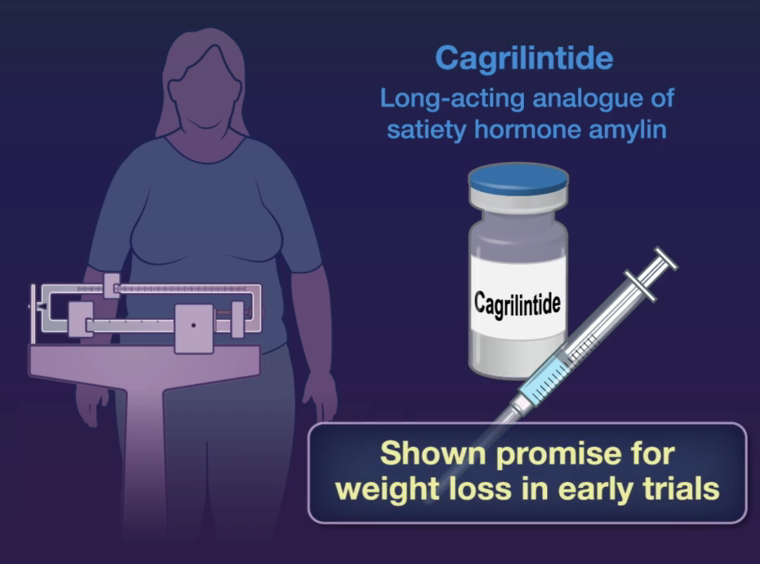
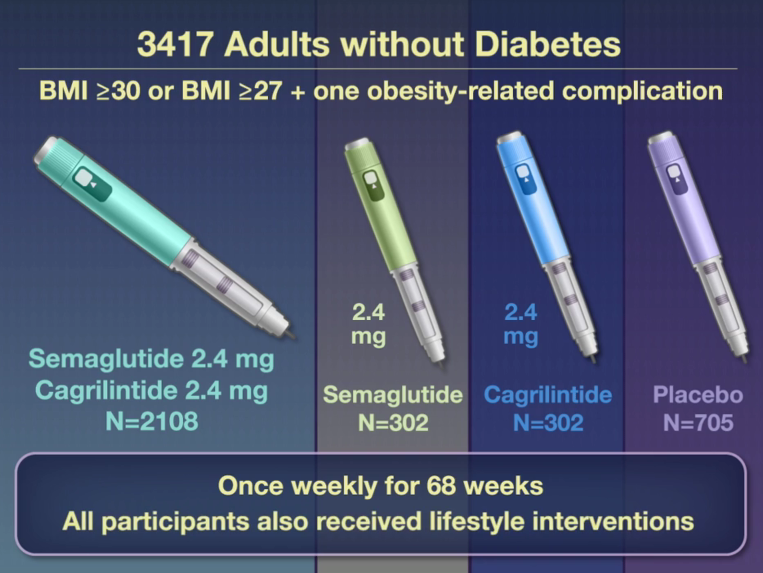
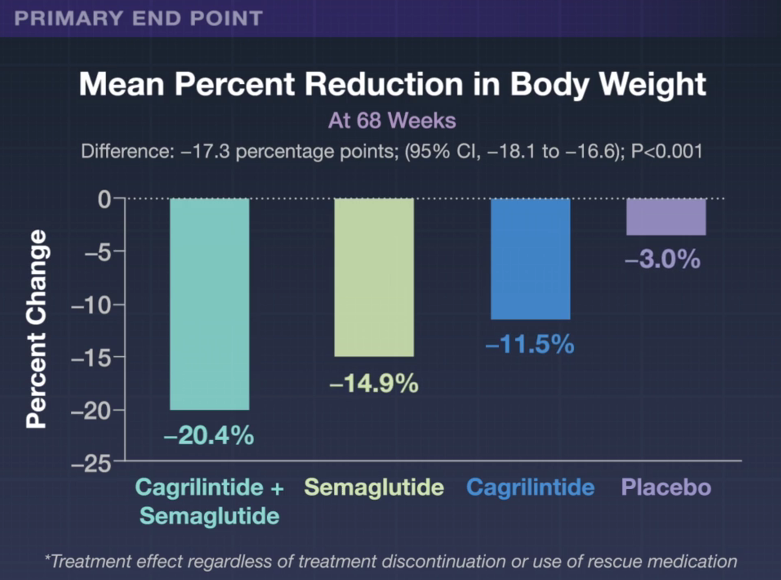
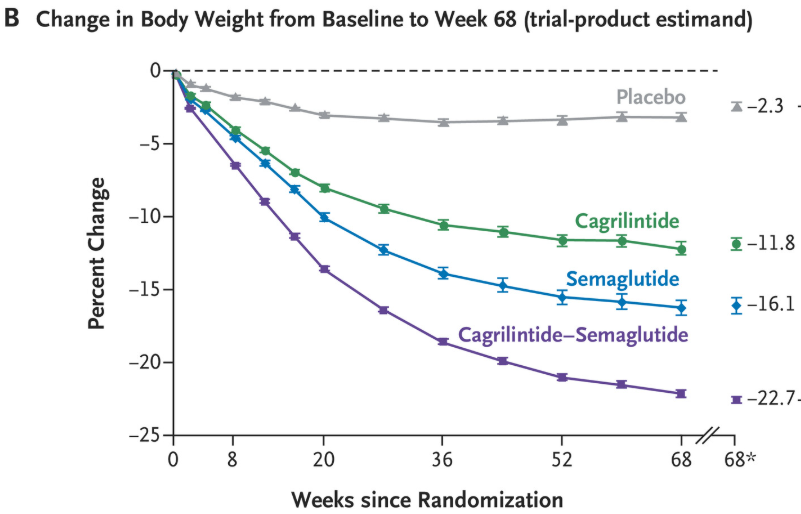
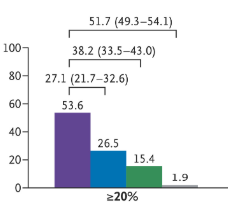
This  phase 3a, 68-week, multicenter, double-blind, placebo-controlled and active-controlled trial (REDEFINE 1) examined the efficacy of the combination of Cagrilintide and Semaglutide (known as CagriSema).  Patients had a body-mass index (BMI) of 30 or higher or a BMI of 27 or higher with at least one obesity-related complication. The combination druge was delivered as a fixed-dose in a single-dose, single-use pen device. 6.1% of trial participants had BMI <30.


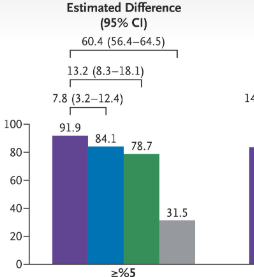
Percentage of patients with at least 5% weight loss
Percentage of patients with at least 20% weight loss
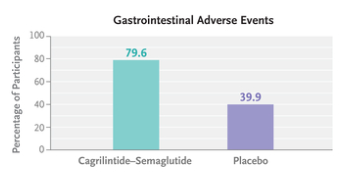
  • “Gastrointestinal adverse events (affecting 79.6% in the cagrilintide–semaglutide group and 39.9% in the placebo group), including nausea, vomiting, diarrhea, constipation, or abdominal pain, were mainly transient and mild-to-moderate in severity.”
  • “Although 57.4% of the participants assigned to cagrilintide–semaglutide were receiving the maximum dose at 68 weeks, 74.7% had received the maximum dose at some point after randomization…doses below the target might be highly effective for some patients and that dose reductions based on the clinical judgment…may be appropriate.”

This same issue also examined the use of this combination in patients with type 2 diabetes (REDEFINE 2). in this study with 1206 patients, “the estimated mean change in body weight from baseline to week 68 was −13.7% in the cagrilintide–semaglutide group and −3.4% in the placebo group.”

The editorial by CM Hales (“Expanding the Treat-to-Target Toolbox for Obesity and Diabetes Care”) notes that “six deaths occurred in the two trials combined, all in the cagrilintide–semaglutide groups, including one suicide in each trial. Previous studies of suicidality with GLP-1 receptor agonist treatment have not supported a causal link,6 but it continues to be of concern.”

My take (from the editorial): “A sustainable treat-to-target approach should extend to lifelong maintenance of health gains after initial weight loss. The intensity and composition of lifestyle interventions in the context of highly effective pharmacologic therapies also need further study. The pharmaceutical pipeline is promising, with potential improvements in safety (such as preservation of lean mass) and more convenience for patients (such as oral administration and monthly dosing). Greater effects on the health of Americans may be achieved not with antiobesity medications producing ever greater magnitudes of weight loss but with expanded access to safe and effective therapies for those who would most benefit.”

Related blog posts:

Tirzepatide: Breakthrough in Obesity and Diabetes Management (SURMOUNT-1 Study at 3 years)

AM Jastrebofff et al. NEJM 2025; 392: 958-971. Tirzepatide for Obesity Treatment and Diabetes Prevention

Methods: In this phase 3, double-blind, randomized, controlled trial, there were  2539 participants with obesity, of whom 1032 also had prediabetes. They were assigned in a 1:1:1:1 ratio to receive tirzepatide at a once-weekly dose of 5 mg, 10 mg, or 15 mg or placebo.

Key findings:

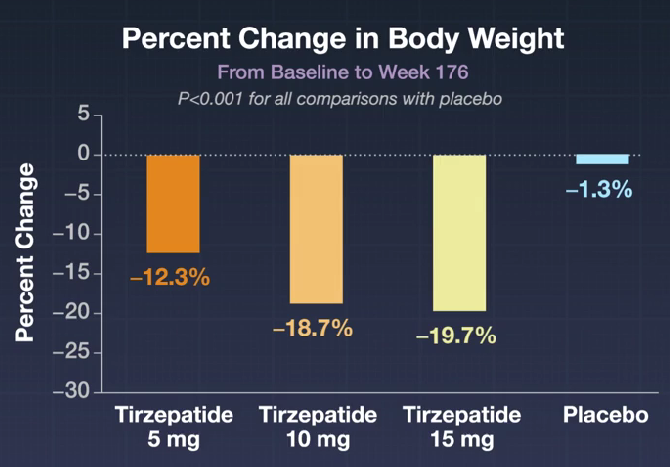
  • Weight loss: At 176 weeks, the mean percent change in body weight among the participants who received tirzepatide was −12.3% with the 5-mg dose, −18.7% with the 10-mg dose, and −19.7% with the 15-mg dose, as compared with −1.3% among those who received placebo (P<0.001 for all comparisons with placebo).
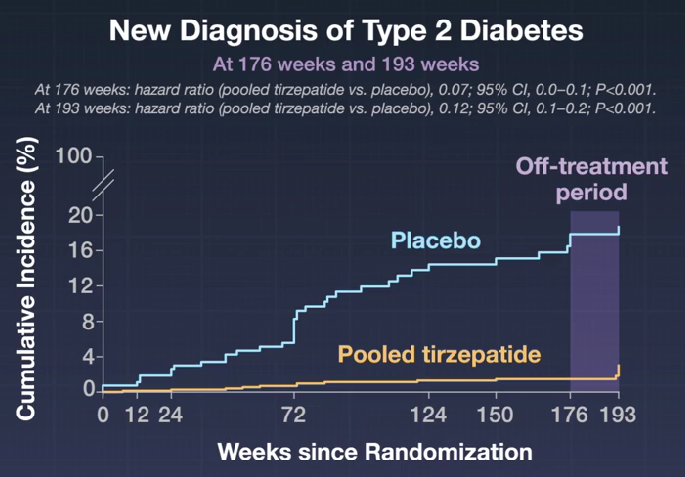
  • Type 2 Diabetes Reduction: Fewer participants received a diagnosis of type 2 diabetes in the tirzepatide groups than in the placebo group (1.3% vs. 13.3%; hazard ratio, 0.07). After 17 weeks off treatment or placebo, 2.4% of the participants who received tirzepatide and 13.7% of those who received placebo had type 2 diabetes (hazard ratio, 0.12)

My take: This study shows durable effectiveness of tirzepatide over a three year period with no new safety signals.

Related blog posts:

Pharmacological Management of Pediatric Steatotic Liver Disease

RARA Jaoudeh et al. J Pediatr Gastroenterol Nutr. 2025;80:14–24; Pharmacological management of pediatric metabolic dysfunction-associated steatotic liver disease

Key points:

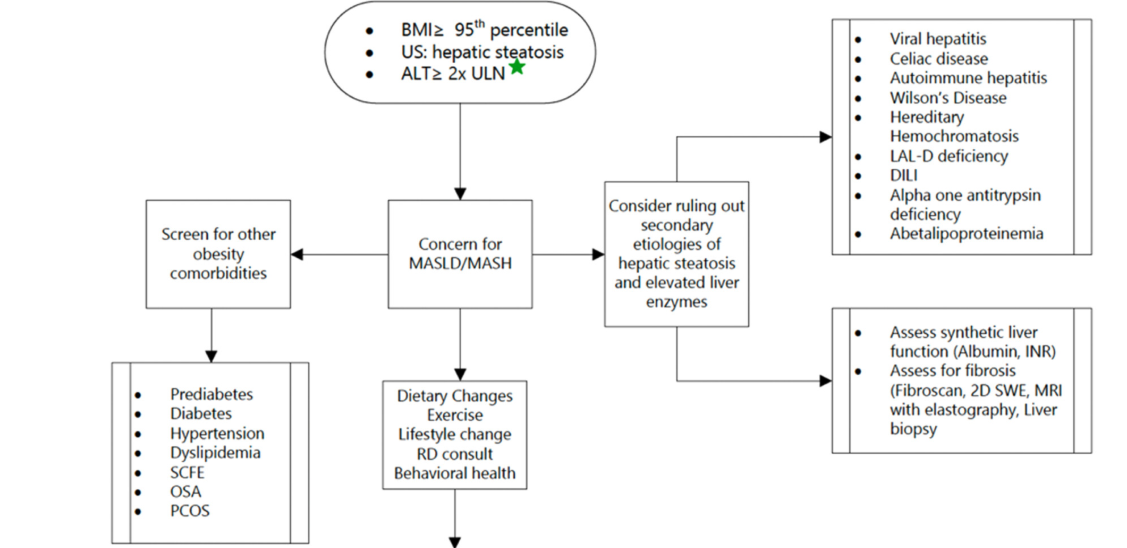
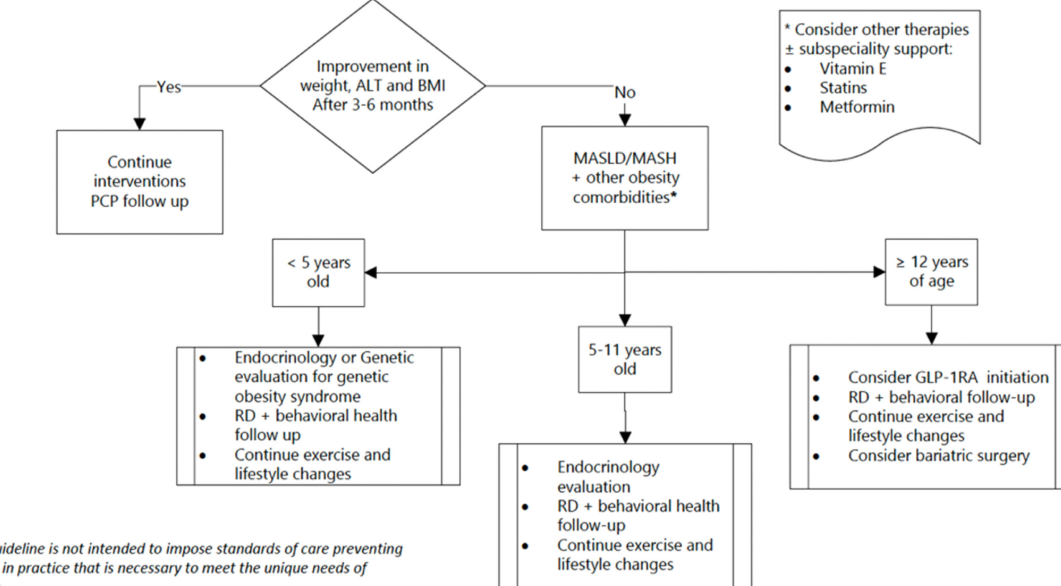
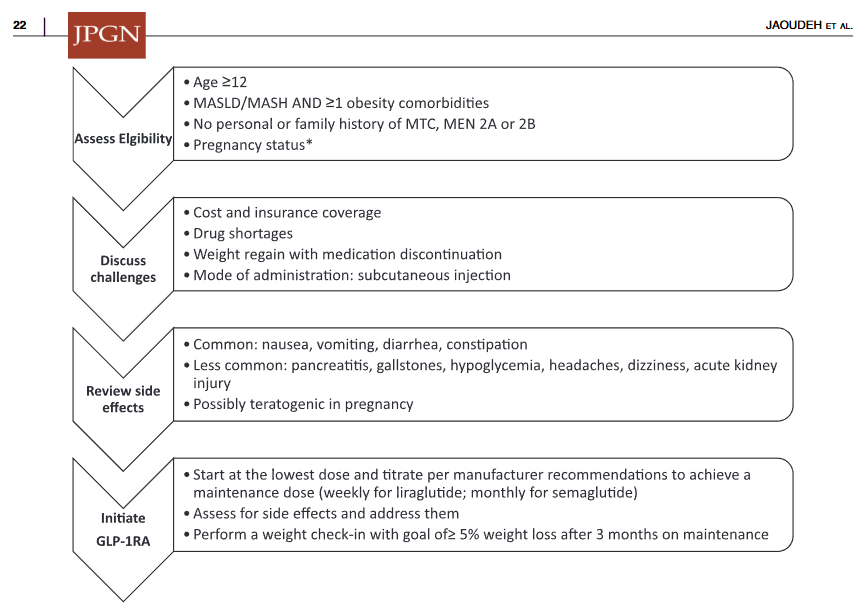
  • Glucagon-like peptide-1 receptor agonists (GLP-1RAs) have demonstrated efficacy against adult MASLD. “In patients ≥12 years of age with obesity (BMI ≥ 95th percentile), we recommend the use of GLP-1RA—along with dietary and lifestyle modifications—in those who have MASLD or MASH, and 1 additional metabolic comorbidity (hypertension, prediabetes, polycystic ovary syndrome, dyslipidemia, and obstructive sleep apnea) (Figures 1 and 2). Treatment with these agents should only be initiated after other causes of hepatic steatosis are ruled out.”
  • “GLP-1RA are effective in treating pediatric obesity and have shown to decrease liver enzyme levels which is likely indicative of their effect on MASLD.”
  • “It is important to note that phentermine/topiramate combination drug is approved for patients 12 years and older with obesity15 and can be used as a bridge for GLP-1RA therapy in cases where access to GLP-1RA is limited.”
  • GLP-1RA Dosing regimens are provided in Table 1. For example, “Semaglutide for weight loss is initiated at 0.25 mg once weekly subcutaneously and increased every 4 weeks in a stepwise fashion up to a maximum of 2.4 mg once weekly dose. The most common side effects are nausea and/or vomiting and can be worse the first few days a after dose increase. It is acceptable to delay dose escalation or reduce the target dose based on patient tolerance. Medication therapy should be evaluated for effectiveness after 12 weeks on a maximally tolerated dose.” And, “Liraglutide for weight loss is initiated at 0.6 mg daily subcutaneously and increased weekly in 0.6 mg increments up to a maximum 3 mg daily dose.”
  • Adverse effects: “Both liraglutide and semaglutide have been associated with thyroid C-cell tumors in animal studies37 and are contraindicated in patients with a personal or familial history of multiple endocrine neoplasia 2A and 2B and medullary thyroid carcinoma. Patients should be educated on symptoms of thyroid tumors—lump in the neck, difficulty breathing or swallowing, or persistent hoarseness—and treatment should be discontinued if these occur.37 GLP-1RA also increase the risk of pancreatitis and gallbladder disease especially with rapid weight loss.37 Liraglutide is contraindicated in pregnancy due to potential embryo-fetal defects shown in animal studies, and semaglutide should be discontinued if pregnancy occurs.1037

Useful algorithm:

My take: GLP-RAs are likely to be used increasingly in adolescents with MASLD despite issues with insurance/affordability and need for chronic treatment. This is a helpful review.

Related blog posts:

Disclaimer: This blog, gutsandgrowth, assumes no responsibility for any use or operation of any method, product, instruction, concept or idea contained in the material herein or for any injury or damage to persons or property (whether products liability, negligence or otherwise) resulting from such use or operation. These blog posts are for educational purposes only. Specific dosing of medications (along with potential adverse effects) should be confirmed by prescribing physician.  Because of rapid advances in the medical sciences, the gutsandgrowth blog cautions that independent verification should be made of diagnosis and drug dosages. The reader is solely responsible for the conduct of any suggested test or procedure.  This content is not a substitute for medical advice, diagnosis or treatment provided by a qualified healthcare provider. Always seek the advice of your physician or other qualified health provider with any questions you may have regarding a condition.

AGA Guidance: GLP-1 Receptor Agonists Prior to Endoscopy

JG Hashash et al. Clin Gastroenterol Hepatol 2024; 22: 705-707. Open Access! AGA Rapid Clinical Practice Update on the Management of Patients Taking GLP-1 Receptor Agonists Prior to Endoscopy: Communication

“GLP-1 RAs (eg, semaglutide, tirzepatide, exenatide, liraglutide, albiglutide, dulaglutide, and lixisneatide) mimic incretins, which are hormones released after eating that prompt glucose-dependent insulin release from the pancreatic islets, stimulate satiety centers, inhibit glucagon release, and result in diminished gastric emptying.”

Because GLP-1 RAs diminish gastric emptying, they can increase the risk of residual gastric contents prior to surgery and endoscopy.

AGA Recommendations:

  • “If patients taking GLP-1 RAs solely for weight loss can be identified beforehand, a dose of the medication could be withheld before endoscopy with likely little harm, although this should not be considered mandatory or evidence-based. Nevertheless, it is unclear
    if withholding the medication for only one dose would be reliably adequate for an individual’s gastric motility to return to normal. ..there is insufficient evidence to suggest this practice be performed for patients taking these medications to treat diabetes”
  • “Generally, in patients on GLP-1 RAs who have followed standard perioperative procedures (typically an 8-hour solid-food fast and a 2-hour liquid fast) and who do not have symptoms of nausea, vomiting, dyspepsia, or abdominal distention, we advise proceeding with upper
    and/or lower endoscopy.”
  • “When possible, placing patients on a liquid diet the day before sedated procedures may be a more acceptable strategy, in lieu of stopping GLP-1 RAs.”

My take: This guidance provides useful advice given the increasing use of GLP-1 RAs. If these medications are being used for obesity, holding a dose prior to endoscopy is a good idea.

Related article: S Sen et al. JAMA Surgery 2024;  doi:10.1001/jamasurg.2024.0111. Glucagon-Like Peptide-1 Receptor Agonist Use and Residual Gastric Content Before Anesthesia Key finding:  Use of a GLP-1 RA was independently associated with increased residual gastric content (1.5 mL/kg of clear liquids on gastric ultrasonography) on preprocedural gastric ultrasonography: 56% (35 of 62) in patients with GLP-1 RA use (exposure group) compared with 19% (12 of 62) in patients who were not taking a GLP-1 RA drug (control group).

Related blog posts:

This is at the entrance to the Westside Reservoir Park.
I had the chance to go there as part of a Westside Beltline Tour in Atlanta.

This reservoir is as deep as the Statue of Liberty is tall and
can hold 2.4 billion gallons of water for the city of Atlanta

Disclaimer: This blog, gutsandgrowth, assumes no responsibility for any use or operation of any method, product, instruction, concept or idea contained in the material herein or for any injury or damage to persons or property (whether products liability, negligence or otherwise) resulting from such use or operation. These blog posts are for educational purposes only. Specific dosing of medications (along with potential adverse effects) should be confirmed by prescribing physician.  Because of rapid advances in the medical sciences, the gutsandgrowth blog cautions that independent verification should be made of diagnosis and drug dosages. The reader is solely responsible for the conduct of any suggested test or procedure.  This content is not a substitute for medical advice, diagnosis or treatment provided by a qualified healthcare provider. Always seek the advice of your physician or other qualified health provider with any questions you may have regarding a condition.

Are We On the Verge of Pharmacologic Management of Obesity (Again)?

In the 1990s, the combination of fenfluramine/phentermine was popularized as a treatment for obesity. Fenfluarmine, though, was shown to cause potentially fatal pulmonary hypertension and heart valve problems, which eventually led to its withdrawal and legal damages of over $13 billion (per Wikipedia: fenfluramine/phentermine).

Now, glucagon-like peptide-1 (GLP-1) receptor agonists, like liraglutide, are showing promise as agents to promote weight loss, primarily by inhibiting appetite. JR Lundrgen et al (NEJM 2021; 384: 1719-1730. Healthy Weight Loss Maintenance with Exercise, Liraglutide, or Both Combined) show that liraglutide can promote weight loss, especially if combined with exercise.

Methods: After an 8-week low-calorie diet, participants were randomly assigned for 1 year to one of four strategies: a moderate-to-vigorous–intensity exercise program plus placebo (exercise group); treatment with liraglutide (3.0 mg per day-SC injection) plus usual activity (liraglutide group); exercise program plus liraglutide therapy (combination group); or placebo plus usual activity (placebo group)

Key findings:

  • After the 8-week low-calorie diet, 195 participants had a mean decrease in body weight of 13.1 kg.
  • At 1 year, all the active-treatment strategies led to greater weight loss than placebo: difference in the exercise group, −4.1 kg (95% confidence interval [CI], −7.8 to −0.4; P=0.03); in the liraglutide group, −6.8 kg (95% CI, −10.4 to −3.1; P<0.001); and in the combination group, −9.5 kg (95% CI, −13.1 to −5.9; P<0.001). The combination strategy led to greater weight loss than exercise (difference, −5.4 kg; 95% CI, −9.0 to −1.7; P=0.004) but not significantly more than monotherapy with liraglutide (−2.7 kg; 95% CI, −6.3 to 0.8; P=0.13)
  • The side effects of decreased appetite, dizziness, increased heart rate and palpitations were more common in those receiving liraglutide; palpitations were evident in 12% of the liraglutide monotherapy group and 4% of the combination (with exercise) group.

The details of the exercise program are detailed in the methods section; all participants were assigned an instructor and expected to do a minimum of 150 minutes per week of moderate-intensity aerobic physical activity or 75 minutes per week of vigorous-intensity aerobic physical activity.

These results are similar to the 15% weight loss noted at 68 weeks with the GLP-1 receptor agonist semaglutide.

My take: GLP-1 receptor agonists help individuals lose weight. However, we’ve seen the promise of medical therapy before so we will have to see how the story ends.

Related blog post: Semaglutide: Potential or Problematic New Treatment for Fatty Liver Disease/NASH

Briefly noted: YY Gibbens et al. American Journal of Gastroenterology 2021 April 22. Effects of Central Obesity on Esophageal Epithelial Barrier Function. Key finding:  Obesity+/GER- group demonstrated increased intercellular space, reduced desmosome density, and increased fluorescein leak compared with control subjects. Thus, obesity may worsen esophageal disease by  impairing the structural and functional integrity of the esophageal barrier independent of GER. (Thanks to Mike Hart for this reference)