New Trend: Oral Medicines Replacing Injections

  • R Bissonnette et al. NEJM 2025; 393: 1784-1795. Oral Icotrokinra for Plaque Psoriasis
  • RS Stern. NEJM 2025; 303: 1854-1855. Oral Psoriasis Therapy — For Whom and at What Cost and Risk?
  • S Wharton et al. NEJM 2025; 303: 1796-1806. Orforglipron, an Oral Small-Molecule GLP-1 Receptor Agonist for Obesity Treatment

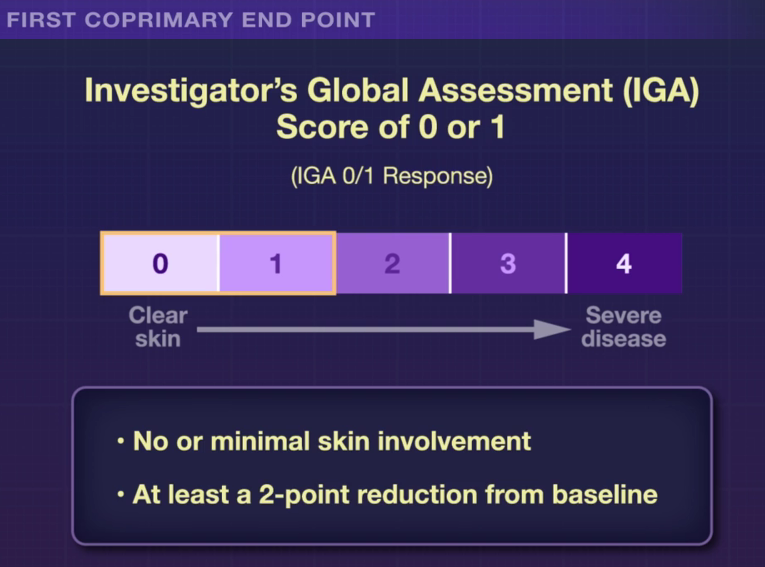
In the ICONIC-LEAD study (Bissonnette et al), 684 adolescents and adults participated in a DBPC trial with an oral peptide, icotrokinra, which binds the IL-23 receptor. This medication is of interest as there are ongoing trials with it for inflammatory bowel disease. Other injectable medications targeting IL-23 are already approved for IBD.

Key Findings:

The associated editorial notes that this new therapy is likely to cost ~$70,000 per year. The cost of psoriasis care has increased more than 2000% since 1997. “Because of these high prices, rebates and discounts to pharmacy benefit managers that often guide formulary preferences are likely to govern clinician’s selection of immune-based oral and parenteral therapies for psoriasis.”

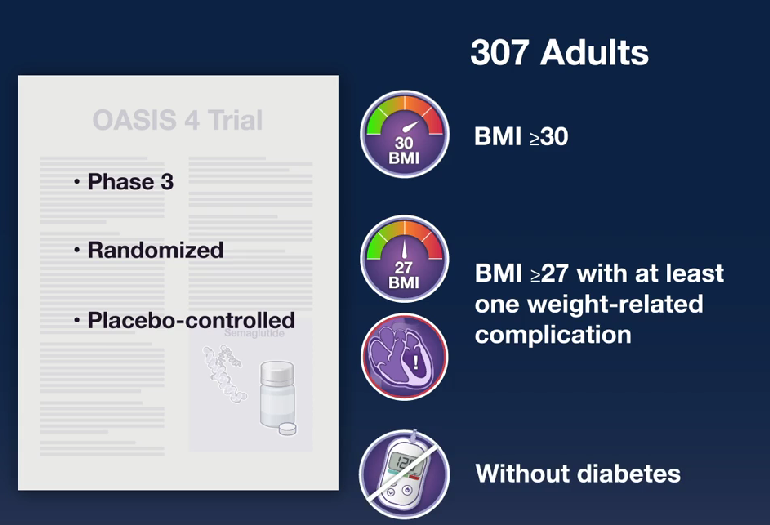
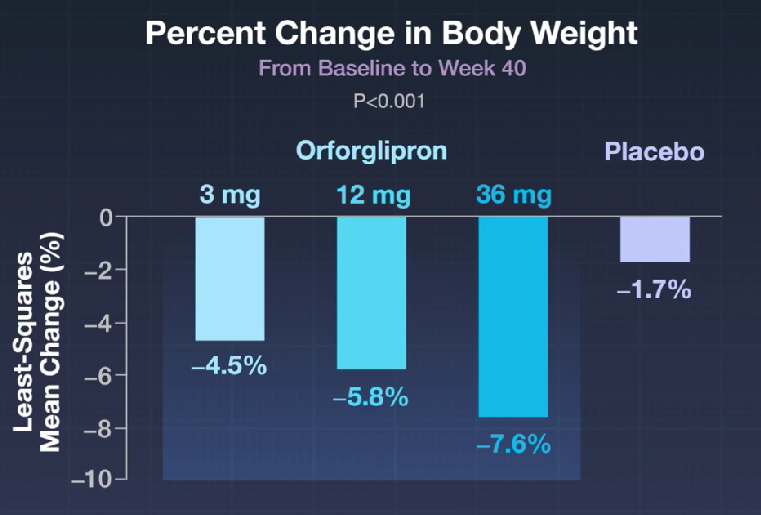
In the ATTAIN-1 Trial (Wharton et al), the authors share the results of an oral GLP-1 Receptor Agonist, Orforglipron, monotherapy for obesity.

Key findings:

My take: There are similar injectable alternatives to each of these medications for psoriasis, obesity and diabetes. The availability of oral medications could reduce one barrier to treatment. Cost barriers may preclude their use in many patients when they become available. In addition, long-term outcome data are still needed.

Related blog posts:

The Rise of Oral Obesity Therapies: Semaglutide and Orforglipron

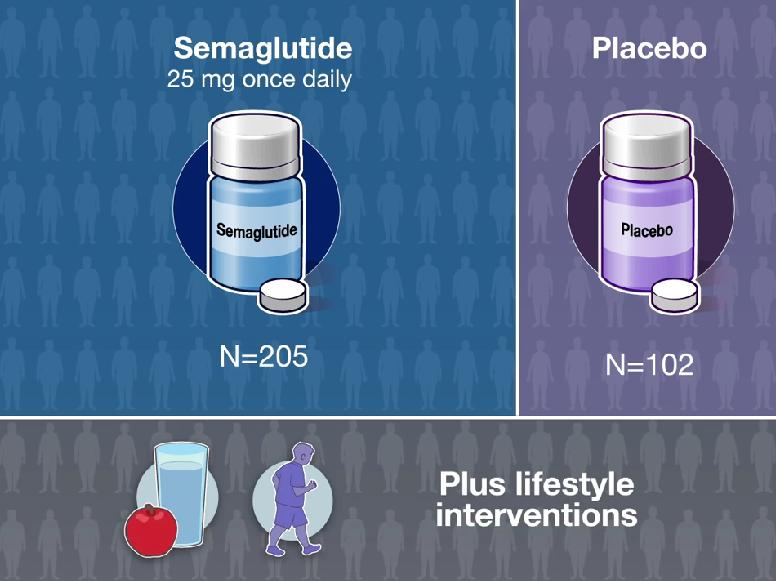
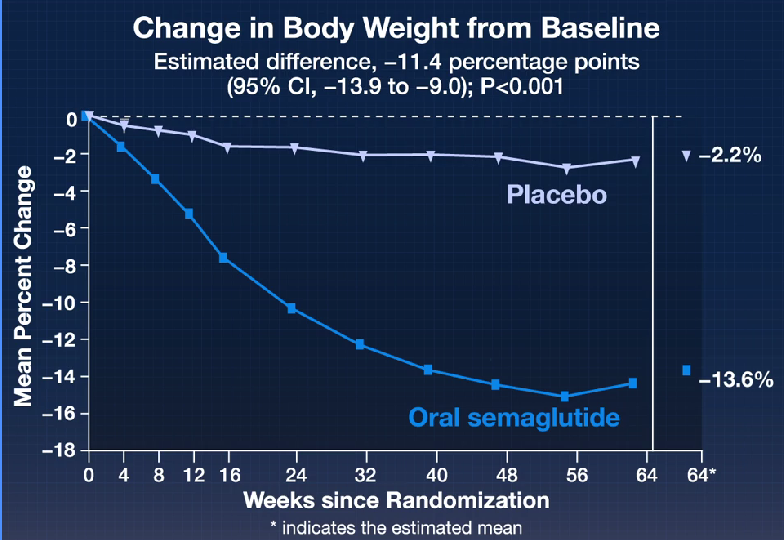
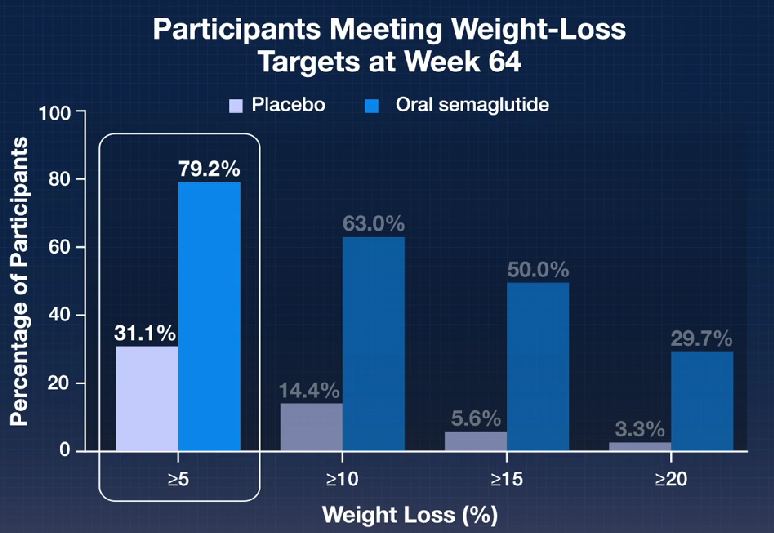
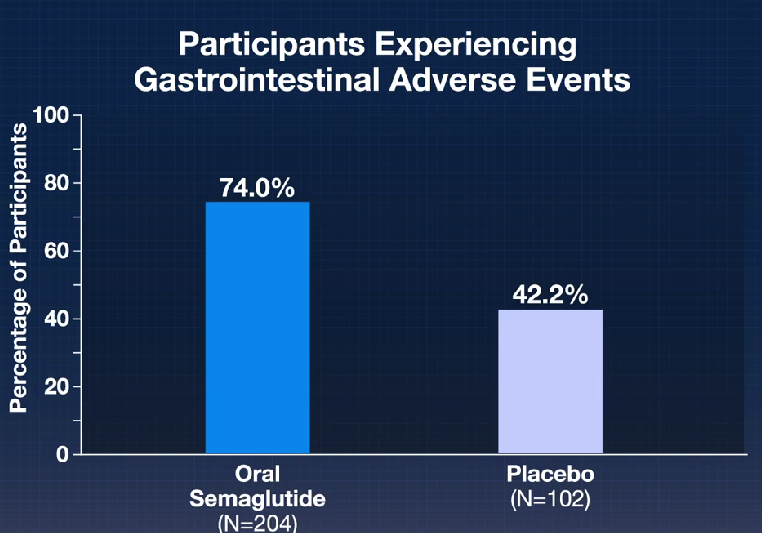
SWharton et al. N Engl J Med 2025;393:1077-1087. Oral Semaglutide at a Dose of 25 mg in Adults with Overweight or Obesity

Methods: The participants were randomly assigned in a 2:1 ratio to receive oral semaglutide (25 mg) or placebo once daily, plus lifestyle interventions.

Key Findings:

In their discussion, the authors note that the reasons why “patients may prefer oral administration over the subcutaneous route are most often needle aversion and local skin reactions.7,8 In addition, unlike injectable agents, oral agents may not require a refrigerated chain of delivery and could widen the reach of obesity care in many regions of the world where a lack of refrigeration represents a barrier to access.”

In addition, the results were similar to the “STEP 1 (Semaglutide Treatment Effect in People with Obesity) trial of weekly subcutaneous semaglutide at a dose of 2.4 mg (12.4 percentage points more than that with placebo),16

As with prior trials of semaglutide, “treatment was also associated with substantial reductions in cardiometabolic risk factors including BMI, waist circumference, and levels of glycated hemoglobin, fasting plasma glucose, fasting serum insulin, lipids (very-low-density lipoprotein and triglycerides), and C-reactive protein.”

My take: Effective oral therapy is a big advance for management of obesity. The entire field of pharmacology for obesity has seen remarkable advances in the past few years. For me, it is reminiscent of the proliferation of published studies for hepatitis C around 10 years ago.

Related article in same NEJM issue: J Rosenstock et al. N Engl J Med 2025;393:1065-1076. Orforglipron, an Oral Small-Molecule GLP-1 Receptor Agonist, in Early Type 2 Diabetes

In the ACHIEVE-1 Trial: Key Findings (n=559 adults):

The associated editorial by DB Lowe (N Engl J Med 2025;393:1133-1134) notes that Orforglipron is a small molecule that manages to mimic the effects of glucagon-like peptide-1 (GLP-1) at the GLP-1 receptor. “The incretins, like many peptide hormones, are fairly small as proteins go — a few dozen amino acids long. But that makes them gigantic as compared with small-molecule drugs. Their molecular weights are at least 10 times as high as the 300 to 500 mass units that medicinal chemists have traditionally aimed for, and being peptides, they have generally undesirable properties as well. Many have short half-lives in the circulation, which can be a desirable feature for endogenous peptides but is nowhere near what is needed for the administration of a once-daily dose.”

Related blog posts:


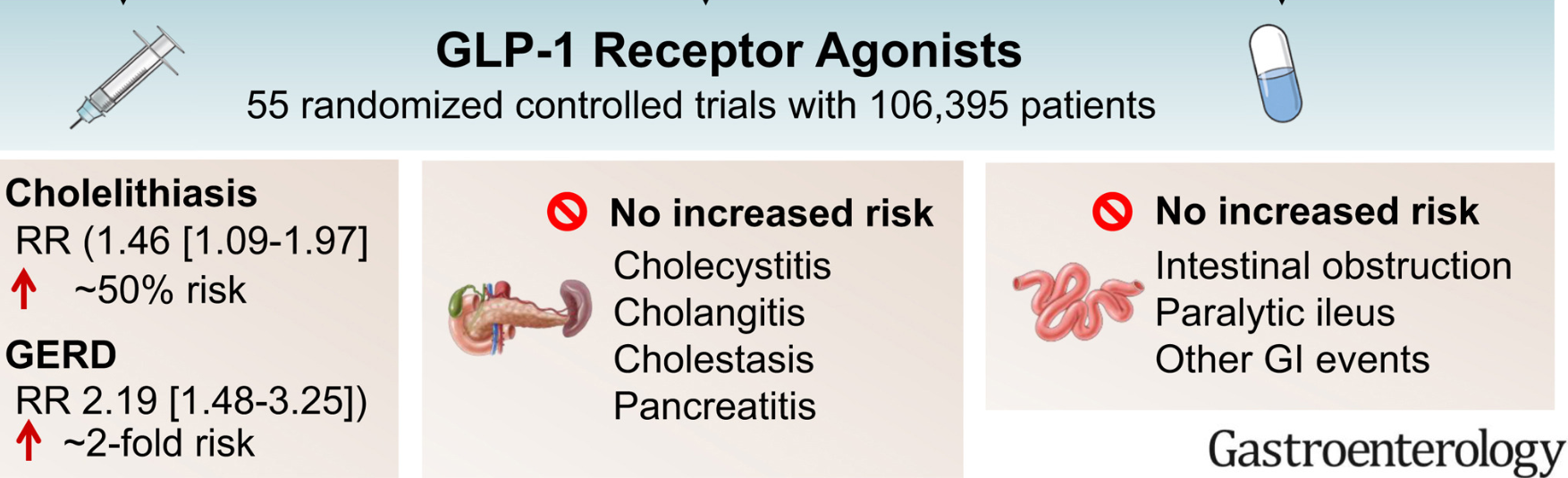
Impact of GLP-1 Agonists on IBD and Obesity

P Sehgal et al. Clin Gastroenterol Hepatol 2025; 23: 1453-1454.Safety and Clinical Effectiveness of GLP1 Receptor Agonists in Inflammatory Bowel Disease Patients

Background: “The prevalence of obesity among patients with inflammatory bowel disease (IBD) is estimated at 15-40%, and continues to rise. Obesity has been associated with a more severe phenotype of IBD.”

Methods: Retrospective cohort with 244 patients. Semaglutide was the most commonly prescribed agent (54%).

Key findings:

  • GLP-1RA use led to weight loss from 102 kg to 97.6 kg at 12-24 weeks postinitiation
  • GLP-1RA was associated with a significant drop in CRP from 10.1 mg/dL to 3 mg/dL
  • In a subset of 32, fecal calprotectin values decreased from 825 mcg/kg to 235 mcg/kg (P= 0.13)

Limitations: Retrospective study with a short duration, lack of a control group for this study, and lack of endoscopic data.

My take: As with the broader population, GLP-1 RAs help with weight loss in patients with IBD. Many patients may derive health benefits from weight loss alone. This study, though with numerous limitations, indicates the potential beneficial effects on the activity of IBD based on improvements in biomarkers.

Related blog posts:

Old Mill on the Cherokee Trail at Stone Mtn Park. Stone Mtn, GA

Weight Loss Efficacy of Cagrilintide and Semaglutide

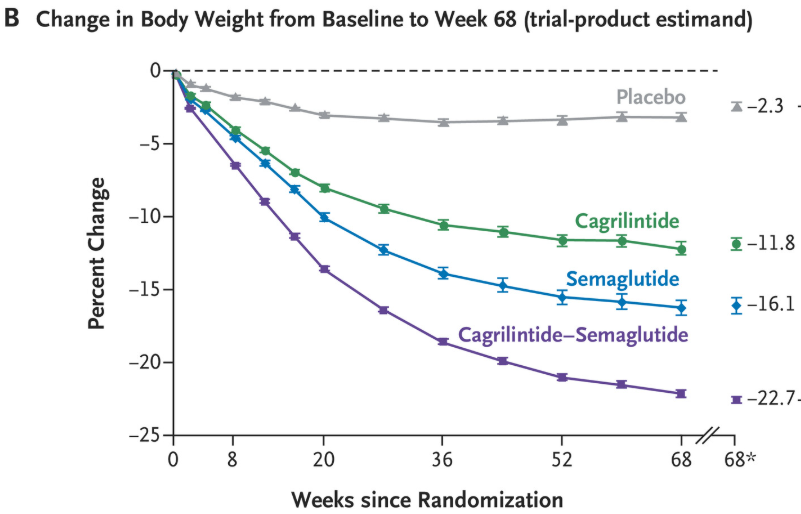
WTGarvey et al. N Engl J Med 2025;393:635-647. Coadministered Cagrilintide and Semaglutide in Adults with Overweight or Obesity

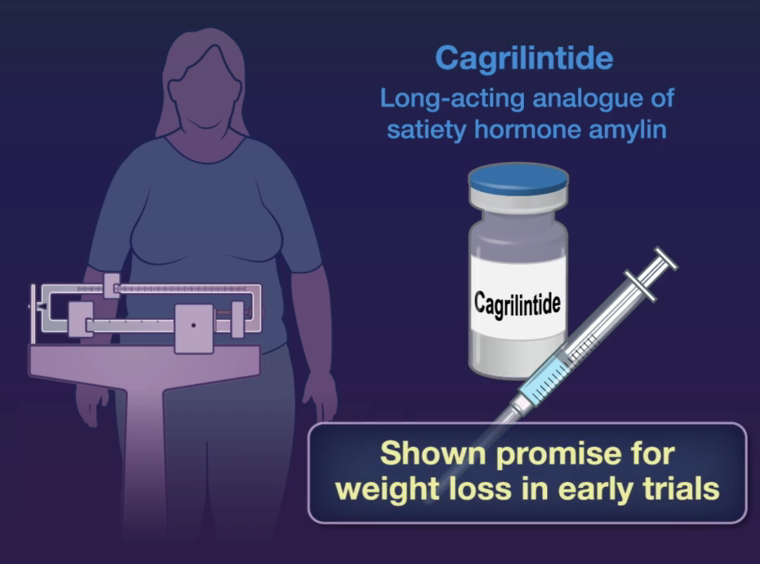
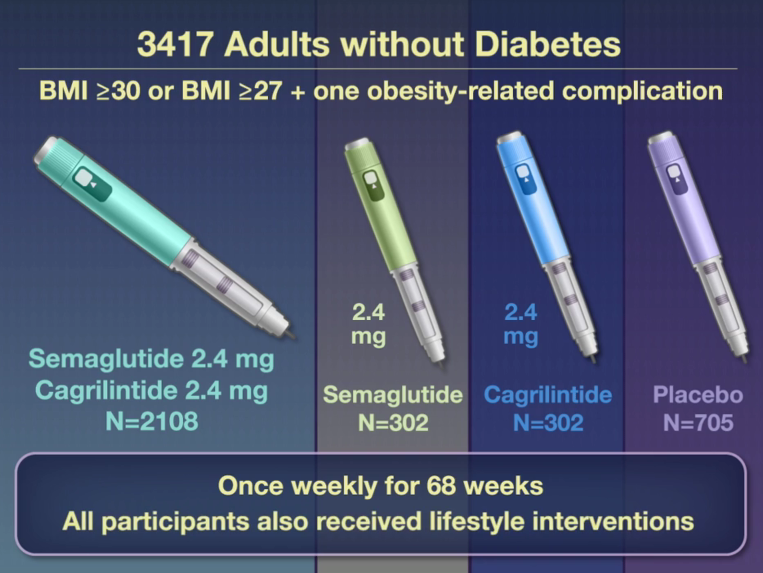
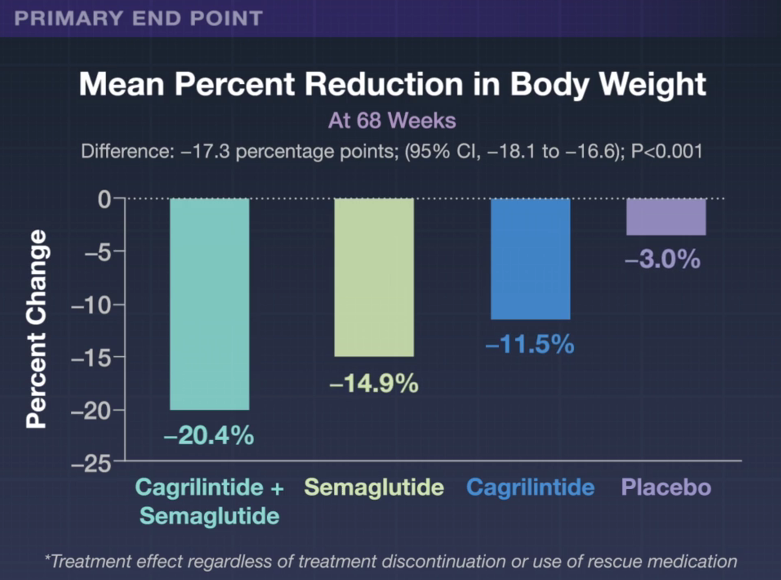
This  phase 3a, 68-week, multicenter, double-blind, placebo-controlled and active-controlled trial (REDEFINE 1) examined the efficacy of the combination of Cagrilintide and Semaglutide (known as CagriSema).  Patients had a body-mass index (BMI) of 30 or higher or a BMI of 27 or higher with at least one obesity-related complication. The combination druge was delivered as a fixed-dose in a single-dose, single-use pen device. 6.1% of trial participants had BMI <30.


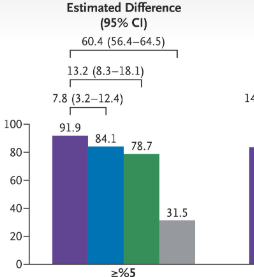
Percentage of patients with at least 5% weight loss
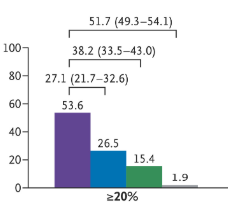
Percentage of patients with at least 20% weight loss
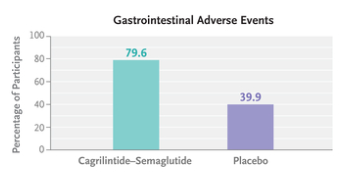
  • “Gastrointestinal adverse events (affecting 79.6% in the cagrilintide–semaglutide group and 39.9% in the placebo group), including nausea, vomiting, diarrhea, constipation, or abdominal pain, were mainly transient and mild-to-moderate in severity.”
  • “Although 57.4% of the participants assigned to cagrilintide–semaglutide were receiving the maximum dose at 68 weeks, 74.7% had received the maximum dose at some point after randomization…doses below the target might be highly effective for some patients and that dose reductions based on the clinical judgment…may be appropriate.”

This same issue also examined the use of this combination in patients with type 2 diabetes (REDEFINE 2). in this study with 1206 patients, “the estimated mean change in body weight from baseline to week 68 was −13.7% in the cagrilintide–semaglutide group and −3.4% in the placebo group.”

The editorial by CM Hales (“Expanding the Treat-to-Target Toolbox for Obesity and Diabetes Care”) notes that “six deaths occurred in the two trials combined, all in the cagrilintide–semaglutide groups, including one suicide in each trial. Previous studies of suicidality with GLP-1 receptor agonist treatment have not supported a causal link,6 but it continues to be of concern.”

My take (from the editorial): “A sustainable treat-to-target approach should extend to lifelong maintenance of health gains after initial weight loss. The intensity and composition of lifestyle interventions in the context of highly effective pharmacologic therapies also need further study. The pharmaceutical pipeline is promising, with potential improvements in safety (such as preservation of lean mass) and more convenience for patients (such as oral administration and monthly dosing). Greater effects on the health of Americans may be achieved not with antiobesity medications producing ever greater magnitudes of weight loss but with expanded access to safe and effective therapies for those who would most benefit.”

Related blog posts:

“You Can’t Outrun a Bad Diet”

It has been recognized for quite some time that physical exercise, while important for health, does NOT play a big role in weight loss (see: Challenging the Obesity Myths, NEJM 2013; 368: 446-54. “Physical education, as typically provided, has not been shown to reduce or prevent obesity”). This article and the associated commentary from NPR provide further evidence of this.

Methods:  The authors examined energy expenditure and two measures of obesity (body fat percentage and body mass index, BMI) for 4,213 adults from 34 populations across six continents and a wide range of lifestyles and economies, including hunter-gatherer, pastoralist, farming, and industrialized populations

Key findings:

  • “Economic development was positively associated with greater body mass, BMI, and body fat, but also with greater total, basal, and activity energy expenditure. Absolute measures of TEE (total energy expenditure) and AEE (activity energy expenditure) are greater in more economically developed populations (Fig. 2), consistent with their larger body size. Body size–adjusted TEE decreased marginally with greater development”
  • “Estimated energy intake was greater in economically developed populations, and in populations with available data (n = 25), the percentage of ultraprocessed food in the diet was associated with body fat percentage, suggesting that dietary intake plays a far greater role than reduced energy expenditure in obesity related to economic development.”

Commentary from NPR:

Back in the 1800s, obesity was almost nonexistent in the United States. Over the last century, it’s become common here and in other industrialized nations…One common explanation is that as societies have developed, they’ve also become more sedentary, and people have gotten less active….But in a major new study published in the journal PNAS, Pontzer and an international team of collaborators found that’s not the case…the total calories burned per day is really similar across these populations, even though the lifestyle and the activity levels are really different…it does mean we can’t outrun a bad diet. Pontzer says if we want to tackle obesity, the public health message should focus on changing what’s on our plates.”

My take: This article further supports the idea that a healthy diet is the crucial factor with regard to weight gain. However, numerous studies have shown that physical activity is important for good health, regardless of one’s weight.

Related blog posts:

Boats for punting at the Magdalen Bridge/River Cherwell. Oxford, UK

Real-World Results of Obesity Pharmacotherapy With Tirzepatide and Semaglutide

Happy July 4th!


L Gasoyan et al. Obesity 2025; DOI: 10.1002/oby.24331. Open Access! Changes in weight and glycemic control following obesity treatment with semaglutide or tirzepatide by discontinuation status

Methods: This retrospective cohort study used electronic health record data from a large health system in Ohio and Florida to identify adults with overweight or obesity without type 2 diabetes who initiated injectable semaglutide or tirzepatide between 2021 and 2023; 6109 received semaglutide, and 1772 received tirzepatide. Classification as high maintenance doses for semaglutide were 1.7, 2.0, or 2.4 mg and for tirzepatide 10.0, 12.5, or 15.0 mg, and all other dosages classified as low. The study grouped patients who discontinued pharmacotherapy into those who discontinued early (within 3 months of the index date) and late (within 3–12 months)

Key findings:

  • 80.8% had low maintenance dosages
  • Mean (SD) percentage weight reduction at 1 year was 8.7% (9.6%)
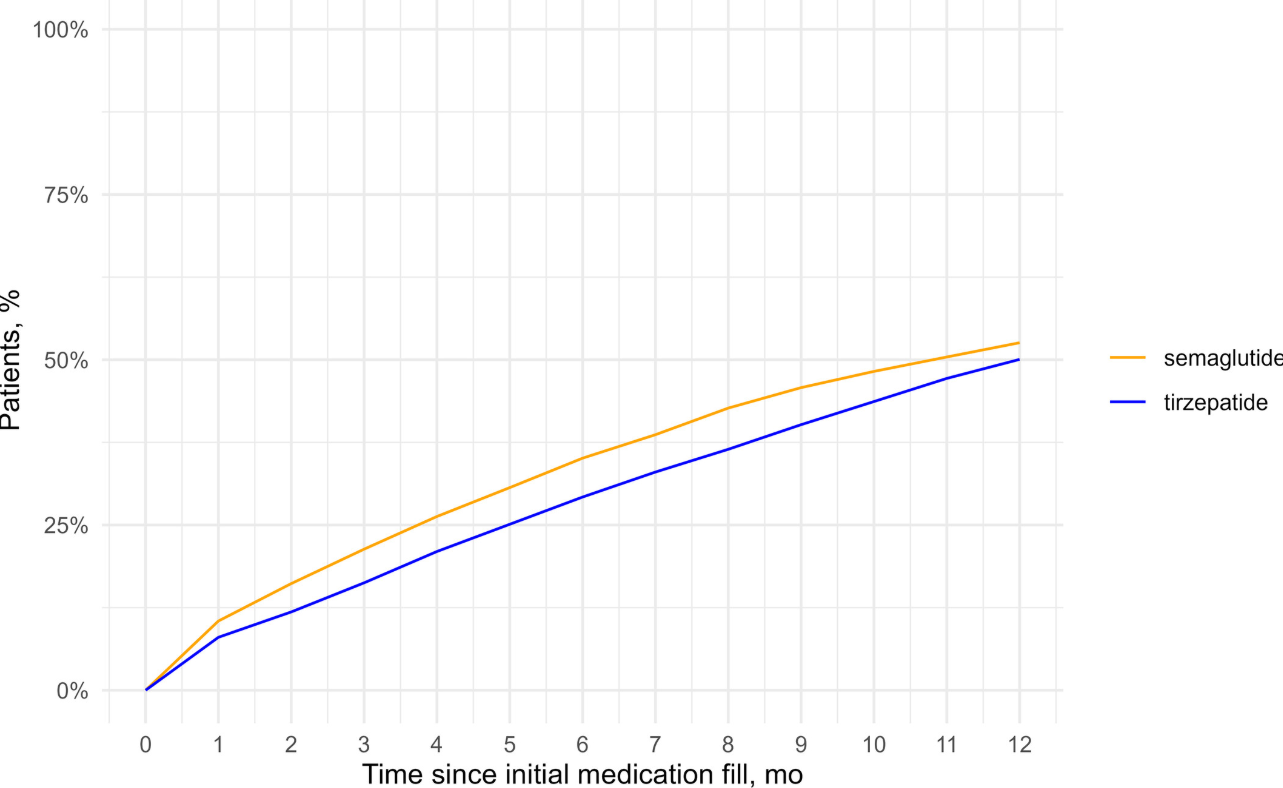
  • ~50% discontinued medication within 1 year
  • Patients receiving tirzepatide had more weight loss than those receiving semaglutide (see below). Among patients who did not discontinue obesity pharmacotherapy at year 1, the mean (SD) percentage reduction in weight was 10.9% with semaglutide and 15.3% with tirzepatide
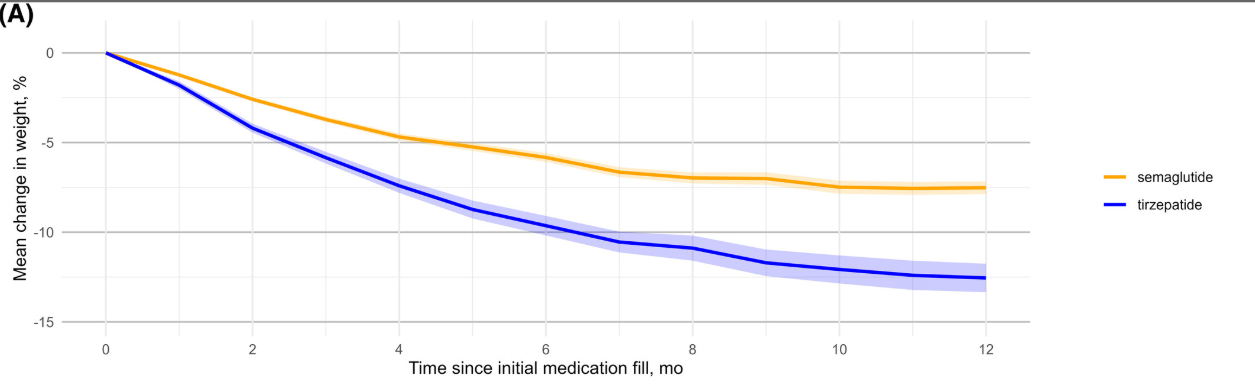
  • In those receiving high dose medication, mean (SD) percentage reduction in weight was 14.7% with semaglutide and 18.0% with tirzepatide
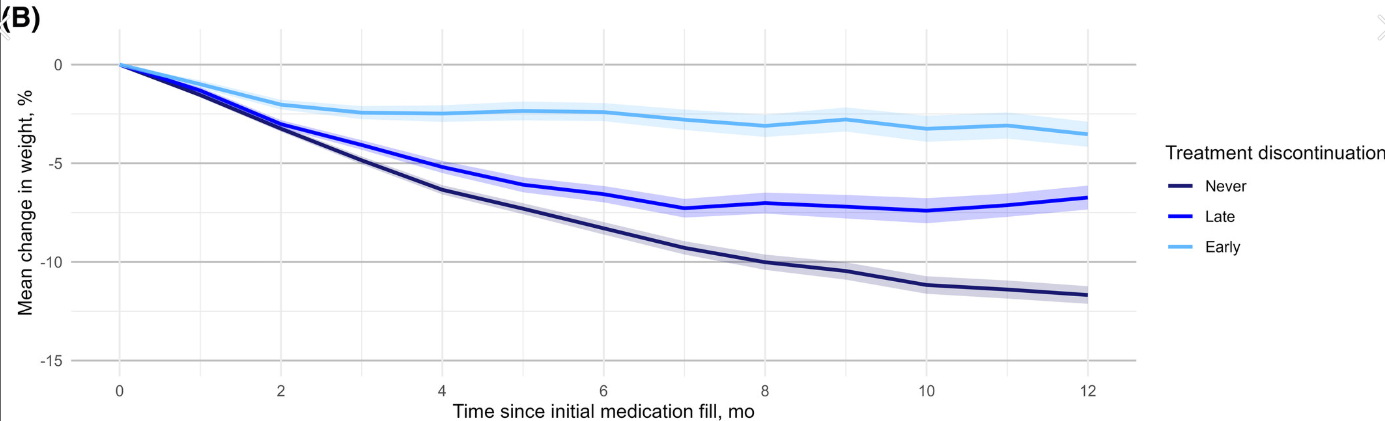
  • Patients who continuing therapy had more weight loss than those who discontinued therapy (see below); Mean (SD) percentage weight reduction at 1 year was 3.6% (8.1%) with early discontinuation, 6.8% (9.1%) with late discontinuation, and 11.9% (9.2%) with non-discontinuation (p < 0.001).
DISCONTINUATION OF THERAPY:

Cumulative incidence of obesity pharmacotherapy discontinuation by index medication. s. Discontinuation of obesity pharmacotherapy was defined as a greater than 90-day gap between exhaustion of previous supply and next dispense or between exhaustion of last supply and end of study follow-up
SEMAGLUTIDE VS TIRZEPATIDE:

RESULTS WITH ONGOING TREATMENT VS TREATMENT DISCONTINUATION:

My take: This study showed higher rates of medication discontinuation in a real world setting compared to prior publications. In addition, the majority were receiving lower doses yet still achieving good results. However, increased discontinuation and lower doses likely explain the discrepancy in weight loss in this cohort which was less than in prior studies. It is important that patients taking these medications receive adequate counseling at the start to improve rates of adherence and long-term outcomes, including mitigation of muscle loss and bone loss.

Related blog posts:

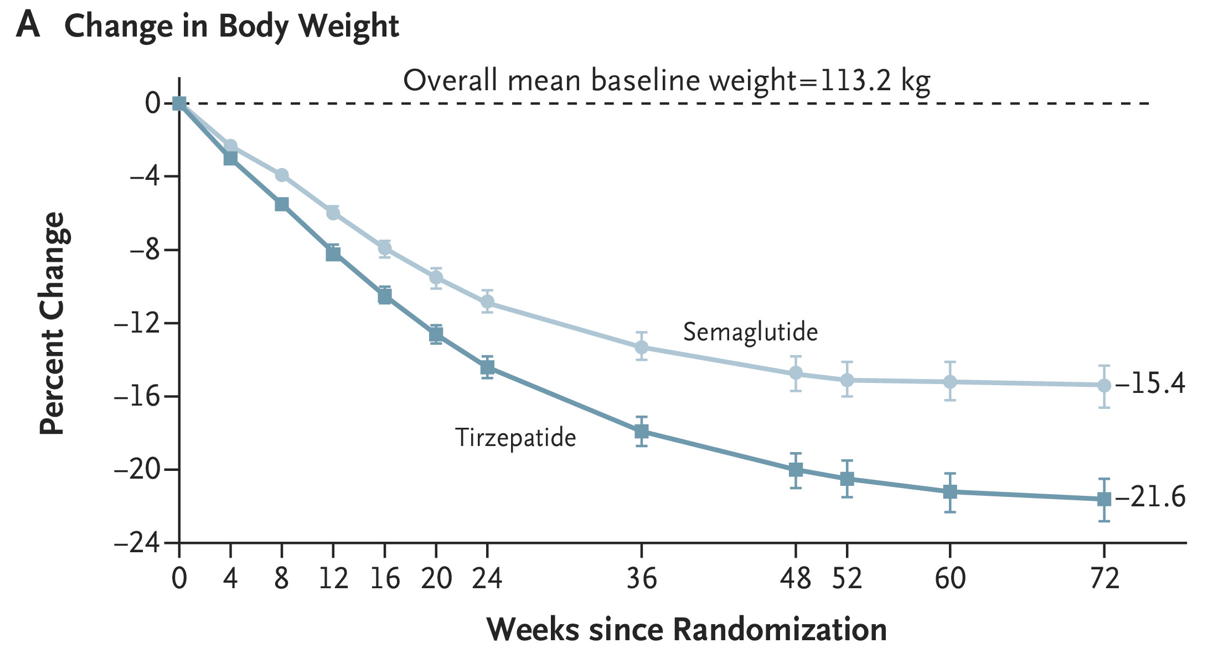
Head-to-Head: Tirzepatide Outperforms Semaglutide

LA Aronne et al. NEJM 2025; DOI: 10.1056/NEJMoa2416394. Tirzepatide as Compared with Semaglutide for the Treatment of Obesity

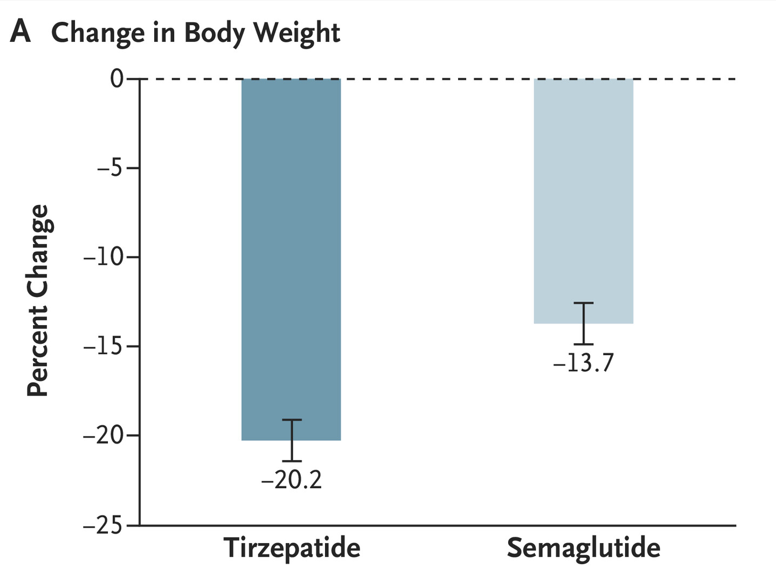
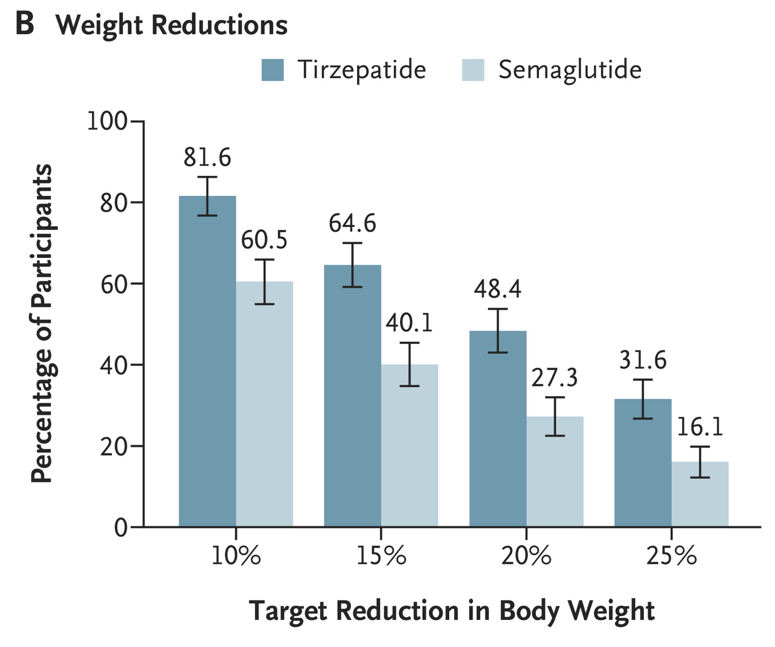
Methods: In this phase 3b, open-label, controlled “SURMOUNT-5” trial, adult participants (n=751) with obesity but without type 2 diabetes were randomly assigned in a 1:1 ratio to receive the maximum tolerated dose of tirzepatide (10 mg or 15 mg) or the maximum tolerated dose of semaglutide (1.7 mg or 2.4 mg) subcutaneously once weekly for 72 weeks

Key findings:

Discussion Points:

“With both treatments in our trial, as weight reduction increased, greater improvements occurred in cardiometabolic risk factors, including blood pressure, glycemia, and lipid levels, which is consistent with the findings in previous reports.17 The mean differences between tirzepatide and semaglutide in the cardiometabolic risk factors may be clinically relevant considering that reductions in systolic blood pressure of 2 to 5 mm Hg have been shown to reduce the risk of cardiovascular events.”

” As typically observed with incretin-based therapies, gastrointestinal adverse events were predominantly mild to moderate in severity, occurred mostly during dose escalation, and led to treatment discontinuation more often with semaglutide than with tirzepatide.”

My take (borrowed from the authors):  “Treatment with tirzepatide, a dual GIP and GLP-1 receptor agonist, was superior to treatment with semaglutide, a selective GLP-1 receptor agonist, with respect to reduction in body weight and waist circumference.”

Related blog posts:

Key Advances in 2024: An Overview from GutsandGrowth (Part 3)

This year I had the opportunity to give a lecture to our group that reviewed much of the important advances that happened in 2024. Here are some of the slides (if you have any trouble reading the slides, you can search for the original blog post using author name).

Impact of “Healthy Low-Carb Diet” and Time-Restricted Eating on Weight Loss

Li, Lin et al. Cell Reports Medicine, Volume 0, Issue 0, 101801. Effects of healthy low-carbohydrate diet and time-restricted eating on weight and gut microbiome in adults with overweight or obesity: Feeding RCT

    Methods: The participants (n=96 adults) in the combination of Healthy Low Carbohydrate Diet (HLCD) and Time Restricted Eating (TRE group were provided with HLCD and instructed to follow the 10-h TRE. The HLCD … consisted of approximately 30% of total energy from carbohydrates, 50% from fats, and 20% from proteins. Moreover, compared to a traditional low-carbohydrate diet that only focused on carbohydrate restriction, HLCD also emphasized healthy food sources and high-quality macronutrients such as unsaturated fatty acids, plant proteins, and high-quality carbohydrates, including whole grains, fresh vegetables, and fruits. Additionally, 25–35 g of mixed nuts were provided along with HLCD per day, which mainly included walnuts, peanuts, cashews, pistachios, pecans, almonds, and hazelnuts. 10-h TRE required participants to consume the provided meals within 10 h each day. Outside the eating window, only water, and noncaloric beverages were allowed.64 

    Key findings:

    • Each of the patient groups lost between 2.57 to 4.11 kg
    • HLCD was more effective in reducing fat mass
    • Both dietary interventions resulted in changes in the microbiome

    My take: It is still to work on improving diet quality and improving exercise –only a small percentage of patients will be receiving GLP-1 drugs or bariatric surgery. The Mediterranean diet likely has the most data supporting its use for obesity.

    Related blog posts:

    Rock Creek Park, Washington D.C.

    Bariatric Surgery Declines as GLP-1 Medications Rise

    USA Today (10/25/24): Bariatric surgeries drop sharply as people turn to Wegovy, Saxenda for weight loss

    An excerpt:

    The researchers found a 25.6% drop in people undergoing bariatric surgery in the final six months of 2023 compared with the number of surgeries people had during the same period the year before. During the latter half of 2023, the number of patients who took a glucagon-like peptide 1, or GLP-1 medication for weight loss, surged by more than 130%, according to a study published Friday in JAMA Network Open…Another popular weight loss drug, Eli Lilly’s Zepbound, was not included because the Food and Drug Administration did not approve it until November 2023…[And there are] anecdotal reports of hospitals that shut down bariatric surgery programs as the number of patients seeking operations slumped…

    In 2022, nearly 280,000 metabolic and bariatric procedures were performed in the United States, according to the American Society for Metabolic and Bariatric Surgery. That represented about 1% of all U.S. residents eligible for weight loss operations…The CDC estimates that about 40% of U.S. residents have obesity and 1 in 10 have severe obesity.

    Reference: Lin, K., et al. (2024). Metabolic Bariatric Surgery in the Era of GLP-1 Receptor Agonists for Obesity Management. JAMA Network Opendoi.org/10.1001/jamanetworkopen.2024.41380.

    Methods: This cross-sectional study, we used 2022 to 2023 deidentified claims from 17 million unique deidentified adult patients with medical and pharmaceutical coverage through commercial and Medicare Advantage insurance in the OptumLabs Data Warehouse. We included only patients without diabetes and with obesity.

    **Only 6% of patients with obesity in the study population received either GLP-1 drugs or surgery, suggesting that many more patients could be receiving treatment.

    My take: The GLP-1 drugs have established a medical therapy with a good probability of effectiveness. This was lacking from prior medical treatments. It certainly is logical that their availability could reduce the use of bariatric surgery. The AAP may need to revise their bariatric surgery recommendations from 2020.

    Related blog posts:

    Bariatric surgery:

    GLP-1 Drugs:

    Woodley Park-Zoo Metro Station, Washington D.C.