How Successful Are Pediatric GIs at Completing Pediatric ERCPs

DM Troendle et al. JPGN 2022; 75: 755-760. Technical Outcomes in Pediatric Endoscopic Retrograde Cholangiopancreatography: Data from an International Collaborative

In this prospective cohort study with 1124 ERCPs (n=857 patients), 92% were performed in 15 centers by a pediatric gastroenterologist. Key findings:

  • Common indications included choledocholithiasis (41%), improved drainage for chronic pancreatitis (14%), stricture (17%), plan for sphincterotomy (5%) and bile leak (3%)
  • Procedures were technically successful in 90.5%
  • Only 26 cases (2.3%) were completed in infants (<1 yr) and 35 cases (3.1%) in 1-3 yrs. In these age groups, technical success was much lower: 80% (all children 3 yrs of age or less). Similarly, technical success was 76% in those <10 Kg.
  • ASGE difficulty grades 1 & 2 had success rates of 94% compared to 86% for grades 3 & 4. (ASGE classification adds one level in those 3 years of age or younger). ASGE grade 1, 2, 3 & 4 accounted for 13%, 47%, 34%, and 5% respectively.
  • Adverse effects were reported in 9.5%, though most were mild. Three perforations and 5 bouts of cholangitis were reported; however, there were no deaths or serious morbidity reported.
  • Post-ERCP pancreatitis (PEP) prophylaxis was associated with a decreased odds of PEP (OR 2.1, P=<0.01); among specific PEP prophylaxis, only rectal indomethacin neared statistical significance (P=0.07)

My take: Well-trained pediatric gastroenterologists are capable of doing high-quality ERCPs. In very young children, technical success is more difficult and probably requires the highest skillset.

Related blog posts:

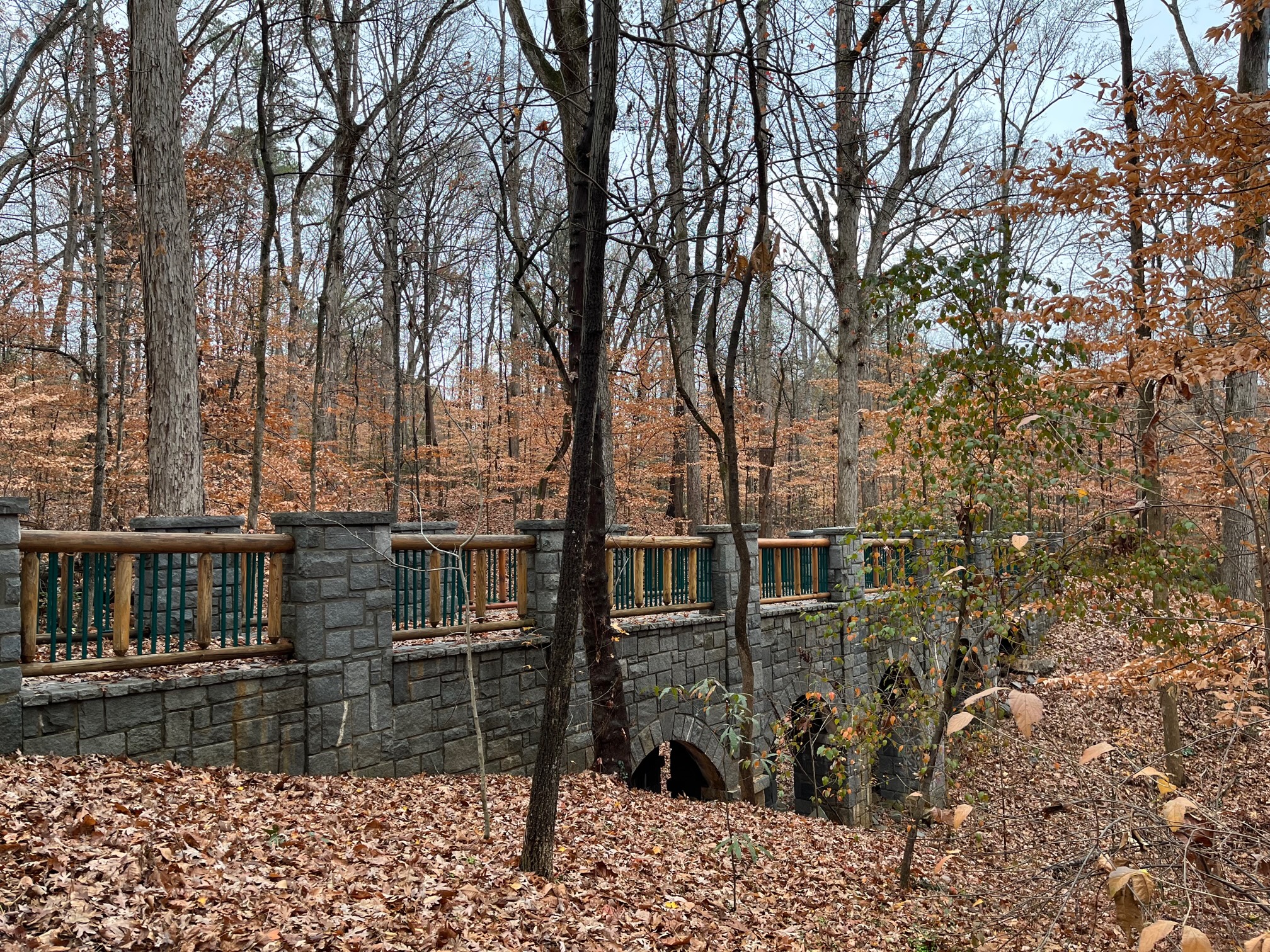
Deepdene Park part of Olmstead Linear Park (Atlanta, GA)

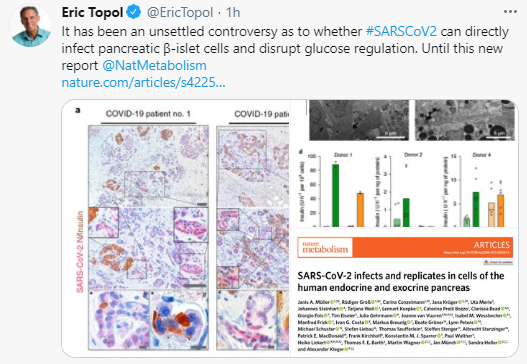
New Data: Acid Blockers NOT Associated with Risk of SARS-CoV-2, SARS-CoV-2 in the Pancreas, & Vaccine Passport

X Fan et al. Gastroenterol 2021; 160: 455-458. Full text link: Effect of Acid Suppressants on the Risk of COVID-19: A Propensity Score-Matched Study Using UK Biobank

Among 9469 included participants, 1516 (16%) were regular users of acid suppressants, and 7953 (84%) were not…propensity score matching (PSM) was applied to match users of acid suppressants and nonusers. 

Key findings:

  • The odds ratio (OR) of testing positive for COVID-19 associated with PPI or H2RA therapy in the PSM cohort was 1.083 (95% confidence interval [CI], 0.892–1.315) and 0.949 (95% CI, 0.650–1.387), respectively.
  • Omeprazole use alone was significantly related to an increased risk of SARS-CoV-2 infection from the subgroup analysis in patients with upper gastrointestinal diseases (OR, 1.353; 95% CI, 1.011–1.825)

My take: This study provides reassurance that acid blockers are unlikely to contribute to the risk of SARS-CoV-2 or to related complications.

Related blog post: PPIs Associated with Increased Risk of COVID-19

Other COVID-19 Information:

What and When for ERCP with Gallstone Pancreatitis

A recent case vignette highlights several key points regarding use and timing of ERCP (endoscopic retrograde cholangiopancreatography) for gallstone pancreatitis (NEJM 2014; 370: 150-7). Figure 1 provides a nice illustration of ERCP.

Indications:  Suspected bile-duct stones as the cause of pancreatitis AND one of the following:

  • cholangitis (fever, jaundice, sepsis)
  • persistent biliary obstruction (conjugated bilirubine level >5 mg/dL)
  • clinical deterioration (worsening pain, increasing white cell count, worsening vital signs)
  • stone evident in the common bile duct on imaging

AGA position paper (2007):

  • Urgent ERCP (within 24 hours of admission) was recommended in those with cholangitis
  • Early ERCP (within 72 hours of admission) was recommended if suspicion of persistent bile-duct stones remained high

Patient information/animated videos for pancreatic diseases from the National Pancreas Foundation: http://ow.ly/sF9vb 

Related post:

Indomethacin to prevent post-ERCP pancreatitis | gutsandgrowth