A Randoized Trial of Peppermint Oil for Pediatric Irritable Bowel Syndrome

N Vermeijden et al. Clinical Gastroenterology and Hepatology, 2026; 24, 2286-2296. Peppermint Oil and Sweets in Pediatric Irritable Bowel Syndrome and Functional Abdominal Pain: A Randomized Trial

Methods: A large randomized controlled trial evaluated 228 children and adolescents aged 8 to 18 years across multiple hospitals.  The primary endpoint was treatment success, defined as a ≥30% reduction of abdominal pain intensity after 8 weeks. 

Key finding:

  • Treatment success rates—measured as a 30% or greater drop in pain intensity after 8 weeks—were similar for peppermint oil (44.0%), peppermint sweets (38.7%), and placebo (37.3%)
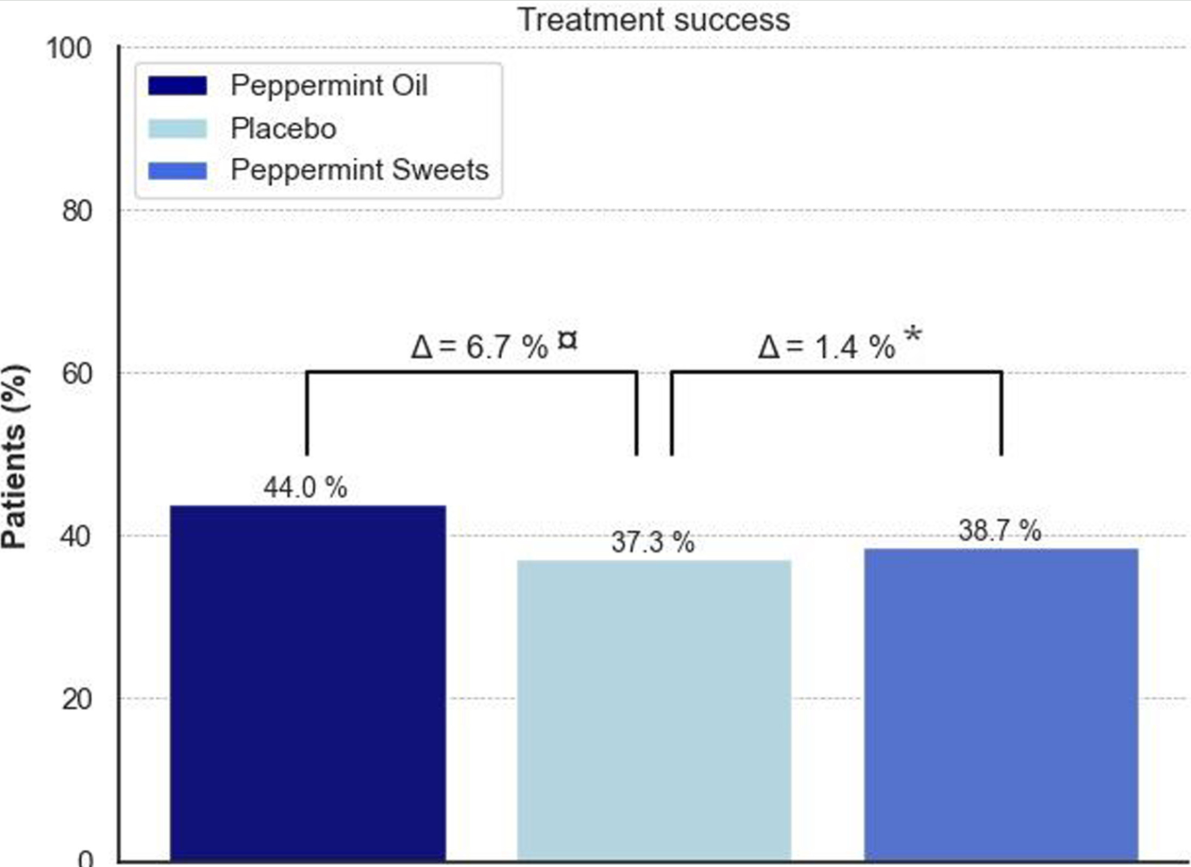
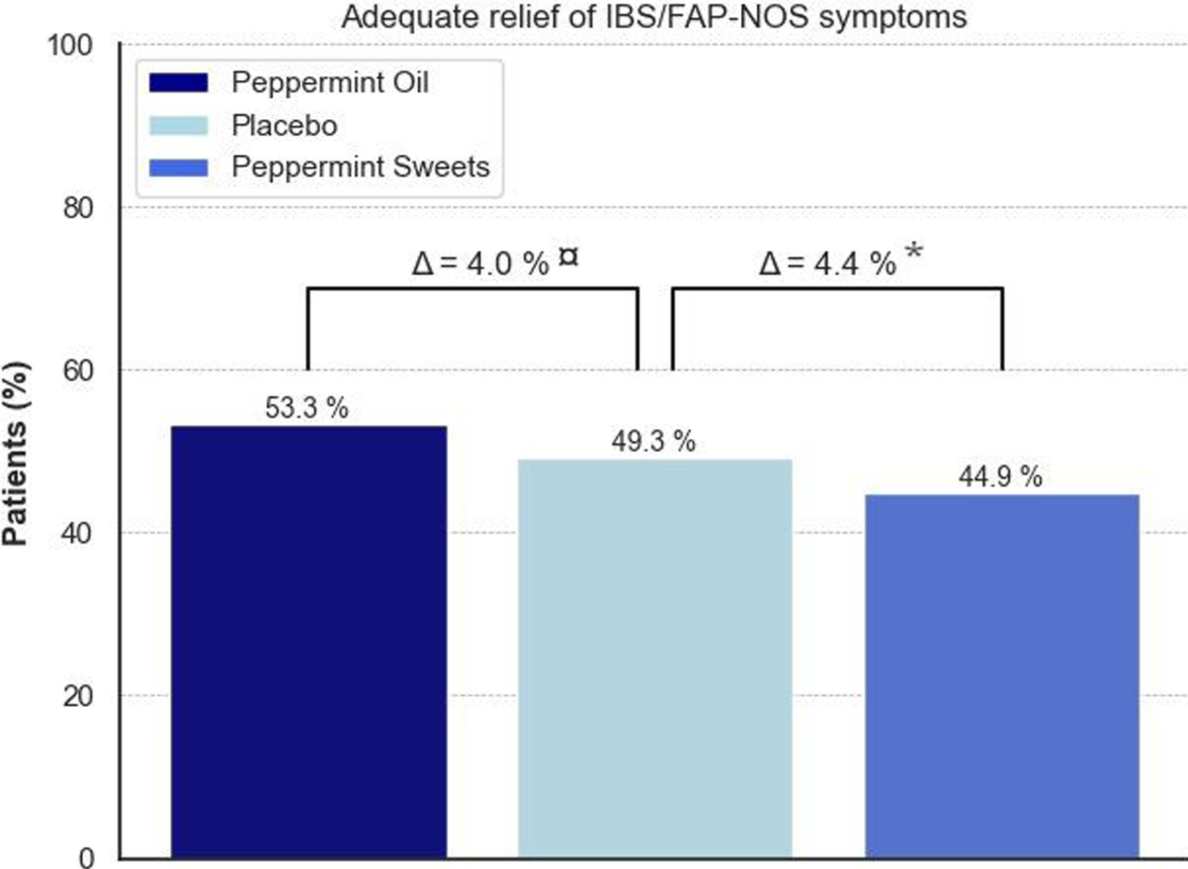
My take: The overall response rate for peppermint oil, peppermint sweets and placebo ranged from 37% to 44%. Given its safety, it should still be considered a useful treatment for pediatric IBS (see more on this tomorrow). It is listed as a recommended therapy in recent guidelines with low evidence of effectiveness.

Related blog posts:

Surgery as Placebo

A recent summary by 538 website details how surgery can be a powerful placebo: Surgery Is One Hell of a Placebo

Here’s an excerpt:

“expectations matter, and we know they matter because of a bizarre research technique called sham surgery. In these fake operations, patients are led to believe that they are having a real surgical procedure…

2014 review of 53 trials that compared elective surgical procedures to placebos found that sham surgeries provided some benefit in 74 percent of the trials and worked as well as the real deal in about half.1 Consider the middle-aged guy going in for surgery to treat his knee pain. Arthroscopic knee surgery has been a common orthopedic procedure in the United States, with about 692,000 of them performed in 2010,2 but the procedure has proven no better than a sham when done to address degenerative wear and tear, particularly on the meniscus

Even without a robust placebo effect, an ineffective surgery may seemhelpful. Chronic pain often peaks and wanes, which means that if a patient sought treatment when the pain was at its worst, the improvement of symptoms after surgery could be the result of a condition’s natural course, rather than the treatment. That softening of symptoms from an extreme measure of pain is an example of the statistical concept of regression to the mean.

My take: Both with medicine and surgery, sometimes improvement occurs even when the treatment itself is not effective.

Dupont Forest, NC

Abdominal Pain -Placebo Effect and Celiac Effect

Briefly noted:

  • DR Hoekman et al. J Pediatr 2017; 182: 155-63.
  • M Saps et al. J Pediatr 2017; 182: 150-54.

In the first study, Hoekman et al identified 21 studies to determine the placebo response in pediatric abdominal pain-related functional GI disorders.  The authors found a pooled response to placebo of 41% (improvement) and resolution with placebo occurred in 17%.

The second study examined 289 children (55% U.S., 45% Italy) comparing the frequency of functional GI disorders in children with celiac disease on a gluten free diet compared with controls.  Overall, chronic abdominal pain was present in 30.9% of subjects with celiac disease compared with 22.7% of sibling controls and 21.6% of unrelated controls. This did not reach statistical significance.

Related post: Is functional pain more common with celiac disease?

Sawnee Mountain