Big Study: Total Pancreatectomy with Islet Autotransplantation (TPIAT) for Chronic Pancreatitis

T Guru et al. Gastroenterology 2025: 169:1499 – 1509. Total Pancreatectomy With Islet Autotransplantation for Chronic Pancreatitis

This prospective multicenter study included 384 patients with a mean age of 30 years (34% pediatric).

Key findings:

  • Daily abdominal pain decreased from 65% to 23%, whereas the mean pain score decreased from 4.9 (SD, 2.3) to 2.3 (SD, 2.5; both P < .001)
  • Opioid use decreased (assessed over a 14-day interval) from 61% before to 24% at 1 year after TPIAT (P < .001)
  • Improved physical and mental health: Physical component summary and mental component summary scores improved by ≥10 points in 58% and 35%, respectively
  • Mean hemoglobin A1c was 7% (SD, 1.9%) with 20% insulin independent at 1 year
  • Young age was associated with better outcomes, whereas duration and etiology of disease did not predict response to TPIAT

In their discussion, the authors note that it had been “widely hypothesized that after several years of pain, mechanism shift to solely neuropathic pain, such that surgery would be unlikely to offer benefit. Our results suggest this is not true.”

My take: This study provides robust data supporting TPIAT as average pain scores declined by more than 50%, the need for opioid analgesics decreased substantially, and mental health/physical health/QOL all improved. Most maintained glycemic control.

Related blog posts:

Humor (from 2009): YouTube Link: Brain Surgeon – That Mitchell & Webb Look (2:09 min)

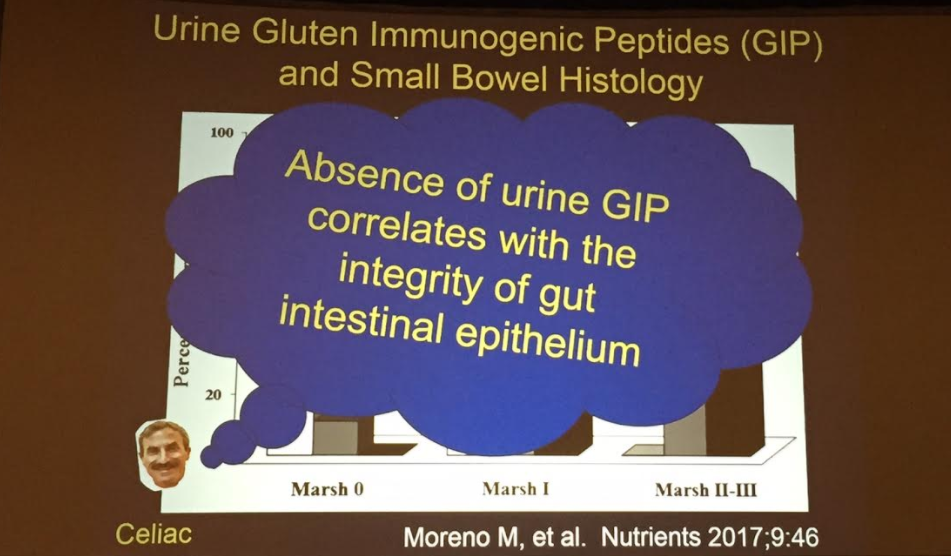
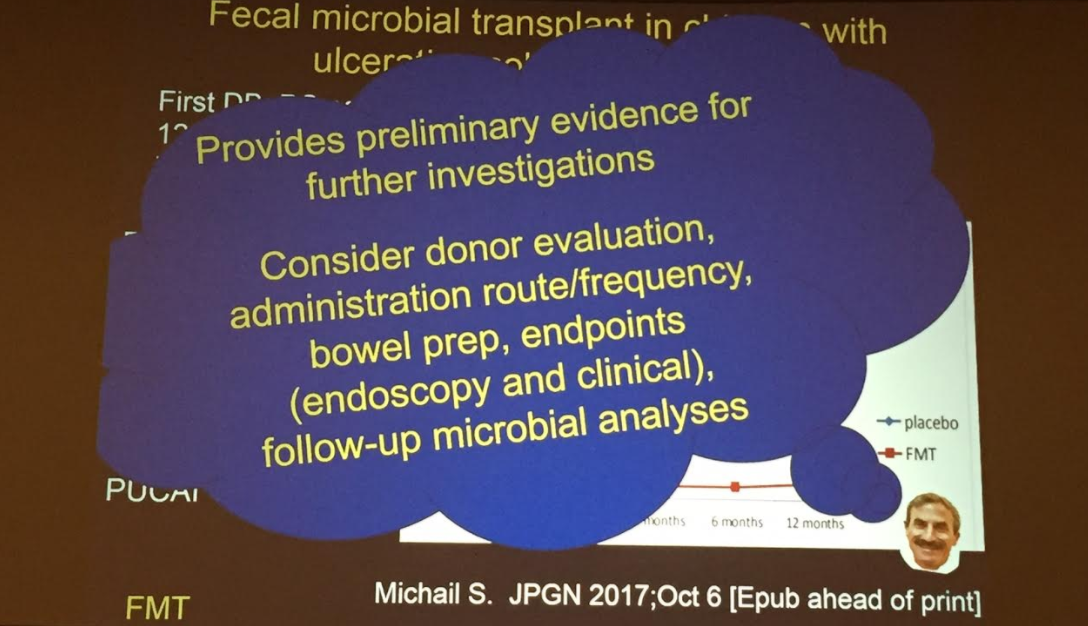
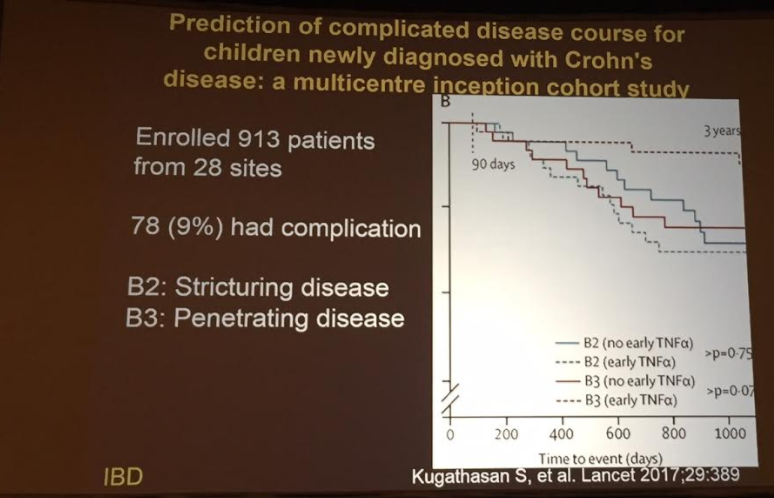
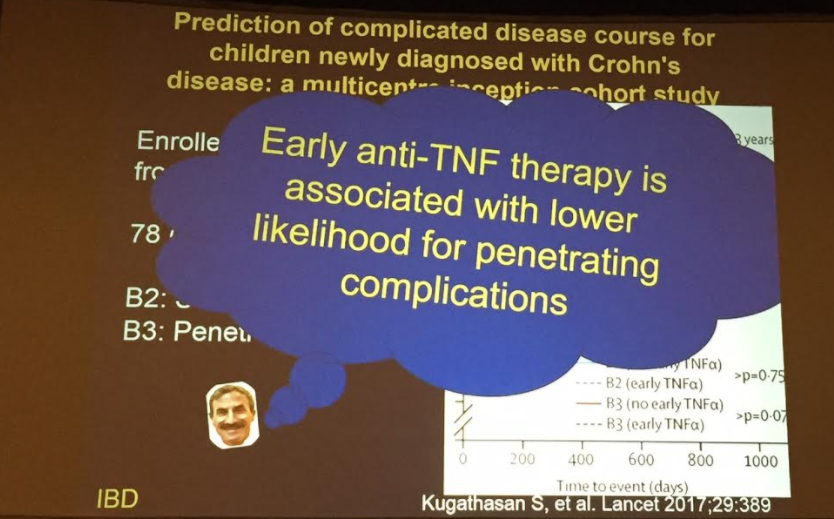
    #NASPGHAN17 Annual Meeting Notes (Part 2): Year in Review

    This blog entry has abbreviated/summarized this presentation. Though not intentional, some important material is likely to have been omitted; in addition, transcription errors are possible as well.

    This first slide shows the growth in NASPGHAN membership:

    Year in Review

    Melvin Heyman  Editor, JPGN

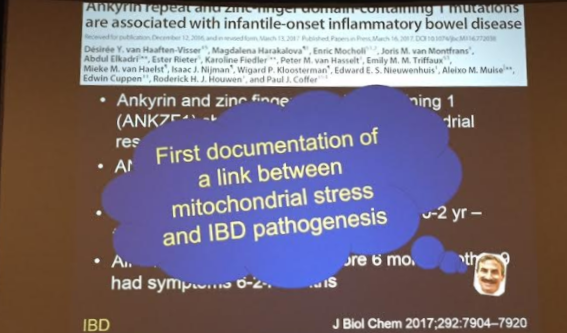
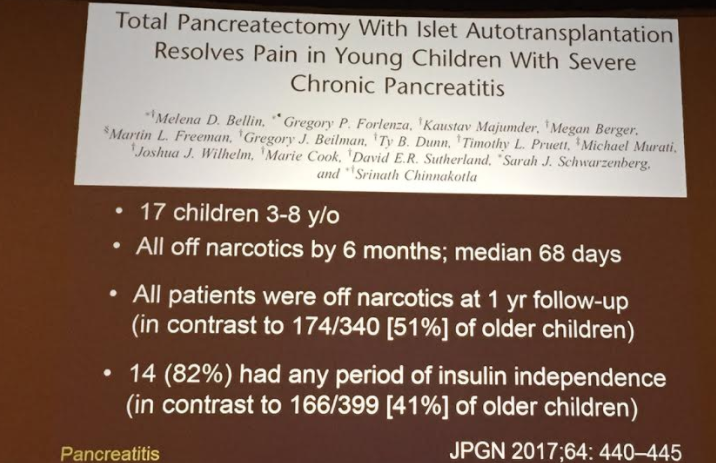
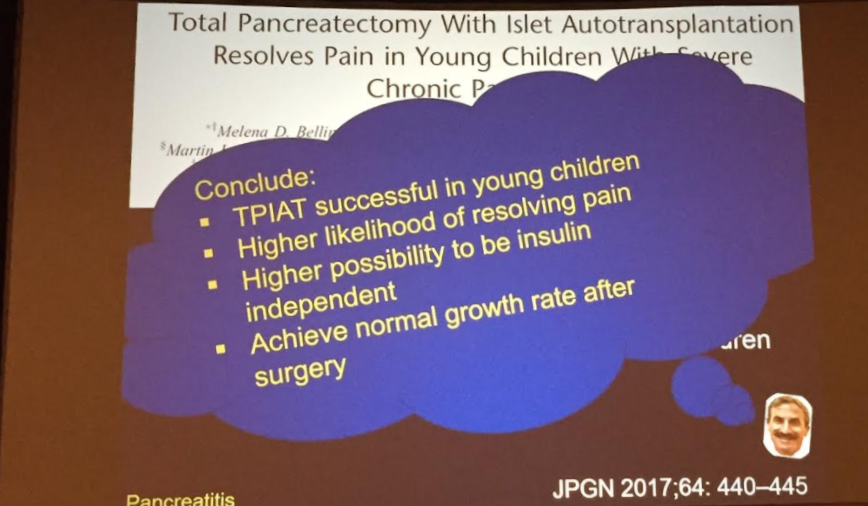
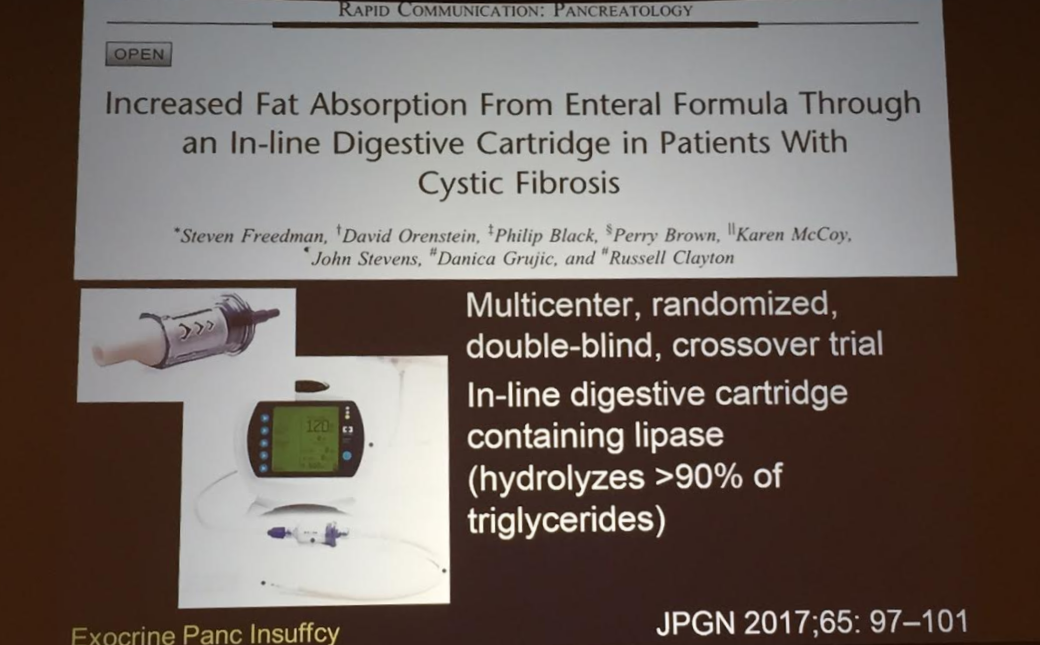
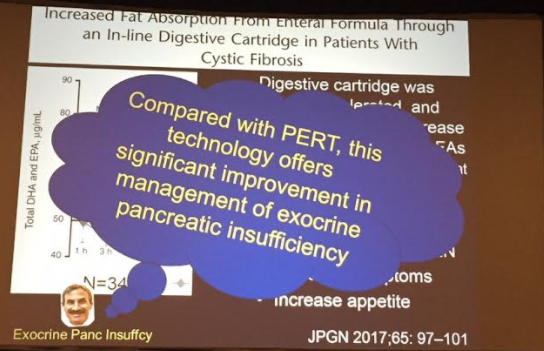
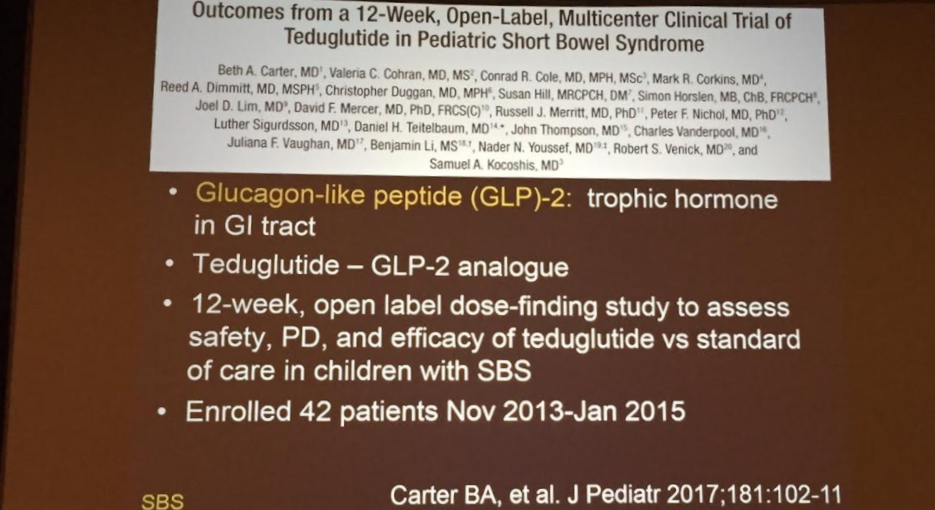
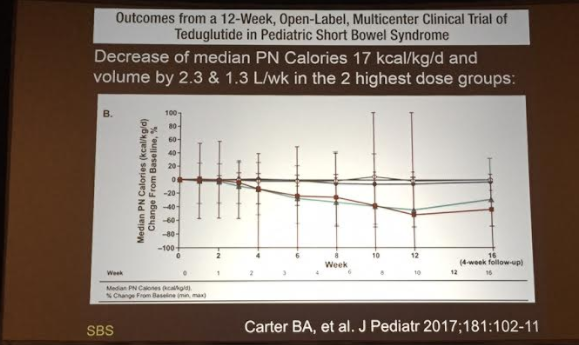
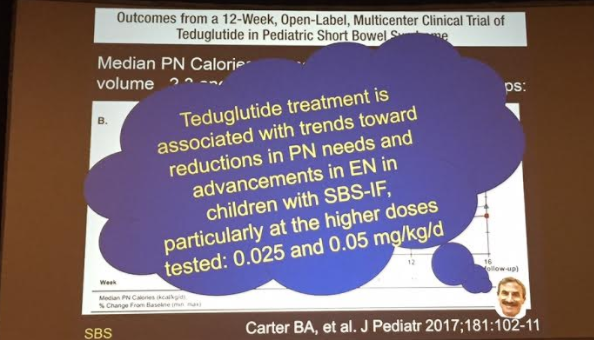
    This lecture reviewed a number of influential studies that have been published in the past year.  After brief review of the study, Dr. Heyman summarized the key take-home point.


    Pancreatitis Update (Part 2)

    Our group received a very helpful update on pancreatitis from Maisam Abu-El-Haija (GI) and Jaime Nathan (surgery). These notes focus on the surgical perspective.  My notes may include some errors in transcription and errors of omission. Some pictures of the slides are included below as well.

    Key points:

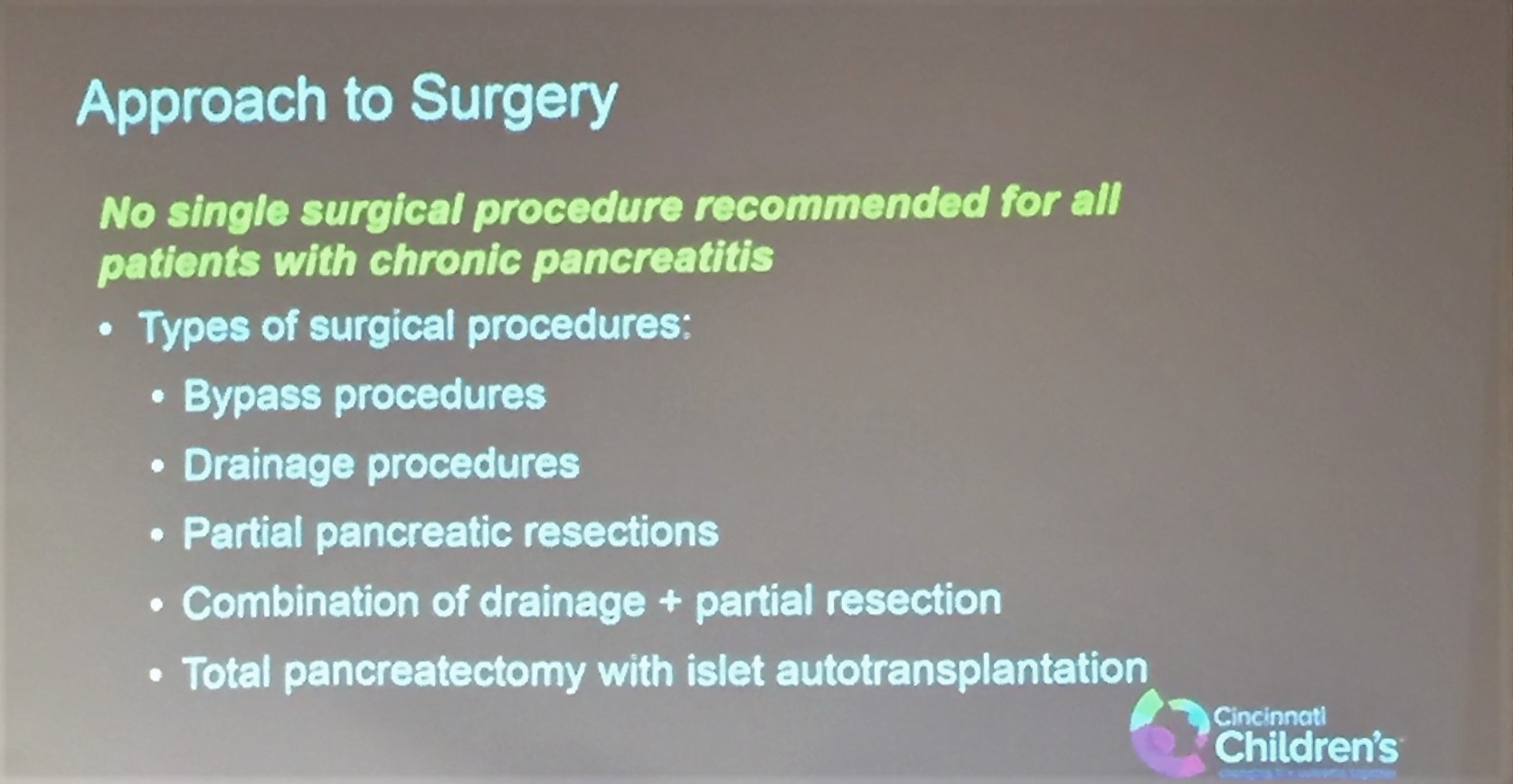
    • Several surgical procedures can be considered in chronic pancreatitis.  Prior surgical procedures, though, could reduce islet cells if TPIAT needed later.
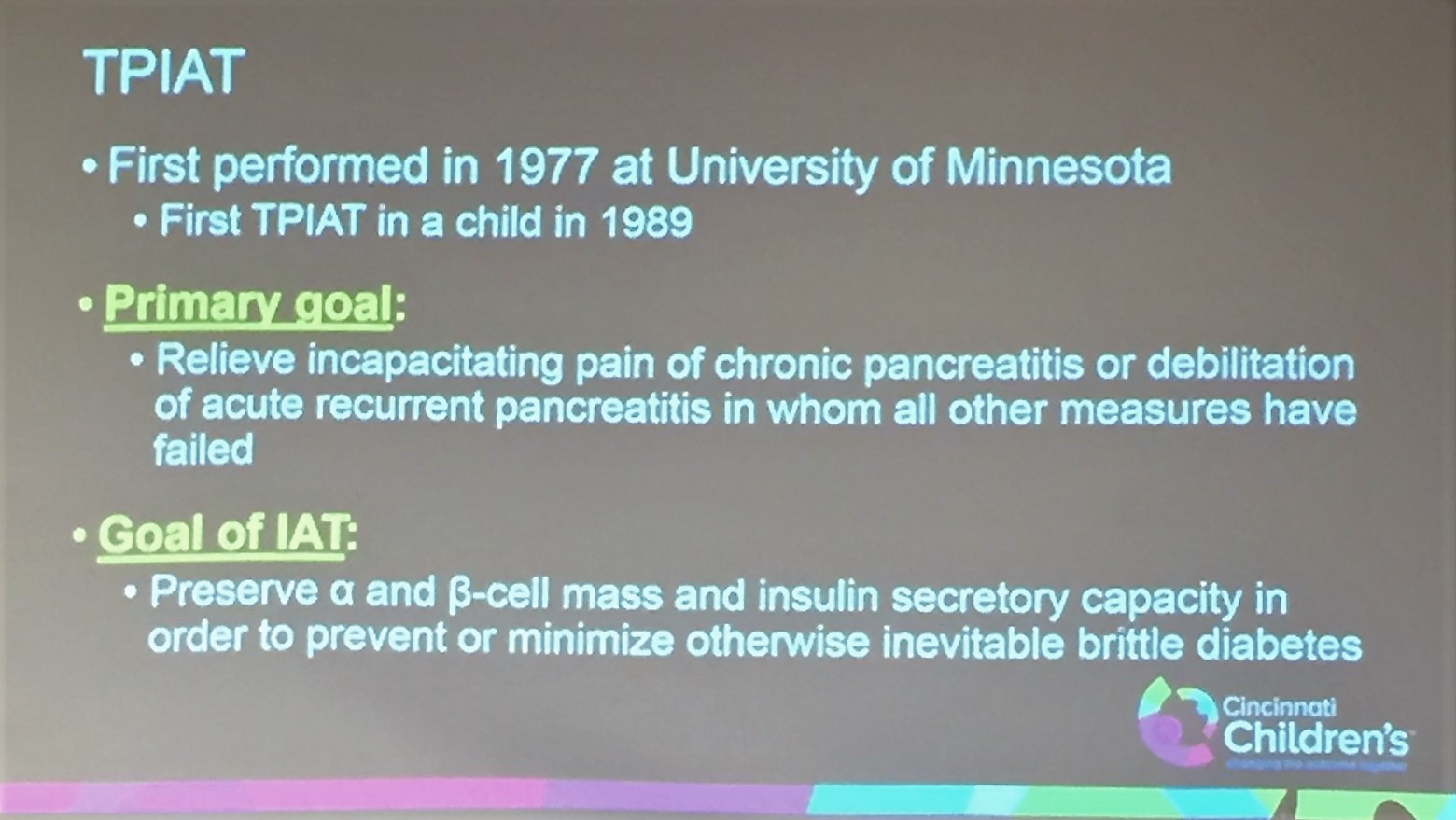
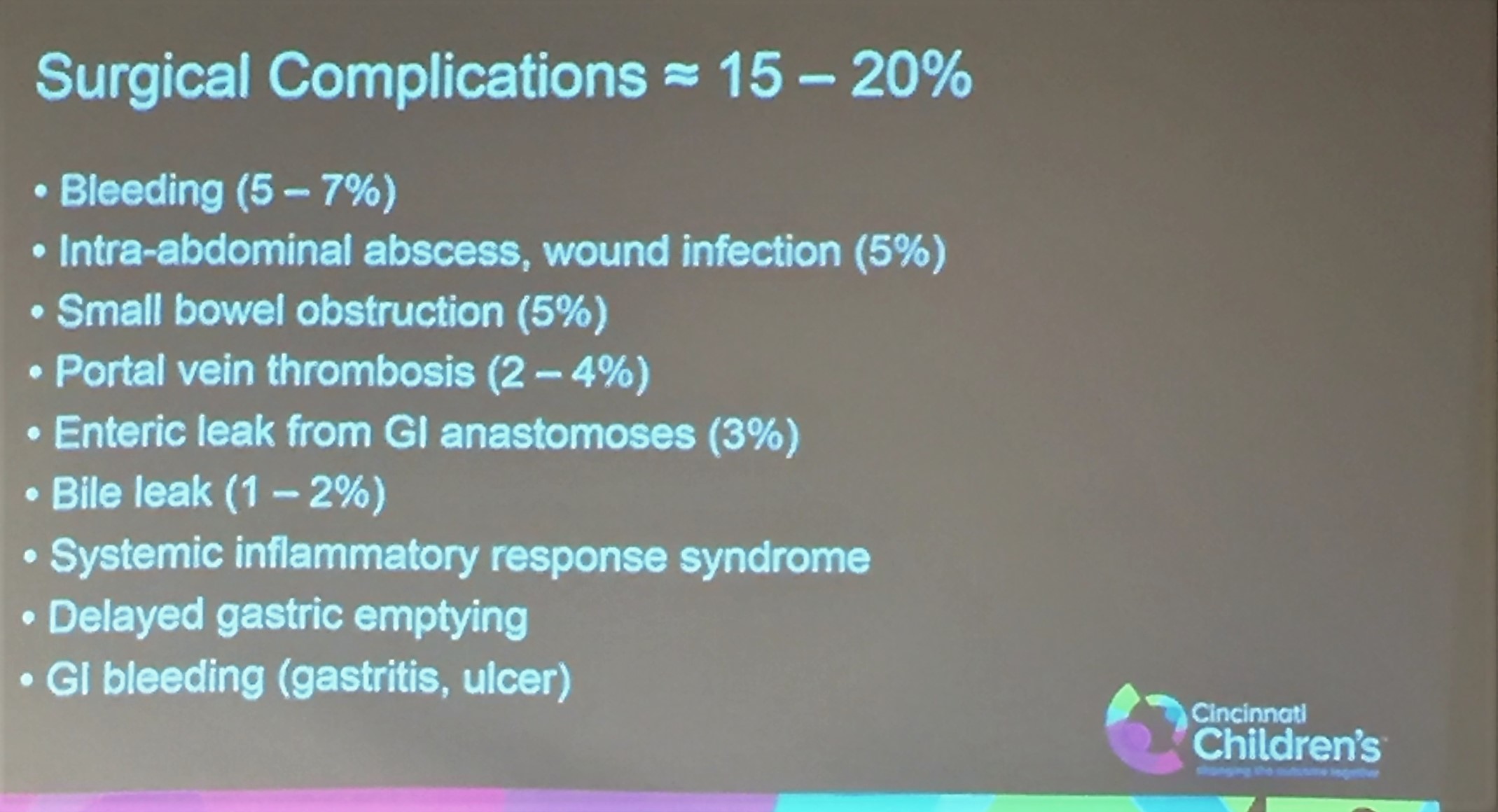
    • TPIAT –Cincinnati experience: 17 cases in last 2 years.  Highly selected group. Operation time takes about 10 hours (or more).  GJ tube placed due to anticipated poor gastric emptying for 4-6 weeks. Fevers expected during 1st post-operative week due to systemic inflammatory response. ~15% of children remain on opioids after TPIAT, likely due to long-standing problems prior to TPIAT.
    • Post-TPIAT care: PERT, vitamins, insulin (may wean off).  During 1st year, anticoagulation, hydroxyurea/aspirin (if high platelets), and penicillin prophylaxis.  Prior to TPIAT, patients receive vaccines (due to anticipated splenectomy).

    Related blog post:

    Total Pancreatectomy with Islet Autotransplantation for Refractory Recurrent Pancreatitis

    A recent study (MD Bellin et al. Clin Gastroenterol Hepatol 2016; 14: 1317-23) describes the use of Total Pancreatectomy with Islet Autotransplantation (TPIAT) in 49 patients (mean age 32.8 years).  This study included 6 children.

    All of these patients met strict criteria for recurrent acute pancreatitis and lacked imaging or functional evidence for chronic pancreatitis.  All 49 required narcotics for pain management prior to TPIAT.

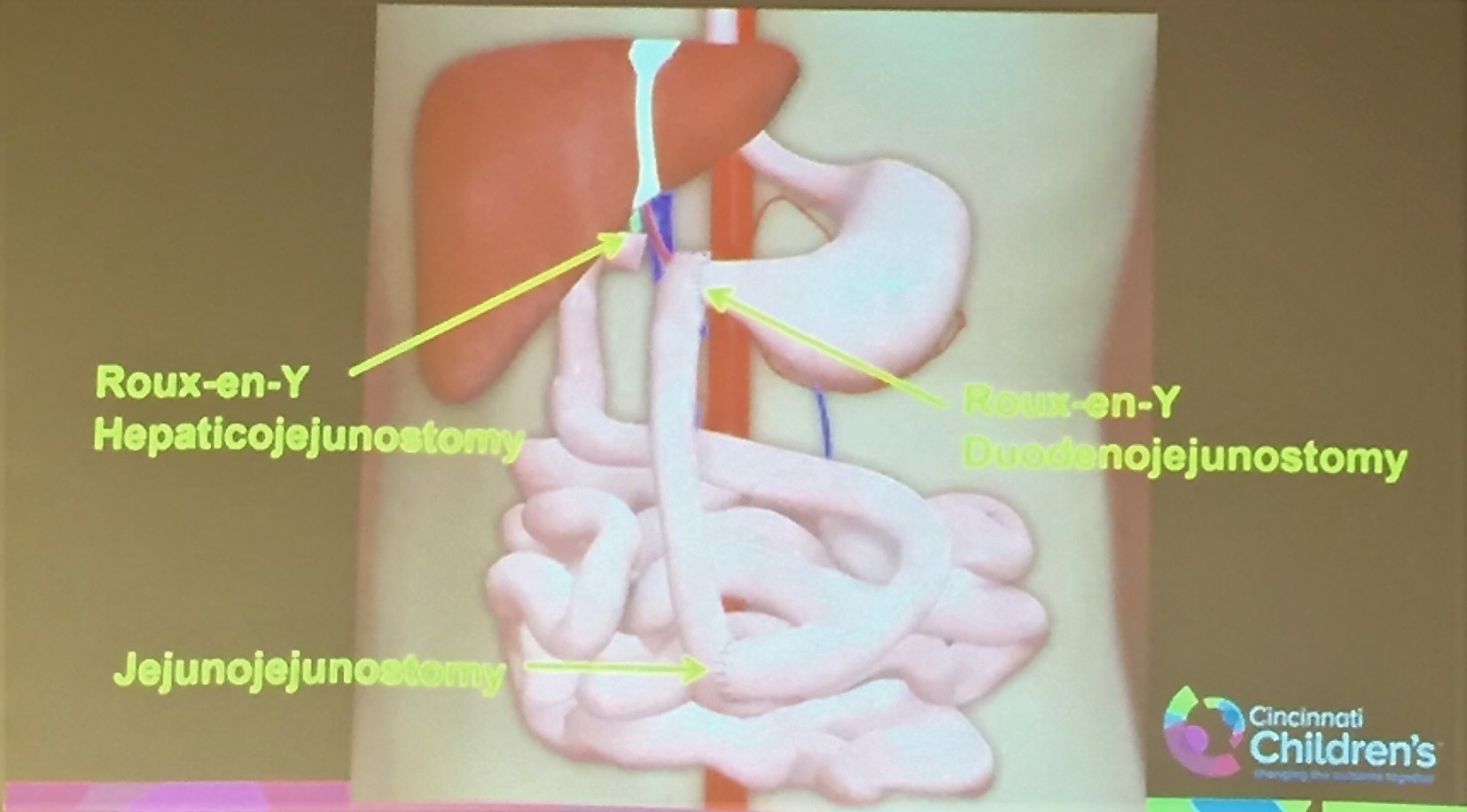
    The surgical technique for TPIAT is well-described in the report.  Patients underwent total pancreatectomy, splenectomy, cholecystectomy and partial duodenectomy with continuity restored via doudenoduodenostomy or Roux-en-Y duodenojejunostomy.  The islets were isolated and then infused intraportally.

    Key findings:

    • At 1 year following TPIAT, 22 (46%) reported no use of narcotic pain medications.
    • Health-related quality of life scores improved (see Figure 3)
    • Diabetes is a common post-op concern.  Approximately half were insulin-independent at 1 and 2 years out from surgery, with one-third remaining so at 5 years.
    • Histopathology was consistent with chronic pancreatitis in 37 (76%) indicating that current imaging/functional features do not reliably identify chronic pancreatitis with adequate sensitivity.

    In the discussion, the authors note the selected patients, due to having normal caliber pancreatitis ducts, were not candidates for surgical drainage procedures like the Puestow procedure.  They also note that the Puestow procedure can compromise later islet cell isolation.

    My take: TPIAT is an important option in those with severe recurrent or persistent pancreatitis disease.

    Related blog posts:

    Quiet spot on Univ Virginia Grounds

    Quiet spot on Univ Virginia Grounds