CDC Website Changed to Include False Claims About Autism and Vaccines

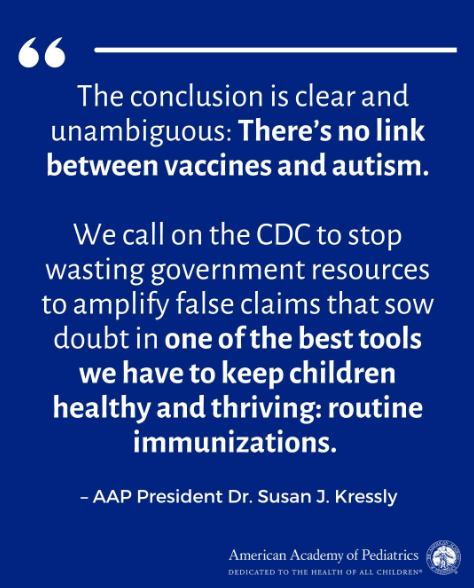
11/20/25 AAP: AAP: ‘Stop wasting government resources to amplify false claims’ about vaccines, autism

An excerpt:


The AAP and more than 40 other medical, health and patient advocacy groups also issued a joint statement condemning the change and called on the CDC to “return to its long history of promoting evidence-based information.”

Potential links between vaccines and autism have been studied for decades. More than 40 high-quality studies in seven countries involving over 5.6 million people have found no connection.

“The conclusion is clear and unambiguous: There’s no link between vaccines and autism,” Dr. Kressly said. “Anyone repeating this harmful myth is misinformed or intentionally trying to mislead parents.”

Scientists believe there is no single root cause of autism. Interactions between genetic changes and environmental influences likely play a role, according to an AAP Fact Checked article. Improved awareness and screening and updated diagnostic criteria have contributed to increases in autism prevalence.

“At this point, it’s not about doing more studies. It’s about being willing to accept what the existing studies clearly show,” said Alison Singer, M.B.A., co-founder and president of the Autism Science Foundation.

She said spending more money on settled science takes funding away from research on genetics and services for autistic people. False claims further stigmatize autistic people and their families…

Sean T. O’Leary, M.D., M.P.H., FAAP, chair of the AAP Committee on Infectious Diseases, called the latest move to put misinformation on the trusted CDC website “madness” and “a tragic moment for this country” and said he does not blame the career CDC scientists.

“For many decades, we (could) rely on CDC to provide the American public with the best available science,” Dr. O’Leary said. “Now our government is using it as an apparatus to spread falsehoods and lies.”

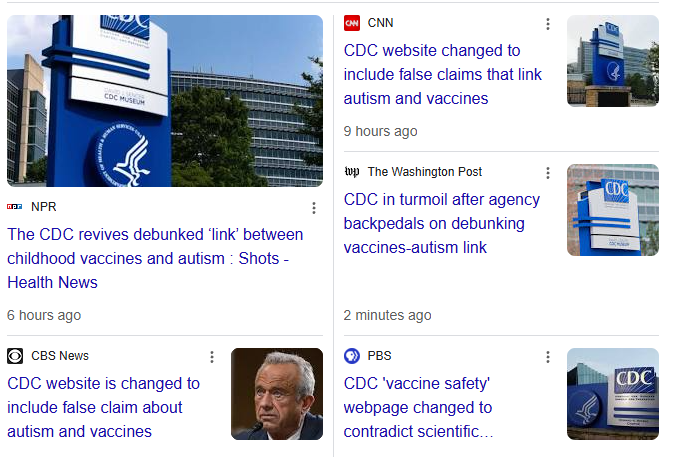
Here is a screenshot on media coverage of this story:

Related blog posts:

The Future of Vaccine Policy in America with Politicized ACIP

HY Chu et al. NEJM 2025; 398: 817-822. The Path Forward for Vaccine Policy in the United States

This commentary was published on 7/30/25 and was written by the 17 voting members of the ACIP who were dismissed.

Key points:

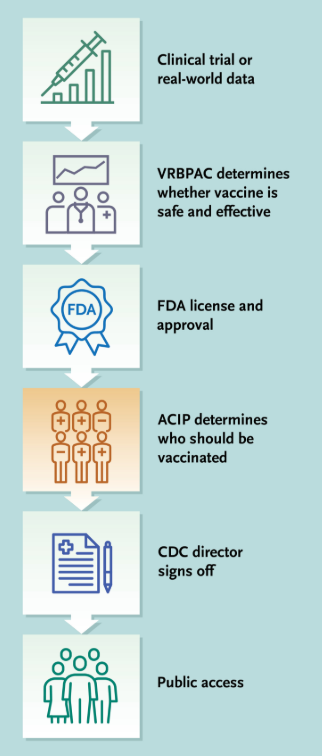
  • For over 60 years, the Advisory Committee on Immunization Practices (ACIP), which comprised a diverse group of nonpartisan specialists, has advised the Centers for Disease Control and Prevention (CDC) on vaccine recommendations based on science and intensive review of evidence. The abrupt dismantling of the rigorously vetted process and the replacement of the Committee with an inexperienced and biased panel has engendered fundamental distrust in the Committee’s vital work…The government has abruptly changed vaccine policy through social media postings and publications in news media.
**VRBPAC denotes FDA’s Vaccines and Related
Biological Products Advisory Committee
  • The ACIP has been an independent committee of vaccine scientists and clinicians that has relied on a process called the Evidence to Recommendations framework. This deliberative framework calls for a review of the strength of evidence around a variety of factors, including the magnitude of the public health problem, potential benefits and harms, values, acceptability, resource use, equity, and feasibility.
  • Previously, the ACIP had well-defined and stringent conflict of interest standards.  Voting members had to disclose and actively manage any actual or apparent conflicts of interest before and throughout their tenure… ACIP members disclosed any potential conflicts during each vote and could not vote on issues where they had an ongoing conflict.
  • ACIP recommendations have many implications. For example, government-run medical systems such as the Veterans Health Administration may be able to provide only vaccines consistent with ACIP recommendations…For children who are uninsured, underinsured, Medicaid-eligible, American Indian, or Alaska Native, the Vaccines for Children program pays only for ACIP-recommended vaccines; about half of children in the United States get their vaccines through this program.
  • The nation now faces a scenario in which the rigor and discipline of these vaccine recommendation processes are rapidly eroding…Three major issues are of particular concern: the quality and availability of data; straightforward guidance for providers and the public; and insurance coverage and vaccine access, uptake, and equity.
  • The absence of a cohesive federal policy produced by means of an evidence-based, expert-informed process creates the very real potential for conflicting messaging from within the Department of Health and Human Services (DHHS) or in relation to messages from nongovernmental agencies, such as professional organizations. This lack of coordination is likely to cause confusion for providers and the public, vaccine-administration errors, decreased uptake of vaccines, and further erosion of an already damaged public trust. It is also likely that in this milieu, misinformation will flourish.
  • The ACIP cannot be replaced, but it may be possible to limit the damage. In this vacuum, it is urgent that other organizations step forward to reassert an evidence-based, expert approach to vaccine recommendations to bring the nation back from the precipice of uncontrolled spread of infectious diseases and needless deaths.

My take: The advice from governmental agencies has been compromised. With regard to vaccines, instead of a transparent process with expertise, we are left with partisan recommendations with questionable credibility.

Related blog posts:


Menetrier’s Disease in a Pediatric Patient Plus Measles and Influenza Updates

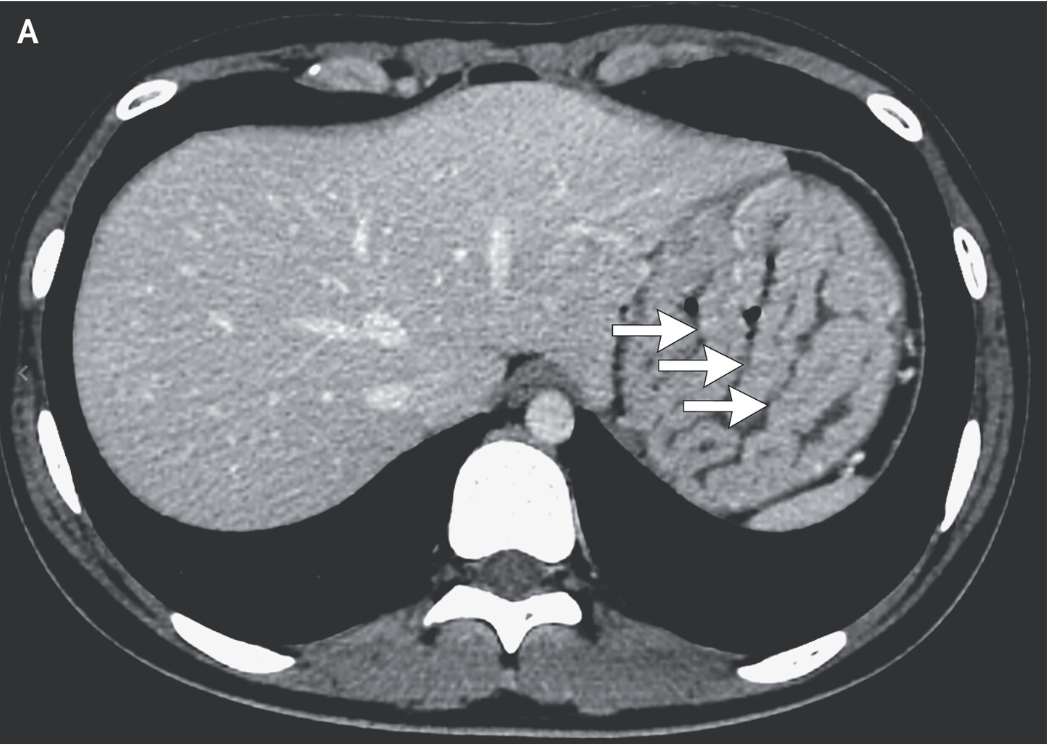
X Wang et al. N Engl J Med 2025;392:1334. Ménétrier’s Disease

  • History: 16-year-old girl was admitted to the hospital with a 2-month history of leg swelling and hypoalbuminemia. She had no gastrointestinal symptoms.
  • Treatment: She was placed on a high-protein diet and medications to eradicate a concurrent infection with Helicobacter pylori. At a 3-month follow-up visit, the patient’s edema and hypoalbuminemia had resolved.

Related blog posts:


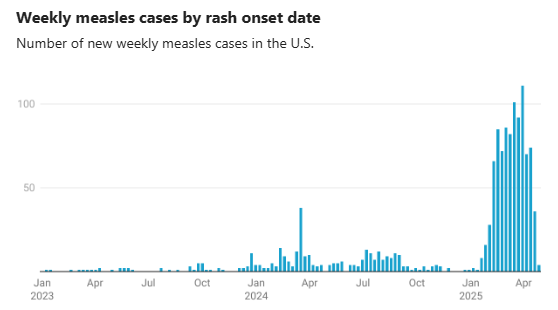
Measles as of Friday May 2nd (per Caitlin Rivers): “According to CDC, a total of 935 confirmed measles cases have been reported by 30 jurisdictions. The previous high was 1,274 in 2019. So far this year, 121 cases (13%) have been hospitalized.”


AP News May 2nd: CDC reports 216 child deaths this flu season, the most in 15 years

“More U.S. children have died this flu season than at any time since the swine flu pandemic 15 years ago, according to a federal report released Friday…It’s a startlingly high number, given that the flu season is still going on. The final pediatric death tally for the 2023-2024 flu season wasn’t counted until autumn…There are likely several contributors to this season’s severity, but a big one is that fewer children are getting flu shots, added O’Leary, a University of Colorado pediatric infectious diseases specialist. The flu vaccination rate for U.S. children has plummeted from about 64% five years ago to 49% this season. Flu vaccinations may not prevent people from coming down with symptoms, but research shows they are highly effective at preventing hospitalizations and deaths, O’Leary said.”

The Pediatrician’s Role in Vaccination and Trust

Two recent commentaries on “hot button” issues:

  • ER Menzin: The Pediatrician’s Lament. NEJM 2025; 392: 320-321
  • PMG Santos et al. Texas Executive Order GA-46 and the Erosion of Trust in Health Care. NEJM 2025; 392: 108-109

An excerpt from the first commentary:

“Throughout my career, I have seen new vaccines approved: pneumococcus, rotavirus, meningococcus, and human papillomavirus. In each case, I have studied the data, reviewed published recommendations, and adjusted my language to encourage vaccination. I consider the high immunization rate in my patient panel to be one of my greatest professional accomplishments — a quantitative metric of the benefit I provide…

Every so often, parents will look at me over a smiling infant and tell me they want their child to have only one or two recommended vaccines. Can I choose the most important? I tell them the question is akin to asking me to pick my favorite child — an impossible task…

Some will ask, “Can you recommend a good pediatrician who does not believe in vaccines?” No, I say, no more than I can recommend a good physicist who does not believe in gravity…

Even if patients are skeptical of the alphabet soup of institutions designed to protect and safeguard their health, they still have confidence in the long-standing relationships with their clinicians. To deserve that trust, we are obligated to raise our collective voice in defense of science, health, and vaccines.”

From the 2nd Commentary:

“On Halloween morning, 2024, Texas physicians received disturbing news about hospital policies set in compliance with Governor Greg Abbott’s Executive Order GA-46 — a rule that mandates the collection and reporting of information on patient citizenship status during intake…

Throughout medical training, physicians learn that trust is a cornerstone of patient care: we ask patients to share deeply personal information about themselves and their loved ones, with the assurance that legal and ethical safeguards protect against the misuse of such information. Chief among these safeguards is the Health Insurance Portability and Accountability Act (HIPAA), which restricts physicians from disclosing protected health information (PHI) without a person’s consent. Citizenship status, though not traditionally considered PHI, may be treated as such when it is paired with medical information obtained during patient encounters…

GA-46 … will deter immigrants, both documented and undocumented, from seeking help for serious medical concerns… Under the Emergency Medical Treatment and Labor Act (EMTALA), hospitals are required to provide emergency care to all patients, regardless of citizenship status. GA-46 indirectly conflicts with EMTALA’s intent to guarantee access to emergency services for all people by discouraging undocumented people from seeking care…

From an economic standpoint, Texas officials have stated that the goal of GA-46 is to protect the financial solvency of public hospitals; however, federal financial support covers most uncompensated care costs. Moreover, contributions from immigrants help sustain the viability of public health insurance programs. In 2017, immigrants helped offset a $67 billion deficit in health care costs for U.S.-born citizens by paying $58 billion more in taxes and premiums than was spent on their health care; 89% of this surplus was attributed to contributions made by undocumented immigrants…

Physicians in Texas and Florida must continue to inform patients of their right to refuse disclosure of their citizenship status.”

Related blog posts:

“The Staggering Success of Vaccines”

Tara Haelle, Scientific American 10/15/24: The Staggering Success of Vaccines

Referenced article: A Shattock et al. Lancet 2024; 403: 2307–16. Open Access! Contribution of vaccination to improved survival and health:modelling 50 years of the Expanded Programme on Immunization

Some excerpts:

“Vaccines are the first step toward health equity in many parts of the world…Around the globe the measles vaccine has saved nearly 94 million lives over the past 50 years. This and other vaccinations have revolutionized global health…”

“A May study in the Lancet estimated that vaccines against 14 common pathogens have saved 154 million lives over the past five decades—at a rate of six lives every minute. They have cut infant mortality by 40 percent globally and by more than 50 percent in Africa. Throughout history vaccines have saved more lives than almost any other intervention. And vaccines’ promotion of health equity goes far beyond preventing death. The Lancet study found that each life saved through immunization resulted in an average 66 years of full health, without the long-term problems that many diseases cause. Vaccines play a role in nearly every measurement of health equity, from improving access to care, to reducing disability and long-term morbidity, to preventing loss of labor and the death of caretakers…”

“If you have no money, then you want the best bang for the buck, and it’s going to be immunization,” says Seth Berkley, former CEO of Gavi. “For every dollar you invest in immunization, you get $54 of benefit.”

The reduction in mortality equates to 9·0 billion life-years saved.

“In late 2019, when a novel coronavirus detected in Wuhan, China, kicked off one of the largest, deadliest pandemics in a century, everyone looked to the same solution: a vaccine. COVID’s devastation hit poorer countries with less developed health-care systems particularly hard, and in wealthier countries people from underserved and low-income communities suffered higher rates of illness, death and economic hardship…”

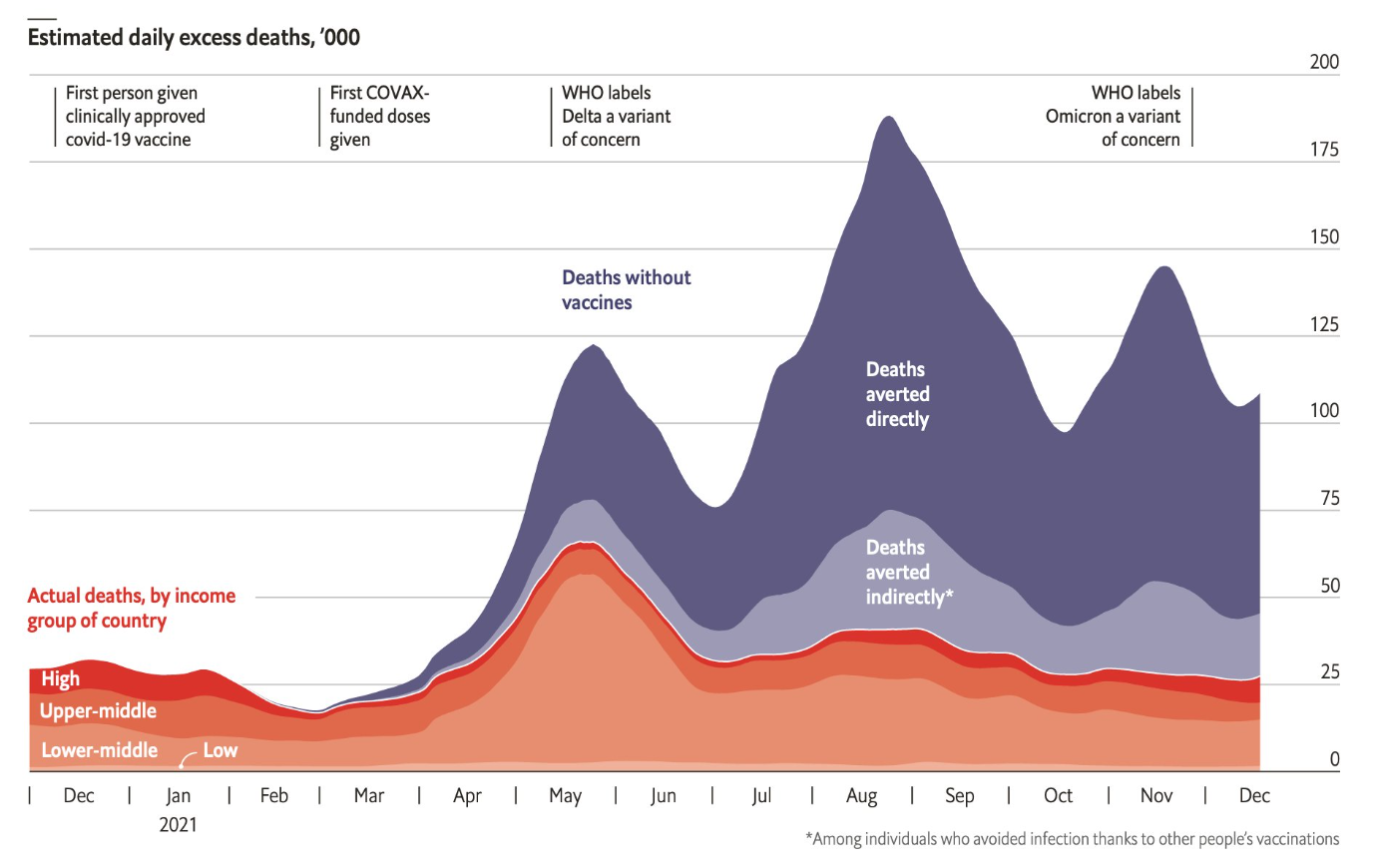
“A 2022 study in the Lancet Infectious Diseases estimates that COVID vaccination worldwide prevented 19.8 million excess deaths.”

My take: This is a terrific article and particularly timely given the growing influence of anti-vax proponents. Not only have vaccines prevented millions of deaths, they have helped prevent chronic complications (eg. disability after meningitis). The reduction in mortality in the charts is likely UNDERESTIMATED. Many other vaccines were not included in this estimation: smallpox, human papillomavirus, (HPV), influenza, SARS-CoV-2, Ebola, mpox and other vaccines.

Related blog posts:

Flu Shots & Other Vaccines Linked to Lower Rates of Dementia

10/26/23 Washington Post: Flu shots may protect against the risk of Alzheimer’s, related dementias

An excerpt:

A number of studies have found that people receiving vaccinations for flu and several other infectious diseases appear less likely than the unvaccinated to develop dementia, although scientists aren’t sure why…

In the flu study, the researchers took participants from a national patient database, two groups of 935,887 each, one group vaccinated, the other not. To avoid the potential influence of various factors that could affect the results, the scientists ensured that each group shared many of the same characteristics… found that an annual flu vaccination for three consecutive years reduced the dementia risk 20 percent over the next four to eight years, while six shots doubled it to a 40-percent reduction…

“All this requires further studies, but vaccination, along with good diet, exercise, intellectual and emotional stimulation are key factors for healthy aging,” Hotez said.

The article notes reductions in dementia with Shingles vaccine, Tdap or Td, and pneumococcal vaccines.

These cliffs of the calanques (near Cassis, France) are about 260 meters in elevation

Why Are Immunization Levels Falling? It is not just due to COVID-19 and Anti-Vax Attitudes

EJ Emmanual, M Guido. NY Times (12/28/22): Covid Isn’t the Only Reason Children’s Vaccination Rates Are Falling

Why does Mississippi have the best childhood immunization rates (99%)? This is due to state policies. This article reviews the small but significant drops in childhood immunizations which is opening the door for highly contagious diseases like measles.

Some excerpts:

U.S. routine childhood vaccination rates have historically been among the world’s best. But within the first year of the pandemic, the nation’s children missed nine million vaccine doses for diseases like polio and measles. Rates for the three major childhood immunizations — for measles, mumps and rubella; chickenpox; and diphtheria, tetanus and pertussis — fell by an average of 1.3 percentage points, with the rates in seven states and many cities falling under 90 percent…

Measles should not be taken lightly. The virus is highly contagious; according to the C.D.C., if one person has it, up to 90 percent of the people close to that person who are not immune will also become infected. It can live up to two hours in the air. One to three of every 1,000 children who contract measles die of respiratory and neurological complications…

Covid vaccine acceptance and anti-vax attitudes do not fully explain differences among states. Neither do red-blue partisan affiliations or the strength of a state’s public health system. Instead, the decline is rooted in longstanding policies among some states that allow, for instance, for nonmedical exemptions, failures to rigorously enforce vaccination requirements and inadequate public health campaigns

Vaccines are one of the few true cost savers in medicine. The routine immunizations of children born from 1994 to 2018 are projected to prevent nearly one million early deaths and save nearly $1.9 trillion in economic costs — more than $5,700 for each American, according to the C.D.C. For measles, a state might spend more than $2 million responding to a single outbreak, with each case costing nearly $50,000 on average, according to an analysis of a recent outbreak in Washington State.

To avoid dangerous and costly outbreaks, states should introduce enforceable solutions that give their children and communities the best protections against vaccine-preventable infectious diseases.

Related blog posts:

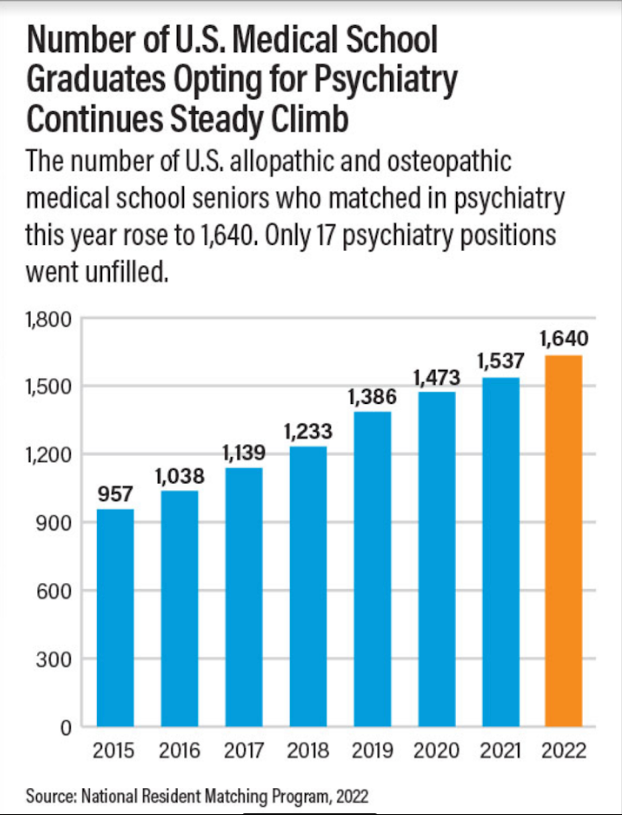
Unrelated issue -improving numbers of physcians being trained in psychiatry:

Covid Updates

Vaccines have been estimated to have saved more than 20 million deaths. The Lancet Infectious Diseases new release: COVID-19 vaccines are estimated to have prevented 20 million deaths worldwide in the first year of the vaccine program, modelling study find

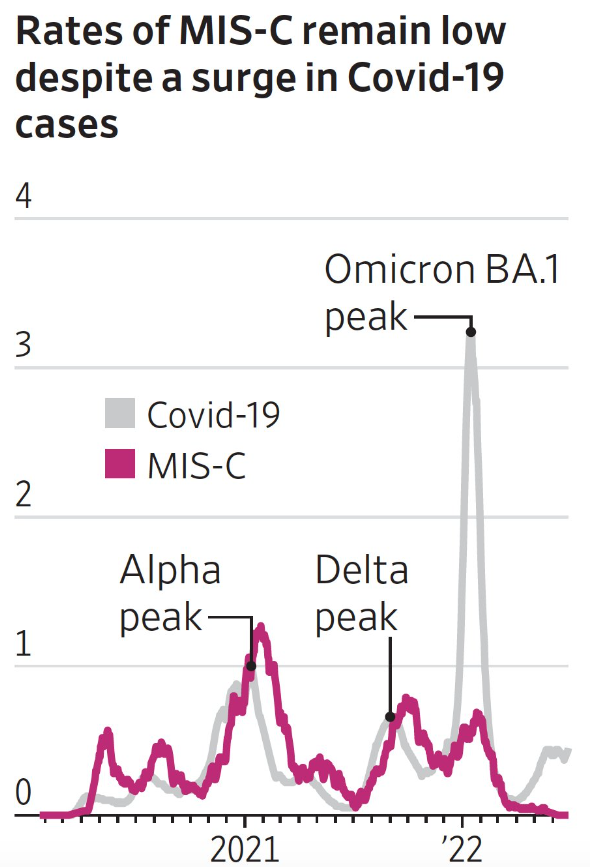
Omicron has been associated with lower rates of MIS-C in children compared to other surges –95% less than alpha. WSJ: Covid-19 Complication Among Children Fades in Latest Wave of Virus.

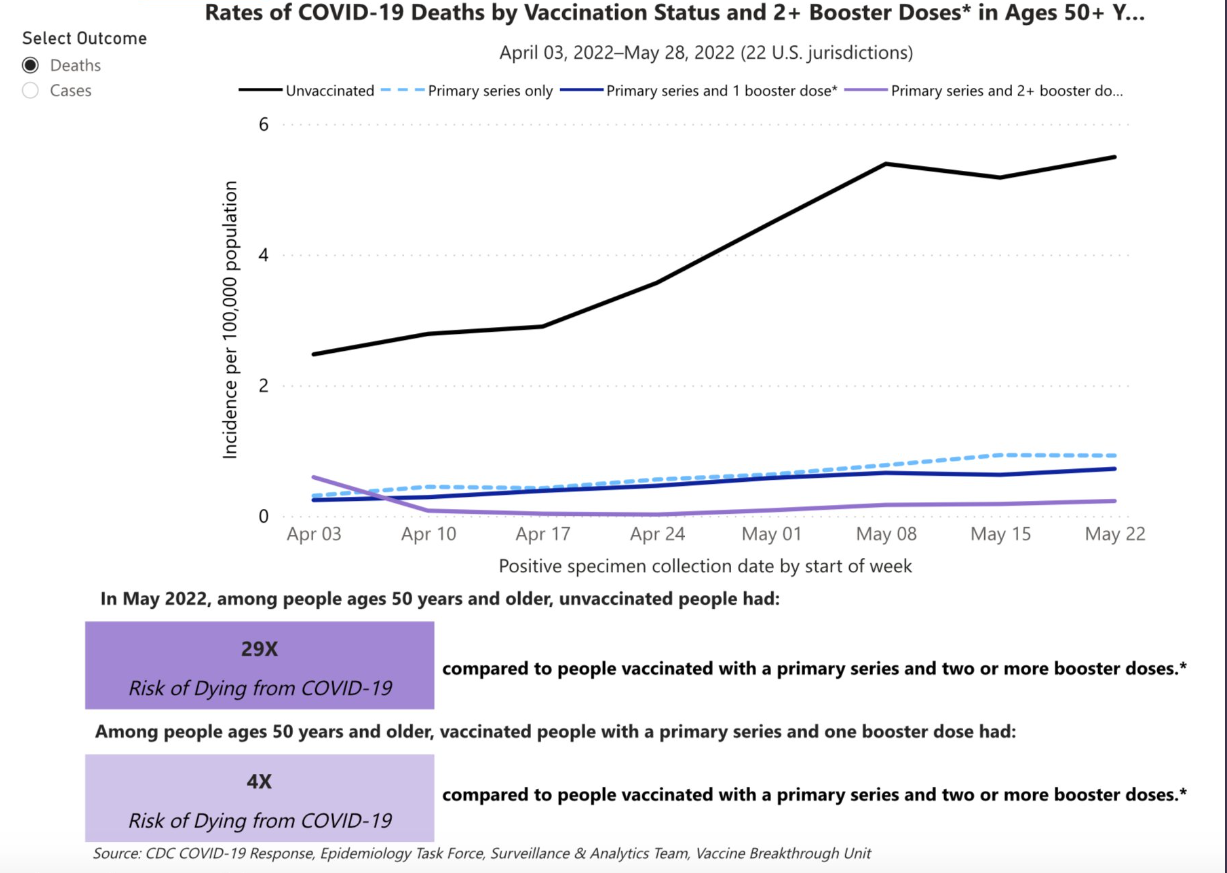
Getting boosted is important for those >50 years. There was a 29-fold reduction when comparing 2 boosters vs unvaccinated and a 4-fold reduction when comparing 2nd booster vs 1 booster. CDC: Rates of COVID-19 Cases and Deaths by Vaccination Status

Delusional Thinking That COVID-19 Is Over

A couple recent articles indicate a lot of reasons for concern.

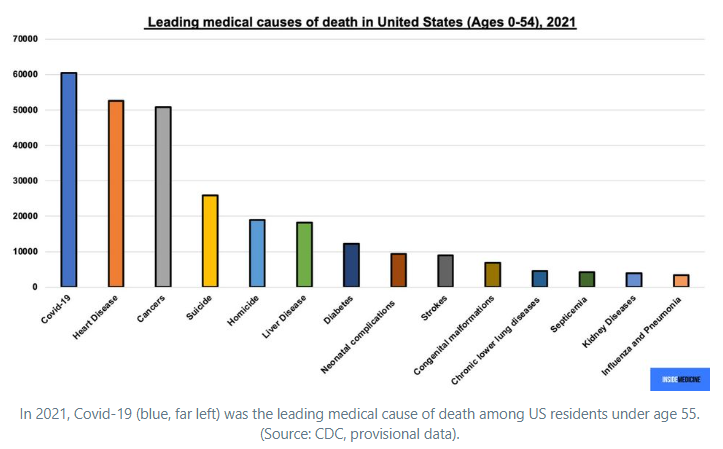
First of all, it is important to recognize that even among persons less than 55 years of age, COVID-19 was the leading cause of death in 2021. Inside Medicine: Open Access: The million US Covid dead are younger than you think.

Sadly, more than 300,000 deaths in the U.S. could have been averted (NPR: This is how many lives could have been saved with COVID vaccinations in each state)

There has been a culture shift to learn to live with the virus. This is evident almost everywhere from packed restaurants, crowded venues, etc. However, there is currently high transmission and variants that are evading vaccine protection as detailed by Eric Topol, Open Access: The Covid Capitulation

Key points:

  • The United States is now in the midst of a new wave related to Omicron variants BA.2 and BA.2.12.1 with over 90,000 confirmed new cases a day and a 20% increase in hospitalizations in the past 2 weeks…The real number of cases is likely at least 500,000 per day, far greater than any of the US prior waves except Omicron.
  • “Infections…beget more cases, …Long Covid, … sickness, hospitalizations and deaths. They are also the underpinning of new variants.”
  • CDC currently is vastly underestimating the number of cases leading many towards false confidence, “feeding the myth that the pandemic is over.”
  • “As of last week, 43% of new cases were attributable to BA.2.12.1 …. BA.2.12.1 is out-competing BA.2 with its 25% higher transmission rate, which foretells its further rise to dominance across the US in the days and weeks ahead.”
  • “This family of Omicron variants with functional impact indicates more rapid evolution of the virus than what we have seen previously.”
  • There has been a “reduction in vaccine effectiveness that we are now encountering…[Protection from severe disease] has declined to approximately 80%, particularly taking account the more rapid waning than previously seen.”
  • “It’s overly optimistic to think we’ll be done when Omicron variants run their course. Not only are they providing further seeding grounds for more variants of concern, but that path is further facilitated by tens of millions of immunocompromised people around the world, multiple and massive animal reservoirs, and increased frequency of recombinants.”
  • “Vaccinated individuals accounted for … 42 per cent [of the deaths] during the Omicron wave. This is attributable to waning of protection, lack of boosters, and the diminished protection against Omicron (BA.1).”
  • What needs to be done: More boosters/vaccines (“we rank 60th in the world’s countries for boosters”) along with more medicines, and nasal vaccines which could induce mucosal immunity

My take: Unfortunately, these articles indicate that we have a long way to go. High quality masks are going to be needed at health care settings for a while. For those trying to avoid COVID-19, it will remain important to avoid large indoor gatherings. For public policy/economic policy, we need to continue to fund COVID-19 resources.

Related blog posts:

Fifth Era of Vaccinology

A recent commentary (A Desmond, P Offit. NEJM 2021; 384: 1081-1083. Full text: On the Shoulders of Giants — From Jenner’s Cowpox to mRNA Covid Vaccines) succinctly describes the five major vaccine-related advances. The link also provides access to an audio interview with Dr. Offit

1st Advance: In 1796, Edward Jenner “found that an animal virus (cowpox) could protect against disease caused by a human virus (smallpox)… Jenner’s work ultimately led to the eradication of a disease that is estimated to have killed more than 300 million people in the 20th century”

2nd Advance: In 1885, Louis Pasteur developed an inactivated virus vaccine for rabies. This has led to the development of many other inactivated vaccines, including the influenza vaccine.

3rd Advance: In 1937, Max Theiler attenuated yellow fever virus by means of serial passage in mouse and chicken embryos. This has led to the development of numerous attenuated vaccines to prevent polio (Sabin, 1960s), measles (1963), mumps (1967), rubella (1969), varicella (1995), and rotavirus (2008).

4th Advance: In 1980, Stanford biochemists Richard Mulligan and Paul Berg developed recombinant DNA technology which led to vaccines containing purified surface proteins. This led to the hepatitis B virus (1986), human papillomavirus (2006), and influenza virus (2013) vaccines.

Some of the notable improvements related to vaccines:

  • In U.S., the incidence of polio dropped from 29,000 cases in 1955 to elimination
  • In U.S., during the “2019–2020 influenza season, the influenza vaccine prevented an estimated 7.52 million infections, 3.69 million medical visits, 105,000 hospitalizations, and 6300 deaths”
  • In U.S., the measles vaccine has nearly eliminated a virus that previously caused 2 million to 3 million infections, 50,000 hospitalizations, and 500 deaths every year
  • In U.S., “since the hepatitis B virus vaccine started being routinely recommended for newborns in the early 1990s, rates of hepatitis B virus infection among children younger than 10 years have fallen from about 18,000 per year to nearly zero”
  • Globally, “between 2000 and 2018, roughly 23 million measles deaths were prevented by vaccination…Live attenuated rotavirus vaccines are countering a virus that once killed more than 500,000 infants and young children each year”

5th Advance: In 2020 “with the recent authorization of mRNA vaccines, we have entered the fifth era of vaccinology. This class of vaccines doesn’t contain viral proteins; rather, these vaccines use mRNA, DNA, or viral vectors that provide instructions to cells on how to make such proteins. The SARS-CoV-2 pandemic will be an important test of whether these new platforms can fulfill their promise of creating safe, effective, and scalable vaccines more quickly than traditional methods.”

Related blog posts: