R Bissonnette et al. NEJM 2024; 390: 510-521.An Oral Interleukin-23–Receptor Antagonist Peptide for Plaque Psoriasis
While this study shows that an oral IL-23 antagonist was effective for plaque psoriasis, this is exciting news for the GI physicians as biologic agents that target IL-23 have been shown to be very effective for inflammatory bowel disease (IBD) (eg. Ustekinumab, Risankizimab, Mirikizumab). This “FRONTIER” study shows how to achieve similar results as these biologic therapies.
Biologics are large monoclonal antibodies which cannot be orally absorbed and must be administered either intravenously or as an injection. However, “JNJ-77242113 is an oral interleukin-23–receptor antagonist peptide that selectively and potently blocks interleukin-23 proximal signaling and the production of downstream cytokines such as interleukin-17.” This medication needs to be taken on an empty stomach (this could effect real-world results).
My take: I am expecting that this medication will undergo trials for IBD and suggests that an oral effective therapy is in the therapeutic pipeline.
A recent thought-provoking commentary on medical training delved into the issue of “workism” and sacrifice in medicine.
L Rosenbaum. NEJM 2024; 390: 471-475.On Calling — From Privileged Professionals to Cogs of Capitalism?
Dr. Rosenbaum notes that some believe using the concept of medicine as a “calling” is “weaponized against trainees as a means of subjugation — a way to force them to accept poor working conditions.”
Some excerpts:
The sacrifices that once brought physicians spiritual fulfillment have increasingly been replaced by a sense that we’re simply cogs in a wheel.
Historically the missions of trainees and hospitals were better aligned…there was a shared commitment to serve vulnerable people. Today,… most hospital boards and leaders — even at so-called not-for-profit hospitals — increasingly prioritize financial success. Some hospitals view trainees more as an inexpensive labor force… As educational missions are increasingly subordinated to corporate priorities (such as early discharges and billing documentation), sacrifice becomes far less appealing.
[Some younger doctors are] disheartened by what she saw as medicine’s dismissal of people’s pain, poor treatment of marginalized populations, and tendency to assume the worst about patients.
My interviews with trainees, educational leaders, andclinicians suggested that efforts to keep work from consuming life have unintentionally increased resistance to medical education’s demands… Some trainees insist that expectations to read up on patients or prepare for conferences violate duty hours.
Educators recognize changing norms… And many worried that they were guilty of the generational fallacy — a tendency sociologists call “kids these days” — of thinking their own training was superior to the next generation’s.2
My take: Whether medicine is a job or a “calling,” like the author, I view doctoring as sacred work. There are many parts of this work that cannot conform to a 9-to-5 schedule. Some work cannot be delayed to the next day and some work can be difficult to delegate. Yet, I definitely understand how a focus on documentation/billing rather than patient care could result in physicians (young and old) not wanting to ‘go the extra mile.’
Methods: To examine cognitive slowing, patients with post-COVID-19 conditions (PCC) completed two short web-based cognitive tasks, Simple Reaction Time (SRT) and Number Vigilance Test (NVT). 270 patients diagnosed with PCC at two different clinics in UK and Germany were compared to two control groups: individuals who contracted COVID-19 before but did not experience PCC after recovery. For the SRT, participants were required to press the spacebar when a large red circle appeared in the center of the screen.
.**The simple reaction time task and the number vigilance task can be tried online at [https://octalportal.com/pcc]..
Key finding:
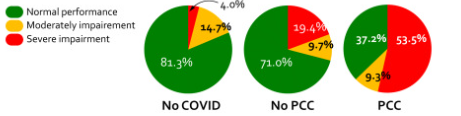
There was pronounced cognitive slowing in patients with PCC, which distinguished them from age-matched healthy individuals who previously had symptomatic COVID-19 but did not manifest PCC. Cognitive slowing was evident even on a 30-s task measuring simple reaction time (SRT), with patients with PCC responding to stimuli ∼3 standard deviations slower than healthy controls. 53.5% of patients with PCC’s response speed was slower than 2 standard deviations from the control mean, indicating a high prevalence of cognitive slowing in PCC.
Comorbidities such as fatigue, depression, anxiety, sleep disturbance, and post-traumatic stress disorder did not account for the extent of cognitive slowing in patients with PCC.
Cognitive slowing on the SRT was highly correlated with the poor performance of patients with PCC on the NVT measure of sustained attention.
Results of simple reaction time
My take (borrowed from authors): Using a 30-s web-based, self-administered psychomotor task, cognitive slowing in PCC can be reliably and easily measured as part of diagnostic work-up, and has potential to be a biomarker to track the progress of rehabilitation of PCC.
**The simple reaction time task and the number vigilance task can be tried online at [https://octalportal.com/pcc].
There is little evidence that we are reducing diagnostic errors despite more lab testing and more imaging. “One of the important reasons for these errors is failure to consider the diagnosis when evaluating the patient.” This, in turn, may be related to brief office visits.
AI support to radiologists for a large mammography study “showed improvement in accuracy with a considerable 44% reduction of screen-reading workload.” The cancer detection rate was 6.1 per 1000 compared to 5.1 per 1000 in the control group.
In difficult NEJM CPC cases, large language AI model (LLM) outperformed clinicians (see slide below).” The LLM was nearly twice as accurate as physicians for accuracy of diagnosis, 59.1 versus 33.6%, respectively.”
“Likewise, the cofounder of OpenAI, Ilya Sutskever, was emphatic about AI’s future medical superintelligence: ‘If you have an intelligent computer, an AGI [artificial general intelligence], that is built to be a doctor, it will have complete and exhaustive knowledge of all medical literature, it will have billions of hours of clinical experience.’ “
My take (borrowed from Dr. Topol): “We are certainly not there yet. But in the years ahead, …it will become increasingly likely that AI will play an invaluable role in providing second opinions with automated, System 2 machine-thinking, to help us move toward the unattainable but worthy goal of eradicating diagnostic errors.”
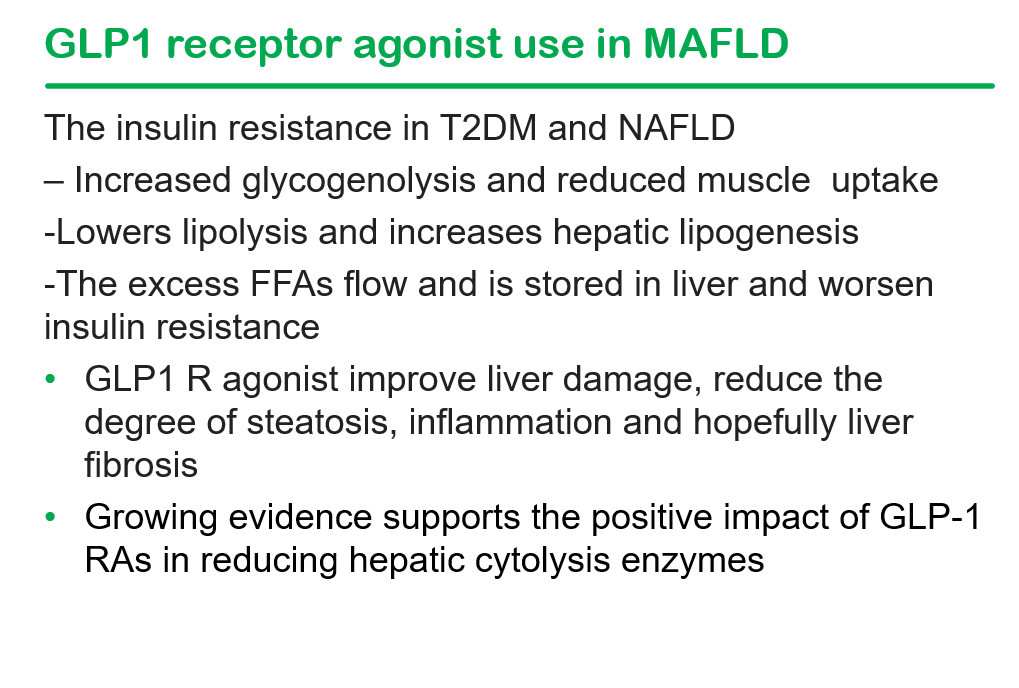
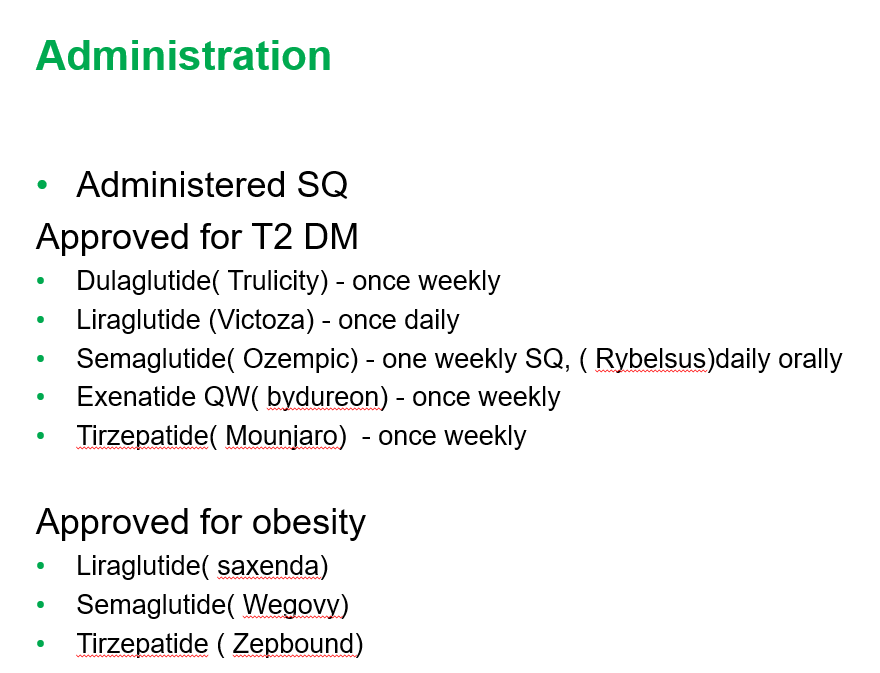
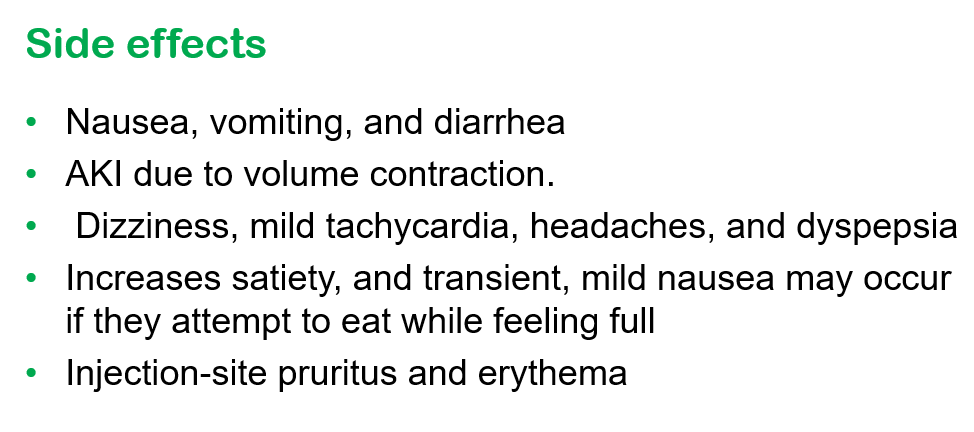
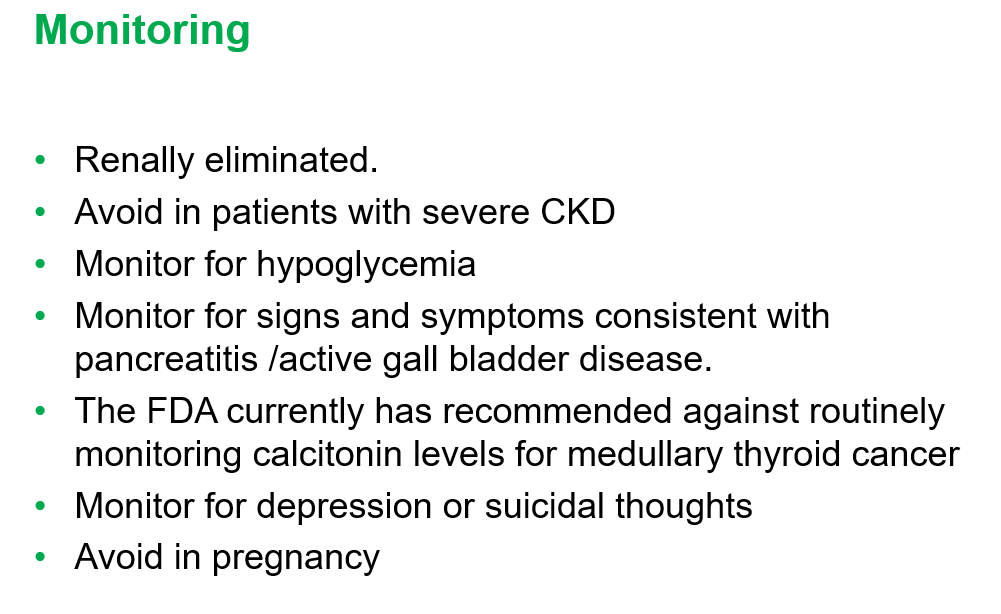
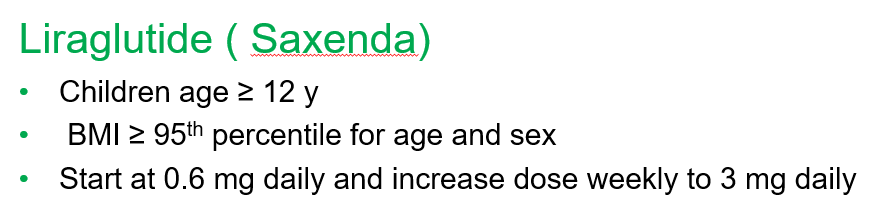
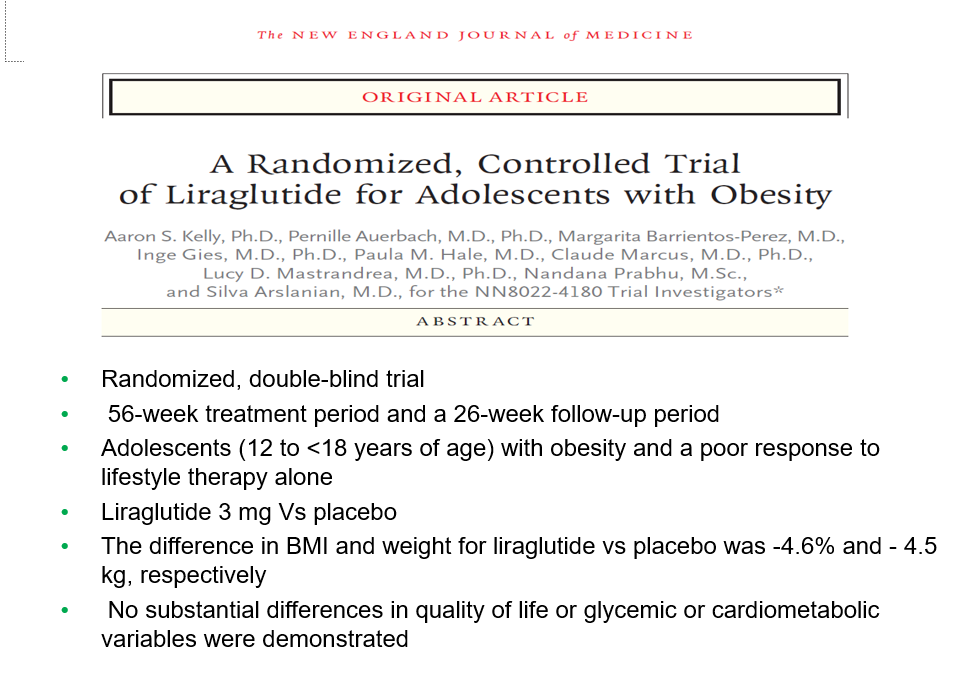
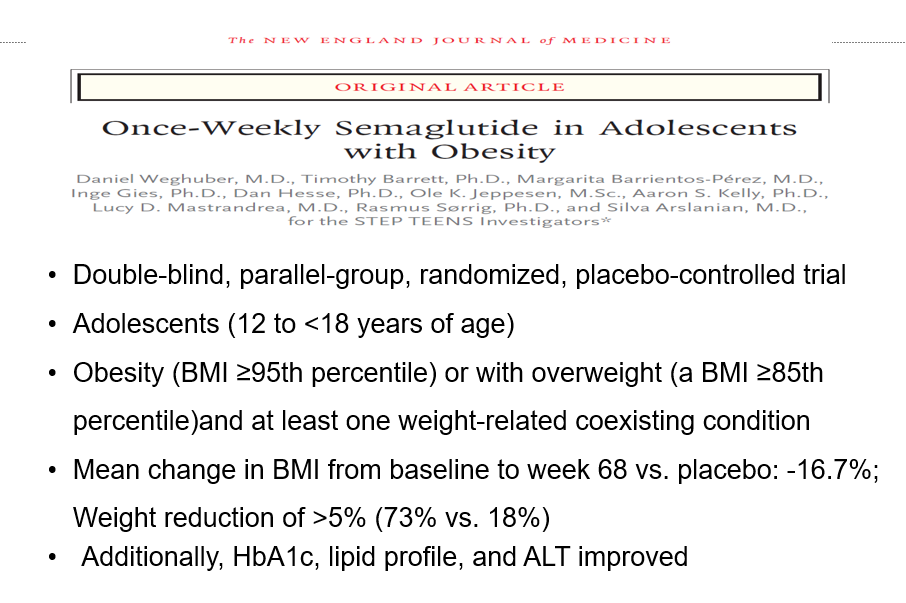
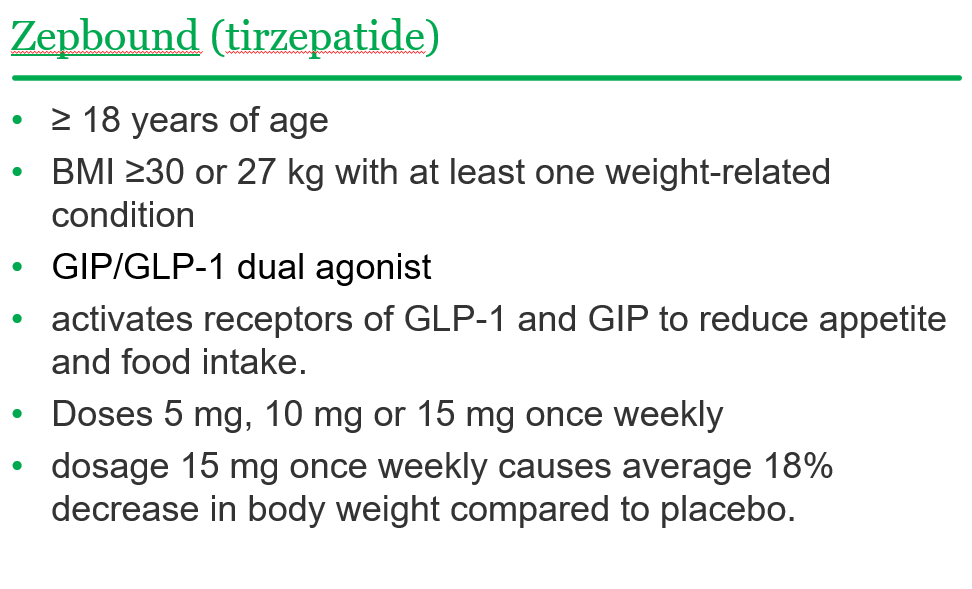
Recently, Dr. Shruthi Arora, an Emory Pediatric Endocrinologist and part of CHOA’s Strong4Life team, provided a terrific review of pediatric obesity pharmacology for our group.
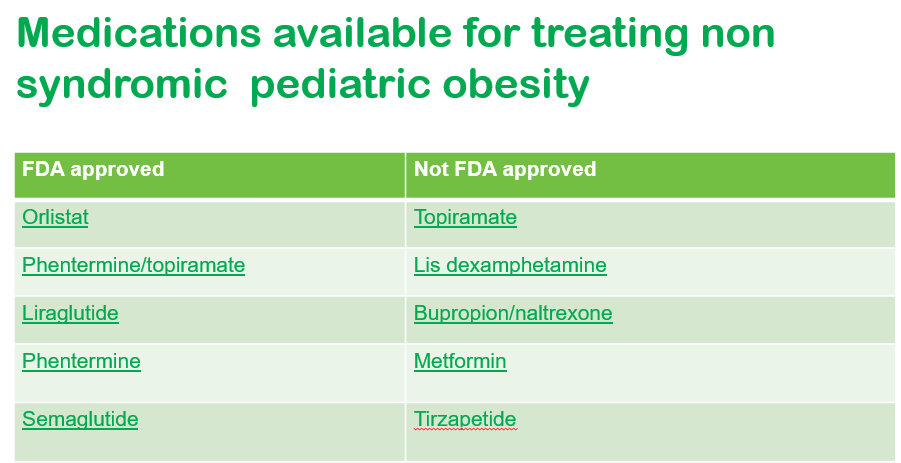
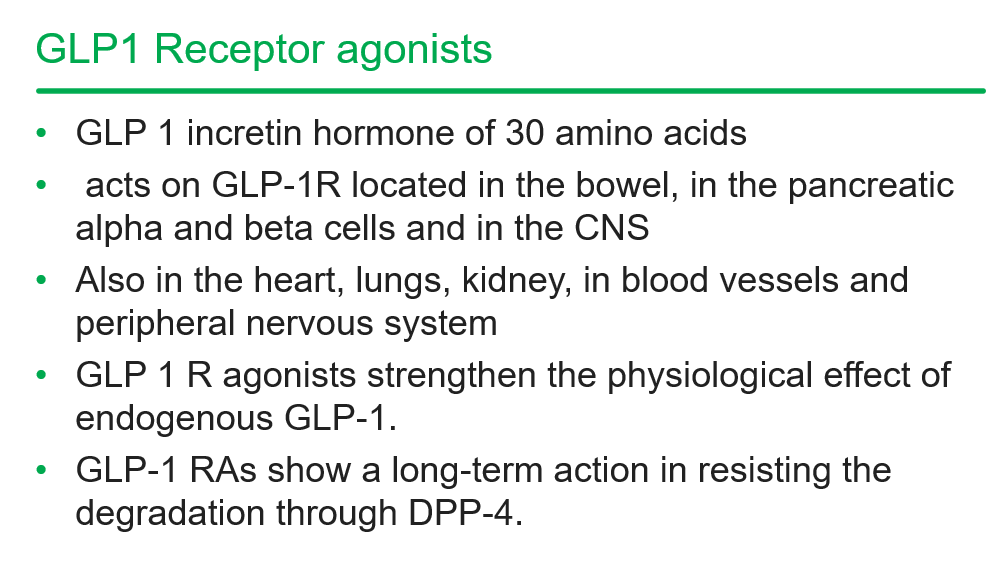
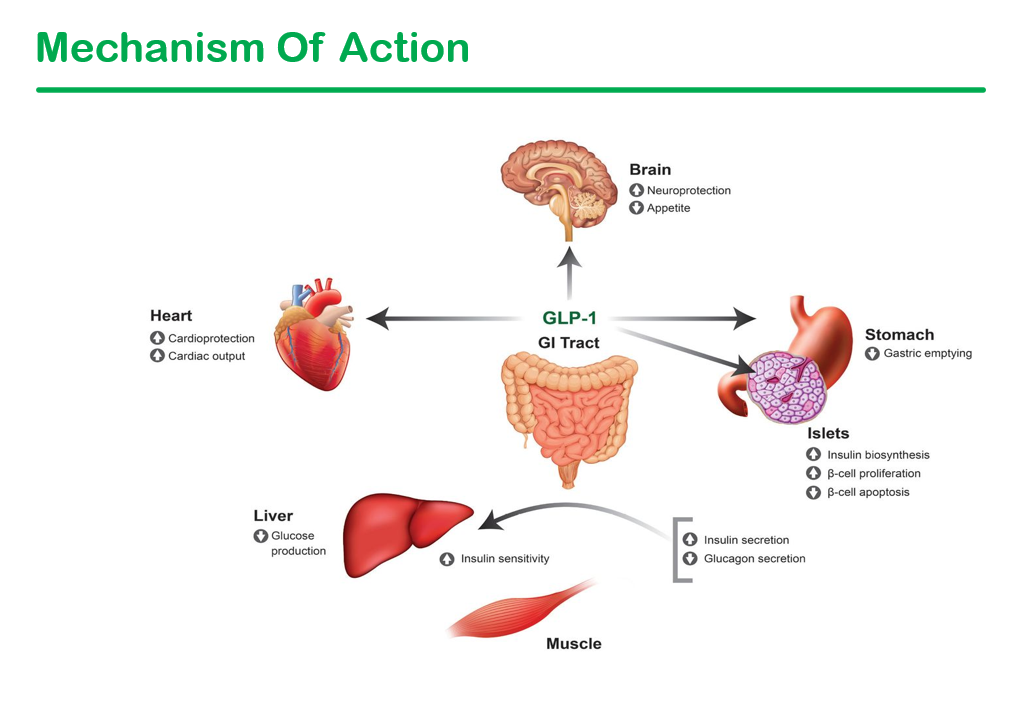
Here are a few slides from Dr. Arora’s lecture:
General points from this lecture:
GLP-1 agents are a huge advance but currently limited by affordability (frequently there is a lack of insurance coverage if there is not T2DM) and availability. In addition, most individuals will regain weight loss when these agents are stopped.
GLP-1 agents are not recommended in the following: patients with gastroparesis, and patients with a personal or family history significant for MEN 2 A /MEN 2 B/ Medullary thyroid cancer
Long-term data is still needed. These agents have been associated with muscle and bone loss; thus, working to assure a good diet is still very important
——————————————————————————
NASPGHAN has a good review/webinar on this topic as well: Pediatric MASLD in the Current Era of Pharmacological and Surgical Obesity Treatment Options. For members, after sign in, you can register and login to this webinar (look under clinical practice tab). This webinar made a lot of useful points (many covered by Dr. Arora too).
For GLP-1 agents, due to effects on gastric emptying, they are generally held prior to anesthesia. If they are given weekly, then hold 1 week prior to anesthesia. If it is a daily medication, hold for 1 day prior to anesthesia.
Surgery definitely helps improve MASH -though variable responses in patients. SLEEVE gastrectomy is currently the most frequent bariatric surgery
There is trouble getting GLP-1 medications.
Limited knowledge regarding long-term effects of cycling of GLP-1 agents.
Obesity is a long-term disease –>anticipate long-term treatment
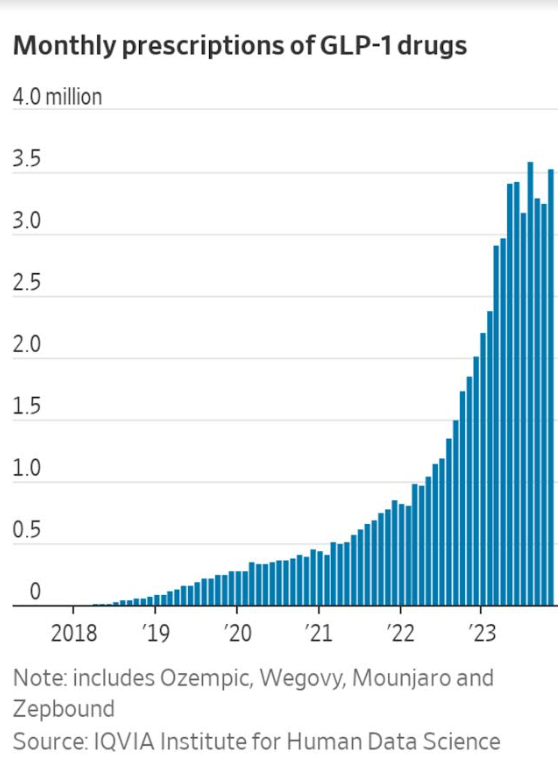
The Wall Street Journal recently published a personal account of using the newer obesity medications. Bradley Olson, 1/12/24: A Weight-Loss Drug Changed My Life. Will It Solve My Problem? (behind a paywall). This article discusses the dramatic improvement experienced by the writer along with his concerns about the cost of the medication and potential for rebound when he can no longer afford it. Two of the figures:
Disclaimer: This blog, gutsandgrowth, assumes no responsibility for any use or operation of any method, product, instruction, concept or idea contained in the material herein or for any injury or damage to persons or property (whether products liability, negligence or otherwise) resulting from such use or operation. These blog posts are for educational purposes only. Specific dosing of medications (along with potential adverse effects) should be confirmed by prescribing physician. Because of rapid advances in the medical sciences, the gutsandgrowth blog cautions that independent verification should be made of diagnosis and drug dosages. The reader is solely responsible for the conduct of any suggested test or procedure. This content is not a substitute for medical advice, diagnosis or treatment provided by a qualified healthcare provider. Always seek the advice of your physician or other qualified health provider with any questions you may have regarding a condition.
In this cross-over randomized controlled study with 50 children (median age 3.5 yrs), the authors assessed whether music therapy (MT) is effective to reduce pain during daily personal hygiene care (DPHC). The primary outcome was variation of the Face Legs Activity Cry Consolability (FLACC) score (range, 0-10). Key findings:
FLACC score was 0.0 (0.0-3.0) at baseline and 3.0 (1.0-5.5) during DPHC. With MT, these values were, respectively, 0.0 (0.0-1.0) and 2.0 (0.5-4.0).
Rates of FLACC scores of >4 during DPHC, which indicates severe pain, were 42% in standard conditions and 17% with MT (P = .013).
In their background, the authors note that MT “provides feelings of well-being and relaxation and acts as a distractor, leading to the inhibition of pain perception.”
My take: This study reinforces the importance of distraction to reduce pain. Life is better and less painful with music.
It used to be fairly easy to dismiss Florida’s surgeon general, Dr. Joseph A. Ladapo, as a clownish anti-vaccine quackposing a danger mostly to residents of his home state…Ladapo has moved from promoting useless treatments for COVID-19, such as the drugs hydroxychloroquine and ivermectin, to waging an ever-expanding fact-free campaign against the leading COVID vaccines…
That brings us to Ladapo’s latest adventure in medical quackery, his claim that no one should take the mRNA vaccines….Ladapo’s advice is based on what he says is research that the Pfizer and Moderna mRNA COVID vaccines contain fragments of DNA that are injected into human cells, which they can contaminate and turn into cancer cells…
The human cell has a panoply of mechanisms to destroy foreign DNA. Even if the fragments managed to penetrate the cell nucleus, which can’t happen, they would have to cut up the existing DNA, which would require a mechanism the fragments don’t have.
“So the chancethatDNA could affect yourDNA is zero,” Offit said..
Ladapo’s words and actions have surely contributed to his state’s pathetic performance in getting its citizens vaccinated against COVID. With 11.6% of its population fully vaccinated with a booster as of last May, Florida had a rate among the lowest in the nation. (California’s rate was 20.6%.) Among those 65 and older — purportedly the population that Florida strives to protect — only 31.2% were fully vaccinated. (California: 48.3%.)
Florida’s death rate from COVID of 375 per 100,000 people is among the worst in the country. (California: 283.) You can ignore the defense that the difference is due to Florida’s relatively older population; states with even older median ages have done much better: Vermont (170), New Hampshire (245) and Maine (252). The difference is the indifference of Ladapo and DeSantis to their own residents’ health.
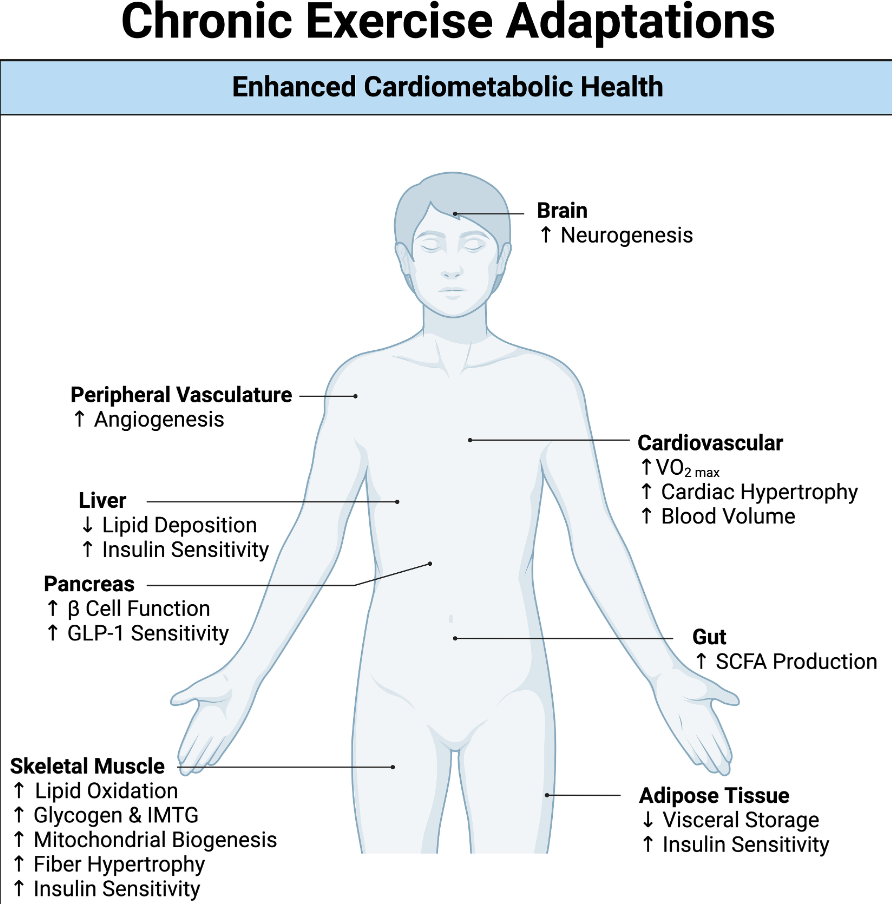
“The risk associated with multiple cancers, cardiovascular disease, diabetes, and all-cause mortality is decreased in individuals who meet the current recommendations for physical activity…Over time, the associated metabolic stress of each individual exercise bout provides the basis for long-term adaptations across tissues, including the cardiovascular system, skeletal muscle, adipose tissue, liver, pancreas, gut, and brain. Therefore, regular exercise is associated with a plethora of benefits throughout the whole body, including improved cardiorespiratory fitness, physical function, and glycemic control. Overall, we summarize the exercise-induced adaptations that occur within multiple tissues and how they converge to ultimately improve cardiometabolic health.”
T Watson, C Robertson. NEJM 2023; 389; 25: 2312-2314. Silencing the FDA’s Voice — Drug Information on Trial
Recently (9/1/23), “a panel of the Fifth Circuit Court of Appeals allowed a case to proceed against the Food and Drug Administration (FDA) concerning its public statements on the use of ivermectin for treating Covid-19.1“ Even though a district court had dismissed the suit due to “sovereign immunity,” the Fifth Court stated the FDA had exceeded its authority.
Some excerpts from this commentary:
Between August 2021 and April 2022, however, the agency released several public messages about ivermectin and Covid-19 — including an informal consumer update titled “Why You Should Not Use Ivermectin to Treat or Prevent COVID-19”…
Three physicians who prescribed and promoted ivermectin for Covid-19 treatment sued the FDA, alleging that its statements interfered with their ability to practice medicine and harmed their professional reputations, even though they hadn’t been named by the FDA. One doctor claimed the agency’s statements had caused him to be referred to his state medical board; the others claimed to have lost admitting privileges at a hospital and a role at a medical school.
According to the Fifth Circuit, the FDA “has authority to inform, announce, and apprise — but not to endorse, denounce, or advise”….
The Fifth Circuit panel’s opinion is puzzling in light of the FDA’s long-standing and generally unquestioned role as a public health educator. The agency routinely releases consumer-directed information; for example, its website instructs consumers about the appropriate use of antibiotics and includes related clinical information. The opinion suggests the FDA may need to reevaluate each of these communications — an impractical proposition.
The opinion is also in tension with a long-standing constitutional principle known as the government speech doctrine, according to which the government can itself be a speaker, like any person or corporation, and isn’t required to be neutral when it expresses an opinion..
The Fifth Circuit’s holding reflects suspicion of agency influence, even in matters in which the agency is an expert speaking directly about products it regulates. The court’s interpretation of the FDA’s proper role may permit only narrow forms of expression...
Subsequent courts could use the Fifth Circuit’s logic to disempower other agencies with health-related missions, such as the Centers for Disease Control and Prevention and the Environmental Protection Agency… Meanwhile, “junk science” pervades social media and harms public health.2
My take: It is hard to believe that the justification for this challenge comes from three physicians prescribing ivermectin. It turns out the FDA’s advice was spot on and that these physicians were offering an ineffective therapy. This is a worrisome trend in which the judicial branch seeks
To limit government agencies without explicit line-by-line authorization by a dysfunctional congress
And to substitute its judgement over matters in which it has little expertise over governmental agencies tasked with protecting our country (eg. FDA, CDC, EPA, and others)
Hydroxychloroquine (HCQ) was used off-label for COVID-19 during the first wave despite the absence of evidence documenting its clinical benefits. A recent study has estimated that it resulted in an increase death rate of 11%. ”The number of hydroxychloroquine related deaths in hospitalized patients is estimated at 16,990 in six countries.” Ref: Open Access! A Pradelle et al. Biomedicine & Pharmacotherapy 2024; 171: 116055. Deaths induced by compassionate use of hydroxychloroquine during the first COVID-19 wave: an estimate
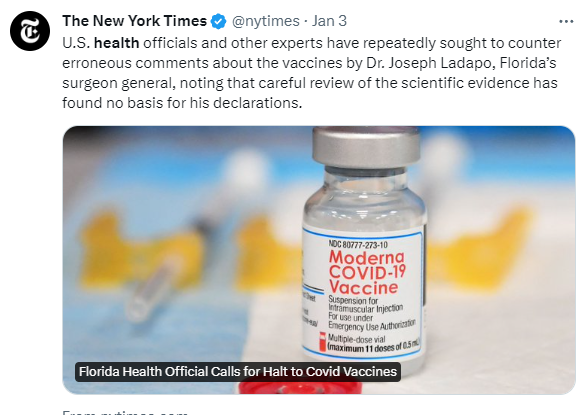
Florida’s surgeon general on Wednesday called for a halt to the use of Covid vaccines, citing widely debunked concerns that contaminants in the vaccine can permanently integrate into human DNA.
Dr. Ladapo’s latest contention is “very irresponsible,” said John Wherry, a vaccine expert and director of the Institute for Immunology at the University of Pennsylvania. “He has, however, demonstrated a tenuous grasp of science and medicine in general over the course of the pandemic so this is not surprising,” Dr. Wherry said….
For Dr. Ladapo’s claim to be true, humans would need to have an enzyme that can incorporate foreign DNA into their genomes. “We don’t have one,” said Dr. Eric Rubin, a member of the F.D.A.’s vaccine advisory committee and the editor in chief of the New England Journal of Medicine.
My take: The first article estimates the number of deaths due to the bad advice of using hydroxychloroquine. Perhaps in a few years, researchers will be able to calculate the number of deaths and hospitalizations that occur due to the bad advice of Florida’s surgeon general.