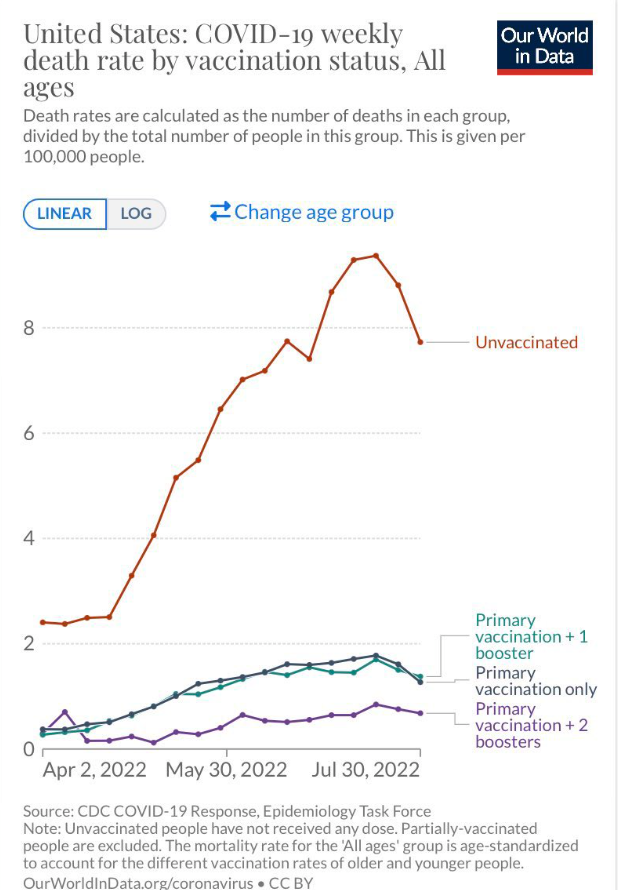
Ongoing Risk of Death in Those Without COVID-19 Vaccination
Image

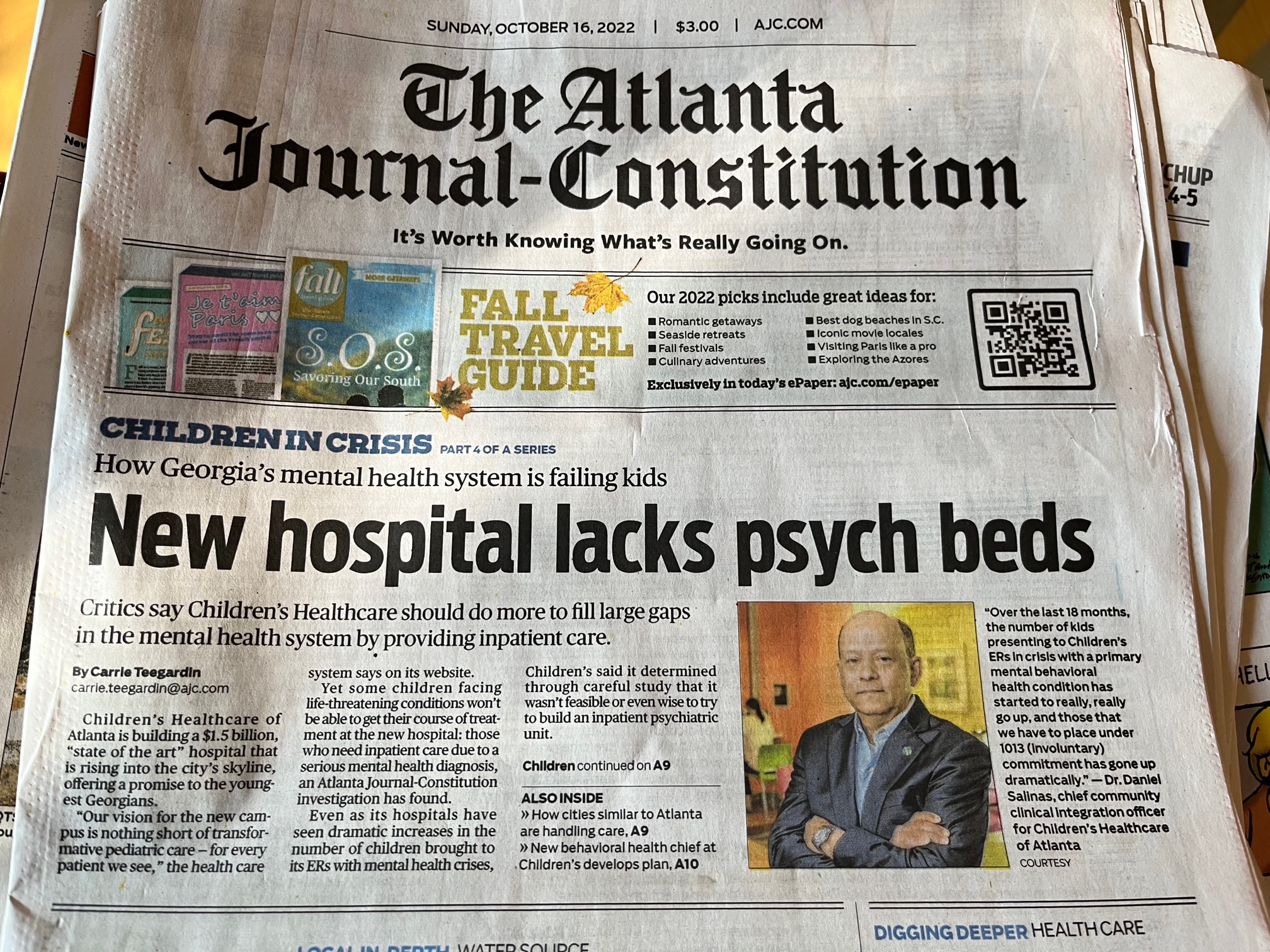
This weekend The Atlanta Journal-Constitution (AJC.com) ran a front page, top-of-the-fold, story of how Georgia’s mental health system is failing kids. This story highlighted how Children Healthcare of Atlanta is building a $1.5 billion 14-story state-of-the-art hospital that will not have a single psychiatry bed. Coincidentally, the NY Times 18-page opinion section also focused on America’s mental health crisis.
Related article from AJC (Dec 2021): Children’s Healthcare of Atlanta amasses immense wealth as some Georgia families struggle to access quality pediatric care
My take: Mental health issues are clearly NOT prioritized in many health care systems/providers nor by payers.
Related blog posts:

A Hassan, SJ Barber. Cogn Res Princ Implic. 2021 Dec; 6: 38. Open Access! The effects of repetition frequency on the illusory truth effect. doi: 10.1186/s41235-021-00301-5
“Repeated information is often perceived as more truthful than new information. This finding is known as the illusory truth effect, and it is typically thought to occur because repetition increases processing fluency…In Experiment 1, we showed participants trivia statements up to 9 times and in Experiment 2 statements were shown up to 27 times…In both experiments, we found that perceived truthfulness increased as the number of repetitions increased. However, these truth rating increases were logarithmic in shape. The largest increase in perceived truth came from encountering a statement for the second time, and beyond this were incrementally smaller increases in perceived truth for each additional repetition.”
My take (from authors): “Although believing repeated information to be true is evolutionarily efficient in a context where most of the information encountered is correct, it can be detrimental to believe information that is incorrect.”
Related blog posts:

Last year, the AGA stated that pre-endoscopy COVID testing is not needed:
This has turned out to be good advice:
A Hann et al. Gut 2022; http://dx.doi.org/10.1136/gutjnl-2022-327053. Open Access! Impact of pre-procedural testing on SARS-CoV-2 transmission to endoscopy staff
In this retrospective study, “during a 20-month period until December 2021 using PPE and three different test approaches: no testing (n=4543), rapid antigen (RA) testing (n=682) and RT-PCR testing (n=10 465). In addition, 60 endoscopies were performed in patients with proven COVID-19. Not a single staff member became infected with SARS-CoV-2 during the 20 months analysed; vaccination rate of the team was 97%.”
The authors note that routine testing of clinical team was not performed; thus, they cannot exclude the possibility of asymptomatic infections.
My take (borrowed in part from authors): “PPE is highly effective for avoidance of SARS-CoV-2 transmission during upper or lower GI endoscopies.” Pre-op testing for COVID has many downsides: increased costs, delays in care, potential exacerbation of health disparities, and detrimental effects to endoscopy efficiency (especially with inconclusive results)

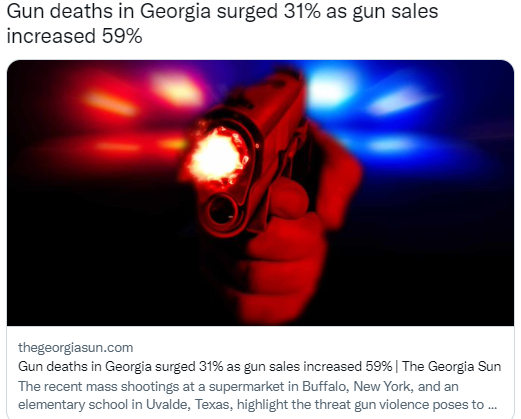
Firearm-related deaths are now the leading cause of death in U.S. children. The push to make guns more available is resulting in more tragic outcomes. In the U.S., putting too much mayonnaise on a sandwich can be a death sentence:
In Georgia, the law, signed by current governor Brian Kemp, allows Georgians to carry concealed handguns without first getting a license from the state. This law along with a previous “Guns Everywhere Law” has been associated with increased gun sales and increased gun violence and deaths.
After Uvalde, Amanda Gorman published the following poem
NY Times (5/27/22): Hymn For The Hurting
Everything hurts,
Our hearts shadowed and strange,
Minds made muddied and mute.
We carry tragedy, terrifying and true.
And yet none of it is new;
We knew it as home,
As horror,
As heritage.
Even our children
Cannot be children,
Cannot be.
Everything hurts.
It’s a hard time to be alive,
And even harder to stay that way.
We’re burdened to live out these days,
While at the same time, blessed to outlive them.
This alarm is how we know
We must be altered —
That we must differ or die,
That we must triumph or try.
Thus while hate cannot be terminated,
It can be transformed
Into a love that lets us live.
May we not just grieve, but give:
May we not just ache, but act;
May our signed right to bear arms
Never blind our sight from shared harm;
May we choose our children over chaos.
May another innocent never be lost.
Maybe everything hurts,
Our hearts shadowed & strange.
But only when everything hurts
May everything change.
Related blog posts:
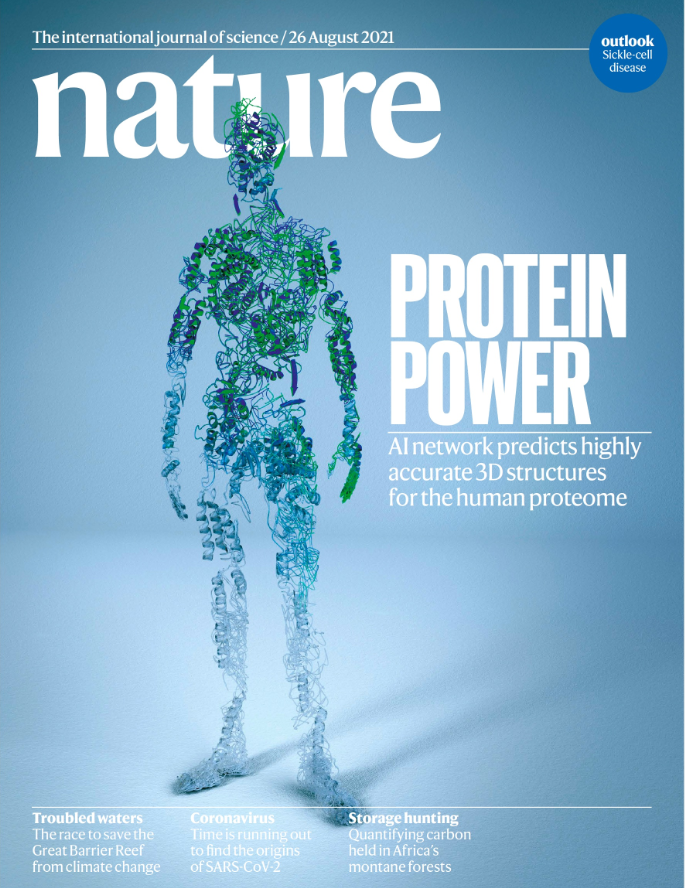
The Guardian: DeepMind uncovers structure of 200m proteins in scientific leap forward
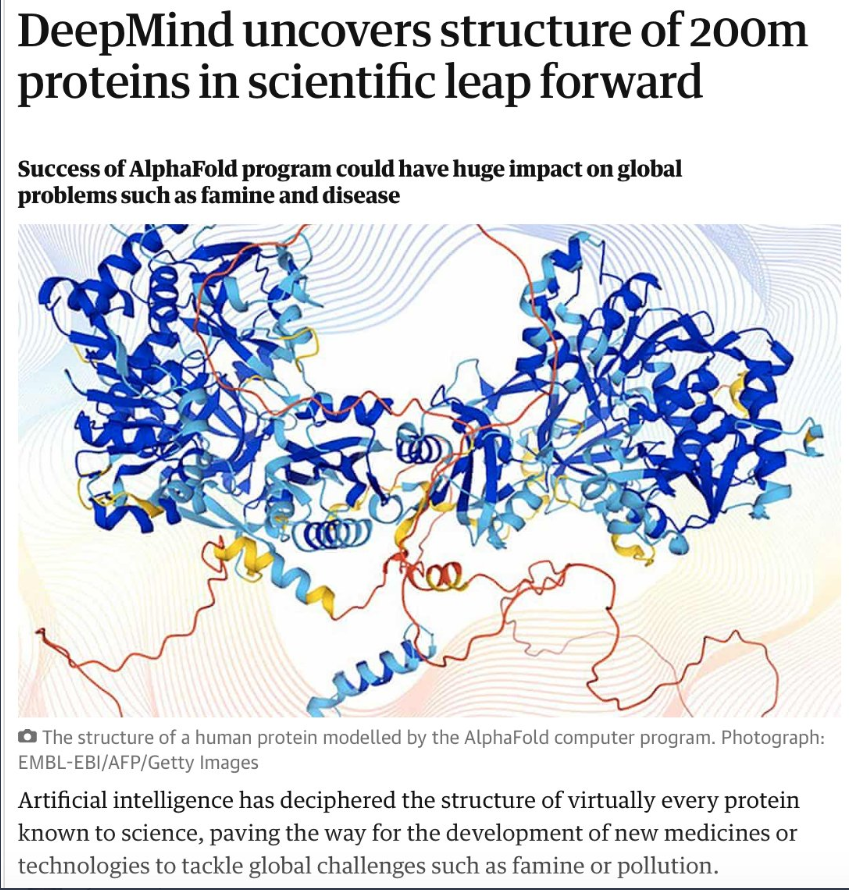
From The Washington Post via Eric Topol’s Twitter Feed
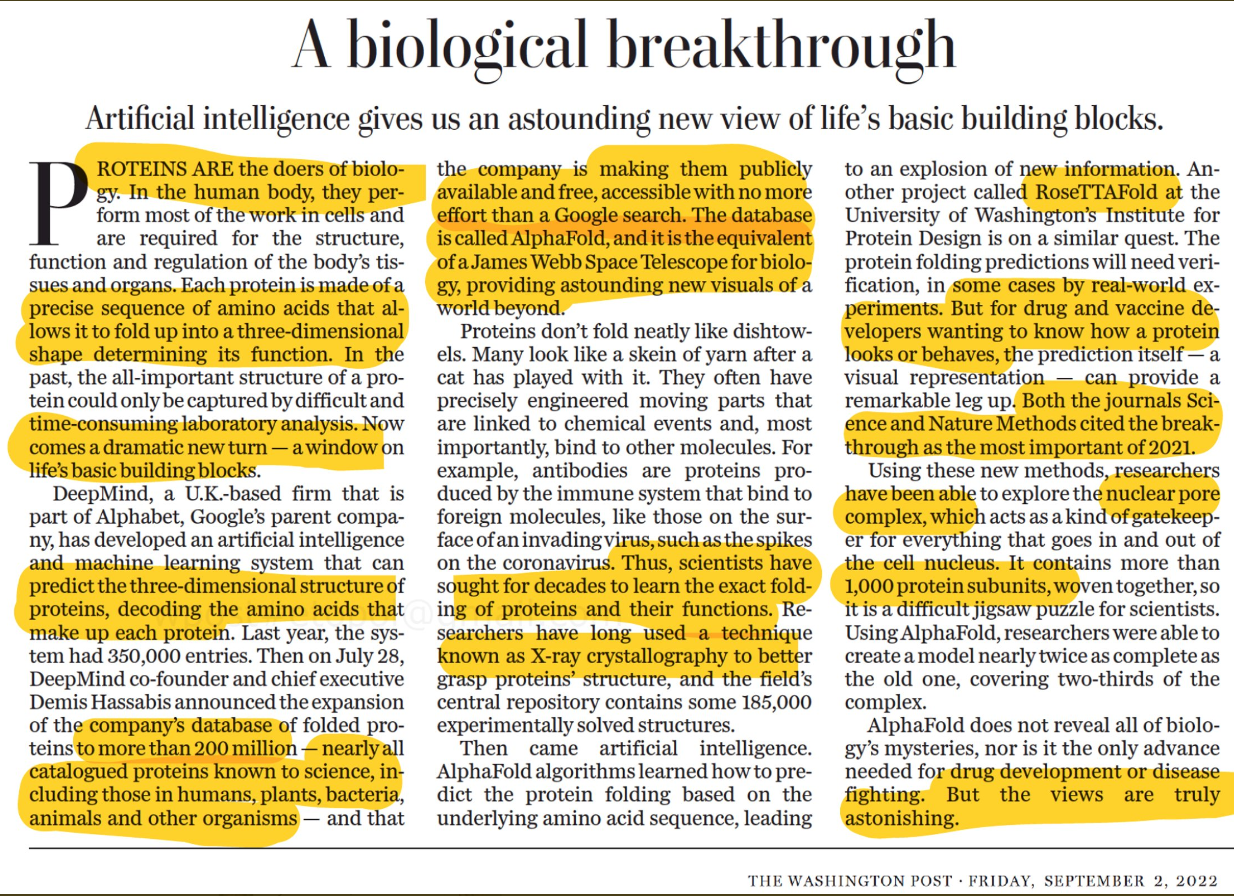
Link: AlphaFold developed by DeepMind

From Eric Topol: The imminent BA.5 vaccine booster
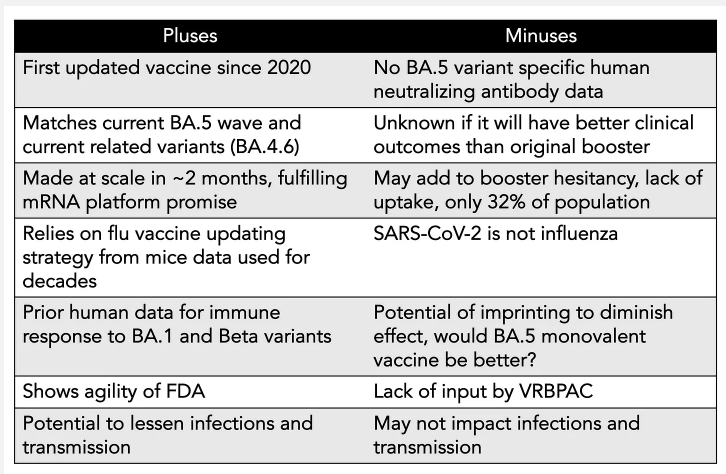
Key points:

This blog has discussed safe sleep many times. Sleep-related infant deaths exact an enormous toll. All pediatric physicians should take the opportunity to counsel parents to reduce this risk.
Recently, the AAP updated their recommendations, open access: RY Moon et al. Pediatrics (2022) 150 (1): e2022057990. Sleep-Related Infant Deaths: Updated 2022 Recommendations for Reducing Infant Deaths in the Sleep Environment
Some of the recommendations:
Bed-sharing “Although the AAP cannot recommend bed-sharing based on the evidence, it also respects that many parents choose to bed-share routinely for a variety of reasons. It is important for clinicians and parents to have frank and nonjudgmental discussions about the family’s bed-sharing circumstances. The policy provides a risk-stratification analysis to guide these discussions…The safest place for a baby to sleep is on a separate sleep surface designed for infants close to the parents’ bed.
These situations “increase the risk of SIDS or unintentional injury or death while bed sharing, and these should be avoided at all times:
Summary of new guidelines from AAP News: New safe sleep recommendations can help pediatricians guide families
My take: It is a good idea to incorporate safe sleep messages when infants are seen for a variety of disorders including reflux and colic.
Related blog posts:


A Jena et al. Clin Gastroenterol Hepatol 2022; 20: 1456-1479. Open access: Effectiveness and Durability of COVID-19 Vaccination in 9447 Patients With IBD: A Systematic Review and Meta-Analysis
This was a systematic review and meta-analysis that included 46 studies.
My take: IBD patients benefit from complete COVID-19 vaccination similar to healthy controls.
Related blog post: COVID Booster Advice for IBD from Dr. David Rubin (@IBDMD)

NB Halasa et al. NEJM 2022; 387: 109-119. Open access: Maternal Vaccination and Risk of Hospitalization for Covid-19 among Infants
Using a case-control design, the authors found that complete (2 dose) vaccination during pregnancy —Key findings:
My take: Vaccination protects mother and infant. “Maternal vaccination with two doses of mRNA vaccine was associated with a reduced risk of hospitalization for Covid-19, including for critical illness, among infants younger than 6 months of age.”
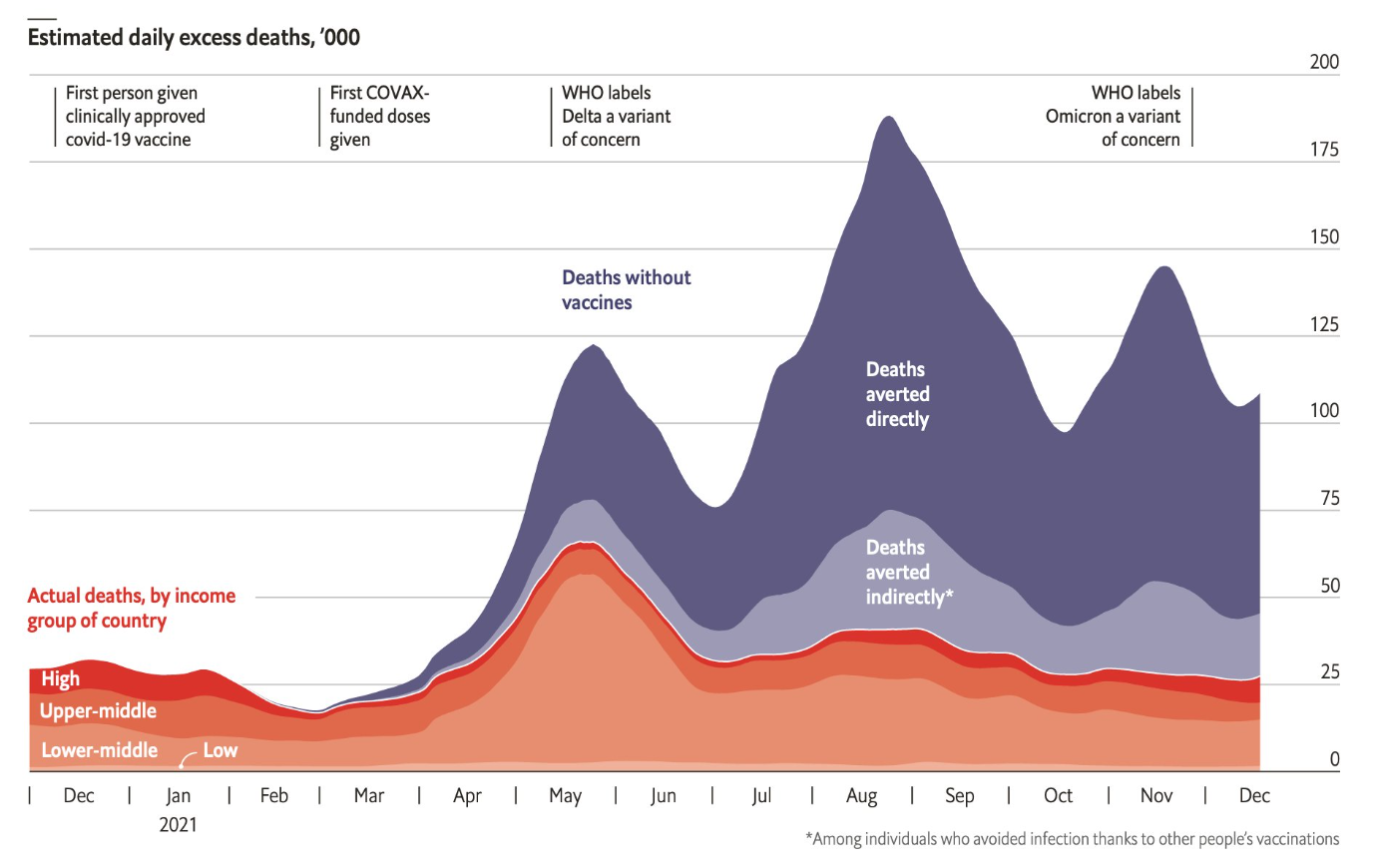
Vaccines have been estimated to have saved more than 20 million deaths. The Lancet Infectious Diseases new release: COVID-19 vaccines are estimated to have prevented 20 million deaths worldwide in the first year of the vaccine program, modelling study find

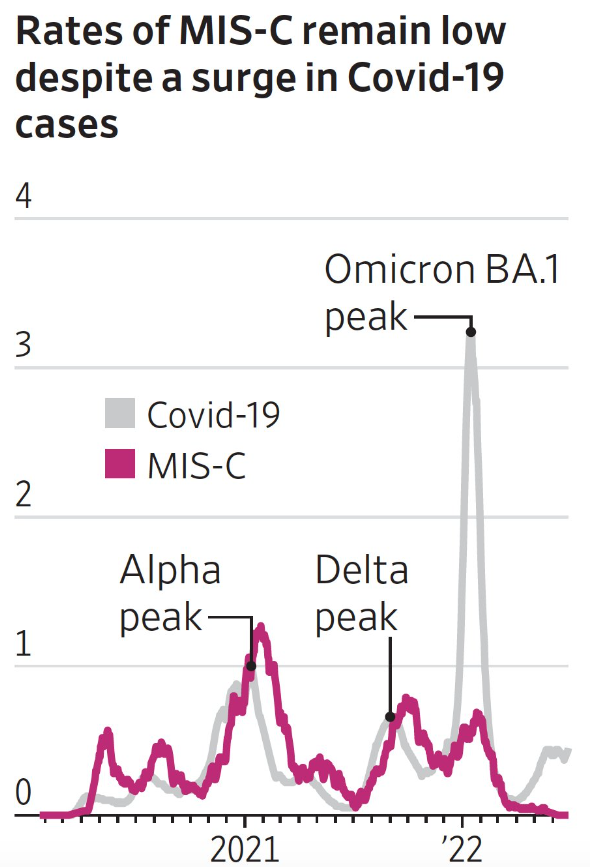
Omicron has been associated with lower rates of MIS-C in children compared to other surges –95% less than alpha. WSJ: Covid-19 Complication Among Children Fades in Latest Wave of Virus.
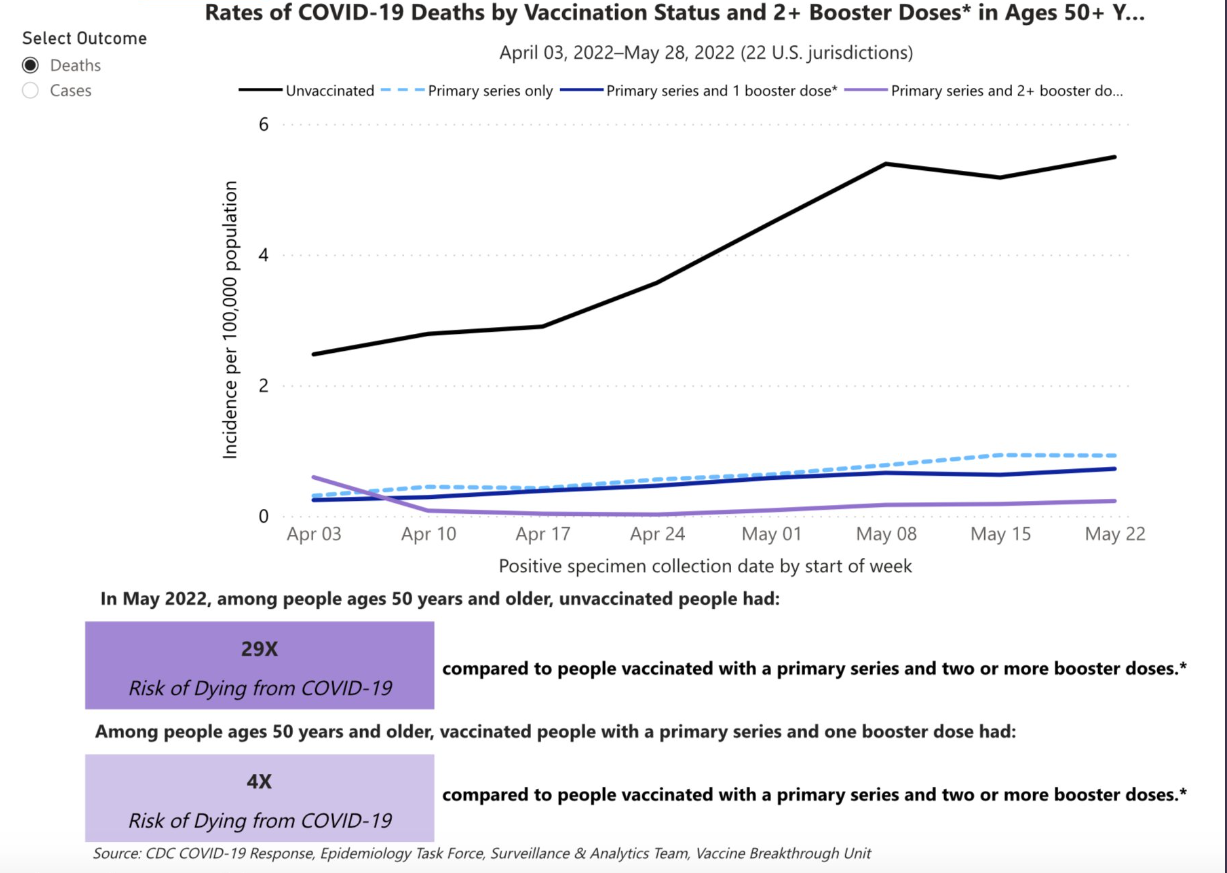
Getting boosted is important for those >50 years. There was a 29-fold reduction when comparing 2 boosters vs unvaccinated and a 4-fold reduction when comparing 2nd booster vs 1 booster. CDC: Rates of COVID-19 Cases and Deaths by Vaccination Status
 gutsandgrowth