A good 4 minute YouTube video: Brene Brown on Blame
Related blog post: Empathy vs. Sympathy


A recent commentary (M Fralick, AS Kesselheim. NEJM 2019; 381: 1793-5) describes the U.S. Insulin Crisis.
Background:
Current Situation:
My take: Why does insulin cost 15 times more in the U.S. than Canada? These excess costs with insulin are occurring despite a great deal scrutiny; unfortunately, U.S. consumers are paying extra for a wide range of pharmaceuticals. Going from the Nobel discovery of insulin to our current state is a clear indication of the need to reform of our healthcare system.
Related blog posts:

Mural in Quebec City: La Fresque des Québécois
A recent study (Y-Y Hu et al. NEJM 2019; 381: 1741-52) reported high rates of discrimination, abuse, and harassment based on a cross-sectional survey of general surgical residents (n=7409) in 2018.
Key findings:
The authors note that there were substantial numbers of programs with very low rates of mistreatment which indicates that improvement in training environment is feasible.
My take: This is a black eye for the entire healthcare field. It is important to address these pervasive problems and to determine the rate of these issues in other areas of medicine.

Botanical Gardens, Chicago
Here are some notes and a few slides from NASPGHAN’s plenary session. There could be errors of transcription in my notes.
Benjamin Gold, NASPGHAN president and part of our GI group, GI Care For Kids, welcomed everyone to the meeting.
Link to NASPGHAN_Annual_Meeting_Program 2019
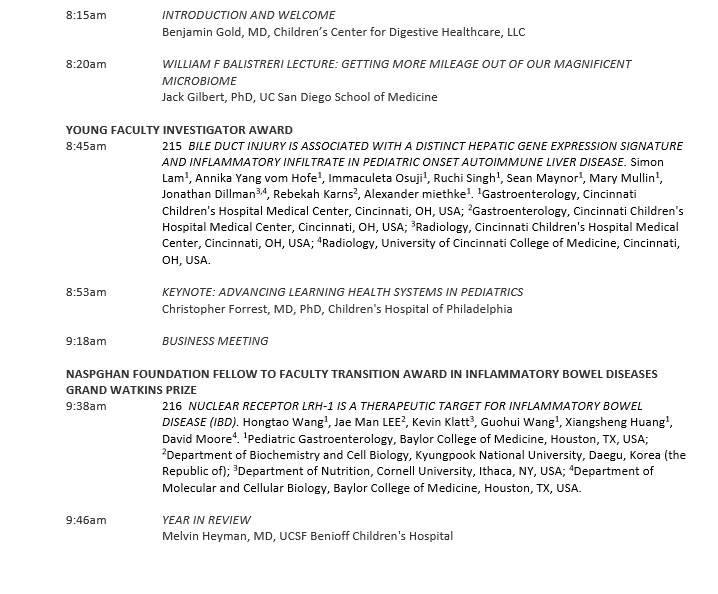
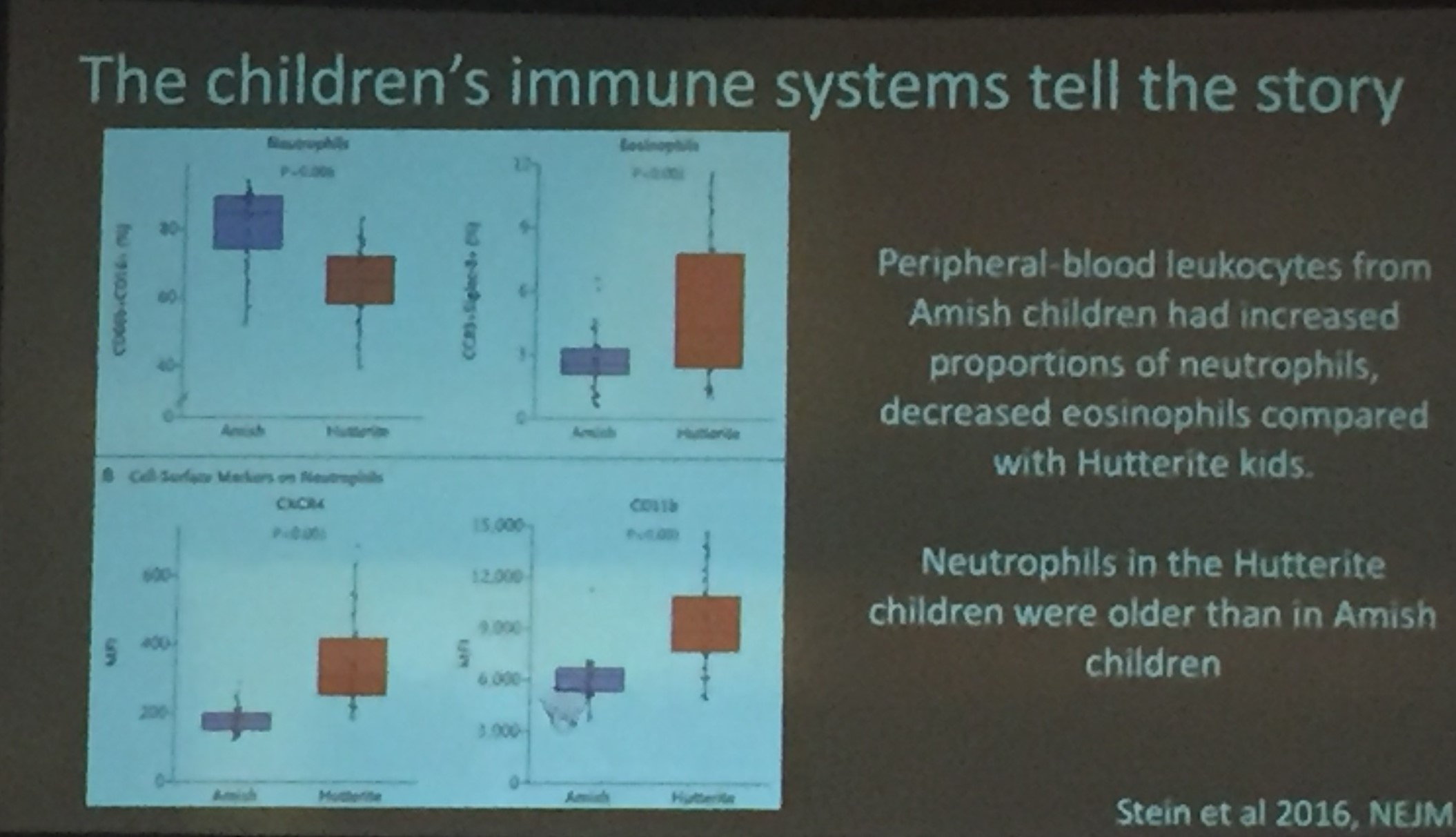
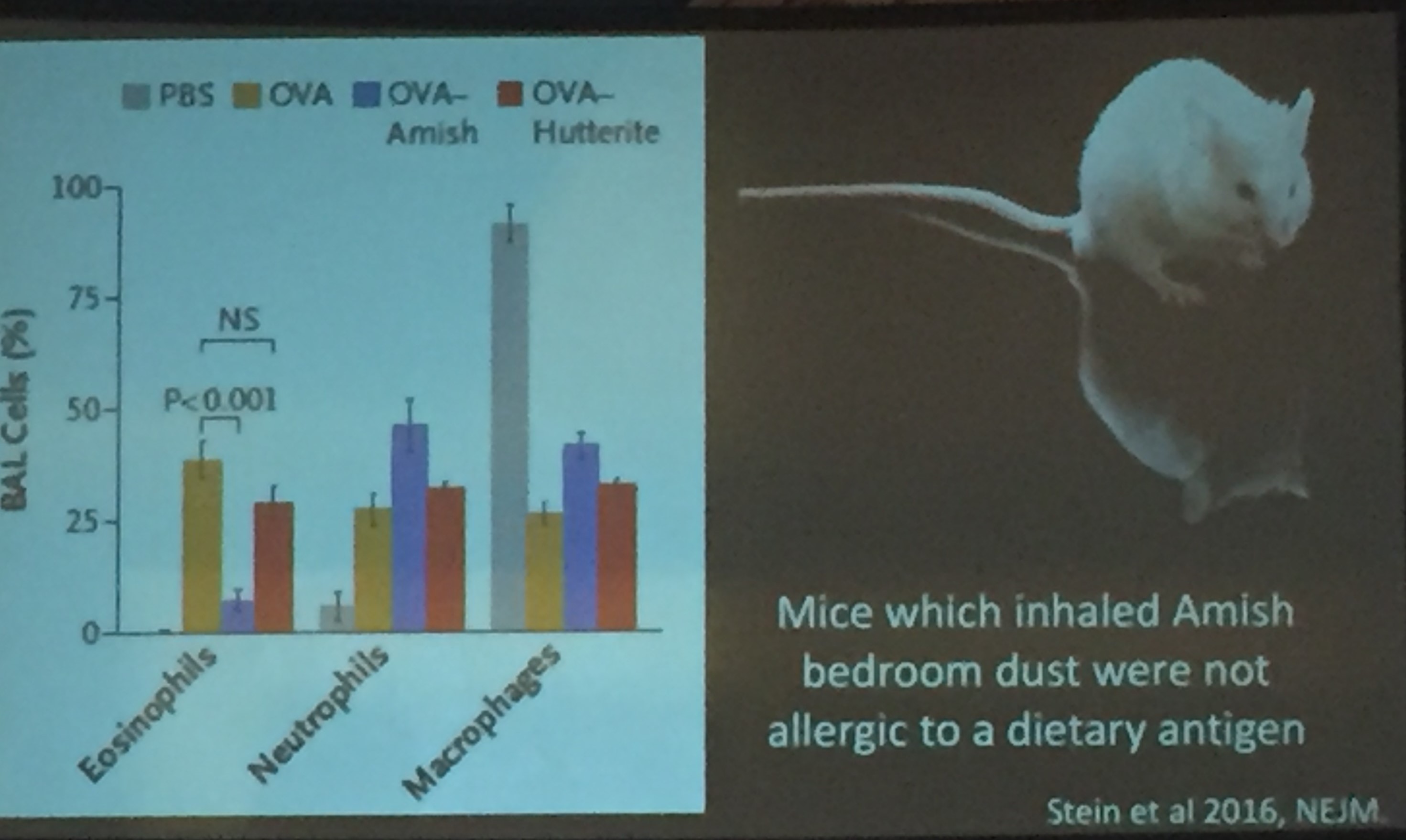
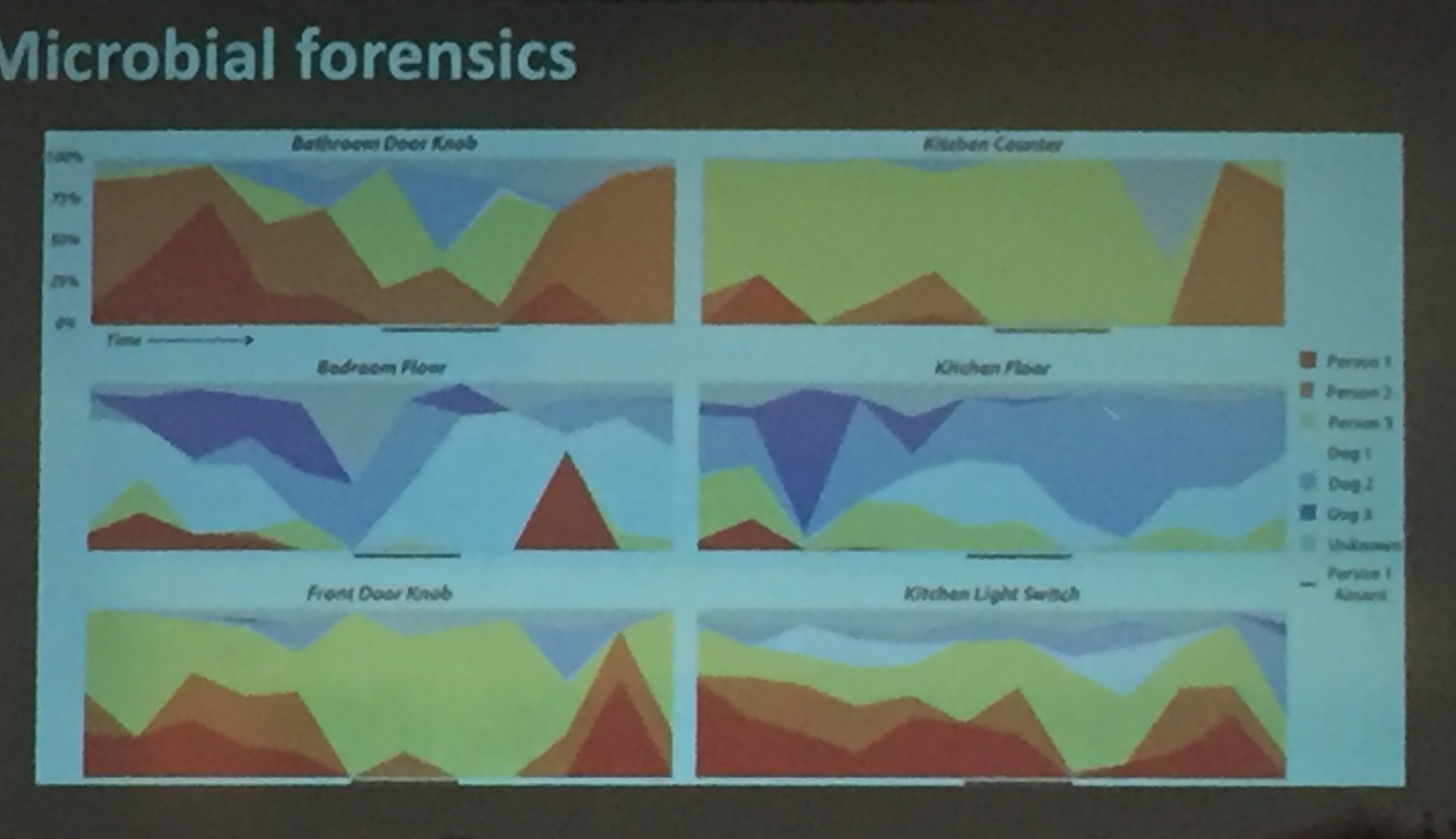
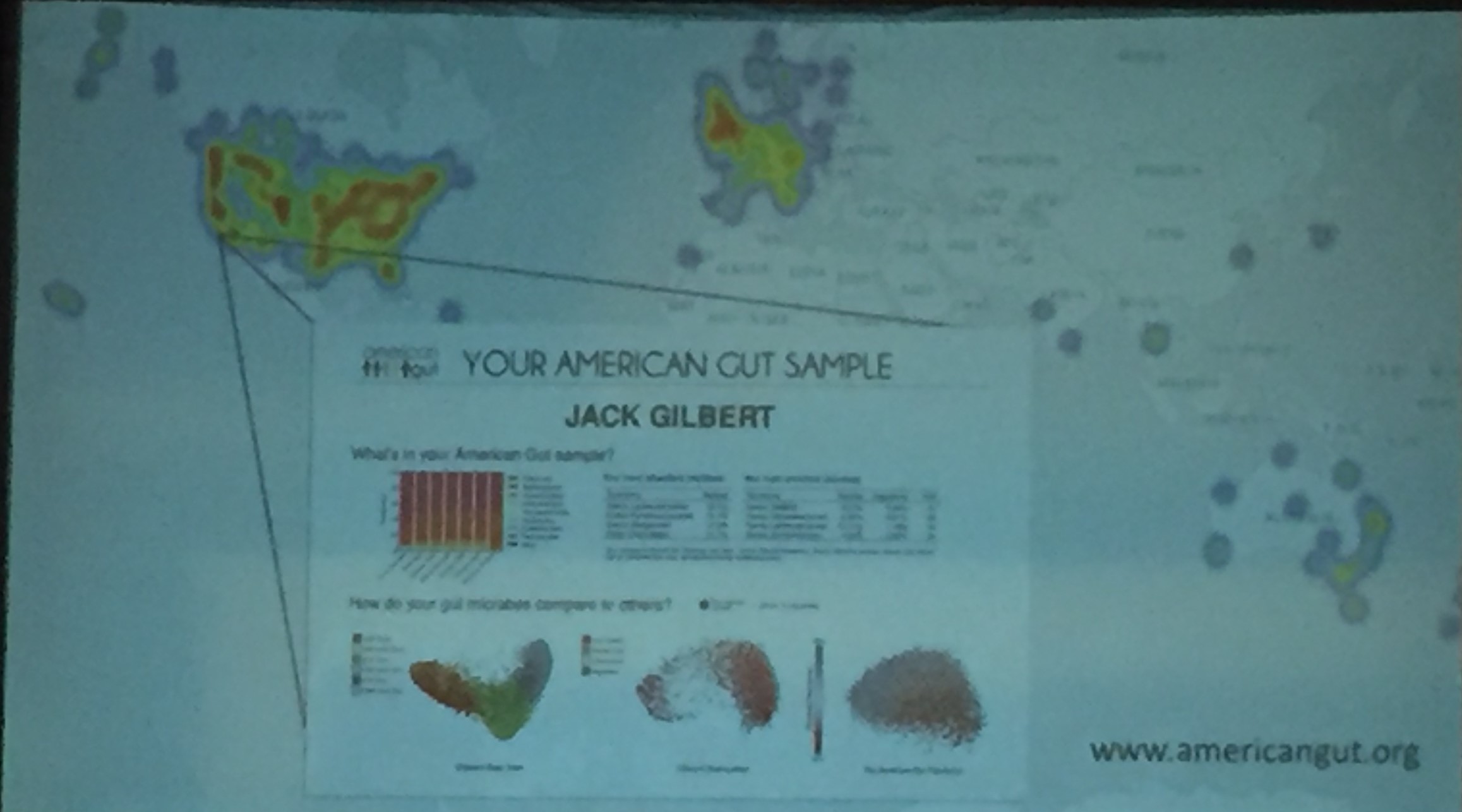
The first speaker, Jack Gilbert, gave the William F Balistreri lecture. Dr. Gilbert has written a book on the topic of our ‘magnificent microbiome,’ Dirt is Good. Here are a few slides:
Related study (not discussed in the talk): A recent study (R Vasapolli et al. Gastroenterology 2019; 157: 1081-91) provided data from 21 healthy adults. Using biopsies from panendoscopy and saliva/fecal samples, the authors found that the fecal microbiome is not representative of the mucosal microbiome. In addition, each GI region had a different bacterial community.
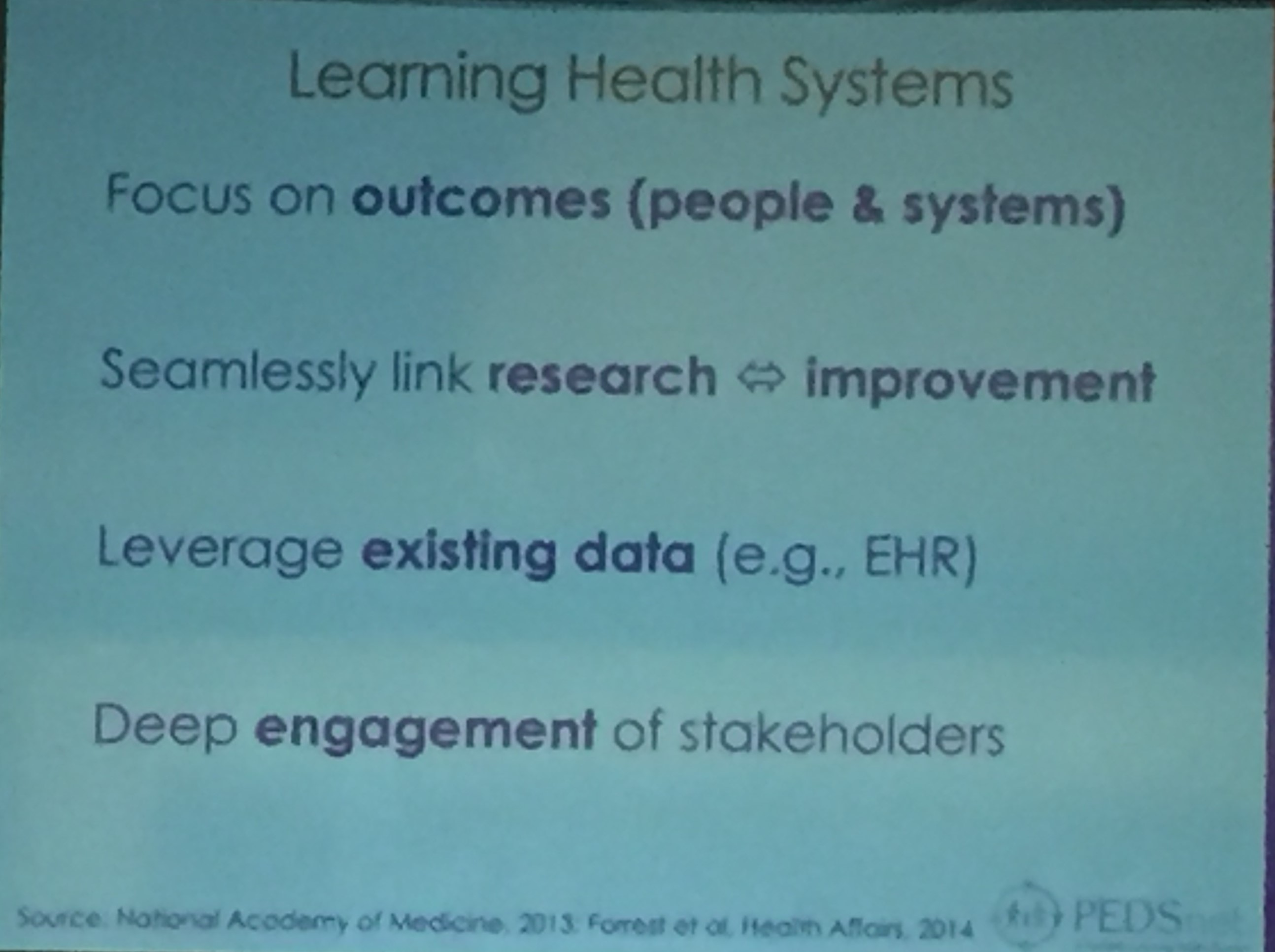
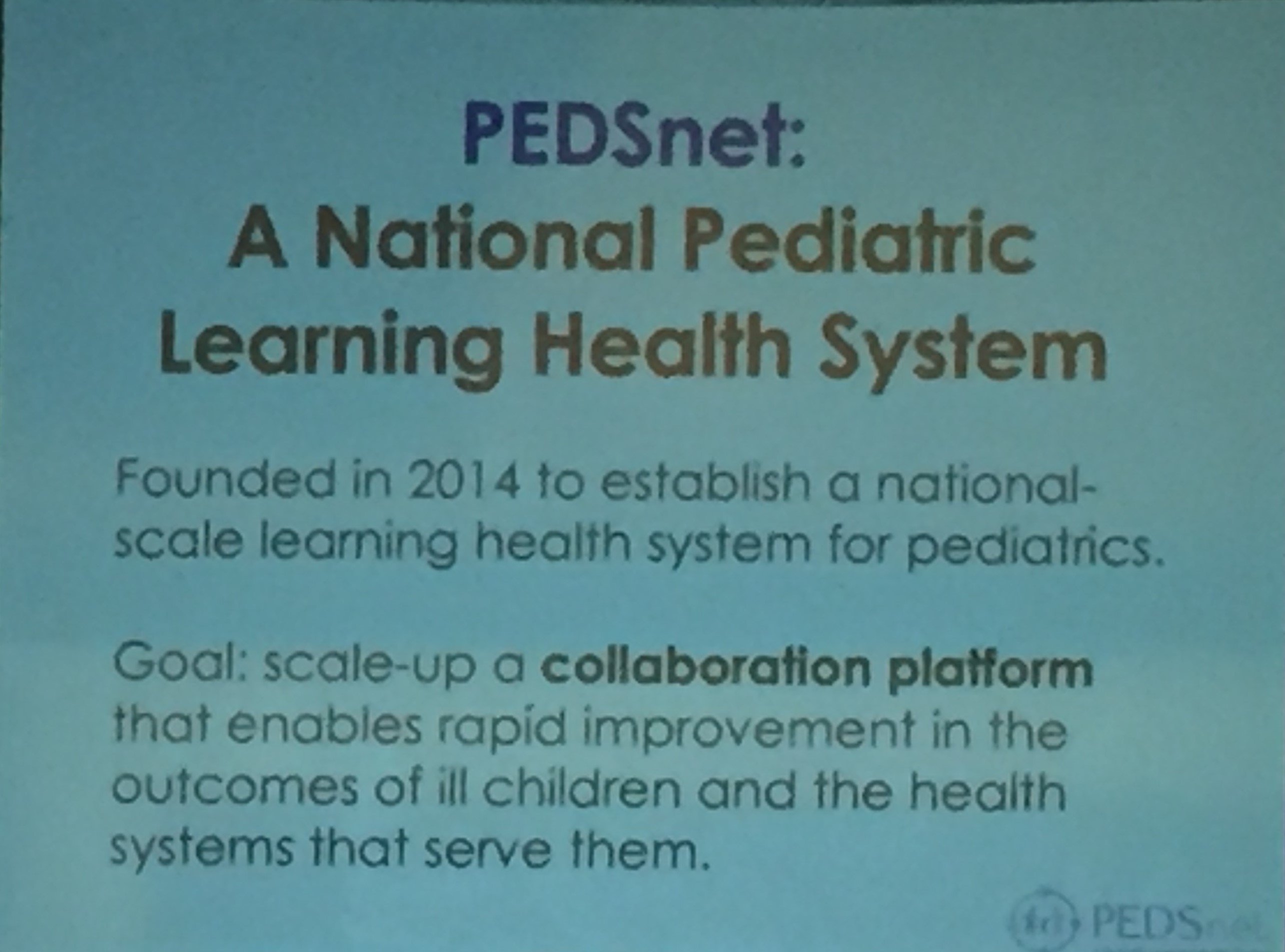
Christopher Forrest gave the keynote lecture on pediatric learning health systems. By collating data from large pediatric health systems, the researchers can determine more quickly how effective treatments are in all pediatric specialties.
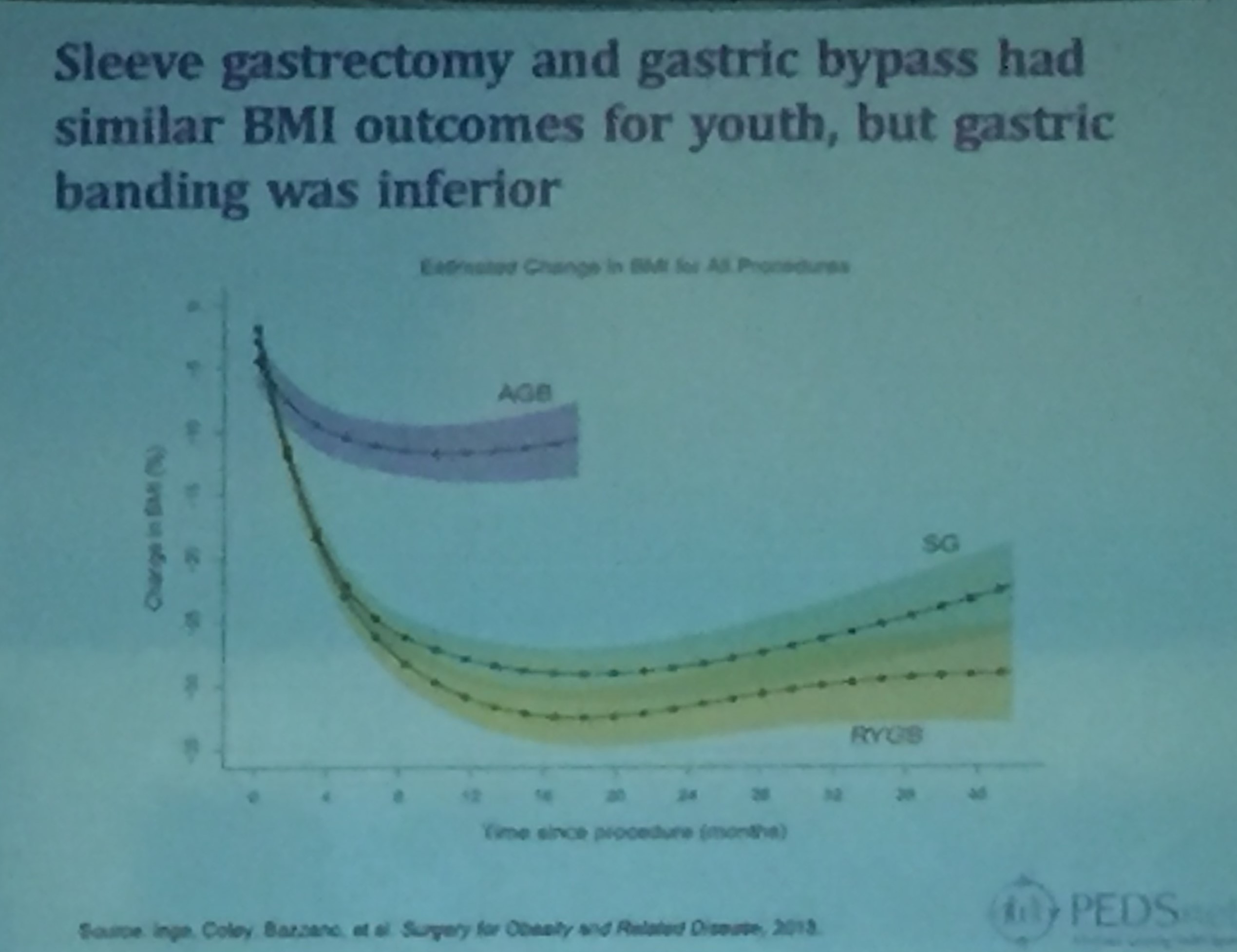
Melvin Heyman, editor of JPGN, provided a good year in review. I only capture a few images.
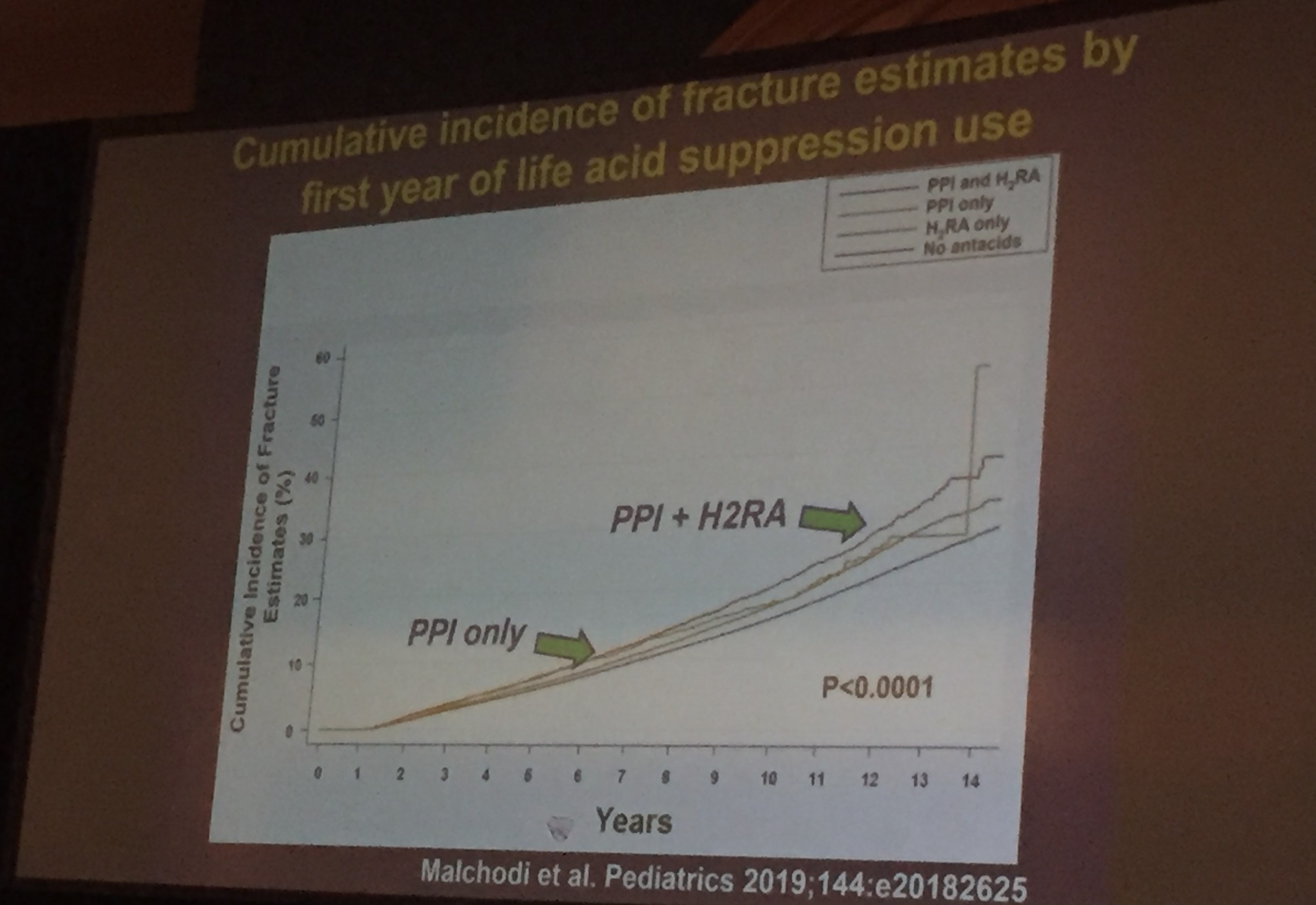
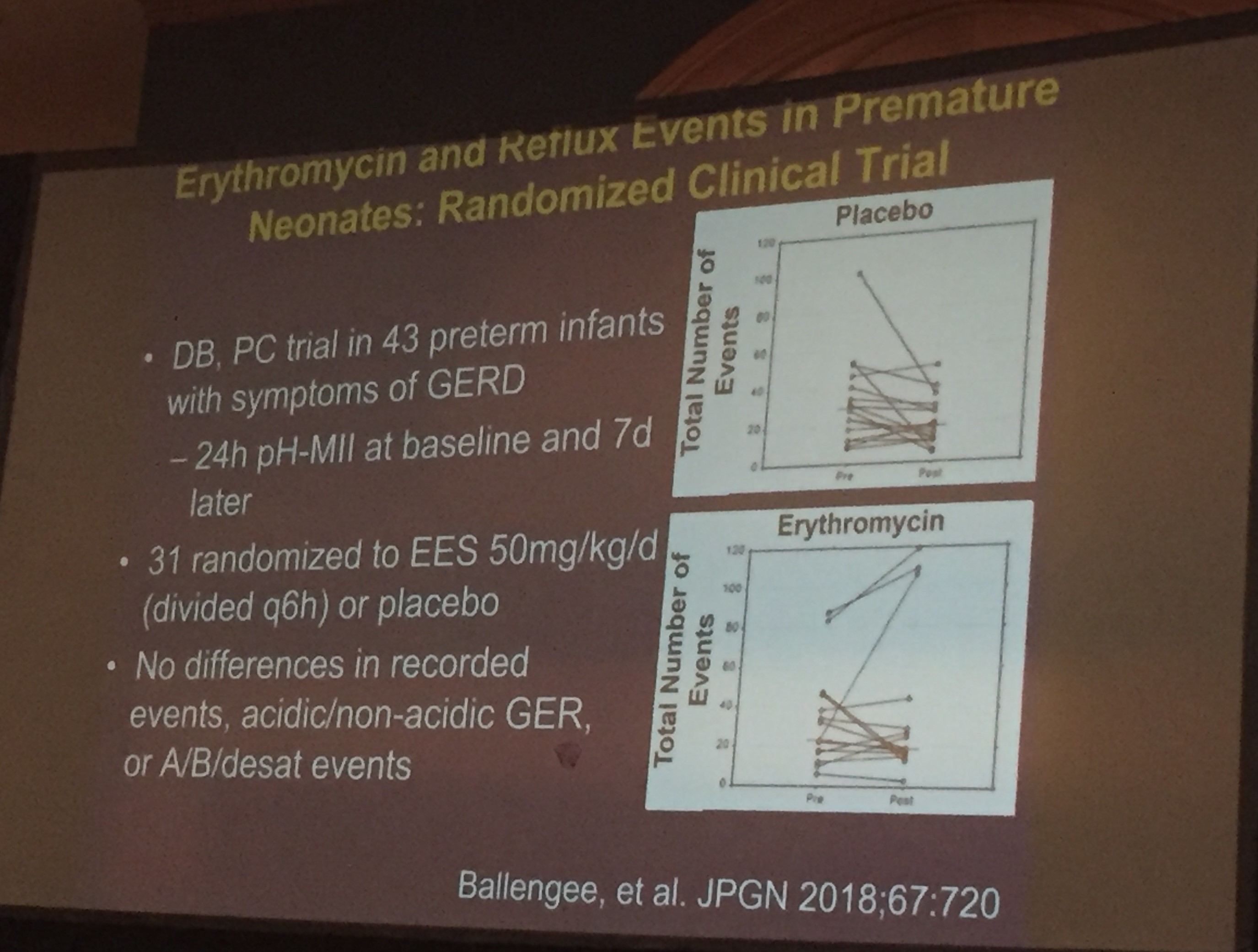
Along with Ragh Varier, I had the privilege of moderating a session on new technologies on patient health. Below I’ve included a few slides and some notes; my notes may have errors of omission or transcription.

Chicago

Dr. Mehta’s lecture focused on wearable health technologies. Key points:


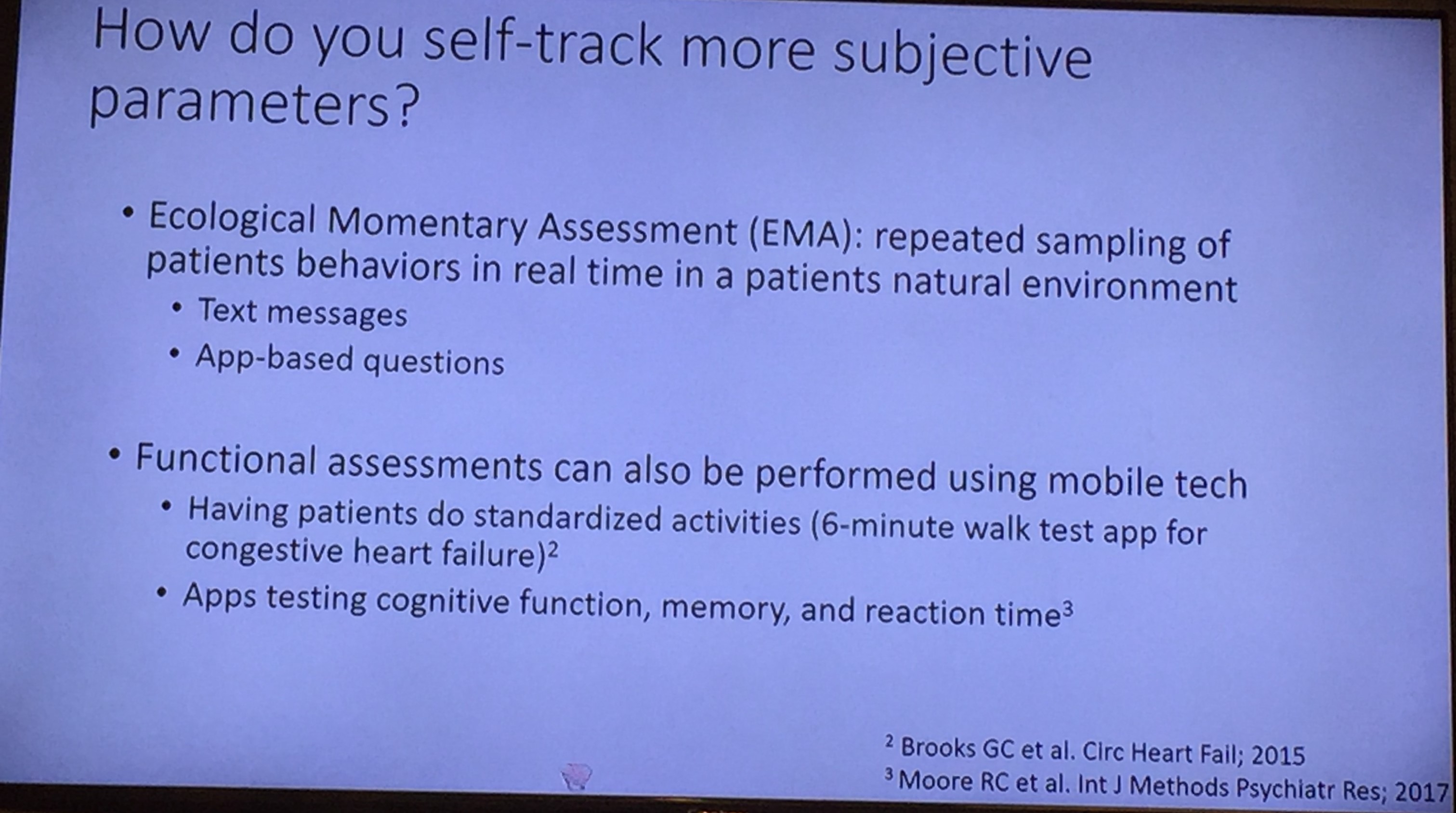

Dr. Syed’s lecture focused on artificial intelligence in medical-decision making. Key points:
Related study (not discussed in talk): Z Deng, H Shi et al. Gastroenterology 2019; 157: 1044-54. The authors collected more than 113 million images from 6970. With a deep-learning algorithm, they found that video capsule endoscopy could have higher detection rates and improved reading time with a “CNN-based” reading system (CNN=convolutional neural network). The mean reading time was reduced from 97 minutes with conventional reading to 6 minutes with CNN-based reading system. The later had 99.88% sensitivity in per-patient analysis (vs. 74.57% with conventional reading).

The oral abstract presentation, by Sonja Swenson, detailed how machine learning was applied to try to improve transplantation selection/PELD scores.


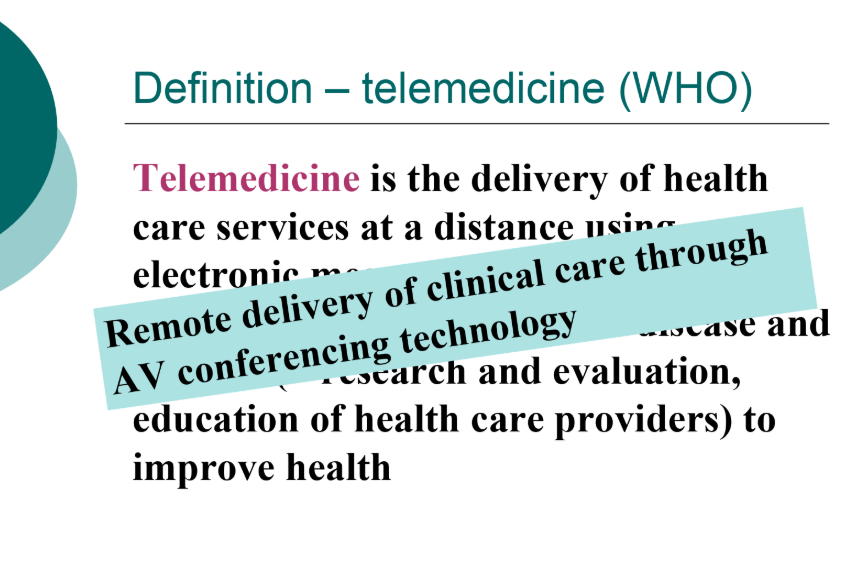
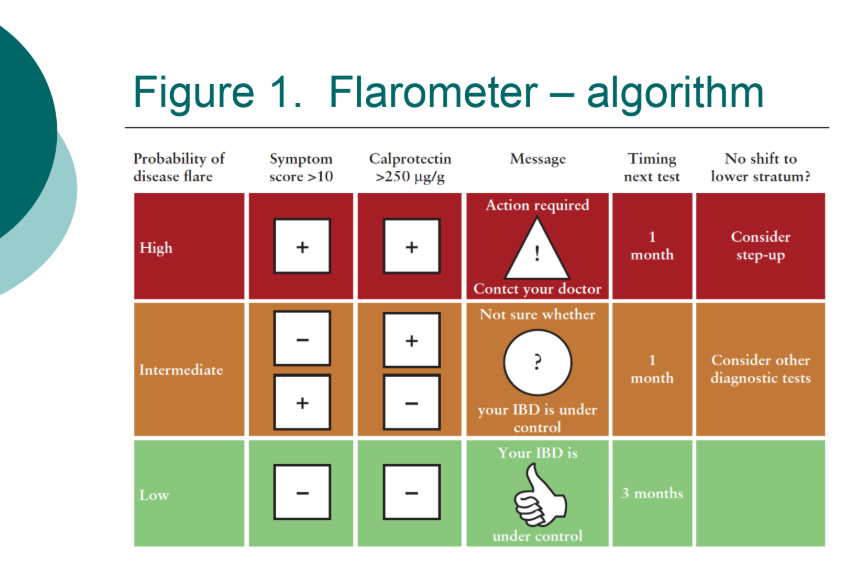
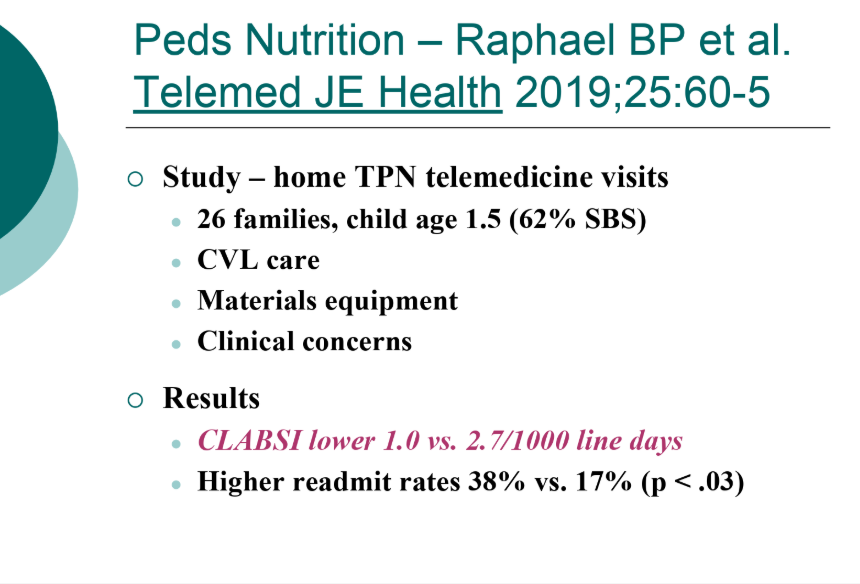
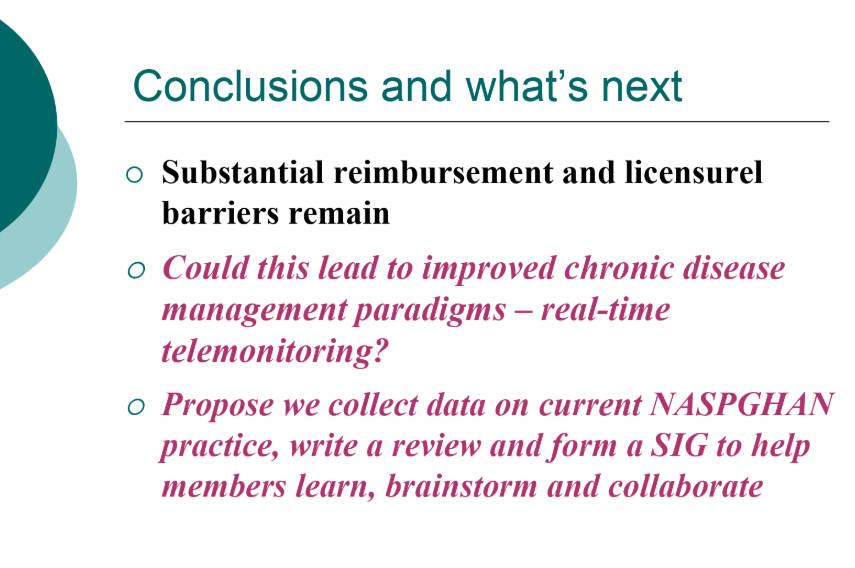
Dr. Li, known by some as the ’emperor of emesis,’ presented a lecture on telemedicine. His full slides: Telemedicine NASPGHAN Updated 2019 (B Li)
Key points:


Disclaimer: NASPGHAN/gutsandgrowth assumes no responsibility for any use or operation of any method, product, instruction, concept or idea contained in the material herein or for any injury or damage to persons or property (whether products liability, negligence or otherwise) resulting from such use or operation. The discussion, views, and recommendations as to medical procedures, choice of drugs and drug dosages herein are the sole responsibility of the authors. Because of rapid advances in the medical sciences, the Society cautions that independent verification should be made of diagnosis and drug dosages. The reader is solely responsible for the conduct of any suggested test or procedure. Some of the slides reproduced in this syllabus contain animation in the power point version. This cannot be seen in the printed version.
Link to full NASPGHAN 2019 Abstracts.
Here are some more abstracts/notes that I found interesting at this year’s NASPGHAN meeting.
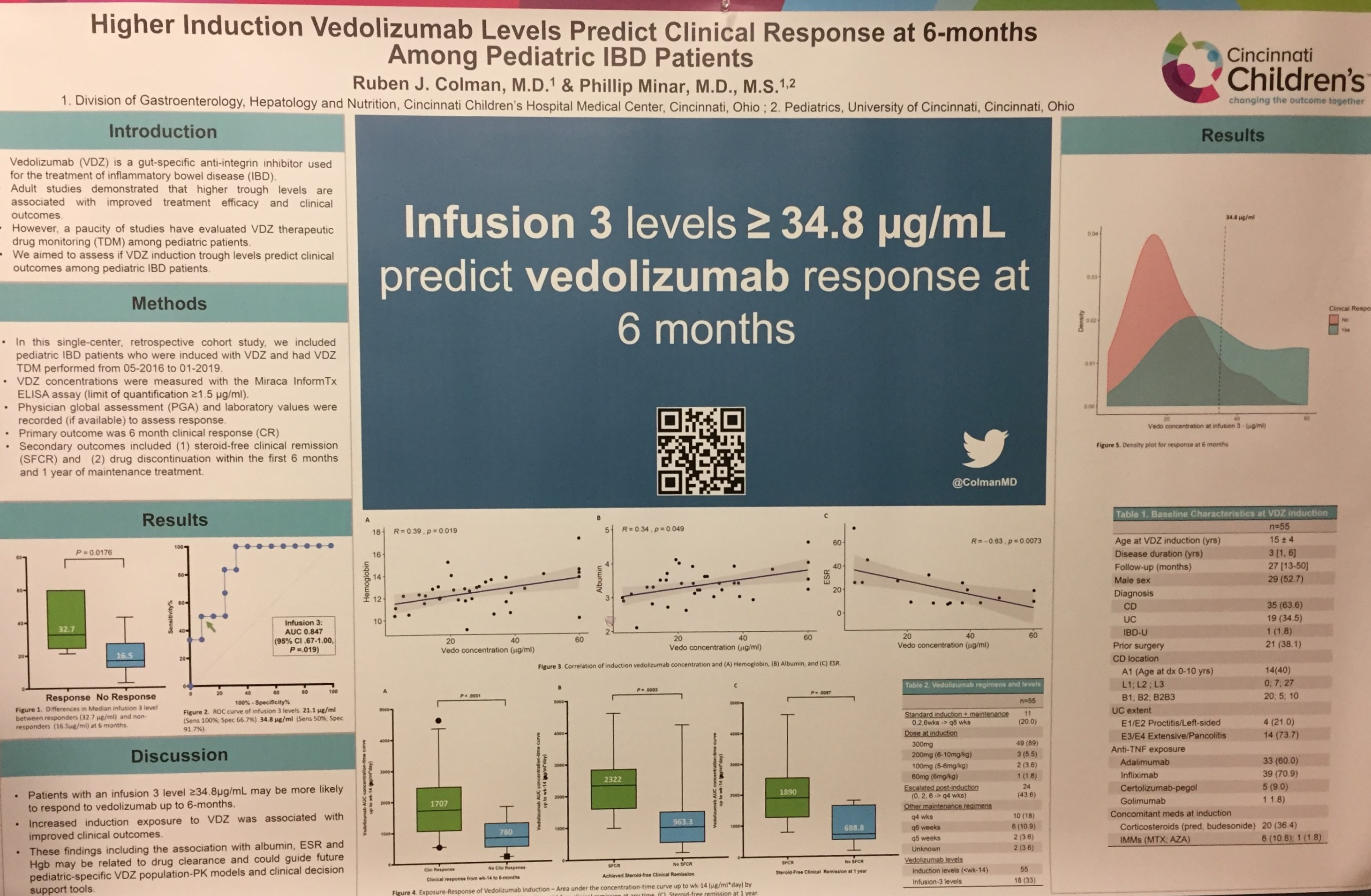
A study (poster below) from Cincinnati found that a vedolizumab level ≥34.8 mcg/mL at week 6 (prior to 3rd infusion) predicted clinical response at 6 months
Related blog posts:
The poster below reported a high frequency of eosinophilic disorders in children who have undergone intestinal transplantation. Related blog post: Eosinophilic disease in children with intestinal failure

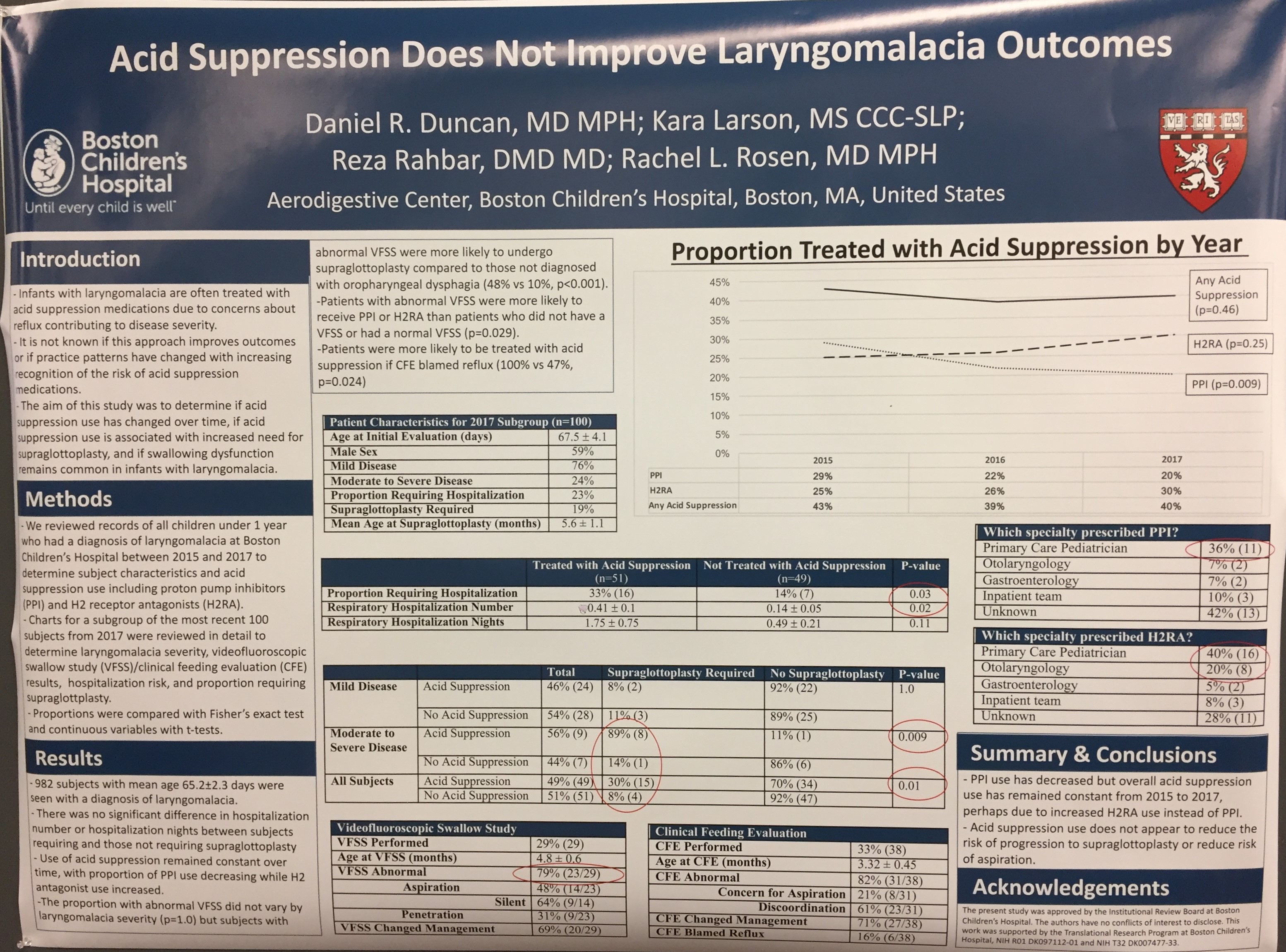
This study from Boston indicates that acid suppression was not associated with improved outcomes in infants with laryngomalacia (eg. lower supraglottoplasy rates or lower aspiration rates.
Related blog posts:
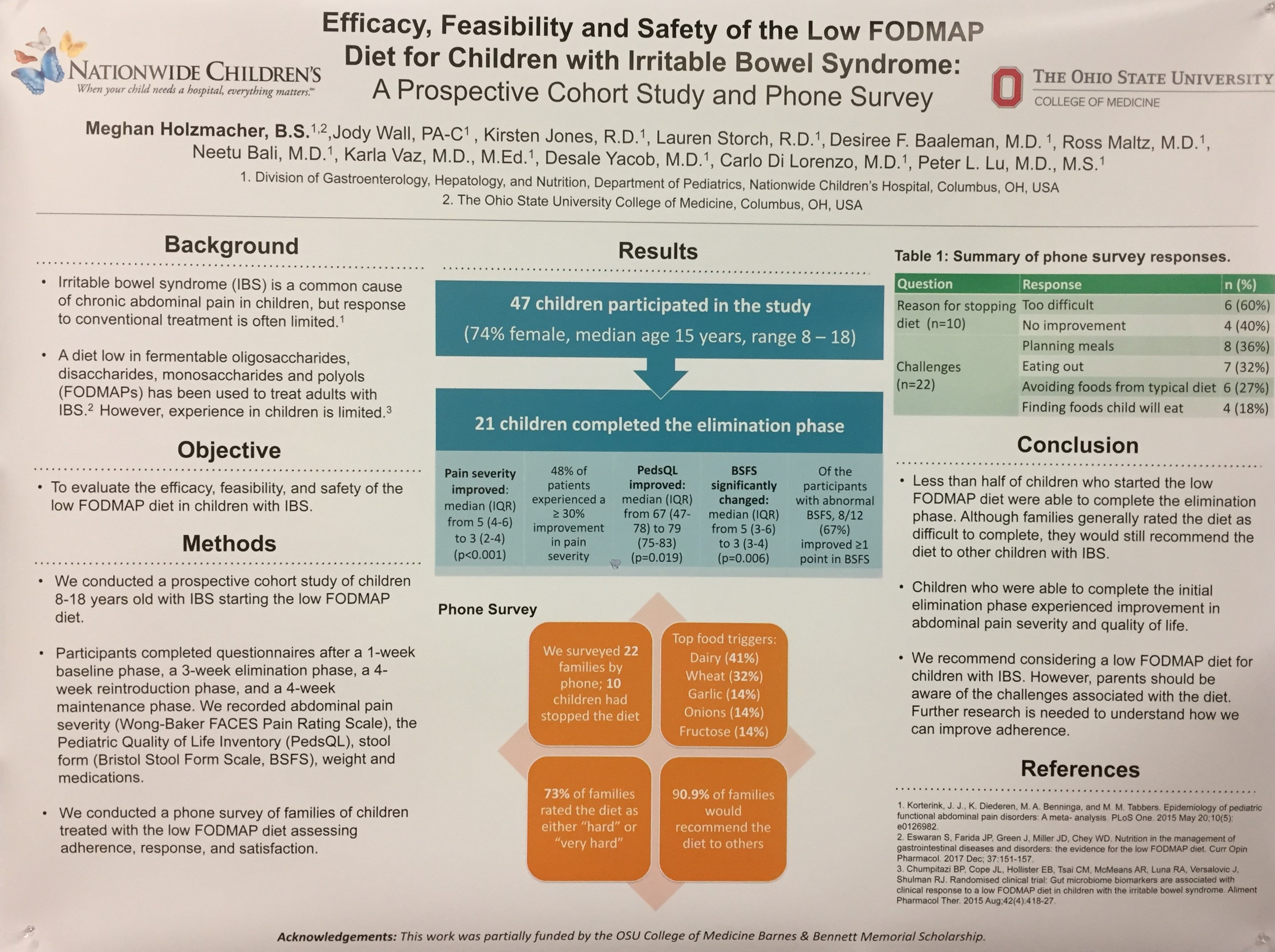
The study below showed that “less than half of children who started the low FODMAP diet were able to complete the elimination phase.” This indicates the need for careful dietary counseling when attempting this therapy.
Related blog posts:
The abstract below showed that the dietary intake of children with inflammatory bowel disease, who were not receiving enteral nutrition therapy, was similar to healthy control children.


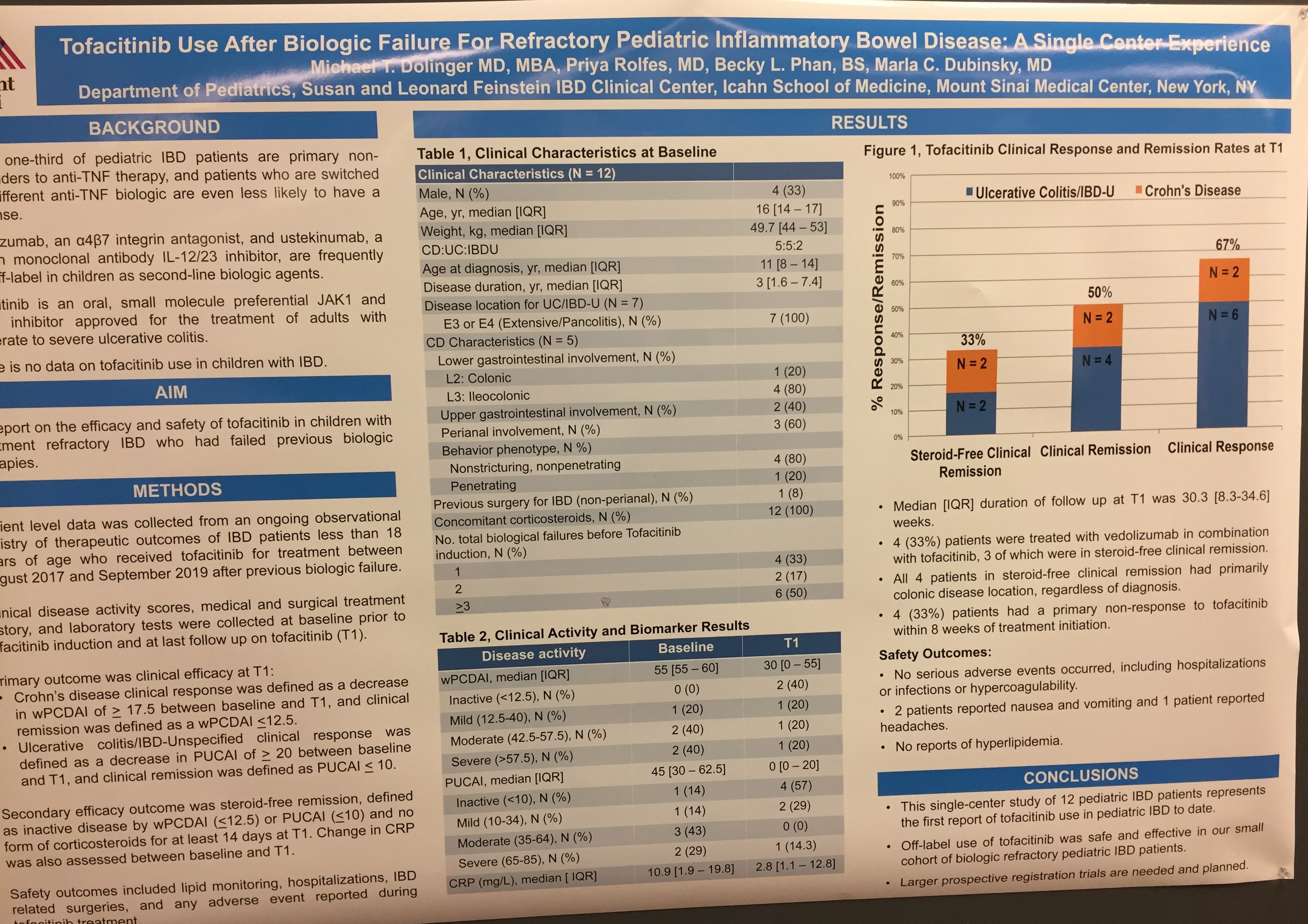
The next two studies provide some pediatric experience with tofacitinib in teenagers with inflammatory bowel disease (14-18 years of age). The first poster had 12 children and reported a 67% clinical response rate (cohort with 5 with CD, 5 with UC, and 2 with IC). The second poster had 4 of 6 with a clinical response and 3 in remission.
Related blog posts -Tofacitinib:

Disclaimer: This blog, gutsandgrowth, assumes no responsibility for any use or operation of any method, product, instruction, concept or idea contained in the material herein or for any injury or damage to persons or property (whether products liability, negligence or otherwise) resulting from such use or operation. These blog posts are for educational purposes only. Specific dosing of medications (along with potential adverse effects) should be confirmed by prescribing physician. Because of rapid advances in the medical sciences, the gutsandgrowth blog cautions that independent verification should be made of diagnosis and drug dosages. The reader is solely responsible for the conduct of any suggested test or procedure. This content is not a substitute for medical advice, diagnosis or treatment provided by a qualified healthcare provider. Always seek the advice of your physician or other qualified health provider with any questions you may have regarding a condition.


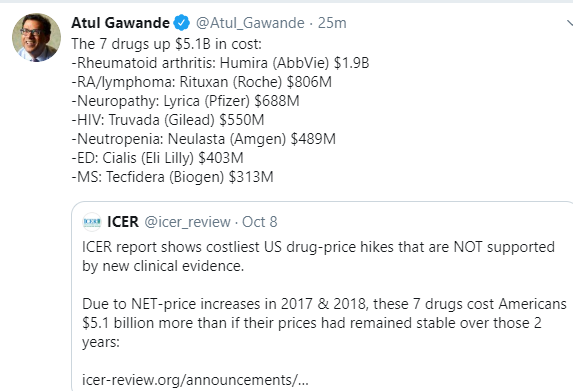
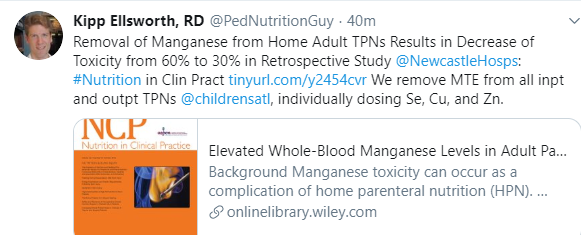


On Friday at 2:30 pm, I am one of the moderators for a session on new technology at this year’s NASPGHAN conference. Hope to see you there!

From CNN

A recent commentary (E Sepper. NEJM 2019; 381: 896-8) explains how the current administration’s “Protecting Statutory Conscience Rights in Health Care” policy will create additional problems for patients.
Background:
What is changing?
My take: In an effort to pander to religious communities, the administration is giving the green light to medical providers/staff to discriminate and deny services; this denial extends to even providing adequate information. The results of this policy could result in increased morbidity and even death in those denied services.

Pittock Mansion Hike, Portland, OR

