There have been some recent terrific advances in pharmacology –a few that come to mind:
- New medications to prevent sickle cell crisis and end-organ damage (see NEJM quick take video: Crizanlizumab for the Prevention of Pain Crisis in Sickle Cell Disease)
- Several medications which have a high rate of curing hepatitis C infection (Better HCV Treatments Approved)
- New treatments (including gene replacement) for spinal muscular atrophy (Can we afford multi-million dollar new treatments?)
- Triple therapy for Cystic Fibrosis (In the News: Big Therapeutic Advance for Cystic Fibrosis)
- CAR-T therapy (Great Story -How CAR-T Came About)
The one common feature is that these are all very expensive; there are many other expensive medications with less benefit. Given the rise in costs of these medications, there is a need to do a better job in getting good value in our drug costs. A potential path forward is outlined in a recent commentaries (SB Dusetzina, J Oberlander. NEJM 2019; 381: 2081-4; PB Bach. NEJM 2019; 381: 2084-6).
In the first commentary, the authors review the Elijah E Cummings Lower Drug Costs Now Act of 2019 (HR 3).
- In essence, this act establishes a drug-price negotiation process and limits price increases on existing products. “Companies whose products are selected for ‘negotiation’ will in reality face price regulation and a severe penalty for noncompliance.”
- The act would examine U.S. prices compared to prices paid in other countries. “There would also be a legislatively set maximum price that could not exceed 120% of the average net price paid for the same drug in designated countries.”
- The bill also would cap Medicare Part D out-of-pocket spending at $2000 per year.
In the second commentary, Dr. Bach notes that drugs that have too little evidence to support full approval and those that are ‘too late in their life cycle’ both should have their pricing negotiated by the government. This would side step some of the arguments about undermining the incentive for new drug development.
“Too little”
- The FDA grants approval of some drugs on the market conditionally on the basis of data indicating that they improve a surrogate marker of patient benefit. “Despite the conditional nature of the approval, …the pharmaceutical firms currently charge the same high prices that fully approved drugs capture.”
- Required studies frequently show that these conditionally-approved medications are ineffective. Of the 198 indications granted accelerated approval since 1992, only 115 have garnered full approval. Also, conditional approval may result in less incentive to complete the needed trials in a timely fashion.
“Too late”
- In this category, the author notes that some medications have found many ways to extend their monopolies, which are intended as a time-limited reward for the effort of developing a new medication. These include overlapping patents, refusing to provide samples to competitors, and paying other companies to delay bringing generic or biosimilar products to market
- Most of the potential for savings are in this category rather than the ‘too little’ category
- Negotiating prices of the top 10 too little and 10 too late medications with reference to 120% of UK pricing would have provided about nearly 27 billion in savings in 2019
My take: While current partisanship makes reaching agreement difficult, targeting soaring pharmaceutical costs is one area in which I predict common ground can be found. While many are going to benefit from the therapeutic advances listed above, there are other medications which are overpriced and should be negotiated like in other high-income countries.
Related blog posts:
- Another Shady Pharmaceutical Practice: Citizen’s Pathway to Delay Competition
- 5000% Increase for Well-Established Drug
- Drug Waste Costing Billions. Who benefits? Pharmaceutical Companies
- How to Undermine Value Care: Lessons from Pharmaceuticals
- The Solution to Drug Prices” | gutsandgrowth
- Cornering the Generic Markup | gutsandgrowth
- Upside Down Incentives in Pharmaceutical Development -Profit …
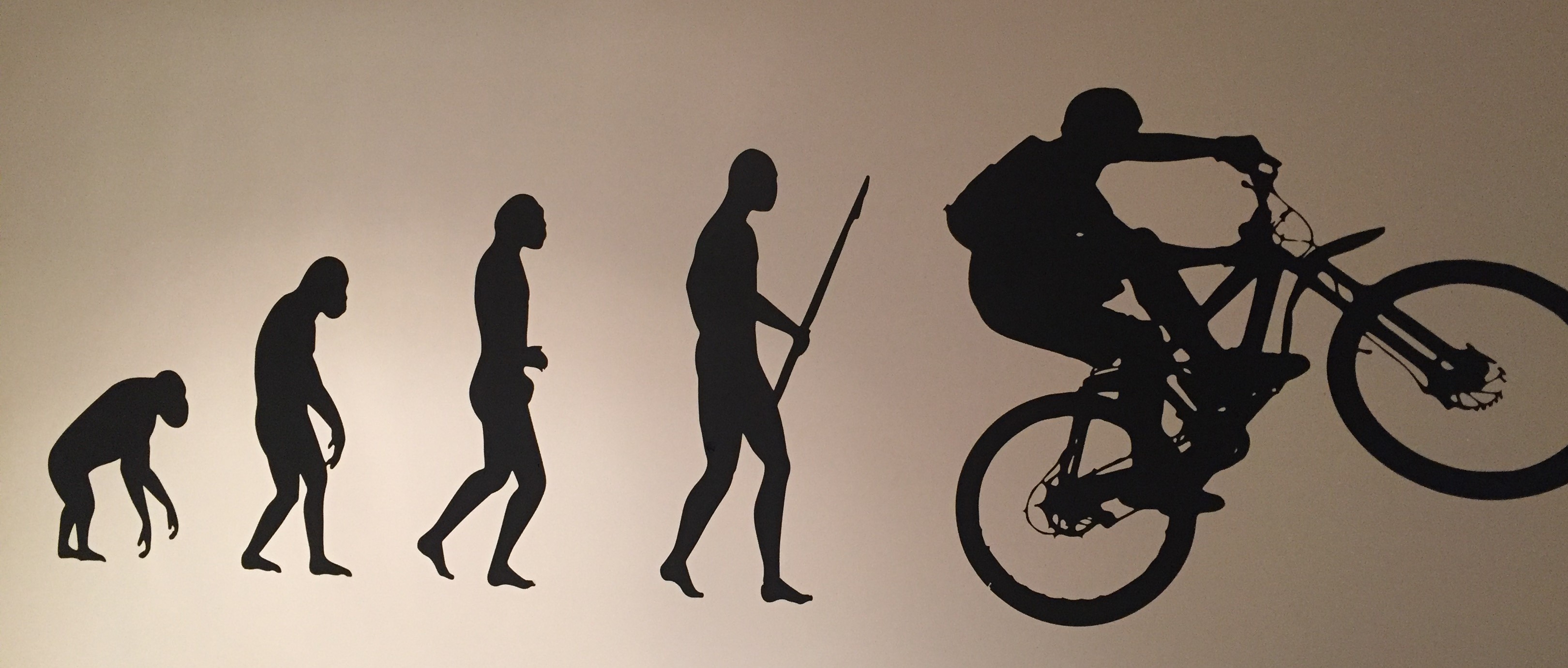
Bathroom mural for bicycle enthusiasts (at a stop on the Petit Train du Nord Linear Park)