Newsworthy Tweets: Climate Change, Sugary Beverage Laws, Increasingly Uninsured Children, and Flu Vaccine Effectiveness

Climate change:

Related blog posts:

Sugary beverage Law:

Related blog posts –Sugary Beverages/Diet:

Related blog posts –Health Insurance:

What Are The Limits of (Preterm) Viability?

A retrospective recent study (PL Watkins et al. J Pediatr 2020; 217: 52-8) provides data that suggests that preterm infants at 22-23 weeks gestation can have good outcomes.

Cohort:

  • n=70 for 22-23 weeks (22 weeks, n=20, 23 weeks, n=50)
  • n=178 for 24-25 weeks (24 weeks, n=79, 25 weeks, n=99)

Key findings:

  • Survival to hospital discharge: 78% for 22-23 week cohort, 89% for 24-25 week cohort
  • No or mild neurodevelopmental impairment 64% or 22-23 week cohort, 76% for 24-25 week cohort. This was based on prospectively collected data at 18-22 months with Bayley Scales (BSID-III) (≥85) and being free from vision and hearing impairment

These survival and neurodevelopmental outcomes far exceed previous reports.  The study and the associated editorial (pg 9) identify several treatment characteristics that could have helped optimize outcomes: antenatal steroids, high-frequency ventilation, and a specialized environment.  Also, the authors did not include infants who were outborn, stillborn or died in the delivery room.

My take: This article’s data needs to be replicated elsewhere; in the meanwhile, it is going to challenge the notion of nihilism for infants born at 22-23 weeks gestation.

Related article: AH Jobe. J Pediatr 2020; 217: 184-8.  This commentary discusses the potential lifetime consequences of antenatal steroids, which may affect neurodevelopment and cardiovascular outcomes. “Antenatal corticosteroids are frequently used to disrupt normal development in rodent models”

Related blog posts:

St Thomas Harbor

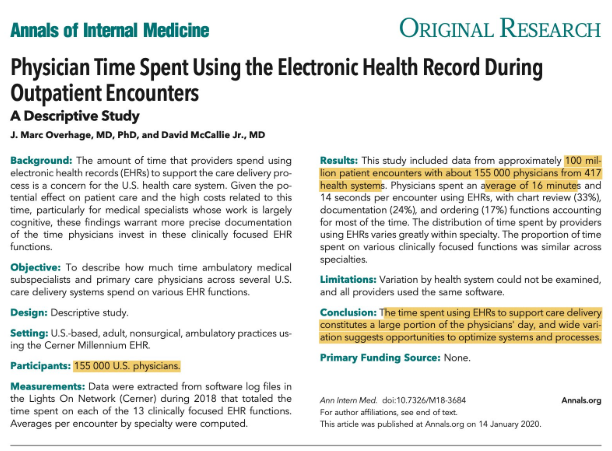
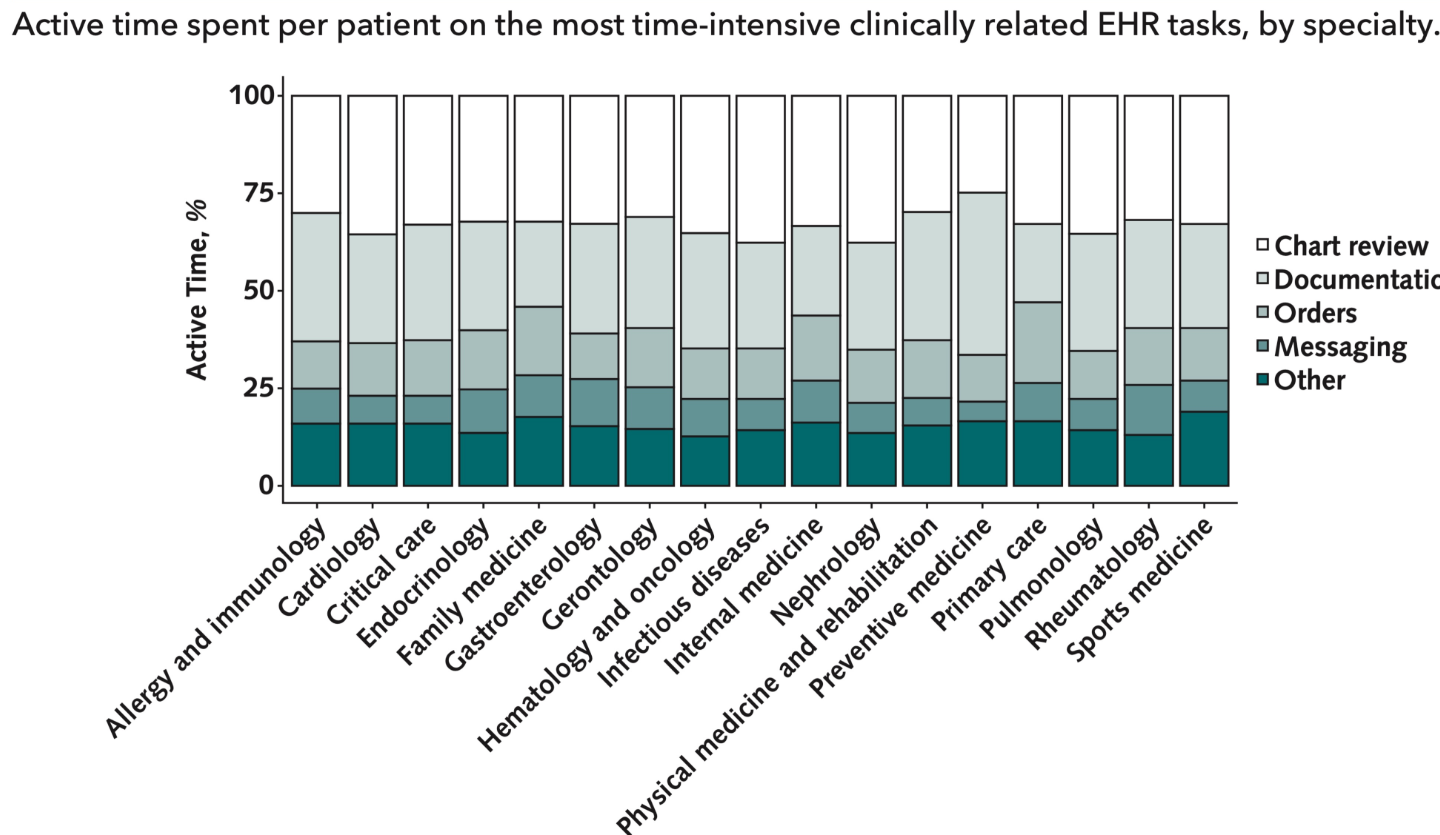
Electronic Health Record: 16 minutes Per Patient

Related blog posts:

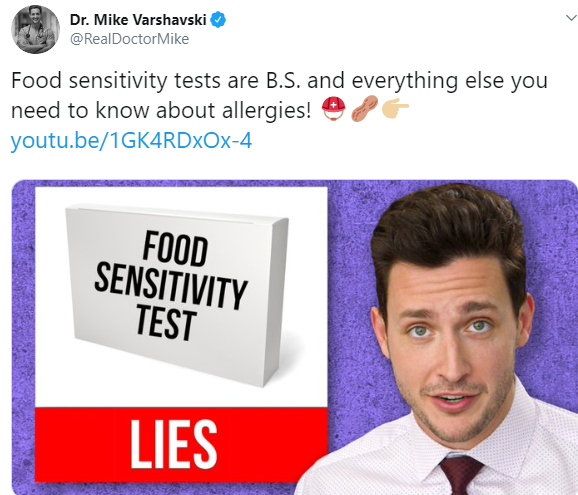
How Allergy Testing Can Lead to More Allergies

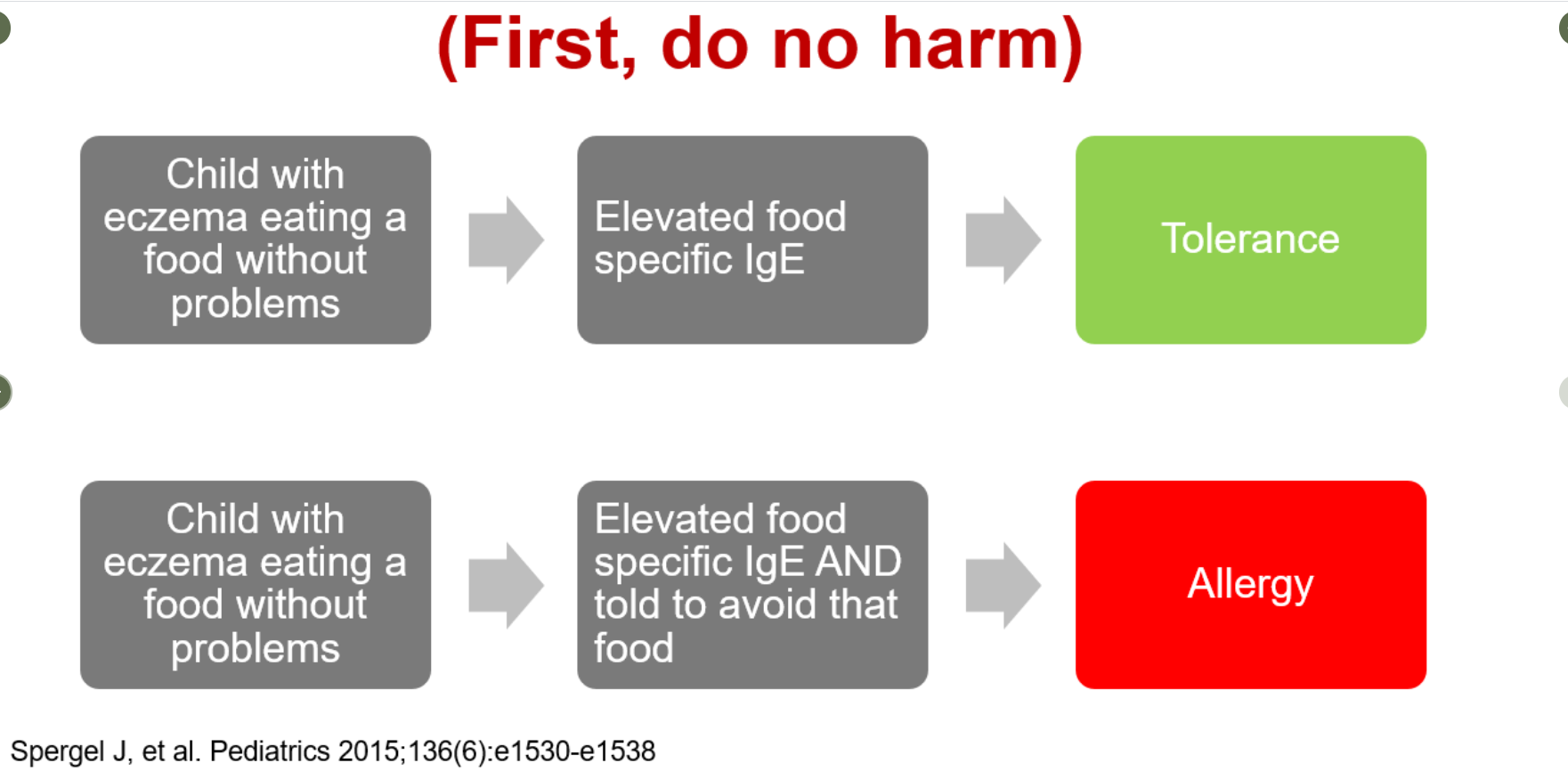
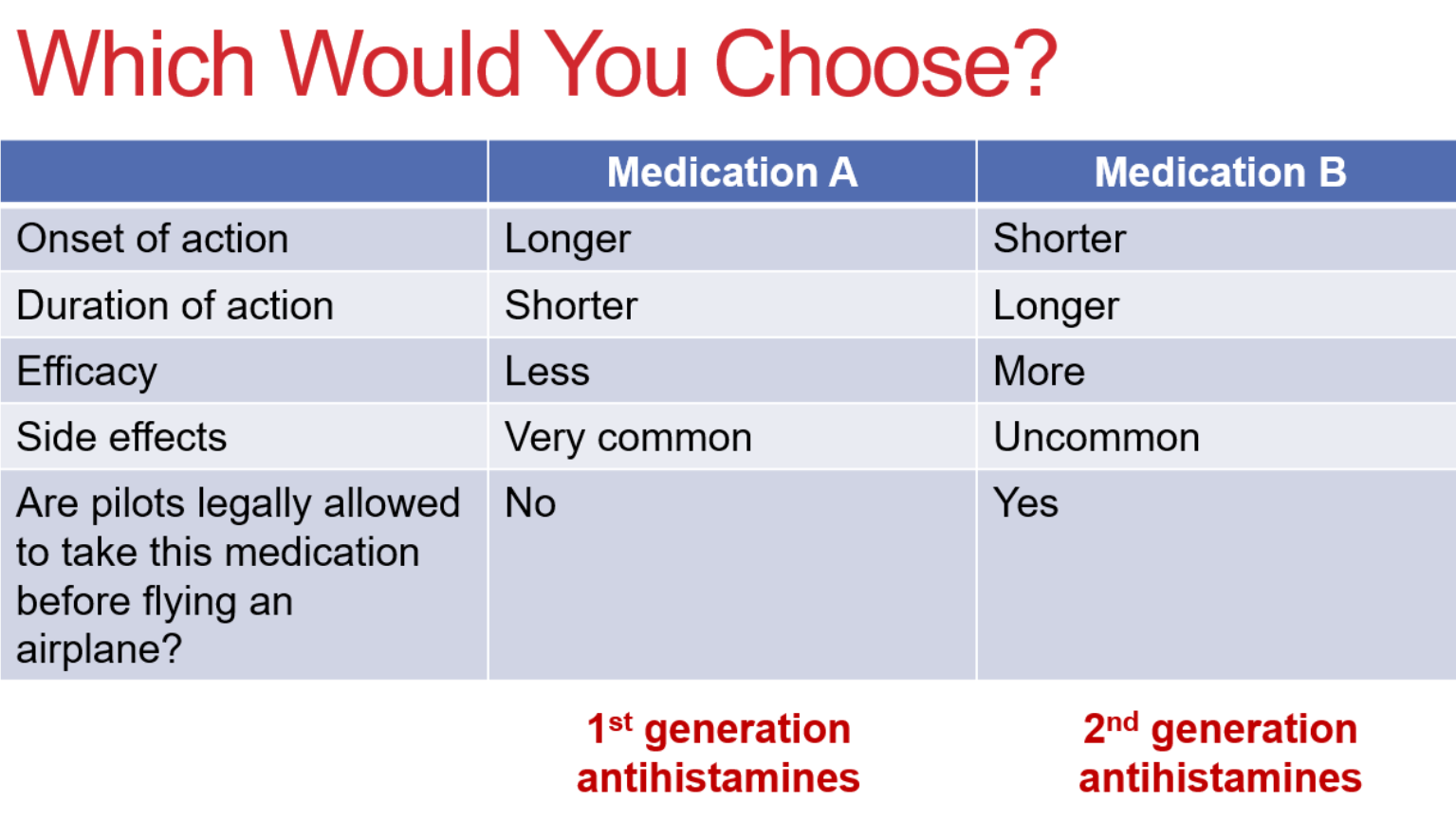
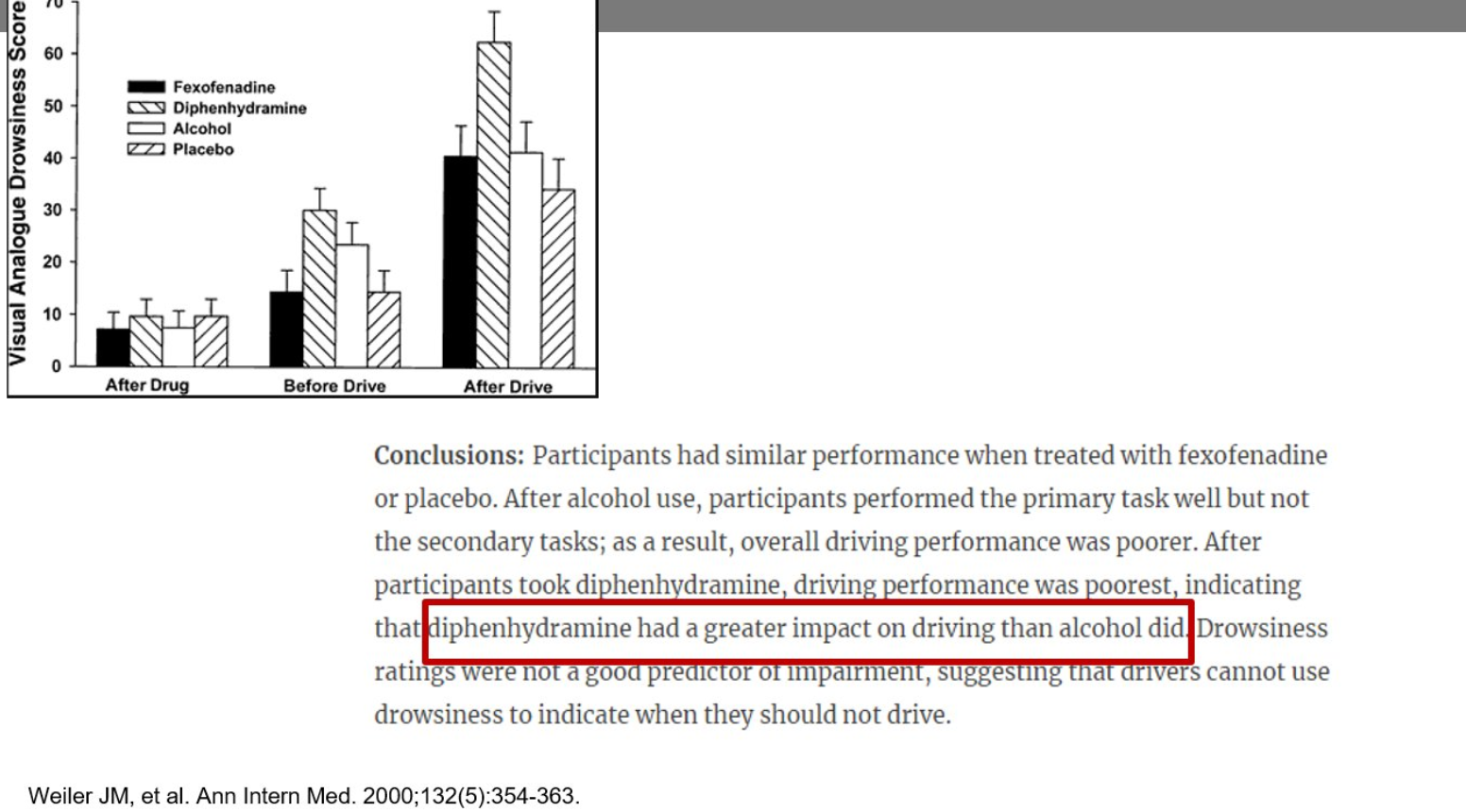
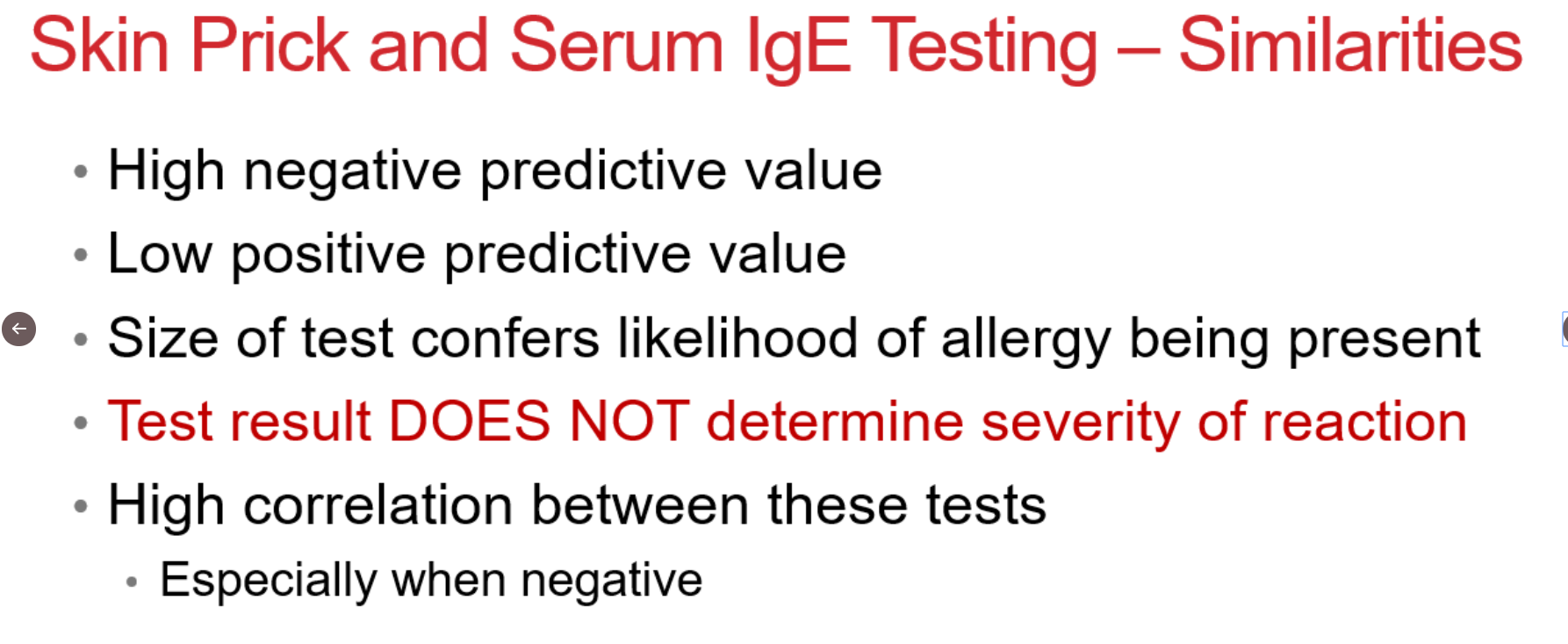
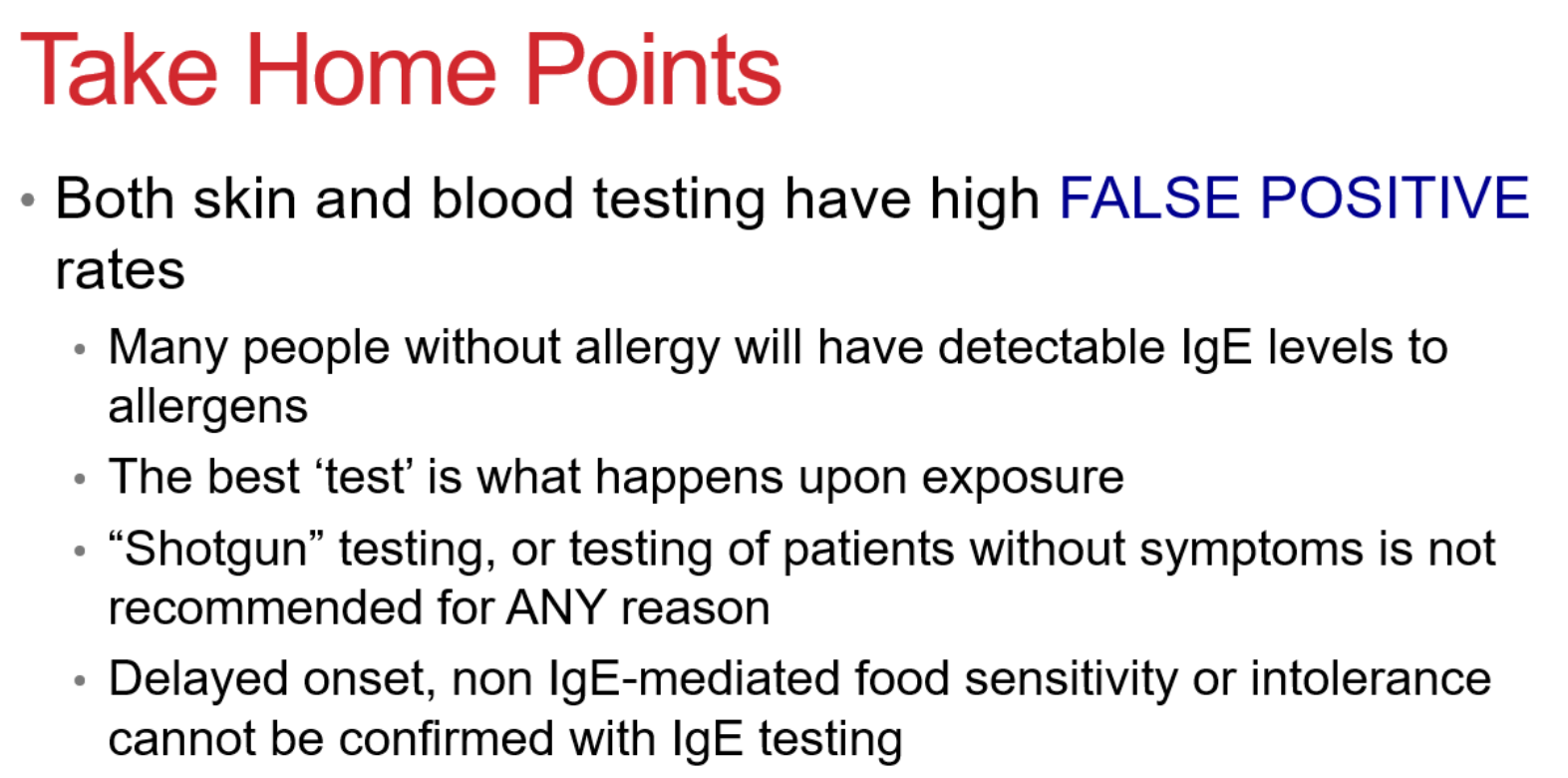
Dr. Dave Stutkus shared some slides (on twitter) recently based on a lecture at Nationwide Children’s.  Since I see children everyday who are undergoing poorly-conceived allergy testing, I wanted to share some of them.

  • Excluding foods from diet based on allergy testing without concurrent symptoms can lead to allergies rather than tolerance:

  • Newer antihistamines are safer

  • Most individuals with penicillin allergy are not truly penicillin allergic.  Also, there is a low rate of cross-reactivity with most cephalosporins.

  • Proper allergy testing relies on the basic understanding that sensitization is not equivalent to being allergic.  In addition, allergy testing has a high rate of false positives; therefore, testing needs to be limited (avoid broad panels).

Also, link to AAP guidelines on breastfeeding & eczema and introduction of foods to minimize development of allergies: The Effects of Early Nutritional Interventions on the Development of Atopic Disease in Infants and Children: The Role of Maternal Dietary
Restriction, Breastfeeding, Hydrolyzed Formulas, and Timing of Introduction of Allergenic Complementary Foods

Related blog posts:

Disclaimer: This blog, gutsandgrowth, assumes no responsibility for any use or operation of any method, product, instruction, concept or idea contained in the material herein or for any injury or damage to persons or property (whether products liability, negligence or otherwise) resulting from such use or operation. These blog posts are for educational purposes only. Specific dosing of medications (along with potential adverse effects) should be confirmed by prescribing physician.  Because of rapid advances in the medical sciences, the gutsandgrowth blog cautions that independent verification should be made of diagnosis and drug dosages. The reader is solely responsible for the conduct of any suggested test or procedure.  This content is not a substitute for medical advice, diagnosis or treatment provided by a qualified healthcare provider. Always seek the advice of your physician or other qualified health provider with any questions you may have regarding a condition

Legislative Agenda for Drug Pricing

There have been some recent terrific advances in pharmacology –a few that come to mind:

The one common feature is that these are all very expensive; there are many other expensive medications with less benefit.  Given the rise in costs of these medications, there is a need to do a better job in getting good value in our drug costs.  A potential path forward is outlined in a recent commentaries (SB Dusetzina, J Oberlander. NEJM 2019; 381: 2081-4; PB Bach. NEJM 2019; 381: 2084-6).

In the first commentary, the authors review the Elijah E Cummings Lower Drug Costs Now Act of 2019 (HR 3).

  • In essence, this act establishes a drug-price negotiation process and limits price increases on existing products.  “Companies whose products are selected for ‘negotiation’ will in reality face price regulation and a severe penalty for noncompliance.”
  • The act would examine U.S. prices compared to prices paid in other countries.  “There would also be a legislatively set maximum price that could not exceed 120% of the average net price paid for the same drug in designated countries.”
  • The bill also would cap Medicare Part D out-of-pocket spending at $2000 per year.

In the second commentary, Dr. Bach notes that drugs that have too little evidence to support full approval and those that are ‘too late in their life cycle’ both should have their pricing negotiated by the government.  This would side step some of the arguments about undermining the incentive for new drug development.

“Too little”

  • The FDA grants approval of some drugs on the market conditionally on the basis of data indicating that they improve a surrogate marker of patient benefit. “Despite the conditional nature of the approval, …the pharmaceutical firms currently charge the same high prices that fully approved drugs capture.”
  • Required studies frequently show that these conditionally-approved medications are ineffective.  Of the 198 indications granted accelerated approval since 1992, only 115 have garnered full approval.  Also, conditional approval may result in less incentive to complete the needed trials in a timely fashion.

“Too late”

  • In this category, the author notes that some medications have found many ways to extend their monopolies, which are intended as a time-limited reward for the effort of developing a new medication.  These include overlapping patents, refusing to provide samples to competitors, and paying other companies to delay bringing generic or biosimilar products to market
  • Most of the potential for savings are in this category rather than the ‘too little’ category
  • Negotiating prices of the top 10 too little and 10 too late medications with reference to 120% of UK pricing would have provided about nearly 27 billion in savings in 2019

My take: While current partisanship makes reaching agreement difficult, targeting soaring pharmaceutical costs is one area in which I predict common ground can be found.  While many are going to benefit from the therapeutic advances listed above, there are other medications which are overpriced and should be negotiated like in other high-income countries.

Related blog posts:

Bathroom mural for bicycle enthusiasts (at a stop on the Petit Train du Nord Linear Park)

Predicting Survival Without Disability Among Preterm Infants

A recent article (J Bourke et al. .J Pediatr 2019; 215: 90-7) made me wonder if my outlook on disability-free survival of preterm infants has been skewed by the population that I encounter.  That is, the outcomes from this large Australia study were better than I would have guessed.

This retrospective cohort study identified 720.091 live births from 1983-2010; in this group, 12,083 were diagnosed with a disability and 5,662 died. The authors sought to determine rates of intellectual disability or autism as identified by the IDEA (Intellectual Disability Exploring Answers) database.  Because this is a retrospective study, it did not capture milder and more common neurodevelopmental disorders like attention deficit hyperactivity disorder.

Key findings:

The probability of disability-free survival to 25 years was the following:

  • 4.1% for those born at 22 weeks gestation
  • 19.7% for those born at 23 weeks gestation
  • 42.4% for those born at 24 weeks gestation
  • 53.0% for those born at 25 weeks gestation
  • 78.3% for those born at 28 weeks gestation
  • 97.2% for those born full term (39-41 weeks)

Risk factors for lower rates of disability-free survival:

  • Aboriginal population (instead of Caucasian), low Apgar score, male sex, low socioeconomic status, and remote region of residence

My take: This data shows the marked improvement in outcomes with longer gestation age.

Year in Review: My Favorite 2019 Posts

Yesterday, I listed the posts with the most views.  The posts below were the ones I like the most.

General/General Health:

Nutrition:

Liver:

Endoscopy:

Intestinal Disorders:


Disclaimer: This blog, gutsandgrowth, assumes no responsibility for any use or operation of any method, product, instruction, concept or idea contained in the material herein or for any injury or damage to persons or property (whether products liability, negligence or otherwise) resulting from such use or operation. These blog posts are for educational purposes only. Specific dosing of medications (along with potential adverse effects) should be confirmed by prescribing physician.  Because of rapid advances in the medical sciences, the gutsandgrowth blog cautions that independent verification should be made of diagnosis and drug dosages. The reader is solely responsible for the conduct of any suggested test or procedure.  This content is not a substitute for medical advice, diagnosis or treatment provided by a qualified healthcare provider. Always seek the advice of your physician or other qualified health provider with any questions you may have regarding a condition.


Most Popular Posts of 2019

The following are the most viewed posts from the past year:

Wishing friends, family and colleagues a healthy and happy New Year.

Morning in Sandy Springs, GA