An “Ally” For Hepatitis C Genotype 3

A new study (Hepatology 2015; 61: 1127-35) shows that an all-oral 12 week treatment of daclatasvir (DCV) with sofosbuvir (SOF) is effective in the difficult-to-treat Hepatitis C virus (HCV) genotype 3 patients. In this study, the “Ally-3” phase III study, 101 treatment-naïve and 51 treatment experienced patients were treated with a daily regimen of DCV 60 mg and SOF 400 mg.

Key findings:

  • SVR12 was 90% in treatment-naïve, and 86% among in treatment experienced.
  • Among patients without cirrhosis, the SVR12 was 96%, compared with 63% of those with cirrhosis (based on FibroTest scores)

Related blog posts:

Bottomline: This new regimen is a promising addition to the new crop of HCV drugs which will be affordable when?

A second study (Hepatology 2015; 61: 1174-82) examined the minimum target pricing for direct-acting antivirals (DAA) for HCV.  Using data on manufacturing costs, derived in large part from experience with HIV antivirals, the authors calculate that a minimum cost for a 12-week course of combination DAA could be US $171-360 per person without genotyping and the drug costs alone from US $122-192 per person.  Of course, these costs are completely theoretical and complete fantasy, at least until 2027 when some of the patents expire.

Related post: HCV Treatments: “Sticker Shock” or “Low Value …

Briefly noted: Hepatology 2015; 61: 1261-68.  N=986 Koreans with HBsAg carrier status and 40 years of age or older.  FIB-4 is highly predictive of hepatocellular carcinoma (HCC) risk in those with chronic hepatitis B. FIB-4 was defined based on age x AST , PLTS, and ALT.  Since a high FIB-4 reflects liver fibrosis, it is not unexpected that high levels were associated with HCC. A FIB-4 >/= 2.4 showed an adjusted Hazard Ratio of 21.34.

“This Is A Stick Up — Your Money or Your Life”

When I read a recent Hepatology editorial (Hepatology 2015; 61: 1106-8), I could not help think of the aforementioned title of this blog.

Here’s the scoop:

The two most commonly used medications for Wilson’s disease are trientine (Syprine) and D-penicillamine (Cupramine). For about 20 years, the original manufacturer of these medications kept the consumer cost at ~$1 per 250 mg tablet.  Currently the cost of Syprine is ~$200 per 250 mg tablet and Cuprimine costs ~$55 per 250 mg tablet.  This 200-fold increase translates into a yearly cost of ~$300,000.

How did this happen?

  • Little competition
  • Profit motive
  • Patients are reluctant to protest (they need this medication to be manufactured)

Why is this outrageous?

This increase in cost was not driven by any new discovery or research innovation.

Are there options?

Zinc is inexpensive and may be an option after initial period of chelation/normalization of liver biochemistries.  Zinc needs to be taken two to three times per day and “well away from meals for best absorption.”

Bottomline: These medication prices are outrageous.

Briefly noted:

  • “Molecular pathophysiology of portal hypertension”  Hepatology 2015; 61: 1406-15. Terrific review with excellent figures.
  • “Ezetimibe for the treatment of Nonacloholic Steatohepatitis” (MOZART trial) Hepatology 2015; 61: 1239-50. This randomized double-blind, placebo-controlled trial with 50 patients (biopsy-proven NASH) showed that Ezetimbe was not significantly different from placebo in histologic response rates, serum aminotransferases, or in magnetic resonance elastography findings.
  • Van Biervliet et al. “Clinical Zinc Deficiency as Early Presentation of Wilson Disease” JPGN 2015; 60: 457-9. Case report.

Screen Shot 2015-04-19 at 8.55.40 PM

Vaccine Proven Effective for Hepatitis E

An important advance in Hepatology -more data showing efficacy of a Hepatitis E vaccine (N Engl J Med 2015; 372:914-922).

Here’s the abstract:

BACKGROUND

Hepatitis E virus (HEV) is a leading cause of acute hepatitis. The long-term efficacy of a hepatitis E vaccine needs to be determined. 

METHODS

In an initial efficacy study, we randomly assigned healthy adults 16 to 65 years of age to receive three doses of either a hepatitis E vaccine (vaccine group; 56,302 participants) or a hepatitis B vaccine (control group; 56,302 participants). The vaccines were administered at 0, 1, and 6 months, and the participants were followed for 19 months. In this extended follow-up study, the treatment assignments of all participants remained double-blinded, and follow-up assessments of efficacy, immunogenicity, and safety were continued for up to 4.5 years. 

RESULTS

During the 4.5-year study period, 60 cases of hepatitis E were identified; 7 cases were confirmed in the vaccine group (0.3 cases per 10,000 person-years), and 53 cases in the control group (2.1 cases per 10,000 person-years), representing a vaccine efficacy of 86.8% (95% confidence interval, 71 to 94) in the modified intention-to-treat analysis. Of the participants who were assessed for immunogenicity and were seronegative at baseline, 87% of those who received three doses of the hepatitis E vaccine maintained antibodies against HEV for at least 4.5 years; HEV antibody titers developed in 9% in the control group. The rate of adverse events was similar in the two groups.

CONCLUSIONS

Immunization with this hepatitis E vaccine induced antibodies against HEV and provided protection against hepatitis E for up to 4.5 years. (Funded by the Chinese Ministry of Science and Technology and others; ClinicalTrials.gov number, NCT01014845.)

Related blog post:

Briefly noted:

Experience with molecular adsorbent recirculating system (MARS). Lexmond WS, et al. Liver Transpl 2015; 21: 369-80. Editorial 277-78. n=20 over 10 years. From the editorial: “Although MARS therapy has been available for more than a decade, there have been no randomized controlled trials of its use in children…the time has come to get the data necessary to prove whether MARS has utility or not.” Related blog post: Living on MARS | gutsandgrowth

“Unrecognized Chronic Hepatitis C Virus Infection Among Baby Boomers in the Emergency Department.” Hepatology 2015; 61: 776-82. 102 of 1529 individuals were confirmed to have HCV infection. Interestingly, only 54% were successfully contacted by phone and of these only 21 had attended their initial visit with a liver specialist. Related blog post: Wiping out Hepatitis C | gutsandgrowth

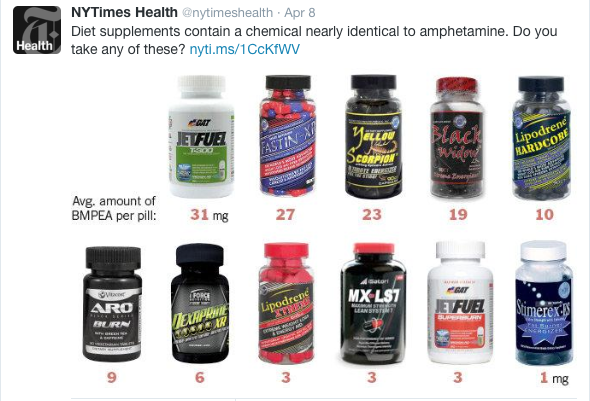
From NY Times Twitter Feed (screenshot)

From NY Times Twitter Feed (screenshot)

Unrelated story/link (from NY Times): FDA Slow to Act on Diet Supplement Dangers


Cyclophilin Inhbitor for Chronic Hepatitis B

From AGAblog: A New Approach to Hepatitis B?

Cyclophilins are involved in multiple steps of the hepatitis B virus (HBV) life cycle in hepatocytes—cyclophilin inhibitors reduce viral replication and HBV envelope protein production and secretion, researchers report in the February issue of Gastroenterology. The cyclophilin inhibitor alisporivir, combined with the HBV polymerase inhibitor, reduces markers of HBV infection and HBV replication in cells, revealing a possible new therapeutic approach for chronic hepatitis B.

What’s Going on with Hepatitis A and Hepatitis B?

Despite the excitement regarding Hepatitis C, Hepatitis A and Hepatitis B remain important challenges. Here’s the latest:

1. Collier MG, et al. “Hepatitis A Hospitalizations in United States, 2002-2011” Hepatology 2015; 61: 481-85. The authors examined the changes in demographics and frequency of HAV hospitalization during the study period. Key findings:

  • Rates of hospitalization dropped from 0.72/100,000 to 0.29/100,000.
  • Average age of hospitalized patient increased from 37.6 years to 45.5 years and more comorbidities were noted.
  • No changes were noted in length-of-stay or in-hospital deaths

2. DiBisceglie AM et al. “Recent US Food and Drug Administration Warnings on Hepatitis B Reactivation with Immune-Suppressing and Anticancer Drugs: Just the Tip of the Iceberg?” Hepatology 2015; 61: 703-11. Key recommendation: “There is good evidence to support routine screening of all patients for hepatitis B prior to undergoing chemotherapy or immunosuppressive treatment; use of prompt antiviral treatment appears to diminish the risk of severe or fatal reactivation of hepatitis B. Different organizations suggest disparate screening recommendations (Table 4).  AASLD suggests HBsAg, and anti-HBc.  CDC suggests adding anti-HBs.

3. Reddy KR, et al. Gastroenterology 2015; 148: 215-19, technical review 221-44.  AGA Guideline on the Prevention and Treatment of HBV Reactivation During Immunosuppressive Therapy. Key Recommendations:

  • Screen patients with HBsAg and anti-HBc, followed by a sensitive HBV DNA test if positive
  • Treat at-risk patients with antivirals with high barrier to resistance for at least 6 months after discontinuation of immunosuppressive therapy (except in patients taking B cell depleting agents who it is recommended to treat for at least 12 months afterwards)

Reactivation risk: (For all of the specifics — Full text article link)

  • High risk of reactivation (>10%): B cell depleting agents (eg. rituximab, ofatumumab), anthracycline derivatives (eg. doxorubicin, epirubicin), and daily moderate to high dose steroids (>10 mg) for at least 4 weeks.
  • Moderate risk of reactivation (1-10%): anti-TNF therapy, integrin inhibitors (eg. ustekinimab, vedolizumab), tyrosine kinase inhibitors, low-dose steroids daily (<10 mg/day) for at least 4 weeks (if HBsAg-positive but not if only anti-HBc-positive)
  • Low risk of reactivation (<1%): azathiopurine, 6-mercaptopurine, methotrexate.  No antiviral prophylaxis required.

For those interested in a more detailed summary of the recommendations: AGA Website HBV Reactivation Recommendations

4. Corsa AC et al. “No Resistance to Tenofovir Disoproxil Fumarate Through 96 Weeks of Treatment in Patients with Lamivudine-Resistant Chronic Hepatitis B. Clin Gastroenterol Hepatol 2014; 12: 2106-12.  This study followed 280 patients–no resistance to tenofovir was observed.

Related blog posts:

“Mutant Ninja Viruses”

Yesterday’s post “Understanding HCV Treatment Failures with Sofusbuvir” provided a summary of why patients with hepatitis C virus (HCV) genotype 3 may not respond to therapy. Now a terrific article (Hepatology 2015; 61: 471-80, editorial, titled “Mutant Ninja Viruses” 421-23) looks at why some patients with the favorable HCV genotype 2 may fail to respond.

By using extensive genotyping data and sequencing, the authors were able to determine why some patients with genotype 2 did not respond to combination therapy with ribavirin/sofusbuvir.  These patients were characterized by as genotype 2 based on Siemens VERSANT HCV Genotype INNO-LiPA 2.0 Assay.  This assay “looks at conserved sequences in the 5′ region of the virus.” However, these patients were genotyped as well using a technique to examine the 3′ region of the virus.  From among more than 2000 samples, the two assays gave divergent results in 0.5% of the cases with the 5′ end indicating genotype 2 and the 3′ end indicating genotype 1.

What is happening?

  • Detailed analyses of these discordant viruses showed that they were hybrid viruses with a crossover point located in the NS2/NS3 region.
  • In patients with these hybrid viruses, only 3 of 11 responded to therapy, indicating that they behave like genotype 1 patients.

Bottomline: “These novel viruses are true viral Ninjas hiding a challenging array of ‘difficult-to-cure’ genotype 1 enzymes under an ‘easy-to-cure’ genotype 2 coat.

Understanding HCV Treatment Failures with Sofusbuvir

While the new treatments for hepatitis C have improved dramatically in terms of cure rates and side effects (and pharmaceutical companies bottom-line), there are still patients who do not respond, especially those with genotype 3.  A recent study (Hepatology 2015; 61: 56-65) has provided some information into why this is happening.

A division of the FDA looked into five sofosbuvir (SOF) trials and performed sequencing to characterize potential resistance-associated substitutions.

Key findings:

  • Nonstructural protein 5B (NS5B) substitutions, L159F and V321A, emerged in 2.2%-4.4% of subjects who failed SOF treatment.
  • Baseline substitutions in 316 were associated with a reduced response in HCV genotype 1b subjects.
  • This study identified only 11 patients with genotype 3 with potentially relevant substitutions.

Bottomline: In the vast majority of patients, no resistance-associated substitution could be identified, indicating that we have a lot to learn why some patients are not responding.

Related blog posts:

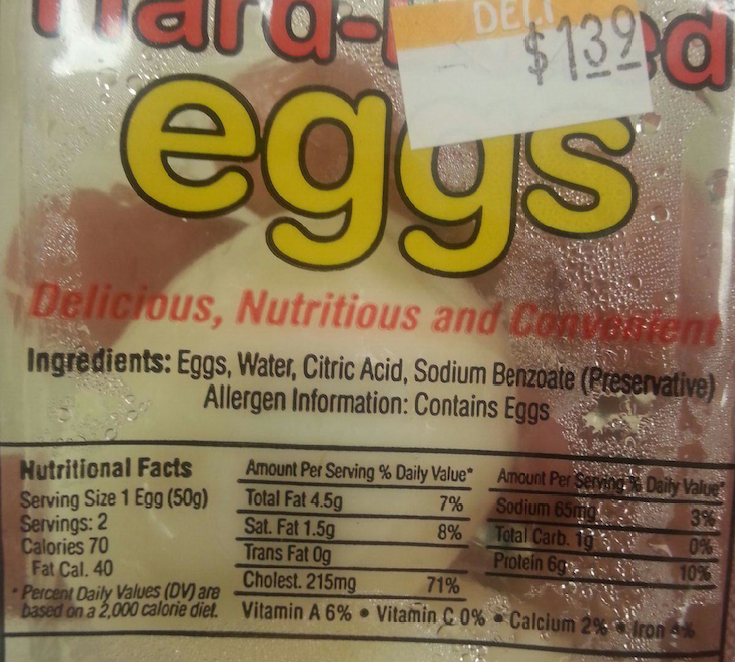
Theses Eggs Contain Eggs!

Theses Eggs Contain Eggs!  Is the “allergen information” really necessary in this case?

EXCEPTIONal Outcomes and Liver Allocation

A recent study (Hepatology 2015; 61: 285 & editorial 28-31) takes a closer look at US liver organ allocation and outcomes.

The editorial notes that our allocation in the US is targeted towards “need.” Since February 2001, the MELD score was adopted with “the stated aim of reducing deaths on the waiting list.”  Other potential aims:

  • Equity –so any one who might benefit from a graft has an equal chance and a first-come, first-served approach is adopted
  • Utility –organs are allocated to the recipient who is likely to have the best outcomes
  • Benefit –organs are allocated to the patient who has the greatest benefit, so taking into account the risks of dying with and without a transplant
  • Fairness — ‘an ill-defined combination of all the approaches’

The editorial notes that “despite the concerns the approach has been highly effective in achieving its goal in reducing waiting list mortality.”

“Like any system, it can be manipulated and, given the life-saving nature of transplantation, it is scarcely surprising that both legal and illegal methods have been adopted to artificially raise the MELD score and distort allocation.”

The study reviewed 78,595 adult liver transplant candidates (2005-2012).  27.3% of the waiting list was occupied by candidates with exceptions.

Candidates with exceptions fared much better on the waiting list compared to those without exceptions in mean days waiting (HCC 237 versus non-HCC 426), transplantation rates (HCC 79.1% versus non-HCC 40.6%), and waiting list death rate (HCC 4.5% versus non-HCC 24.6%).

The editorialists recommend that “we should consider diverting some of the resources used to develop and implement a perfect allocation scheme into increasing the number of donors and livers used for transplant and, in the longer term, finding treatments and interventions that will render liver transplantation a treatment of historic interest.”  Now that’s a lofty goal.

Related blog posts:


Liver Update -January 2015

Briefly noted:

1. Gastroenterology 2014; 147: 1327-37 (editorial 1216-18).  “Probiotic VSL#3 reduces liver disease severity and hospitalization in patients with cirrhosis: a randomized, controlled trial.” 66 patients received VSL#3 (9 x 10 to the 11th bacteria), 64 patients received placebo -both groups studied for 6 months. Treatment with lactulose and rifaximin were withdrawn a week prior to study entry. Key findings: ‘fewer hospitalizations for severe encephalopathy, better quality of life, and decreases in Child-Turcotte-Pugh class and Model for End-Stage Liver Disease.’  Hazard ratio for preventing hospitalization with VSL#3 was 0.52. However, the findings did not show that VSL#3 reached a statistically-significant reduction in recurrence rate for hepatic encephalopathy. No adverse events were noted.

2. NY Times: Gilead sued over cost of Sovaldi.

3. N Engl J Med 2014; 371:2375-2382.  Link to abstract: Interferon-free Antiviral Regimen for HCV after Liver Transplantation:  “Treatment with the multitargeted regimen of ombitasvir–ABT-450/r and dasabuvir with ribavirin was associated with a low rate of serious adverse events and a high rate of sustained virologic response among liver-transplant recipients with recurrent HCV genotype 1 infection, a historically difficult-to-treat population.

4. “Transplantation Traffic –Geography as Destiny for Transplant Candidates” NEJM 2014; 271: 2450-52.  Describes ongoing geographic inequality in organ distribution and obstacles to improving allocation.

5. Liver Transpl 2015; 21: 57-62. Immediate Extubation After Pediatric Liver Transplantation –feasible in 67% according to this retrospective review.

Local Law Office  --Truth in Advertising?

Local Law Office –Truth in Advertising?

HCV: When to Spike the Ball

When a team scores a touchdown in football, often one sees a player spike the ball in celebration.  The equivalent of spiking a ball rarely happens in medicine.  That being said, a recent study (Hepatology 2015; 61: 41-45) indicates that after treatment sofosbuvir regimens, you can celebrate if you have a sustained virological response (SVR) at 12 weeks (SVR12).

The authors conducted a retrospective review of five trials with 863 patients with HCV genotypes 1-6.  “Of the 779 patients with an SVR12, 777 (99.7%) also achieved an SVR24.” Of the patients who relapsed, most (77.6%) did so within 4 weeks of completing therapy.

Related blog posts: