Higher Protein In Infant Formula –Doubling the Risk of Excess Body Fat in 6 year-olds

A recent study (thanks to John Pohl for link from twitter feed) (M Totzauer et al. Obesity 2018; https://doi.org/10.1002/oby.22203) indicates that high protein infant formula is associated with an increased risk of obesity.

Full Link: Effect of Lower Versus Higher Protein Content in Infant Formula Through the First Year on Body Composition from 1 to 6 Years: Follow‐Up of a Randomized Clinical Trial

From Abstract:

Methods

In a multicenter, double‐blind European trial, healthy infants (N = 1,090) were randomly assigned to different protein content formulas (upper [HP] and lower [LP] limits of the European Union regulations in 2001) during the first year; breastfed infants (N = 588) were recruited for reference values.

Weight, height, and triceps and subscapular skinfold (SF) thickness were measured repeatedly (N = 650 at 6 years), and body composition was estimated (Slaughter). The 99th percentile of fat mass index reference data were used to assess excess body fat at 6 years.

Results

At 2 and 6 years, the study observed greater sum of SFs (Δ 2 years: 0.5 mm, P = 0.026, Δ 6 years: 0.6 mm, P = 0.045), fat mass index (Δ 2 years: 0.12 kg/m², P = 0.008, Δ 6 years: 0.15 kg/m², P = 0.011), and fat‐free mass index (Δ 2 years: 0.17 kg/m², P = 0.003, Δ 6 years: 0.18 kg/m², P = 0.010) in the HP group compared with the LP group. At 6 years, the HP group had a twofold higher risk than the LP group for excess body fat (adjusted odds ratio: 2.13, P = 0.019).

Conclusions

Infant formula with HP levels induced greater fat mass in children from 2 to 6 years. Lowering the protein content of infant formula may result in a healthier body composition in early childhood.

Amelia Island -Sunrise


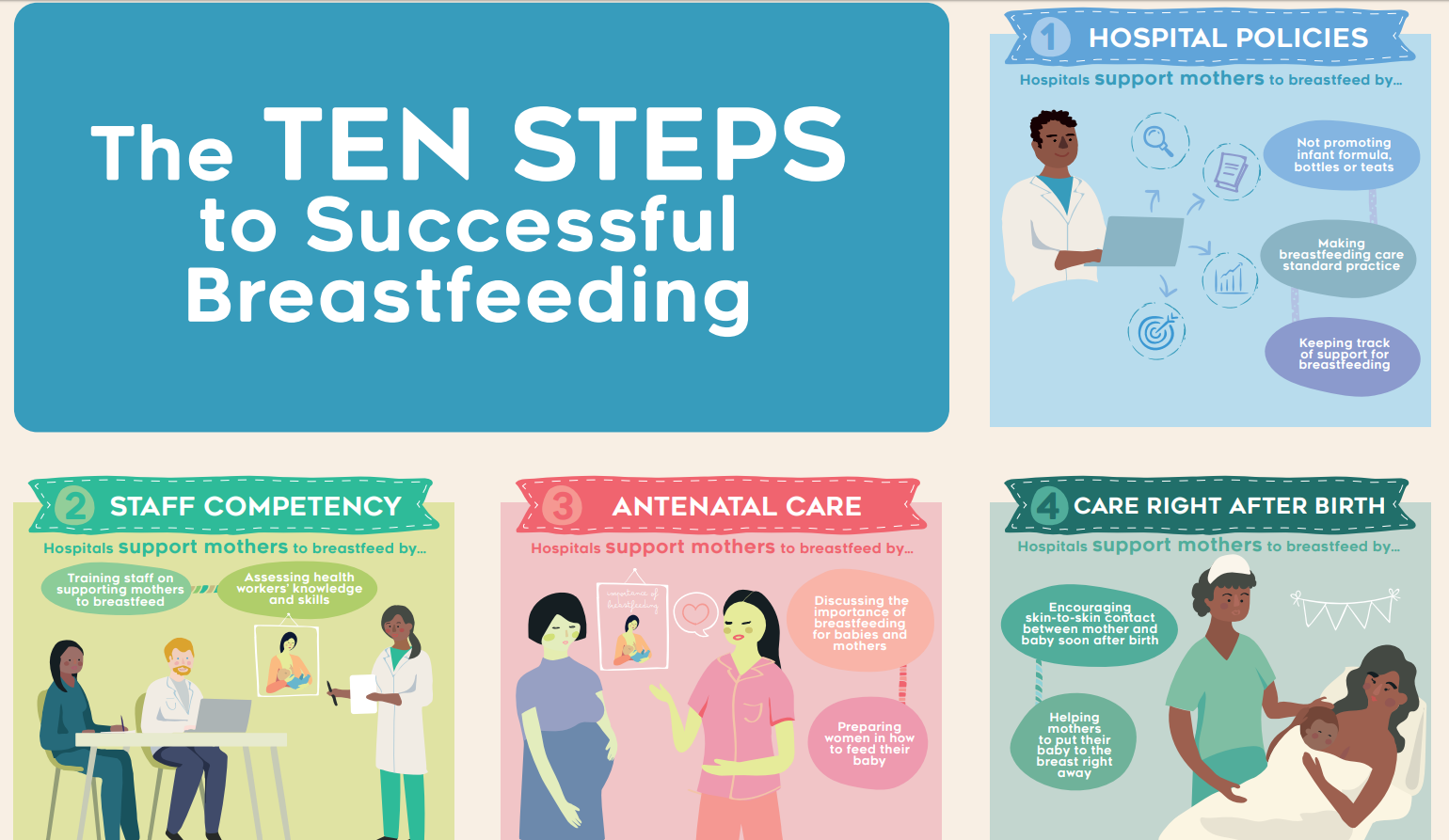
Laying to Rest a Breast-Feeding Myth

A recent study (VJ Flaherman et al. J Pediatr 2018; 196: 84-90) examines whether early limited formula feeding undermines breastfeeding.

Background: The authors note that women have been discouraged from using formulas for newborns during the birth hospitalization due to concerns that this will diminish the frequency/success of breastfeeding.

Besides the concern that supplemental formula could increase the risk of breastfeeding cessation, some have expressed concern that supplemental formula could undermine benefits of breastmilk on the intestinal microbiome.  In addition, some have worried that if mothers perceived formula-feeding to be easier, that this could lower satisfaction with breastfeeding.

Yet, on the other side of the ledger, there are “about 80,000 newborns who require readmission after discharge” with the majority related to dehydration and hyperbilirubinemia.  Both of these conditions could be ameliorated by formula supplementation.  Thus, to address whether supplemental formula may be of benefit, the authors devised an “early limited formula” (ELF) trial.  The authors only enrolled infants >2500 gm and who had a weight loss >75th percentile on The Newborn Weight Tool (www.newbornweight.org). The authors excluded those with >10% of their birth weight due to routine practice of supplementation.

Methods: 163 mother-infant pairs were randomly assigned to either ELF along with breastfeeding or breastfeeding exclusively.  ELF involved giving infants 10 mL of a hydrolysate formula with a feeding syringe after each breastfeeding until the onset of copious breast milk

Key findings:

  • Mothers using ELF averaged 5.4 times/day for a median of 2 days.
  • Breastfeeding rates at one month of age: 86.5% of ELF group and 89.7% of controls; 54.6% of ELF and 65.8% of controls were breastfeeding exclusively at 1 month of age.
  • Readmission occurred in 4 (4.8%) of control infants and none of the infants in the ELF cohort (P=.06)
  • Using a subset of 15 (8 with ELF), the authors did not identify significant changes in microbiome of ELF group compared with the exclusively fed group when examined at 1 week and 1 month (as well as baseline)

Limitations of this study include the relatively small number of participants.  Furthermore, some populations that are at increased risk for breastfeeding cessation, namely mothers <25 years and African-American mothers were underrepresented.

My take: This study indicates that ELF is safe and does not appear to significantly increase breastfeeding cessation.

Related blog posts:

Possible Quality Metric for Fatty Liver Disease: Dyslipidemia

With nonalcoholic fatty liver disease (NAFLD), it is well-documented that adverse cardiovascular events influence mortality more than any other factor.  Dyslipidemia plays an important role in these outcomes.

A recent study (KE Harlow et al. J Pediatr 2018; article in press. DOI: https://doi.org/10.1016/j.jpeds.2018.02.038) indicates that “clinically actionable dyslipidemia” is present in more than half of pediatric patients with NAFLD.

This multicenter, longitudinal cohort study included children (n=585) with NAFLD enrolled in the National Institute of Diabetes and Digestive and Kidney Diseases Nonalcoholic Steatohepatitis Clinical Research Network.

Key findings:

  • The prevalence of children warranting intervention for low-density lipoprotein cholesterol at baseline was 14%. After 1 year of recommended dietary changes, 51% achieved goal low-density lipoprotein cholesterol, 27% qualified for enhanced dietary and lifestyle modifications, and 22% met criteria for pharmacologic intervention
  • Elevated triglycerides were more prevalent, with 51% meeting criteria for intervention at baseline. At 1 year, 25% achieved goal triglycerides with diet and lifestyle changes, 38% met criteria for advanced dietary modifications, and 37% qualified for antihyperlipidemic medications.

My take: Assessing/managing dyslipidemia is an important component of NAFLD care.

Link to abstract: Clinically Actionable Hypercholesterolemia and Hypertriglyceridemia in Children with Nonalcoholic Fatty Liver Disease

Related blog posts:


EPA OK with “Polluting Developing Brains”

For those unable to grasp the fact that the current EPA director is harmful to our health, it may not be their fault.  According to this commentary (VA Rauh. N Engl J Med 2018; 378:1171-1174), organophosphates like chlorpyrifos have likely resulted in the loss of ~17 million IQ points among 0 to 5 year olds; by extrapolation, this affects those older than 5 years too. Link: Polluting Developing Brains — EPA Failure on Chlorpyrifos

An excerpt: The regulatory plan developed by the U.S. Environmental Protection Agency (EPA) just before the 2016 elections was excellent: revoke all allowances for foods to contain residue of the organophosphate insecticide chlorpyrifos (“food tolerances”), essentially prohibiting agricultural and all remaining uses of the chemical… A total ban was the logical conclusion after decades of risk assessment showing increasing evidence of threats to human health, and children’s safety in particular…

However, the plan was scrapped in March 2017 by incoming EPA Administrator Scott Pruitt, who overrode the recommendation of agency scientists to ban all commercial use of chlorpyrifos… this action essentially violates the EPA’s statutory duty to protect human health, ignoring explicit child health policy dating back to 1995 that requires all national public health standards to address the special vulnerability of infants and children…

Harmful effects of chlorpyrifos on the developing brain are hardly surprising, given that this chemical was initially developed to attack the nervous system by inhibiting neurotransmitters in the body. First introduced as nerve-gas agents during World War II, organophosphate chemicals were later repurposed by chemical companies as insecticides and other pesticides…

Among the most worrisome findings are the corroborative results from several prospective cohort studies of children, which show an inverse dose–response effect of prenatal exposure to chlorpyrifos on cognition at 7 years of age..

In fact, one review (assuming a population of 25.5 million children 0 to 5 years of age in the United States) calculates a total loss of 16.9 million IQ points due to exposure to organophosphates, of which chlorpyrifos is the most widely used..

Because adult occupational exposures to chlorpyrifos have been clearly linked to Parkinson’s disease, there is good reason to worry that early exposures may set in motion a pathogenic trajectory potentially leading to neurodegenerative disease…

The EPA …may be putting an entire generation of young brains in harm’s way.

Estimated Agricultural Use for Chlorpyrifos, 2015 (Preliminary).
Estimates are from the U.S. Geological Survey National Water-Quality Assessment Project.

TPN Prior to Liver Transplantation for Biliary Atresia

Briefly noted:

D Wendel et al. JPGN 2018; 66: 212-7.  This single center retrospective review examined patients who received home TPN prior to liver transplantation.   These 18 patients, which represented 41% of their entire transplant cohort of 44 between 2010-2015, all had biliary atresia. Key findings:

  • Malnutrition improved or resolved in all but one patient
  • 8 catheter-related infections were noted (3.8/1000 catheter days)
  • There were no deaths in patients receiving TPN

My take: While there is an increased burden of care with TPN, improved nutrition may improve long-term outcomes.

Related blog posts:

Amber Cove, Dominican Republic


Position Paper: Nutrition in Pediatric Inflammatory Bowel Disease

E Miele et al. JPGN 2018; 66: 687-708.

Full text linkNutrition in Pediatric Inflammatory Bowel Disease: A Position Paper on Behalf of the Porto Inflammatory Bowel Disease Group of the European Society of Pediatric Gastroenterology, Hepatology and Nutrition

This position paper from ESPGHAN makes a total of 53  recommendations and 47 practice points.  There are too many to summarize in this blog post, but I will highlight a few.

Vitamins/Minerals:

  • Due to insufficient data, we do not recommend routine measurement or supplementation of zinc and selenium in children with IBD (EL 2).
  • We recommend monitoring vitamin D levels in all children with IBD (EL 2).
  • We recommend monitoring folic acid annually (EL 2).
  • We do not recommend routine measurement or supplementation of vitamin B1, B2, B3, B6, B7 and vitamin C in children with IBD (EL 2).
  • We recommend folic acid supplementation (either 1 mg daily or 5 mg weekly) in children with IBD receiving MTX therapy (EL 2).
  • We recommend that either serum cobalamin levels or methylmalonic acid level in blood or urine should be measured in children with active ileal CD, children with ileal resection of >20 cm and UC children ileal pouch surgery at least annually (EL 4)

Enteral Nutrition:

  • EEN has the same efficacy as oral steroids in the induction of remission of children with active luminal CD (EL 1). EEN is recommended for a period of at least 8 weeks (EL 1).
  • The use of standard polymeric formula, with a moderate fat content, is recommended unless other conditions are present (eg, cow’s milk protein allergy) (EL 1).
  • Due to the highly demanding adherence, EEN should not be considered as an option for long-term maintenance therapy.
  • EEN is not efficacious in the induction and maintenance of remission of pediatric UC (EL 4).
  • PEN is a treatment option to maintain remission in selected patients with mild disease and low risk of relapse (EL 4).
  • A specific carbohydrate diet (SCD) for induction or maintenance of remission in pediatric IBD patients should not be recommended (EL 4). More evidence on the benefit of SCD from RCTs is needed before such a dietary restriction can be recommended to pediatric IBD patients

My take: This position paper provides a lot of useful information and makes some recommendations that are practical.  The use of diets for maintenance therapy does not receive a favorable view.

Related blog posts:

Disclaimer: These blog posts are for educational purposes only. Specific dosing of medications/diets (along with potential adverse effects) should be confirmed by prescribing physician/nutritionist.  This content is not a substitute for medical advice, diagnosis or treatment provided by a qualified healthcare provider. Always seek the advice of your physician or other qualified health provider with any questions you may have regarding a condition.

Childhood Obesity: It is NOT Getting Better

A recent study (AC Skinner et al. Pediatrics 2018; 141: e20173459) examined obesity prevalence data in children 2-19 years of age from a nationally representative sample (n=3340).  Specifically, the authors used NHANES data from 1999-2016. Thanks to John Pohl’s twitter feed for pointing out this reference.

PDF Link: Prevalence of Obesity and Severe Obesity in US Children, 1999-2016

This article is packed with data and breaks down obesity in categories: overweight, class I obesity, class II obesity & class III obesity.  It provides data based on gender, age, and ethnicity.

The trend in obesity prevalence is best captured in Figure 1.

Among girls:

  • In 1999-2000: class I obesity noted in 14.6% –>17.8% in 2015-16
  • In 1999-2000: class II obesity noted in 4.0% –>5.2% in 2015-16
  • In 1999-2000: class III obesity noted in 0.9% –>1.8% in 2015-16

Among boys:

  • In 1999-2000: class I obesity noted in 14.7% –>19.1% in 2015-16
  • In 1999-2000: class II obesity noted in 4.1% –>6.7% in 2015-16
  • In 1999-2000: class II obesity noted in 1.0% –>2.0% in 2015-16

My take: This article indicates that the prevalence of childhood obesity in the U.S. is not improving and does not appear to have leveled off as has been suggested by some studies.

Related blog posts:

Tanyard Creek Park


Oats OK in Celiac Disease

A recent double-blind, randomized, placebo-controlled trial (E Lionetti et al. J Pediatr 2018; 194: 116-22) examined the effect of adding oats to the diets of 79 children and compared this to a control group of 98 children; all participants had biopsy-proven celiac disease (CD).

Background:

  • “A large body of evidence has so far suggested that the consumption of pure oats is safe in the vast majority of patients with celiac disease.”
  • Still concerns persist.  In addition, the purity of oats cannot always be guaranteed.
  • Previous studies were limited by small sample sizes, short follow-up, limited details regarding oat used, and lack of detail about cross-contamination.

This study sought to remedy prior trial deficiencies and examined clinical indices,  serology, and intestinal permeability after 6, 9 and 15 months.

Key finding:

  • There were no statistically significant clinical, serologic, or intestinal permeability variables when comparing the oat group to the control group.

My take: Oats, free of cross contaminants, are safe to incorporate into a gluten-free diet for CD.

Canyon Rim

Disclaimer: These blog posts are for educational purposes only. Specific dosing of medications/diets (along with potential adverse effects) should be confirmed by prescribing physician/nutritionist.  This content is not a substitute for medical advice, diagnosis or treatment provided by a qualified healthcare provider. Always seek the advice of your physician or other qualified health provider with any questions you may have regarding a condition.

How Gluten Free is a Gluten-Free Diet?

A recent analysis (JA Syage et al.The American Journal of Clinical Nutrition, Volume 107, Issue 2, 1 February 2018, Pages 201–207, https://doi.org/10.1093/ajcn/nqx049) (Thanks to Kipp Ellsworth for this reference) of 259 patients with celiac disease (~75% pediatric) showed that a large number with ongoing gluten ingestion based on urine and stool tests of gluten excretion.

Results: The average inadvertent exposure to gluten by CD individuals on a GFD was estimated to be ∼150–400 (mean) and ∼100–150 (median) mg/d using the stool test and ∼300–400 (mean) and ∼150 (median) mg/d using the urine test. The analyses of the latiglutenase data for CD individuals with moderate to severe symptoms indicate that patients ingested significantly >200 mg/d of gluten.

My take (borrowed from authors): These surrogate biomarkers of gluten ingestion indicate that many individuals following a GFD regularly consume sufficient gluten to trigger symptoms and perpetuate intestinal histologic damage.

Free link to full article: Determination of gluten consumption in celiac disease patients on a gluten-free diet

Despite signs like these, a lot of individuals veer off the path.

Can Infants Self-Regulate their Feeding and Prevent Obesity?

A terrific summary of a recent prospective study (RW Taylor et al. JAMA Pediatr. 2017;171(9):838-846. doi:10.1001/jamapediatrics.2017.1284): NY Times: What Happens When You Let Babies Feed Themselves?

An excerpt:

Baby-led weaning is an approach to feeding that encourages infants to take control of their eating. It’s based on the premise that infants might be better self-regulators of their food consumption..

A recent randomized controlled trial accomplished what previous work could not. Pregnant women in New Zealand were recruited before they gave birth and randomly assigned to one of two groups…

The study found no significant differences in the children’s body mass indexes at 12 or 24 months. Even when researchers restricted the analyses to the most adherent subjects, there were no significant differences over all in B.M.I…

Nonetheless, there might be merit to giving infants more control over their eating: This study found that baby-led weaning resulted in children who were less fussy about what they ate and who seemed to enjoy their food more…

But if we want to find a larger solution to the issues of overweight American children and obesity, it seems we’re going to have to work harder. Babies aren’t going to solve the problem for us.

My take: This study demonstrates the fallacy of the idea that humans naturally self-regulate the right amount of food intake.