CCFA: Updates in Inflammatory Bowel Disease 2017 (part 2)

Douglas Wolf -New Treatments and New Strategies

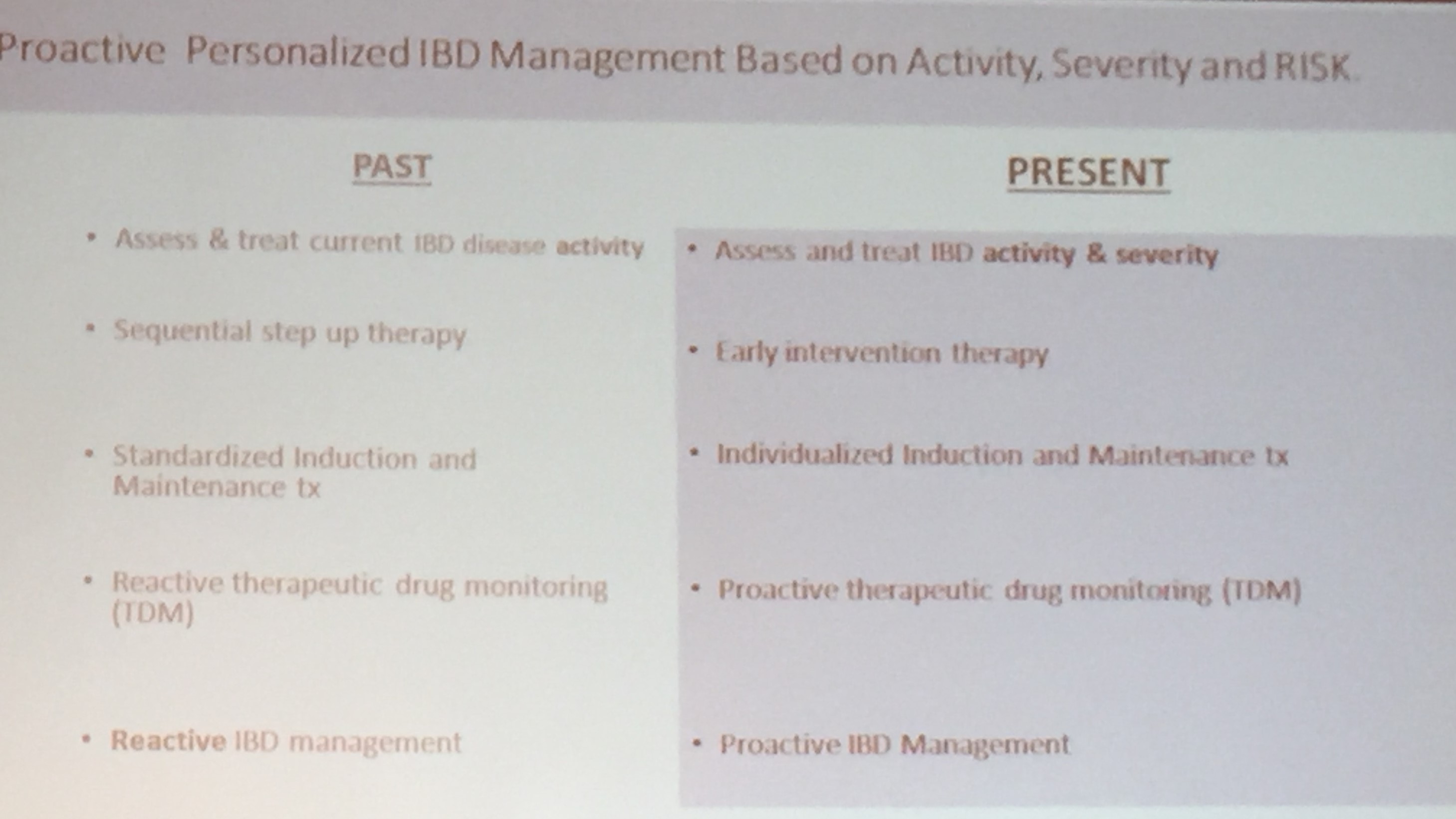
  • More proactive approach is recommended; this leads to less surgery, less hospitalization, and less antibodies to infliximab
  • Risk assessment should guide treatment; higher risk indicates a need for more aggressive therapy
  • Higher doses of anti-TNFs appropriate in some cases (eg weekly Humira)
  • For distal colitis/proctitis, budesonide foam is an alternative to cortifoam
  • Azathioprine monotherapy has a low response rate
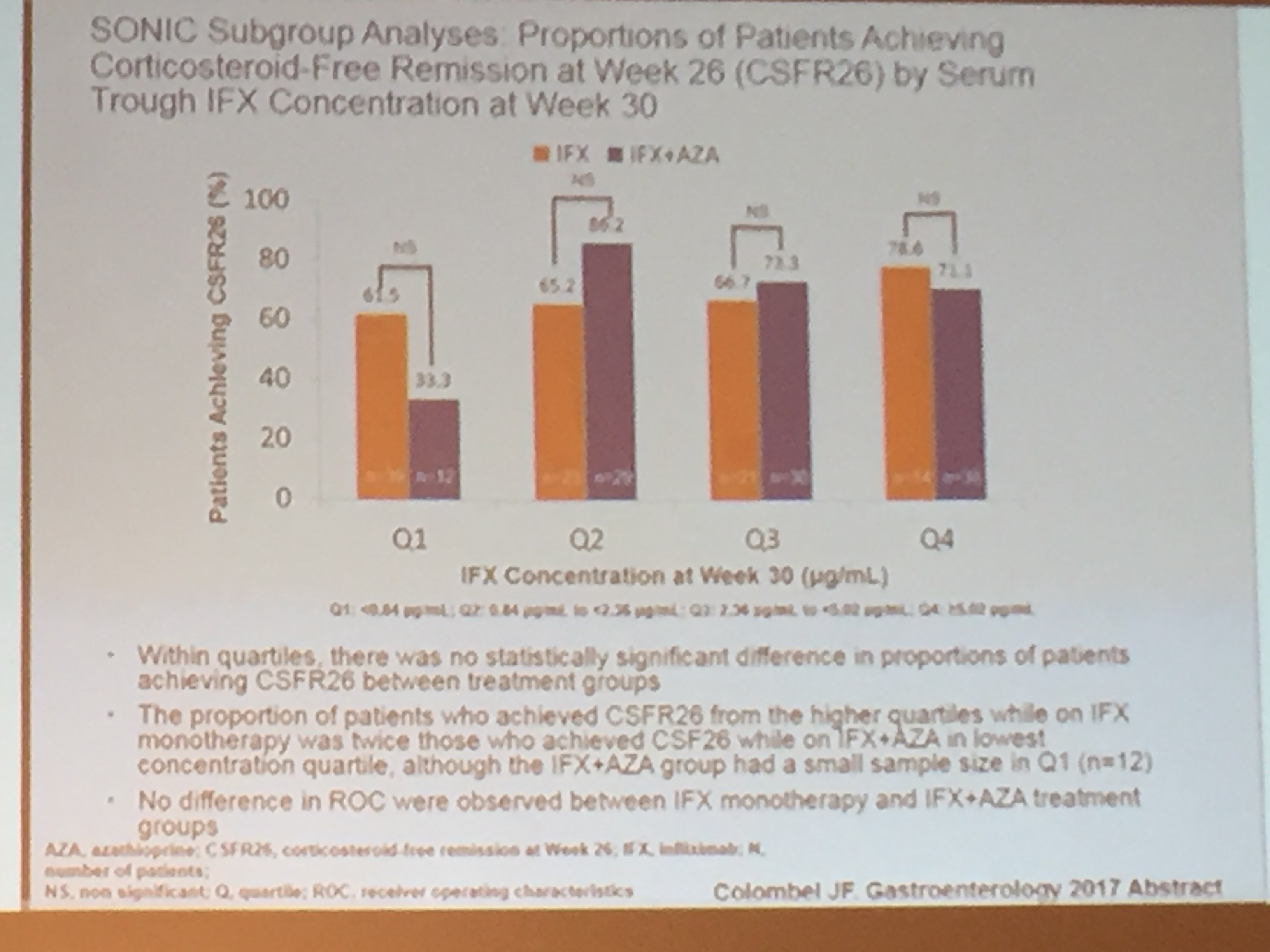
  • Combination therapy may not be needed if good IFX levels obtained.  Though, it is possible that development of antibodies precludes achieving good levels; thus, combination therapy may increase likelihood of good levels by reducing antibody formation, particularly earlier in course
  • Vedolizumab can be shortened to q4weeks if not improving.
  • CALM study: symptom based management compared to management based treat-to-target relying on CRP, and calprotectin. Improved outcomes with treatment based on CRP, calprotectin in addition to symptoms.
  • Tofacitinib –will be available in 2018 for ulcerative colitis
Chiristina Ha -Treatment Strategies in the Elderly

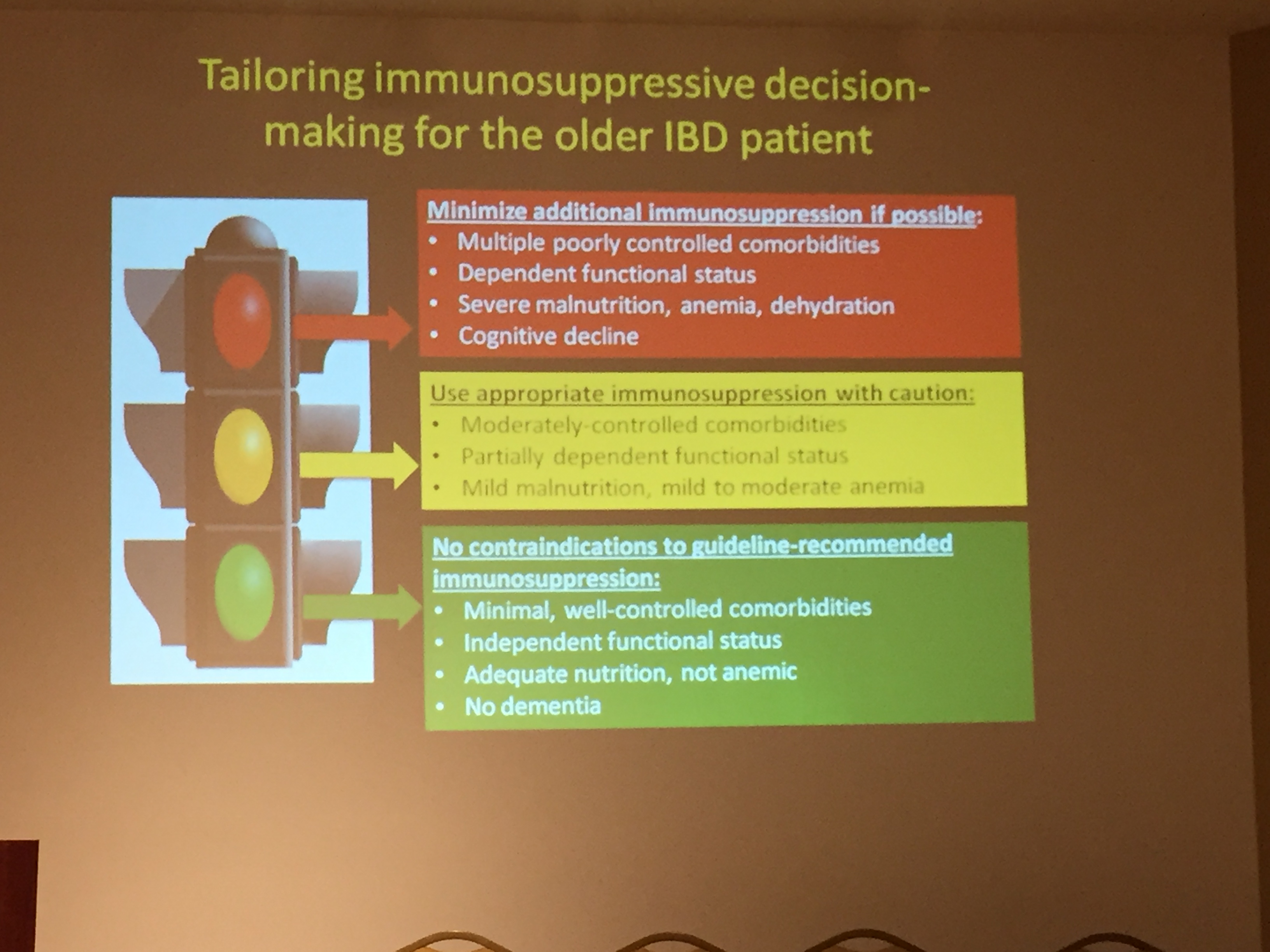
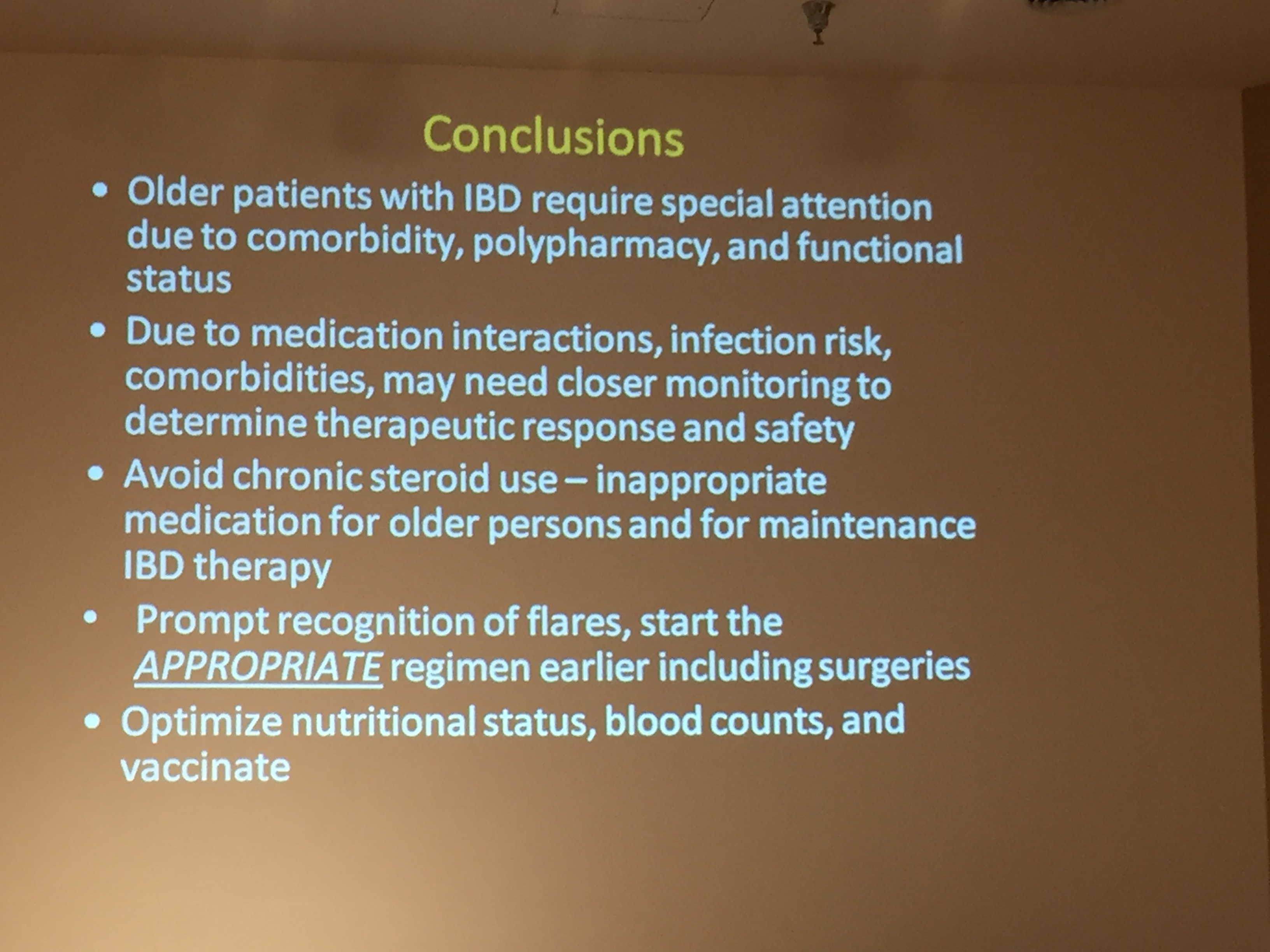
Dr. Ha referenced Dr. Sandborn who recently stated that combination therapy should be first-line therapy in moderate-to-severe disease –though this may be different in elderly patients.

  • Older age –increases mortality risk
  • Immunosenescence -relative immunodeficiency state associated with aging
  • Pharmokinetic changes with aging
  • Increased susceptibility to drug toxicity (eg. Renal, hepatic)
  • Older patients usually excluded from therapeutic trials
  • Polypharmacy is more common

Treatment:

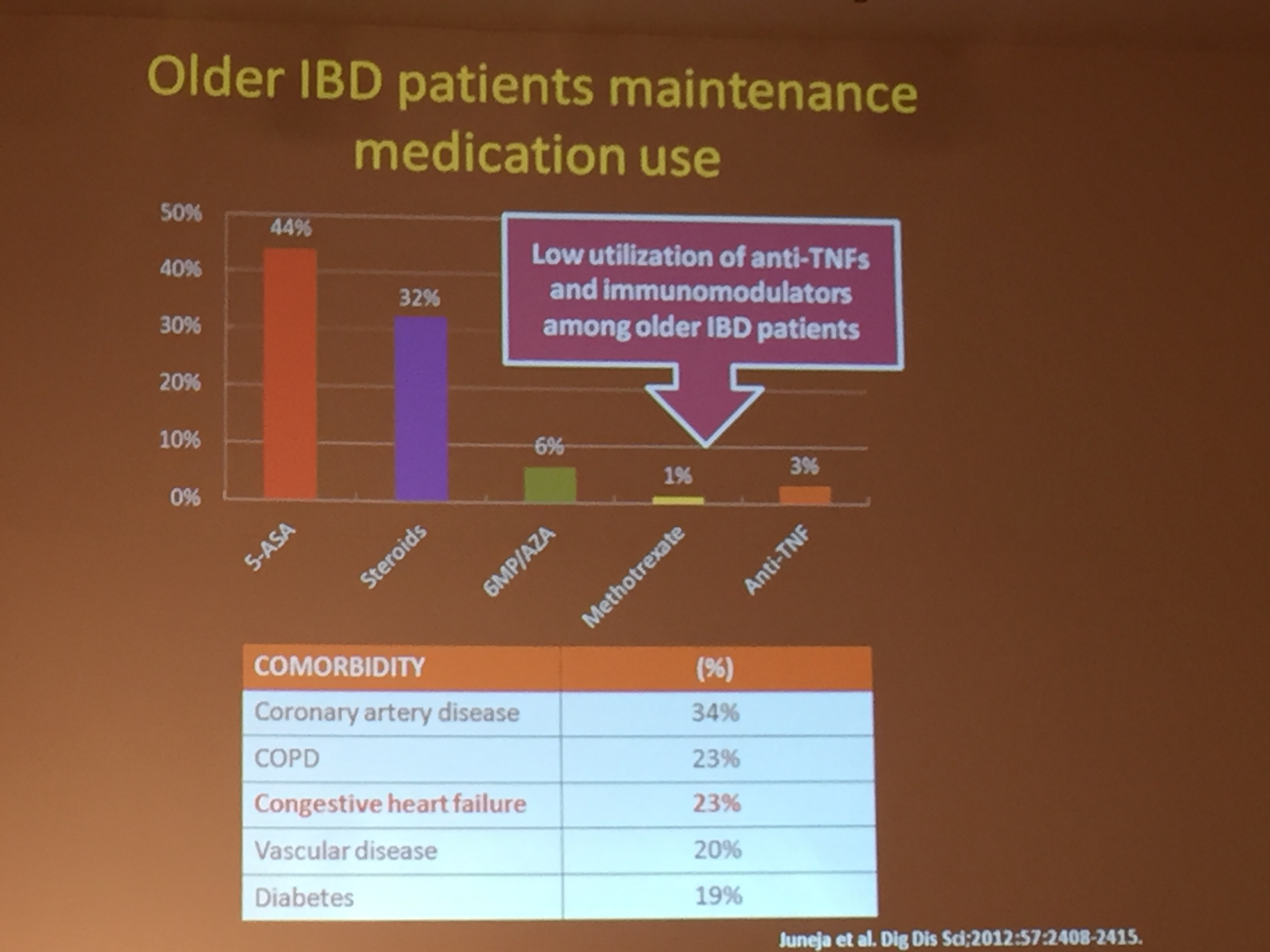
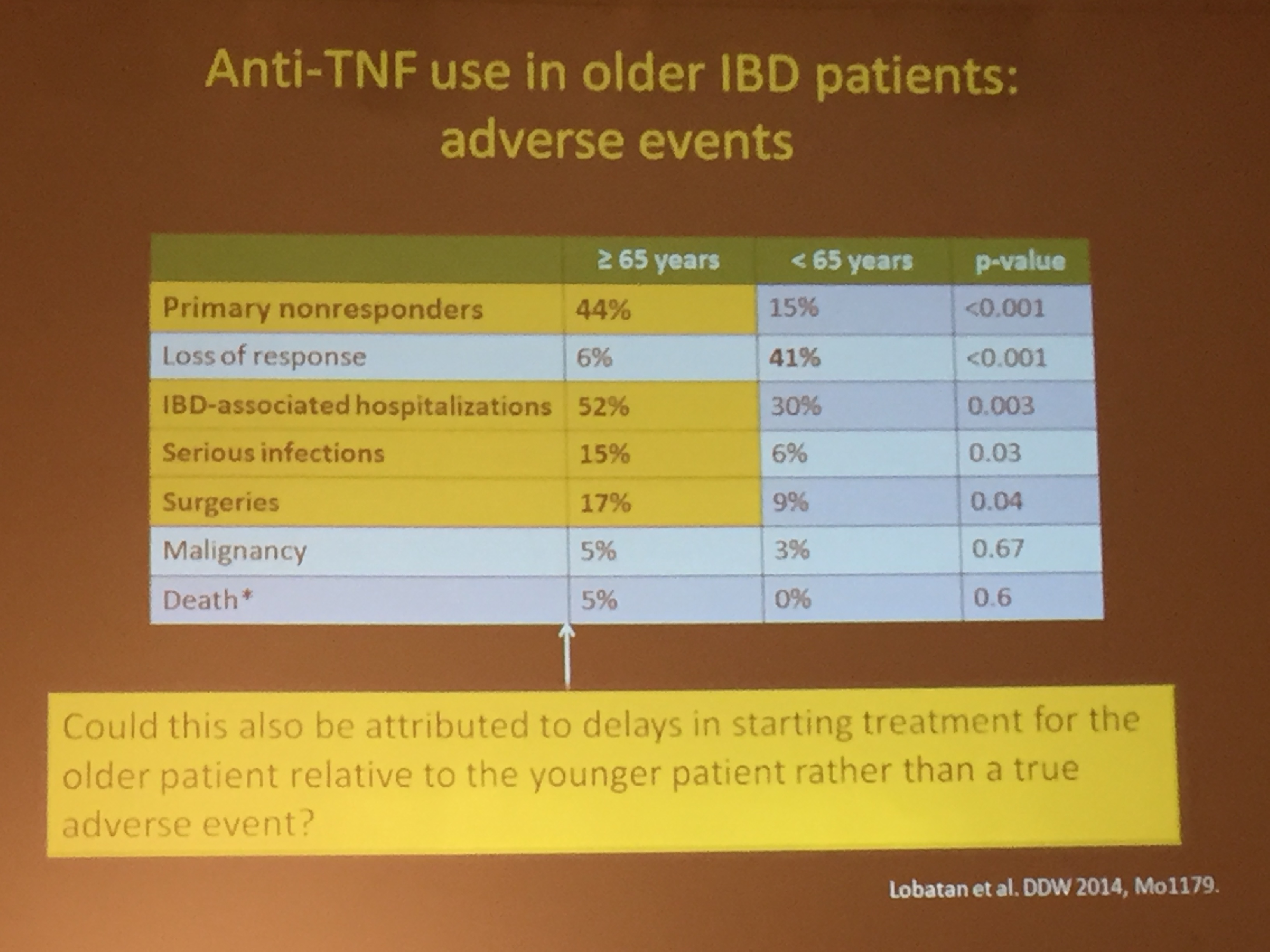
  • Frequent strategy in elderly has been using 5-ASAs and steroids, even in moderate-to-severe disease. This has been due to increased fear of adverse events with IMM and anti-TNFs.  However, using data from rheumatoid arthritis, older patients’ biggest risk is steroids.
  • Thiopurines have unfavorable risk profile in the elderly.
  • Anti-TNFs are not as effective in the elderly
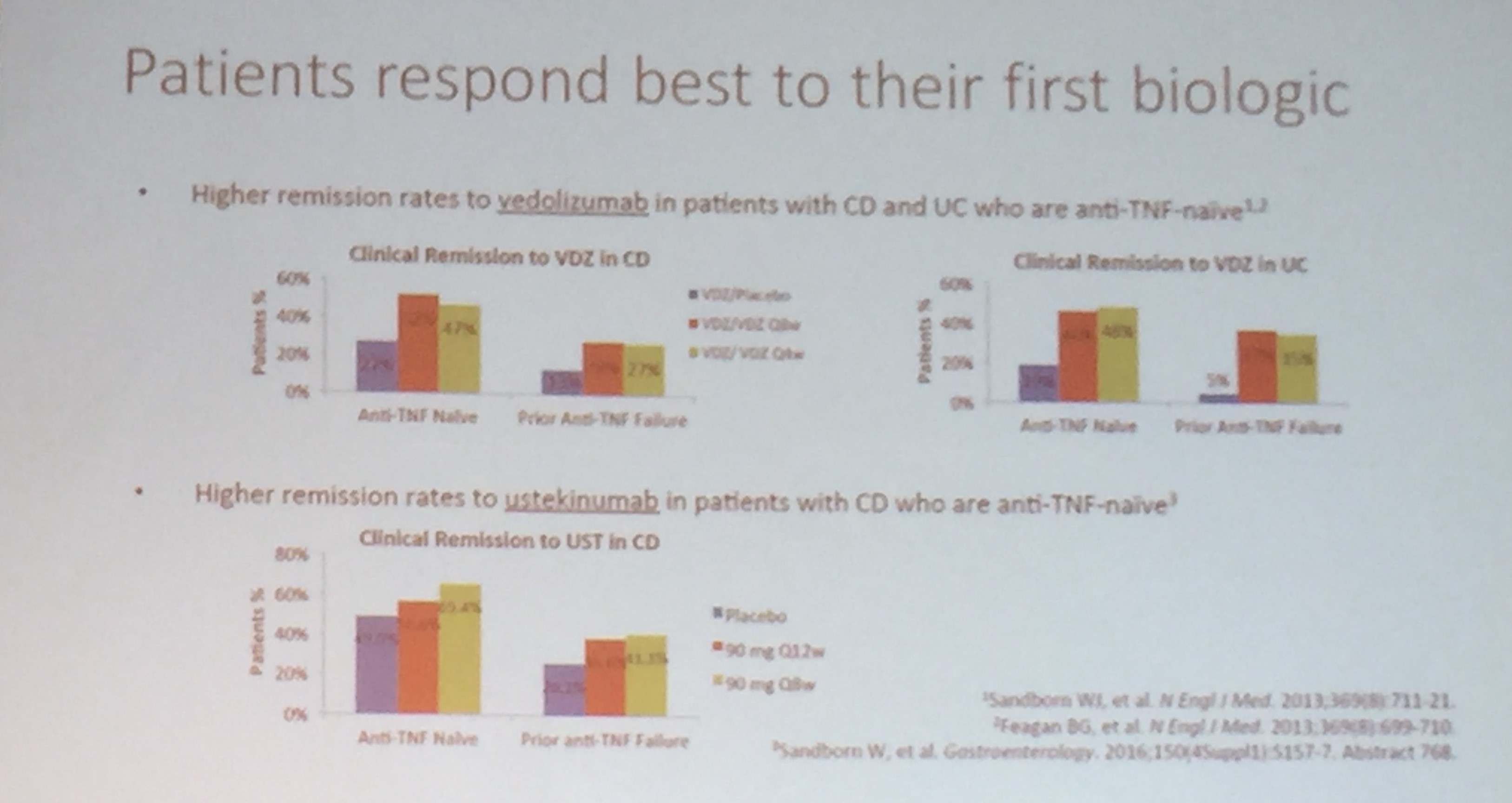
  • Preliminary data on vedolizumab -very limited data, may work better in older patients
  • Most common infections by be reduced considerably by immunizations. (eg.  ,bacterial pneumonia, herpes zoster)
  • Correct anemia, nutritional deficiencies
Disclaimer: These blog posts are for educational purposes only. Specific dosing of medications (along with potential adverse effects) and changes in diet should be confirmed by prescribing physician.  This content is not a substitute for medical advice, diagnosis or treatment provided by a qualified healthcare provider. Always seek the advice of your physician or other qualified health provider with any questions you may have regarding a condition.
CCFA: Updates in Inflammatory Bowel Disease 2017 (part 1)

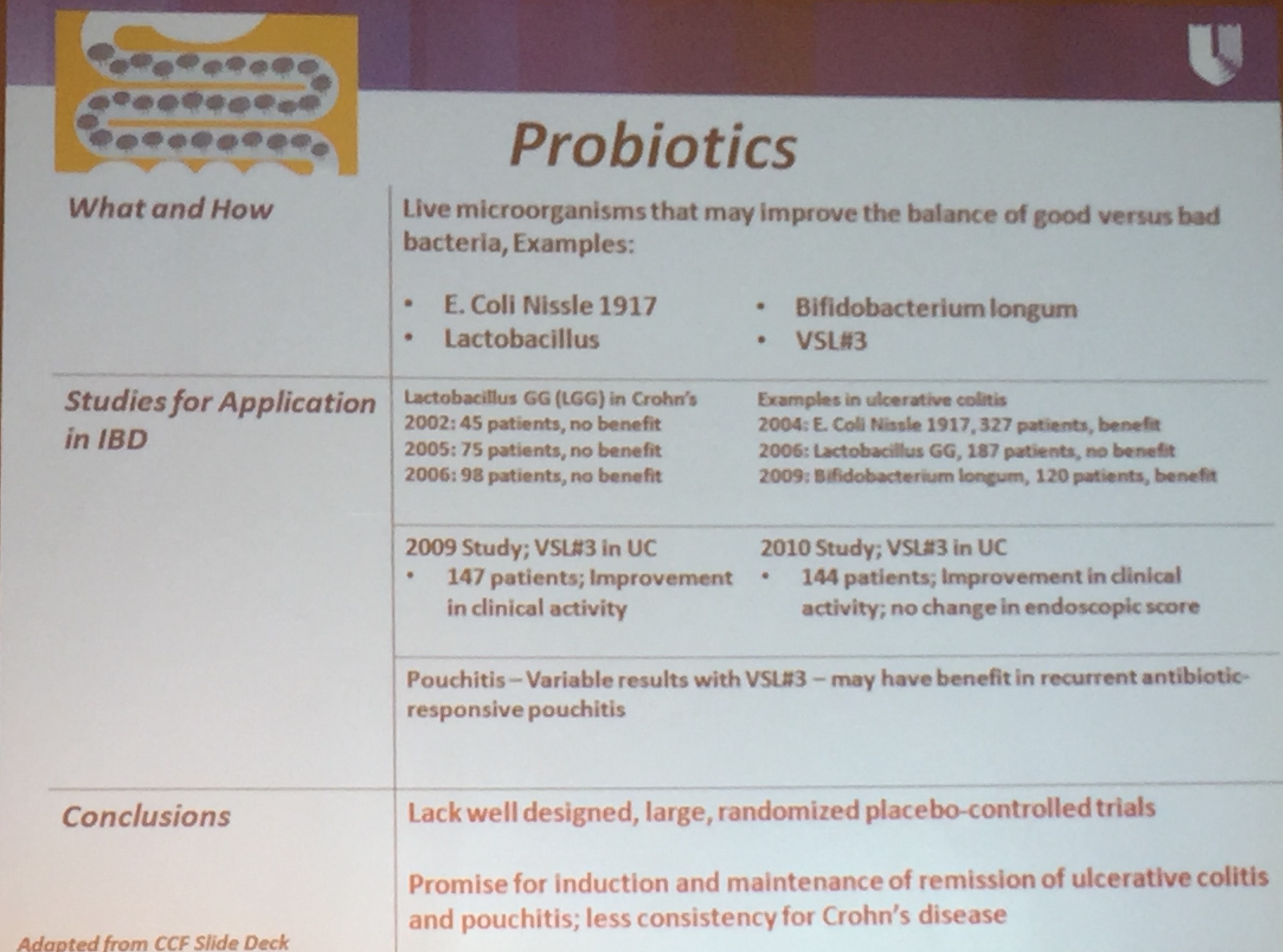
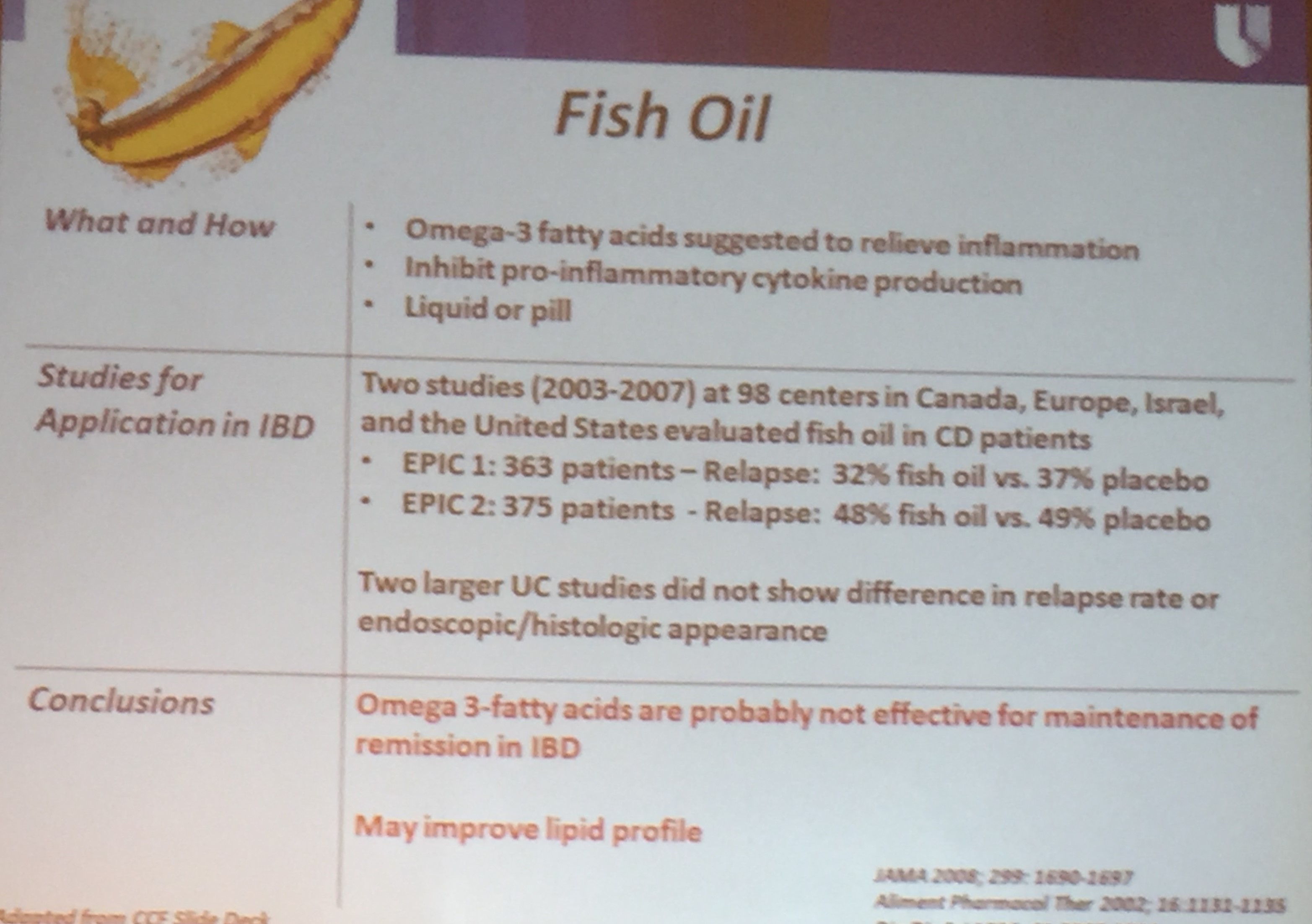
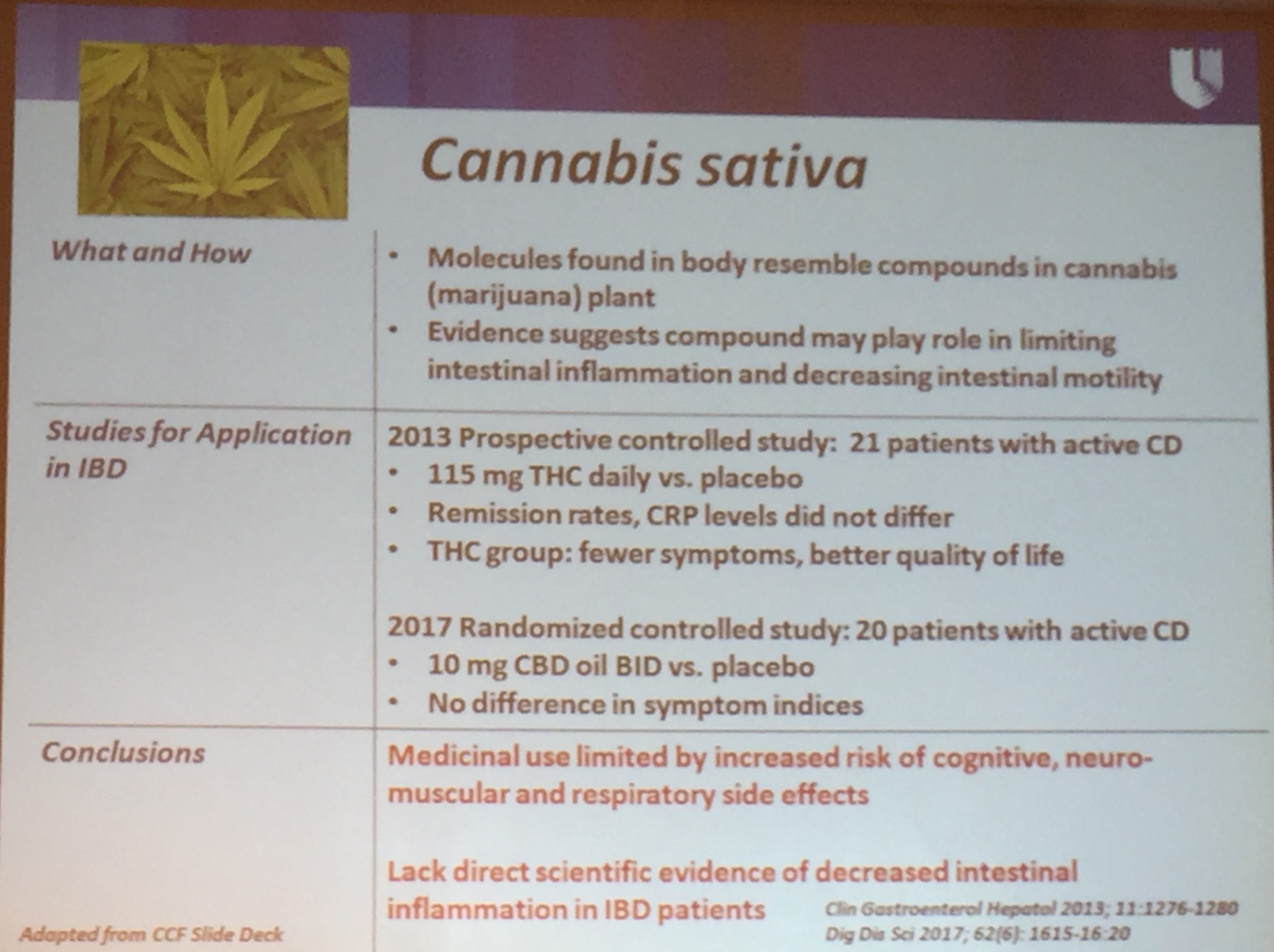
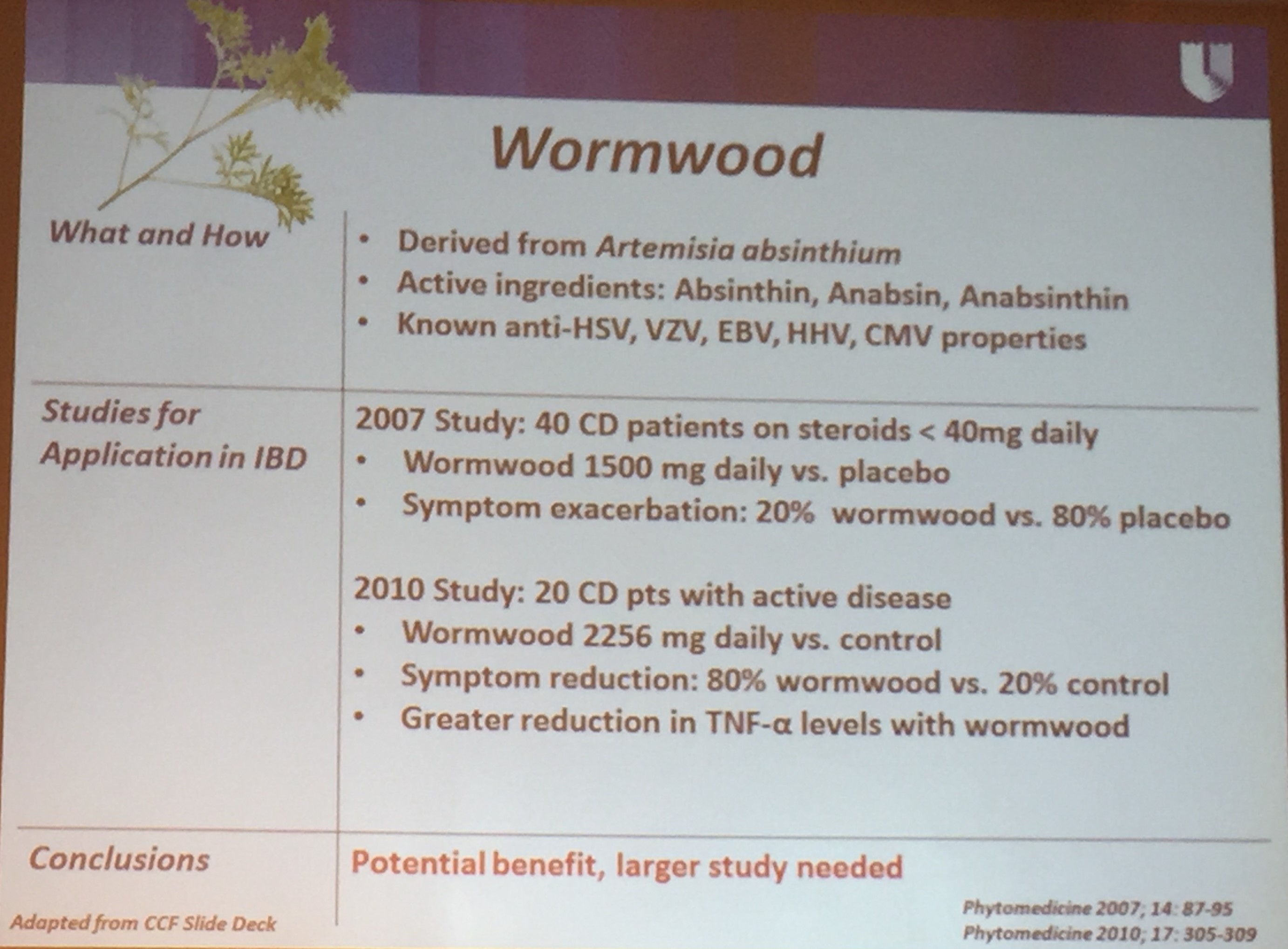
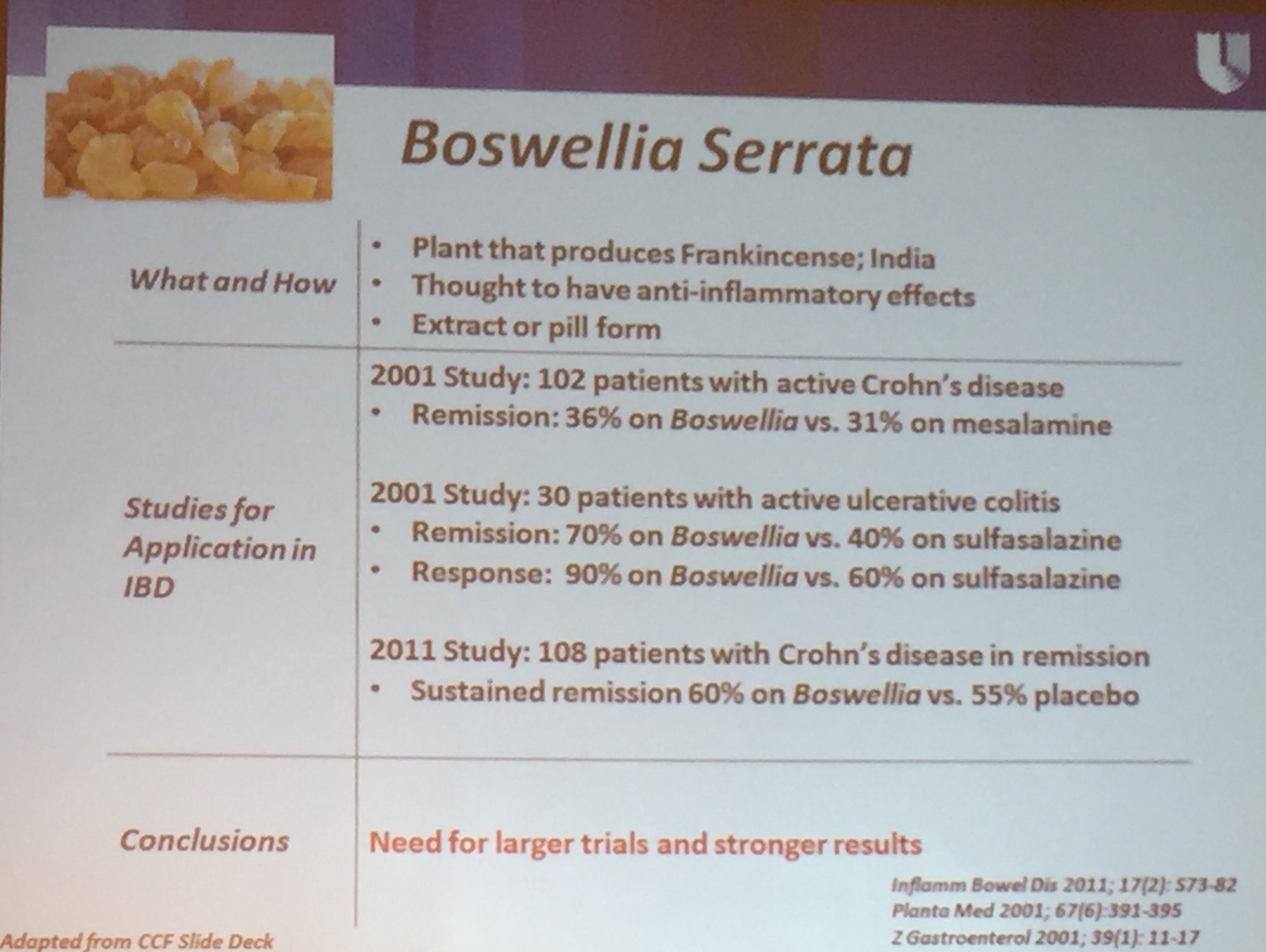
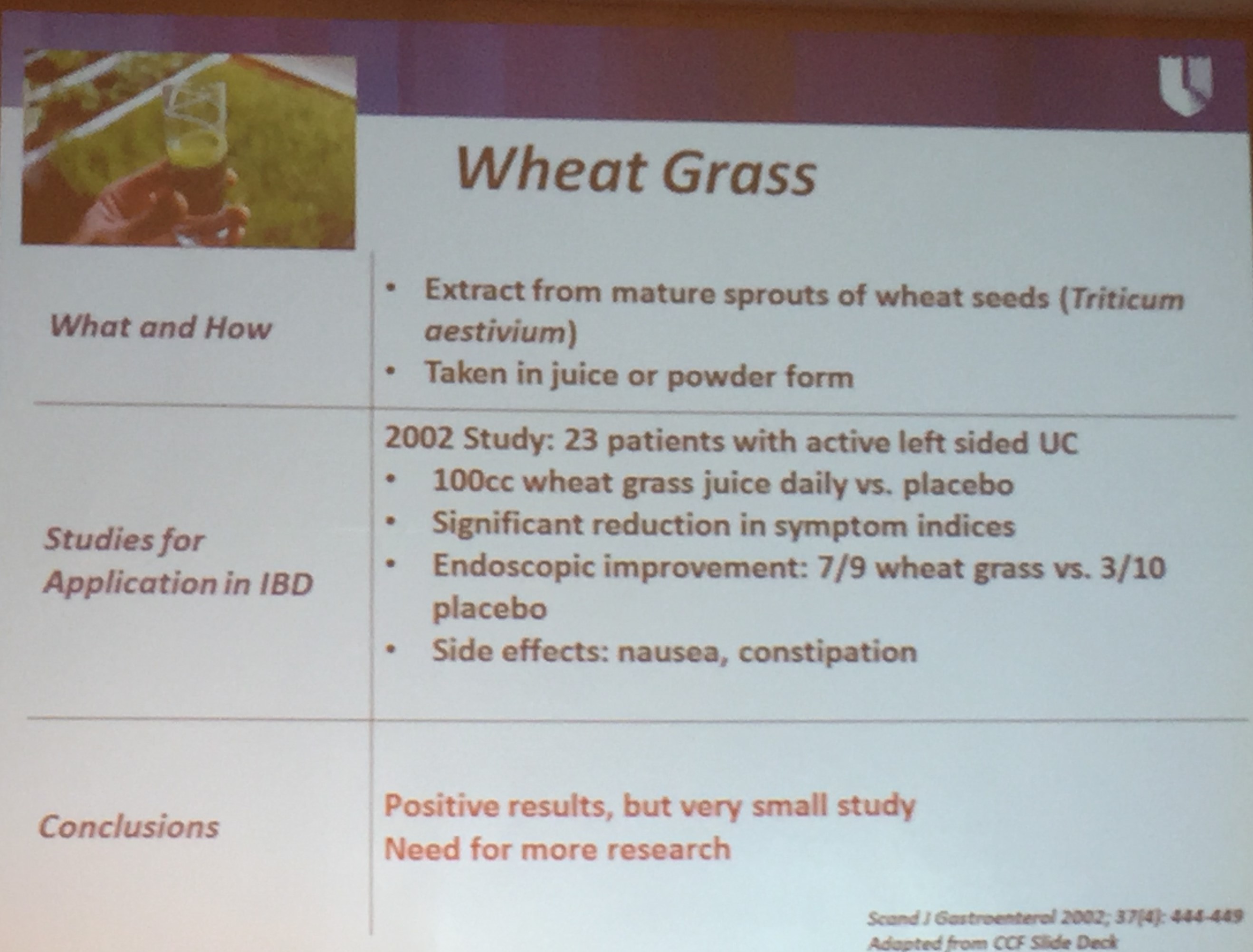
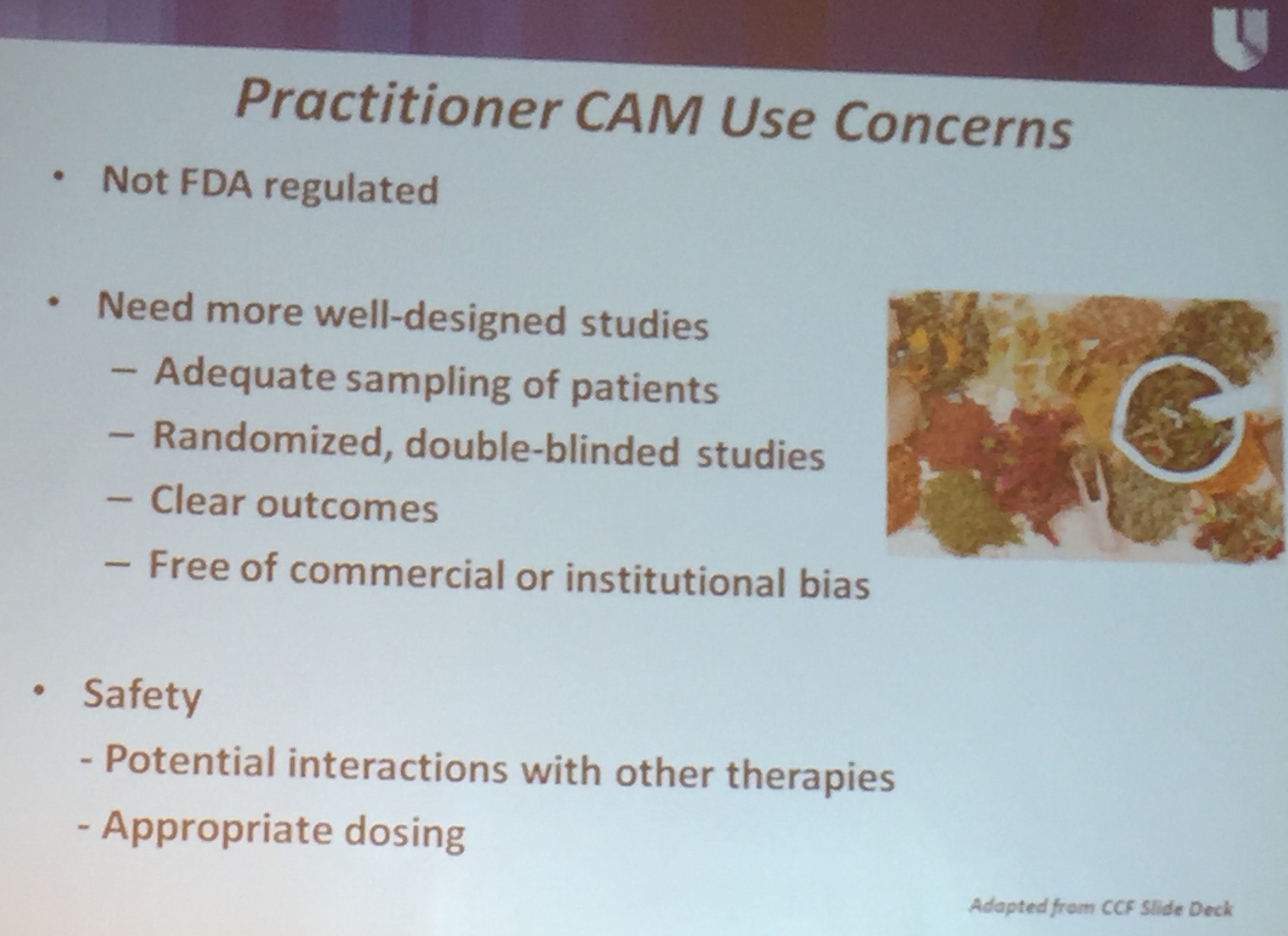
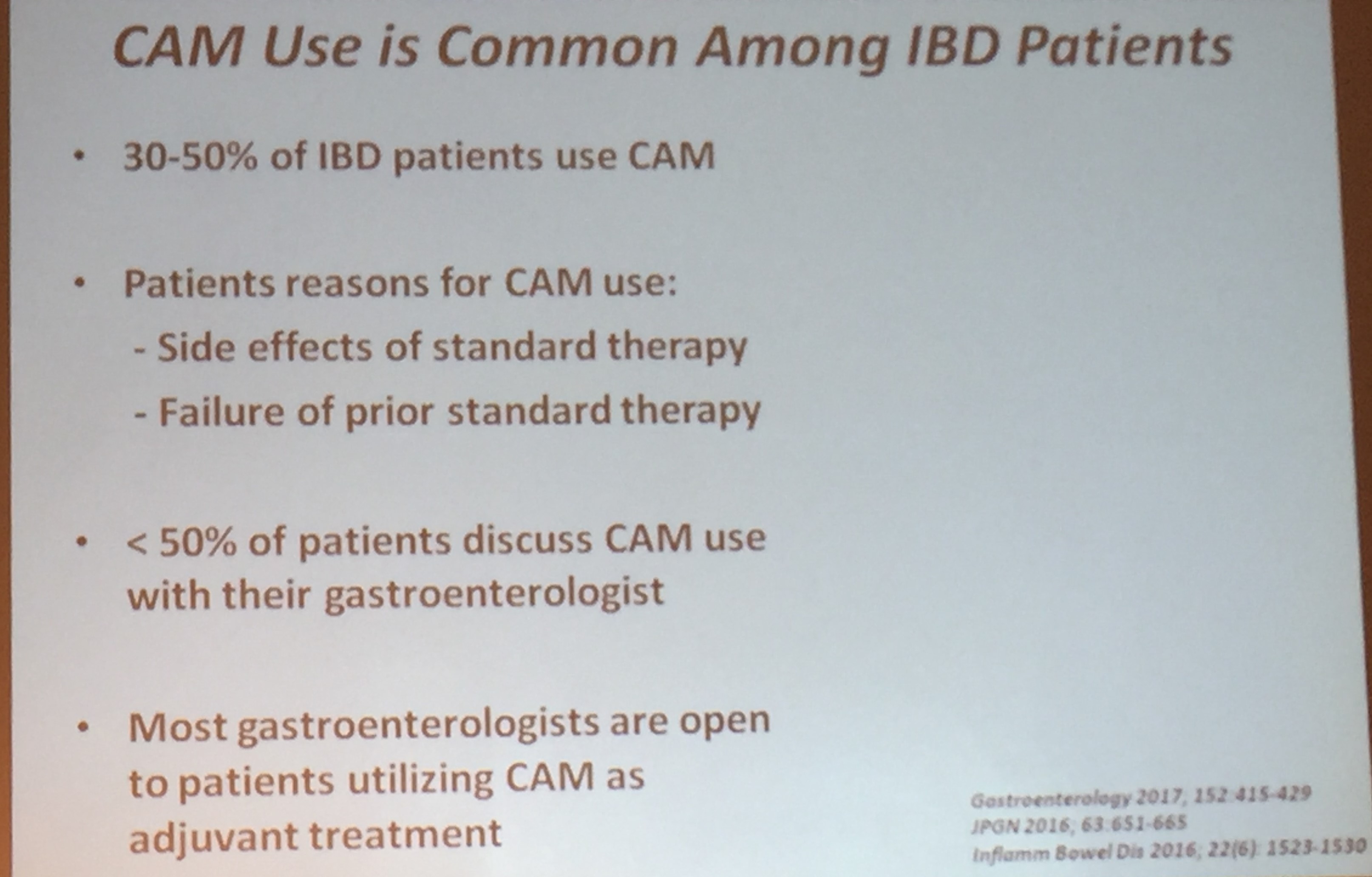
Our local CCFA chapter provided a useful physician CME meeting.  The following are my notes/picutres. My notes may include some errors in transcription and errors of omission.

Nancy McGreal  -Complementary Therapies in IBD

Key points:

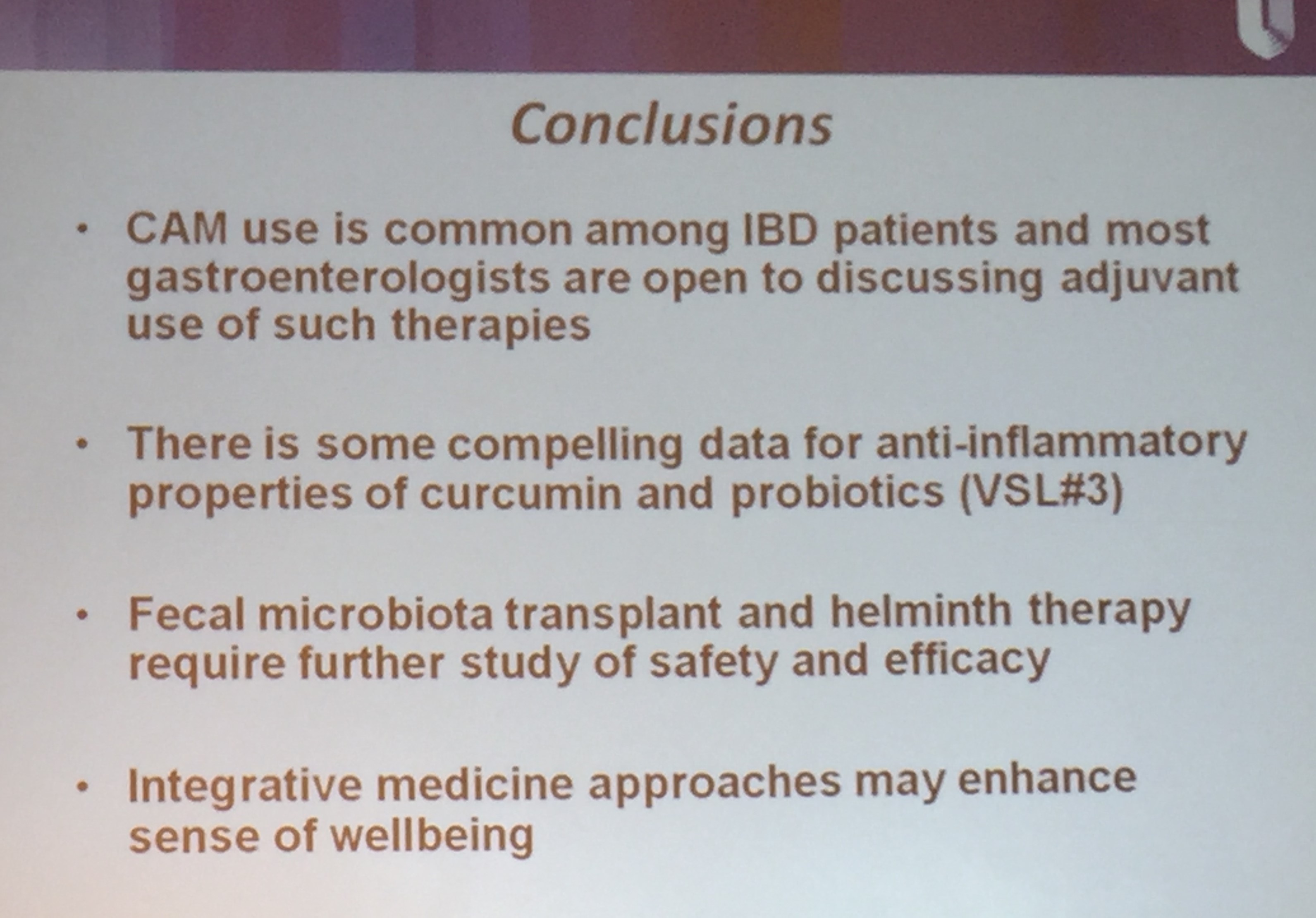
  1. Curcumin and VSL#3 are likely helpful
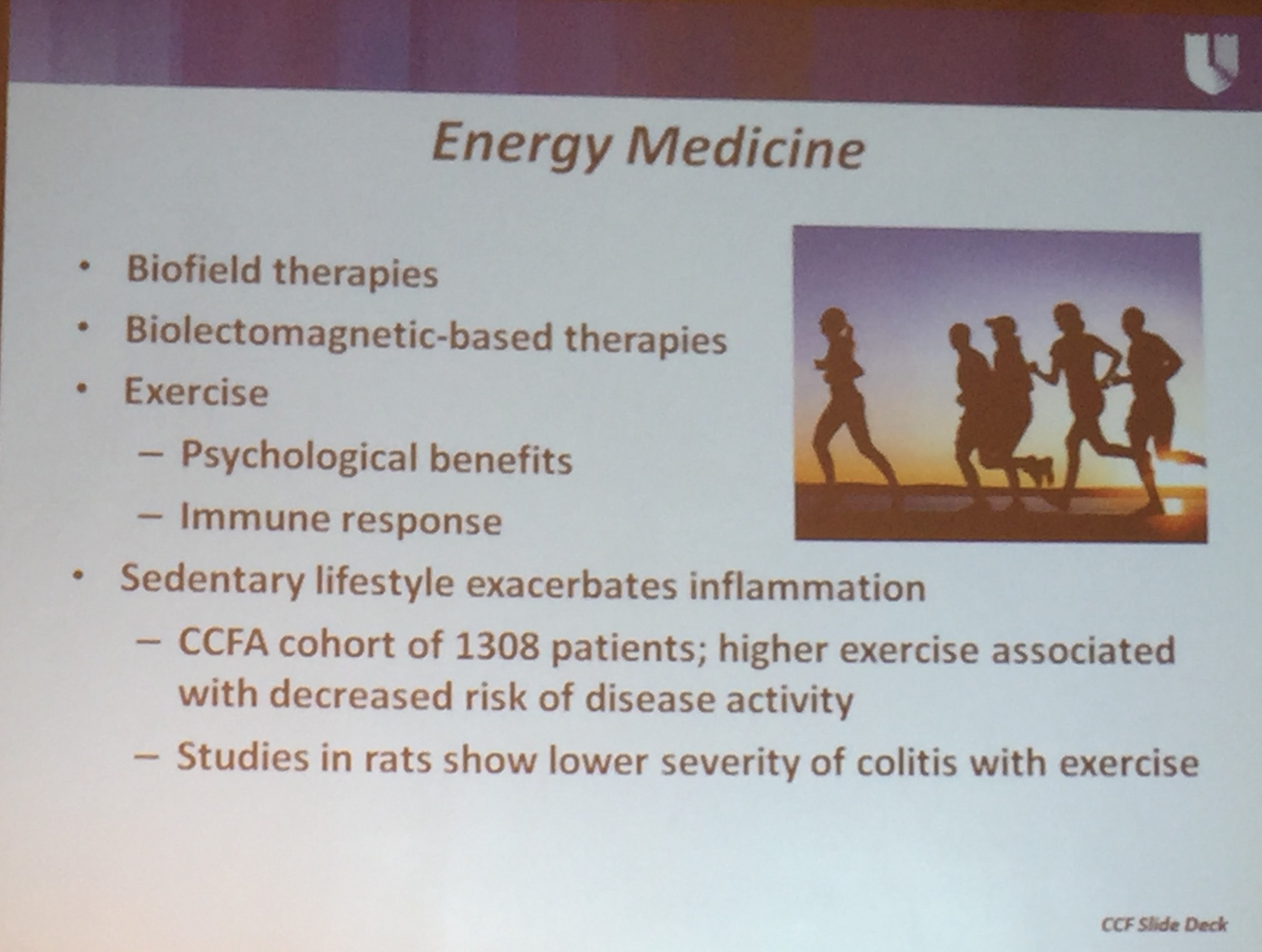
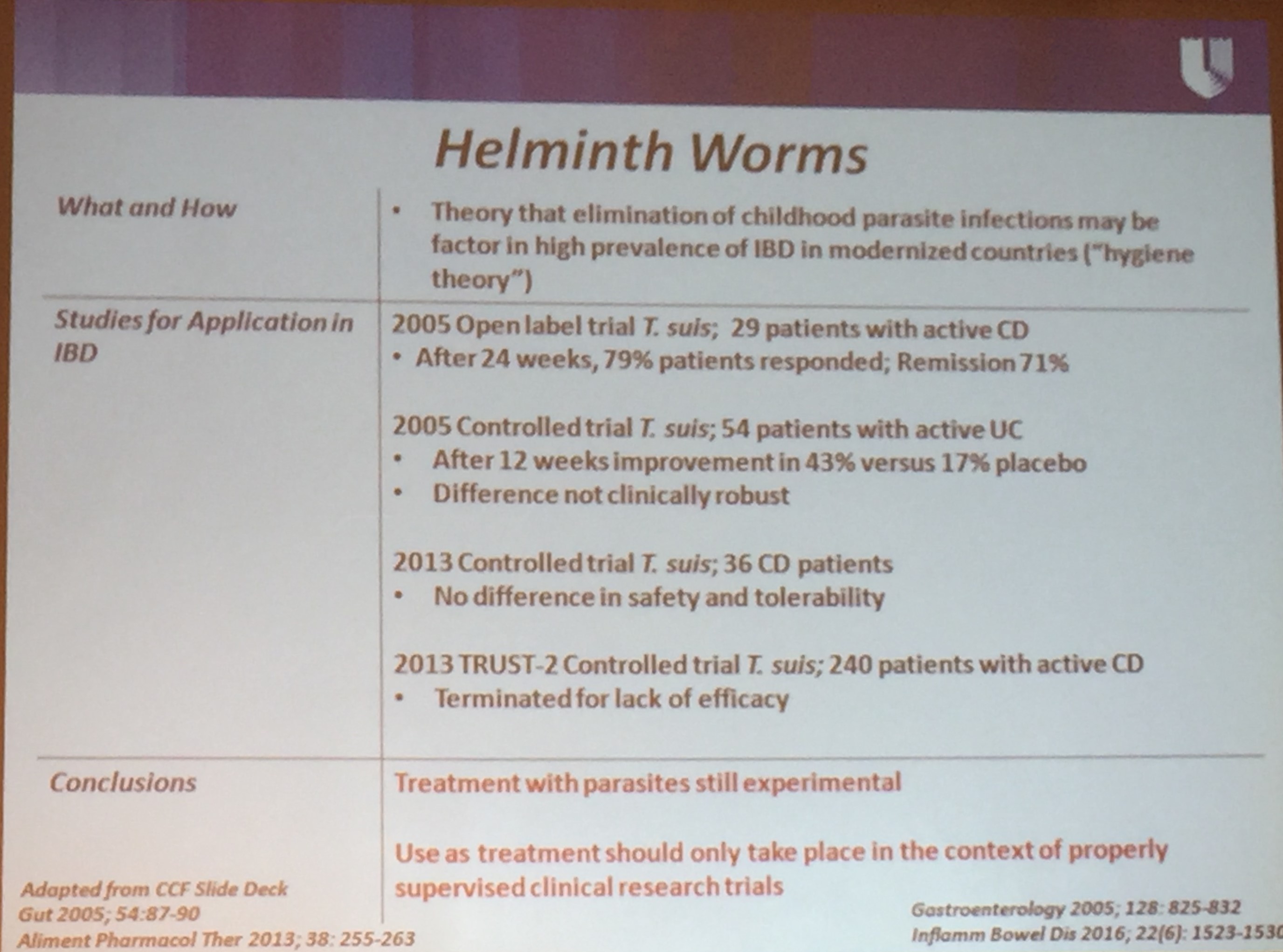
  2. Most complementary and alternative medicine (CAM) therapies are not inherently dangerous, but most are unproven
  3. Biggest risks: Nonadherence rates are increased in patient taking CAM.
  4. Despite the low overall risk of most CAM treatments, Dr. McGreal cautioned against the following:
    1. Cannabis is NOT recommended due to neurocognitive effects. It may mask active disease.
    2. FMT investigational. There are unknown risks but FMT could cause metabolic problems. Donor selection is important and we still have a lot to learn.

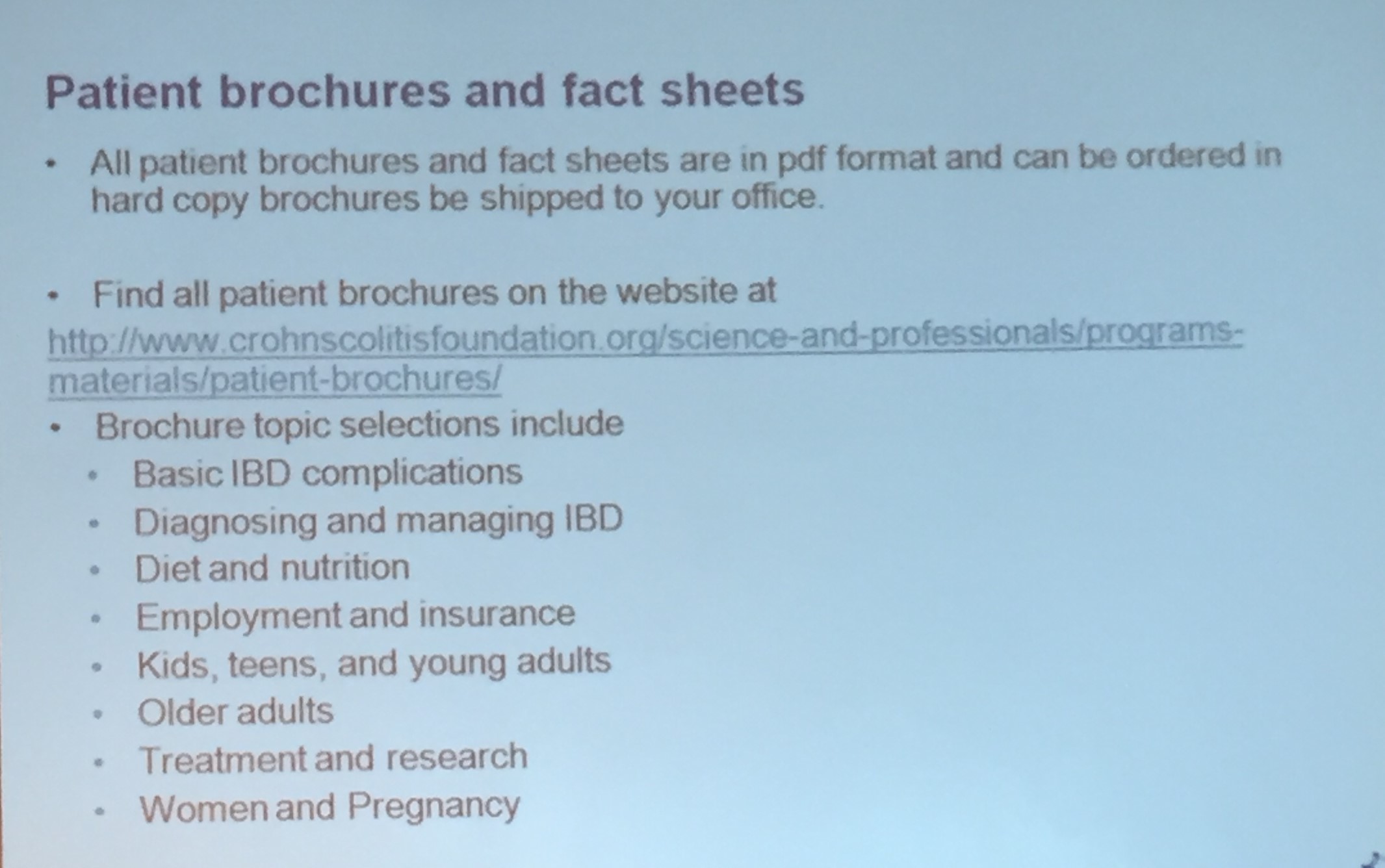
This final slide is from CCFA about how to order more patient information brochures.

Disclaimer: These blog posts are for educational purposes only. Specific dosing of medications (along with potential adverse effects) and changes in diet should be confirmed by prescribing physician.  This content is not a substitute for medical advice, diagnosis or treatment provided by a qualified healthcare provider. Always seek the advice of your physician or other qualified health provider with any questions you may have regarding a condition.

Physician Burnout Spreading (Part 2)

A recent article (JC Anderson et al. Am J Gastroenterol 2017; 112:1356–1359; doi: 10.1038/ajg.2017.251; published online 8 August 2017) also addresses the topic of physician burnout with a focus on gastroenterology, link: Strategies to Combat Physician Burnout

Excerpts:

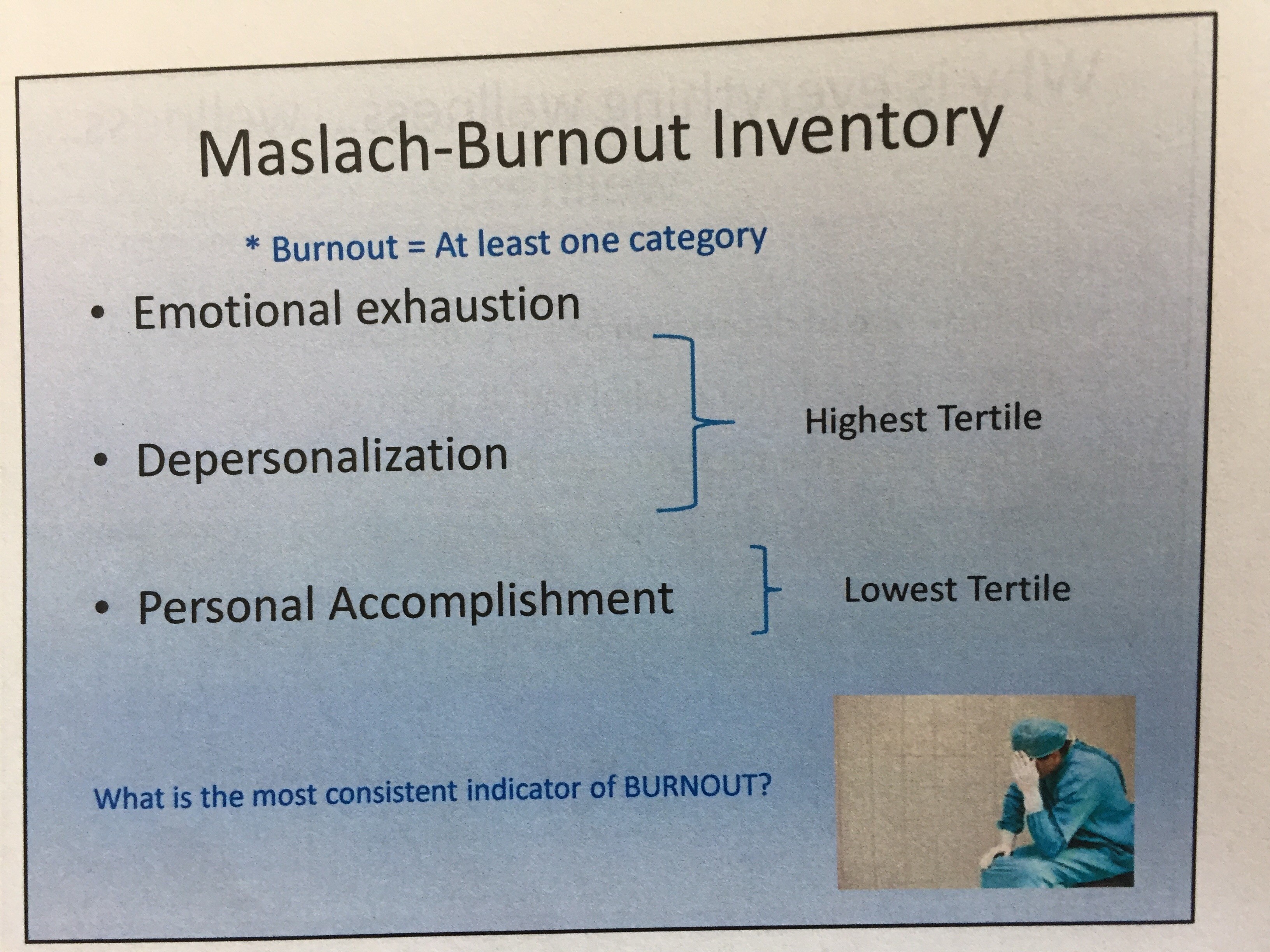
  • Physician burnout has reached epidemic proportions, with 54.4% of physicians reporting at least one burnout symptom in 2014, an increase from 45.5% 3 years earlier
  • A Medscape survey in 2016 showed a burnout rate among gastroenterologists of 49%, up from 41% the year before
  • Key drivers of burnout are excessive workload, an inefficient environment and
    inadequate support, problems with work life integration, loss of value and meaning in work, and the loss of autonomy, flexibilityand control in work 
    The cost of burnout is high, as these physicians are more likely to leave medicine, retire early, make more medical errors, and have lower patient satisfaction scores

Combating Physician Burnout:

  • Leadership : Having good leaders affects the well-being ansatisfaction of physicians in health care organizations
  • Reducing Administrative tasks -scribes, mid-level providers 
  • Control over workflow and work hours
  • “Peer support is crucial, nothing else can replace it.
  • “Physicians who spend at least 20% otheir total effort in an activity that they find most meaningful are at a lower risk for burnout”
  • Self-care: Stress management and mindfulness can reduce burnout

Related blog posts:

Physician Burnout Spreading (Part 1)

Last week, I went to our integrated health care network meeting.  Among the topics was physician burnout.  Lately, this is a “hot” topic with a lot of publicity regarding this increasingly-common problem.

At our meeting, some of the keep points -noted below & in the slides that follow:

  • Physician burnout rate is increasing based on most recent studies
  • Many physicians, 42%, would not choose medicine as their career today
  • Manifestations of burnout include “compassion” fatigue

Physicians may be more at risk for burnout due to the following:

  • Frequent personality characteristics: workaholics, accustomed to delayed gratification
  • Practice aspects: long hours, huge responsibilities

How to Prevent Burnout:

  • Lower stress –recharge with outside activities: hobbies, excursions, charitable work, physical activities, and emotional/spiritual
  • Resources: Stop Physician Burnout, Burnout Prevention Matrix  both by  Dike Drummond


Related blog post: Quality Care = Work Satisfaction for Physicians

Related blog posts:


Eight Week Pangenomic HCV Treatment Approved

FDA Announcement Aug 3, 2017: FDA approves Mavyret for Hepatitis C

An excerpt:

The U.S. Food and Drug Administration today approved Mavyret (glecaprevir and pibrentasvir) to treat adults with chronic hepatitis C virus (HCV) genotypes 1-6 without cirrhosis (liver disease) or with mild cirrhosis, including patients with moderate to severe kidney disease and those who are on dialysis. Mavyret is also approved for adult patients with HCV genotype 1 infection who have been previously treated with a regimen either containing an NS5A inhibitor or an NS3/4A protease inhibitor but not both. 

Mavyret is the first treatment of eight weeks duration approved for all HCV genotypes 1-6 in adult patients without cirrhosis who have not been previously treated. Standard treatment length was previously 12 weeks or more.

Related blog posts:

Gravelly Point, Arlington, VA

Overtreatment –Physician Perspective

From NY Times: Overtreatment is Common, Doctors Say

An excerpt:

Researchers surveyed 2,106 physicians in various specialties regarding their beliefs about unnecessary medical care. On average, the doctors believed that 20.6 percent of all medical care was unnecessary, including 22 percent of prescriptions, 24.9 percent of tests and 11.1 percent of procedures. The study is in PLOS One.

Reasons for overtreatment that were cited:

  • Fear of malpractice “that fear is probably exaggerated, the authors say”
  • Patient demand
  • Financial incentive

My take: It takes more time explaining why a test/medicine/procedure is a waste of time than to order it; even then, many patients/families are unhappy if the physician does not order the test/medicine/procedure that they think is necessary.  Changing this dynamic is not easy.

Related blog posts:

“Reference Pricing” to Improve Costs in Medication Selection

A recent study (JC Robinson et al. NEJM 2017; 377: 658-65) examined the topic of “reference pricing” and how this could be used to lower costs of medication usage.

“Under reference pricing, the insurer or employer establishes a maximum contribution it will make toward the price of a drug or procedure, and the patient pays the remainder.”

In this study, the authors examined 1302 drugs and more than 1.1 million prescriptions (2010-2014). Specifically, the authors compared RETA Trust, a national association of 55 Catholic organizations, which implemented reference pricing and compared costs with  a labor union that maintained a drug formulary with copayments similar to RETA Trust but did not implement reference pricing. Key findings:

  • “Implementation of reference pricing was associated with a higher percentage of prescriptions that were filled for the lowest-priced reference drug within its therapeutic class” (increase in 7%) along with a lower average price paid per prescription (-13.9%) than the comparison group.
  • Reference pricing was associated with increase in copayment by patients (5.2%)
  • Reference pricing was associated with reduced spending for employers by $1.34 million and increase in copays for employees by $0.12 million than in the comparison group.

Reference pricing has been associated with decreases of 10-12% in medication costs in European nations, as well.

The authors conclude: “Reference pricing may be one instrument for influencing drug choices by patients…pharmaceutical manufacturers who wish to charge premium prices may need to supply evidence of commensurately premium performance.”

My take: Although in concept reference pricing makes sense, I do worry that patients may be pushed towards less effective medications as not all medications in the same class are equally-effective.

Related blog posts:


This graph shows the percentages of prescriptions for the lowest-priced drugs before and after implementation of reference pricing for RETA Trust. Union Trust is the comparison control.

How Healthy are “Healthy Volunteers?”

A recent study (V Takyar et al. Hepatology 2017; 66: 825-33) examined a total of 3160 subjects enrolled in 149 clinical trials from 2011-2015.  These patients were derived from the NIH Clinical Center, ≥18 years, had ALT and BMI measurements available. Presumed NAFLD (nonalcoholic fatty liver disease) was classified if patient had elevated ALT (≥20 for women and 31≥ for men) along with BMI >25 kg/m-squared.

Key findings:

  • 27.9% (n=881) of these healthy volunteers had presumed NAFLD.  These patients also had higher triglycerides, low-density lipoprotein, cholesterol and HbA1c (P<0.001 for all)
  • The authors note that the presence of these presumed NAFLD as controls “likely” affected the study validity in 10 studies and “probably” affected another 41 studies.

My take: This study shows that patients with presumed NAFLD are often enrolled in research studies as healthy controls.  Furthermore, this can affect study outcomes.

Related blog posts:

Lover’s Leap, NC -Appalachian Trail

Outcomes of Children Whose Mothers Have Inflammatory Bowel Disease

A recent study (LR Jolving et al. Inflamm Bowel Dis 2017; 23: 1440-46) used a nationwide (Denmark) register-based cohort to examine the health outcomes of children whose mothers have inflammatory bowel disease (IBD).  This cohort of 9238 children were compared with nearly 1.4 million children born to women without IBD. Median follow-up time was 9.7 years of the children whose mothers had IBD.

Key findings:

  • Hazard ratio for developing IBD in the offspring was 4.63 if maternal ulcerative colitis
  • Hazard ratio for developing IBD in the offspring was 7.70 if maternal Crohn’s disease
  • “Our data otherwise do not provide evidence for an increased risk of any of the other examined diseases in the offspring.” This included diabetes mellitus, thyroid diseases, rheumatoid arthritis, epilepsy, chronic lung disease, mood disorders, schizophrenia, epilepsy, and anxiety disorders.

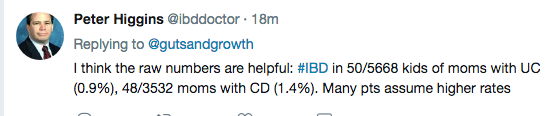
Raw numbers for developing IBD:

My take: This study documents the expected finding of an increased risk of IBD among the offspring of women with IBD. No other chronic diseases were increased in this study.

Briefly noted: SM Yoon et al. Inflamm Bowel Dis 2017; 23: 1382-93.  This retrospective registry study included the following:

  • 314 subjects with Crohn’s disease (CD) who were primary nonresponders, and 179 with CD who were secondary nonresponders
  • 145 subjects with ulcerative colitis (UC) who were primary nonresponders and 74 with UC who were secondary nonresponders

Key findings: “Colonic involvement (OR 8.0) and anti-TNF monotherapy (OR 4.9) were associated with primary nonresponse to anti-TNF agents in CD.” Higher ANCA levels in UC (HR 1.6) were associated with time to loss of response to anti-TNF agents.


Combination Therapy with Adalimumab -Is it Helpful?

A recent study (JM Chalbhoub et al. Inflamm Bowel Dis 2017; 23: 1316-27) performed a systematic review and meta-analysis to examine the effectiveness of Adalimumab (ADA) combination therapy compared with monotherapy.  With infliximab (IFX), the SONIC study, showed that combination therapy with an immunomodulator (IMM) (azathioprine) improved response; combination therapy resulted in reduced immunogenicity, lower rates of infusion reactions, and higher IFX levels.

With the advent of widespread use of therapeutic drug monitoring, some have questioned the need for combination therapy with IFX.  The need for combination therapy for ADA is also a matter of debate.  ADA has less immunogenicity than IFX and it is unclear if combination therapy will improve outcomes. There have been conflicting studies regarding combination therapy with ADA, prompting the current meta-analysis.

The authors identified 24 articles for inclusion from an initial pool of 1194. Key findings:

  • No significant difference between combination therapy and monotherapy was noted for induction of remission (OR 0.86) or response (OR 1.01). The induction of remission is based on data from 3096 patients (1400 on combination treatment).
  • No difference was noted for maintenance of remission (OR 0.97) or response (OR 0.91). The maintenance of remission is based on data from 1885 patients (859 on combination treatment).
  • Patients receiving combination therapy had lower odds of developing antidrug antibodies (OR 0.24)
  • Subgroup analysis in anti-TNF experienced patients showed improved successful induction of remission (OR 1.26) but also more frequent opportunistic infections (OR 2.44)

Overall, the authors conclude that “combination of ADA and immunomodulators does not seem superior to ADA monotherapy for induction and maintenance of remission and response to Crohn’s disease.” They do comment on the recent DIAMOND study which was a randomized open-label top-down strategy trial in anti-TNF-naive and IMM-naïve patients.  While no overall advantage of combination therapy was evident, better endoscopic response (84% vs. 64% with monotherapy) was seen at 26 weeks (but not at 52 weeks).

This study has several limitations.  Overall, there were a small number of randomized trials and the trials had significant heterogeneity.

My take (borrowed from authors): “It is unclear whether the addition of IMM impacts the efficacy of a less immunogenic anti-TNF biologic such as ADA in CD.” Though, in the subgroup of anti-TNF exposed patients, “combination therapy was associated with higher odds of induction of remission.”

Related blog posts: