Pediatric Pancreatitis -Working Group Nutritional Recommendations

Abstract Link: Nutritional Considerations in Pediatric Pancreatitis: A Position Paper from the NASPHAN Pancreas Committee and ESPHAN Cystic Fibrosis/Pancreas Working Group.

M Abu-El-Haija et al. JPGN 2018; 67: 131-43.  This working group made ~27 recommendations (summarized in Table 1) and indicated the quality of evidence supporting the recommendation as well as the agreement among team members –virtually all received at least 12 of 13 votes.

Here are the ones that grabbed my attention:

For Acute Pancreatitis (AP):

  • 1a & 1aa. Children with mild AP should be started on a regular diet –preferably via mouth as compared to nasogastric route
  • 1b. Enteral nutrition (EN) should be attempted in children with severe AP within 72 hours from presentation, once deemed hemodynamically stable.
  • 1.4 Even in severe AP, jejunal tube feeding should be reserved for those unable to tolerate oral or NG tube feeding

For Acute Recurrent Pancreatitis (ARP):

  • 2.1a & 2.1b. Children should receive a regular-fat diet in between bouts of ARP and a regular-fat diet can safely be started within 1 week after the onset of a bout of AP (except in those with very elevated triglycerids (>1000 mg/dL)
  • 2.2a & 2.3a. PERT is NOT recommended in children with ARP without eocrine pancreatic insufficiency (EPI). Antioxidants are NOT recommended (insufficient supporting evidence)

For Chronic Pancreatitis (CP):

  • 3.1b & 3.12a. Recommends routine followup every 3-6 months and a regular diet
  • 3.3a, 3.4a, & 3.5a Monitoring: recommends checking fat-soluble vitamin levels every 6 to 12 months, checking for EPI with elastase (or 72 hr fecal fat) every 6-12 months, and BMD (bone mineral density) if CP and malnutrition (especially if Vit D deficiency or hx/o fractures)

My take: This report provides a methodical approach for the care of children with these pancreatic disorders.

Related blog posts:

Tide pools and wide beach at Cumberland Island 2018

Acute Pancreatitis: Clinical Report from NASPGHAN

There are no surprises in a recent clinical report on acute pancreatitis (M Abu-El-Haija et al. JPGN 2018: 66: 159-76) from NASPGHAN.

Here are a few of the points:

  • The authors recommend ultrasound for initial imaging and checking liver enzymes, GGT, calcium and triglycerides.
  • For fluids, they indicate that in adults there is evidence suggesting that lactated ringer’s (LR) is likely preferable to normal saline.  In children, on presentation, “if evidence of hemodynamic compromise, a bolus of 10 to 20 mL/kg” of crystalloid is recommended followed by “1.5 to 2 times maintenance IV fluids.”
  • For pain management not responding to acetaminophen or NSAIDs, “IV morphine or other opioids should be used.”
  • They recommend early oral/enteral nutrition (within 48 to 72 hours of presentation).
  • They recommend against prophylactic antibiotics in severe acute pancreatitis.
  • They recommend against probiotics, anti-proteases, and antioxidant therapy.
  • For fluid collections that need drainage or necrosectomy, nonsurgical approaches are favored.
  • Acute biliary pancreatitis, “Cholecystectomy safely can and should be performed before discharge in cases of mild uncomplicated acute biliary pancreatitis.”

Related blog posts:

American Ingenuity!!

ACG World Congress -Useful Tweets

I wanted to share several tweets from this year’s ACG World Congress that looked helpful.

Topic: SBBO and IBS-D

A positive breath test is the ONLY variable that can predict response to Rifaximin in IBS-D: ACG and Mark Pimenthal. tweet from @AllRezale, MD

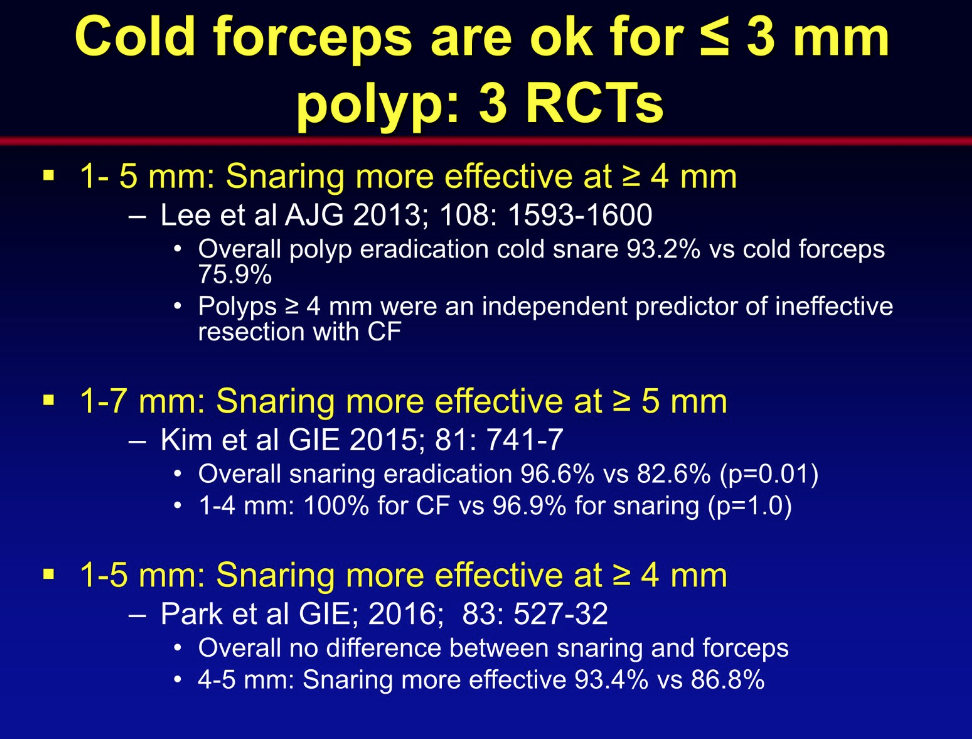
Topic: Polyps -slides recommend cold forceps for polyps 1-3 mm and cold snare for 4-5  mm polyps.

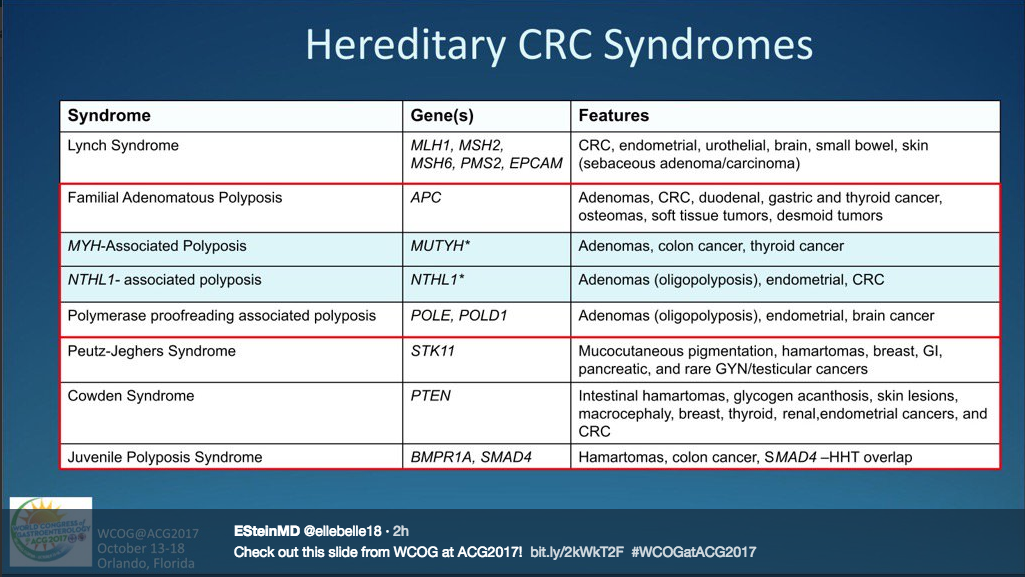
Topic: Hereditary Colorectal Cancer Syndromes

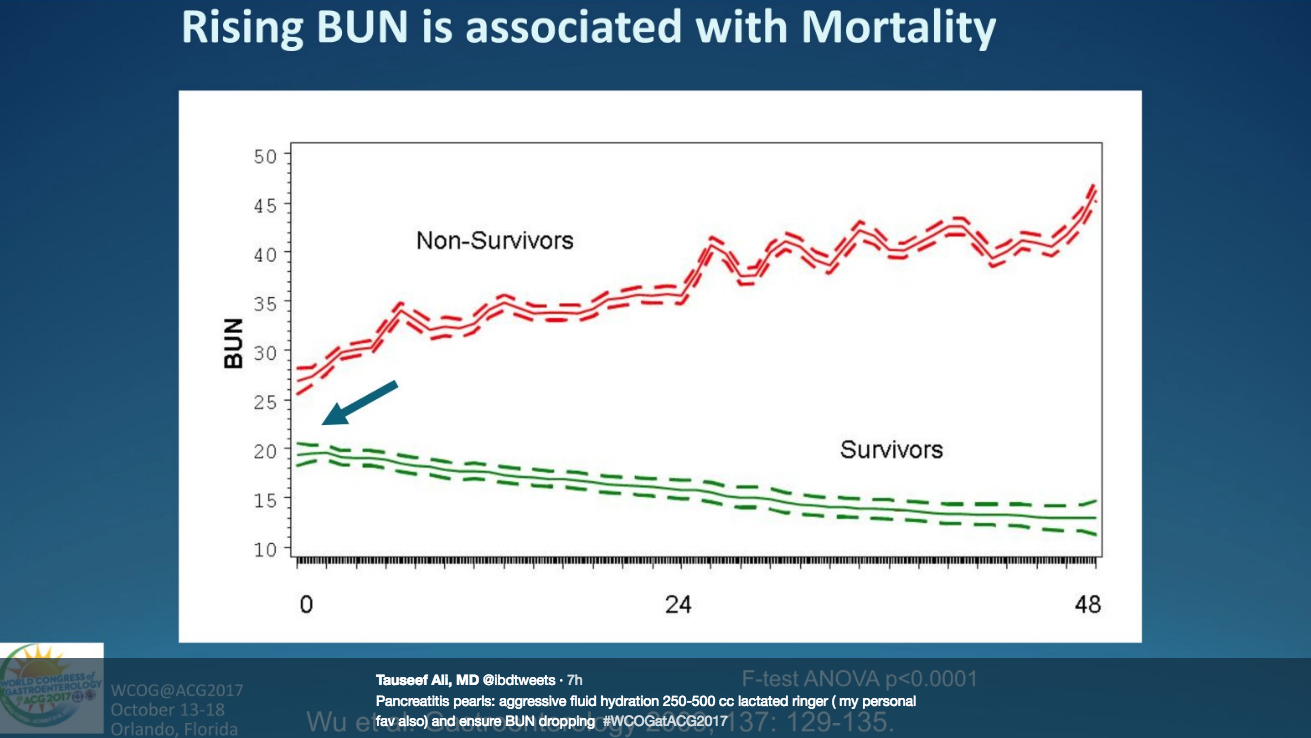
Topic: Aggressive fluids for pancreatitis

Rising BUN is Associated with mortality with pancreatitis. Tauseef, Ali @ibdtweets: “Pancreatitis pearls: aggressive fluid hydration 250-500 cc lactated ringer’s (my personal favorite also) and ensure BUN dropping #WCOGatACG2017”

Pancreatitis Update (part 1)

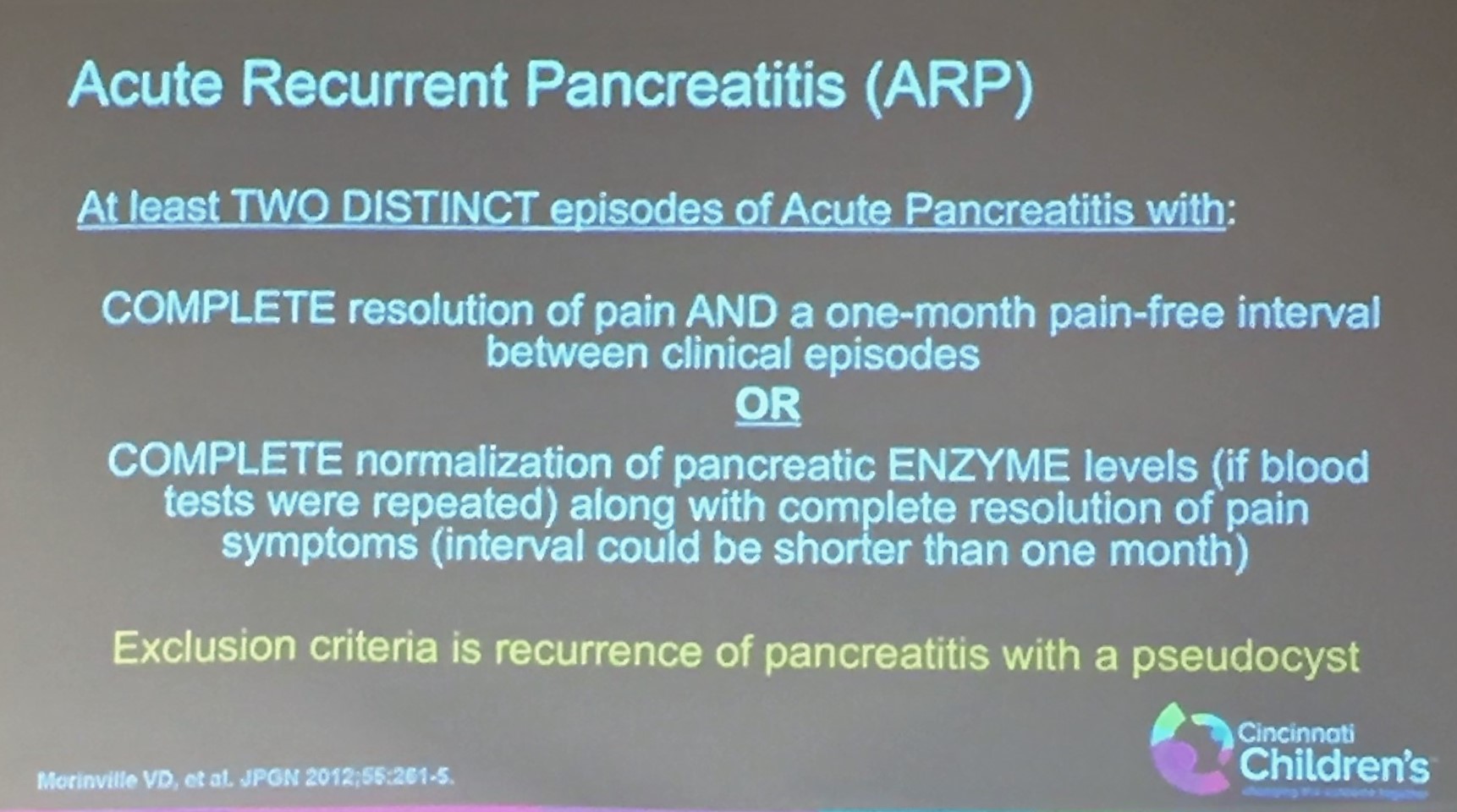
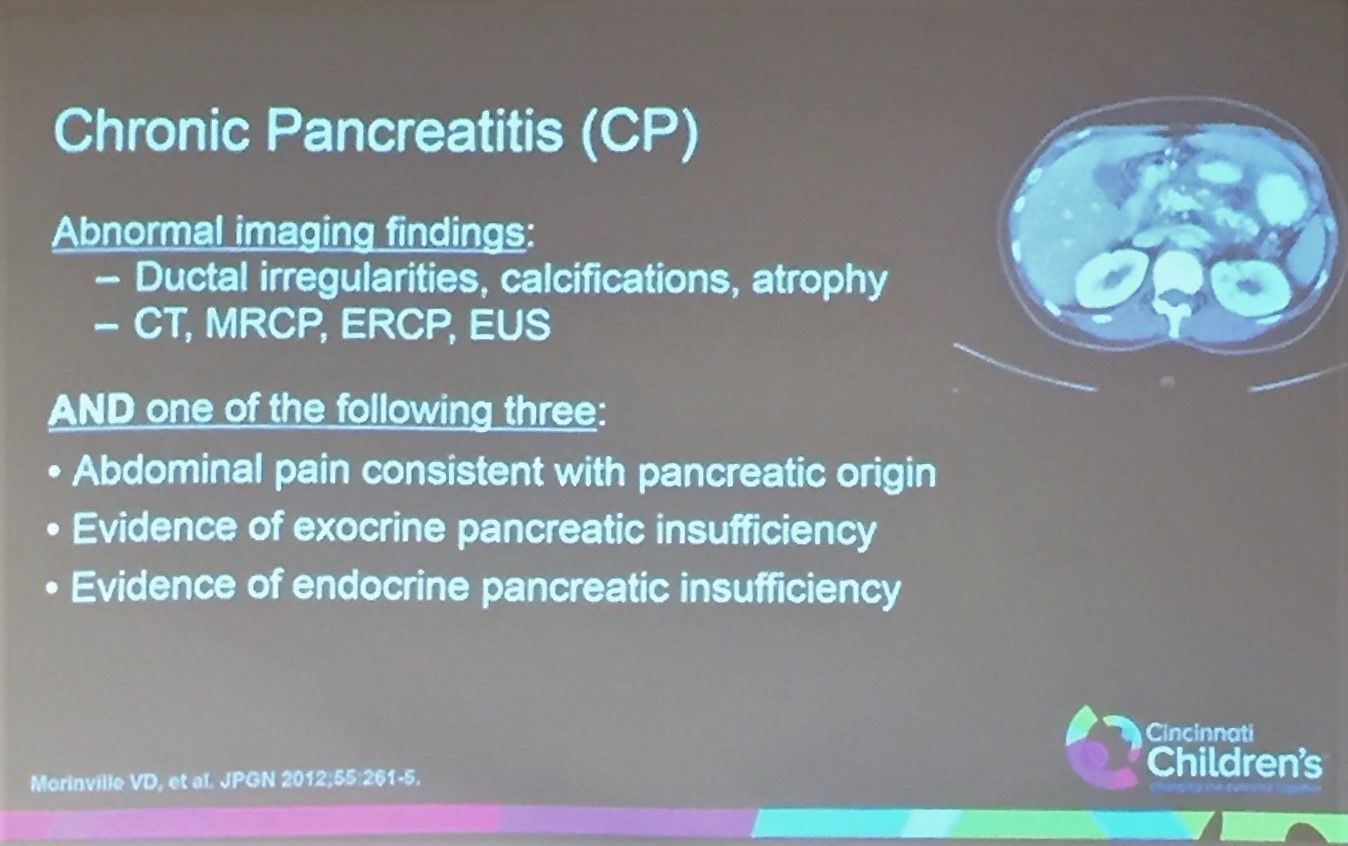
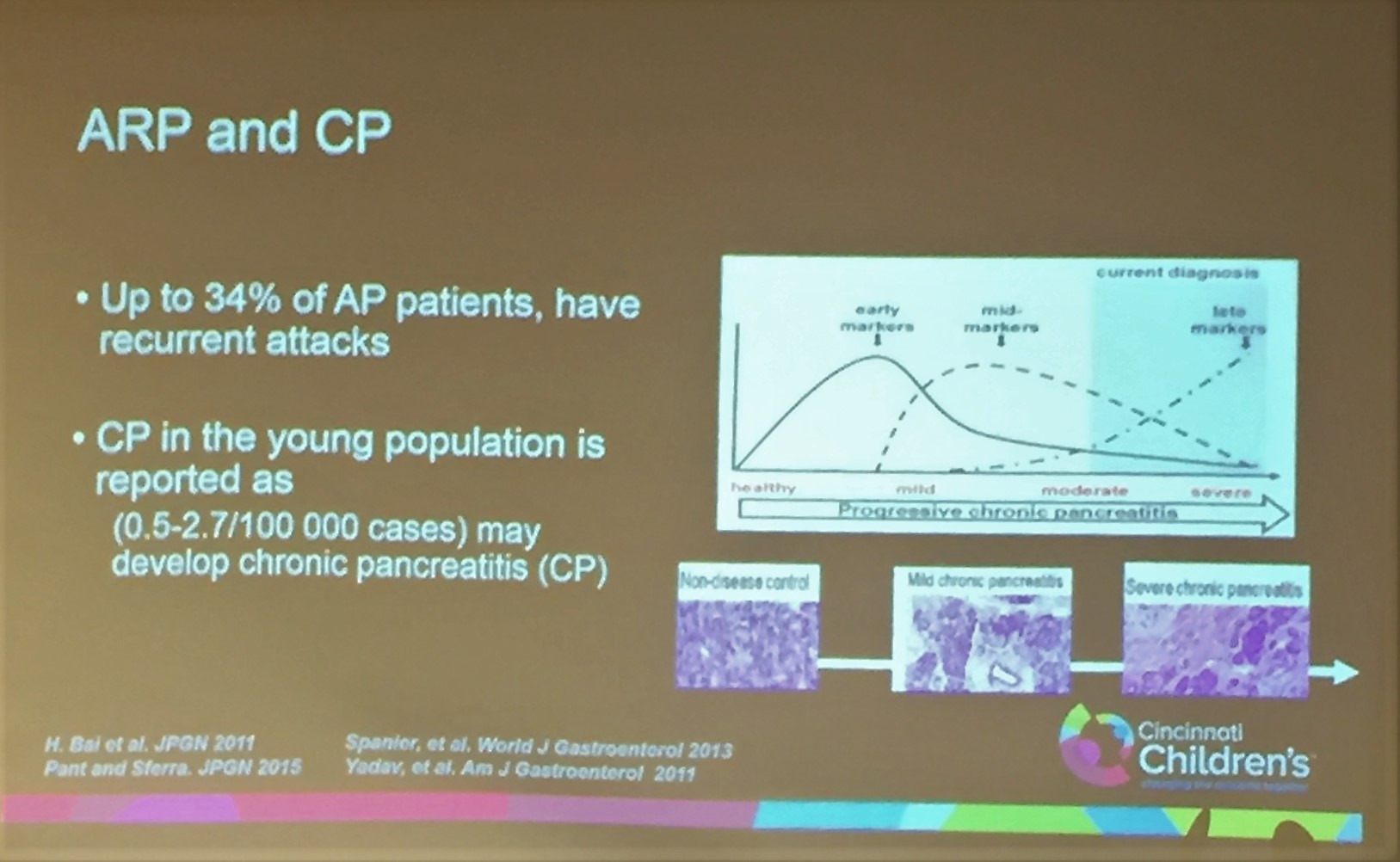
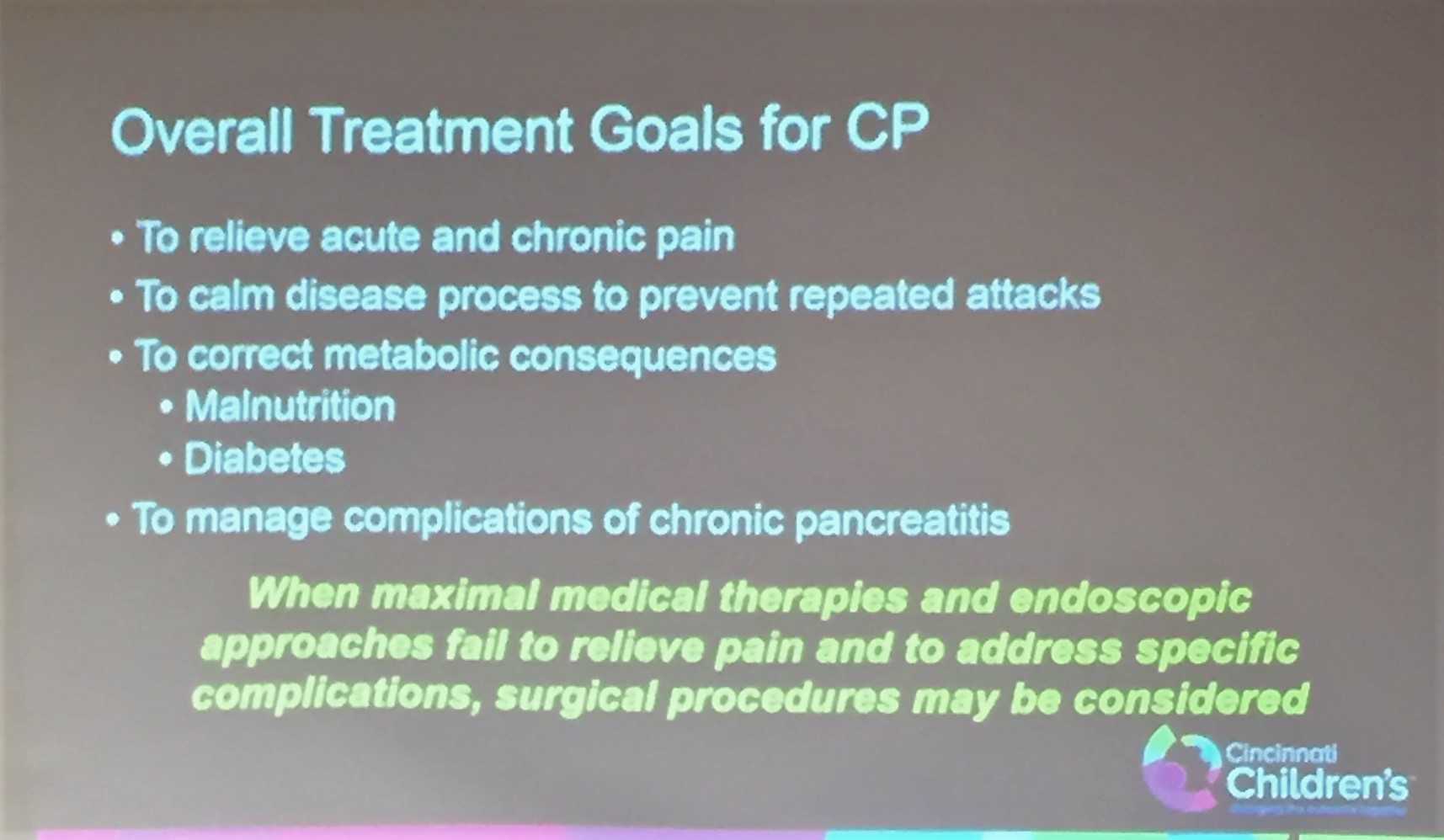
Our group received a very helpful update on pancreatitis from Maisam Abu-El-Haija (GI) and Jaime Nathan (surgery). My notes may include some errors in transcription and errors of omission. Some pictures of the slides are included below as well.

Key points:

  • About 30% of acute pancreatitis patients have a 2nd bout of pancreatitis. Obesity is a risk factor for recurrence.
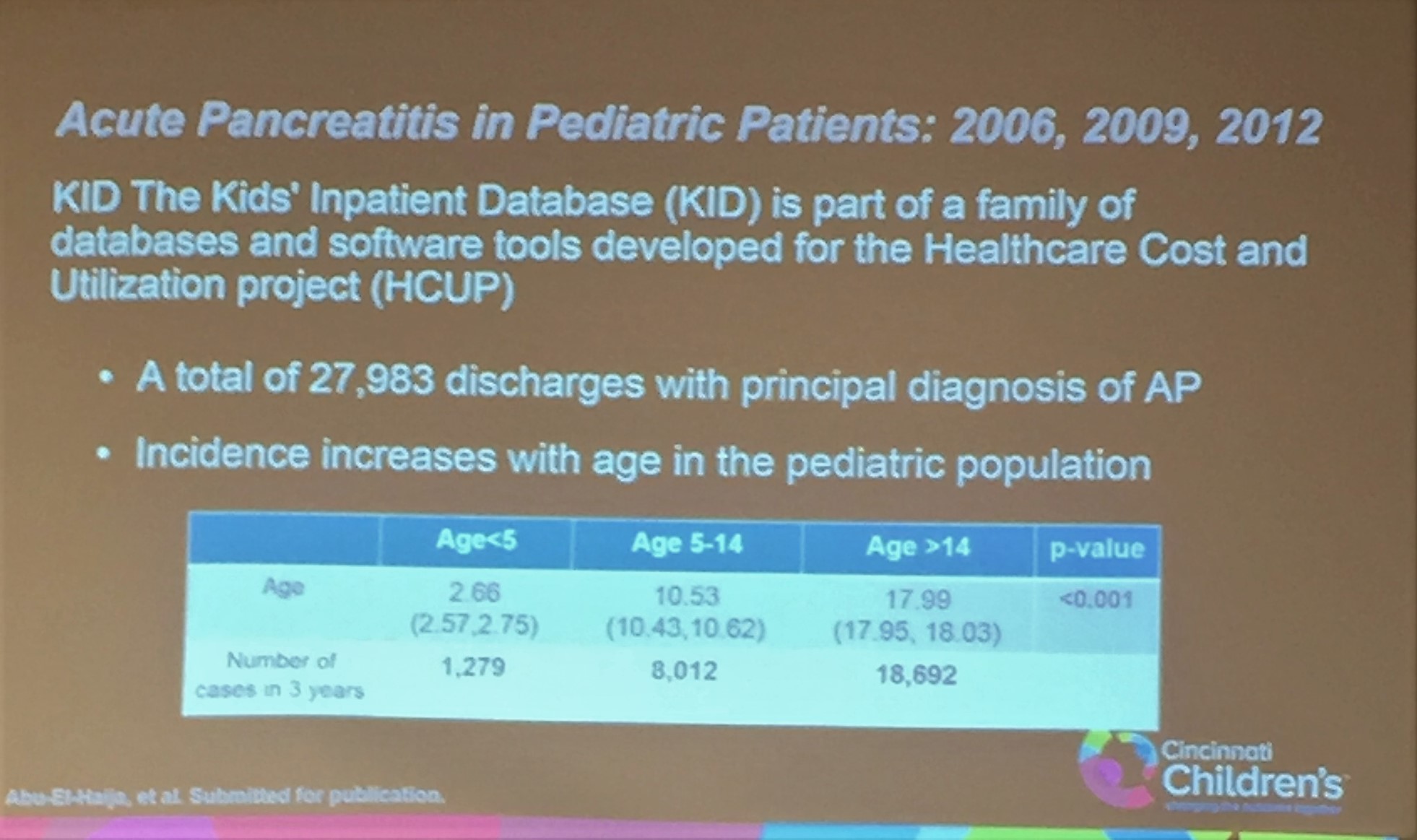
  • There has been a recent increase in incidence of acute pancreatitis.
  • Cincinnati has a gene panel to examine the four most common mutations which cause hereditary pancreatitis (PRSS1, SPINK1, CFTR, and CRTC) along with 6 other relevant genes. (28 day turnaround) In addition, there is a pancreatitis insufficiency panel.
  • Discussed screening for pancreatic insufficiency.  Directly measuring pancreatic enzymes are more sensitive for early insufficiency, but may be unnecessary if good growth and normal stool elastase.
  • There are NO proven medical/dietary therapies to prevent recurrent or chronic pancreatitis and eliminate pain symptoms.

Related blog posts:

Triglyceride Levels and Pancreatitis

A recent study (JAMA Intern Med 2016; 176: 1834-42) suggests that even mild to moderate hypertriglyceridemia may increase risk of pancreatitis.

Among two large cohorts that were followed prospectively for a median of 6.7 years, 434 out of 116,550 patients developed acute pancreatitis.

Key finding (which persisted after adjustment of multiple potential confounding factors):

screenshot-140

More complete summary at GI & Hepatology News: “Mild, moderate hypertriglceridemia tied to pancreatitis”


Acute Pancreatitis Review

A succinct review (CE Forsmark et al. NEJM 2016; 375: 1972-81) provides some useful pointers regarding acute pancreatitis.

The review covers the causes, epidemiology, diagnosis, prediction of severity and management.  With regard to management:

  • The authors advocate for aggressive fluid resuscitation during the initial 24 hrs -though care to avoid fluid overload.  “One trial suggested the superiority of Ringer’s lactate as compared with normal saline in reducing inflammatory markers.”
  • “Total parenteral nutrition is…more expensive, riskier, and no more effective than enteral nutrition.”
  • “In patients with mild acute pancreatitis who do not have organ failure or necrosis, there is no need for complete resolution of pain or normalization of pancreatic enzyme levels before oral feeding is started.”
  • “A low-fat soft or solid diet is safe and associated with shorter hospital stays than is a clear-liquid diet with slow advancement to solid foods.”  Thus, most patients with mild acute pancreatitis can start a low-fat diet soon after admission, “in the absence of severe pain, nausea, vomiting and ileus.”
  • By day 5, one can predict the need for enteral feeding.  Early initiation of nasoenteric feeding “is not superior to a strategy of attempting an oral diet at 72 hours, with tube feeding only if oral feeding is not tolerated” by day 5.
  • “Whether an elemental or semielemental formula is superior to a polymeric formula is not known”
  • “Prophylaxis with antibiotic therapy is not recommended for any type of acute pancreatitis unless infection is suspected or has been confirmed.”  Infection in necrotic fluid collection “is the main indication for therapy” but is rare in the first 2 weeks of illness.
  • For pancreatitis triggered by gallstones, after removal of any residual stones in the ducts, “cholecystectomy performed during the initial hospitalization…reduces the rate of subsequent gallstone-related complications by almost 75%” compared to waiting for 25-30 days.

Related blog posts:

  • Changing Practice Patterns with Pediatric Pancreatitis | gutsandgrowth
  • Why an ERCP Study Matters to Pediatric Care | gutsandgrowth This post explains why LR may be best.
  • Nutrition University / gutsandgrowth What are the nutritional management recommendations for acute pancreatitis? Justine Turner indicated that too many centers continue to rely on parenteral nutrition.  Yet, guidelines recommend the use of enteral nutrition due to lower risk of poor outcomes (eg. infections when NPO and on parenteral nutrition). ‘Resting pancreas is not helpful.’ With acute pancreatitis, enzyme secretion is reduced.  Her approach is to start nasogastric (NG) feedings at about 24 hours after presentation, as long as hemodynamically stable.  She indicated that nasojejunal (NJ) feedings can be done if NG is not well-tolerated.  NJ feedings are effective at reducing enzyme secretion.  However, Praveen Goday stated that his practice was often starting with NJ feeds.  “Sometimes there is only one shot” before the ICU team starts HAL.  Both physicians indicated that polymeric formulas were probably acceptable; however, starting with semi-elemental or elemental feedings are often done, again as a practical matter to minimize the likelihood of reverting to parenteral nutrition.
Glacier National Park

Glacier National Park

World Congress 2016 Postgraduate Course

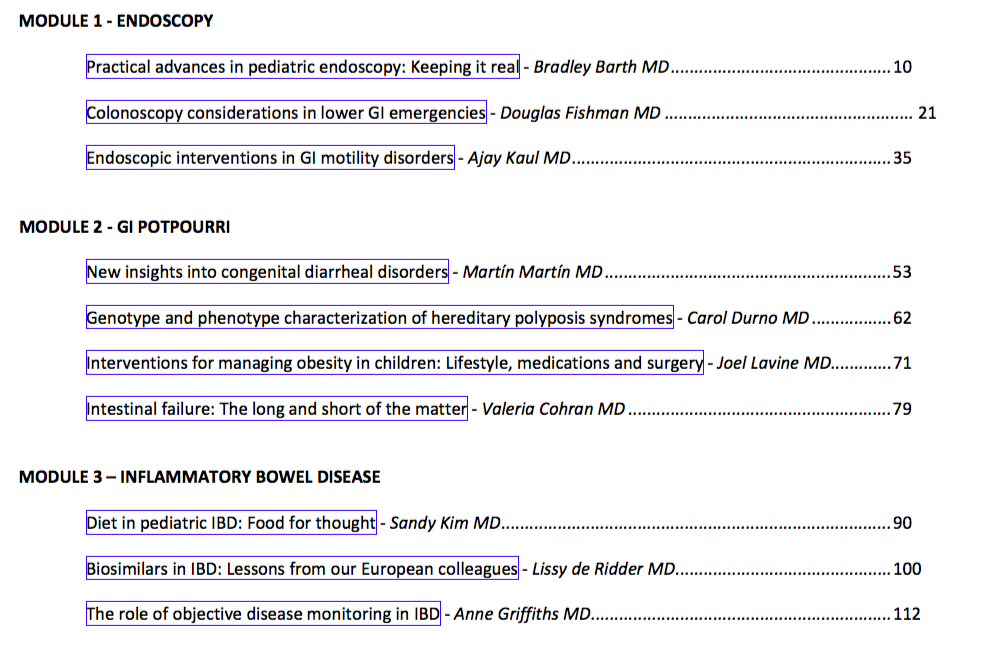
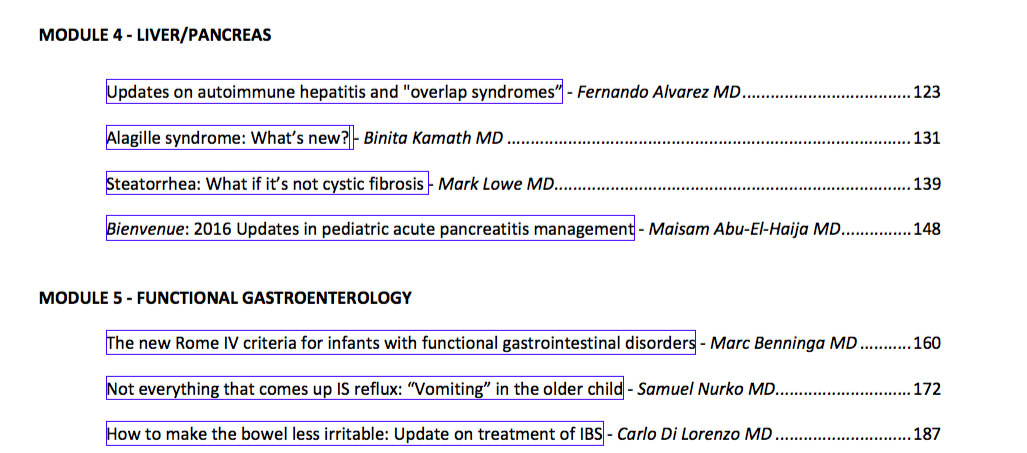
I’ve attached (with permission) the syllabus from the World Congress 2016 Postgraduate Course: 2016-world-congress-postgraduate-course-syllabus

screen-shot-2016-10-14-at-11-45-54-am

screen-shot-2016-10-14-at-11-46-04-am

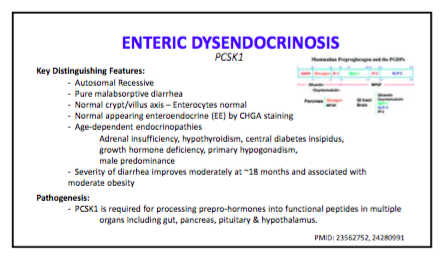
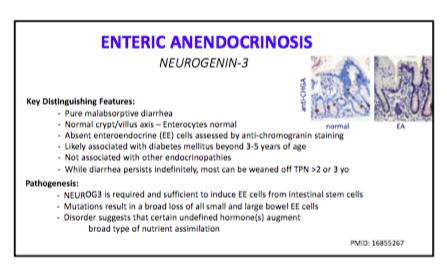
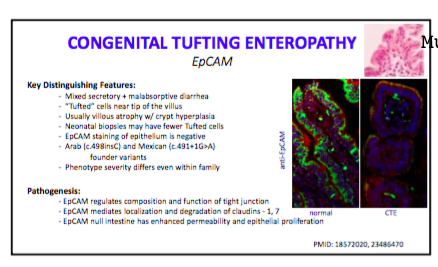
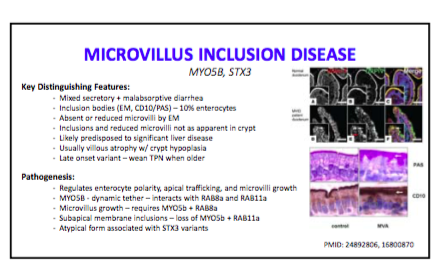
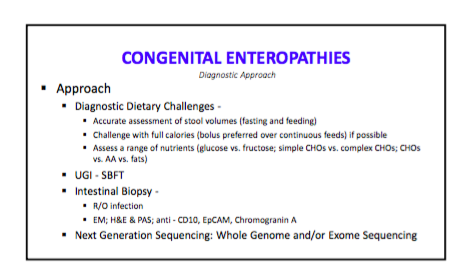
One lecture that I will highlight with a few slides is from Dr. Martin Martin (pg 53-62) which emphasizes a new model for evaluating neonatal intestinal failure/congenital diarrhea by using whole exome sequencing –see slides below.

Other pointers:

  • Pg 82.  Breastmilk associated with shorter duration of TPN dependence in short bowel syndrome
  • Pg 137. Look for vasculopathy (MRI/MRA) and renal disease in Alagille syndrome
  • Pg 152. Lactated ringer’s likely better in acute pancreatitis than normal saline.
  • Pg 171. If constipation at less than 1 year is untreated, >60% have issues with constipation at age 3.

screen-shot-2016-10-14-at-11-37-07-am screen-shot-2016-10-14-at-11-37-00-am screen-shot-2016-10-14-at-11-36-44-am screen-shot-2016-10-14-at-11-36-34-am screen-shot-2016-10-14-at-11-35-40-am


Disclaimer: These blog posts are for educational purposes only. Specific dosing of medications/diets (along with potential adverse effects) should be confirmed by prescribing physician/nutritionist.  This content is not a substitute for medical advice, diagnosis or treatment provided by a qualified healthcare provider. Always seek the advice of your physician or other qualified health provider with any questions you may have regarding a condition.

Changing Practice Patterns with Pediatric Pancreatitis

A recent study (FK Szabo et al. J Pediatr 2015; 167: 397-402) supports the practice of early enteral nutrition and aggressive fluid administration with acute pancreatitis. Starting in January 2014, Cincinnati Children’s began using high rates of intravenous fluid and resuming enteral nutrition within 48 hours for children presenting with acute pancreatitis.  This retrospective study assessed this practice in 201 patients and compared with prior experience dating back to 2009. To be included, patients had to have mild acute pancreatitis based on the Atlanta criteria (Gut 2013; 62: 102-11). Exclusion criteria:

  • Severe acute pancreatitis: multiorgan failure, systemic inflammatory response, local pancreatic complications (eg. necrosis, hemorrhage, pseudocyst), or respiratory complications
  • Pancreatitis due to trauma, gallstones or postsurgical

With regard to enteral nutrition (EN), nasoenteric tubes were not placed during the first 48 hours, but preexisting enteral tubes were used. So, most patients were orally fed. With regard to IV fluids, 62% received 1.5-2 times the maintenance IVF during the first 24 hours of admission.  More than 90% of cases received dextrose 5% normal saline. Key Findings:

  • Length of stay was 2.9 days in the early EN group compared with 4.4 days in the NPO group (P <.0001).  It is noted that the NPO group did include 24% with severe acute pancreatitis compared with 6% in the early EN group.
  • The authors did not identify any change in measured outcomes based on high or low volume IVF.

From the discussion:

  • “EN remains an integral part of management which has been associated with a lower incidence of infection, multiorgan failure, lower mortality rates, and a shorter hospital stay in adult patients with AP [acute pancreatitis]”
  • “Our study shows that oral feeds represent a safe and a feasible strategy in mild AP.” There was not an increase in readmission rates within 72 hours of discharge, either.

Because this is a retrospective study, this limits the interpretation of these findings; there could be an element of reverse causation with regard to the outcomes.

My take: Increasing evidence supports the practice of early enteral feedings in mild acute pancreatitis.  The exact IV fluids to use remain unclear, though my preference is lactated ringer’s based on ERCP-induced pancreatitis studies.

Related blog posts:

  • Why an ERCP Study Matters to Pediatric Care | gutsandgrowth This post explains why LR may be best.
  • Nutrition University / gutsandgrowth What are the nutritional management recommendations for acute pancreatitis? Justine Turner indicated that too many centers continue to rely on parenteral nutrition.  Yet, guidelines recommend the use of enteral nutrition due to lower risk of poor outcomes (eg. infections when NPO and on parenteral nutrition). ‘Resting pancreas is not helpful.’ With acute pancreatitis, enzyme secretion is reduced.  Her approach is to start nasogastric (NG) feedings at about 24 hours after presentation, as long as hemodynamically stable.  She indicated that nasojejunal (NJ) feedings can be done if NG is not well-tolerated.  NJ feedings are effective at reducing enzyme secretion.  However, Praveen Goday stated that his practice was often starting with NJ feeds.  “Sometimes there is only one shot” before the ICU team starts HAL.  Both physicians indicated that polymeric formulas were probably acceptable; however, starting with semi-elemental or elemental feedings are often done, again as a practical matter to minimize the likelihood of reverting to parenteral nutrition.
Artist Point, Yellowstone

Artist Point, Yellowstone

Nutrition University -Part 1

While issues with nutrition are ubiquitous, among the three areas of expertise for pediatric gastroenterologists (gastroenterology, hepatology, and nutrition), it does seem that nutrition expertise receives the least interest overall.  One effort to work on this is Nutrition University (N2U) sponsored by NASPGHAN/NASPGHAN foundation.

This is the first year in which the program has been opened up to physicians who have been in practice for more than 10 years and I am looking forward to a great review. Prior to attending, the participants were asked to review previous N2U modules which are available at NASPGHAN website: 2012 N2U Course ( a good source for CME as well).

This year’s syllabus: 2015 N2U Syllabus & Presentations (posted with permission from course organizers).

Last night the meeting started off with some comments by Praveen Goday (Praveen’s training in Cincinnati overlapped with mine) who has spearheaded this effort; subsequently the faculty addressed previously submitted attendee questions.

Here’s a sampling:

Should we be recommending a low FODMAPs diet for IBS? Rob Shulman indicated that about ~70% of adults responded in one study and that a similar study in children at Baylor College of Medicine produced similar results.  However, the diet is difficult and help from a dietician/nutritionist is needed.  If there is not a response in 7-10 days, then it is likely to be ineffective.

What should be the first formula for Cow’s Milk allergy/intolerance in infancy? The recommendation for most infants (not the very sickest) was to start with a hydrolysate formula which should be effective in more than 90%.  It was suggested that amino acid based formulas be reserved for hospitalized infants and those who do not respond to hydrolysates.

What about fish oil enterally or parenterally? James Heubi(*) noted that a lot more data is needed but fish oil either enterally or parenterally may be beneficial.  Rob Shulman commented that recent work indicates that vitamin E may be an important reason why fish oil could be better than soy-based lipid emulsions.

How practical are blenderized diets for gastrostomy fed children? Catherine Karls noted that the general goal is to provide nutrients which mimic the commercial formulas but there are many important caveats for DIY (do-it-yourself formula).

  • An RD needs to supervise to assure all micronutrient needs are being met.  Using computer programs, this facilitates calculating dietary reference intakes (DRIs).
  • Many parents prefer as homebrews are perceived as more natural or holistic
  • Some children have better tolerance (eg. volume-sensitive, patients with retching)
  • Drawbacks: time commitment, additional costs (though may be cheaper for some), and concerns regarding food safety
  • Homebrews are not recommended for jejunostomy feeds (gastrostomy only) or for those with small-caliber feeding tubes (needs to be at least 14 Fr)
  • Don’t use without the assistance of an RD!

Which is better for NAFLD -low carb or low fat? Ann Scheimann stated that this question is misleading –it is a lot more complicated.  It depends on the carbs and it depends on the fat.  Fructose clearly worsens NAFLD but so does a diet high in animal fat.

What are the nutritional management recommendations for acute pancreatitis? Justine Turner indicated that too many centers continue to rely on parenteral nutrition.  Yet, guidelines recommend the use of enteral nutrition due to lower risk of poor outcomes (eg. infections when NPO and on parenteral nutrition). ‘Resting pancreas is not helpful.’ With acute pancreatitis, enzyme secretion is reduced.  Her approach is to start nasogastric (NG) feedings at about 24 hours after presentation, as long as hemodynamically stable.  She indicated that nasojejunal (NJ) feedings can be done if NG is not well-tolerated.  NJ feedings are effective at reducing enzyme secretion.  However, Praveen Goday stated that his practice was often starting with NJ feeds.  “Sometimes there is only one shot” before the ICU team starts HAL.  Both physicians indicated that polymeric formulas were probably acceptable; however, starting with semi-elemental or elemental feedings are often done, again as a practical matter to minimize the likelihood of reverting to parenteral nutrition.

What is the advice regarding children who need far less than typical calories for weight (eg. wheelchair-bound inactive child)? Generally all nutrients are being met if a child less than 10 years is receiving 4 cans of commercial formula. For children 10 and older, receiving 6 cans per day should ensure adequate nutrients.  For those who fall below this threshold, several options:

  • Reduced calorie formula (eg. Pediasure Sidekicks, Compleat Reduced) are approximately 0.6 cal/mL but have all the other nutrients
  • Supplementation: multivitamin, calcium, phosphorus, protein
  • Need to meet at least 80% of typical fluid needs, thus not much rationale for 2 cal/mL formulas. As a practical matter, if the child is urinating well, they are receiving enough fluids.

*I was fortunate to have Jim as an attending during my fellowship at Cincinnati. In fact, even before then, Jim interviewed me when I was considering Cincinnati for my pediatric residency.  He is a terrific person and amazing to work with.

Disclaimer: This blog entry has abbreviated/summarized this presentation. Though not intentional, some important material is likely to have been omitted; in addition, transcription errors are possible as well.

These blog posts are for educational purposes only. Specific dosing of medications/diets (along with potential adverse effects) should be confirmed by prescribing physician/nutritionist.  This content is not a substitute for medical advice, diagnosis or treatment provided by a qualified healthcare provider. Always seek the advice of your physician or other qualified health provider with any questions you may have regarding a condition.


Postgraduate Course Notes -Pancreatitis Module

When and how to assess pancreatic function: an update for clinicians –Sohail Z. Husain, MD (page 31)

Reviewed methods of detecting pancreatic insufficiency

Indirect (non-stimulatory) Methods

Stool:

  • Fecal Fat Analysis: Coefficient of fat absorption (CFA): (fat intake – fat in stool / fat intake) * 100
  • Normal > 93% (> 85% in less than 6 mo.
  • old)
  • 72 hr collection gold standard

ELASTASE-1: Stable, specific for human pancreas

  • Normal > 200 μg elastase/g stool
  • Particularly good for monitoring the development of PI in patients with CF
  • Low levels (false-positive) with diarrhea
  • Only detects severe PI

Other tests

  • Chymotrypsin: less sensitive; requires discontinuation of enzymes
  • Steatocrit: cheap; has low sensitivity
  • Serum
  • Breath
  • Direct (stimulatory)
  • Dreiling tube
  • Endoscopic pancreatic function testing (ePFT)
  • Secretin-enhanced MRCP (sMRCP)

Causes of Pancreatic Insufficiency

-85% of patients with Cystic Fibrosis have pancreatic insufficiency

Shwachman-Diamond Syndrome

  • Mutation in SBDS, found in ~90% of SDS patients
  • PI affects almost all SDS pts

Johanson-Blizzard syndrome (JBS): Key findings

  • PI
  • Severe developmental delay
  • Hypoplasia or aplasia of the nasal wings

Pearson marrow pancreas syndrome Key findings: Severe hypoplastic,macrocytic anemia,  Pancreatic insufficiency (due to pancreatic fibrosis)

Diagnosis: Clinical picture, High serum lactate/pyruvate,  Southern blot for mtDNA rearrangements

Other causes of pancreatic insufficiency

  • Chronic pancreatitis
  • Pancreatic obliteration after severe, acute pancreatitis
  • Pancreatic tumors
  • Celiac disease
  • Diabetes
  • IBD

Managing nutrition in cystic fibrosis: the role of the pediatric gastroenterologist  Sarah Jane Schwarzenberg, M.D. (page 41)

Good nutrition status correlates with better heights, better lung function, and better survival.  (Presentation did not delve into the issue of potential reverse causation.)

  • Patients with a Weight-for-Age percentile >50% at age 4 years reached a much higher height-for-age early in life and maintained this advantage into adulthood
  • Pulmonary function (FEV1%predicted) was much lower in CF patients with WAP<10% at age 4 years. This finding tracked through age 18 years.
  • Small bowel overgrowth is common in CF
  • Small bowel bacterial overgrowth contributes to poor nutritional intake and increased nutrient losses

Options to improve nutrition in CF

  • Review and optimize enzyme dose and adherence
  • Review patient’s diet with an experienced CF dietician
  • Consider adding a PPI to improve intestinal pH
  • Consider confounding disease
  • Evaluate for signs and symptoms of small bowel overgrowth and consider trial of metronidazole or rifaximin
  • Ask patient about abdominal pain
  • Evaluate for gastroparesis
  • Evaluate for DIOS
  • Consider non-CF gastrointestinal disease
  • Consider oral glucose tolerance test

Therapy to improve nutrition

  • Time-limited interventions
  • Behavior therapy to improve intake
  • Offer oral supplements
  • Consider cyproheptadine as an appetite stimulant
  • Consider a G-tube for nocturnal feeds
  • Consider Endocrinology consult

Beyond the Basics in the Management of Pancreatitis  –Aliye Uc, M.D. (page 51)

INSPPIRE To Study Acute Recurrent and Chronic Pancreatitis in Children-180 children from 14 centers enrolled to study the etiologies, epidemiology, natural history and outcome.

Pediatric Acute Recurrent and Chronic Pancreatitis-etiologies

  • Genetic (49%) (61 of 91 tested)
  • PRSS1-30%, CFTR-22%, SPINK1-14%, CTRC-3%
  • Obstructive (34%)
  • Idiopathic (20%)
  • Toxic-Metabolic (17%)
  • Autoimmune (3%)

Genetics of Pancreatitis:

1. PRSS1 (cationic trypsinogen): Autosomal dominant, 80% penetrance, Mutations are due to increased activation or decreased inactivation of trypsin (i.e. R122H, N29I).

2. SPINK1 (trypsin inhibitor): Autosomal recessive/complex inheritance, 2% have mutation, <1% have pancreatitis (i.e. N34S), Pancreatitis is dose-related (homozygous>>>het), Associated with other mutations (CFTR)

3. CFTR (>1700 mutations):

  • 2 Severe mutations = Cystic Fibrosis
  • 1 severe, 1 mild mutation = mild or atypical CF, ARP, CP
  • CF carriers = 3-4 fold increase risk in pancreatitis.
  • 1 any +SPINK1 = CFTR-associated pancreatitis
  • 1 any +divisum = CFTR-associated pancreatitis

4.New Modifier Genes in ARP and CP

  • CTRC (trypsin degrading enzyme)
  • CASR (a calcium-sensing receptor)
  • CLDN2 (tight junction protein on X chromosome)
  • CPA1 (Carboxypeptidase 1)  increased riskf for CP in younger patients

Management:

  • Unclear if antioxidants helpful for pain.
  • The role of pancreatic enzymes in CP is equivocal.

Diet

  • When to start feeds? depends on the severity of AP, OK to start early; correlate with clinical readiness, abd pain
  • What mode of nutrition? prefer enteral over TPN, NG vs. NJ
  • What to feed?  recent studies in adults with mild AP support full diet

(Moraes JM et al. J Clin Gastroenterol 2010 44:517)

No evidence that low-fat diet is helpful

IV Fluids: With acute presentation, Lactated Ringer’s preferred over Normal saline.

NG Suction

  • Not shown to decrease symptoms,mortality or hospital stay.
  • May be useful if: severe gastric distention, refractory nausea and vomiting, or obstruction seen on abdominal x-ray