#NASPGHAN19 Intestinal Failure Session Part 2

Our Spooky Pumpkin

Here are some notes and a few slides from NASPGHAN’s plenary session.  There could be errors of transcription in my notes.

Benjamin Gold, NASPGHAN president and part of our GI group, GI Care For Kids, welcomed everyone to the meeting.

Link to NASPGHAN_Annual_Meeting_Program 2019

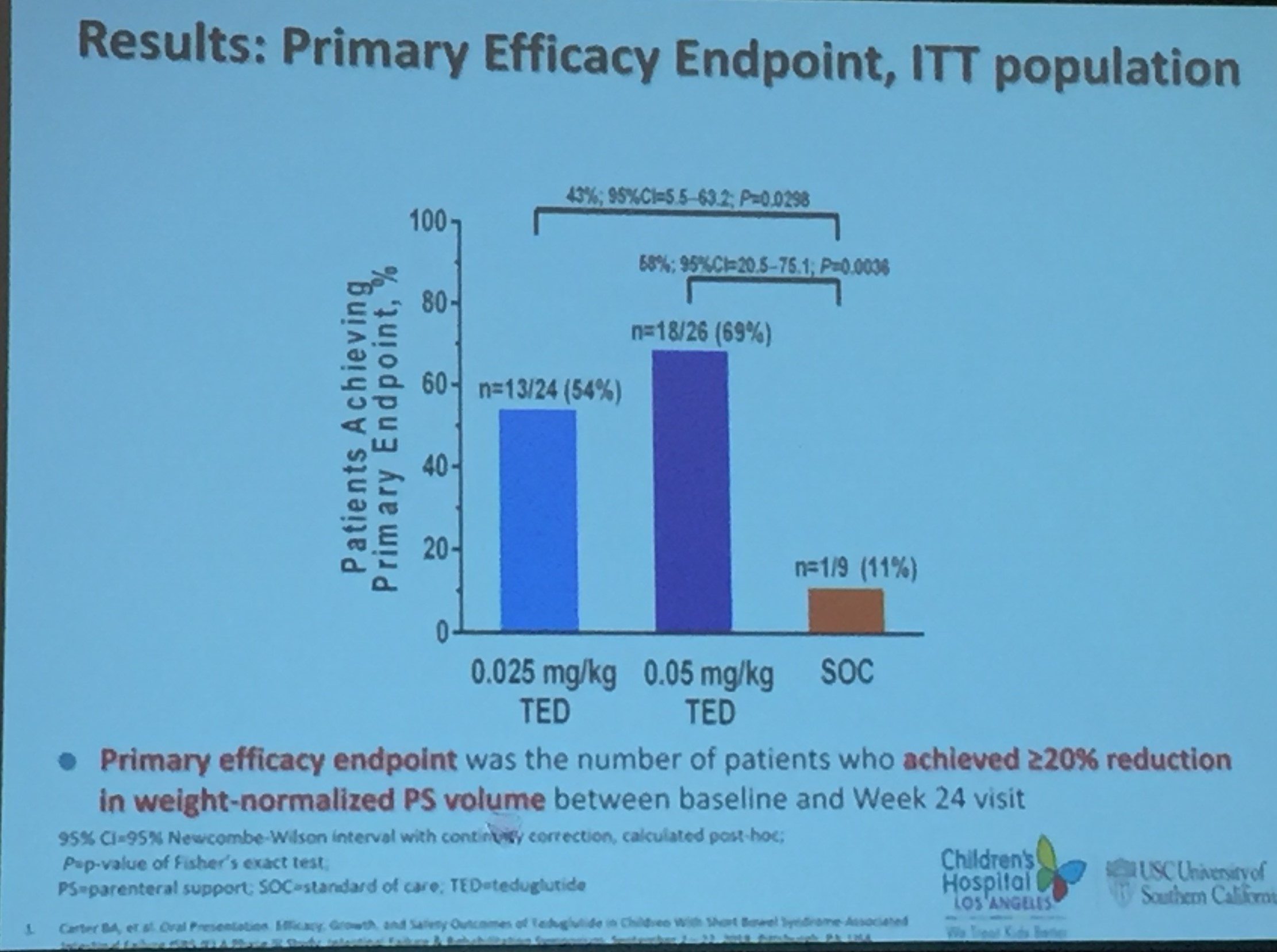
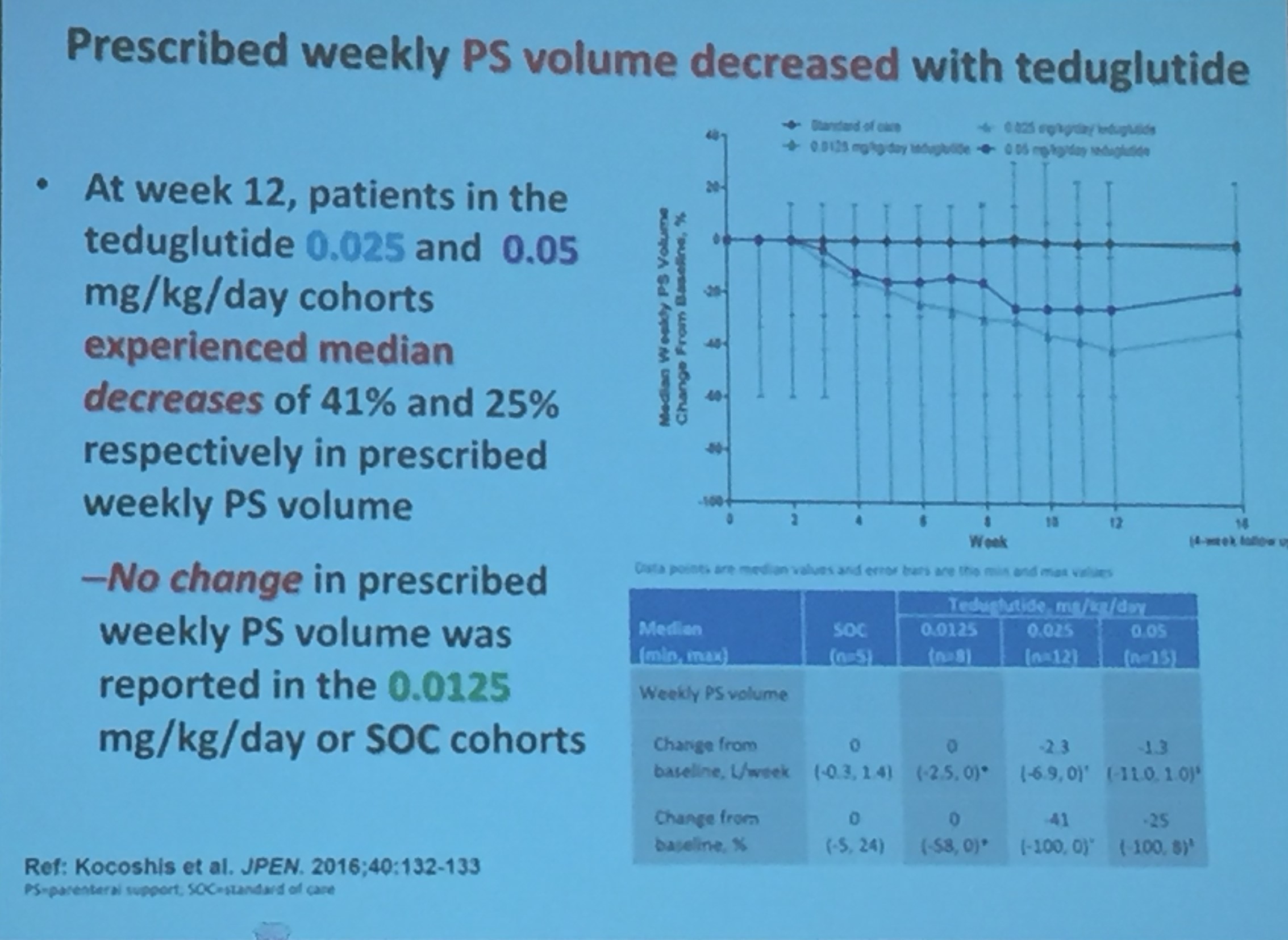
Beth Carter  Trophic Growth Factors: A Practical View

Key Points:

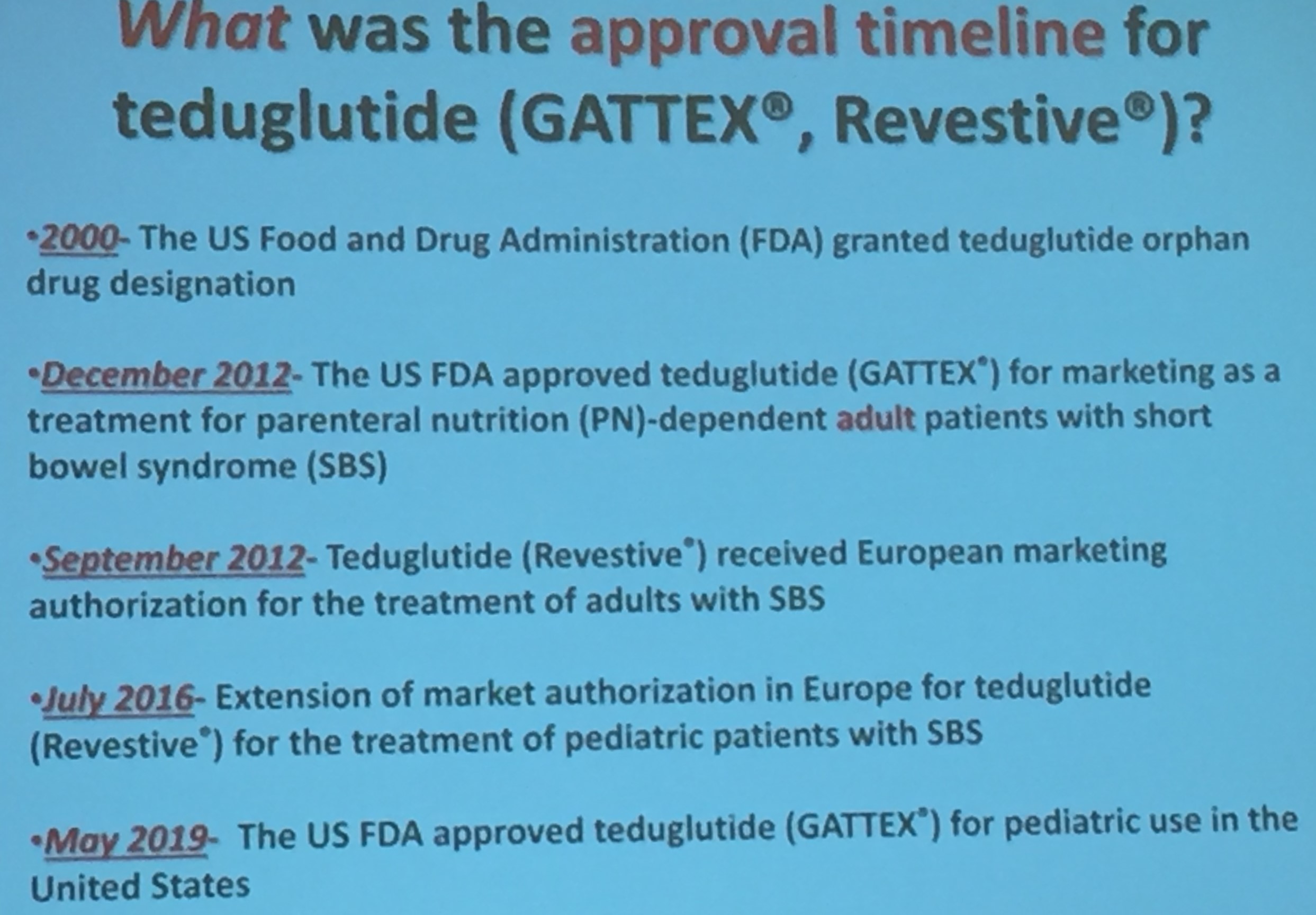
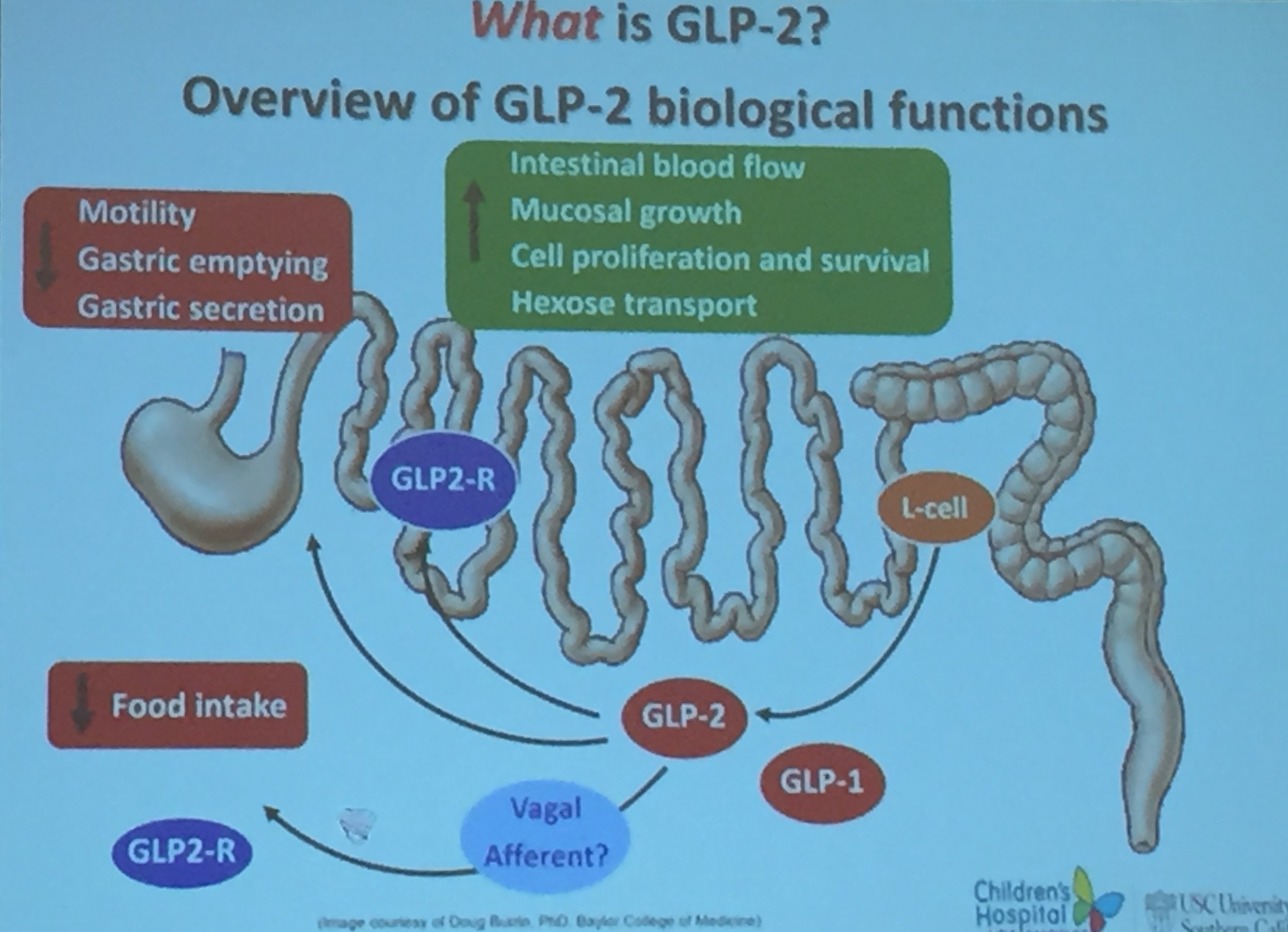
  • GLP-2 has been approved as agent for intestinal failure for children (May 2019)
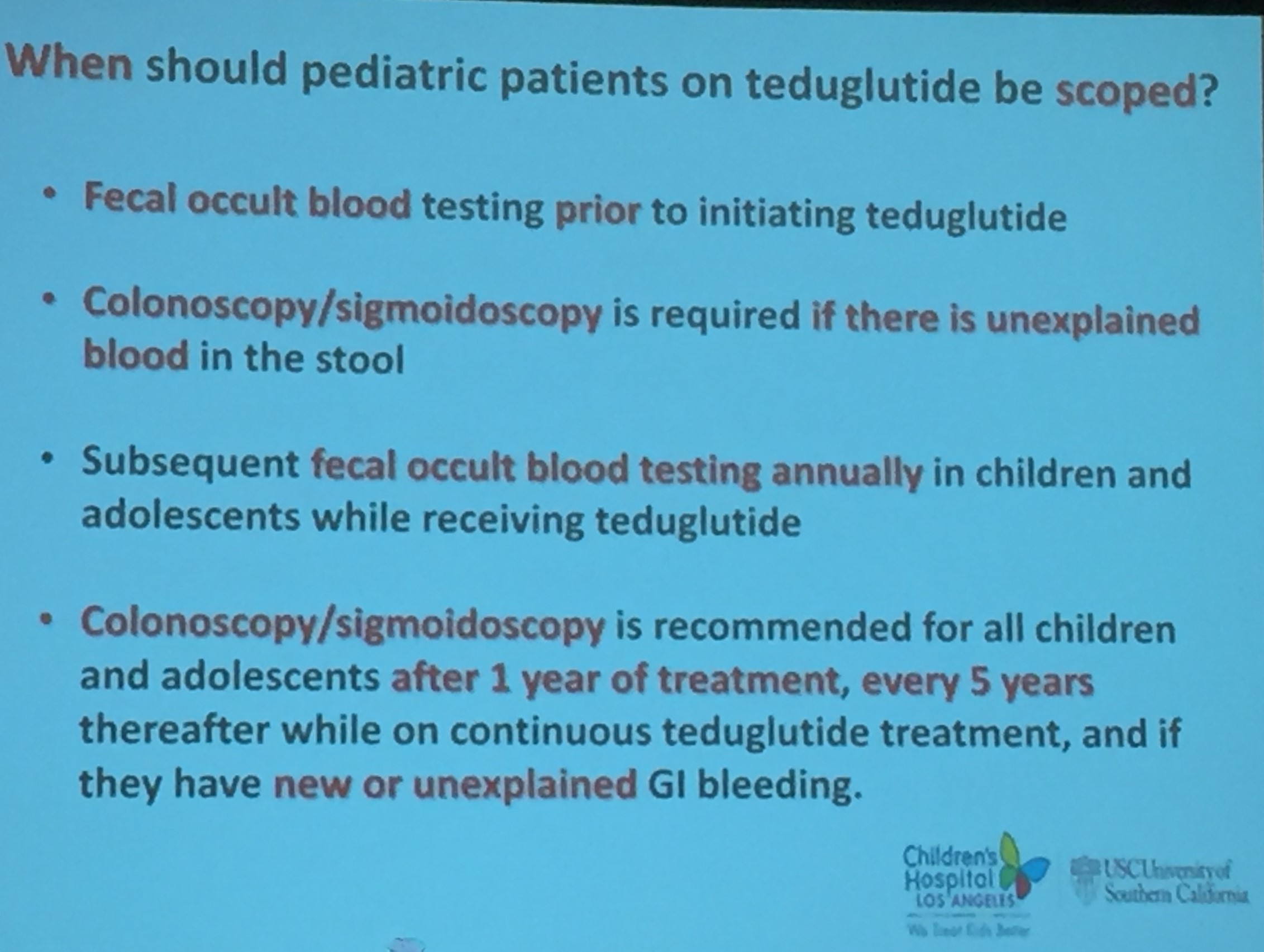
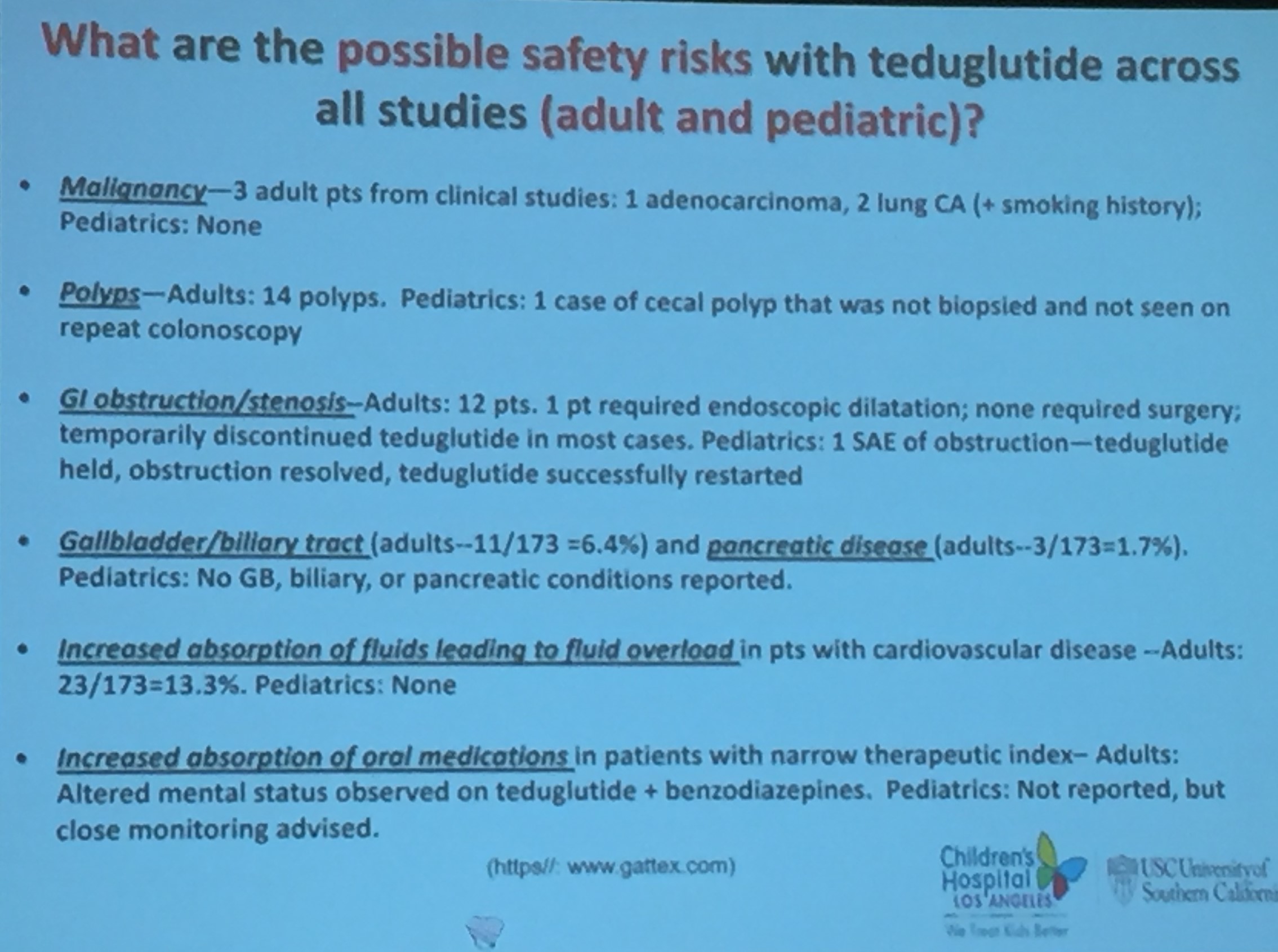
  • Studies thus far have shown good safety but concerns remain (?increased risk of polyposis, increased growth of neoplasm) and as such increased surveillance needed for patients receiving GLP-2
  • Cost in adults ~$295,000 per year
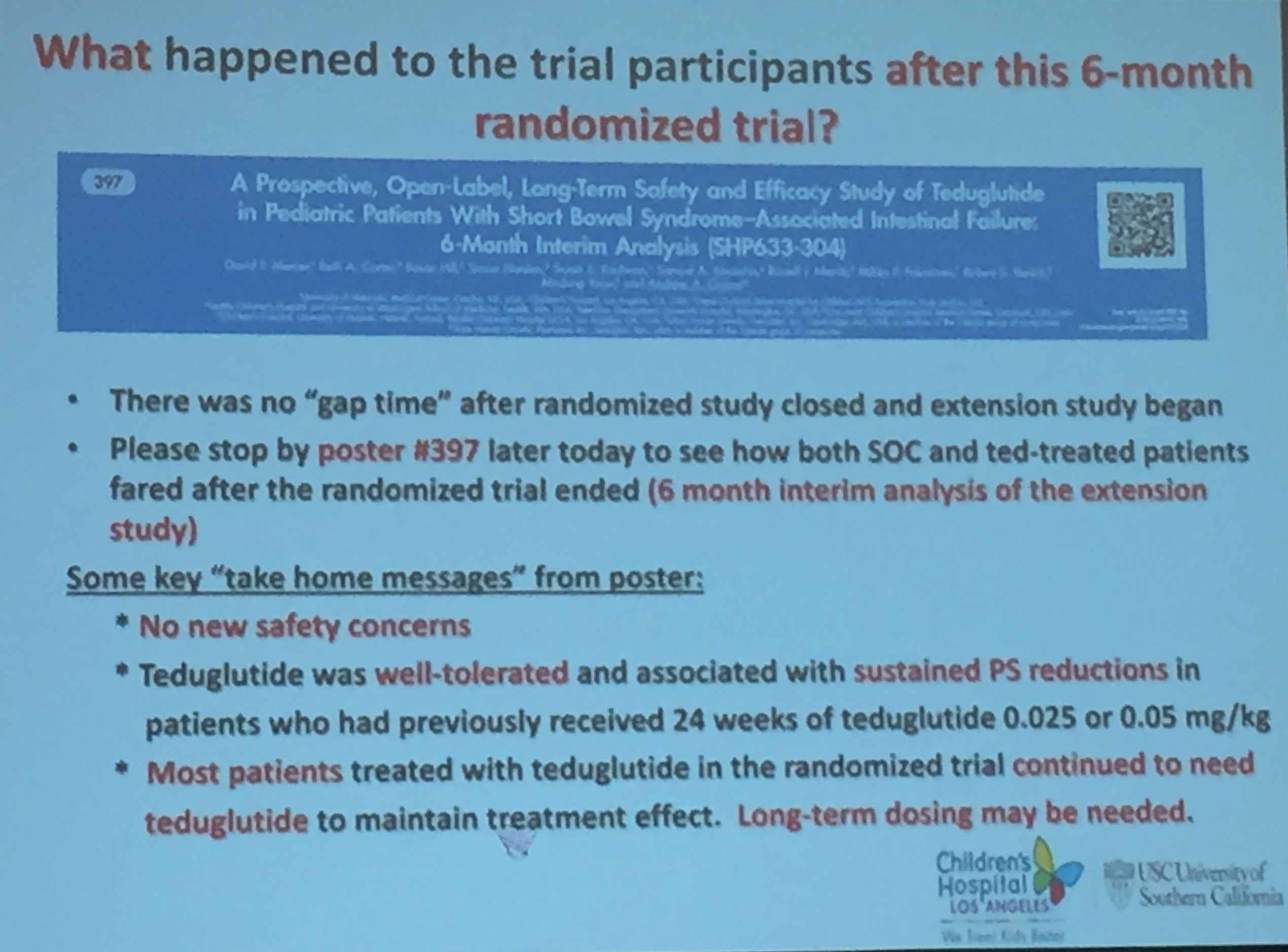
  • Most patients need to continue GLP-2 to maintain effect
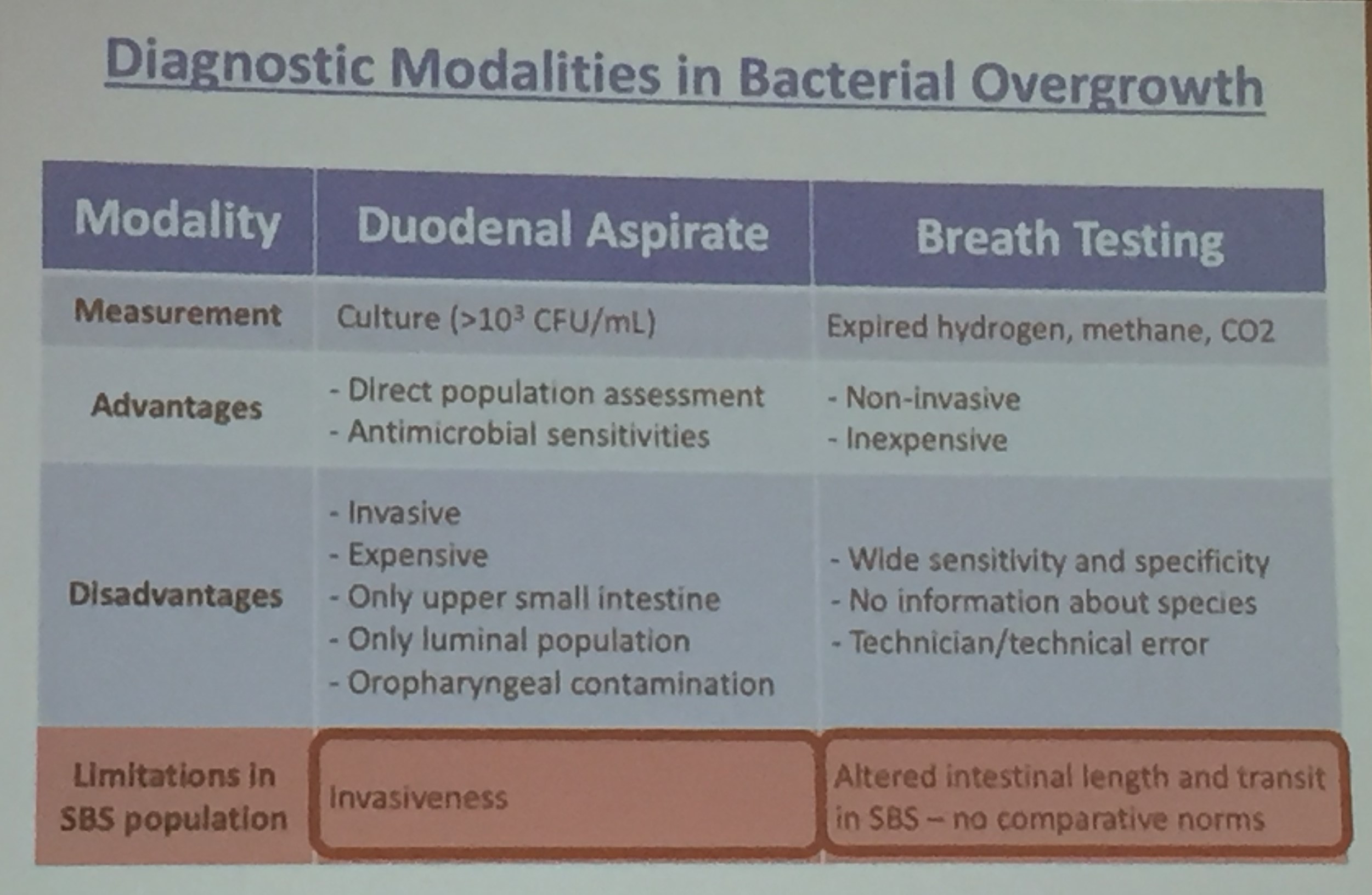
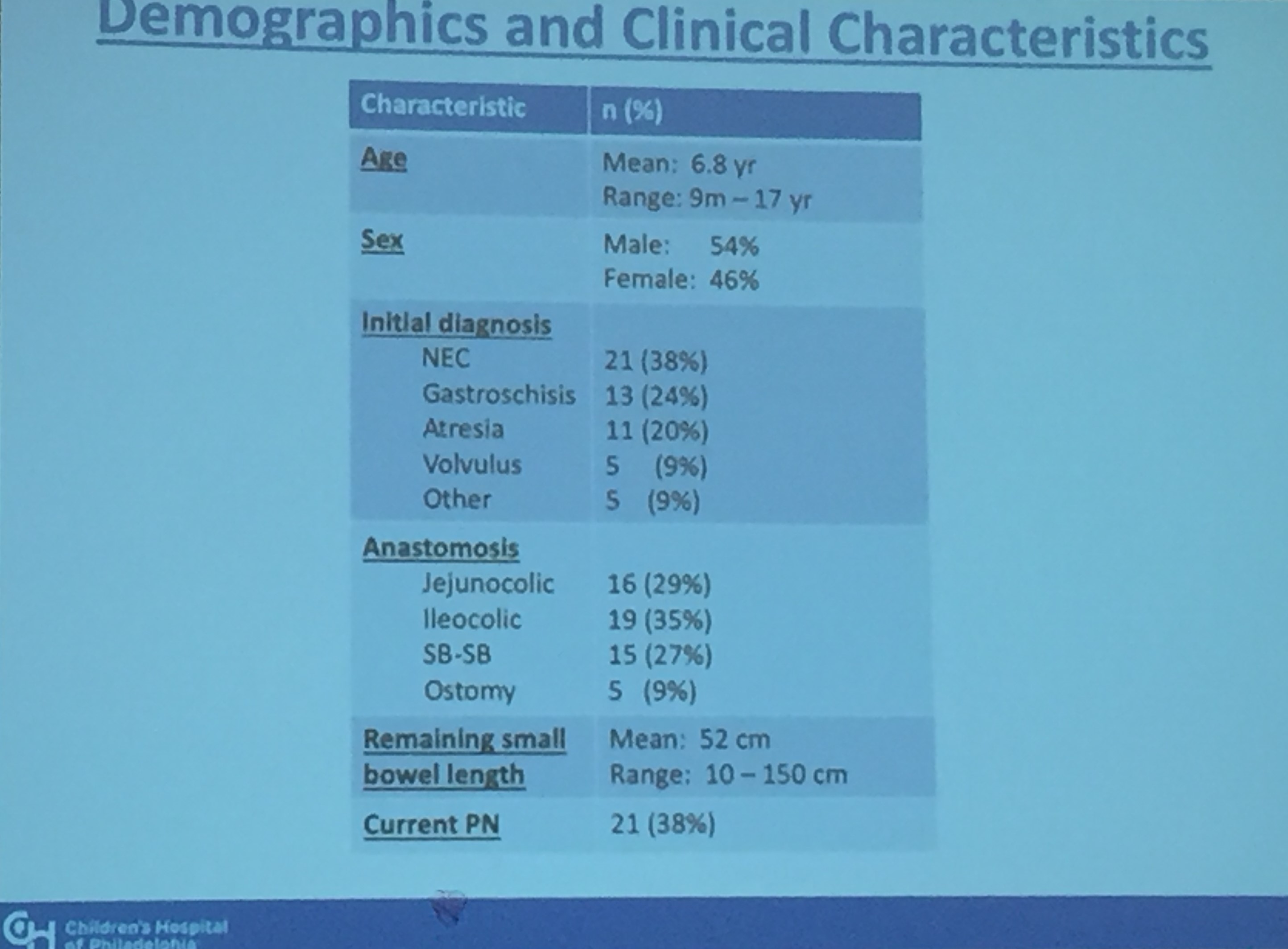
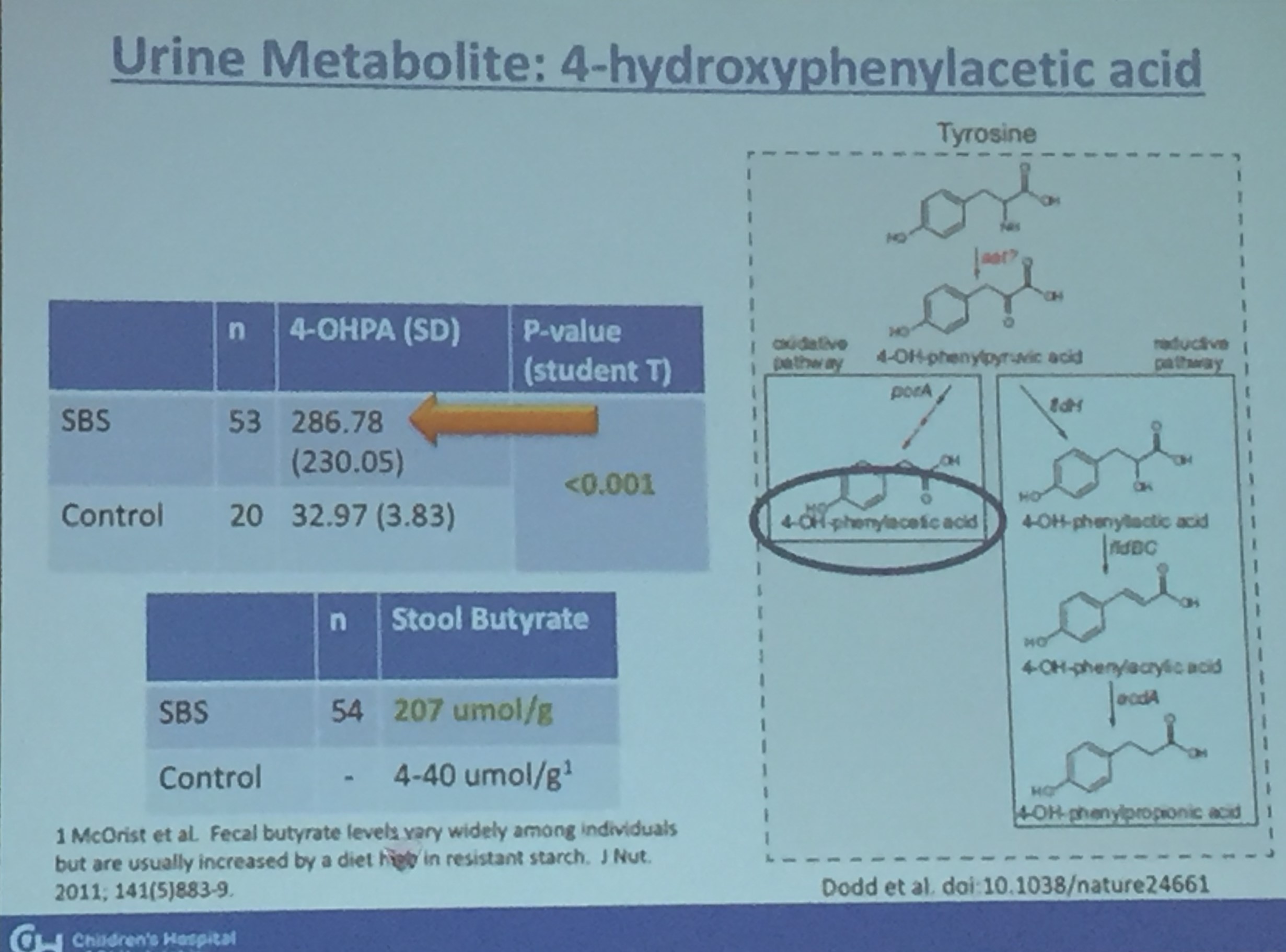
Arthur Kasti  Abstract 218  Microbial Metabolites as Markers of Intestinal Dysbiosis in Pediatric Short Bowel Syndrome

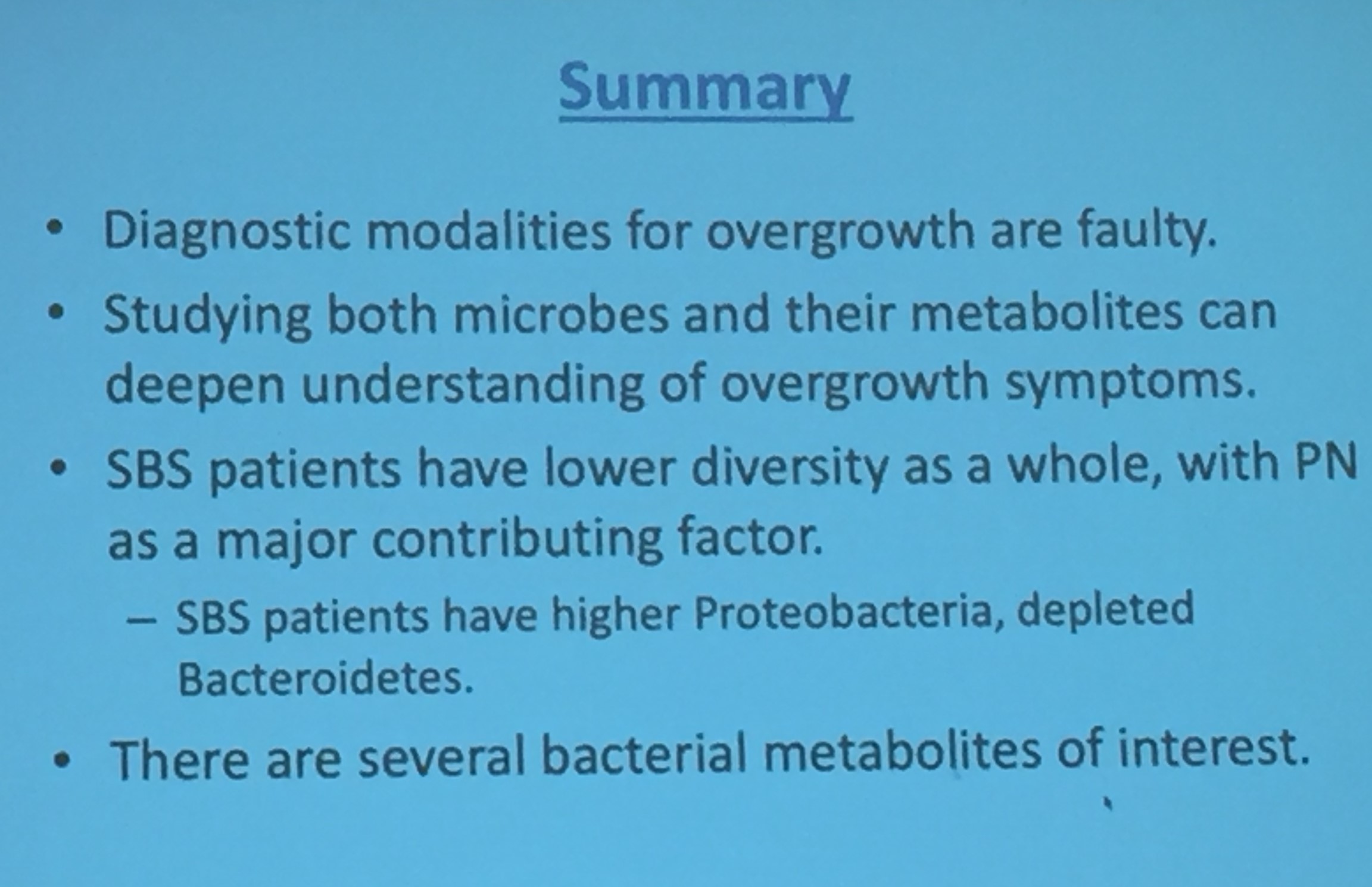
This was a terrific presentation. Key points:

  • Microbiome in SBS patients is less diverse
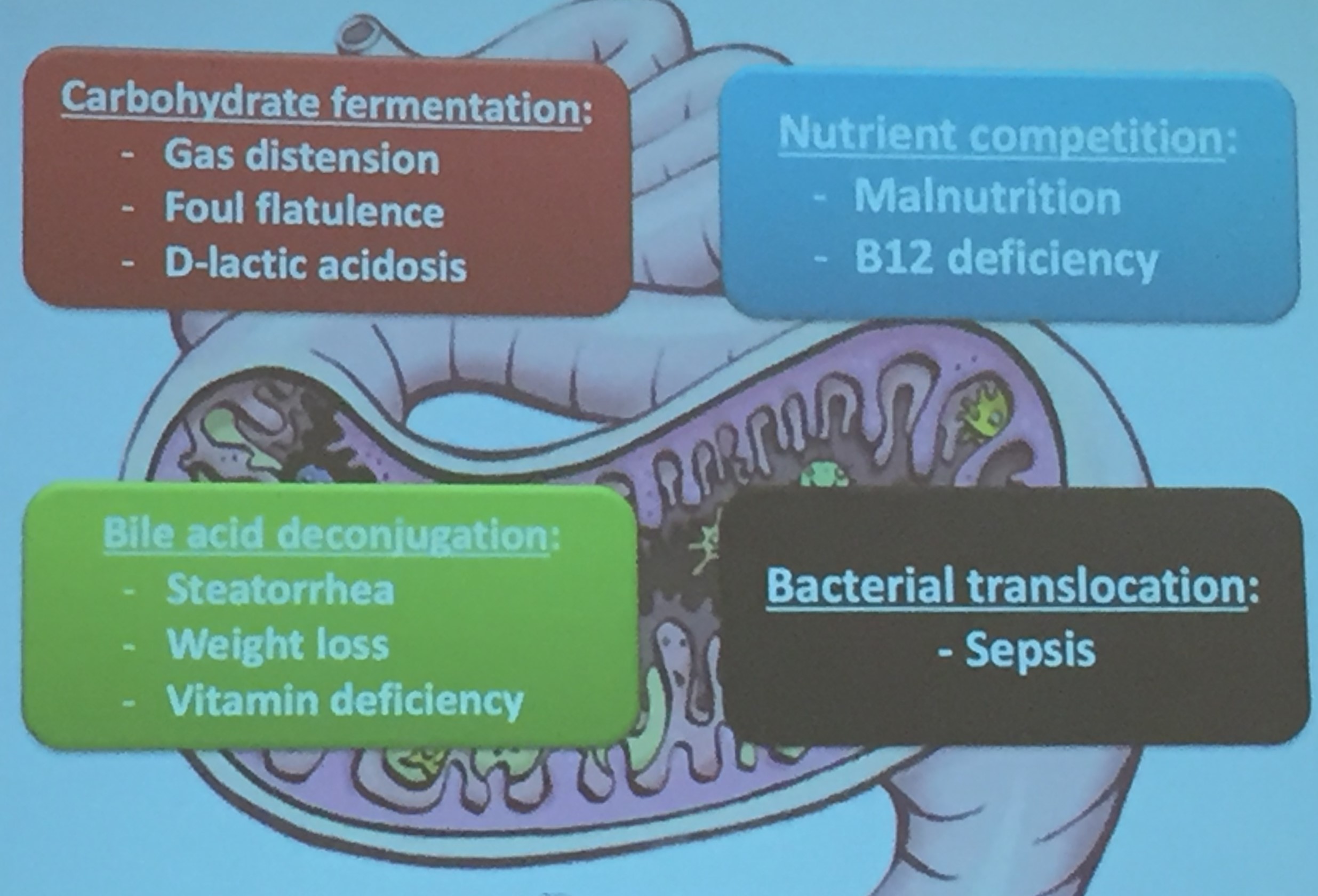
  • Current diagnosis of bacterial overgrowth is difficult and definitive diagnosis is often impractical
  • Several metabolites may be helpful in diagnosis of bacterial overgrowth
Disclaimer: This blog, gutsandgrowth, assumes no responsibility for any use or operation of any method, product, instruction, concept or idea contained in the material herein or for any injury or damage to persons or property (whether products liability, negligence or otherwise) resulting from such use or operation. These blog posts are for educational purposes only. Specific dosing of medications (along with potential adverse effects) should be confirmed by prescribing physician.  Because of rapid advances in the medical sciences, the gutsandgrowth blog cautions that independent verification should be made of diagnosis and drug dosages. The reader is solely responsible for the conduct of any suggested test or procedure.  This content is not a substitute for medical advice, diagnosis or treatment provided by a qualified healthcare provider. Always seek the advice of your physician or other qualified health provider with any questions you may have regarding a condition.

Breath Test Reliability for Bacterial Overgrowth

While breath test reliability for bacterial overgrowth has been a concern for a long time, another study (EC Lin, BT Massey. Clin Gastroenterol Hepatol 2016; 14: 203-08) takes a new approach to show that the glucose breath tests are subject to a high false-positive rate.  This is often related to rapid transit time.

Here’s what they did:

In a retrospective study, they examined data from 139 patients with suspected small bowel bacterial overgrowth (SBBO) (2003-2013).  Abnormal glucose breath tests were indicated by either hydrogen or methane >15 parts per million within 90 minutes after glucose ingestion.  In addition, they used concurrent scintigraphy (by labeling glucose with a Tc99m compound) to determine whether this increase occurred before or after glucose bolus arrived in the cecum.

Findings:

  • 46 (33%) had abnormal breath tests.  Of these 22 (48%) had false-positive results due to colonic fermentation.
  • False-positives were higher (65%) in the subset of patients with prior upper gastrointestinal surgery.  The nonsurgical group had a 13% false-positive rate.
  • This study shows that with rapid transit, significant glucose malabsorption is possible.

Because direct culture of small bowel contents is expensive, invasive and subject to contamination, physicians have relied on breath tests for diagnosis of SBBO or have empirically treated for SBBO.  The discussion and related editorial (pg 209) explain that lactulose breath testing is not more reliable than glucose breath testing.

My take: For patients with prior GI surgery (who are at the highest risk for SBBO), breath testing may not be more reliable than flipping a coin.  True positive results are more likely if hydrogen peak occurs within 60 minutes of glucose administration.

Related blog post: 

Flamenco Beach, Culebra

Flamenco Beach, Culebra

Breath Testing for Bacterial Overgrowth

A recent review (Clin Gastroenterol Hepatol 2014; 12: 1964-72) provides useful advice on testing for bacterial overgrowth and explains the limitations/obstacles in determining whether bacterial overgrowth is present.

Their recommendations:

  • Preparation: avoid antibiotics for 4 weeks prior to testing, avoid bismuth for 2-4 weeks, avoid probiotics for 2-3 weeks before testing, avoid consumption of non absorbable carbohydrates (eg. pasta, bread, fiber cereal, beans) the night prior
  • Glucose substrate for hydrogen breath testing is likely most suitable.  50 g in 250 mL.  Check baseline and then every 15 minutes over 120 minute testing interval.  Positive study: increase of 12 ppm (or more) over baseline and/or baseline >20 ppm (if proper test conditions)
  • Glucose breath test (GBT): sensitivity 20-93%, specificity 30-86%.  False-positive results can occur with rapid small-bowel transit.  GBT may not detect distal small bowel bacterial overgrowth.  Lactulose breath test (LBT) generally has lower specificity.
  • If breath testing is not available, small-bowel aspiration for quantitative culture is a reasonable consideration (challenging methodology).  Alternatively, a trial of empiric antibiotics may be considered if pretest probability is high.

Related blog post:

Outcomes with STEP procedure

While the serial transverse enteroplasty (STEP) procedure has been considered a major advance in the management of short bowel syndrome (SBS), long-term data are in short supply.  5-year outcomes from Toronto with regard to 12 patients offers some insight into the effectiveness of this operation (J Pediatr Surg 2012; 47: 931-37).

The 12 patients selected for this study received STEP prior to January 2005.  The other 19 STEP patients at this institution were not included due to lack of long-term followup. Among the 12 patients, 6 had intestinal atresia, 3 had NEC, 1 had gastroschisis, 1 had volvulus, and 1 had Hirschsprung disease.

Key results:

  • 7 patients weaned off parenteral nutrition successfully –one took 4 years; one patient continued on parenteral nutrition.
  • 2 patients died of liver failure, 2 patients received liver-intestinal transplant.
  • STEP increased small bowel length from a median of 110 cm to 128 cm.  The dilated portion that received STEP changed from a median length of 31 cm to a median of 57 cm; this resulted in a median bowel caliber change from 6 cm to 2 cm.  The overall effect was an overall increase in small bowel length of 40%.
  • Biochemical markers improved.  For example, citrulline increased from 18 μmol/L pre-STEP to 33 μmol/L at 12 months, and 48 μmol/L at 5 years post-STEP.  Fecal fat malabsorption (based on 72 hr collections) improved from >40% to ~20% 6 months after STEP.
  • Indications for STEP: bacterial overgrowth (n=7), intestinal failure associated liver disease (IFALD) (n=5).
  • Complications: suture line bleeding due to ulcerations in one patient, 2 patients had leakage at suture line in immediate post-op period.  The latter 2 cases were ascribed to limited experience with technique; the surgeons now use a 2.5 mm staple instead of a 3.5 mm.

Take home points:

  1. Authors comment: “our approach is to only consider patients who plateau in their parenteral nutrition weaning or develop complications such as PN cholestasis…patients who continue to show intestinal adaptation are not offered surgery despite the presence of bowel dilatation”
  2. “It takes up to an average of 1 to 2 years to see the improvement in intestinal function after a STEP.”  While the authors may be correct about this timeframe, in their figure 3, two came off PN at one month post-STEP, four achieved this goal 6 months after STEP and another 12 months following STEP.
  3. Why does STEP work? Either improved intestinal function due to increased absorptive surface or due to healing of existing mucosa; the latter may occur with resolution of dilated,  inflamed bowel associated with bacterial overgrowth.

Related blog entries:

Four advances for intestinal failure | gutsandgrowth

IFfy outcome | gutsandgrowth

Additional STEP references:

  • -JPGN 2007; 45: 174, 257.
  • -J Pediatr Surg 2003; 38: 425-429. Initial description of STEP procedure from Kim HB et al.
  • -Clin Gastro & Hep 2006; 4: 1237. STEP in 4 patients helped to decrease or eliminate TPN requirements.
  • Images for step procedure

One for the PPI team

While this blog in previous posts has pointed out some shortcomings of proton pump inhibitors (PPIs), at the same time this class of medications remains a crucial part of pediatric gastroenterology practice.  In most patients, the benefits of these medications far outweigh the potential risks.

One of the risks has been a low rate of increased infections due to lowering gastric acid which provides some protection against enteric infections.  More information about PPIs show that these medications are not likely to increase the risk of small intestinal bacterial overgrowth (SIBO) (Am J Gastroenterol 2012; 107: 730-35 –thanks to Ben Gold for showing me this article).

In this retrospective study from 2004-2010, 1191 patients were included with 566 receiving PPI therapy.  Mean age: 63 years for PPI users and 59 years for nonusers. Glucose breath hydrogen testing (GBHT) for bacterial overgrowth did not differ significantly between PPI users and nonusers.  The authors acknowledge that there have been conflicting reports previously between the use of PPIs and the development of SIBO (see Table 5 of article); interestingly, SIBO with PPIs has occurred predominantly in studies from Europe.  The authors note that while achlorhydria leads to SIBO, the intermittent surges of acid production with PPIs should be sufficient to prevent SIBO.

Additional references/previous blog posts:

  • Proton pump inhibitors–infection risk with cirrhosis
  • The Medical Pendulum and Gastroesophageal Reflux
  • -Gastroenterol Hepatol 2011; 7: 10-2.  Risk of infections with PPIs.
  • -Gut 2007; 56: 802-8.  SIBO with IBS.
  • -NEJM 2010; 363: 2114. large Denmark study. 5082 fetuses with PPI exposure (out of 840,968 live births. Risk of birth defects NOT increased with exposure during 1st trimester. Possible slight increase with preconception use except with omeprazole.
  • -Gastroenterol 2010; 139: 1115. Review of safety of PPIs.
  • -Gastroenterol 2010; 139: 93. n=167,000. PPIs associated with hip fracture risk, OR 1.3, in patients with other risk factors.
  • -Gastroenterol 2010; 138: 896-904. 5 yrs of PPI -no increase risk in hip/spine fx.
  • -Arch Intern Med 2010; 170: 765-71, 747 (ed). PPI not related to hip fx (n=161,806) women 50-79. INCREASE risk of spine fx, hazard risk 1.47
  • -Arch Intern Med 2010; 170: 772-8. PPIs increase risk of CDT (hazard ratio 1.42 –42% increase in risk), n=1166.
  • -Arch Intern Med 2010; 170: 784-90. n=101,796.  Risk of nosocomial infection: OR 1.74 for daily PPI, OR 2.36 if BID Rx; thus ~70% increase risk of nosocomial infection.

Rifaximin for Crohn’s disease?

Rifaximin (Xifaxan®) shows promise as a new treatment for Crohn’s disease (Gastroenterology 2012; 142: 473-81).  Rifaximin is an oral medication with minimal systemic absorption; it has a good track record in a number of GI indications, including bacterial gastroenteritis (traveler’s diarrhea), bacterial overgrowth in irritable bowel disease, and hepatic encephalopathy.  There are a few reasons why rifaximin would be considered a good candidate treatment for Crohn’s disease:

  • The pathophysiology of Crohn’s disease involves interaction of adherent bacteria to the intestinal mucosa and with the immune system
  • Other antimicrobials have shown benefit for Crohn’s disease
  • Animal models do not manifest Crohn’s disease when in a bacteria-free environment

In this study of 402 patients with moderate-to-severe Crohn’s disease, a multicenter randomized double-blind trial examined efficacy and safety of rifaximin at doses of 400mg, 800mg, and 1200mg twice daily.  The primary end point was remission based on Crohn’s Disease Activity Index (CDAI).

At the end of the 12-week treatment period, 62% of the 800mg group were in remission compared to 43% of the placebo group.  This difference was maintained 12 weeks afterwards with 45% maintaining remission compared with 43% of patients receiving placebo.  When looking at the other dosing regimens, at 12 weeks, 54% of the 400mg group and 47% of the 1200mg group were in remission based on CDAI.

Clinical response, but not remission, occurred in 56% of placebo patients compared with 63% for 400mg patients, 72% for 800mg patients, and 57% of 1200mg patients.  This trial may have been hampered by patient selection in that the placebo response was high.  This may be due to the fact that ~50% of patients had a low CRP value at baseline.

Safety was good in all patient groups.  However, one rifaximin-treated patient developed C difficile infection.

The fact that a clear dose response was not evident suggests the need for more studies.

Additional Rifaximin References:

  • -NEJM 2011; 364: 22 (pg 81-editorial).  About 10% improvement over placebo in pts with IBS-D.  (see abstract below).  Effects lasted up to 3 months.
  • -JPGN 2009; 49: 400-04. helped symptoms in 61% of IBD pts. n=23 (12 w Crohn). dose 10-30mg/kg/day.
  • -Aliment Pharm Ther 2005; 22: 31-35. Use in SBBO. n=90; 1200mg/day x 7 days. NL glucose breath test in 60% (vs 17% in low dose group); no side effects.
  • -Ann Intern Med 2006; 145: 557-563. double-blind, randomized controlled trial, n=87 for IBS. 400mg tid x 10days. Rx resulted in greater IBS improvement, ~40% improvement vs 20% w placebo during 10 week study
  • -IBD 2006; 12: 335. open-label use of rifaximim (400mg BID) for 30 pts c UC flare on ASA products resulted in clinical remission in 23 of 30.
  • -J Infect 2011; 62: 34-38. Rx may lead to resistant staphylococci.
  • -Hepatology 2010; 52: 1484. Review.

Additional Crohn’s Antibiotic/Probiotic References:

  • -IBD 2009; 15; 17. 40% response to Cipro in treatment of peranal fistulas. n=25. No response to metronidazole.
  • -IBD 2008; 14: 1597, 1585. No proven role for probiotics and IBD except pouchitis (after Abx)
  • -Clin Gastro & Hep 2008; 6: 145. Pouch problems reviewed -excellent review.
  • -IBD 2006; 12: 335. open-label use of rifaximim (400mg BID) for 30 pts c UC flare on ASA products resulted in clinical remission in 23 of 30.
  • -Curr Med Res Opinion 2005; 8: 1165-70. Rx for traveler’s diarrhea.  May be useful for Crohn’s as well.
  • -Gastroenterology 2005; 128: 856. Use of ornidazole prophylaxis reduced recurrence p-op from 37.5% to 8%.
  • -IBD 2004; 10: 318-325. antibiotics & IBD review.
  • -Gastroenterology 2004; 127: 412-21. adherent-invasive E. coli associated with ileal mucosa in 22% of Crohn’s (n=63) ileal mucosa vs. 6% of controls (n=16); higher colonization noted in neo-terminal ileums (36%).