NASPGHAN Dysphagia Webinar: Dr. Khalil El-Chammas, Dr. Peter Osgood, and Dr. Jose Garza

I signed up for this webinar mainly to hear my partner Jose Garza’s presentation (who presented last), though all the speakers were good. I took a couple screenshots on my phone during the presentations. The webinar is available/archived at NASPGHAN website.

  • Dr. El-Chammas’ presentation gave a quick review on normal swallowing physiology, modalities for evaluation (eg. VSS, FEES) and showed some cool slides particularly with regard to pharyngeal manometry.
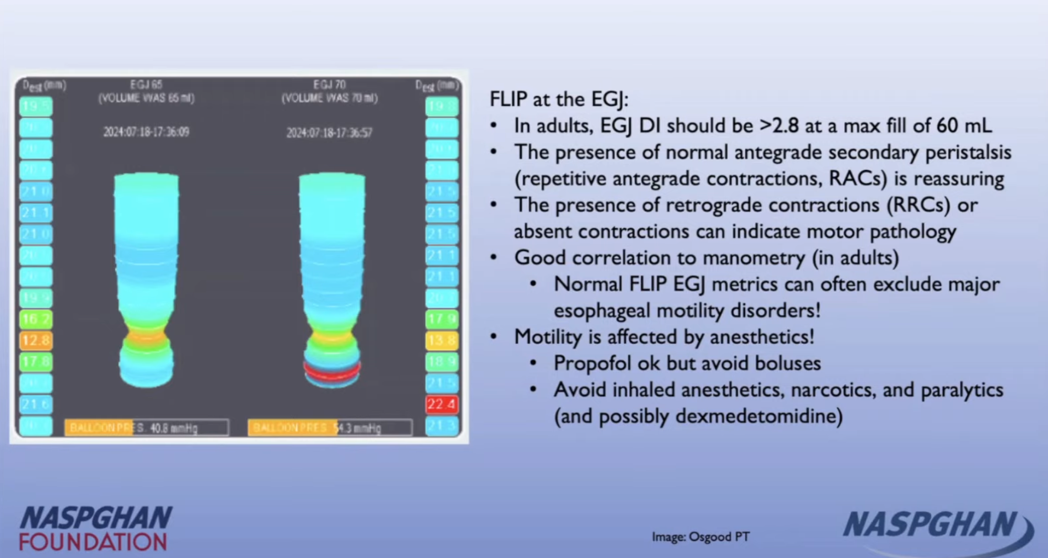
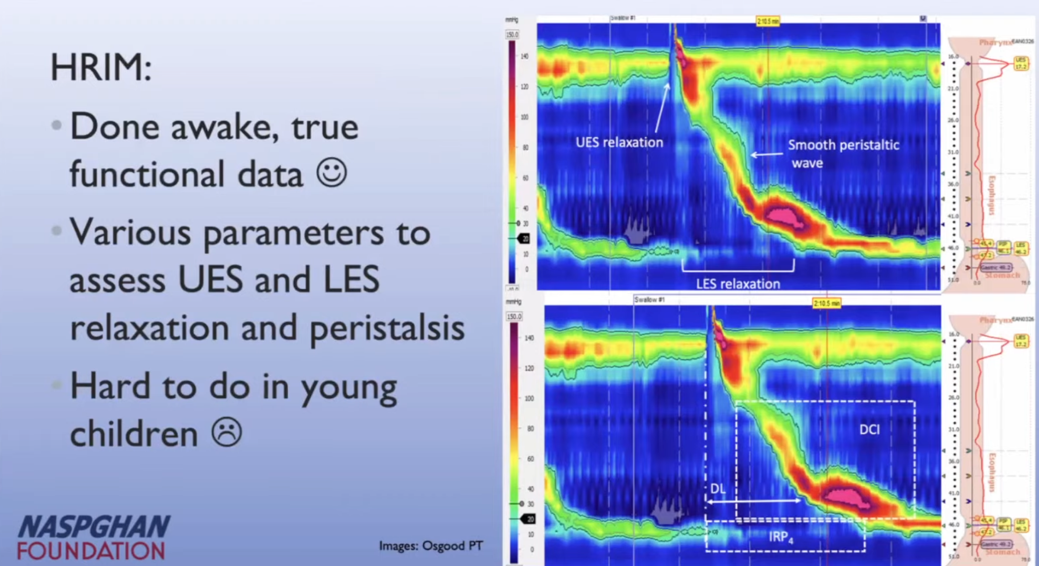
  • Dr. Osgood reviewed the etiologies/workup for dysphagia including helpful slides on esophagrams, FLIP and manometry.
Manometry typical of Type 2 Achalasia
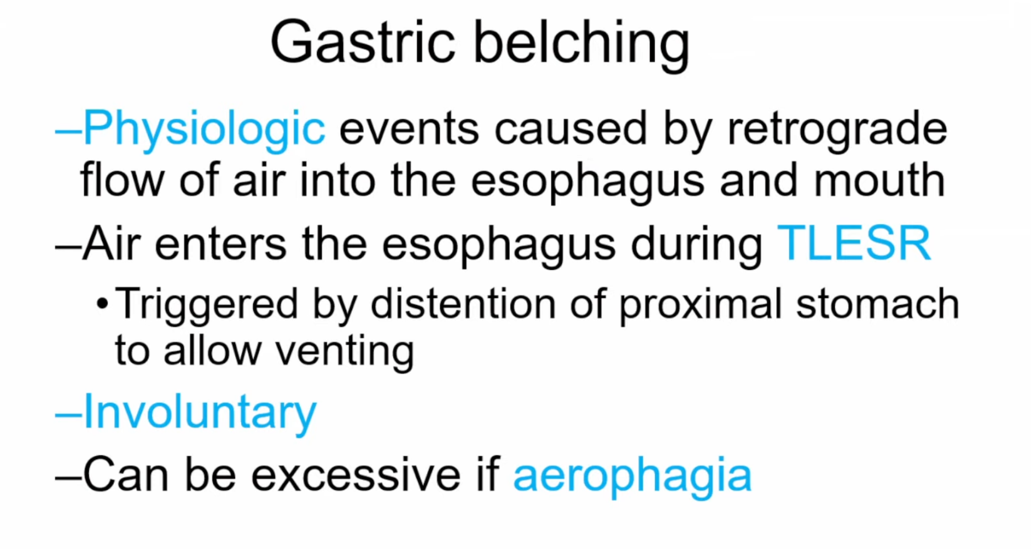
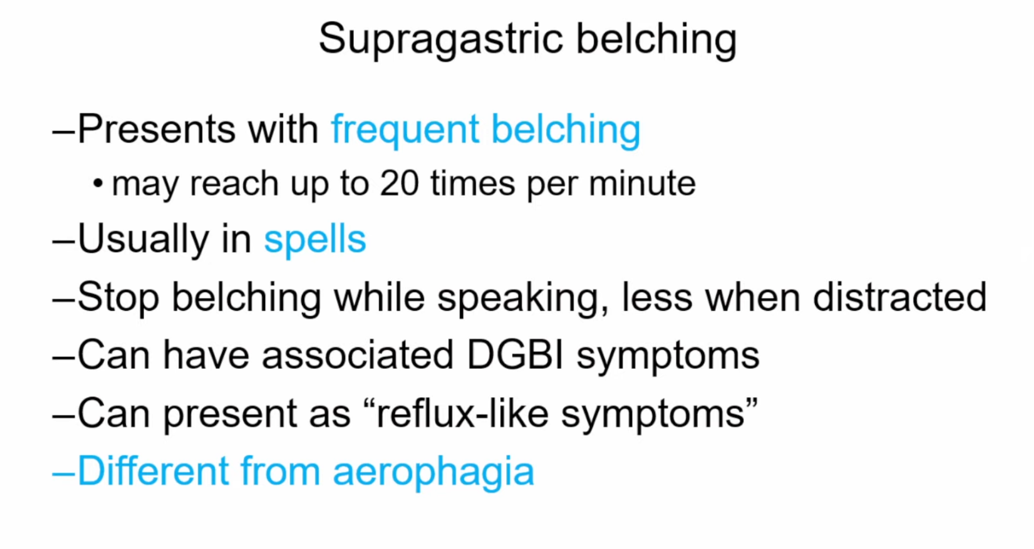
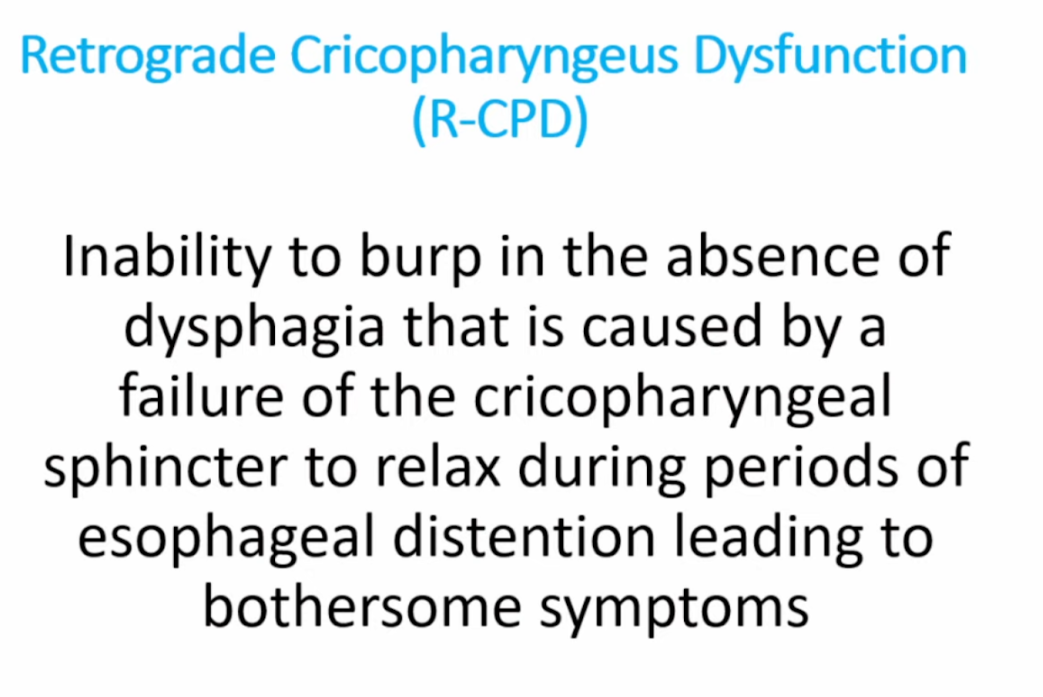
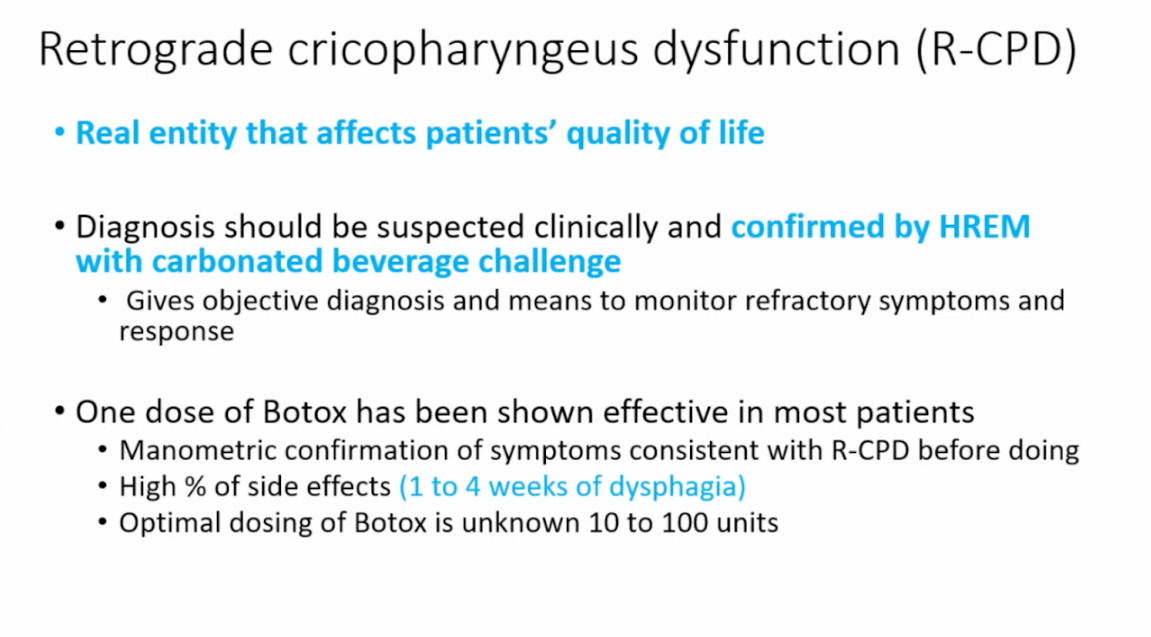
  • Dr. Garza provided insightful information on gastric vs supragastric belching. Supragastric belching can be treated with diaphragmatic breathing and cognitive behavioral therapy. Supragastric belching has shown poor response to pharmacologic therapy. He also explained the physiology behind the inability to burp.
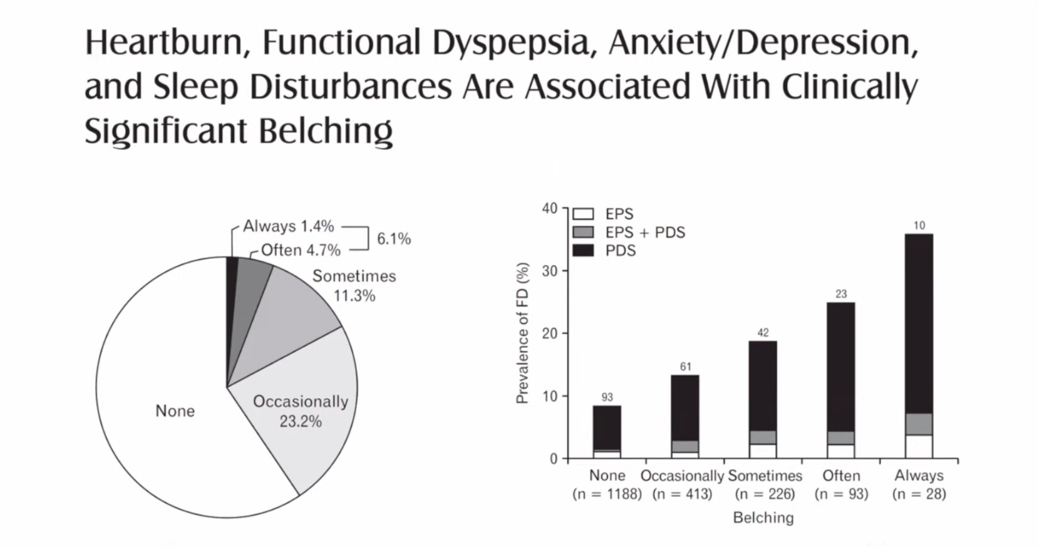
Important to distinguish reason for belching as this affect management
This study shows that with gastric belching the air works its way from the stomach up and with supragastric belching air is swallowed and expelled from the esophagus

My take: Our motility colleagues have some cool toys. When the treatments are as good as the toys, being a motility specialist will be even more fun.

Expert Advice on Bloating, Belching and Distention

B Moshiree, D Drossman, A Shaukat. Gastroenterol 2023; 165: 791-800. Open Access! AGA Clinical Practice Update on Evaluation and Management of Belching, Abdominal Bloating, and Distention: Expert Review

Best Practice Advice:

  • #2: Treatment options for supragastric belching may include brain–gut behavioral therapies, either separately or in combination, such as cognitive behavioral therapy, diaphragmatic breathing, speech therapy, and central neuromodulators.
  • #6: Abdominal imaging and upper endoscopy should be ordered in patients with alarm features, recent worsening symptoms, or an abnormal physical examination only.
  • #7: Gastric emptying studies should not be ordered routinely for bloating and distention, but may be considered if nausea and vomiting are present. Whole gut motility and radiopaque transit studies should not be ordered unless other additional and treatment-refractory lower gastrointestinal symptoms exist to warrant testing for neuromyopathic disorders.
  • #10: Probiotics should not be used to treat abdominal bloating and distention.
  • #11: Central neuromodulators (eg, antidepressants) are used to treat bloating and abdominal distention by reducing visceral hypersensitivity, raising sensation threshold, and improving psychological comorbidities.
Gastric belching: tracing showing instead a distal to proximal increase in impedance with air clearing from the esophagus. Arrows indicate direction of air flow and high-resolution manometric view of gastric belching is shown with direction of air flow from stomach to upper esophagus seen (orange arrow)

Several points from review:

  • Belching can be from the esophagus or from the stomach.
  • Supragastric belching involves air clearing from the esophagus not from stomach and is frequently associated with anxiety.
  • Gastric belching is frequently associated with reflux and occurs after spontaneous transient relaxation of the lower esophageal sphincter.
  • Bloating is a subjective sensation of fullness, tightness or trapped gas. Food intolerances, bacterial overgrowth, and celiac disease need to be considered. If constipation is present, this should be treated.

My take: This is a good review with plenty of practical suggestions for management.

Related blog posts:

Disclaimer: This blog, gutsandgrowth, assumes no responsibility for any use or operation of any method, product, instruction, concept or idea contained in the material herein or for any injury or damage to persons or property (whether products liability, negligence or otherwise) resulting from such use or operation. These blog posts are for educational purposes only. Specific dosing of medications (along with potential adverse effects) should be confirmed by prescribing physician.  Because of rapid advances in the medical sciences, the gutsandgrowth blog cautions that independent verification should be made of diagnosis and drug dosages. The reader is solely responsible for the conduct of any suggested test or procedure.  This content is not a substitute for medical advice, diagnosis or treatment provided by a qualified healthcare provider. Always seek the advice of your physician or other qualified health provider with any questions you may have regarding a condition.

Most Popular Posts 2011-2018

Since this blog’s inception, there are now more than 2500 posts; these are the most popular (most views):

Most of these posts are referenced in more recent posts on the same or similar subjects.

Near Banff


Breathing (Diaphragmatic) Helps Belching and Reflux Symptoms

A recent prospective study (A M-L Ong et al. Clin Gastroenterol Hepatol 2018; 16: 407-16) of 36 patients (median age 45) showed that diaphragmatic breathing was helpful for PPI-refractory GERD symptoms/belching.  Patients enrolled all had “troublesome belching” for 6 months and GERD. Patients underwent high resolution manometry and pH-impedance study.

Key findings:

  • 9 of 15 (60%) in the diaphragmatic treatment group reduced their belching visual analog score by ≥50%, whereas none of the control group achieved the primary outcome
  • Treatment also resulted in lower GERD symptoms based on reflux disease questionnaire score -decrease of 12.2 vs 3.1 in the control group (P=.01)
  • Treatment improved QOL scores, based on Reflux-Qual Short form (15.7 increase for treatment group compared to 2.4 decrease in control group)
  • Treatment effects were sustained at 4 months after treatment

My take: Diaphragmatic breathing can be a useful adjunct in GERD, particularly in patients with belching.

Related blog post: Treatment for rumination and belching


Foggy Morning in Sandy Springs

Belching, Hiccups and Aerophagia

A useful review (Clin Gastroenterol Hepatol 2013; 11: 6-12) provides information on these clinical problems.

Belching or eructation can be divided into gastric belches which are normal and supragastric belching.  Supragastric belching which is a behavior (not a reflex), is often provoked by stress.  Air does not originate from the stomach or air swallowing (aerophagia).  The most common mechanism: a contraction of the diaphragm causes negative pressure in the chest and allows air to be suctioned into the esophagus.  It is expelled subsequently as a belch.  In some instances, it can occur up to 20 times a minute.  Supragastric belching does not occur during sleep and usually does not occur during speaking.

A clinical diagnosis usually is sufficient, though esophageal impedance can document these events as well.

Management:

  1. Explain physiology to patient
  2. Consider psychiatric evaluation when appropriate
  3. Glottis training by qualified speech therapist –needs to be aware of mechanism (that belching is not due to aerophagia).
  4. Alternative treatment could include cognitive behavior therapy, baclofen, hypnosis or biofeedback

Hiccups (singultus) are abnormal if lasting more than 48 hours.

Hiccups (at least in adults) have more likelihood of underlying pathology than belching.  This review suggests workup including blood tests (CBC, CMP, Amylase/lipase, CRP, Cortisol) and consideration of EKG, CT of chest, Upper endoscopy, MRI of brainstem, and esophageal impedance.

Physical maneuvers have usually been tried and include the following: scaring the patient, rapid drinking, eyeball compression, holding breath, biting a lemon, swallowing sugar, and sniffing vinegar.  A good differential diagnosis is given as well in this review -though many cases are idiopathic.

In the U.S. the only approved drug treatment is chlorpromazine.  Typical starting dose  for adults with this condition is 25 mg 3-4/day.  Potential side effects include drowsiness and rarely tardive dyskinesia.  Potential alternatives include baclofen and gabapentin.  Numerous other agents and even surgical options are listed in this review that have been reported in case studies.

Aerophagia indicates excessive swallowing of air (capable of inducing symptoms like bloating or pain).  No controlled studies have been completed.  Expert opinion suggests using a nasogastric tube and sedatives like lorazepam in severe acute cases.  In more typical chronic cases, advice includes restriction of carbonated beverages and possibly speech therapy.  Agents like simethicone may be helpful.  Laxatives may be helpful in some cases as well.

Related posts:

Treatment for rumination and belching | gutsandgrowth

Treatment for rumination and belching

Treatment options for rumination and for belching are limited.  Baclofen improves symptoms and decreases events in both of these disorders (Clin Gastroenterol Hepatol 2012; 10: 379-84).

Rumination is characterized by effortless regurgitation of recently ingested food into the mouth (or beyond). It is easily mistaken for vomiting disorders and motility disturbances.  With rumination, patients have retrograde flow of gastric contents into the esophagus through voluntary, though unintentional, abdominal muscle contractions with increased intragastric pressure increases.

Supragastric belching occurs when air is sucked into the esophagus by decreasing the intrathoracic pressure or by contracting pharyngeal muscles.

Baclofen is an agonist of the γ-aminobutyric acid B (GABA) receptor which results in increased lower esophageal sphincter (LES) pressures and reduced swallowing rates. Baclofen has been shown to improve reflux, mainly by reducing transient LES relaxations (TLESRs) but also by increasing basal LES pressures.

In the majority of patients, the mainstay of treatment has been behavioral which use diaphragmatic breathing to compete/extinguish these behaviors.  There are a shortage of therapists familiar with this approach.  As such, alternative treatments are needed.  In this study, high-resolution manometry-impendance recordings were taken from 16 patients (10 women; mean age 43 years; range 18-89 years); eight of the patients had rumination.  Only 12 patients were included in the final analysis; four patients refused repeat manometry.  Manometry was performed before and after treatment along with recording symptoms.  Both symptoms and manometry recordings improved with Baclofen therapy.  This was a one-week open-label study.  Baclofen was dosed at 10 mg TID.  At baseline the total number of “flow events” was 473; after treatment, this was reduced to 282 events.  In total, rumination events decreased by 68% during treatment.   This improvement correlated with increased LES pressures.

Four of the 12 patients reported mild side effects mainly sleepiness and difficulty concentrating.

Additional references:

  • -Clin Gastroenterol & Hep 2007; 5:772. Review. Supragastric belching usually due to aerophagia and is very frequen (up to 20/hr)t. GERD related belching is less infrequent, has sour taste, usually less loud & after meals. Gum chewing, excessive beverage drinks, rapid eating or drinking,  smoking or using straw for drinking may increase air in the stomach and lead to burping which can be behavioural problem as well.
  • -“Behavioral Treatment of Chronic Belching Due to Aerophagia in a  Normal Adult” Behav Modif 2006; 30; 341
  • -JPGN 2011; 52: 414. Mgt of severe rumination @ Columbus Ohio. n=5. Definitive dx established with AD manometry with typical r-wave pattern (when regurgitates after a meal)
  • -JPGN 2010; 50: 103. Rumination occurring in NL intelligent adolescents. May start with regurgitation and progress to inability to swallow saliva.
  • -Clin Gastro & Hep 2006; 4: 1314. Review of management of rumination/case presentation
  • -Chitkara et al: Teaching diaphragmatic breathing for rumination syndrome. Am J Gastroenterol. 2006 Nov;101(11):2449-52. Review. Can use behavioral interventions such as deep breathing exercises/ diaphragmatic breathing to break the spasms..
  • -Gastroenterology 2006; 130: 1527-28. Review and criteria of rumination.
  • -Pediatrics 2003; 111: 158-62. Review of rumination dx, Rx, & prognosis.
  • -Clin Persp in Gastro 2000; 3 (5): 277.

Additional Baclofen references:

  • -J Pediatr 2006; 149: 436, 468. Baclofen reduces GER. 0.5mg/kg/day
  • -JPGN 2004; 38: 317. Effectiveness of baclofen in neurologically-impaired children w GER. (0.7/kg/day), n=8.
  • -Gastroenterology 2000; 118: 7-13. Use of baclofen to reduce TLESR.
  • -Aliment Pharm Ther 2003; 17: 243-51. Baclofen reduced GER (acid & nonacid). side effects -N, V, dizzy. dose: in adults, start at 5mg tid, increase c 5mg increments every 4th day to 10-20mg tid.