Study Confirms High COVID Risk for Healthcare & Essential Workers

M Mutambudzi et al. BMJ 2020 Free Full Text: Occupation and risk of severe COVID-19: prospective cohort study of 120 075 UK Biobank participants 

Using UK Biobank data with 120 075 participants with 271 who had severe COVID-19, key findings:

  • Relative to non-essential workers, healthcare workers (RR 7.43, 95% CI 5.52 to 10.00), social and education workers (RR 1.84, 95% CI 1.21 to 2.82) and other essential workers (RR 1.60, 95% CI 1.05 to 2.45) had a higher risk of severe COVID-19.
  • More specifically, healthcare professionals (doctors, psychologists, pharmacists) (RR 6.19, 95% CI 3.68 to 10.43). The higher risk of severe COVID-19 among healthcare workers was not reduced after adjustment for socioeconomic, work-related, or health and lifestyle-related factors
  • Using more detailed groupings, medical support staff (RR 8.70, 95% CI 4.87 to 15.55), social care (RR 2.46, 95% CI 1.47 to 4.14) and transport workers (RR 2.20, 95% CI 1.21 to 4.00) had the highest risk within the broader groups.
  • Compared with white non-essential workers, non-white non-essential workers had a higher risk (RR 3.27, 95% CI 1.90 to 5.62) and non-white essential workers had the highest risk (RR 8.34, 95% CI 5.17 to 13.47).

My take: This study shows the increased risk of severe COVID-19 among essential workers, particularly in healthcare field and non-white ethnicity was associated with further increased risk.

Expert Update on COVID-19 Pandemic and Vaccine Rollout

Our hospital system has been arranging frequent staff meetings to provide situational updates amid the pandemic. On 12/2/20, Evan Anderson (infectious disease) provided an ​an excellent update on COVID-19​/rollout of vaccines.

Key Points:

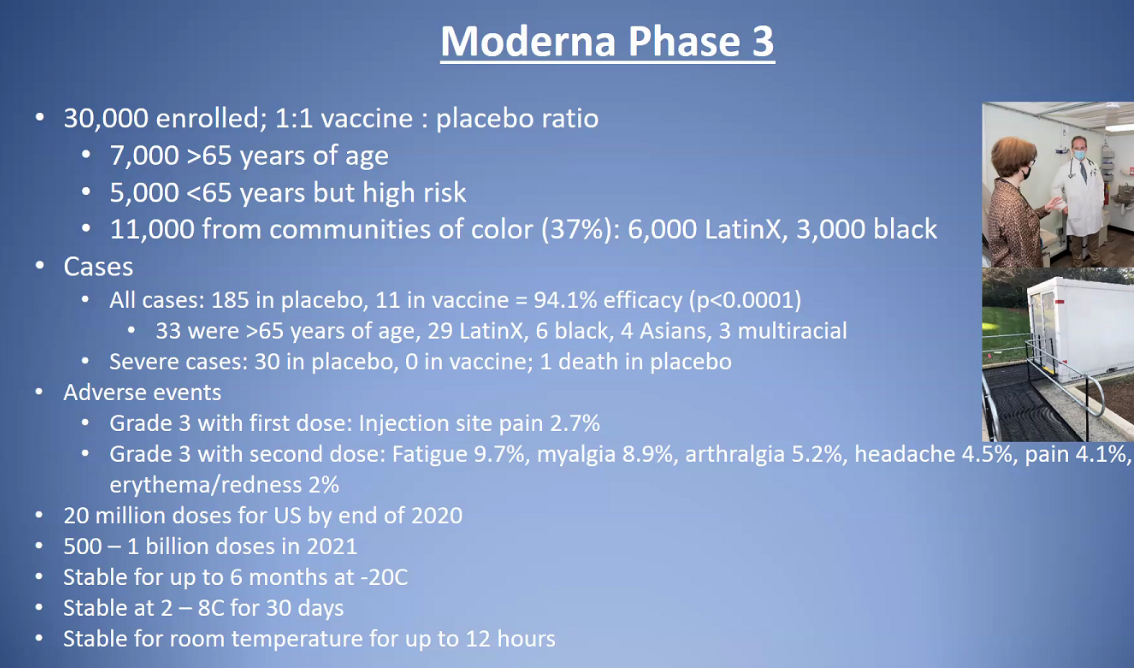
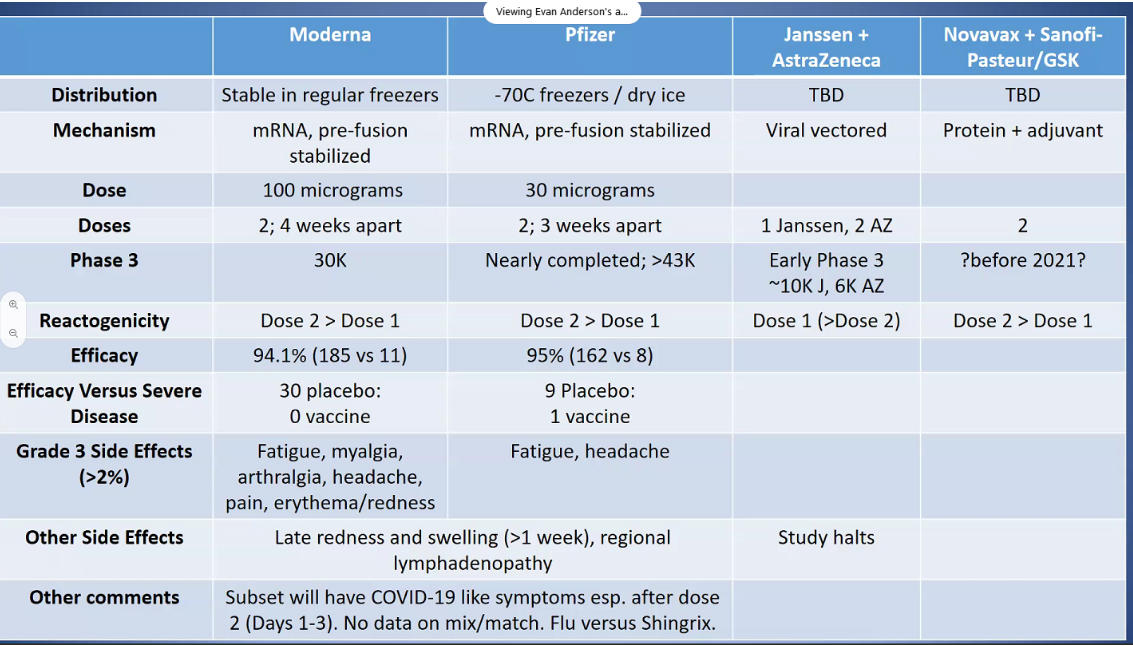
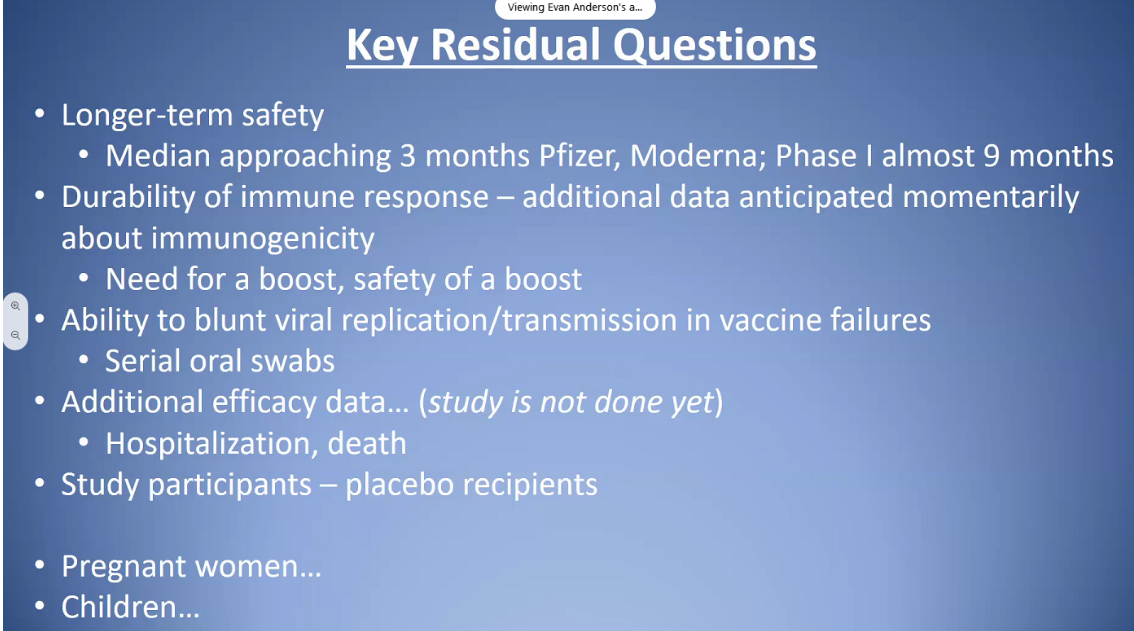
  • mRNA vaccines​ have been remarkably effective, both ~95% and also effective against severe disease (>90%)
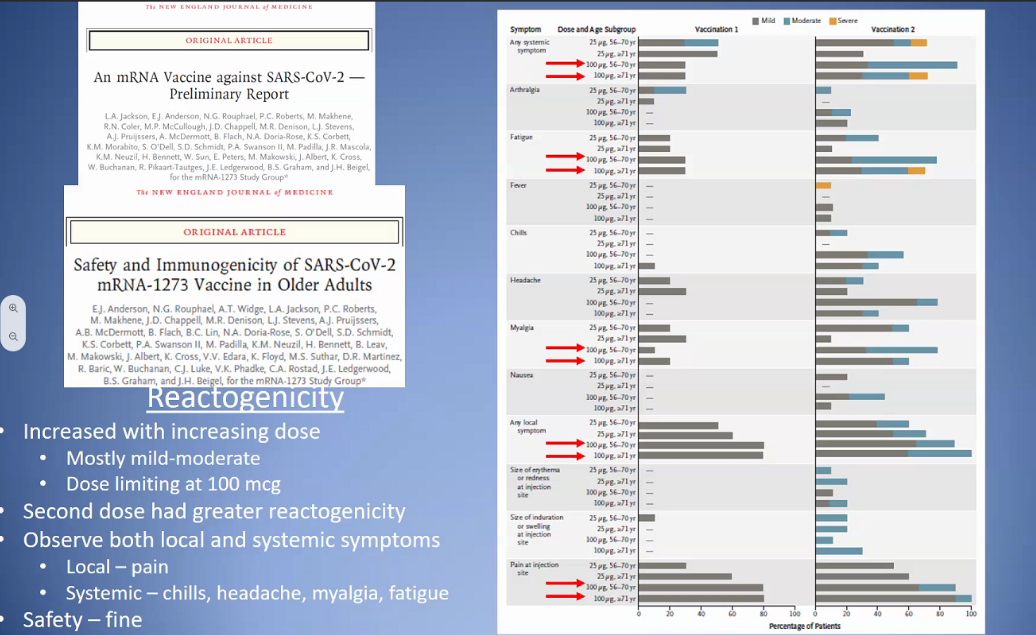
  • Severe reactogenicity occurs >2%. Systemic symptoms like fatigue, myalgia, and chills are more common after 2nd dose
  • Local reactions are typically more pronounced than flu vaccine but less pronounced compared to shingles vaccine (Shingrix)
  • Not wise to vaccinate entire care areas at same time
  • No need to check antibody titers after vaccination
  • Current contraindications: Pregnant women and children due to lack of data (Pfizer vaccine may be approved for those older than 12 yrs)
  • Study participants were allowed to take antipyretics
Slides used with permission.

Current pandemic situation in metro Atlanta (slide from Dan Salinas)

Top curve is total cases and bottom curve is ICU beds –both thru 11/27/20

Related blog posts:

New Information on Hepatic Artery Thrombosis in Pediatric Liver Transplantation & COVID-19 Vaccine Timeline

NE Ebel et al. J Pediatr 2020; 226: 195-201. Decreased Incidence of Hepatic Artery Thrombosis in Pediatric Liver Transplantation Using Technical Variant Grafts: Report of the Society of Pediatric Liver Transplantation Experience

This study used multicenter data from the Society of Pediatric Liver Transplantation on first-time pediatric (aged <18 years) liver transplant recipients (n = 3801) in the US and Canada (1995-2016).

Key findings:

  • 7.4% developed HAT within the first 90 days of transplantation.
  • Of those who were retransplanted, 20.7% developed recurrent HAT.
  • Those less than 1 year had the highest risk OR 1.20).
  • Lower Risk for HAT:
    • Recipients with split, reduced, or living donor grafts had decreased odds of HAT (OR, 0.59; P < .001 compared with whole grafts)
    • Adolescents aged 11-17 years (OR, 0.53; P = .03).
  • HAT increased risk of graft failure and mortality:
    • Fifty percent of children who developed HAT developed graft failure within the first 90 days of transplantation (adjusted hazard ratio, 11.87; 95% CI, 9.02-15.62)
    • Mortality risk (w/in 90 days after transplantation): adjusted hazard ratio, 6.18 (95% CI, 4.01-9.53).

The finding that split grafts had lower rates of HAT may be related to the fact that these grafts more typically come from larger donors with larger vessels. Historically, split grafts had been described as a risk factor for HAT. The authors note that high-performing centers with the lowest incidence of HAT “also tend to have high rates of living and split transplants, suggesting that surgical expertise may play a role in the decreased risk of HAT in select recipients with technical variant grafts.”

Increased rates of HAT among those who were retransplanted, in some, could be related to thrombophilic conditions; thus, consideration of anticoagulation protocol could be needed

My take: Continued efforts are needed to reduce HAT due to its impact on liver transplantation outcomes. One of the biggest risk factors is age. While this would seem to be a nonmodifiable factor, improving recognition and treatment of biliary atresia could help.

Related blog posts:

Kansas’ Mask Mandates for COVID-19

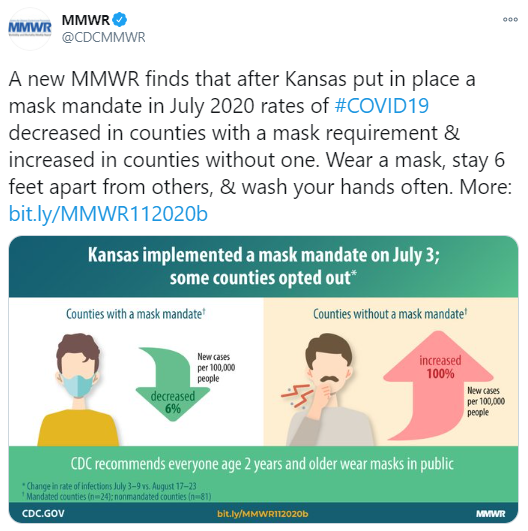
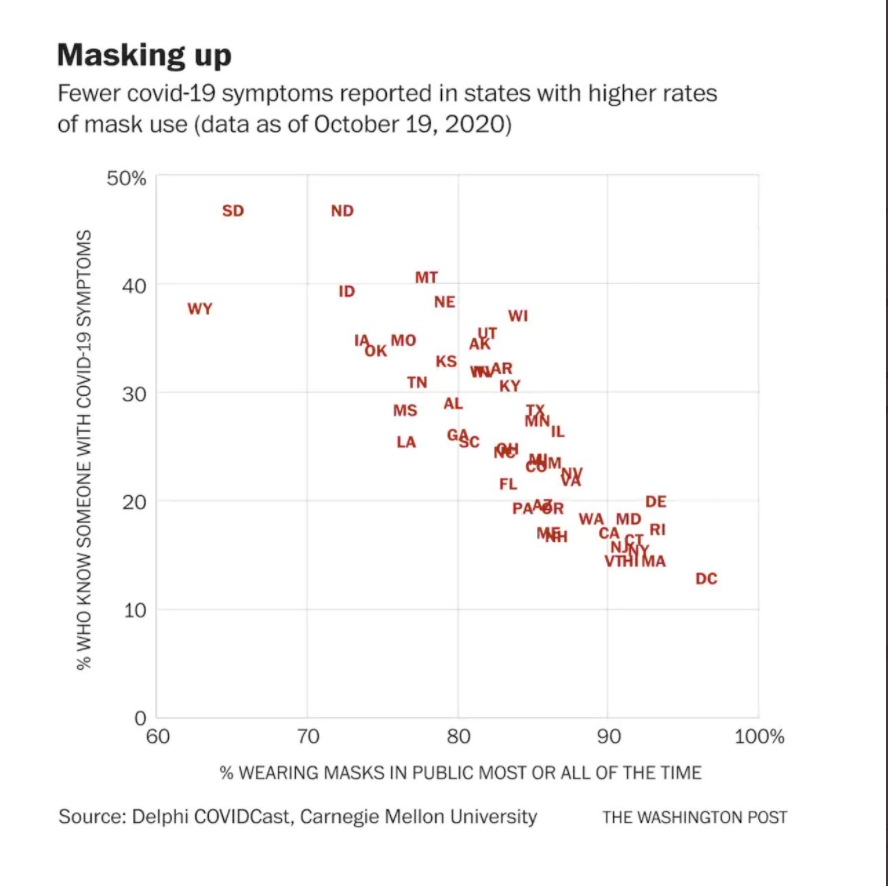
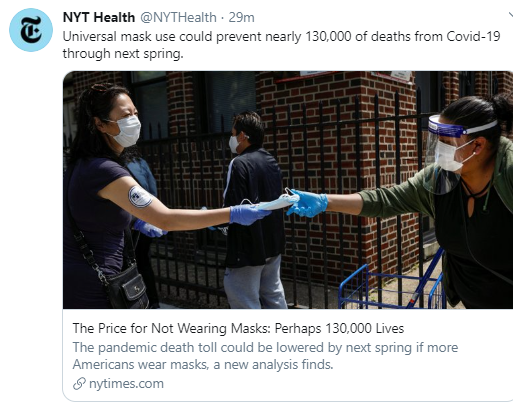
Link to full report:  Van Dyke ME, Rogers TM, Pevzner E, et al. Trends in County-Level COVID-19 Incidence in Counties With and Without a Mask Mandate — Kansas, June 1–August 23, 2020. MMWR Morb Mortal Wkly Rep. ePub: 20 November 2020. DOI: http://dx.doi.org/10.15585/mmwr.mm6947e2.

“Kansas counties that had mask mandates in place appear to have mitigated the transmission of COVID-19, whereas counties that did not have mask mandates continued to experience increases in cases.”

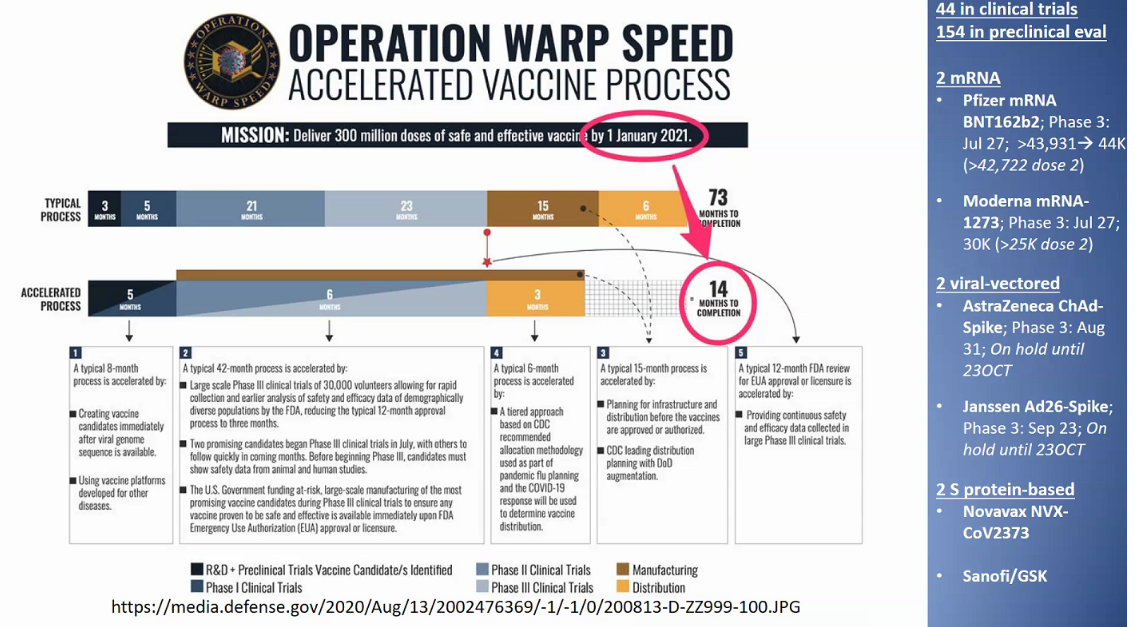
Operation Warp Speed Strategy

M Slaoui, M Hepburn. NEJM 2020; 383: 1701-1703. Full text: Developing Safe and Effective Covid Vaccines — Operation Warp Speed’s Strategy and Approach

As an aside, I have always thought that the name, “Operation Warp Speed,” sounded like a line from the movie Spaceballs.

This article provides insight into the strategy for “Operation Warp Speed” (OWS). An excerpt:

OWS’s strategy relies on a few key principles. First, we sought to build a diverse project portfolio that includes two vaccine candidates based on each of the four platform technologies…In addition, advancing eight vaccines in parallel will increase the chances of delivering 300 million doses in the first half of 2021…

Of the eight vaccines in OWS’s portfolio, six have been announced and partnerships executed with the companies: Moderna and Pfizer/BioNTech (both mRNA), AstraZeneca and Janssen (both replication-defective live-vector), and Novavax and Sanofi/GSK (both recombinant-subunit-adjuvanted protein). These candidates cover three of the four platform technologies and are currently in clinical trials. The remaining two candidates will enter trials soon...

No scientific enterprise could guarantee success by January 2021, but the strategic decisions and choices we’ve made, the support the government has provided, and the accomplishments to date make us optimistic that we will succeed in this unprecedented endeavor.

Related article:

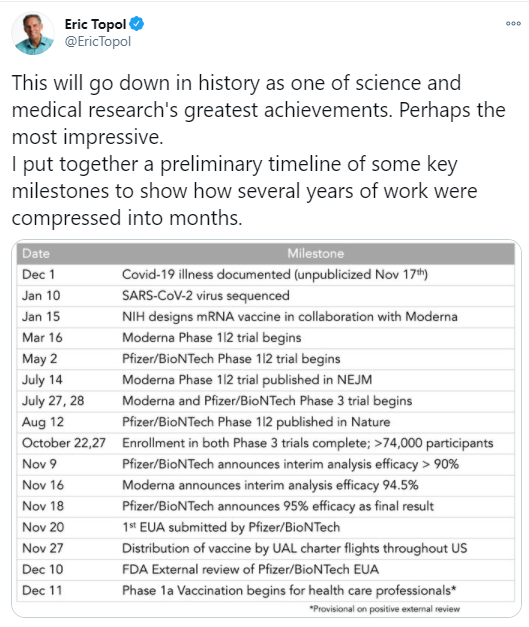
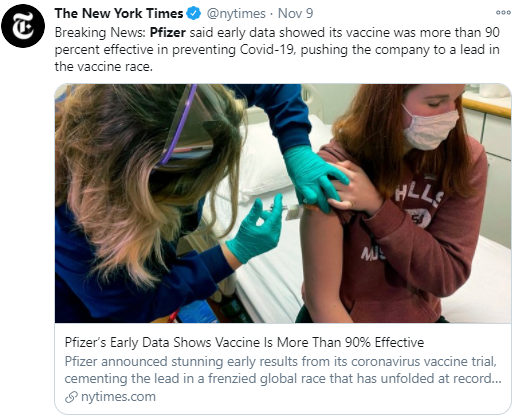
NY Times (11/9/20): Pfizer’s Early Data Shows Vaccine Is More Than 90% Effective

AAP Behind the Scenes (Fall 2020)

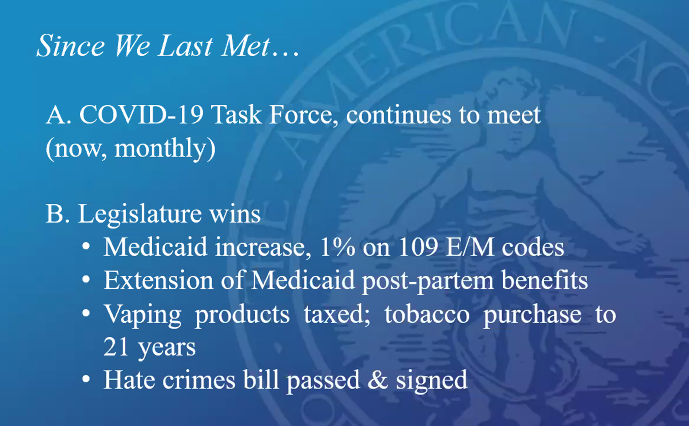
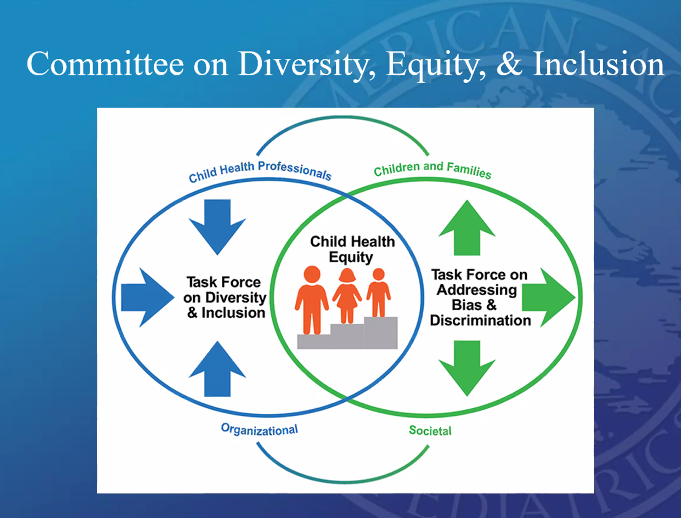
This Georgia AAP (virtual) board meeting started with a brief review from Dr. Kathleen Tomey (Department of Health)

Some slides:

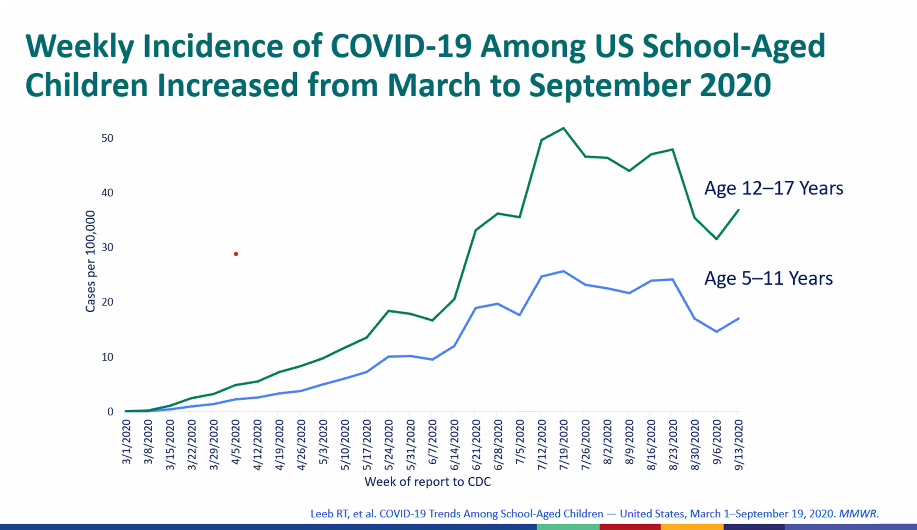
This data should be interpreted based on limited testing in this age group

AAP Update from Dr. Scornik:

Toolkit available at Georgia AAP Website
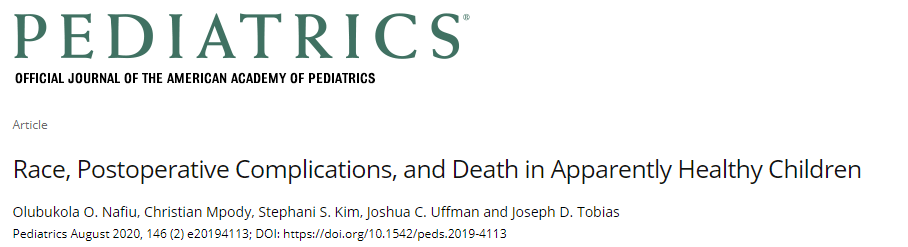
Full link: Race, Postoperative Complications, and Death in Apparently Healthy Children
Link to register: Fall AAP Meeting

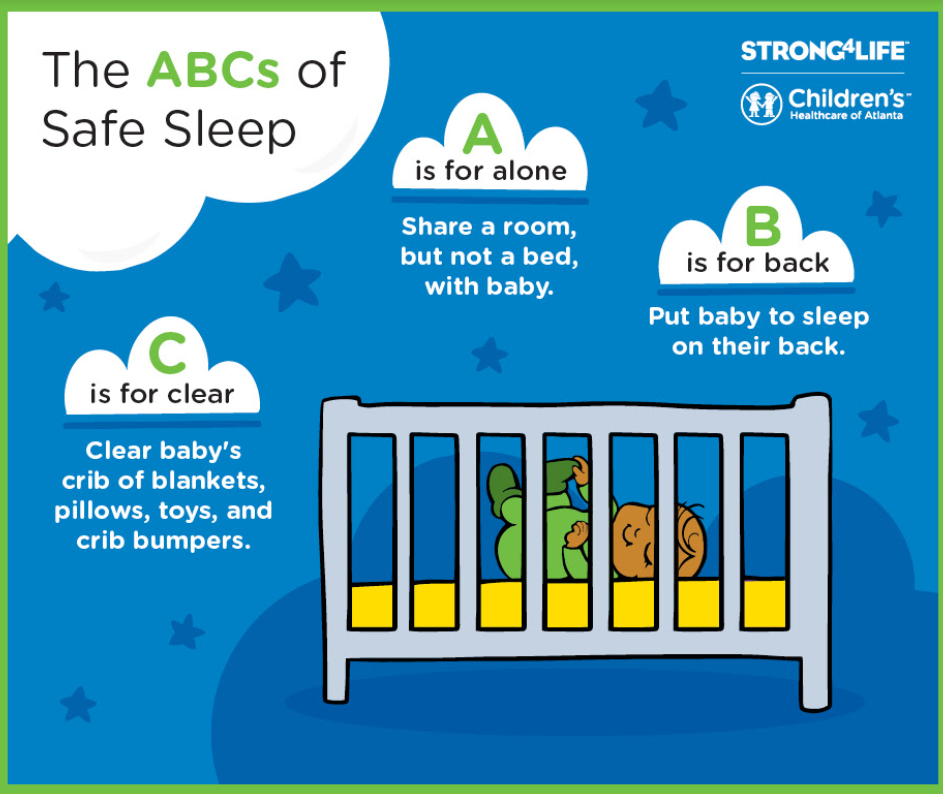
Safe sleep initiatives briefly discussed by Dr. Sarah Lazarus which aligns with Strong4Life campaign:

From Dr. Evan Anderson’s presentation to AAP Board Meeting
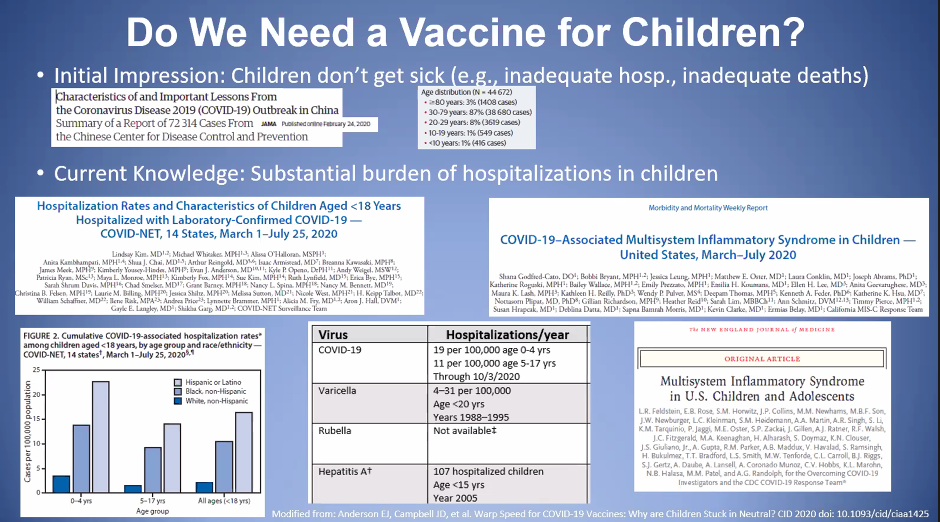
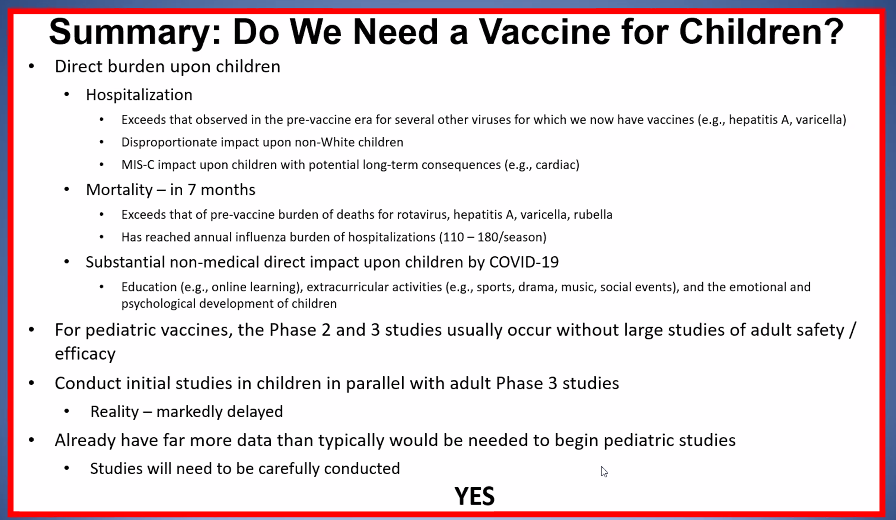
Dr. Anderson notes that COVID-19 mortality and morbidity IN CHILDREN exceeding other conditions with vaccines like Varicella and Influenza.
Letter from AAP President to FDA (Dr. Hahn) and HHS (Alex Azar)

Other information:

Update on E-Cigarettes Webinar*+: Wednesday, October 28 at 12:30 pm
Please note new date! Here’s a chance to still register.
First in a series of three webinars offered to Georgia Pediatricians on the growing epidemic of youth e-cigarette use
Faculty: Alice Little Caldwell, MD, FAAP
https://register.gotowebinar.com/register/8457518617359610381

Disclaimer: This blog, gutsandgrowth, assumes no responsibility for any use or operation of any method, product, instruction, concept or idea contained in the material herein or for any injury or damage to persons or property (whether products liability, negligence or otherwise) resulting from such use or operation. These blog posts are for educational purposes only. Specific dosing of medications (along with potential adverse effects) should be confirmed by prescribing physician.  Because of rapid advances in the medical sciences, the gutsandgrowth blog cautions that independent verification should be made of diagnosis and drug dosages. The reader is solely responsible for the conduct of any suggested test or procedure.  This content is not a substitute for medical advice, diagnosis or treatment provided by a qualified healthcare provider. Always seek the advice of your physician or other qualified health provider with any questions you may have regarding a condition

Use of Famotidine for COVID-19

A recent study (DE Freedberg et al. Gastroenterol 2020; DOI:https://doi.org/10.1053/j.gastro.2020.05.053Famotidine Use Is Associated With Improved Clinical Outcomes in Hospitalized COVID-19 Patients: A Propensity Score Matched Retrospective Cohort Study, highlighted on AGA blog, indicates that famotidine may improve outcomes in those with COVID-19.

Methods: Freedberg et al collected data from 1620 patients who tested positive for SARS-CoV-2 no more than 72 hours following admission; 84 of the patients (5.1%) had received famotidine (any dose, form of administration, or duration; median dose of 136 mg) within 24 hours of hospital admission.

Key finding: After the authors adjusted for baseline patient characteristics, use of famotidine was independently associated with risk for death or intubation (adjusted hazard ratio 0.42, 95% CI, 0.21–0.85). This did not change after propensity score matching to balance covariables (hazard ratio 0.43, 95% CI 0.21–0.88).

My take: While these results indicate that famotidine may improve outcomes with COVID-19, a randomized controlled trial is needed to confirm these findings (currently one is underway to determine whether famotidine can improve clinical outcomes in hospitalized patients with COVID-19 (NCT04370262)).

AGA Blog Summary: Use of Famotidine Associated With Improved Outcomes of Hospitalized COVID-19 Patients

Related blog posts:

Leading Medical Journals Condemn U.S. Pandemic Response

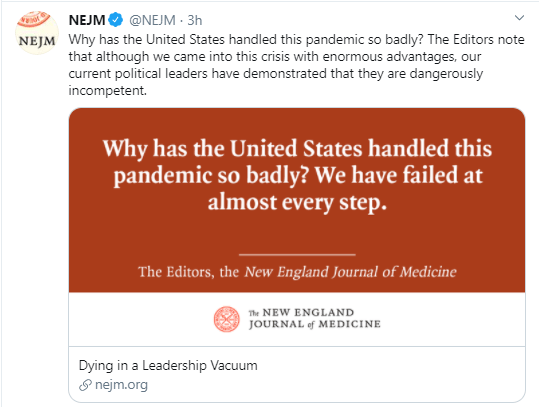
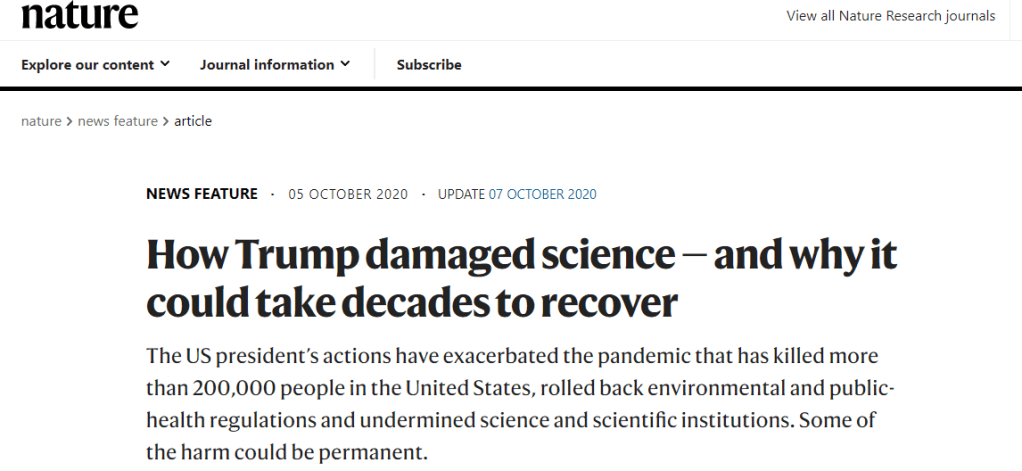
Multiple prestigious journals have weighed in on the U.S. pandemic response.


From Science Editor-in-Chief
From Nature
Also, from Nature

From The Lancet:

“If logic and justice prevail in the next presidential
administration, universal health coverage, a fairer society,
stronger health institutions, more energetic global
engagement, and a robust research agenda will be the
foundations for America’s renewal. We all have a stake in
America’s success.”