How HLA DQA1*05 and Combination Therapy Modulate Treatment Outcomes in Children with Crohn’s Disease

J Adler et al. Am J Gastroenterol 2025; 120: 1076-1086. HLA DQA1*05 and Risk of Antitumor Necrosis Factor Treatment Failure and Anti-Drug Antibody Development in Children’s with Crohn’s Disease.

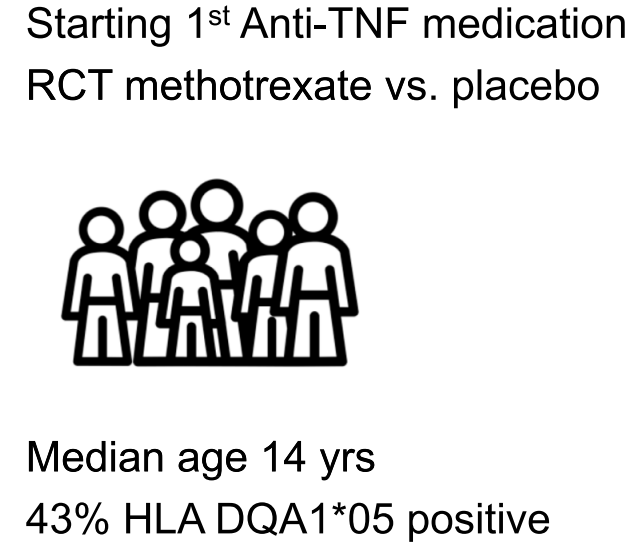
This was a prospective, double-blind, placebo-controlled trial with 204 patients examining the clinical outcomes of anti-TNF with or without methotrexate (COMBINE).
Key findings:

  • Treatment failure in HLA DQA1*O5: A trend toward increased treatment failure among HLA DQA1*05-positive participants was not statistically-significant (hazard ratio 1.58; P = 0.08).
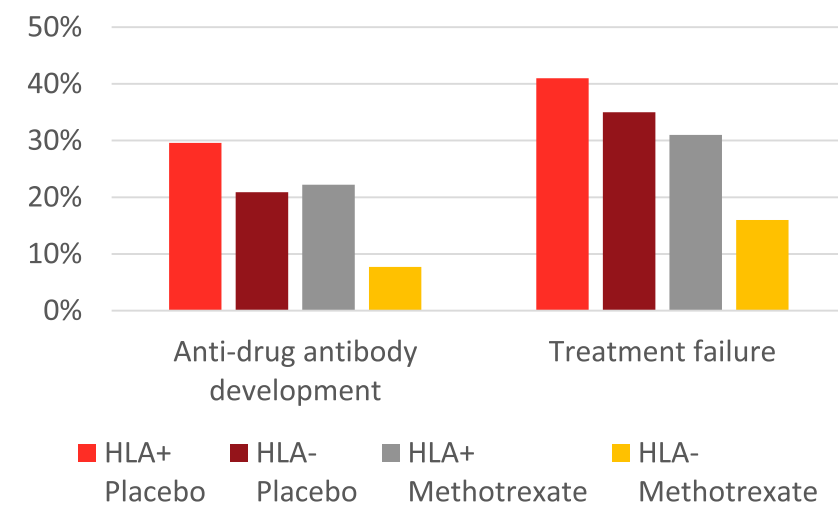
  • HLA DQA1*05 and Treatment Failure Rate: During the followup period, HLA DQA1*05-positive patients had a 35% failure rate compared to 26% for those who were HLA DQA1*05-negative (P=0.098). The overall failure rate was 30%
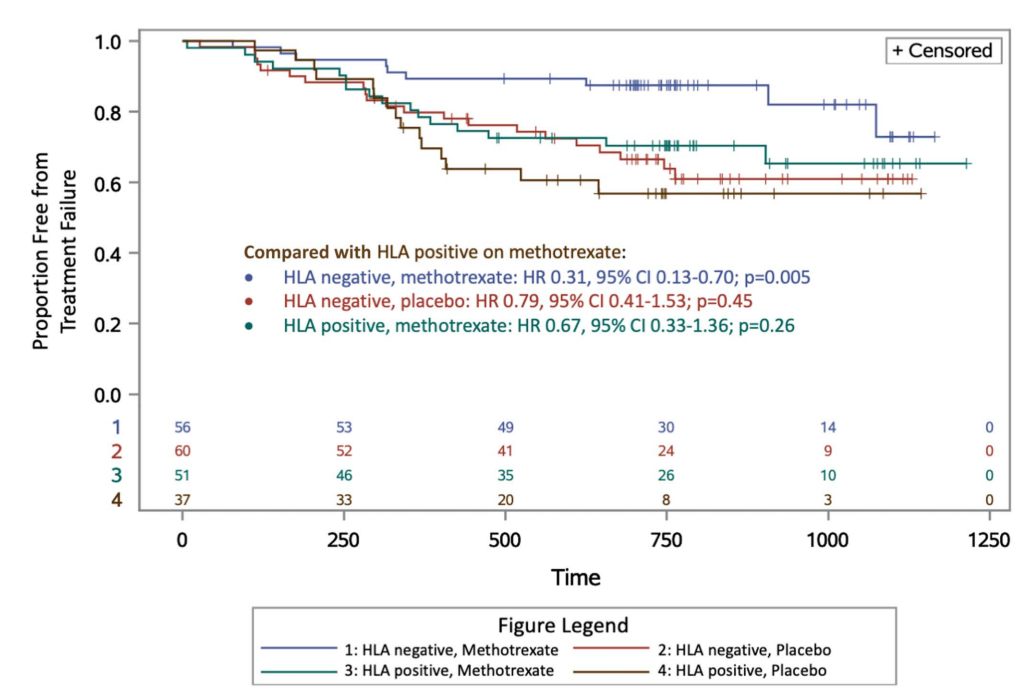
  • Methotrexate Combined with HLA DQA1*05 Effect: Patients who were HLA DQA1*05 negative and assigned to methotrexate experienced less treatment failures than HLA DQA1*05-positive patients on placebo (hazard ratio 0.31, 95% CI 0.13-0.70; P = 0.005).
  • Anti-TNF Medication Comparison: Treatment failure was similar between infliximab and adalimumab, 29% and 33% respectively
  • Antidrug antibodies (ADA): A trend toward increased ADA development among HLA DQA1*05-positive participants was not significant (odds ratio 1.96, P = 0.09). The addition of methotrexate to the treatment regimen mitigated the risk of treatment failure among individuals positive for HLA DQA1*05 and reduced the odds of developing ADA by 90%.
  • Rate of ADA: “After further stratification, HLA DQA1*05-negative participants assigned to methotrexate were less likely to develop ADA relative to HLA DQA1*05-positive patients on placebo (odds ratio 0.12; P = 0.008).”
Discussion Points:

  • “A retrospective by Fuentes-Valenzuela et al …found that if patients underwent proactive TDM, there was no increase in the rate of treatment discontinuation among those who were HLA DQ-A105 positive compared with HLA DQ-A105 negative”
  • “The totality of evidence suggests that HLA DQ-A1*05 seems to confer a risk of both immunogenicity and treatment failure, particularly among infliximab-treated patients. Furthermore, this risk may be mitigated by the use of proactive TDM and/or concomitant immunomodulators.”

My take (borrowed in part from authors):  “40% of patients were HLA DQ-A1*05 positive, which was associated with a trend toward increased risk of both treatment failure and ADA. These risks were mitigated, but not eliminated, by adding oral methotrexate.” The use of combination therapy (methotrexate with anti-TNF) was associated with the lowest failure rates.
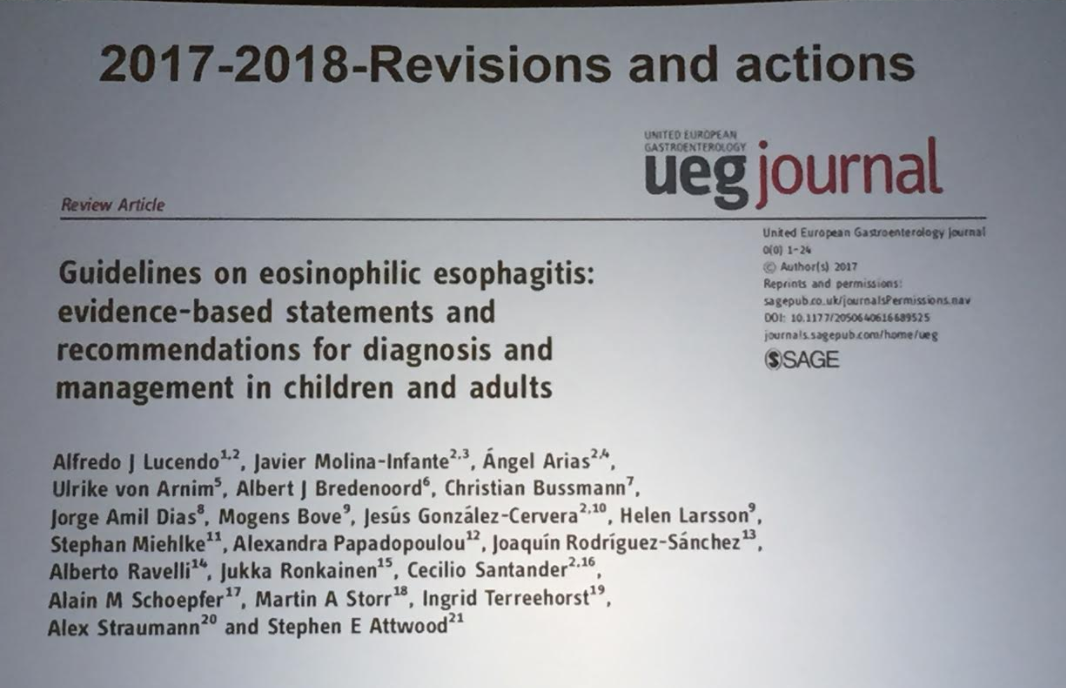
Also, unrelated article: DA Carlson et al. Gastroenterology 2025; 168: 1114-1127. A Standardized Approach to Performing and Interpreting Functional Lumen Imaging Probe Panometry for Esophageal Motility Disorders: The Dallas Consensus. Congratulations to Dr. Garza from our group who was one of the authors

Related blog posts:

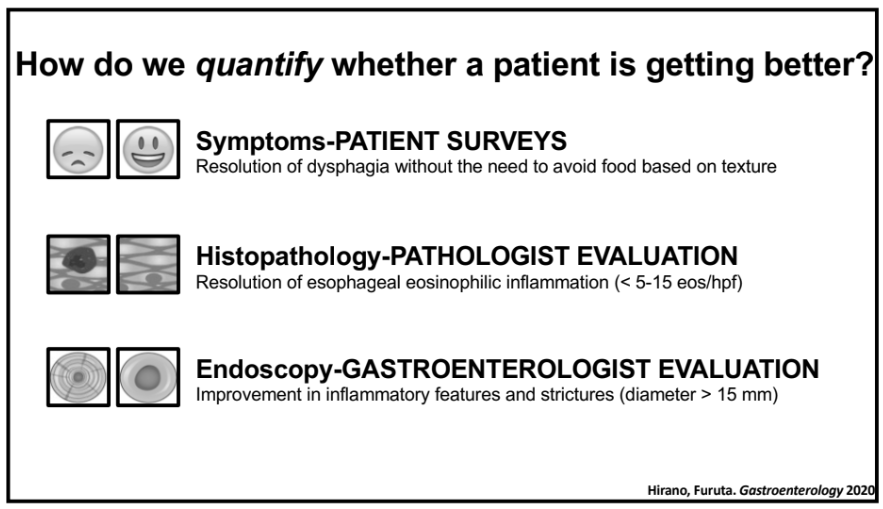
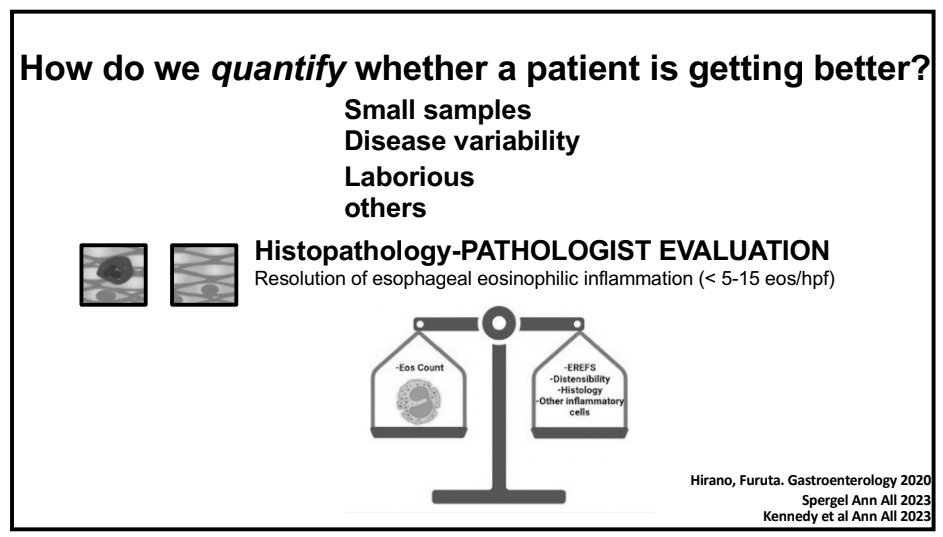
Practical Tips for Eosinophilic Esophagitis

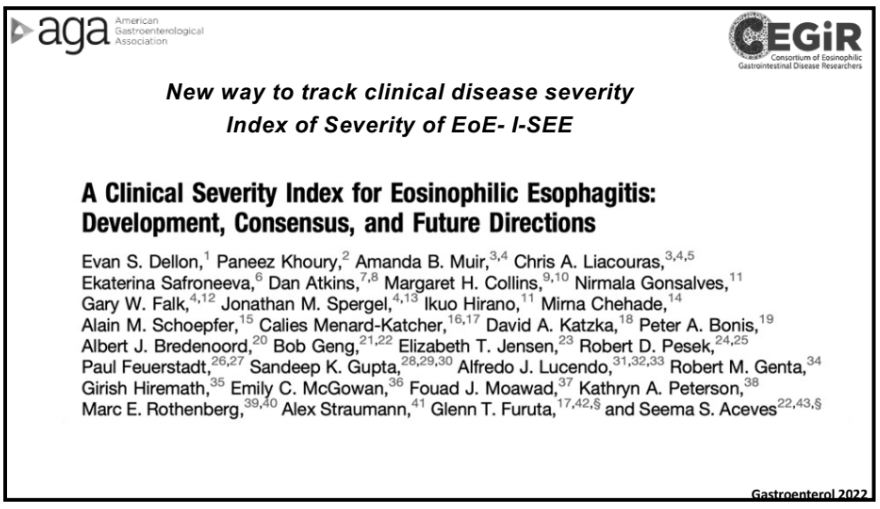
We recently had Glenn Furuta, MD give our group a terrific lecture on eosinophilic esophagitis (EoE).

Some of the key points:

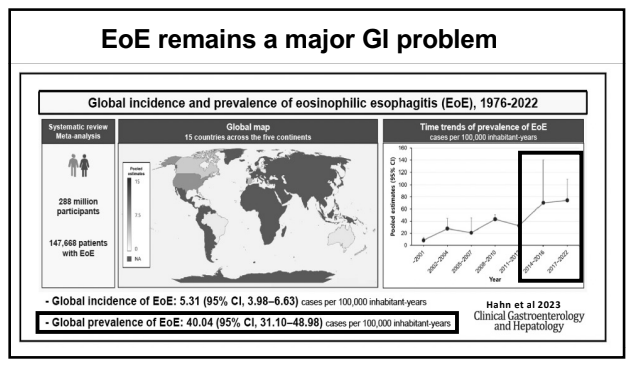
  • The burden of EoE continues to increase.
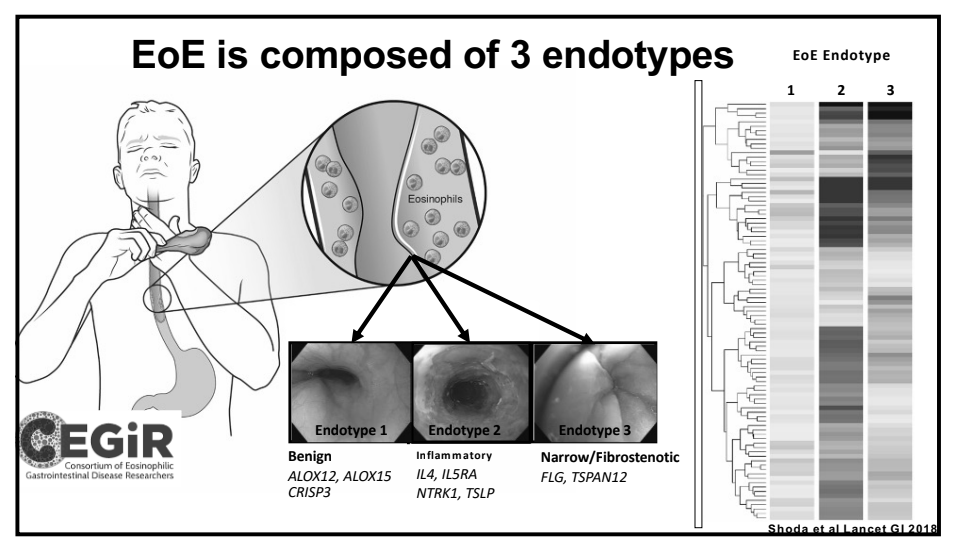
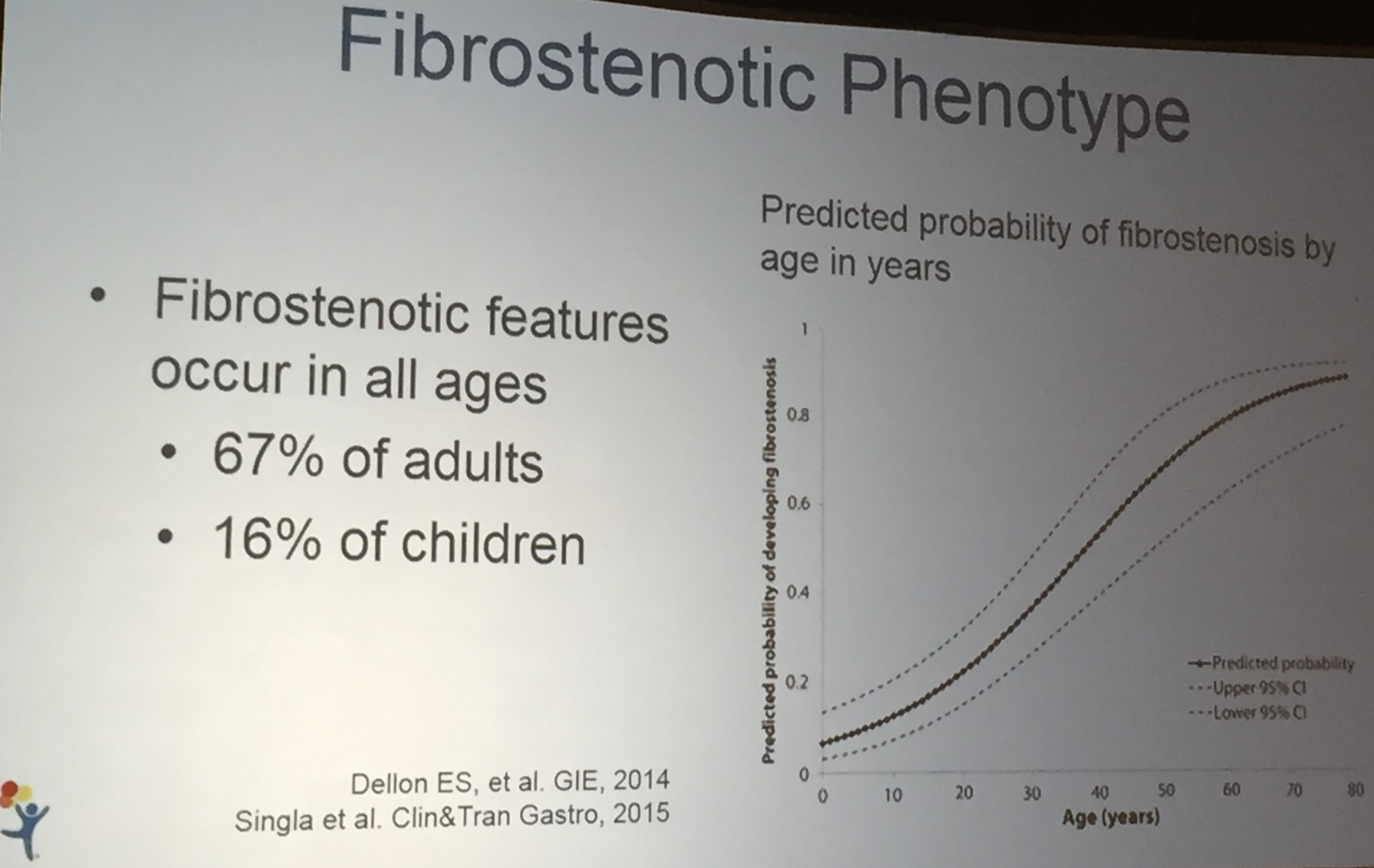
  • There are clearly several phenotypes of EoE. Some patients may never develop stricturing/fibrostenotic disease  but natural history data continues to evolve.
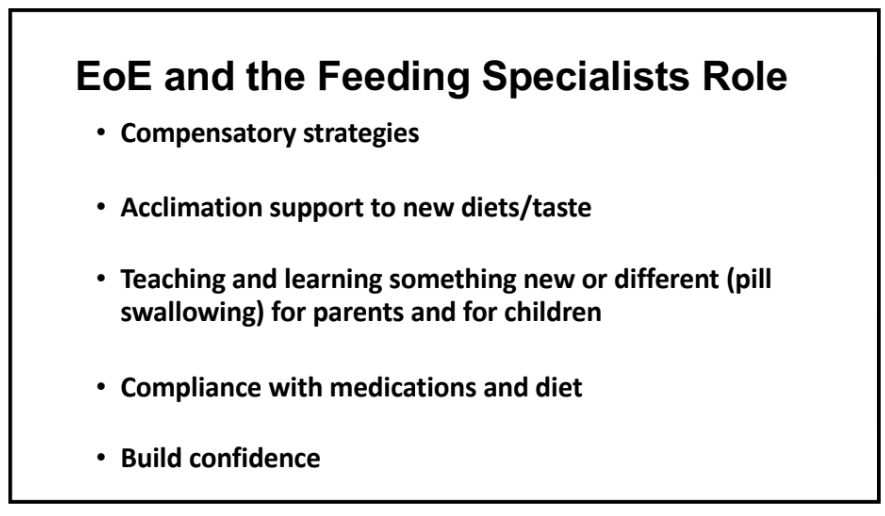
  • After treatment response, many patients can continue with symptoms. In adults and adolescents, this has been termed ‘esophageal hypervigilance.’ Feeding therapy may be helpful in this circumstance.
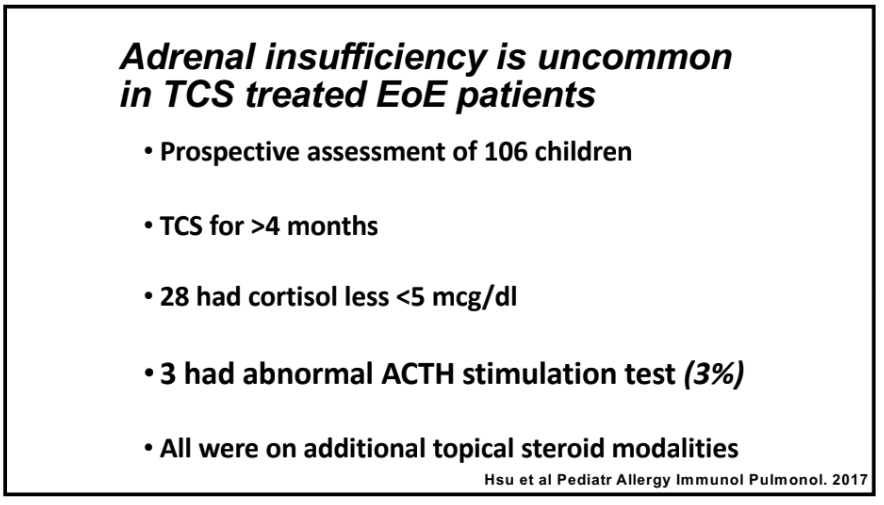
  • Adrenal insufficiency: Currently their group tries to screen for this after 4 months of topical corticosteroids and then yearly. It is unusual for them identify adrenal insufficiency if the patient is receiving only a single steroid agent; patients receiving steroids for other conditions like asthma are at higher risk.
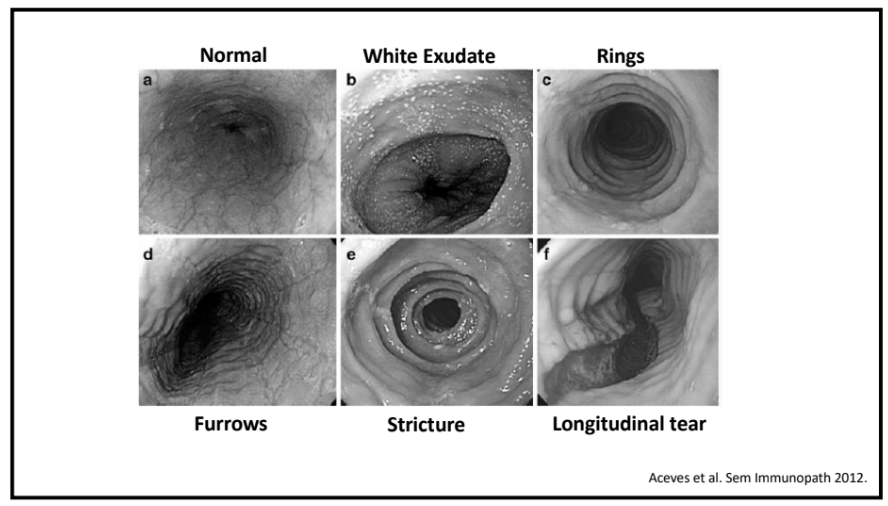
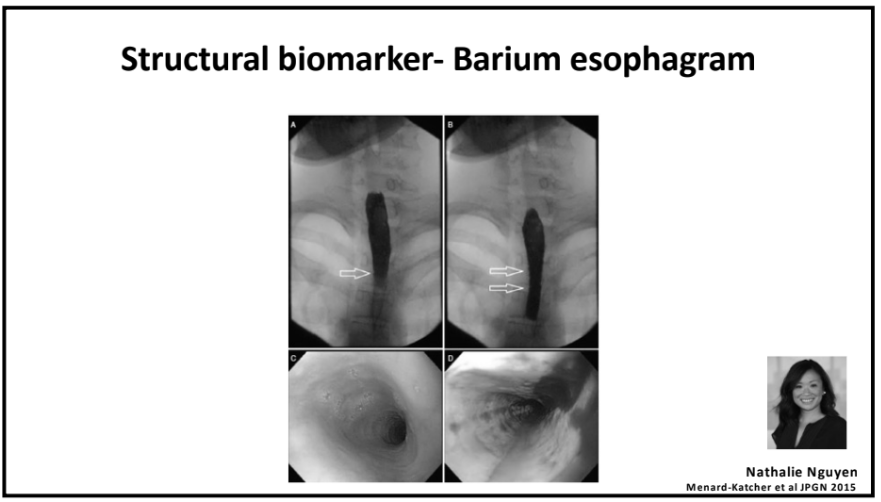
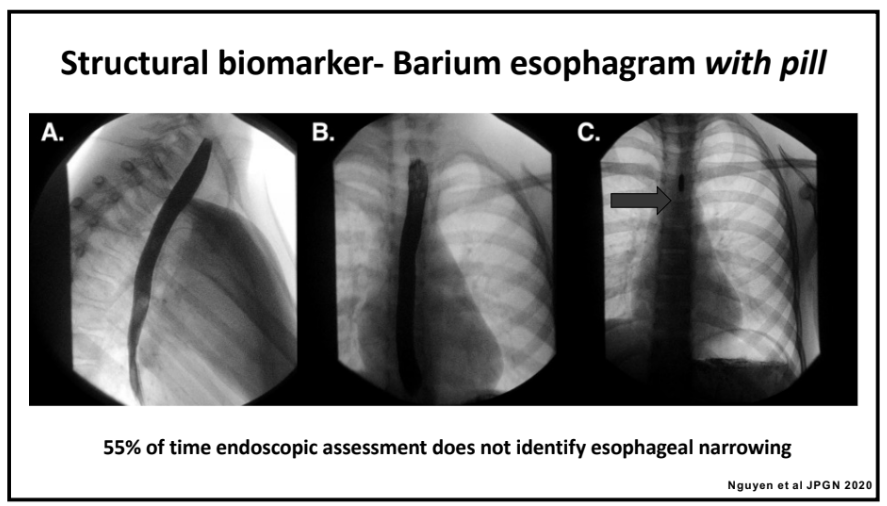
  • An esophagram with a barium coated pill can be a useful adjunct to determine if there is esophageal narrowing (this can be missed on endoscopy).
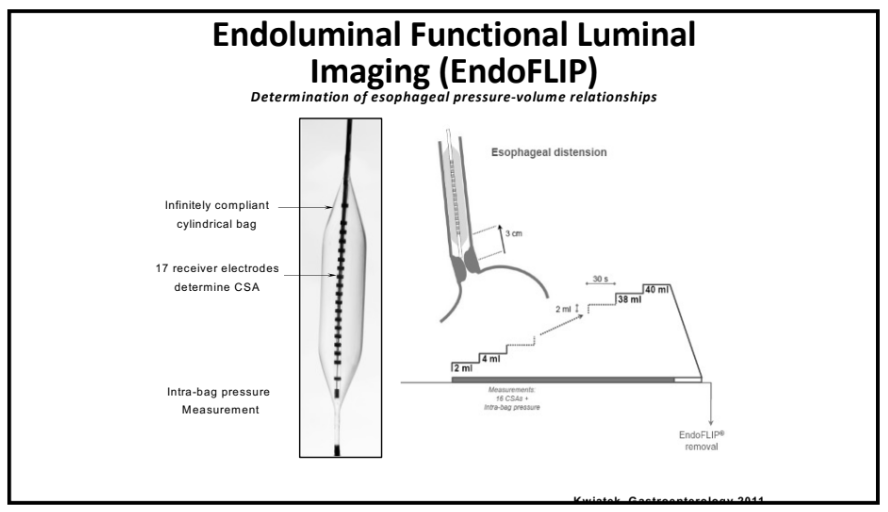
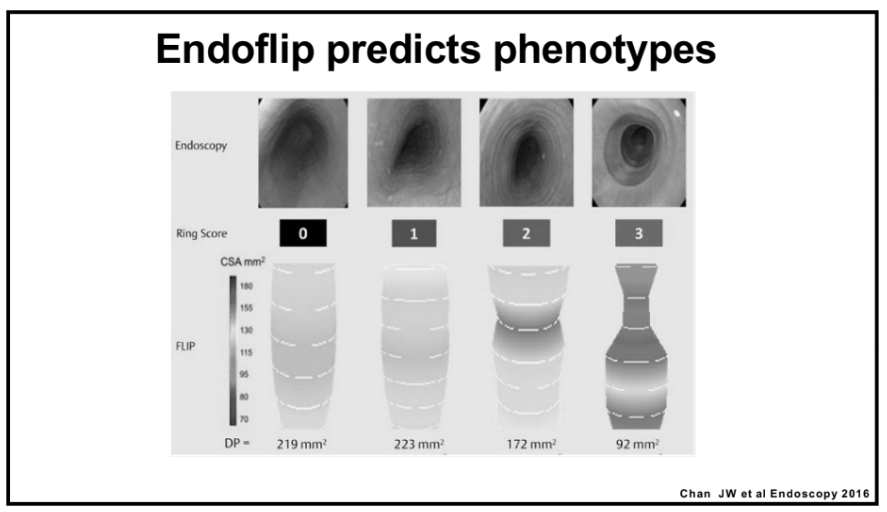
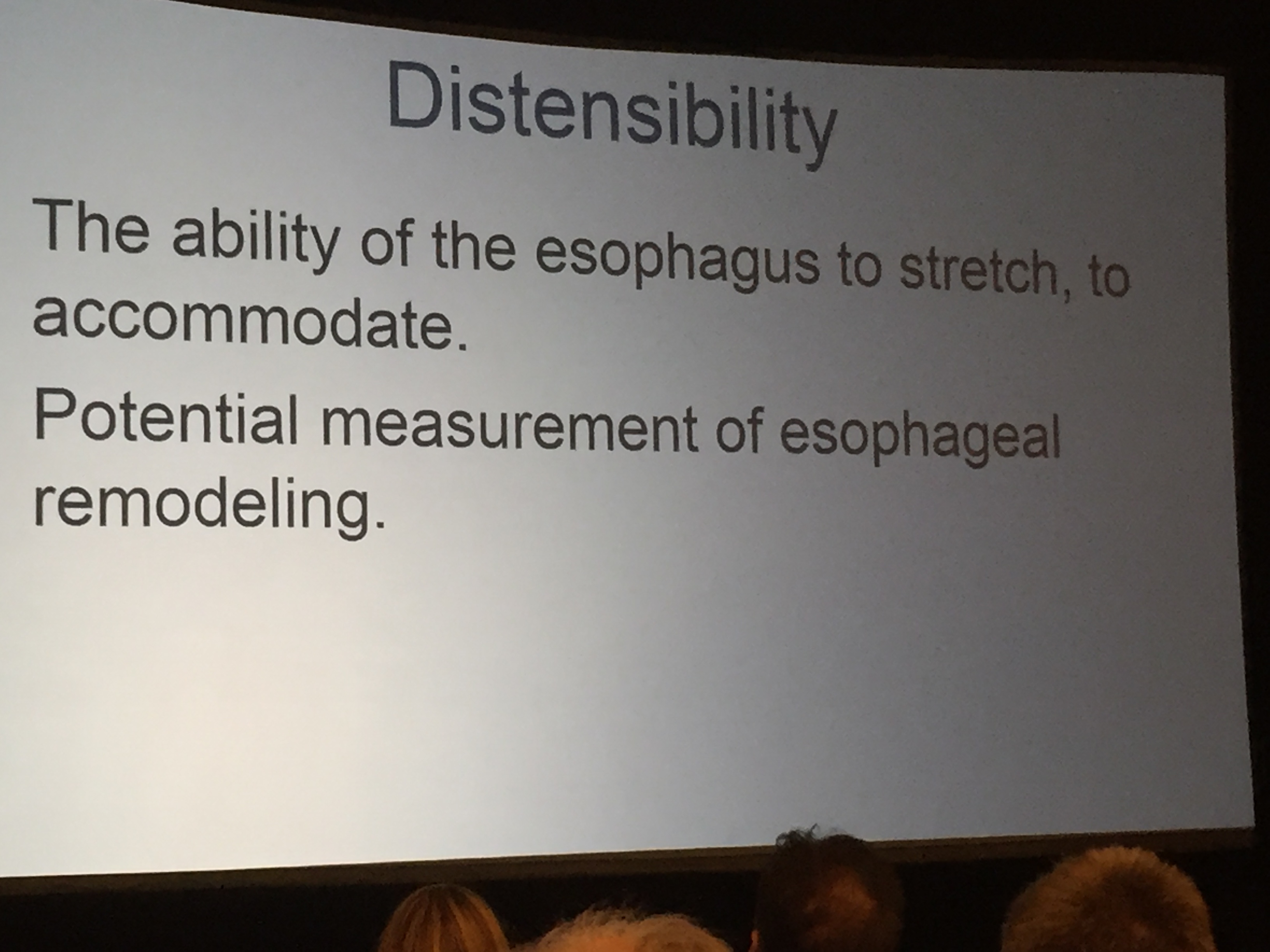
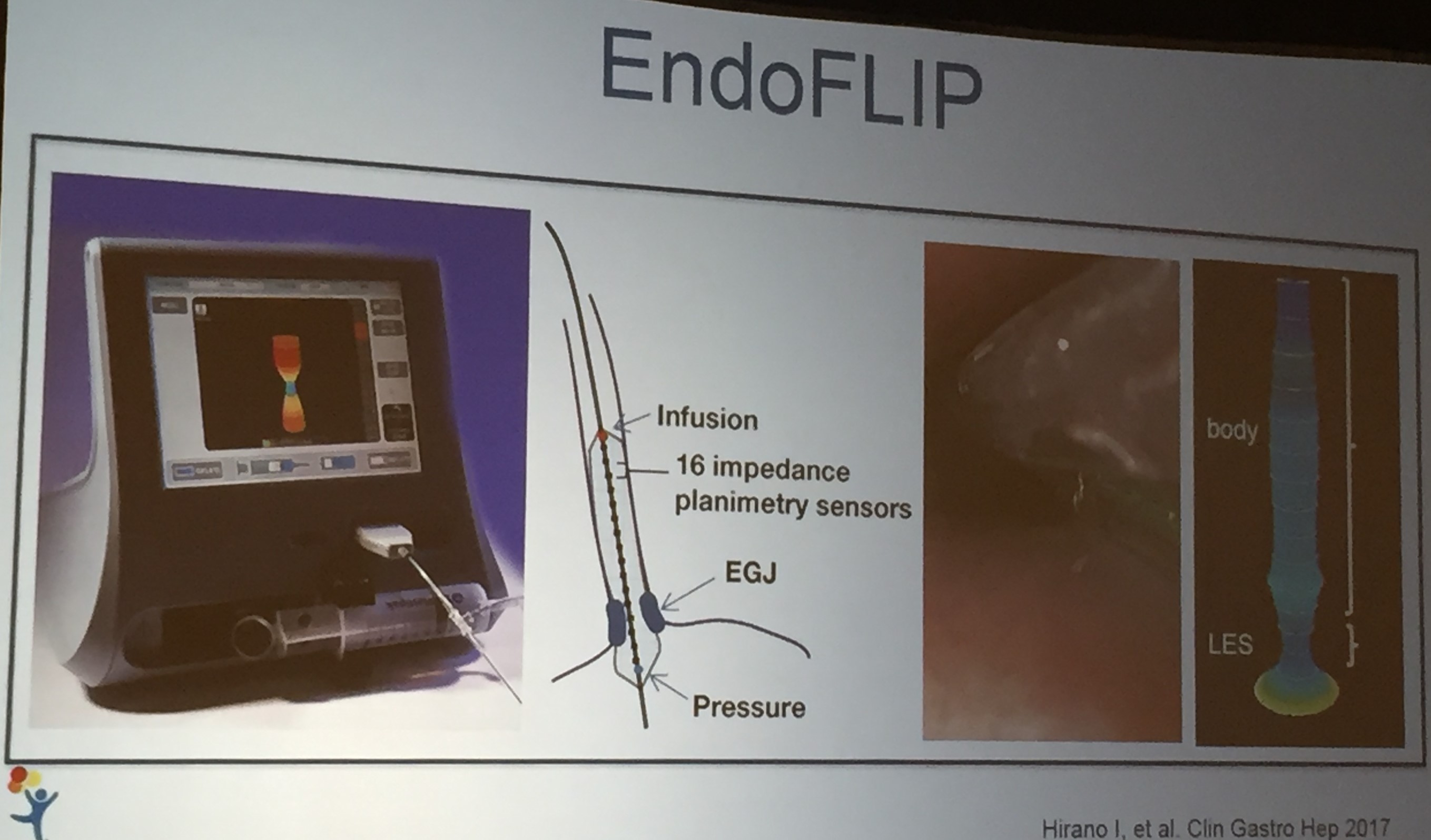
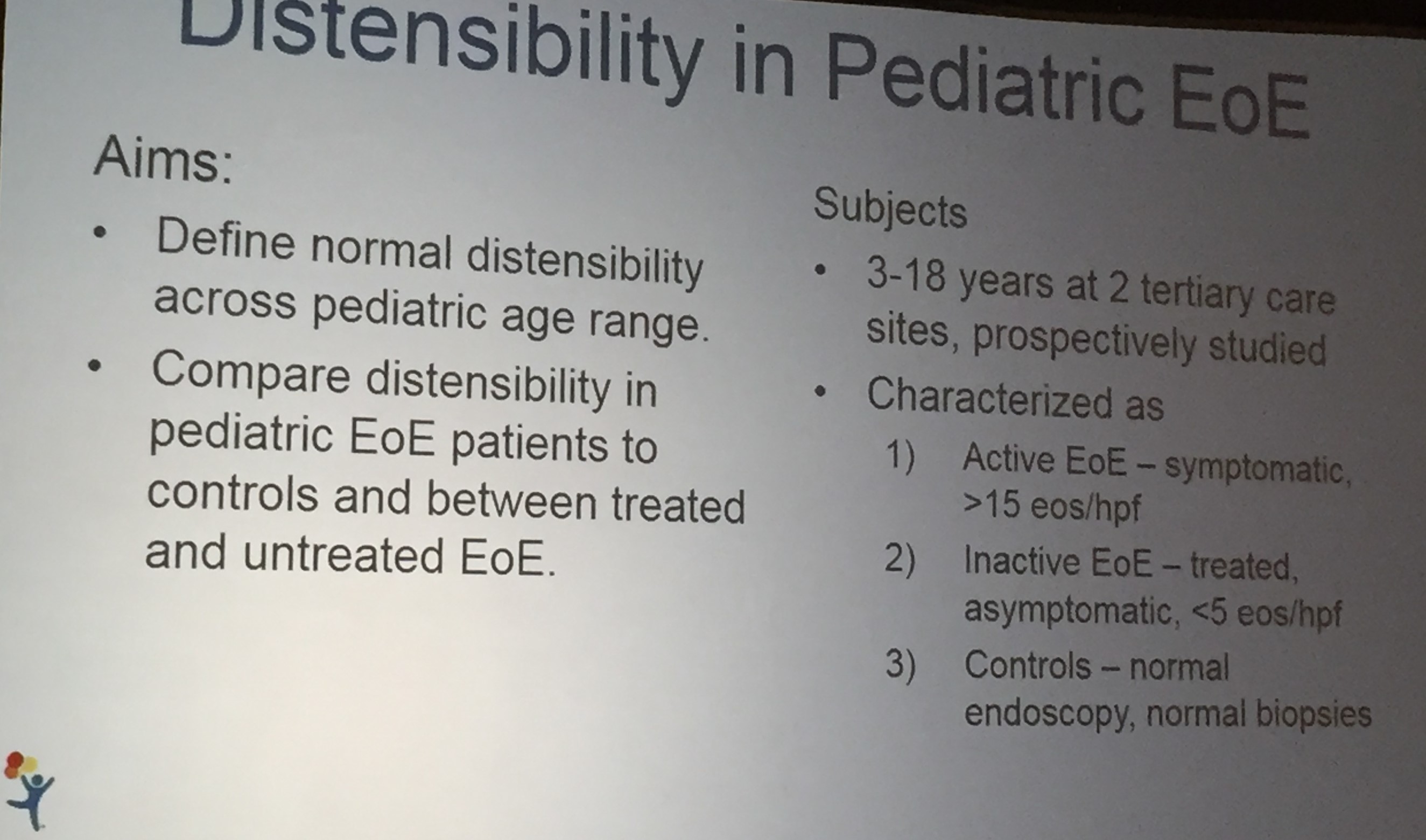
  • For select patients, endoFLIP can characterize distensibility/esophageal function
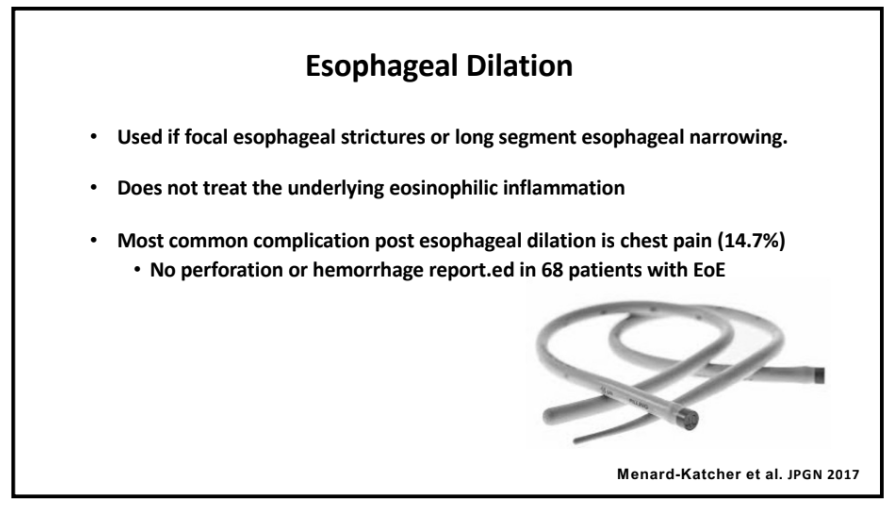
  • Esophageal strictures: Their group uses Bougie dilators and has had a good experience. No perforations. ~15% with chest pain afterwards.
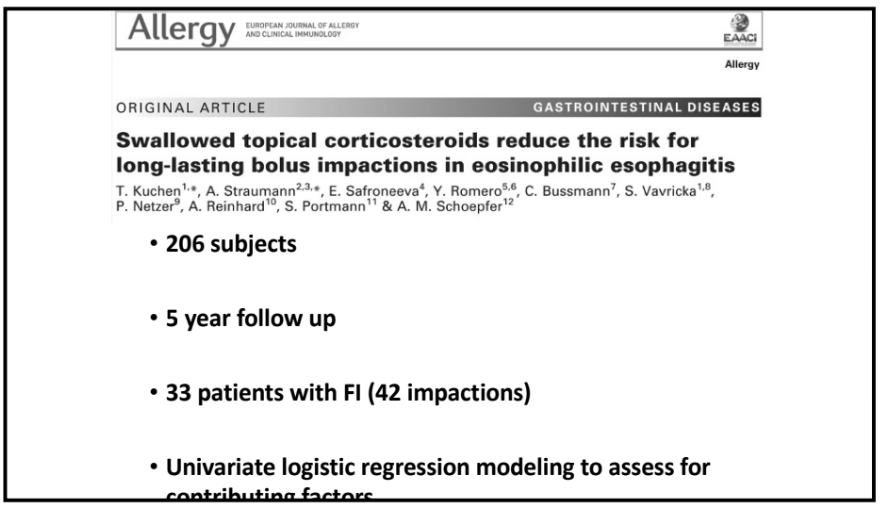
  • Corticosteroids (topical) can reduce the risk of food impactions in adults.
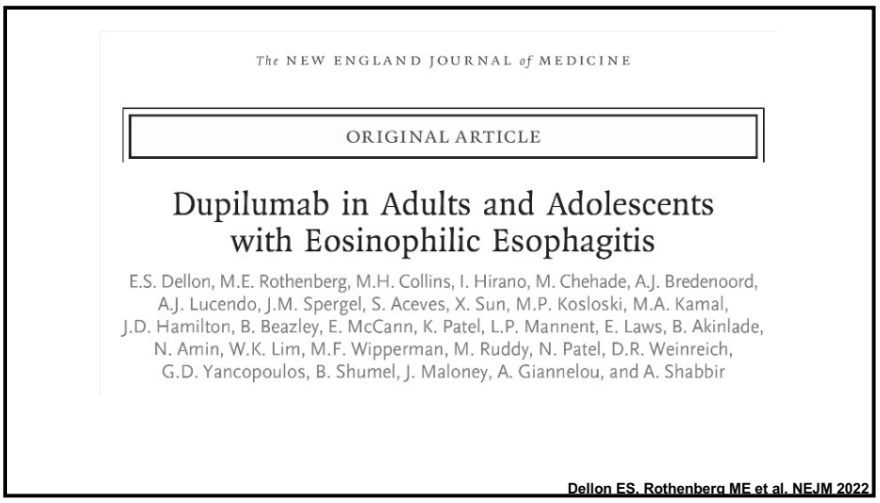
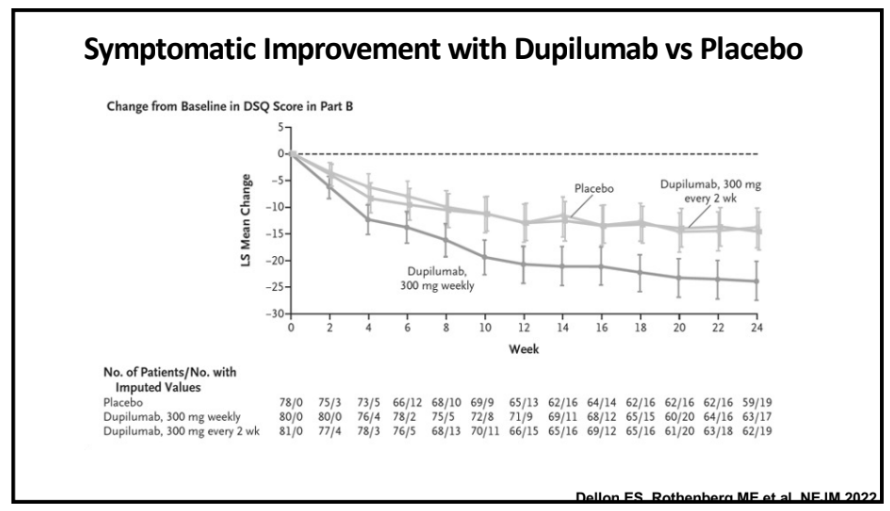
  • Reviewed use of Dupilimab and its recent approval in EoE for children as young as 1 yr of age (>15 kg)

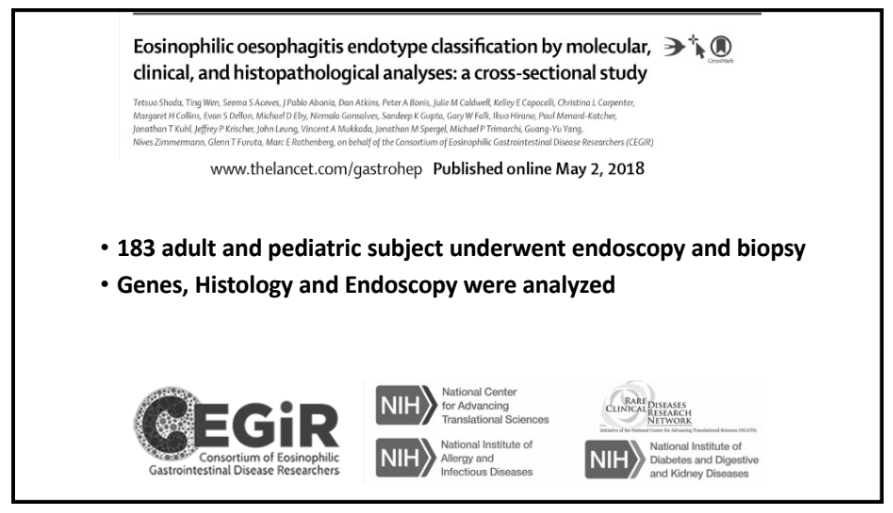
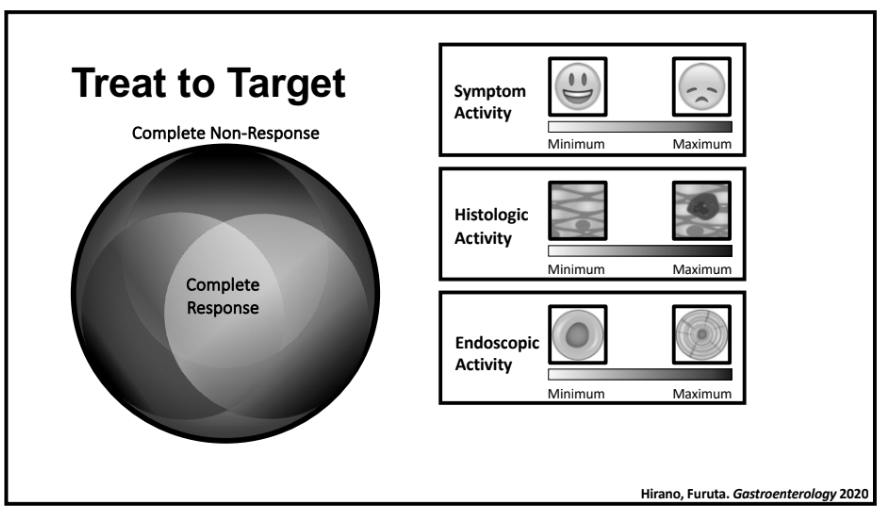
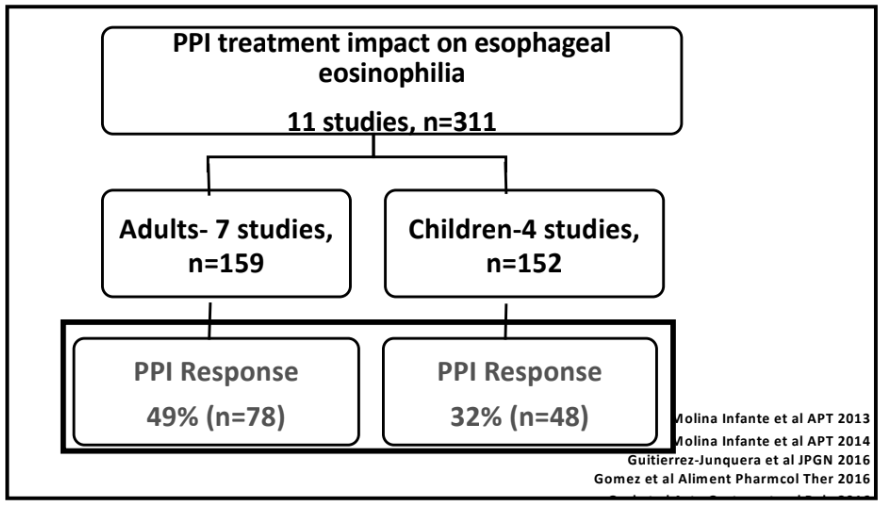
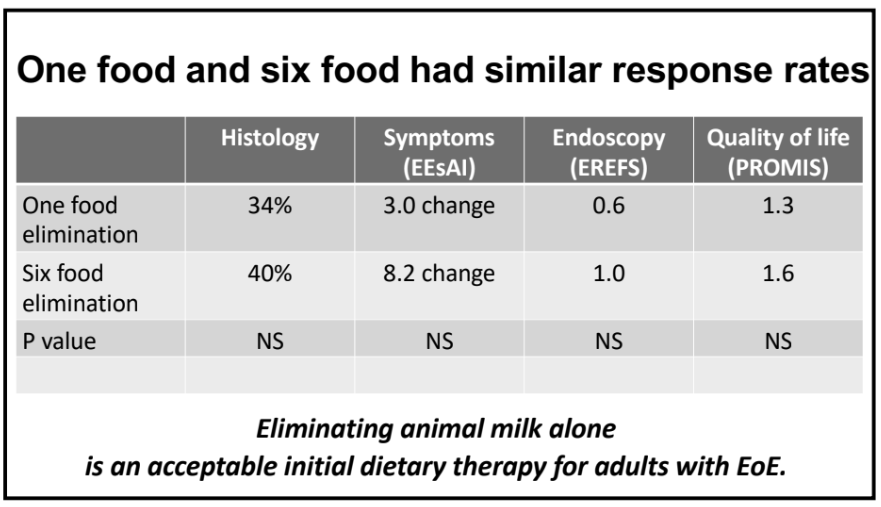
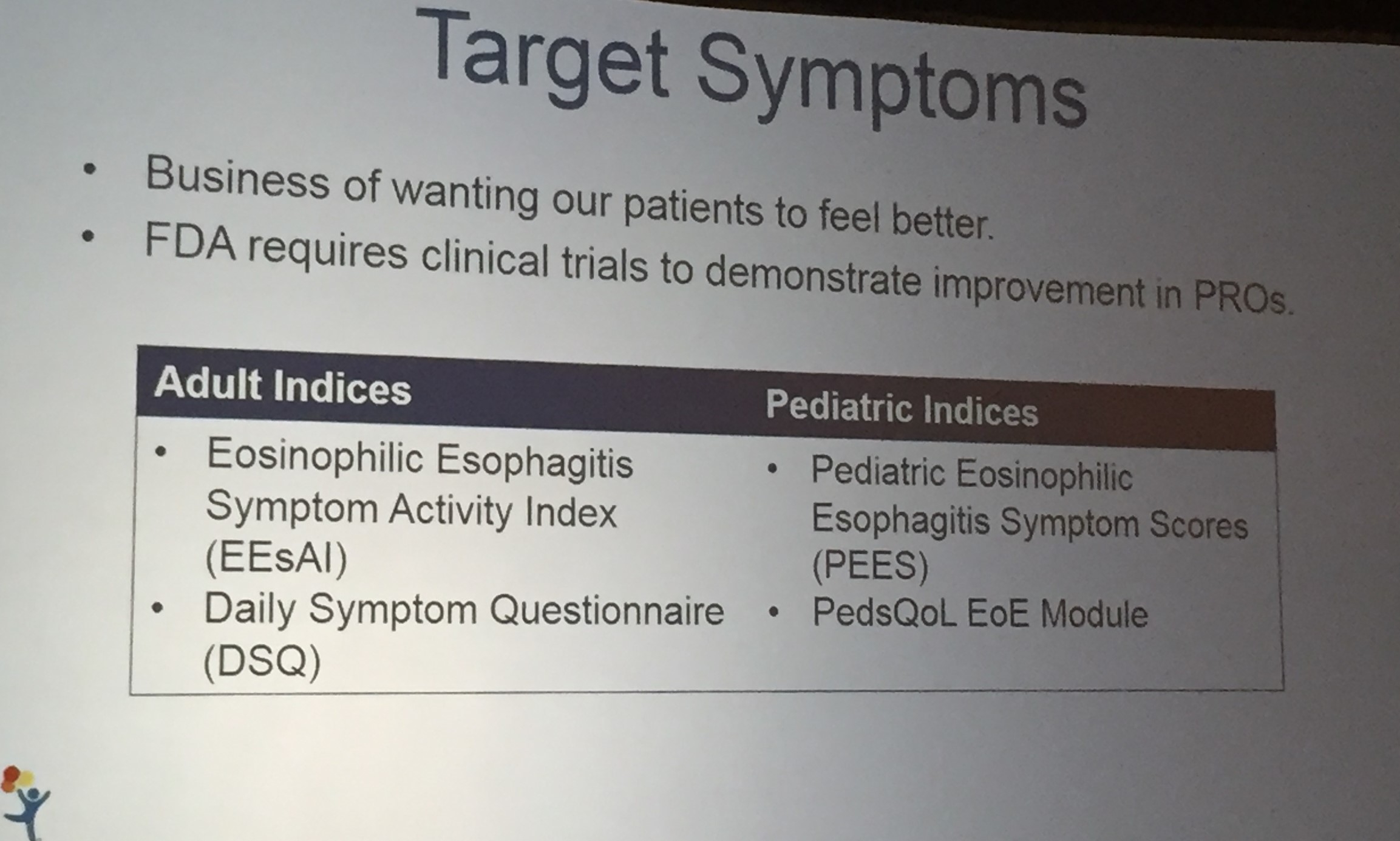
Some selected slides:

Related blog posts:

Shorts: Hep E in Urine, Genetics in Autoimmune Enteropathy, EndoFlip Findings in EoE

D Ying et al. Hepatology 2023; 77: 1722-1734. Urine is a viral antigen reservoir in hepatitis E virus infection

Key findings:  HEV Ag was specifically taken up by renal cells and was disposed into urine, during which the level of Ag was concentrated >10‐fold, resulting in the higher diagnosing sensitivity of urine Ag than serum Ag. Moreover, Ag in urine appeared 6 days earlier, lasted longer than viremia and antigenemia, and showed good concordance with fecal RNA in a rabbit model.

F Charbit-Henrion et al. Clin Gastroenterol Hepatol 2023; 21: 1368-1371. Open Access! Genetic Diagnosis Guides Treatment of Autoimmune Enteropathy

Background: Autoimmune enteropathy (AIE) is a severe form of enteropathy characterized by chronic diarrhea refractory to any exclusion diet and associated with autoimmunity…In a recent cohort of 40 AIE patients, anti-enterocyte antibodies were reported in only 14% (4/28) of the cases, likely caused by the high frequency of patients with primary hypogammaglobulinemia…30%–50% of adult AIE can display anti-transglutaminase antibodies. The common histopathologic presentation of AIE includes intestinal villous atrophy with variable lymphocytic infiltration and various features of follicular lymphoid hyperplasia, cryptitis, graft-versus-host disease-like lesions, and loss of Paneth and goblet cells.

Key findings: Pathogenic variants were identified in 20/48 adult patients (41.6%); most common variants: CTLA4LRBASTAT3, and STAT1; 12/20; 60% of those with variants. Thus, specific therapeutics were available for more than half of the patients who received a molecular diagnosis

Representative endoscopic aspects in patients with CTLA4 variants and AIE.

NV Hoffmann et al. Clin Gastroenterol Hepatol 2023; 21: 1188-1197. Esophageal Distensibility Defines Fibrostenotic Severity in Pediatric Eosinophilic Esophagitis

Key finding: In this prospective pediatric cohort (n=59) with EoE, distensibility index (DI) <4.5 mm2/mmHg predicted grade 2 rings on endoscopy. Lower DI was associated with increased risk of food impaction but did not correlate with eosinophilic count. DI was “superior to diameter in assessing fibrostenotic severity.”

Related blog posts:

Seronegative Villous Atrophy

Using FLIP

A recent review article (E Sararino et al. Am J Gastroenterol 2020; 115: 1786-06. Use of the Functional Lumen Imaging Probe in Clinical Esophagology) is a terrific article for understanding Functional Lumen Imaging Probe (FLIP) techonology and uses. Thanks to Ben Gold for this reference.

Link to patient explanation of EndoFLIP at Univ Michigan

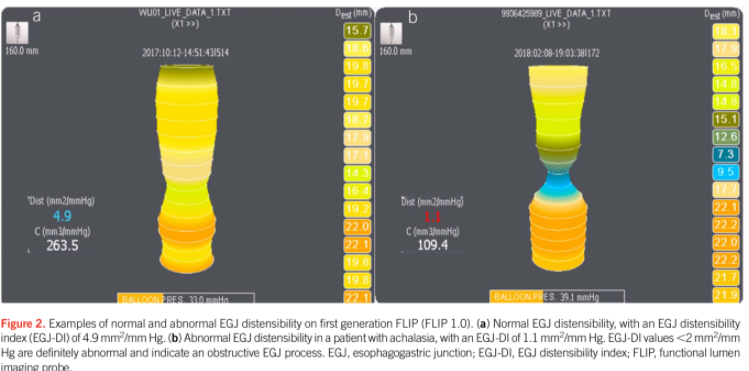
The FLIP “measures luminal cross sectional area (CSA) and pressure in the esophagus using impedance planimetry and serves as an adjunct to existing esophageal investigative tests. A distensible balloon encasing a catheter with multiple pairs of impedance electrodes is used, and the balloon is distended with fluid of known conductivity and volume.”

FLIP can be done at time of endoscopy.

  • Distensibility index (DI). This is the ratio of EGJ cross sectional area to intraballoon pressure is generally considered the most useful FLIP metric. Normal DI values in adults range from 3.1 to 9.0 m3/mm Hg. Lower values indicated reduced EGJ opening.
  • FLIP can complement the diagnosis of achalasia when manometry and barium studies are inconclusive or negative in patients with typical symptoms.
  • FLIP can be used to assess fibrostenotic remodeling of the esophagus in eosinophilic esophagitis.
  • Lumen diameter measured using FLIP in complex strictures can potentially guide management.

This review has several helpful figures to illustrate the type of visual data available. It also provides a standard protocol for using FLIP. The current limitations for FLIP include the lack of real-time software analysis of the data which hinders reporting, and limited data supporting use.

Related blog post: #NAASPGHAN17 Eosinophilic Esophagitis Session

While this picture makes me look like a scofflaw, in fact one can sit on the sand below the median high tide mark. So there!

#NASPGHAN17 Eosinophilic Esophagitis Session

This blog entry has abbreviated/summarized these presentations. Though not intentional, some important material is likely to have been omitted; in addition, transcription errors are possible as well.

This is a long post –highlighting four separate talks on eosinophilic esophagitis.

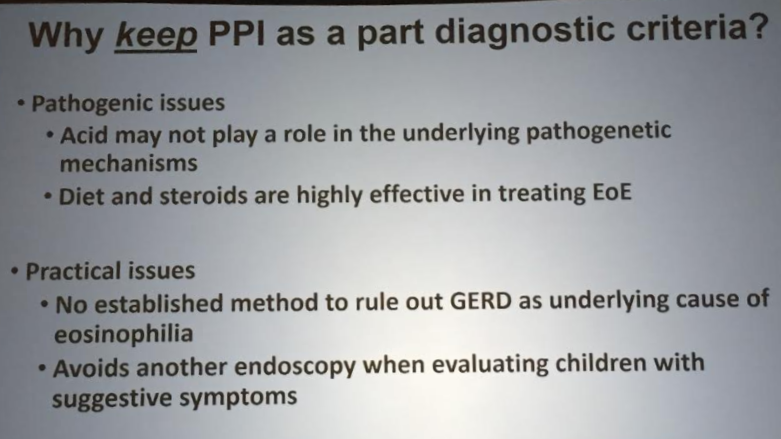
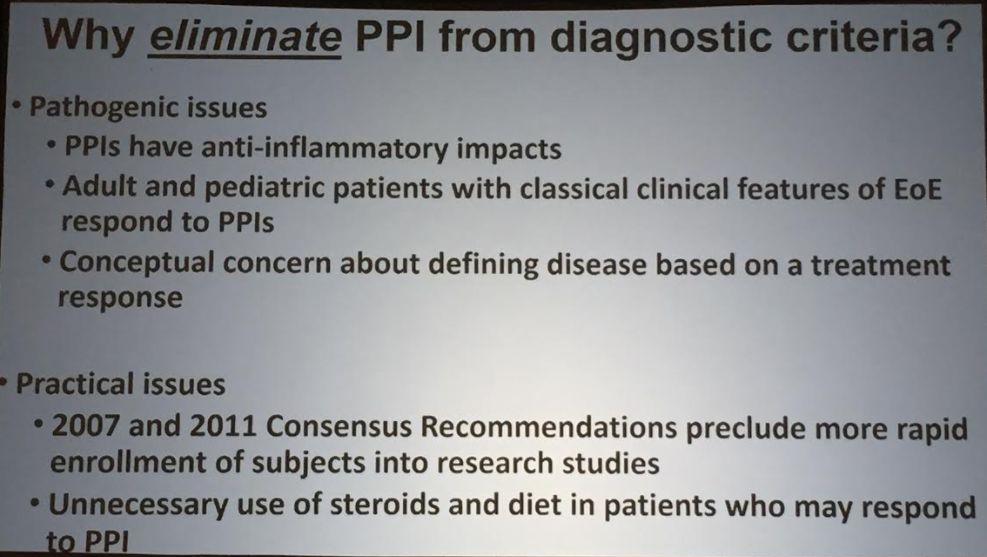
PPI Use in Esophageal Eosinophilia: Recommendations from the recent AGREE conference

Glenn Furuta  Children’s Hospital of Colorado

Key points:

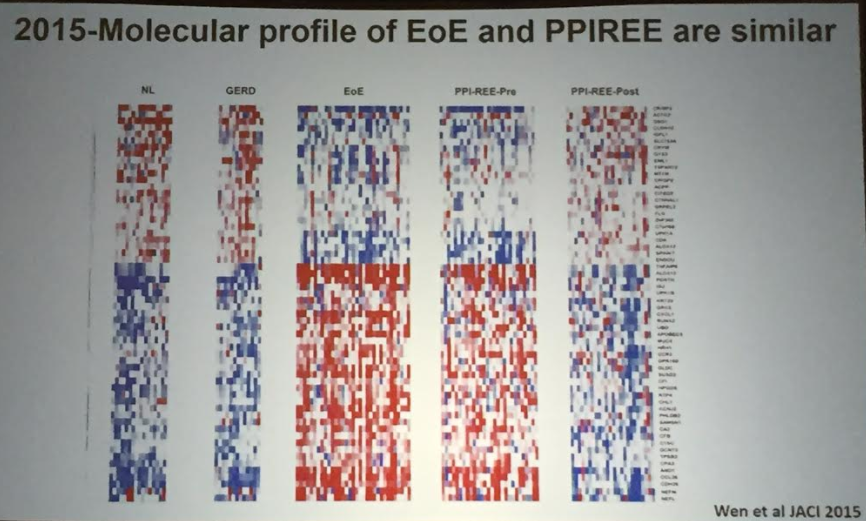
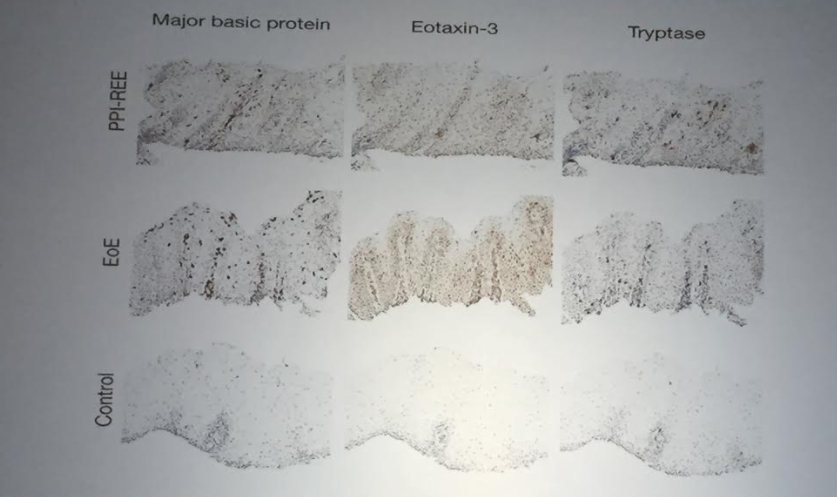
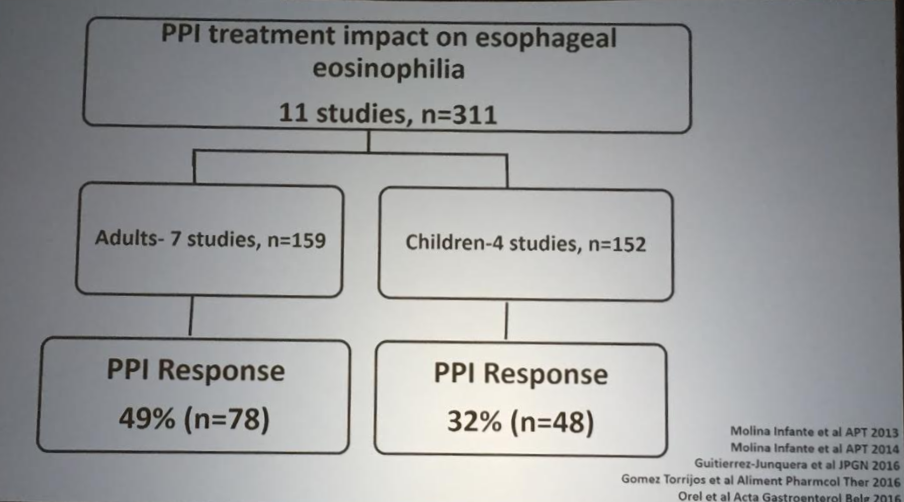
The term PPI-REE (proton pump inhibitor-responsive eosinophilic esophagitis) may not be needed.  PPI-REE is quite similar to eosinophilic esophagitis based on molecular and clinical features.  The main difference being that this subset responds to PPI therapy.


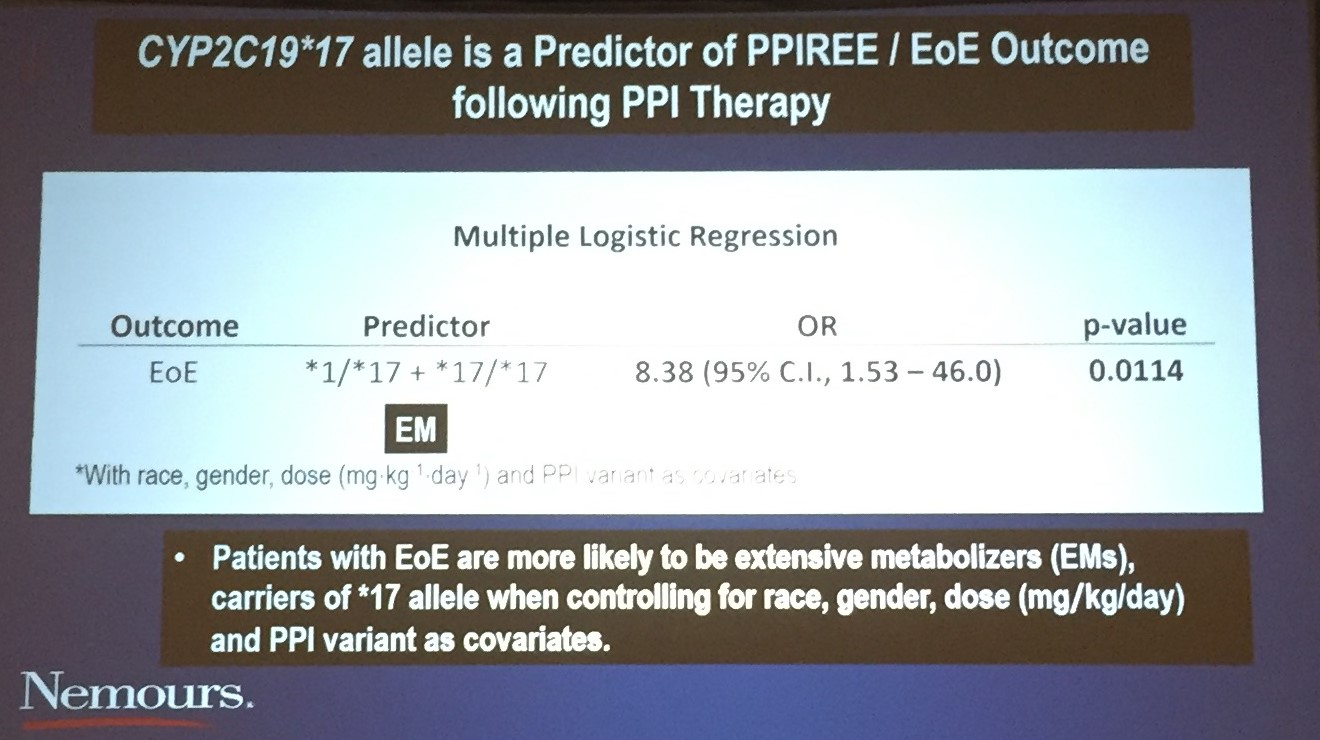
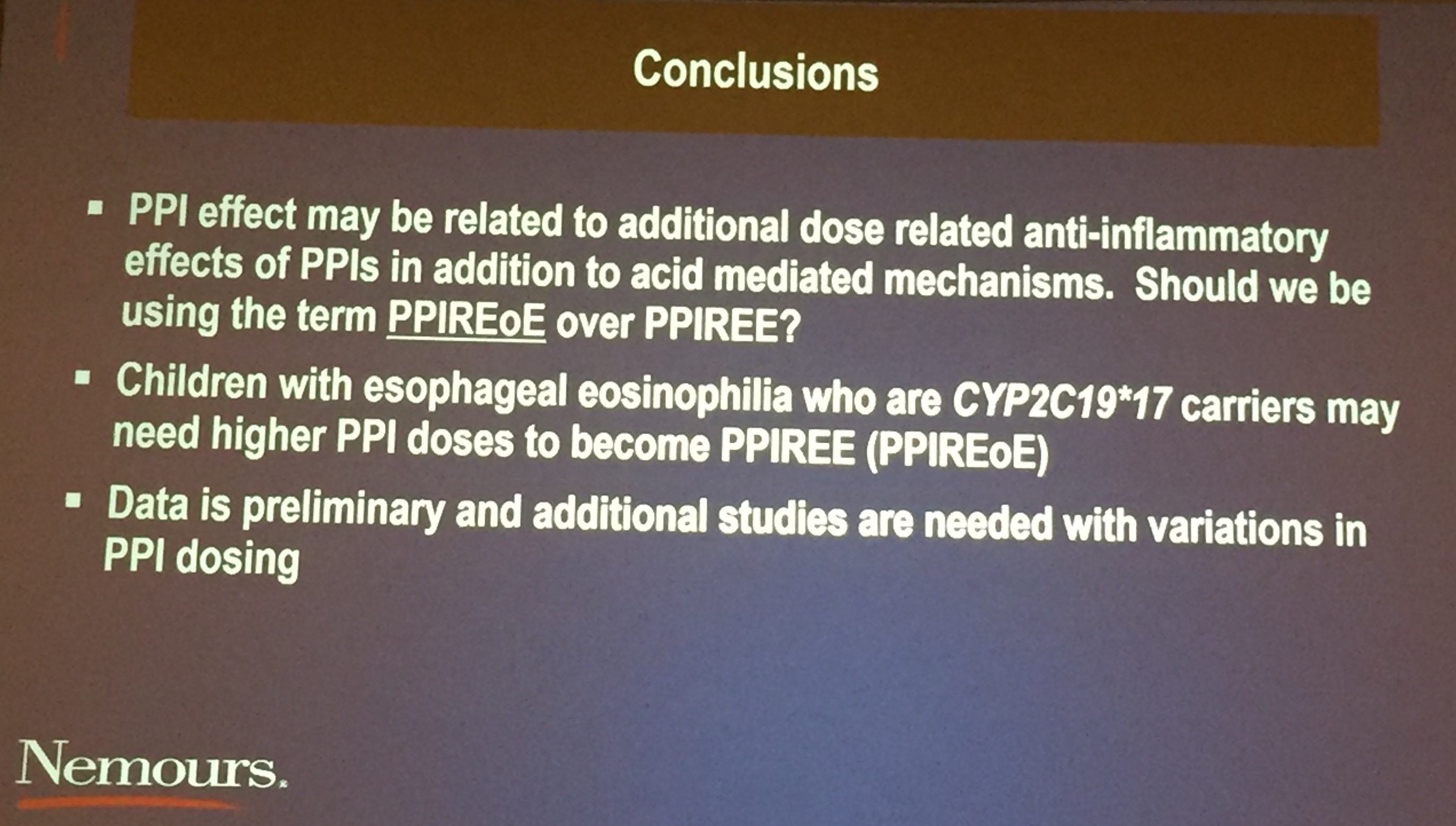
Characterization of CYP2C19*17 Polymporphisms Among Children with PPI Responsive EoE and EoE

James Franciosis et al.  Nemours Children’s Hospital Orlando

My take: This cool presentation offered a potential explanation of why some patients respond to PPIs (so called “PPI-REE”) from those with EoE that does not respond to PPIs.  This is pertinent because on a molecular basis the disease appears to be the same.  The difference in PPI-REE from EoE may be how the patient metabolizes PPI.  Those EoE patients who metabolize PPIs “extensively” are much less likely to respond to this therapy.

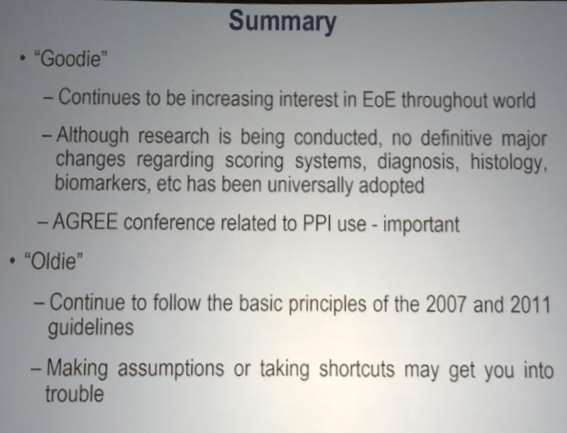
Eosinophilic esophagitis: Now an “Oldie” -But with increased interest and new research, a “Goodie”

Chris Liacouras  Children’s Hospital of Philadelphia

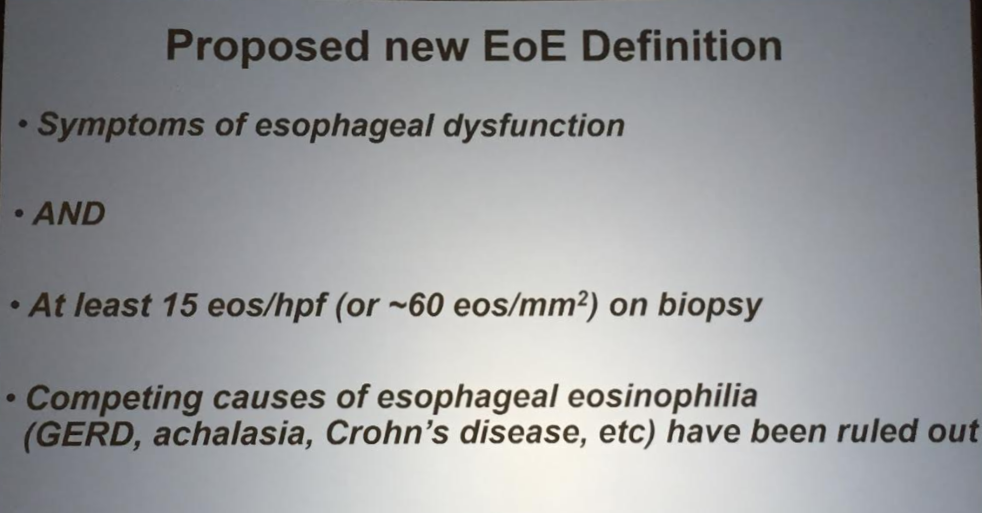
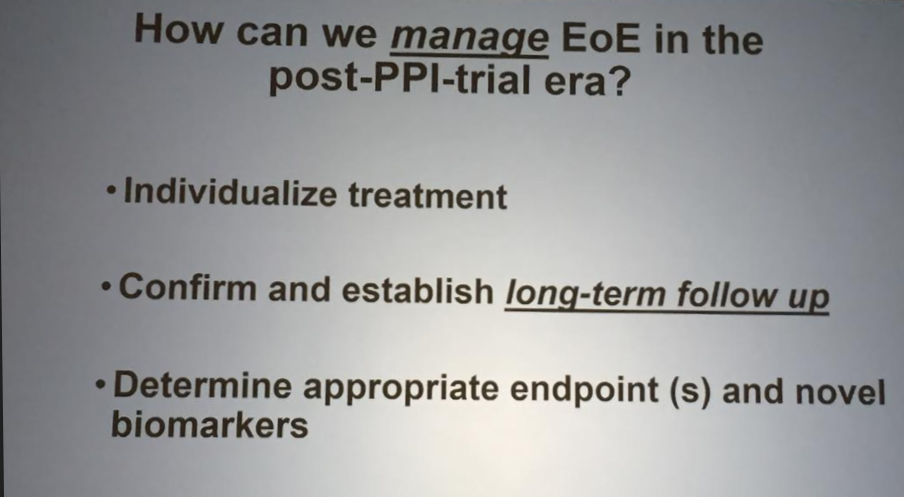
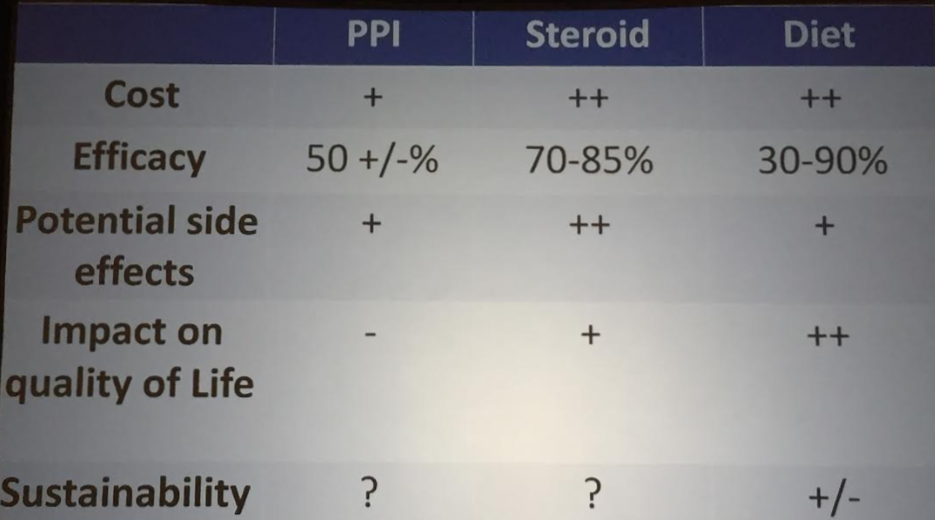
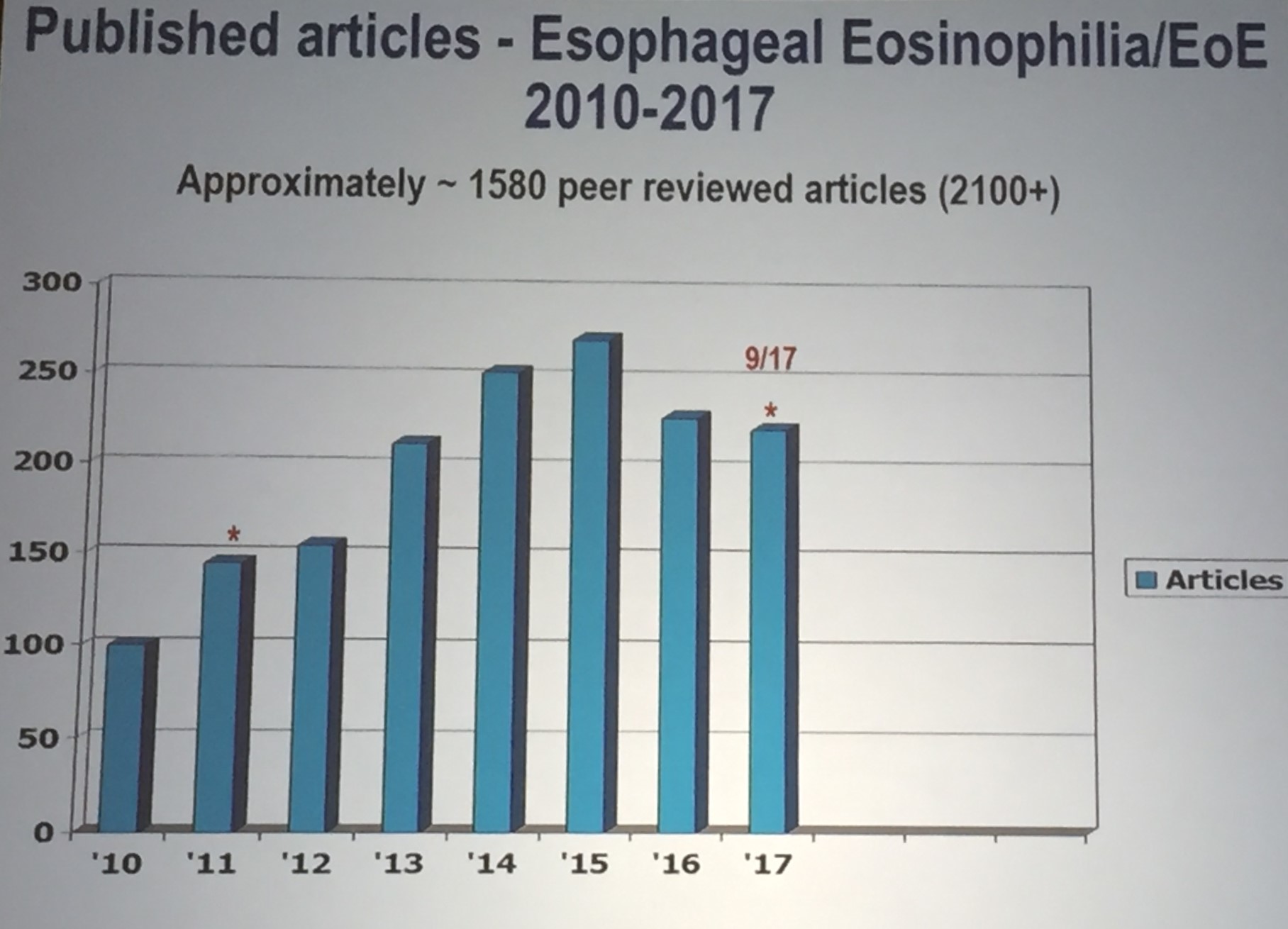
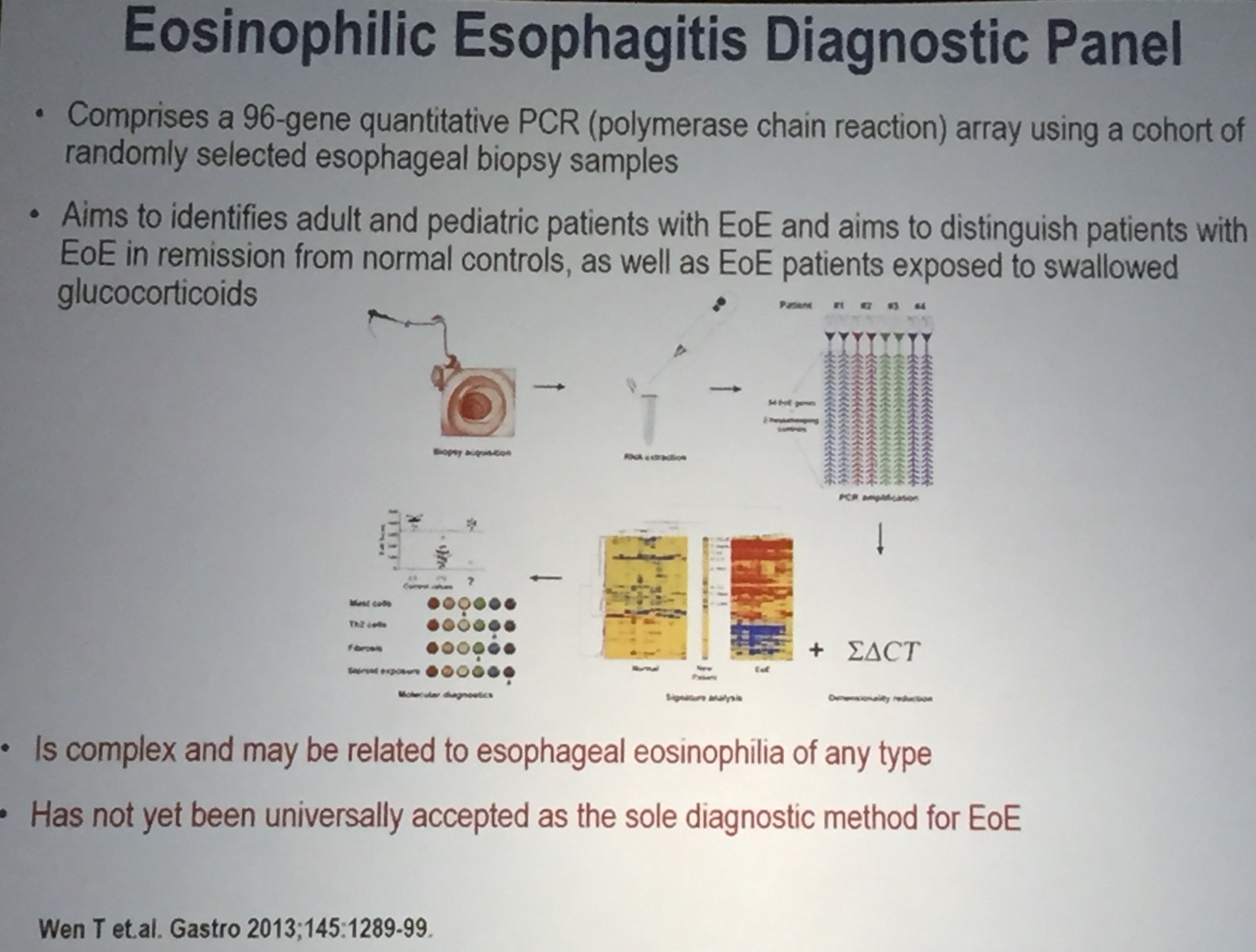
This lecture covered an enormous amount of material.  Here are a few slides.

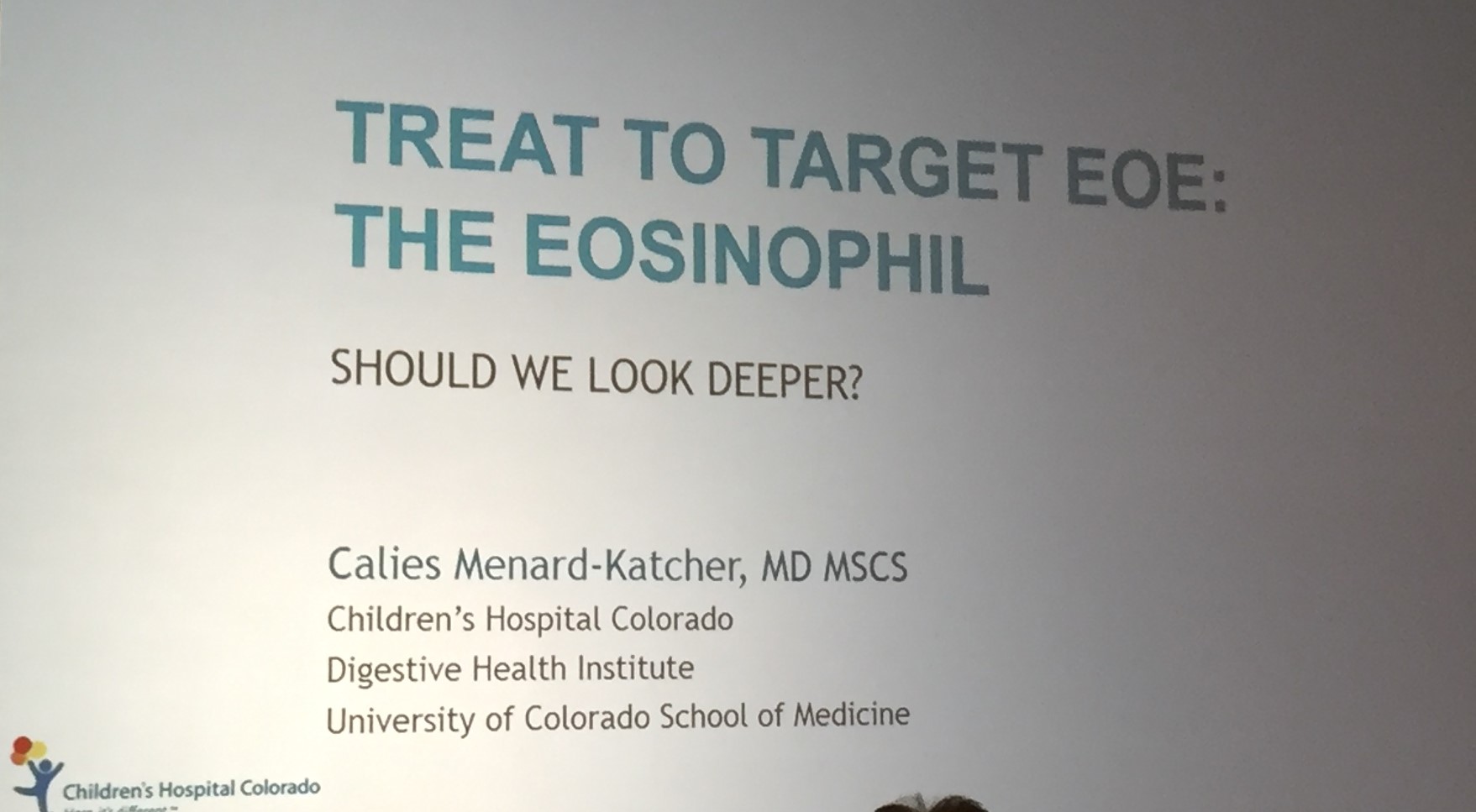
Final Lecture (from November 3rd presentation):

Key points:

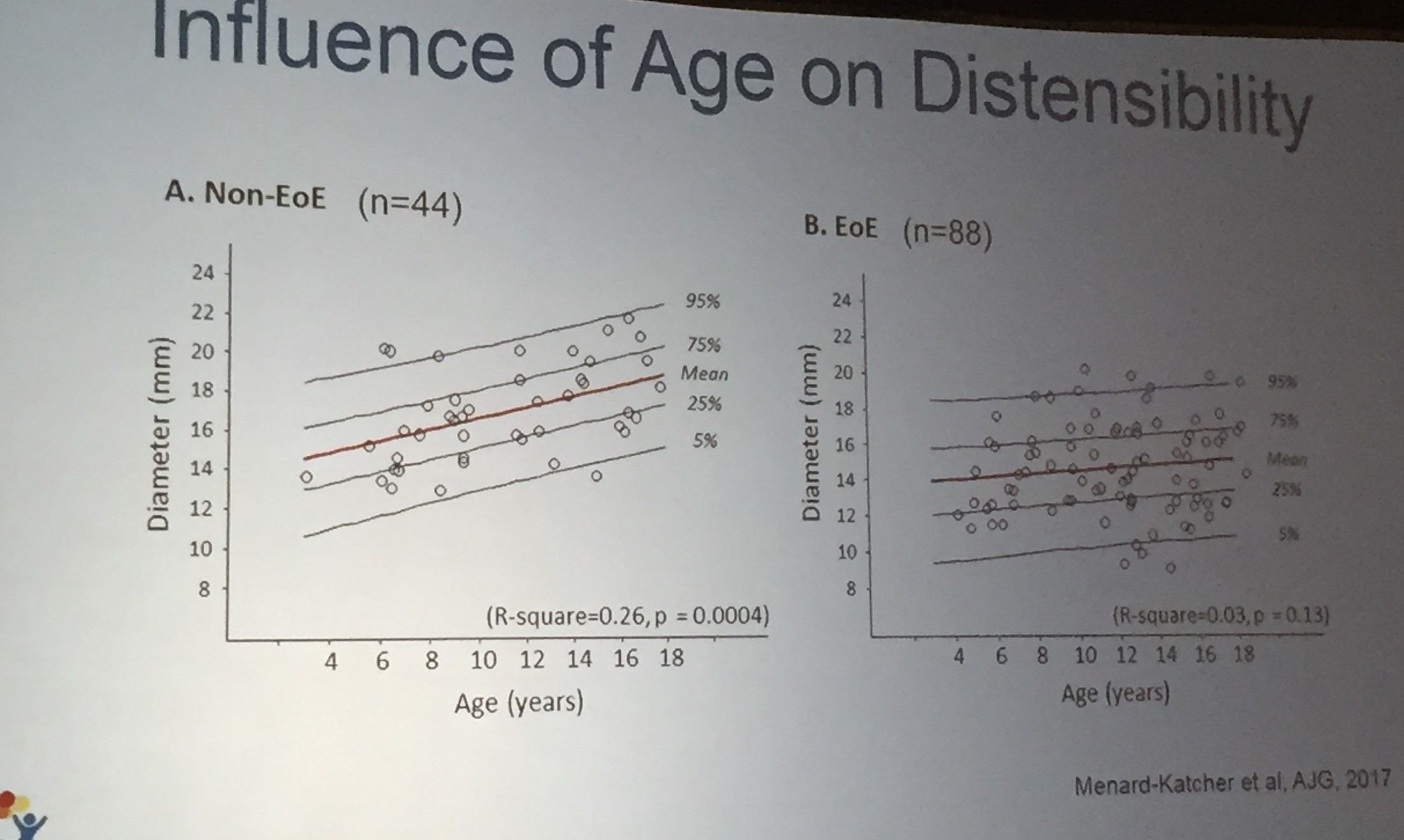
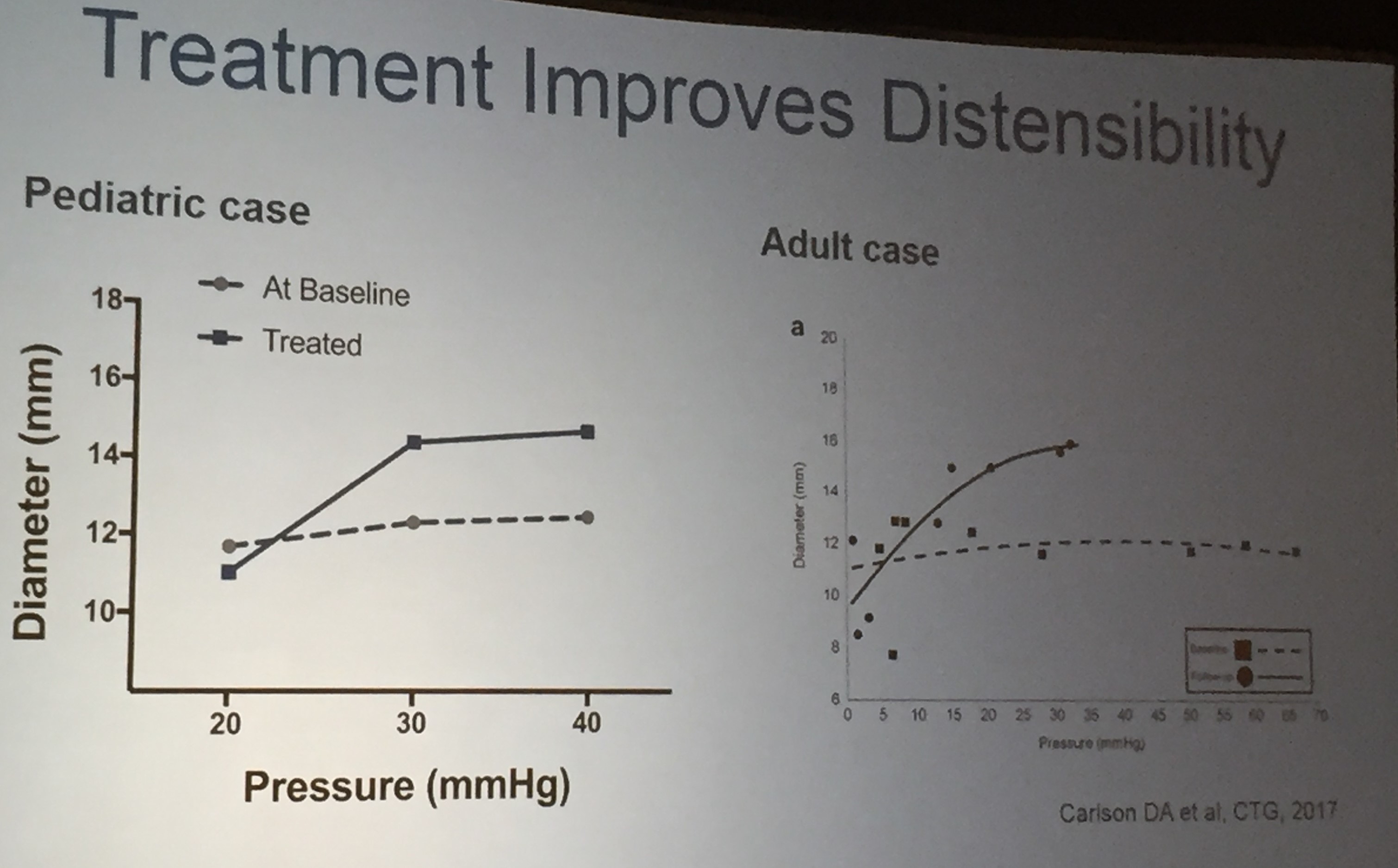
  • Endoflip is a new tool that helps determine esophageal distensibility.  Improved distensibility indicates less fibrostenotic disease which is one long-term goal.
  • Response to treatment has been correlated in improvement in Endoflip measurements.
  • There are no FDA approved medications at this point for EoE, though topical steroids may be approved soon.