VISION 5-Year Study Results: Safety of Vonoprazan in Erosive Esophagitis

N Uemura et al. Clin Gastroenterol Hepatol 2025; 23: 748-757. Open Access! Vonoprazan as a Long-term Maintenance Treatment for Erosive Esophagitis: VISION, a 5-Year, Randomized, Open-label Study

Background: Potassium-competitive acid blockers, such as vonoprazan, provide more potent gastric acid suppression than proton pump inhibitors. However, long-term safety data are lacking for vonoprazan in patients with healed erosive esophagitis. This study with 208 patients provides long-term data on the use of a vonoprazan.

Methods: Open-label study. Patients with erosive esophagitis (EE) received induction therapy (once daily vonoprazan 20 mg or lansoprazole 30 mg; ≤8 weeks). Those with healed EE received maintenance therapy (once daily vonoprazan 10 mg or lansoprazole 15 mg) for 260 weeks (2:1). 

Key findings–Adverse effects:

  • No malignant alterations or gastric neuroendocrine tumors (NETs) were observed; there was 1 adenoma in each group
  • At week 260, significantly more patients taking vonoprazan vs lansoprazole had parietal cell hyperplasia (97.1% vs 86.5%) and foveolar hyperplasia (14.7% vs 1.9%)
  • proportions of patients with ECL cell hyperplasia (4.9% vs 7.7%) and G-cell hyperplasia (85.3% vs 76.9%) were similar
  • Median serum gastrin levels were higher with vonoprazan treatment vs lansoprazole (625 pg/mL vs 200 pg/mL)

Key finding –Efficacy:

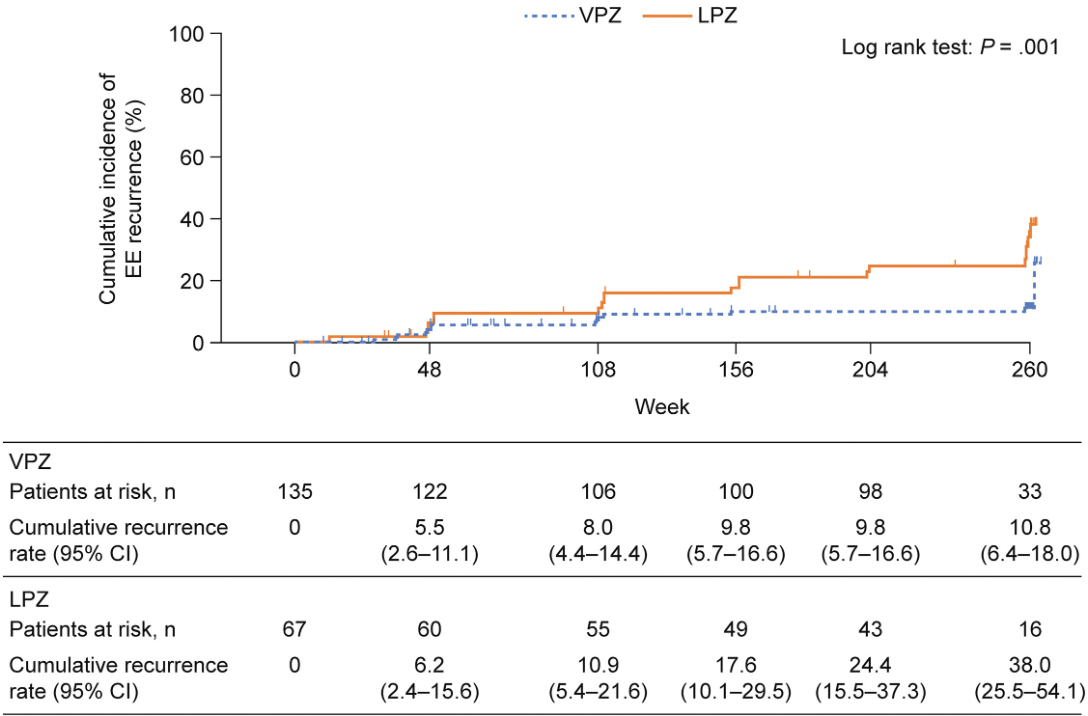
  • Overall, the cumulative EE recurrence over 260 weeks was lower in the vonoprazan group (10.8% ) vs the lansoprazole group (38.0%) (P = .001)  

Discussion Points:

  • “Annual endoscopies and biopsies performed in the VISION study are considered objective approaches for detecting upper gastrointestinal diseases and variable lesions, as well as gastric mucosa morphological changes in areas without endoscopically apparent lesions…Although the proportions of patients with parietal cell protrusion and foveolar hyperplasia were higher in the vonoprazan group than in the lansoprazole group over 5 years, the clinical significance of these findings is unclear.”
  • “The safety profiles of vonoprazan and lansoprazole were also comparable, suggesting that long-term use of vonoprazan is as safe as PPIs.”

My take: This study provides some reassurance regarding the risk of using vonoprazan & other potassium-competitive acid blockers. The benefits of controlling erosive esophagitis may outweigh potential safety risks of long-term use. Nevertheless, it will be a while before this class of medications is used extensively in the pediatric age group.

Related blog posts:

Disclaimer: This blog, gutsandgrowth, assumes no responsibility for any use or operation of any method, product, instruction, concept or idea contained in the material herein or for any injury or damage to persons or property (whether products liability, negligence or otherwise) resulting from such use or operation. These blog posts are for educational purposes only. Specific dosing of medications (along with potential adverse effects) should be confirmed by prescribing physician.  Because of rapid advances in the medical sciences, the gutsandgrowth blog cautions that independent verification should be made of diagnosis and drug dosages. The reader is solely responsible for the conduct of any suggested test or procedure.  This content is not a substitute for medical advice, diagnosis or treatment provided by a qualified healthcare provider. Always seek the advice of your physician or other qualified health provider with any questions you may have regarding a condition.
Unfavorable Trends in Reflux Management of Infants & Update on USNWR Rankings

T Achler et al. J Pediatr 2023; 252: 141-145. Trends and Correlates of Early-Life Exposure to Acid-Suppressant Therapy in Israel (2005-2020)

In this retrospective study from Israel with nearly 600,000 children, key findings:

  • The incidence rate of acid-suppressant medication use increased by 2.8-fold from 18.2 per 1000 in 2005 to 51.0 per 1000 in 2020
  • Primary care providers accounted for 74.8% of prescribing physicians in 2005 vs 96.1% in 2020, whereas the prevalence of prescribing gastroenterologists decreased from 18.8% to 2.8%
  • Other factors associated with increased use: first born child, male sex, multiple births and greater socioeconomic status; this latter group is more likely driven by health-seeking tendency rather than financial disparity due to national health insurance

Comments: This high use of acid suppression medications in infancy has been reported in multiple other studies despite the lack of efficacy in prior studies. Pediatricians, more than pediatric gastroenterologists, may be less familiar with the GERD guidelines and potential adverse effects of acid suppression (including association with an increase food allergies).

My take: This Israeli study shows that pediatric gastroenterologists are using acid blockers less in infants while pediatricians are using them more often. It is interesting that after the first child, parents are less likely to seek medical attention & are more tolerant of reflux symptoms.

Related blog posts:

Siesta Key, FL –what are the qualifications for driving a vehicle in FL?

Related blog post: U.S. News & World Report’s Flawed Rankings Plus One

Is Reflux Really a Disease in Premature Infants?

From Atlanta Botanical Garden

Z Sultana et al. Gastro Hep Advances 2022; 1: 869-881: Open Access! Symptom Scores and pH-Impedance: Secondary Analysis of a Randomized Controlled Trial in Infants Treated for Gastroesophageal Reflux

In the introduction, the authors note: “Gastroesophageal reflux (GER) is a physiological process defined as the passage of gastric contents into the esophagus with or without regurgitation and vomiting, while GER disease (GERD) is pathophysiologic and occurs when GER is associated with troublesome symptoms and/or complications.”

“This distinction between GER and GERD remains enigmatic among survivors in the neonatal intensive care unit (NICU). Reflux-type symptoms (arching, irritability, acute life-threatening events, coughing, failure to thrive, and swallowing difficulties) in this high-risk infant population can be troublesome to the parent and provider, and empiric management using pharmacological and dietary changes are common albeit with consequences.”

Methods: “Infant Gastroesophageal Reflux Questionnaire Revised (I-GERQ-R) and 24-hour pH-impedance data were analyzed from 94 infants…[and] Longitudinal data from 40 infants that received randomized GER therapy (proton pump inhibitor [PPI] with or without feeding modifications) for 4 weeks followed by 1-week washout were analyzed. Relationships between I-GERQ-R and pH-impedance metrics (acid reflux index, acid and bolus GER events, distal baseline impedance, and symptoms) were examined and effects of treatments compared.”

Key findings:

  • Acid-suppressive therapy with feeding modifications had no effect on symptom scores or pH-impedance metrics. Clearance of refluxate worsened despite PPI therapy.
  • Correlations between I-GERQ-R and pH-impedance metrics were weak or non-existent, indicating that physicians cannot depend only on the questionnaire to diagnose and treat GERD in premature infants.

My take: This study shows that reflux symptoms are unreliable in establishing a diagnosis of reflux disease in infants. In addition, medical treatments were not beneficial in infants with abnormal pH-impedance metrics. Perhaps, it is time to acknowledge that we cannot even agree what reflux “disease” is in (premature) infants.

Related blog posts:

Terrain in Denali National Park, AK

“Pediatric Formula Basics”

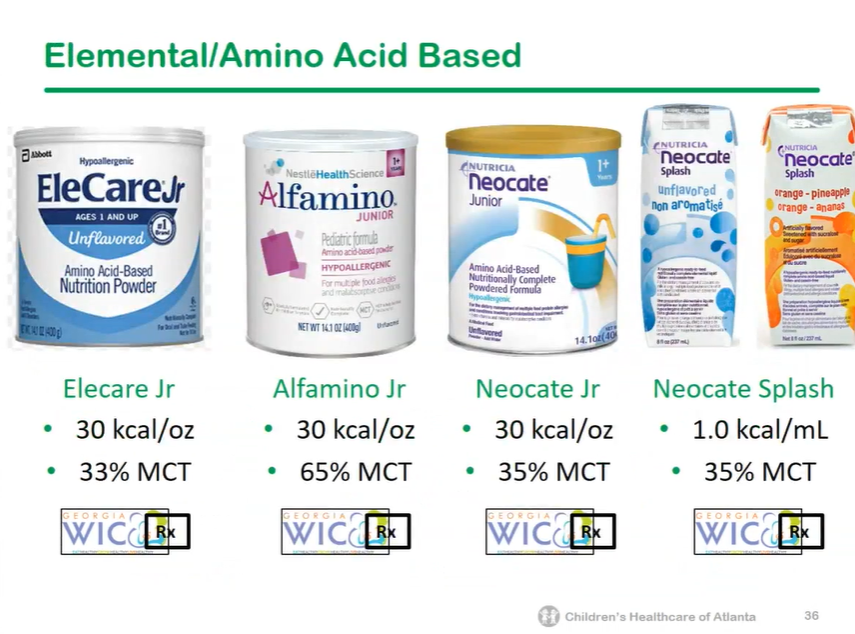
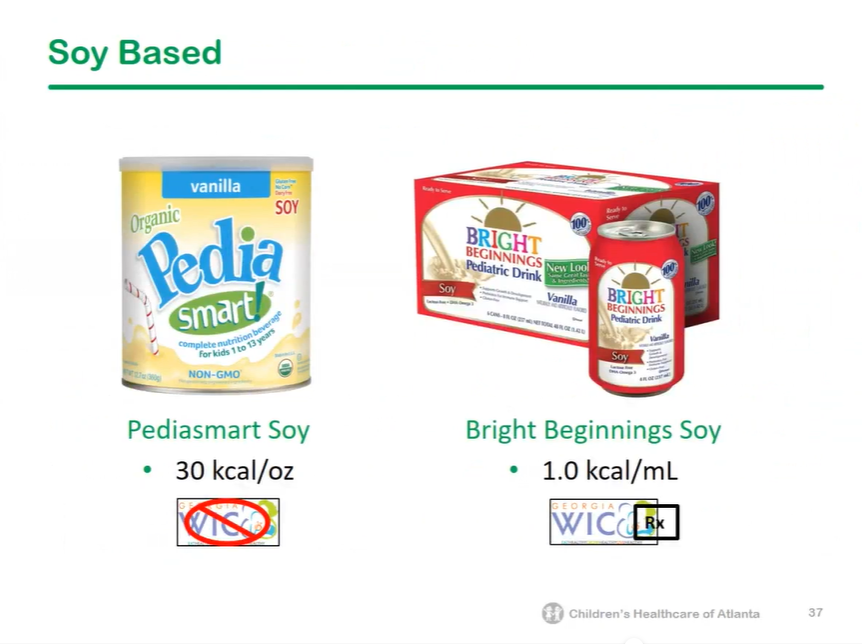
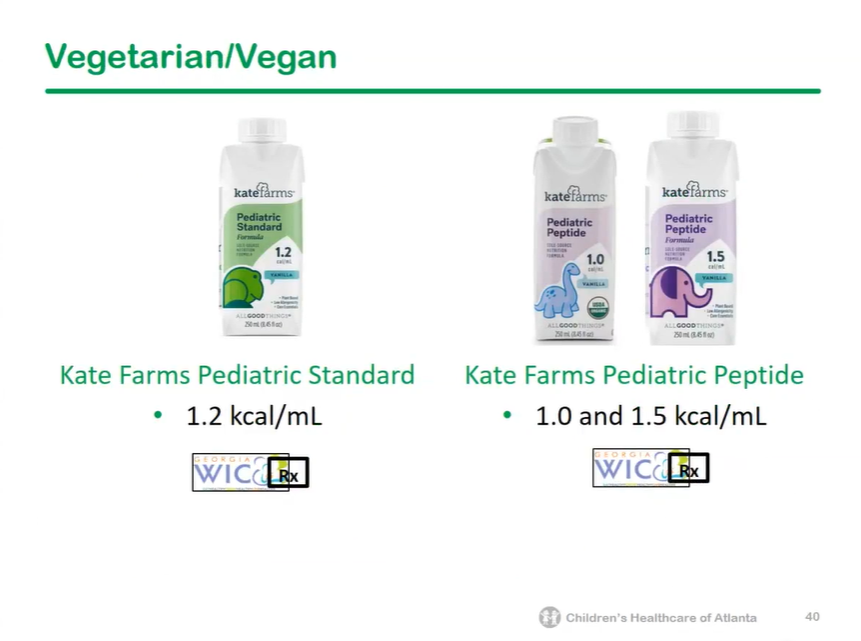
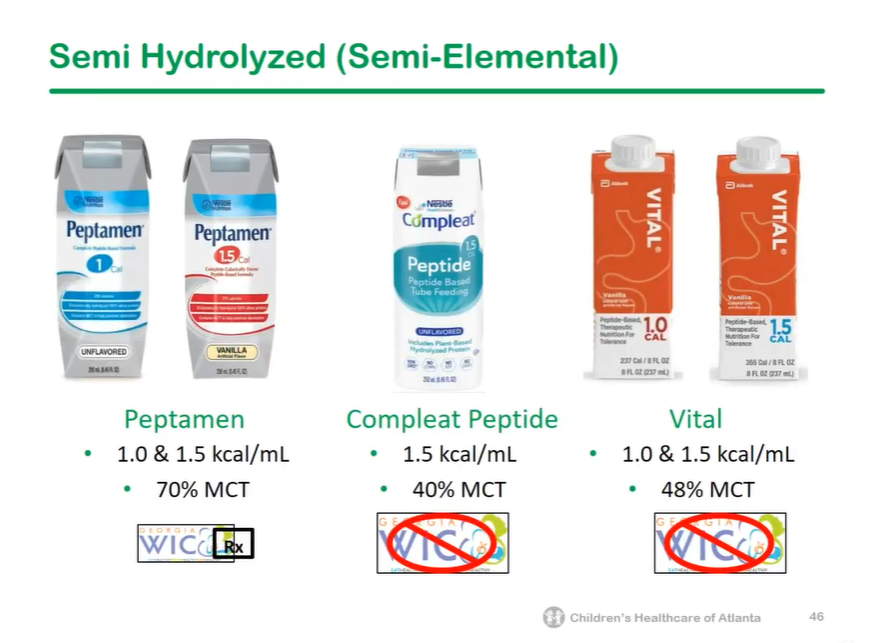
CHOA Nutrition Support Core Seminar -Thanks to Kipp Ellsworth for organizing this series and sharing content. This lecture is a really good review and would be a great place to start when discussing formulas with medical students and residents.

Link to Webex (49 min): “Pediatric Formula Basics” by Clancy Bryant, MS, RD (March 2, 2021). Password: FbhSgup5

Also, can reach via: Our first Nutrition Support Core Lecture of 2021: “Pediatric Formula Basics” by Clancy Bryant, MS, RD-20210302 1810-1

Key points:

  • This lecture reviewed selection of formulas for infants, children and adolescents; some of the most common formula choices (but not all) were reviewed
  • This talk reviewed reflux guidelines as reflux symptoms often impact decisions on formula choice in infancy. Thickened formulas like Enfamil AR and Similac Spit Up do not work with acid suppression medications.
  • WIC resources (for children <5 years) -can identify through website: https://dph.georgia.gov/WIC/wic-formula-resources
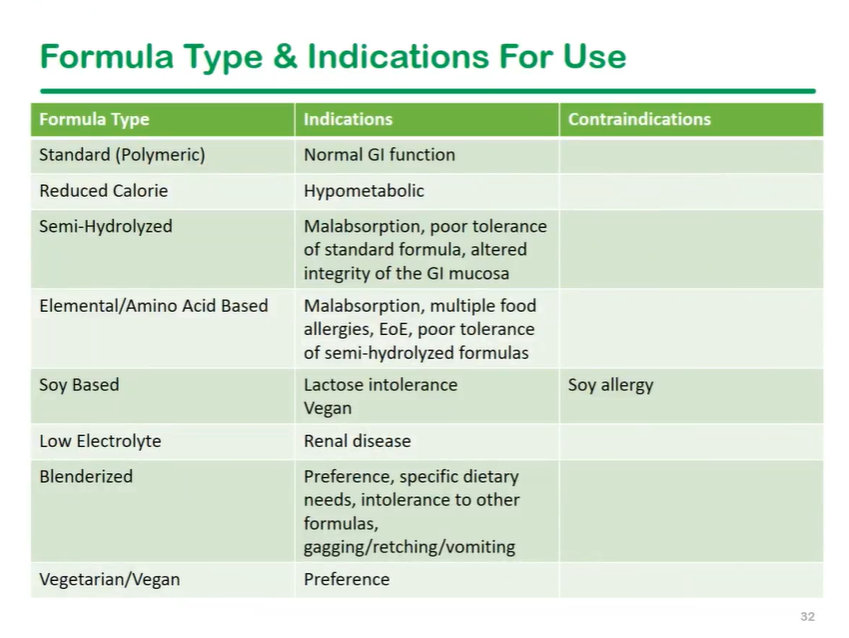
    • WIC script requires 2 ICD-10 diagnosis which are relevant to chosen formula
    • For standard formula, no prescription is needed; if formula is not on WIC formulary, it will not be covered
    • If child is NPO, write for “patient is NPO, please give maximum formula”
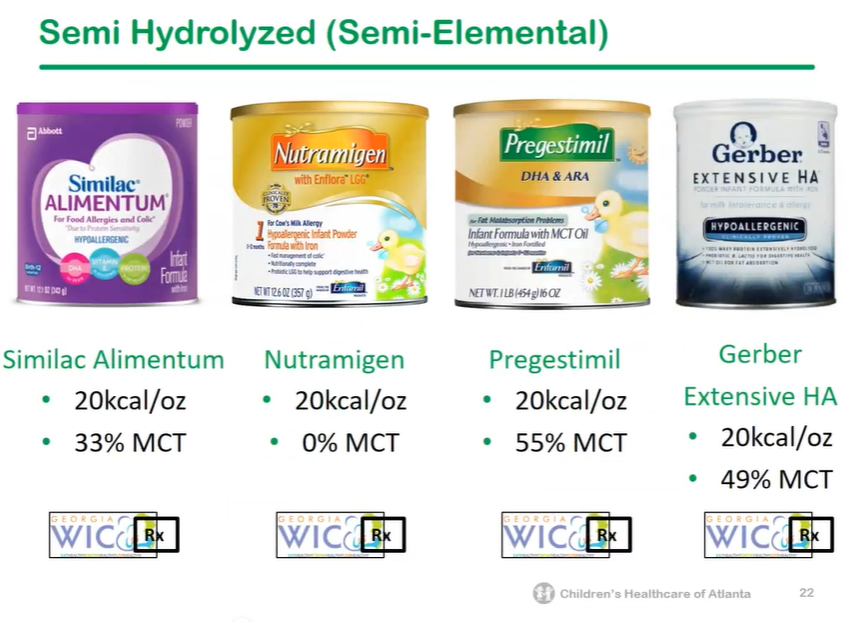
  • For cholestatic liver disease: high MCT formulas include pregestamil (55%), Alimentum (33%) and elemental formulas (33-49%)
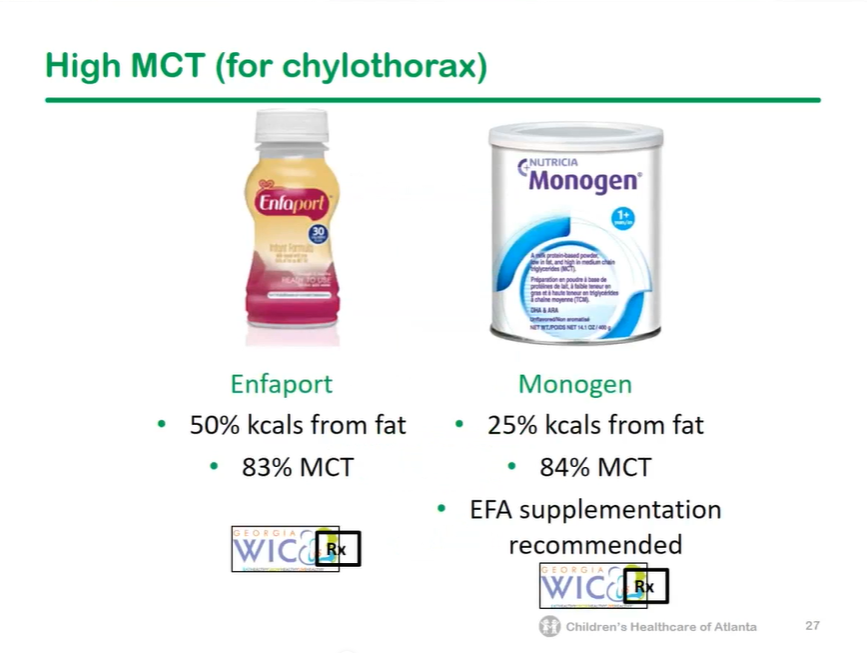
  • For chylous effusions, very high MCT formulas (83%, 84%) include enfaport and monogen (needs EFA supplementation)
  • Formulas for children and adolescents come in concentrations of 0.6 kcal/mL to 2.0 kcal/mL
    • Reduced calorie formulas (eg. Pediasure Reduced Calorie or Compleat Pediatric Reduced Calorie) are helpful to provide adequate micronutrients/protein in children with hypocaloric needs
  • Blenderized formulas often helpful for children with retching (when given via gastric route); some of these may increase vitamin A levels and beta-carotene (eg. Nourish, Compleat Pediatric Organic Blends). Real food blends are not nutritionally-complete. Harvest is able to run through enteral tube without dilution.
    • For those older than 10 years of age, Liquid Hope is similar to Nourish and Compleat Organic Blends is similar to Compleat Pediatric Organic Blends
  • Low electrolyte formulas, like Renalcal and Renastart, may be useful for children with kidney dysfunction. Corresponding formulas for >10 years of age include Suplena and Novasource Renal
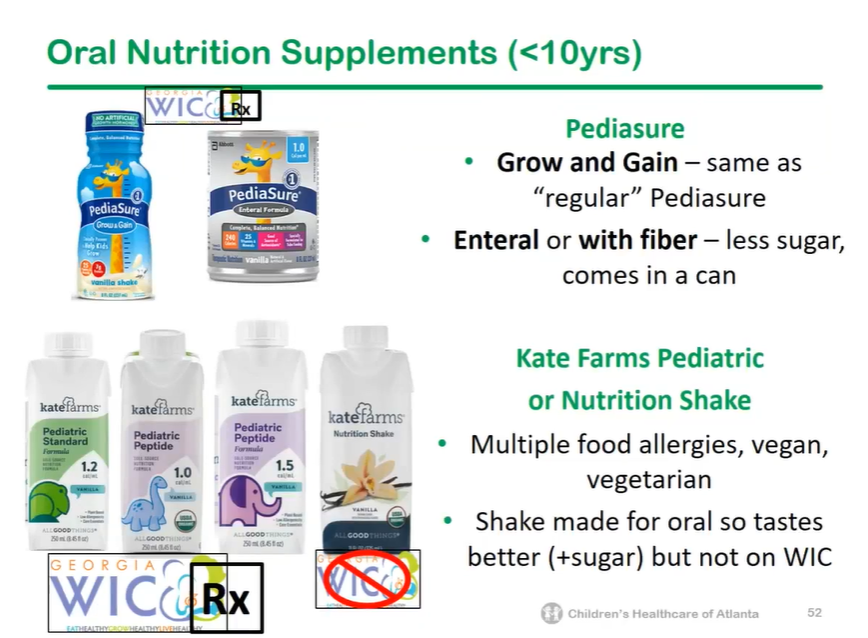
  • Kate Farms is often a good choice for patients with multiple allergies or eosinophilic esophagitis

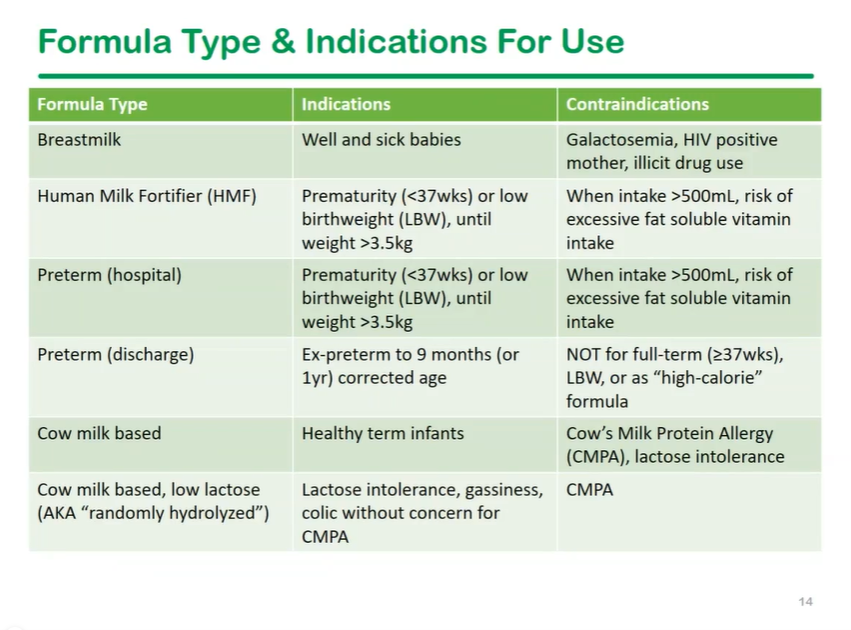
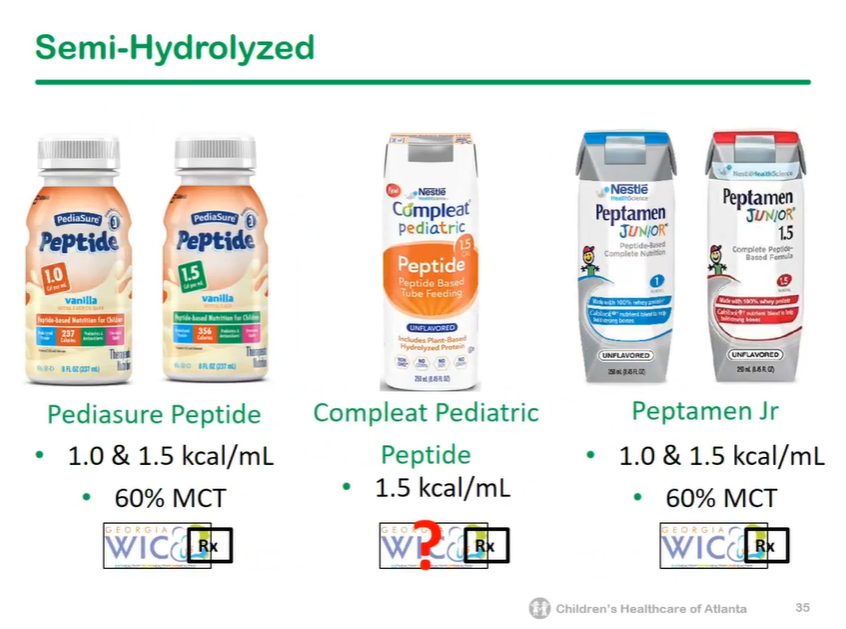
Some of the slides:

Formulas for 1-10 years of age.

Adult formulas (>10 years):

Related blog posts:

How Gastrostomy Tube Placement Influences Gastroesophageal Reflux

A recent prospective observational study (M Aumar et al. J Pediatr 2018; 197: 116-20) examined the effect of percutaneous gastrostomy (PEG) tube placement on gastroesophageal reflux disease (GERD) over a 13 year period. This study included 326 patients, 56% who had neurologic impairment and had a median follow-up of 3.5 years (and in some cases follow-up to 15 years). GERD was defined as gastroesophageal reflux causing troublesome symptoms and/or complications. Routine pH studies or impedance were not performed.

Key findings:

  • GERD was present in 242 of 326 patients at baseline (74%).  GERD appeared in 11% of patients after PEG and was aggravated in 25% with preexisting GERD.
  • Factors associated with worsening GERD were neurologic impairment and preexisting GERD.
  • 53 patients (16%) required anti-reflux surgery with 22 (6%) in the year following PEG. The only factor identified with the need for surgery was neurologic impairment.
  • At last followup, PEG remained in place in 133 children (41%), and had been removed in 99 (30%).  94 children (29%) were deceased, including 2 from an early procedure-related complication.  In those who were deceased, the vast majority occurred related to evolution or complication of their underlying disease.

The authors note that studies have shown that PEG increases GERD, but “the majority of these studies were of low methodologic quality.”

My take: Routine antireflux surgery at the time of PEG placement is NOT needed in the majority of patients, even in those with baseline GERD.  Less than 20% of patients with GERD required antireflux surgery.

Related blog posts:

2018 Pediatric Gastroesophageal Reflux Clinical Practice Guidelines

Full text: NASPGHAN Pediatric Gastroesophageal Reflux Clinical Practice Guidelines (R Rosen et al. JPGN 2018; 66: 516-54)

This is a lengthy report with ~50 recommendations/302 references –many with several subrecommendations. I will highlight a few below. Tables 2 defines “red flags” that suggest the need for additional diagnostic tests and Table 3 provides a lengthy differential diagnosis (=everything).

R Rosen et al. JPGN 2018; 66: 516-54

The article reviews several frequent clinical diagnostic/management issues and provides two algorithms with suggested evaluation/treatment for infants and older children.  The older child algorithm (algorithm 2) suggests referral to GI if not improved with acid suppression or unable to wean after course of treatment.  For pediatric GI physicians, this algorithm suggests use of endoscopy if persistent symptoms on PPI or inability to stop PPI; pH-MII or pH-metry recommended if normal-appearing endoscopy.

Key point:

  • For infants: “if excessive irritability and pain is the single manifestation, it is unlikely to be related to GERD.”

Some of the Recommendations -My Top Ten:

  • 3.5 We suggest not to use esophago-gastro-duodenoscopy to diagnose GERD in infants and children.
  • 3.13 We suggest not to use a trial of PPIs as a diagnostic test for GERD in infants.
  • 3.14 We suggest a 4 to 8 week trial of PPIs for typical symptoms (heartburn, retrosternal or epigastric pain) in children as a diagnostic test for GERD
  • 3.15 We suggest not to use a trial of PPIs as a diagnostic test for GERD in patients presenting with extraesophageal symptoms.
  • 5.1 We suggest not to use antacids/alginates for chronic treatment of infants and children with GERD.
  • 5.4 We recommend not to use H2RA or PPI for the treatment of crying/distress in otherwise healthy infants.
  • 5.5 We recommend not to use H2RA or PPI for the treatment of visible regurgitation in otherwise healthy infants
  • 5.7 We suggest not to use H2RAs or PPIs in patients with extraesophageal symptoms (ie, cough, wheezing, asthma), except in the presence of typical GERD symptoms and/or diagnostic testing suggestive of GERD.
  • 5.10 We suggest to consider the use of baclofen prior to surgery in children in whom other pharmacological treatments have failed.
  • 6.4 We suggest to consider the use of transpyloric/jejunal feedings in the treatment of infants and children with GERD refractory to optimal treatment as an alternative of fundoplication.

My take: This is an excellent updated summary of current best clinical practices for evaluation/management of pediatric GERD.

Related blog posts:

Disclaimer: These blog posts are for educational purposes only. Specific dosing of medications/diets (along with potential adverse effects) should be confirmed by prescribing physician/nutritionist.  This content is not a substitute for medical advice, diagnosis or treatment provided by a qualified healthcare provider. Always seek the advice of your physician or other qualified health provider with any questions you may have regarding a condition.


Note full text link available online identified in Google Search

Esophageal Diseases Special

Gastroenterology published a ‘special issue’ in January 2018 (volume 154; pages 263-451) which reviewed several esophageal diseases in-depth: gastroesophageal reflux disease (GERD), eosinophilic esophagitis (EoE), and esophageal cancer. For me, this issue served as a good review on GERD and EoE.

A couple of items that I picked up:

  • For both GERD and functional dyspepsia, “estimated prevalence values are approximately 20% for each.” (pg 269)
  • “15% of healthy individuals may have microscopic esophagitis” (pg 291)
  • For pH-impedance, the current view of non-acid reflux is unchanged: “unknown clinical relevance of non-acid reflux in the setting of aggressive acid suppression.” (pg 291)
  • Treatment algorithm for EoE (pg 353):
    • Induction treatment with any of the three approaches:  high dose topical corticosteroids, double dose proton pump inhibitor (PPI) or elimination diet “because no comparative studies have shown any of these to be superior to the others.”
    • Then, re-evaluation after 2-3 months (clinical, endoscopic, and histologic).  Responders should continue on therapy but maintenance treatment suggests low dose topical corticosteroid, lowering PPI to single dose, or continuing elimination diet.  For nonresponders, switching to one of the other two treatment approaches is recommended.
    • The algorithm indicates that followup evaluation of responders to insure ongoing response should be considered 1 year later
  • As for dilatation, the authors note that this does not control the underlying inflammation and thus should not be used as monotherapy. Also, “after dilatation, 75% of patients have considerable chest pain that may last several days.” (pg 354)

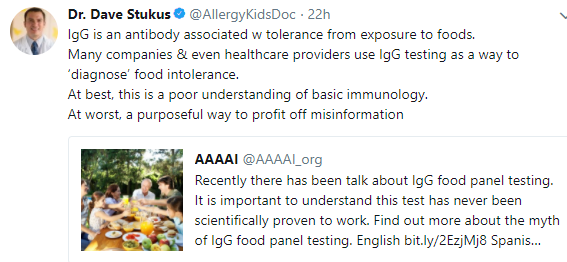
Unrelated twitter post below -IgG allergy testing is NOT a good idea:

Long-term Effects on Bone Health of PPIs in Infancy?

A recent study –summarized by Pediatric News (MDedge): Antacid use in infants linked to increased fracture risk.

In this large study (874,447 children), more than 90% of the cohort had not received a prescription for any antacid.

An excerpt:

The large study revealed that use of proton pump inhibitors (PPIs) before age 1 year was linked to a 22% increased risk of fracture, compared with those not prescribed antacids…

The retrospective study’s cohort comprised 874,447 children born between 2001 and 2013 who had been in the U.S. Military Health System for at least 2 years…

Adjustment for preterm birth, low birth weight, sex, and a previous fracture barely reduced those risks: 22% increased risk for PPI use, 4% increased risk for H2 blocker use, and 31% increased risk for using both. The vast majority of children who took antacids had been prescribed them in their first 6 months, so the researchers calculated adjusted risk by age of exposure. 

My take: There are a lot of reasons to resist using PPIs in most infants, particularly lack of efficacy.  Potential harms of these medications, particularly at the youngest ages, should not be overlooked either.

Related blog posts:

Prague Castle and Charles Bridge

Surgery for Reflux Works Best in Those Who Need it the Least

In a recent retrospective study (JT Krill et al. Clin Gastroenterol Hepatol 2017; 15: 675-81), the authors reinforce the notion that surgery works best for reflux patients whose symptoms respond best to medical therapy.

Background: In this study, 196 patients with normal anatomy were identified, though 81 had inadequate follow-up at 1 year.  This left 115 patients (median age ~52).  This study examined patients with typical reflux symptoms (regurgitation, heartburn) (n=79 of 115, 68.7%) and extraesophageal symptoms, like cough, hoarseness, and throat clearing (n=36 of 115, 31.3%).  It is noted that 2/3rds of those with extraesophageal symptoms had coexisting typical GERD symptoms.  Most patients had a Nissen fundoplication but some underwent a Toupet fundoplication.

Key findings:

  • 91.5% of those with typical reflux symptoms (who  had responded to medical therapy) were in remission at 1 year; in comparison, only 33.3% (P <.01) of those with extraesophageal symptoms along with poor response to acid suppression therapy exhibited remission following fundoplication.
  • “The severity of acid reflux on pH monitoring and larger hiatal hernia size were associated with a more favorable outcome at 12 months.”  All patients had either abnormal pH monitoring or endoscopic esophagitis prior to surgery.  Only those with severe reflux had increased likelihood of response to surgery.

Limitations: retrospective study, 81 of 196 patients were excluded due to lack of followup

My take: This study is consistent with other studies in suggesting that reflux surgery is less effective in those who do not respond to medical therapies and who have atypical symptoms.

Related blog post:

From Pitts Street Bridge, Mt Pleasant