Major Update of AASLD IDSA Practice Guideline on Treatment of Chronic Hepatitis B (Part 2)

MG Ghany et al. Hepatology 83(4):p 974-997, April 2026. Open Access! AASLD IDSA Practice Guideline on treatment of chronic hepatitis B

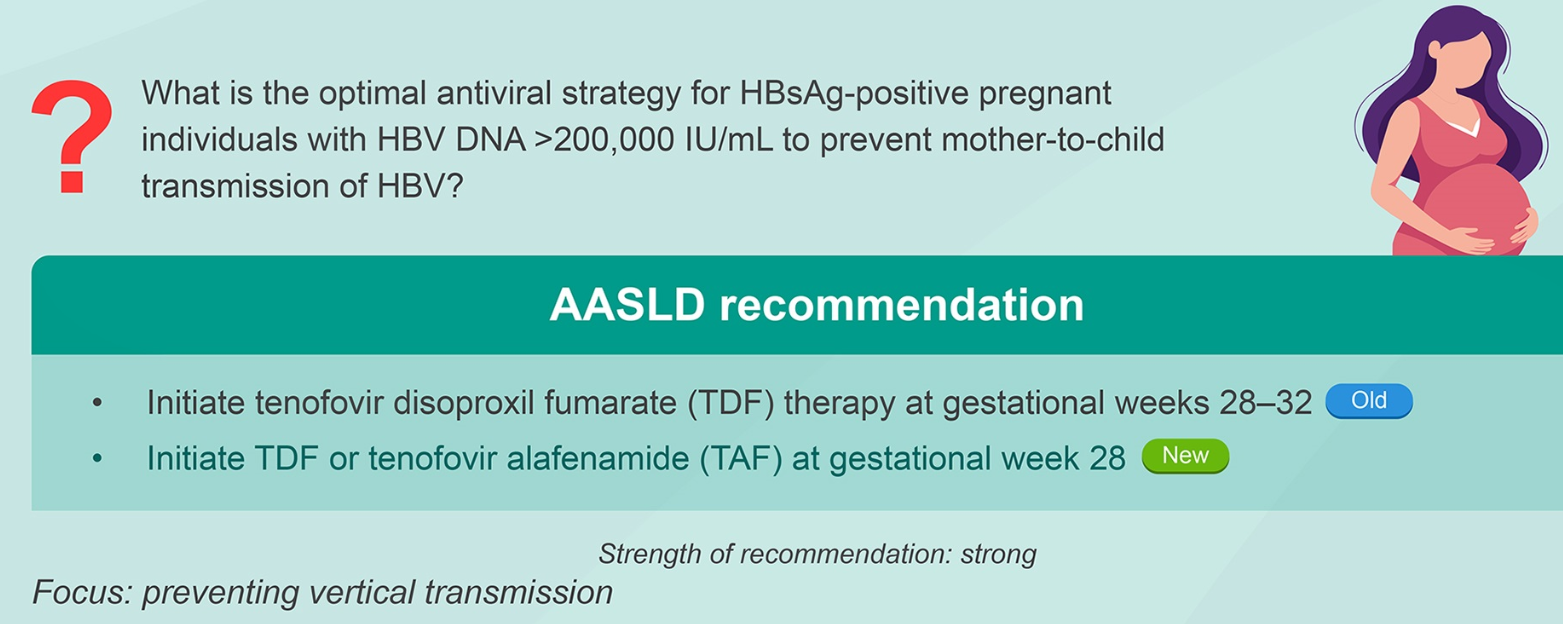
Yesterdays’ blog post summarized the 6 key questions that are reviewed in the updated guidelines. Today’s post provides more details on treatment and a direct link to the practice guideline.

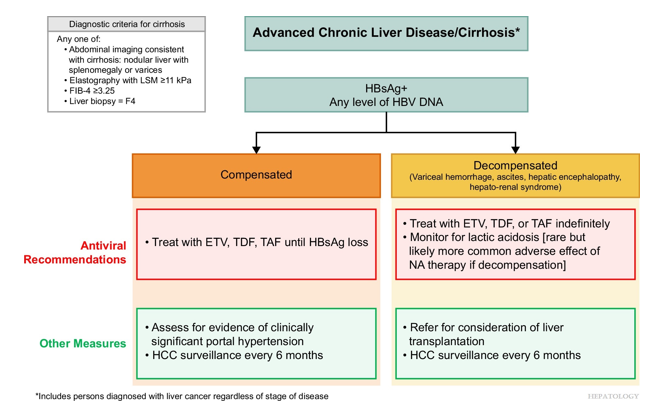
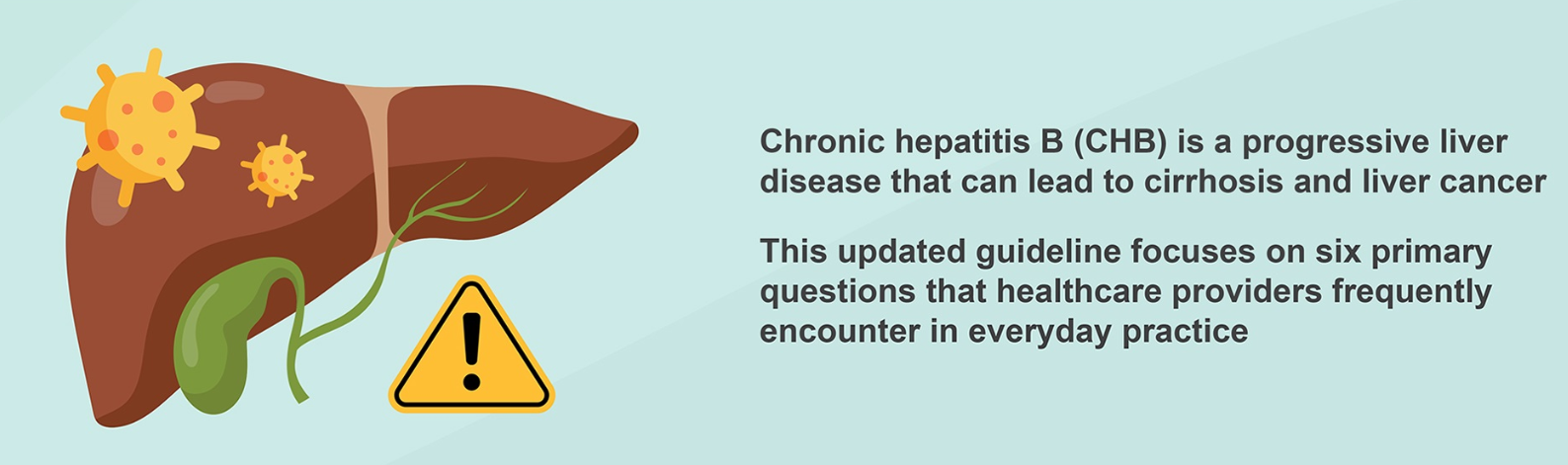
Background: “CHB affects ~258 million individuals (2022) globally8 and leads to an estimated 1.1 million deaths annually due to complications of cirrhosis and HCC…This guideline focuses on six specific issues related to management of CHB. Other recommendations for management of CHB addressed in the 2018 guidelines will continue to be applicable and the reader is referred to this document.1

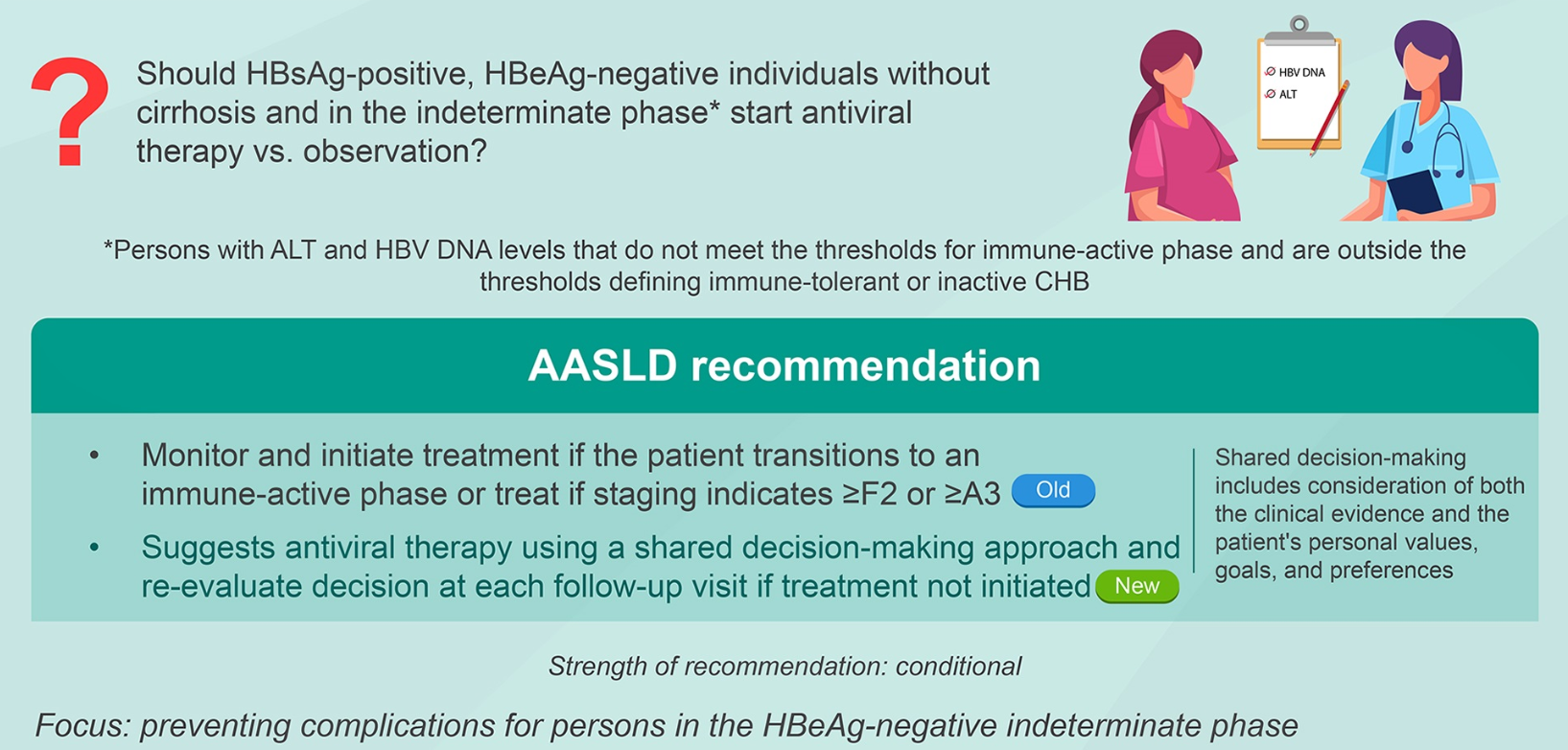
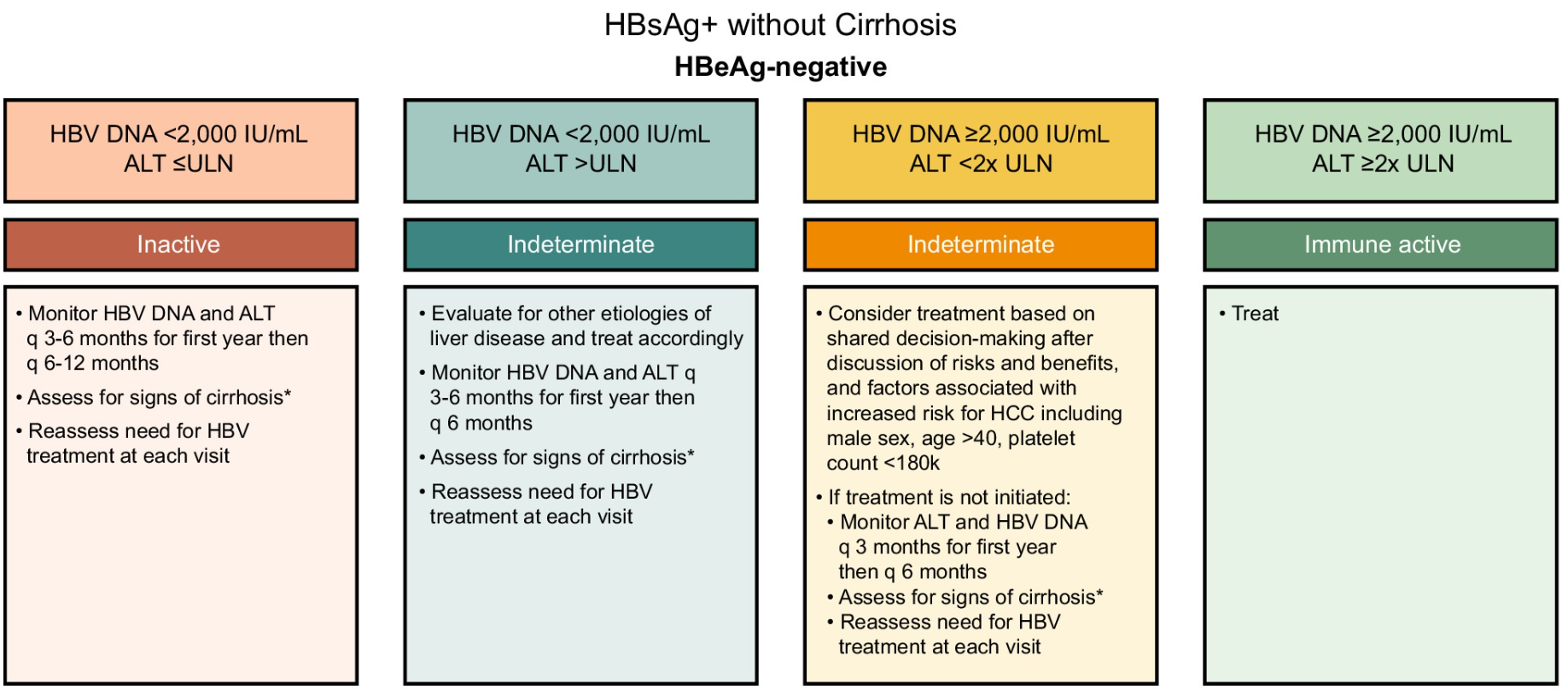
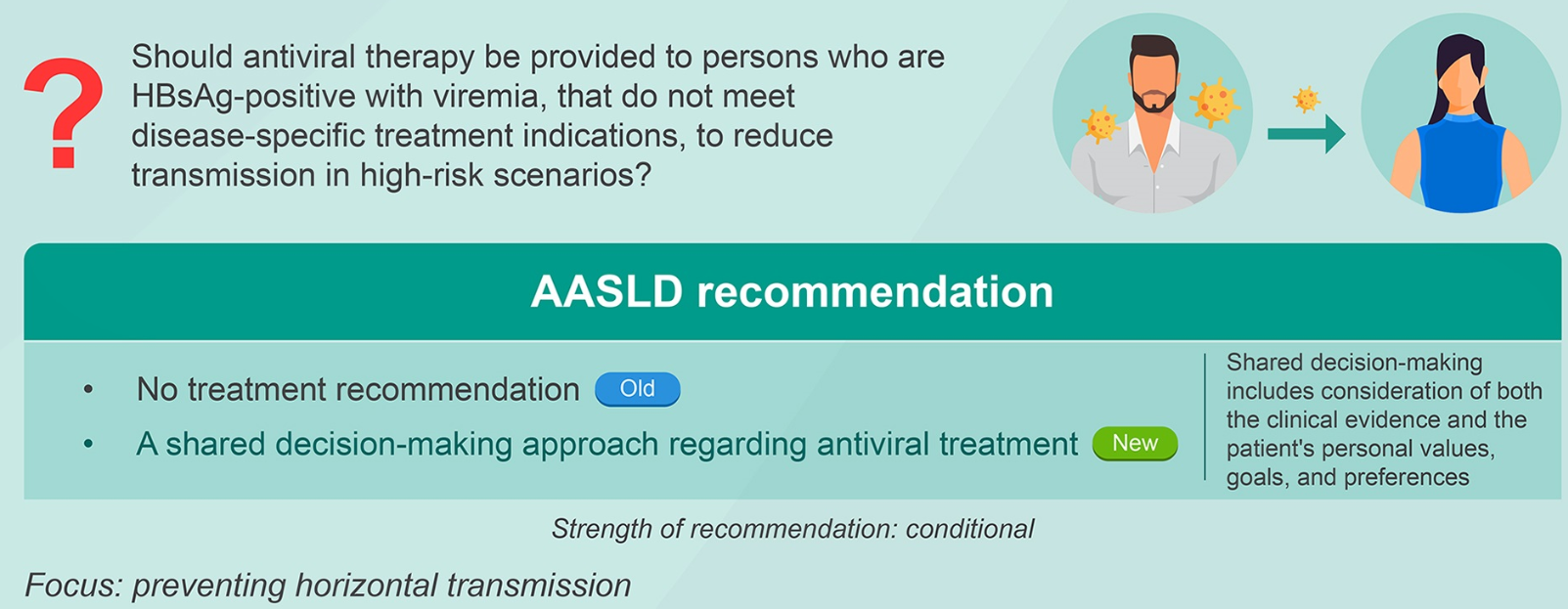
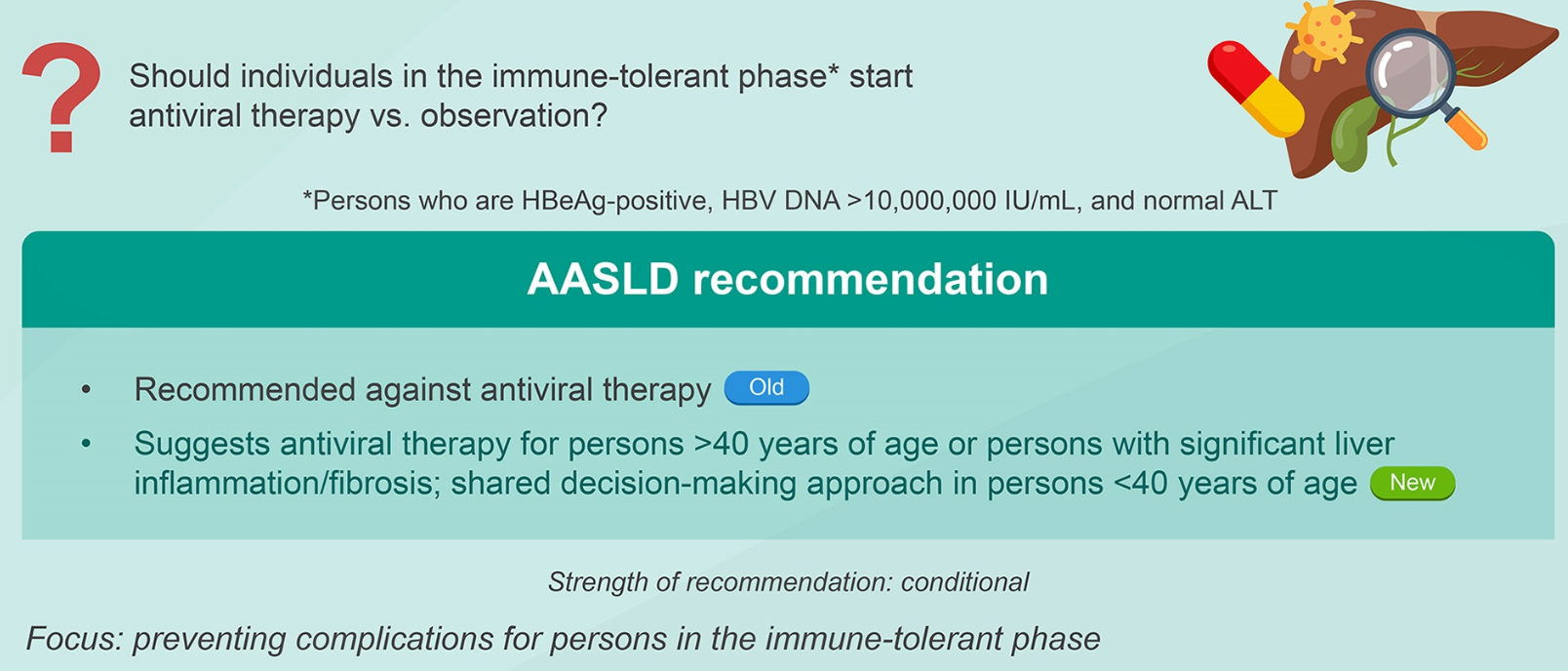
Treatment Recommendations for Patients without Cirrhosis Based on HBeAg Results, HBV DNA and ALT Values
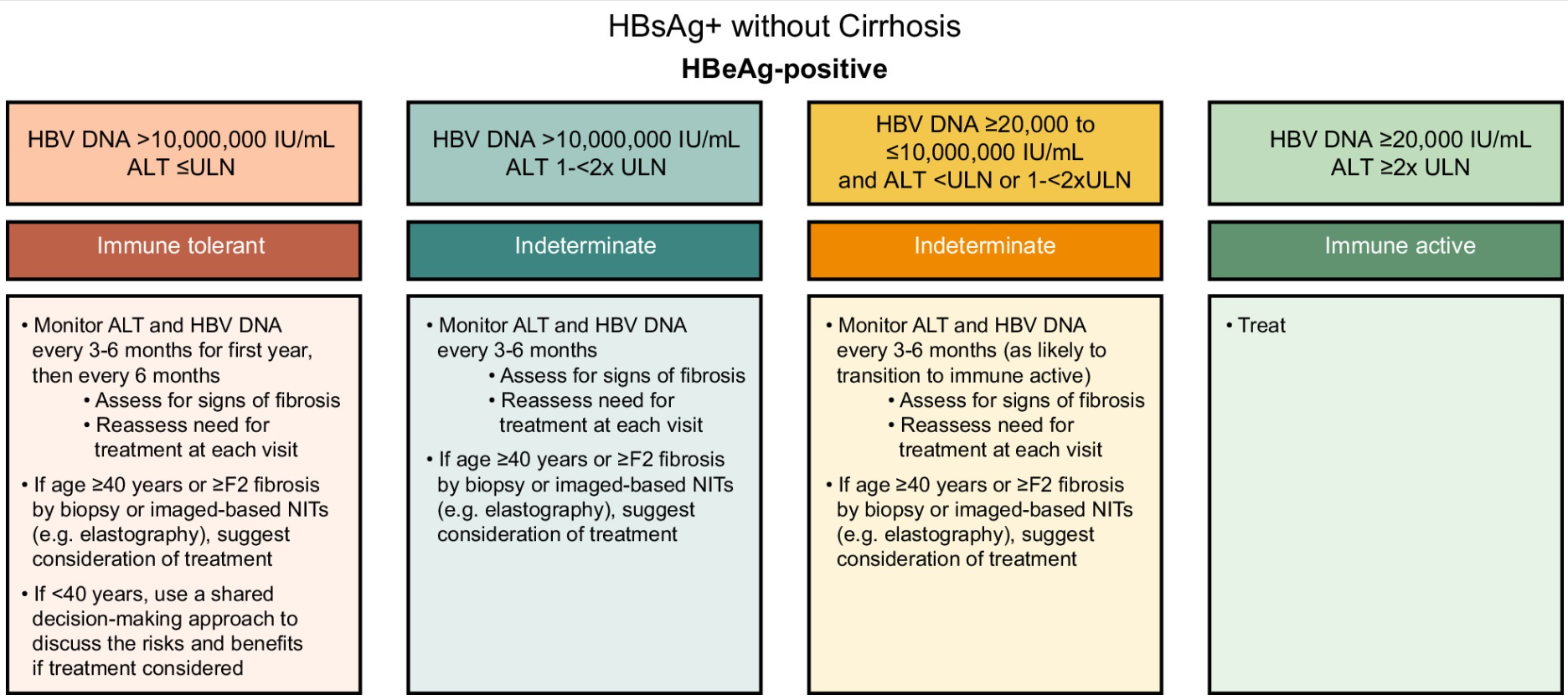
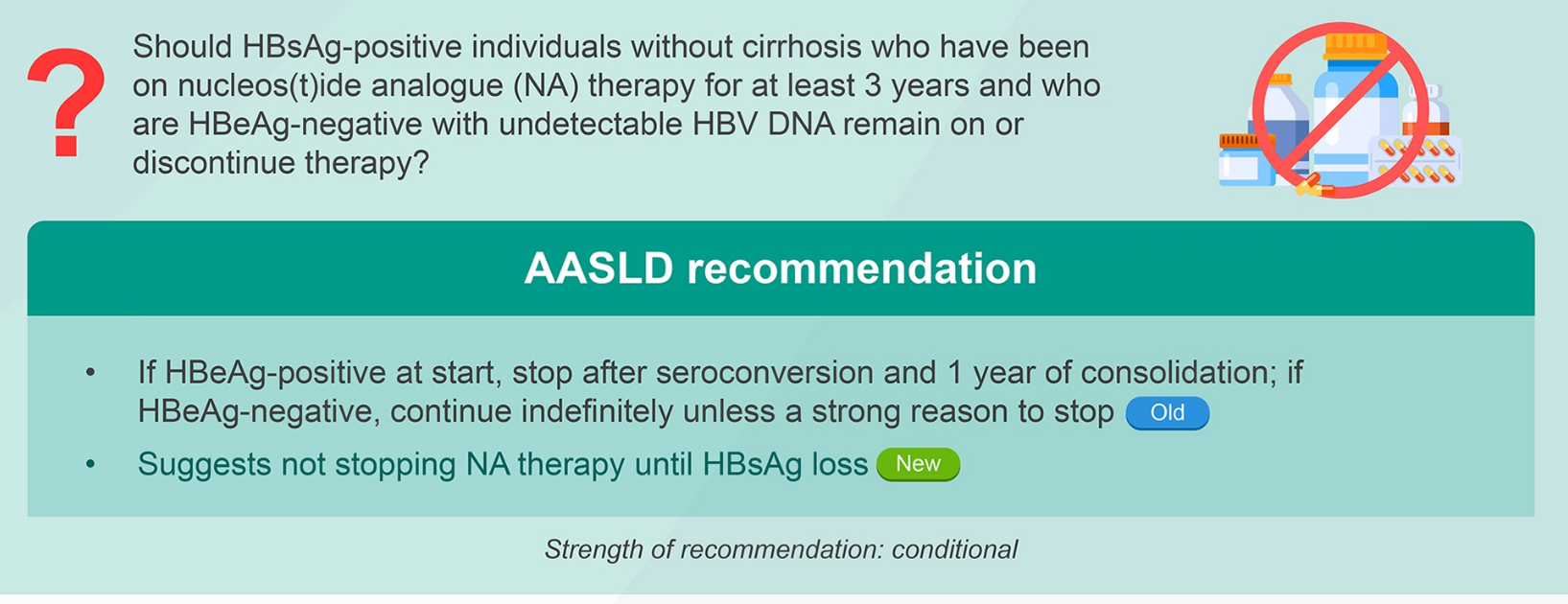
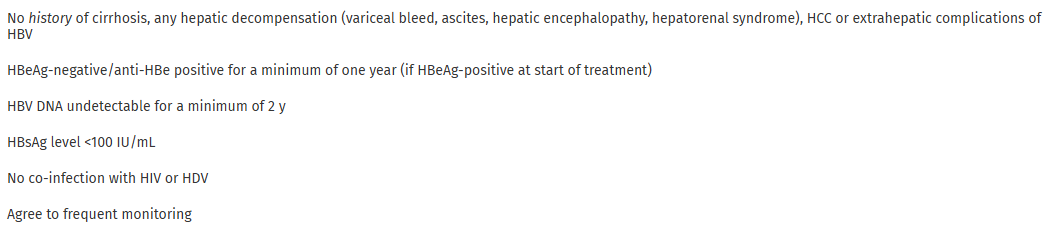
AASLD guidelines favor continuing nucleos(t)ide analogs (NAs) therapy until loss of HBsAg. However, there are additional criteria in new the guidelines for shared decision-making on stopping therapy in those with very low HBsAg levels (<100 IU/mL).

Criteria for stopping NA therapy if ALL are met:
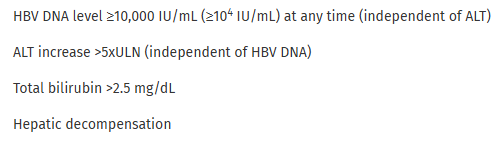
Criteria for resuming therapy immediately (need only 1)
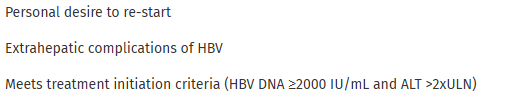
Other Criteria for resuming therapy
Related blog posts:

Disclaimer: This blog, gutsandgrowth, assumes no responsibility for any use or operation of any method, product, instruction, concept or idea contained in the material herein or for any injury or damage to persons or property (whether products liability, negligence or otherwise) resulting from such use or operation. These blog posts are for educational purposes only. Specific dosing of medications (along with potential adverse effects) should be confirmed by prescribing physician. Because of rapid advances in the medical sciences, the gutsandgrowth blog cautions that independent verification should be made of diagnosis and drug dosages. The reader is solely responsible for the conduct of any suggested test or procedure. This content is not a substitute for medical advice, diagnosis or treatment provided by a qualified healthcare provider. Always seek the advice of your physician or other qualified health provider with any questions you may have regarding a condition.
Major Update on AASLD IDSA Practice Guideline on Treatment of Chronic Hepatitis B (Part 1)


Hepatology 
83(4):p 970-973, April 2026. Open Access! Visual Brief Summary: Updated AASLD Guidelines for Chronic Hepatitis B Treatment

Related blog posts:

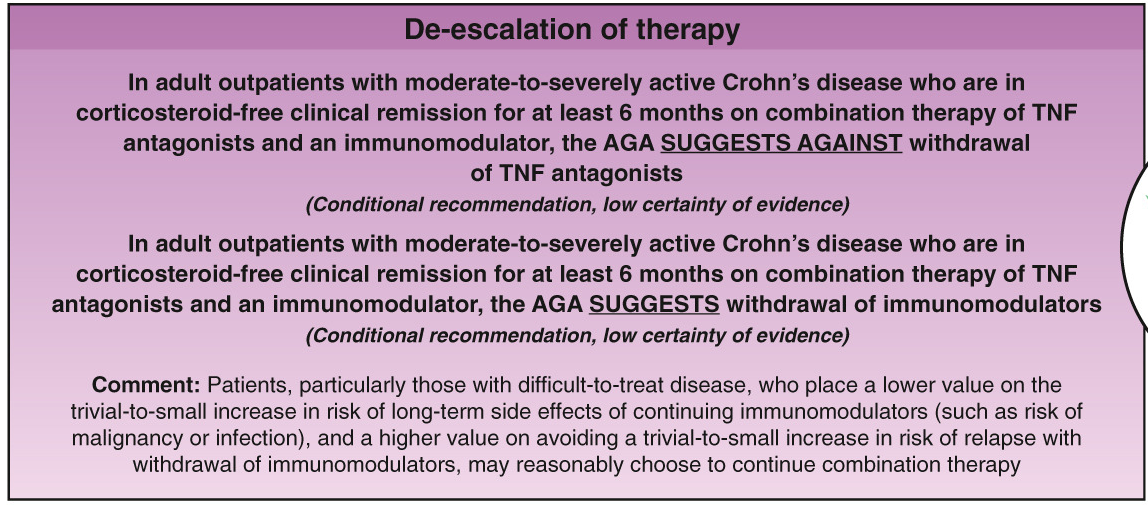
Spotlight: AGA Living Clinical Practice Guideline on the Pharmacologic Management of Moderate-to-Severe Crohn’s Disease

Yesterday’s post (AGA Living Clinical Practice Guideline on the Pharmacologic Management of Moderate-to-Severe Crohn’s Disease) summarized the following article:

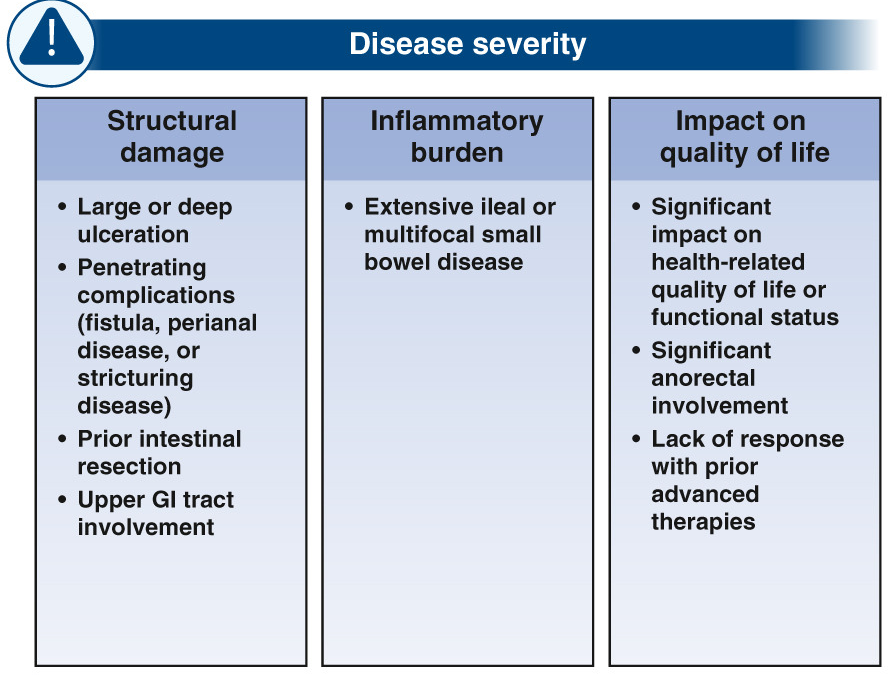
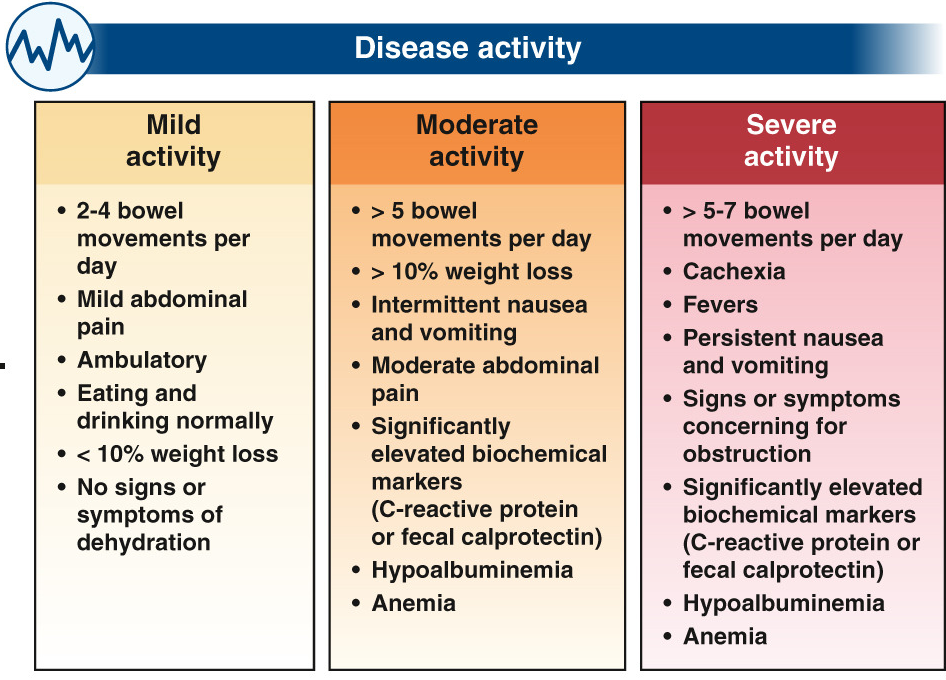
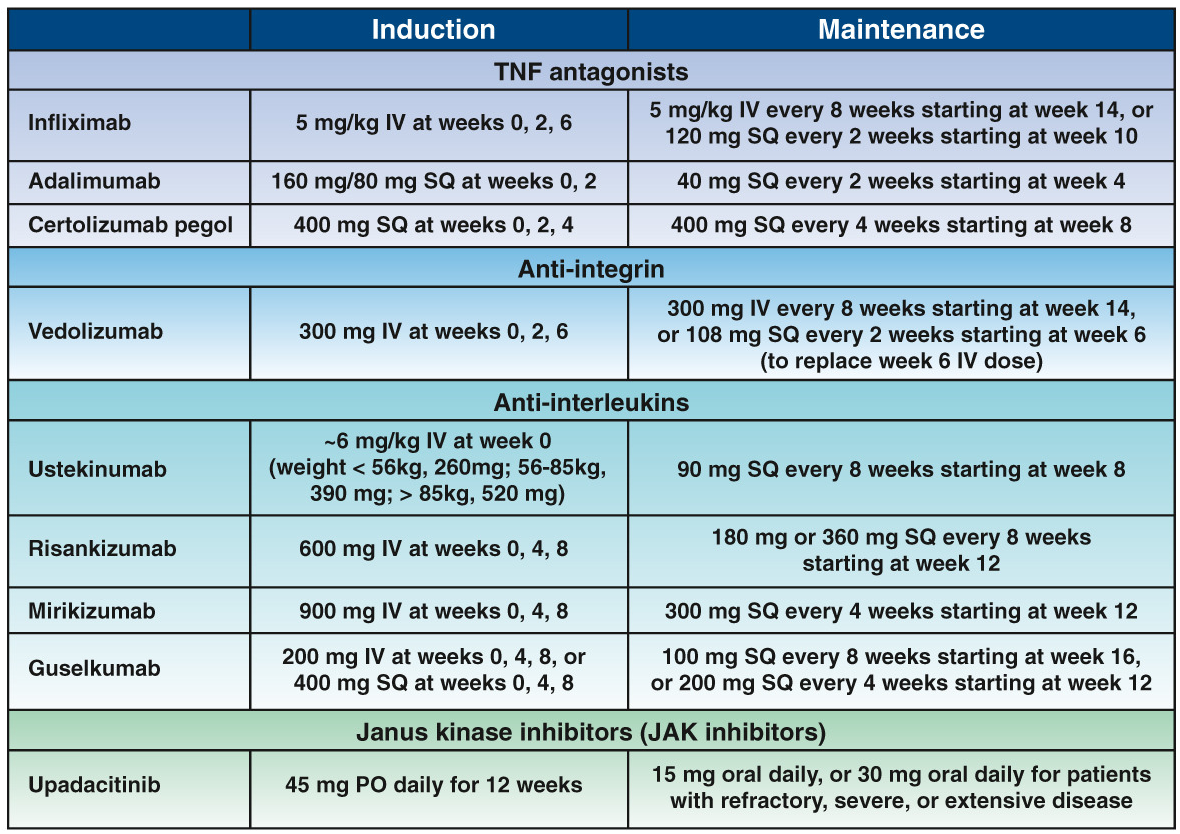
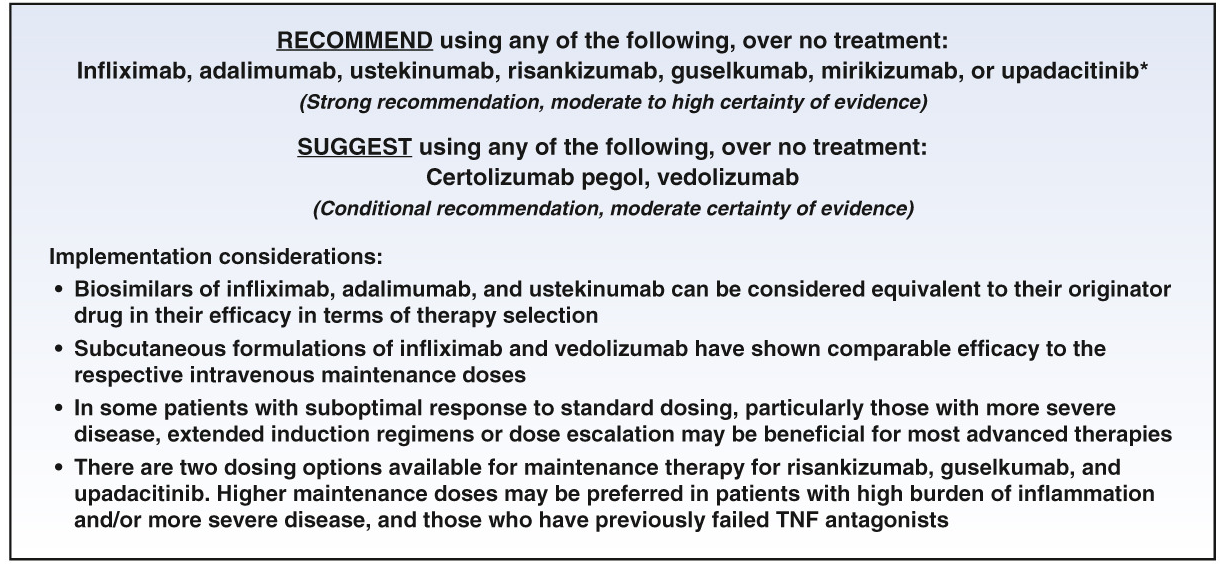
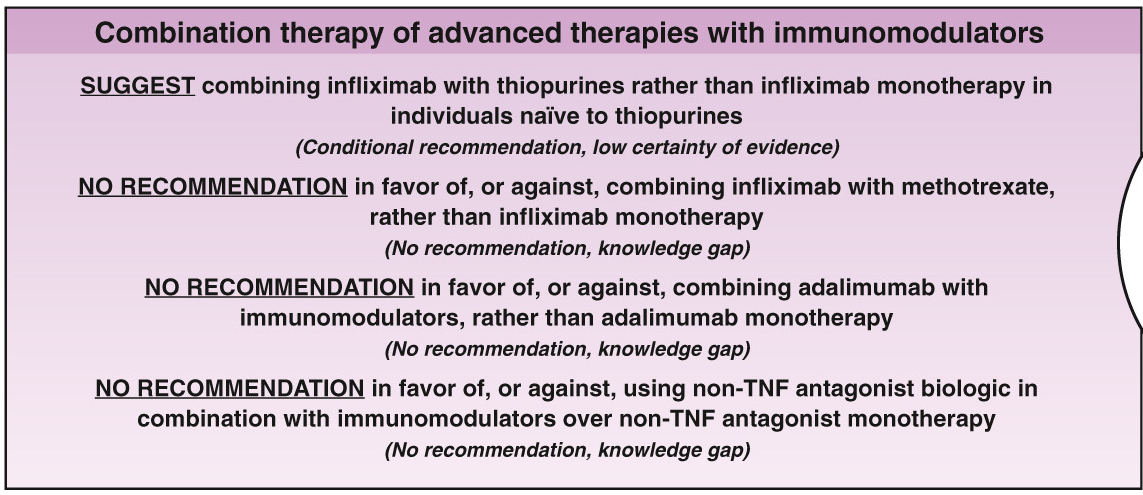
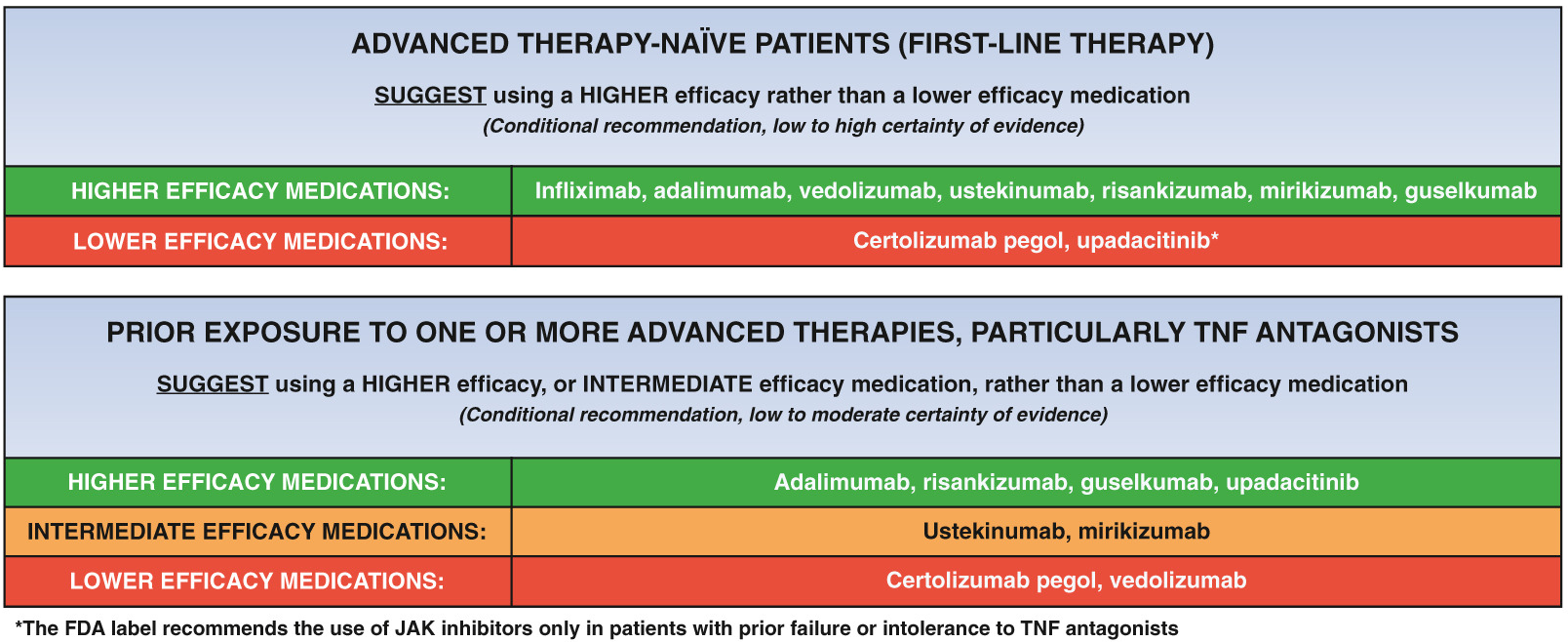
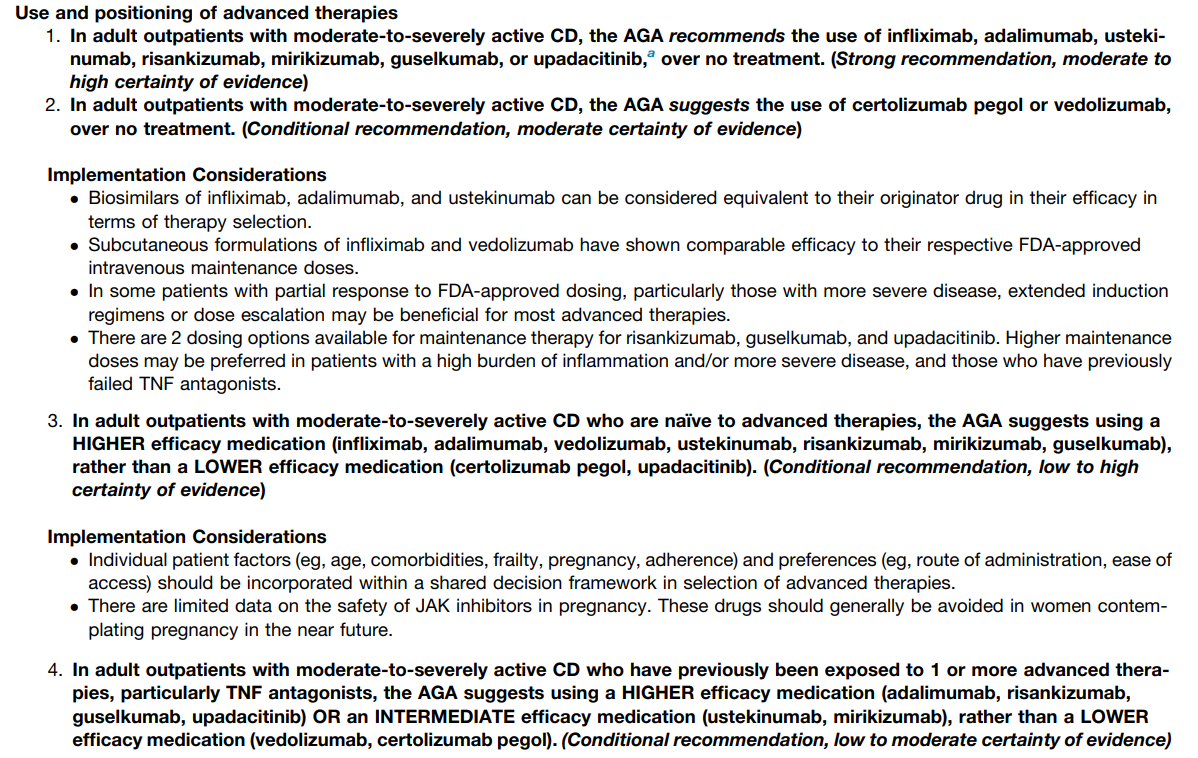
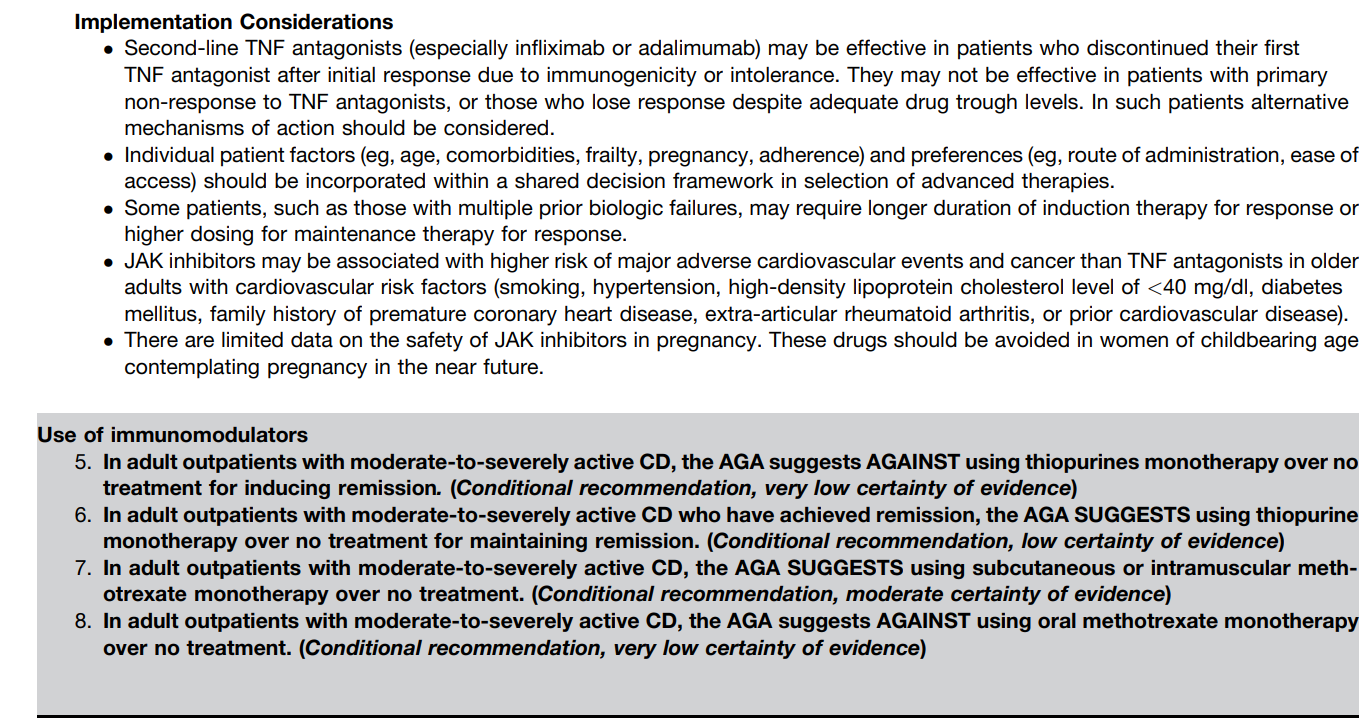
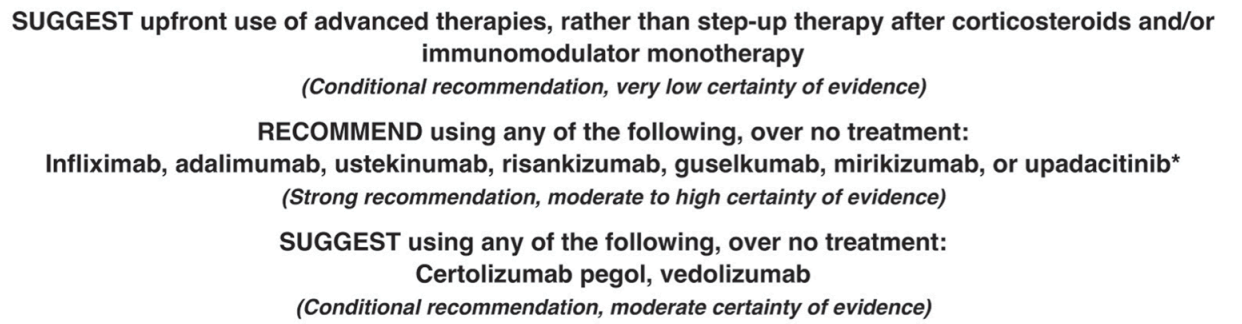
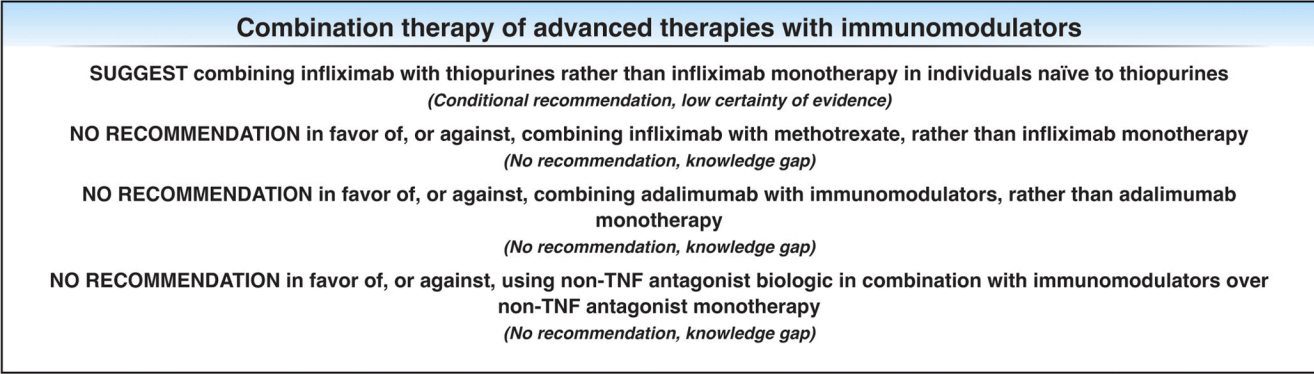
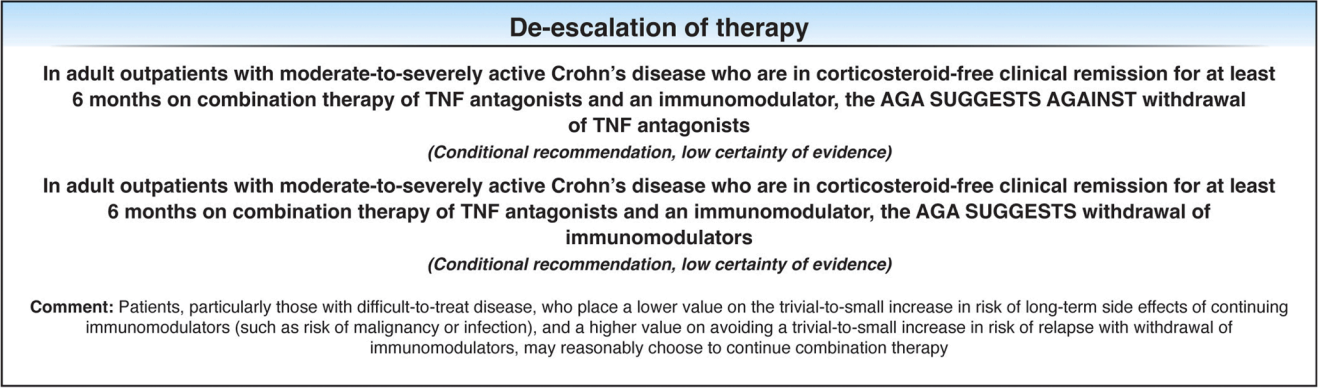
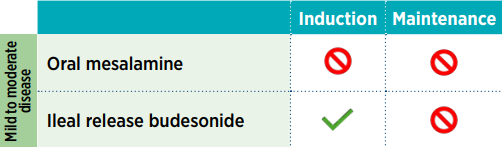
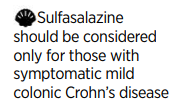
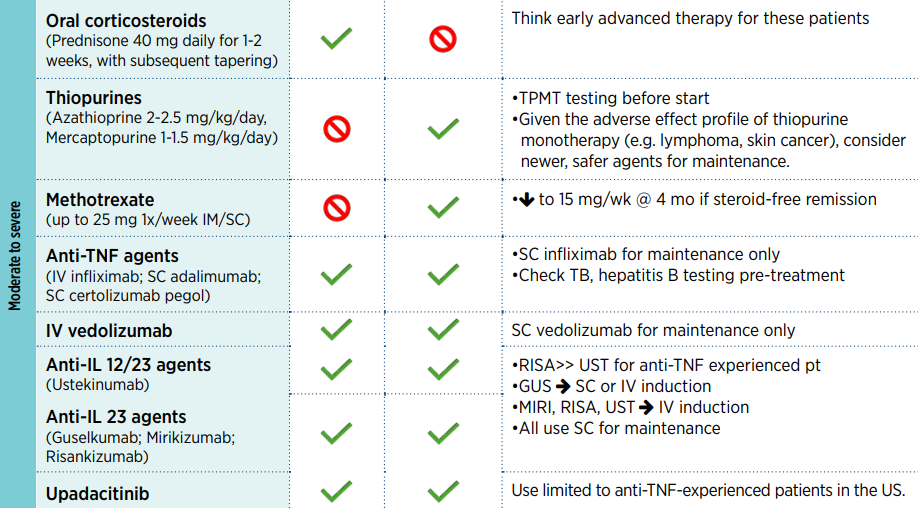
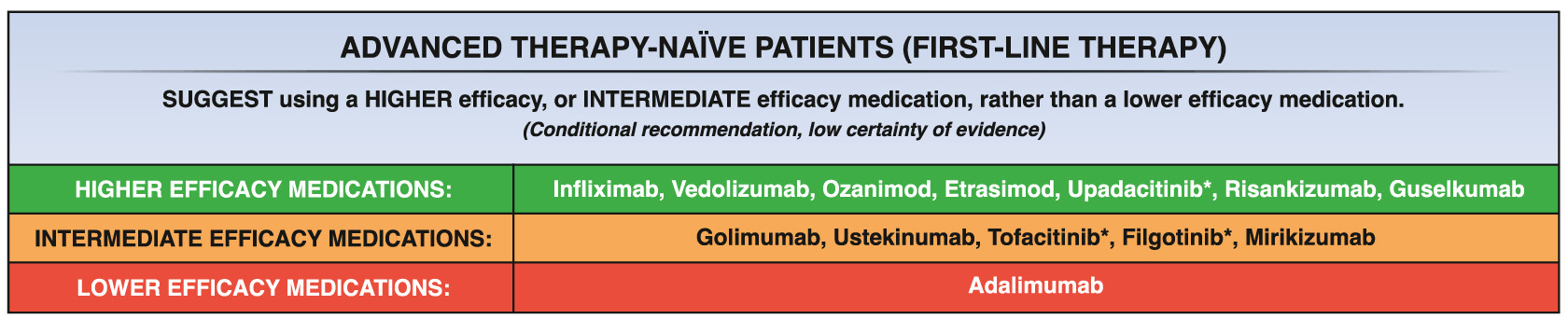
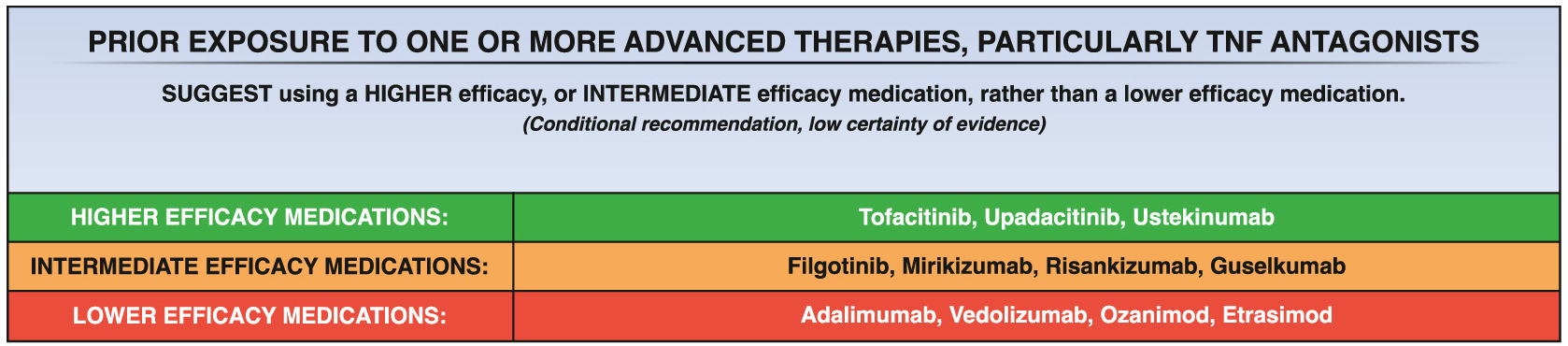
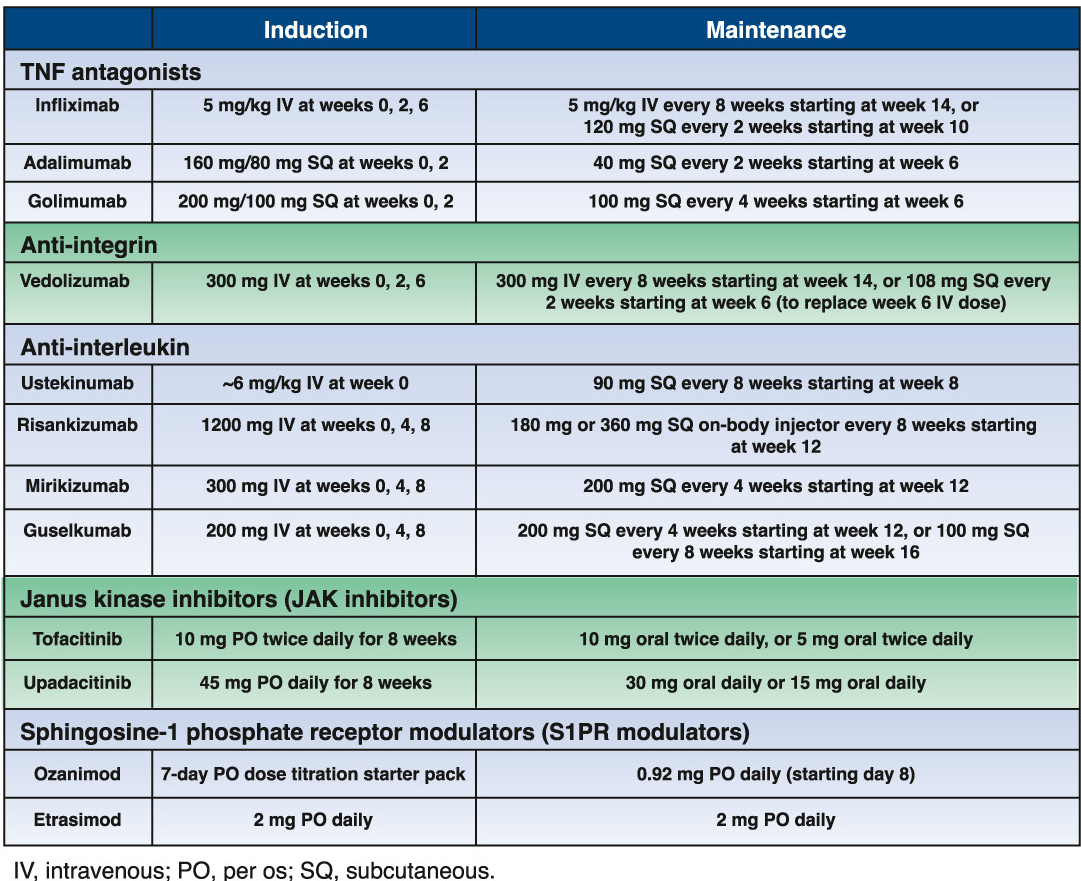
The associated “Spotlight” provides useful a graphic summary. Here is most of the information:

AGA Living Clinical Practice Guideline on the Pharmacologic Management of Moderate-to-Severe Crohn’s Disease

FI Scott et al. Gastroenterology, Volume 169, Issue 7, 1397 – 1448; Open Access! AGA Living Clinical Practice Guideline on the Pharmacologic Management of Moderate-to-Severe Crohn’s Disease

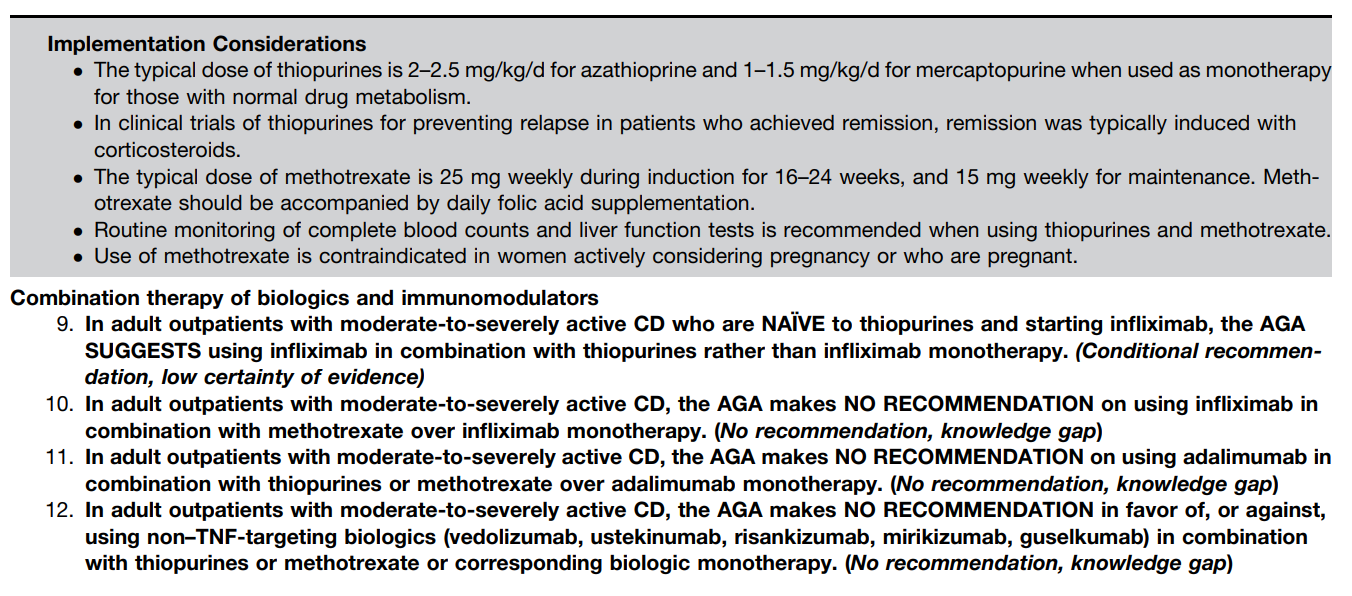
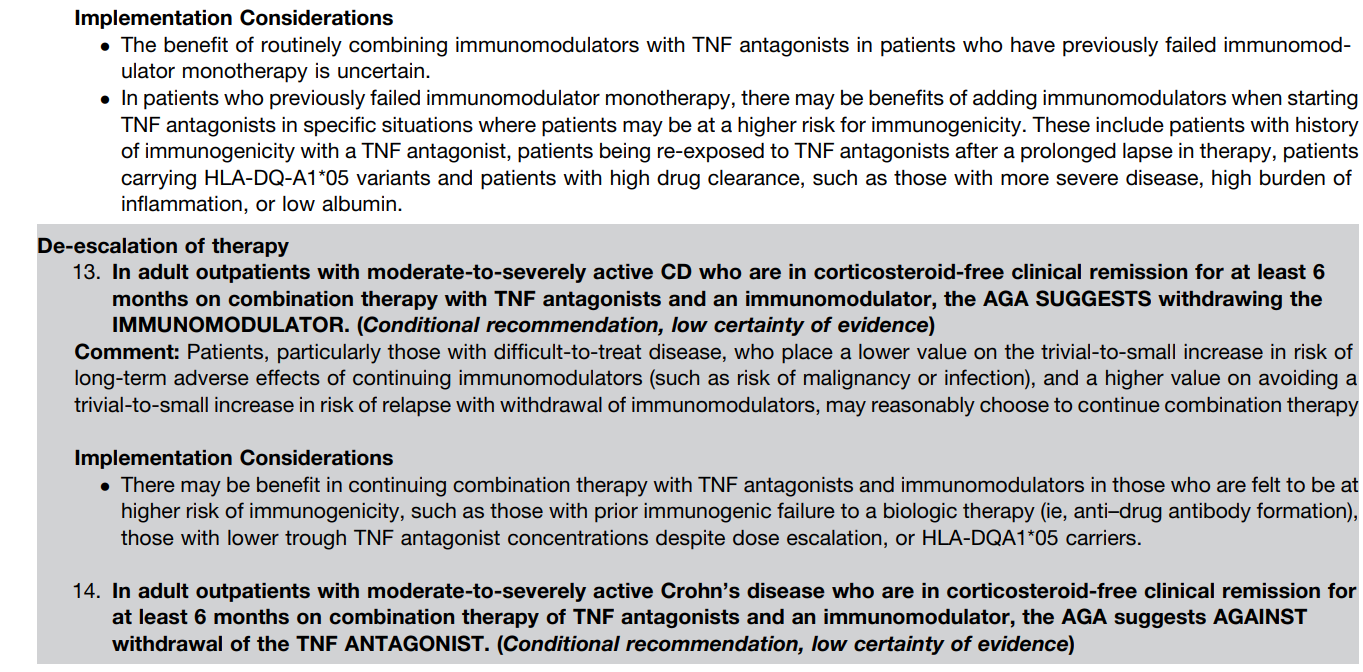
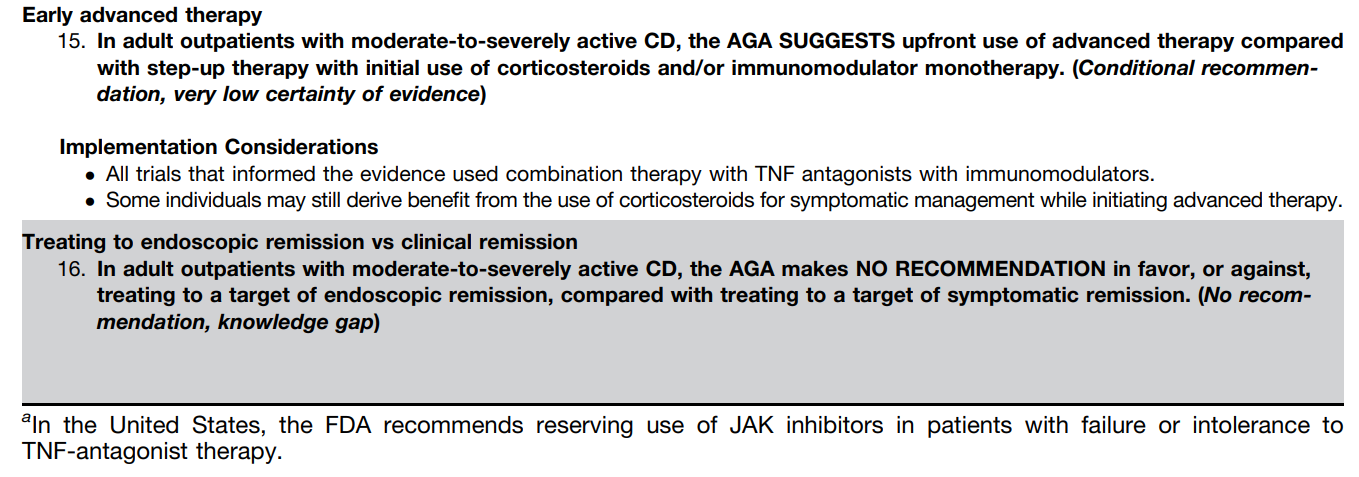
The guideline panel agreed on 16 recommendations. This highly-detailed report provides a comprehensive, patient-centered, evidence-based approach to the pharmacologic management of adult patients with moderate-to-severely active CD. Table 1 summarizes this lengthy 53-page report. Tomorrow’s post will be the “spotlight” summary which presents the recommendations in easier to read graphic.

Key Points:

The guidelines are overall very helpful. They identify higher efficacy medications and recommend them. In addition, they support the use of combination therapy with thiopurines (which are less frequently used in pediatrics). It is interesting that the sixteenth recommendation clashes with prior expert recommendations. The sixteenth recommendation in this report makes no recommendation on using endoscopic surveillance compared to symptomatic clinical remission. Most experts advise “treat-to-target” therapy approaches.

In the discussion of this, the authors state the followiing:

Recent position statements from an international consortium of experts have advised that longitudinal targets for the management of IBD should include not only clinical remission but also endoscopic resolution of inflammation.31 Several studies have demonstrated that patients who achieve endoscopic remission (vs those with ongoing endoscopic activity) have favorable long-term outcomes…

There are limited RCTs assessing whether there is actual benefit in systematically treating toward endoscopic remission target vs symptomatic remission targets (ie, testing whether the target has been achieved, followed by algorithmic treatment adjustment, including escalating index therapy, adding an immunomodulator, followed by switching to an alternative advanced therapy and surgery). There was significant heterogeneity among the 2 reviewed studies, both in terms of the advanced therapy used, algorithms for therapy modification, and the cadence and frequency of endoscopic monitoring that challenge interpretation. Based on the significant uncertainty of evidence with regard to improving maintenance of remission or reducing the risks of adverse events, the guideline panel could not make a recommendation in relation to selecting endoscopic targets over clinical targets.

It is worth emphasizing that in both of the included trials, the majority of individuals in the endoscopic healing arms were not able to meet the goal of endoscopic healing despite an algorithmic approach. For example, in STARDUST, only 11% of individuals achieved endoscopic remission.149…There are specific patient populations, such as those who have recently undergone intestinal resection,155 in which endoscopic evaluation may be particularly valuable in clinical decision making...

The benefit of a monitoring strategy incorporating biochemical monitoring over clinical monitoring alone was demonstrated in the CALM trial,152 and has been addressed in previous AGA guidelines on the role of biomarkers in patients with CD.12

My take: These “living” guidelines are likely to be quite influential in selecting Crohn’s disease therapy. In pediatrics, ImproveCareNow provides a similar role of guiding treatment.

Related blog posts:

Guidelines for UC:

Crohn’s Disease:

Comprehensive ACG Clinical Guidelines for Crohn’s Disease (2025)

GR Lichenstein et al. The American Journal of Gastroenterology 120(6):p 1225-1264, June 2025. Open Access!!  ACG Clinical Guideline: Management of Crohn’s Disease in Adults

Yesterday and Today I am highlighting two adult clinical guidelines both of which are equivalent to up-to-date textbook chapters with specific recommendations; both are open access. In addition, the articles have accompanying author podcasts. Thanks to Ben Gold for these references.

Selected Management Recommendations:

  • Table 1, #3: We suggest against requiring failure of conventional therapy before initiation of advanced therapy for the management of CD
  • Table 1, #13: We recommend combination therapy of intravenous infliximab with immunomodulators (thiopurines) as compared with treatment with either immunomodulators alone or intravenous infliximab alone in patients with CD who are naive to those agents
  • Table 1, #33: In patients with high-risk CD, we recommend anti-TNF therapy to prevent postoperative endoscopic recurrence

Key Concepts:

  • Table 2, #9: Symptoms of CD do not correlate well with the presence of active inflammation and therefore should not be the sole guide for therapy. Objective evaluation by endoscopic or cross-sectional imaging should be undertaken periodically to avoid errors of under- or over-treatment.
  • Table 2, #14: The 10-year cumulative risk of major abdominal surgery in CD is 40%–55%, although recent studies performed in the biologic era suggest that the 10-year risk may have decreased to 30%. The 10-year risk of a second resection after the first is 35%, although again more recent studies suggest that this may have dropped to closer to 30%.
  • Table 2, #15: In CD, the 5-year rate of symptomatic postoperative recurrence is ∼50%.
  • Table 2, #29: Small bowel imaging should be performed as part of the initial diagnostic workup for patients with suspected CD.
  • Table 2, #31: Because of the absence of radiation exposure, magnetic resonance enterography should be used preferentially in young patients (younger than 35 years) and in patients in whom it is likely that serial exams will need to be performed.
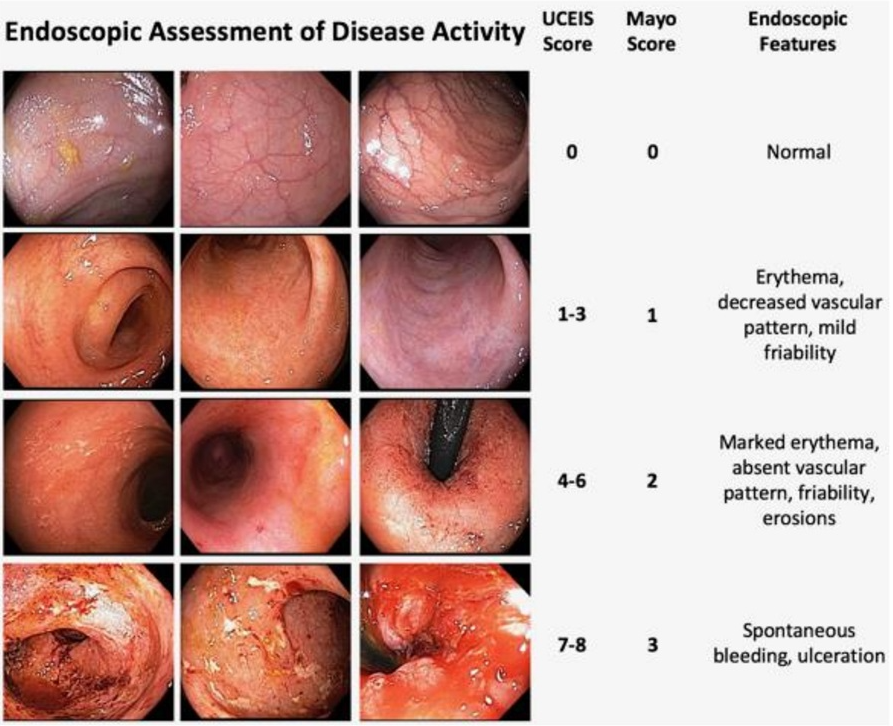
  • Table 2, #38: Mucosal healing as determined by endoscopy is a goal of therapy. Scoring systems are available to measure the endoscopic disease activity and may be used to monitor response to therapy.
  • Table 2, #41: Antibiotics are not an effective treatment for luminal inflammatory CD and should not be used as a primary therapy.

My take: Given the rapid changes in available therapies, it would be optimal to make these collaborative guidelines (AGA, ACG, NASPGHAN) available online with frequent updates (similar to HCVguidelines.org).

Related blog posts:

Comprehensive ACG Clinical Guidelines for Ulcerative Coliits (2025)

D Rubin et al. The American Journal of Gastroenterology 120(6):p 1187-1224, June 2025. Open Access! ACG Clinical Guideline Update: Ulcerative Colitis in Adults

Today and tomorrow I am highlighting two adult clinical guidelines both of which are equivalent to up-to-date textbook chapters with specific recommendations; both are open access. In addition, the articles have accompanying author podcasts. Thanks to Ben Gold for these references.

Table 2 in the UC guideline makes 54 recommendations and Table 3 provides 57 key concepts.

Selected Management Recommendations:

  • Table 2, #4: We recommend treating patients with UC to achieve endoscopic improvement (Mayo score 0 or 1) to increase the likelihood of sustained steroid-free remission and to prevent hospitalization and surgery
  • Table 2, #5: We recommend the use of FC (fecal calprotectin) in UC to assess response to therapy, to evaluate suspected relapse, and during maintenance
  • Table 2, #33: When infliximab is used as induction therapy for patients with moderately to severely active UC, we recommend combination therapy with a thiopurine
  • Table 2, #43: Recommend continuing tofacitinib or upadacitinib as compared with no treatment for maintenance of remission in patients with prior moderately to severely active UC now in remission after induction with tofacitinib or upadacitinib. **The authors recommend continuing each biologic that achieved remission with induction therapy (#38-#43)
  • Table 2, #51: In patients with ASUC failing to adequately respond to intravenous corticosteroids (IVCS) by 3 days, we recommend medical rescue therapy with infliximab or cyclosporine (Strong recommendation, moderate quality of evidence).

Key concepts:

  • Table 3, #29: Patients who are primary nonresponders to an anti-TNF (defined as lack of therapeutic benefit after induction and despite sufficient serum drug concentrations) should be evaluated and considered for alternative mechanisms of disease control (e.g., in a different class of therapy) rather than cycling to another drug within the anti-TNF class.
  • Table 3, #31:  Subcutaneous infliximab and vedolizumab are considered equivalent to the standard intravenous maintenance dosing of these agents. The equivalence of the subcutaneous formulations for induction or as substitution for escalated doses of these therapies has not been robustly established.
  • Table 3, #41: Patients with UC should have available all medical options as recommended by their doctor and healthcare team. Third-party payers and requirements for step therapy should not come between the patient and their healthcare team in making decisions about treatment for UC.
  • Table 3, #48: All patients with ASUC should undergo a flexible sigmoidoscopy within 72 hours and preferably within 24 hours of admission. This should be used to assess endoscopic severity of inflammation and to obtain biopsies to evaluate for cytomegalovirus (CMV) colitis.
  • Table 3, #51: Nonsteroidal anti-inflammatory drugs (NSAIDs), narcotics, and medications with anticholinergic side effects should be avoided in ASUC.
  • Table 3, #57: In patients with ASUC initiating infliximab, dose intensification should be considered for those patients with low serum albumin (<2.5 g/dL).

My take: This article does an excellent job of summarizing current available evidence and good practice. Many of the recommendations may be helpful in garnering approval from third party payers.

Related blog posts:

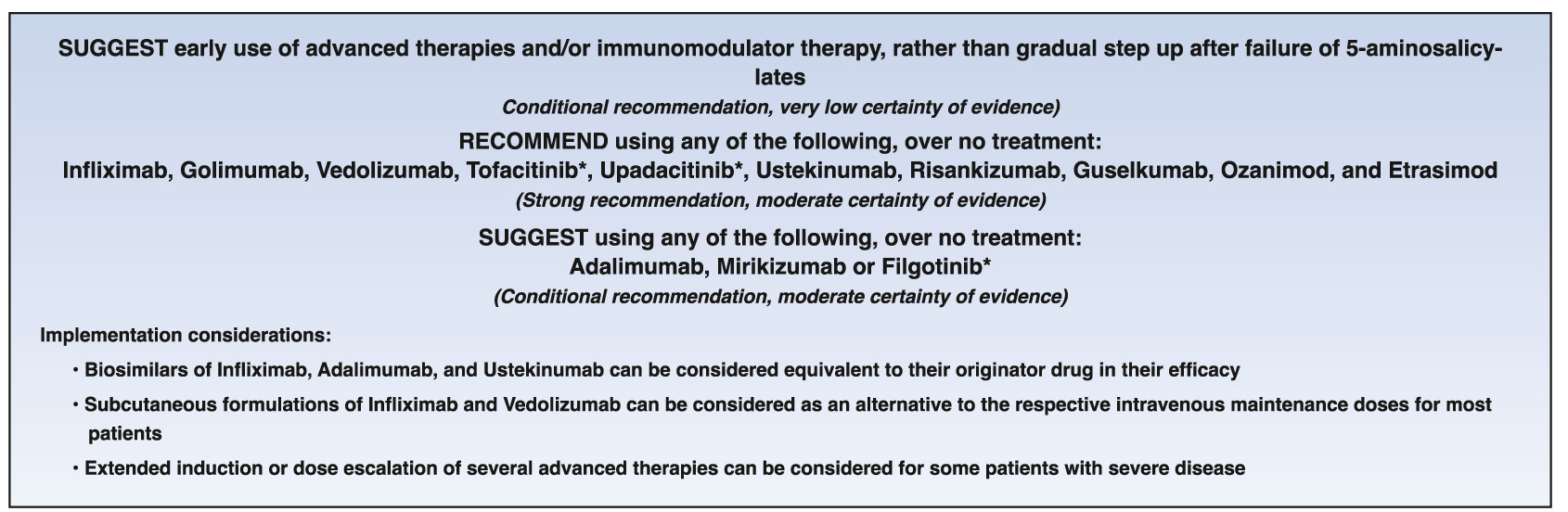
AGA Living Guideline for Moderate-to-Severe Ulcerative Colitis –The Good and The Bad

S Singh et al. Gastroenterol 2024; 167: 1307-1343. Open Access! AGA Living Clinical Practice Guideline on Pharmacological Management of Moderate-to-Severe Ulcerative Colitis

This is a recent clinical guideline intended to serve as the starting point of a “living guideline” for adults with moderate-to severe ulcerative colitis.

  • The good news is that the AGA plans to update these guidelines semi-annually. The bad news is that this guideline does not provide the best advice.
  • It lumps recommended treatments into broad categories rather than indicating which therapies have the most effectiveness.
  • It is useful that the guidelines specifically recommend against step up therapy.
FDA labelling recommends upadacitinib only in patients who have not responded to anti-TNF therapy

For a recent study that provided more direction into which medications are most effective for both UC and Crohn’s disease: PS Dulai et al. Gastroenterol 2024; 166: 396-408. Open Access! Integrating Evidence to Guide Use of Biologics and Small Molecules for Inflammatory Bowel Diseases (Summarized in blog post: Comparative Evidence and Positioning Advance Therapies for Inflammatory Bowel Disease)

Related blog posts:

Disclaimer: This blog, gutsandgrowth, assumes no responsibility for any use or operation of any method, product, instruction, concept or idea contained in the material herein or for any injury or damage to persons or property (whether products liability, negligence or otherwise) resulting from such use or operation. These blog posts are for educational purposes only. Specific dosing of medications (along with potential adverse effects) should be confirmed by prescribing physician.  Because of rapid advances in the medical sciences, the gutsandgrowth blog cautions that independent verification should be made of diagnosis and drug dosages. The reader is solely responsible for the conduct of any suggested test or procedure.  This content is not a substitute for medical advice, diagnosis or treatment provided by a qualified healthcare provider. Always seek the advice of your physician or other qualified health provider with any questions you may have regarding a condition.
113 Recommendations for Crohn’s Disease Management from ACG

Full Text Link: ACG Clinical Guideline: Management of Crohn’s Disease. GR Lichtenstein et al. Am J Gastroenterol 2018; 113:481–517

A few of the recommendations from Table 1:

  • (Insurance companies –please read this one): #1 Fecal calprotectin is a helpful test that should be considered to help differentiate the presence of IBD from irritable bowel syndrome (IBS) (strong recommendation, moderate level of evidence).
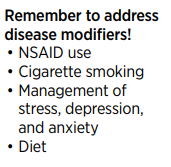
  • #9 Perceived stress, depression, and anxiety, which are common in IBD, are factors that lead to decreased health-related quality of life in patients with
    Crohn’s disease, and lead to lower adherence to provider recommendations. Assessment and management of stress, depression, and anxiety should be
    included as part of the comprehensive care of the Crohn’s disease patient (strong recommendation, very low level of evidence)
  • #24, 25 Anti-TNF agents (infliximab, adalimumab, certolizumab pegol) should be used to treat Crohn’s disease that is resistant to treatment with corticosteroids (strong recommendation, moderate level of evidence). Anti-TNF agents should be given for Crohn’s disease refractory to thiopurines or methotrexate (strong recommendation, moderate level of evidence).
  • #26 Combination therapy of infliximab with immunomodulators (thiopurines) is more effective than treatment with either immunomodulators alone or
    inflximab alone in patients who are naive to those agents (strong recommendation, high level of evidence).
  • #27 For patients with moderately to severely active Crohn’s disease and objective evidence of active disease, anti-integrin therapy (with vedolizumab) with
    or without an immunomodulator is more effective than placebo and should be considered to be used for induction of symptomatic remission in patients with
    Crohn’s disease (strong recommendation, high level of evidence).
  • #30 Ustekinumab should be given for moderate-to-severe Crohn’s disease patients who failed previous treatment with corticosteroids, thiopurines, methotrexate, or anti-TNF inhibitors or who have had no prior exposure to anti-TNF inhibitors (strong recommendation, high level of evidence).
  • #46 Oral 5-aminosalicylic acid has not been demonstrated to be effective for maintenance of medically induced remission in patients with Crohn’s disease,
    and is not recommended for long-term treatment (strong recommendation, moderate level of evidence).
  • # 58 In high-risk patients, anti-TNF agents should be started within 4 weeks of surgery in order to prevent postoperative Crohn’s disease recurrence
    (conditional recommendation, low level of evidence).

From Table 2:

  • #9 Symptoms of Crohn’s disease do not correlate well with the presence of active inflammation, and therefore should not be the sole guide for therapy. Objective evaluation by endoscopic or cross-sectional imaging should be undertaken periodically to avoid errors of under– or over treatment.
  • #23 Routine use of serologic markers of IBD to establish the diagnosis of Crohn’s disease is not indicated.
  • #30 Small bowel imaging should be performed as part of the initial diagnostic workup for patients with suspected Crohn’s disease.
  • #44 Insufficient data exist to support the safety and efficacy of switching patients in stable disease maintenance from one biosimilar to another of the same biosimilar molecule.

Disclaimer: These blog posts are for educational purposes only. Specific dosing of medications/diets (along with potential adverse effects) should be confirmed by prescribing physician/nutritionist.  This content is not a substitute for medical advice, diagnosis or treatment provided by a qualified healthcare provider. Always seek the advice of your physician or other qualified health provider with any questions you may have regarding a condition.
Wilson’s Disease –Pediatric Guideline

P Socha et al. JPGN 2018; 334-4. This ESPGHAN position paper makes recommendations for Wilson’s disease. This is a helpful paper, though the AASLD Wilson’s guideline is more comprehensive. A couple of pointers from the JPGN publication:

  • The authors recommend molecular testing if available and using liver copper measurement “if molecular testing is inconclusive”
  • Screen siblings of any new patients
  • Urinary copper excretion in the 200-500 mcg per 24 hours is consistent with adequacy of treatment
  • With treatment, liver function tests improve over 2-6 months. “If increased transaminases remain or relapse despite treatment, poor compliance should be suspected.”

Related blog posts:


January 2018 -Sunrise in Sandy Springs

ACG Guideline for Helicobacter Pylori

Link: ACG Clinical Guideline: Treatment of Helicobacter pylori Infection

The American Journal of Gastroenterology , (10 January 2017) | doi:10.1038/ajg.2016.563

William D Chey, Grigorios I Leontiadis, Colin W Howden and Steven F Moss

Helicobacter pylori (H. pylori) infection is a common worldwide infection that is an important cause of peptic ulcer disease and gastric cancer. H. pylori may also have a role in uninvestigated and functional dyspepsia, ulcer risk in patients taking low-dose aspirin or starting therapy with a non-steroidal anti-inflammatory medication, unexplained iron deficiency anemia, and idiopathic thrombocytopenic purpura. While choosing a treatment regimen for H. pylori, patients should be asked about previous antibiotic exposure and this information should be incorporated into the decision-making process. For first-line treatment, clarithromycin triple therapy should be confined to patients with no previous history of macrolide exposure who reside in areas where clarithromycin resistance amongst H. pylori isolates is known to be low. Most patients will be better served by first-line treatment with bismuth quadruple therapy or concomitant therapy consisting of a PPI, clarithromycin, amoxicillin, and metronidazole. When first-line therapy fails, a salvage regimen should avoid antibiotics that were previously used. If a patient received a first-line treatment containing clarithromycin, bismuth quadruple therapy or levofloxacin salvage regimens are the preferred treatment options. If a patient received first-line bismuth quadruple therapy, clarithromycin or levofloxacin-containing salvage regimens are the preferred treatment options. Details regarding the drugs, doses and durations of the recommended and suggested first-line and salvage regimens can be found in the guideline.

My take: Recent draft guidelines from our pediatric group, NASPGHAN, suggested that triple therapy, in addition to quadruple therapy, would still be considered a first-line approach.  When the NASPGHAN report is completed/published, it will be of interest to see whether this discrepancy persists.

Related blog posts:

screen-shot-2017-01-10-at-7-53-16-pm