FDA Approves Higher Dosage of Linaclotide for IBS-C and ByHeart Formula Recall Due to Botulinism

A Brooks. HCPLive 11/5/25: FDA Approves Linaclotide (Linzess) Capsules for Pediatric IBS-C

An excerpt:

The US Food and Drug Administration (FDA)  has approved Ironwood Pharmaceuticals’ linaclotide (Linzess) capsules for pediatric patients ≥ 7 years of age with irritable bowel syndrome with constipation (IBS-C), making it the first treatment approved for IBS-C in this patient population.1

The approval for pediatric IBS-C was supported by extrapolation of efficacy from adequate and well-controlled studies in adults and a 12-week double-blind, randomized, parallel-group trial in pediatric patients 7-17 years of age who met modified Rome III criteria for child/adolescent IBS-C. The recommended dosage for this indication is 145 mcg orally once daily.1

In 2023, the FDA approved linaclotide for the treatment of pediatric patients aged 6-17 years with functional constipation at a recommended dosage of 72 mcg orally once daily. 

Reference: US Food and Drug Administration. FDA approves 1st drug for children 7 years and older with irritable bowel syndrome with constipation. November 5, 2025. Accessed November 5, 2025. https://www.fda.gov/drugs/news-events-human-drugs/fda-approves-1st-drug-children-7-years-and-older-irritable-bowel-syndrome-constipation

Also, NBC news (11/08/25): ByHeart baby formula recalled amid 10-state outbreak of infant botulism The U.S. Food and Drug Administration said the outbreak includes 13 hospitalizations since August of children who consumed ByHeart Whole Nutrition Infant Formula. No deaths have been reported.

The recall includes two lots of the powdered formula with Dec. 1 “use by” dates, the FDA said in a statement Saturday. The lot numbers are 206VABP/251261P2 and 206VABP/251131P2…The FDA says ByHeart makes up less than 1% of the baby formula sold in the U.S.

Chicago Botanic Garden

Dr. Neha Santucci: Management of DGBIs in the Post-Pandemic Era (Part 2)

Recently, Dr. Neha Santucci gave our group an excellent update on disorders of gut-brain interaction.  My notes below may contain errors in transcription and in omission. Along with my notes, I have included many of her slides.

Key points:

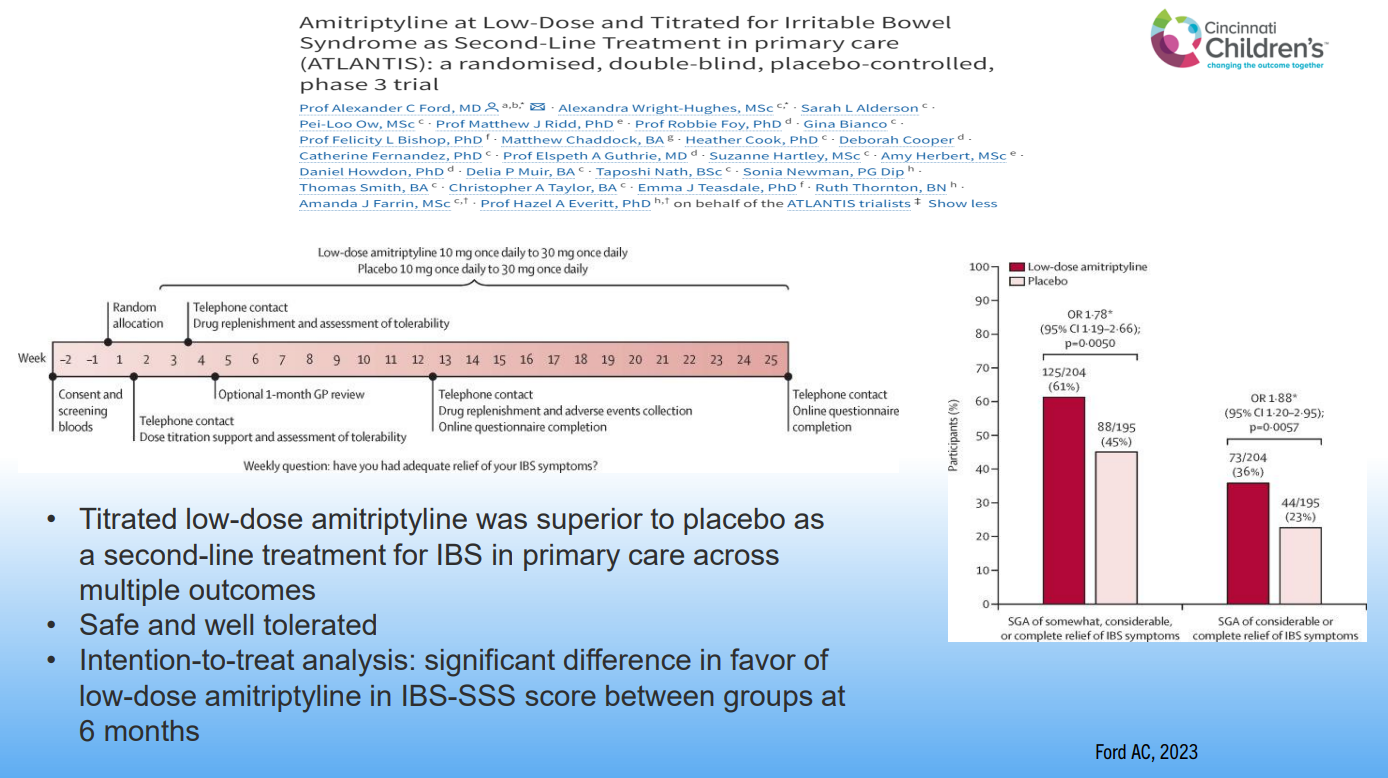
  • Atlantis study showed that amitriptyline reduces IBS pain (Related blog post: Atlantis Study: Possibly Best Evidence That Tricyclics May Help Irritable Bowel)
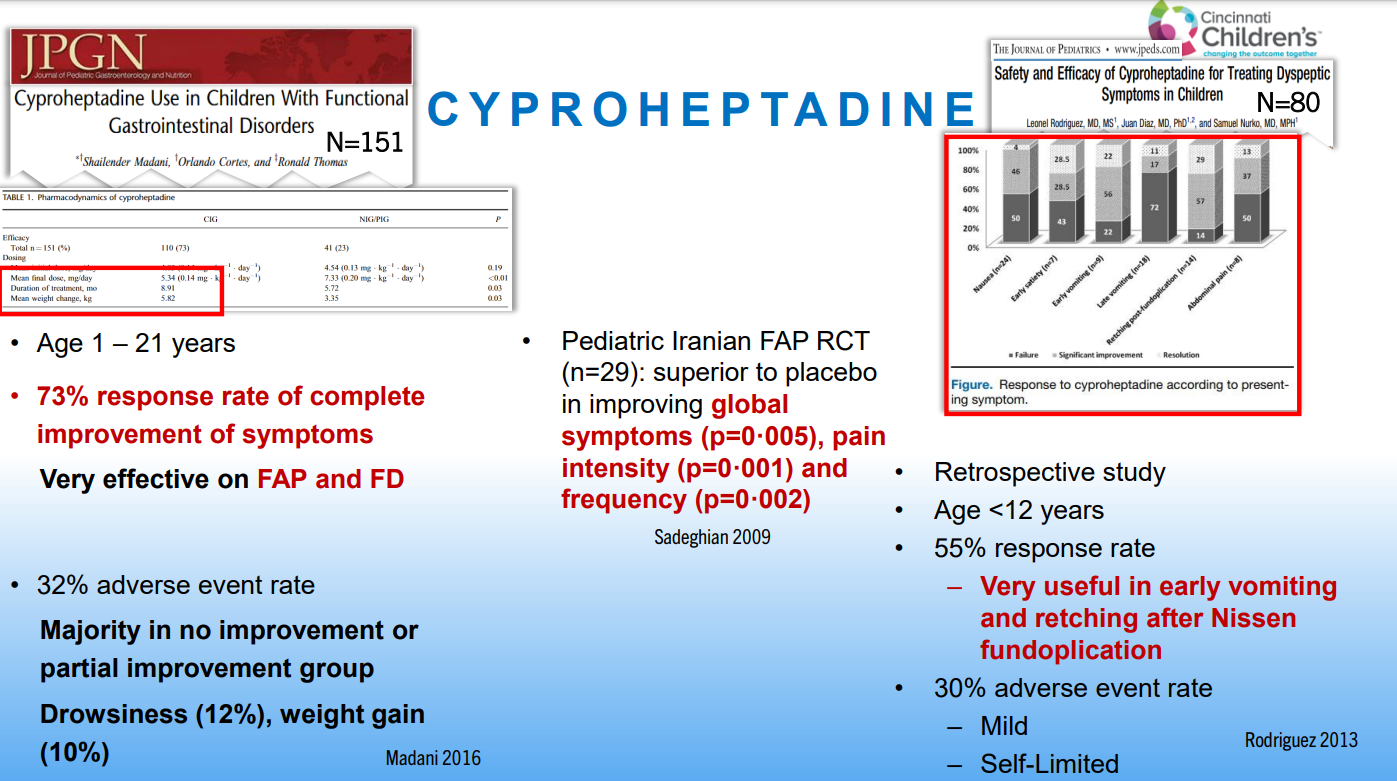
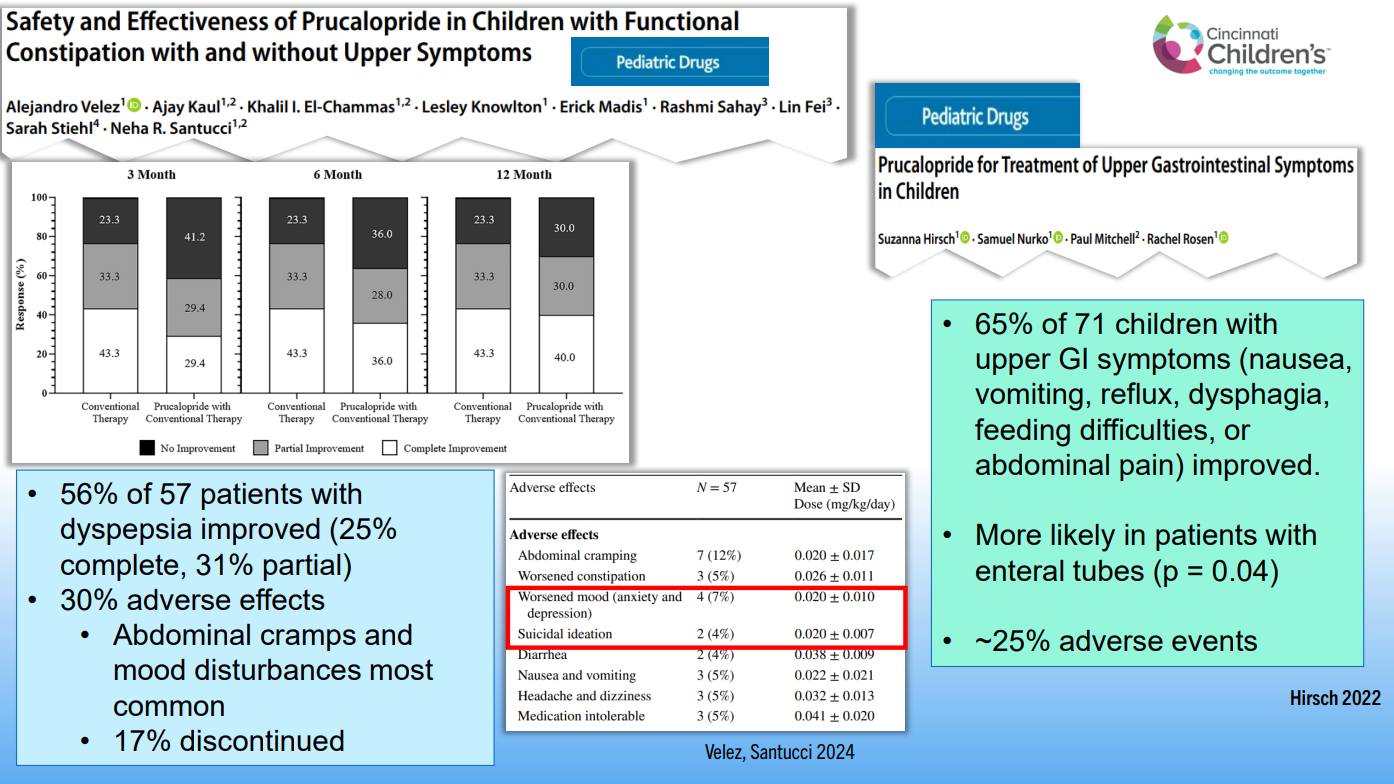
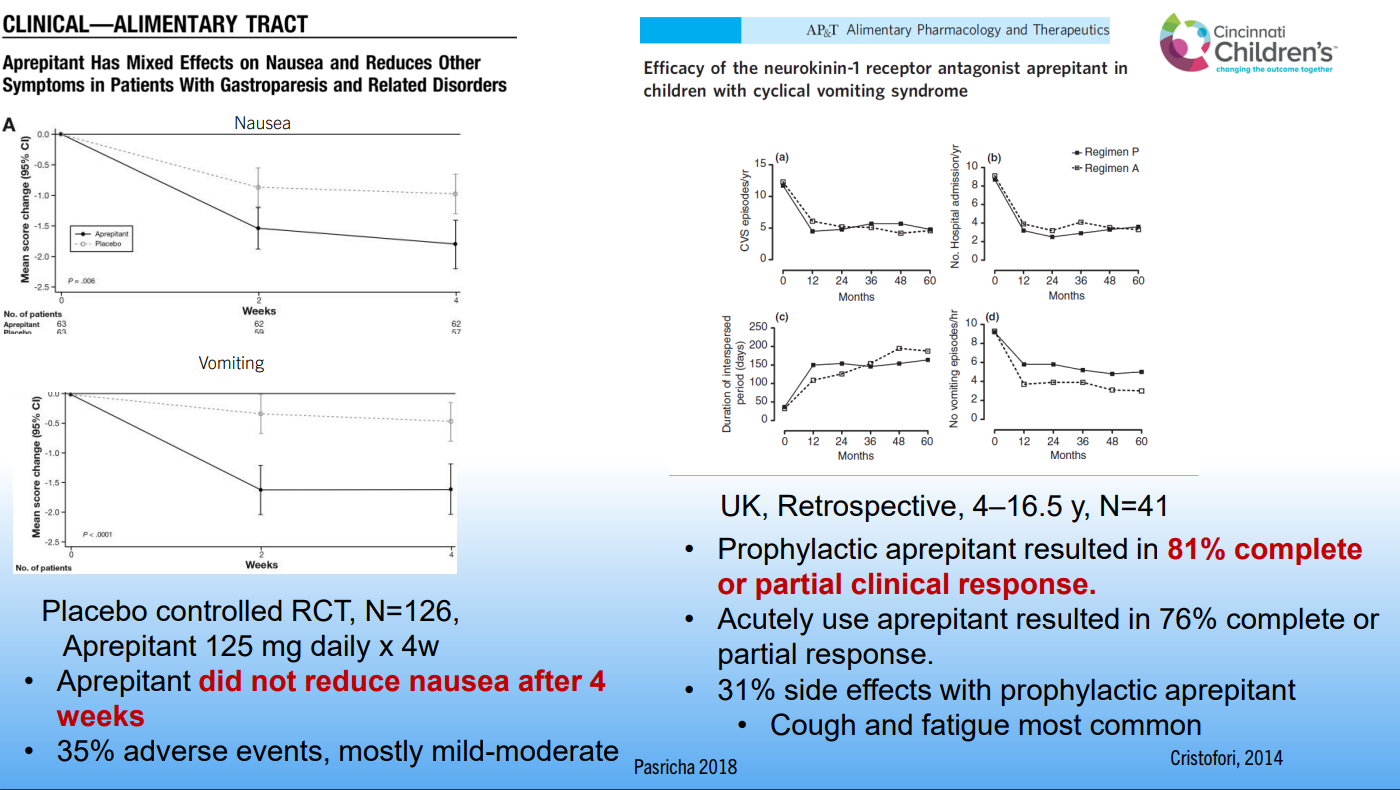
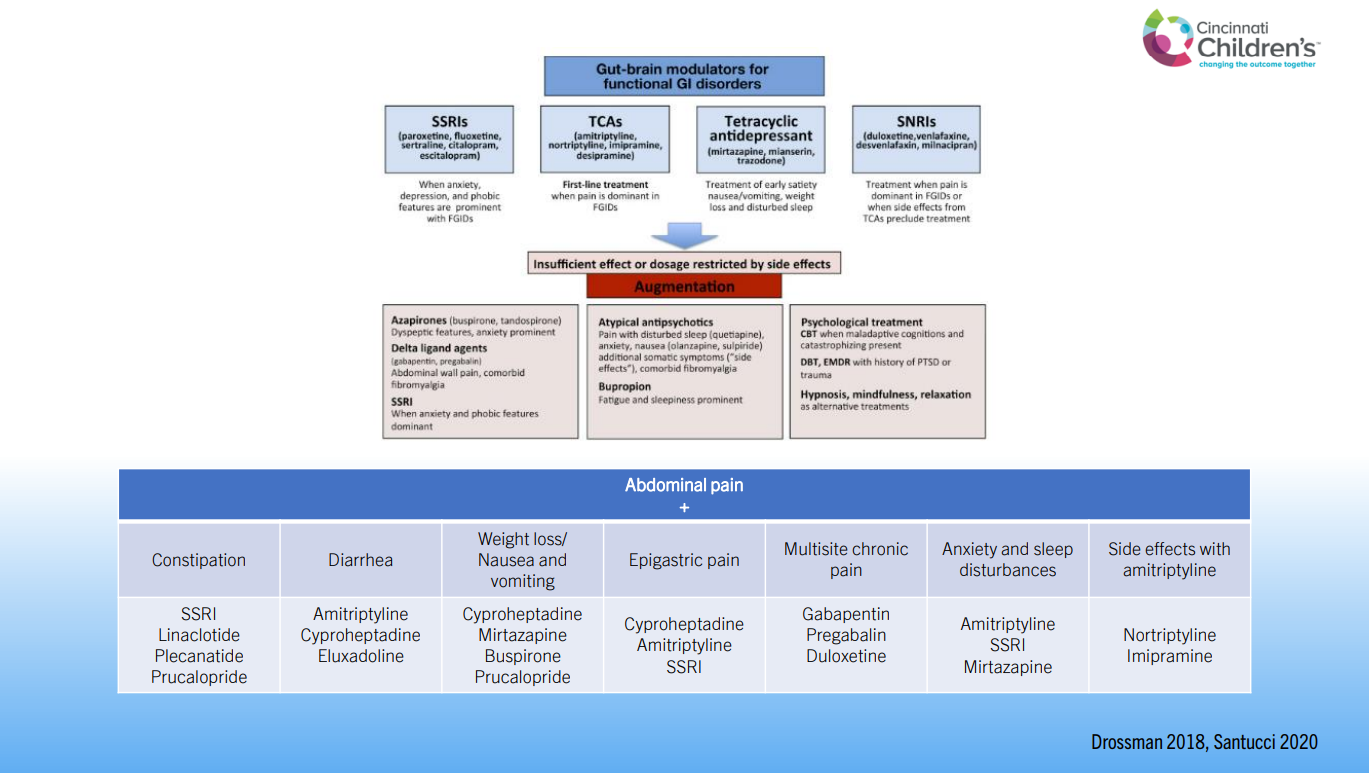
  • Dr. Santucci reviewed the evidence for linaclotide, cyproheptadine, mirtazapine, prucalopride, and aprepitant. The latter was effective for CVS but not functional nausea.
  • Placebo has been shown to have some beneficial effects in DGBIs; this affects the results of clinical trials
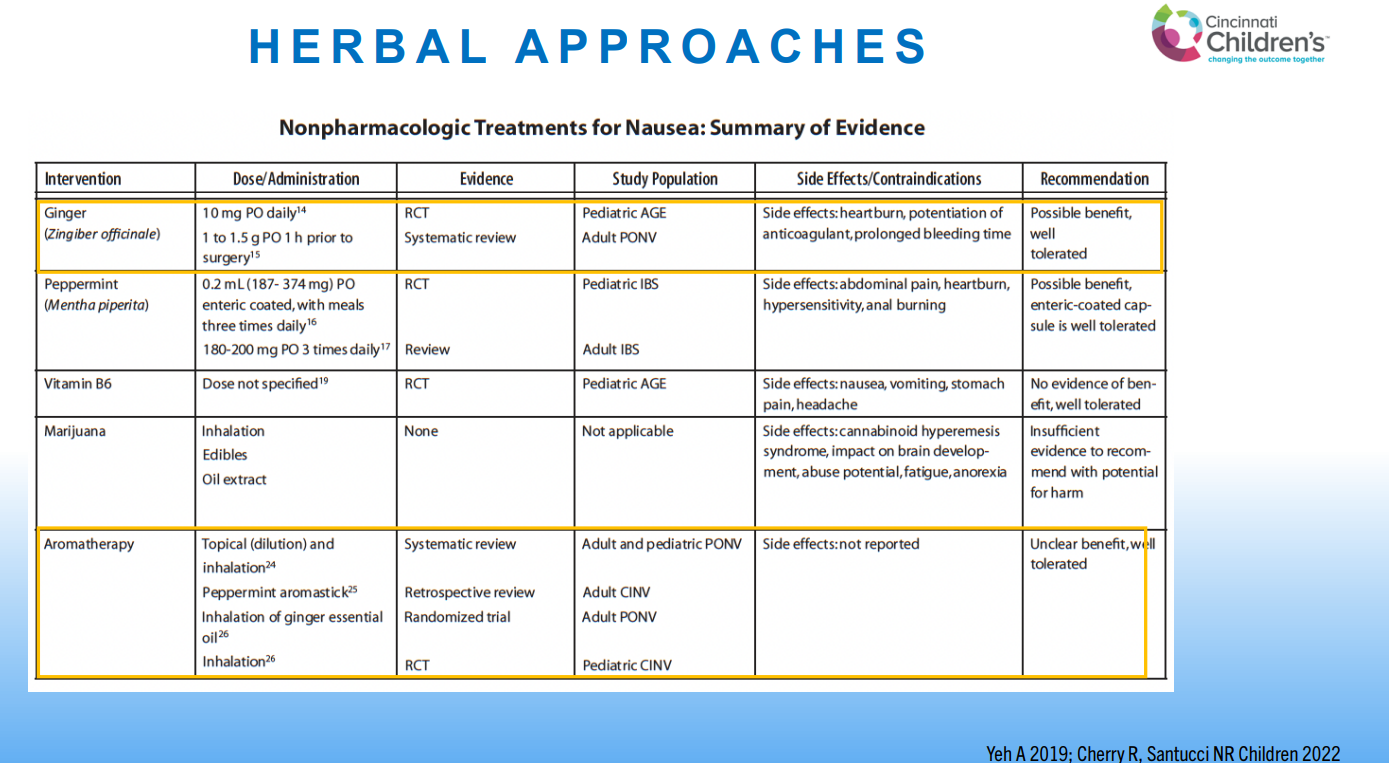
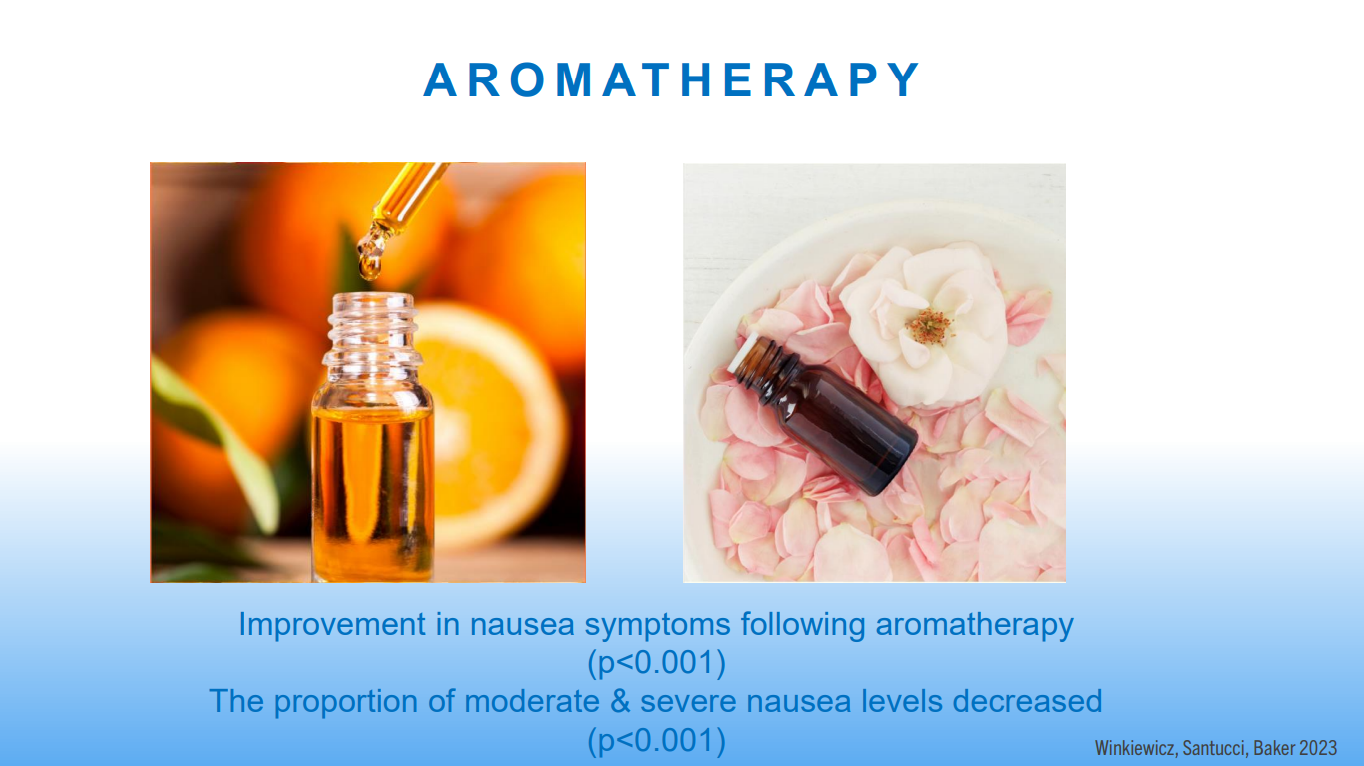
  • Ginger may be beneficial for nausea
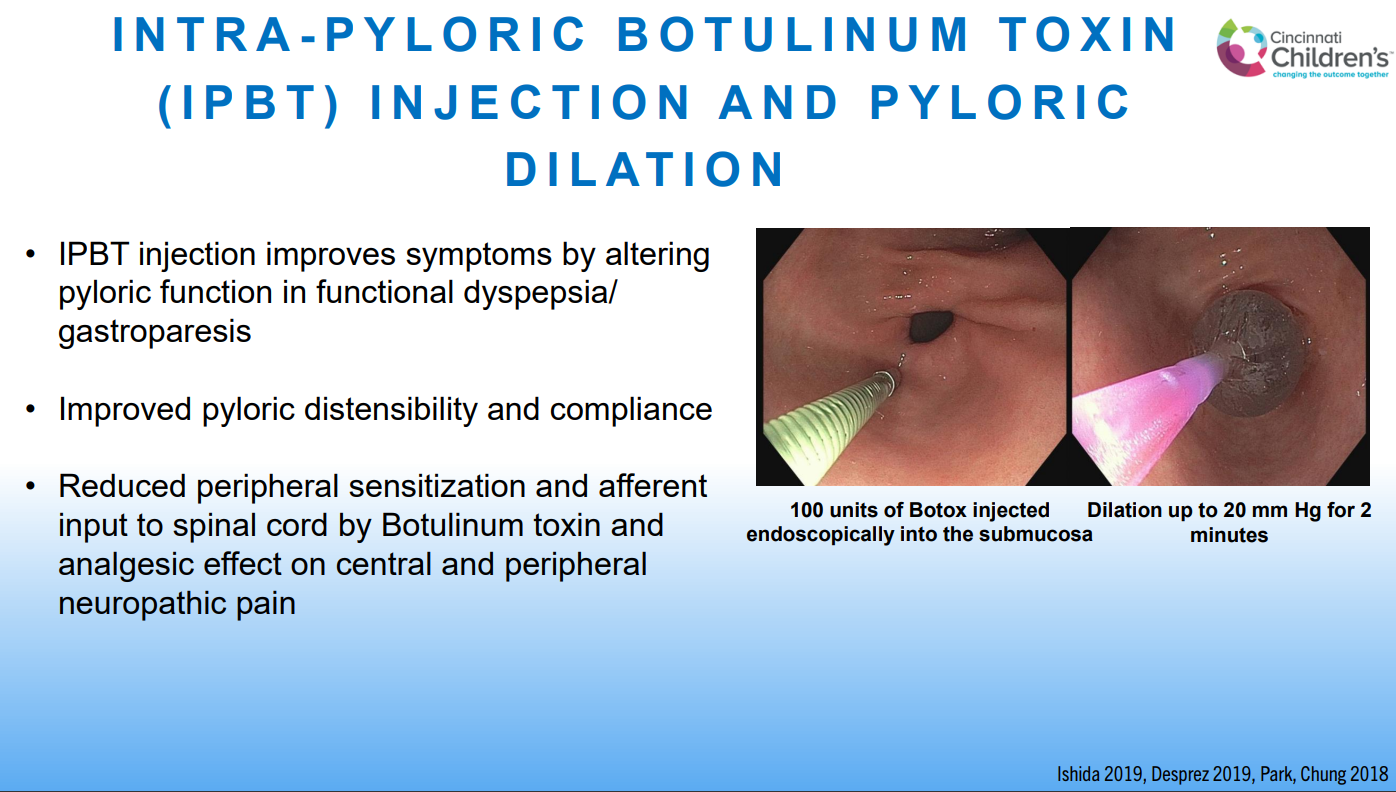
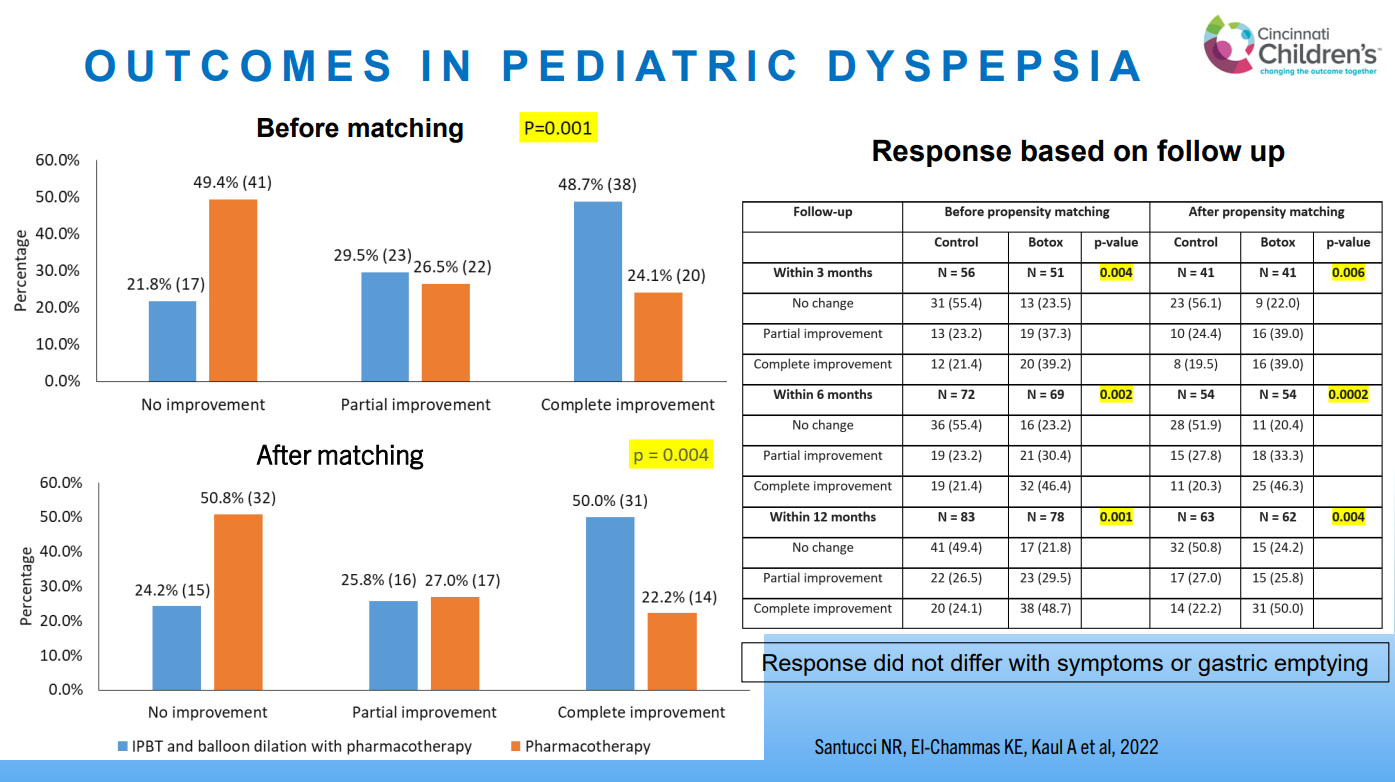
  • Intrapyloric botox has been associated with improvement in functional dyspepsia. Improvement did not correlated with gastric emptying
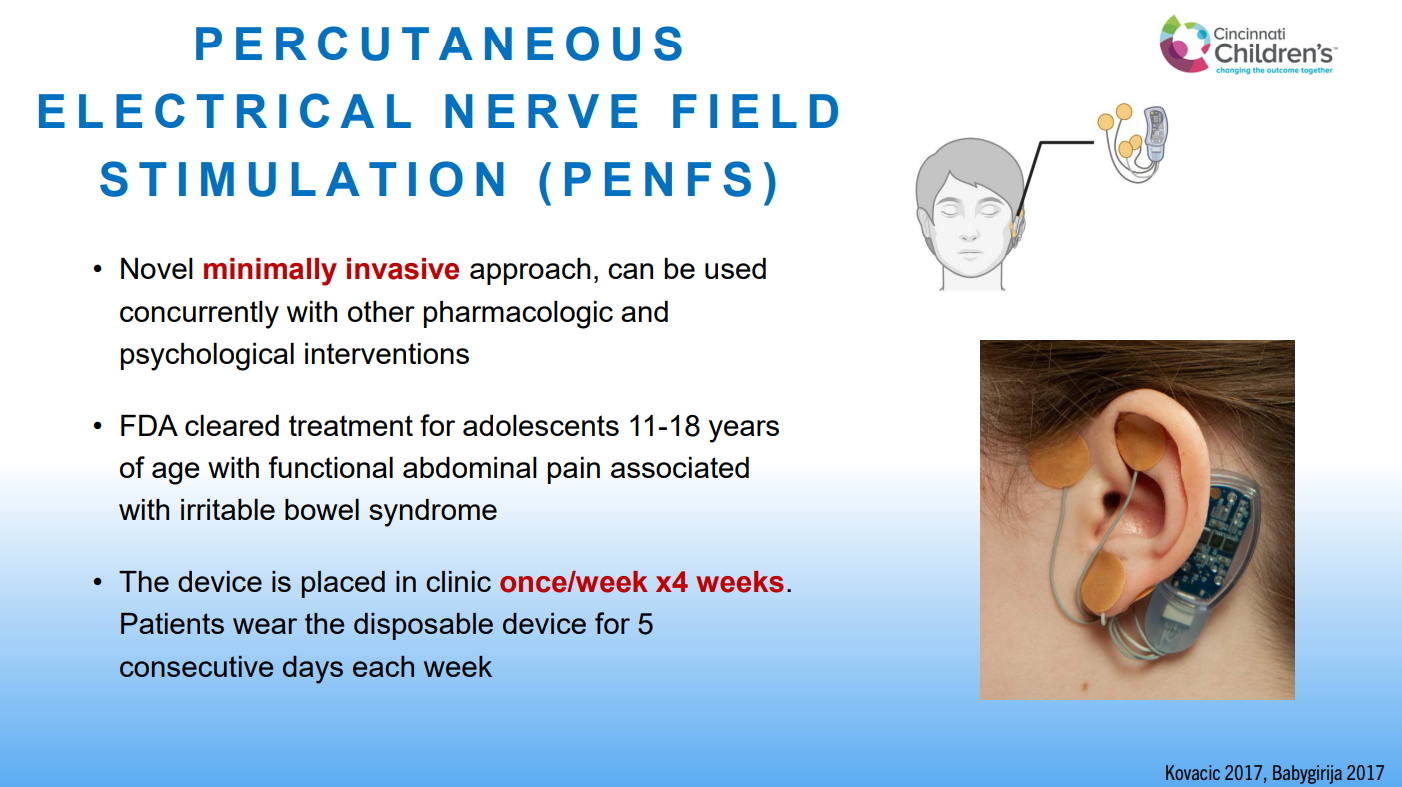
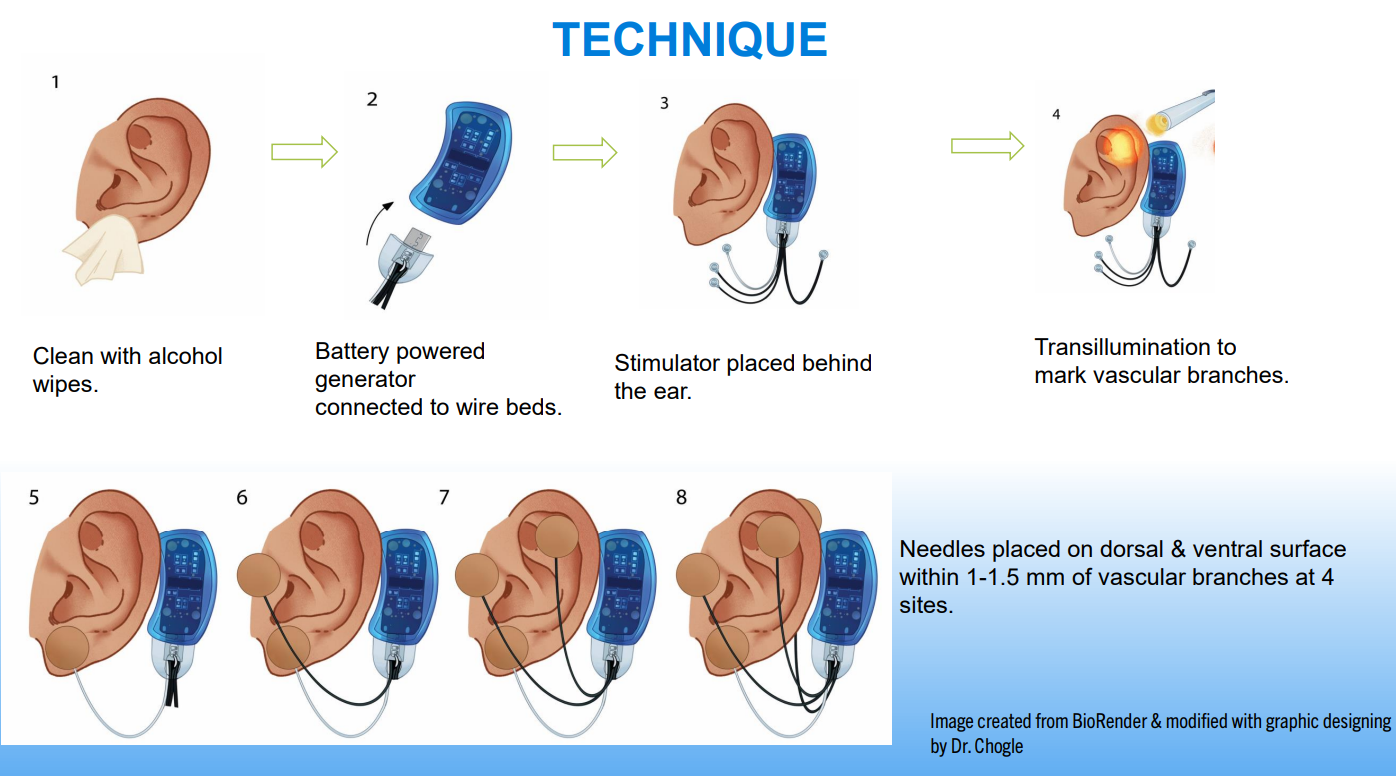
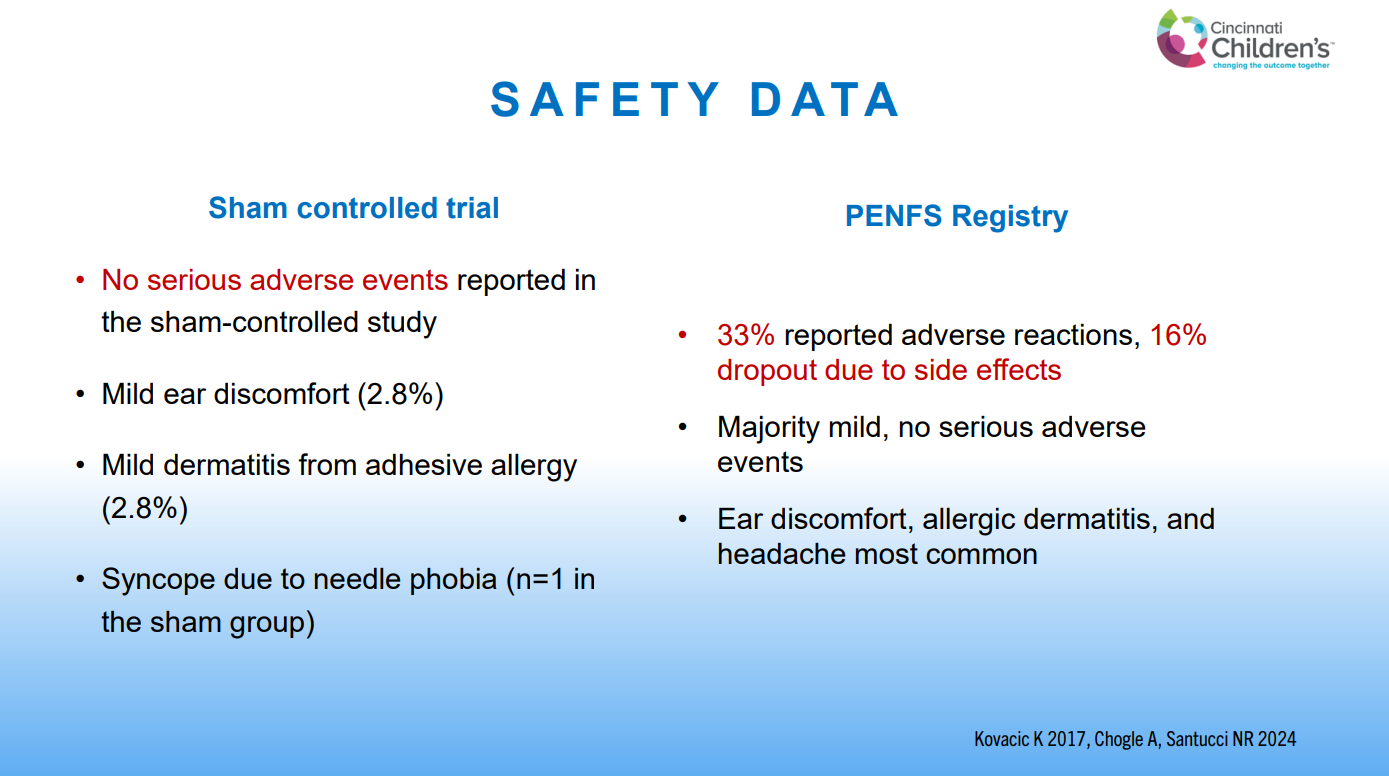
  • Percutaneous electrical nerve field stimulation (PENFS) is associated with improvement in multiple aspects of functional disorders including pain, nausea, somatization, sleep and anxiety.
  • The improvements in abdominal pain and functional disability with PENFS are still present at least 6-12 months afterwards
  • PENFS can be repeated and has similar effectiveness
  • PENFS can be used in children >8 yrs, can be used with other treatments (pharmacologic, psychologic, or dietary).
  • PENFS can be used as prophylaxis of CVS
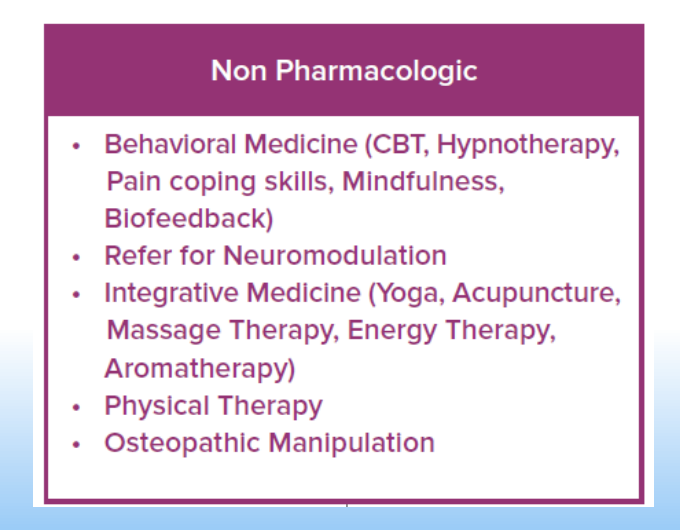
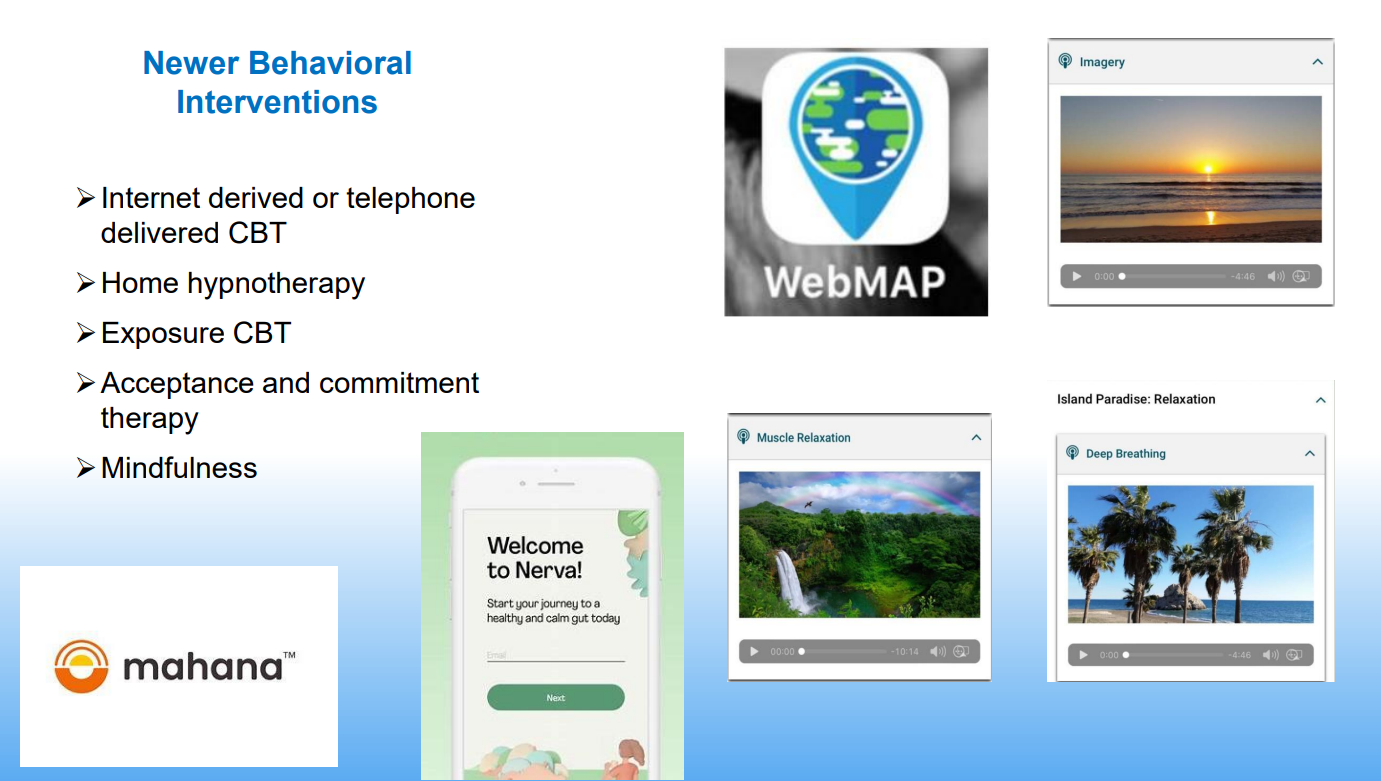
Non-pharmacologic Treatments
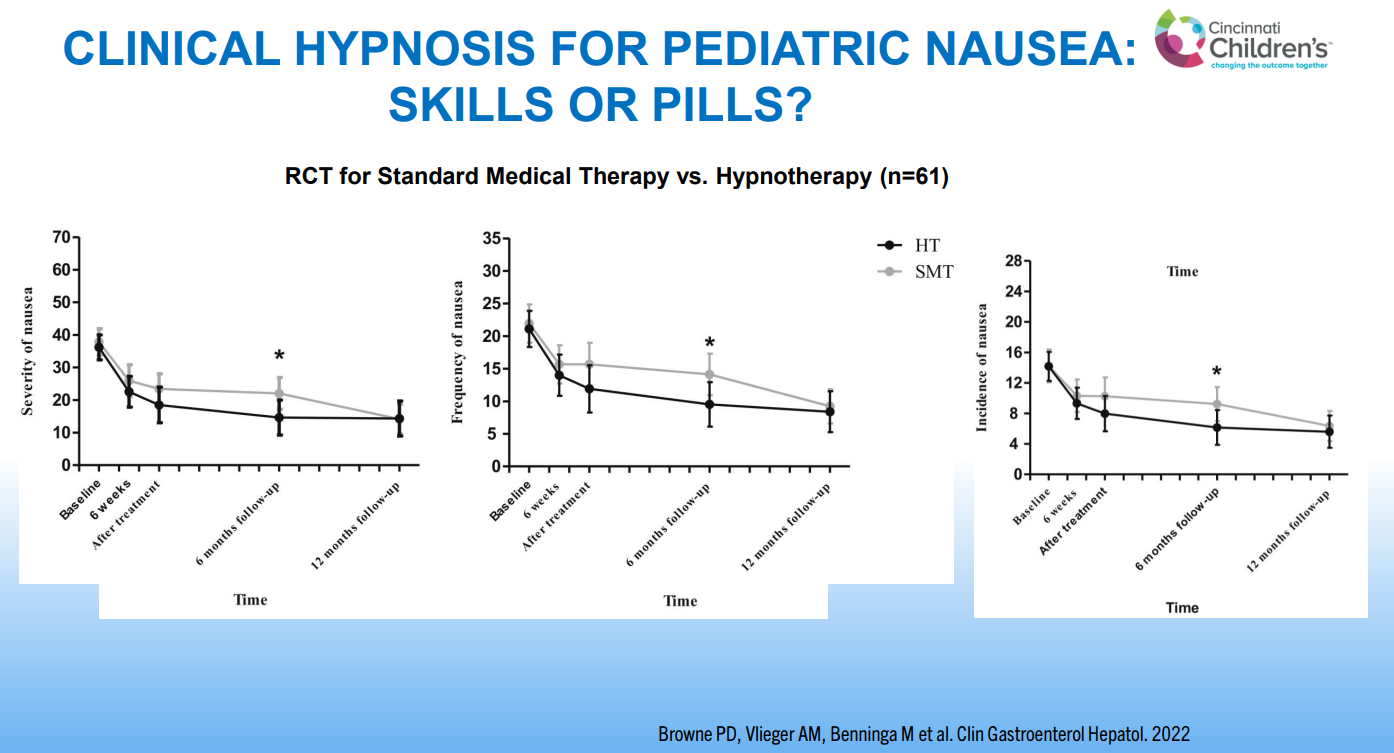
Lancet Gastroenterol Hepatol 2017; 2: 727-737.

Related blog posts:

Disclaimer: This blog, gutsandgrowth, assumes no responsibility for any use or operation of any method, product, instruction, concept or idea contained in the material herein or for any injury or damage to persons or property (whether products liability, negligence or otherwise) resulting from such use or operation. These blog posts are for educational purposes only. Specific dosing of medications (along with potential adverse effects) should be confirmed by prescribing physician.  Because of rapid advances in the medical sciences, the gutsandgrowth blog cautions that independent verification should be made of diagnosis and drug dosages. The reader is solely responsible for the conduct of any suggested test or procedure.  This content is not a substitute for medical advice, diagnosis or treatment provided by a qualified healthcare provider. Always seek the advice of your physician or other qualified health provider with any questions you may have regarding a condition.

Linaclotide -Here’s the Pediatric Data

Last year, the FDA approved linaclotide, a guanylate cyclase C agonist, for the treatment of pediatric constipation (related post: Linaclotide -Now FDA-Approved for Children).

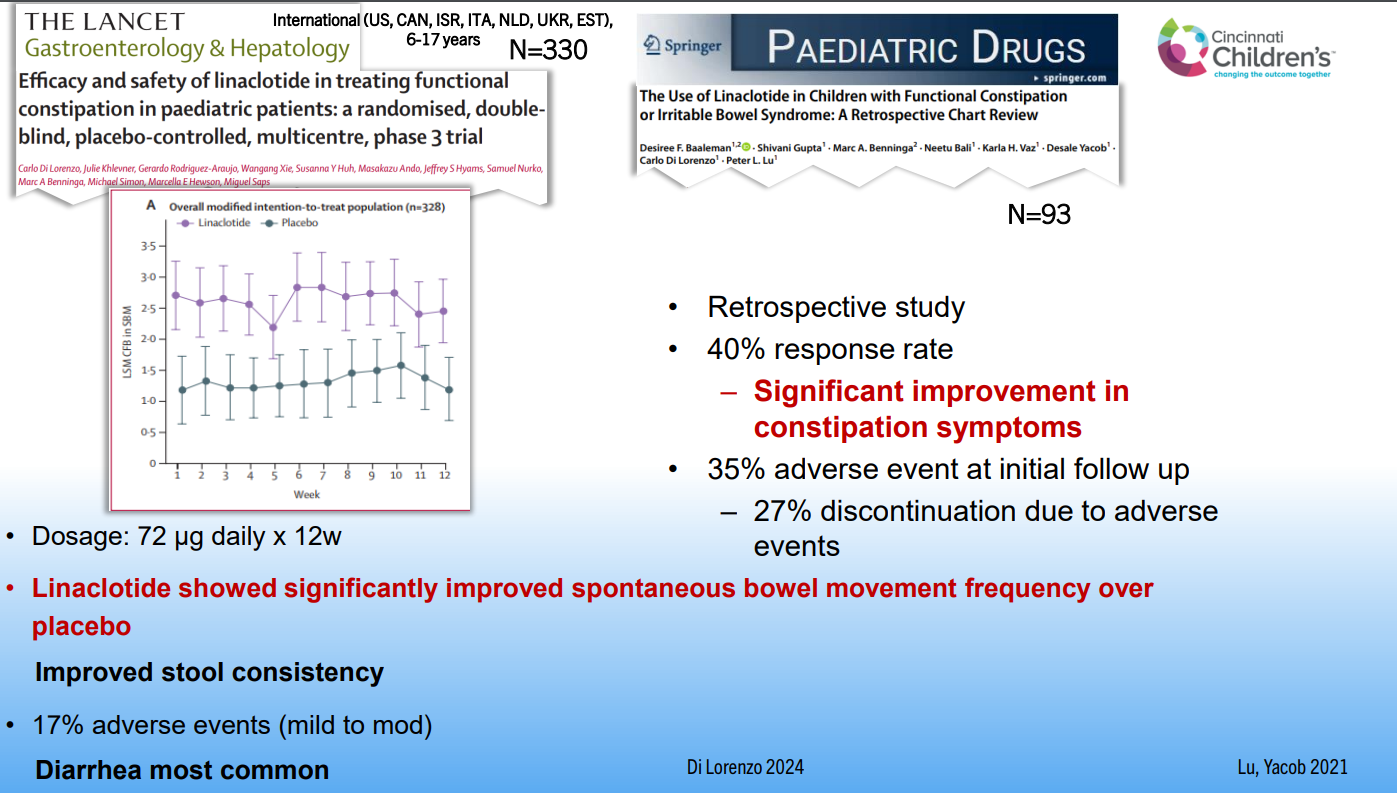
Here’s the phase III study data: C DiLorenzo et al. The Lancet Gastroenterol Hepatol 2024; 9: 238-250. Efficacy and safety of linaclotide in treating functional constipation in paediatric patients: a randomised, double-blind, placebo-controlled, multicentre, phase 3 trial

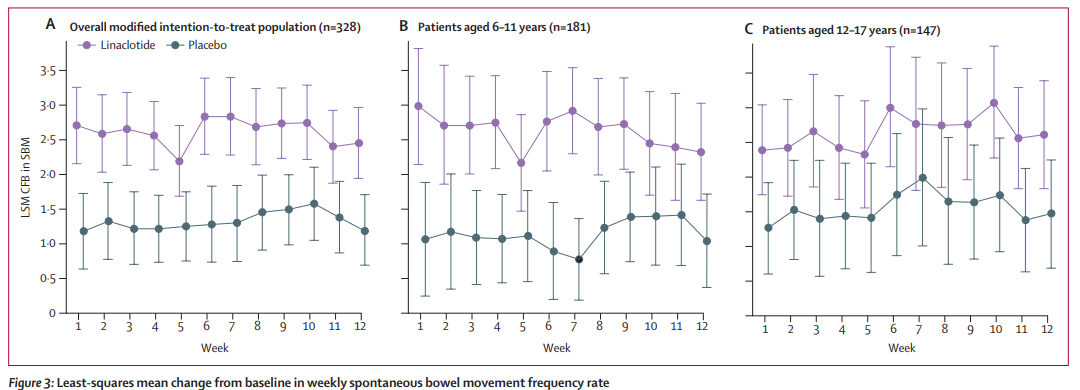
Children 6-17 yrs of age (n=328) received either oral linaclotide 72 μg or placebo once daily for 12 weeks. Key findings:

  • The mean frequency rate for spontaneous bowel movements (SBMs) was 1·28 SBMs per week (SD 0·87) for placebo and 1·16 SBMs per week (0·83) for linaclotide, increasing to 2·29 SBMs per week (1·99) for placebo and 3·41 SBMs per week (2·76) for linaclotide during intervention. 
  • Linaclotide also significantly improved stool consistency over placebo
  • Straining with stooling also improved. Change from baseline improvement (Least squares mean change) −1·19 in linaclotide group compared to −0·75 in placebo group (p<0·0001). Straining scale based on responses to the following question: When you pooped, how hard did you push? (0=not hard at all; 1=I pushed a tiny bit hard; 2=I pushed a little hard; 3=I pushed hard; 4=I pushed very hard)
  • Abdominal bloating improved as well compared to placebo, Change from baseline improvement (Least squares mean change): −0·51 vs −0·35 (p=0·027)
  • The authors note that “the subgroup analysis by age for CFB in SBM frequency rate suggests that the response of the older cohort (aged 12−17 years) was not as strong as the response of the younger cohort (aged 6–11 years).” This could indicate that a higher dose may be beneficial in this age group. “Further studies evaluating increased dosing regimens for older children will be important.”
  • The most frequent treatment-related TEAE was diarrhoea (linaclotide: six [4%] patients; placebo: two [1%] patients).
72 mcg per day dosing

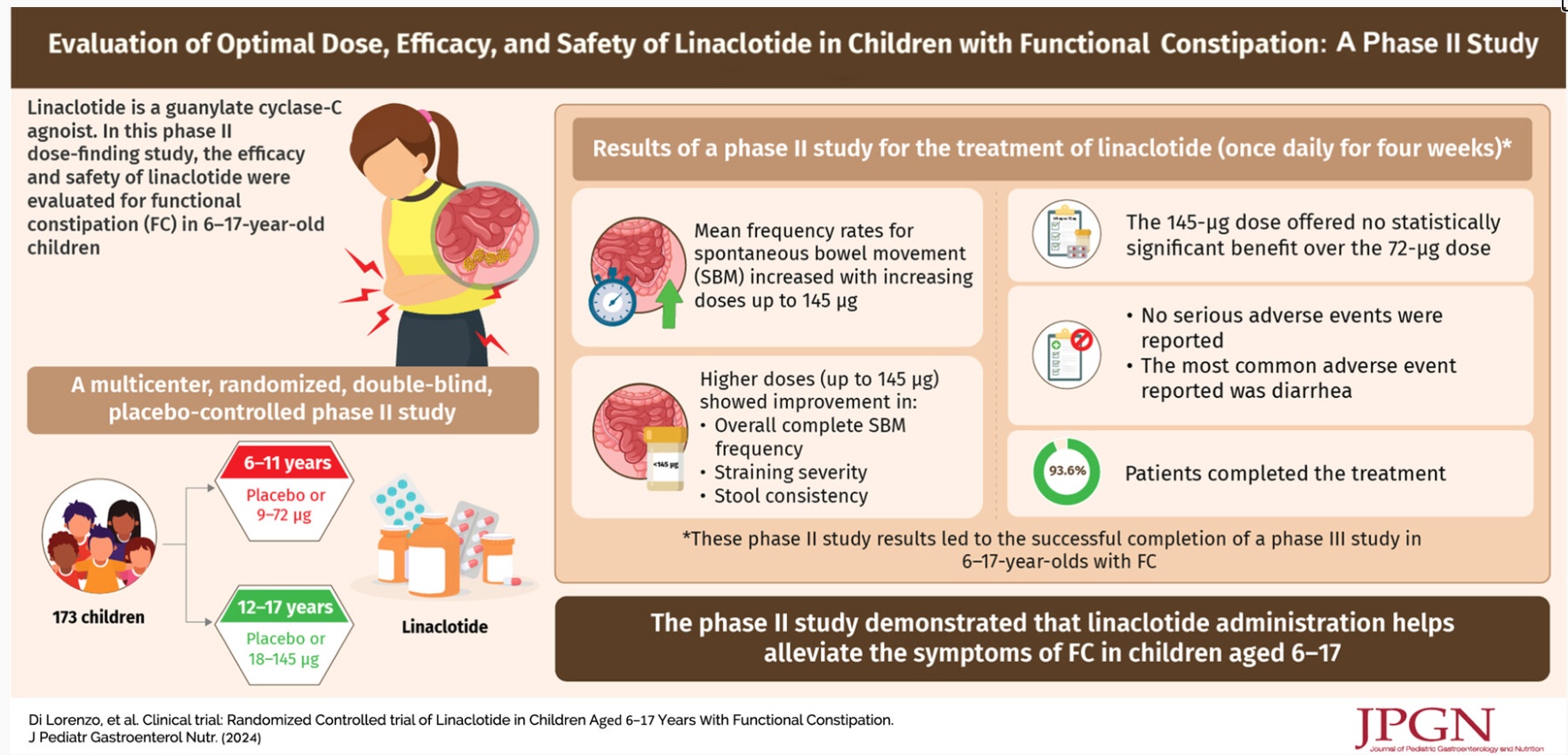
Here’s the phase II study data: C DiLorenzo et al. JPGN 2024; https://doi.org/10.1002/jpn3.12184. Randomized controlled trial of linaclotide in children aged 6−17 years with functional constipation

This was a multicenter, randomized, double-blind, placebo-controlled phase 2 study, with 173 children with functional constipation (based on Rome III criteria) were randomized to once-daily linaclotide or placebo.

Key findings:

  • A numerical improvement in mean spontaneous bowel movement (SBM) frequency was observed with increasing linaclotide doses (1.90 in 6- to 11-year-olds [36 or 72 μg] and 2.86 in 12- to 17-year-olds [72 μg]).
  • The most reported treatment-emergent AE was diarrhea, with most cases being mild; none were severe. The most reported treatment-emergent AE was diarrhea, with most cases being mild; none were severe.

My take: It is good news to have the an FDA-approved treatment for pediatric functional constipation. It is worth remembering that the estimated cost for a monthly supply is $560 via GoodRx (with coupon, queried on 5/22/24). 

Linaclotide -Now FDA-Approved for Children

FDA 6/12/23: FDA approves first treatment for pediatric functional constipation

“FDA has approved Linzess (linaclotide) capsules to treat functional constipation in pediatric patients 6 to 17 years of age. Linzess is the first treatment for pediatric functional constipation. The recommended dosage in pediatric patients 6 to 17 years is 72 mcg orally once daily.”

“The efficacy of Linzess for the treatment of functional constipation in pediatric patients 6 to 17 years of age was established in a 12-week double-blind, placebo-controlled, randomized, multicenter clinical trial (Trial 7; NCT04026113) and supported by efficacy data from adequate and well-controlled trials in adults with chronic idiopathic constipation (constipation that persists and isn’t connected to an underlying illness).”

Safety:

  • Most common adverse effect was diarrhea
  • Avoid in patients with known or suspected mechanical gastrointestinal obstruction (bowel blockage)
  • “Linzess contains a boxed warning that the medication should not be taken by patients less than 2 years of age”
  • See full prescribing information for additional information on risks associated with Linzess.

My take: While this is good news to have the first FDA-approved treatment for pediatric functional constipation, it is worth remembering that the estimated cost for a monthly supply is between $514-$536 (in Atlanta pharmacies per GoodRx.com).

Related blog posts:

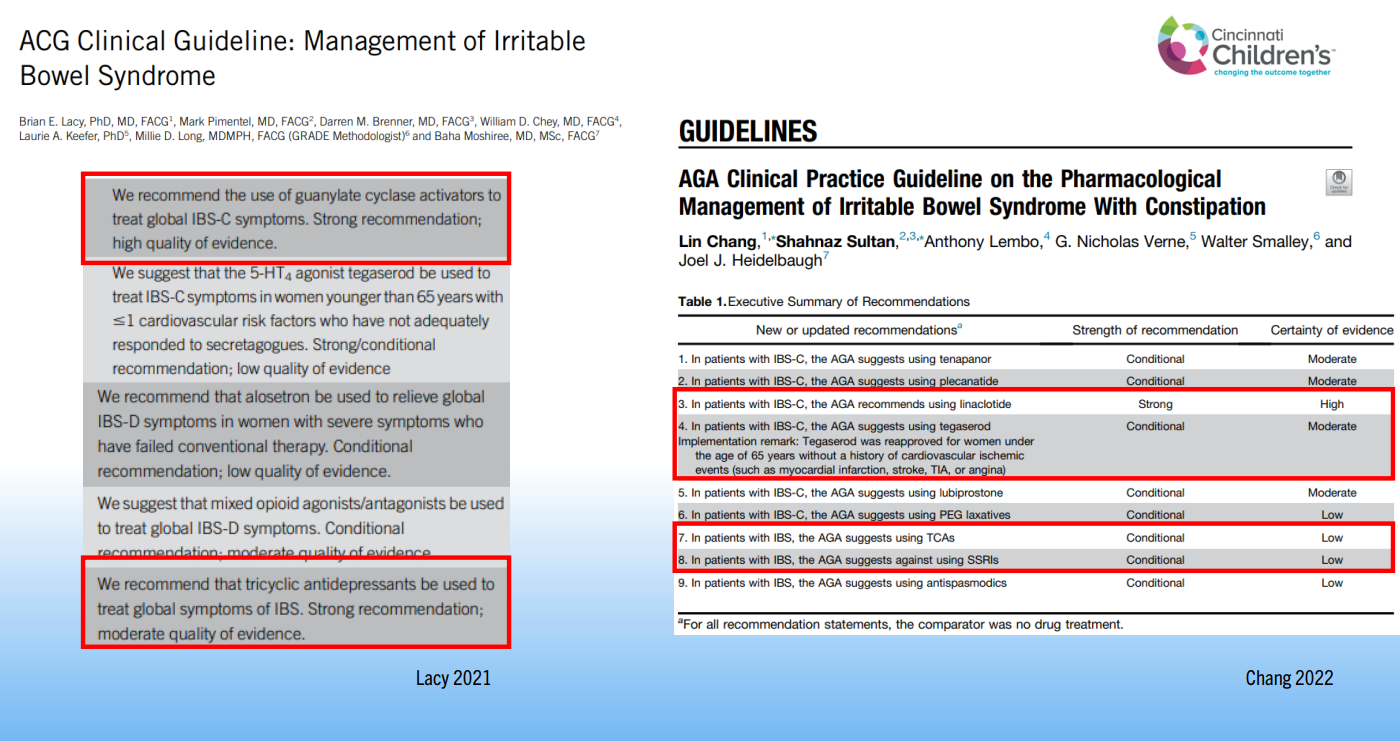
AGA Guidelines for Pharmacologic Therapy of IBS-D and IBS-C

A Lembo, S Sultan et al. Gastroenterol 2022; 162: 137-151. Open access PDF: AGA Clinical Practice Guideline on the Pharmacological Management of Irritable Bowel Syndrome With Diarrhea

LChang, S Sultan et al. Gastroenterol 2022; 162: 118-136. Open access: AGA Clinical Practice Guideline on the Pharmacological Management of Irritable Bowel Syndrome With Constipation

The associated 1-page summary (“Spotlight: IBS Treatment“) on pg 153 reviews society guidelines on testing in IBS. This includes for IBS-D celiac serology, calprotectin/lactoferrin, CRP, possilby Giardia antigen (if in endemic area) and possibly bile acid diarrhea testing. Not recommended include food allergy/sensitivity testing, colonoscopy if <45 years and lactulose or glucose hydrogen breath testing. This 1-page summary details therapeutic dosing and costs. Monthly costs of selected medications according to this report:

  • Lubiprostone (Amitiza): $374
  • Linaclotide (Linzess): $523
  • Pleacnatide (Trulance): $528
  • Tegaserod (Zelnorm): $480
  • Tenapanor (IBSRELA): $1680
  • Rifaximin (Xifaxan) $1544 (for 14 day course)
  • Eluxadoline (Viberzi): $1550
  • Alosetron (Lotronex): $1457-1929 (starting dose), $2915-3859 (max dose)

My take: These guideline publications provide comprehensive information regarding potential pharmacological therapies.

Related blog posts:

Relative Efficacy of Medications for Irritable Bowel Syndrome with Constipation

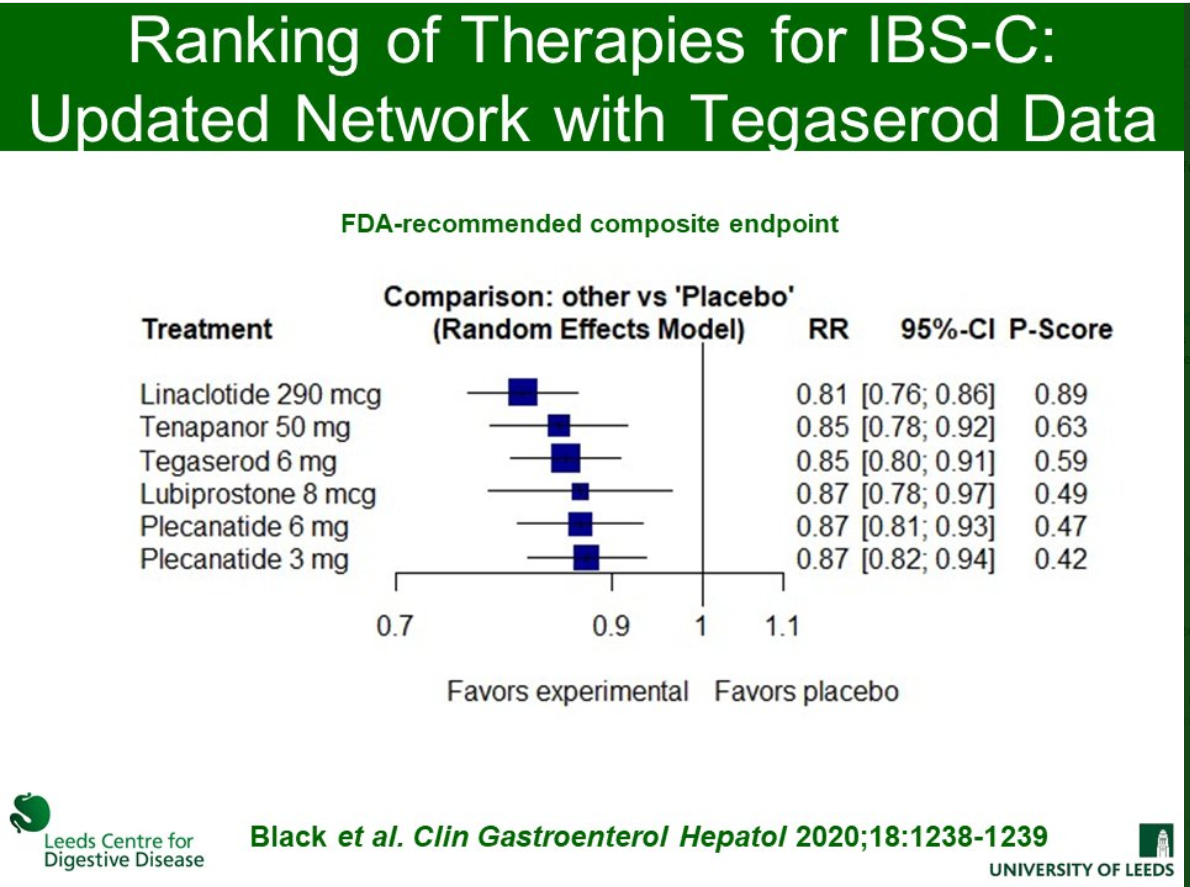
A recent systematic review and network meta-analysis (CJ Black, et al. Clin Gastroenterol Hepatol 2020; 18: 1238-39) reviewed the relative efficacy of medications for irritable bowel syndrome with constipation. In total, the 14 trials randomized 9113 patients.

Key points:

  • All treatments were significantly more effective than placebo
  • Linaclotide was ranked most effective; however, indirect comparison of active treatments revealed no significant differences between the individual drugs

Relooking at Medications for Constipation-Predominant Irritable Bowel Syndrome

A recent study (CJ Black et al. Gastroenterol 2018; 155: 1753-63) examined the effectiveness of secretagogues for constipation-predominant irritable bowel syndrome (IBS-C).  The authors conducted a systematic review and network meta-analysis with 15 eligible randomized controlled trials (8462 patients).

Key findings:

  • Linaclotide (290 mcg per day) was ranked first in efficacy using the end point recommended by the FDA for IBS-C trials
  • Tenapanor (50 mg twice a day) was ranked first for bloating
  • Plecanatide (6 mg per day) ranked first for safety
  • Diarrhea was significantly more common with all of the secretagogues except for lubiprostone; nausea was significantly more common with lubiprostone

The authors acknowledge the limitations in comparing medicines without direct head-to-head trials (which may never occur).  They state that linaclotide being superior to other treatments had a probability of 88%.

My take: This study indicates that linaclotide may be more likely to be effective than other IBS-C medications; all of these secretagogues have been shown to be superior to placebo.

In this same issue, pgs 1666-9 (J Ruddy), a patient describes her long journey with abdominal pain/GI symptoms.  She describes her initial experiences with physicians who were dismissive and not attentive. Ultimately, a physician listened to her and  helped her improve after explaining that she had a postinfectious IBS and provided treatment.

Related study: S Ishague et al. BMC Gastroenterol 2018; 18:71.  This randomized controlled trial which compared a multistrain probiotic (Bio-Kult, n=181) to placebo (n=179).  The probiotic group had a 69% decrease in abdominal pain compared to a 47% decrease in placebo group.

Sunrise, Death Valley

Irritable Bowel Syndrome (part 2)

A terrific 12 page review of irritable bowel syndrome (IBS): AC Ford, BE Lacy, NJ Talley. NEJM 2017; 376: 2566-78. While yesterday’s post reviewed some of the updated diagnostic and pathophysiology information, today’s will focus on treatment.

The article’s Table 2 outlines the most frequent treatments, their efficacy, side effects, costs, and quality of evidence. I’ve tried to highlight the key points from table and discussion:

  1. Soluble fiber (eg. psyllium). Efficacy: effective -start at low doses. Quality of evidence: Moderate, Cost: $15-30 per month.
  2. Low-FODMAP diet. Efficacy: “May be effective, nutritionist guidance helpful.” While there have been studies showing this diet can be effective, two studies have shown that this diet is not significantly superior to conventional IBS diets (eg. “eating small, regular meals and avoiding insoluble fiber, fatty foods, and caffeine”).Quality of evidence: Very low.
  3. Gluten-free diet.  Efficacy: May be effective.  “No additive effect over that of a low-FODMAP diet in another small RCT.” Quality of evidence: Very low.
  4. Antispasmodic drugs (eg. dicyclomine).Efficacy: May be effective. Quality of evidence: Low, “No high-quality trials.” Cost: $50 per month.
  5. Peppermint oil. Efficacy: Effective, though few RCTs and no FDA-approved end points. Quality of evidence: Moderate. “No high-quality trials.”  Cost: $9-19 per month
  6. Lubiprostone. Efficacy: Effective, though “only a modest benefit over placebo, particularly for abdominal pain.” Quality of evidence: Moderate. Cost: ~$350 per month.
  7. Linaclotide.  Efficacy: Effective.. ” Quality of evidence: High. “No high-quality trials.”  Cost: ~$350 per month.
  8. Alosetron/5-HT3 receptor antagonists.  Efficacy: Effective. ” Quality of evidence: High. “No high-quality trials.”  Cost: ~$350-1100 per month. Alosetron may trigger ischemic colitis.
  9. Eluxadoline.  Efficacy: Effective, though “only a modest benefit over placebo for global symptoms and no benefit over placebo for abdominal pain.”  Quality of evidence: High. “No high-quality trials.”  Cost: ~$1100 per month. May trigger pancreatitis.
  10. Rifaximin. Efficacy: Effective. Quality of evidence: Moderate. “Modest benefit over placebo.”  “Relapse among patients who have a response is usual.” Cost: ~$1500 per month.
  11. Probiotics. Efficacy: May be effective.  Quality of evidence: Low. “Few high-quality trials and no FDA-approved end points.”  Cost: ~$20 per month.
  12. Tricyclic antidepressants. Efficacy: Effective. Quality of evidence: Moderate.  “Few high-quality trials and no FDA-approved end points.”   “A meta-analysis showed that tricyclic antidepressants were more effective than placebo in 11 randomized trials involving a total of 744 patients.” Cost: ~$5-10 per month.
  13. Psychological treatments. Efficacy: Effective. Quality of evidence: Low.  “Few high-quality trials and no FDA-approved end points.” “Their efficacy may be overestimated because of the lack of blinding.” There is also difficulty for many patients in finding an appropriate provider.  Cost: ??
  14. Placebo. In treatment trials, a placebo response is noted in 30-40%.
  15. Complementary/Alternative Therapies.  “Herbal therapies remain unclear.  STW5 (Iberogast) has been tested and “showed superiority over placebo.” Melatonin “has been reported to reduce abdominal pain in patients with IBS.”

The authors recommend judicious testing  “Any reassurance derived from colonoscopy to rule out organic disease in patients with IBS is short-lived.”

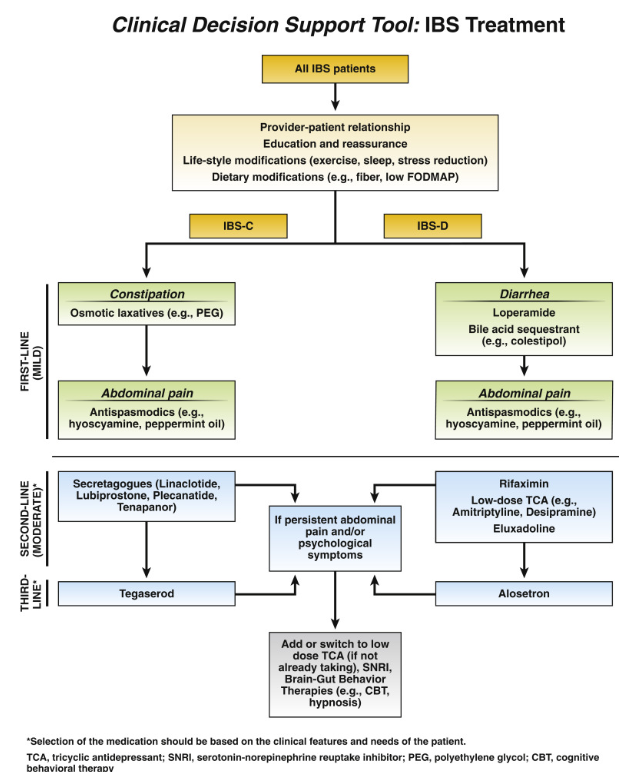
The authors outline their typical approach.  “Reassurance, explanation, and a positive diagnosis are essential steps in management. We recommend starting with dietary modification (slowly increasing soluble fiber if the patient has IBS with constipation or instituting a low-FODMAP diet temporarily  if the patient has IBS with diarrhea or the mixed subtype of IBS). We also recommend increased exercise and stress reduction.  A probiotic may be added, especially if bloating is prominent.  Pain may be ameliorated with an antispasmodic agent or a tricyclic antidepressant, diarrhea with loperamide or a bile acid sequestrant (eg. colestipol) and constipation with polyethylene glycol.” The other therapies may be used in those with persistent IBS symptoms.

My take: When a disease has this many treatments, usually this means that none of the treatments are all that great.

Related blog posts:

Chattahoochee River

Disclaimer: These blog posts are for educational purposes only. Specific dosing of medications (along with potential adverse effects) should be confirmed by prescribing physician.  This content is not a substitute for medical advice, diagnosis or treatment provided by a qualified healthcare provider. Always seek the advice of your physician or other qualified health provider with any questions you may have regarding a condition.

AGA Guidelines on Medicines for Irritable Bowel

New guidelines on the use of medicines for irritable bowel syndrome from Atlanta Gastroenterology Association (AGA) have been published (Gastroenterol 2014; 1146-48, technical review: 1149-72).

Here’s the link: AGA IBS Guidelines.

In brief:

For IBS-C

  • Linaclotide: AGA recommends as better than no drug treatment in adult. This is the only “strong” recommendation with high-quality evidence.
  • Lubiprostone: AGA suggests over no drug treatment.
  • PEG Laxatives: AGA suggests over no drug treatment.

For IBS-D:

  • Rifaximin: AGA suggests over no drug treatment.
  • Alosetron: AGA suggests over no drug treatment.
  • Loperamide: AGA suggests over no drug treatment.

For IBS:

  • Tricyclic antidepressants: AGA suggests over no drug treatment.
  • Selective Serotonin Reuptake Inhibitors: AGA suggests against using for IBS.
  • Antispasmotics: AGA suggests over no drug treatment.


Also noted:

Am J Gastroenterol 2014; 109: 1547-61. (Thanks to Ben Gold for this reference.) Meta-analysis of prebiotics/probiotics for IBS.  43 RCTs were eligible for inclusion.  Key finding: IBS symptoms, including pain, bloating and flatulence were improved with RR of 0.79 compared with placebo.  “Probiotics are effective treatments for IBS, although which individual species and strains are the most beneficial remains unclear.”

Related blog posts:

Stimulants for constipation

Overall, 12-19% of Americans are affected by chronic constipation (Am J Gastroenterol 2004; 9: 750-59).  Despite the fact that constipation problems are widespread, the amount of useful research available to guide treatment is quite limited.  Two recent articles do offer some information:

  • Clin Gastroenterol Hepatol 2011; 9: 577-83.
  • Gut 2011; 60: 209-18.

The first reference examined the use of bisacodyl in a randomized, double-blind placebo-controlled study in the UK.  During the 4-week treatment period, patients receiving 10mg/day bisacodyl (n=247) had increased stools, from 1.1 per week to 5.2 per week.  Stool frequency also increased to 1.9 per week in the placebo group (n=121).  All secondary endpoints including constipation-associated symptoms (eg. quality of life indices, physical discomfort) improved significantly compared to placebo.  Average age of patients in this study was 55 years.  The main adverse effect was diarrhea –mainly during the 1st week of therapy.

A selected summary in Gastroenterology (Gastroenterology 2012; 142: 402-404) reviews the first study and makes several useful points:

  • Stimulant laxative use has been hindered by myths & misconceptions along with lack of supporting data.  Most recent studies do not support a role of stimulant use in causing enteric neuropathies, a cathartic colon or increasing the risk of colon cancer
  • Osmotic laxatives have been favored in guidelines but this has not been bolstered by supporting data
  • Only recently have two large randomized controlled studies proven the efficacy and safety of stimulant laxatives over the short-term
  • Long-term prospective studies are not available on the use of stimulant laxatives.

The second reference is a systematic review and meta-analysis of randomized controlled trials (RCTs) of pharmacologic therapy for chronic idiopathic constipation.  Twenty one eligible RCTs were identified: eight laxative studies (n=1411), seven prucalopride studies (n=2639), three lubiprostone (n=610), and three linactolide trials (n=1582).  All of these studies showed treatment was superior to placebo. These studies involved subjects who were mainly adults (>90% older than 16 years).

The results showed benefit from both stimulant and osmotic laxatives.  Overall, the osmotic and stimulant laxative studies showed higher response than the pharmacologic agents like prucalopride, lubiprostone, and linaclotide.  Nevertheless, between 50% and 85% of patients did not fulfill criteria for response to therapy.

Additional references:

  • -J Clin Gastro 2003; 36: 386-389.  Safety of stimulants for long-term use.
  • -Am J Gastro 2005; 100: 232-242.  Myths about constipation.  Stimulants have not been proven to cause a “cathartic colon”
  • -J Pediatr 2009; 154: 258.  Constipation associated w 3-fold increase in health utilization/cost.
  • -Clin Gastro  Hep 2009; 7: 20.  Review of complications assoc c constipation in adults.
  • -Pediatrics 2008; 121: e1334.  Behavioral therapy ineffective in treating childhood constipation.
  • -NEJM 2008; 358: 2332, 2344.  Use of methylnatrexone for opioid-induced constipation & trial of n=620 of prucalopride for severe constipation.  Both drugs were helpful.
  • -Gastroenterology 2004; 126: S33. Review of pediatric incontinence.
  • -J Pediatr 2004; 145: 253-4.  Prevalence of encopresis 15% /constipation 23% in obese children  (n=80).  Questionnaire administered to 80 consecutive obese children.
  • -Gastroenterology 2003; 125: 357.  Longterm constipation followup.  one-third with persistent constipation; 60% better at 1 year.  (tertiary referral group)
  • -Pediatrics 2004; 113: 1753 & e520.  When constipation & toileting difficulties both occur, constipation usually precedes toileting problems