Understanding Bleeding Risks in Percutaneous Liver Procedures —Who Needs FFP and Platelet Transfusions

Background: “The most important factor contributing to bleeding risk in patients with liver disease is related to the presence of portal hypertension rather than coagulation abnormalities.1 The changes in the coagulation system in patients with cirrhosis create a re-balanced state, which is prothrombotic. Despite this well-known pathophysiology and recommendation against routine transfusion of blood products (especially fresh frozen plasma) by major guidelines, platelet and fresh frozen plasma transfusion remain a common practice before percutaneous liver procedures.2,3

Methods: In this retrospective study from three centers in Spain, the researchers enrolled 1797 adults including 316 with cirrhosis (97% had compensated disease). They established a protocol that allowed, at the discretion of the radiologist, to transfuse patients with FFP or platelets if INR was 1.5 or greater or if platelets were 50,000 or below. The primary outcome of the study was major bleeding, which was defined as a drop in hemoglobin (2 or more units) or a need for transfusion of 2 or more units of blood within 1 week after the procedure. This study enrolled patients who underwent percutaneous liver biopsy (86% of cohort) and percutaneous ablation of liver tumors (14% of cohort). Only 6/25 (24%) with INR >1.5 received FFP. 16/22 (72%) with platelet counts below 50,000 received a platelet transfusion. Overall, 7 patients received FFP (1 with cirrhosis, 6 without) and 35 patients received platelets (16 with cirrhosis, 19 without).

Key findings:

  • Only 14 patients (0.8%) experienced major bleeding after the procedure, and there was no difference between those who had a diagnosis of cirrhosis versus those without cirrhosis. Bleeding occurred in 0.6% of patients with cirrhosis compared to 0.8% of those without.
  • Only 1 patient with an ablation procedure had major bleeding
  • Patients with a diagnosis of cirrhosis were more likely to receive a transfusion of any kind
  • Among those with major bleeding, none met the criteria for transfusion. That is, “no variable was identified to predict the risk of major bleeding.”

My take (borrowed from editorial): This study reinforces the recommendation that “correction of coagulation markers before procedures is unnecessary.”
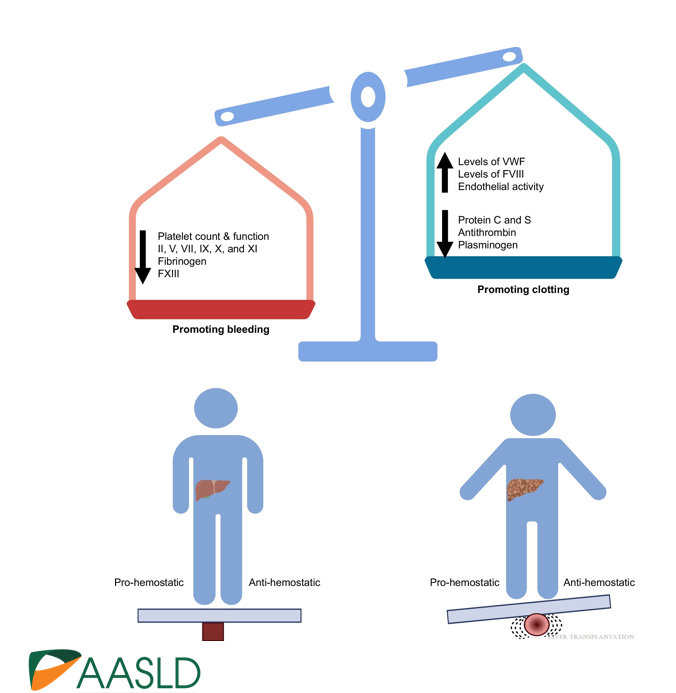
The editorial notes that “the changes in the coagulation system in patients with cirrhosis
create a re-balanced state, which is prothrombotic.

Related blog posts:

Selecting Patients with Biliary Atresia for Variceal Endoscopy Screening

Y-C Ling et al. JPGN 2024;79:222–228. Performance of Baveno VII criteria for the screening of varices needing treatment in patients with biliary atresia

Methods: This retrospective study enrolled 48 BA patients (23 females and 25 males) who underwent an esophagogastroduodenoscopy (EGD) and transient elastography at a mean age of 11.18 ± 1.48 years. Transient elastography (Fibroscan® 502 Touch; Echosens) was applied for the LSM assessment in all BA patients recruited in this study.

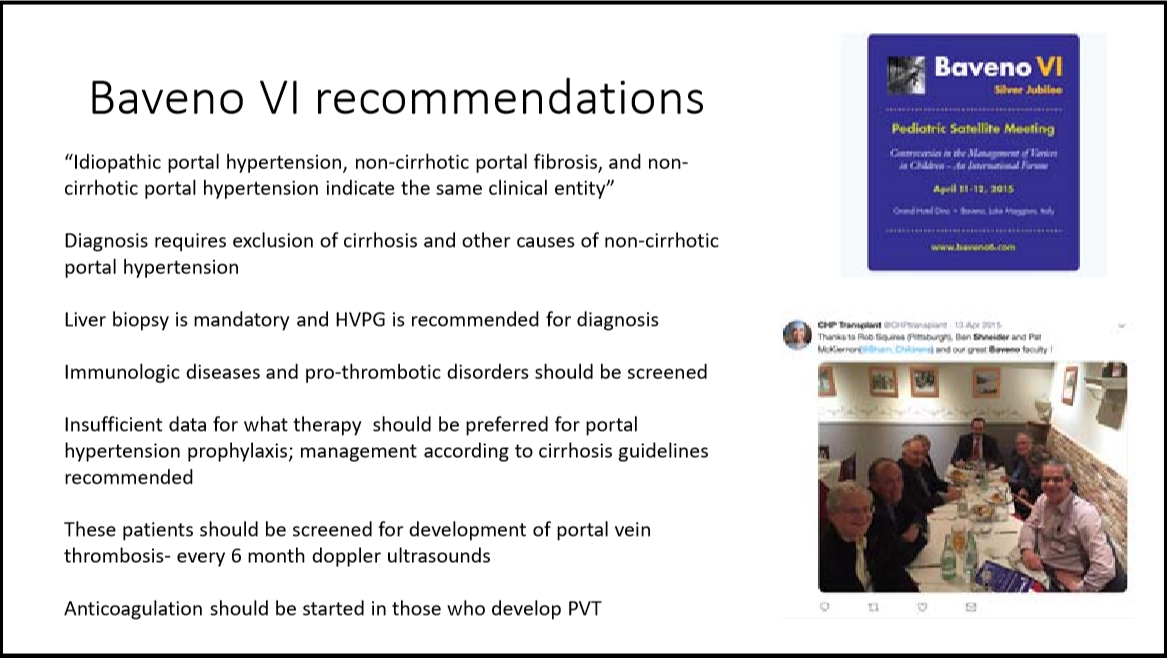
Clinically-significant portal hypertension (CSPH) of Baveno VI criteria recommend avoiding upper endoscopies for cirrhotic patients with liver stiffness <20 kPa and platelets>150 × 10-9 cells/L (favorable Baveno VI status), and the CSPH of the expanded Baveno VI criteria as the exclusion of subjects with LSM < 25 kPa and platelet count >110 × 10-9 cells/L. (Ref: D Thabut et al. Gastroenterol 2019. Validation of Baveno VI Criteria for Screening and Surveillance of Esophageal Varices in Patients With Compensated Cirrhosis and a Sustained Response to Antiviral Therapy)

CSPH of Baveno VII criteria was defined as LSM ≥ 25 kPa and excluded patients with LSM < 15 kPa and platelet count ≥150 × 10-9 /L. Subjects with LSM between 20 and 25 kPa and platelets <150 × 10-9 /L or LSM between 15 and 20 kPa and platelets <110 × 10-9/L are also defined as CSPH. (Ref: Baveno VII criteria Ref: M Mendizabal et al. Annals of Hepatology; 2024: 29: 101180. Evolving portal hypertension through Baveno VII recommendations)

Key findings:

  • The sensitivity and negative predictive value of Baveno VI and Baveno VII criteria for the prediction of varices needing treatment (VNT) in BA patients were both 100% and100%, respectively

In the discussion, the authors note that the utility of the Baveno VII criteria for adults. “The real‐world data showed the CSPH defined by Baveno VII criteria predicts a five‐times increase in the risk of liver decompensation in chronic active liver disease patients.”

My take: This study shows that the combination of LSM and platelet counts using the Baveno VI or VII criteria help select patients with BA who need upper endoscopy to screen for varices needing treatment. These criteria also identify patients needing liver transplantation.

Related blog posts:

Channel Islands off California coast
View from Griffith Park, Los Angeles

Disclaimer: This blog, gutsandgrowth, assumes no responsibility for any use or operation of any method, product, instruction, concept or idea contained in the material herein or for any injury or damage to persons or property (whether products liability, negligence or otherwise) resulting from such use or operation. These blog posts are for educational purposes only. Specific dosing of medications (along with potential adverse effects) should be confirmed by prescribing physician.  Because of rapid advances in the medical sciences, the gutsandgrowth blog cautions that independent verification should be made of diagnosis and drug dosages. The reader is solely responsible for the conduct of any suggested test or procedure.  This content is not a substitute for medical advice, diagnosis or treatment provided by a qualified healthcare provider. Always seek the advice of your physician or other qualified health provider with any questions you may have regarding a condition.

Why Carvedilol Is Considered Best Pharmaceutical Agent to Prevent Variceal Bleeding (in Adults)

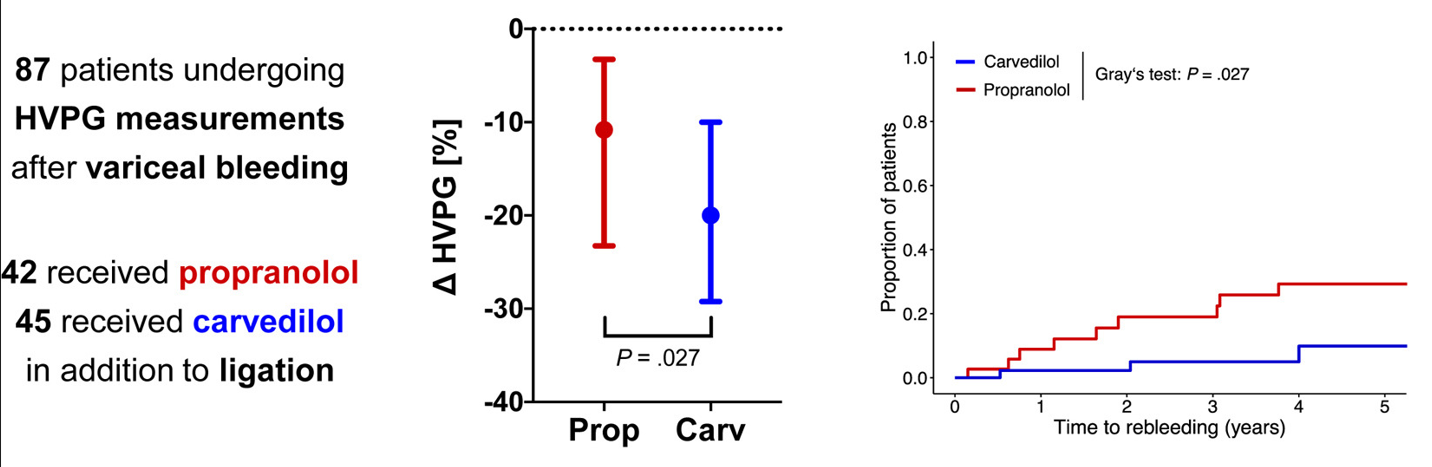
M Jachs et al. Clin Gastroenterol Hepatol 2023; 21: 2318-2326. Open Access! Carvedilol Achieves Higher Hemodynamic Response and Lower Rebleeding Rates Than Propranolol in Secondary Prophylaxis

Associated editorial: J Bosch. Clin Gastroenterol Hepatol 2023; 21:2195-2196. Open Access! Carvedilol as Best β-Blocker for Secondary Prophylaxis of Variceal Bleeding: Are We There, or Not Yet?

Key findings:

  • In a retrospective cohort comprising 87 adult patients receiving NSBB (non-selective beta blocker) in addition to band ligation after variceal bleeding, carvedilol induced more profound decreases in hepatic venous pressure gradient compared with propranolol. The higher rate of chronic hepatic venous pressure gradient response to carvedilol (53.3% vs 28.6%; P = .034) was paralleled by lower rates of variceal rebleeding, liver-related death, and further nonbleeding decompensation.

In the discussion and the editorial, it is noted that there is high-quality evidence that carvediol is superior for primary variceal prophylaxis in adults. “Carvedilol increasingly is used for the prevention of variceal bleeding, 2 and, based on the recent landmark PREDESCI study, overall hepatic decompensation/ascites3 in compensated cirrhosis, because it induces HVPG response (a ≥10% decrease in HVPG is sufficient in primary prophylaxis17) in up to 75% of patients vs 50% when using propranolol. However, it induces more pronounced decreases in blood pressure, which may be detrimental in patients with (refractory) ascites.15

Though there are concerns about dropping blood pressure, the editorial notes that “up to two-thirds of patients with compensated cirrhosis” have high blood pressure. The editorial concludes that “the study still strongly suggests that carvedilol is at least as safe as propranolol…. I am in complete agreement with the authors in suggesting that carvedilol is likely to represent the best NSBB in the treatment of portal hypertension regardless of the clinical scenario, including prevention of decompensation, ascites, first bleeding, or recurrent bleeding.” The author notes that the “recent Baveno VII recommendations declare carvedilol as the preferred NSBB, and support its use in all compensated patients with direct (HVPG ≥10 mm Hg) or indirect signs of clinically significant portal hypertension.”(J Hepatol. 2022; 76: 959-974. Baveno VII: renewing consensus in portal hypertension)

My take: In adults, Carvediol is the best NSBB for portal hypertension. In children, who may be more prone to hypotension, more data is needed.

Related blog posts:

Juan-Les-Pins, France

Aspen Webinar 2021 Part 6 -Complications and Mgt of End-Stage liver disease

More from Aspen Webinar 2021. This blog entry has abbreviated/summarized several presentations. Though not intentional, some important material is likely to have been omitted; in addition, transcription errors are possible as well. On the last day of this webinar conference, there were three more terrific lectures which addressed topics related to a a failing liver.

Key points:

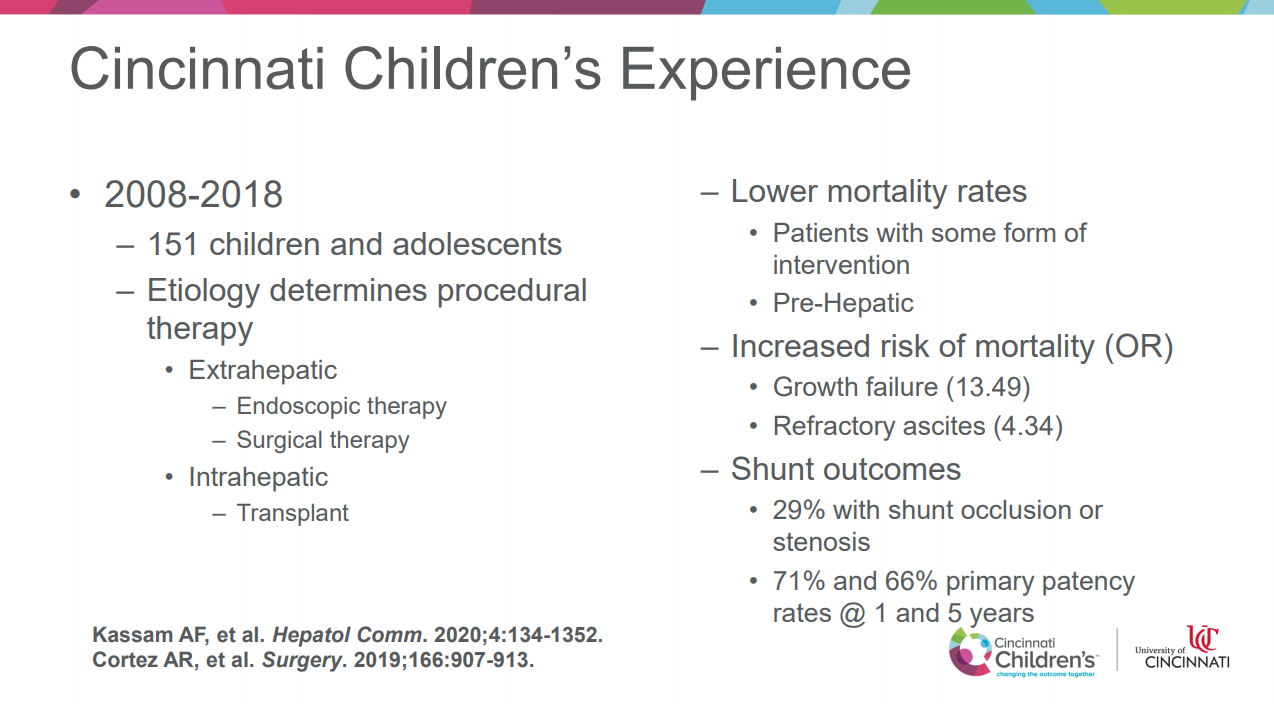
  • Surgical options are based on primary etiology: pre-hepatic, intra-hepatic, and post-hepatic
  • Rex procedure is technically difficult but is preferred for pre-hepatic obstruction
  • Warren Shunt (distal splenorenal) and TIPS can be done for intrahepatic disease
  • Often difficulty in selecting patients for surgical shunting beyond refractory bleeding

Some slides:

Experience at Cincy with portal hypertension patients and shunting

Key points:

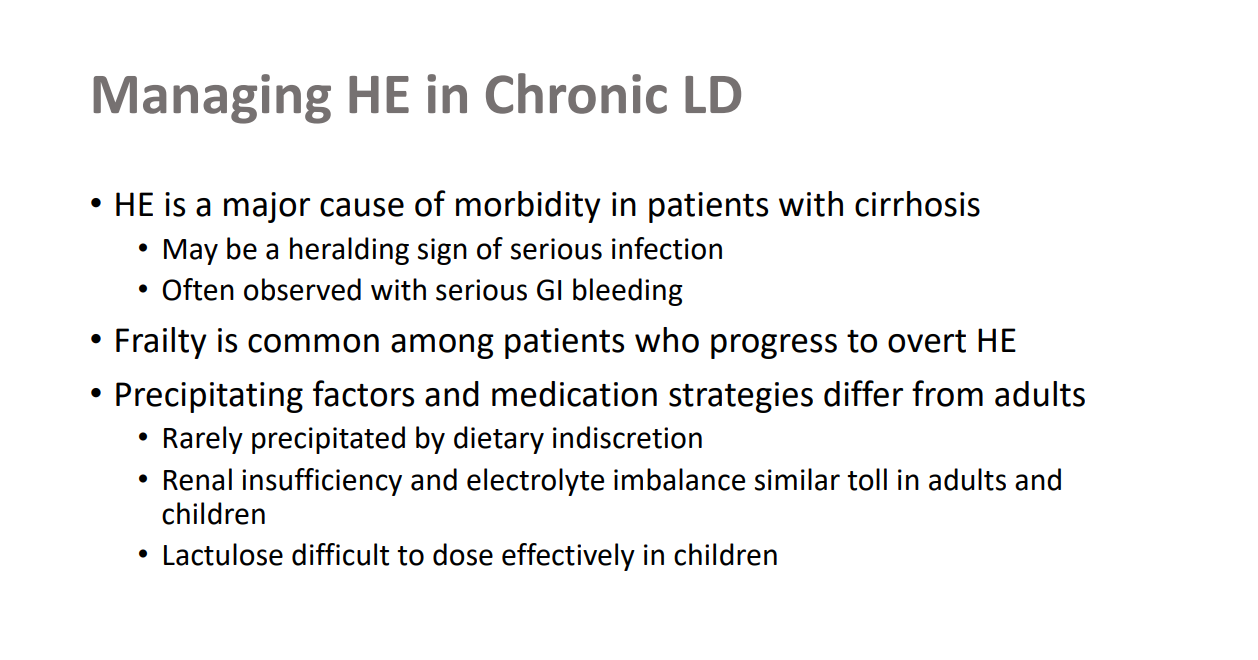
  • Hyperreflexia is a good indicator of stage 3 of HE
  • Patients with HE need to be managed in ICU
  • MARS is being used in some centers (even in infants)

Complications of ESLD -Kathy Campbell

This talk provided a good overview of complications including ascites, variceal bleeding, frailty & sarcopenia, and hepatopulmonary syndrome.

Liver Shorts -February 2020

Caution with hemoglobin A1c interpretation: MM Kelsey et al. J Pediatr 2020; 216: 232-5. In the HEALTHY Study (n=8814), the authors note that a hemoglobin A1c was ≥5.7% in 2% of normal weight youth.  “This suggests need for cautious interpretation of prediabetes hemoglobin A1cs in youth”

Daily aspirin for NAFLD: TG Simon et al. Clin Gastroenterol Hepatol 2019; 17: 2776-84.  In this prospective cohort of 361 adults with biopsy-proven NAFLD, the use of daily aspirin (in 151) was associated with lower odds of NASH (aOR.68) and reduced risk of  fibrosis (aOR 0.54).  “The greatest benefit found with at least 4 years or more of aspirin use” (aHR =0.50).  The associated editorial (pages 2651-3) recommends controlled studies to determine if potential benefits outweigh the known risks (eg. bleeding).

Glecaprevir/pibrentasvir for HCV Treatment Failure:  AS Lok et al. Gastroenterol 2019; 157: 1506-17.  This randomized study with 177 patients showed that 16 weeks of glecaprevir and pibrentasvir was effective in retreatment of patients with genotype 1 hepatitis C viral infection (after prior failure with sofosbuvir plus an NS5A inhibitor).  The sustained virologic response 12 weeks after treatment was >90%.

Liver transplantation for Niemann-Pick Disease, type B:  YLY Luo et al. Liver Transplantation 2019; 25: 1233-40. This report analyzed 7 children receiving liver transplantation for Niemann-Pick disease, type B.  The authors report survival in the entire cohort and with normalized liver function within 3 weeks.  In addition, they noted improvement in psychomotor ability ( 10 months after transplantation) and resolution of insterstitial lung disease.  They state that developmental delay still existed in 4 patients during follow-up.  The editorial (1140-1) notes that these findings need to be confirmed but open a new window in improving the phenotype.  “A similar experience occurred with LT in maple syrup urine disease (MSUD), in which the liver is considered to host only 12-15% of the defective  enzyme responsible for the disease…in MSUD, liver replacement is able to counteract 85% of extrahepatic expression of the disease and to completely correct the phenotype.”

Increased Abdominal-Surgery Risk in Patients with Idiopathic Noncirrhotic Portal Hypertension: L Elkrief et al. Hepatology 2019; 70: 911-24. Among 44 patients (median age 44 years) with noncirrhoitic portal hypertension, 16 (33%) had one or more portal hypertension-related complication within 3 months after surgery.  4 (9%) died within 6 months.  “An unfavorable outcome (i.e. either liver or surgical complication or death) occurred in 22 (50%) patients” and was more likely in those with ascites, creatinine >100 micromol/L, or other extrahepatic complications related to portal hypertension.

One of my blog readers shared this image of “Liver Shorts” that can be purchased online

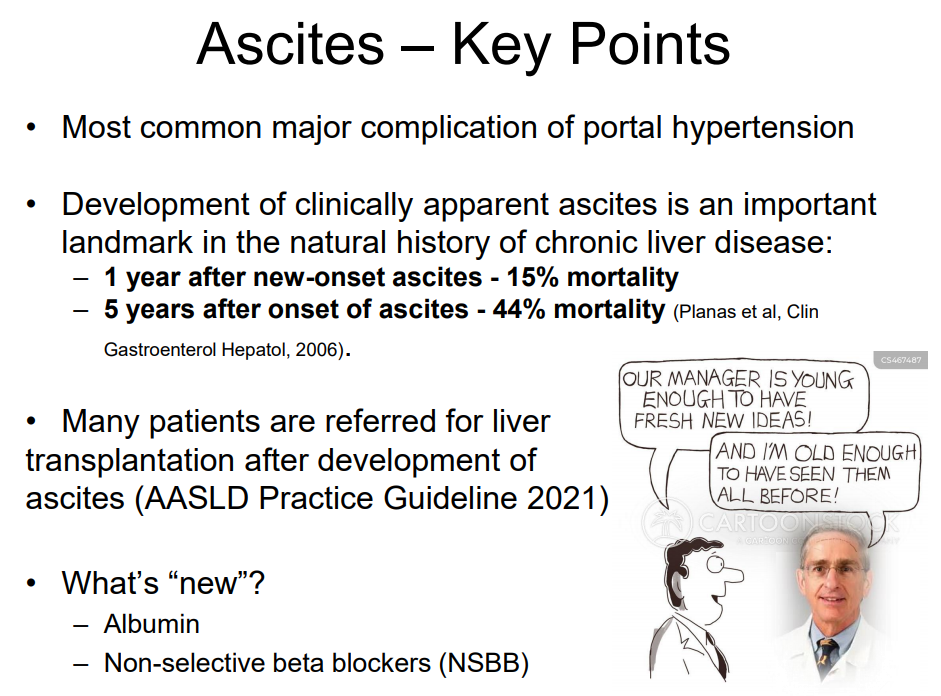
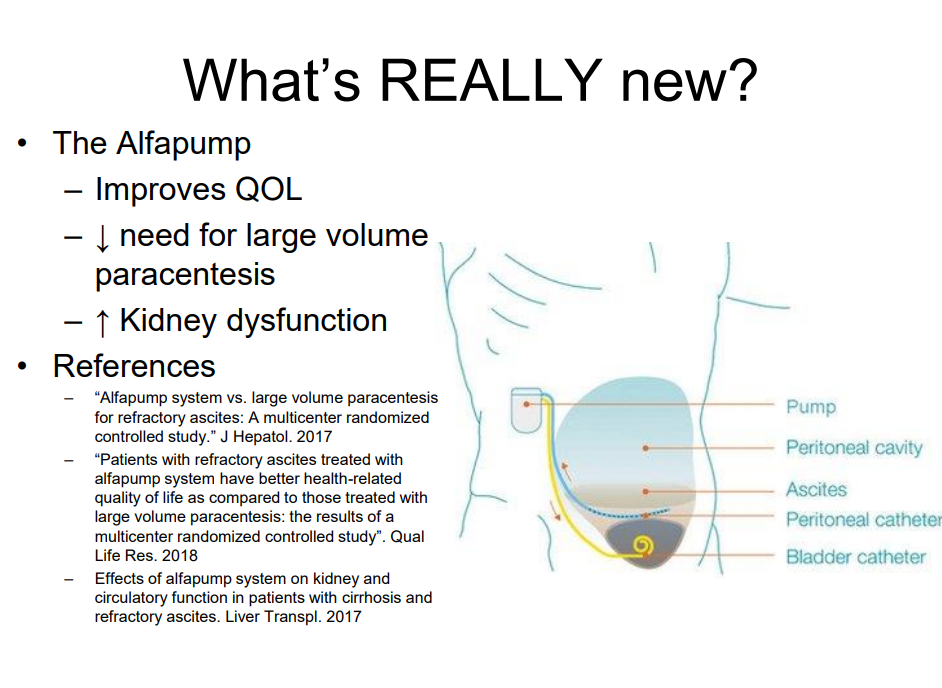
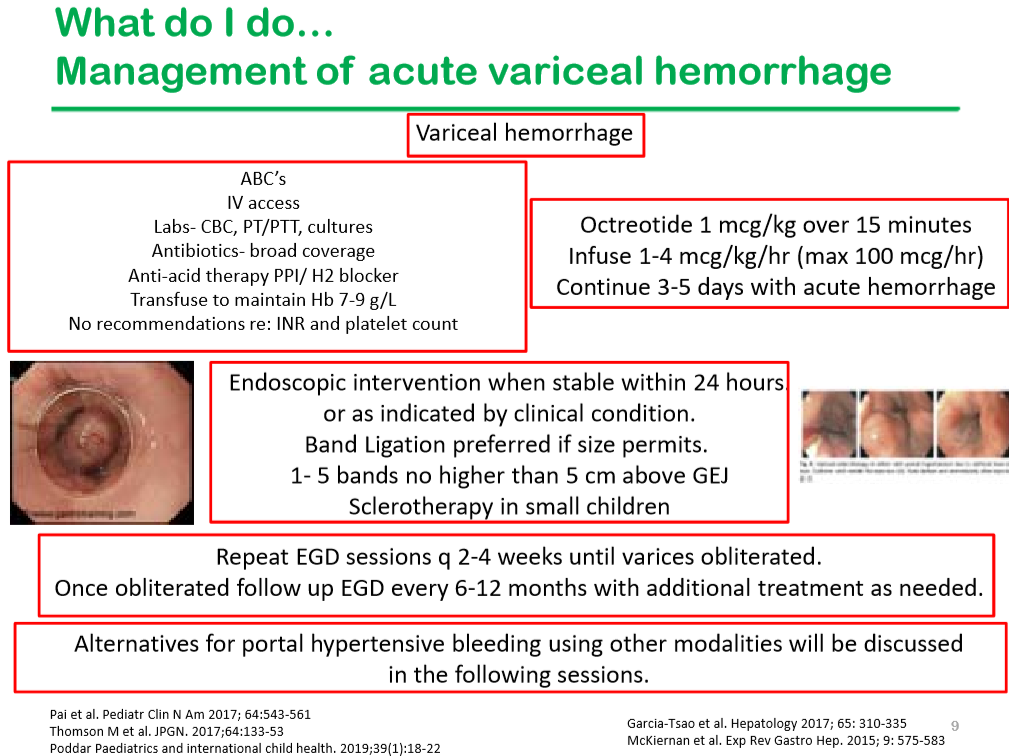
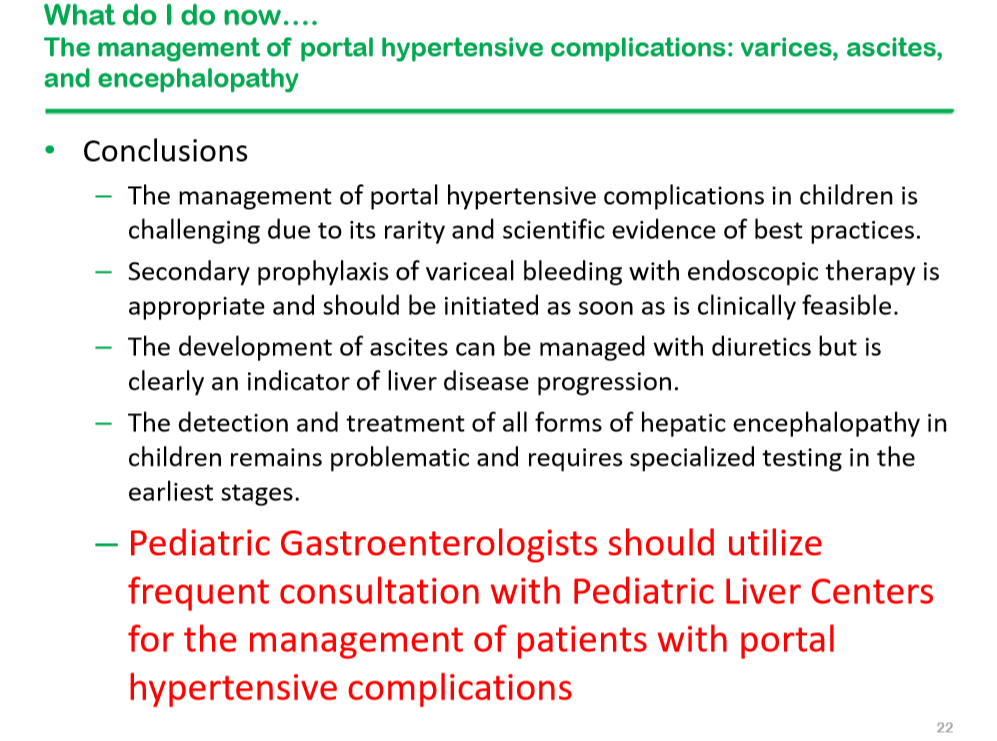
#NASPGHAN19 Liver Symposium (Part 3)

Although I was unable to attend this year’s liver symposium at NASPGHAN19, I reviewed the lecture notes.  There is some terrific content.  Here are some of the slides (borrowed with permission from NASPGHAN).

Link to complete NASPGHAN Chronic Liver Disease Symposium 2019

SESSION III – UPDATE ON PORTAL HTN: ASSESSMENT AND MANAGEMENT

What do I do now? The management of portal hypertensive complications: Varices, ascites, and encephalopathy Rene Romero, MD, Children’s Hospital of Atlanta

When there is good function, but the flow is all wrong: Approach to non-cirrhotic portal hypertension Evelyn Hsu, MD, Seattle Children’s Hospital

The role of the interventional radiologist in the treatment of portal HTN: How can I help you?  Jared R. Green, MD, Ann and Robert H. Lurie Children’s Hospital (SLIDES NOT AVAILABLE)

When to consider surgery in the treatment of portal HTN?  Riccardo Superina, MD, FRCS(C), FACS, Northwestern University  (SLIDES NOT AVAILABLE)

Liver Briefs -July 2019

NH Ebel et al. JPGN 2019; 68: 788-92Hepatic venous pressure gradient (HVPG) did not correlate with the risk of complications from portal hypertension in this pediatric cohort (n=41); this is in contrast to studies in adults showing the utility of HVPG measurements.

AG Singal et al. Gastroenterol 2019; 156: 2149-57. AGA Practice Update on Direct-Acting Antivirals for Hepatitis C and Hepatocellular Carcinoma. There are 12 best practice advice –here are the first three:

  • BEST PRACTICE ADVICE 1: DAA treatment is associated with a reduction in the risk of incident HCC. The relative risk reduction is similar in patients with and without cirrhosis.
  • BEST PRACTICE ADVICE 2: Patients with advanced liver fibrosis (F3) or cirrhosis should receive surveillance imaging before initiating DAA treatment.
  • BEST PRACTICE ADVICE 3: Patients with advanced liver fibrosis (F3) or cirrhosis at the time of DAA treatment represent the highest-risk group for HCC after DAA-induced sustained virologic response. These patients should stay in HCC surveillance

N Hamdane et al. Gastroenterol 2019; 156: 2313-29. This study found that chronic HCV infection induced specific genome-wide-changes in H3K27ac which correlated with expression of mRNAs and proteins.  These epigenetic changes persisted after an SVR to DAAs or interferon-based therapies. These changes could explain some of the reason why HCC remains a risk after successful treatment with DAAs.

DT Dieterich et al. Gastroenteroloy & Hepatology 2019; 15S: 3-11 Link: “A simplified algorithm for the management of Hepatitis C Infection”  An excerpt:

“The algorithm begins with universal HCV screening and diagnosis by testing for HCV antibody with reflex to polymerase chain reaction to detect HCV RNA. The pretreatment evaluation uses platelet-based stratification to initially assess fibrosis, and the pan-genotypic regimens glecaprevir/pibrentasvir or sofosbuvir/velpatasvir are recommended for treatment. Unless clinically indicated, on-treatment monitoring is optional. Confirmation of cure (undetectable HCV RNA 12 weeks posttreatment) is followed by harm-reduction measures, as well as surveillance for hepatocellular carcinoma every 6 months in patients with advanced fibrosis/cirrhosis.”  My take: This algorithm is much simpler than the expanded recommendations from HCVguidelines.org website, though these agents, to my knowledge, do not yet have a pediatric indication.


When Should a Spleen Guard Be Recommended?

A survey (O Waisbourd-Zinman, et al. JPGN 2018; 66: 447-49) of 44 pediatric hepatologists (with 935 years of clinical practice) examined the issue of splenic rupture and spleen guards.  ~90% of those surveyed reported following at least 30 patients with portal hypertension and splenomegaly.

  • In total, the hepatologists could recall 13 cases of splenic rupture among patients with portal hypertension/splenomegaly due to cirrhosisalmost all of these occurred after a fall or in a motor vehicle accident.  Only one of these falls happened during a sports-related event (soccer).
  • 11 cases were serious. 9 of these cases resulted in shock with subsequent splenectomy, embolization, and/or death. Death reported in 2 cases.
  • In this survey,  61% of hepatologists recommended “absolute restriction from activity with high risk of blunt abdominal trauma;” whereas 23% indicated that activities with risk of blunt trauma were acceptable if wearing a spleen guard.
  • To prevent splenic rupture in patients with portal hypertension/splenomegaly, among the participating hepatologists, the majority identified the following ‘high risk’ sports: football (95%), hockey (82%), and wrestling (66%).  A smaller percentage advocated a spleen guard for skiing (42%), soccer (41%), basketball (30%) and other sports.

While I did not participate in this survey, the one patient with chronic liver disease that I followed who had a splenic rupture had fallen down a flight of steps; fortunately, he recovered with supportive care.

My take: This survey shows that there is wide variability in the use of spleen guards.  In almost all cases of splenic rupture, this was precipitated by severe trauma.  Though, patients with portal hypertension may avoid high contact sports and thus the risks are for these sports is unclear.

Related blog post:

Foggy Morning in Sandy Springs

Statin Use for Patients with Cirrhosis

There have been a number of studies suggesting a beneficial effect of statins for individuals chronic liver disease due to HBV infection, HCV infection, and nonalcoholic steatohepatitis. The potential reasons include lower portal hypertension due to increased nitric oxide availability, anti-inflammatory effects through reduction in some cytokines, and antifibrotic effects. In addition, statins may inhibit tumor initiation/hepatocellular carcinoma (HCC).

The background on these prior studies is detailed in a new population-based study (F-M Chang et al Hepatology 2017; 66: 896-907, editorial 697-9) of statins in patients with cirrhosis. In this nested case-control study from Taiwan, the authors examined patients (n=1350) with cirrhosis from 2000 to 2013.  The index cases of cirrhosis were identified among a representative, well-validated general population database of 1,000,000 people.

Key findings:

  • “Statin use decreased the risk of decompensation, mortality, and HCC in a dose-dependent manner.”
  • Risk of decompensation among chronic HBV statin users, HR 0.39
  • Risk of decompensation among chronic HCV statin users, HR 0.51
  • Risk of decompensation among alcohol-related cirrhosis patients taking statins, HR 0.69

My take: In adults with cirrhosis, particularly HBV-related and HCV-related, taking a statin was associated with a 50-60% lower likelihood of decompensation. A prospective study could confirm these findings.

Prague -Charles Bridge

“This Is A Stick Up — Your Money or Your Life”

When I read a recent Hepatology editorial (Hepatology 2015; 61: 1106-8), I could not help think of the aforementioned title of this blog.

Here’s the scoop:

The two most commonly used medications for Wilson’s disease are trientine (Syprine) and D-penicillamine (Cupramine). For about 20 years, the original manufacturer of these medications kept the consumer cost at ~$1 per 250 mg tablet.  Currently the cost of Syprine is ~$200 per 250 mg tablet and Cuprimine costs ~$55 per 250 mg tablet.  This 200-fold increase translates into a yearly cost of ~$300,000.

How did this happen?

  • Little competition
  • Profit motive
  • Patients are reluctant to protest (they need this medication to be manufactured)

Why is this outrageous?

This increase in cost was not driven by any new discovery or research innovation.

Are there options?

Zinc is inexpensive and may be an option after initial period of chelation/normalization of liver biochemistries.  Zinc needs to be taken two to three times per day and “well away from meals for best absorption.”

Bottomline: These medication prices are outrageous.

Briefly noted:

  • “Molecular pathophysiology of portal hypertension”  Hepatology 2015; 61: 1406-15. Terrific review with excellent figures.
  • “Ezetimibe for the treatment of Nonacloholic Steatohepatitis” (MOZART trial) Hepatology 2015; 61: 1239-50. This randomized double-blind, placebo-controlled trial with 50 patients (biopsy-proven NASH) showed that Ezetimbe was not significantly different from placebo in histologic response rates, serum aminotransferases, or in magnetic resonance elastography findings.
  • Van Biervliet et al. “Clinical Zinc Deficiency as Early Presentation of Wilson Disease” JPGN 2015; 60: 457-9. Case report.

Screen Shot 2015-04-19 at 8.55.40 PM