Unknown's avatar

About gutsandgrowth

I am a pediatric gastroenterologist at GI Care for Kids (previously called CCDHC) in Atlanta, Georgia. The goal of my blog is to share some of my reading in my field more broadly. In addition, I wanted to provide my voice to a wide range of topics that often have inaccurate or incomplete information. Before starting this blog in 2011, I would tear out articles from journals and/or keep notes in a palm pilot. This blog helps provide an updated source of information that is easy to access and search, along with links to useful multimedia sources. I was born and raised in Chattanooga. After graduating from the University of Virginia, I attended Baylor College of Medicine. I completed residency and fellowship training at the University of Cincinnati at the Children’s Hospital Medical Center. I received funding from the National Institutes of Health for molecular biology research of the gastrointestinal tract. During my fellowship, I had the opportunity to work with some of the most amazing pediatric gastroenterologists and mentors. Some of these individuals included Mitchell Cohen, William Balistreri, James Heubi, Jorge Bezerra, Colin Rudolph, John Bucuvalas, and Michael Farrell. I am grateful for their teaching and their friendship. During my training with their help, I received a nationwide award for the best research by a GI fellow. I have authored numerous publications/presentations including original research, case reports, review articles, and textbook chapters on various pediatric gastrointestinal problems. In addition, I have been recognized by Atlanta Magazine as a "Top Doctor" in my field multiple times. Currently, I am the vice chair of the section of nutrition for the Georgia Chapter of the American Academy of Pediatrics. In addition, I am an adjunct Associate Clinical Professor of Pediatrics at Emory University School of Medicine. Other society memberships have included the North American Society for Pediatric Gastroenterology Hepatology and Nutrition (NASPGHAN), American Academy of Pediatrics, the Food Allergy Network, the American Gastroenterology Association, the American Association for the Study of Liver Diseases, and the Crohn’s and Colitis Foundation. As part of a national pediatric GI organization called NASPGHAN (and its affiliated website GIKids), I have helped develop educational materials on a wide-range of gastrointestinal and liver diseases which are used across the country. Also, I have been an invited speaker for national campaigns to improve the evaluation and treatment of gastroesophageal reflux disease, celiac disease, eosinophilic esophagitis, hepatitis C, and inflammatory bowel disease (IBD). Some information on these topics has been posted at my work website, www.gicareforkids.com, which has links to multiple other useful resources. I am fortunate to work at GI Care For Kids. Our group has 17 terrific physicians with a wide range of subspecialization, including liver diseases, feeding disorders, eosinophilic diseases, inflammatory bowel disease, cystic fibrosis, DiGeorge/22q, celiac disease, and motility disorders. Many of our physicians are recognized nationally for their achievements. Our group of physicians have worked closely together for many years. None of the physicians in our group have ever left to join other groups. I have also worked with the same nurse (Bernadette) since I moved to Atlanta in 1997. For many families, more practical matters about our office include the following: – 14 office/satellite locations – physicians who speak Spanish – cutting edge research – on-site nutritionists – on-site psychology support for abdominal pain and feeding disorders – participation in ImproveCareNow to better the outcomes for children with inflammatory bowel disease – office endoscopy suite (lower costs and easier scheduling) – office infusion center (lower costs and easier for families) – easy access to nursing advice (each physician has at least one nurse) I am married and have two sons (both adults). I like to read, walk/hike, bike, swim, and play tennis with my free time. I do not have any financial relationships with pharmaceutical companies or other financial relationships to disclose. I have helped enroll patients in industry-sponsored research studies.

Understanding Protopathic Bias and Safety of Proton Pump Inhibitors & COVID-19 Worldwide Nadir

C-H Lo et al. Gastroenterol 2022; 163: 852-861. Open Access! Association of Proton Pump Inhibitor Use With All-Cause and Cause-Specific Mortality

Background: “A major challenge that pharmacoepidemiologic studies often face is the susceptibility to protopathic bias. Protopathic bias occurs when a pharmaceutical agent is prescribed for an early manifestation of a disease and then appears to cause the disease when it is eventually diagnosed…Here, we used a modified lag-time approach to investigate the association between PPI use and all-cause and cause-specific mortality”

Methods: This was a prospective cohort study using data collected from the Nurses’ Health Study (2004–2018) and the Health Professionals Follow-up Study (2004–2018). Study participants: 50,156 women and 21,731 men followed for 831,407 person-years and a median of 13.8 years.

Key findings:

Upon applying lag times of up to 6 years, the mortality associations were attenuated and no longer statistically significant:

  • All-cause mortality: HR, 1.04; 95% CI, 0.97–1.11
  • Cancer: HR, 1.07; 95% CI, 0.89–1.28
  • Cardiovascular diseases: HR, 0.94; 95% CI, 0.81–1.10
  • Respiratory diseases: HR, 1.20; 95% CI, 0.95–1.50
  • Digestive diseases: HR, 1.38; 95% CI, 0.88–2.18

Longer duration of PPI use did not confer higher risks for all-cause and cause-specific mortality.

My take: This study provides convincing evidence that PPI use does not increase the risk of mortality. Protopathic bias can make PPI use appear to increase the risk of mortality (HR, 1.19 in this study) compared to PPI non-users. It is still a good idea to use these agents for appropriate indications and at appropriate doses.

Related blog posts:

Beached Fishing Boats Jules Achille Noel. The Art Institute of Chicago.

Disclaimer: This blog, gutsandgrowth, assumes no responsibility for any use or operation of any method, product, instruction, concept or idea contained in the material herein or for any injury or damage to persons or property (whether products liability, negligence or otherwise) resulting from such use or operation. These blog posts are for educational purposes only. Specific dosing of medications (along with potential adverse effects) should be confirmed by prescribing physician.  Because of rapid advances in the medical sciences, the gutsandgrowth blog cautions that independent verification should be made of diagnosis and drug dosages. The reader is solely responsible for the conduct of any suggested test or procedure.  This content is not a substitute for medical advice, diagnosis or treatment provided by a qualified healthcare provider. Always seek the advice of your physician or other qualified health provider with any questions you may have regarding a condition

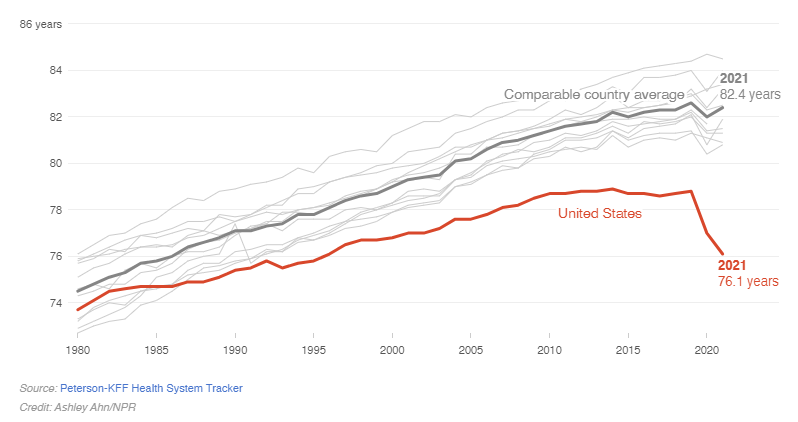
Also, worldwide COVID-19 deaths are at a low point since the beginning of the pandemic (both reported and estimated excess deaths).

Treatment of Refractory Celiac Symptoms with a Low FODMAP Diet

F van Megen et al. Clin Gastroenterol Hepatol 2022; 20: 2258-2266. Open Access! A Low FODMAP Diet Reduces Symptoms in Treated Celiac Patients With Ongoing Symptoms–A Randomized Controlled Trial

Methods: A randomized controlled trial was performed from 2018 to 2019 in 70 adults with biopsy-proven celiac disease. Inclusion criteria were as follows: persistent gastrointestinal symptoms defined by a Gastrointestinal Symptom Rating Scale (GSRS)–IBS version score of 30 or higher, gluten-free diet adherence for 12 months or longer, and serologic and mucosal remission. 

Key findings:

  • Compared to placebo-treated patients, there was significant improvement in pain, bloating, diarrhea and satiety, based on GSRS-IBS scores, in those assigned to a low FODMAPs diet (see below)

While this a low FODMAP diet can be helpful, the authors offer this cautionary advice:

  • “Following 2 complex diets increases the risk of inadequate nutritional intake, and patients should be followed up carefully. A low FODMAP diet should not be recommended to patients at nutritional risk or to patients at risk of developing an eating disorder.”
Figure 2 in Article

My take: Asking patients with celiac disease to further restrict their diet is akin to running the Peachtree Road Race in a fireman’s outfit. It can be done but doesn’t look like much fun.

Related blog posts:

Is Fecal Transplantation Needed To Treat Irritable Bowel? Three Year Data

M El-Salhy et al. Gastroenterol 2022; 163: 982-994. Open Access! Efficacy of Fecal Microbiota Transplantation for Patients With Irritable Bowel Syndrome at 3 Years After Transplantation

Background: “Fecal microbiota transplantation (FMT) might be a promising treatment for IBS, and this has been investigated in 7 randomized controlled trials (RCTs). 2 In 4 of these, FMT reduced symptoms and improved the quality of life of patients with IBS, whereas no effects were indicated in the other 3. 2 The difference in these results was likely because of differences in the protocols used, the selected donors, the cohort of treated patients, the fecal transplant dose, and the route by which the transplant was administrated.2

Methods: In this placebo-controlled trial with 125 patients, fecal microbiota transplantation (FMT) was administered into duodenum (30 g or 60 g). The donor was a healthy male aged 36 years with a normal body mass index who was born via vaginal delivery, breastfed, a nonsmoker, was not taking any medication, was only treated a few times with antibiotics, exercised regularly, and consumed a sport-specific diet that was richer in protein, fiber, minerals, and vitamins than the average diet.

Key findings:

  • Response rates were 26.3%, 69.1%, and 77.8% in the placebo, 30-g, and 60-g groups, respectively, at 2 years after FMT, and 27.0%, 64.9%, and 71.8%, respectively, at 3 years after FMT. 
  • Fluorescent signals of 10 bacteria had significant correlations with IBS symptoms and fatigue after FMT in the 30-g and 60-g groups.
  • No long-term adverse events were recorded. The authors note in the discussion rare serious safety issues with FMT but indicate in this population without systemic diseases or immune deficiency, that adverse effects were mild and self-limited gastrointestinal symptoms

The associated editorial (815–817, Treatment of Irritable Bowel Syndrome Using Fecal Microbiota Transplantation: A Step Forward?) noted that 25% of patients in the donor FMT continue to experience severe symptoms based on IBS-SSS>300; in addition, 50% (in 30 g) and 40% (in 60 g) had moderately severe IBS scores >175.

The editorial suggests that overall response is modest bust similar to FDA-approved medications for IBS. The number needed to treat (NNT) would be 4-5 patients to reduce the proportion with severe IBS-SSS based on per-protocol analysis (most IBS medications range from 6 to 10).

My take: This study strengthens the notion that alterations in our microbiome can the outcomes of patients suffering from IBS. Now, we have to identify which patients will benefit from this approach and how to optimally modify the microbiome. In addition, this study suggests that finding an optimal FMT donor will impact results given variability in prior trials.

Related blog posts:

Disclaimer: This blog, gutsandgrowth, assumes no responsibility for any use or operation of any method, product, instruction, concept or idea contained in the material herein or for any injury or damage to persons or property (whether products liability, negligence or otherwise) resulting from such use or operation. These blog posts are for educational purposes only. Specific dosing of medications (along with potential adverse effects) should be confirmed by prescribing physician.  Because of rapid advances in the medical sciences, the gutsandgrowth blog cautions that independent verification should be made of diagnosis and drug dosages. The reader is solely responsible for the conduct of any suggested test or procedure.  This content is not a substitute for medical advice, diagnosis or treatment provided by a qualified healthcare provider. Always seek the advice of your physician or other qualified health provider with any questions you may have regarding a condition.
Updated Health Warnings Needed For Alcohol & More on COVID-19/Paxlovid

AH Grummon, MG Hall. NEJM 2022; 387: 772-774. Updated Health Warnings for Alcohol — Informing Consumers and Reducing Harm

This article makes a compelling case that most U.S. consumers do not know the true risks of alcohol intake; this is likely in part due to the >$1 billion spent each year on marketing by the alcohol industry.

Leading causes of alcohol-related harms:

  • Fatal and nonfatal injuries resulting from acute intoxication (including injuries caused by motor vehicle crashes)
  • Chronic diseases including hypertensive heart disease, cirrhosis, pancreatitis and several types of cancer.2 Even light or moderate drinking increases the risk of these conditions, particularly cancer (eg. breast, colon, and stomach)2
  • Risks during pregnancy include miscarriage, preterm birth, and fetal alcohol syndrome (these risks are not specifically addressed in this commentary)
  • Also not noted in this article, alcohol is considered a major contributor to violence, including intimate partner violence

Key points –Scope of Problem and Informing Consumers:

  • “In April 2022, the Centers for Disease Control and Prevention (CDC) released new mortality statistics showing that alcohol consumption now accounts for more than 140,000 deaths per year in the United States, or more than 380 deaths per day. The Covid-19 pandemic has exacerbated alcohol-associated harm in the United States, with alcohol-related deaths increasing by 25% during the first year of the pandemic as compared with the previous year”(White AM, Castle IP, Powell PA, Hingson RW, Koob GF. Alcohol-related deaths during the Covid-19 pandemic. JAMA 2022;327:1704-1706).
  • “A national survey of U.S. adults, for example, found that nearly 70% are unaware that alcohol consumption increases the risk of cancer.3…Some alcohol companies even seek to link their products to health campaigns. Several companies, for example, have sold seasonal, pink ribbon–themed alcoholic drinks during October to promote their efforts to raise funds for breast-cancer research — despite compelling evidence that alcohol increases the risk of developing breast cancer.”
  • The authors advocate for better warning labels. They argue that “updated alcohol warnings would provide new risk information to many Americans, … implementing such warnings would be a sensible policy for addressing industry dominance over alcohol-related information, even if warnings’ effects on consumption are fairly small.”

Related article: NBC News 11/4/22: Alcohol deaths spiked among middle-aged adults, especially women, during pandemic “Alcohol-related deaths rose by 26% from 2019 to 2020, a new report published Friday by the Centers for Disease Control and Prevention finds.”

Related blog post:

More on COVID-19:

Eric Topol: Paxlovid and Long Covid This in-depth article reviews the benefits of paxlovid (early) and later, including the reduction of Long Covid in 26% in a recent study. It also provides a table for potential drug interactions (Thanks to Jeff Lewis for sharing).

This recent study is reviewed in NY Times (11/7/22): Paxlovid May Reduce Risk of Long Covid in Eligible Patients, Study Finds

Leaning Tower of Niles (1934) (near Chicago, IL). The “Papa Chris Place” sign should help distinguish this landmark for the one in Pisa.

IgA Vasculitis (Henoch-Schonlein Purpura)

CD Lee et al. NEJM 2022; 387: 833-838. Telescoping the Diagnostic Process

This clinical problem-solving case:  “3-year-old boy was brought to the hospital with a 4-day history of vomiting and abdominal pain in the left lower quadrant. He had associated chills without fever, nonbloody and nonbilious emesis, constipation, reduced urinary output, and a decreased activity level.” He developed a rash more than 5 days after presentation.

This turns out to be a good review of IgA Vasculitis (HSP).

A few excerpts:

IgA vasculitis is the most common vasculitis of childhood.1 The disease is classified as a small-vessel vasculitis and most commonly affects White and Asian children, with a slight male predominance. It results from the deposition of IgA immune complexes in involved organ systems and is preceded by infection in most patients.2 This is perhaps unsurprising given the primary function of IgA in mucosal immunity. The most commonly implicated organism is group A β-hemolytic streptococcus.1

IgA vasculitis primarily involves the skin, gastrointestinal tract, joints, and kidneys, with involvement in 95%, 70%, 70 to 90%, and 40 to 50% of cases, respectively, in case series3; other data suggest that kidney involvement is even more common, with microhematuria present in the majority of patients.4 Less common manifestations include orchitis (in 14% of male patients) and, in rare cases, central nervous system involvement.3 Skin involvement is almost universal; a petechial or purpuric rash in dependent areas (typically the buttocks and lower legs) is the classic manifestation, but other skin manifestations, including bullae, edema, and necrosis, can be seen.1,3 

IgA vasculitis affecting the gastrointestinal tract can manifest as upper or lower gastrointestinal bleeding. Bowel edema can create a lead point, causing intussusception in up to 3% of patients, as occurred in our patient.1 …In the majority of cases, the rash precedes the onset of gastrointestinal symptoms; our patient was among the minority (approximately 25%) of patients in whom this order is reversed.5 Rare gastrointestinal complications include bowel infarction, perforation, strictures, and protein-losing enteropathy.2,5

Related blog post: Henoch-Schonlein Purpura and Neurologic Manifestations

Non-blanching petechiae

Downside on Healthcare Transparency

NY Times (10/3/22): Your Medical Test Results Are Available. But Do You Want to View Them?

An excerpt:

“A provision in the 21st Century Cures Act, a federal law ….requires all medical testing centers to release results to patients “without delay.” In practice, this means that doctors and patients often receive results simultaneously — and some patients are seeing them before their doctors have a chance to look…

Its intention was to bring health care into the modern era. And the provision has successfully given patients easy access to their medical records, empowering them to play a more active role in their care by eliminating the doctor as gatekeeper.

But it has also led to experiences … in which patients are confronted with material they never wanted to see. Some have learned about life-altering diagnoses and developments — from cancer to chronic illness to miscarriage — through emails and online portals, left to process the information alone…

When difficult, life-changing information is delivered in this way, “it cuts off any opportunity for doctors to get ahead of things,” said Dr. Emily Porter, an emergency room and sexual health physician in Austin, Texas, who has criticized the policy on social media.”

My take: I would prefer that physicians have a short period (~24 hrs) to see test results so that we can inform families and provide context. Currently, at times, I get panicked messages through MyChart from families regarding results, even in cases in which the results are fine.

Related blog posts:

Little O’Malley Trail. Anchorage, AK. Denal which is ~180 miles away is visible.

Semaglutide in Adolescent Obesity

D Weghuber et al NEJM 2022; DOI: 10.1056/NEJMoa2208601. Once-Weekly Semaglutide in Adolescents with Obesity

Methods: In this double-blind, parallel-group, randomized, placebo-controlled trial, we enrolled 201 adolescents (12 to <18 years of age) with obesity (a body-mass index [BMI] in the 95th percentile or higher) or with overweight (a BMI in the 85th percentile or higher) and at least one weight-related coexisting condition.  180 (90%) completed treatment. Participants were randomly assigned in a 2:1 ratio to receive once-weekly subcutaneous semaglutide (at a dose of 2.4 mg) or placebo for 68 weeks, plus lifestyle intervention.

Key findings:

  • The mean change in BMI from baseline to week 68 was −16.1% with semaglutide and 0.6% with placebo
  • At week 68, a total of 95 of 131 participants (73%) in the semaglutide group had weight loss of 5% or more, as compared with 11 of 62 participants (18%) in the placebo group
  • Improvement with respect to cardiometabolic risk factors (waist circumference and levels of glycated hemoglobin, lipids [except high-density lipoprotein cholesterol], and alanine aminotransferase) were greater with semaglutide than with placebo
  • “The safety of semaglutide in this adolescent population appeared to be consistent with findings among adults with overweight or obesity… Gastrointestinal disorders (primarily nausea, vomiting, and diarrhea) were the most frequent adverse events with semaglutide (occurring in 62% of participants, as compared with 42% in the placebo group) and were generally mild or moderate in severity and of short duration (median duration, 2 to 3 days for nausea, vomiting, and diarrhea in the semaglutide group)”
  • “Permanent discontinuations because of gastrointestinal disorders were very low. Furthermore, semaglutide did not appear to affect growth or pubertal development during the trial period”

My take: As in adults, treatment with semaglutide results in weight loss.

Related blog posts:

AGA Guidelines for Adults with Obesity

AGA released new evidence-based guidelines strongly recommending patients with obesity use recently approved medications paired with lifestyle changes.

The following medications, paired with healthy eating and regular physical activity, are first-line medical options and result in moderate weight loss as noted as a percentage of body weight (reported as the difference compared to percent weight loss observed in the placebo group).

  1. Semaglutide (Wegovy®), weight loss percentage: 10.8%
  2. Phentermine-topiramate ER (Qsymia®), weight loss percentage: 8.5%
  3. Liraglutide (Saxenda®), weight loss percentage: 4.8%
  4. Naltrexone-Bupropion ER (Contrave®), weight loss percentage: 3.0%

Read the AGA Clinical Guidelines on Pharmacological Interventions for Adults with Obesity for the complete recommendations.

Therapeutic Endoscopy Rarely Beneficial in Infants with Gastrointestinal Bleeding

P Bose et al. JPGN 2022; 75: 514-520. Endoscopy in Infants With Gastrointestinal Bleeding Has Limited Diagnostic or Therapeutic Benefit

I read this article shortly after convincing a surgical colleague to explore a well-appearing 6 month old with gastrointestinal bleeding for a Meckel’s diverticulum rather than undergo endoscopy.

In this retrospective cohort study of hospitalized infants (n=56, =/< 12 months) with gastrointestinal bleeding, the authors reviewed endoscopic procedures (EGD, Colonoscopy, Flexible Sigmoidoscopy) with respect to identifying diagnosis and in terms of outcomes.

Key points:

  • Seven endoscopies identified sources of GIB: gastric ulcers, a duodenal ulcer, gastric angiodysplasia, esophageal varices, and an anastomotic ulcer.
  • Intervention for bleeding control occurred in just 3 cases (5.4%); two of these had liver disease.
  • Most (55%) had no abnormalities on endoscopy
  • The authors detail two fatal cases in which GIB started in the first week of life. Both had complications occurring within 3 hours of endoscopy, one with a gastric perforation and one with necrotizing enterocolitis.

My take: Endoscopy in infants with GIB is rarely beneficial. Supportive care and surgical interventions should be considered, especially in those without underlying liver disease.

Related blog posts:

Savage Alpine Trail at Denali National Park. Parts of Denali can be seen in the background

Disclaimer: This blog, gutsandgrowth, assumes no responsibility for any use or operation of any method, product, instruction, concept or idea contained in the material herein or for any injury or damage to persons or property (whether products liability, negligence or otherwise) resulting from such use or operation. These blog posts are for educational purposes only. Specific dosing of medications (along with potential adverse effects) should be confirmed by prescribing physician.  Because of rapid advances in the medical sciences, the gutsandgrowth blog cautions that independent verification should be made of diagnosis and drug dosages. The reader is solely responsible for the conduct of any suggested test or procedure.  This content is not a substitute for medical advice, diagnosis or treatment provided by a qualified healthcare provider. Always seek the advice of your physician or other qualified health provider with any questions you may have regarding a condition.

Is Reflux Really a Disease in Premature Infants?

From Atlanta Botanical Garden

Z Sultana et al. Gastro Hep Advances 2022; 1: 869-881: Open Access! Symptom Scores and pH-Impedance: Secondary Analysis of a Randomized Controlled Trial in Infants Treated for Gastroesophageal Reflux

In the introduction, the authors note: “Gastroesophageal reflux (GER) is a physiological process defined as the passage of gastric contents into the esophagus with or without regurgitation and vomiting, while GER disease (GERD) is pathophysiologic and occurs when GER is associated with troublesome symptoms and/or complications.”

“This distinction between GER and GERD remains enigmatic among survivors in the neonatal intensive care unit (NICU). Reflux-type symptoms (arching, irritability, acute life-threatening events, coughing, failure to thrive, and swallowing difficulties) in this high-risk infant population can be troublesome to the parent and provider, and empiric management using pharmacological and dietary changes are common albeit with consequences.”

Methods: “Infant Gastroesophageal Reflux Questionnaire Revised (I-GERQ-R) and 24-hour pH-impedance data were analyzed from 94 infants…[and] Longitudinal data from 40 infants that received randomized GER therapy (proton pump inhibitor [PPI] with or without feeding modifications) for 4 weeks followed by 1-week washout were analyzed. Relationships between I-GERQ-R and pH-impedance metrics (acid reflux index, acid and bolus GER events, distal baseline impedance, and symptoms) were examined and effects of treatments compared.”

Key findings:

  • Acid-suppressive therapy with feeding modifications had no effect on symptom scores or pH-impedance metrics. Clearance of refluxate worsened despite PPI therapy.
  • Correlations between I-GERQ-R and pH-impedance metrics were weak or non-existent, indicating that physicians cannot depend only on the questionnaire to diagnose and treat GERD in premature infants.

My take: This study shows that reflux symptoms are unreliable in establishing a diagnosis of reflux disease in infants. In addition, medical treatments were not beneficial in infants with abnormal pH-impedance metrics. Perhaps, it is time to acknowledge that we cannot even agree what reflux “disease” is in (premature) infants.

Related blog posts:

Terrain in Denali National Park, AK