Unknown's avatar

About gutsandgrowth

I am a pediatric gastroenterologist at GI Care for Kids (previously called CCDHC) in Atlanta, Georgia. The goal of my blog is to share some of my reading in my field more broadly. In addition, I wanted to provide my voice to a wide range of topics that often have inaccurate or incomplete information. Before starting this blog in 2011, I would tear out articles from journals and/or keep notes in a palm pilot. This blog helps provide an updated source of information that is easy to access and search, along with links to useful multimedia sources. I was born and raised in Chattanooga. After graduating from the University of Virginia, I attended Baylor College of Medicine. I completed residency and fellowship training at the University of Cincinnati at the Children’s Hospital Medical Center. I received funding from the National Institutes of Health for molecular biology research of the gastrointestinal tract. During my fellowship, I had the opportunity to work with some of the most amazing pediatric gastroenterologists and mentors. Some of these individuals included Mitchell Cohen, William Balistreri, James Heubi, Jorge Bezerra, Colin Rudolph, John Bucuvalas, and Michael Farrell. I am grateful for their teaching and their friendship. During my training with their help, I received a nationwide award for the best research by a GI fellow. I have authored numerous publications/presentations including original research, case reports, review articles, and textbook chapters on various pediatric gastrointestinal problems. In addition, I have been recognized by Atlanta Magazine as a "Top Doctor" in my field multiple times. Currently, I am the vice chair of the section of nutrition for the Georgia Chapter of the American Academy of Pediatrics. In addition, I am an adjunct Associate Clinical Professor of Pediatrics at Emory University School of Medicine. Other society memberships have included the North American Society for Pediatric Gastroenterology Hepatology and Nutrition (NASPGHAN), American Academy of Pediatrics, the Food Allergy Network, the American Gastroenterology Association, the American Association for the Study of Liver Diseases, and the Crohn’s and Colitis Foundation. As part of a national pediatric GI organization called NASPGHAN (and its affiliated website GIKids), I have helped develop educational materials on a wide-range of gastrointestinal and liver diseases which are used across the country. Also, I have been an invited speaker for national campaigns to improve the evaluation and treatment of gastroesophageal reflux disease, celiac disease, eosinophilic esophagitis, hepatitis C, and inflammatory bowel disease (IBD). Some information on these topics has been posted at my work website, www.gicareforkids.com, which has links to multiple other useful resources. I am fortunate to work at GI Care For Kids. Our group has 17 terrific physicians with a wide range of subspecialization, including liver diseases, feeding disorders, eosinophilic diseases, inflammatory bowel disease, cystic fibrosis, DiGeorge/22q, celiac disease, and motility disorders. Many of our physicians are recognized nationally for their achievements. Our group of physicians have worked closely together for many years. None of the physicians in our group have ever left to join other groups. I have also worked with the same nurse (Bernadette) since I moved to Atlanta in 1997. For many families, more practical matters about our office include the following: – 14 office/satellite locations – physicians who speak Spanish – cutting edge research – on-site nutritionists – on-site psychology support for abdominal pain and feeding disorders – participation in ImproveCareNow to better the outcomes for children with inflammatory bowel disease – office endoscopy suite (lower costs and easier scheduling) – office infusion center (lower costs and easier for families) – easy access to nursing advice (each physician has at least one nurse) I am married and have two sons (both adults). I like to read, walk/hike, bike, swim, and play tennis with my free time. I do not have any financial relationships with pharmaceutical companies or other financial relationships to disclose. I have helped enroll patients in industry-sponsored research studies.

Big Study of Primary Sclerosing Cholangitis -Pediatrics 2017

In July, this blog reviewed a recent big study of primary sclerosing cholangitis (PSC) in adults with more than 7000 patients. A recent study in the pediatric age group enrolled 781 children from 36 institutions: MR Deneau et al. Hepatology 2017; 66: 518-27 (Congratulations to Nitika Gupta and Miriam Vos -in-town colleagues and contributing authors to this study.)

This retrospective study’s key findings:

  • Median age 12 years at diagnosis; 39% were female
  • Autoimmune hepatitis (overlap) was present in 33%
  • Small-duct PSC was present in 13%
  • Inflammatory bowel disease (IBD) was present in 76%
  • PSC-IBD and Small-duct PSC (normal cholangiograms) had more favorable prognosis with hazard ratio of 0.6 of developing complications
  • Portal hypertensive and biliary complications were noted in 38% and 25% respectively. After developing these complications, the median survival with native liver was 2.8 years and 3.5 years respectively
  • Survival with native liver was noted in 70% at 5 years and 53% at 10 years
  • Elevations in bilirubin, GGT, and AST-to-platelet count ratio were associated with highest risk of progressive disease.
  • Cholangiocarcinoma (CCA) developed in 1% (median, 6 years after diagnosis)

The discussion notes that while pediatric PSC is a progressive disease, complications were slower to develop compared with adult-onset PSC. 10-year survival with native liver is typically lower in adults ~60% (vs 70% in this study).  “Up to one third of adults with PSC may have esophageal varices within a year of diagnosis” compared with only 13% in this cohort.  Dominant strictures are more common in adults, occurring in the majority within 5 years whereas this occurred in 16% of this cohort.

With regard to CCA, the authors note that current recommendations suggest starting to screen for CCA in patients over age 18 years with ultrasound and CA 19-9 at 6-12 month intervals. These studies “could reasonably be extended to PSC patients aged 15 and above and [for those requiring dilatation] of biliary strictures.”

My take: This large pediatric PSC study provides more clarity on the outcomes of patient’s with PSC and the associated conditions.

Related blog posts:

Steps at the High Museum


Updated Biliary Atresia Epidemiology

A recent retrospective study (PC Hopkins, N Yazigi, CM Nylund. J Pediatr 2017; 187: 253-7) provides an update on the recent incidence of biliary atresia in the US from 1997-2012. This study relied on coding for biliary atresia or Kasai hepatoportoenterostomy to identify cases using HCUP-KID database.  This database provides a nationally representative sample of pediatric hospitalizations and captures ~96% of pediatric hospitalizations in the US.

Key findings:

  • Incidence of biliary atresia (BA) was 4.47 per 100,000 (1 in 22,371 infants)
  • BA was more common in females (RR 1.43), Asian/Pacific Islanders (RR 1.89), and blacks (RR 1.30)
  • Median age at the time of the Kasai procedure was 63 days with no improvement over the course of the study period.  More than 50% of all children underwent the Kasai procedure after the optimal window of 60 days of life

My take: In my view, at this time, obtaining a blood test for direct bilirubin in the first two weeks of life will need to be adopted broadly if we are going to diagnose biliary atresia at an earlier age.

Related blog posts:

Dry Falls, Highlands NC

Dry Falls, Highlands NC


Briefly Noted: Celiac Serology Normalization, Inflammatory Markers in Crohn’s Disease, Nutrition in Neurologically-Impaired

  • DM Isaac et al. JPGN 2017; 65: 195-99.

This retrospective study of 487 pediatric patients shows that it takes a long time to normalize celiac serology/anti-tissue transglutaminase antibody (TTG). The median time was 407 days for the 80.5% of patients that normalized their serology in the study time frame.  The time was 364 days for those who were considered adherent to a gluten-free diet.  Patients with type 1 diabetes were less likely to normalize their TTG levels. Faster normalization occurred in those with lower titers at baseline.

Related blog posts:

  • A Alper et al. JPGN 2017; 65: e25-e27

In this chart review, among 135 children, normal ESR and CRP were observed in 28% of children with Crohn disease and 42% of children with ulcerative colitis.

Related blog post: Do you really need both a ESR and CRP?

  • C Romano et al. JPGN 2017; 65: 242-64

This guideline paper details 31 recommendations (some with multiple parts) for the evaluation and management of children with neurologic impairment.  The recommendations include detailed evaluations including knee heights, skinfold thickness measures, DXA scan, routine micronutrient bloodwork, along with a low threshold for oropharyngeal dysphagia assessment.  The paper has recommendations for evaluations of reflux, constipation, and dental problems.  The authors suggest “considering use of enteral feeding if total oral feeding time exceeds 3 hours per day.”

Related blog post: Surgery for reflux works best for those who need it the least

Recurrent Acute Liver Failure due to NBAS Deficiency

A recent case report (V Cardenas et al. J Pediatr 2017; 186: 179-82) describes recurrent acute liver failure (ALF) in the setting of neuroblastoma amplified sequence deficiency (NBAS).

The case report describes a 2 yo who developed very elevated aminotransferases (ALT >14,000), hypoglycemia, severe coagulopathy (INR 4.5)), lactic acidosis (6.5 mmol/L) and hyperammonemia (282 μmol/L) following a febrile illness.

Genetic testing uncovered 2 variants in the NBAS gene consistent with NBAS deficiency.

Key points:

  • Mutations in NBAS “have been identified as a molecular cause of ALF in children, leading to recurrent episodes of ALF after a febrile illness.”
  • NBAS deficiency should be part of the differential diagnosis of ALF in children
  • In a report of 14 patients with this disorder (J Inherit Metab Dis 2016; 39: 3-16), liver function normalized in between episodes.  Typically, episodes were most severe at younger ages.  ALF “may be prevented through early and effective antipyretic therapy and intravenous application of glucose and lipids.”

My take: NBAS deficiency, along with hemophagocytic lymphohistiocytosis (HLH), infections, and Kawasaki’s disease, needs to be considered in children with severe liver dysfunction associated with fevers.

Erythema Ab Igne

A few years ago I saw a patient with a similar rash (BF Curtis et al. Gastroenterol 2017; 153: 355-6) and texted a picture to a dermatology colleague who quickly asked me whether my patient was using heating packs/heating pads on her abdomen.

This rash, termed, “erythema ab igne,” develops due to excessive heat exposure.  Also, it has been called “toasted skin syndrome.”  Over time, if heat is not continued to abdomen, in most cases, the skin reverts to normal in this benign asymptomatic condition.


“Big Improvements for Smallest Recipients” with Bad Liver Disease

A recent study (M Kasahara et al. Liver Transplantation 2017; 23: 1051-7, editorial 977-8) indicates improvement in survival among the smallest liver transplant patients. In this study of 12 patients less than 3 months of age, the cumulative 10-year patient and graft survival for both was 90.9%.

These patients received living donor liver transplantation. Living donors likely contributed to the excellent outcomes both in terms of enhancing the timing of transplantation and also with regard to size.  Whole organs are not likely to fit well in these small abdomens. The size of the patients ranged from 2.8 kg (at 29 days) to 5.5 kg).  11 of 12 had fulminant hepatic failure with 6 of these cases being considered unknown etiology.

Limitation: This was a very small sample size.

IPAA (Pouch) for Crohn’s Disease and Indeterminate Colitis

A recent review (S Chang, B Shen, F Remzi. Gastroenterology & Hepatology 2017; 13: 466-75 Full text link: When Not to Pouch: Important Considerations for Patient Selection for Ileal Pouch-Anal Anastomosis) makes recommendations regarding Ileal pouch-anal anastomosis (IPAA) for Crohn’s disease and indeterminate colitis. Key points:

  • In CD patients with isolated colitis and without perianal disease, “there were no differences in the rates of postoperative complications, pelvic sepsis, or pouch failure compared with UC patients” (GE Reese et al. Dis Colon Rectum 2007; 50: 239-50).
  • Rates of pouch retention for CD (Table 2) ranged from 43% to 94% in 19 studies. Most of these studies had small numbers (less than 40 patients). In the two largest studies with 97 patients and 150 patients, both with ~10 year followup, pouch retention rates were 74% and 87% respectively.
  • “Patients carrying the diagnosis of IC have pouch function on par with patients with UC, with no significant difference in the number of bowel movements…However, ..are more likely to develop CD of the pouch. Nevertheless, pouch failure rates among IC, IBD-unclassified, and UC are similar in multiple cohorts.”
  • Rates of pouch retention for IC ranged from 73%-100% among the 13 cited studies, though only 2 studies reported rates less than ~90%. The two largest studies with ~340 patients had retention rates of ~95% and followup of 3.4 yrs and 10.2 years.

This review also discusses IPAA and other issues including obesity (which increases the likelihood of complications), sphincter dysfunction, elderly patients, and radiation therapy.

Of note, recent ESPGHAN IBD Porto Group guideline for surgical Crohn’s disease management in children (J Amil-Dias et al JPGN 2017; 64: 818-35) at first glance seems to be at odds with Chang et al recommendations:

  • “Statement 8. Ileal pouch-anal anastomosis is not recommended when a patient has CD. (Agreement 100%)”
  • The body of the report is more nuanced: “There is, however, recent growing evidence that supports highly selective use of restorative proctocolectomy with ileal pouch-anal anastomosis for CD. These patients have isolated colonic CD and no evidence of ileal or perianal involvement.”

To me, statement 8 should have been worded to include “except in limited circumstances.”  As it stands now, it misleads those who do not carefully review the entire report.

My take: The report by Chang et al makes a strong case for its conclusion: “Although it is true that the diagnosis of CD is a potential contraindication to IPAA, patients with isolated Crohn’s colitis may thrive after pouch surgery.  At this time, patients with isolated Crohn’s colitis (without perianal disease or small bowel involvement) have good pouch retention rates.”  Their review prompted me to look more closely at the ESPGHAN IBD Porto Group guideline; their Statement 8 recommendation is, in fact, quite misleading.

Disclaimer: These blog posts are for educational purposes only. Specific dosing of medications (along with potential adverse effects) should be confirmed by prescribing physician.  This content is not a substitute for medical advice, diagnosis or treatment provided by a qualified healthcare provider. Always seek the advice of your physician or other qualified health provider with any questions you may have regarding a condition.

Keyhole view , looking into the Rotunda UVa, of Thomas Jefferson (or TJ for those in the know)

Programming for Fatty Liver Disease May Occur Prior to Birth

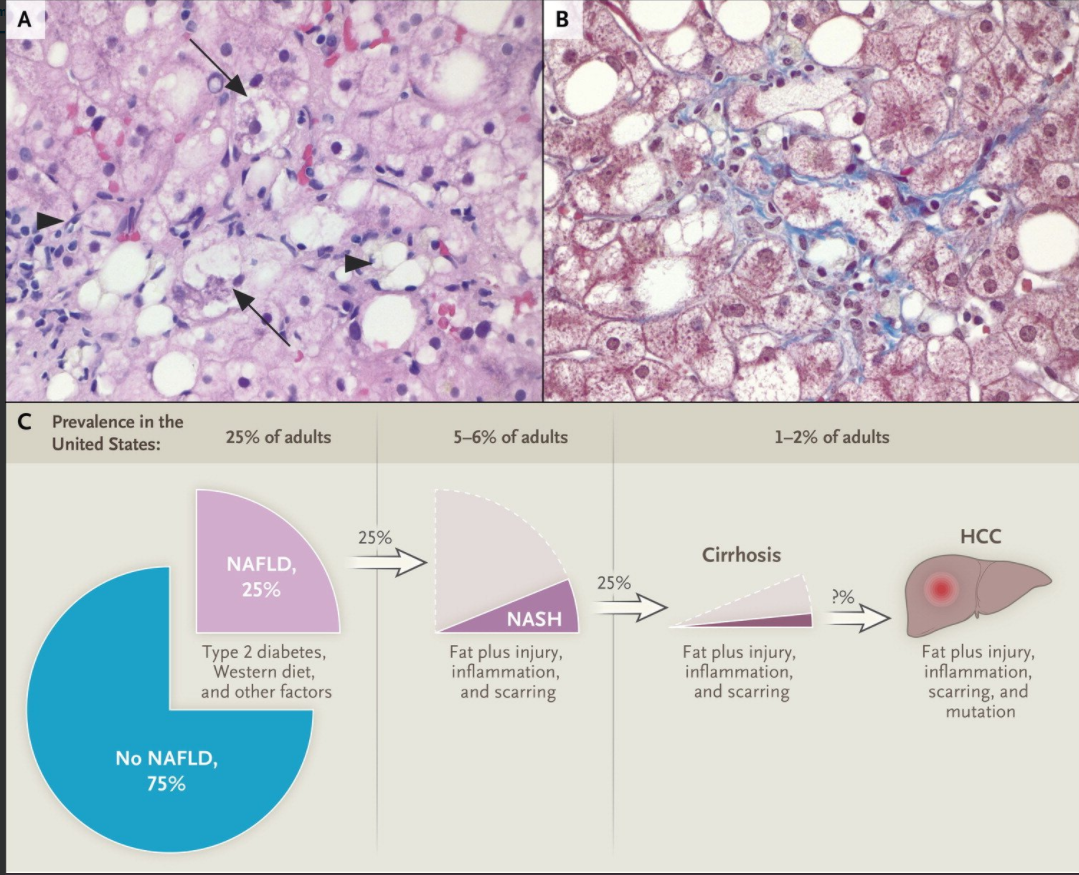
A recent study (KP Newton et al. J Pediatr 2017; 187: 141-6; associated editorial pg 13-15)) in a multicenter retrospective cross-sectional study of children (n=538) with biopsy-proven nonalcoholic fatty liver disease (NAFLD) showed that birth weight influenced the development of NAFLD.  The participants were enrolled in the Nonalcoholic Steatohepatitis Clinical Research Network (NASH CRN).

Key findings:

  • There was increased NAFLD among both low birth weight (LBW) and high birth weight (HBW).
  • LBW occurred more commonly in the NAFLD cohort 9.3% compared with the general population prevalence 6.1%.
  • HBW occurred more commonly in the NAFLD cohort 14.9% compared with the general population prevalence 10.5%

The authors speculate that the explanation/mechanisms for increase in both LBW and HBW are likely to differ. It has been recognized that LBW is associated with higher cardiovascular disease and type 2 diabetes.  HBW start bigger and often stay bigger; that is, there are increased risks of more severe obesity.

There are numerous limitations to this study -there is a lot of data that is not available, including gestational age, maternal weight, breastfeeding exposure, and antibiotic administration.

My take: These findings add to the literature that risks for NAFLD along with other metabolic problems may be present at birth.  Is there a way to modify this risk?

Related study: ET Jensen et al. J Pediatr 2017; 187: 50-7, editorial pg 10-12.  In this study of 535 ten-year-old children, enrolled in a prospective multicenter extremely low gestational age newborn cohort study, the authors found that maternal overnutrition and undernutrition affected the brain health of these children. The authors used neurocognitive assessment tools.

  • Children born to women with a pregravid BMI >30 scored “lower on measures of general cognitive ability, executive functioning, fine motor function, and academic achievement.”
  • Children born to women with inadequate maternal weight gain during pregnancy had “lower language and academic achievement.”

Hidden Falls, Highlands NC


Likelihood of Genetic Disease with Early-Onset Pancreatitis

Another study (MJ Giefer et al. J Pediatr 2017; 186: 95-100) from the INSPPIRE group provides data on early-onset pancreatitis.  Specifically, the group presents clinical information on 342 children with acute recurrent pancreatitis or chronic pancreatitis regarding disease burden and associations with genetic mutations.

Key findings:

Genetic disease is much more common in younger ages:

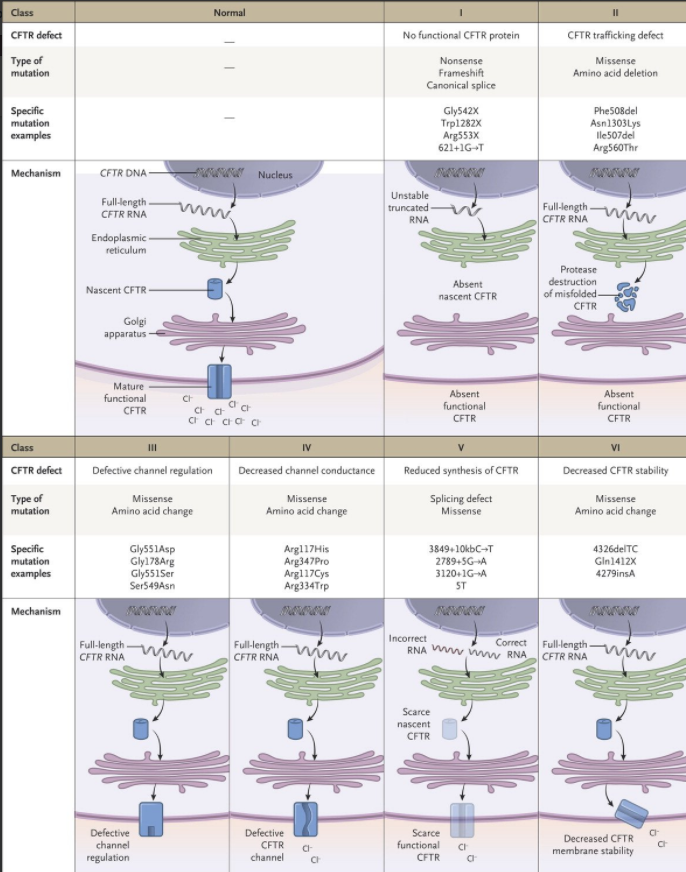
  • In subset younger than 6 years, 72 of 102 had genetic diseases identified:  PRSS1 in 42, CFTR in 27, SPINK1 in 12, and CTRC in 8.
  • In subset 6-11 years of age, 52 of 90 had genetic diseases identified: PRSS1 in 20, CFTR in 23, SPINK1 in 22, and CTRC in 1.
  • In subset greater than 12 years of age, 39 of 72 had genetic diseases identified: PRSS1 in 13, CFTR in 24, SPINK1 in 6, and CTRC in 1.
  • Testing for newer susceptibility genes were not evaluated as they had not become commercially available: carboxypeptidase 1, claudin 2, carboxylesterlipase, and carboxyesterlipase-hybrid
  • SPINK1 is noted to be present in 1-3% of general population; CTRC mutation occur in 0.7% of healthy controls.

Obstructive causes were common.  Pancreas divisum was identified in 38 patients but there was not a great deal of difference among the age groups; similarly, other obstructive causes were identified in about one-third of patients and included sphincter of Oddi dysfunction (n=9), gallstones (n=17), pancreaticobiliary malunion (n=12), biliary cyst (n=11), pancreatic stricture (n=2), annular pancreas (n=3), and duodenal diverticulum.

Disease burden:

  • Exocrine insufficiency noted in 52 (no strong age predilection)
  • Diabetes in 18 (11 of the cases occurred in those >12 years)
  • Constant moderate pain noted in 82 (25 in group <6, 27 in 6-12 group, and 30 in group >12 years)
  • Constant severe pain noted in 18  (4 in group <6, 5 in 6-12 group, and 9 in group >12 years)
  • Average number of hospitalizations in past year was 1 in those ≤12 and 2 in those older than 12.

My take: PRSS1 and CTRC mutations are associated with early onset pancreatitis.

Related blog posts:

Rotunda dome at the University of Virginia