
Category Archives: Gastroenterology
Mucosal Eosinophilia –A Marker for Nonceliac Wheat Sensitivity?
A recent prospective study (A Carrocio et al. Gastroenterol 2019; 17: 682-90) with 78 patients who were diagnosed with “nonceliac gluten or wheat sensitivity” (NCGWS) by double-blind challenge had duodenal and rectal biopsies collected and analyzed. More commonly NCGWS is referred to as NCGS.
Key findings:
- Duodenal tissues from patients with NCGWS had hihger numbers of eosinophils than non-NCGWS controls as did rectal mucosa. Other elevated markers included epithelial CD3+ T cells, and lamina proppria CD45+ cells.
- Rectal mean eosinophil infiltrations was more than 2.5-fold the upper limit of normal and it was almost 2-fold increased in the duodenum.
- Sensitivity and specificity of rectal eosionphilia, defined by >9 eos in the lamina propria) was 94% and 70% respectively.
My take: This study is intriguing but needs more confirmation. Overall, it appears that the frequency of NCGS is very low.
Related blog posts:
- The latest on Pediatric Nonceliac Gluten Sensitivity
- What Happens When Patients with Nonceliac gluten sensitivity are Challenged with Gluten?
- Is a Gluten-Free Diet a Healthy Diet for those without Celiac Disease?
- An Unexpected Twist for “Gluten Sensitivity” | gutsandgrowth
- The Science Behind IBS Dietary Interventions | gutsandgrowth
- Gluten sensitivity without celiac disease | gutsandgrowth

Synagogue of Santa María la Blanca. Toledo Spain
Practice Tips for New IBD Therapies
A recent review provides some helpful advice: “A Practical Guide to the Safety and Monitoring of New IBD Therapies” (B Click, M Regueiro. Inflamm Bowel Dis 209; 25: 831-42).
This review discusses infection risk, malignancy risk, immunologic issues and other complications.
In terms of infection risk assessment, the authors describe a pyramid in which they stratify the risks of medications. The safest to least safe in their assessment: vedolizumab –>ustekinumab–>anti-TNF monotherapy–>thiopurine or tofacintinib–>thiopurine/anti-TNF combination–>steroids.
Their Tables:
- Table 1 lists potential infections and vaccination recommendations
- Table 2 suggests management of active infections by IBD Medication Class
- For anti-TNF agents and for IL12/23 agents: the authors recommend continuation of agent if viral (eg EBV, VZV, HSV) or bacterial (eg. Strep/Staph)/C difficile infections (unless severe) but holding for opportunistic infections.
- For integrin agents, the authors recommend continuation of medications in the face of infections except “consider holding dose” during active C difficile infection
- For JAK agents, the authors recommend stopping during viral infections and with opportunistic infections. They recommend continuing with bacterial infections (hold if severe) and continuing with C difficile infection
- Table 3 suggests management in the setting of active malignancy
- Table 4 lists recommendations in the setting of immunologic complications. Theses categories include antidrug antibodies,lupus-like reactions, demyelinating conditions, and psoriasis.
- One of the points alluding to in this chart is that addition of methotrexate may help in patients receiving anti-TNF therapy with psoriasis.
- No psoriatic reactions have been reported with vedolizumab, ustekinumab or tofacitinib; ustekinumab is FDA-approved for use in psoriasis and tofacitinib is FDA-approved for psoriatic arthritis.
- Table 5 suggests recommendations in the setting of altered liver enzymes and altered lipids/creatine kinase
Related posts:
- Anti-TNF Agents in Pediatrics Have NOT Been Shown to Cause Lymphoma | gutsandgrowth
- Safer Than You Think: Biologic Therapies for IBD and Risk of Infection and Malignancy | gutsandgrowth
- TNF-α antagonists and infections
- Disease modifying treatment in IBD
- Only one chance to make first impression
- More on IBD Medicine Risks

Antidepressants for Patients with IBD and Their (Beneficial) Affect on Bowel Disease Activity
A recent population-based cohort study (MS Kristensen et al. Inflamm Bowel Dis 2019; 25: 886-93) indicates that antidepressants are likely to be beneficial for patients with inflammatory bowel disease and could lower disease activity in addition to improving mood.
This study population, n=42,890, with prospectively collected data comprised all patients in the Danish National Patient Registry from 2000-2017 with ICD diagnoses of ulcerative colitis (UC, 69.5%) or Crohn’s disease (CD, 30.5%). Outcome measures included markers of disease relapse:
- hospitalizations with IBD as primary diagnosis
- surgery with IBD as primary operation code
- step-up medications with corticosteroids or anti-TNF treatment
Key findings:
- After adjusting for confounders, lower incidence rate of disease activity was found among antidepressant users than nonusers.
- For CD, the incidence rate ratio was 0.75 (CI 0.68-0.82).
- For UC, the incidence rate ratio was 0.90 (CI 0.84-0.95).
- For CD patients without prior use of antidepressants before diagnosis of CD, there was markedly lower incidence rate ratio of 0.51 (CI 0.43-0.62).
- 28% of the study population redeemed at least 1 prescription for an antidepressant at some point. This is similar to a Finnish study in which antidepressant use in IBD was 28% compared to 19% in general population
The authors note that anti-depressants may affect the level of pro-inflammatory cytokines which are involved in the pathogenesis of IBD. This study did not assess potential adverse effects of using anti-depressants.
My take: This study is intriguing and suggests that antidepressants may improve the disease course in IBD. Whether this is related to more favorable brain-gut interaction or whether this is related to drug effects on inflammatory agents is unclear.
Related blog post: Psychosocial Problems in Adolescents with IBD

Park Guell -Fantastic Park in Barcelona (need to buy a pass to get to some parts)
Disclaimer: These blog posts are for educational purposes only. Specific dosing of medications/diets (along with potential adverse effects) should be confirmed by prescribing physician/nutritionist. This content is not a substitute for medical advice, diagnosis or treatment provided by a qualified healthcare provider. Always seek the advice of your physician or other qualified health provider with any questions you may have regarding a condition.
Getting In the Shower for Emetic Symptoms
A recent study (I Aziz et al. Clin Gastroenterol Hepatol 2019; 17: 878-86) examined the epidemiology and clinical characteristics of Rome IV functional nausea and vomiting disorders (FNVDs) in adults. The study used internet cross-sectional health surveys from 5931 adults in 2015.
Key findings:
- 2.2% of the population (n=131) fulfilled criteria for Rome IV FNVDs
- Hot water bathing, which has been reported in cannaboid hyperemesis syndrome, was also noted in patients with cyclic vomiting syndrome (CVS) in 44%. “This behavior was independent of cannabis but augmented by its use.”
My take: FNVDs are common and hot water bathing is not pathognomonic for cannaboid hyperemesis syndrome.
Related references:
- Moon AM, Buckley SA, Mark NM. Successful treatment of cannabinoid hyperemesis syndrome with topical capsaicin. ACG Case Rep J. 2018 Jan 3;5:e3.
- Graham J, Barberio M, Wang GS. Capsaicin cream for treatment of cannabinoid hyperemesis syndrome in adolescents: A case series. 2017 Dec;140(6): e20163795.

Hotel in Barcelona
IBD Briefs: May 2019 (Part 1)
H Khalili et al. Clin Gastroenterol Hepatol 2019; 17: 123-29. Using data from two prospective Swedish cohort sutdies with 83,042 participants (age 44-83 yrs), the authors determined that there was “no evidence for association between consumption of sweetened beverages and later risk of” Crohn’s disease or Ulcerative Colitis.
WJ Sandborn et al. Gastroenterol 2019; 156: 946-57. This study published data from 354 patients who received subcutaneous abrilumab, an anti-alpha4beta7 antibody as a treatment for moderate-to-severe colitis. This 8 week treatment increased the odds of remission compared with placebo.
B Wynne et al. Gastroenterol 2019; 156: 935-45. This study showed that a psychological intervention termed “acceptance and commitment therapy (ACT)” was effective in a randomized controlled trial in reducing stress and depression in patients with quiescent or mildly-active IBD (n=122). With ACT, the “primary aim is to encourage subjects to adopt positive life values and to accept adverse experiences, including thoughts, feelings and sensations that are an inevitable consequence of life.” All program materials are available in article supplement: Full text and supplement: https://doi.org/10.1053/j.gastro.2018.11.030
D Duricova et al. Inflamm Bowel Dis 2019; 25:789-96. This study included 72 consecutive children born to mothers with IBD treated with anti-TNF therapy during pregnancy (2007-16) along with 69 unexposed controls. Key findings: Anti-TNF therapy exposure in utero was NOT associated with a negative impact on postnatal complications, including infections, allergy, growth, or psychomotor development. Findings are limited by the small number of participants.
AW Gridnal et al. Inflamm Bowel Dis 2019; 25:642-45. The authors examined the frequency of financial conflicts of interest (FCOI) among authors of 11 relevant clinical practice guidelines for IBD in the US, the UK, Canada, and Europe. Key finding: FCOI were frequently present with 19% prevalence among US authors, 56% in UK, 84% in Canada, and 94% in Europe.
KN Weaver et al. Inflamm Bowel Dis 2019; 25:767-74. This retrospective study examined the efficacy of ustekinumab for Crohn’s disease of the pouch in 56 patients; 73% had previously been treated with anti-TNF therapy, vedolizumab or both. Key finding: 83% demonstrated a clinical response 6 months and 60% with endoscopic improvement after induction with ustekinumab. Clinical response was defined as “any improvement in symptoms …including a decrease in bowel movements, pain, or fistula drainage.”

Retiro Park, Madrid
Thanks to Jennifer
Favorable “Break”through Data for Proton Pump Inhibitors and Bone Density
Franklin Roosevelt’s secretary of state, Cordell Hull, wrote: “A lie will gallop halfway round the world before the truth has time to pull its breeches on.”
This saying came to my mind as I read a recent study (KE Hansen et al. Gastroenterol 2019; 156: 926-34) titled: “Dexlansoprazole and esomeprazole do not affect bone homeostasis in healthy postmenopausal women.”
In this study, the authors performed a prospective double-blind study with 115 healthy postmenopausal women who were treated with one of these two PPIs or placebo daily for 26 weeks.
Key findings:
- PPI therapy did not reduce true fractional calcium absorption
- There were no significant difference between groups in serum or urine levels of minerals, bone mineral density, or parathyroid hormone
Previous studies have found conflicting results of PPIs on bone density. Studies suggesting that PPIs could affect bone density have been questioned due to “low odds ratios (<2), lack of dose response, biological implausibility, and uncontrolled potential confounders.” The authors note that they chose bone turnover rather than changes in BMD as a primary outcome as bone turnover precede changes in BMD and should serve as an early marker of adverse effects.
My take: This study, while short in duration and with limited numbers of participants found no harmful effects of PPIs on skeletal health.
Related blog posts:
- PPIs: Disssecting the Evidence
- The Prosecution Rests…PPIs on Trial
- No Effect of Proton Pump Inhibitors and Irritability on Crying in Infants
- Two for the PPI Team
- Proton Pump Inhibitors Webinar | gutsandgrowth

Tajo River, Toledo Spain
Tofacitinib Case Reports for Acute Severe UC and Pyoderma Gangrenosum
Two recent case reports indicate that Tofacitinib may be useful in refractory cases of acute severe ulcerative colitis (ASUC) (JA Berinstein et al. Clin Gastroenterol Hepatol 2019; 17: 988-90) and for pyoderma gangrenosum (PG) (B Kochar et al. Clin Gastroenterol Hepatol 2019; 17: 991-93)
The case report for ASUC described 4 patients who received off-label high-intensity tofacitinib. Initially dosing was 10 mg 3 times a day for 9 doses with subsequent transition to standard dosing. All four patients had a rapid improvement, though one patient required a colectomy 6 months later and one patient required urgent colectomy after rapid return of symptoms when tofacitinib dose was reduced.
The case report for PG involved 3 patients -two healed with tofacitinib and one improved considerably; the latter patient required dose escalation to 10 mg twice a day. To understand the mechanism of action further, the authors performed immunohistochemical staining from skin biopsy specimens from two patients and detected “strong staining of phosphorylated JAK-1, phosphorylated JAK-2, phosphorylated JAK-3…in the epidermis.” Tofacitinib is an oral JAK-1/JAK-3 inhibitor. In all of these patients, inflammatory arthritis was the indication for tofacitinib.
My take: Due to tofacitinib’s rapid onset of action as well as its rapid clearance, it is a promising agent for both acute severe ulcerative colitis and pyoderma gangrenosum. More clinical trials are needed.
Related blog posts -Tofacitinib:
- Tofacitinib: Where does it Fit in UC Treatment Algorithm?
- AGA Guidelines on the Management of Mild-to-Moderate Ulcerative Colitis
- Tofacitinib for Induction and Maintenance of Ulcerative Colitis
- Latest on Tofacitinib for Refractory Ulcerative Colitis
- Tofacitinib –a JAK Inhibitor for UC
- Tofacitinib -Risks and Benefits in Rheumatoid Arthritis
Related blog posts -ASUC:
- Management of Acute Severe Ulcerative Colitis
- Oral Antibiotics For Refractory Inflammatory Bowel Disease | gutsandgrowth
- Management of Pediatric Ulcerative Colitis -ECCO Recommendations
- Tofacitinib -Where Does it Fit in Treatment Algorithm for Ulcerative Colitis?
- An Overlooked Finding in A Recent Severe Colitis Study
- Infliximab for children with Ulcerative Colitis
- Accelerated Infliximab Dosing in Acute … – gutsandgrowth
- Predictors of colectomy in pediatric UC | gutsandgrowth
Related blog posts -PG:
Disclaimer: These blog posts are for educational purposes only. Specific dosing of medications/diets (along with potential adverse effects) should be confirmed by prescribing physician/nutritionist. This content is not a substitute for medical advice, diagnosis or treatment provided by a qualified healthcare provider. Always seek the advice of your physician or other qualified health provider with any questions you may have regarding a condition.
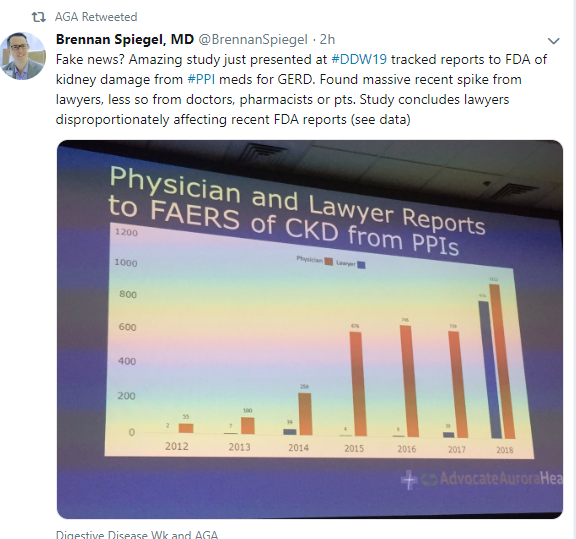
Image below is from an unrelated tweet.

AGA Practice Guidelines for Celiac Disease
AGA Clinical Practice Update on Diagnosis and Monitoring of Celiac Disease—Changing Utility of Serology and Histologic Measures: Expert Review (S Husby et al. Gastroenterol 2019; 156: 885-89)
Best Practice Advice 1: Serology is a crucial component of the detection and diagnosis of CD, particularly tissue transglutaminase–immunoglobulin A (TG2-IgA), IgA testing, and less frequently, endomysial IgA testing.
Best Practice Advice 2: Thorough histological analysis of duodenal biopsies with Marsh classification, counting of lymphocytes per high-power field, and morphometry is important for diagnosis as well as for differential diagnosis.
Best Practice Advice 2a: TG2-IgA, at high levels (> ×10 upper normal limit) is a reliable and accurate test for diagnosing active CD. When such a strongly positive TG2-IgA is combined with a positive endomysial antibody in a second blood sample, the positive predictive value for CD is virtually 100%. In adults, esophagogastroduodenoscopy (EGD) and duodenal biopsies may then be performed for purposes of differential diagnosis.
Best Practice Advice 3: IgA deficiency is an infrequent but important explanation for why patients with CD may be negative on IgA isotype testing despite strong suspicion. Measuring total IgA levels, IgG deamidated gliadin antibody tests, and TG2-IgG testing in that circumstance is recommended.
Best Practice Advice 4: IgG isotype testing for TG2 antibody is not specific in the absence of IgA deficiency.
Best Practice Advice 5: In patients found to have CD first by intestinal biopsies, celiac-specific serology should be undertaken as a confirmatory test before initiation of a gluten-free diet (GFD).
Best Practice Advice 6: In patients in whom CD is strongly suspected in the face of negative biopsies, TG2-IgA should still be performed and, if positive, repeat biopsies might be considered either at that time or sometime in the future.
Best Practice Advice 7: Reduction or avoidance of gluten before diagnostic testing is discouraged, as it may reduce the sensitivity of both serology and biopsy testing.
Best Practice Advice 8: When patients have already started on a GFD before diagnosis, we suggest that the patient go back on a normal diet with 3 slices of wheat bread daily preferably for 1 to 3 months before repeat determination of TG2-IgA.
Best Practice Advice 9: Determination of HLA-DQ2/DQ8 has a limited role in the diagnosis of CD. Its value is largely related to its negative predictive value to rule out CD in patients who are seronegative in the face of histologic changes, in patients who did not have serologic confirmation at the time of diagnosis, and in those patients with a historic diagnosis of CD; especially as very young children before the introduction of celiac-specific serology.
Management
Best Practice Advice 10: Celiac serology has a guarded role in the detection of continued intestinal injury, in particular as to sensitivity, as negative serology in a treated patient does not guarantee that the intestinal mucosa has healed. Persistently positive serology usually indicates ongoing intestinal damage and gluten exposure. Follow-up serology should be performed 6 and 12 months after diagnosis, and yearly thereafter.
Best Practice Advice 11: Patients with persistent or relapsing symptoms, without other obvious explanations for those symptoms, should undergo endoscopic biopsies to determine healing even in the presence of negative TG2-IgA.
Related blog posts:
- False-positive serology for Celiac disease
- 99% Accuracy in Non-Biopsy Diagnosis of Celiac Disease
- Followup Biopsies in Pediatric Celiac Disease?
- Are followup biopsies necessary in celiac disease? Look beyond the headlines
- To biopsy or not to biopsy -that is the question (for Celiac disease)
- UPSTF Takes Neutral Stance on Celiac Disease Screening in Asymptomatic Individuals
- Should Patients with IBS be Screened for IBS?
- Is it Helpful to Check Celiac Serology Three Months After Gluten Free Diet?
- How Accurate is Serology at Predicting Mucosal Healing in Pediatric Celiac Disease?
- Closer followup for Celiac disease & pediatric guidelines
- Celiac serology normalization
- How Slow Do Objective Markers of Celiac Change After Treatment? | gutsandgrowth
- Expert review: Celiac disease

Fountans by Manzanares River, Madrid. Royal Palace and Cathedral in background
Helicobacter Pylori 2019 Review
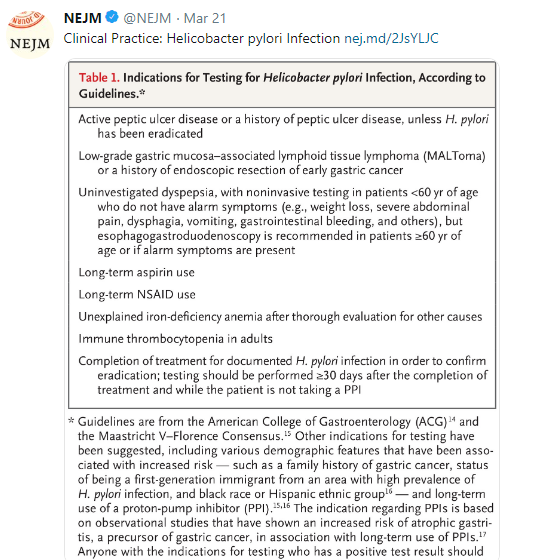
A recent review (SE Crowe. NEJM 2019; 1158-65) provides a succinct summary of current H pylori management.
A couple of key points:
- It is essential to test for cure after treatment 1 month afterwards
- If retreatment is needed, use an alternative regimen
- In the discussion of treatment, Dr. Crowe does NOT emphasize quadruple therapy except in individuals with a clarithromycin resistance probability of >25% (based on geographic incidence rates) or prior macrolide use. She notes that in some populations that clarithromycin-based triple therapy had similar effectiveness as bismuth-based quadruple-based therapy. Table 2 lists the 7 ACG approved treatment regimens.
- It is noted that U.S. clarithromycin-resistance is between 21-30%.
Related blog posts:
- It’s Getting Harder to Treat H pylori –Here’s Why
- High Rates of Helicobacter Pylori Resistance
- What is Evidence-Based Medicine for Helicobacter… | gutsandgrowth
- Quadruple Therapy for Helicobacter Pylori Favored in Toronto Guidelines
- Salvage Therapy and Standard Therapy for H pylori | gutsandgrowth
- Updated Pediatric Helicobacter Pylori Guidelines
- Helicobacter pylori -useful advice | gutsandgrowth
- High Rates of Helicobacter Pylori Resistance | gutsandgrowth
- Understanding Resistance to Helicobacter pylori | gutsandgrowth
- Helicobacter Pylori: …and Dubious Beneficial Claims | gutsandgrowth
Disclaimer: These blog posts are for educational purposes only. Specific dosing of medications/diets (along with potential adverse effects) should be confirmed by prescribing physician/nutritionist. This content is not a substitute for medical advice, diagnosis or treatment provided by a qualified healthcare provider. Always seek the advice of your physician or other qualified health provider with any questions you may have regarding a condition.

