Probiotics for Prevention of Nosocomial Diarrhea in Children

A recent review (I Hojsak et al. JPGN 2018; 66: 3-9) examined published trials regarding the role of probiotics in the prevention of nosocomial diarrhea. The review was conducted by a working group on behalf of ESPGHAN.

Key findings:

  • “Recommendation: If probiotics for preventing nosocomial diarrhea in children are considered, the WG [working group] recommends using L rhamnosus GG (at least 10 to the 9th CFU/day, for the duration of hospital stay).
  • Quality of evidence: Moderate
  • Strength of recommendation: Strong
  • Number needed to treat (in order for beneficial effect in one): 12 patients

The authors do not recommend L reuteri DSM17938 due to lack of efficacy; other probiotics did not receive a recommendation either due to lack of data or lack of efficacy.

It is possible that there have been unpublished negative probiotic studies which would alter the calculation of a beneficial effect.

My take: While the working group recommends L rhamnosus GG if probiotics are used to prevent diarrhea, the absolute benefit is low.

Related blog posts:

Bright Angel Trail, Grand Canyon

How to Talk About Childhood Obesity

Pont SJ, et al. Pediatrics. 2017. doi: 10.1542/peds.2017-3034. A policy statement from the American Academy of Pediatrics addresses the issue of stigma associated wtih pediatric obesity.  This is summarized in the following links:

An excerpt form NY Times piece:

Dr. Pont is one of the lead authors of a new policy statement from the American Academy of Pediatrics titled “Stigma Experienced by Children and Adolescents With Obesity.” The statement, published online Monday in the journal Pediatrics, advises pediatricians to use neutral words like “weight” and “body mass index” rather than terms like “obese” and “fat.” …

In a study published earlier this year in the journal Preventive Medicine, Dr. Puhl and her colleagues looked at the longitudinal effects of teenagers being teased about their weight. The study involved over 1,800 people who had been followed for 15 years and are now in their mid 30s…

“These teasing experiences have long-lasting implications for health and for health behavior.” For women especially, these adolescent experiences of teasing by peers or family members were associated with binge eating, poor body image, obesity, and a higher B.M.I. 15 years later, she said; for men there were some of the same associations, including obesity as adults, if they had been teased by their peers as adolescents…

Weight stigma does exactly the opposite; criticizing and inducing shame only make people feel terrible about themselves, not motivated or capable of making changes…

“Recognize that a child is far more than what their weight is, praise them for all the positives, so when we get to some of the more challenging topics, they can still maintain their self-esteem,”…

The most effective way for parents to help a child is to make healthy changes for the whole family, regardless of shape or size, Dr. Pont said. Try making small changes slowly, like adding one new green vegetable into the family diet, not keeping sugary drinks in the home or walking to school instead of driving.

Related blog posts:

Smoke in Grand Canyon after recent brush fires
Incidental Brain Imaging Findings

A recent study (PR Jansen et al. NEJM 2017; 377: 1593-5) provides some useful insight into the issue of incidental findings with pediatric brain MRIs.  Between 2013-2015, the authors examined 3966 children (mean age 10.1 years) prospectively in an effort to identify influences on development. Key findings:

  • At least one incidental finding was present in 25.6%
  • Most commonly: Pineal gland cysts 16.8% of cohort, Arachnoid cysts 2.17%, Venous anomalies 1.59%, Chiari I malformations 0.63%, subependymal heterotopia 0.48%, partial agenesis of the corpus callosum 0.05%
  • 7 children (0.18%) has suspected primary brain tumors; 2 had neurosurgical treatment
  • Imaging findings requiring clinical followup was only 0.43%

A study CT scans in asymptomatic adults, mean age 63 years, (NEJM 2007; 357: 1821) also found a high incidence of abnormalities, including 7.2% with asymptomatic infarcts, 1.8% with aneurysm, and 1.6% with benign tumors.

My take: The frequency of these incidental findings in the pediatric population is surprising to me.  Having anything reported as abnormal on an MRI is likely very unsettling for parents and often for providers due to uncertainty regarding the significance.

Grand Canyon Sunrise and  then to the South Kaibab Trail (below)
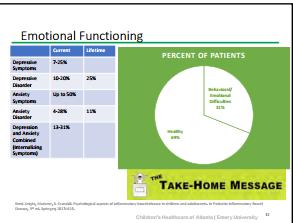
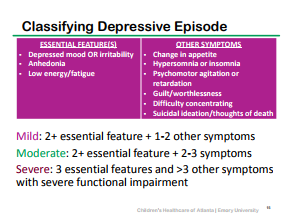
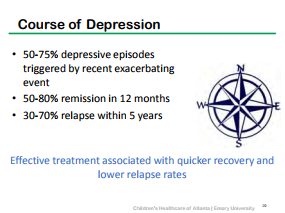
#NASPGHAN17 Psychosocial Problems in Adolescents with IBD

This blog entry has abbreviated/summarized this presentation. Though not intentional, some important material is likely to have been omitted; in addition, transcription errors are possible as well.

Slides from syllabus: APGNN Syllabus 2017

Key points:

  • ~30% of pediatric IBD patients have anxiety or depression.  This has not been shown to be related to disease activity.
  • Advice for parents: “Listen more and talk less.”
  • Antidepressants, when indicated, are about 6 times more likely to be helpful than detrimental

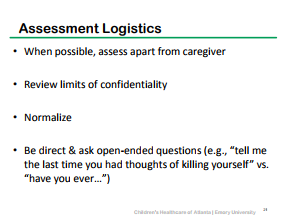
In the following slide, the term “normalize” indicates that checking on emotional health is part of a routine (eg. ‘we ask all our patients to complete this screening’)

Assessing Neonatal Jaundice with Smartphone App

A recent study (Taylor JA, et al. Pediatrics 2017; 140 (3) e20170312) reports on the effectiveness of a smartphone app, BiliCam, to detect total serum bilirubin (TSB) in a diverse sample of newborns < 7 days old.  Thanks to Ben Gold for this reference.

BiliCam uses a calibration card which is placed on the infant’s sternum to standardize the color (and jaundice) reading in the photo; the image goes via the internet to a server for analysis.

Key findings:

  • Estimated bilirubin levels using BiliCam were compared with TSB levels in 530 newborns which included 20.8% African American,, 26.3% Hispanic and 21.2% Asian American
  • The overall correlation was 0.91 were similar among all ethnic groups with correlations ranging from 0.88 to 0.92
  •  The sensitivity of Bilicam was 84.6% is for identifying infants with a TSB in the high-risk zone of the Bhutani nomogram. The sensitivity was 100% for identifying TSB > 17 mg/dL. Specificities were 75.1% adn 76.4% respectively.

For more commentary on this article: AAP Journals Blog: Bilirubin phone apps –our future calls!

My take: This article indicates that a digital image with Smartphone app analysis is much more accurate in detecting jaundice that a visual assessment.

Probiotics Lower Risk of Sepsis in Newborns

Summary of recent study from NPR: Probiotic Bacteria Can Protect Newborns from Deadly Infections

Previous studies have shown that probiotics lower the risk of necrotizing enterocolitis in premature infants.  Now, a study (full text link below) from India examines whether probiotics could lower other infections.

An excerpt:

Feeding babies the microbes dramatically reduces the risk newborns will develop sepsis, scientists report Wednesday in the journal Nature.

Sepsis is a top killer of newborns worldwide. Each year more than 600,000 babies die of the blood infections, which can strike very quickly…

Babies who ate the microbes [Lactobacillus plantarum] for a week — along with some sugars to feed the microbes — had a dramatic reduction in their risk of death and sepsis. They dropped by 40 percent, from 9 percent to 5.4 percent.

But that’s not all. The probiotic also warded off several other types of infections, including those in the lungs. Respiratory infections dropped by about 30 percent…

The only significant side effect seen in the study was abdominal distension, which occurred in six babies. But there were more cases reported in the placebo group than in the group that got the probiotic.

Full text link (thanks to Kipp Ellsworth’s twitter feed for this link): A randomized synbiotic trial to prevent sepsis in newborns in rural India. P Panigrahi et al.

My take: Whether probiotics would be useful broadly in full-term infants in developed countries is uncertain –more studies are needed.

Related blog posts:


An Allergy-Immunology View of GI Diseases

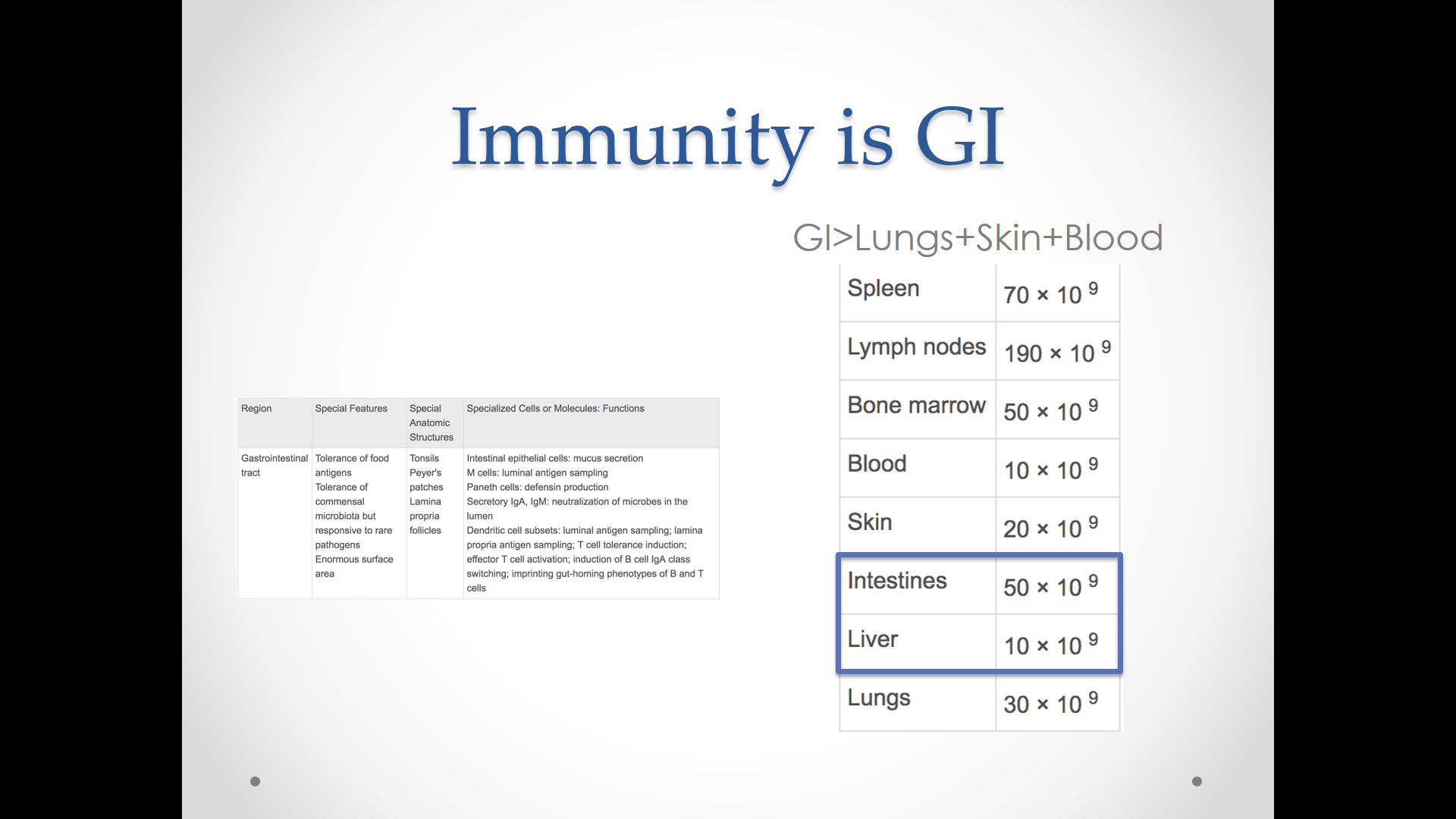
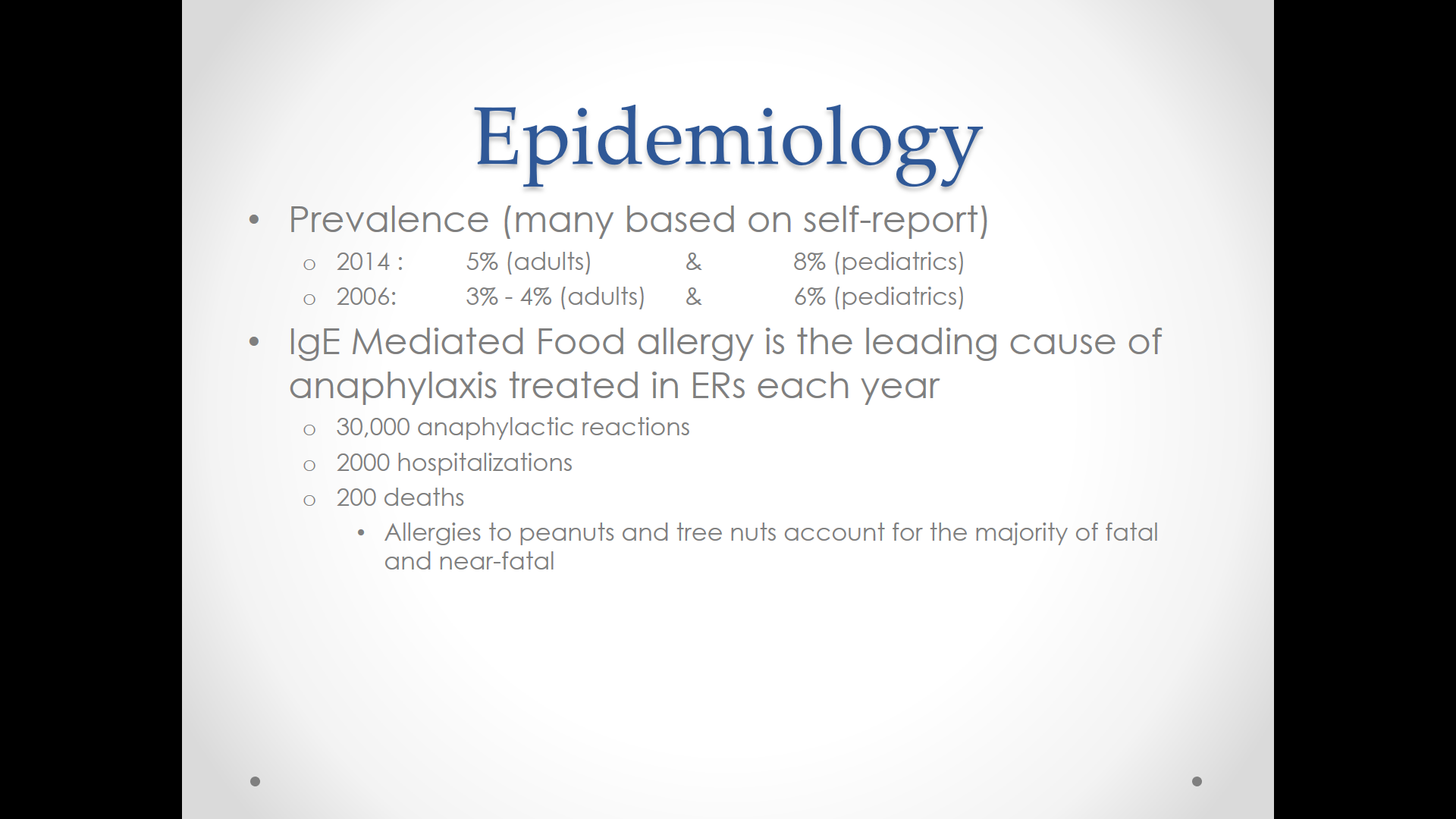
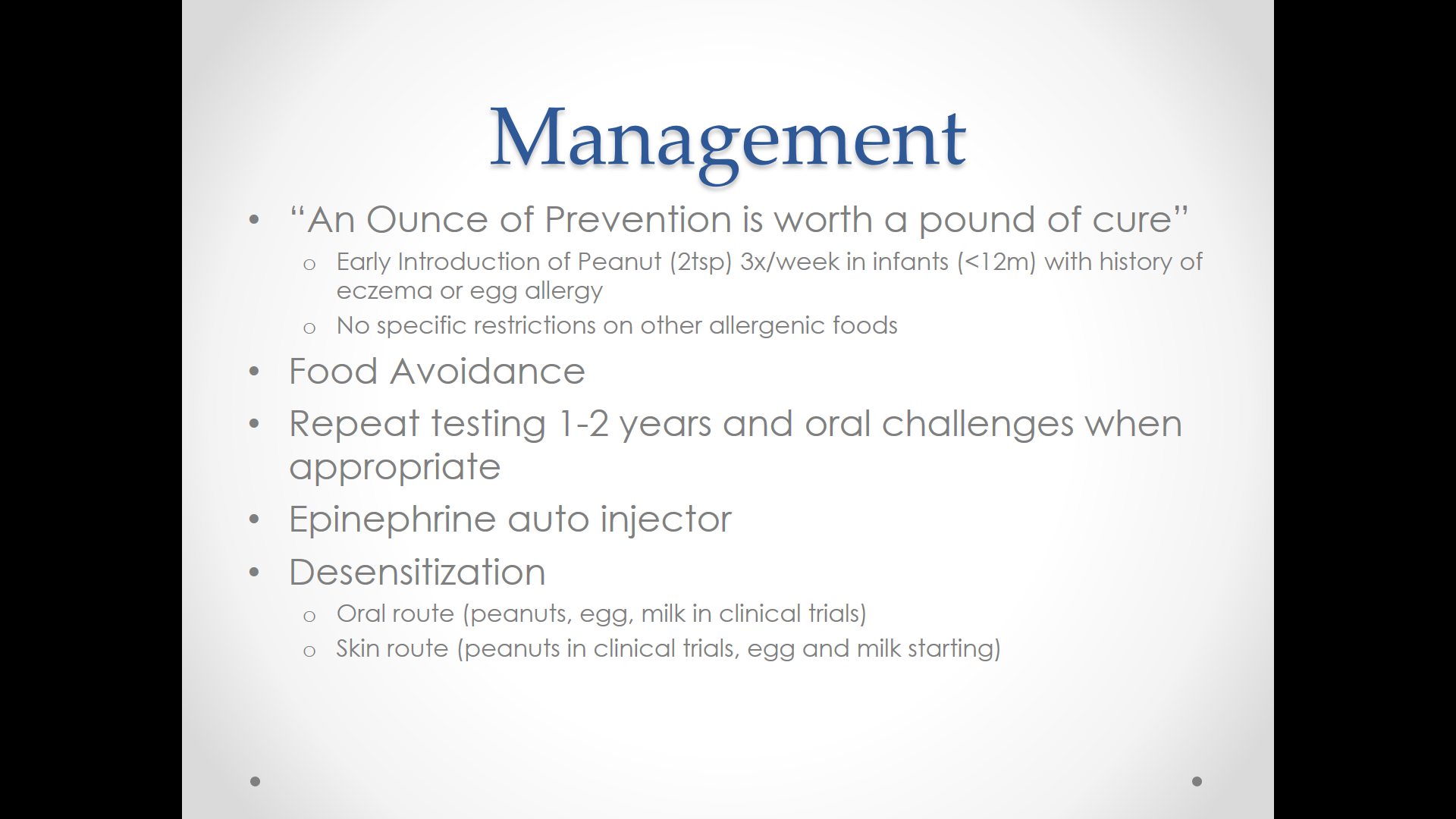
Recently, one of our allergy-immunology colleagues, Dr. Kiran Patel, from Emory presented an update on GI Diseases from an allergist viewpoint at one of our GI clinical education meetings. With his permission, many of the slides are noted below.  The slides present a good deal of information, though a lot of nuance and further details were provided by Dr. Patel.

Next few slides discuss typical GI food allergies.  It is not surprising that a lot of allergies manifest with GI symptoms given the amount of immune cells in the intestines and frequent interactions with foods and antigens.

This next slide points out that four of the most common food allergens (cow’s milk, egg, soy, and wheat) are frequently outgrown, whereas with peanuts, tree nuts, fish, and shellfish, it is uncommon to outgrow these allergies..

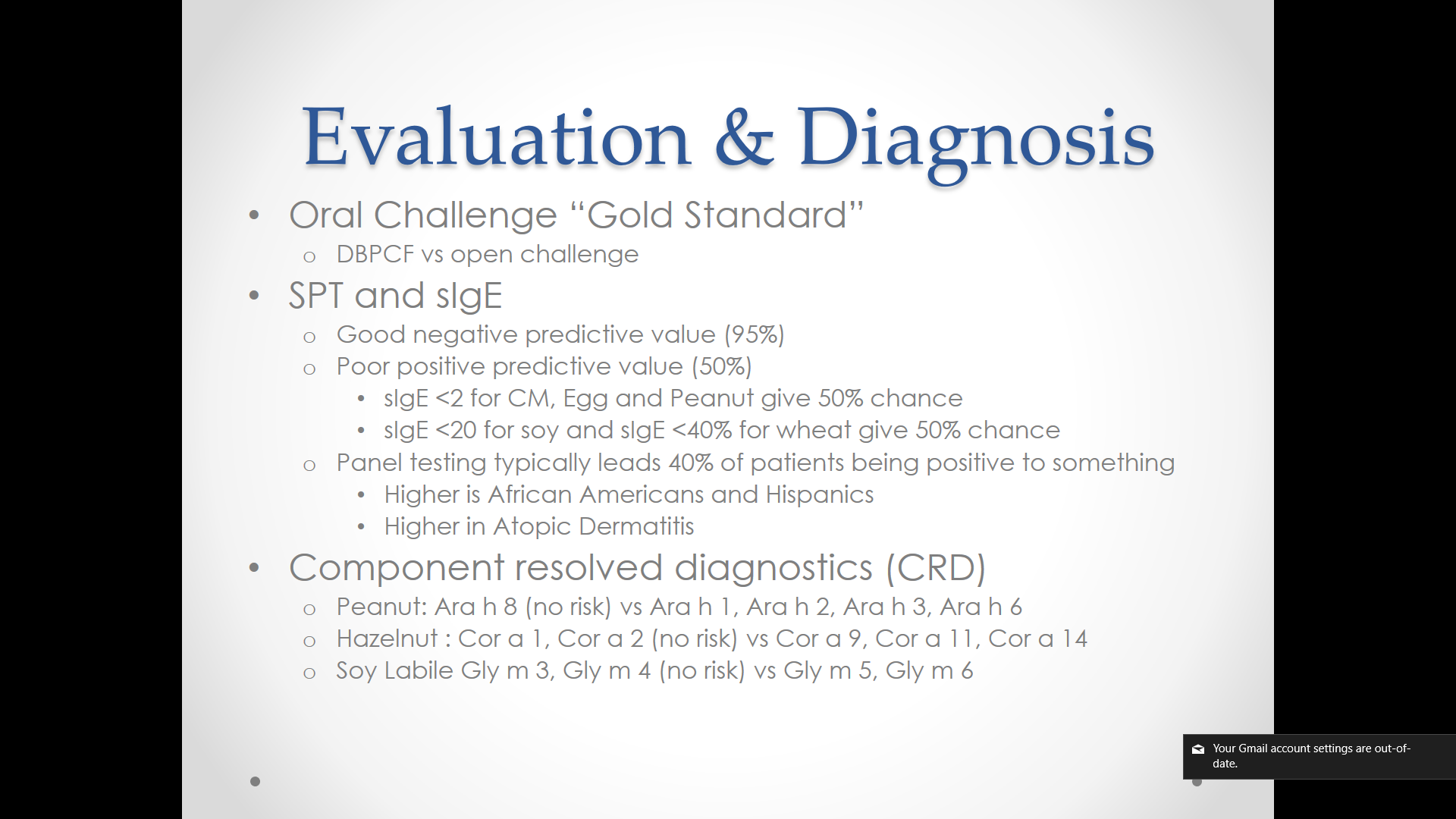
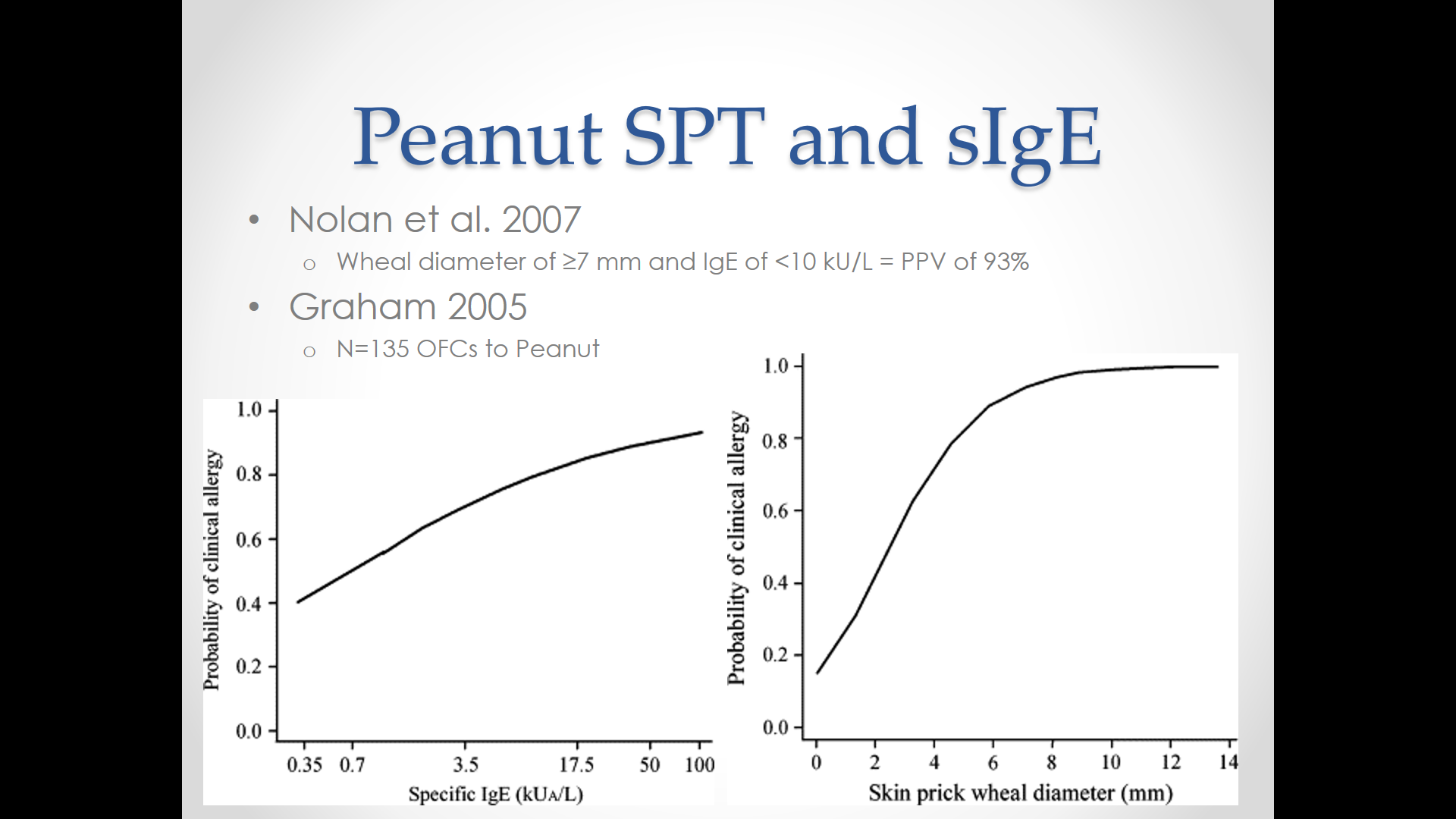
The next slide discusses potential evaluation.  While the slide states that the positive predictive value of skin prick tests and serum-based IgE tests may be as high as 50%; in fact, when broad panels of allergy tests are ordered, the positive predictive value can be quite low.

Related blog posts:

Dr. Patel did discuss the LEAP study and the LEAP-ON study which overall indicate that early antigen introduction is likely to reduce food allergies. Related blog posts:


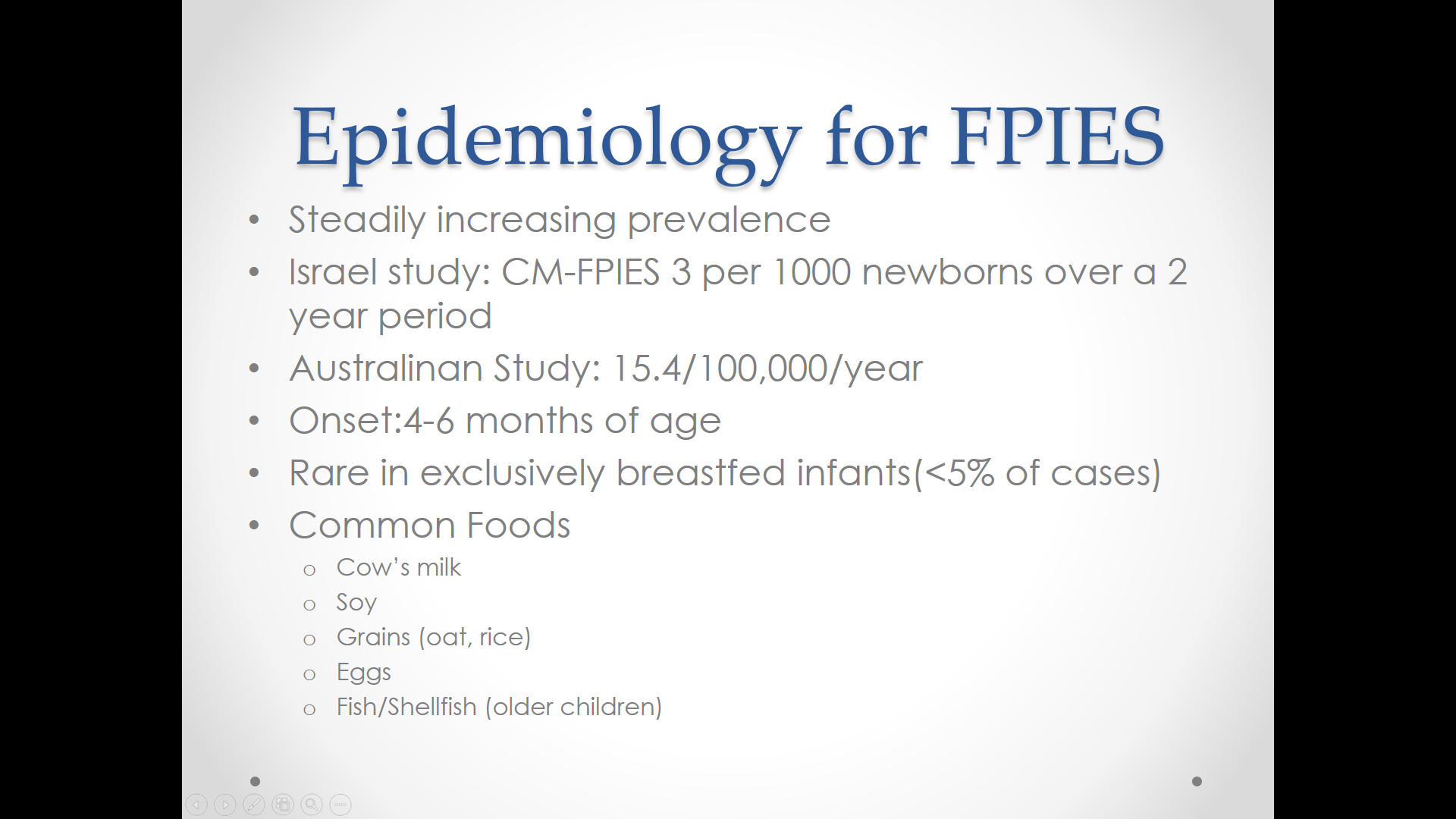
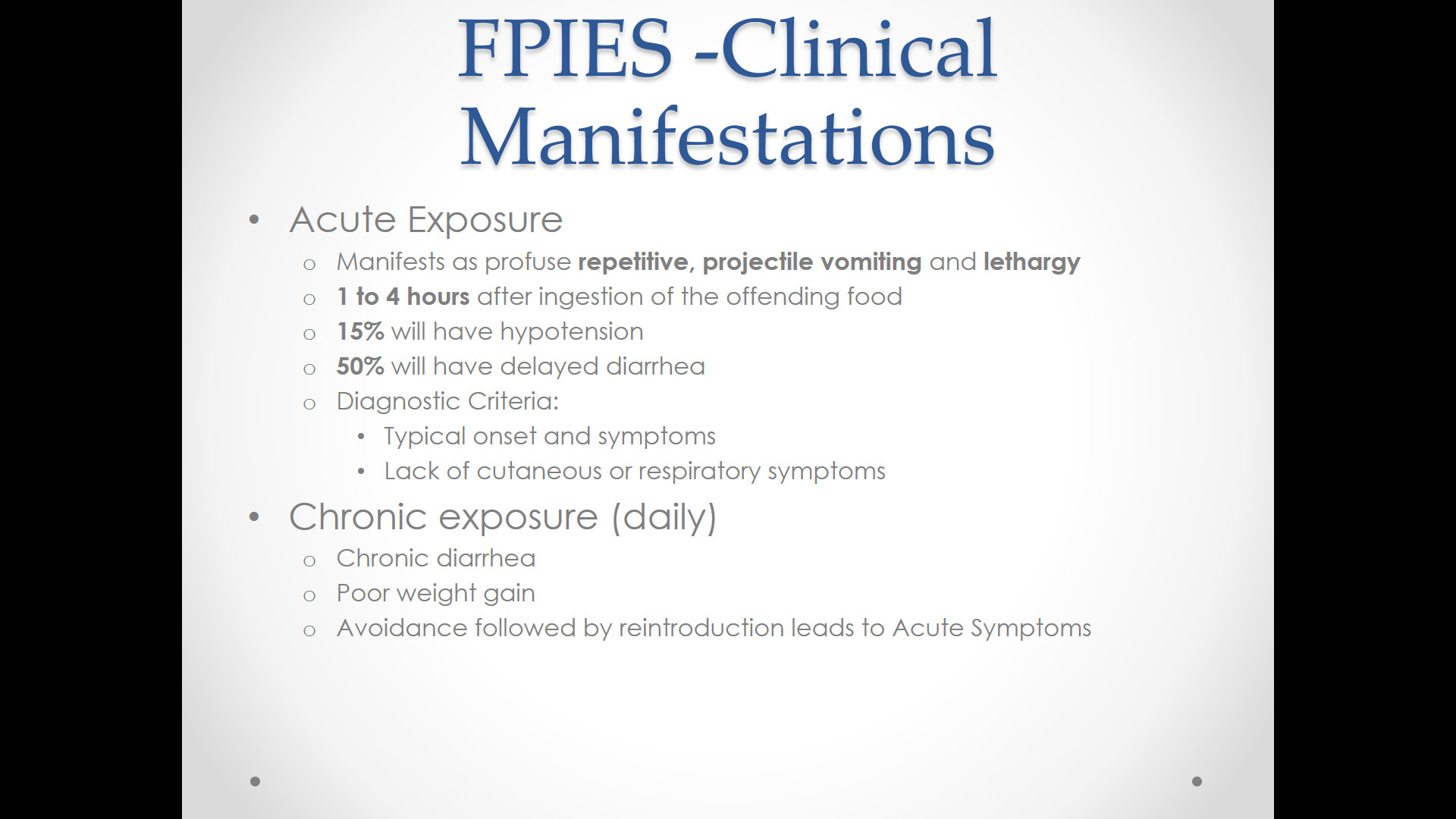
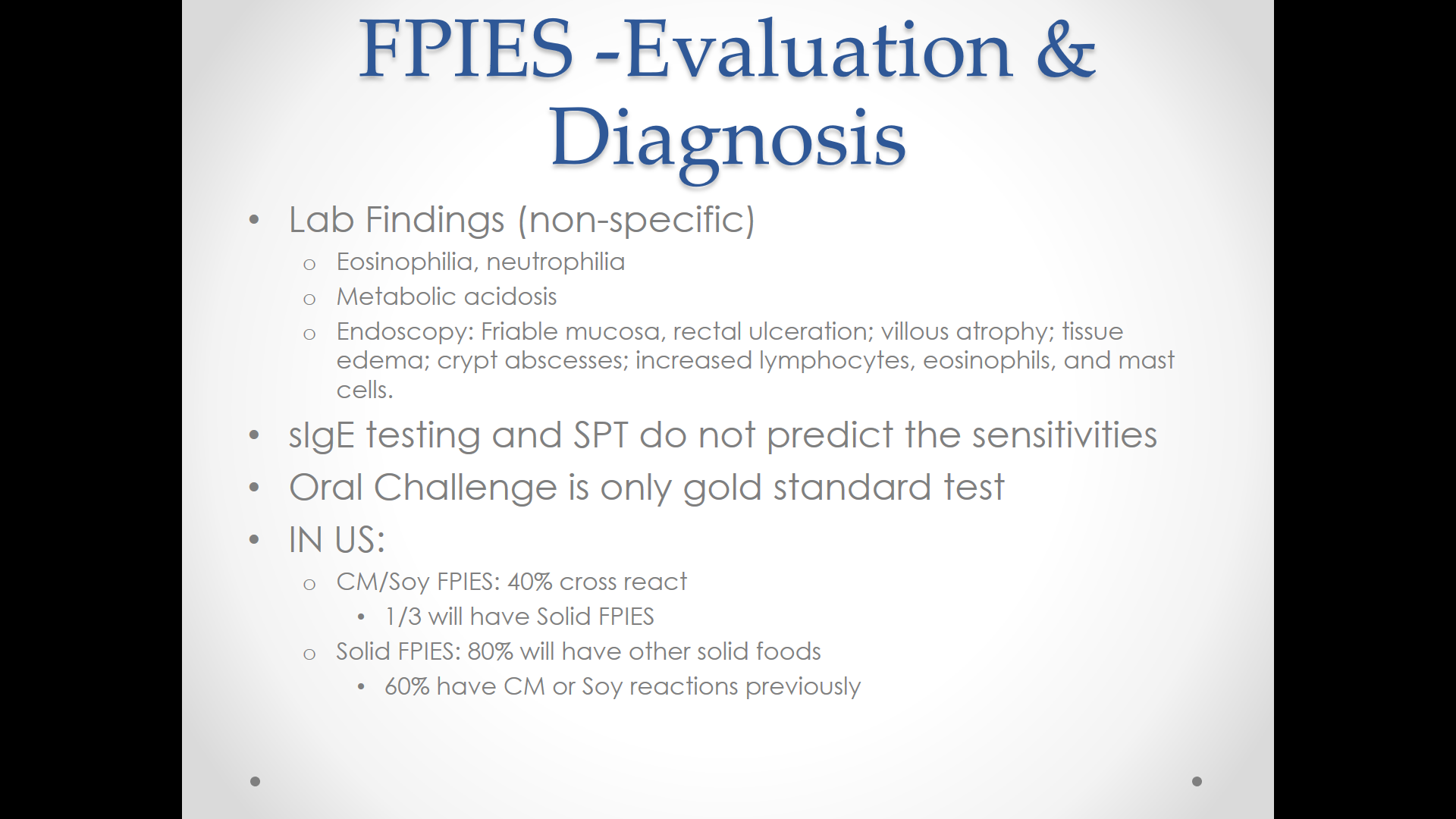
The next few slides review Food Protein-Induced Enterocolitis Syndrome. Related blog posts:

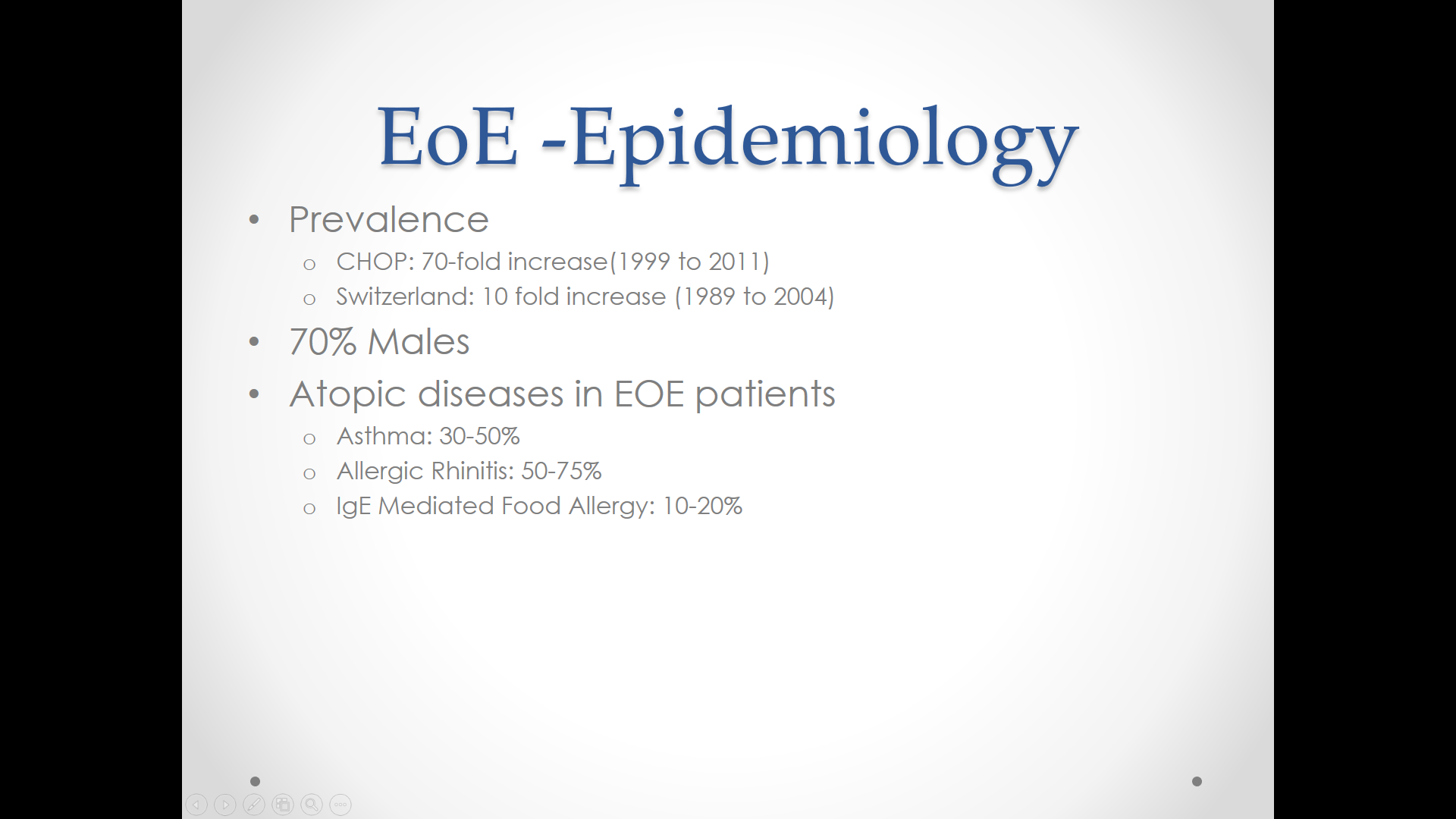
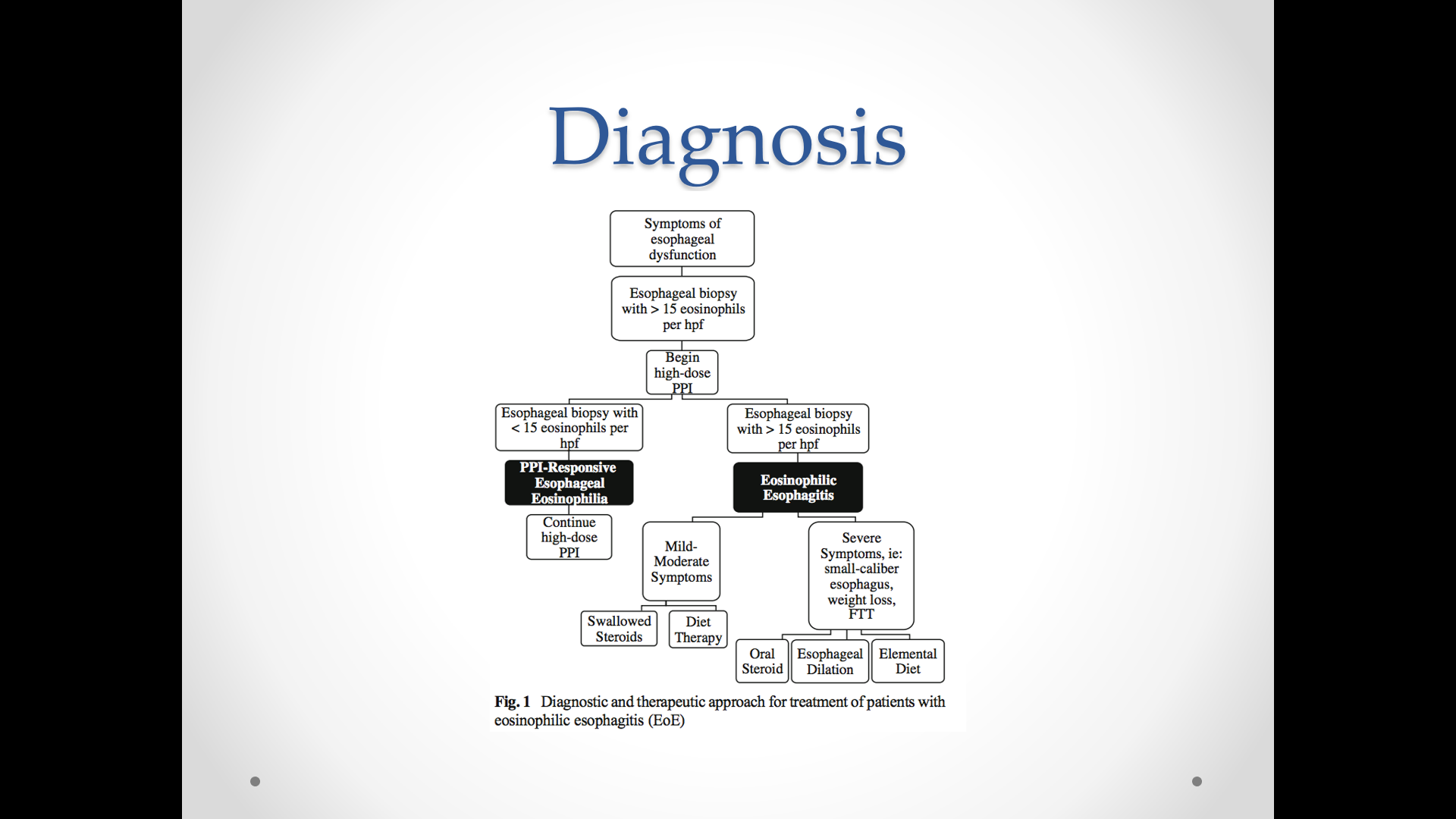
The next few slides discuss eosinophilic esophagitis (EoE).  Allergy testing has not been very helpful in most patients with EoE. Related blog posts:

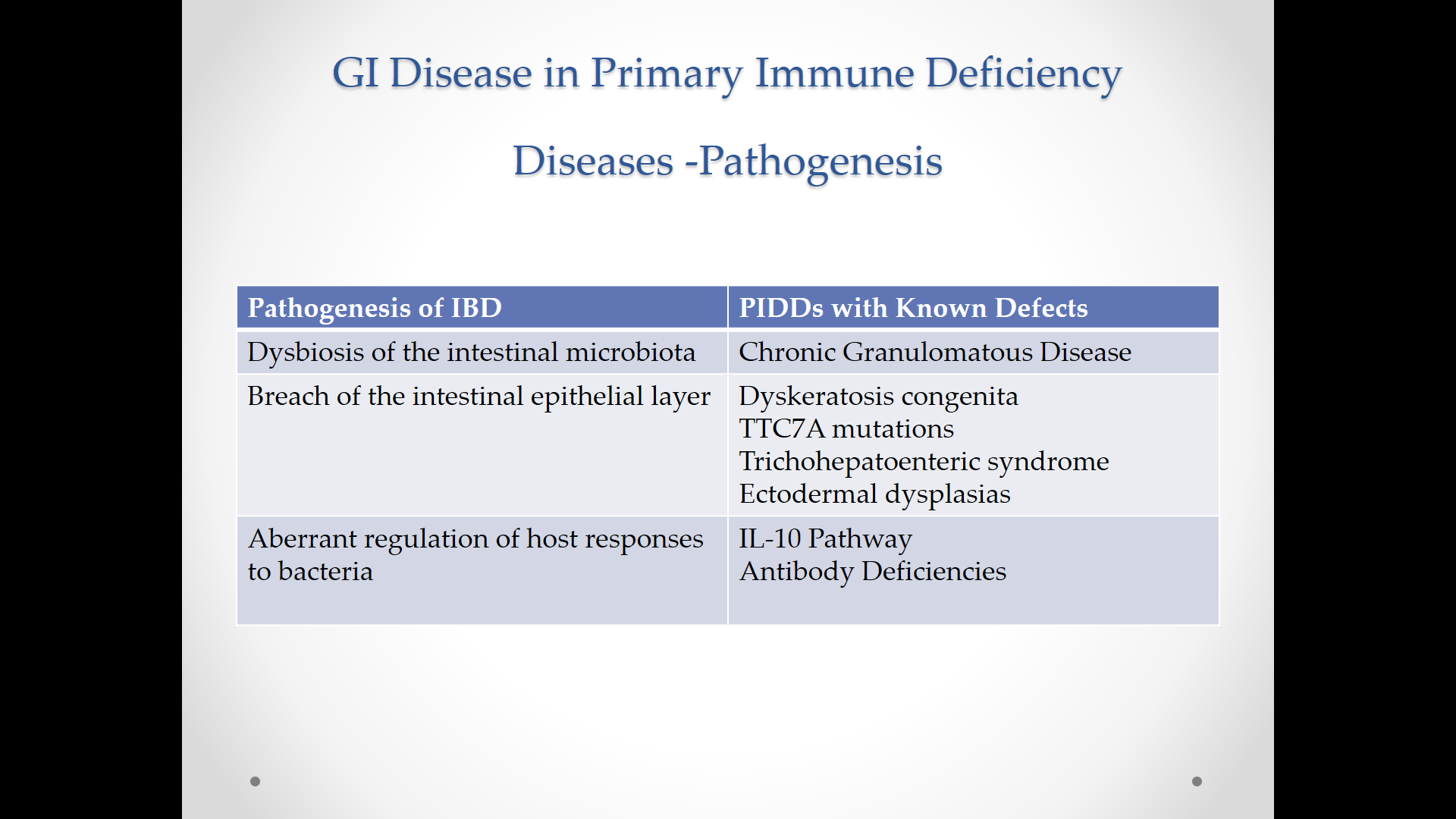
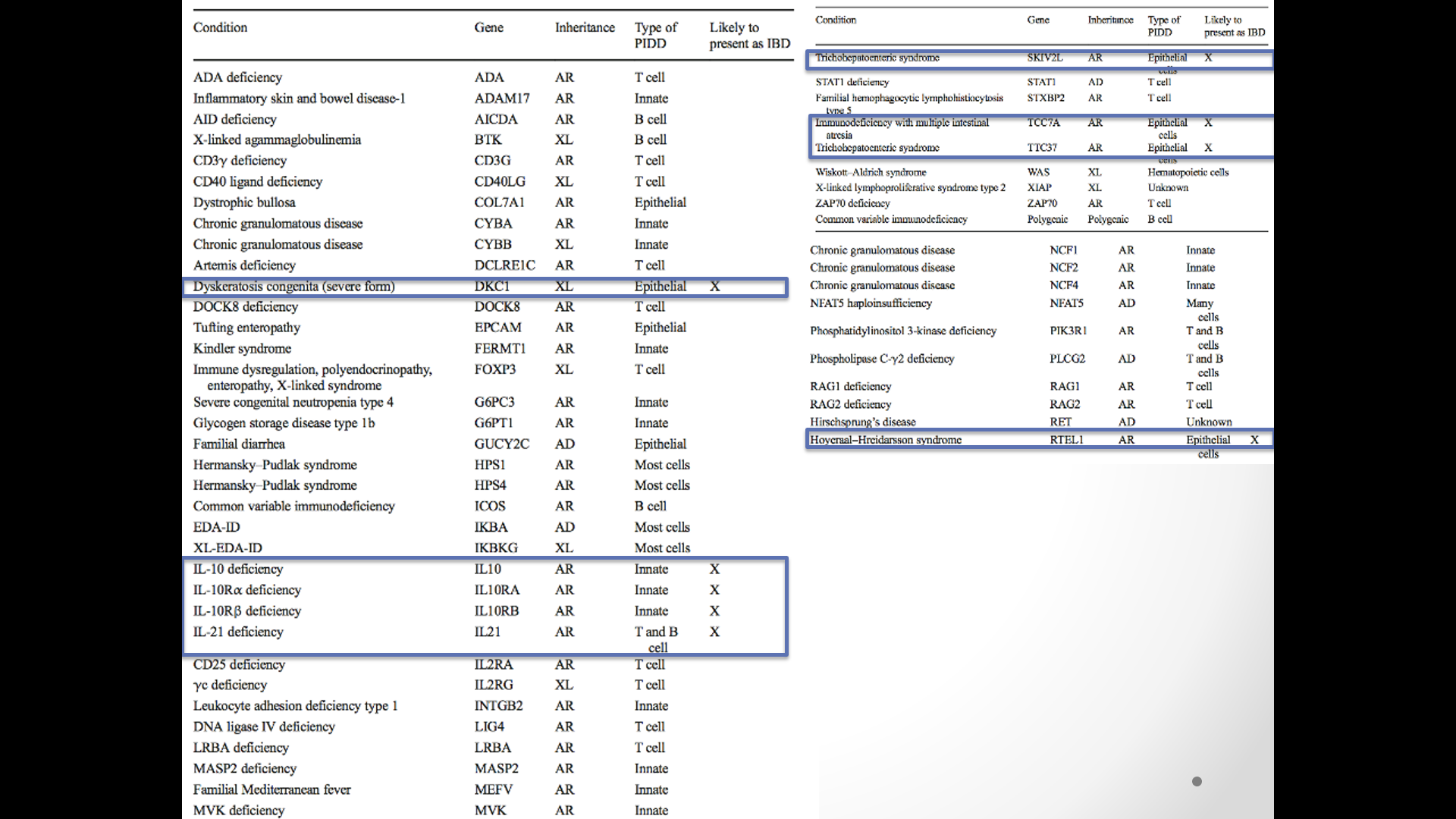
The last part of Dr. Patel’s talk focused on GI disease (eg. inflammatory bowel disease presentation) of primary immune deficiencies.  In the bottom slide, the diseases that often present with GI symptoms are boxed.

Disclaimer: These blog posts are for educational purposes only. Specific dosing of medications (along with potential adverse effects) and changes in diet should be confirmed by prescribing physician.  This content is not a substitute for medical advice, diagnosis or treatment provided by a qualified healthcare provider. Always seek the advice of your physician or other qualified health provider with any questions you may have regarding a condition.