Financial Toxicity of Liver Transplantation and Cirrhosis

Using a nationally representative database spanning the years 2006-2021 with 1412 recipients, Lieber et al describe the patient financial burden after LT. Key findings:

  • 21% had extreme liability > $10K for 1-year post-LT care
  • 69% paid between $1 and 10K, with 48% having liability >$5K in the initial year following LT
  • Medication costs comprised ~30% of outpatient financial liability
  • Potential indirect costs from wages lost were $2,201–$6,073 per person

Ufere et al surveyed 207 adult recipients of liver transplant across 5 US transplant centers. Key finding: Nearly 1 in 4 experienced high financial burden (>/= 10% annual income spent on out-of-pocket costs)

The editorial by Ladner et al. notes that “LT is the only curative treatment for cirrhosis, with a 5-year survival of over 80% and, in most cases, returning patients from a chronic disease state to full physical and mental health.6 However, LT is resource-intensive, associated with an average cost of >$700,000, and is only performed in ~10,000 patients every year due to many barriers, including limited organ supply.7 Hence, this lifesaving therapy is currently provided to less than 1% of the patients affected by cirrhosis.8

Ladner et al note that the financial burden of cirrhosis, though, is reduced after LT. “Without LT, the best that a patient can anticipate is to continue living with chronic liver disease/cirrhosis, with a baseline out-of-pocket cost of $19,390 per year. In this context, receiving an LT appears to be cost-saving for most (>80%) recipients of LT rather than a financial burden—with only 21% of recipients of LT having out-of-pocket costs >$10,000 during the first year after LT. In fact, the average out-of-pocket costs following LT appear quite similar to the $5,567 costs reported by patients without liver disease.5

My take: LT is expensive. The financial burden needs to addressed with patients. However, for patients with cirrhosis, LT is usually a good value with lower out-of-pocket costs for 80% of recipients along with better quality of life, and longevity.

Related blog posts:

Sullivan’s Island, SC Lighthouse

Ustekinumab Data at 4 Years -UNIFI Extension Study

W Afif et al. Am J Gastroenterol; 119: 910-921. Open Access! Efficacy and Safety of Ustekinumab for Ulcerative Colitis Through 4 Years: Final Results of the UNIFI Long-Term Maintenance Study

Background: In the initial UNIFI study, 44% and 38% remission rates were seen after 44 week treatment among patients with and without prior biologic exposure (See post: Ustekinumab for Ulcerative Colitis (UNIFI Trial)).

Methods: Ustekinumab induction responders who completed 44 weeks of maintenance treatment and agreed to enter the long-term extension continued their subcutaneous maintenance therapy (90 mg ustekinumab every 8 or 12 weeks [q8w or q12w] or placebo). Starting at week 56, randomized patients could receive dose adjustment to 90 mg q8w. 

Key findings:

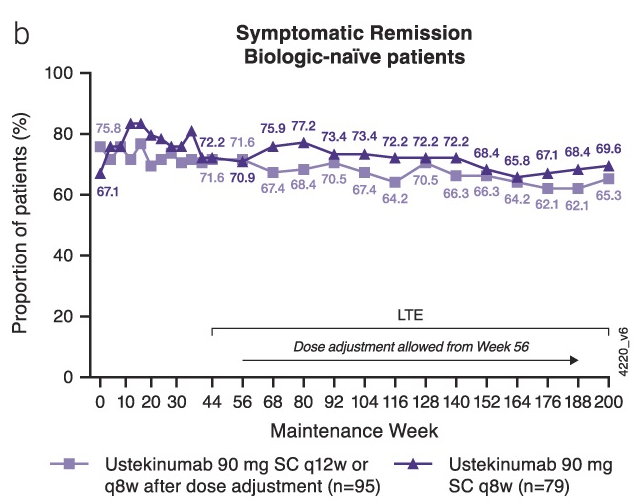
  • Of the 348 patients randomized to subcutaneous ustekinumab at maintenance baseline (q8w and q12w combined), 55.2% were in symptomatic remission at week 200.
  • A greater proportion of biologic-naive patients (67.2% [117/174]) were in symptomatic remission than those with a history of biologic failure (41.6% [67/161]).
  •  Of the 171 patients with endoscopic evaluation at week 200, 81.6% (71/87) in the q12w group and 79.8% (67/84) in the q8w group had endoscopic improvement.
  • Safety: From weeks 156 to the final safety visit (up to week 220), no deaths, major adverse cardiovascular events, or tuberculosis occurred in patients receiving ustekinumab. Nasopharyngitis, UC worsening, and upper respiratory tract infections were the most frequently reported adverse events. “Exposure-adjusted analysis showed that ustekinumab AE rates were not greater than placebo.”
  • Immunogenicity: Overall, 5.5% (22/400) of randomized and nonrandomized patients who continued ustekinumab in the LTE were positive for ADA through the final safety visit. Overall, 5 of these 22 patients (22.7%) were positive for neutralizing antibodies. ADA were often transient and seemed to have no effect on efficacy.

My take: About ~25% of patients starting ustekinumab can expect to be in remission after 4 years based on this study. This estimate is based on a remission rate of ~55% at 200 weeks after achieving clinical remission in ~44% of the initial cohort patients at 44 weeks of treatment. The study provides additional data regarding a favorable safety profile.

Related blog posts:

Disclaimer: This blog, gutsandgrowth, assumes no responsibility for any use or operation of any method, product, instruction, concept or idea contained in the material herein or for any injury or damage to persons or property (whether products liability, negligence or otherwise) resulting from such use or operation. These blog posts are for educational purposes only. Specific dosing of medications (along with potential adverse effects) should be confirmed by prescribing physician.  Because of rapid advances in the medical sciences, the gutsandgrowth blog cautions that independent verification should be made of diagnosis and drug dosages. The reader is solely responsible for the conduct of any suggested test or procedure.  This content is not a substitute for medical advice, diagnosis or treatment provided by a qualified healthcare provider. Always seek the advice of your physician or other qualified health provider with any questions you may have regarding a condition.

Identification of Low-value Care in Inflammatory Bowel Disease

S Singh et al. Clin Gastroenterol Hepatol 2024; 22: 923-932. Open Access! Common Instances of Low-value Care in Inflammatory Bowel Diseases

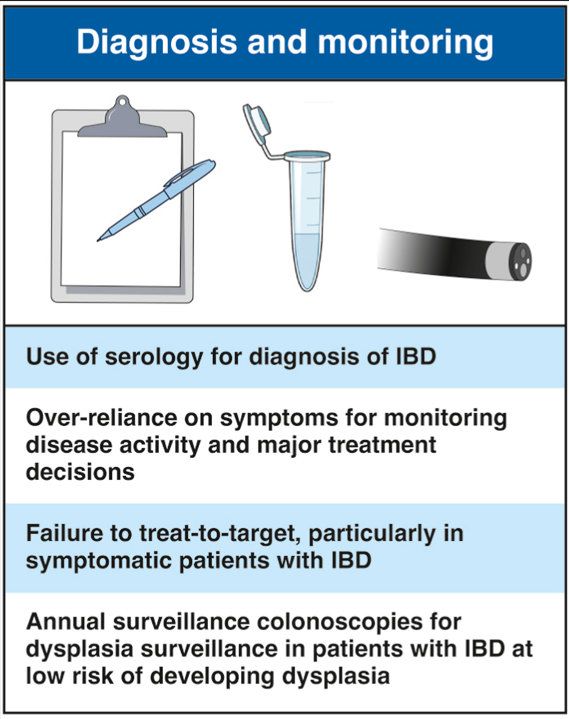
  • Serological tests such as pANCA, ASCA, and other serological anti-microbial antibody tests for the diagnosis of IBD in patients with non-specific symptoms or in those with negative endoscopic and radiologic evaluation represents low-value care.
  • Making major therapeutic decisions based only on the presence of symptoms in patients with IBD, particularly CD, without objective confirmation of inflammation, represents low-value care. “
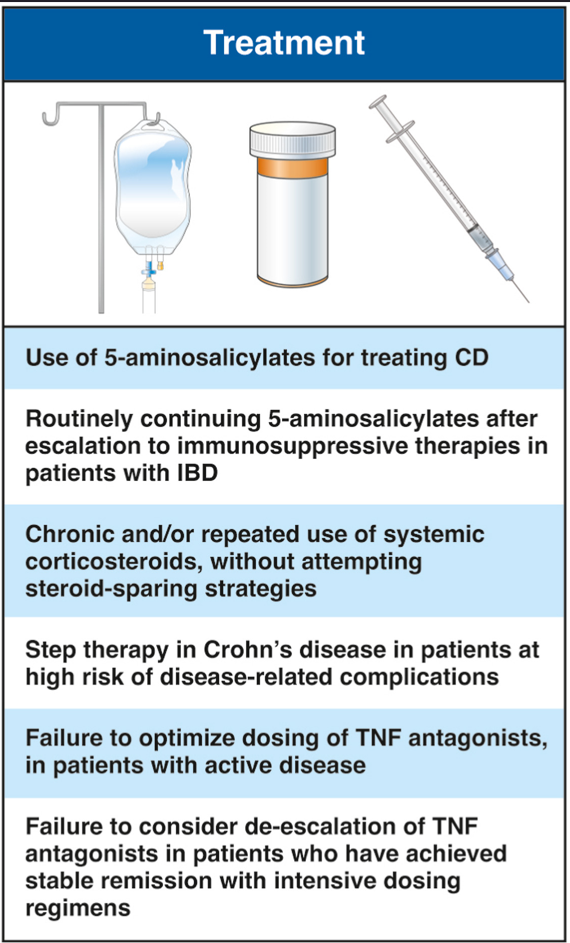
  • Use of 5-ASA for the management of CD, particularly for patients at high risk of disease-related complications, represents low-value care. The safety of these medications must not be confused for their lack of efficacy in this setting. The utility of 5-ASA in a subset of patients with mild colonic CD who are at low risk of disease-related complications remains to be adequately studied.”
  • Routine continuation of oral 5-ASA in patients with IBD who have been escalated to advanced therapies represents low-value care. Selective use of 5-ASA, particularly topical therapy in patients with persistent symptoms of proctitis despite optimized biologics may be appropriate.”
  • Premature discontinuation of TNF antagonists in patients with IBD with partial but inadequate response or loss of response (after initial improvement) to index agent, without an attempt with accelerated dosing or therapeutic drug monitoring to potentially optimize therapy, represents low-value care.”
  • Failure to consider dose de-escalation of TNF antagonists in patients who have achieved stable and persistent remission with intensive dosing regimens may represent low-value care.

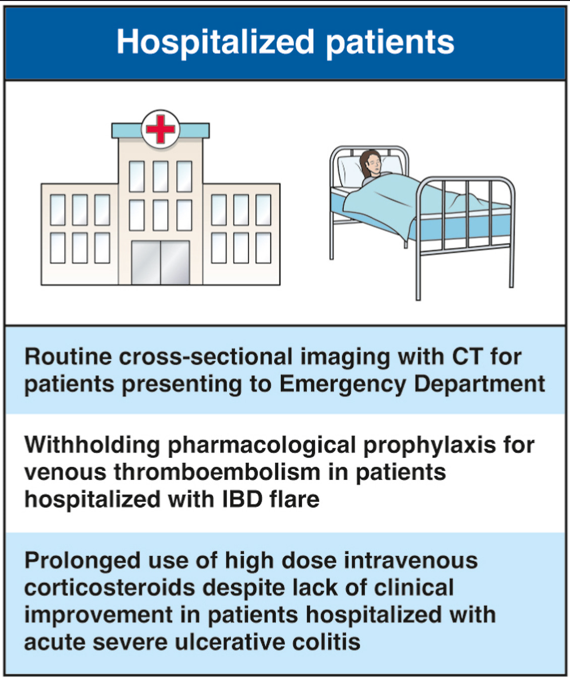
Prolonged use of high-dose intravenous corticosteroids beyond 5 to 7 days without significant clinical improvement, in patients hospitalized with ASUC, represents low-value care. In these patients, escalation to rescue medical therapy or surgery should be strongly considered.”

My take: If the comedian Jeff Foxworthy wrote this article, each of the opinions would have started off with ‘You might be wastin money if…’

BRUEs in Boston –Two Punch Study

DR Duncan et al. J Pediatr 2024; 272: 114128. Brief Resolved Unexplained Events Symptoms Frequently Result in Inappropriate Gastrointestinal Diagnoses and Treatment

In this prospective cohort study from Boston Children’s (2017-2022, n=157), the authors examined diagnostic evaluations in children presenting with Brief Resolved Unexplained Events (BRUEs).

Key findings:

  • Only 28% (20% during the hospitalization, 8% afterwards) underwent VFSS with 71% abnormal.
  • 42% of infants had their BRUE attributed to GERD, and 33% were treated with acid suppression during follow-up
  • Provision of GERD diagnosis was associated with a delay in making an aspiration diagnosis. 10% (6/66) of patients with “GERD” diagnosis subsequently had swallow studies –all were abnormal. Mean diagnostic delay was 56 days.

Discussion points:

  • The approach of using symptoms to determine evaluation of BRUEs has been advised by AAP clinical practice guidelines (2016 & 2019); “however, our results suggest that reliance on these clinical characteristics may result in negative outcomes.”
  • Most aspiration in infants is silent aspiration and not detected by clinical feeding evaluation (CFE) in the absence of a VFSS. “It is concerning that 63% of patients had CFE alone without confirmatory VFSS in the present cohort, and it may be that this practice is even more common in other centers.” Silent aspiration can lead to repeat hospital visits and even long-lasting pulmonary damage including bronchiectasis.
  • Establishing a GERD diagnosis likely increases unnecessary (& potentially harmful) acid suppression

My take: The two punches in this study:

  1. Clinicians cannot diagnose aspiration based on history or bedside feeding evaluations. Objective testing (e.g. VFSS) is needed if there are concerns for dysphagia
  2. Inappropriate diagnosis of GERD may cause harm. GERD medications have been associated with increased infections and may increase risk for allergies.

The role of aspiration in causing BRUEs has been well-recognized since 2017 (see below) by the same group in Boston. It is likely that evaluation of dysphagia is even less frequent in other medical centers.

Related blog posts:

Double Arch at Arches National Park

ChatGPT4 Outperforms GI Docs for Postcolonoscopy Surveillance Advice

PW Chang et al. Clin Gastroenterol Hepatol 2024; 22: 1917-1925. ChatGPT4 Outperforms Endoscopists for Determination of Postcolonoscopy Rescreening and Surveillance Recommendations

Text input of de-identified data into ChatGPT4 from 505 consecutive patients undergoing colonoscopy between January 1 and April 30, 2023. Key findings:

  • ChatGPT4 recommendations were in closer agreement with the USMSTF Panel (85.7%) than gastroenterology practice recommendations with the USMSTF Panel (75.4%) (P < .001).
  • Of the 14.3% discordant recommendations between ChatGPT4 and the USMSTF Panel, recommendations were for later screening in 26 (5.1%) and for earlier screening in 44 (8.7%) cases. 

My take: Incorporating AI in deciding follow-up surveillance is likely to be a helpful tool.

Related article: K-H Yu et al. NEJM 2024; 390: 1895-1904. Medical Artificial Intelligence and Human Values. This article discusses how human values affect the results of AI advice.

Related blog posts:

Mesa Arch at Canyonland National Park

Mom, Can We Get a Dog (& a Sibling)? I Don’t Want to Get Crohn’s Disease

M Xue et al. Clinical Gastroenterology and Hepatology, Volume 22, Issue 9, 1889 – 1897.e12. Open Access! Environmental Factors Associated With Risk of Crohn’s Disease Development in the Crohn’s and Colitis Canada – Genetic, Environmental, Microbial Project

Methods: The authors prospectively followed 4289 healthy first-degree relatives (FDRs) of patients with CD from the Crohn’s and Colitis Canada – Genetic, Environmental, Microbial (CCC-GEM) project. Regression models identified environmental factors associated with future CD onset and their association with pre-disease biological factors, including altered intestinal permeability measured by urinary fractional excretion of lactulose to mannitol ratio (LMR); gut inflammation via fecal calprotectin (FCP) levels; and fecal microbiome composition through 16S rRNA sequencing.

Key findings:

  • Over a 5.62-year median follow-up, 86 FDRs developed CD
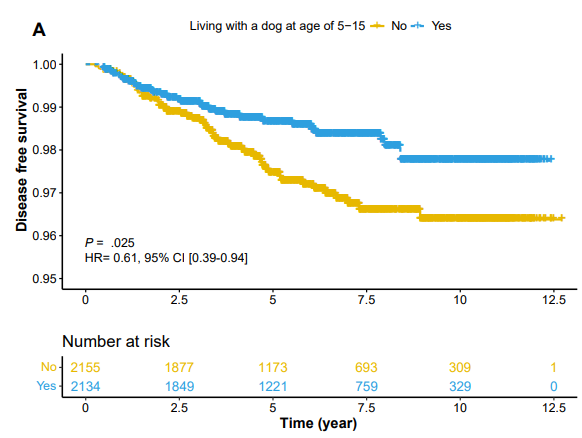
  • Living with a dog between ages 5 and 15 (hazard ratio [HR], 0.62; P = .034) was associated with decreased CD risk
  • Living with a dog was associated with reduced LMR, altered relative abundance of multiple bacterial genera, and increased Chao1 diversity.
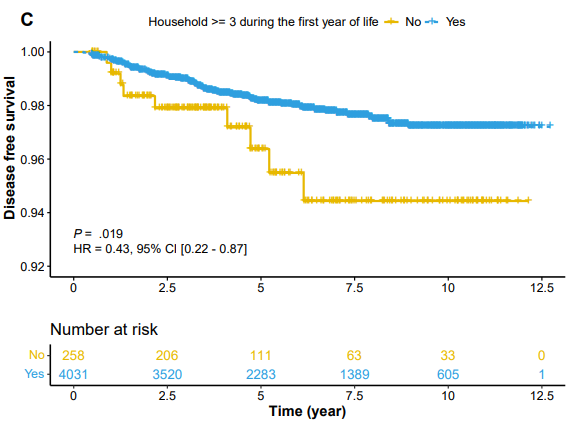
  • Living with a large family size in the first year of life (HR, 0.43; P = .016) was associated with decreased CD risk
  • Having a bird at the time of recruitment (HR, 2.78; P = .005) was associated with an increased CD risk (though there were relatively few FDRs with birds at baseline, n=136)
  • Limitations: questionnaire-based assessments of environmental exposure can be subject to recall bias

My take (borrowed from authors): “Our findings contribute to the growing evidence supporting the potential health benefits of exposure to pets, particularly dogs, as a potential preventive strategy for individuals at risk of developing CD.” Having a dog during childhood may reduce the later risk of CD by ~40%.

Related blog posts:

Dr. Praveen Goday: Tips on Managing Feeding Problems (Part 1)

Dr. Goday gave our group a great lecture on pediatric feeding disorders. I’ve included many of his slides along with some of my notes. There may be errors in omission and transcription on my part.

Differences between picky eating, pediatric feeding disorder, and ARFID

  • 70% of picky eating is inherited.
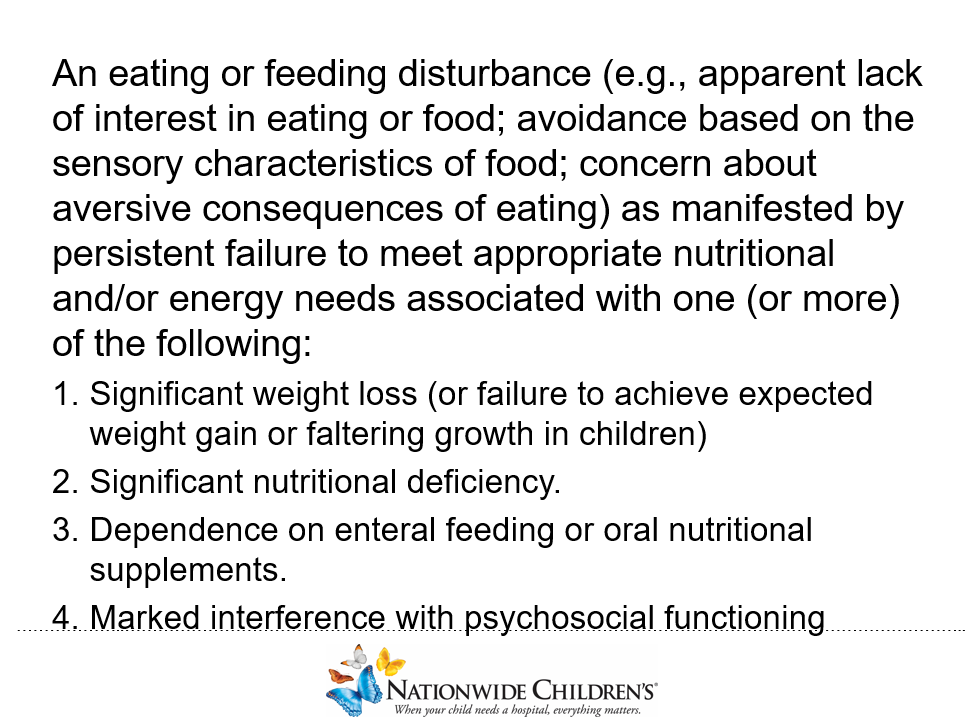
  • If there are sequelae from picky eating, this indicates that the child has a pediatric feeding disorder.  There are 4 potential domains to pediatric feeding disorders: medical dysfunction, feeding skills dysfunction, nutritional dysfunction and psychosocial dysfunction (this is more subjective than other domains)
  • Pediatric feeding disorder (PFD) is a better term than “behavior” feeding disorder because many children have underlying contributing disorders like eosinophilic esophagitis (EoE) or aspiration/swallow dysfunction
  • ARFID is a diagnosis used by psychologists. It is when purely psychosocial concerns leads to nutrition dysfunction. The diagnosis is likely best used in older children who are mostly neurotypical and have normal development.  In younger children, it is important to assess for underlying disorders like oromotor discoordination and EoE

Strategies to prevent picky eating:

  • Breastfeeding (varied tastes in breastmilk)
  • Responsive feeding (feeding when hungry)
  • Solids [lumpy] (especially 6-9 months)
  • Multiple-varied exposures
  • Prevention/treatment: Praise at meal times, non-food rewards, Ellyn Satter’s advice (parents decide when, where, and what is offered & child decides how much

Increased risk of developing picky eating: FPIES, multiple allergies

Related blog posts:

Disclaimer: This blog, gutsandgrowth, assumes no responsibility for any use or operation of any method, product, instruction, concept or idea contained in the material herein or for any injury or damage to persons or property (whether products liability, negligence or otherwise) resulting from such use or operation. These blog posts are for educational purposes only. Specific dosing of medications (along with potential adverse effects) should be confirmed by prescribing physician.  Because of rapid advances in the medical sciences, the gutsandgrowth blog cautions that independent verification should be made of diagnosis and drug dosages. The reader is solely responsible for the conduct of any suggested test or procedure.  This content is not a substitute for medical advice, diagnosis or treatment provided by a qualified healthcare provider. Always seek the advice of your physician or other qualified health provider with any questions you may have regarding a condition.

Where Will We Be Without Formulas for Premature Babies?

S.A Abrams, R.J. Shulman. The American Journal of Clinical Nutrition, https://doi.org/10.1016/j.ajcnut.2024.08.028. Open Access! What would happen in the United States if there were no cow milk-based preterm infant nutritional products: Historical perspective and evaluation of nutrient-related challenges

Background: “Recent legal action (1) has raised the possibility that preterm cow milk-based infant nutritional products (PCMBPs) may either not be produced and available in the United States or may require parental consent and warnings making them extremely difficult for caregivers to use and families to accept (2).”

Key points:

  • “Evidence that unfortified human milk is inadequate to meet the nutrient needs of small preterm infants has been present for over 100 years (6). Until the late 1970’s and early 1980’s, there were limited widely available solutions to either fortify or replace human milk for preterm infants and these were often based on providing feedings of concentrated evaporated cow milk; now recognized as woefully inadequate and unsafe (7 ). At that time, specialized formulas that were high in energy, protein, and micronutrients were widely introduced into the market. Early studies confirmed faster growth of infants fed such products compared to unfortified human milk or full-term formula (8) and their use became widespread by by the mid-1980s.”
  • “The availability of PCMBPs as well as a human milk-based human milk fortifier has led to relatively less frequent and severe nutritional failure in very low birth weight, less than 1500 g (VLBW) infants than in earlier eras. Nonetheless growth failure remains a current problem, especially in the smallest of infants, that is, those less than 1000 g birth weight and less than 25 weeks post-menstrual age at birth (12).”
  • “Inadequate growth and mineralization can be expected to lead to long-term developmental disability, bone demineralization, and frank rickets”
  • “Even with such improvements in policy to support breastfeeding and human milk donations, it is unlikely that an all human milk-based diet could be available for many years if ever for most of the preterm infants born in the US each year, either in the NICU or after hospital discharge.”
  • “Supplements for infants who are over a year of age.. are not suitable for preterm infants, especially those in the first 6 to 9 months after birth. They have relatively high osmolality and nutrient levels, would pose substantial risks of intolerance, and would not meet the specific nutrient requirements of this population.”
  • “The process of individualizing or creating multi-component fortification strategies would be daunting and carries risks of contamination, preparation errors, and tolerance issues. Without proper fortification, preterm infants are at a high risk of growth failure and its associated negative impacts on development and even survival.”

My take: Experts in the field of neonatal nutrition are worried that recent litigation will negate decades of nutritional advances in neonatal care. This is a very real threat. In addition to more complications, the litigation will result in much greater expenses for all infants/families.

Related blog post: Proliferation of Formula Lawsuits In Necrotizing Enterocolitis

Canyonlands National Park, Utah

Vancomycin for Inflammatory Bowel Disease in Patients with Primary Sclerosing Cholantgitis

E Ricciuto et al. Aliment pharmacol ther 2024; 59: 1236-1247. Oral vancomycin is associated with improved inflammatory bowel disease clinical outcomes in primary sclerosing cholangitis-associated inflammatory bowel disease (PSC-IBD): A matched analysis from the Paediatric PSC Consortium

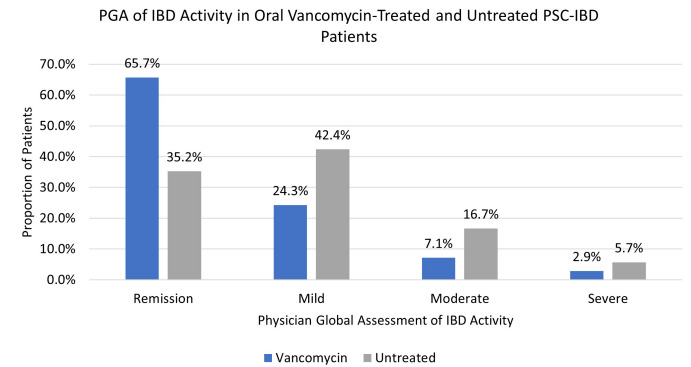
This was a retrospective study from 54 centers with 113 PSC-IBD pediatric patients receiving vancomycin (median age 12.7 years, 63% male). The matched cohort included 70 vancomycin-treated and 210 untreated patients. Clinical remission was defined as physician global assessment (PGA) of zero. It is noted that the Pediatric PSC consortium included 1362 patients at the time of this study; only 11% (n=113) were treated with vancomycin for at least 3 months. The median dose of vancomycin was 17 mg/kg/day and median duration was 2.5 years.

Key findings:

  • Vancomycin was associated with greater odds of IBD clinical remission (odds ratio [OR] 3.52, 95% CI 1.97-6.31; adjusted OR [aOR] 5.24, 95% CI 2.68-10.22).
  • Vancomycin was associated with increased odds of endoscopic remission (aOR 2.76, 95% CI 1.002-7.62; N = 101 with data), and with lower CRP (p = 0.03) and higher hemoglobin and albumin (both p < 0.01).
  • At baseline, prior to vancomycin, 34% (30/88) were in clinical remission; this increased to 60% (52/86) after 6 months of treatment. After ~ 1 year, 71% (55/78) of children treated with vancomycin were in remission, compared with 35% who had not receive the antibiotics.
  • Ursodeoxycholic acid use: 53% for vancomycin-treated and 82% of control group (P<0.001). Other cotherapies were similar including infliximab (36% vs. 27%) and vedolizumab (13% vs 7%)
  • Only 28 vancomycin-treated patients had baseline and f/u colonoscopy data available. 46% of this subgroup had endoscopic remission compared to 26% of matched untreated controls.

In the discussion, the authors acknowledge the limitations of a retrospective observational study. RCTs are quite difficult with rare disorders, especially in children. In addition, the exact mechanisms for vancomycin efficacy remain unclear -possibly microbial changes or its effects on bile acids. They note that many patients treated with vancomycin had mild clinical activity at baseline. Though, even this population may benefit with resolution of clinical inflammation which could reduce the risk of colorectal cancer.

My take: In patients with PSC-IBD, the use of vancomycin for IBD should be a consideration especially in those who have not responded adequately to other treatments.

Related blog posts:

NEJM: Pharmacologic Treatment of Reflux in Infants?

JR Barzilay et al. N Engl J Med 2024;391:960-962. Medication for Gastroesophageal Reflux Disease in Infants.

A recent case vignette of a 3 month old with reflux symptoms without response to dietary changes and positioning offers two potential management options. “Option 1” author advocates for use of a PPI (which I do NOT agree with):

“If conservative measures have been performed appropriately and a pediatric gastroenterology referral has been made, I would consider a short trial of medication, in accordance with guidelines from the North American and European Societies for Pediatric Gastroenterology, Hepatology, and Nutrition.2… in my experience, many pediatric gastroenterologists would conclude, on the basis of clinical symptoms, that the infant may have reflux esophagitis and would prescribe a trial of medication before considering invasive diagnostic procedures…There is no convincing evidence to support a difference between PPIs and histamine2-receptor antagonists in controlling symptoms of reflux.3 I recommend a 4-week trial of omeprazole with continuation of the nonpharmacologic treatments. If the medication is not effective, I would consider increasing the dose before terminating the trial. A PPI should not be discontinued abruptly if it has been used for several weeks, since rebound gastric hyperactivity may occur.”

“Option 2” author argues against use of medications:

“Gastric-acid inhibitors such as PPIs are often used in infants such as this one, even though there are no published studies supporting treatment.2 Several studies have indicated that PPIs and histamine2-receptor antagonists are ineffective for treating symptoms associated with infant reflux in the absence of endoscopically proven esophagitis.2….PPIs have been associated with bacterial overgrowth, respiratory infections, viral gastrointestinal illness, drug interactions, and adverse long-term bone health. The current recommendation from the North American and European Societies for Pediatric Gastroenterology, Hepatology, and Nutrition is to use PPIs (or histamine2-receptor antagonists if PPIs are contraindicated or unavailable) only in infants who have endoscopy-proven esophagitis.4

My take:

  1. It is a mistake to publish this vignette reinforcing the idea that using a PPI in this setting is a good medical decision. Though use of a PPI is common in infants, it is rarely beneficial
  2. The vignette missed an opportunity to emphasize that some infants with reflux symptoms have oropharyngeal dysfunction, especially in those with brief resolved unexplained events (BRUEs)
  3. “Option 1” lists several fallacies —a. most pediatric GIs would NOT conclude that this infant would have reflux esophagitis –most reflux is non-erosive (especially in infants), b. even if PPIs were effective, there is not a strong argument for a 4 week trial in this age group. If PPIs were effective, response to treatment should be much quicker, and c. in this age group, a slow wean off PPIs is unnecessary. There is no proof that there is rebound gastric hyperactivity in infants.

Related blog posts:

Descanso Gardens in Los Angeles