Top Anti-TNF for Ulcerative Colitis

A recent retrospective cohort study (S Singh et al. Clin Gastroenterol Hepatol 2017; 15: 1218-25) compared infliximab and adalimumab in a nationwide Danish cohort of adults with ulcerative colitis (UC) from 2005-2014. The authors used propensity score and selected 171 patients who received infliximab (IFX) from a total of 1580 and 104 patients who received adalimumab (ADA) among a total of 139.

Key findings:

  • Patients who received ADA had higher hospitalization rates (HR 1.84) and a trend toward higher UC-related hospitalization (HR 1.71, CI 0.95-3.07) compared to IFX
  • Risk of abdominal surgery was not significantly higher in ADA patients (HR 1.35) compared to IFX
  • Serious infections were higher in ADA group, HR of 5.11 of needing hospitalization due to infections

There have been no randomized clinical trials  to determine if a specific anti-TNF agent is superior to another. In an associated editorial (MT Osterman, GR Lichtenstein, 1197-99), the authors note that while we don’t know which agent is superior, by comparing similar trials (ACT 1 & 2 for IFX and ULTRA 1 & 2 for ADA), “raw week 8 induction rates of clinical remission, clinical response, and mucosal healing are approximately 16%, 18%, and 19%, respectively, higher for infliximab”..”less dramatic differences favoring infliximab (approximately 9%, 13%, and 15%, respectively) are seen during maintenance at 1 year.”

My take: Due to the lack of randomized head-to-head studies, we do not know with certainty which anti-TNF is best for UC.  However, the data we have from retrospective cohort studies and from using raw data from prospective studies suggests that infliximab is effective in more patients.

Related blog posts:

University of Virginia Rotunda Pctures


Disclaimer: These blog posts are for educational purposes only. Specific dosing of medications (along with potential adverse effects) should be confirmed by prescribing physician.  This content is not a substitute for medical advice, diagnosis or treatment provided by a qualified healthcare provider. Always seek the advice of your physician or other qualified health provider with any questions you may have regarding a condition.

Briefly: Notable Recent IBD Publications

Vermeire S et al. Lancet 2017; 389: 266-75.  The “FITZROY ” study examined clinical remission in patients with moderate-to-severe Crohn’s disease treated with filgotinib, a orally administered selective JAK inhibitor.  This agent is 30 times more selective fo rJAK1 over JAK3. This study enrolled 174 patients in a phase II study. Key findings:

  • Among patients naive to anti-TNF agents, clinical remission (based on CDAI <150 at week 10) noted in 47% of filgotinib-treated compared with 23% of placebo group (P=.0077)
  • Among patients naive to anti-TNF agents, clinical response was noted in 67% of filgotinib-treated compared with 44% in the placebo group.

H Singh et al. Gastroenterol 2017; 153: 430-8.  Using the large Manitoba Epidemiology Database with 1.3 million population (2005-2014), the authors found that individuals with IBD had a 4.8 fold increase risk of Clostridium difficile infection.
T-D Kanneganti. NEJM 2017; 377: 694-6. This review examined the NLRP3 Inflammasome.  Neudecker et al (J Exp Med 2017; 214: 1737-52) identified microRNA miR-223 which functions “to suppress the Nlrp3 inflammasone during acute colitis.” Other useful points in this review of basic research:

  • “The majority of the immune cells in the body are located in the intestine, where they are spatially separated from more than 10 trillion microorganisms by a layer of mucus and a layer of epithelial cells.  Deterioration of this physical barrier …underlies inflammatory bowel disease.”
  • miR-223 is increased in the inflamed colon. “During inflammation, the expression of miR-223 is also upregulated..and the molecule binds to its complementary sequence in a regulatory part of Nlrp3 mRNA…lead[ing] to decreased Nlrp3 expression and the consequent dampening of interleukin-1β maturation and associated inflammation.”

AGA Guidelines on Therapeutic Monitoring

From Healio Gastro: AGA releases guidelines on therapeutic drug monitoring in IBD

Key points from Healio Gastro for Adult Patients with IBD:

  • Reactive monitoring: for patients with a flare or active symptoms: “For patients on maintenance therapy with infliximab, adalimumab or certolizumab pegol who flare after initially responding, if trough levels are below 5 µg/mL, 7.5 µg/mL or 20 µg/mL, respectively without anti-drug antibodies or with low-titer antibodies, then it may be reasonable to try optimizing the index therapy (escalating anti-TNF agent by increasing dose, shortening interval and/or adding immunomodulator)”
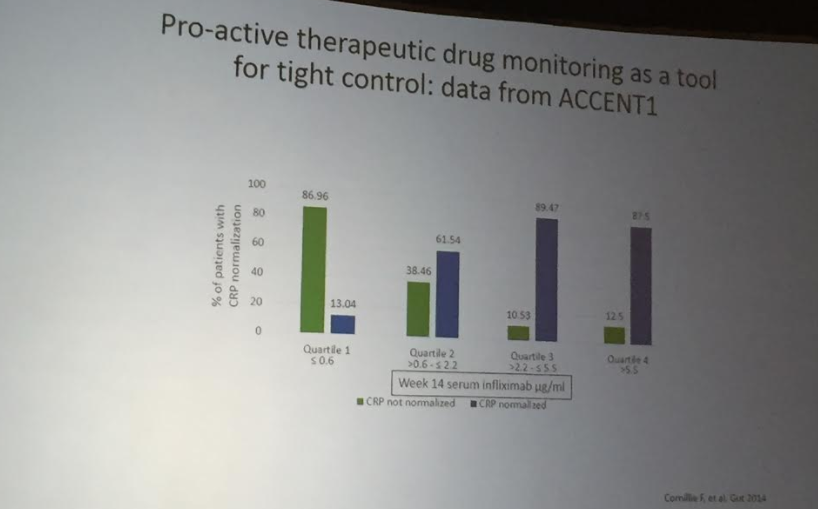
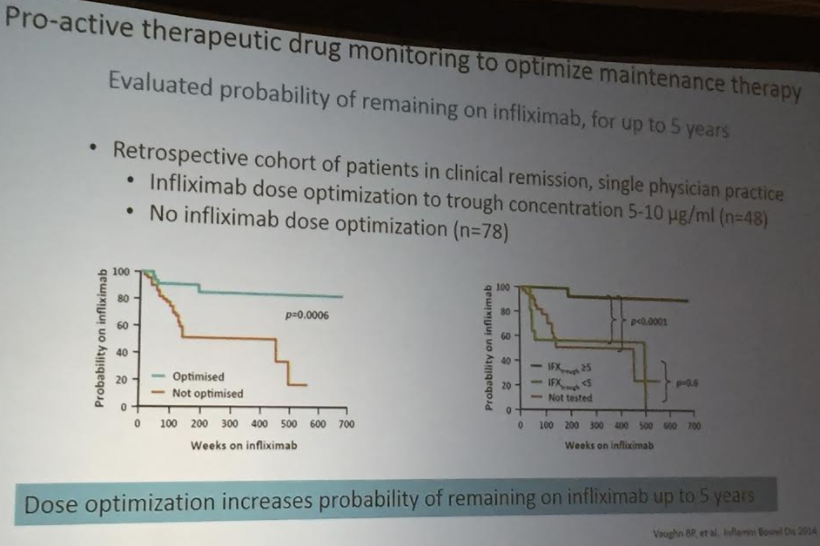
  • Proactive monitoring: the guideline states that “no recommendation can be made regarding routine proactive TDM in patients with quiescent IBD being treated with anti-TNFs, as this is a critical knowledge gap in need of further study…careful and selective use of proactive TDM could be beneficial, but current evidence for its routine use is limited and its overall benefits remain uncertain”
  • Thiopurines: the guideline suggests TPMT testing of enzymatic activity or genotype before adults with IBD start treatment with thiopurines.
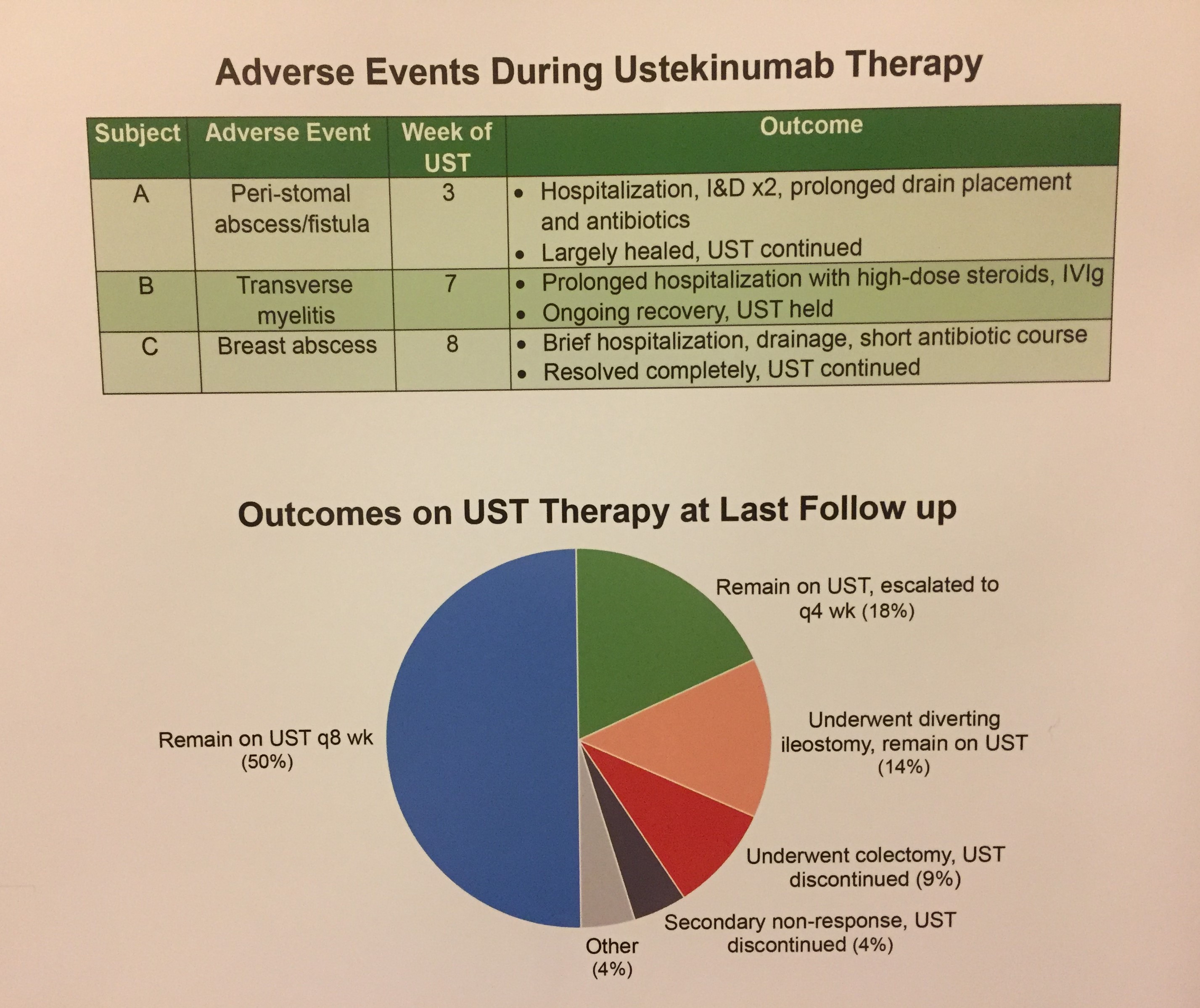
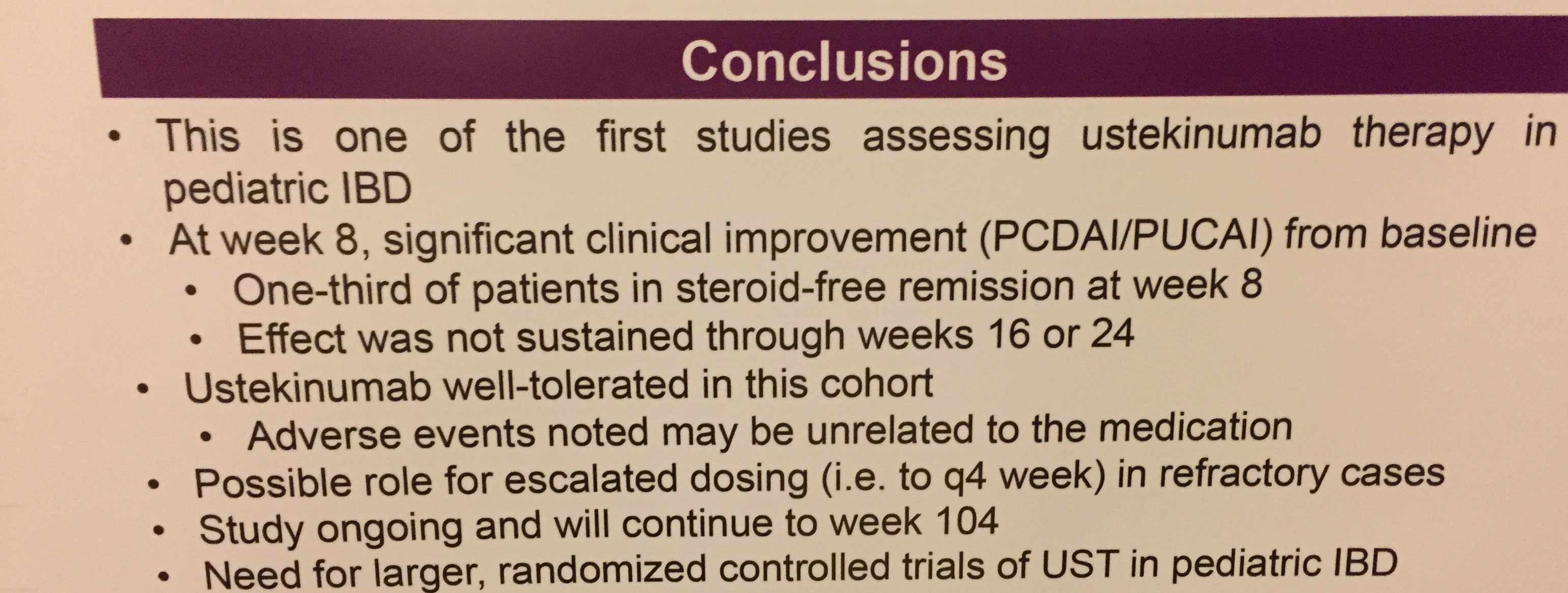
  • New biologics:  the guideline does not address therapeutic drug monitoring in patients treated with Entyvio (vedolizumab, Takeda) or Stelara (ustekinumab, Janssen) due to a lack of available data.

Reference: JD Feuerstein et al. Gastroenterol 2017; 153: 827-34. Technical review: NV Casteele et al. Gastroenterol 2017; 153: 835-57.

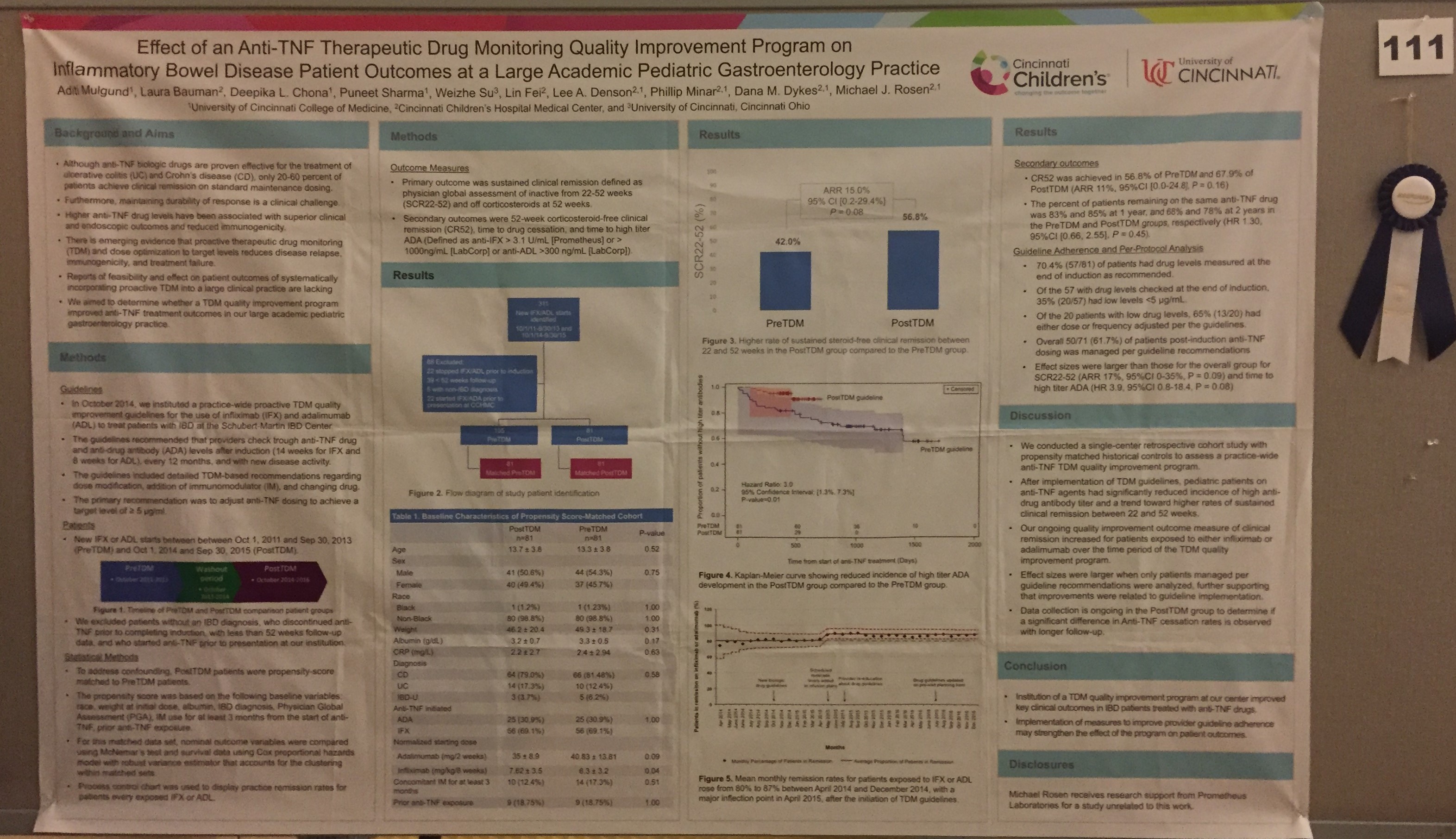
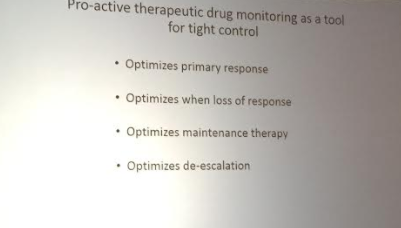
My take: Therapeutic monitoring has become widespread and is quite helpful.  My impression is that most pediatric gastroenterologists have adopted both proactive and reactive monitoring.

Related blog posts:

Looking towards the  top of John Rock Hike, near Brevard, NC

CCFA: Updates in Inflammatory Bowel Disease 2017 (Part 4)

Our local CCFA chapter provided a useful physician CME meeting.  The following are my notes. My notes may include some errors in transcription and errors of omission.

Ashish Patel  -Updates in Pediatric Inflammatory Bowel Disease Treatments

Key points:

  • Top-down or step-up models are outdated –use appropriate agent for each patient
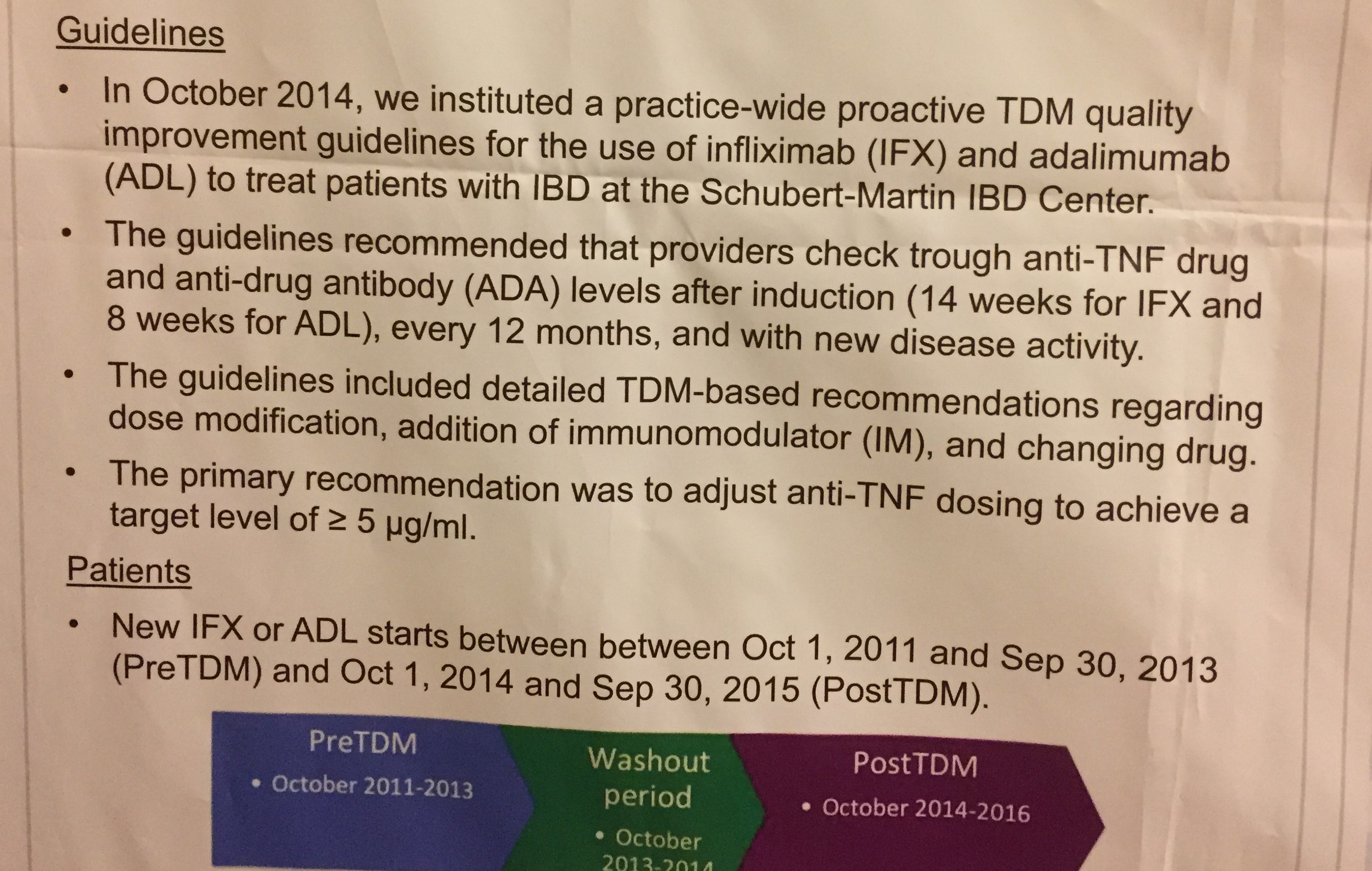
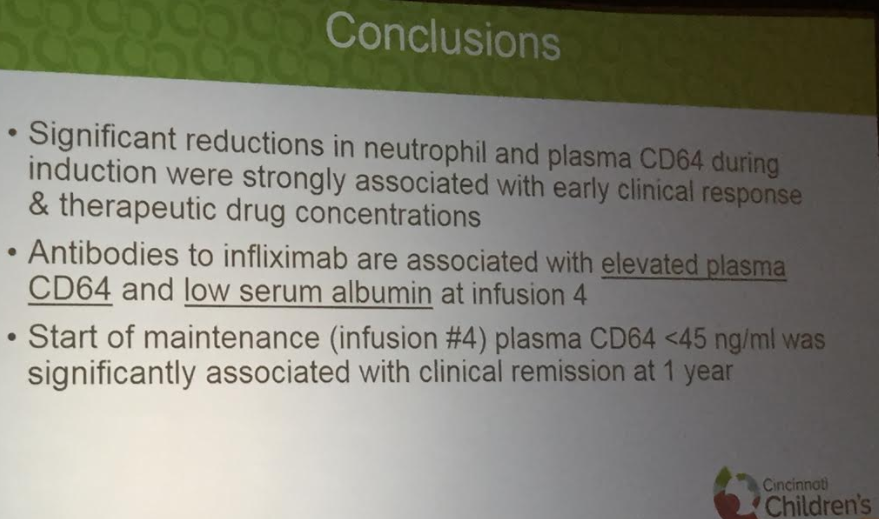
  • Discussed therapeutic drug monitoring.  In pediatrics, checking infliximab (IFX) level after 14 weeks is recommended by ICN per Dr. Patel.
  • Veolizumab -no pediatric FDA indication yet..  Alpha4Beta7 integrin blocker –blocks recruitment of WBC
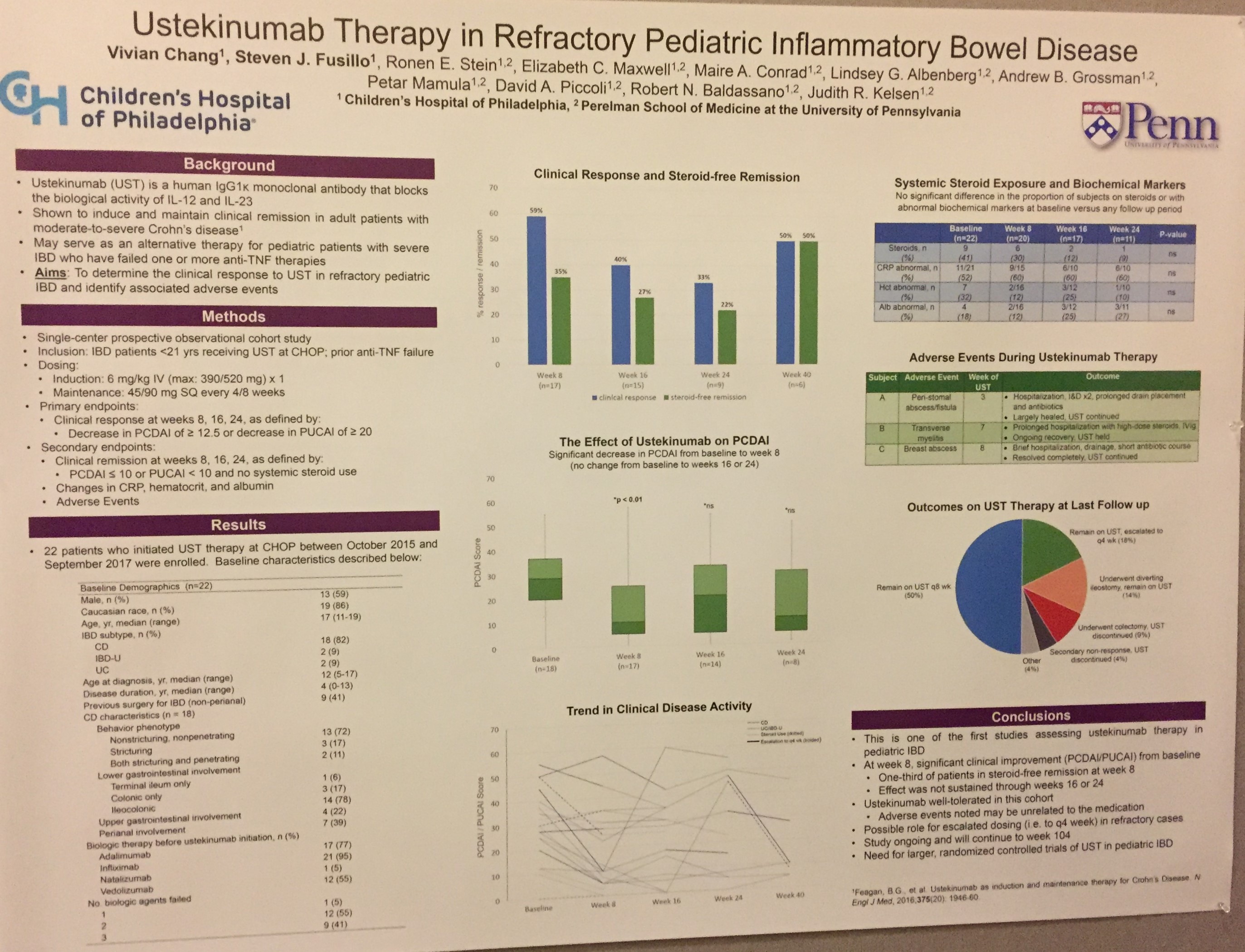
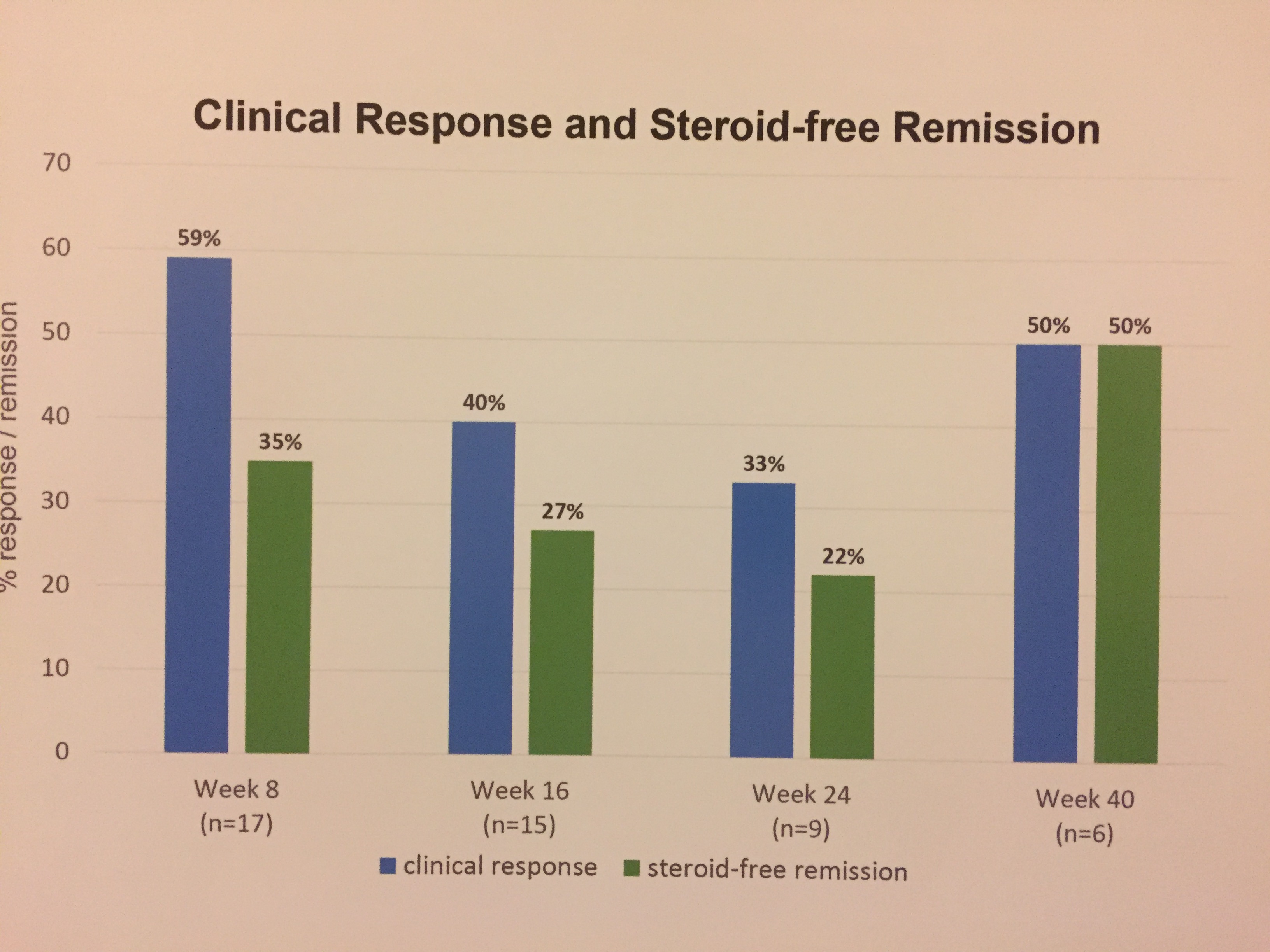
  • Stelara -off label in pediatrics.  Seems to be helpful for patients who have psoriasis on TNF agents.
  • Exclusive enteral nutrition (EEN) like medical therapies are therapies and not cures.  It has to be maintained to be effective.

Disclaimer: These blog posts are for educational purposes only. Specific dosing of medications (along with potential adverse effects) and changes in diet should be confirmed by prescribing physician.  This content is not a substitute for medical advice, diagnosis or treatment provided by a qualified healthcare provider. Always seek the advice of your physician or other qualified health provider with any questions you may have regarding a condition.

Biosimilars: “The Horse is Out of the Barn”

A recent study (J Sieczkowska-Golub et al. JPGN 2017; 65: 285-88) reports on 36 pediatric patients who received CT-P13, an infliximab biosimilar.  Key findings:

  • 34 of 36 (94.4%) completed induction therapy
  • Clinical response based on pCDAI was noted in 31 of 36 (86%)
  • Clinical remission based on pCDAI was noted in 24 of 36 (67%)

The authors concluded that the induction was effective and similar to the reference infliximab.

In the accompanying editorial, Dr. de Ridder and Dr. Winter make some crucial observations:

  • “Although the study…is important, the number of subjects in this study are low and follow-up is short (14 weeks).”
  • “It is still a large step from adults to children.” Children may have important differences in IBD pathogenesis and pharmocokinetics may not be the same as in adults.
  • The studies supporting CT-P13 (Planetas, Planetra, and NOR-SWITCH) were studies of adult patients.
  • “The data in children are scarce.” However, “the horse has already left the barn. In many European countries both naive pediatric patients with IBD and patients who have switched from the originator are treated with CT-P13.”
  • While “caution is still needed,” the lower costs of CT-P13 will “lead to wider availability.”

My take: We still have a lot to learn.  Until more studies are available, switching stable patients could increase risk of losing response.

Related blog posts:

Eiffel Tower

CCFA: Updates in Inflammatory Bowel Disease 2017 (part 3)

More from our recent CCFA Conference.  My notes may include some errors in transcription and errors of omission.

Subra Kugasthasan -RISK Updates

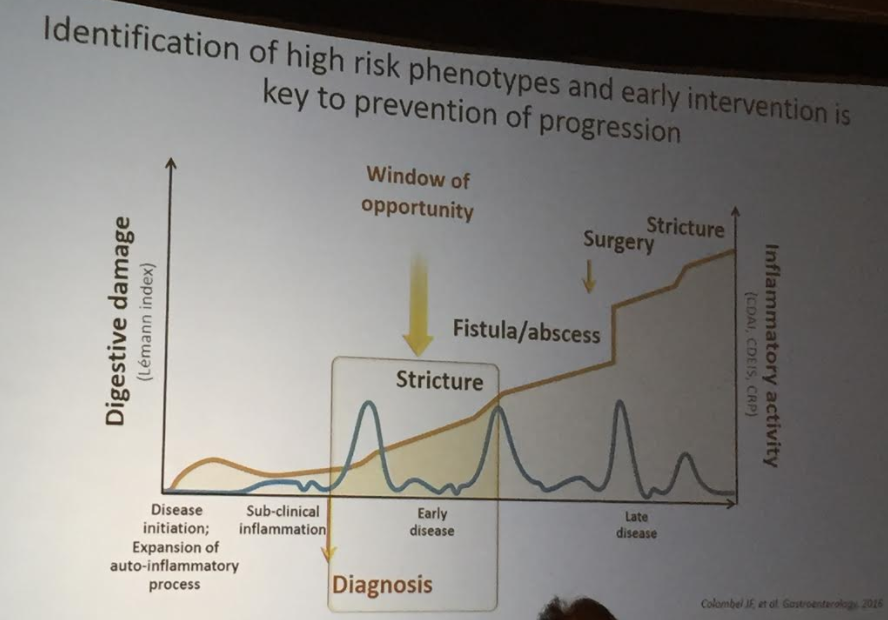
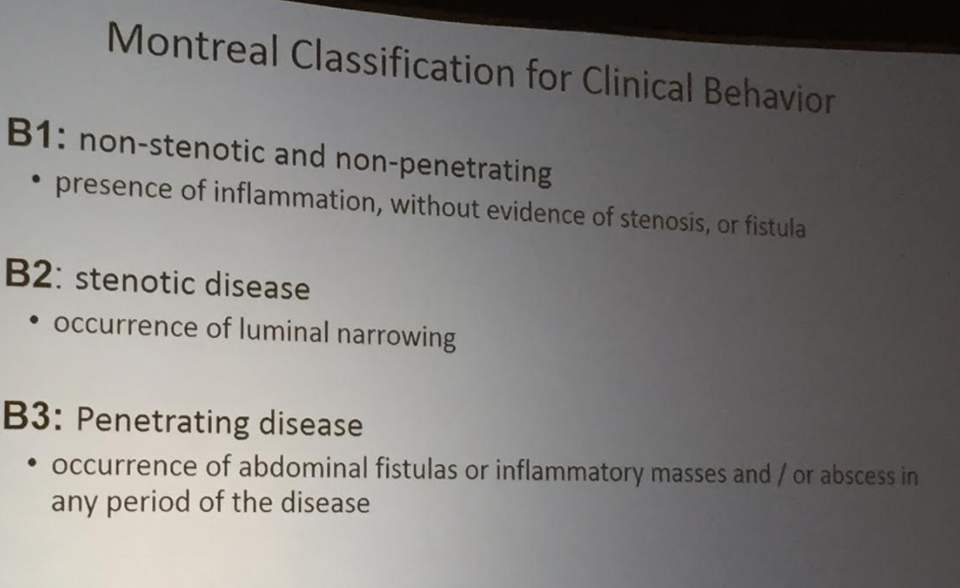
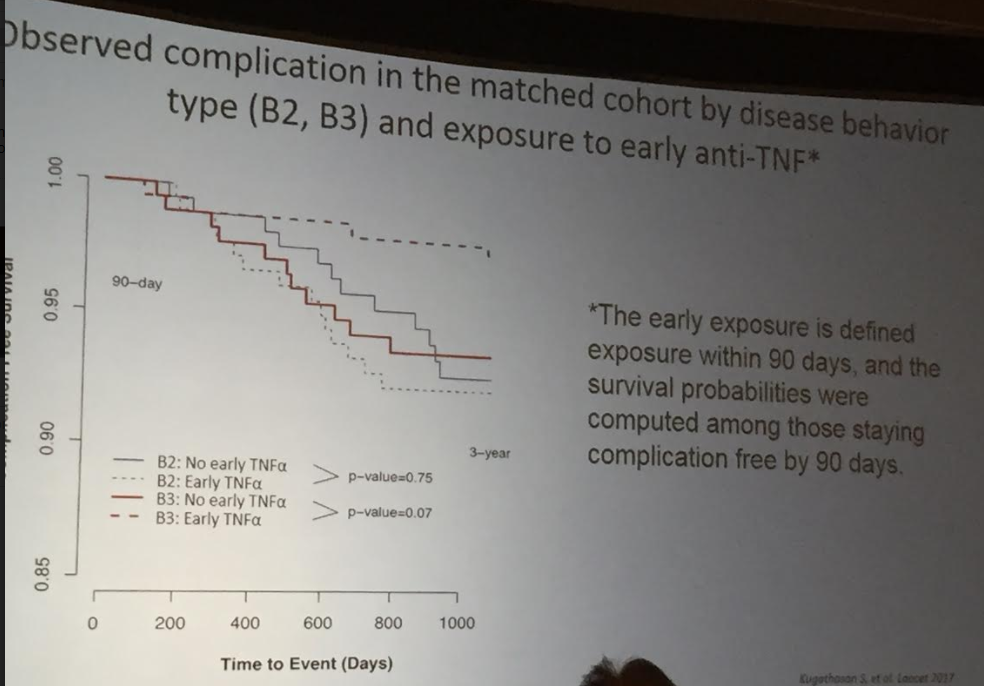
Dr. Kugasthasan’s lecture was excellent.  He reviewed the typical clinical course of Crohn’s disease; in most patients, it has a remitting and relapsing course.  The goal of the CCFA-sponsored RISK study was to determine how early approaches to treatment affect long-term outcomes.  There is likely a window of opportunity to more favorably affect natural history of the disease. In addition, the goal is to determine whether there are predictive markers of severe disease course.  This prospective study analyzed 913 patients.  In this cohort, 835 remained with B1 (inflammatory) phenotype and 90 developed either B2 (stricturing) phenotype or B3 (penetrating) phenotype.

RISK Study AbstractPrediction of complicated disease course for children newly diagnosed with Crohn’s disease: a multicentre inception cohort study (S Kugathasan et al. Lancet 2017; 389: 17108. DOI: http://dx.doi.org/10.1016/S0140-6736(17)30317-3)

Key findings:

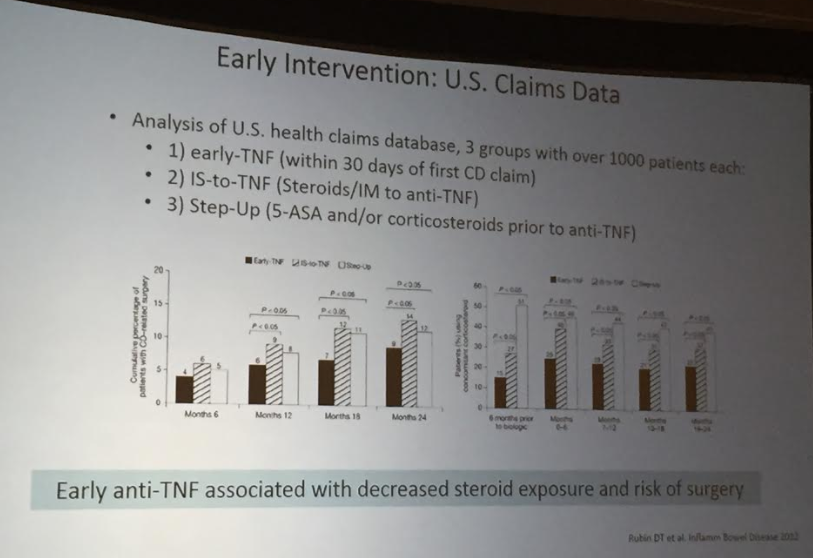
  • Early TNF therapy reduced the likelihood of penetrating (B3) but not stricturing (B2) disease
  • Based on analysis of genetic expression at baseline, individuals who are likely to develop B2 or B3 disease can be identified. This assay may be available clinically in a few years

Jahnavi Srinivasan -Multi-Disciplinary Approach to IBD A Surgical Perspective

  • Teeuwen PH et al study spans a long period and there have been many changes since that time. The study’s 9% 30-day mortality rate is very high (current Whipple 30-day mortality ~2%)
  • 3-stage surgery most common now for ulcerative colitis due to sicker patients who now need operation
  • Harder to differentiate UC and CD
  • Try to get patients off steroids; this is a key factor in surgical complications. Nutritional support may be helpful though some effects may be mediated by helping with steroid tapering

Disclaimer: These blog posts are for educational purposes only. Specific dosing of medications (along with potential adverse effects) and changes in diet should be confirmed by prescribing physician.  This content is not a substitute for medical advice, diagnosis or treatment provided by a qualified healthcare provider. Always seek the advice of your physician or other qualified health provider with any questions you may have regarding a condition.

CCFA: Updates in Inflammatory Bowel Disease 2017 (part 2)

Douglas Wolf -New Treatments and New Strategies

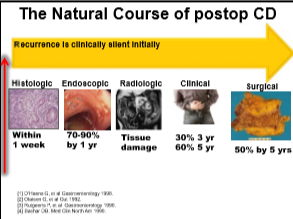
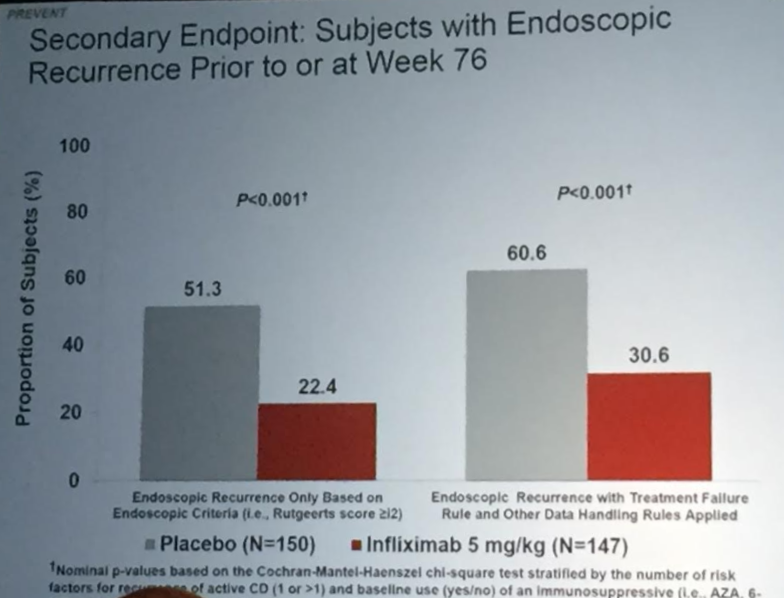
  • More proactive approach is recommended; this leads to less surgery, less hospitalization, and less antibodies to infliximab
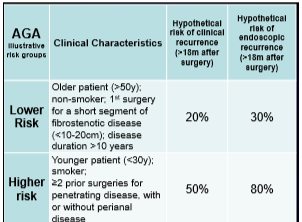
  • Risk assessment should guide treatment; higher risk indicates a need for more aggressive therapy
  • Higher doses of anti-TNFs appropriate in some cases (eg weekly Humira)
  • For distal colitis/proctitis, budesonide foam is an alternative to cortifoam
  • Azathioprine monotherapy has a low response rate
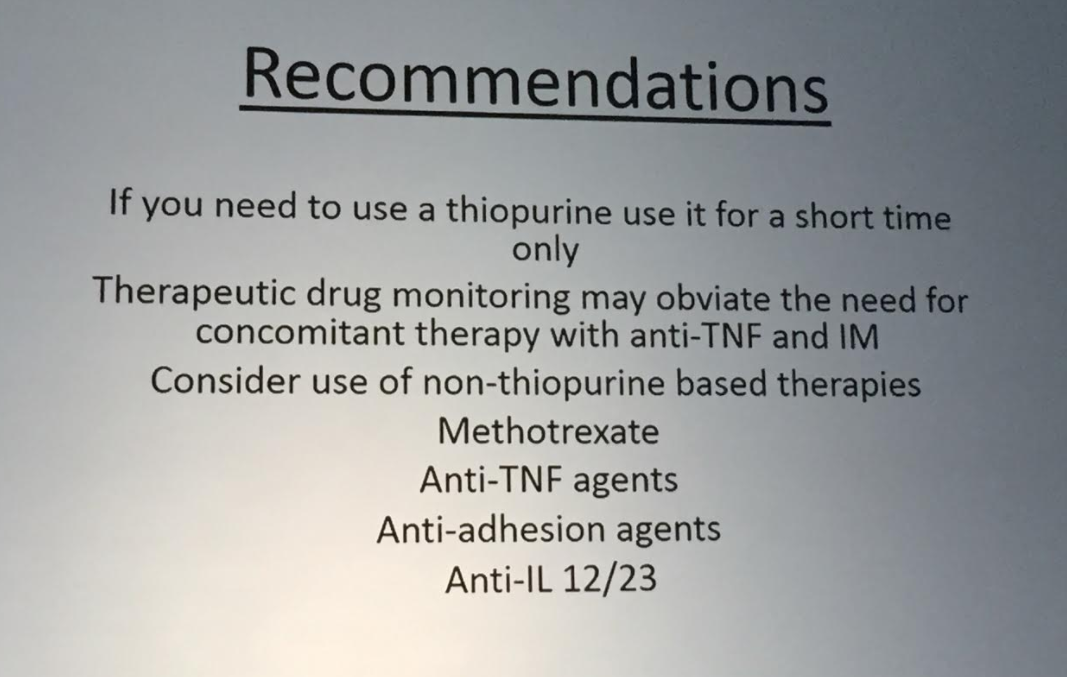
  • Combination therapy may not be needed if good IFX levels obtained.  Though, it is possible that development of antibodies precludes achieving good levels; thus, combination therapy may increase likelihood of good levels by reducing antibody formation, particularly earlier in course
  • Vedolizumab can be shortened to q4weeks if not improving.
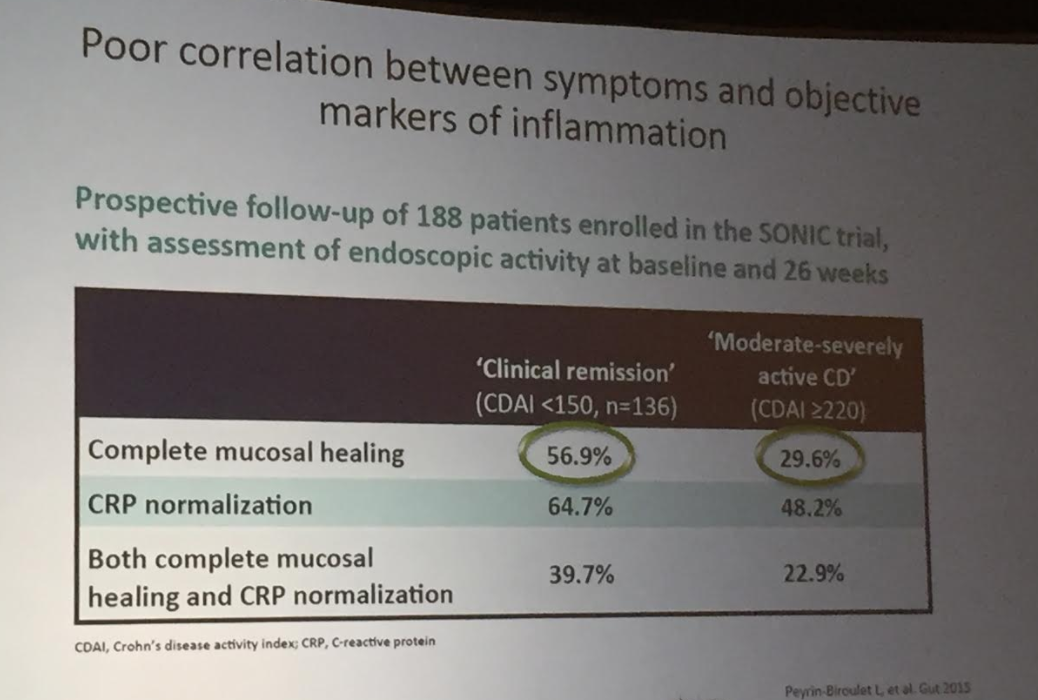
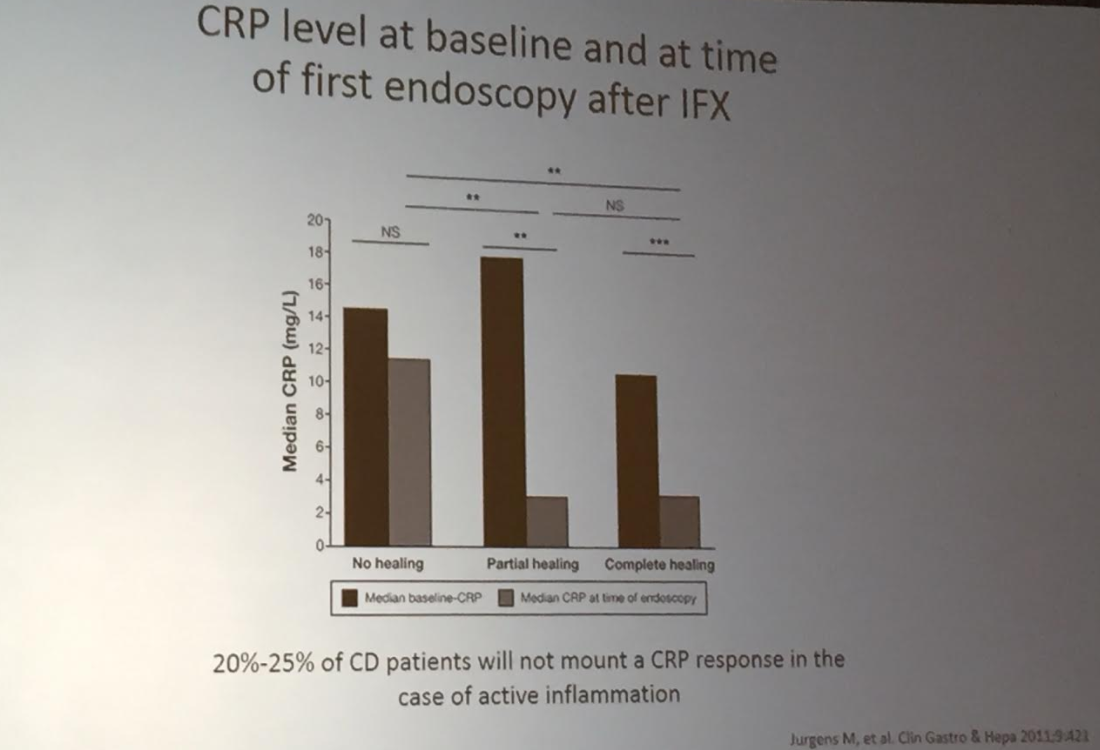
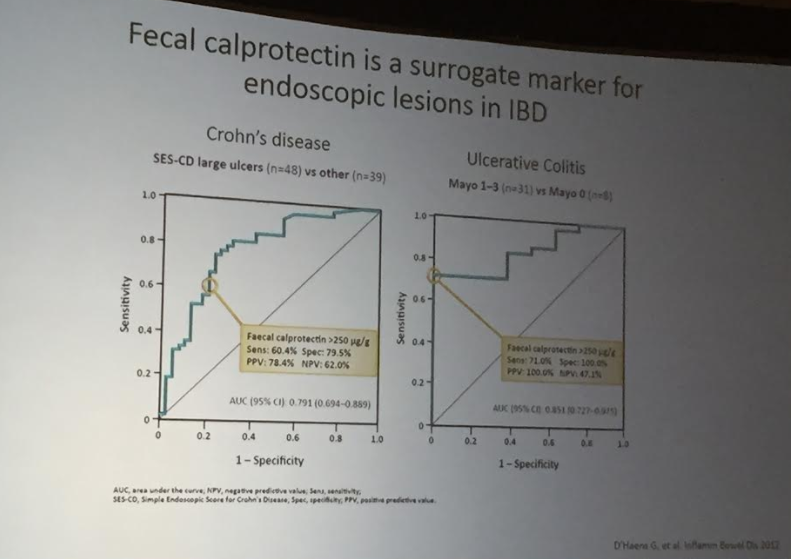
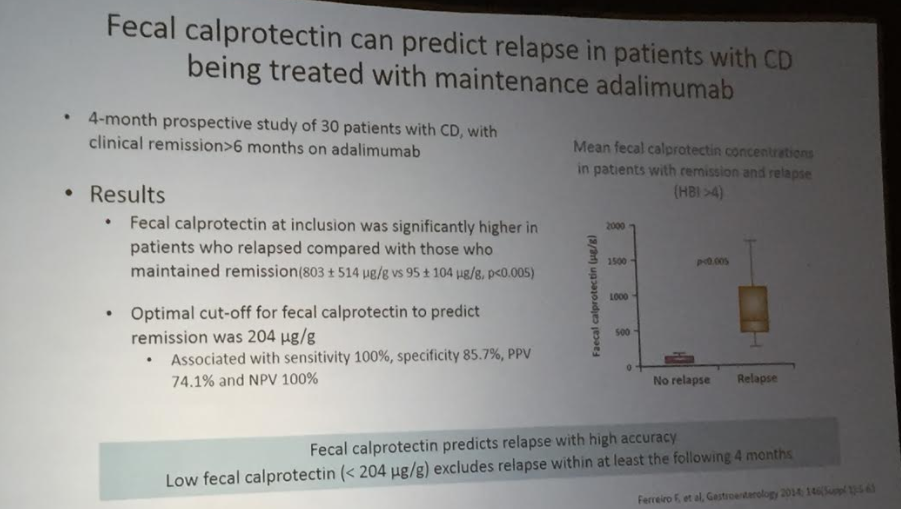
  • CALM study: symptom based management compared to management based treat-to-target relying on CRP, and calprotectin. Improved outcomes with treatment based on CRP, calprotectin in addition to symptoms.
  • Tofacitinib –will be available in 2018 for ulcerative colitis

Chiristina Ha -Treatment Strategies in the Elderly

Dr. Ha referenced Dr. Sandborn who recently stated that combination therapy should be first-line therapy in moderate-to-severe disease –though this may be different in elderly patients.

  • Older age –increases mortality risk
  • Immunosenescence -relative immunodeficiency state associated with aging
  • Pharmokinetic changes with aging
  • Increased susceptibility to drug toxicity (eg. Renal, hepatic)
  • Older patients usually excluded from therapeutic trials
  • Polypharmacy is more common

Treatment:

  • Frequent strategy in elderly has been using 5-ASAs and steroids, even in moderate-to-severe disease. This has been due to increased fear of adverse events with IMM and anti-TNFs.  However, using data from rheumatoid arthritis, older patients’ biggest risk is steroids.
  • Thiopurines have unfavorable risk profile in the elderly.
  • Anti-TNFs are not as effective in the elderly
  • Preliminary data on vedolizumab -very limited data, may work better in older patients
  • Most common infections by be reduced considerably by immunizations. (eg.  ,bacterial pneumonia, herpes zoster)
  • Correct anemia, nutritional deficiencies

Disclaimer: These blog posts are for educational purposes only. Specific dosing of medications (along with potential adverse effects) and changes in diet should be confirmed by prescribing physician.  This content is not a substitute for medical advice, diagnosis or treatment provided by a qualified healthcare provider. Always seek the advice of your physician or other qualified health provider with any questions you may have regarding a condition.

CCFA: Updates in Inflammatory Bowel Disease 2017 (part 1)

Our local CCFA chapter provided a useful physician CME meeting.  The following are my notes/picutres. My notes may include some errors in transcription and errors of omission.

Nancy McGreal  -Complementary Therapies in IBD

Key points:

  1. Curcumin and VSL#3 are likely helpful
  2. Most complementary and alternative medicine (CAM) therapies are not inherently dangerous, but most are unproven
  3. Biggest risks: Nonadherence rates are increased in patient taking CAM.
  4. Despite the low overall risk of most CAM treatments, Dr. McGreal cautioned against the following:
    1. Cannabis is NOT recommended due to neurocognitive effects. It may mask active disease.
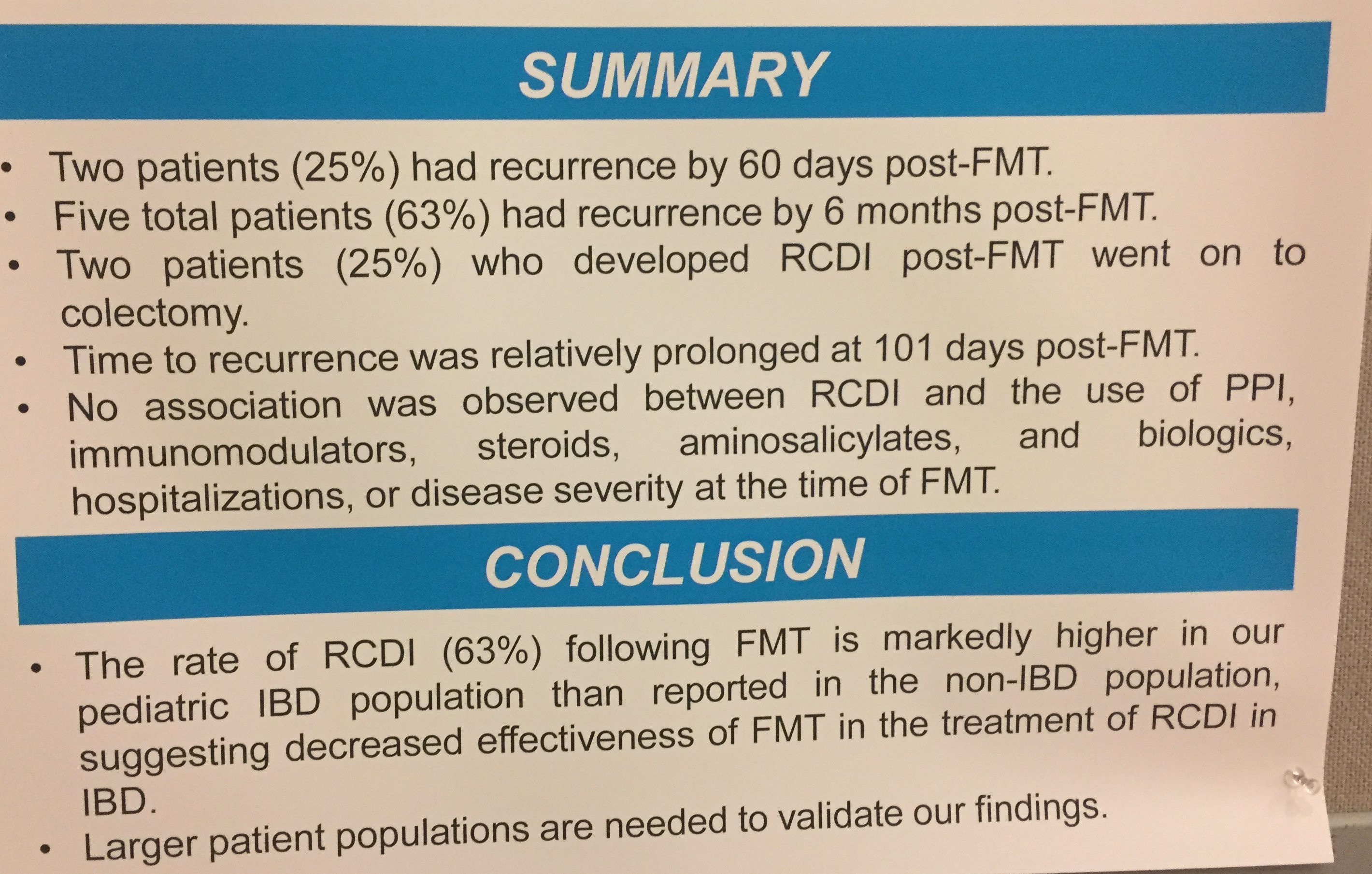
    2. FMT investigational. There are unknown risks but FMT could cause metabolic problems. Donor selection is important and we still have a lot to learn.

This final slide is from CCFA about how to order more patient information brochures.

Disclaimer: These blog posts are for educational purposes only. Specific dosing of medications (along with potential adverse effects) and changes in diet should be confirmed by prescribing physician.  This content is not a substitute for medical advice, diagnosis or treatment provided by a qualified healthcare provider. Always seek the advice of your physician or other qualified health provider with any questions you may have regarding a condition.

Outcomes of Children Whose Mothers Have Inflammatory Bowel Disease

A recent study (LR Jolving et al. Inflamm Bowel Dis 2017; 23: 1440-46) used a nationwide (Denmark) register-based cohort to examine the health outcomes of children whose mothers have inflammatory bowel disease (IBD).  This cohort of 9238 children were compared with nearly 1.4 million children born to women without IBD. Median follow-up time was 9.7 years of the children whose mothers had IBD.

Key findings:

  • Hazard ratio for developing IBD in the offspring was 4.63 if maternal ulcerative colitis
  • Hazard ratio for developing IBD in the offspring was 7.70 if maternal Crohn’s disease
  • “Our data otherwise do not provide evidence for an increased risk of any of the other examined diseases in the offspring.” This included diabetes mellitus, thyroid diseases, rheumatoid arthritis, epilepsy, chronic lung disease, mood disorders, schizophrenia, epilepsy, and anxiety disorders.

Raw numbers for developing IBD:

My take: This study documents the expected finding of an increased risk of IBD among the offspring of women with IBD. No other chronic diseases were increased in this study.

Briefly noted: SM Yoon et al. Inflamm Bowel Dis 2017; 23: 1382-93.  This retrospective registry study included the following:

  • 314 subjects with Crohn’s disease (CD) who were primary nonresponders, and 179 with CD who were secondary nonresponders
  • 145 subjects with ulcerative colitis (UC) who were primary nonresponders and 74 with UC who were secondary nonresponders

Key findings: “Colonic involvement (OR 8.0) and anti-TNF monotherapy (OR 4.9) were associated with primary nonresponse to anti-TNF agents in CD.” Higher ANCA levels in UC (HR 1.6) were associated with time to loss of response to anti-TNF agents.


Combination Therapy with Adalimumab -Is it Helpful?

A recent study (JM Chalbhoub et al. Inflamm Bowel Dis 2017; 23: 1316-27) performed a systematic review and meta-analysis to examine the effectiveness of Adalimumab (ADA) combination therapy compared with monotherapy.  With infliximab (IFX), the SONIC study, showed that combination therapy with an immunomodulator (IMM) (azathioprine) improved response; combination therapy resulted in reduced immunogenicity, lower rates of infusion reactions, and higher IFX levels.

With the advent of widespread use of therapeutic drug monitoring, some have questioned the need for combination therapy with IFX.  The need for combination therapy for ADA is also a matter of debate.  ADA has less immunogenicity than IFX and it is unclear if combination therapy will improve outcomes. There have been conflicting studies regarding combination therapy with ADA, prompting the current meta-analysis.

The authors identified 24 articles for inclusion from an initial pool of 1194. Key findings:

  • No significant difference between combination therapy and monotherapy was noted for induction of remission (OR 0.86) or response (OR 1.01). The induction of remission is based on data from 3096 patients (1400 on combination treatment).
  • No difference was noted for maintenance of remission (OR 0.97) or response (OR 0.91). The maintenance of remission is based on data from 1885 patients (859 on combination treatment).
  • Patients receiving combination therapy had lower odds of developing antidrug antibodies (OR 0.24)
  • Subgroup analysis in anti-TNF experienced patients showed improved successful induction of remission (OR 1.26) but also more frequent opportunistic infections (OR 2.44)

Overall, the authors conclude that “combination of ADA and immunomodulators does not seem superior to ADA monotherapy for induction and maintenance of remission and response to Crohn’s disease.” They do comment on the recent DIAMOND study which was a randomized open-label top-down strategy trial in anti-TNF-naive and IMM-naïve patients.  While no overall advantage of combination therapy was evident, better endoscopic response (84% vs. 64% with monotherapy) was seen at 26 weeks (but not at 52 weeks).

This study has several limitations.  Overall, there were a small number of randomized trials and the trials had significant heterogeneity.

My take (borrowed from authors): “It is unclear whether the addition of IMM impacts the efficacy of a less immunogenic anti-TNF biologic such as ADA in CD.” Though, in the subgroup of anti-TNF exposed patients, “combination therapy was associated with higher odds of induction of remission.”

Related blog posts: